Lounge music
Lounge music is a style of 1950s-60s easy listening built on vibraphone, strings, Latin rhythm and crooners, from Hawaiian exotica to Las Vegas casino rooms.
United States, 1950
Easy Listening family
Born
1950
United States
Subgenres
3
Documented branches
Links
27
Genres it drew on or shaped
Tempo
65-120 BPMLineage
Family tree
Grew out of
Derived from
- Big band
Derived from
Influenced by
United States, 1950
Lounge music
Led to (3)
Timeline
Era by era
From the first sparks to today. Select a dot to read the story behind it.
- Hotel bars and cocktail combos
1945 to 1953
- Exotic colour and hi-fi
1950 to 1960
- Vegas swing and the crooners
1954 to 1966
- Orchestral crossovers
1960 to 1969
- Thrift-store years
1970 to 1989
- Cocktail nation
1991 to today
Eras
Moments
- 1 Hotel bars and cocktail combos, 1945 to 1953
- 2 Exotic colour and hi-fi, 1950 to 1960
- 3 Vegas swing and the crooners, 1954 to 1966
- 4 Orchestral crossovers, 1960 to 1969
- 5 Thrift-store years, 1970 to 1989
- 6 Cocktail nation, 1991 to today
around 1945
Hotel bars and cocktail combos
Pianists and small combos play standards in hotel bars and casino lounges. The Mary Kaye Trio is among the first Las Vegas lounge acts of the early 1950s.
- 1945Cocktail music takes root in hotel barsPiano and small-combo sets of standards in bars and hotel lounges are the live practice behind recorded lounge music.
1950
Exotic colour and hi-fi
Les Baxter and Martin Denny add jungle birds, tiki percussion and Latin rhythm to lush arrangements. Hi-fi and stereo turn the record into a showpiece for the living-room sound system.
- 1950Yma Sumac's Voice of the XtabayLes Baxter produces one of the first exotica recordings, setting the template for exotic-flavoured lounge.
- 1951Les Baxter records Quiet VillageThe tropical mood piece on Capitol becomes the standard that Martin Denny later turns into a hit.
- 1952Mary Kaye Trio plays the Las Vegas loungesDocumented as one of the first acts in the Vegas casino lounge scene of the early 1950s.
- 1952Sands Hotel opens on the Las Vegas StripIts Copa Room later hosts the Rat Pack, the most famous lounge-era stage show.
1954
Vegas swing and the crooners
Louis Prima, Dean Martin, Sinatra and the Rat Pack make the casino lounge a stage. Peggy Lee and Julie London bring a hushed, torch-song intimacy to Capitol and Liberty.
- 1954Louis Prima and Keely Smith debut at the SaharaTheir loud, swinging lounge act with Sam Butera and the Witnesses becomes a Vegas template.
- 1954Dean Martin records SwayThe mambo-flavoured Capitol single is Martin's signature romantic Latin number.
- 1955Julie London's Cry Me a RiverThe sparse guitar-and-bass torch ballad on Liberty becomes a million-seller and defines the intimate lounge singer.
- 1955Martin Denny forms his combo at the Shell BarBird calls and bullfrog sounds at the Hawaiian Village hotel in Honolulu inspire his exotica arrangements.
- 1957Martin Denny's ExoticaThe Liberty album that includes Quiet Village sets the sound of tiki-bar lounge and later reaches number one on Billboard.
- 1958Peggy Lee records FeverA bass-and-snaps arrangement on Capitol shows how little lounge needs to sound sultry.
- 1958Esquivel's Other Worlds, Other SoundsHis first American-made RCA album makes stereo separation and a large orchestra the main attraction.
- 1959Quiet Village is a Billboard top-ten singleMartin Denny's version goes gold and brings exotica lounge to the pop charts.
1960
Orchestral crossovers
Bert Kaempfert, Henry Mancini and Sergio Mendes take lounge textures to the pop charts and the film screen: a Hot 100 number one, a cartoon-cat theme, and bossa nova with a pop gloss.
- 1960Summit at the Sands and Ocean's 11While filming the heist movie, Sinatra, Martin, Davis, Bishop and Lawford play the Copa Room, a date seen as the birth of the Rat Pack.
- 1960Sinatra founds Reprise RecordsThe artist-owned label becomes home to his swinging orchestral albums of the 1960s.
- 1961Wonderland by Night reaches Hot 100 number oneBert Kaempfert's instrumental from Hamburg leads the Billboard Hot 100 for three weeks from 9 January.
- 1963Henry Mancini's Pink Panther ThemeA saxophone-led jazz-lounge theme from the film score becomes one of the best-known tunes of its kind.
- 1964Sinatra and Basie's Fly Me to the MoonQuincy Jones speeds the waltz into four-four swing for the Reprise album It Might as Well Be Swing.
- 1966Sergio Mendes and Brasil '66 record Mas Que NadaTheir bossa nova pop version reaches number 47 on the Hot 100 and number four on the easy listening chart.
around 1970
Thrift-store years
The sound leaves the mainstream and the records land in second-hand bins. By the late 1980s younger listeners start rediscovering their parents' music.
1991
Cocktail nation
Combustible Edison, Capitol's Ultra-Lounge reissues and the film Austin Powers make a camp, retro-futurist lounge fashionable again in the 1990s, alongside indie and swing-revival scenes.
- 1993Re/Search publishes Incredibly Strange MusicThe collector-interview book places Martin Denny's exotica and other forgotten sounds in a hipster canon.
- 1994Combustible Edison release I, SwingerThe Providence neo-lounge group's Sub Pop debut leads the 1990s cocktail revival.
- 1994Esquivel compilation Space-Age Bachelor Pad MusicThe compilation revives interest in the Mexican bandleader.
- 1996Capitol launches the Ultra-Lounge seriesCompilations starting with Mondo Exotica repackage 1950s and 60s exotica, mambo and space age pop; the series runs to 2009.
- 1997Austin Powers: International Man of MysteryThe 1960s spy parody, with Burt Bacharach appearing as himself, brings lounge style to a mass audience.
Listening path
Anthems
The records that built the sound, grouped by the part they played. Thumbnails come from YouTube; the player loads only when you press play.
- 01
Les Baxter, 1951 · Capitol Records
The tropical mood piece that gave lounge its exotic template, later a hit for Martin Denny.
Origin - 02
Julie London, 1955 · Liberty Records
The whispering, guitar-and-bass torch ballad that defined the intimate lounge singer.
Origin - 03
Martin Denny, 1957 · Liberty Records
Denny's bird-call version took exotic lounge into the pop top ten in 1959.
Breakthrough - 04
Bert Kaempfert, 1960 · #1 Billboard Hot 100, 1961 · Decca Records
A Hamburg-made trumpet instrumental that took lounge orchestration to number one in the US.
Breakthrough - 05
Henry Mancini, 1963 · RCA Records
A saxophone-led lounge-jazz theme that took the style to film and cartoon audiences worldwide.
Start hereBreakthrough - 06
Dean Martin, 1954 · Capitol Records
A mambo-lit romantic standard that became Dean Martin's lounge signature.
Start hereAnthem - 07
Louis Prima, 1956 · Capitol Records
The loud, swinging Vegas medley that became the lounge act's anthem.
Anthem - 08
Peggy Lee, 1958 · Capitol Records
Bass, snaps and a murmured vocal prove that lounge needs very little to smoulder.
Anthem - 09
Esquivel, 1962 · RCA Records
Esquivel's stereo-ping-pong, wordless-chorus showpiece, the sound of space age bachelor pad music.
Anthem - 10
Frank Sinatra, 1964 · Reprise Records
Sinatra and Basie's four-four swing of the standard, the best-known Rat Pack-era lounge sound.
Start hereAnthem - 11
Sérgio Mendes, 1966
Brasil '66's bossa nova pop version brought Brazilian rhythm into mainstream lounge and easy listening.
Crossover - 12
Combustible Edison, 1996 · Sub Pop
From Schizophonic!, a 1990s neo-lounge track that mixes cocktail-era vibes with a modern sheen.
Revival
Facts
| Family | Easy Listening |
| Origin | United States |
| Emerged | 1950s-1960s |
| Status | Revival |
| Tempo | 65 to 120 BPM |
| Meter | Mostly 4/4; tempo varies per piece |
| Grew out of | Light music, Big band |
| Subgenres | 3 |
Lounge music is a style of easy listening that took shape in the United States in the late 1940s and 1950s, in hotel bars, casino lounges and tiki rooms. It combines lush strings, vibraphone or electric organ, Latin rhythm and a smooth, close-miked singer.
It divides into two main branches, the tropical sound of exotica and the swing of the Las Vegas lounge, and it returned in the 1990s as the cocktail nation revival.
Origins
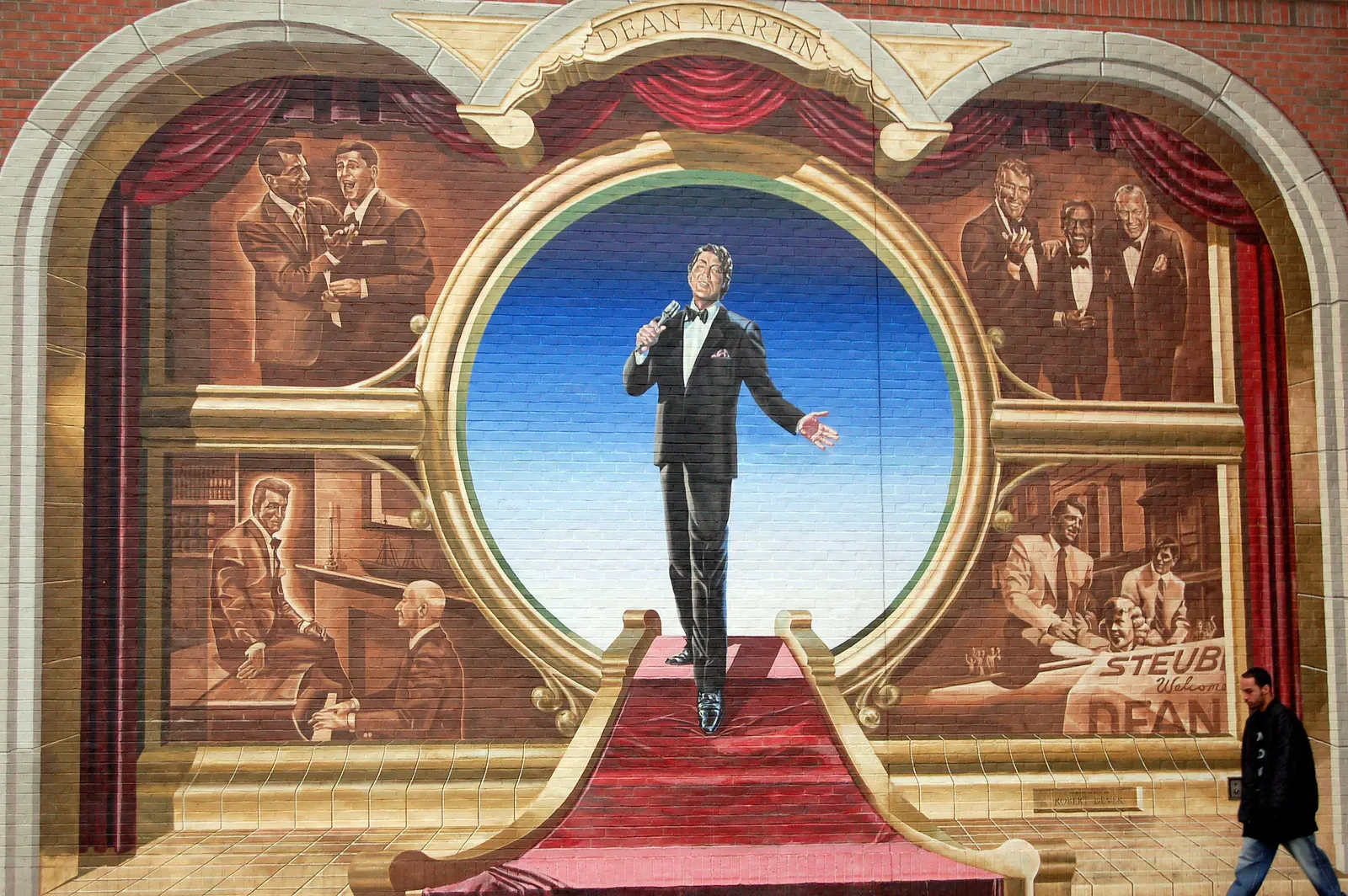
Lounge began as a job, not a genre. After the Second World War, hotels and cocktail bars across the United States hired pianists and small combos to fill the room with standards: quiet enough to talk over, polished enough to feel expensive. That live habit, around 1945, is the root of everything that came later.
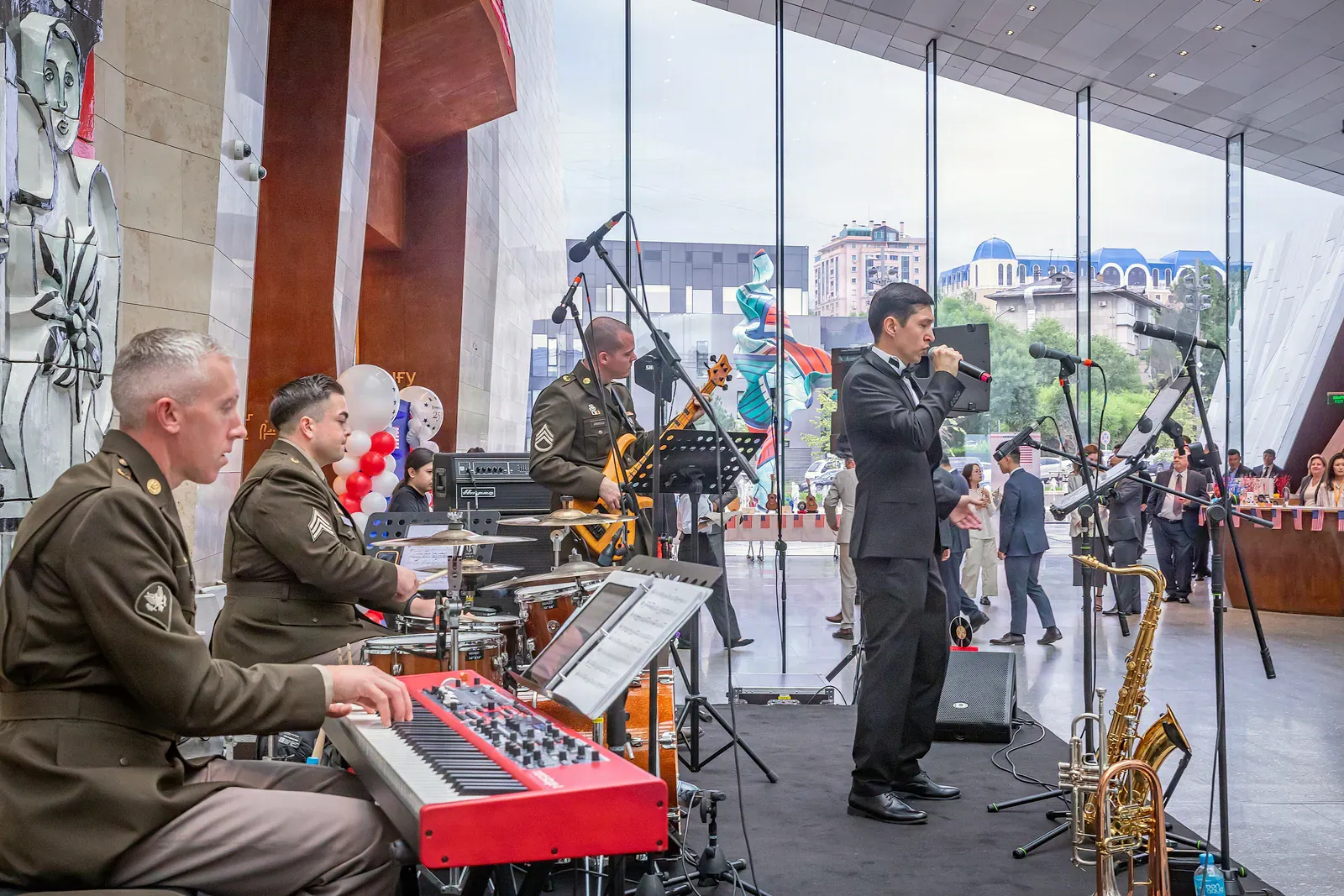
The recorded sound arrived with Les Baxter. In 1950 he arranged and conducted Yma Sumac’s “Voice of the Xtabay” for Capitol, an early piece of what people later called exotica. In May 1951 he recorded “Quiet Village” for the same label, a tropical mood piece with birdsong and soft percussion. Neither record was made for a dance floor. Both were made to take the listener somewhere warmer.
Almost at once there was a second branch. The Mary Kaye Trio, one of the first acts of the Las Vegas lounge circuit in the early 1950s, played the casino rooms that the new hotels used to keep gamblers in their seats. The Sands opened on the Strip in 1952, and its Copa Room would become the best-known lounge-era stage.
Hi-fi and exotica, 1950-1960
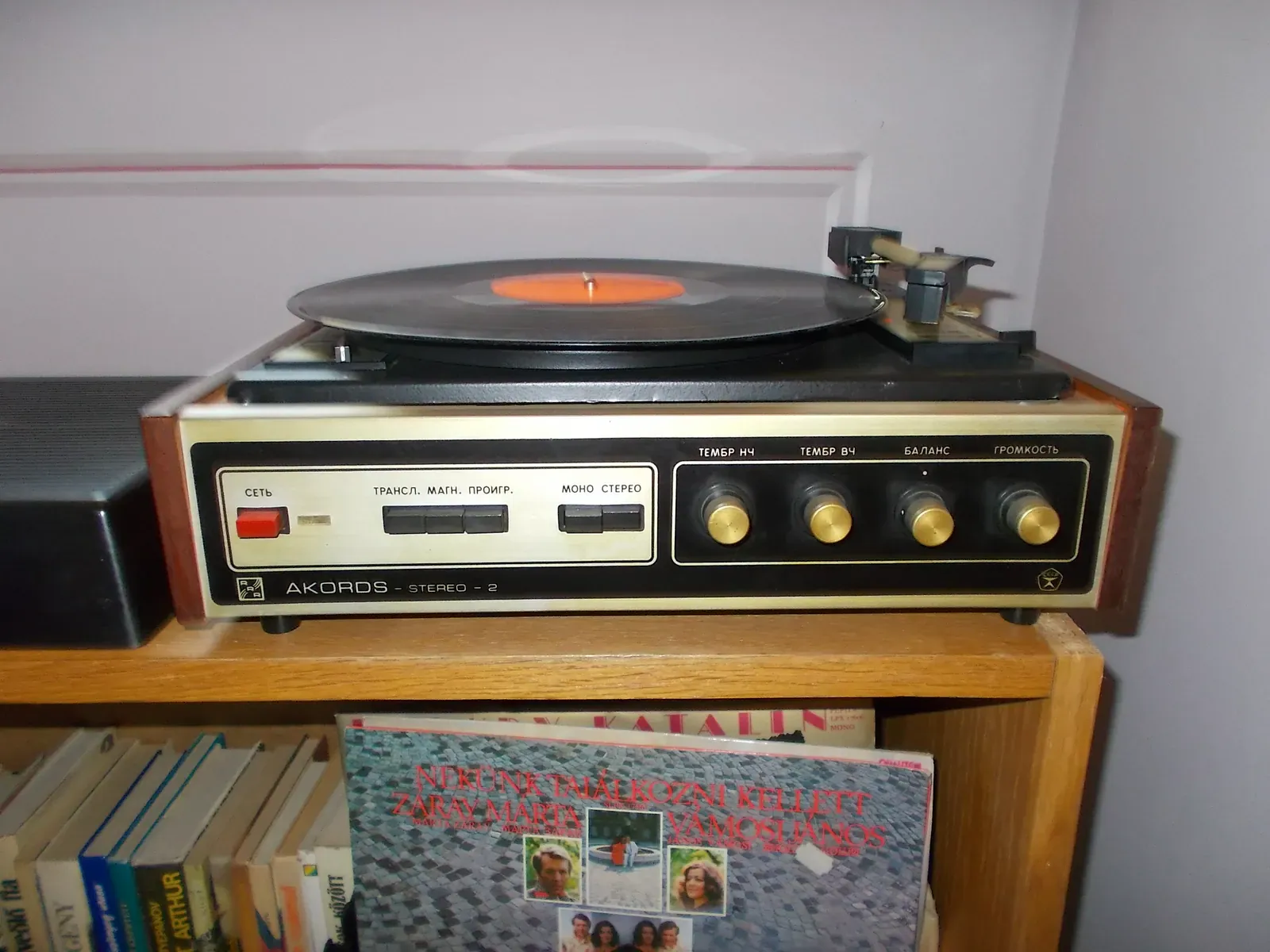
The first era, from about 1950 to 1960, belonged to the recording studio. Home hi-fi spread in the mid-1950s, and the stereo LP arrived in 1958. Arrangers wrote for it: percussion sent hard left and right, a vibraphone floating in the middle, strings behind. Vibes and the Hammond organ gave the sound its signature shimmer, since both could hold a note softly without a horn’s bite.
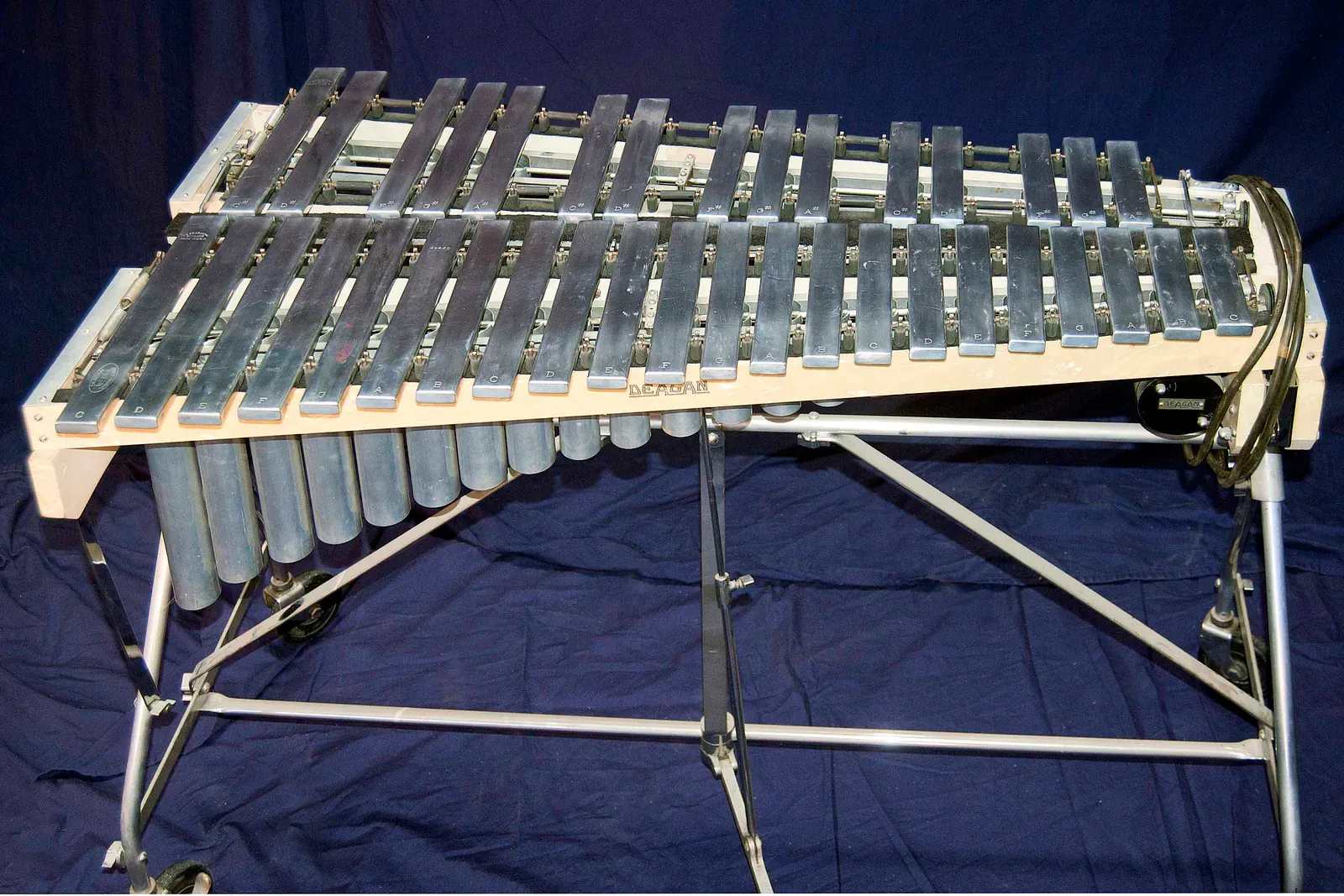
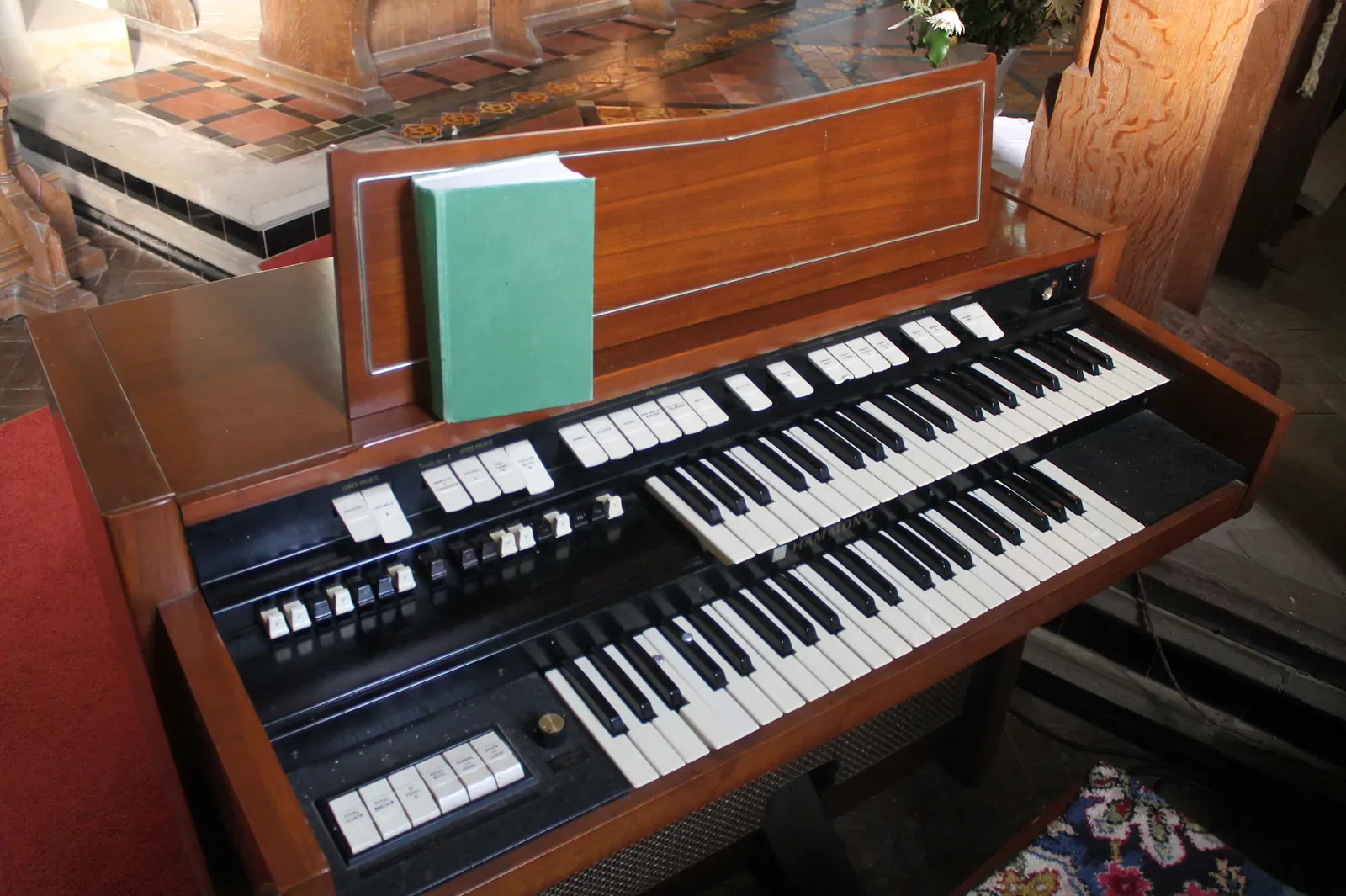
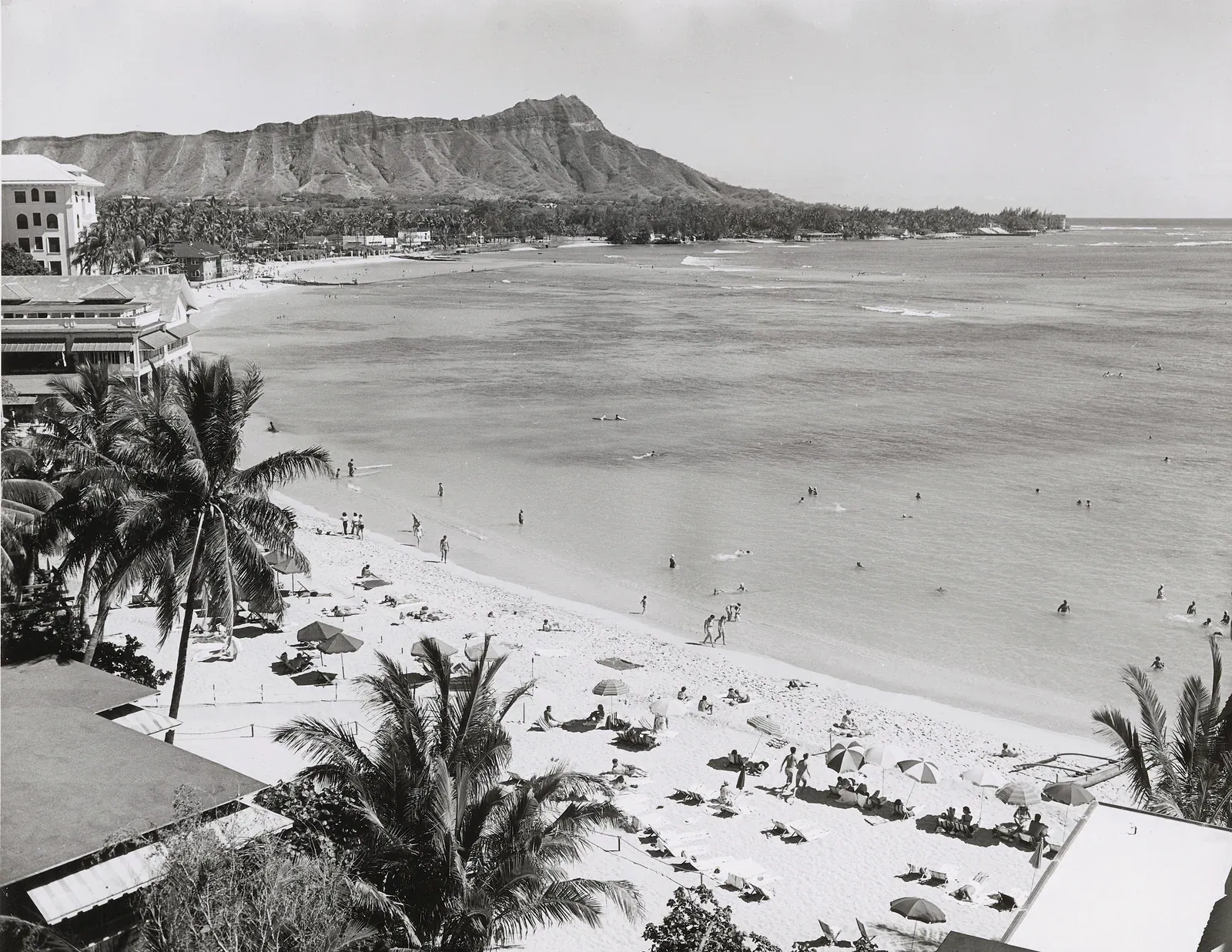
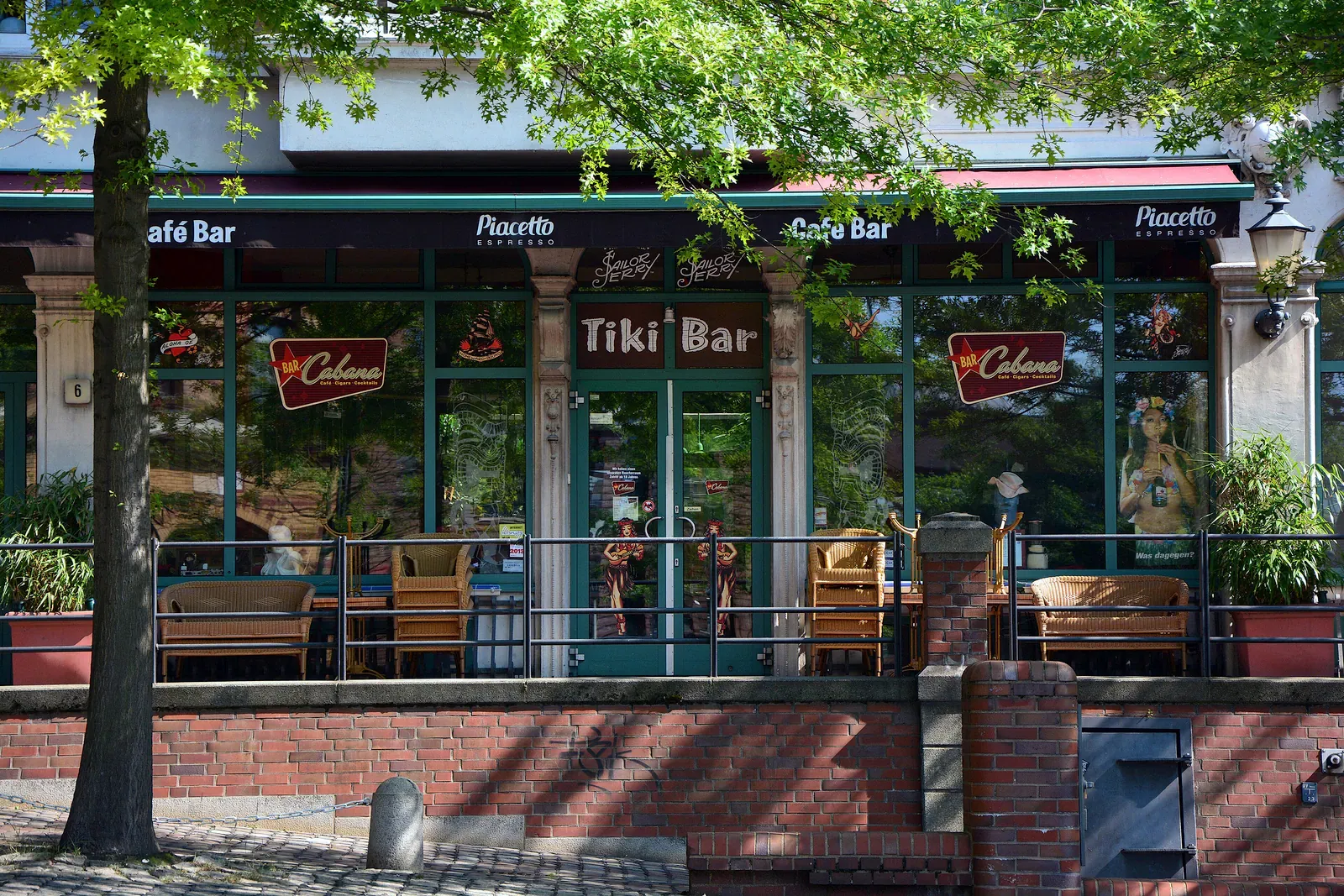
In Honolulu, pianist Martin Denny formed a combo at the Shell Bar of the Hawaiian Village hotel in 1955. Bird calls and bullfrog sounds from the garden pond worked their way into the arrangements, and the band added them on purpose. His album Exotica came out on Liberty in 1957. By 1959 it topped the Billboard album chart, and his version of “Quiet Village” went into the pop top ten.
Capitol Studios in Hollywood added to this. Its echo chambers, in use from 1956, gave records a deep, glossy space. Capitol became the label of Peggy Lee and Dean Martin, and later reissued the whole era. Over at RCA, Mexican bandleader Esquivel made Other Worlds, Other Sounds in 1958 with a large orchestra, treating stereo as the main attraction.
Las Vegas lounge, 1954-1964
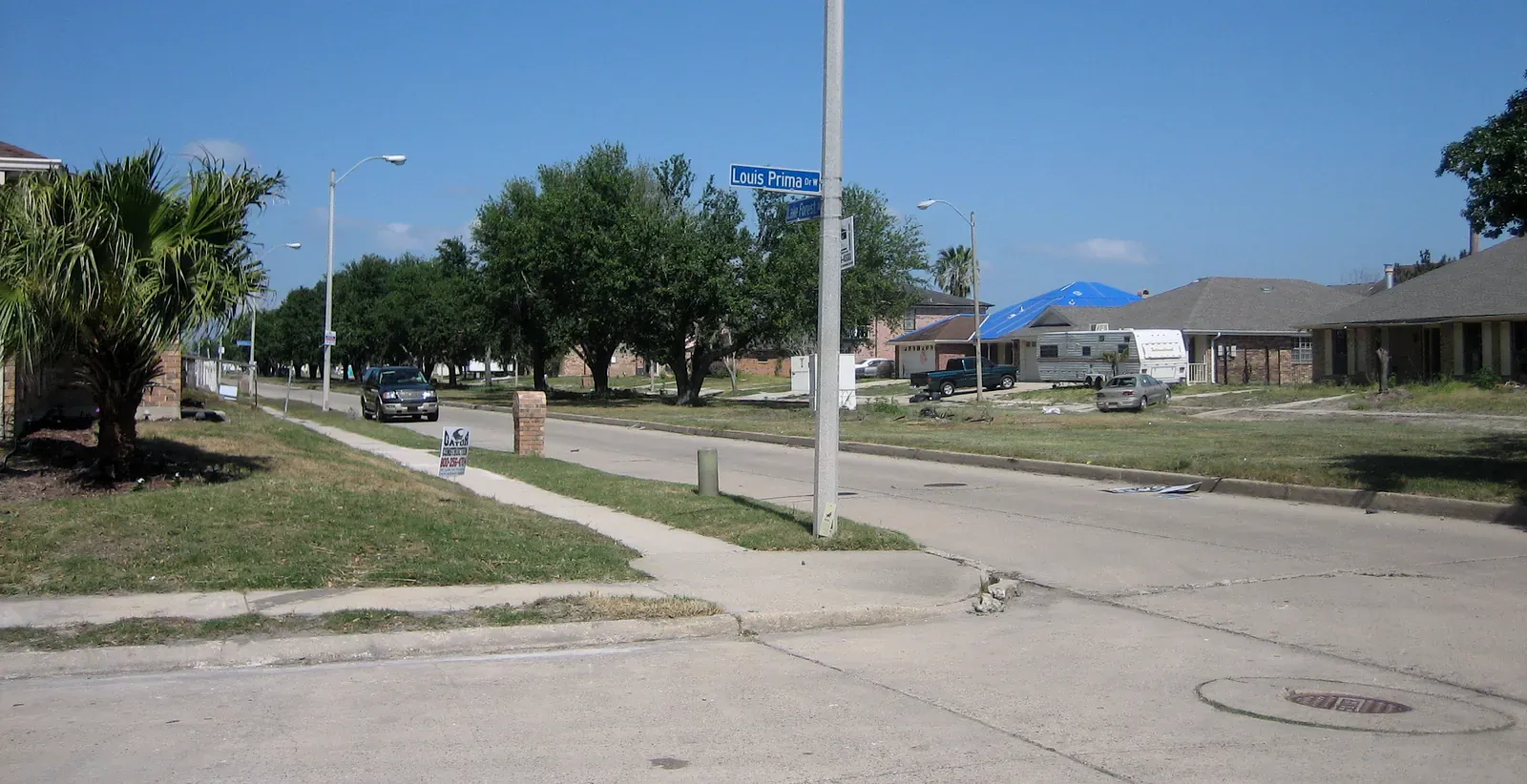
From 1954 the lounge was a stage. Louis Prima and Keely Smith opened at the Sahara that year with saxophonist Sam Butera and the Witnesses, billed as the wildest show in Vegas, and it worked at once. Prima’s loud, joking sets made the late-night lounge a destination rather than a waiting room. The sound of his act was swing with a New Orleans accent.
Other singers took the opposite path and went soft. Julie London recorded “Cry Me a River” for Liberty in 1955 with only guitar and bass behind her whisper, and it sold a million. Peggy Lee’s “Fever” followed in 1958, built on a bass line and finger snaps. These records showed how little a lounge track needs. Dean Martin recorded “Sway” for Capitol in 1954, a mambo-lit romantic standard that became his signature.
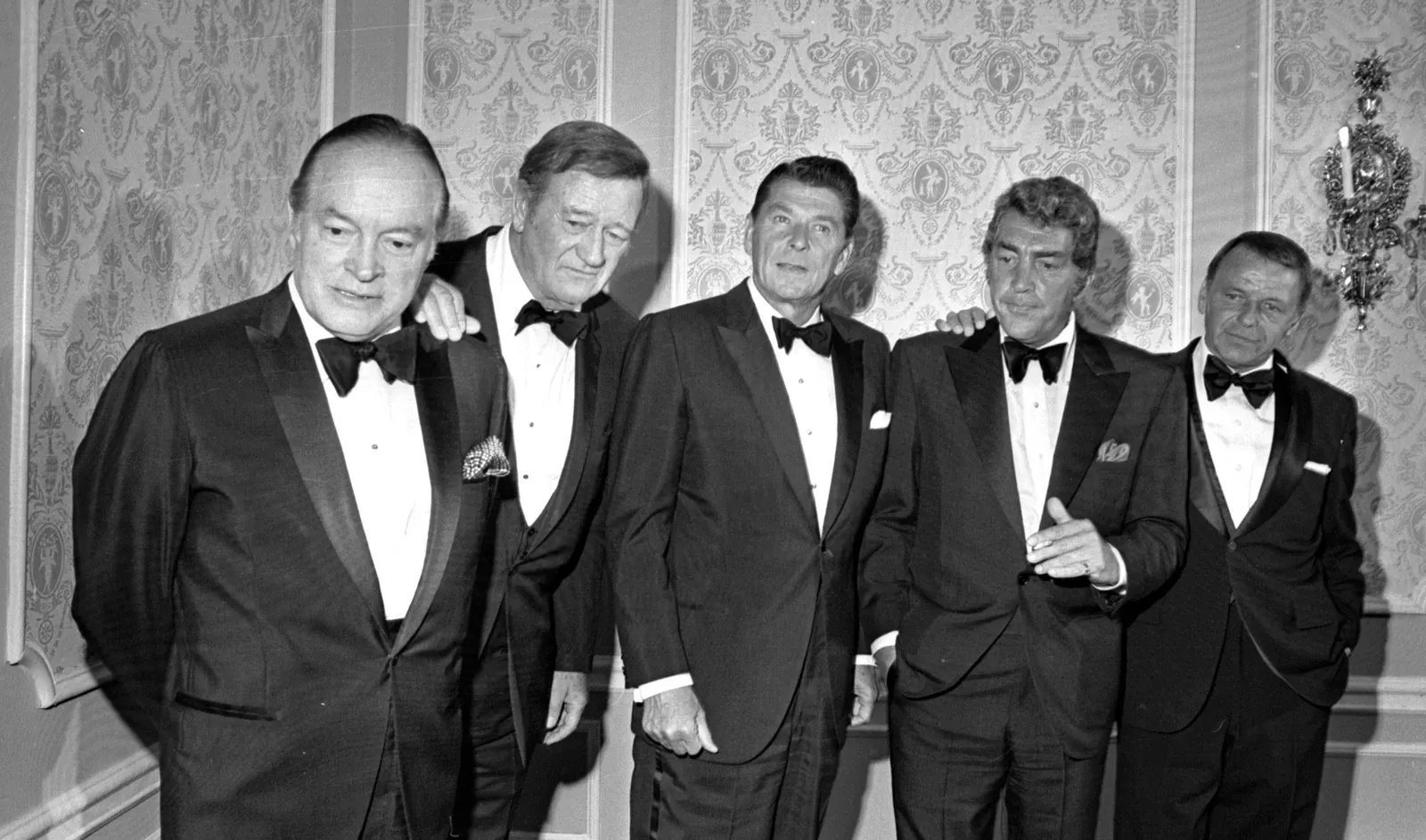
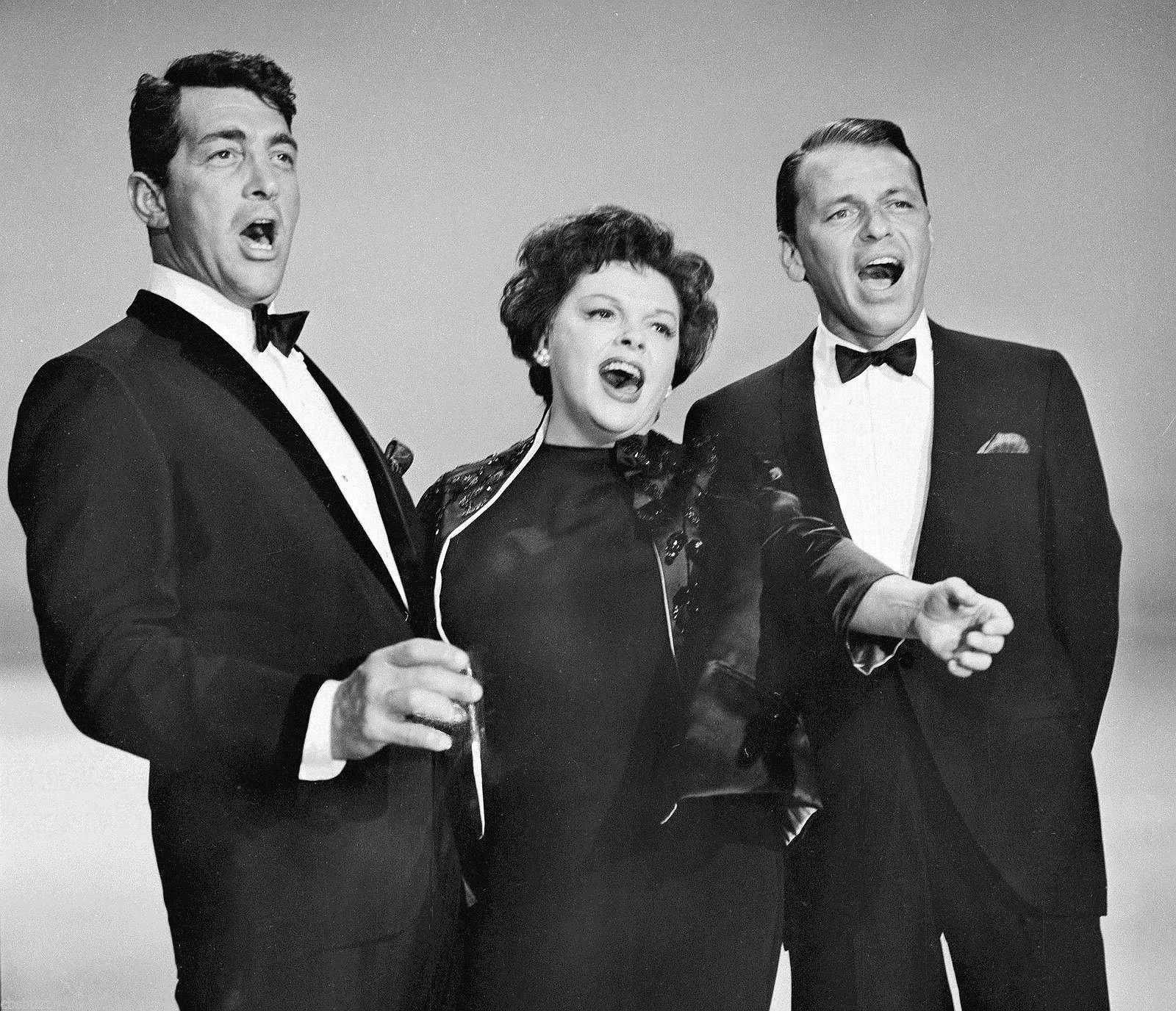
In 1960, while filming Ocean’s 11, Sinatra, Martin, Sammy Davis Jr., Peter Lawford and Joey Bishop played the Copa Room as the “Summit at the Sands.” Sinatra started Reprise the same year, and in 1964 recorded “Fly Me to the Moon” with Count Basie and Quincy Jones. Jones sped the waltz into four-four swing, and it became the best-known sound of the period.
Revival, 1993-1997
As rock took over in the late 1960s, lounge started to sound like parental taste. Records moved to thrift-store bins, where they sat through the 1970s and 80s, and collectors later found them there. The 1993 book Incredibly Strange Music praised Martin Denny and other forgotten sounds, and in 1994 Combustible Edison from Providence released I, Swinger on Sub Pop. The same year, a compilation of Esquivel recordings revived interest in his work. Capitol’s Ultra-Lounge series began in 1996 and ran to 2009. In 1997 Austin Powers: International Man of Mystery put the style in front of a mass audience, with a joke that was also an affection.
Mainstream success
Lounge reached the mainstream through instrumentals and film. In Hamburg, bandleader Bert Kaempfert recorded “Wonderland by Night” for Decca, and it led the Billboard Hot 100 for three weeks from 9 January 1961. Henry Mancini’s “Pink Panther Theme” followed in 1963, a saxophone line that reached cartoon audiences as well as jazz fans. Sergio Mendes and Brasil ’66 then carried bossa nova into pop with “Mas Que Nada” in 1966.
Culture
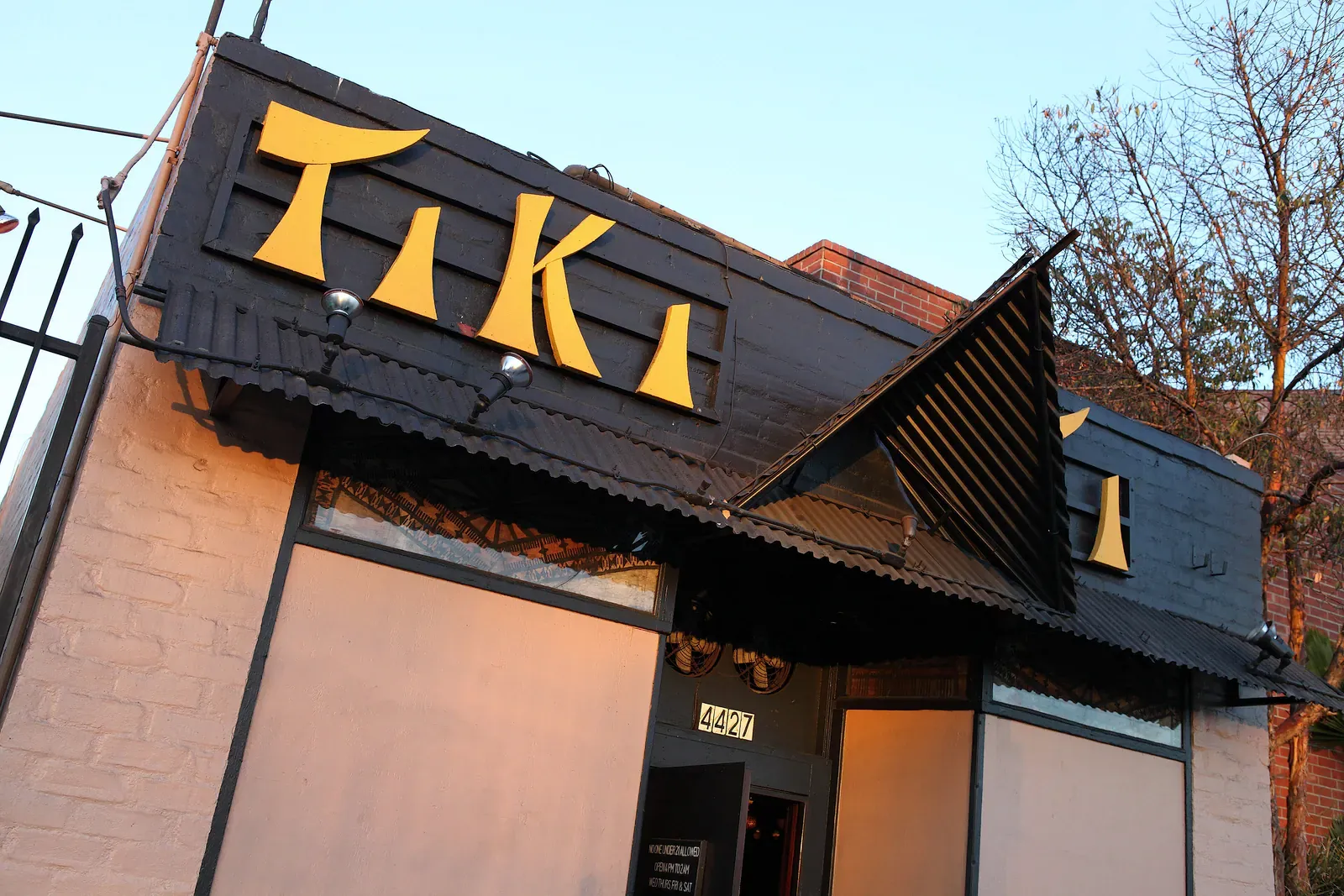
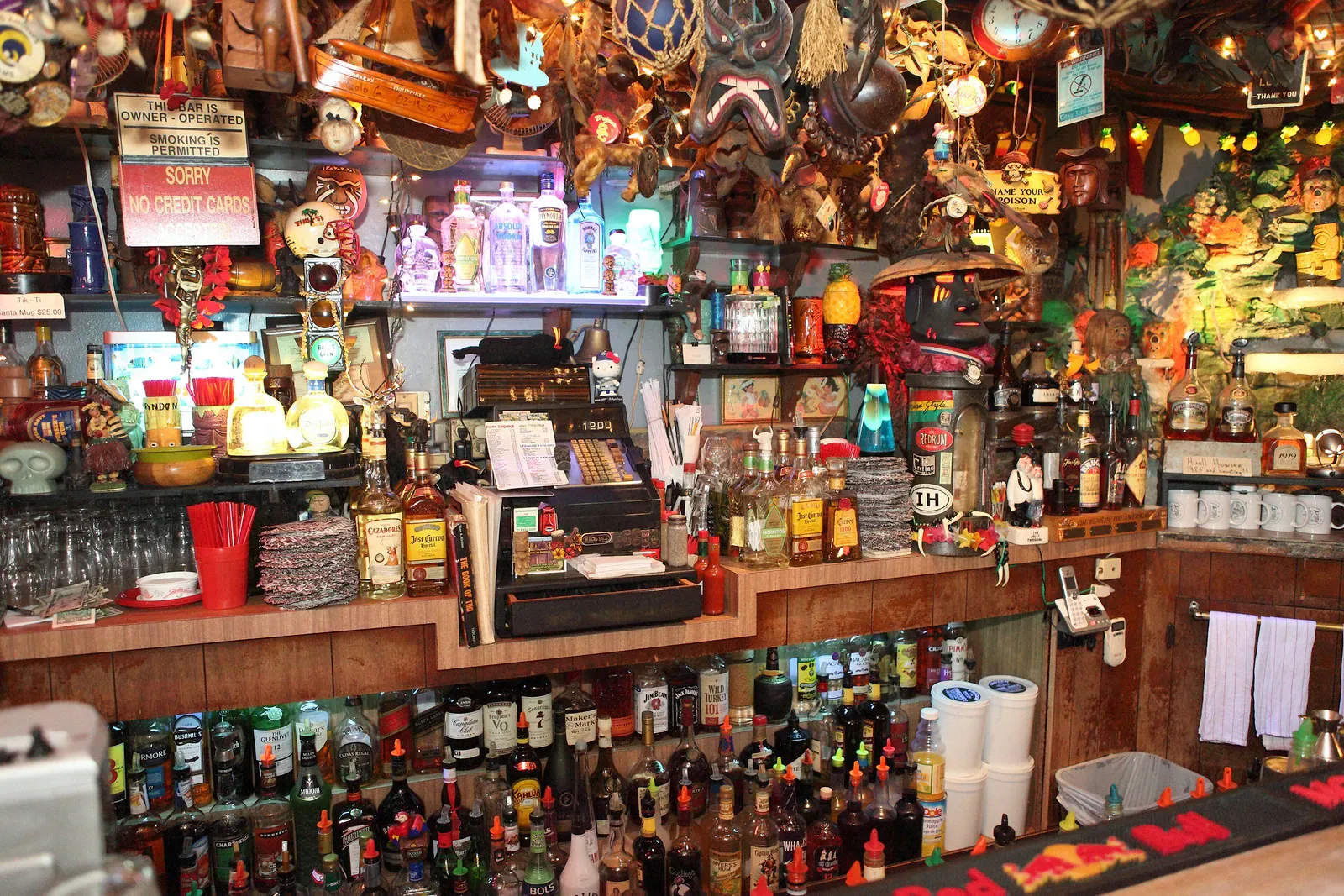
Lounge came with a dress code. Singers wore tuxedos, sometimes in ice-cream colours; Esquivel’s sleeves used space-age graphics; tiki mugs and tropical drinks set the stage for exotica. Couples danced mambo and cha-cha. The audience paid for drinks, not tickets, which is why the music was designed to sit comfortably at the edge of attention.
Misconceptions
Myth: lounge is just elevator music. Muzak-style background music was made to avoid attention. Lounge records were arranged and produced as showpieces, and Kaempfert’s number one shows people bought them to listen.
Myth: the Rat Pack invented lounge. Hotel-bar combos predate the Strip, and exotica came from Baxter and Denny, not the Vegas crooners. The Rat Pack was lounge’s most famous stage, not its origin.
Myth: it was always a joke. The 1990s revival added irony, but the originals took their craft seriously. The arrangements of Baxter, Mancini and Esquivel are careful work.
Frequently asked questions
What is lounge music?
Lounge music is a style of easy listening from the 1950s and 60s, written for hotel bars and casino rooms. It uses vibraphone or organ, strings, Latin percussion and a relaxed vocal.
What is the difference between lounge and exotica?
Exotica is the tropical branch of lounge, using bird calls, bongos and Pacific scenery. Lounge also includes Vegas swing and torch singers that have no exotic theme.
Who are the key lounge artists?
Martin Denny, Les Baxter, Esquivel, Peggy Lee, Julie London, Louis Prima, Dean Martin and Frank Sinatra made the defining records. Henry Mancini and Bert Kaempfert took the sound to the charts.
Is lounge music still made?
Yes. Combustible Edison and others revived it in the 1990s, and new lounge, exotica and tiki-bar bands keep working today. The style belongs to the wider easy listening family.
Sound
Sound sheet
Anatomy of a track
| # | Part | Bars |
|---|---|---|
| 1 | Intro (vamp, vibes or rubato strings) | 4 |
| 2 | Theme A (melody over a light Latin or swing groove) | 16 |
| 3 | Theme B (bridge, often an orchestral or vocal lift) | 8 |
| 4 | Feature solo (vibes, sax, guitar or piano) | 16 |
| 5 | Return of the theme | 16 |
| 6 | Tag and soft ending | 4 |
Signature sounds
- Vibraphone or Hammond organ colour over lush strings
- Latin percussion (bongos, congas, cha-cha and mambo patterns)
- Exotic sound effects such as bird calls and jungle sounds
- Stereo ping-pong panning between orchestra sections
- Close-mic, breathy crooned vocals with a sparse rhythm section
Drums and percussion
- Bongos
- Congas
Techniques
- Stereo ping-pong panning
- Tropical sound effects
- Echo chamber reverb
Keys and modes
Jazz and pop-standard harmony. Arrangements rest on jazz and Tin Pan Alley standards, with soft, gentle melody lines.
Vocals
Soft, gentle singing, often swinging, with the instrumental arrangement as the main attraction in much of the repertoire.
Scenes
Where it happened
Where and when the sound lived: one bar per city on a shared timeline.
North America
Latin America
Europe
Active scenes
Peak 5, 1959-2025
Casino lounges and the Sands, Sahara and Copa Room shows turned lounge into a live spectacle.
Capitol and Liberty recorded Baxter, Lee, London and Sinatra here, with Capitol Studios' echo chambers.
Martin Denny's Shell Bar combo at the Hawaiian Village hotel gave exotica lounge its birdsong sound.
Esquivel, born in Tampico, worked in Mexico before moving to the US to record for RCA in 1958.
Bert Kaempfert recorded Wonderland by Night at Studio Rahlstedt in 1959.
Combustible Edison formed here and led the 1990s neo-lounge revival.
Venues and places
Honolulu, 1955 to today. Martin Denny's combo played here with bird calls and frog sounds, the birthplace of his exotica style.
Las Vegas, 1952 to today. Opened in 1952; Louis Prima, Keely Smith and Sam Butera debuted their lounge act here in 1954.
Las Vegas, 1952 to today. Site of the 1960 Summit at the Sands; the hotel closed in June 1996 and was imploded that November.
Hollywood, 1956 to today. The Capitol Tower studios, with eight underground echo chambers, recorded Sinatra and Peggy Lee.
Hamburg, 1959 to today. Where Bert Kaempfert recorded Wonderland by Night in July 1959.
Culture
Culture markers
- Ice-cream-coloured tuxedos
Combustible Edison wore pastel tuxedos on stage, a dress code of the 1990s cocktail revival.
Fashion - Space age hi-fi sleeves
Esquivel's Other Worlds, Other Sounds shows a glamorous figure among lunar craters, the look of bachelor pad records.
Artwork - Cocktail hour listening
Lounge was designed to give a tranquil, sophisticated atmosphere for drinks in hotel bars and living rooms.
Ritual - Mambo and cha-cha couples
Latin dance rhythms in lounge tracks invite couples to step to Sway or Mas Que Nada.
Dance - Tiki and tropical styling
Bird calls and Polynesian touches in exotica went with tiki-bar decor and Hawaiian-shirt style.
Fashion
Media
Key media
- 1960Ocean's 11
by Lewis Milestone. Heist film shot while the Rat Pack performed their Summit at the Sands shows in Las Vegas.
Film - 1993Incredibly Strange Music, Vol. 1
by V. Vale and Andrea Juno (Re/Search). Collector interviews with Martin Denny and others that put exotica and lounge in a hipster canon.
Book - 1994Space-Age Bachelor Pad Music
by Esquivel. The compilation that reintroduced the bandleader to 1990s listeners.
Compilation - 1995Four Rooms
by Various directors. Combustible Edison recorded the film's music, including the main theme Vertigogo.
Film - 1996Ultra-Lounge series
by Various (Capitol Records). Eighteen numbered volumes of lounge, exotica and space age pop; the Leopard Skin Sampler won a 1997 Grammy for packaging.
Compilation - 1997Austin Powers: International Man of Mystery
by Jay Roach. Parody of 1960s spy films with a lounge-flavoured soundtrack and Burt Bacharach cameo.
Film
Glossary
Terms on this page
Name for the 1990s revival of lounge, exotica and swing style among younger listeners.
Tiki-flavoured lounge with faux-tropical percussion and bird calls, led by Les Baxter and Martin Denny.
A casino or hotel bar stage where small acts play informal sets, and the easy-listening style named after it.
The Las Vegas circle of Sinatra, Dean Martin, Sammy Davis Jr., Peter Lawford and Joey Bishop.
Hi-fi lounge with stereo tricks and electronic touches, aimed at the modern single man.
A slow, intimate ballad of unrequited love, as in Julie London's Cry Me a River.
Capitol Records' 1996-2009 compilation series that repackaged 1950s and 60s lounge and exotica.
Easy Listening family