Bossa nova
Brazilian genre that emerged in Rio de Janeiro around 1958, combining samba rhythm on nylon-string guitar with extended jazz chords and a soft vocal style.
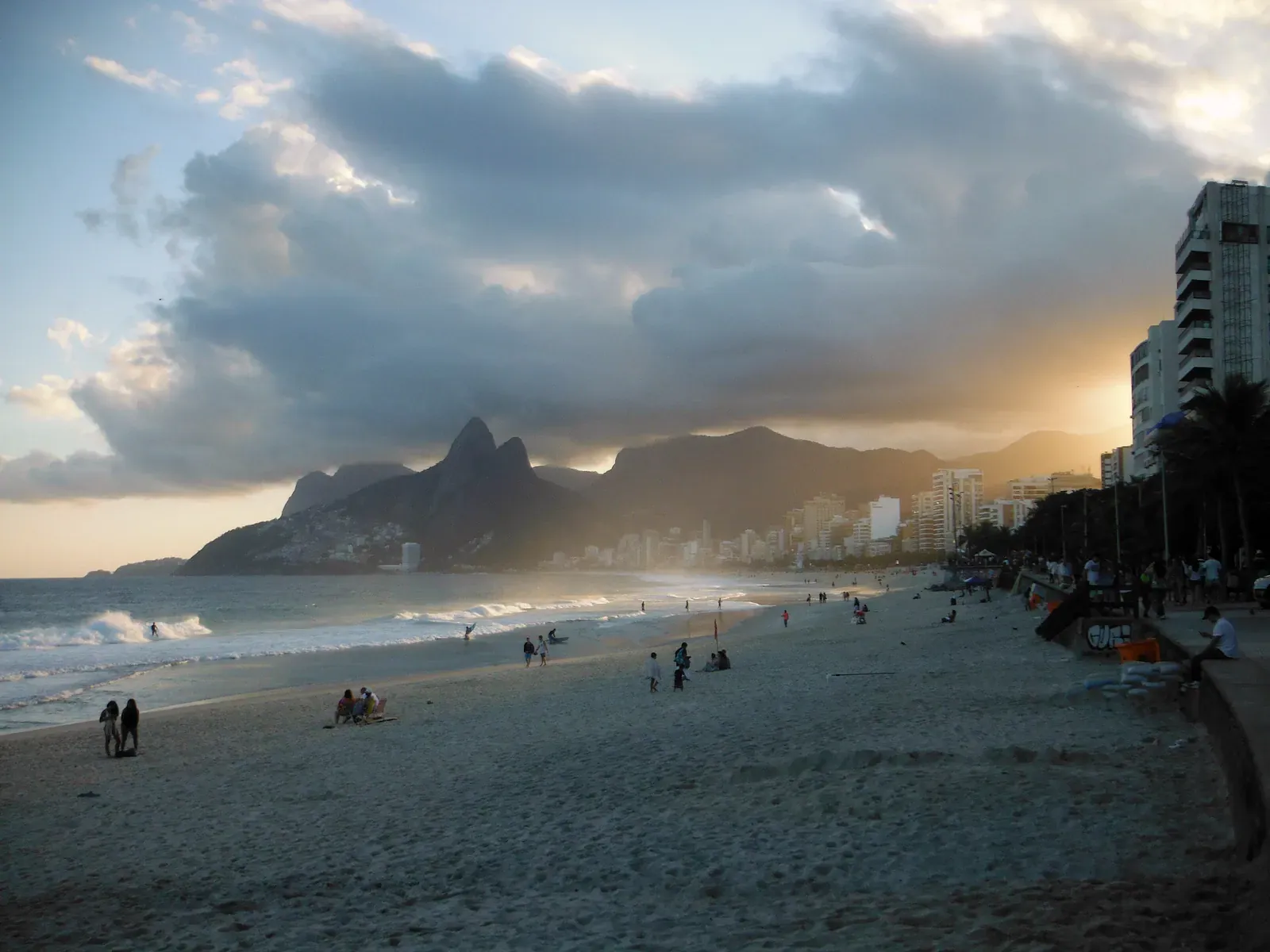
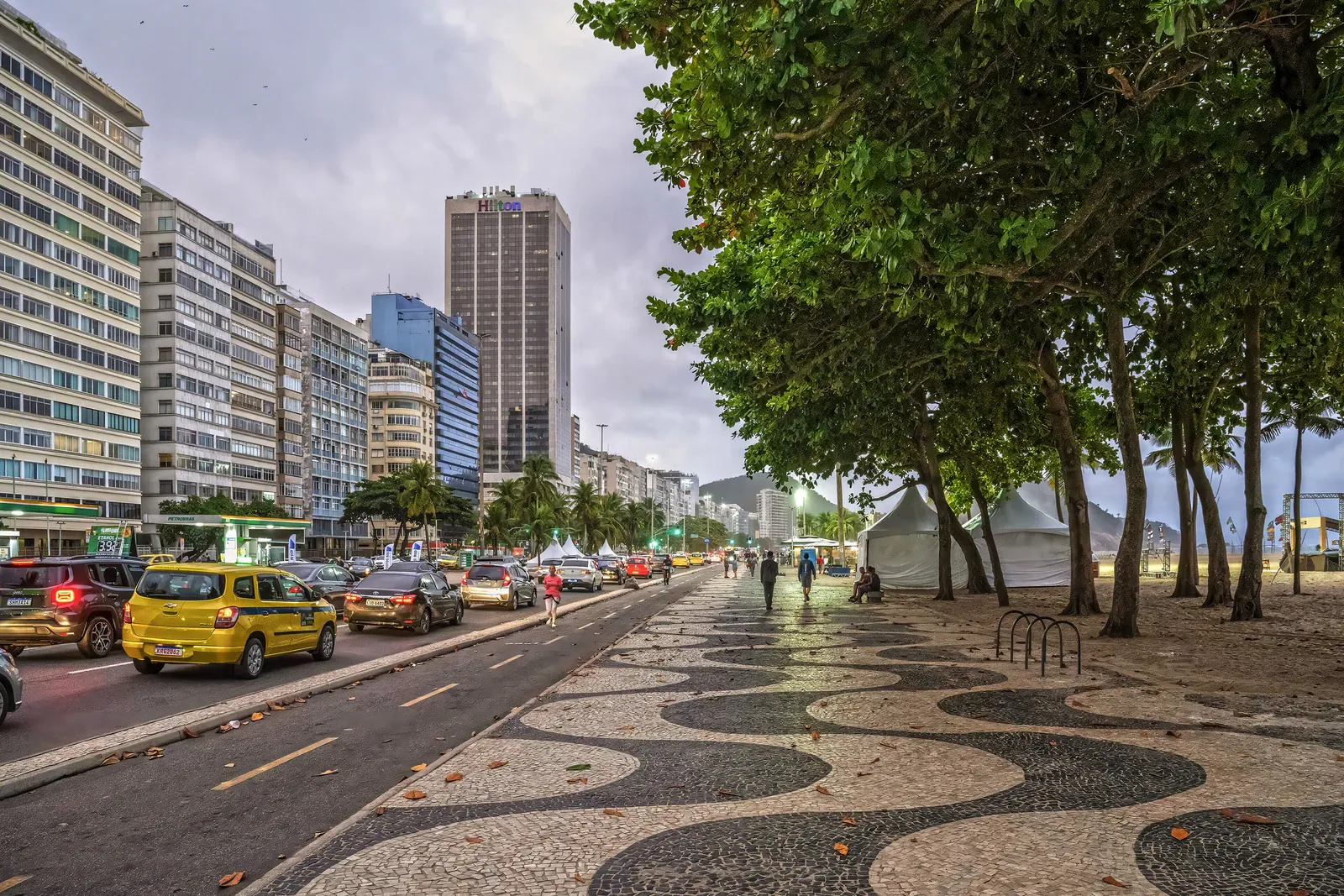
Copacabana and Ipanema, Rio de Janeiro, 1958
Latin family
Born
1958
Copacabana and Ipanema, Rio de Janeiro
Subgenres
1
Documented branches
Links
24
Genres it drew on or shaped
Tempo
100-140 BPMLineage
Family tree
Timeline
Era by era
From the first sparks to today. Select a dot to read the story behind it.
- A whisper in the South Zone
1957 to 1961
- The jazz and pop crossover
1962 to 1965
- Standards, easy listening and MPB
1966 to 1979
- Japan, remix culture and revival
1980 to today
Eras
Moments
- 1 A whisper in the South Zone, 1957 to 1961
- 2 The jazz and pop crossover, 1962 to 1965
- 3 Standards, easy listening and MPB, 1966 to 1979
- 4 Japan, remix culture and revival, 1980 to today
1957
A whisper in the South Zone
Young musicians in Copacabana and Ipanema slow samba down, add jazz chords and sing close to the microphone. João Gilberto's 1958 recordings and 1959 debut album define the sound.
- 1958Elizeth Cardoso's Canção do Amor DemaisOften called the first bossa nova album; it holds the first recordings of João Gilberto's guitar beat.
- 1958João Gilberto's Chega de Saudade single on OdeonThe 78 rpm single with Bim-Bom is widely seen as the record that launched the genre.
- 1959João Gilberto's debut album Chega de SaudadeReleased in 1959 and a major commercial success, it became the template for the genre.
- 1959Black Orpheus wins the Palme d'OrThe Marcel Camus film uses music by Jobim and Luiz Bonfá; it also won the Oscar for best foreign language film.
- 1959Black Orpheus criticized in BrazilCritics said the film exoticized Brazilians; Vinicius de Moraes, author of the source play, reportedly walked out of the premiere.
- 1960Beco das Garrafas becomes a bossa nova hubSmall clubs on Rua Duvivier in Copacabana, such as Bottle's, Little Club and Baccarat, host the genre's young players.
- 1961Charlie Byrd tours South AmericaA State Department tour lets the American guitarist hear bossa nova, which he then brings to Stan Getz.
1962
The jazz and pop crossover
Charlie Byrd and Stan Getz's Jazz Samba, the Carnegie Hall concert and Getz/Gilberto make bossa nova a US craze, rewarded with Grammys in 1965.
- 1962Jazz Samba recorded and releasedStan Getz and Charlie Byrd record it in a Washington church on 13 February; released in April on Verve, it reaches number one on the Billboard 200 in 1963.
- 1962Bossa Nova concert at Carnegie HallOn 21 November Brazilian musicians including João Gilberto, Carlos Lyra, Roberto Menescal and Sérgio Mendes play New York.
- 1963Elenco founded by Aloysio de OliveiraThe Rio label became a major home of bossa nova and MPB and was known for minimalist sleeves.
- 1963Getz/Gilberto recorded in New YorkRecorded on 18 and 19 March at A & R Recording Studios with Jobim and producer Creed Taylor.
- 1964Getz/Gilberto and The Girl from Ipanema releasedAstrud Gilberto's first recorded vocal and the album sell over a million copies for Verve.
- 1964Military coup in BrazilPolitical upheaval eclipses bossa nova at home as socially minded MPB rises; Carlos Lyra goes into exile.
- 1965Getz/Gilberto wins Album and Record of the YearGrammy wins for the album and for The Girl from Ipanema; it was the first non-American album to take Album of the Year.
1966
Standards, easy listening and MPB
Brasil '66 and Jobim's A&M albums carry the sound onto pop radio, while in Brazil protest song, Tropicália and MPB overshadow bossa nova after the 1964 coup.
- 1966Brasil '66 releases Mas Que Nada on A&MSérgio Mendes's group turns the Jorge Ben song into the genre's best-known pop crossover.
- 1966Os Afro-Sambas de Baden e ViniciusBaden Powell and Vinicius de Moraes add Afro-Brazilian themes to the bossa nova songbook.
- 1967Jobim's WaveThe title song becomes a standard of Brazilian harmony in the US.
- 1967Sadao Watanabe's Jazz and Bossa and Bossa Nova '67The two albums mark the start of a distinct Japanese bossa nova scene.
- 1968Tropicália arrivesNara Leão, who had called bossa nova alienating in 1964, joins the Tropicália album and the new movement displaces bossa nova's sound.
- 1974Elis & Tom recorded in Los AngelesElis Regina and Jobim record 'Águas de Março' at MGM Studios for Philips; Rolling Stone ranks the album among Brazil's best.
1980
Japan, remix culture and revival
Japan becomes bossa nova's strongest market by the 1990s, and Bebel Gilberto's Tanto Tempo (2000) brings electronic production. Pop artists keep returning to it.
- 1990Japan becomes the strongest marketBy the 1990s Japan is bossa nova's largest audience, with its own reissue culture.
- 2000Bebel Gilberto's Tanto TempoProduced by Suba on Crammed Discs' Ziriguiboom imprint, the album fuses bossa nova with electronica and passes a million sales by 2004.
- 2019João Gilberto diesThe guitarist and singer, called the father of bossa nova, dies in Rio de Janeiro on 6 July aged 88.
Listening path
Anthems
The records that built the sound, grouped by the part they played. Thumbnails come from YouTube; the player loads only when you press play.
- 01
João Gilberto, 1958 · Odeon Records
The song and the recording often credited with launching bossa nova, with the first full statement of Gilberto's guitar beat.
Start hereOrigin - 02
João Gilberto, 1959 · Odeon Records
A Jobim song written as a reply to critics of the new style; Gilberto's reading from his debut album fixed how it was sung.
Origin - 03
Stan Getz, 1962 · Verve Records
Getz and Charlie Byrd's version from Jazz Samba started the bossa nova craze in the United States.
Breakthrough - 04
Stan Getz, 1964 · Verve Records
With Astrud Gilberto's vocal, it took the genre to the world and won Record of the Year at the 1965 Grammys.
Start hereBreakthrough - 05
Stan Getz, 1964 · Verve Records
A Jobim ballad from Getz/Gilberto that became a late-night standard.
Anthem - 06
Astrud Gilberto, 1965 · Verve Records
Astrud Gilberto's solo debut album brought a second Jobim song to US listeners in her own voice.
Anthem - 07
Antônio Carlos Jobim, 1967 · A&M Records
Jobim's own orchestral recording of a song that became a jazz and pop standard.
Anthem - 08
Elis Regina, 1974 · Philips
Elis Regina and Jobim's duet is the definitive version of one of Brazil's best-loved songs.
Start hereAnthem - 09
Sérgio Mendes, 1966 · A&M Records
Brasil '66 turned a Jorge Ben samba-rock song into a pop hit that blended bossa nova with American radio.
Crossover - 10
Bebel Gilberto, 2000 · Crammed Discs
The title track of the electronic-bossa revival that reached a new, club-minded audience.
Revival
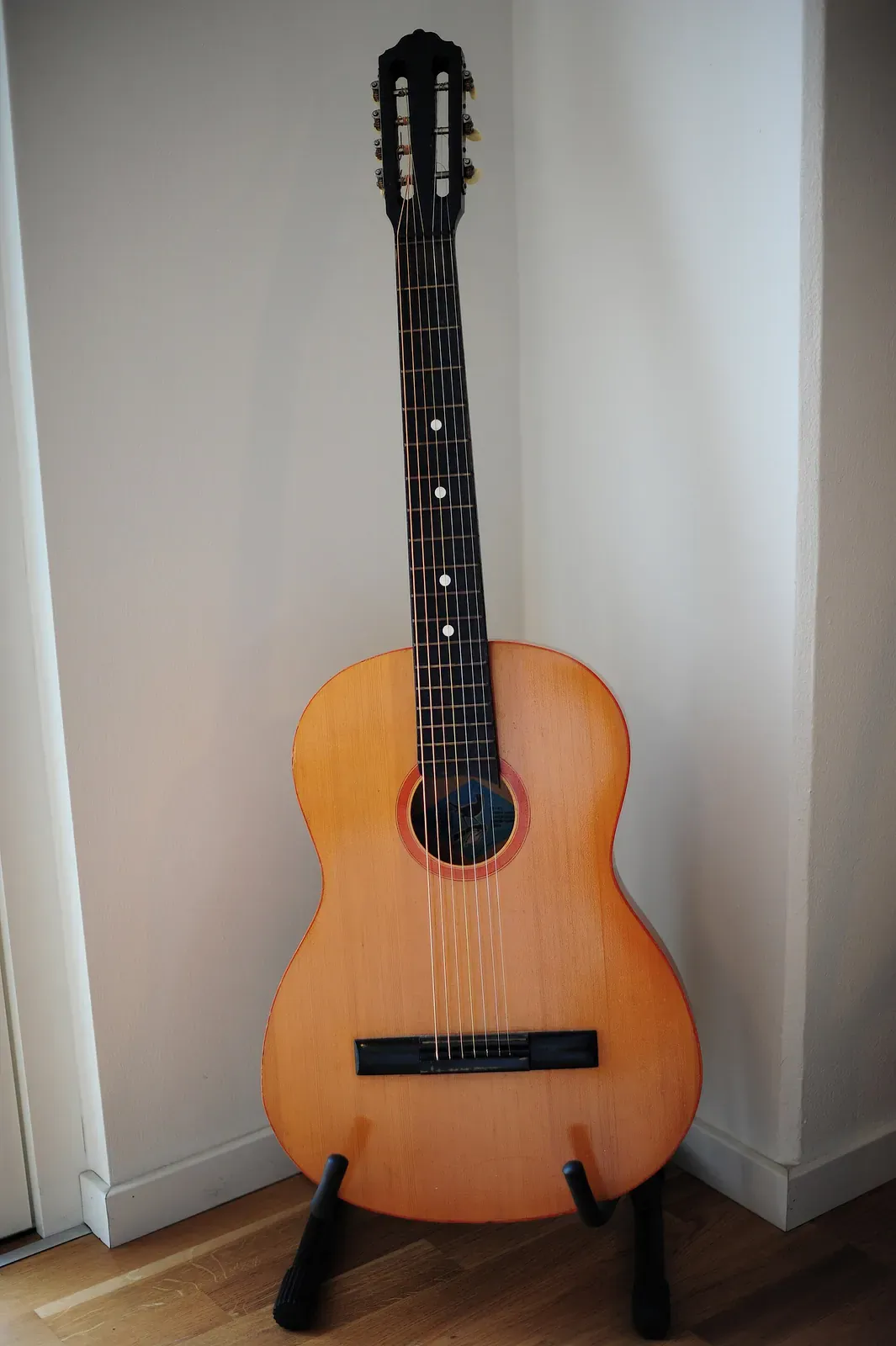
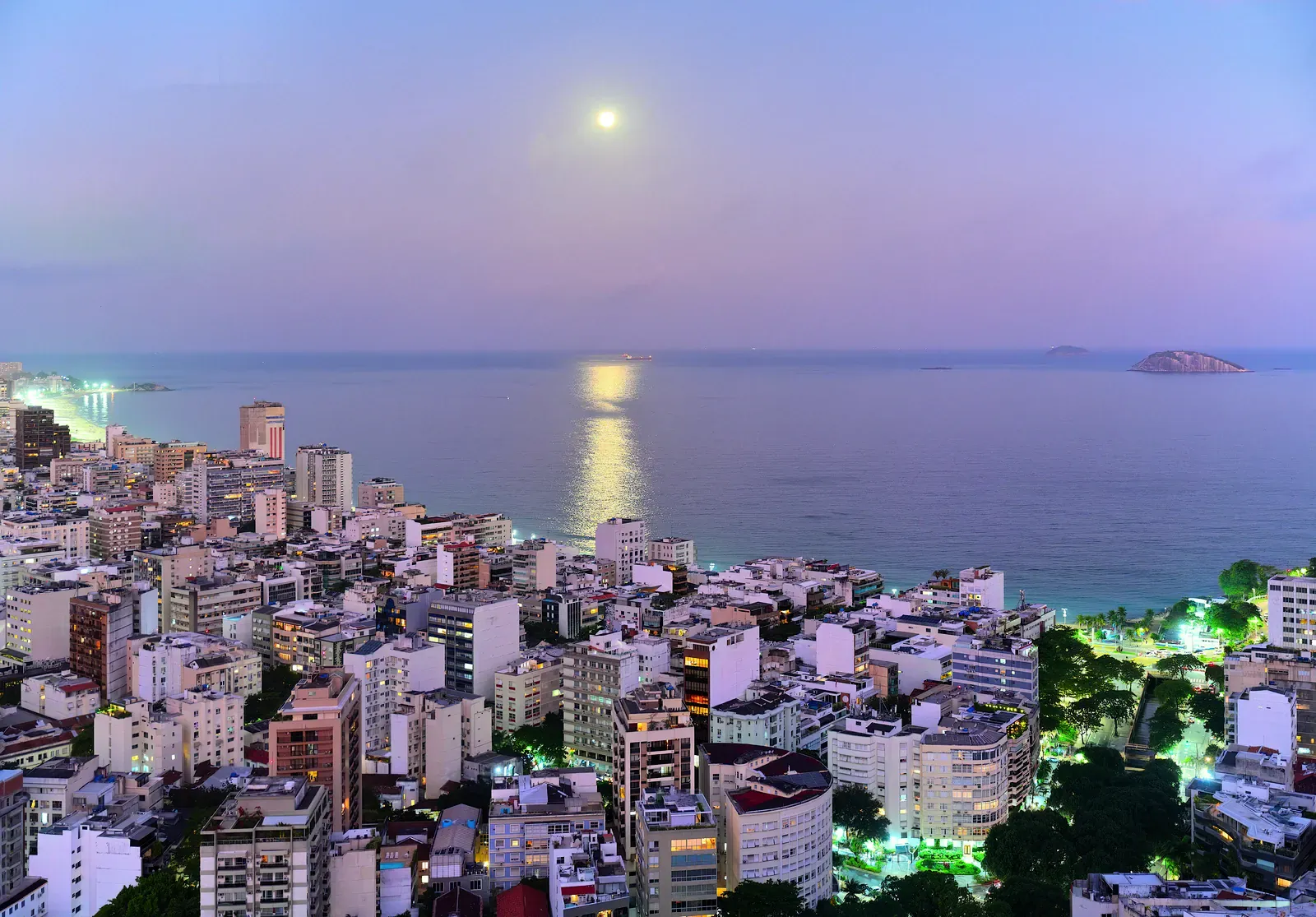
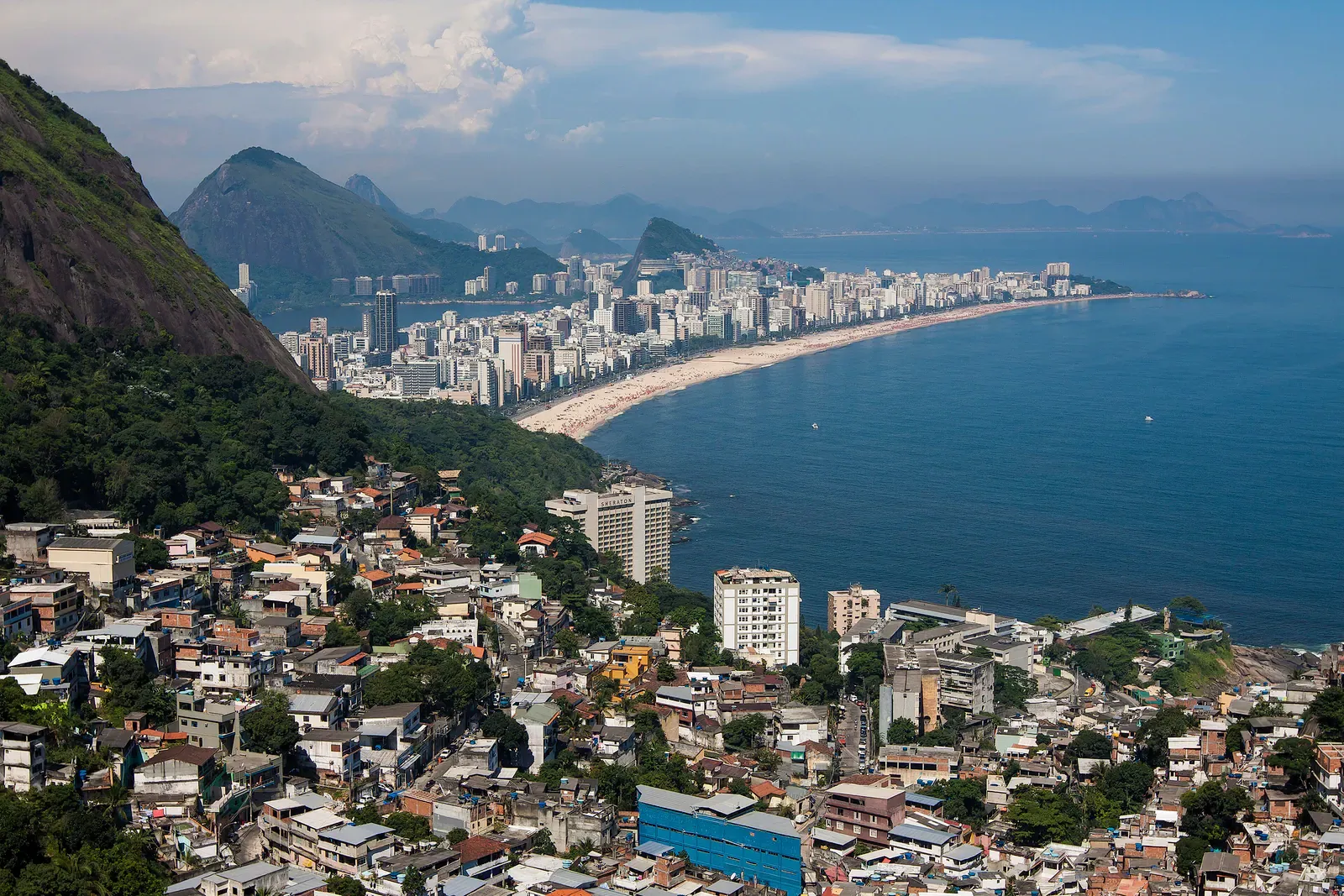
Bossa nova is a Brazilian popular music genre that emerged around 1958 in the Rio de Janeiro districts of Copacabana and Ipanema.
It condenses samba rhythm into a syncopated fingerstyle pattern on nylon-string guitar, the batida, and sets it under extended jazz-influenced chords and a soft, close-microphone vocal. The name means “new trend” or “new wave”.
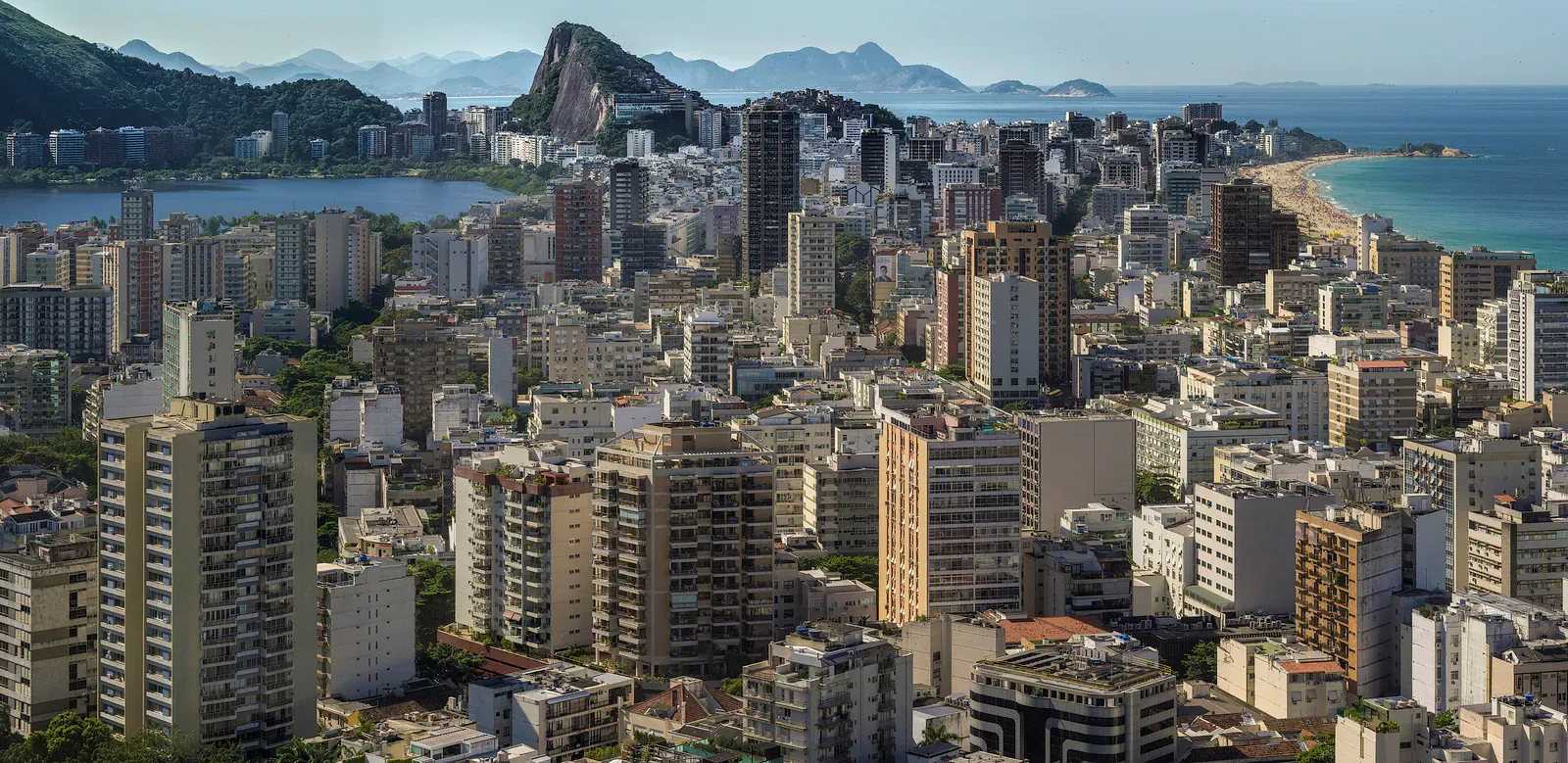
Origins
The word was around before the sound. “Bossa” was Rio slang for a knack, a personal and slightly odd way of playing or singing, and in 1957 a student concert was billed as a night with “a bossa nova group”. Two years later the phrase meant a whole style.
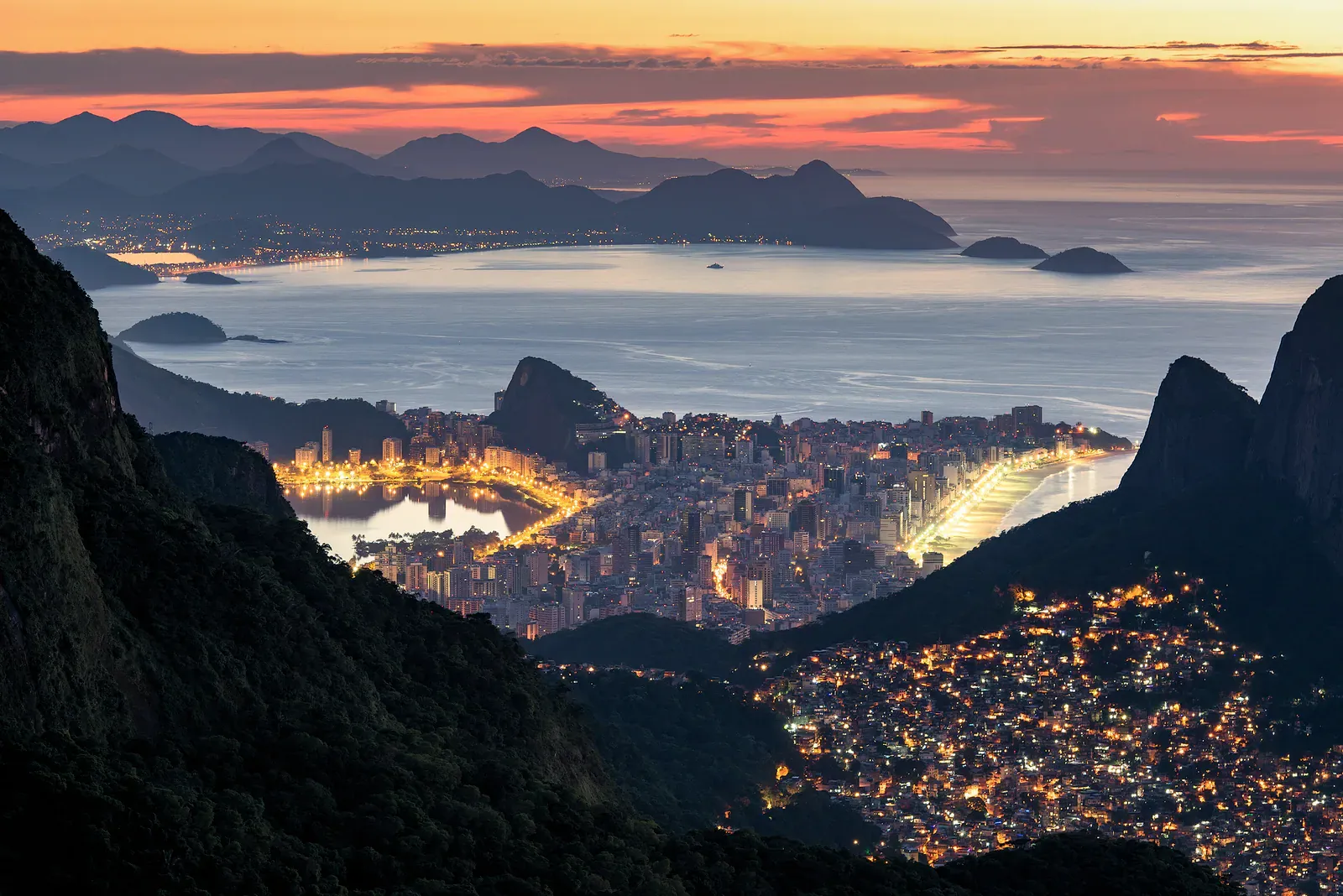
The story runs through apartments, not studios. Young players met in living rooms in Copacabana and Ipanema, and the circle around the composer Antônio Carlos Jobim and the poet Vinicius de Moraes supplied the material. In 1958 the singer Elizeth Cardoso recorded Canção do Amor Demais with Jobim arranging, and on two tracks a guitarist named João Gilberto played a rhythm nobody had heard on record before. That summer Gilberto released his own version of “Chega de Saudade” on a 78 rpm single for Odeon, and the debut album of the same name followed in 1959.
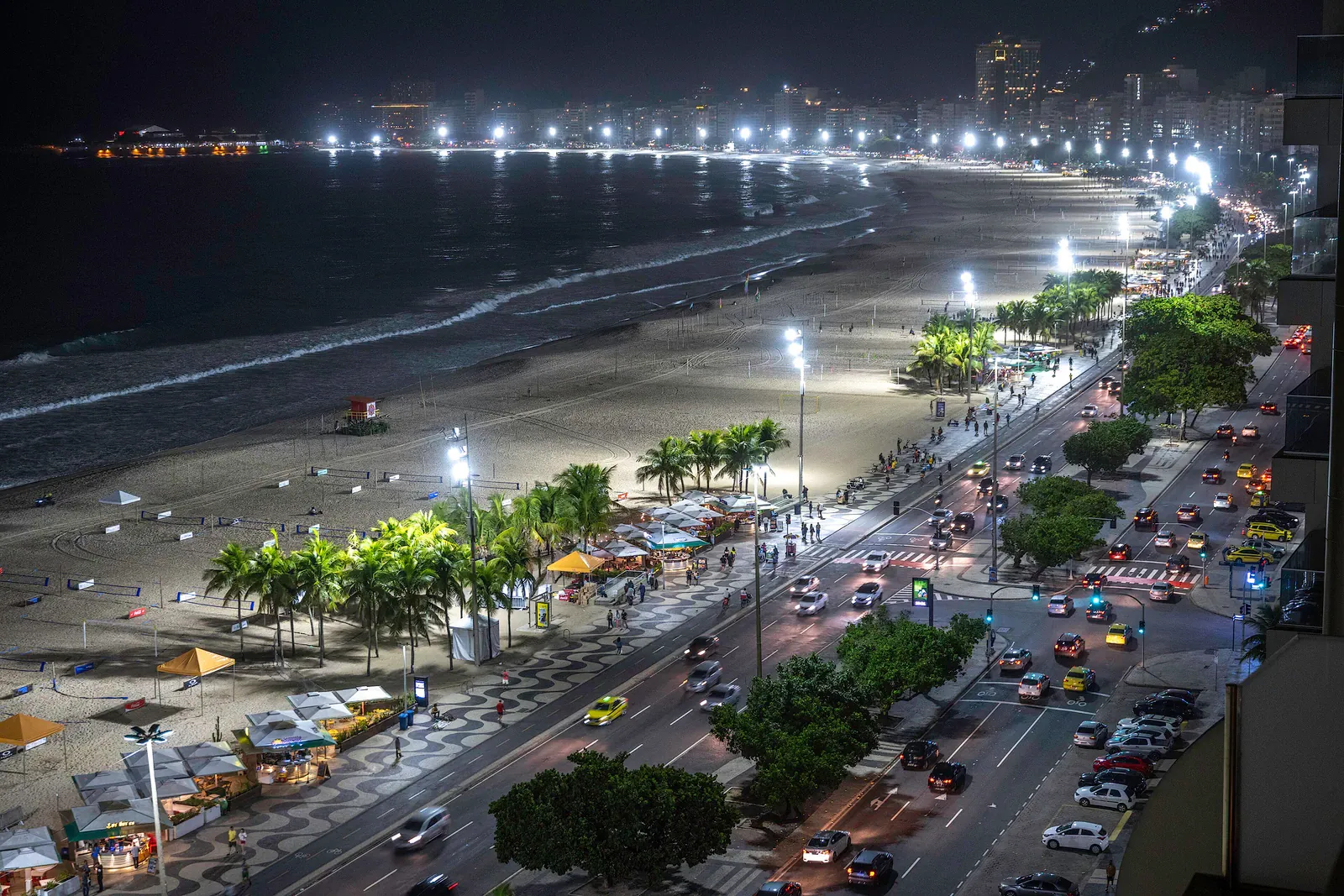
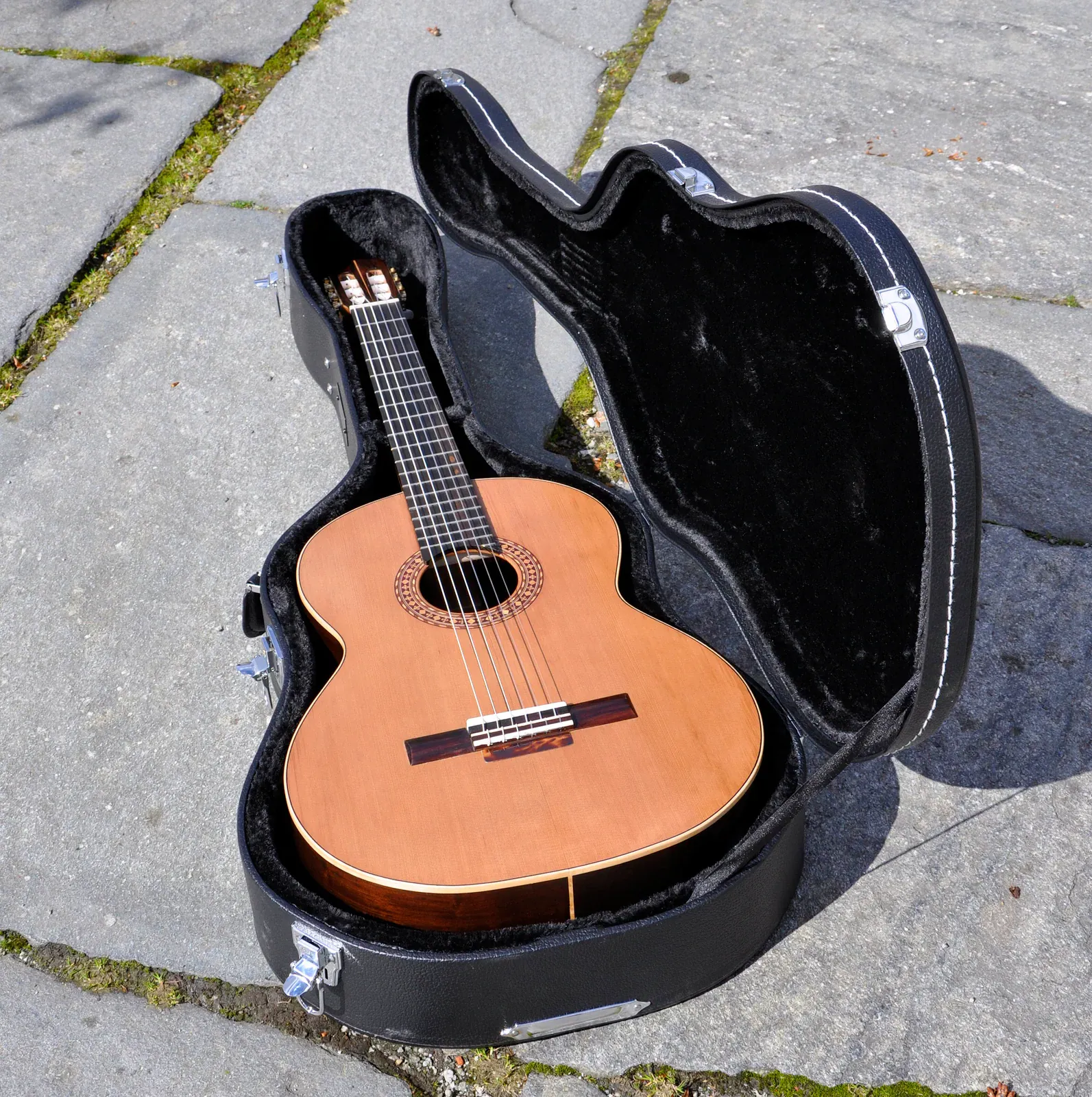
Gilberto squeezed a samba percussion section onto one nylon-string guitar. The thumb keeps a steady bass while the fingers pluck syncopated chords, a pattern called the batida. He sang as if talking to a single listener, and the recordings kept voice and guitar both clearly audible, so the guitar was never demoted to backing.
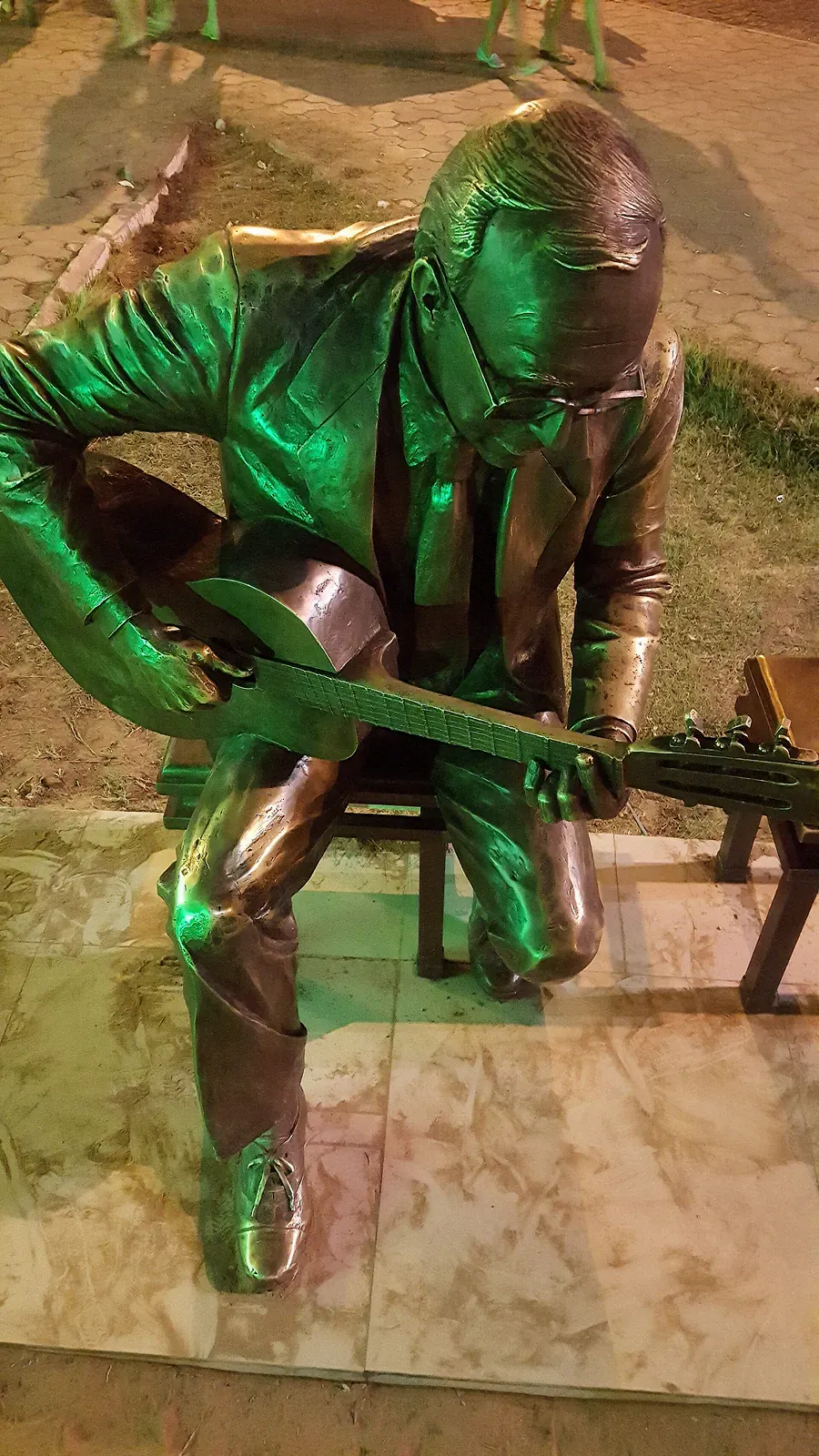
Characteristics
From about 1960 the scene centred on the Beco das Garrafas, a Copacabana alley on Rua Duvivier where small clubs such as Bottle’s, Little Club and Baccarat hosted young players until late at night.
Tempo runs roughly 100 to 140 beats per minute, yet it can feel slower because the guitar leans against the beat rather than pushing it. Chords stretch into major sevenths and ninths, bass lines slide chromatically, and keys change suddenly. Brushed drums stay in the background and the lyrics talk about love and the sea.
In 1959 the French-Brazilian film Black Orpheus won the Palme d’Or with songs by Jobim and Luiz Bonfá. Audiences abroad heard a new Brazil in it; many Brazilians, including Vinicius de Moraes, the author of the play it was based on, felt it exoticised them. The argument over how Brazil should sound to the world started early.
United States, 1961-1963
Jazz fell for it through a church in Washington, D.C. The guitarist Charlie Byrd toured South America in 1961 on a State Department trip, heard bossa nova, and brought records home to the saxophonist Stan Getz. On 13 February 1962 the two recorded Jazz Samba at All Souls Unitarian Church, and Verve released it that April. It reached number one on the Billboard 200 in 1963, and its version of Jobim’s “Desafinado” (the Portuguese word for “out of tune”) started the American craze.
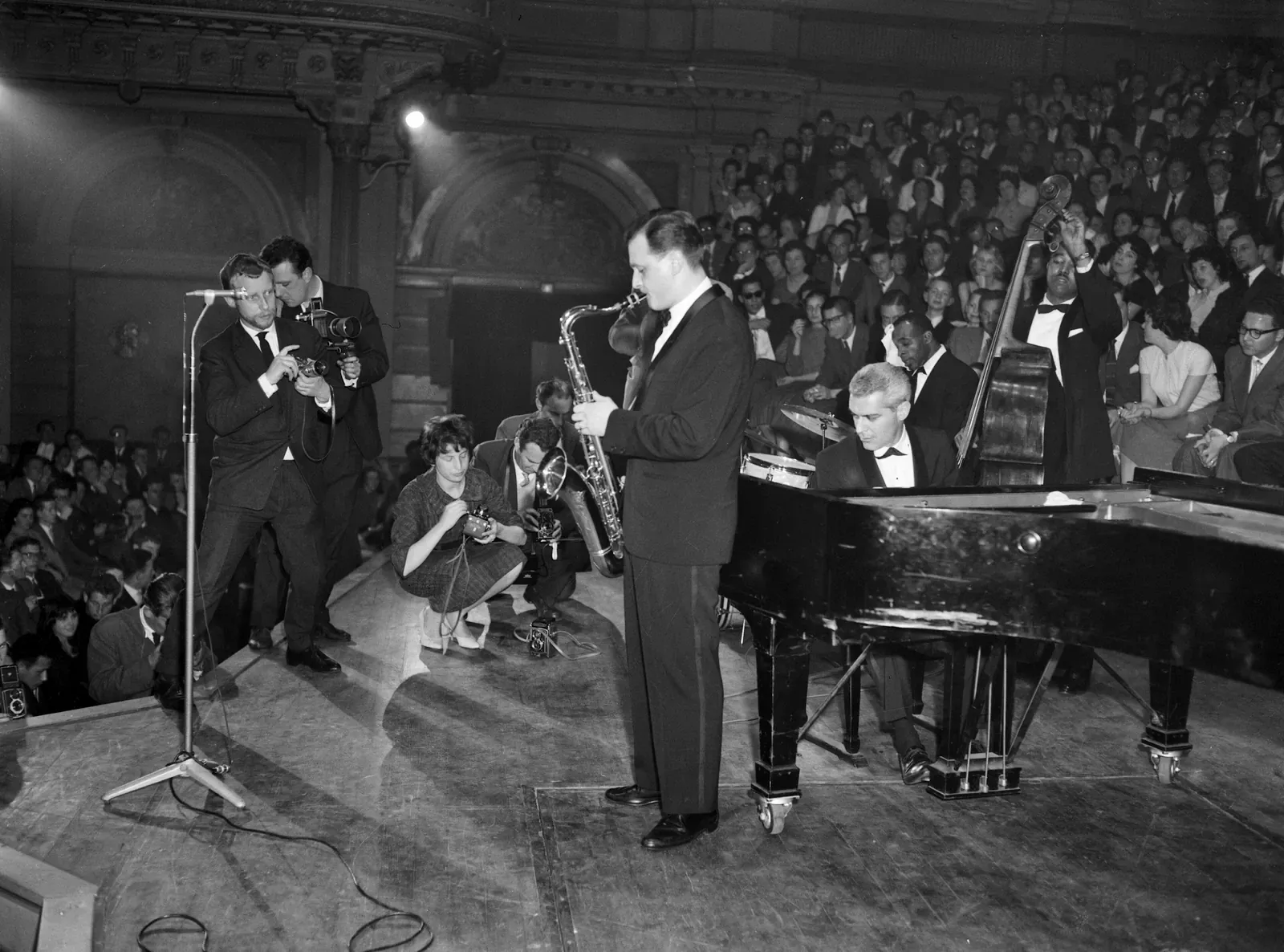
A concert at Carnegie Hall on 21 November 1962 brought Gilberto, Carlos Lyra, Roberto Menescal and Sérgio Mendes to New York, and a live album followed. Four months later, on 18 and 19 March 1963, Getz and Gilberto recorded Getz/Gilberto at A & R Recording Studios in New York, with Jobim at the piano and Creed Taylor producing.
Mainstream success
The album came out in March 1964 and carried a version of “The Girl from Ipanema” that changed the genre’s size. Jobim had written it in 1962 with words by Vinicius de Moraes, and Norman Gimbel supplied the English lyric. João Gilberto sang the Portuguese verse; his wife Astrud, who had never sung professionally, sang the English one, and her cool, almost bored delivery became the voice of the record. The single reached the US top five, and at the 1965 Grammys the album won Album of the Year, the first time a non-American album had done so, plus Record of the Year, Best Jazz Instrumental Album and Best Engineered Recording.
The backlash came at home. Critics called it escapist, and after the military coup of 1964 the mood at home turned to protest song; Carlos Lyra went into exile, and Nara Leão, an early bossa nova muse, had already called the style alienating.
Pop radio and MPB, 1966-1974
From 1966 the sound went to pop radio. Sérgio Mendes had moved to Los Angeles in 1964, and with his group Brasil ’66 he turned Jorge Ben’s “Mas Que Nada” into a hit on A&M. Jobim recorded for the same label, and Wave (1967) gave him an orchestral standard of his own. In 1966 Baden Powell and Vinicius de Moraes released Os Afro-Sambas, adding Afro-Brazilian themes to the songbook.
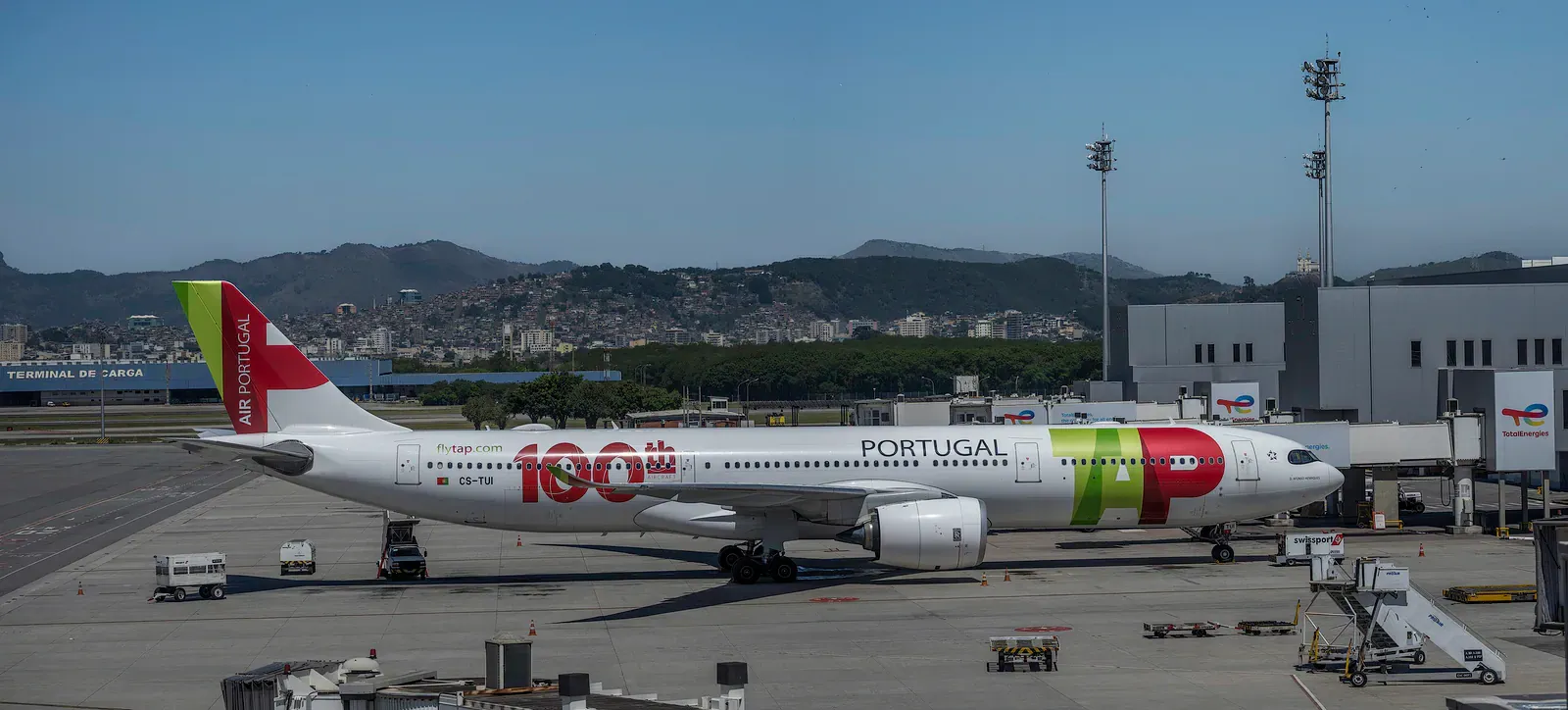
At home Tropicália arrived in 1968 and displaced the sound; Nara Leão herself joined its founding album. The best of the late years is Elis & Tom (1974), where Elis Regina and Jobim recorded “Águas de Março” in Los Angeles in a 16-day session. In Rio the independent label Elenco, founded in 1963 by Aloysio de Oliveira, gave the music a look as well: monochrome sleeves with a red dot.
Japan, remix culture and revival
Bossa nova left Brazil and stayed alive elsewhere. Sadao Watanabe’s Jazz & Bossa and Bossa Nova ’67 started a distinct Japanese scene, and by the 1990s Japan was the genre’s strongest market, with its own reissue culture.
In 2000 Bebel Gilberto, João’s daughter, released Tanto Tempo, produced by Suba on the Ziriguiboom imprint of Crammed Discs. It sat bossa nova songs on electronic beats and sold over a million copies by 2004. Pop artists have borrowed the batida regularly since.
Notable recordings
“Chega de Saudade” (the title means “no more longing”) was written by Jobim and de Moraes, but Gilberto’s 1958 playing made it sound like a break.
“Desafinado” began as Jobim’s answer to critics of the new style, a song about being out of tune that is harmonically anything but. Gilberto’s reading from his 1959 debut fixed how it was sung; Getz and Byrd’s 1962 version was the one the American public heard.
“Águas de Março” is the late peak. Elis Regina and Jobim trade lines about sticks, stones and the end of a road, in the definitive version of one of Brazil’s best-loved songs.
Culture
Bossa nova was a middle-class, South Zone sound: apartment sessions, small clubs and beach life. Its lyrics rarely touched politics, which is why after 1964 “alienated or refined” became a Brazilian argument in its own right.
The look was understated: monochrome covers and linen shirts, nothing like the sequins of the big samba shows.
Misconceptions
Bossa nova is often called elevator music, but the easy-listening version came later, from 1966, and it grew from music with some of the most complex harmony in popular song.
The bossa nova rhythm is sometimes credited to Jobim, but the beat is Gilberto’s, played on guitar. Jobim was the composer and arranger who supplied much of the songbook, and the two needed each other.
Jazz musicians did not start the genre. The sound existed in Rio about four years before Jazz Samba. Getz and Byrd made it famous abroad, but Rio’s players were already talking to jazz.
Frequently asked questions
What does bossa nova mean?
Bossa nova means “new trend” or “new wave” in Portuguese. “Bossa” is Rio slang for a personal knack or style, and “nova” marks it as new.
Who invented bossa nova?
No single person did. João Gilberto created the guitar pattern, Antônio Carlos Jobim and Vinicius de Moraes wrote much of the early songbook, and a circle of young musicians in Copacabana and Ipanema shaped it around 1958.
What is the bossa nova rhythm?
The batida is a syncopated pattern on nylon-string guitar: the thumb plays a steady bass while the fingers pluck chords against it. It compresses a samba percussion section into one instrument and usually runs at 100 to 140 beats per minute.
What song made bossa nova famous worldwide?
“The Girl from Ipanema”, from the 1964 album Getz/Gilberto, with Astrud Gilberto singing the English verse. It reached the US top five and won Record of the Year at the 1965 Grammys.
Which albums define bossa nova?
The core albums are João Gilberto’s Chega de Saudade (1959), Jazz Samba (1962) and Getz/Gilberto (1964). For the wider context, see the Latin family and the jazz family.
Sound
Sound sheet
Anatomy of a track
| # | Part | Bars |
|---|---|---|
| 1 | Intro (guitar batida alone) | 4 |
| 2 | Theme A (voice and guitar) | 8 |
| 3 | Theme A repeat | 8 |
| 4 | Bridge B | 8 |
| 5 | Final A | 8 |
| 6 | Instrumental chorus (sax, flute or piano) | 32 |
| 7 | Outro (repeat and fade) | 4 |
Signature sounds
- Syncopated nylon-string guitar batida with steady thumb bass
- Extended jazz chords such as major sevenths and ninths
- Soft, close-microphone vocals with no belting
- Light brushed drums and quiet percussion
- Sudden key changes and chromatic bass movement
- Lyrics about love, longing and the seaside
Drums and percussion
- Jazz drum kit
Techniques
- Batida
- Extended chord voicings
- Straight eighths, no swing
- Cross-stick rim click
- Chromatic bass movement
Keys and modes
Major with ii-V-I turnarounds. Extended major seventh, ninth and thirteenth chords, as in Garota de Ipanema.
Minor with ii-V resolutions. Half-diminished and minor sixth chords color melancholic themes such as Insensatez.
Chromatic modulation. Bridges often move to a new key, as in the half-step shift in Garota de Ipanema.
Tuning
Standard guitar tuning
Vocals
Soft, close-microphone, nasal-leaning delivery with no belting, speaking the line against the guitar.
Scenes
Where it happened
Where and when the sound lived: one bar per city on a shared timeline.
Latin America
North America
Asia
Active scenes
Peak 3, 1962-1965
Copacabana and Ipanema apartments and the Beco das Garrafas clubs were where the sound formed.
Charlie Byrd's circle and the church sessions for Jazz Samba made the capital the first US bossa nova stop.
Carnegie Hall in 1962 and the Getz/Gilberto sessions in 1963 gave the genre its American breakthrough.
Sérgio Mendes moved here in 1964 and A&M, Brasil '66 and the Elis & Tom sessions followed.
Sadao Watanabe's albums of 1967 started a lasting Japanese bossa nova scene.
Venues and places
Rio de Janeiro, 1960 to today. A Copacabana alley of small clubs, called bossa nova's historical cradle.
Washington, D.C., 1962 to today. Stan Getz and Charlie Byrd recorded Jazz Samba here on 13 February 1962.
New York City, 1962 to today. Host of the Bossa Nova concert on 21 November 1962, recorded for a live album.
New York City, 1963 to today. Getz/Gilberto was recorded here on 18 and 19 March 1963.
Los Angeles, 1974 to today. Elis Regina and Jobim recorded Elis & Tom here in a 16-day session.
Culture
Culture markers
- Bossa
Rio slang for a knack or personal way of playing; the 'nova' marked it as new.
Slang - Elenco sleeves
Elenco's minimalist covers in monochrome with a red dot became a visual shorthand for the genre.
Artwork - Apartment guitar sessions
Some accounts place the music's birth in friends' living rooms in Copacabana, including Nara Leão's family apartment.
Ritual - Seaside themes
Lyrics usually avoid politics and focus on women, love, longing and the beaches of Rio's South Zone.
Slang
Media
Key media
- 1959Black Orpheus (Orfeu Negro)
by Marcel Camus. Palme d'Or winner with music by Jobim and Luiz Bonfá that carried bossa nova to world cinema.
Film - 1963Bossa Nova at Carnegie Hall
by Various. Live album of the 1962 concert, released by Audio Fidelity.
Compilation - 1966A Man and a Woman (Un homme et une femme)
by Claude Lelouch. French film whose soundtrack uses Samba Saravah, a French version of Baden Powell and Vinicius de Moraes's Samba da Bênção.
Film - 1990Chega de Saudade
by Ruy Castro. The standard Brazilian history of bossa nova, widely cited for its anecdotes and dates.
Book
Glossary
Terms on this page
The syncopated guitar pattern that squeezes a samba rhythm into one nylon-string guitar.
Rio slang for a knack or personal style, which gives the genre its name with 'nova' meaning new.
A slower, romantic urban samba from which bossa nova partly derives.
A louder, more improvised Rio style from the same period, played in clubs such as the Beco das Garrafas.
A Portuguese word for deep longing, central to songs like 'Chega de Saudade'.
A stripped format of voice and guitar, the way João Gilberto often performed.
Latin family