Choro
Choro is an instrumental Brazilian genre born in Rio de Janeiro in the 1870s, built on syncopated melody, counterpoint, improvisation and rondo form.
Rio de Janeiro, 1870
Latin family
Born
1870
Rio de Janeiro
Subgenres
2
Documented branches
Links
17
Genres it drew on or shaped
Tempo
90-145 BPMLineage
Family tree
Timeline
Era by era
From the first sparks to today. Select a dot to read the story behind it.
- Salon dances in Rio
1870 to 1916
- Pixinguinha and radio
1917 to 1945
- Regionais and rodas
1946 to 1976
- Revival and new virtuosi
1977 to today
Eras
Moments
- 1 Salon dances in Rio, 1870 to 1916
- 2 Pixinguinha and radio, 1917 to 1945
- 3 Regionais and rodas, 1946 to 1976
- 4 Revival and new virtuosi, 1977 to today
around 1870
Salon dances in Rio
Carioca musicians recast polka, waltz, schottische and habanera with Afro-Brazilian syncopation. Callado, Chiquinha Gonzaga and Ernesto Nazareth set the repertoire on sheet music.
- 1870Callado's ensembleFlutist Joaquim Callado leads a choro group of flute, two guitars and cavaquinho in Rio, known for improvisation.
- 1877AtraenteChiquinha Gonzaga's polka Atraente is published and becomes an early popular hit.
- 1902First Brazilian recordsRio's Casa Edison issues the first commercial recordings made in Brazil; many early discs are choros.
1917
Pixinguinha and radio
Records and radio carried choro nationwide. Pixinguinha's arrangements, the Oito Batutas and radio regionais fixed the instrumentation and the counterpoint style.
- 1917Carinhoso is writtenPixinguinha composes Carinhoso, later one of the best-known Brazilian tunes; lyrics by João de Barro follow in 1937.
- 1922Oito Batutas in ParisPixinguinha's Oito Batutas tour Paris, carrying Rio's choro and maxixe repertoire to Europe.
1946
Regionais and rodas
Waldir Azevedo's cavaquinho hits and Jacob do Bandolim's recordings kept choro in view while samba and bossa nova took the radio. Amateur rodas carried the tradition.
- 1946Pixinguinha and Benedito Lacerda recordThe flute and tenor sax duo records a run of classic choros, with Pixinguinha playing counterpoint lines on sax.
- 1947BrasileirinhoWaldir Azevedo's cavaquinho showpiece becomes one of the most recorded choros of all time.
- 1959Noites CariocasJacob do Bandolim composes the lyrical choro that becomes a standard of the bandolim repertoire.
- 1964Época de Ouro foundedJacob do Bandolim founds the regional ensemble, which settles its line-up in 1966 and keeps choro alive in the bossa nova years.
- 1973Pixinguinha diesPixinguinha dies in Rio de Janeiro on 17 February, aged 75.
1977
Revival and new virtuosi
Televised festivals in 1977 and 1978 drew a younger generation. Conservatory-trained players, and bandolim and seven-string guitar soloists, took choro abroad and into jazz.
- 1977Televised choro festivalsTV-sponsored national festivals in 1977 and 1978 draw a new generation of players and listeners.
- 2006BrasilianosBandolinist Hamilton de Holanda's quintet album blends choro with jazz and brings the ten-string bandolim to wider audiences.
Listening path
Start listening
A short path from an easy way in to the deep end. Thumbnails come from YouTube; the player loads only when you press play.
- 01
Pixinguinha, 1917
The best-known choro, a slow lyrical piece; listen for the flute melody over the regional.
- 02
Waldir Azevedo, 1950
Cavaquinho-led choro that became an international hit in the early 1950s.
Choro, also called chorinho, is an instrumental genre of urban Brazilian popular music that took shape in Rio de Janeiro from the 1870s. It sets European salon dances to Afro-Brazilian syncopation and is marked by virtuoso melody, improvised variation, bass counterpoint and sudden modulations.
It is generally counted as the first characteristically Brazilian genre of city music, and its players are called chorões.
Origins
Choro began as a way of playing rather than a form. Musicians in Rio, many of them clerks and workers in the postal, railway and telegraph services, took the polka, schottische, waltz, mazurka and habanera that were fashionable in salons and played them with the rhythmic freedom they knew from lundu and batuque. The name is disputed. One account derives it from the Portuguese word for crying, another from a corruption of the old word for shawm players, and a third from an African dance term. Despite the “lament” reading, much of the music is quick and cheerful.
In the 1870s the flutist Joaquim Callado led an ensemble of flute, two guitars and a cavaquinho that became the model for later groups, and its improvising flute above guitar accompaniment fixed the basic roles. Pianists gave the style a written repertoire. Chiquinha Gonzaga’s polka Atraente appeared in 1877, and Ernesto Nazareth turned maxixe and tango rhythms into concert pieces he called Brazilian tangos, including Brejeiro in 1893. Printed sheet music carried these pieces into homes, bars and street bands.
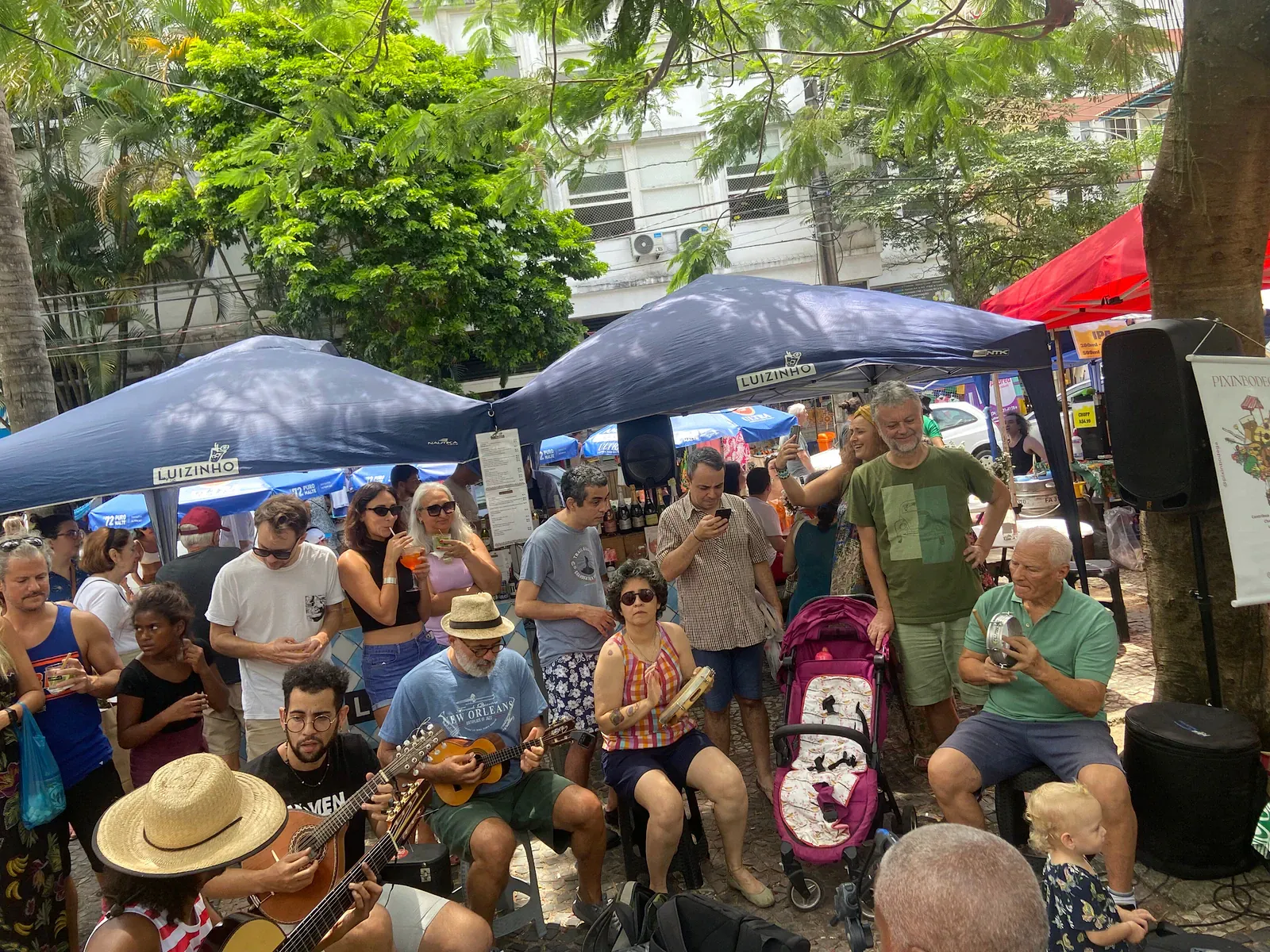
Salon dances in Rio, 1870-1916
Hybrid names show how the style absorbed its sources: choro-polca, choro-valsa, choro-lundu, choro-maxixe, and later samba-choro and choro-baião. Maxixe in particular shared repertoire and players with choro, and the two were close enough that choro ensembles accompanied maxixe dancers. Casa Edison, a Rio shop and recording house, issued the first commercial Brazilian discs from 1902, and many of the earliest records were choros. By then the Odeon imprint was one of the labels carrying Rio music to buyers.
Pixinguinha and radio, 1917-1945
The central figure of the next period is Pixinguinha, a flutist, saxophonist and arranger born in Rio in 1897. He wrote Carinhoso around 1917; words by João de Barro followed in 1937, and the piece became one of the best-known tunes in Brazil. In 1922 his Oito Batutas toured Paris, taking Rio’s dance music abroad. Radio and records then moved choro into the mainstream in the 1930s and 1940s, when studio orchestras and regional groups played it live on air. Pixinguinha’s arrangements fixed a working method: a clear lead line, a rhythm section and independent counterpoint beneath.
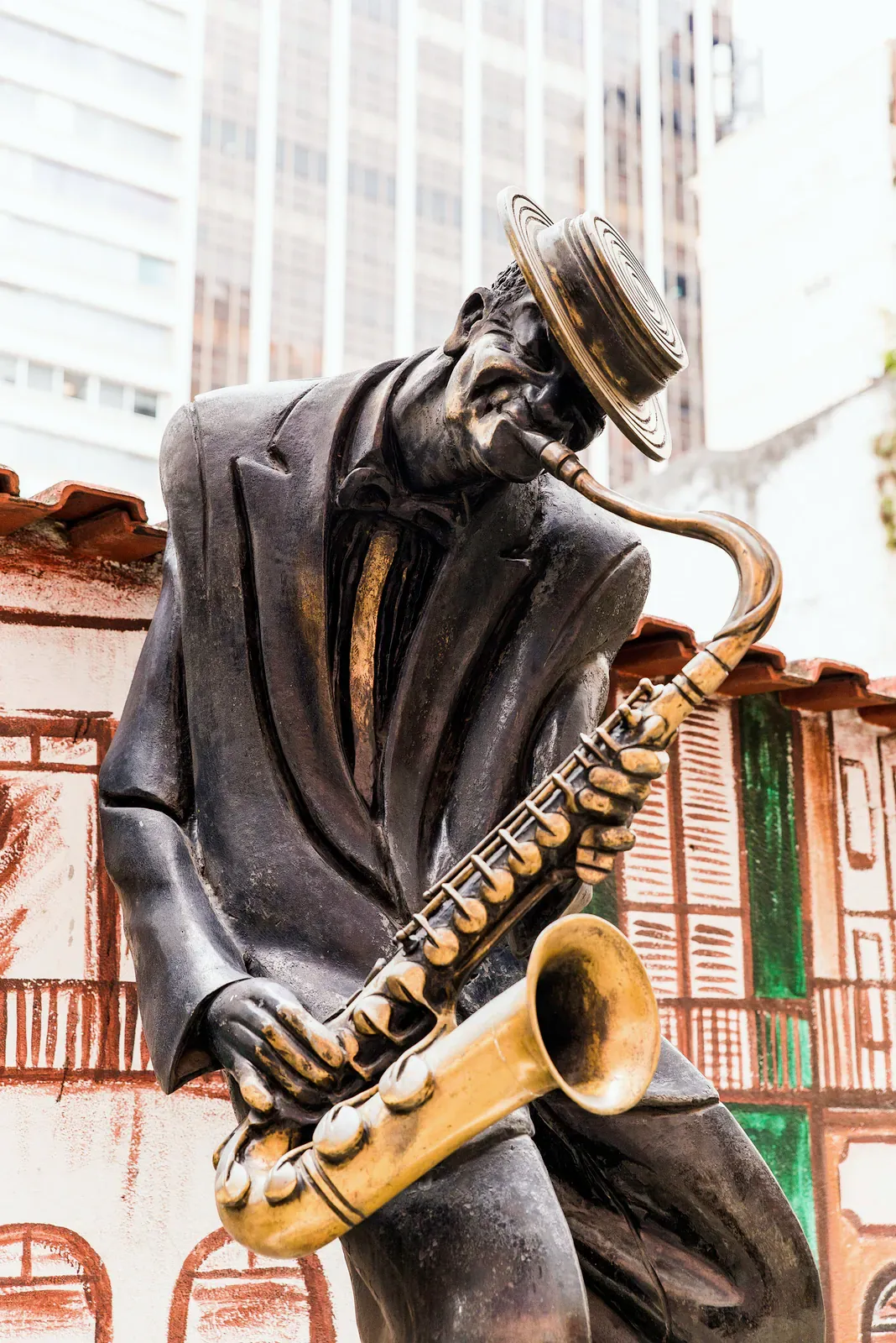
Regionais and rodas, 1946-1976
From about 1946 Pixinguinha recorded with the flutist Benedito Lacerda for RCA Victor, with the flute taking the melody and Pixinguinha the sax counterpoint. Waldir Azevedo’s Brasileirinho of 1947 and Delicado of about 1950 made the cavaquinho a solo instrument and reached audiences abroad. Jacob do Bandolim, a bandolim virtuoso, composed Noites Cariocas in 1959 and in 1964 founded the regional ensemble Época de Ouro, whose line-up was settled in 1966.
Samba and, from 1958, bossa nova took over radio and the studios in these years. Choro survived in amateur circles: Jacob held rodas at his house in the Jacarepaguá district of Rio, and bars such as the Suvaco de Cobra in Penha hosted others. Jacob died in 1969 and Pixinguinha in 1973, and the genre lost its two best-known figures within four years.
Revival and new virtuosi, 1977 to the present
Televised national choro festivals in 1977 and 1978 drew a younger generation of professionals and a larger audience. Clubs and schools of choro opened in Rio and Brasília, and the repertoire entered conservatory teaching. Hamilton de Holanda extended the bandolim to ten strings and mixed choro with jazz on records such as Brasilianos in 2006; the seven-string guitarist Yamandu Costa brought the style to international stages. Players in the United States and Europe have taken it up as well. April 23, Pixinguinha’s birthday, is marked in Brazil as National Choro Day.
Characteristics
Most choros follow a rondo layout, usually written as A A B B A C C A, with each section about sixteen bars long. The A theme is often in a minor key, the B section moves to the relative or parallel major, and the C section modulates again, which gives the form its sense of travel. Melodies are syncopated and run quickly, in 2/4, and the tempo ranges from a slow lyrical pace to a very fast showpiece. Solos ornament and vary the written melody on repeats, and the lead instrument is frequently answered by moving bass lines in the accompaniment.
Instruments and production
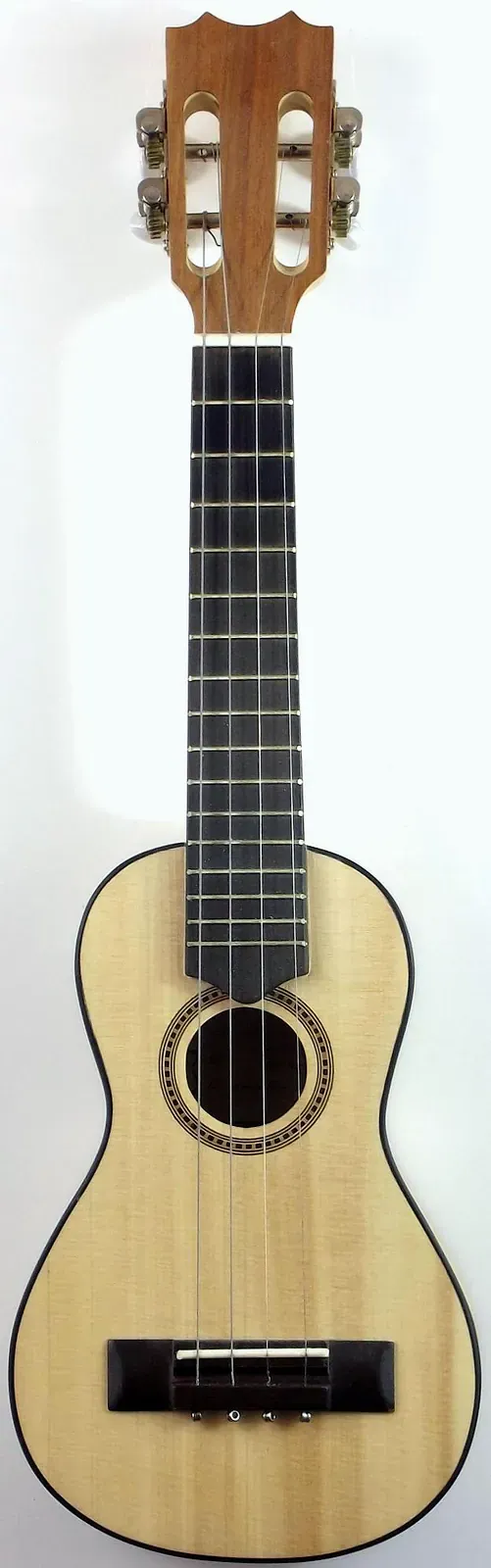
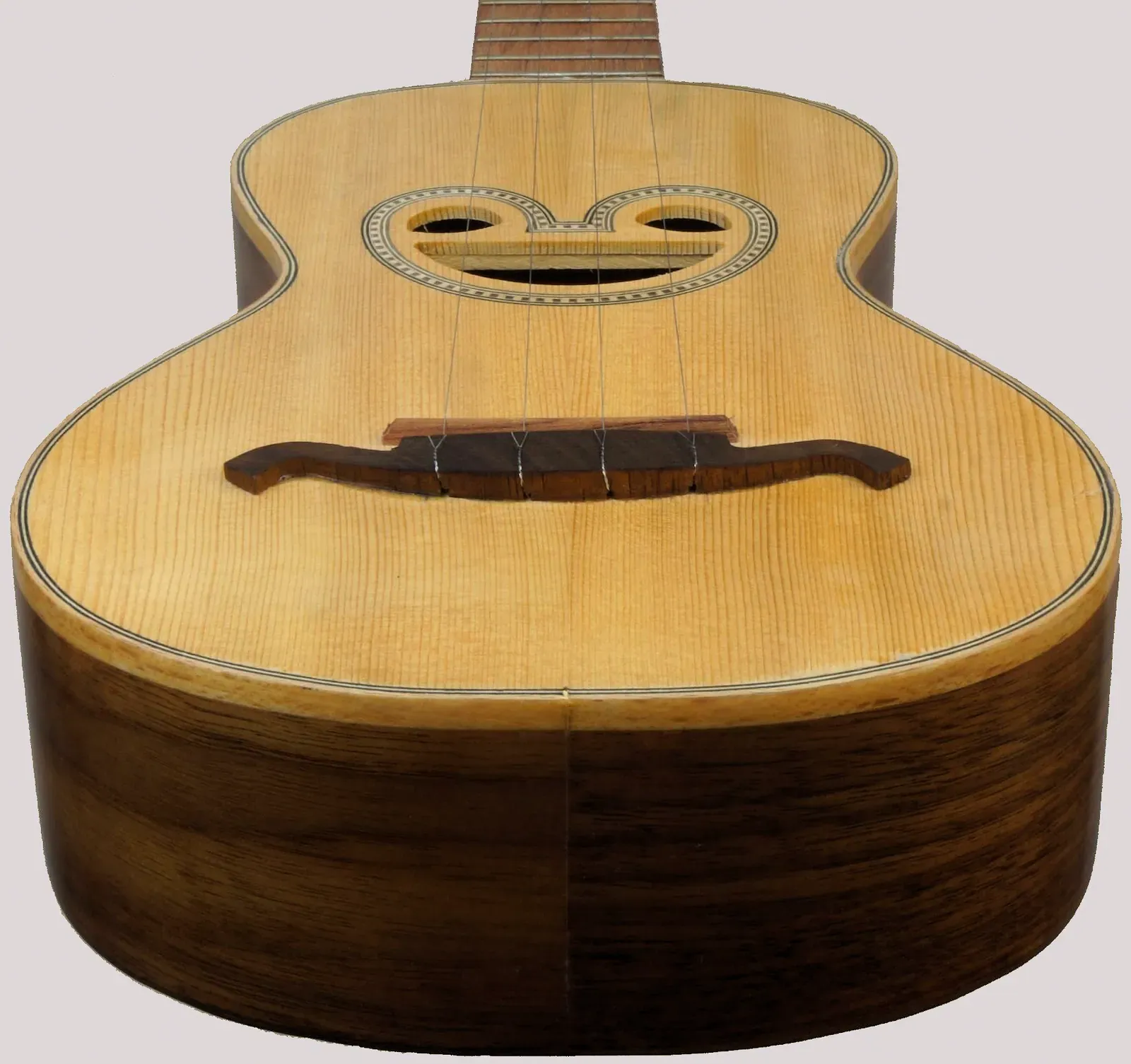
The standard group is the regional: a lead instrument, usually flute, clarinet, bandolim or later saxophone, over a rhythm section of six-string guitar, cavaquinho and pandeiro. The seven-string guitar added a low string for the bass counterpoint known as baixaria, which became a signature of the style. The cavaquinho keeps a quick rhythmic pattern and, in solo hands such as Waldir Azevedo’s, carries the melody.
Mainstream success
Choro was mainstream in the 1930s and 1940s, through radio, regional ensembles and records. Tico-Tico no Fubá, written by Zequinha de Abreu, was carried abroad in the 1940s by Carmen Miranda and became a worldwide light-music hit. After the bossa nova years it returned to wider attention through the festivals of the late 1970s, and today it holds a stable place in Brazilian instrumental music and in jazz-minded concert programmes.
Notable recordings
Carinhoso is the best-known choro and the one that crossed into song form, with João de Barro’s lyric in 1937. Um a Zero, recorded by Pixinguinha and Lacerda, is a model of flute melody over tenor sax counterpoint. Brasileirinho shows the cavaquinho at speed, and it has been covered by singers, rock bands and classical cellists. Noites Cariocas, by Jacob do Bandolim, is a slow lyrical piece still taught to every young bandolim player.
Culture
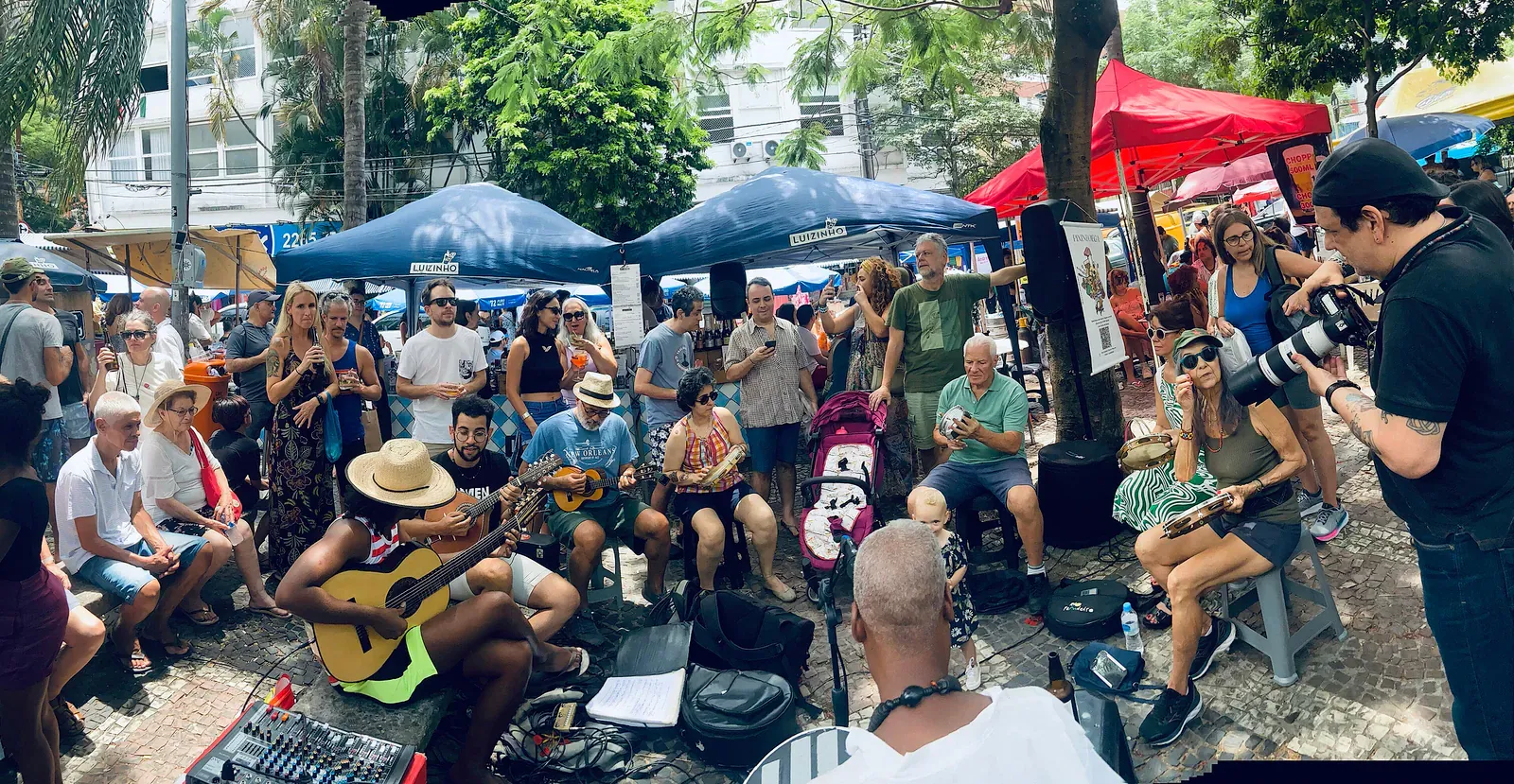
The roda is the core social form: players sit around a table, trade solos and swap tunes, and a good roda is as much a conversation as a performance. Many chorões have been amateurs with other jobs. The genre sits close to the repertoire of samba, which absorbed many of its players, and to the northeastern forró trio tradition through the choro-baião. Classical composers also took note: the arranger Radamés Gnattali saw choro as sophisticated instrumental popular music, and Heitor Villa-Lobos wrote choros of his own.
Legacy
Choro shaped samba, bossa nova and Brazilian jazz, and its harmonic habits are visible in both. It also gave generations of guitarists and bandolinists a demanding repertoire to learn. As part of the wider Latin family it stands out for being almost entirely instrumental.
Misconceptions
The name suggests sadness, but choro is not a sad genre by default. Many pieces are fast and joyful, and the word also names a manner of playing, not just an emotion. Choro is also not a kind of samba: it is older, mostly instrumental and built on a different form, although the two overlap in hybrids such as samba-choro. A third myth is that it is simple street music. The harmony, counterpoint and modulation make it demanding, and players spend years learning the repertoire.
Frequently asked questions
What does choro mean?
Choro is a Portuguese word for crying, and chorinho means little cry. The origin of the music’s name is disputed, and several explanations circulate, but the genre itself is often fast and upbeat.
What instruments are used in choro?
A lead instrument such as flute, clarinet, bandolim or saxophone plays the melody, with cavaquinho, six-string and seven-string guitars and pandeiro behind it.
What is the difference between choro and samba?
Choro is an instrumental genre that developed in the late nineteenth century with a rondo form and virtuoso solos. Samba is a song and dance genre built on a fixed percussion groove, and it grew up alongside choro in Rio.
Who are the most important choro composers?
Joaquim Callado, Chiquinha Gonzaga and Ernesto Nazareth shaped the early repertoire, Pixinguinha defined its golden age, and Jacob do Bandolim and Waldir Azevedo carried it through the mid-twentieth century.
Sound
Sound sheet
Anatomy of a track
| # | Part | Bars |
|---|---|---|
| 1 | A section, repeated | 16 |
| 2 | B section, repeated | 16 |
| 3 | A section returns | 16 |
| 4 | C section, repeated, new key | 16 |
| 5 | A section final return | 16 |
Signature sounds
- Rondo form
- Syncopated melody over a steady pulse
- Seven-string guitar bass counterpoint
- Modulation in the C section
Drums and percussion
- Pandeiro
Techniques
- Baixaria
- Improvised variation
- Rondo with modulation
- Syncopation
Keys and modes
Minor with relative major. Many choros open in minor and move to the relative or parallel major, then modulate in the third section.
Tuning
12-TET, A=440
Vocals
Mostly instrumental; the choro-canção form adds a sung lyric.
Scenes
Where it happened
Where and when the sound lived: one bar per city on a shared timeline.
Latin America
Active scenes
Peak 3, 1977-2025
Birthplace of choro, with its salons, recording houses, radio and rodas.
Capital with an active choro club and school scene since the revival years.
Home city of composer Zequinha de Abreu, author of Tico-Tico no Fubá.
Venues and places
Rio de Janeiro, 1900 to today. Record shop and recording house that issued the first Brazilian commercial discs, many of them choros.
Culture
Culture markers
- Roda de choro
Amateur and professional players meet around a table, trade solos and swap tunes.
Ritual - National Choro Day
Brazil marks 23 April, Pixinguinha's birthday, as the day of choro.
Ritual - Chorão
Name for a choro musician, from the first serenaders of Rio.
Slang
Media
Key media
- 2005Brasileirinho
by Mika Kaurismäki. Documentary on contemporary choro players in Rio.
Film - 2005Choro: A Social History of a Brazilian Popular Music
by Tamara Livingston-Isenhour and Thomas Garcia. English-language history of the genre and its rodas.
Book
Glossary
Terms on this page
Moving bass counterpoint played on the seven-string guitar.
A choro player.
A choro with a sung lyric, such as Carinhoso with words by João de Barro.
The standard choro ensemble of a lead instrument over guitars, cavaquinho and pandeiro.
Informal circle of players who gather to play, often at home or in a bar.
Latin family