Latin music
Latin music is the music of Spanish- and Portuguese-speaking Latin America and its US diaspora: 647 genres, from tango and samba to salsa and reggaeton.
647 genres
Since around 1550
Genres
647
In this family
Branches
88
Main subgenres
Since
around 1550
Mexico, Cuba, Brazil, Argentina, Colombia, Puerto Rico, Dominican Republic
Timeline
Era by era
From the first sparks to today. Select a dot to read the story behind it.
- Three streams meet
1550 to 1900
- Dance halls and phonographs
1900 to 1945
- Mambo, bossa and the jukebox
1945 to 1964
- Salsa, tropicália and protest
1964 to 1985
- Rock en español and the Latin pop boom
1985 to 2000
- Reggaeton goes global
2000 to 2015
- Streaming and Latin trap
2015 to today
Eras
Moments
- 1 Three streams meet, 1550 to 1900
- 2 Dance halls and phonographs, 1900 to 1945
- 3 Mambo, bossa and the jukebox, 1945 to 1964
- 4 Salsa, tropicália and protest, 1964 to 1985
- 5 Rock en español and the Latin pop boom, 1985 to 2000
- 6 Reggaeton goes global, 2000 to 2015
- 7 Streaming and Latin trap, 2015 to today
around 1550
Three streams meet
Iberian songs and guitars, African drums and rhythms, and Indigenous flutes and dances mix in colonial ports and plantations, giving rise to son, bomba, lundu, contradanza and early tango.
- 1550Colonial blending beginsSpanish and Portuguese guitars and verse meet African drumming and Indigenous instruments across the colonies.
- 1880Tango takes shape around the Rio de la PlataImmigrants, Afro-Argentine candombe and milonga blend in Buenos Aires and Montevideo port districts.
- 1883Pepe Sánchez writes the first bolero, TristezasThe Santiago de Cuba trovador's song sets the template for the Latin love ballad.
around 1900
Dance halls and phonographs
Records and radio turn local dances into national music: tango canción in Buenos Aires, samba in Rio, son and bolero in Cuba, ranchera in México.
- 1917Gardel records Mi noche tristeOften cited as the first tango canción, it turns tango from dance music into sung drama.
- 1917Pelo Telefone, the first samba on recordThe Rio recording by Donga and Mauro de Almeida gives samba a commercial identity.
- 1920Son moves from eastern Cuba to HavanaThe tres, guitar, bongo and clave sound becomes the base of later Cuban dance music.
- 1930XEW radio launches in México CityThe station broadcasts boleros and rancheras across the Americas and builds the Mexican star system.
- 1935Gardel dies in a plane crash in MedellínHis death at the height of his film career turns him into an enduring symbol of tango.
- 1944Panart founds Cuba's largest independent labelRamón Sabat's Havana company records son, mambo and trova for decades.
1945
Mambo, bossa and the jukebox
Mambo and cha-cha fill New York ballrooms, bossa nova reinvents samba in Rio, and the folk revival begins what becomes nueva canción.
- 1948Tico Records opens in New YorkIts catalogue becomes known as the home of recorded mambo in the city.
- 1956Alegre Records opens in the BronxAl Santiago's label records charanga and early Nuyorican dance bands.
- 1958Chega de Saudade starts bossa novaJoão Gilberto's guitar rhythm and Jobim's harmonies reshape Brazilian pop.
- 1963Elenco founded in Rio de JaneiroAloysio de Oliveira's label gives bossa nova its minimalist look and sound.
1964
Salsa, tropicália and protest
Fania brands Nuyorican salsa, tropicália shakes Brazilian pop, nueva canción carries protest across the Andes and cumbia spreads over the continent.
- 1964Fania Records founded in New YorkJohnny Pacheco and Jerry Masucci build the main brand of Nuyorican salsa.
- 1964Getz/Gilberto brings bossa nova to the USThe Girl from Ipanema wins the 1965 Record of the Year Grammy.
- 1968Tropicália breaks with Brazilian orthodoxyCaetano Veloso, Gilberto Gil and Os Mutantes mix rock, avant-garde and regional rhythms.
- 1971Fania All-Stars play the Cheetah ClubThe filmed concert, released as Our Latin Thing, spreads salsa beyond New York.
- 1974Celia and Johnny pairs Celia Cruz with PachecoThe album makes Cruz the queen of salsa after her exile from Cuba.
- 1978Siembra sets a salsa sales recordWillie Colón and Rubén Blades add urban storytelling to dance music.
1985
Rock en español and the Latin pop boom
Miami becomes the industry hub, rock en español and vallenato reach stadiums, Buena Vista Social Club revives son, and Latin pop crosses over in 1999.
- 1990Reggaeton emerges in Puerto Rico and PanamaSpanish-language rap meets the dembow riddim in San Juan underground tapes.
- 1997Buena Vista Social Club revives Cuban sonThe Ry Cooder and World Circuit project sells millions worldwide.
- 1999Latin pop boom crosses overRicky Martin's Grammy performance helps open the US mainstream to Spanish-language pop.
2000
Reggaeton goes global
Puerto Rican reggaeton leaves the underground with Gasolina in 2004, while Latin Grammys and digital downloads widen the audience.
- 2000First Latin Grammy AwardsThe separate ceremony recognises Latin music beyond the old Grammy categories.
- 2004Gasolina and Barrio FinoDaddy Yankee takes reggaeton to global radio.
2015
Streaming and Latin trap
Despacito and Bad Bunny make Spanish-language music a staple of global charts. Latin trap, urbano and regional Mexican styles lead streaming growth.
- 2017Despacito tops charts worldwideLuis Fonsi and Daddy Yankee set streaming records for a Spanish-language song.
- 2022Un Verano Sin Ti tops the year-end Billboard 200Bad Bunny's album is the first Spanish-language record to lead that chart.
- 2026DeBÍ TiRAR MáS FOToS wins Album of the YearBad Bunny's plena, bomba and salsa tribute is the first Spanish-language winner of the Grammy.
Facts
| Genres in the family | 647 |
| Main branches | 88 |
| Emerged | 16th century onward |
| Tempo | 80 to 220 BPM |
Latin music is the music of Spanish- and Portuguese-speaking Latin America and its US diaspora, built from Iberian, African and Indigenous roots from the 16th century onward. It is an industry category more than a single sound, and this library files 647 genres under it, more than any other family.
Clave and tresillo rhythms drive much of its Caribbean branch, while tango, samba, bossa nova and cumbia run on their own rhythmic grammars.
Origins
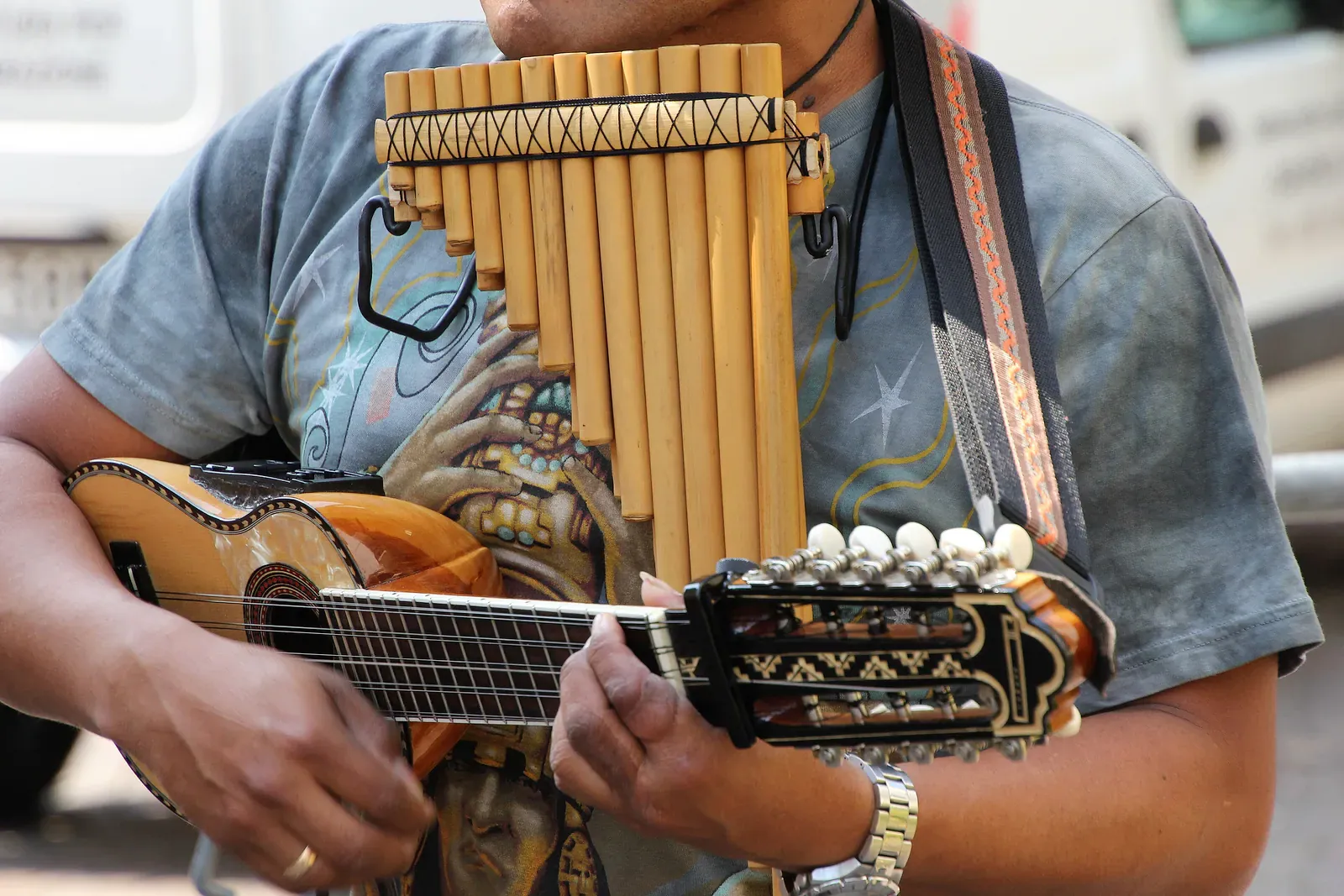
From about 1550, Spanish and Portuguese guitars and verse met African drumming and Indigenous flutes in colonial ports and on plantations. Nobody planned the blend. Enslaved Africans kept their rhythms, Iberian settlers brought strings and song forms, and Indigenous communities kept their panpipes and notched flutes in the Andes. The result was local: son in eastern Cuba, lundu in Brazil, bomba in Puerto Rico, contradanza in the Caribbean.
Clave is the clearest trace of Africa in the Caribbean branch. It is a five-stroke timeline in which every other part is heard in relation to the pattern, and its first three strokes form the tresillo, three near-equal beats squeezed into the time of two. Similar timeline patterns serve the same purpose from Mali to Mozambique. The other end of that conversation is heard in Afrobeat.
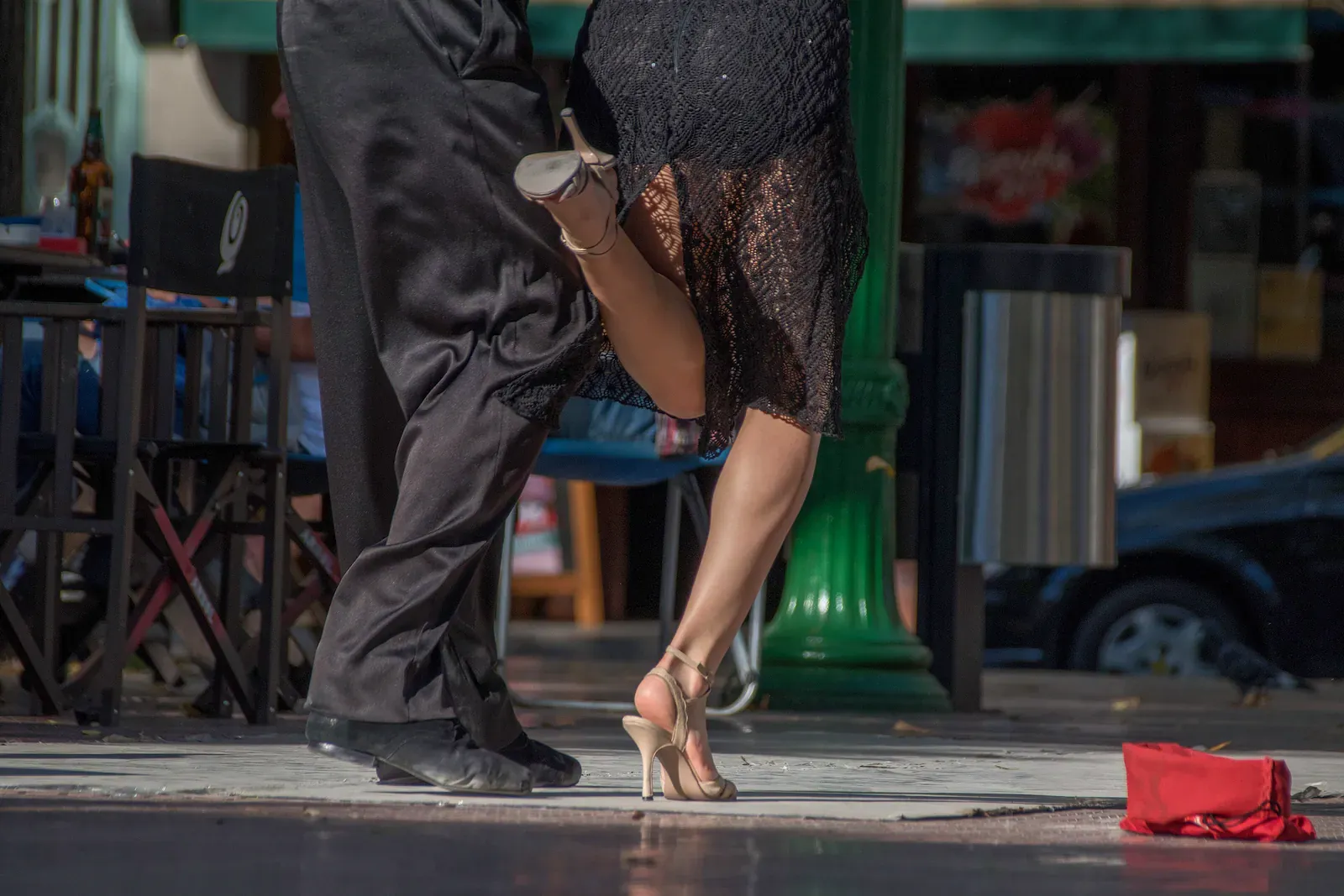
Two urban births followed. Around 1880, immigrants, Afro-Argentine candombe and milonga blended in the port districts of Buenos Aires and Montevideo and became tango. In 1883, the Santiago de Cuba trovador Pepe Sánchez wrote “Tristezas”, taken as the first bolero and the template for the Latin love ballad.
Records and radio, 1900-1945
Between 1900 and 1945, records and radio turned local dances into national music. The cause was technical. Electrical recording, from about 1925, let singers use a microphone and stay intimate instead of shouting into a horn. Carlos Gardel used that freedom: his 1917 “Mi noche triste” is often cited as the first tango canción, the moment tango became sung drama and not only dance music. He died in a plane crash in Medellín in 1935, at the height of his film career, and became tango’s permanent symbol.
Rio had its own breakthrough in 1917, when Donga and Mauro de Almeida recorded “Pelo Telefone”, the first samba on record. Authorship is disputed, since Sinhô claimed the chorus, but the record gave samba a commercial identity. Around 1920, son moved from eastern Cuba to Havana, where the tres, guitar, bongo and clave became the base of later Cuban dance music. Panart, founded in Havana in 1944 by Ramón Sabat, recorded son, mambo and trova for decades and is now a historical label.
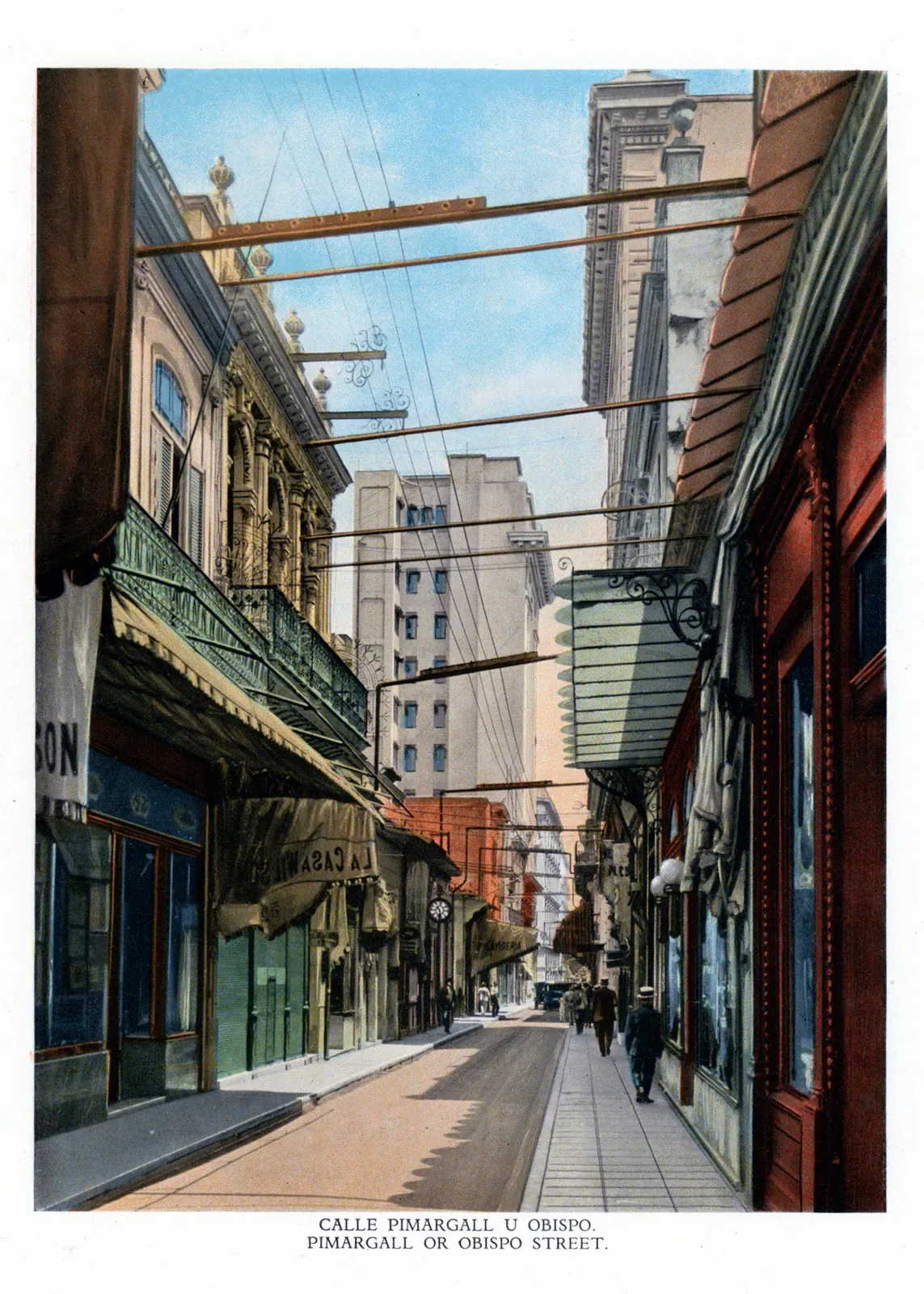
In 1930, the station XEW went on air in Mexico City. Its signal carried boleros and rancheras across the Americas and built the Mexican star system, in which radio, film and mass entertainment fed each other.
New York and Rio, 1945-1964
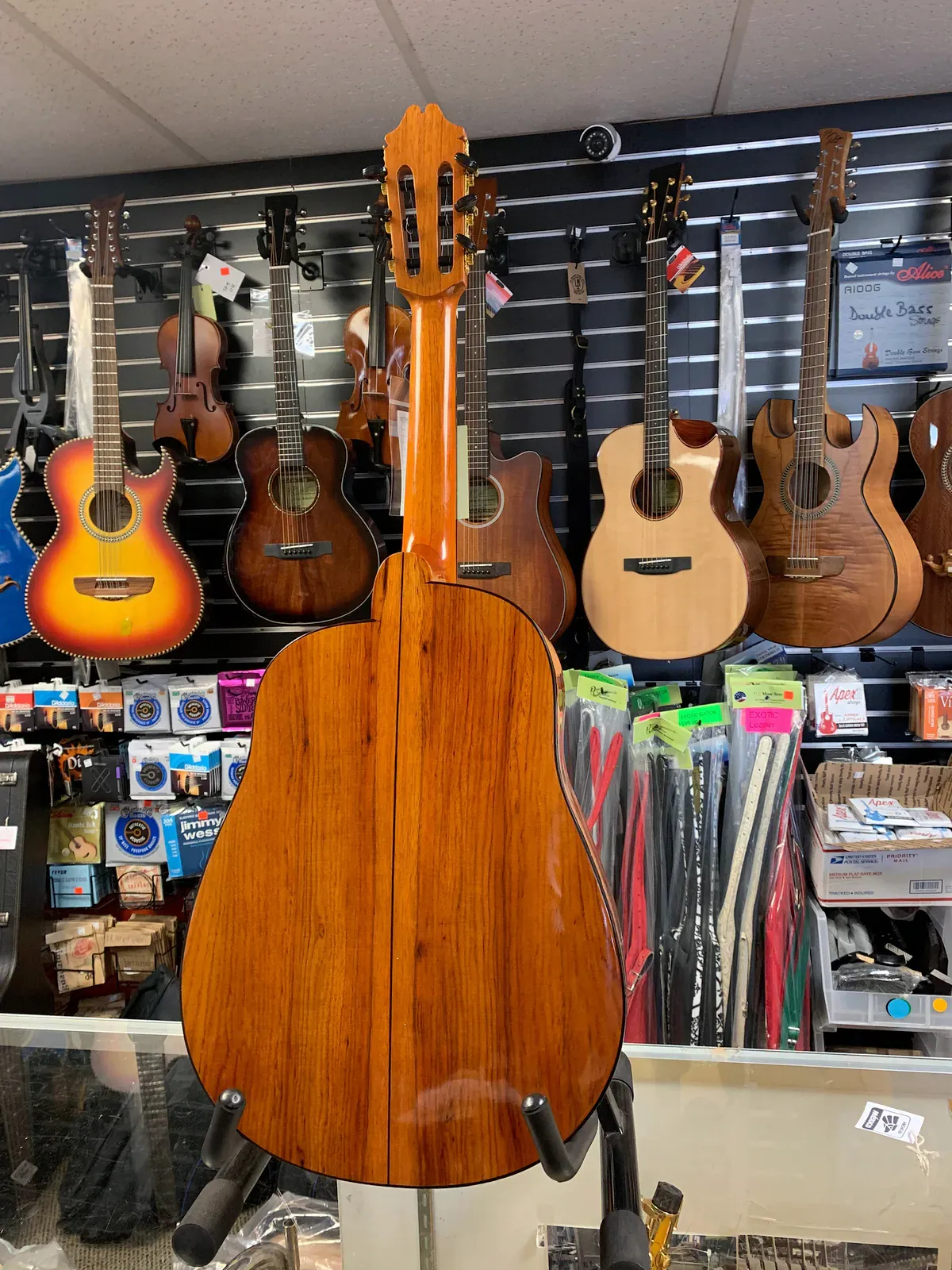
The years from 1945 to 1964 moved the centre of gravity to two cities. In New York, Cuban rhythm met big-band horns and the ballroom crowd. Mambo and cha-cha filled the dance halls, and Tito Puente’s 1958 album Dance Mania became a landmark that carried Cuban dance rhythm to a New York audience. The business grew with it. Tico Records opened in New York in 1948 and became known as the home of recorded mambo in the city, and Alegre Records, opened in the Bronx in 1956 by Al Santiago, recorded charanga and early Nuyorican dance bands.
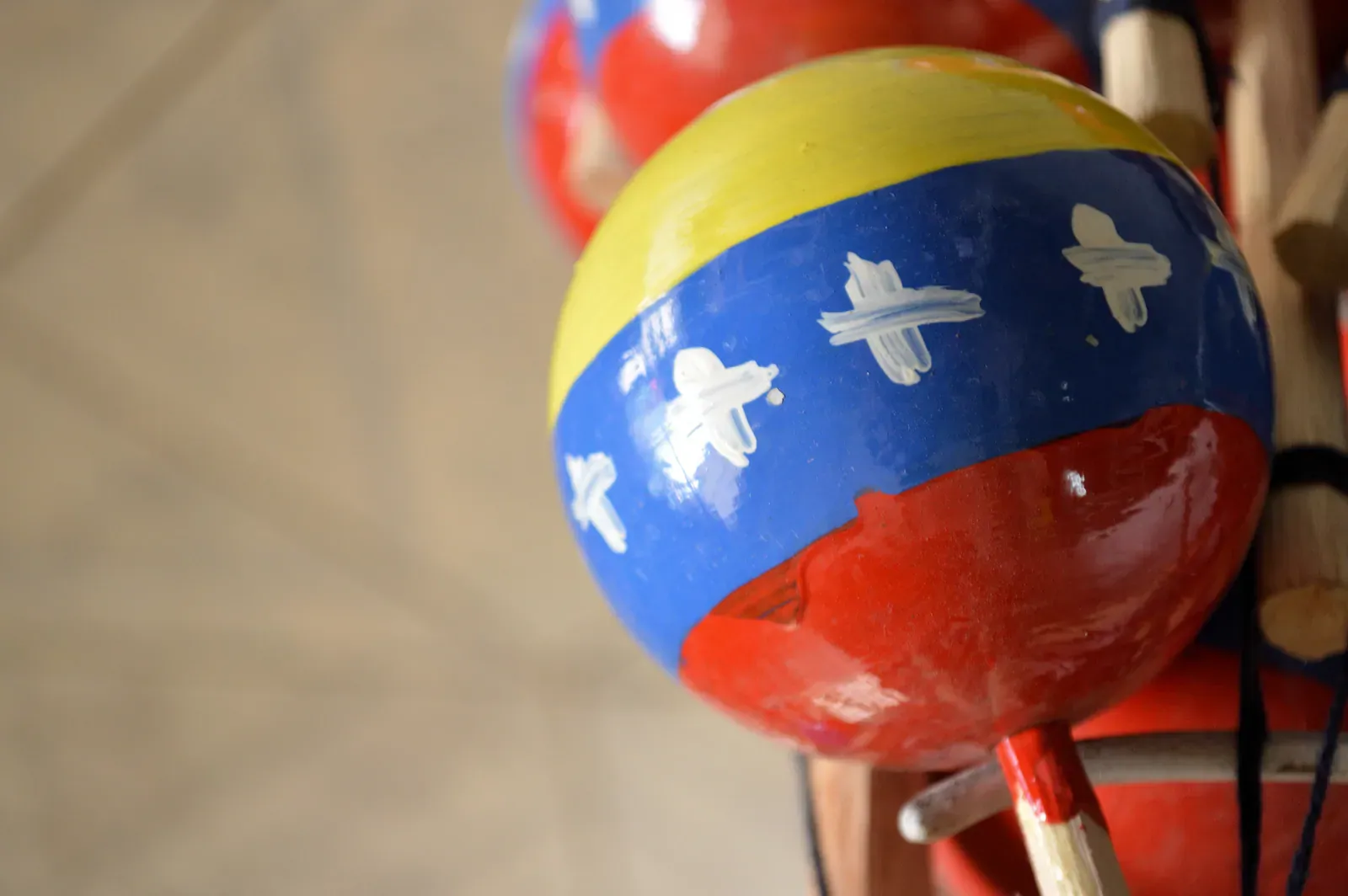
In Rio, a smaller sound arrived. João Gilberto’s “Chega de Saudade” (a 1958 single, then a 1959 album) put a new guitar rhythm, the batida, under Antonio Carlos Jobim’s harmonies and reworked samba into close-microphone singing. Elenco, founded in 1963 by Aloysio de Oliveira, gave bossa nova its minimalist look and sound. Then Getz/Gilberto (1964) made it a world fashion, and “The Girl from Ipanema” won the 1965 Grammy for Record of the Year. Bossa nova is covered in its own page.
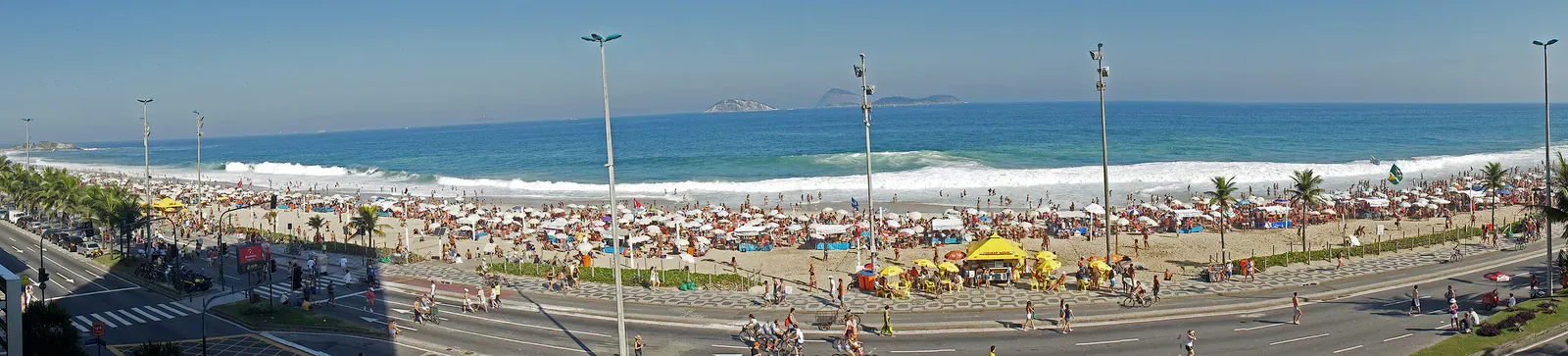
Meanwhile a folk revival in the Andes and the Southern Cone began what became nueva canción, the protest song movement of the next era.
Salsa, tropicália and protest song, 1964-1985
In 1964, Johnny Pacheco and Jerry Masucci founded Fania Records in New York, and the label became the main brand of Nuyorican salsa. The musical ingredients were old, son montuno, mambo and cha-cha-chá, but Fania packaged them with a name, a house band and a look. The Fania All-Stars played the Cheetah Club in 1971, and the film of the night, released as Our Latin Thing, spread the sound beyond New York.
Two records show how far salsa stretched. “Celia and Johnny” (1974) paired Celia Cruz, exiled from Cuba, with Pacheco and made her the queen of salsa. Siembra (1978), by Willie Colón and Rubén Blades, set a sales record and added urban storytelling to dance music: a story song that was also dance music.
Brazil took a different turn. In 1968 tropicália broke with Brazilian orthodoxy as Caetano Veloso, Gilberto Gil and Os Mutantes mixed rock, avant-garde and regional rhythms. Across the Andes, nueva canción carried protest, with Mercedes Sosa as its best-known voice, and cumbia spread over the continent from its Colombian coastal base.
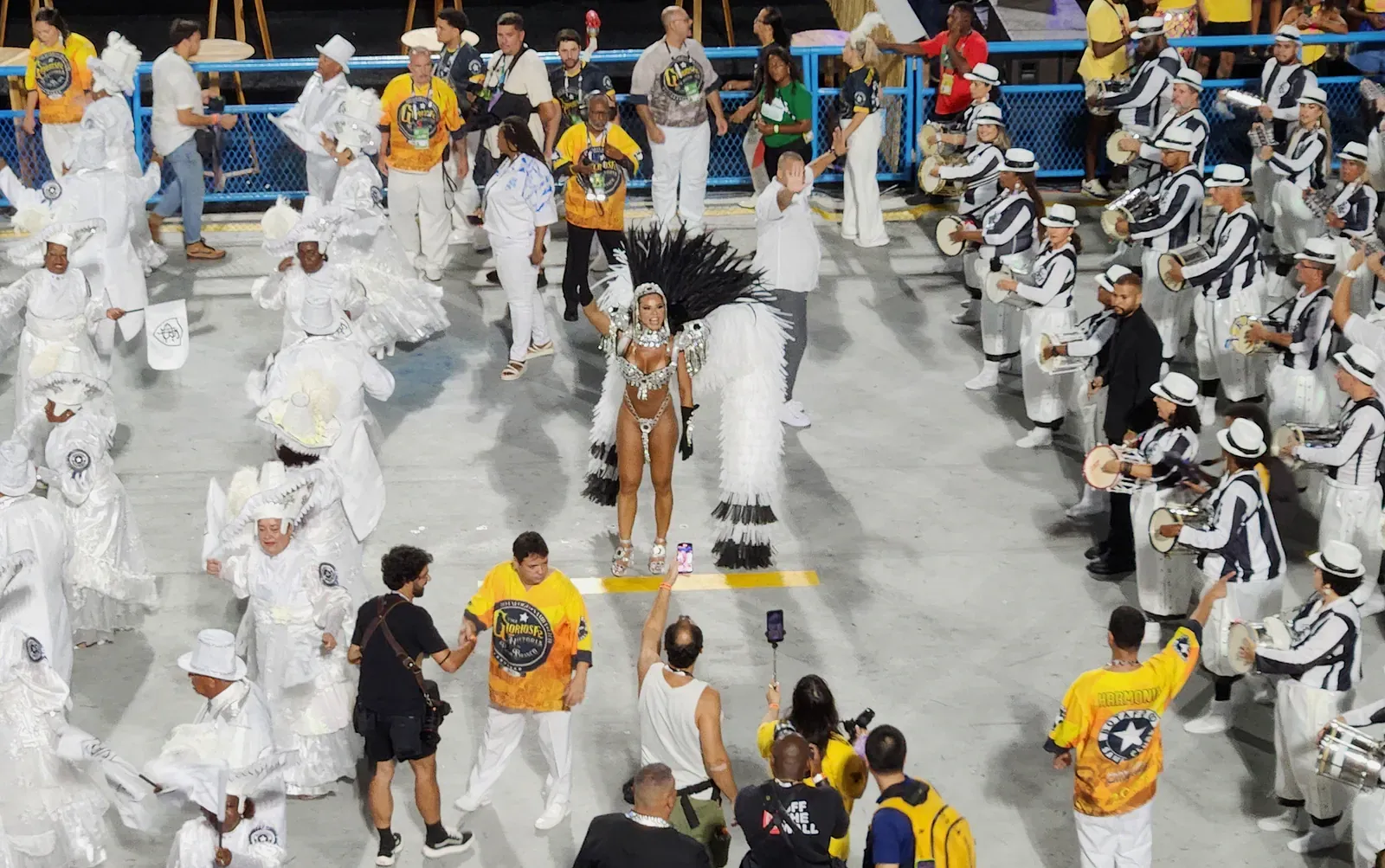
Miami and the Latin pop boom, 1985-2000
From 1985 to 2000, Miami became the industry hub, and the major labels set up Latin divisions there. Rock en español and vallenato reached stadiums, and in 1997 the Ry Cooder and World Circuit project Buena Vista Social Club revived Cuban son and sold millions worldwide. In 1999, Ricky Martin’s Grammy performance helped open the US mainstream to Spanish-language pop. Industry recognition followed in 2000, with the first Latin Grammy Awards and a ceremony for Latin music beyond the old Grammy categories. Majors such as Sony Music Latin and Warner Music Latina now built careers for singers like Shakira, whose English-language debut Laundry Service (2001) was a key crossover moment for Latin pop. See the neighbouring Rock family for the guitar side of this decade.
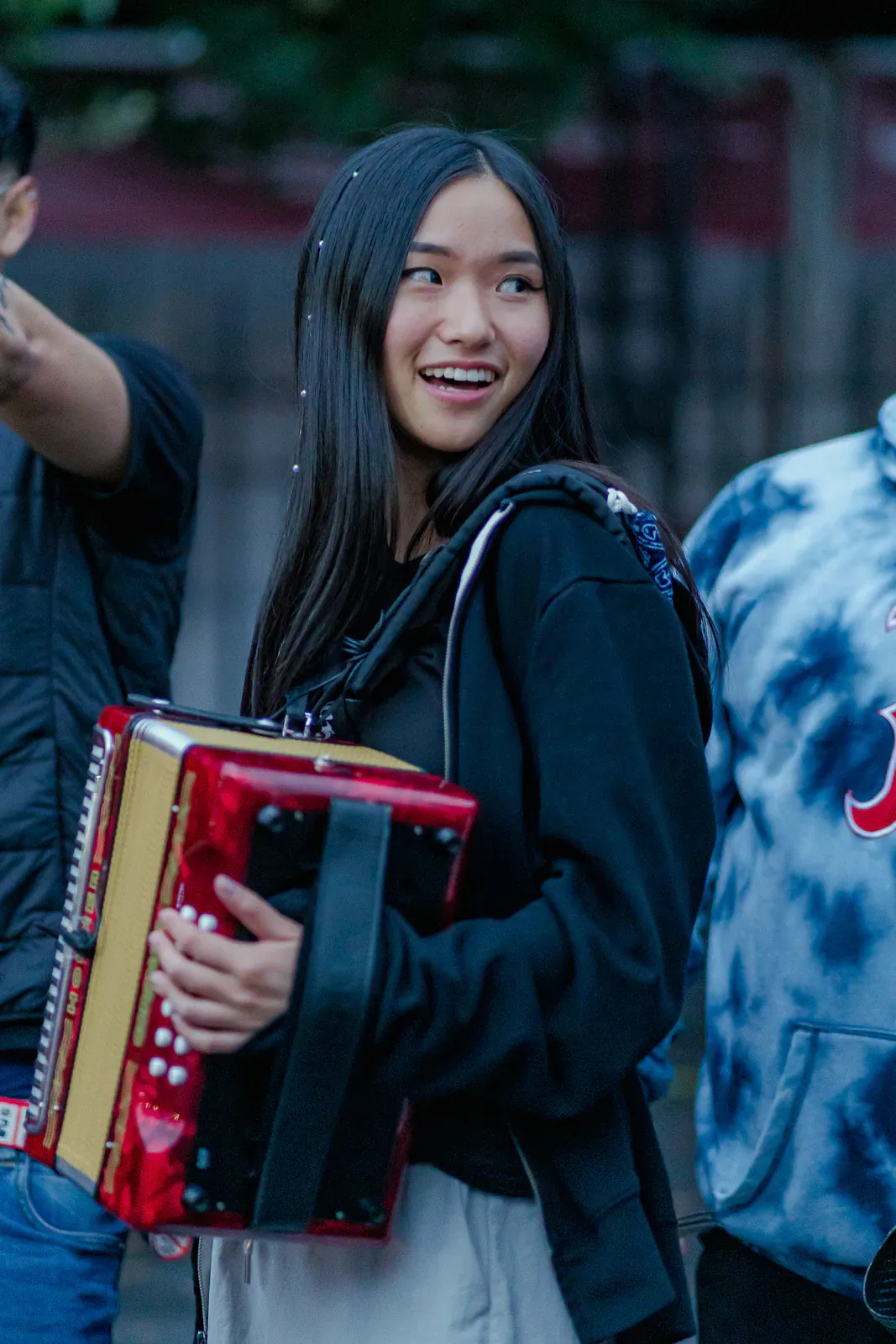
Reggaeton, 1990-2015
Reggaeton emerged around 1990 in Puerto Rico and Panama. Spanish-language rap met the dembow riddim, a Jamaican drum-machine pattern, on San Juan underground tapes. For a decade it stayed underground, copied on tapes and played in clubs. In 2004, Daddy Yankee’s “Gasolina” and the album Barrio Fino took it to global radio. Digital downloads and the Latin Grammys widened the audience further between 2000 and 2015. Rimas Entertainment, the independent behind later Bad Bunny albums, shows where the genre’s power ended up: in labels that sit outside the old major-label system.
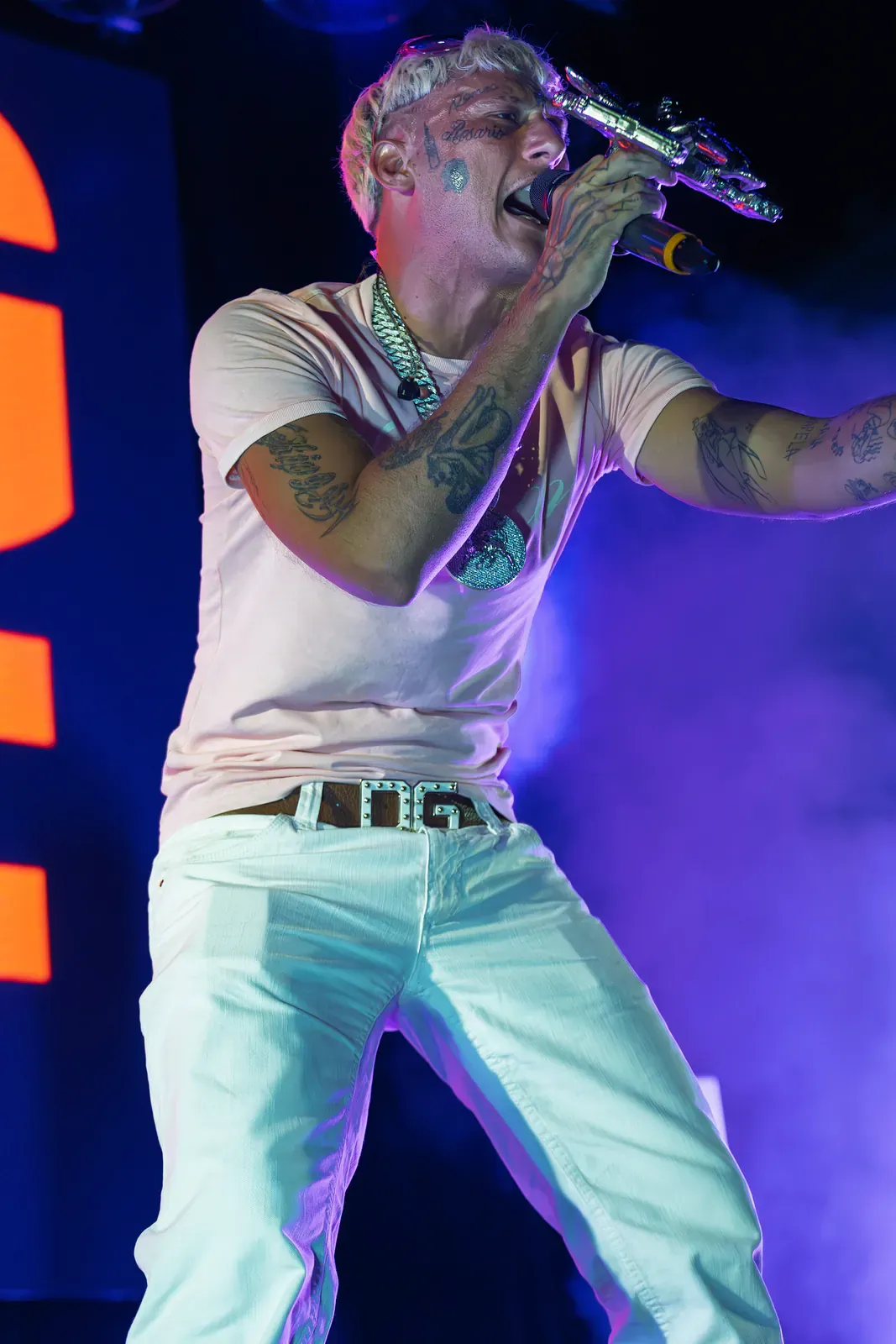
Streaming era, 2015 onward
Since 2015, streaming has replaced radio as the gatekeeper. YouTube and Spotify let Spanish-language songs reach global charts without a radio campaign. In 2017, “Despacito” by Luis Fonsi and Daddy Yankee, released through Universal Music Latino, set streaming records for a Spanish-language song and spent 16 weeks at number one on the Billboard Hot 100.
Bad Bunny pushed it further. His Un Verano Sin Ti (2022) was the first Spanish-language album to top the year-end Billboard 200. In 2026 his DeBÍ TiRAR MáS FOToS, a tribute to plena, bomba and salsa, became the first Spanish-language Grammy winner for Album of the Year. The turn is telling: the biggest act of the streaming era went back to Puerto Rican roots, not away from them. Latin trap, urbano and regional Mexican styles now lead streaming growth.
Characteristics
Rhythm organises most Latin music. In the Caribbean branch the clave is a five-stroke timeline in 3-2 or 2-3 order, and every other part is aligned to it. Its first three strokes form the tresillo, three near-equal beats squeezed into the time of two, and the tumbao, a syncopated bass and conga ostinato, is built on that figure. Over a fixed clave, son montuno and salsa repeat short minor or major vamps, and the montuno is a repeated piano or tres figure that locks to the pattern under improvised vocals.
Voices follow the same logic of exchange. In son and salsa a chorus, the coro, answers the lead singer’s improvised lines, the pregon, so that singing is call and response. Tempo varies by style, from about 160 to 220 beats per minute in salsa to roughly 85 to 100 in reggaeton.
Brazil and the Spanish-speaking Caribbean diverge in harmony and groove. Bossa nova uses seventh, ninth and thirteenth chords with chromatic bass movement over the batida guitar pattern. Reggaeton and Latin trap favour natural minor loops over the dembow, a looped drum pattern with a kick on every beat and off-beat snare accents.
Instruments and production
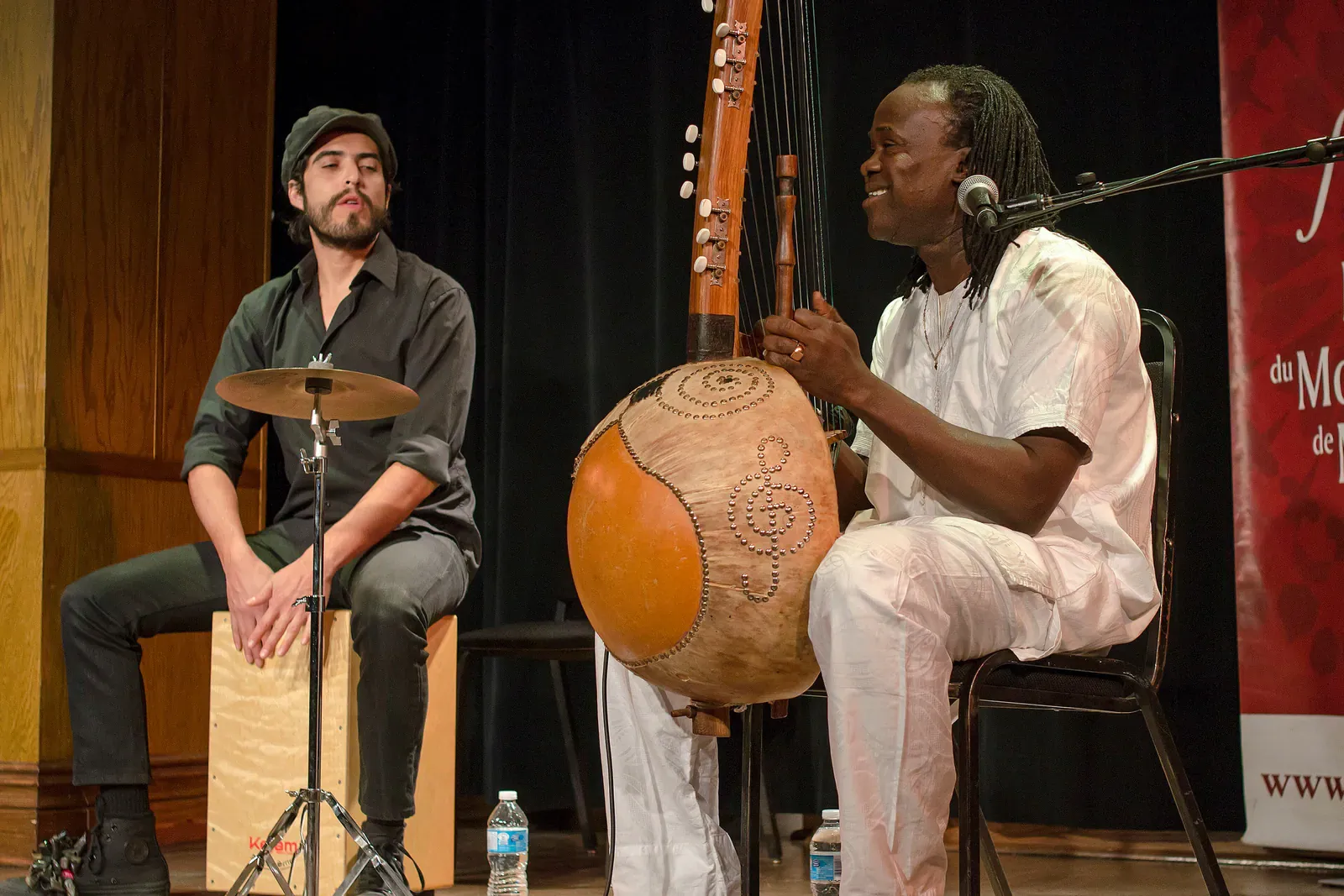
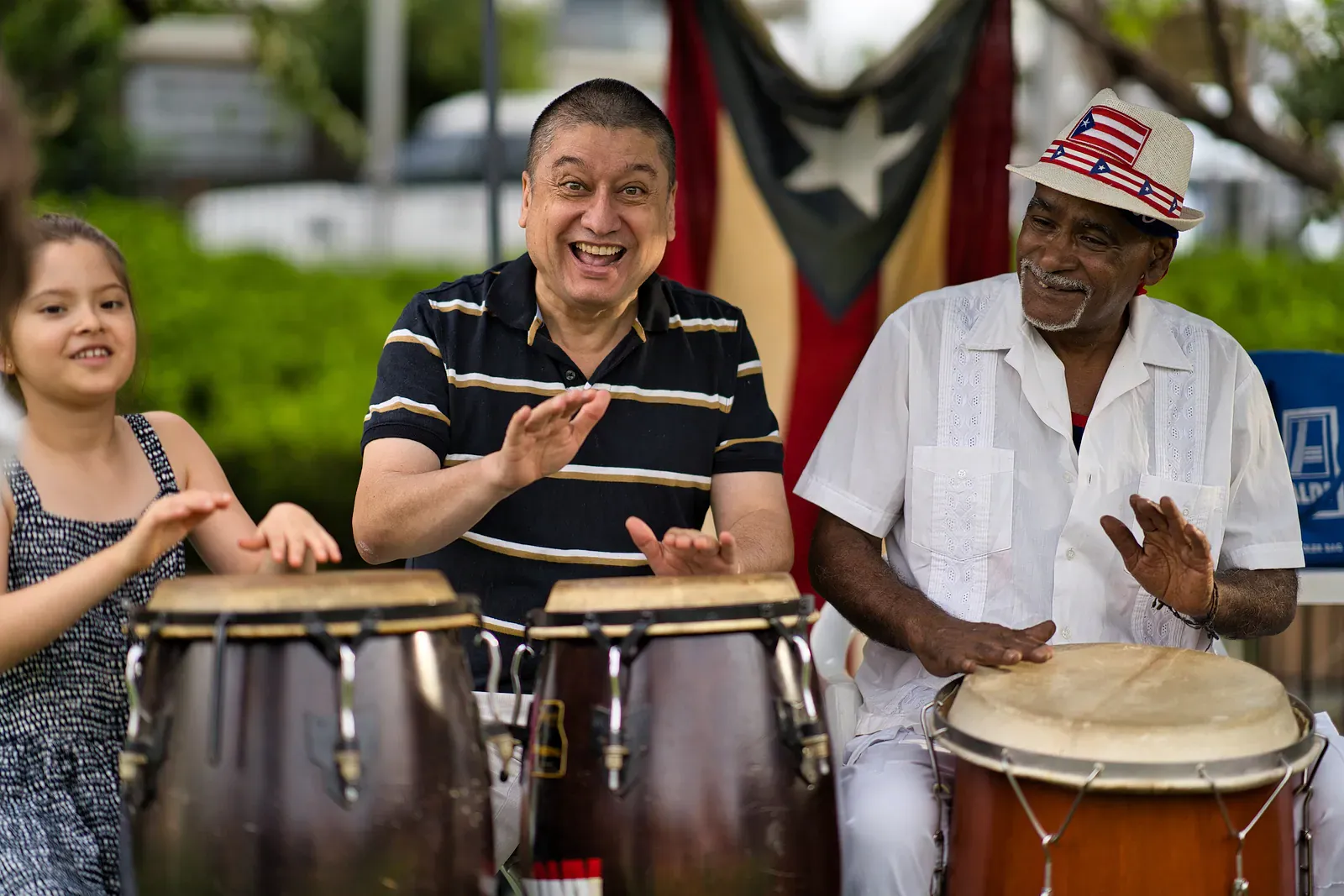
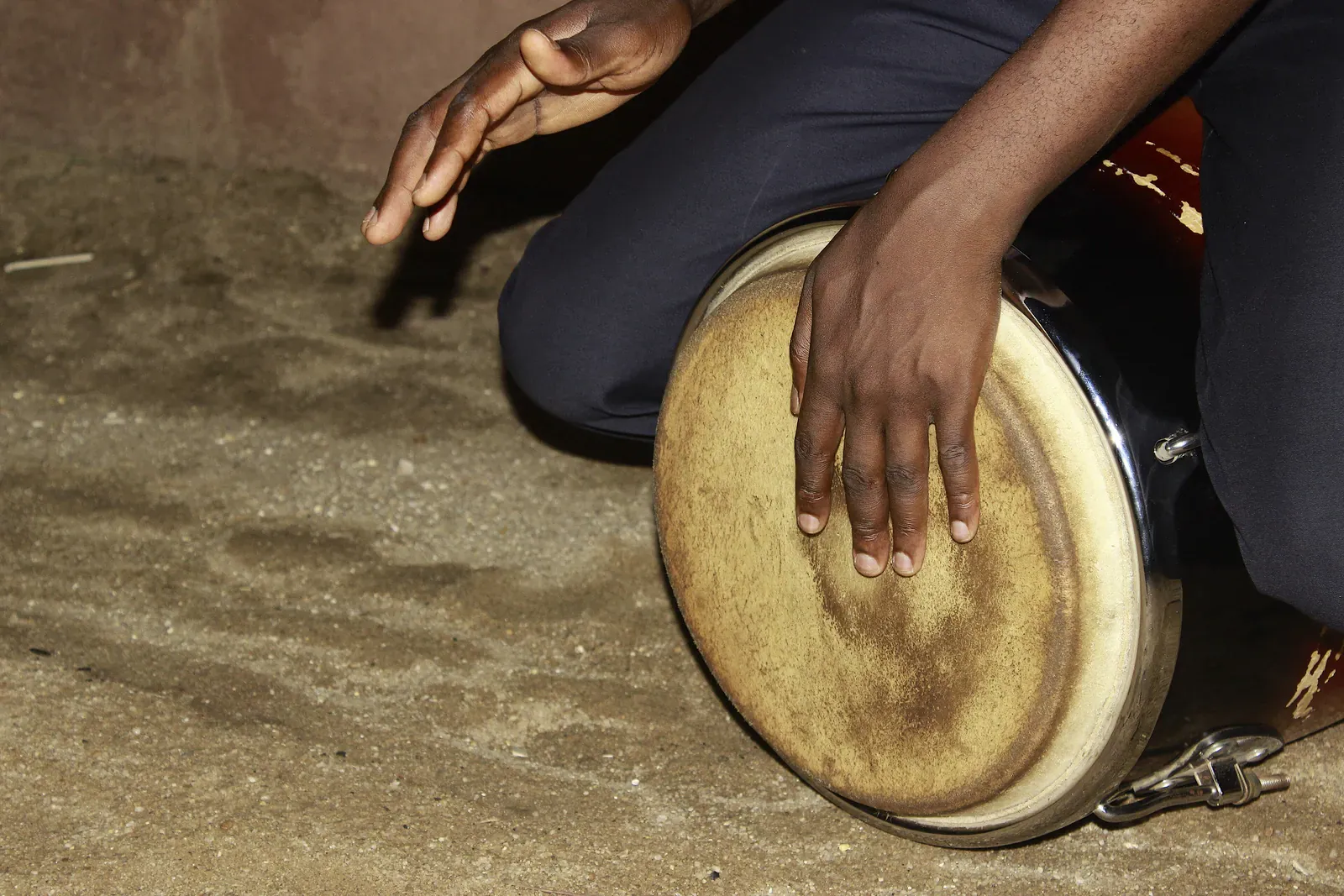
Percussion carries the Caribbean sound. Congas are tall hand drums that play the tumbao in son, salsa and Latin jazz, and bongos are small paired hand drums that play the martillo. Timbales, paired shell drums with a cowbell, mark sections in mambo and salsa, while the guiro, a scraped gourd, sits in son, cumbia, merengue and salsa. In Brazil the surdo, a large bass drum, anchors samba.
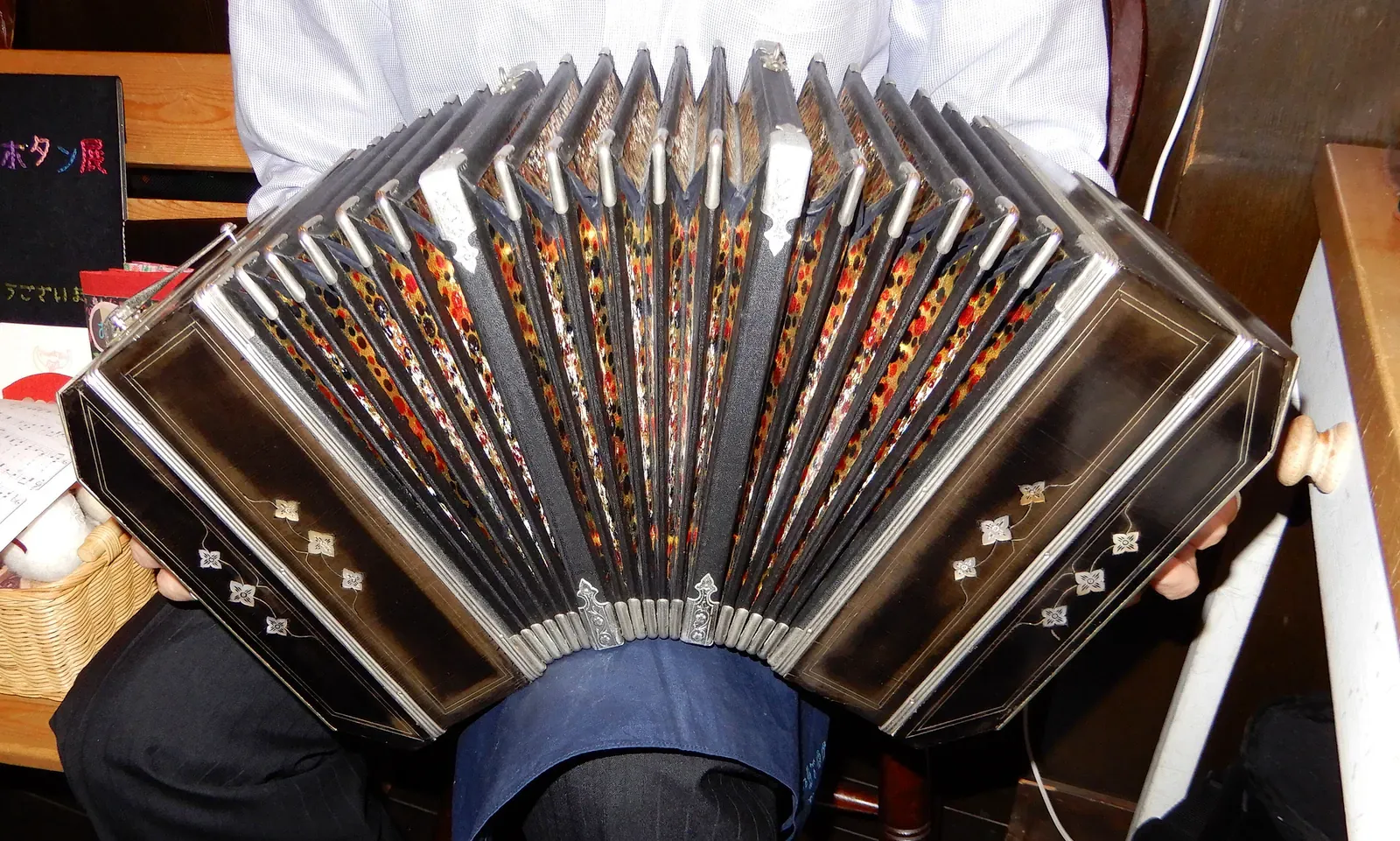
Strings and keys supply the harmony. The Cuban tres plays the montuno lines of son, the piano doubles them in salsa, and the nylon-string guitar carries the batida of bossa nova. Brass sections arrived with the New York big-band era, when Cuban rhythm met ballroom horns in mambo and cha-cha. The bandoneon defines tango, and the charango is central to Andean music.
Studio practice changed with the drum machine. Reggaeton grew from dembow patterns taken from Jamaican drum-machine records, and its producers build beats in software, with FL Studio common for reggaeton and Latin trap. Spanish or Portuguese lead vocals remain the constant, from crooned boleros to rapped reggaeton verses.
Culture
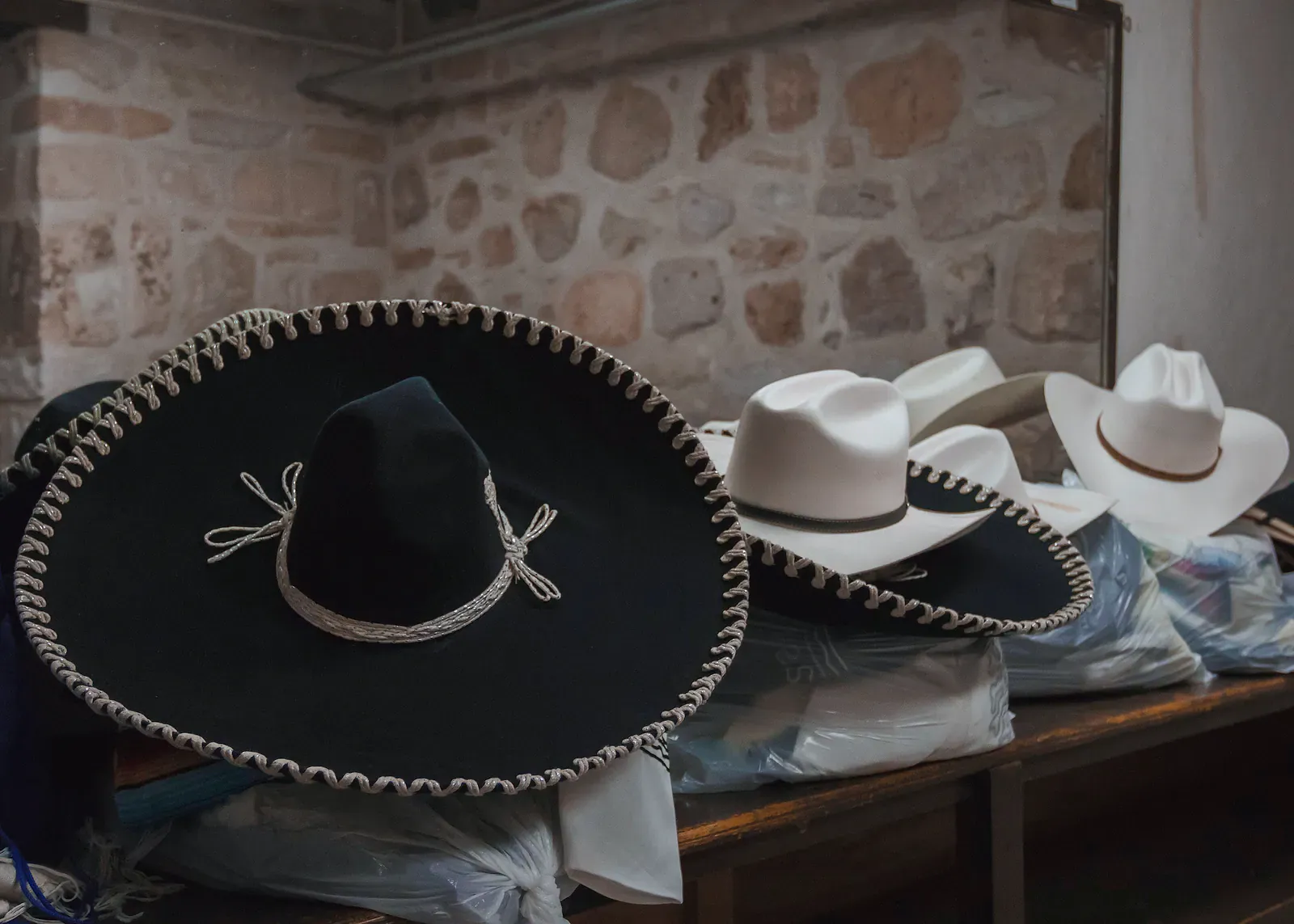
Latin music was always social music. Tango came from immigrant port suburbs, bolero from the trovadores of Santiago de Cuba, salsa from Cuban and Puerto Rican musicians in Harlem and the Bronx. Dance came first: samba had the schools and the carnival parade, cumbia the Colombian coastal courtship dance.
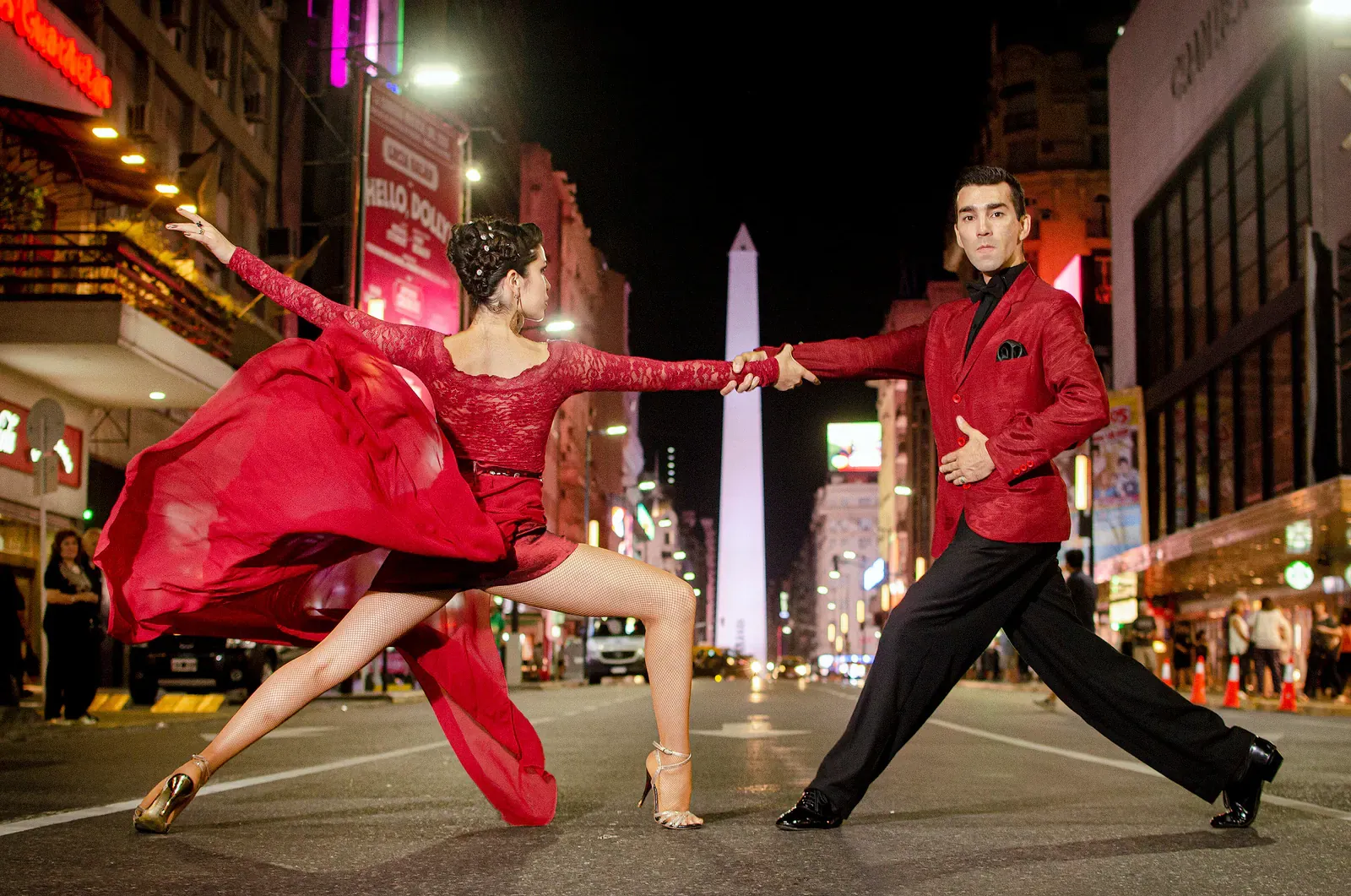
The economics were uneven. Independent labels such as Panart, Tico, Alegre and Fania built the early recorded scenes, and many artists signed away rights for small advances. Exile shaped careers, as with Celia Cruz. Fashion followed the scenes: the mariachi suit, the tango dress, the carnival costume. Today the money sits in Miami offices and streaming playlists, and artists in heritage genres such as norteño, Tejano and duranguense argue that a catch-all tag buries them.
Misconceptions
Latin music is not only Spanish-language. Brazil, the largest country in Latin America, sings in Portuguese, and samba and bossa nova are core to the family. The US trade definition, music sung in Spanish or Portuguese, also pulls in Spain and Portugal, which is why the library files flamenco, fado and copla with the European family.
“Despacito” did not start Latin crossover. It was the first Spanish-language number one on the Billboard Hot 100 since “Macarena” in 1996. Bossa nova won a Record of the Year Grammy in 1965, and Ricky Martin’s 1999 performance opened the US mainstream earlier still.
Salsa as Cuban music under a new name is a disputed claim. Musicologist Max Salazar traced the word to Ignacio Piñeiro’s 1930 song “Échale salsita”, promoter Izzy Sanabria claimed his 1973 television show Salsa was the first reference to the music by that name, and Celia Cruz said salsa is Cuban music with another name. The sound itself was codified by Cuban and Puerto Rican musicians in New York.
Frequently asked questions
What is Latin music?
Latin music is the music of Spanish- and Portuguese-speaking Latin America and its US diaspora, blending Iberian, African and Indigenous roots. It is a category, not one sound, and it covers genres from tango and samba to salsa, cumbia and reggaeton.
What is clave in Latin music?
Clave is a repeating five-stroke pattern, in 3-2 or 2-3 order, that anchors much Afro-Cuban music. Every other part of a son or salsa piece is heard in relation to it. Not every Latin genre uses clave: samba, cumbia and tango have their own rhythmic grammars.
What are the main Latin music genres?
The main branches are the Cuban and Dominican (son, bolero, merengue), New York and Puerto Rican (salsa, reggaeton), Colombian (cumbia, vallenato), River Plate (tango, candombe), Brazilian (samba, bossa nova) and Mexican regional styles. The family’s own genre explorer lists all 647.
Who started salsa music?
Cuban and Puerto Rican musicians in New York built salsa from son, mambo and cha-cha-chá from the mid 1960s. Fania Records, founded in 1964 by Johnny Pacheco and Jerry Masucci, turned it into the main commercial brand of the style.
When did reggaeton become popular?
Reggaeton emerged around 1990 in Puerto Rico and Panama and reached global radio in 2004 with Daddy Yankee’s “Gasolina”. Streaming made it a global staple after 2017, when “Despacito” topped charts worldwide.
Subgenres
Genres in the family
88 main branches. Names with their own page are links.
- Afoxé
1920, 1 branch
- Afro-Brazilian music
1550, 15 branches
- Afro-Cuban religious music
5 branches
1985
- Bachata
1955, 5 branches
- Bambuco
9 branches
- Bolero
1883, 5 branches
- Bomba
1680, 5 branches
1958, 1 branch
1965, 15 branches
- Bumba-meu-boi
1750, 7 branches
- Candombe
3 branches
- Carimbó
1700, 4 branches
- Champeta
1981, 3 branches
- Charme
1980
1870, 2 branches
- Ciranda
1960
2 branches
- Contradanza cubana
1750, 11 branches
1850, 10 branches
- Cueca
1824, 7 branches
46 branches
- Currulao
11 branches
- Danza puertorriqueña
1840
- Dobrado
1850
1995, 1 branch
- Fandango caiçara
- Folklore argentino
19 branches
1940, 17 branches
- Frevo
1907, 4 branches
1985, 20 branches
- Gaita zuliana
7 branches
- Guaracha
1800, 1 branch
1925
- Guatemalan marimba
2 branches
- Guitarrada
1978
- Indigenous Brazilian music
- Indigenous music of South America
- Joropo
1750, 14 branches
- Jovem Guarda
1965
1983, 1 branch
- Latin alternative
1988, 1 branch
1960, 2 branches
1983
1750, 2 branches
- Manguebeat
1991
- Maracatu
1750, 3 branches
- Marchinha
1899, 1 branch
1868, 1 branch
1850, 12 branches
1770
- Murga uruguaya
1908, 2 branches
- Música afroperuana
6 branches
- Música andina
37 branches
- Música caipira
1700, 6 branches
- Música criolla
1880, 10 branches
- Música gaúcha
1850, 7 branches
- Música jíbara
5 branches
- Música junina
1930, 2 branches
- Música popular brasileira
1965, 3 branches
- Música típica chilena
1925, 6 branches
- Música típica panameña
6 branches
- Nueva canción
1960, 4 branches
- Palo de Mayo
- Palos
7 branches
- Plena
1900, 1 branch
- Polca paraguaya
1858, 4 branches
- Punto cubano
4 branches
- Punto guanacasteco
4 branches
- Rasqueado
1870, 1 branch
1991, 11 branches
- Regional Mexican
49 branches
- Repente
1850, 4 branches
1965, 10 branches
1900, 35 branches
- Seresta
1900
- Sertanejo
1929, 9 branches
1880, 12 branches
- Son nica
1945, 2 branches
1880, 14 branches
- Tejano
1900, 4 branches
- Tribal guarachero
2008, 1 branch
- Trova
1880, 4 branches
- Urbano music
2005
- Vallenato
1900, 9 branches
- Vals criollo
5 branches
- Valsa brasileira
1837
- Xuc
1942
Sound
What it sounds like
Tempo
- Overall80-220
- Salsa160-220
- Bossa nova100-150
- Cumbia80-100
- Reggaeton90-110
- Merengue125-145
- Bachata120-135
Drums and percussion
- Congas
- Timbales
- Bongos
- Surdo
Synths and software
- FL Studio
Techniques
- Clave
- Tumbao
- Montuno
- Dembow beat
- Coro and pregon
- Batida
Keys and modes
Minor with I-IV-V vamps. Son montuno and salsa repeat short minor or major vamps over a fixed clave.
Extended jazz chords. Bossa nova uses seventh, ninth and thirteenth chords with chromatic bass movement.
Natural minor. Reggaeton and Latin trap favour minor-key loops over a dembow beat.
Tuning
12-TET, A=440
Vocals
Spanish or Portuguese lead singing with call and response choruses, from crooned boleros to rapped reggaeton verses.
Hallmarks
- clave and tresillo-derived rhythms
- Spanish/Portuguese vocals
- guitar and derived chordophones
- Afro-descendant percussion
- Indigenous aerophones
Instruments
- Claves
Two wooden sticks that keep the rhythmic pattern organising Afro-Cuban music.
- Congas
Tall hand drums that carry the tumbao in son, salsa and Latin jazz.
- Timbales
Paired metal-shell drums with cowbell, played in mambo and salsa bands.
- Bandoneón
Button accordion whose sound defines tango.
- Tres cubano
Three-course Cuban guitar that plays the montuno lines of son.
- Cuatro puertorriqueño
Ten-string Puerto Rican guitar used in jíbaro music and plena.
- Cavaquinho
Small four-string guitar that drives the rhythm of samba and choro.
- Surdo
Large bass drum that anchors samba parades.
- Charango
Small Andean lute with ten strings, central to music of the Andes.
- Güiro
Scraped gourd used in son, cumbia, merengue and salsa.
Technology that shaped it
- 1925Electrical recording
Microphones let singers like Gardel record intimate vocals instead of shouting into a horn.
- 1930Radio networks
Powerful stations like XEW in México City broadcast Latin music across borders.
- 1990Dembow riddim
A Jamaican drum-machine pattern became the rhythmic base of reggaeton.
- 2017Streaming platforms
YouTube and Spotify let Spanish-language songs reach global charts without radio.
Essential records
- 1917Mi noche triste
Carlos Gardel. The record that fixed tango as a sung, dramatic form.
- 1958Dance Mania
Tito Puente. A mambo landmark that carried Cuban dance rhythm to a New York audience.
- 1959Chega de Saudade
João Gilberto. The debut album that defined the bossa nova guitar and singing style.
- 1964Getz/Gilberto
Stan Getz and João Gilberto. The album that made bossa nova a global fashion.
- 1968Tropicália: ou Panis et Circencis
Various Artists. The manifesto album of the Brazilian tropicália movement.
- 1974Celia & Johnny
Celia Cruz and Johnny Pacheco. Pairs the Cuban singer with Fania's bandleader and includes Quimbara.
- 1974Libertango
Astor Piazzolla. Nuevo tango's best-known piece, mixing tango with jazz and classical forms.
- 1978Siembra
Willie Colón and Rubén Blades. Salsa's best-selling record of its time, with socially aware lyrics.
- 1997Buena Vista Social Club
Buena Vista Social Club. Brought veteran Cuban son musicians a worldwide audience.
- 2001Laundry Service
Shakira. Shakira's English-language debut, a key crossover moment for Latin pop.
- 2004Barrio Fino
Daddy Yankee. The album that made reggaeton a global radio genre.
- 2022Un Verano Sin Ti
Bad Bunny. A streaming-era landmark that blends reggaeton with many Caribbean styles.
Scenes
Where it happened
Where and when the sound lived: one bar per city on a shared timeline.
Latin America
Caribbean
North America
Active scenes
Peak 8, 1950-2025
Son, mambo, cha-cha-cha and bolero grew here, and Panart recorded much of it.
Home of tango, from the Gardel era to Piazzolla's nuevo tango.
Co-birthplace of tango and the home of candombe drumming and murga.
Samba, bossa nova and tropicália all took shape in the city.
Mambo, boogaloo and salsa were built in Harlem, the Bronx and the Palladium.
Reggaeton and Latin trap grew from the island's underground and now lead the genre.
Carnival city of the Colombian Caribbean, a gateway for cumbia and porro.
Mariachi, ranchera and bolero became mass entertainment through radio and film.
Merengue and bachata grew into national sounds here.
The main business hub for Latin pop and the major Latin record labels.
Glossary
Terms on this page
The syncopated guitar pattern of bossa nova, shaped by João Gilberto.
A repeating five-stroke pattern, in 3-2 or 2-3 order, that anchors much Afro-Cuban music.
The kick-and-snare pattern at the core of reggaeton.
An improvised Cuban jam session, later a recorded form.
A Cuban dance rhythm of the 19th century that influenced tango and other styles.
A repeated piano or tres figure in the second half of a son or salsa piece, set against a call-and-response vocal.
Flavour or feel, a Spanish word for a groove that dancers recognise right away.
A three-note rhythmic cell that spreads through Caribbean and Latin American styles.
Families