Tango
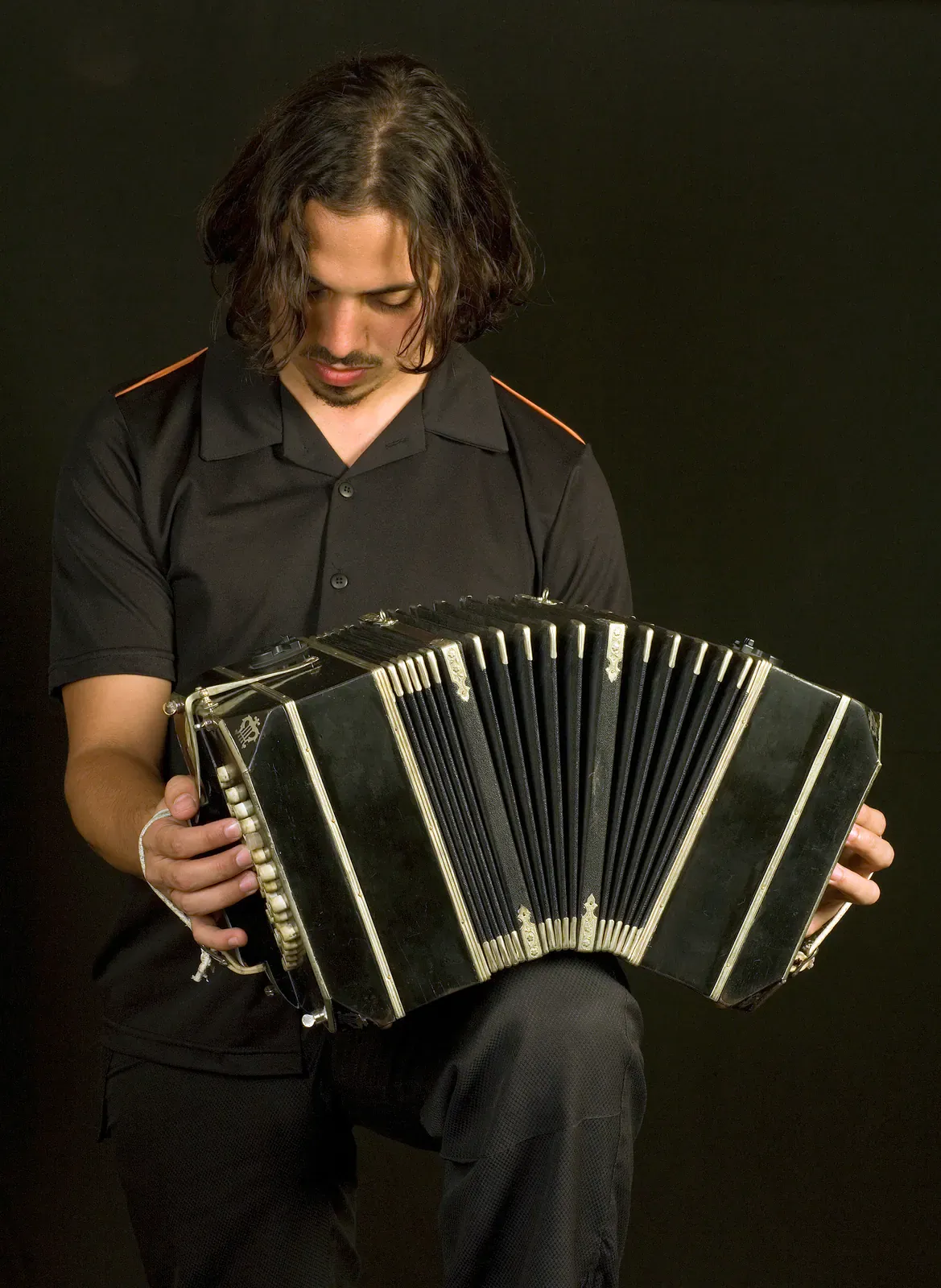
Tango is a Rio de la Plata genre of Buenos Aires and Montevideo, formed in the 1880s and built on the bandoneon, violin, piano and double bass.
Buenos Aires, 1880
Latin family
Born
1880
Buenos Aires
Subgenres
8
Documented branches
Links
12
Genres it drew on or shaped
Tempo
55-75 BPMLineage
Family tree
Grew out of
- Milonga
Derived from
- Habanera
Derived from
- Candombe
Derived from
Influenced by
Buenos Aires, 1880
Tango
Led to (9)
Timeline
Era by era
From the first sparks to today. Select a dot to read the story behind it.
- The Old Guard
1880 to 1916
- Canción, sextets and the world craze
1917 to 1934
- The Golden Age
1935 to 1952
- Concert tango and nuevo tango
1953 to 1979
- Revival, new orchestras and electro tango
1980 to 2025
Eras
Moments
- 1 The Old Guard, 1880 to 1916
- 2 Canción, sextets and the world craze, 1917 to 1934
- 3 The Golden Age, 1935 to 1952
- 4 Concert tango and nuevo tango, 1953 to 1979
- 5 Revival, new orchestras and electro tango, 1980 to 2025
around 1880
The Old Guard
Trios of flute, guitar and violin, then the bandoneon, play for dancers in the arrabal of Buenos Aires and Montevideo, until the sextet becomes the standard line-up.
- 1880Tango takes shape in Buenos AiresIn dance halls of the lower-class districts the Spanish tango and the milonga merge, with habanera influence.
- 1908Villoldo records in ParisWith no recording studio in Argentina, Angel Villoldo records El Choclo abroad.
- 1910First tango music by named composers is published
- 1912Tango craze reaches ParisDancers and musicians from Buenos Aires tour Europe; London, Berlin and New York follow.
- 1916The sextet becomes the standard line-upTwo bandoneons, two violins, piano and double bass become the standard line-up.
1917
Canción, sextets and the world craze
Gardel makes the sung tango a mass medium, De Caro refines the sextet, and tango conquers Paris, London and New York.
- 1917Gardel records Mi noche tristeThe song ties tango to tragic love lyrics and starts the tango canción.
- 1920De Caro orchestra sets a new styleJulio De Caro makes tango more elegant and refined, with Pedro Laurenz on bandoneon.
- 1931Gardel films begin with Luces de Buenos AiresHis Spanish-language films for Paramount spread tango across Latin America.
1935
The Golden Age
Large orquestas tipicas of D'Arienzo, Troilo, Di Sarli and Pugliese fill the dance halls and radio, with D'Arienzo's driving beat setting the pace.
- 1935Gardel dies in a plane crash in MedellinTens of thousands attend his funeral procession in Buenos Aires.
- 1935D'Arienzo and Biagi bring back the fast two-four beatPianist Rodolfo Biagi joins D'Arienzo, who becomes known as the King of the Beat.
- 1937Troilo forms his orchestraThe bandoneonist's orchestra plays a major role in the tango boom of the next two decades.
- 1939Pugliese's orchestra debuts at Cafe El NacionalOn 11 August the pianist reappears with his own orchestra on Corrientes Avenue.
- 1946Pugliese records La yumba for OdeonThe 21 August session produces a signature piece of dramatic, discordant tango.
around 1953
Concert tango and nuevo tango
Dance halls shrink, orchestras turn to listening music, and Piazzolla blends jazz and classical writing into a new tango that divides Argentine audiences.
- 1955Piazzolla returns from Paris with a new tangoAfter studying in Paris he forms the Octeto Buenos Aires and begins a tango that blends jazz and classical music.
- 1960Piazzolla forms the Quinteto Nuevo TangoViolin, electric guitar, piano, double bass and bandoneon.
- 1974Piazzolla records Libertango in Milan
- 1976Tango dance declines under military ruleSocial dancing shrinks until the revival of the 1980s.
around 1980
Revival, new orchestras and electro tango
Stage shows and a dance revival return tango to the world, new orquestas tipicas appear in the 1990s, and electronic acts such as Gotan Project mix beats into it.
- 1999Gotan Project forms in ParisIts La Revancha del Tango (2001) puts electronic beats under a tango groove.
- 2009UNESCO inscribes tango as intangible heritageA joint listing for Argentina and Uruguay, the Rio de la Plata cities of Buenos Aires and Montevideo.
Listening path
Start listening
A short path from an easy way in to the deep end. Thumbnails come from YouTube; the player loads only when you press play.
- 01
Carlos Gardel, 1935
Gardel's tango from the film Tango Bar (1935), with lyrics by Alfredo Le Pera.
- 02
Osvaldo Pugliese, 1946
Golden-age signature piece of Pugliese's orchestra, with its dramatic, discordant sound.
- 03
Astor Piazzolla, 1974
Recorded in Milan in 1974, Piazzolla's leaner, jazz-influenced late style.
Facts
| Family | Latin |
| Origin | Buenos Aires, Argentina |
| Emerged | 1880s |
| Status | Active |
| Tempo | 55 to 75 BPM |
| Meter | 4/4 |
| Grew out of | Milonga, Habanera, Candombe |
| Subgenres | 8 |
Tango is a music and dance of the Rio de la Plata, part of Latin music, formed in the working-class districts of Buenos Aires and Montevideo from about 1880.
It is played by small groups or orchestras led by the bandoneon, with a marked 4/4 beat and rubato melodies, and it exists as dance music, as song, and as concert music. UNESCO inscribed it as intangible heritage of Argentina and Uruguay in 2009.
Origins
Tango took shape in the dance halls of the lower-class districts of Buenos Aires and Montevideo, where the Spanish tango and the milonga merged under the influence of the habanera and Afro-Rioplatense candombe. Early groups were trios of flute, guitar and violin. The bandoneon joined them and was tied to tango from about 1910.
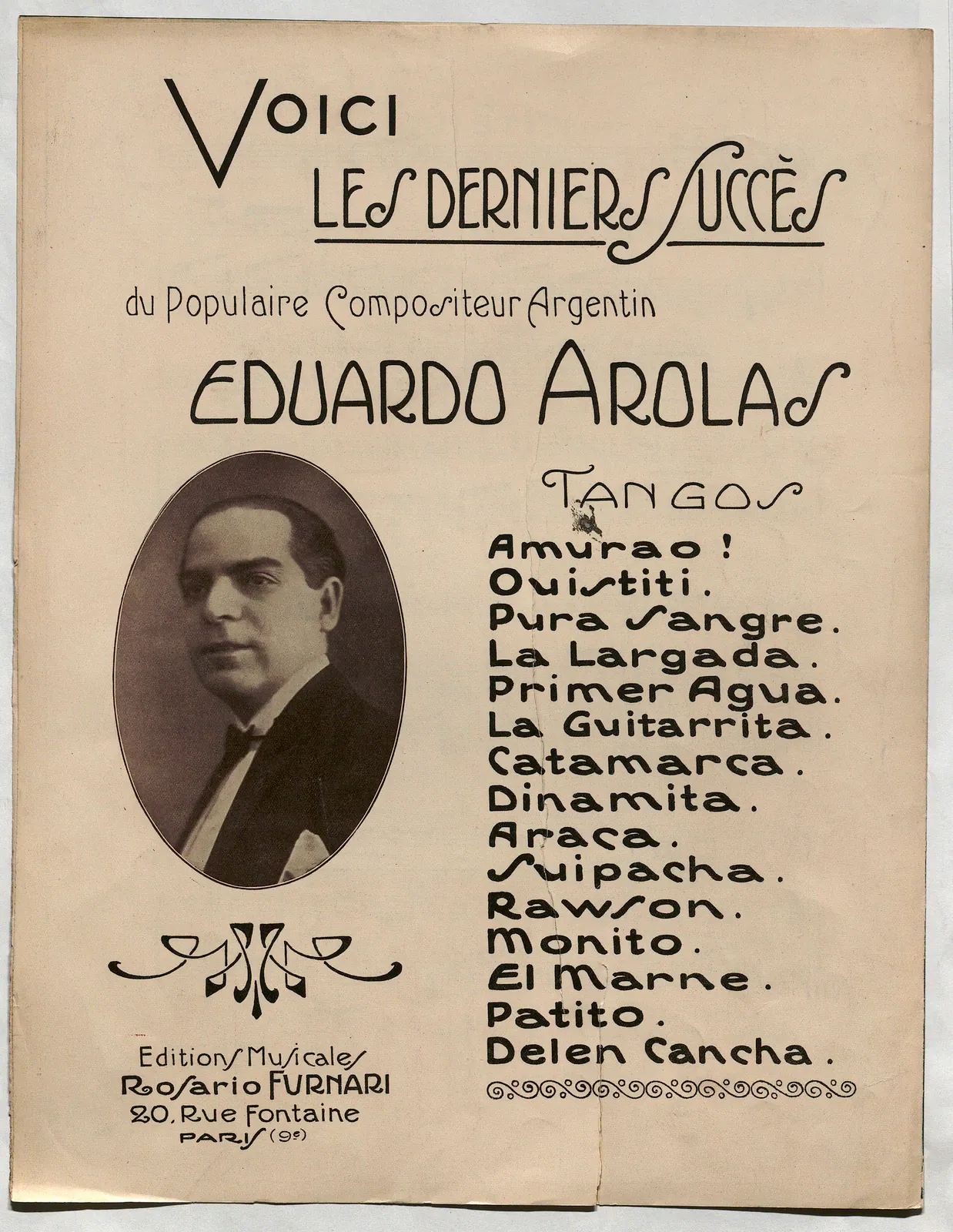
Recording began abroad. With no studio in Argentina, Angel Villoldo made recordings of “El Choclo” in Paris around 1908. In 1910 the first tango music by named composers was published, and around 1912 a craze reached Paris, then London, Berlin and New York as dancers and musicians from Buenos Aires toured Europe.
The Old Guard to the sextet, 1880-1916
The first generation, the Guardia Vieja, played for dancers in the arrabal, the outskirts of the port city. By the 1910s the sextet of two bandoneons, two violins, piano and double bass had become the standard line-up. In 1920s line-ups the double bass took the flute’s place.
Canción, sextets and the world craze, 1917-1934
In 1917 Carlos Gardel recorded “Mi noche triste”, the first tango he recorded, with serious, emotional lyrics that started the tango canción, the sung tango. From 1920 the violinist Julio De Caro made tango more elegant and refined, with Pedro Laurenz on bandoneon.
Gardel’s Spanish-language films for Paramount, from 1931, spread tango across Latin America. He died in a plane crash in Medellin in 1935, and tens of thousands followed his funeral procession in Buenos Aires.
The Golden Age, 1935-1952
Large orquestas tipicas, with strings, three or more bandoneons, piano and double bass, filled the dance halls and radio. In 1935 pianist Rodolfo Biagi joined Juan D’Arienzo, who brought back the fast two-four beat and became known as the Rey del compas, the King of the Beat. Aníbal Troilo formed his orchestra in 1937, and his bandoneon-led group became among the most popular with dancers. Osvaldo Pugliese appeared at the Cafe El Nacional with his own orchestra on 11 August 1939, and recorded “La yumba” for Odeon on 21 August 1946, a piece of dramatic and sometimes discordant arrangement that pointed toward concert-style tango.
Concert tango and nuevo tango, 1953-1979
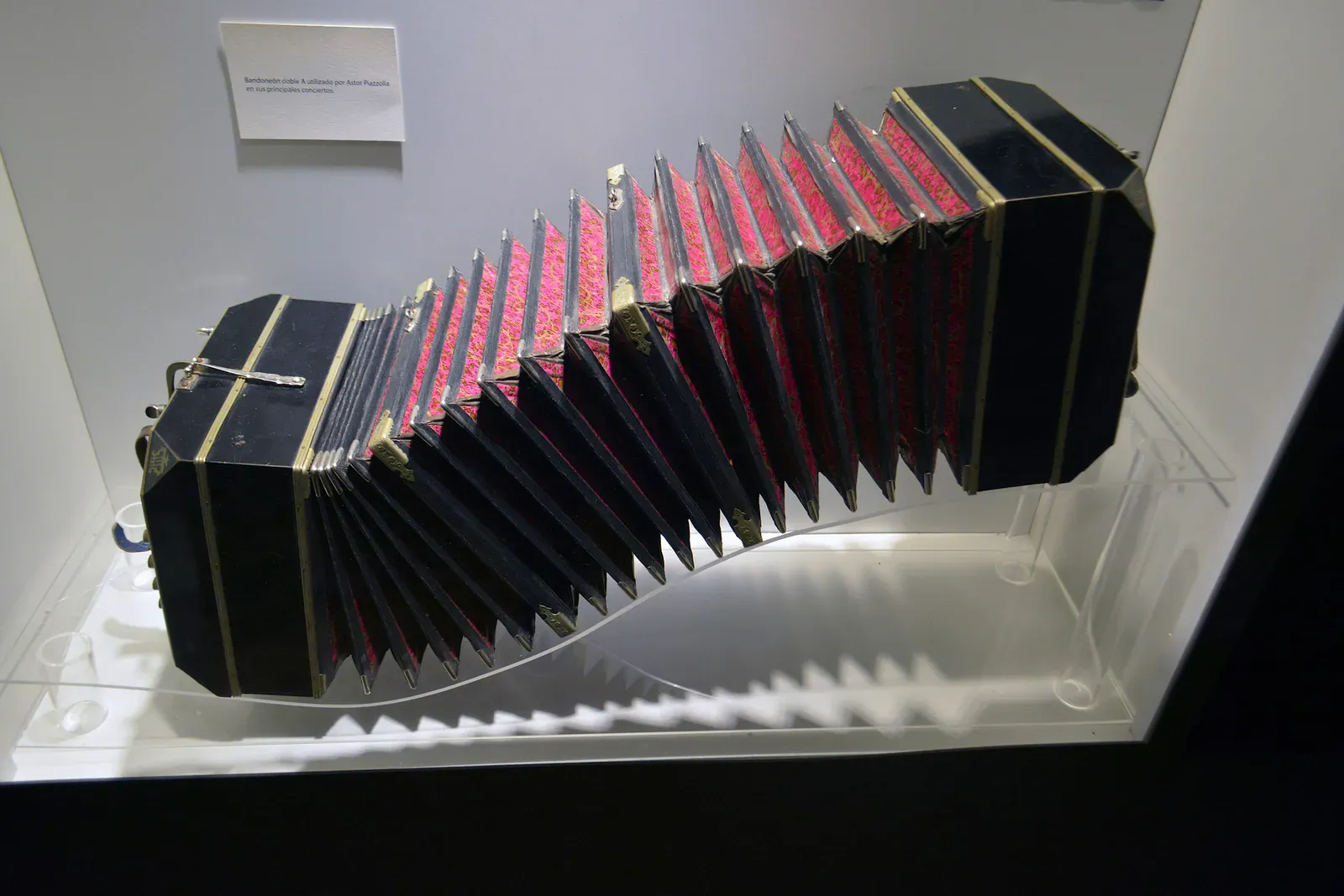
As dance halls shrank, orchestras turned toward listening music. In 1955 Astor Piazzolla returned from studying in Paris and began a new tango that blended jazz and classical writing. In 1960 he formed the Quinteto Nuevo Tango of violin, electric guitar, piano, double bass and bandoneon. His work, which included “Balada para un loco” for RCA in 1969 and “Libertango” in Milan in 1974, divided Argentine audiences. Under military rule social dancing shrank, until the revival of the 1980s.
Revival, new orchestras and electro tango, 1980-2025
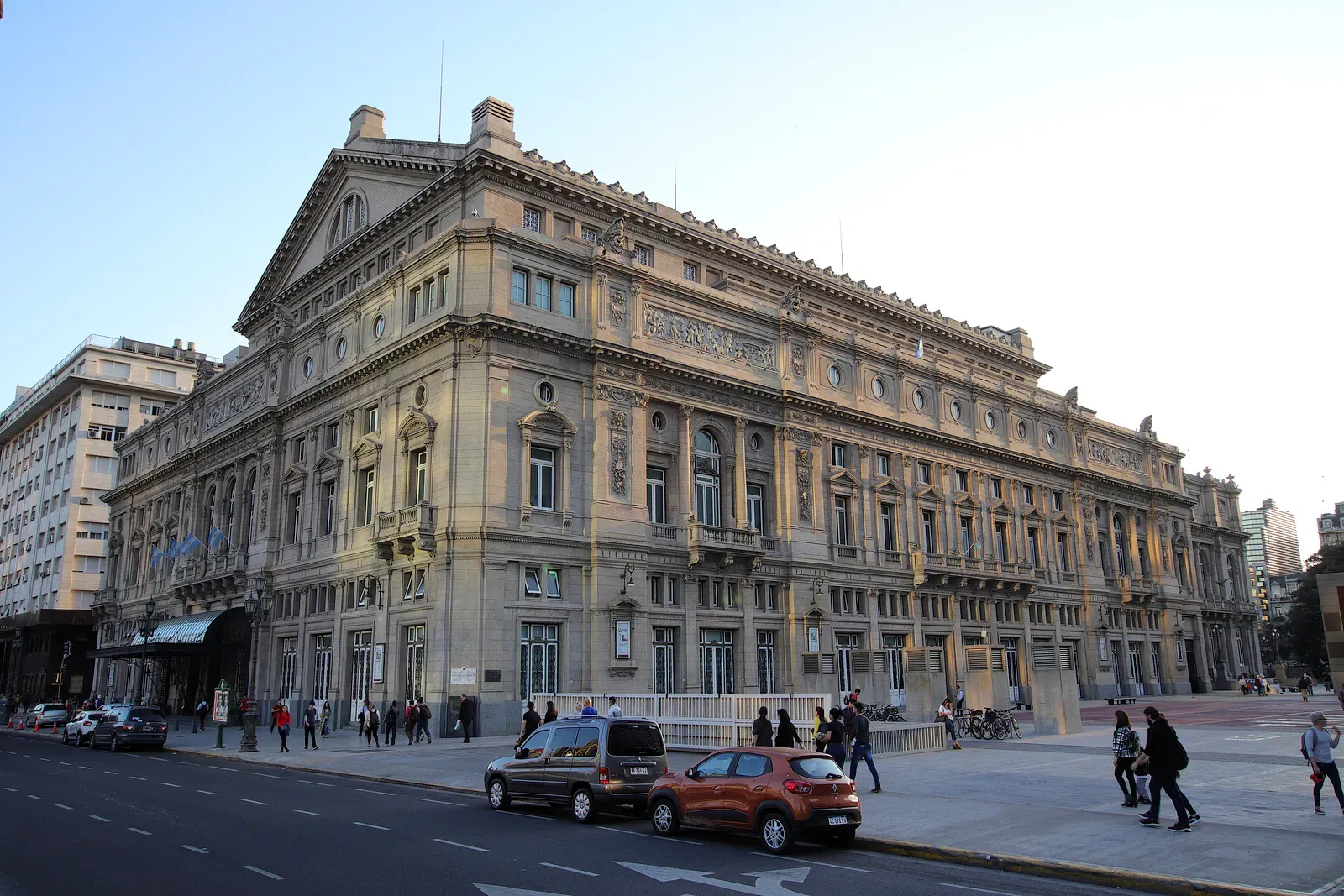
Stage shows and a dance revival returned tango to the world from the 1980s. Pugliese, aged 80, gave a concert at the Teatro Colon on 26 December 1985 and received five standing ovations. New orquestas tipicas appeared in the 1990s. In the late 1990s Gotan Project formed in Paris, and its album “La Revancha del Tango” (2001) put samples and electronic beats under a tango groove, opening the electro tango scene and linking tango to electronic music.
Characteristics and instruments
The tango sound rests on the marcato, walking beat and the bandoneon’s phrasing. Piano and double bass anchor the pulse, the violins carry the melody, and in song the voice leads. Piazzolla’s quintet added electric guitar, and his writing brought in counterpoint and jazz harmony.
Notable recordings
“Por una cabeza” (1935) is a Gardel tango from the film Tango Bar, with lyrics by Alfredo Le Pera. “El día que me quieras”, recorded in 1934 and the title song of his 1935 film, in which the young Piazzolla appears as a newspaper boy, became a much recorded tango standard. “La yumba” shows the Pugliese sound, and “Libertango” marks the lean, jazz-influenced late style of Piazzolla.
Culture
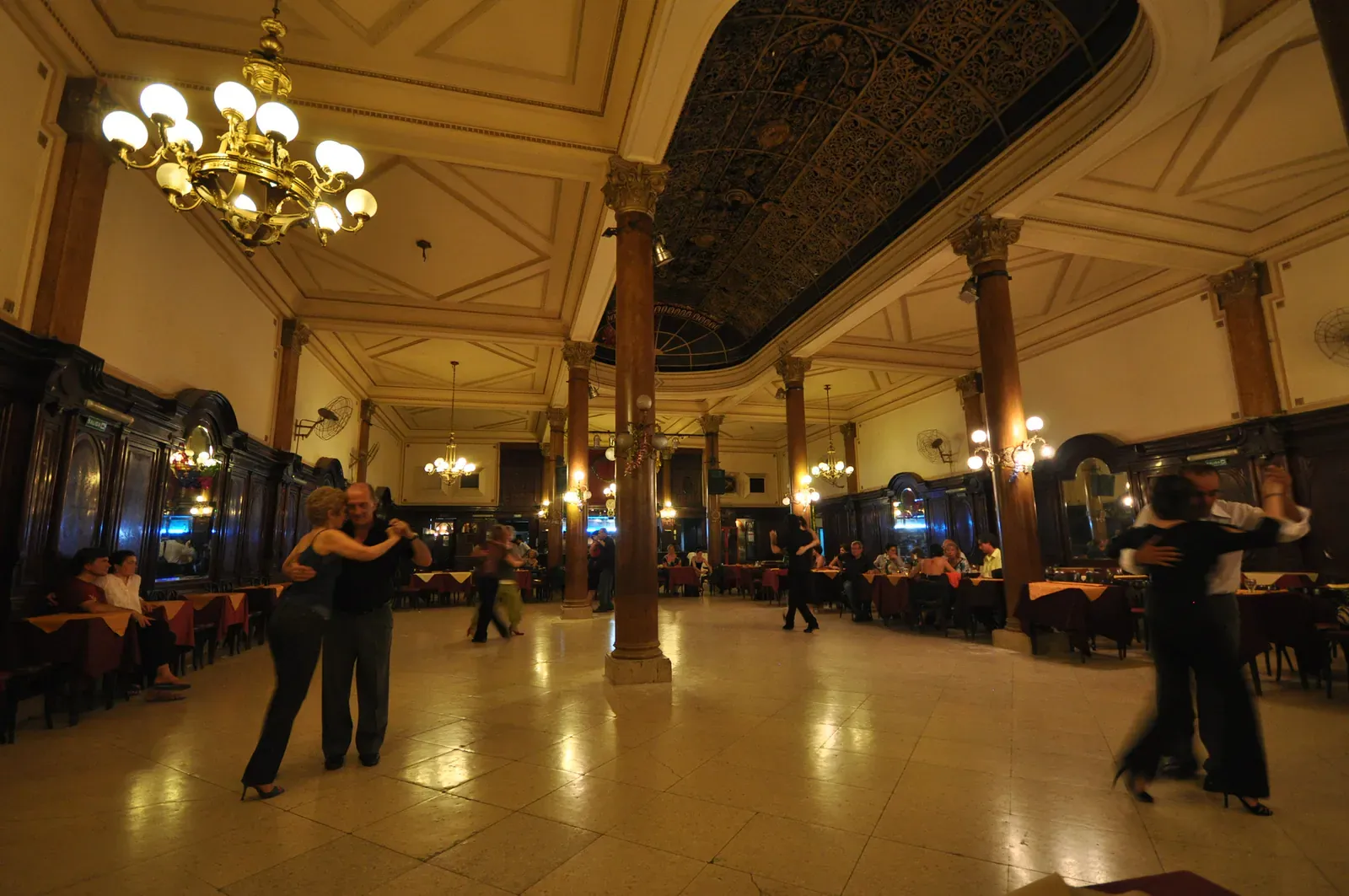
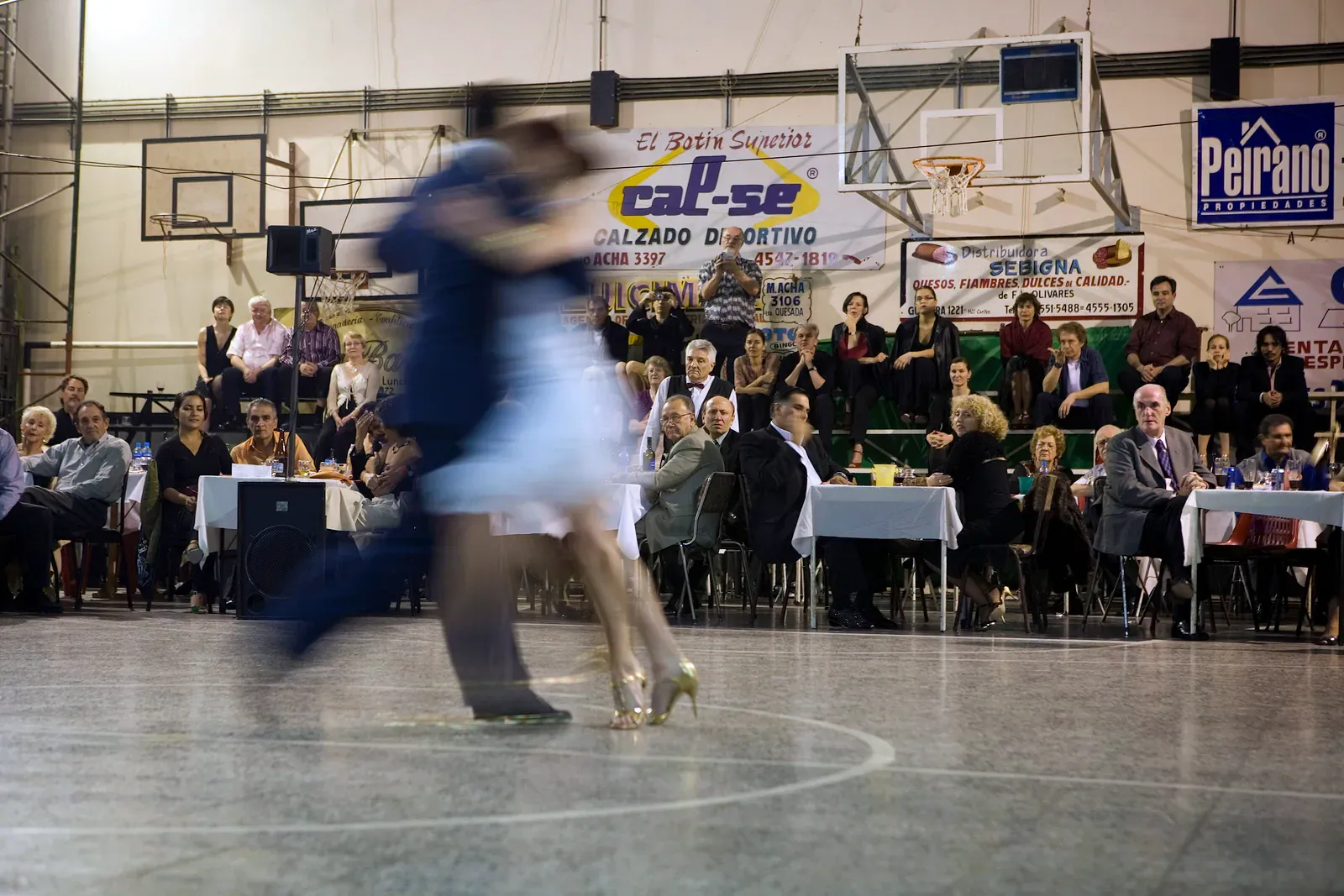
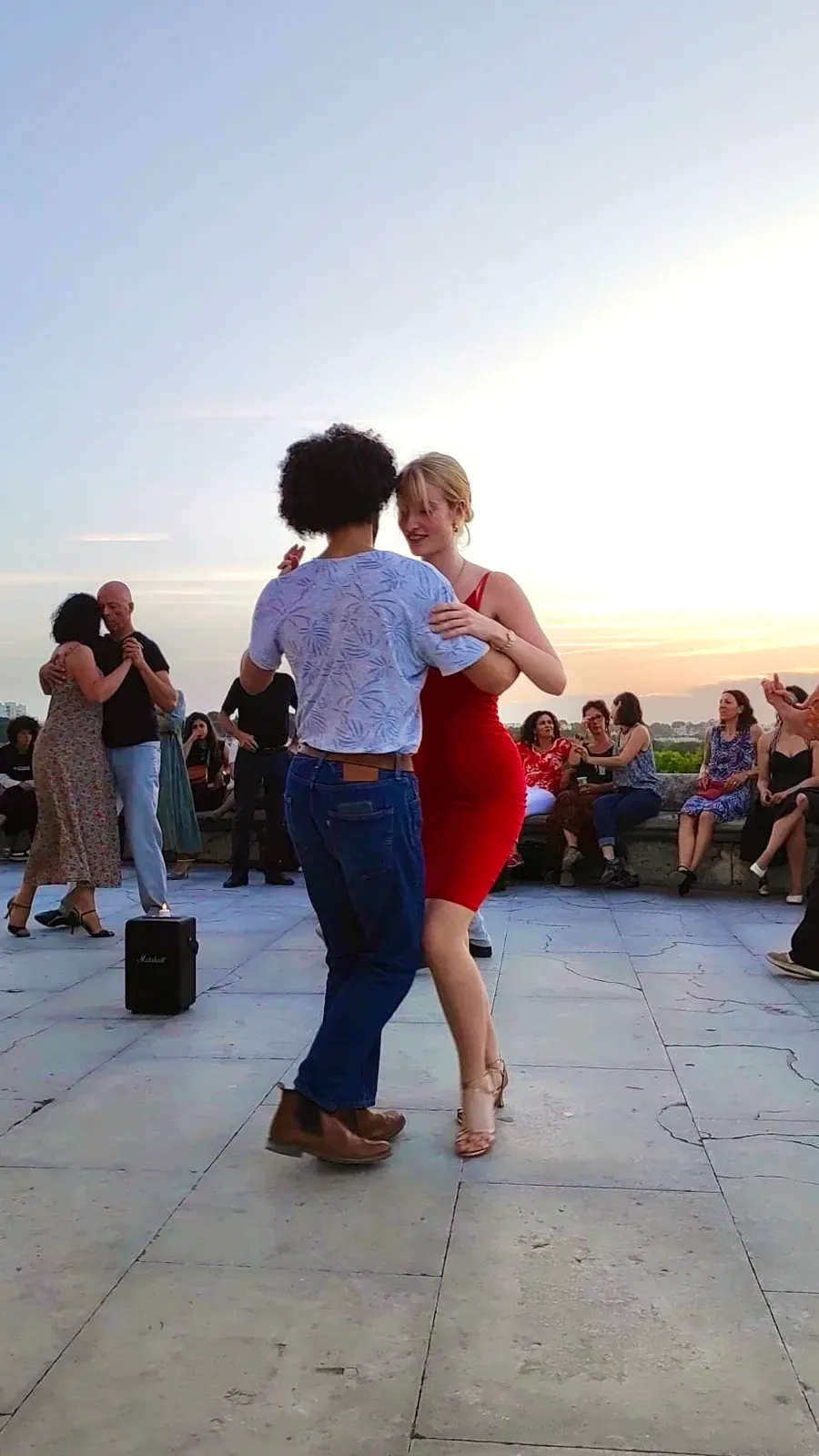
Tango was a dance as well as a music. UNESCO’s 2009 listing covers the music, dance and poetry of the Rio de la Plata cities, and a tango dance event is itself called a milonga, after the genre’s early partner.
Legacy
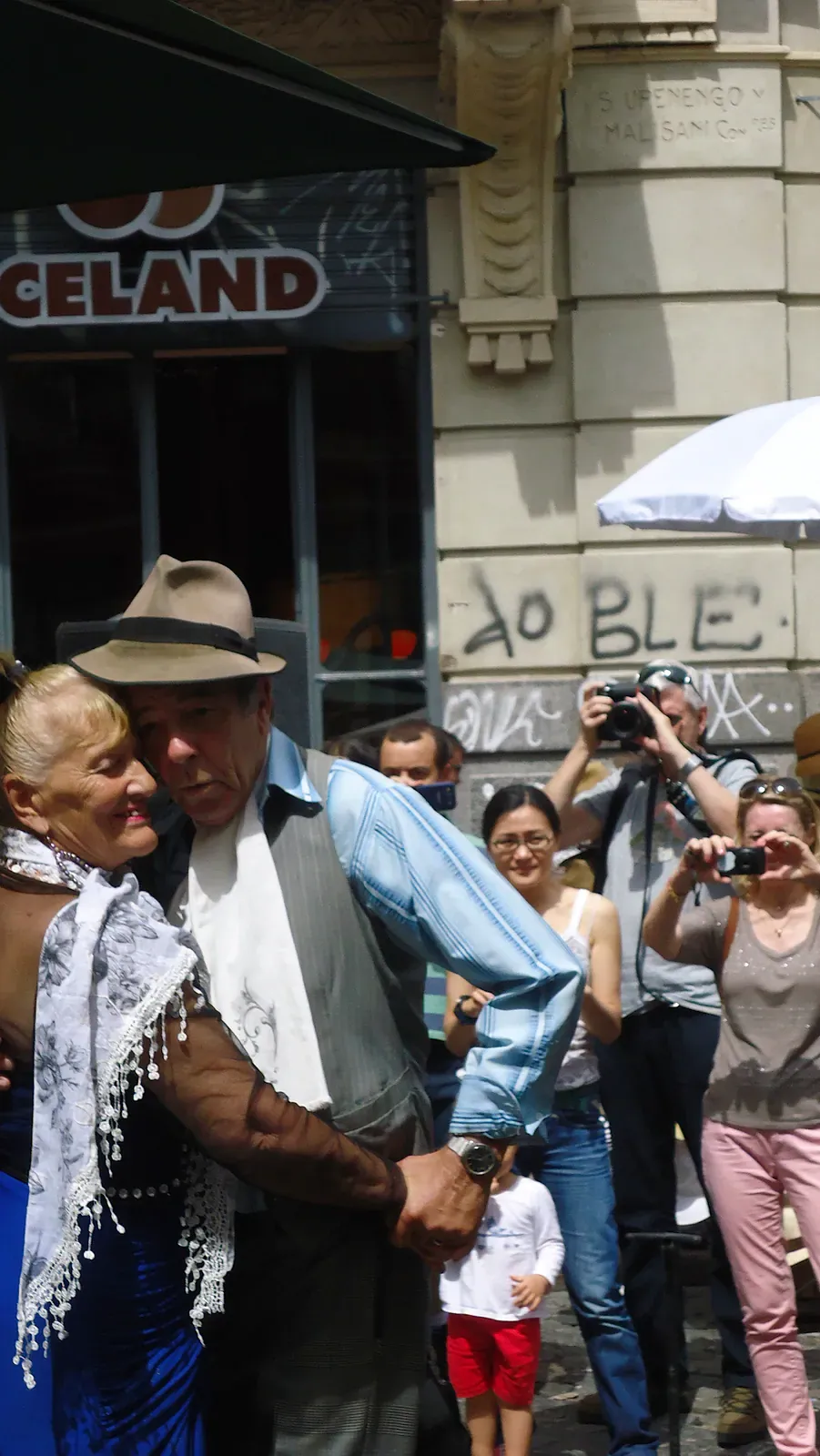
Tango passed from the arrabal to international art music. Piazzolla’s nuevo tango changed what the form could contain, and Gotan Project showed it could carry electronic beats.
Misconceptions
Tango is not only Argentine: Montevideo shares its origin, and the 2009 UNESCO listing names both countries. The bandoneon is not a native Argentine instrument either, since it is a concertina brought from Germany around 1870. Nor is tango always slow and melancholic: D’Arienzo’s golden-age orchestra built its reputation on a fast, driving two-four beat.
Frequently asked questions
Where did tango originate?
Tango originated in the lower-class districts of Buenos Aires and Montevideo, on both shores of the Rio de la Plata, from about 1880. Its roots include the milonga, the habanera and candombe.
What instruments are used in tango?
Tango centres on the bandoneon, violin, piano and double bass, with guitar in the earliest trios. The standard sextet of the 1910s has two bandoneons, two violins, piano and double bass, and the later orquesta tipica enlarges it.
Who are the most important tango artists?
Carlos Gardel made the sung tango a mass medium, and Juan D’Arienzo, Aníbal Troilo and Osvaldo Pugliese led the golden-age orchestras. Astor Piazzolla created nuevo tango from jazz and classical writing.
What is nuevo tango?
Nuevo tango is the style begun by Astor Piazzolla in the mid-1950s that blends tango with jazz and classical music. His 1960 quintet used electric guitar.
Sound
Sound sheet
Signature sounds
- Bandoneon-led orquesta tipica or sexteto
- Marcato walking beat, from the fast two-four of D'Arienzo to the slower pulse of Pugliese
- Rubato, melancholic melodies in tango canción
Techniques
- Driving two-four beat
- Counterpoint and jazz harmony
Vocals
Gardel's rich, wide-ranging voice in the tango canción tradition; orchestra singers such as Fiorentino and Goyeneche.
Scenes
Where it happened
Where and when the sound lived: one bar per city on a shared timeline.
Latin America
Europe
Active scenes
Peak 3, 1912-2025
Port and arrabal districts where tango formed and where the golden-age orchestras played.
The other shore of the Rio de la Plata, shared origin of the genre.
First European tango craze, later home of Gotan Project and Piazzolla's studies.
Venues and places
Buenos Aires, 1902 to today. Began including tango in its balls in 1902; Canaro led a 32-piece orchestra at its carnival balls in 1921.
Buenos Aires, 1939 to today. Corrientes Avenue cafe where Pugliese debuted his orchestra on 11 August 1939.
Buenos Aires, 1985 to today. Pugliese gave his concert here on 26 December 1985, aged 80, and received five standing ovations.
Culture
Culture markers
- Tango and milonga dancing
Music, dance and poetry of the Rio de la Plata cities, listed by UNESCO in 2009.
Dance
Media
Key media
- 1931Luces de Buenos Aires
by Carlos Gardel. Early Gardel film shot in Paris, before his Paramount films for the Spanish-language market.
Film - 1935El día que me quieras
by Carlos Gardel. Gardel film of 1935 in which the young Piazzolla appears as a newspaper boy.
Film
Glossary
Terms on this page
Square-built button concertina that defines the tango sound.
The Old Guard, the first generation of Buenos Aires tango players.
Fast Argentine dance and song that merged into early tango; also the name of a tango dance event.
Tango orchestra of strings, three or more bandoneons, piano and double bass, grown from the sexteto tipico.
King of the Beat, the nickname of Juan D'Arienzo for his driving rhythm.
Standard small line-up of two bandoneons, two violins, double bass and piano.
Sung tango, developed in the 1920s with Carlos Gardel.
Latin family