Electronic music
Electronic music is made with synthesizers, drum machines, samplers and computers, from 1940s tape studios to house, techno, ambient and festival EDM.
476 genres
Since 1975
Genres
476
In this family
Branches
48
Main subgenres
Since
1975
Chicago
Timeline
Era by era
From the first sparks to today. Select a dot to read the story behind it.
- Tape and oscillators
1948 to 1969
- Synthesizers go pop
1970 to 1979
- Drum machines and the club
1980 to 1989
- Rave and the label boom
1990 to 1999
- Laptops and bedroom studios
2000 to 2009
- EDM boom and streaming
2010 to today
Eras
Moments
- 1 Tape and oscillators, 1948 to 1969
- 2 Synthesizers go pop, 1970 to 1979
- 3 Drum machines and the club, 1980 to 1989
- 4 Rave and the label boom, 1990 to 1999
- 5 Laptops and bedroom studios, 2000 to 2009
- 6 EDM boom and streaming, 2010 to today
1948
Tape and oscillators
Studios in Paris, Cologne and New York cut and spliced tape, then added voltage-controlled synths. Electronic sound was an art-music craft until Moog and Carlos reached a pop audience in 1968.
- 1948Pierre Schaeffer's first musique concrete studiesBroadcast from Paris radio, built entirely from recorded sound and tape editing.
- 1957Max Mathews writes MUSIC at Bell LabsThe first widely used program for generating sound on a digital computer.
- 1964Robert Moog presents the voltage-controlled synthesizerHe demonstrated his modules at the Audio Engineering Society convention in New York.
- 1968Wendy Carlos releases Switched-On BachA Moog-played classical album that sold in huge numbers and made synthesizers familiar.
1970
Synthesizers go pop
Kraftwerk, Giorgio Moroder and Brian Eno took synthesizers into pop, disco and ambient. Sequenced basslines and machine rhythm became a commercial sound.
- 1970Kraftwerk form in DusseldorfRalf Hutter and Florian Schneider start the group that makes machine pop their method.
- 1974Kraftwerk release AutobahnA 22-minute synthesizer title track gave them an international hit.
- 1977Donna Summer's I Feel LoveGiorgio Moroder built the whole backing from sequenced synthesizers, a template for dance music.
- 1977The Warehouse opens in ChicagoFrankie Knuckles became resident DJ; the club's name gave house music its name.
- 1978Brian Eno releases Ambient 1: Music for AirportsHe named and defined ambient music as a deliberate listening category.
1980
Drum machines and the club
Cheap Roland machines, MIDI and samplers let Chicago, Detroit and New York kids build house, techno and electro at home. DJs and 12-inch singles carried them out.
- 1980Roland releases the TR-808A commercial flop at launch, it became the defining drum machine of hip hop, electro and house.
- 1982Afrika Bambaataa's Planet RockBuilt on Kraftwerk samples and the TR-808, it founded electro and shaped New York dance.
- 1983MIDI standard releasedA universal protocol let synths, drum machines and computers talk to each other.
- 1985Model 500's No UFO'sJuan Atkins' Detroit single is often cited as the first techno record.
- 1987Phuture's Acid TracksChicago trio found the squelching TB-303 bassline that launched acid house.
- 1988Britain's Second Summer of LoveAcid house parties in London and Manchester started the UK rave movement.
- 1989Warp Records founded in SheffieldThe shop-turned-label would define British home-listening electronic music.
1990
Rave and the label boom
Warehouse raves, jungle, trance and IDM split the field into hundreds of styles. In 1997 the US marketed it all as electronica.
- 1992Warp's Artificial Intelligence compilationIt framed techno as headphone music and launched the idea of intelligent dance music.
- 1992Jungle emerges in LondonFast chopped breaks and sub-bass from rave and Caribbean sound-system culture formed a new genre.
- 1994UK Criminal Justice Act targets raveThe law gave police powers against gatherings around repetitive beats and pushed raves toward licensed clubs.
- 1996Underworld's Born Slippy .NUXXIts use in the film Trainspotting made it one of the best known electronic tracks of the decade.
- 1997The electronica push in the USDaft Punk's Homework, The Prodigy and Chemical Brothers albums were sold to American rock audiences.
- 1999Napster launchesPeer-to-peer sharing changed how electronic producers and DJs found and traded music.
2000
Laptops and bedroom studios
Ableton Live, cracked plug-ins and file sharing moved production from studios to laptops. Minimal techno, glitch, dubstep and blog-driven microgenres grew in this gap.
- 2001Ableton Live 1.0 releasedA loop-based program built for performance became a standard tool for producers and DJs.
- 2006Burial's self-titled debut on HyperdubA ghostly, rain-soaked record that carried dubstep beyond its London club roots.
2010
EDM boom and streaming
Festival EDM went mainstream in the US around 2012 while underground scenes kept growing online and in Berlin, London and beyond. Streaming and Bandcamp replaced the record shop.
- 2012Skrillex wins three GrammysThe ceremony marked the breakthrough of festival EDM in the American mainstream.
- 2013Daft Punk's Random Access MemoriesA live-instrument album that won Album of the Year at the 2014 Grammys.
- 2014Rephlex Records closesRichard D. James and Grant Wilson-Claridge end a cornerstone label of braindance and IDM.
- 2020Pandemic shuts clubs and festivalsVenues closed worldwide, pushing DJs to streams, Bandcamp and home studios.
Roots
Roots and offspring
Derived from
Derived from
Chicago, 1975
Electronic
Led to (3)
Facts
| Genres in the family | 476 |
| Main branches | 43 |
| Emerged | 1970s to 80s |
| Key places | Chicago, Detroit, Düsseldorf, New York City |
| Tempo | 60 to 190 BPM |
Electronic music is music made mainly with synthesizers, drum machines, samplers and computers. It began in radio and tape studios in Paris and Cologne in the late 1940s and 1950s, reached pop in the 1970s, and became club music in Chicago, Detroit and New York in the 1980s.
Almost every pop, hip hop and dance record since then runs on tools this family invented or repurposed. Its two main strands are club music for the floor and listening music for headphones.
Tape and oscillators, 1948-1964
The first electronic music was not meant for dancing. In 1948 Pierre Schaeffer broadcast his musique concrete studies from Paris radio, built from recorded sound cut and spliced on tape. Cologne’s WDR studio, founded in 1951, supplied the other half of the idea: sound generated from scratch.
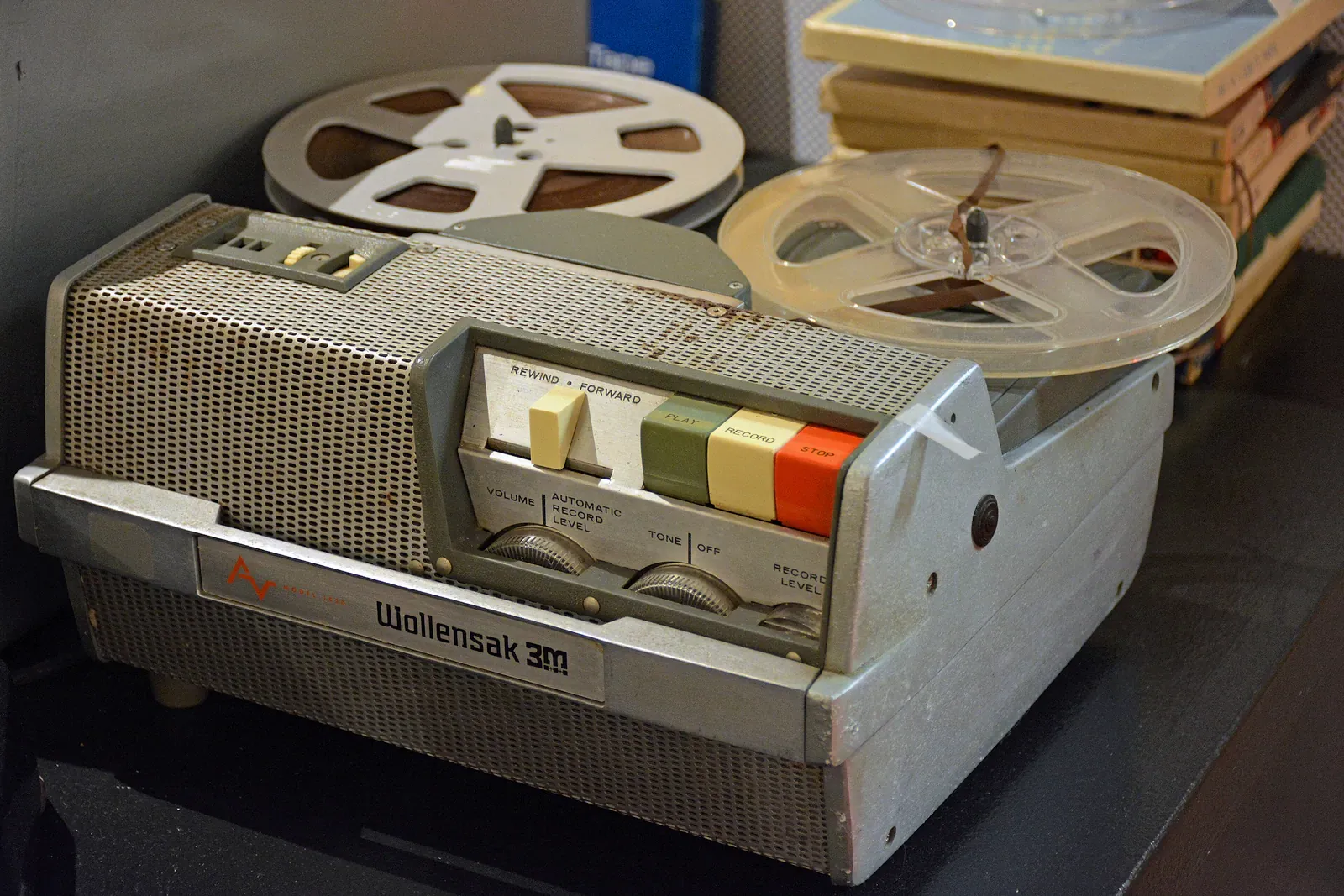
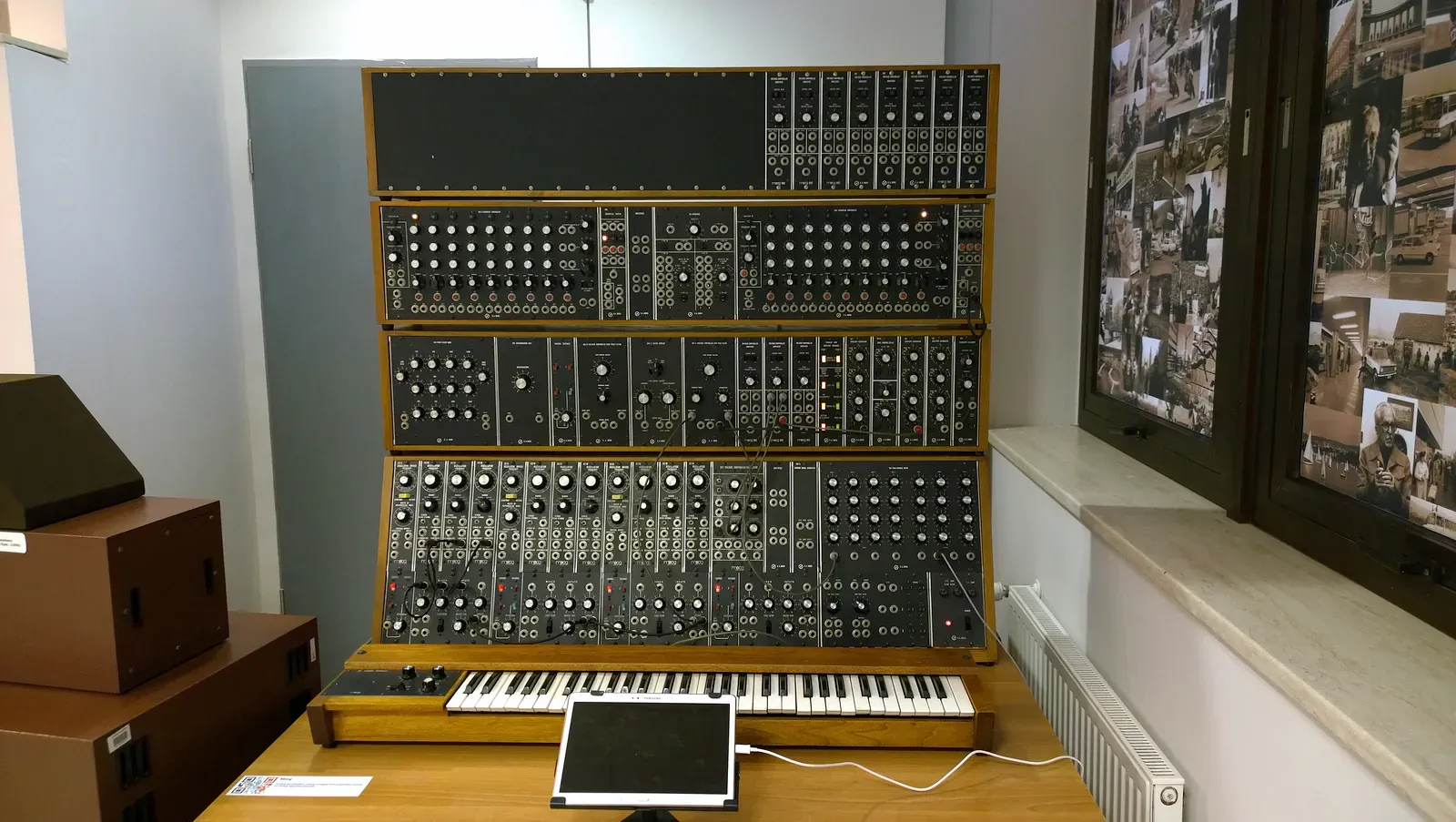
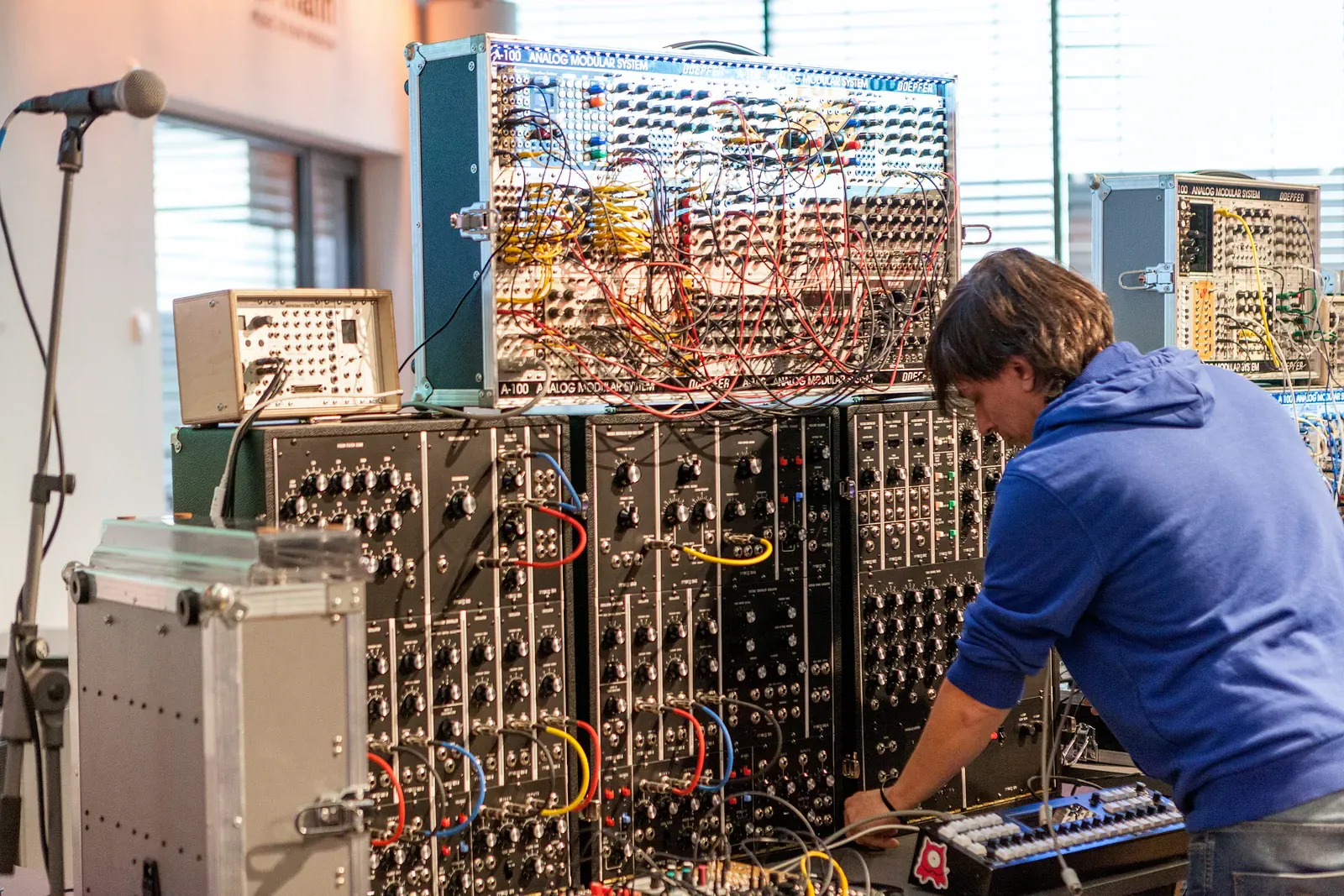
The decisive change was the instrument. In 1964 Robert Moog showed his voltage-controlled modules at the Audio Engineering Society convention in New York. Pitch, filter and volume could now be played with one kind of control signal, so a musician with a keyboard could shape a sound instead of a technician with a soldering iron.
Wendy Carlos then reached the public. Switched-On Bach (1968) played Bach on a Moog and sold in huge numbers, which made the synthesizer familiar to ordinary listeners years before anyone used one for a dance record.
Synthesizers in pop, 1968-1980
Düsseldorf is where machines became a band. Ralf Hutter and Florian Schneider formed Kraftwerk in 1970 and built their own Kling Klang studio. Autobahn (1974) turned a 22-minute synthesizer title track into an international hit. By Computer World (1981) the group had perfected the cold, melodic machine pop that Detroit and New York producers would later treat as source material.
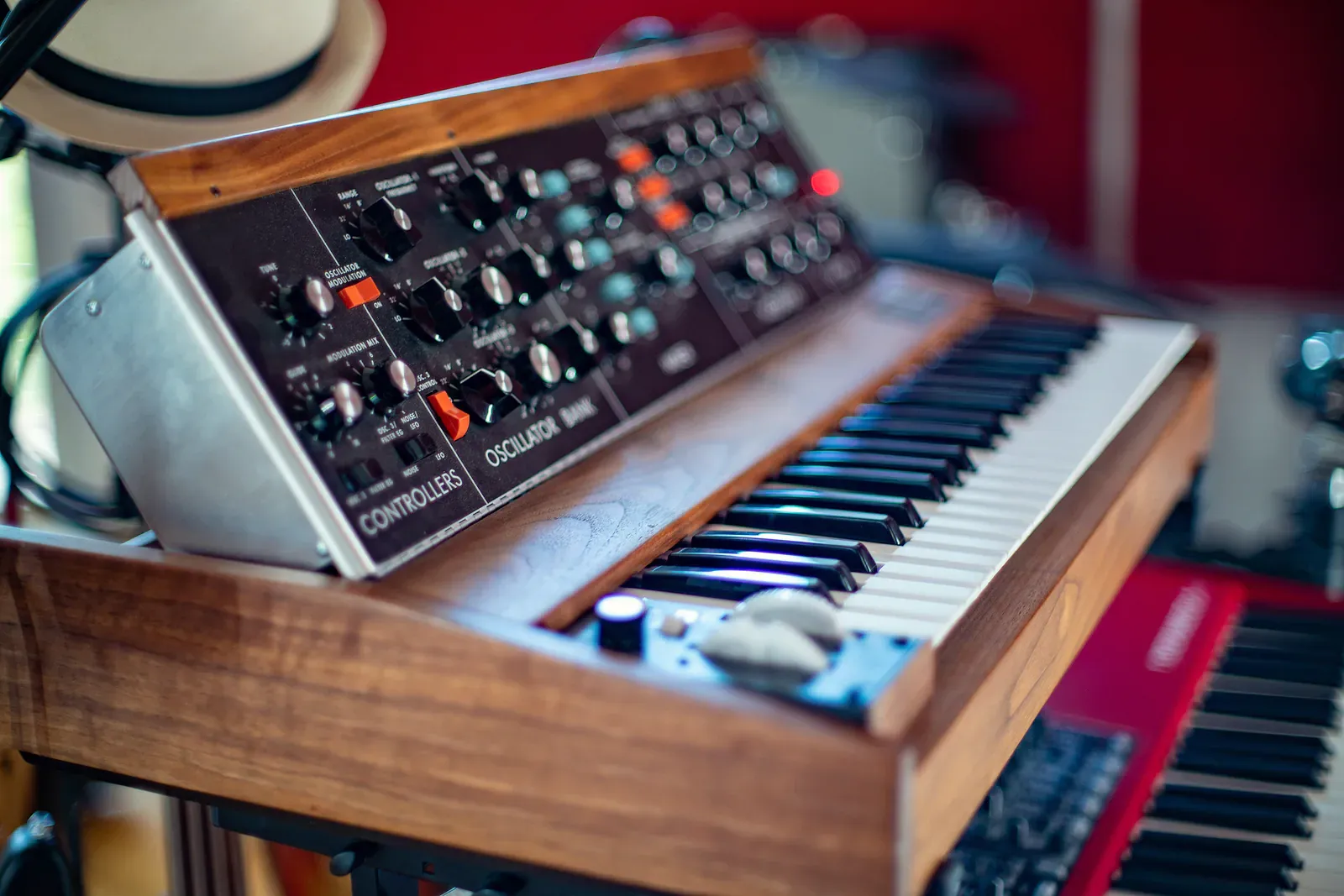
In July 1977 Donna Summer’s “I Feel Love” arrived with a backing track made almost entirely by machines. Giorgio Moroder and Pete Bellotte built it from a borrowed Moog, and only the kick drum was played by a human, Keith Forsey. The sequencer’s patience became a dance floor: a bassline that repeats exactly, forever, while the room changes around it.
The same decade produced the opposite idea. Brian Eno’s Ambient 1: Music for Airports (1978) named ambient as music to be listened to or ignored, and treated the studio as the instrument. By 1978 the family already had its two poles, the pulse for the floor and the texture for the headphones.
Drum machines and the club, 1980-1987
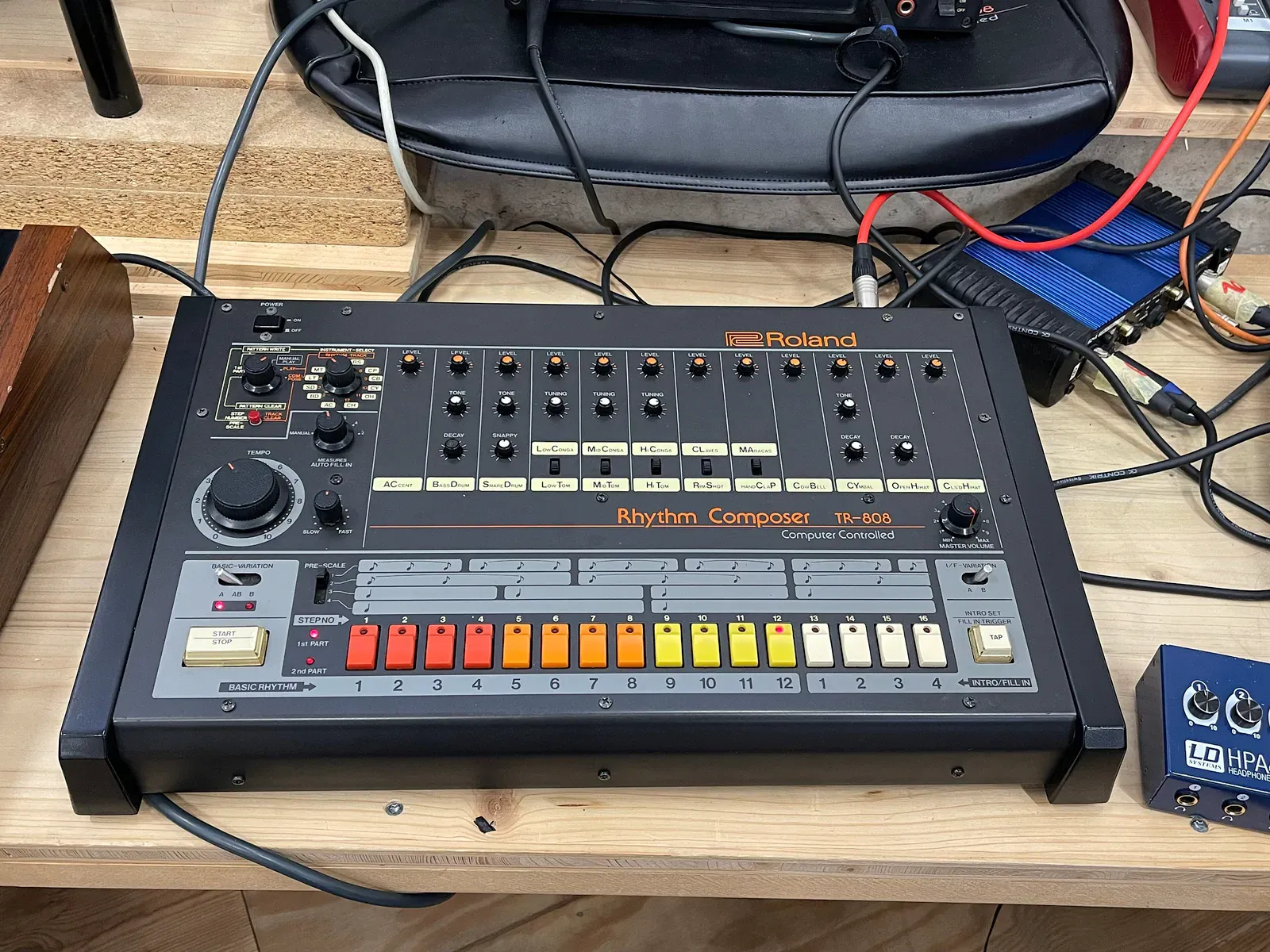
The 1980s belong to cheap Roland gear. The TR-808 launched in 1980 at $1,195 and was dropped in 1983 after about 12,000 units, because producers wanted realistic drums and it sounded clicky and robotic. Within a few years it sold used for under $100. Afrika Bambaataa’s “Planet Rock” (1982) fused Kraftwerk melody with the 808 and founded electro. Marvin Gaye’s “Sexual Healing” (1982) used it too.
MIDI arrived in 1983 and let synths, drum machines and computers from different makers talk to each other. A teenager with two or three secondhand boxes and a cable now had a studio.
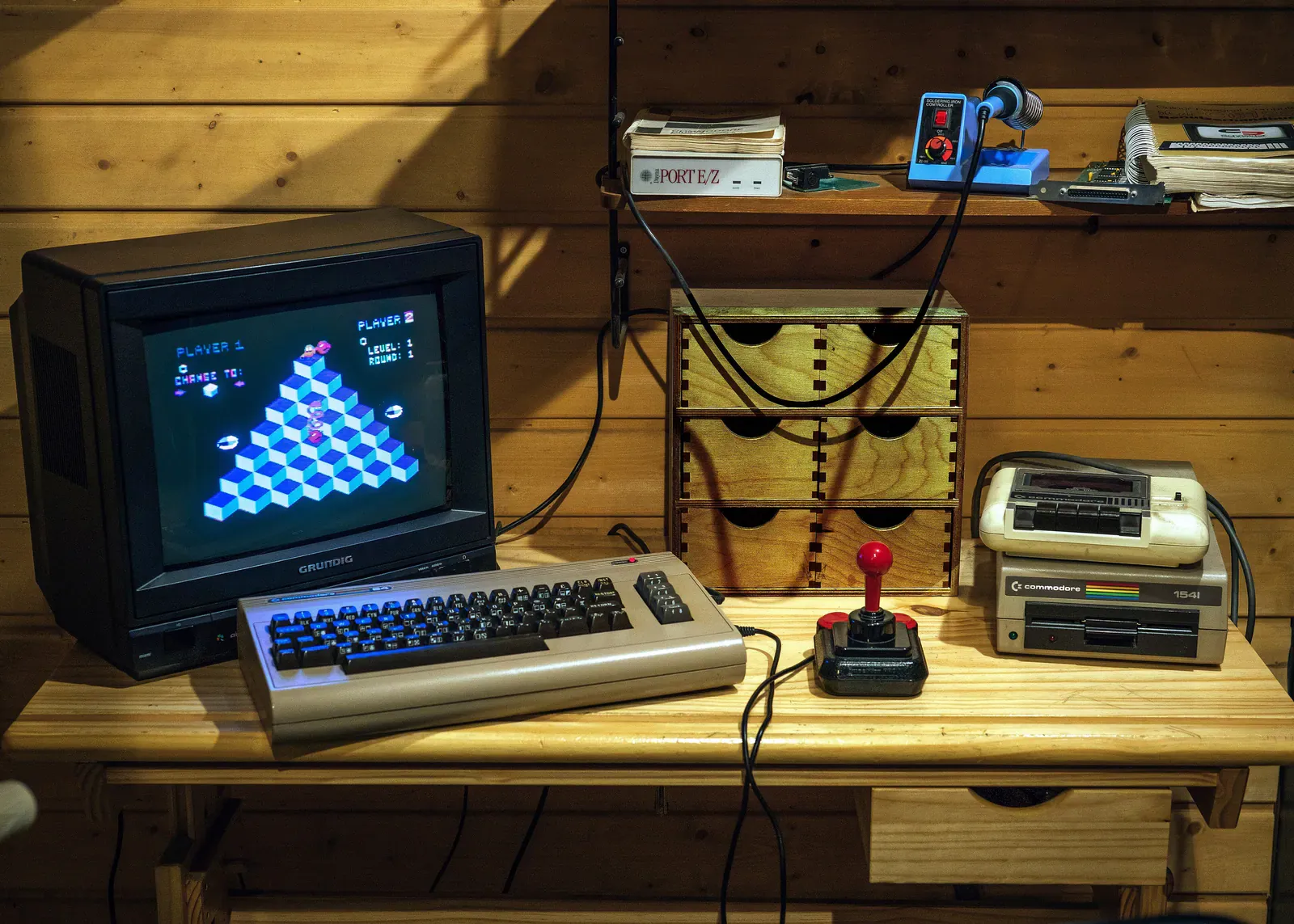
Chicago used that studio first. The Warehouse opened in 1977 with Frankie Knuckles as resident DJ, and its name gave house music its name. The Music Box and Trax Records carried the sound on. Disco’s four-on-the-floor kick met drum machines, and the result was house. In 1987 Phuture’s “Acid Tracks” found the squelch of the TB-303, a bass sequencer sold in 1981 as a replacement for bass guitar and dropped in 1984. That squelch started acid house.
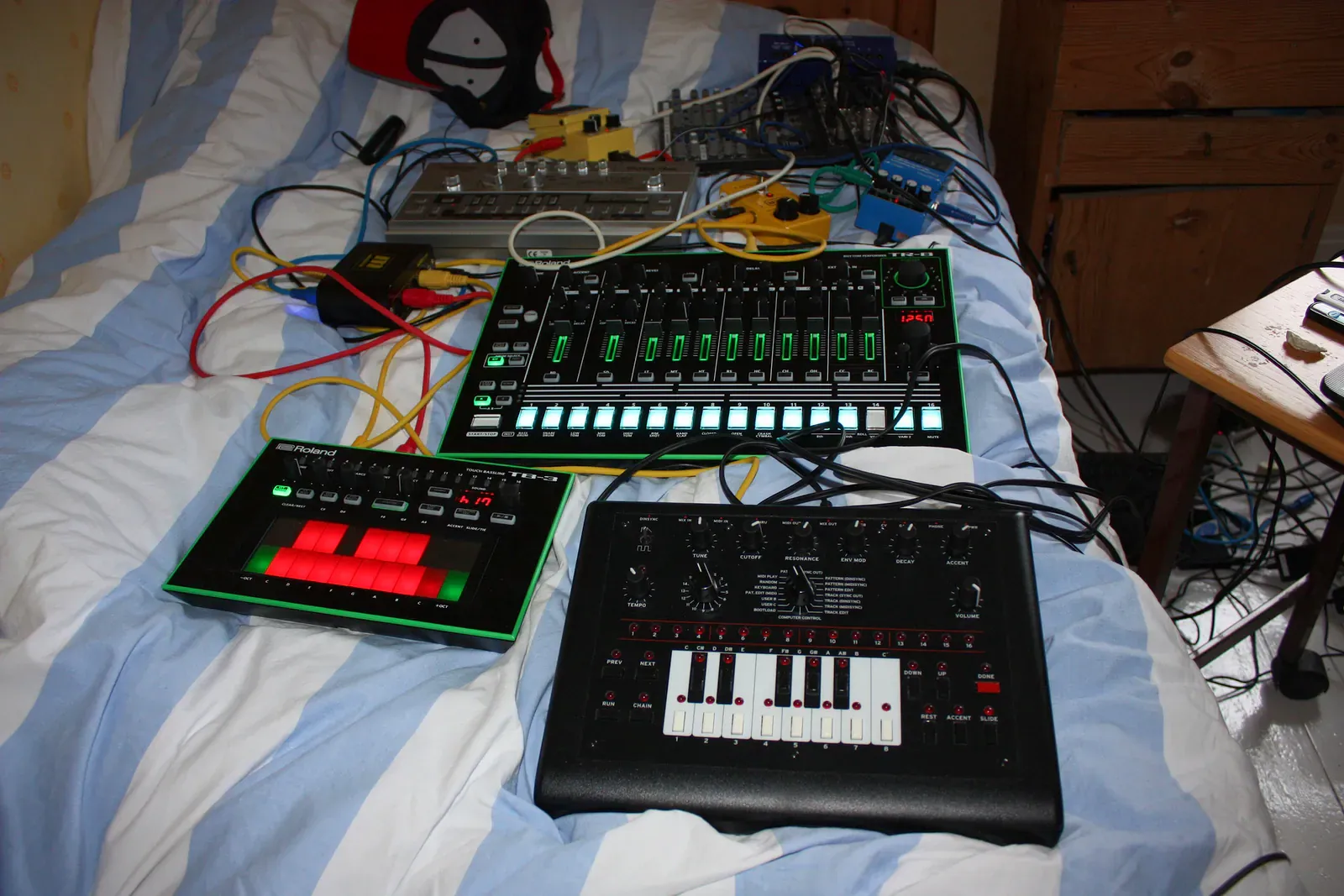
Detroit took the same machines somewhere colder. Juan Atkins, Derrick May and Kevin Saunderson built techno from Kraftwerk, funk and Detroit radio. Atkins’s “No UFO’s” (1985), released as Model 500 on his Metroplex imprint, is often cited as the first techno single. For more on that branch, see techno and Detroit techno. New York meanwhile mixed disco, hip hop and electro in clubs like Paradise Garage and on Tommy Boy.
Rave and the label boom, 1988-1998
Chicago records crossed the Atlantic and landed in a country with pirate radio and empty warehouses. Britain’s Second Summer of Love in 1988 turned acid house parties in London and Manchester into a movement, and within a few years the music had split into hundreds of styles.
Sheffield’s Warp, founded in 1989 as a shop turned label, put out bleep techno that reached the UK charts. Its 1992 compilation Artificial Intelligence framed techno as headphone music and launched the idea of intelligent dance music. Rephlex, run by Richard D. James and Grant Wilson-Claridge, pushed the same idea into braindance. Aphex Twin’s Selected Ambient Works 85-92 (1992) proved ambient techno could work as an album.
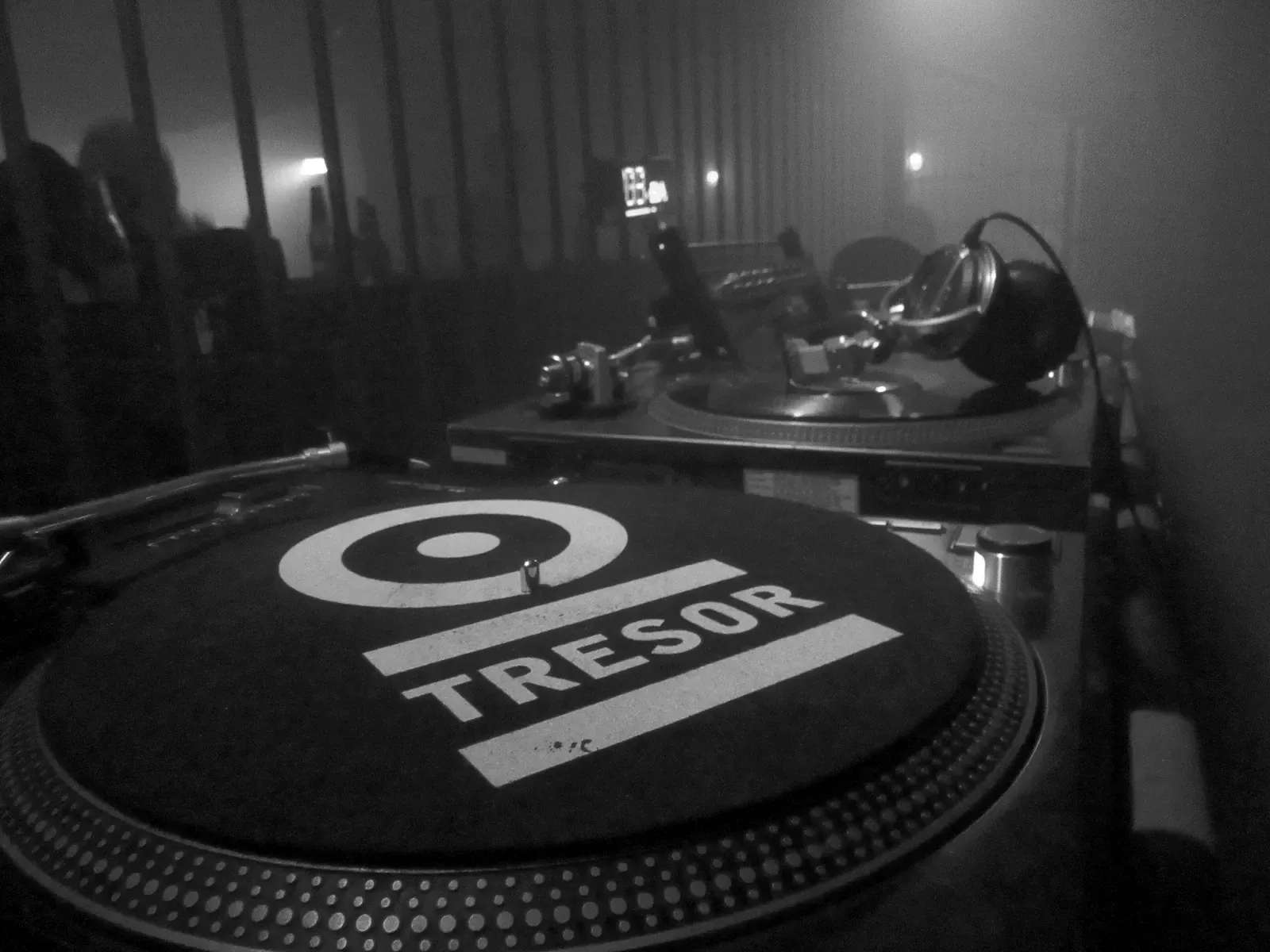
London changed the rhythm. Jungle emerged in 1992 from fast chopped breaks and sub-bass borrowed from rave and Caribbean sound-system culture, and Moving Shadow was among the labels that carried it.
Then the state stepped in. The UK Criminal Justice Act of 1994 gave police powers against gatherings around repetitive beats and pushed raves toward licensed clubs. Underworld’s “Born Slippy .NUXX” (1996), carried by the film Trainspotting, became one of the best known electronic tracks of the decade. In 1997 the US sold Daft Punk’s Homework and albums by The Prodigy and The Chemical Brothers to rock audiences as “electronica”. The word was a marketing device, not a scene.
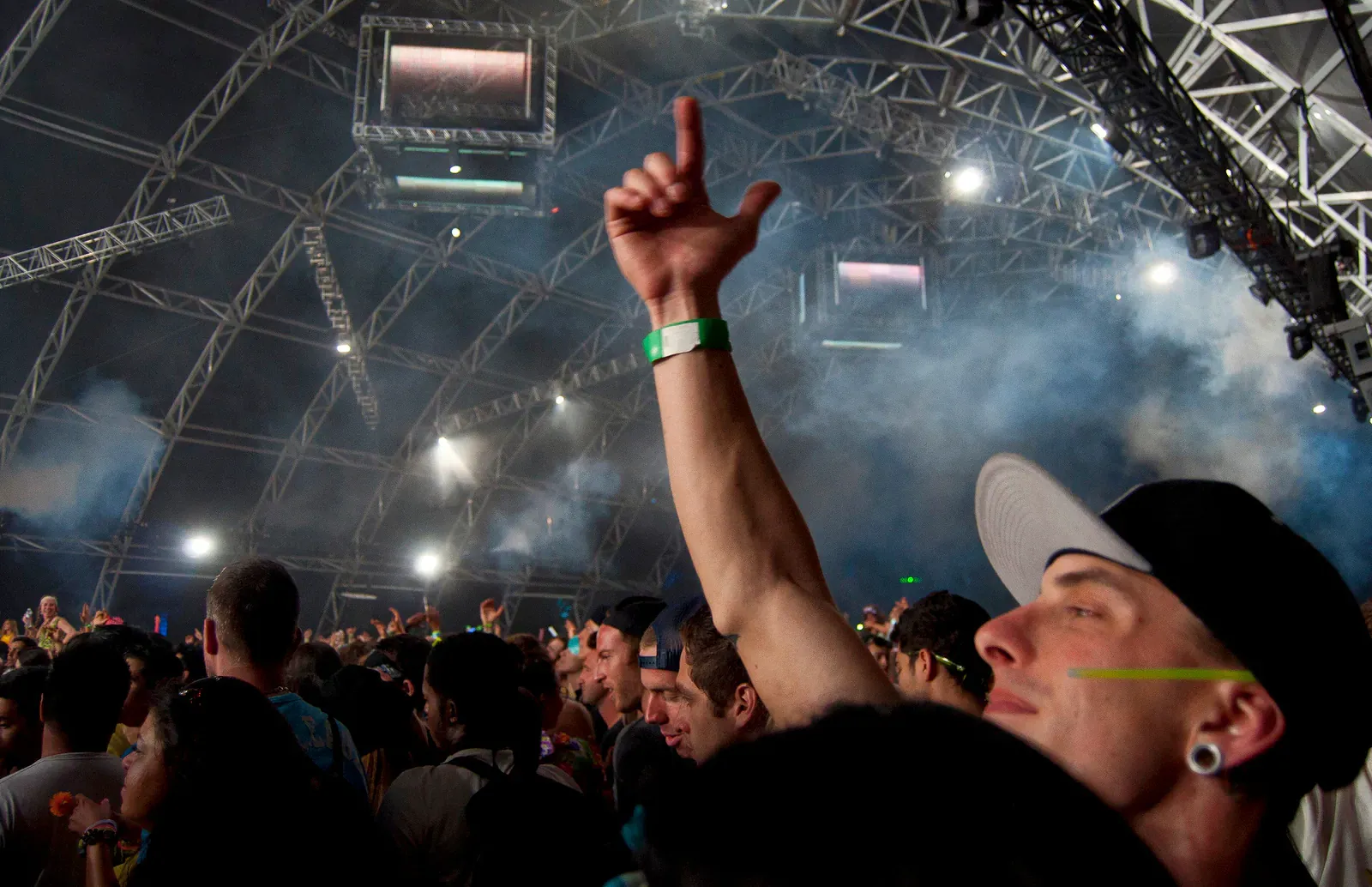
Laptops and bedroom studios, 1999-2009
Napster launched in 1999, and peer-to-peer sharing changed how producers and DJs found and traded music. Ableton Live 1.0 (2001) was a loop-based program built for performance, and it put studio and stage in the same laptop. Cracked plug-ins and cheap software did the rest: a producer no longer needed a studio booking to finish a record.
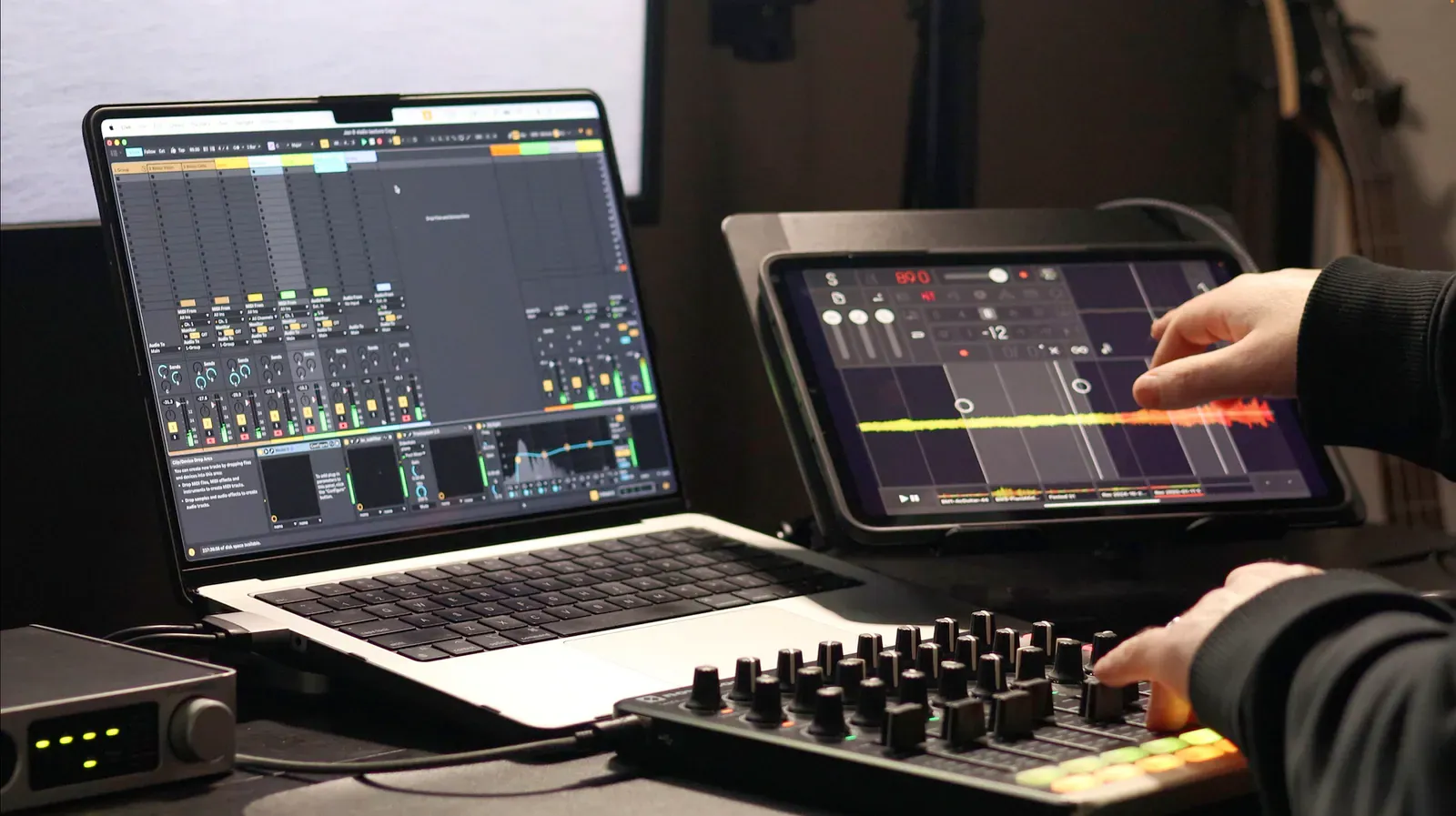
The gap between cheap tools and few gatekeepers produced a decade of small scenes. Minimal techno and glitch grew in it. Cologne’s Kompakt turned minimal techno and Pop Ambient into a German export. In London, dubstep travelled beyond its club roots with Burial’s self-titled debut on Hyperdub in 2006, a rain-soaked record of crackle and pitched vocals. Untrue (2007) is the one most people remember.
EDM boom and streaming, 2010 onward
Skrillex won three Grammys in 2012, which marked festival EDM’s breakthrough in the American mainstream. Daft Punk’s Random Access Memories (2013) answered with live-played disco and funk and won Album of the Year at the 2014 Grammys, a laptop-age argument for craft.
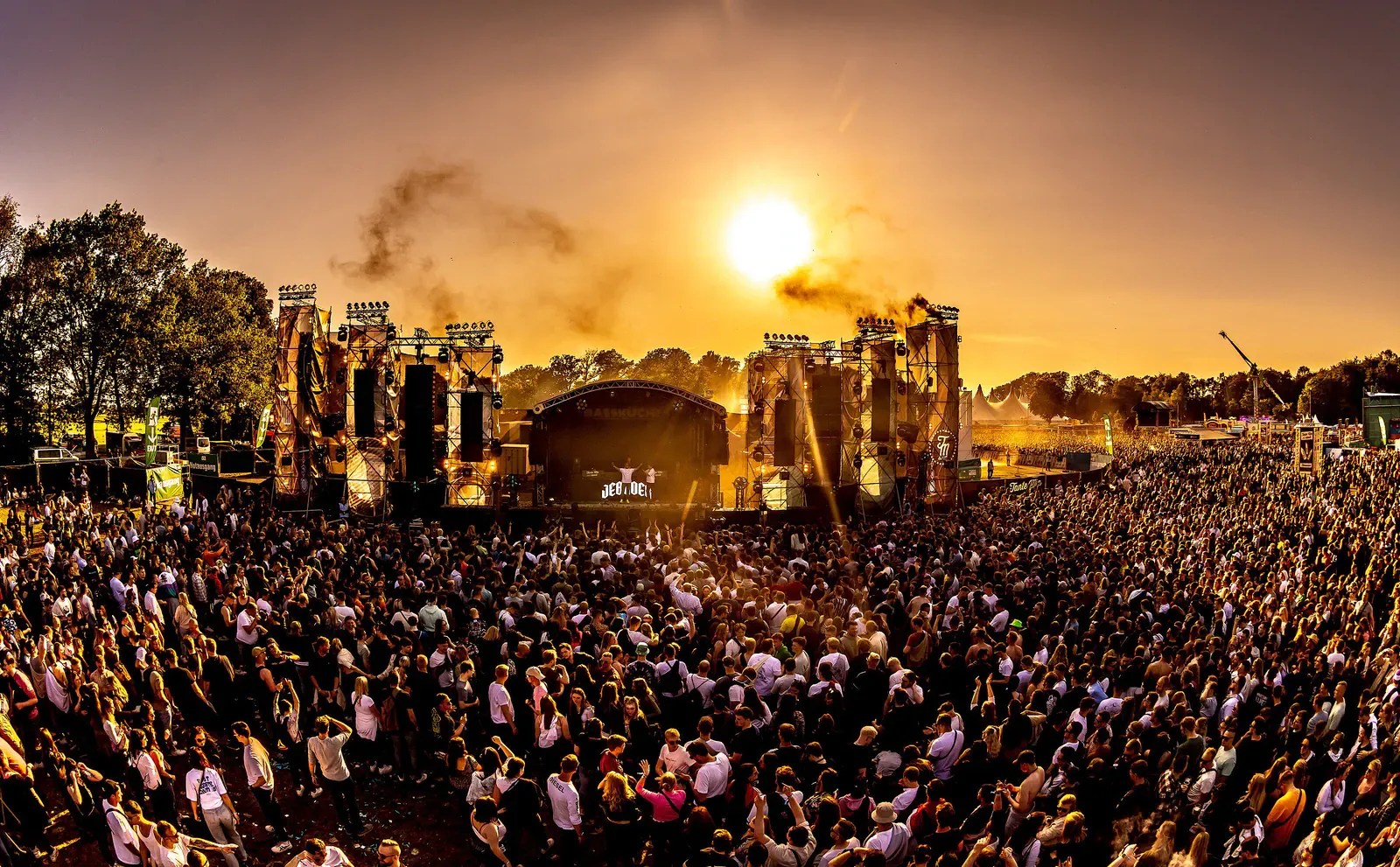
Underneath that, underground scenes kept growing online and in Berlin, London and beyond, and Ostgut Ton came out of the city’s best known club. Streaming and Bandcamp replaced the record shop as the way to find a track. In 2014 Rephlex closed, ending a cornerstone label of IDM.
Culture
The people who made it were mostly young and short of money. Frankie Knuckles in Chicago and the Detroit trio of Atkins, May and Saunderson worked in clubs and on radio that disco and funk had already built, with secondhand Roland machines. In Britain, teenagers found the same records through pirate radio and turned them into rave and then jungle.
Dance was the point. A steady kick drum is the instruction, and the club is the room where it runs. Rave added the warehouse, and the authorities answered with the 1994 Criminal Justice Act. The politics of place were in the sound: Atkins, May and Saunderson drew on Detroit radio and a factory city, and Sheffield’s bleep techno on its industrial past.
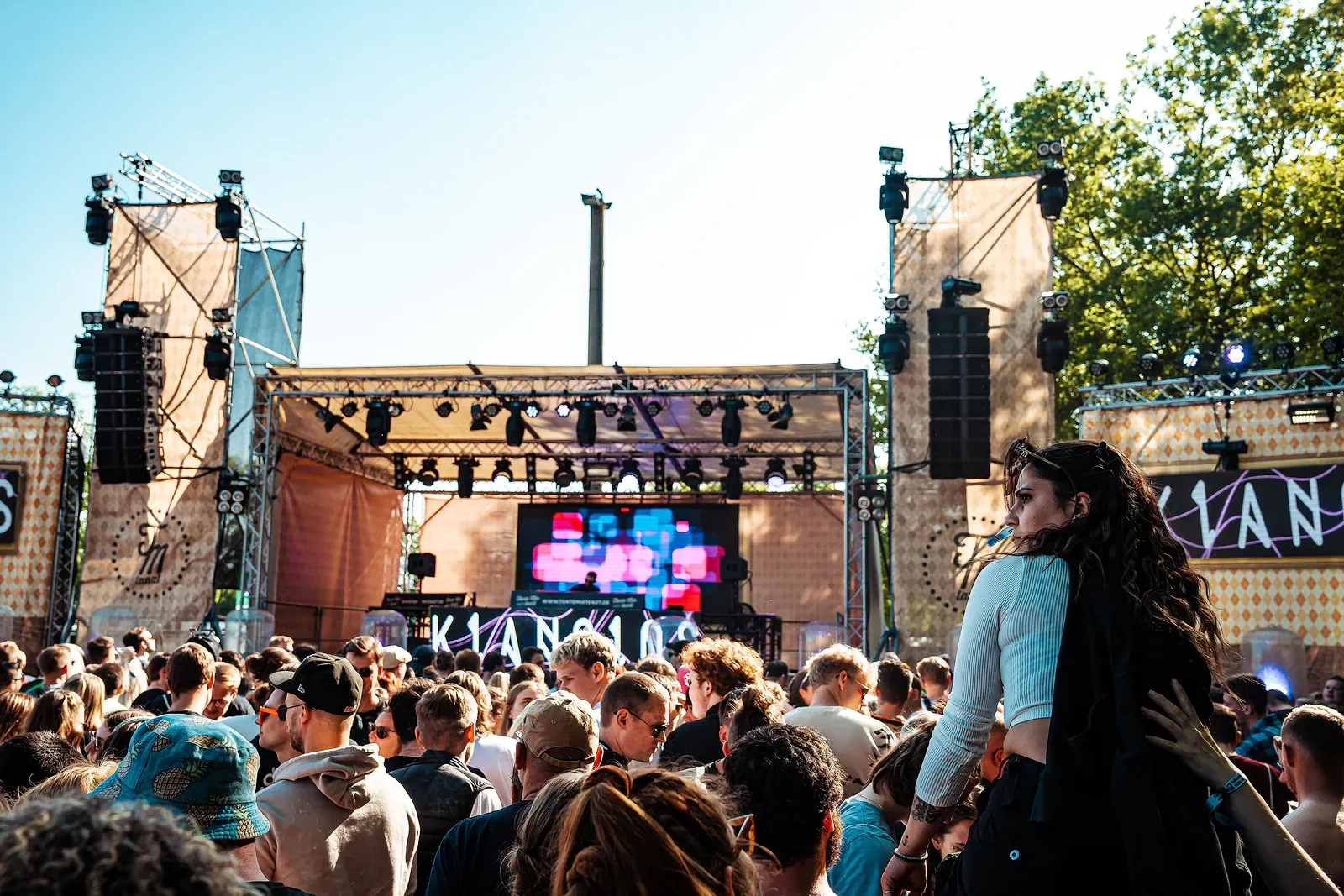
Misconceptions
EDM and electronic music are often treated as the same thing. They are not. The earliest documented use of “EDM” is on the sleeve of Landscape’s single “European Man” in 1980, from Richard James Burgess. In the US, electronic dance music became an industry rebrand of rave in the late 2000s, while British speakers mostly say “dance music”. Festival EDM is one 2010s slice of a family that also includes ambient, IDM and chiptune.
The 808 and 303 were not built to make dance music. Roland sold the 303 as a way to replace a bass guitar, and the 808 as a drum machine for realistic accompaniment. Both failed on those terms and were dropped within a few years. Producers who could not afford a drummer or a bass player found them cheap, strange and usable.
Nor did electronic music start with Kraftwerk or disco. Schaeffer’s first concrete studies date from 1948, and Stockhausen made Studie I at the Cologne studio in 1953. Kraftwerk took a method from the art studios to pop in the 1970s. The start depends on whether the medium or the pop sound is meant.
Frequently asked questions
What is the difference between house and techno?
House began in Chicago clubs in the early 1980s, built on disco’s four-on-the-floor kick, drum machines and samples. Techno came from Detroit in the mid 1980s, colder and more mechanical, shaped by Kraftwerk, funk and Detroit radio. Both belong to the electronic family and both lean on Roland drum machines.
Is electronic music the same as EDM?
No. EDM is one slice of the electronic family, the festival-sized dance music that broke through in the US around 2012. Electronic music also includes ambient, IDM, chiptune and the experimental tape work that started the family in 1948.
Which electronic records are the most influential?
Donna Summer’s “I Feel Love” (1977), Afrika Bambaataa’s “Planet Rock” (1982) and Phuture’s “Acid Tracks” (1987) set the dance side. Brian Eno’s Ambient 1: Music for Airports (1978) and Aphex Twin’s Selected Ambient Works 85-92 (1992) set the listening side.
Which instruments define electronic music?
Synthesizers, drum machines, samplers and sequencers. The Moog modular, the Roland TR-808, TR-909 and TB-303, and the Akai MPC are among the best known. The family also leans on MIDI, introduced in 1983, which let machines from different makers play together.
Subgenres
Genres in the family
48 main branches. Names with their own page are links.
- Acholitronix
2003
1970, 26 branches
- Balani show
- Baltimore club
1991, 3 branches
- Bass music
1985
1973, 20 branches
1995, 4 branches
2009
1980, 11 branches
- Deconstructed club
2012, 2 branches
- Demoscene music
1987
1970, 17 branches
- Downtempo
1988, 1 branch
1994, 30 branches
2001, 26 branches
1982, 3 branches
- Electronica
1992, 7 branches
1989, 3 branches
- Festival EDM
2010
2011, 4 branches
- Hard dance
1994, 4 branches
- Hardcore (electronic dance music)
1990, 34 branches
1999, 8 branches
- Hauntology
2005, 1 branch
1983, 75 branches
1992, 6 branches
1992, 6 branches
- Manyao
- Mashup
2001
- Midtempo bass
2016
- New beat
1987, 2 branches
- Nightcore
2001
- Progressive electronic
1971, 2 branches
- Seapunk
2011
- Synthwave
2006, 12 branches
1985, 39 branches
- Tecnobrega
2000, 1 branch
1990, 41 branches
2012, 9 branches
1991, 2 branches
- UK bass
2007
1994, 14 branches
2010, 19 branches
- Witch house
2009, 1 branch
- Wonky
2008, 1 branch
- YTPMV
2007
Sound
What it sounds like
Tempo
- Overall60-190
- Ambient60-100
- Electro120-130
- House120-130
- Acid house118-130
- Techno120-150
- Trance125-150
- Dubstep138-142
- Jungle160-175
- Drum and bass170-180
- Gabber150-190
Drums and percussion
- Roland TR-808
- Roland TR-909
- LinnDrum
- E-mu SP-1200
- Akai MPC60
Synths and software
- Minimoog
- Roland TB-303
- Sequential Prophet-5
- Roland Juno-106
- Yamaha DX7
- Ableton Live
- FL Studio
- Serum
- Massive
Techniques
- Step sequencing
- Sidechain compression
- Filter sweep
- Sampling and chopping
- Breakdown and drop
- Beatmatching and mixing
- Modular patching
Keys and modes
Natural minor. The default for dark basslines in techno, trance and dubstep
Dorian mode. Minor with a raised sixth, common in house chords and Detroit techno
Phrygian mode. Flat second gives a tense minor colour in acid and dark techno
Chromatic and atonal. Noise, drones and tape music often avoid a tonal centre
Tuning
12-tone equal temperament, A=440 Hz, with microtonal and generative exceptions
Vocals
Often absent or reduced to sampled phrases, vocoded lines and processed hooks; diva-style or soul vocals appear in house and pop
Hallmarks
- synthesizers
- drum machines
- sequencers/DAWs
- DJ and club culture
Instruments
- Moog modular synthesizer
The voltage-controlled instrument that brought electronic sound to pop audiences from the late 1960s.
- Roland TR-808
Boomy analog drum machine whose kick and clap shaped hip hop, electro and house.
- Roland TR-909
Hybrid analog-sample drum machine that became the standard for house and techno drums.
- Roland TB-303
A bass sequencer sold for guitarists, repurposed by Phuture for the acid squelch.
- Yamaha DX7
The first widely sold digital FM synth, the bell and electric piano sound of 1980s pop and house.
- E-mu SP-1200
A gritty 12-bit sampler beloved by hip hop and jungle producers.
- Akai MPC
Sampler and sequencer in one box that put chopping and beat building in the producer's hands.
- Sequential Prophet-5
Polyphonic programmable synth that made saveable patches standard on stage and in studio.
Technology that shaped it
- 1964Voltage-controlled synthesis
Moog's design made pitch, filter and volume playable with one control language.
- 1979Fairlight CMI and digital sampling
Recording and replaying real sounds from a keyboard changed pop and later hip hop and rave.
- 1983MIDI
A shared protocol linked gear from different makers and made the computer the studio hub.
- 1996VST plug-ins
Steinberg's format let software synths and effects run inside a computer audio program.
- 2001Ableton Live
Clip-based software unified studio and stage, dominating live electronic performance.
Essential records
- 1977I Feel Love
Donna Summer. Sequenced synthesizers carry a pop single end to end, the blueprint for later dance music.
- 1978Ambient 1: Music for Airports
Brian Eno. It fixed ambient as a listening category and a method.
- 1981Computer World
Kraftwerk. Cold, melodic machine pop that became source material for electro and techno.
- 1982Planet Rock
Afrika Bambaataa & Soulsonic Force. It fused Kraftwerk melody with the TR-808 and founded electro.
- 1985No UFO's
Model 500. Detroit's first techno single, made by Juan Atkins on his own Metroplex imprint.
- 1987Acid Tracks
Phuture. The TB-303 squelch that started acid house.
- 1992Selected Ambient Works 85-92
Aphex Twin. It proved ambient techno could be an album art form.
- 1997Homework
Daft Punk. Filtered Chicago house became pop-facing and kicked off the French touch era.
- 1998Music Has the Right to Children
Boards of Canada. Warped tape nostalgia that shaped two decades of electronic listening music.
- 2007Untrue
Burial. A defining post-dubstep album of London night buses and fragmented vocals.
- 2013Random Access Memories
Daft Punk. Live-played disco and funk reasserted craft in a laptop age.
Scenes
Where it happened
Where and when the sound lived: one bar per city on a shared timeline.
Europe
North America
Active scenes
Peak 5, 1991-1992
Kraftwerk's Kling Klang studio set the template for electronic pop.
The Warehouse, Music Box and Trax Records built house music.
Atkins, May and Saunderson built techno from Kraftwerk, funk and Detroit radio.
Disco, hip hop and electro met in clubs like Paradise Garage and on Tommy Boy.
Bleep techno from Warp and the city's industrial past reached the UK charts.
Acid house, jungle, UK garage, dubstep and grime each grew from London clubs and pirate radio.
Tresor opened in 1991 and Berghain followed; the city became the world's techno capital.
Kompakt turned minimal techno and Pop Ambient into a German export.
Glossary
Terms on this page
The large vinyl format with louder, longer mixes made for DJs.
The squelching, resonant filter sweep of a TB-303 bassline.
Beats per minute, the tempo number DJs use to match tracks and genres cluster around.
A sampled drum solo, often rearranged, that drives jungle, hip hop and big beat.
The moment after a build-up when the full beat and bass return.
A steady kick drum on every beat, the pulse beneath house, techno and trance.
A device or program that plays notes and drum hits in a programmed loop.
A trick that ducks the bass or pads each time the kick hits, creating a pumping feel.
Families