Trip hop
Trip hop is slow, dub-heavy, sample-built music that grew out of Bristol sound-system culture around 1990 and reached the charts through the mid-1990s.
Bristol, 1991
Electronic family
Born
1991
Bristol
Subgenres
3
Documented branches
Links
21
Genres it drew on or shaped
Tempo
60-115 BPMLineage
Family tree
Timeline
Era by era
From the first sparks to today. Select a dot to read the story behind it.
- Bristol sound systems
1983 to 1990
- The Bristol records
1991 to 1995
- Peak and spread
1996 to 2001
- Afterglow
2002 to 2007
- Return and legacy
2008 to 2026
Eras
Moments
- 1 Bristol sound systems, 1983 to 1990
- 2 The Bristol records, 1991 to 1995
- 3 Peak and spread, 1996 to 2001
- 4 Afterglow, 2002 to 2007
- 5 Return and legacy, 2008 to 2026
1983
Bristol sound systems
The Wild Bunch mix hip hop, dub, soul and punk at Bristol parties and clubs such as the Dug Out. Massive Attack form out of the crew in 1988.
- 1983The Wild Bunch sound system forms in BristolDJs and MCs mixing hip hop, reggae, soul and punk; its circle includes Daddy G, 3D, Mushroom, Tricky and Nellee Hooper.
- 1986The Dug Out club closesThe Park Row club that hosted the Wild Bunch shuts, and the crew drifts apart.
- 1988Massive Attack form from the Wild BunchDaddy G, 3D and Mushroom start recording together in Bristol.
- 1990Coldcut start Ninja TuneThe London label becomes the home of the instrumental, jazz-tinged side of the sound.
1991
The Bristol records
Blue Lines, Dummy and Maxinquaye give the sound its template. Mixmag coins "trip hop" in 1994 and Dummy wins the 1995 Mercury Prize.
- 1991Unfinished SympathyMassive Attack's Shara Nelson single, released February 1991, with a one-take street video.
- 1991Massive Attack release Blue LinesReleased 8 April 1991; widely named the first trip hop album.
- 1992James Lavelle founds Mo' WaxThe London label champions instrumental hip hop, turntablism and the Headz sound.
- 1993DJ Shadow releases In/FluxThe Mo' Wax single later cited by Mixmag when it coined the term trip hop.
- 1994Mixmag coins "trip hop"Journalist Andy Pemberton used the term in June 1994 about DJ Shadow's In/Flux.
- 1994Mo' Wax releases the Headz compilationA label showcase of instrumental, hip hop based downtempo.
- 1994Portishead release DummyDebut album, released 22 August 1994, built from sampled film and soul sources.
- 1994Massive Attack release ProtectionSecond album, more sparse and dub-heavy than Blue Lines.
- 1995Tricky releases MaxinquayeReleased 20 February 1995 on 4th & B'way, an Island subsidiary; reached number 3 in the UK albums chart.
- 1995Dummy wins the Mercury PrizeA Bristol debut beats better-known acts and brings the sound to a mass audience.
1996
Peak and spread
Endtroducing....., Mezzanine and a wave of UK acts (Sneaker Pimps, Lamb, Morcheeba) take the sound into charts, film and TV across Europe and the US.
- 1996DJ Shadow releases Endtroducing.....Made almost entirely from samples; Guinness lists it as the first album made fully from samples.
- 1996Sneaker Pimps release Becoming XThe Hartlepool band's debut sold over a million copies, driven by 6 Underground.
- 1996Lamb and Morcheeba release debut albumsLamb's self-titled album (Manchester) and Morcheeba's Who Can You Trust? widen the sound beyond Bristol.
- 1997Portishead release their second albumA harsher, more cinematic record than Dummy.
- 1998TeardropMassive Attack and Elizabeth Fraser, released 27 April 1998; their only UK top-10 single.
- 1998UNKLE release Psyence FictionJames Lavelle and DJ Shadow's album of guest vocalists, including Thom Yorke on Rabbit in Your Headlights.
- 1999Massive Attack on The Matrix soundtrackDissolved Girl puts the Bristol sound into a global film hit.
2002
Afterglow
Mo' Wax closes in 2002 and the label "trip hop" falls out of favour. Its mood moves into downtempo, lounge and alternative pop.
- 2002Mo' Wax ceases operationsThe label that defined the instrumental strand stops releasing records.
- 2004Teardrop opens the TV series HouseThe harpsichord riff becomes one of the most heard themes of the genre.
2008
Return and legacy
Portishead's Third (2008) and Massive Attack's Heligoland (2010) show the originators still working; the slow, dark, sample-built sound keeps shaping pop and electronic acts.
- 2008Portishead release ThirdTheir first album in eleven years drops the hip hop beats for krautrock and noise.
Listening path
Anthems
The records that built the sound, grouped by the part they played. Thumbnails come from YouTube; the player loads only when you press play.
- 01
Massive Attack, 1991 · Virgin Records
The string-laden Shara Nelson single that first sounded like the genre: slow breakbeat, soul vocal, cinematic orchestra.
Start hereOrigin - 02
Portishead, 1994 · Go! Discs
Beth Gibbons over a sped-up Lalo Schifrin sample; its 1995 re-release took Portishead into the charts.
Breakthrough - 03
Massive Attack, 1998 · Virgin Records
Elizabeth Fraser and a harpsichord riff gave Massive Attack their only UK top ten and a TV theme.
Start hereBreakthrough - 04
Portishead, 1994 · Go! Discs
The torch-song side of the Bristol sound: slow break, sampled Isaac Hayes strings and Gibbons' aching vocal.
Start hereAnthem - 05
Tricky, 1995 · Island Records
Martina Topley-Bird over a murky loop, remade from Massive Attack's Karmacoma for Maxinquaye.
Anthem - 06
Tricky, 1995 · Island Records
Tricky's half-sung rap over a looped soul sample; the track Maxinquaye is remembered for.
Anthem - 07
DJ Shadow, 1996 · Mo' Wax
The instrumental, sample-only side of the sound at its most hushed and cinematic.
Anthem - 08
UNKLE, 1998 · Mo' Wax
Thom Yorke and a looping piano over Lavelle and Shadow's beat; the Mo' Wax crossover moment.
Anthem - 09
Sneaker Pimps, 1996 · Virgin Records
Trip hop beats with pop hooks and Kelli Ali's breathy voice, a radio hit in the UK and US.
Crossover - 10
Lamb, 1997
Lamb sampled Gorecki's Symphony of Sorrowful Songs and showed the style could take in classical music.
Crossover - 11
Morcheeba, 2000
Skye Edwards' warm voice and lighter grooves show the sound softening into radio-friendly downtempo.
Crossover
Facts
| Family | Electronic |
| Origin | Bristol, United Kingdom |
| Emerged | Late 1980s to early 1990s |
| Status | Active |
| Tempo | 60 to 115 BPM |
| Meter | 4/4 |
| Grew out of | Hip Hop |
| Subgenres | 2 |
Trip hop is a slow, bass-heavy form of electronic music built from hip hop breakbeats, dub production and sampled film, jazz and string recordings.
It emerged in Bristol, England, around 1990 and was named by the British press in 1994, when its records were already selling across Europe and the United States. Its trademarks are a drowsy tempo, sub-bass, vinyl crackle and melancholy vocals.
Origins
Bristol is a port city with a large Caribbean community, concentrated in districts such as St Pauls, and by the late 1970s it had a thriving reggae sound-system culture. Punk and post-punk arrived through local bands, above all The Pop Group, whose mixture of funk, dub and noise showed that Bristol groups could ignore genre boundaries.
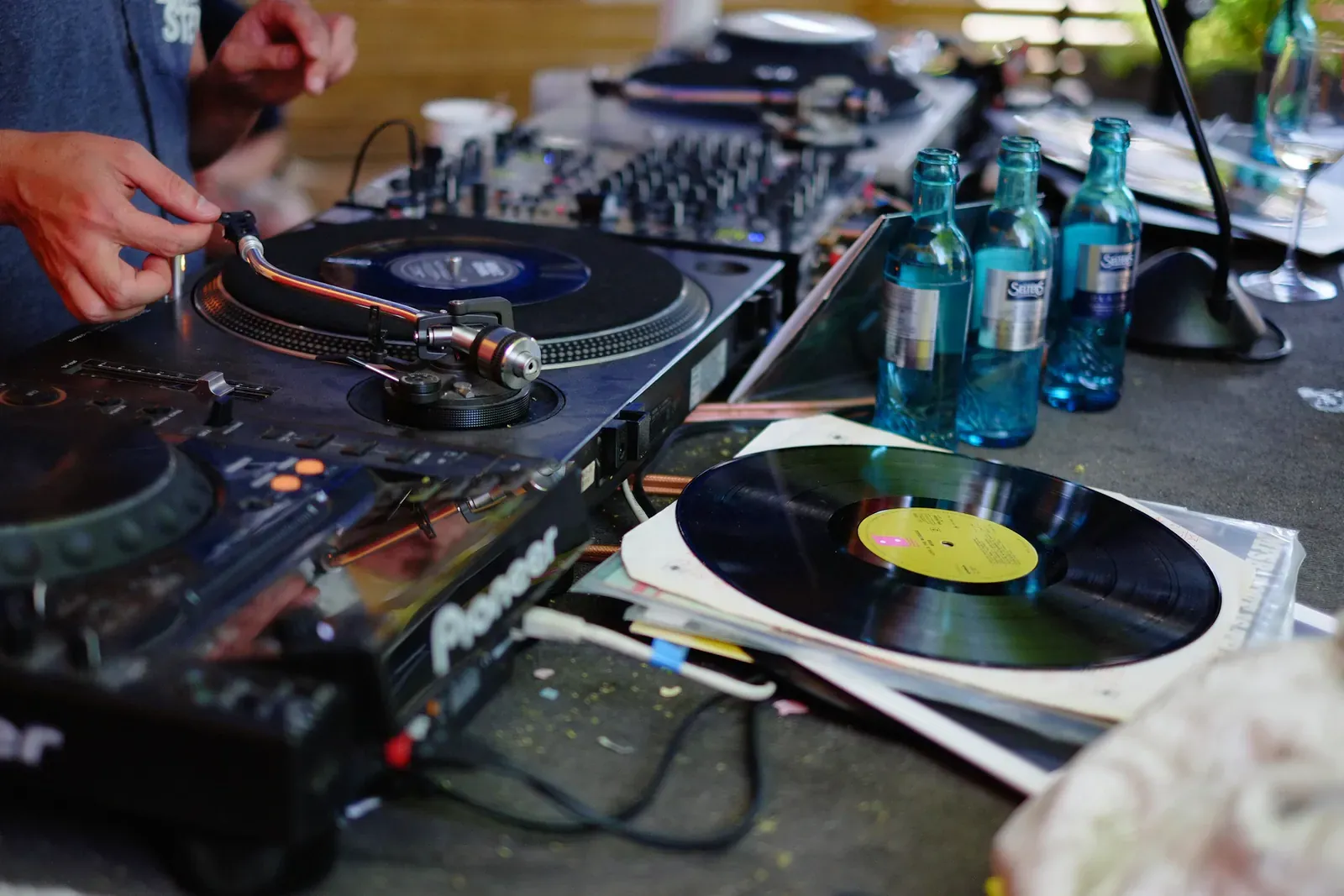
The sound system was the training ground. A system is a mobile rig of speakers and turntables, judged on record selection and bass weight. Dub reggae contributed the habit of stripping a track to drum and bass and then echoing the rest, a technique that later became the genre’s studio method. Hip hop contributed the break, the sample and the turntable as an instrument.
Bristol sound systems, 1983-1990
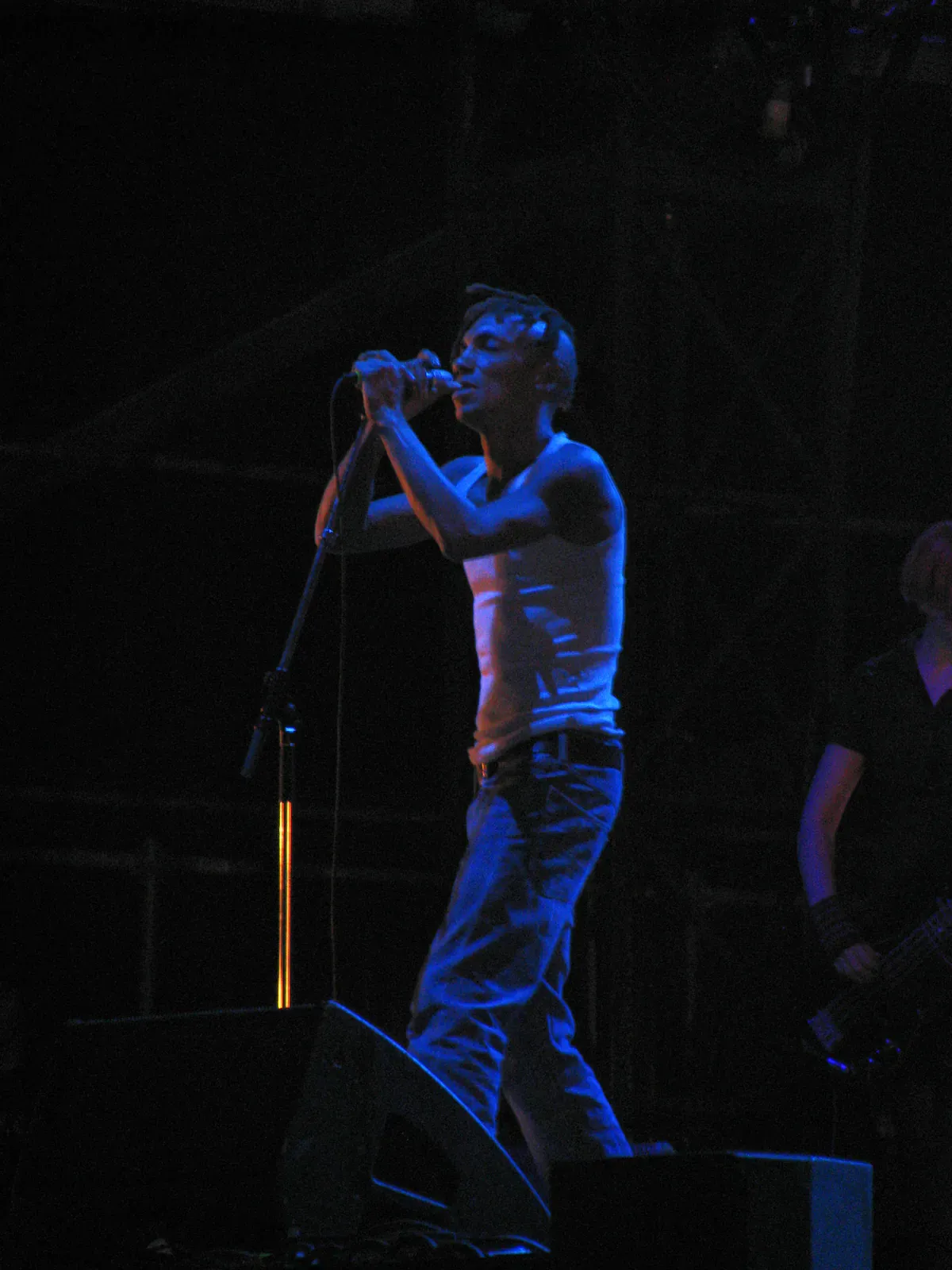
The Wild Bunch formed in 1983 as a sound system that mixed hip hop, dub, soul, funk, punk and electro at parties and in clubs, most famously the Dug Out, which closed in 1986. Its circle included Grant Marshall, Andrew Vowles, Robert Del Naja and Nellee Hooper. Hooper went to London and became a producer, working on Björk’s solo debut in 1993; the others turned to recording.
Massive Attack formed out of the Wild Bunch in 1988, built around Marshall, Vowles and Del Naja. They recorded at Coach House Studios in Bristol with a rotating cast of singers and rappers, among them Shara Nelson, Horace Andy and a young rapper named Tricky.
The Bristol records, 1991-1995
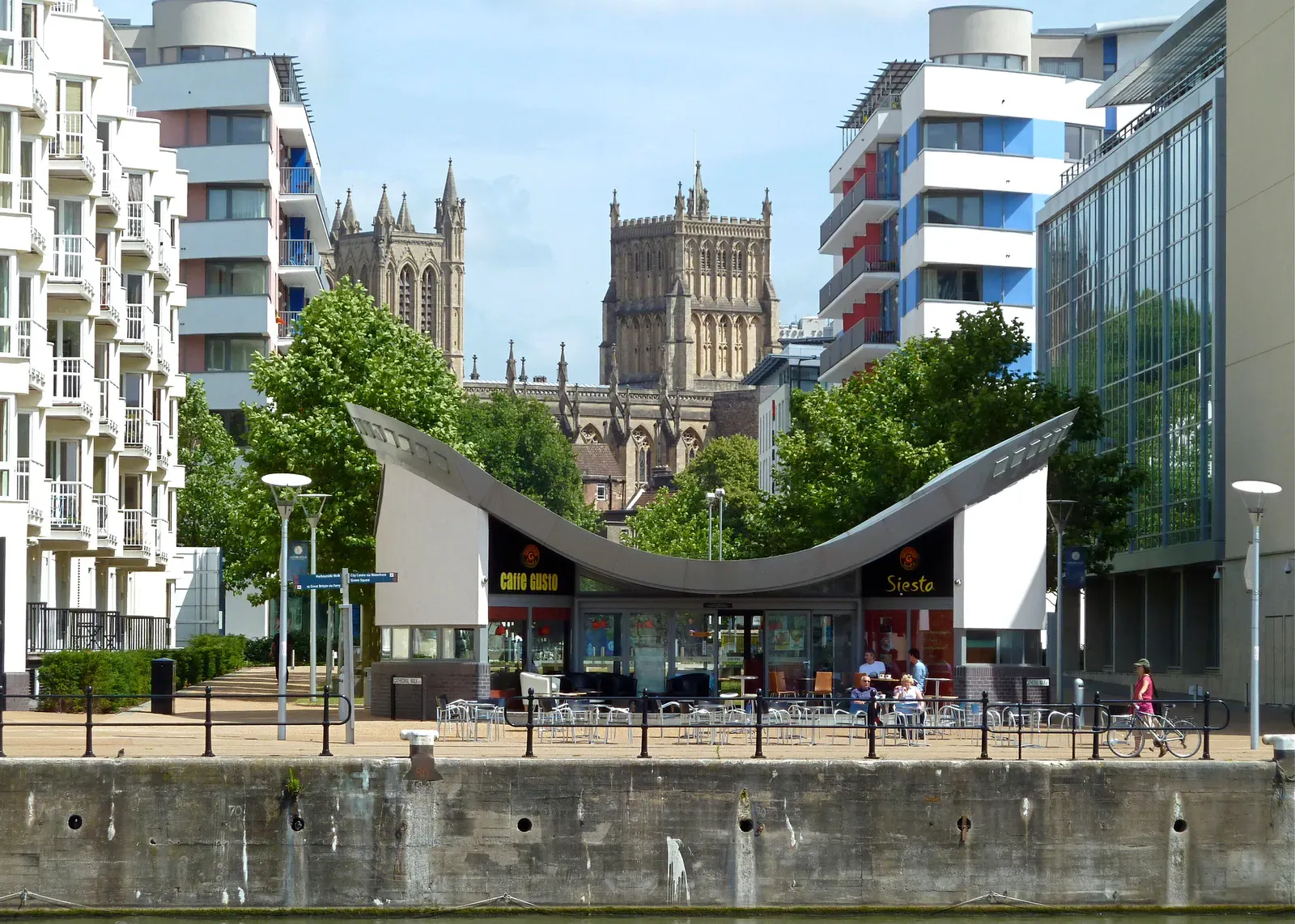
Massive Attack’s Blue Lines appeared in 1991 on Virgin and is usually treated as the genre’s founding album. Its single Unfinished Sympathy paired a string arrangement with a slowed hip hop groove and Shara Nelson’s lead vocal. The band briefly shortened its name to Massive during the Gulf War of that year, to avoid controversy over the original.
A second wave followed. Portishead, a trio of Geoff Barrow, Beth Gibbons and Adrian Utley named after a town on the Bristol Channel, released Dummy in 1994 on the Go! Beat imprint of Go! Discs. Barrow worked with samples that he cut to vinyl, wore down and sampled again to wear them down, which accounts for the album’s brittle, aged texture. Dummy won the Mercury Prize in 1995. Tricky, who grew up in the Knowle West district of Bristol, released Maxinquaye the following year on Island with the singer Martina Topley-Bird; its tracks Overcome and Hell Is Round the Corner pushed the sound toward something stranger and more threatening.
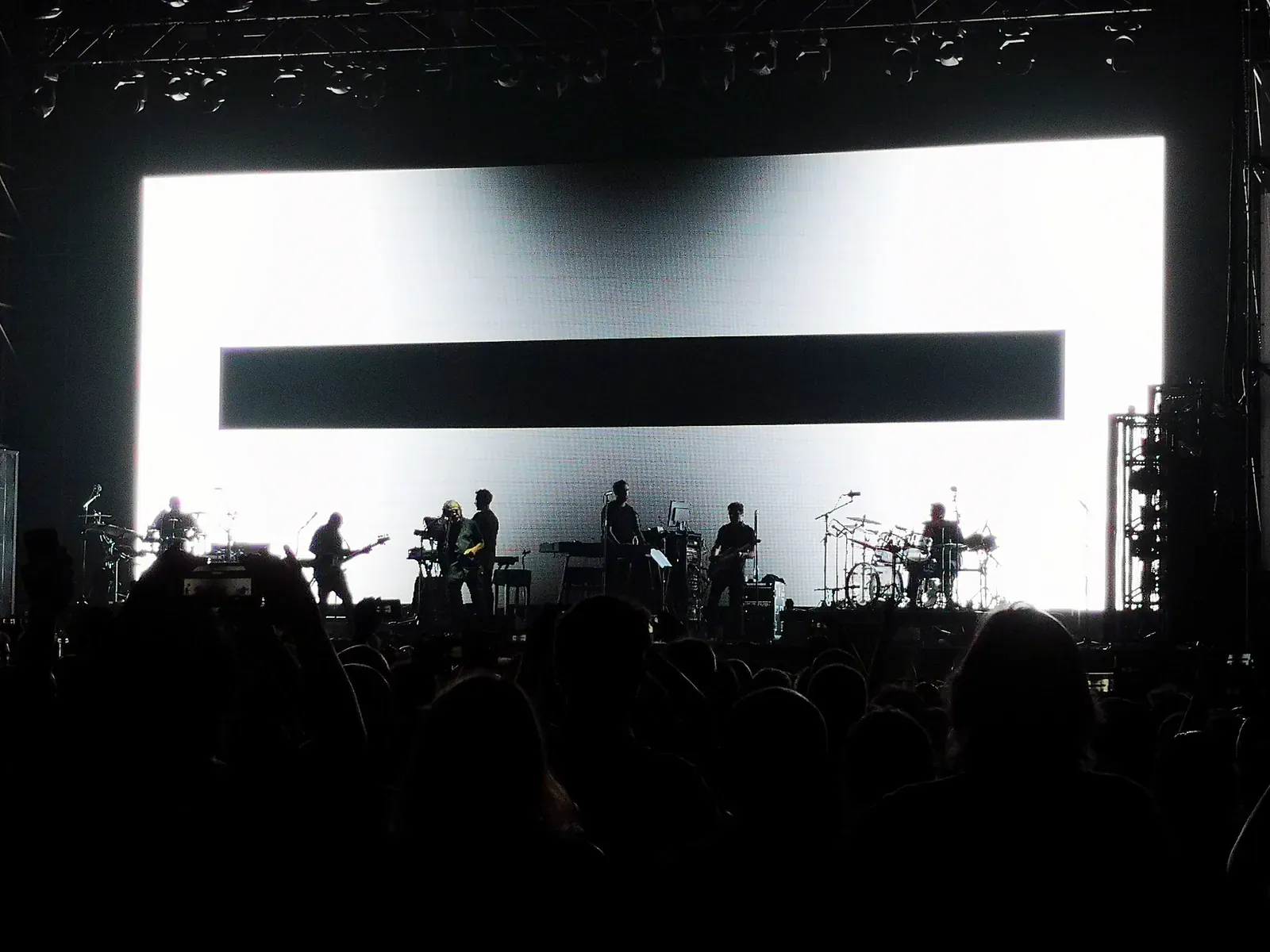
The term itself arrived in 1994, when the music press began using “trip hop” for the slow, hip hop-derived records coming out of Bristol and London. Many of the musicians disliked the label, which grouped together acts with different methods and moods.
Peak and spread, 1996-2001
DJ Shadow’s Endtroducing….., released in 1996 on Mo’ Wax, was assembled almost entirely from sampled records. Mo’ Wax, founded in London in 1992 by James Lavelle, issued the 1994 compilation Headz and the sleeves Futura 2000 designed for the label, and it tied the genre to instrumental hip hop and to a collector culture of record diggers. Lavelle’s UNKLE project, with Shadow, released Psyence Fiction on the label in 1998. The London label Ninja Tune, launched by Coldcut in 1990, pursued a related cut-and-paste aesthetic.
Acts outside Bristol adapted the sound. Sneaker Pimps came from Hartlepool, Lamb from Manchester and Morcheeba from London; their singles 6 Underground, Gorecki and Rome Wasn’t Built in a Day reached listeners who had never visited a sound-system party. Portishead’s self-titled second album arrived in 1997, and Massive Attack’s Mezzanine followed in 1998, darker and guitar-led, with Teardrop sung by Elizabeth Fraser of the Cocteau Twins. Film and television carried the sound farther: Massive Attack contributed to the soundtrack of The Matrix in 1999, and Teardrop later became the opening theme of the American series House in 2004. Majors such as Virgin, Island and China found that a low-tempo record could sell.
Afterglow, 2002-2007
Mo’ Wax closed in 2002, and the label “trip hop” fell out of use. Its mood moved into downtempo, lounge compilations and alternative pop. Bristol meanwhile had a second export in drum and bass: Roni Size and Reprazent won the Mercury Prize in 1997.
Return and legacy, 2008 onward
Portishead’s Third, released in 2008 after a decade of silence, replaced the hip hop beats with harsh electronics and krautrock rhythms, and Massive Attack followed with Heligoland in 2010. Its moody, sample-based, slow-tempo production runs through alternative R&B, future garage and much present-day pop.
Characteristics
Trip hop starts from a break taken from a funk, soul or jazz record and slowed to a walking pace, sitting below most hip hop and well below most dance music. A deep, rounded bass line, inherited from dub, carries the harmony. Over this sit strings, a piano figure, a guitar sample from a film score or a jazz record, and a vocal that is often breathy, hushed or sung with little vibrato. Noise from the source records is left in. The usual emotional register is wary, nocturnal and unresolved. Most tracks hold one mood from beginning to end, with no drop or build.
Instruments and production
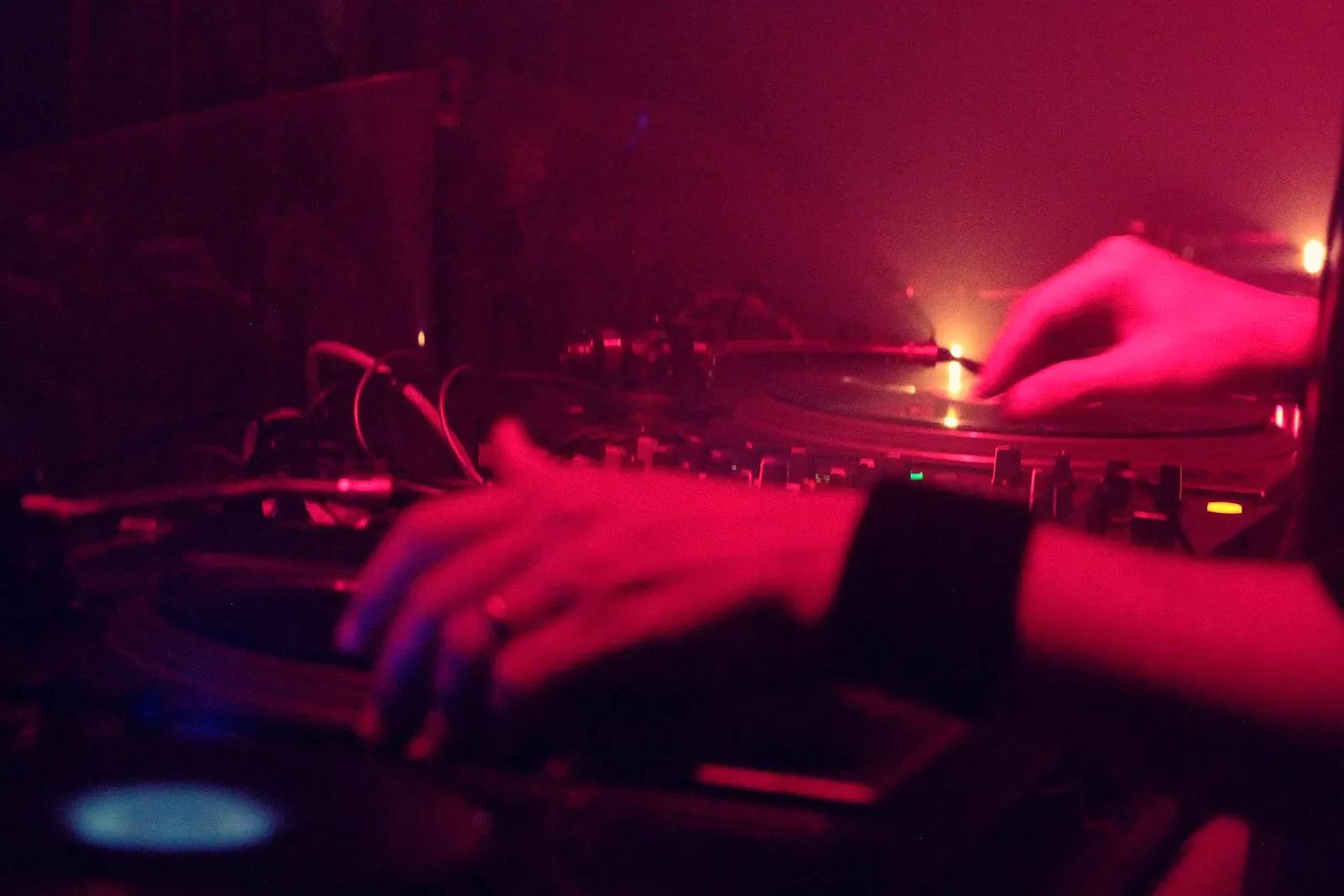
Production centres on the sampler. Producers cut loops from vinyl, programmed them on hardware samplers and rearranged them, adding live bass, guitar, Rhodes-style keyboards, theremin or strings where the budget allowed. Bristol groups mixed these elements with dub techniques: echo, spring reverb and abrupt muting of channels. Hunting for obscure source records shaped the Mo’ Wax scene in particular.
Notable recordings
Unfinished Sympathy turned a pop single into a cinematic piece: its strings, arranged by Wil Malone, were played by a live orchestra, an expense most hip hop of the time lacked. Glory Box, from Dummy, built a torch song on a sampled Isaac Hayes track and a loping beat. Teardrop reached a larger public through television than through radio.
Culture
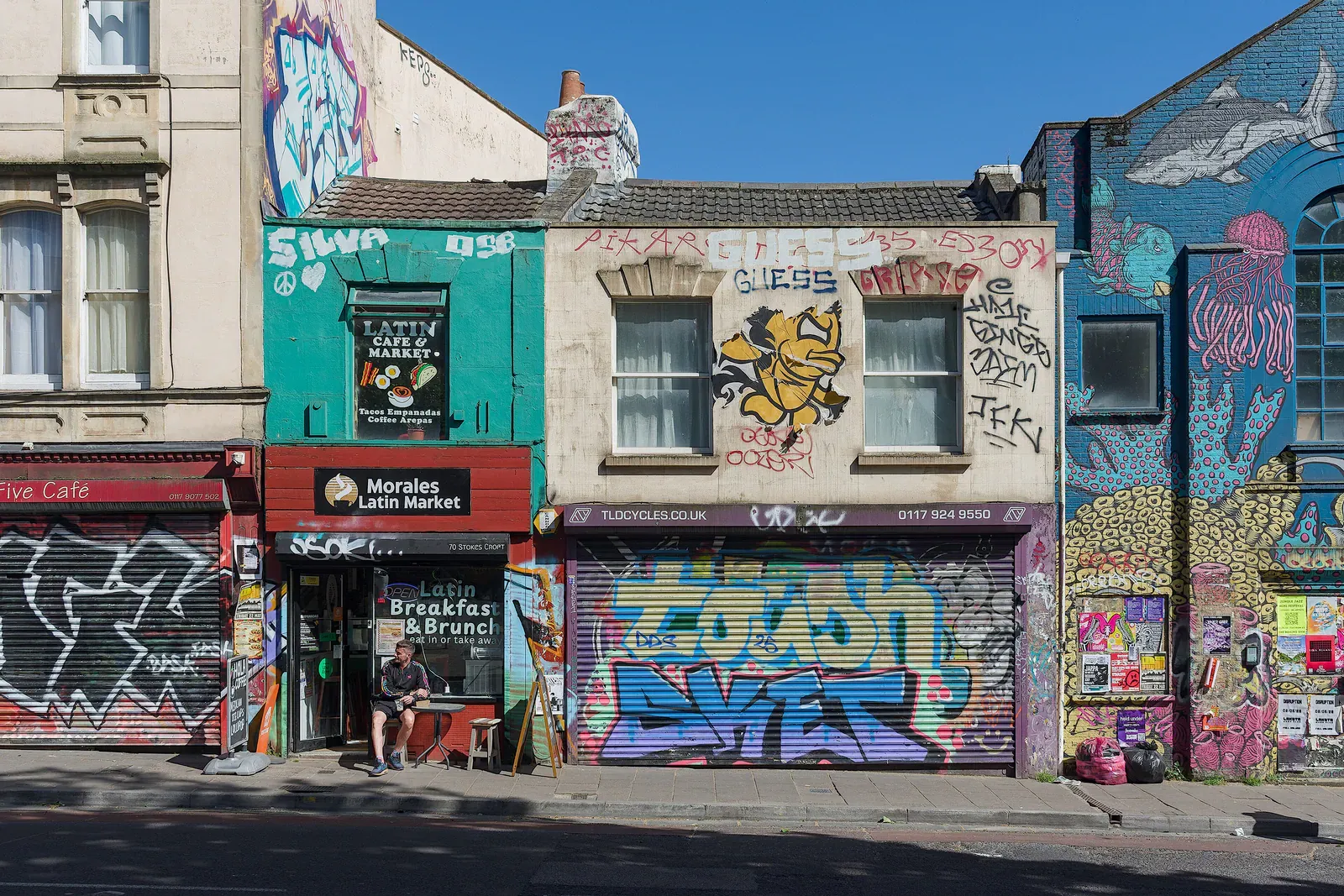
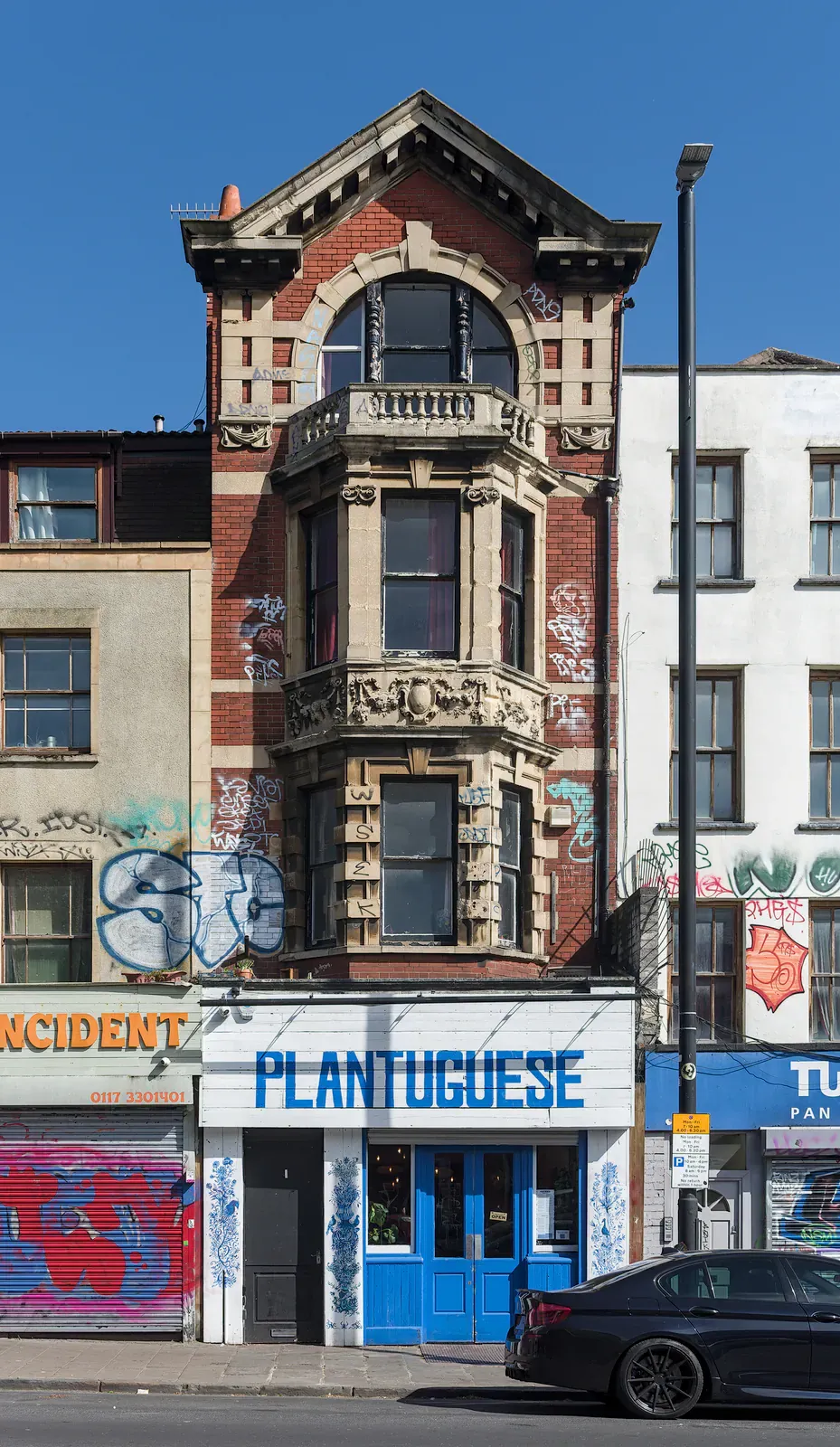
The audience was not primarily a dance crowd: the music was heard at home, in bars and at late-night after-parties, and suited the chill-out rooms and compilation series that grew in the mid-1990s. Visual identity mattered. The graffiti artist Futura 2000 drew sleeves for Mo’ Wax, while Blue Lines used a plain sleeve that read as a deliberate refusal of rave graphics. Stokes Croft, near the centre of Bristol, is the district where street art and small venues cluster.
Misconceptions
Trip hop is often said to be a single Bristol sound. The three best-known Bristol groups differ sharply, and the genre had a London centre in Mo’ Wax and Ninja Tune, a Californian one in DJ Shadow’s record collection and later regional acts in Manchester and Hartlepool.
Another claim is that the term came from the musicians. It came from the press in 1994, and several of the acts it described rejected it. Massive Attack’s Blue Lines had already been out for three years by then.
A third belief is that it is background music for relaxation. Many of its best-known songs deal with fear, obsession and betrayal.
Frequently asked questions
What is trip hop?
Trip hop is a downtempo genre that combines slowed hip hop breakbeats, dub bass lines and sampled strings or film themes. It began in Bristol around 1990 and became widely known after 1994.
Why is trip hop called trip hop?
The British music press applied the term in 1994 to a slow, psychedelic form of hip hop. The acts that it described never agreed on the name.
Who are the main trip hop artists?
Massive Attack, Portishead and Tricky are the core Bristol acts, with DJ Shadow and UNKLE as the main figures on Mo’ Wax. Lamb, Morcheeba and Sneaker Pimps are among the best-known acts from elsewhere in Britain.
Is trip hop still made?
Trip hop is still active. Portishead issued Third in 2008, Massive Attack released Heligoland in 2010, and a steady stream of producers continue to work with its slow breaks, deep bass and sampled textures, though few use the label.
Is trip hop the same as downtempo?
No. Downtempo is a wider category that also covers lounge and chill-out records without hip hop drums. Trip hop is the part of downtempo that rests on breakbeats and sampling, and is closely tied to breakbeat and to the electronic and hip hop families.
Sound
Sound sheet
Anatomy of a track
| # | Part | Bars |
|---|---|---|
| 1 | Intro (sampled loop) | 4 |
| 2 | Verse 1 | 16 |
| 3 | Chorus or hook | 8 |
| 4 | Verse 2 | 16 |
| 5 | Break (strings or dub echo) | 8 |
| 6 | Final chorus and outro | 16 |
Signature sounds
- Slowed hip hop breakbeat
- Deep dub-style bass line
- Sampled film, jazz or string loops
- Vinyl crackle
- Breathy or whispered vocals
- Scratch and turntable accents
Drums and percussion
- Akai MPC60
Techniques
- Slowed sampled breakbeat
- Pitched-up film sample
- Sample-only composition
- Dub bass and echo
- Turntable scratching
Keys and modes
Natural minor. Teardrop sits in B minor; many slow tracks use dark minor modes.
Major with minor colour. Unfinished Sympathy is in G major, with strings that lean into sadness.
Vocals
Breathy or torch-song female vocals (Beth Gibbons, Shara Nelson, Skye Edwards) and Tricky's whispered raps.
Scenes
Where it happened
Where and when the sound lived: one bar per city on a shared timeline.
Europe
North America
Active scenes
Peak 5, 1994-1998
The home of the sound: Wild Bunch parties, Coach House Studios, Massive Attack, Portishead and Tricky.
Mo' Wax and Ninja Tune, plus studios such as Eastcote, where Bristol acts finished records.
DJ Shadow dug for records in Sacramento shops and made Endtroducing..... on an MPC60.
Lamb formed here, mixing trip hop beats with drum and bass and folk-like vocals.
Sneaker Pimps formed here and took the style into mainstream pop.
Venues and places
Bristol, 1983 to today. The Park Row club where the Wild Bunch played before it closed in 1986.
Bristol, 1990 to today. Studio where Blue Lines was recorded and where Portishead met Adrian Utley.
Bristol, 1993 to today. Where Dummy was recorded with Coach House, in 1993-94.
London, 1990 to today. Notting Hill studio used for Blue Lines and Maxinquaye.
Sacramento, 1996 to today. The shop whose dusty stock supplied the vinyl behind Endtroducing.....
Culture
Culture markers
- Sound system parties
Bristol's reggae and hip hop sound systems, such as the Wild Bunch, were the training ground for the genre.
Ritual - Futura 2000 sleeves
The graffiti artist's artwork for Mo' Wax made the label's look as recognisable as its sound.
Artwork - Blue Lines sleeve
A plain Helvetica sleeve that echoed punk covers and set a stark visual tone.
Artwork - Headz
Fans of the Mo' Wax strand called themselves Headz, from the 1994 compilation.
Slang
Media
Key media
- 1991Unfinished Sympathy video
by Baillie Walsh. A single-take street walk for Shara Nelson, a classic early-90s music video.
Film - 1994Headz
by Various. Mo' Wax's showcase of instrumental hip hop and downtempo, which named a whole audience.
Compilation - 1994Mixmag, June 1994
by Andy Pemberton. The magazine piece that coined "trip hop" about DJ Shadow's In/Flux.
Zine - 1999The Matrix soundtrack
by Various. Included Massive Attack's Dissolved Girl and made trip hop part of 90s cinema sound.
Film - 2004House (TV series) opening theme
by Fox. Used Massive Attack's Teardrop over the title sequence.
Film
Glossary
Terms on this page
A drum break lifted from an old record and looped, here slowed to roughly 70-100 BPM.
The scene around the Wild Bunch, Massive Attack, Portishead and Tricky in 1980s-90s Bristol.
Searching second-hand record shops for obscure vinyl to sample.
Deep, echoing bass lines borrowed from Jamaican dub.
Mo' Wax-era name for fans of instrumental, hip hop based downtempo, from the 1994 compilation.
A mobile DJ rig and crew that threw parties; the Wild Bunch were one.
A label for slow, atmospheric, hip hop based electronic music, first used in Mixmag in 1994.
Treating the turntable as an instrument, via scratching and beat juggling.
Electronic family