Soul
Soul is African-American popular music that put gospel singing into secular songs from the 1950s, centred on Motown, Stax, Muscle Shoals and Philadelphia.
Detroit, 1959
R&B, Soul & Funk family
Born
1959
Detroit
Subgenres
18
Documented branches
Links
85
Genres it drew on or shaped
Tempo
85-130 BPMLineage
Family tree
Grew out of
Derived from
Derived from
- Doo-wop
Derived from
Influenced by
Traditional black gospelBlues
Detroit, 1959
Soul
Led to (25)
Timeline
Era by era
From the first sparks to today. Select a dot to read the story behind it.
- Gospel goes secular
1954 to 1959
- Hitsville and Memphis
1960 to 1967
- Black pride and message soul
1968 to 1975
- Slicker sounds
1976 to 1999
- Retro revival
2000 to 2026
Eras
Moments
- 1 Gospel goes secular, 1954 to 1959
- 2 Hitsville and Memphis, 1960 to 1967
- 3 Black pride and message soul, 1968 to 1975
- 4 Slicker sounds, 1976 to 1999
- 5 Retro revival, 2000 to 2026
1954
Gospel goes secular
Ray Charles and Sam Cooke carry church melisma and call and response into love songs, and the jukebox hears it.
- 1954Ray Charles records I Got a WomanRecorded in Atlanta in November and released that December, it rewrites a gospel song with secular words.
- 1957Sam Cooke's You Send MeHis first pop single tops the Billboard chart and shows a gospel star can cross over.
- 1957Satellite Records opens in MemphisJim Stewart and Estelle Axton start the label that is renamed Stax in 1961.
- 1959Berry Gordy launches Tamla in DetroitThe first step toward Motown, which Gordy incorporates the next year.
- 1959Ray Charles records What'd I SayA call-and-response vamp with a gospel feel becomes his biggest pop hit to that point.
1960
Hitsville and Memphis
Motown in Detroit and Stax in Memphis build rival house sounds, and Aretha Franklin, Otis Redding and the Temptations reach the pop charts.
- 1964Sam Cooke's A Change Is Gonna Come is releasedIt appears days after his death and becomes a civil rights anthem.
- 1964Sam Cooke dies in Los AngelesHe is shot dead on 11 December, aged 33.
- 1965Wilson Pickett's In the Midnight HourCut at Stax with Steve Cropper and released on Atlantic, it sets a template for Southern dance soul.
- 1967Stax-Volt tour reaches EuropeOtis Redding, Sam and Dave and the Stax house band play to packed halls in March and April.
- 1967Otis Redding plays Monterey PopHis June set introduces Southern soul to a young white rock audience.
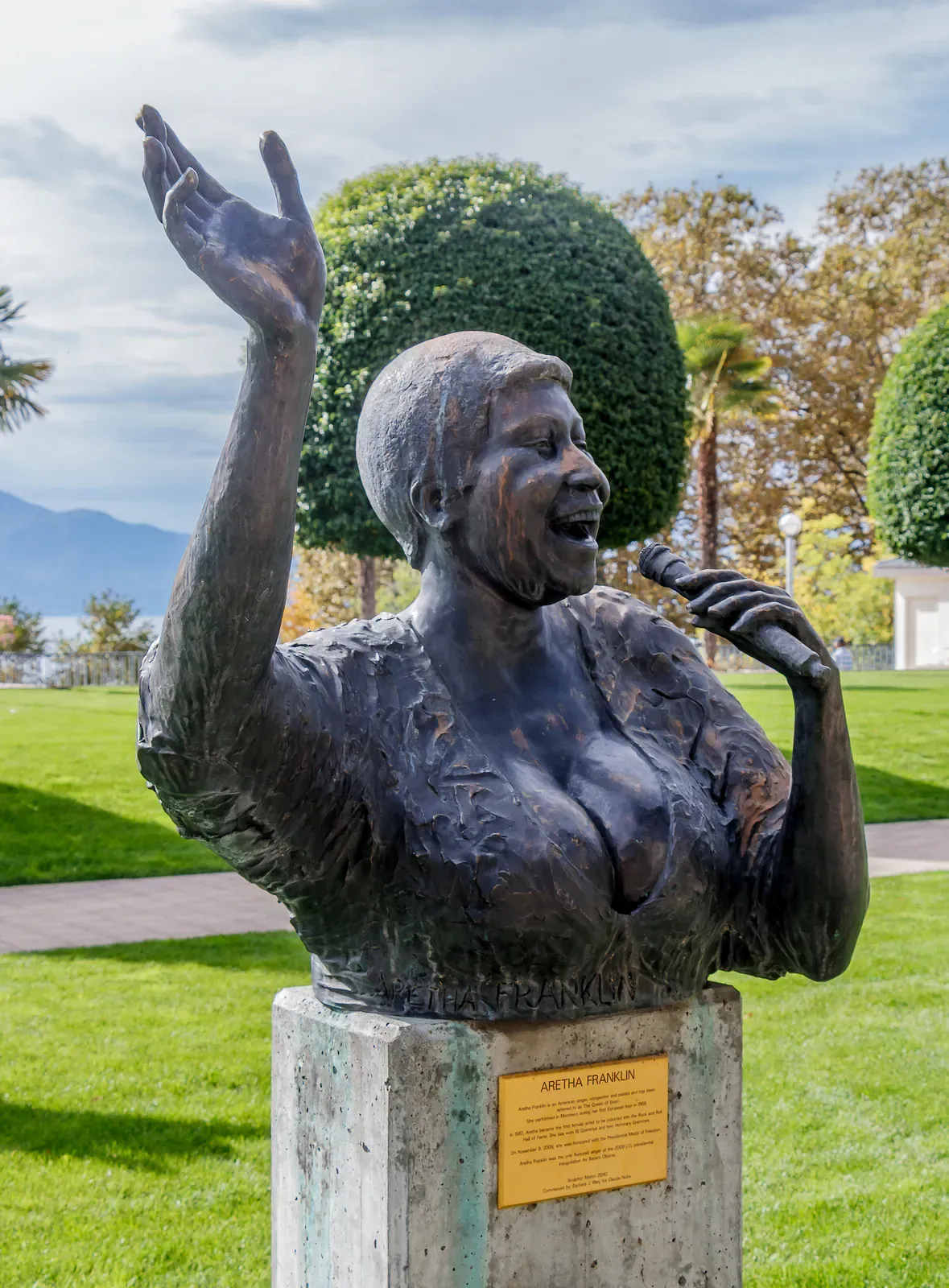
- 1967Aretha Franklin's RespectHer reworking of Otis Redding's song reaches number one on the Hot 100 and starts her run as the Queen of Soul.
- 1967Otis Redding dies in a plane crashHe is killed on 10 December in Wisconsin at age 26.
1968
Black pride and message soul
Songs turn to civil rights, war and city life, Philadelphia adds strings, Memphis adds Al Green, and Stax collapses.
- 1968The Dock of the Bay tops the chartRedding becomes the first artist to reach number one on the Hot 100 after his death.
- 1968James Brown releases Say It LoudThe song turns "Black and proud" into a pop chorus.
- 1968Stax loses its back catalogueA contract clause hands Atlantic the Stax masters when the distribution deal ends.
- 1971Marvin Gaye's What's Going OnA concept album about war, poverty and faith, recorded after a fight with Berry Gordy over control.
- 1971Gamble and Huff start Philadelphia InternationalThe label turns Philadelphia strings and political lyrics into a distinct sound.
- 1972Wattstax fills the Los Angeles ColiseumStax stages a benefit concert in August that is later filmed.
- 1972Motown moves its base to Los AngelesThe label leaves Detroit as film and television grow in importance.
- 1975Stax goes bankruptThe Memphis label closes in December after financial and legal troubles.
1976
Slicker sounds
Disco, quiet storm radio and hip-hop soul reshape the style while neo-soul brings a back-to-basics counter-move late in the era.
- 1992Mary J. Blige's What's the 411?Hip-hop soul joins sung vocals with hip-hop beats.
- 1995D'Angelo's Brown SugarThe album anchors the neo-soul movement.
2000
Retro revival
Small labels such as Daptone record analog soul on vintage gear and make a living from a loyal collector audience.
- 2001Daptone Records starts in BrooklynGabriel Roth and Neal Sugarman build a studio and label around vintage analog gear.
- 2007100 Days, 100 NightsSharon Jones and the Dap-Kings reach a wider audience with a modern record built like a 1960s one.
Listening path
Anthems
The records that built the sound, grouped by the part they played. Thumbnails come from YouTube; the player loads only when you press play.
- 01
Ray Charles, 1954 · Atlantic Records
Charles reworked a gospel tune with secular words, the move that many writers see as the start of soul.
Origin - 02
The Temptations, 1964 · #1 Billboard Hot 100, 1965 · Motown
Motown's polished pop soul reaches number one with a bass riff and David Ruffin lead.
Start hereBreakthrough - 03
Aretha Franklin, 1967 · #1 Billboard Hot 100, 1967 · Atlantic Records
She turns an Otis Redding song into a statement of power that made her the face of soul.
Start hereBreakthrough - 04
Otis Redding, 1968 · #1 Billboard Hot 100, 1968 · Stax Records
A quiet folk-tinged song that gave Southern soul its first posthumous number one.
Start hereBreakthrough - 05
Sam Cooke, 1964 · RCA Records
A gospel-rooted orchestral ballad that became the sound track of the civil rights era.
Anthem - 06
Wilson Pickett, 1965 · Atlantic Records
A Stax-recorded groove that set the Southern dance-soul template.
Anthem - 07
Stevie Wonder, 1970 · Motown
A young Wonder takes control of writing and production and still sounds like Motown.
Anthem - 08
Marvin Gaye, 1971 · Motown
A protest-minded, jazz-tinged ballad that made soul a medium for social comment.
Anthem - 09
Al Green, 1971 · #1 Billboard Hot 100, 1972 · Hi Records
Willie Mitchell's slow Memphis groove and Green's falsetto bring smooth soul to a pop audience.
Crossover - 10
The O'Jays, 1972 · #1 Billboard Hot 100, 1973 · Philadelphia International Records
An upbeat Philadelphia soul message record with strings and a peace-and-unity chorus.
Crossover - 11
Sharon Jones & the Dap-Kings, 2007 · Daptone Records
A new record that sounds like a 1960s single and shows soul can still be made on tape.
Revival
Facts
| Family | R&B, Soul & Funk |
| Origin | Detroit, United States |
| Emerged | Late 1950s-early 1960s |
| Status | Active |
| Tempo | 85 to 130 BPM |
| Meter | 4/4; tempo varies from slow ballads to uptempo dance numbers |
| Grew out of | Rhythm and blues, Gospel, Doo-wop |
| Subgenres | 17 |
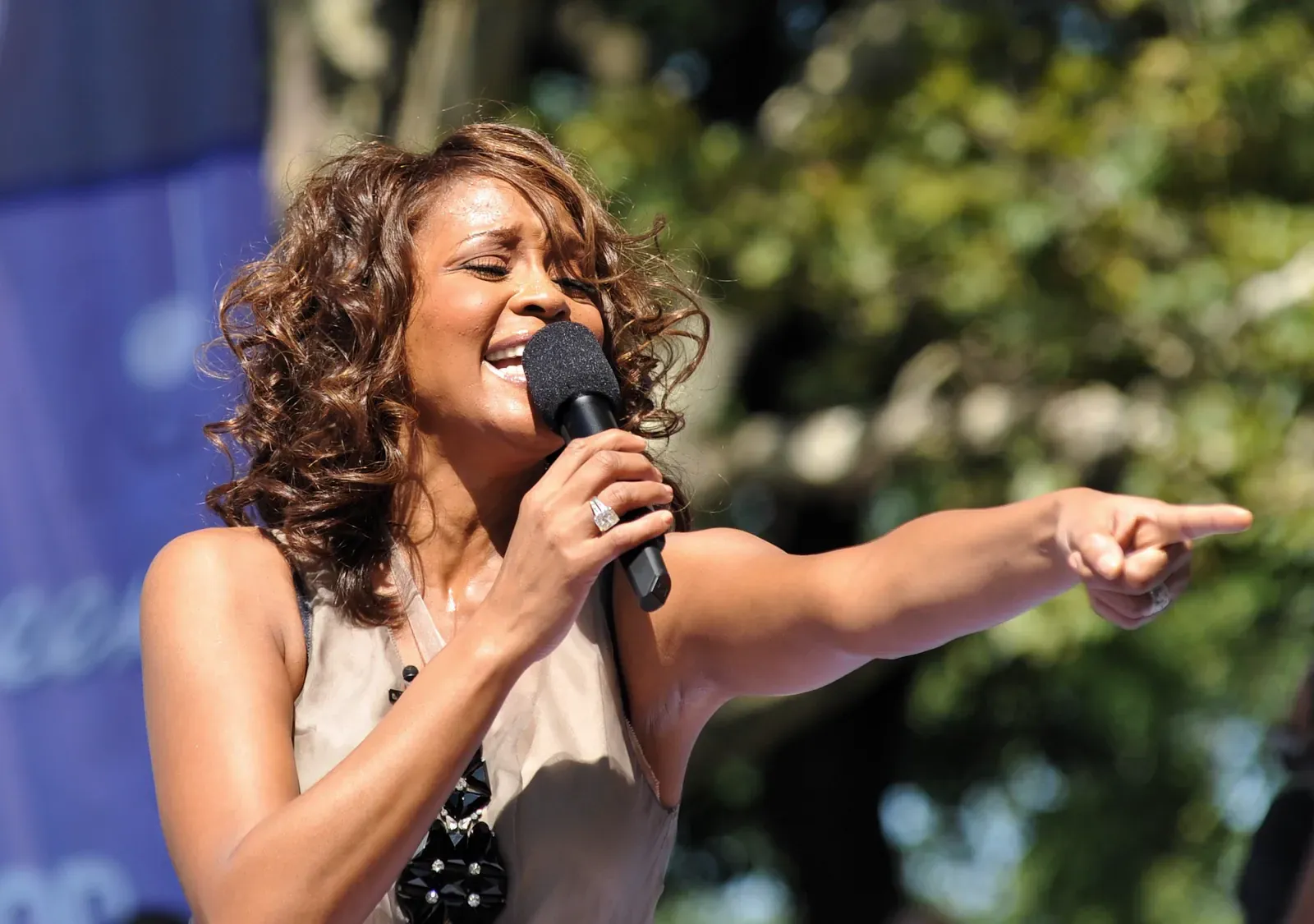
Soul is African-American popular music that carries the vocal techniques of the church into secular rhythm and blues: melismatic runs, call and response, and a lead singer who testifies as if the song were personal witness.
It took shape in the United States in the 1950s, with Ray Charles as its first great architect, and by the late 1960s it was the main Black pop sound in the country. It grew out of rhythm and blues, and later R&B, funk and hip-hop vocals borrow heavily from it.
Origins
Soul starts in church. Singers who grew up in gospel choirs learned to bend one syllable over many notes, to answer a congregation’s shouts, and to let a verse build until the singer was nearly pleading. Those habits were everywhere in Black communities, but gospel songs belonged to Sunday and rhythm and blues belonged to Saturday night, and the two rarely met on one record.
In November 1954 Ray Charles took a gospel tune to a studio in Atlanta, wrote secular words for it, and released it in December as “I Got a Woman” on Atlantic. Plenty of church people were scandalized. Plenty of listeners heard something new. In 1959 he cut “What’d I Say”, a call-and-response vamp driven by an electric piano riff, and it became his biggest pop hit to that point and crossed over to white teenagers.
Gospel goes secular, 1954-1959
Between 1954 and 1959 the move from church to jukebox became a pattern. Sam Cooke, a gospel star, released “You Send Me” in 1957 and watched it reach number one on the Billboard chart, which showed that a gospel voice could sell pop records without losing its warmth. The 45 rpm single was the carrier: cheap to make, cheap to buy, and happy on a jukebox.
The business was changing too. Satellite Records opened in Memphis in 1957, run by Jim Stewart and Estelle Axton, and was renamed Stax in 1961. In 1959 Berry Gordy launched Tamla in Detroit, the first step toward Motown. Chicago’s Vee-Jay and Chess pushed a lighter, gospel-leaning sound.
Detroit and Memphis, 1960-1967
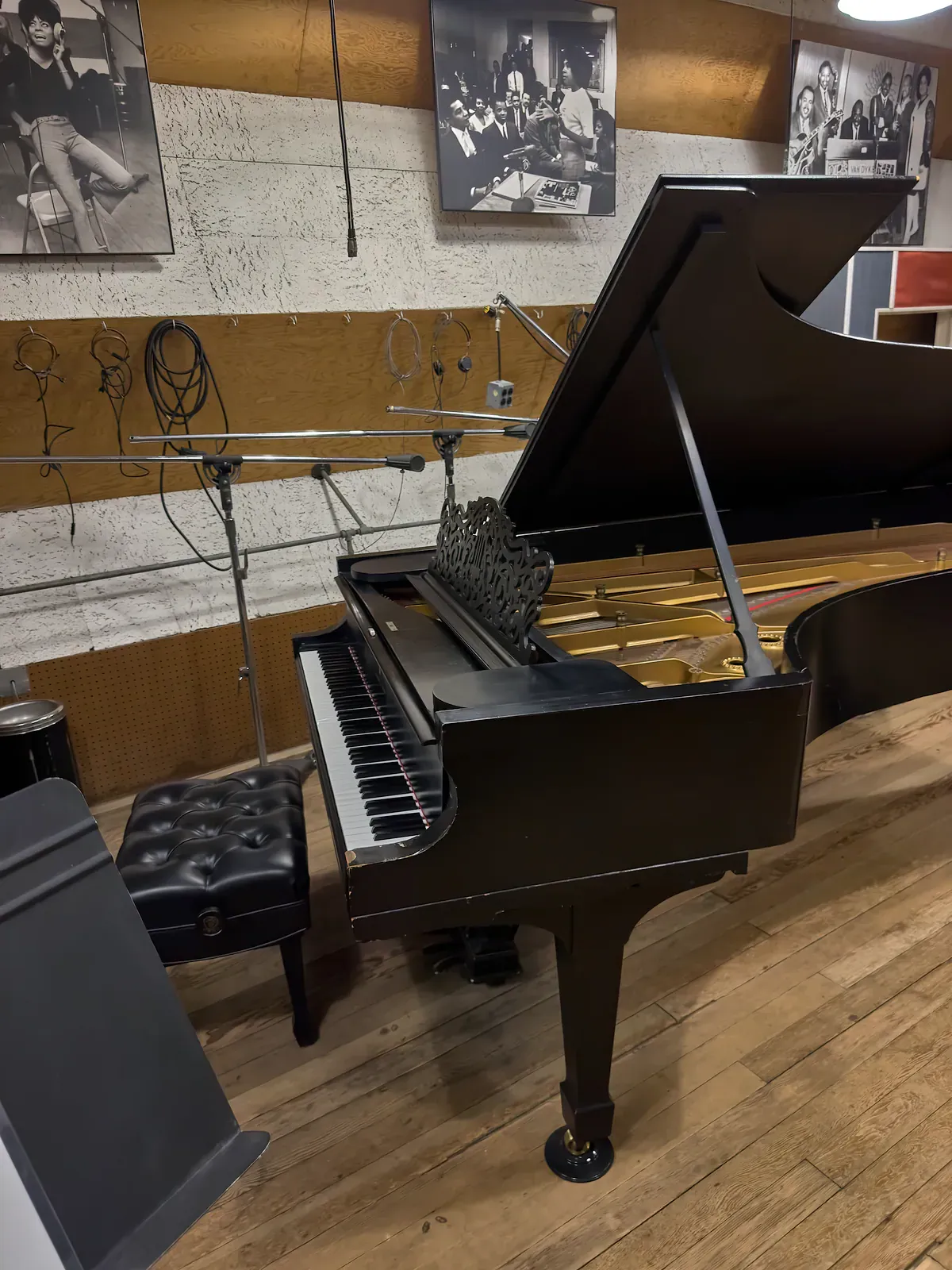
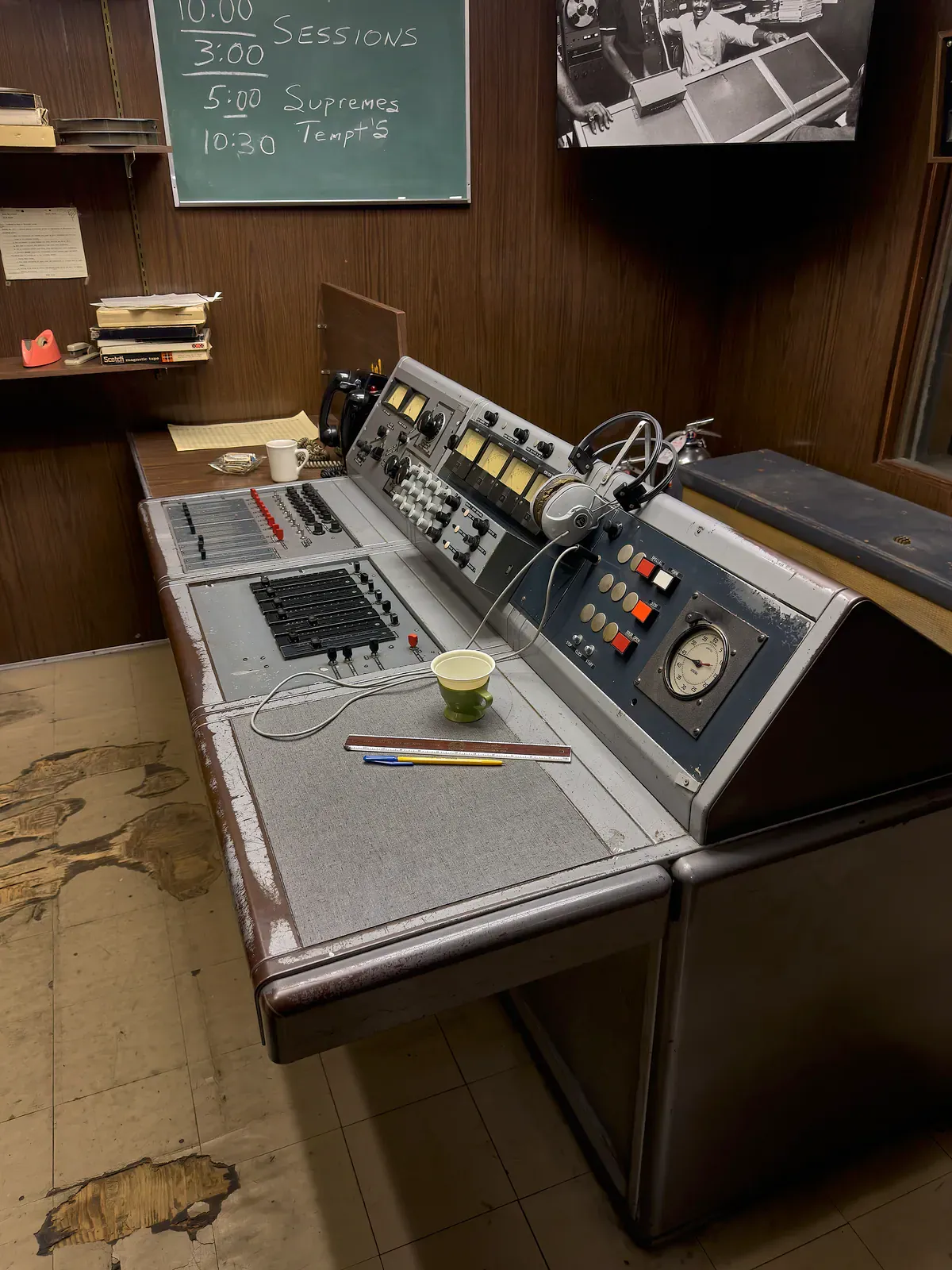
The years from 1960 to 1967 gave soul two capitals. In Detroit, Gordy incorporated Motown in 1960 and ran it from a converted house he called Hitsville U.S.A. A house band that later became known as the Funk Brothers cut the tracks, James Jamerson’s bass played melodies of its own, and tambourines doubled the backbeat. The Temptations’ “My Girl” went to number one in 1965, and the label sent its acts to the pop charts in matching suits and gowns, with steps taught by choreographer Cholly Atkins.
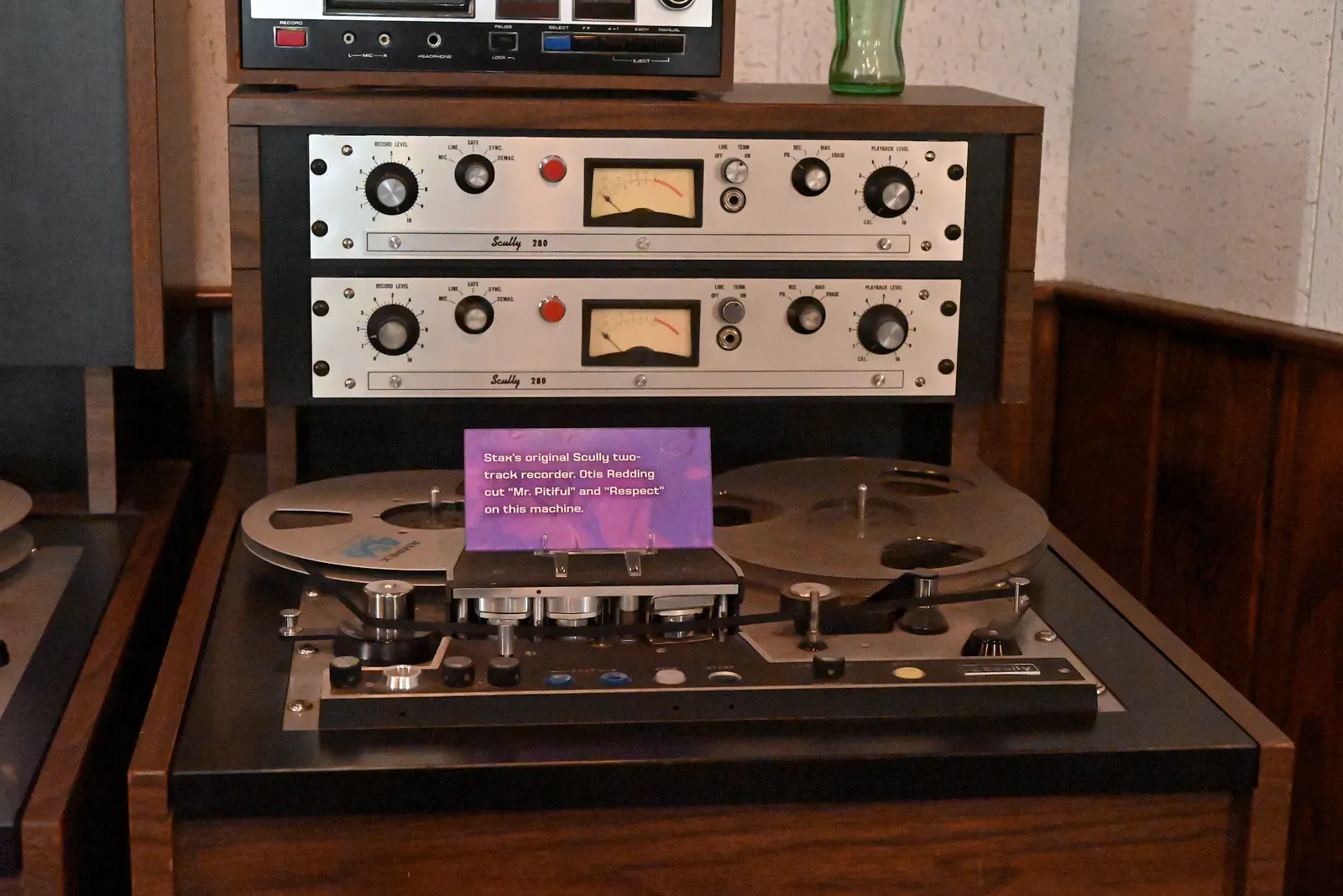
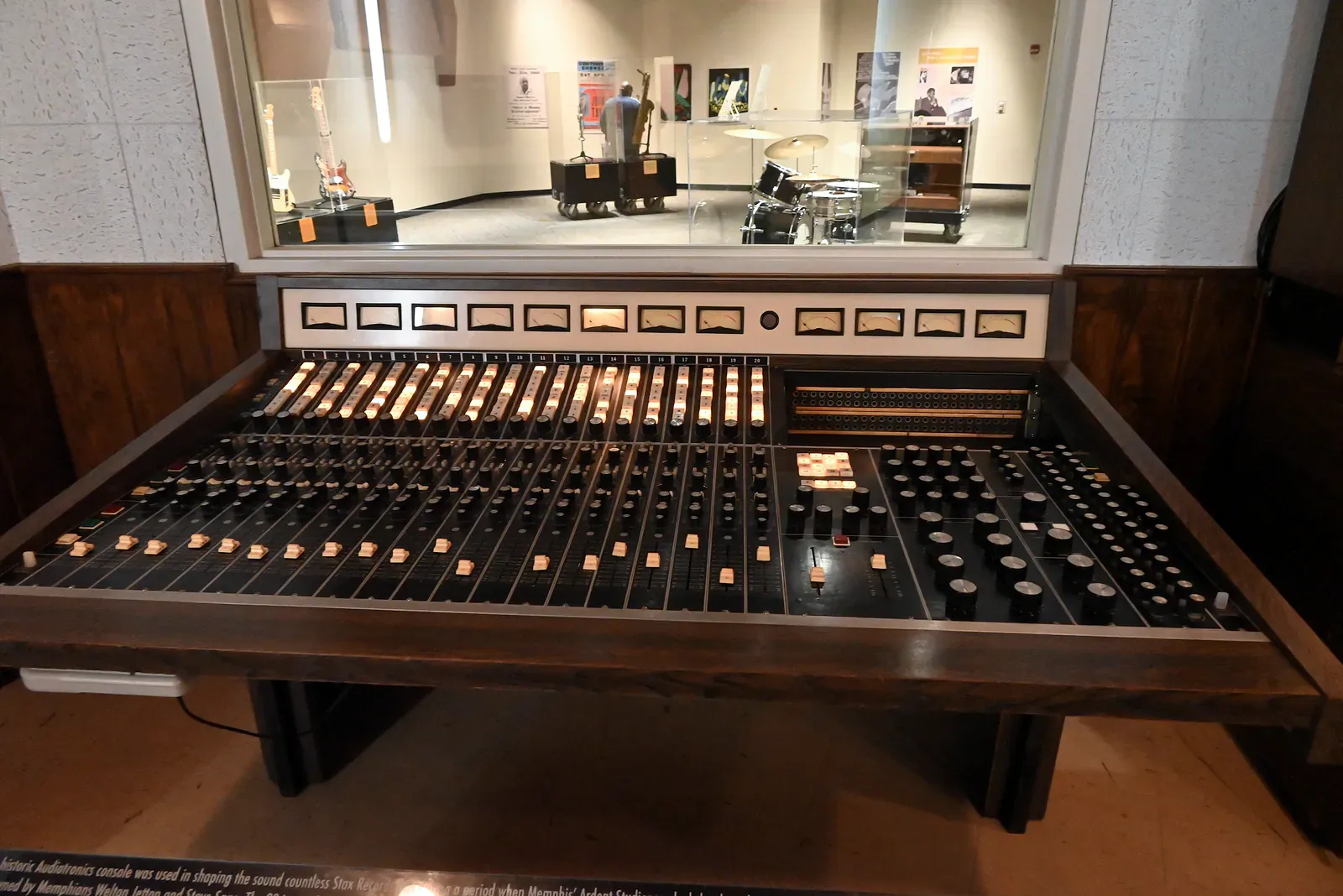
Memphis sounded different. Stax worked out of an old cinema on McLemore Avenue, with a mixed rhythm section, Steve Cropper’s short guitar stabs and a bright horn section, all recorded fast and loose. Otis Redding was its centre: rough, urgent and capable of sudden tenderness. His album “Otis Blue” (1965) proved that a Southern soul LP could stand beside the singles.
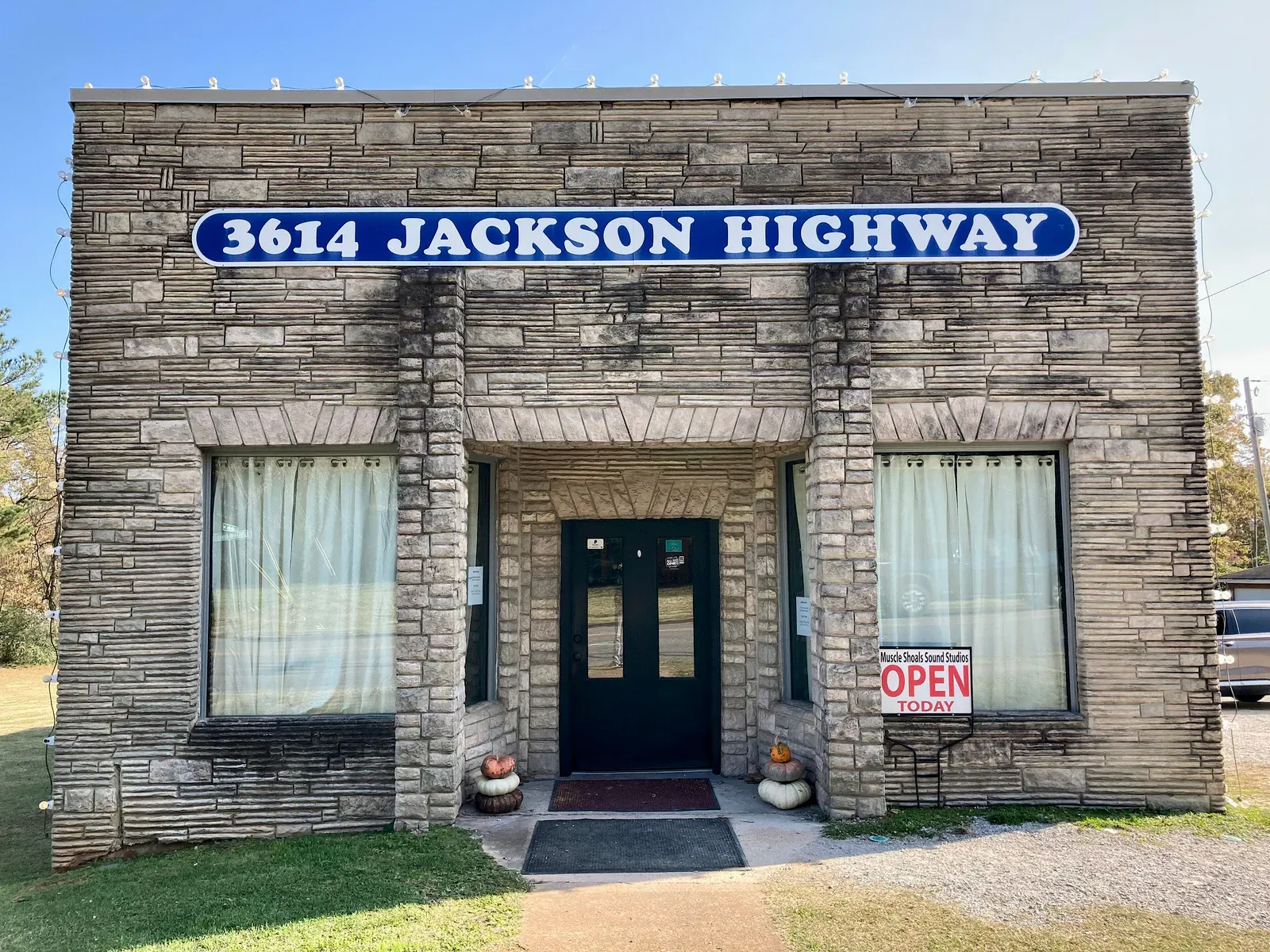
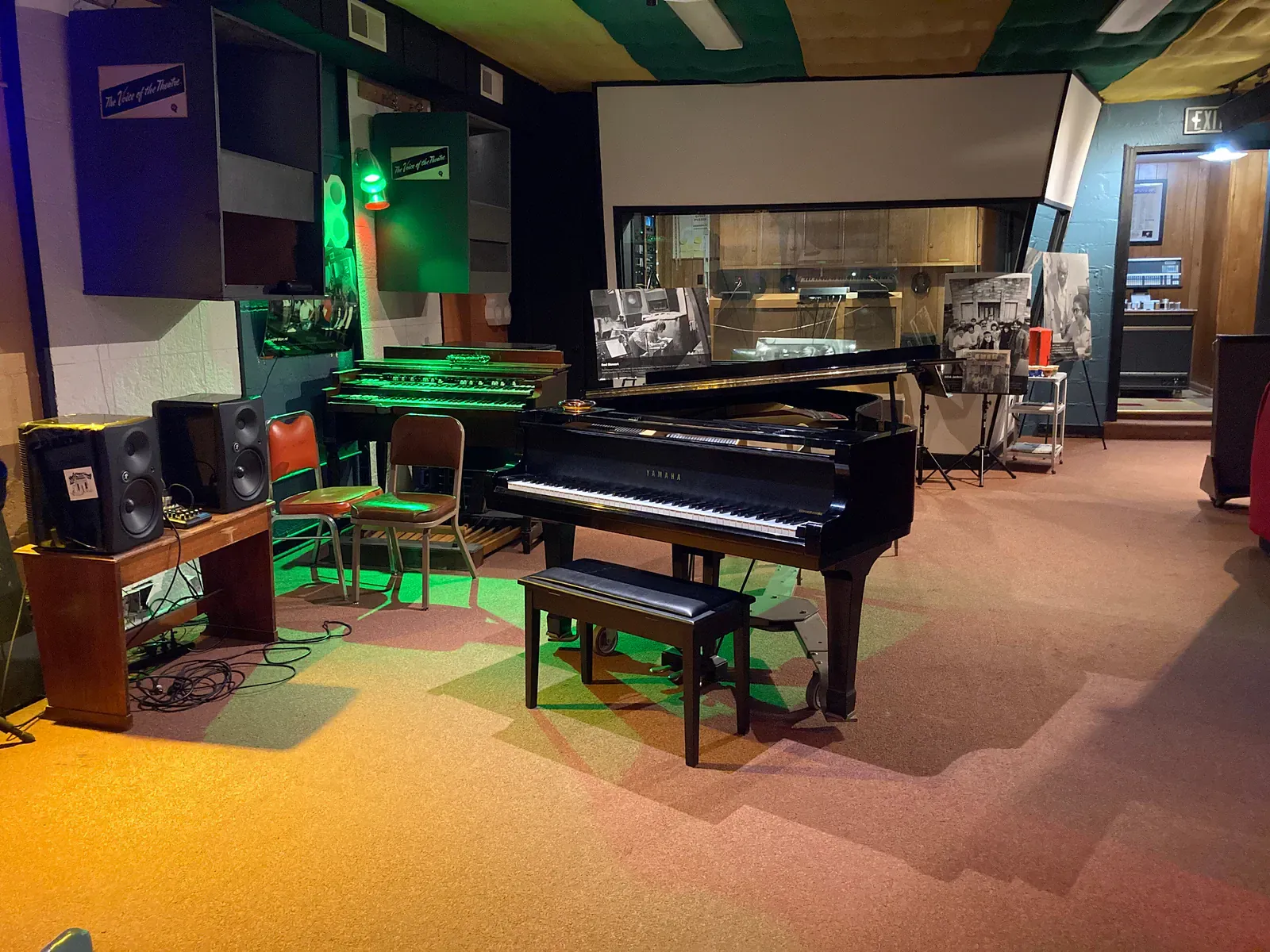
Between the two, Alabama played a part. At FAME Studios in Muscle Shoals, Rick Hall’s rhythm section of Black and white players cut sessions for Wilson Pickett and Aretha Franklin, and her Atlantic debut, “I Never Loved a Man the Way I Love You” (1967), fused church piano with rhythm and blues. Pickett’s “In the Midnight Hour” (1965), cut with Steve Cropper at Stax and released on Atlantic, set the template for Southern dance soul.
Mainstream success
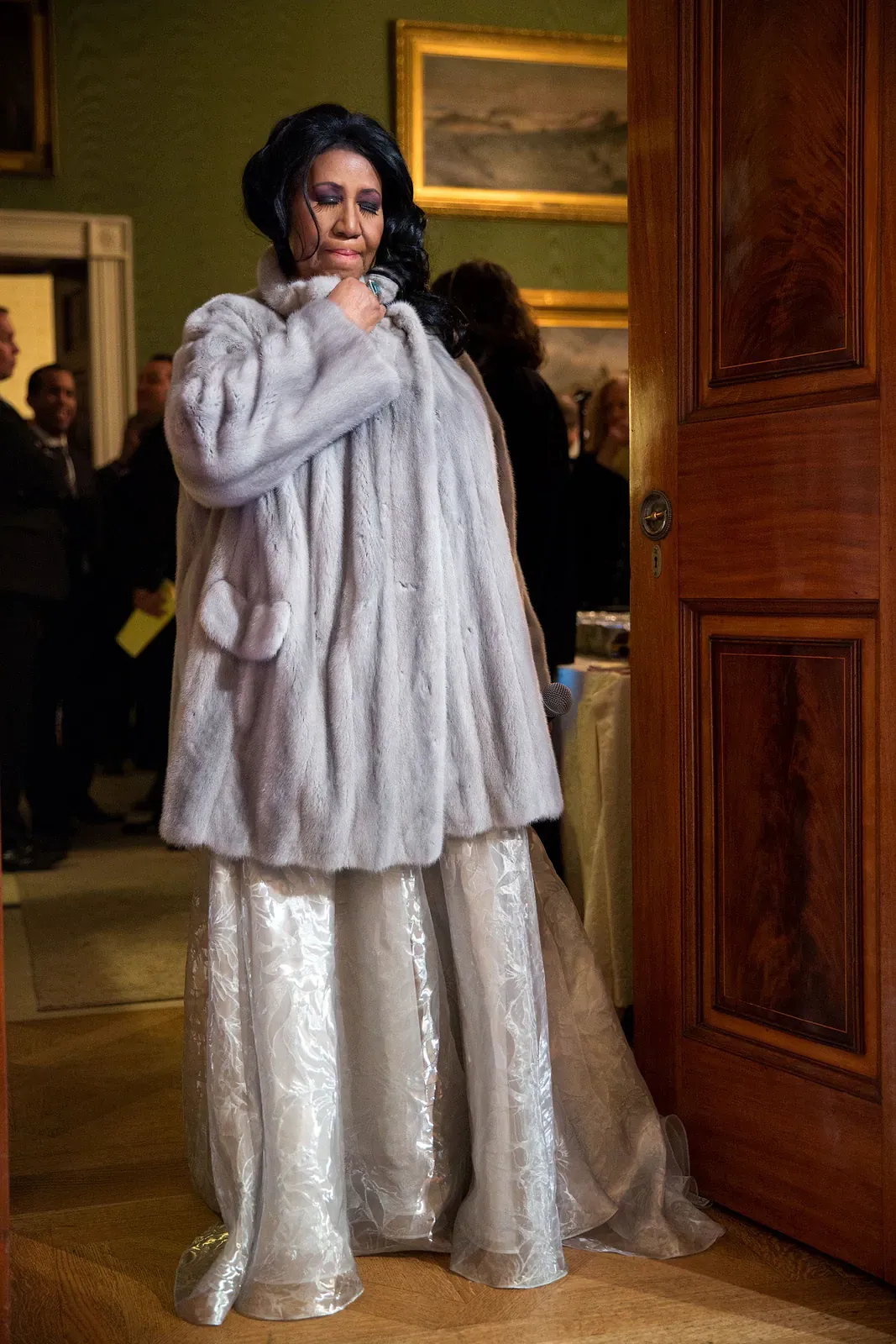
Crossover came fast, in 1965 to 1968. “My Girl” reached number one in 1965, and Aretha Franklin’s “Respect” took the top of the Hot 100 in 1967, a rewrite of Otis Redding’s song that turned a demand into a statement of power and made her the Queen of Soul. Redding himself played the Stax-Volt tour in Europe in March and April 1967, and in June he introduced Southern soul to a young white rock crowd at the Monterey Pop festival.
Then came loss. On 10 December 1967 Redding died in a plane crash in Wisconsin, aged 26. “(Sittin’ On) The Dock of the Bay”, a quiet, folk-tinged song, became the first posthumous number one on the Hot 100 in 1968. Three years earlier, on 11 December 1964, Sam Cooke had been shot dead in Los Angeles at 33; “A Change Is Gonna Come” appeared days later and became a civil rights anthem.
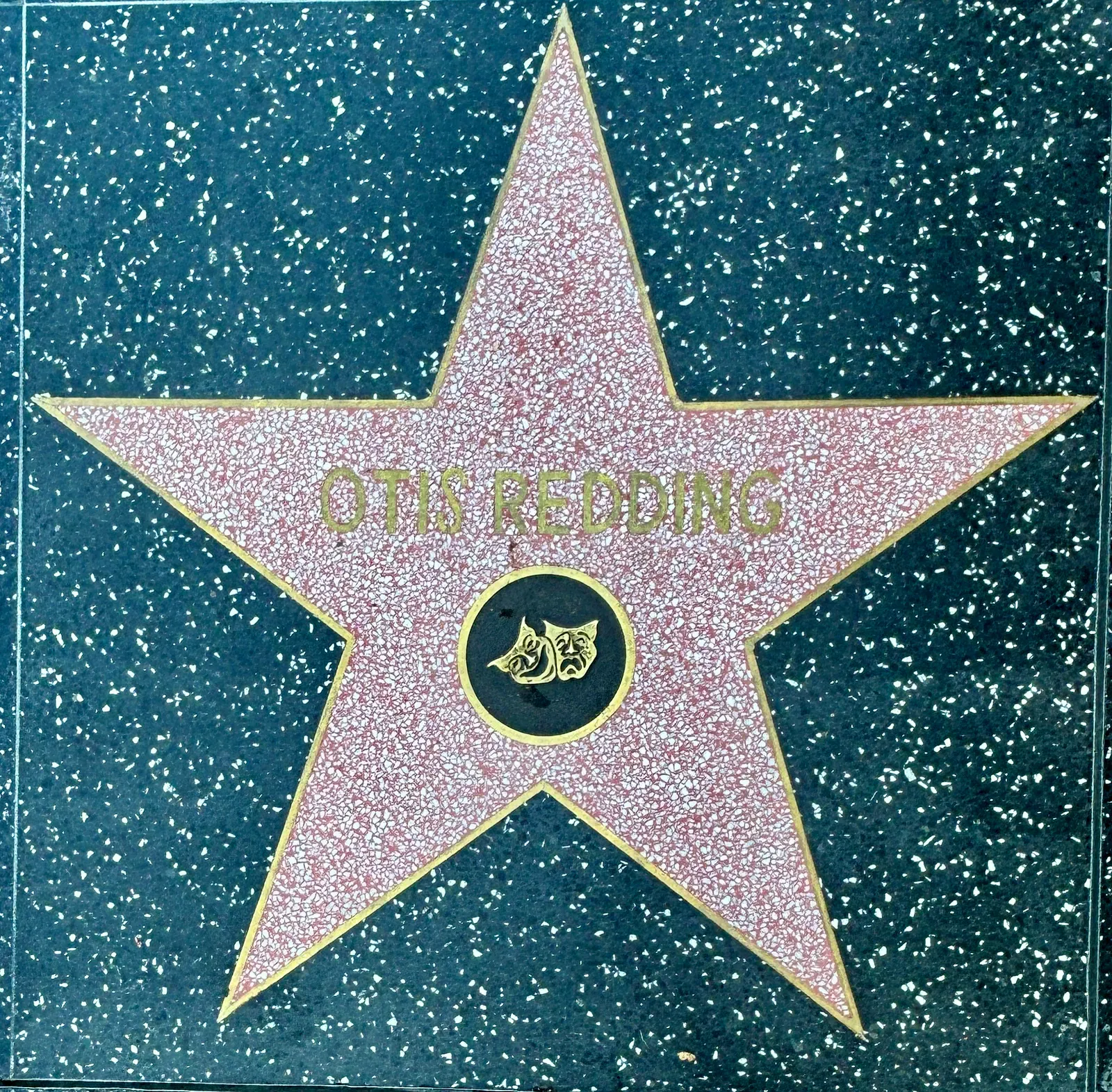
Black pride and message soul, 1968-1975
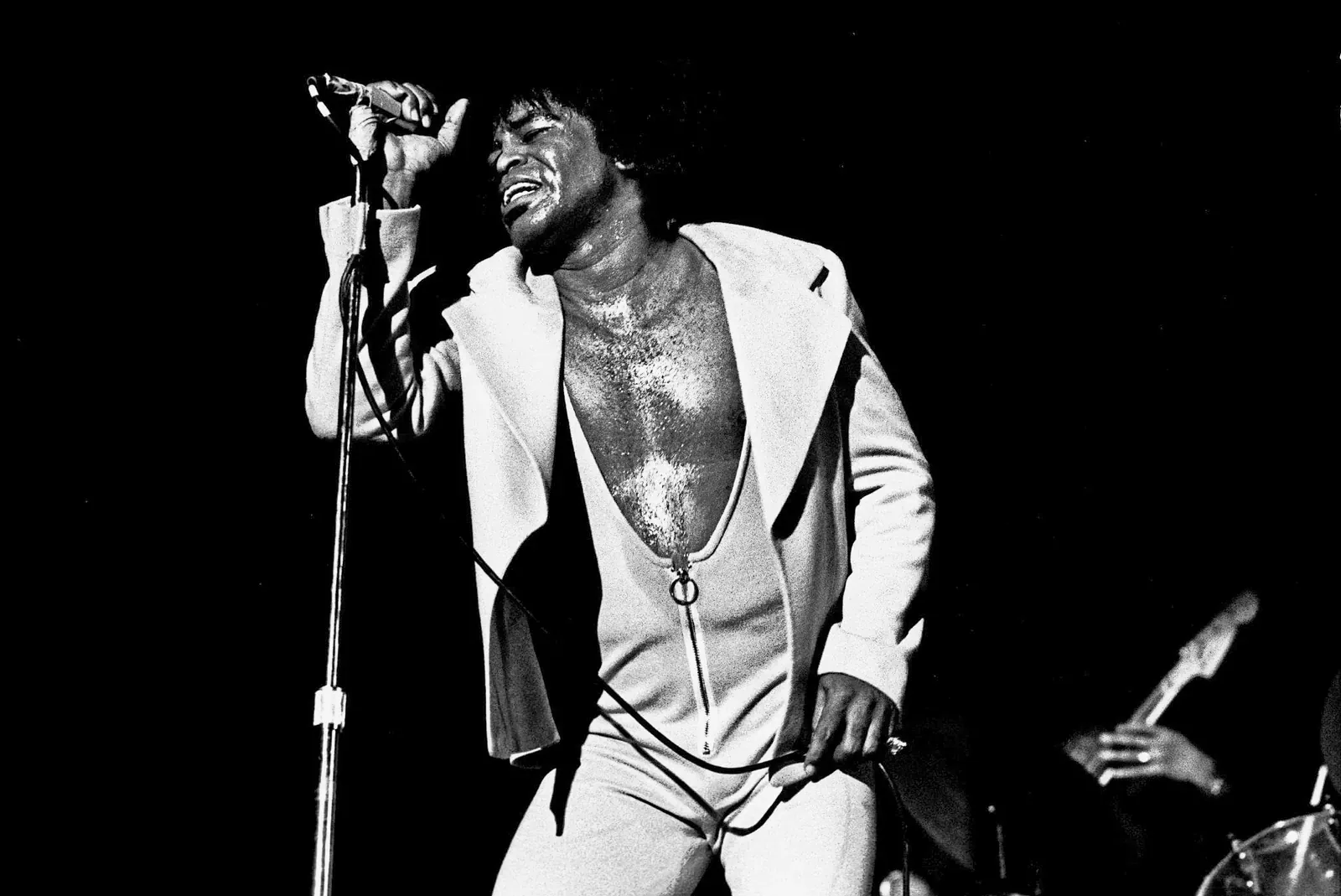
From 1968 to 1975 soul turned toward the street. James Brown’s “Say It Loud” (1968) made “Black and proud” a pop chorus. Marvin Gaye, after a fight with Berry Gordy over control, delivered “What’s Going On” (1971), a concept album about war, poverty and faith. Stevie Wonder, using synthesizers, followed with “Innervisions” in 1973. In Philadelphia, Kenny Gamble and Leon Huff started Philadelphia International in 1971 and added strings and political lyrics at Sigma Sound; the O’Jays’ “Love Train” went to number one in 1973.
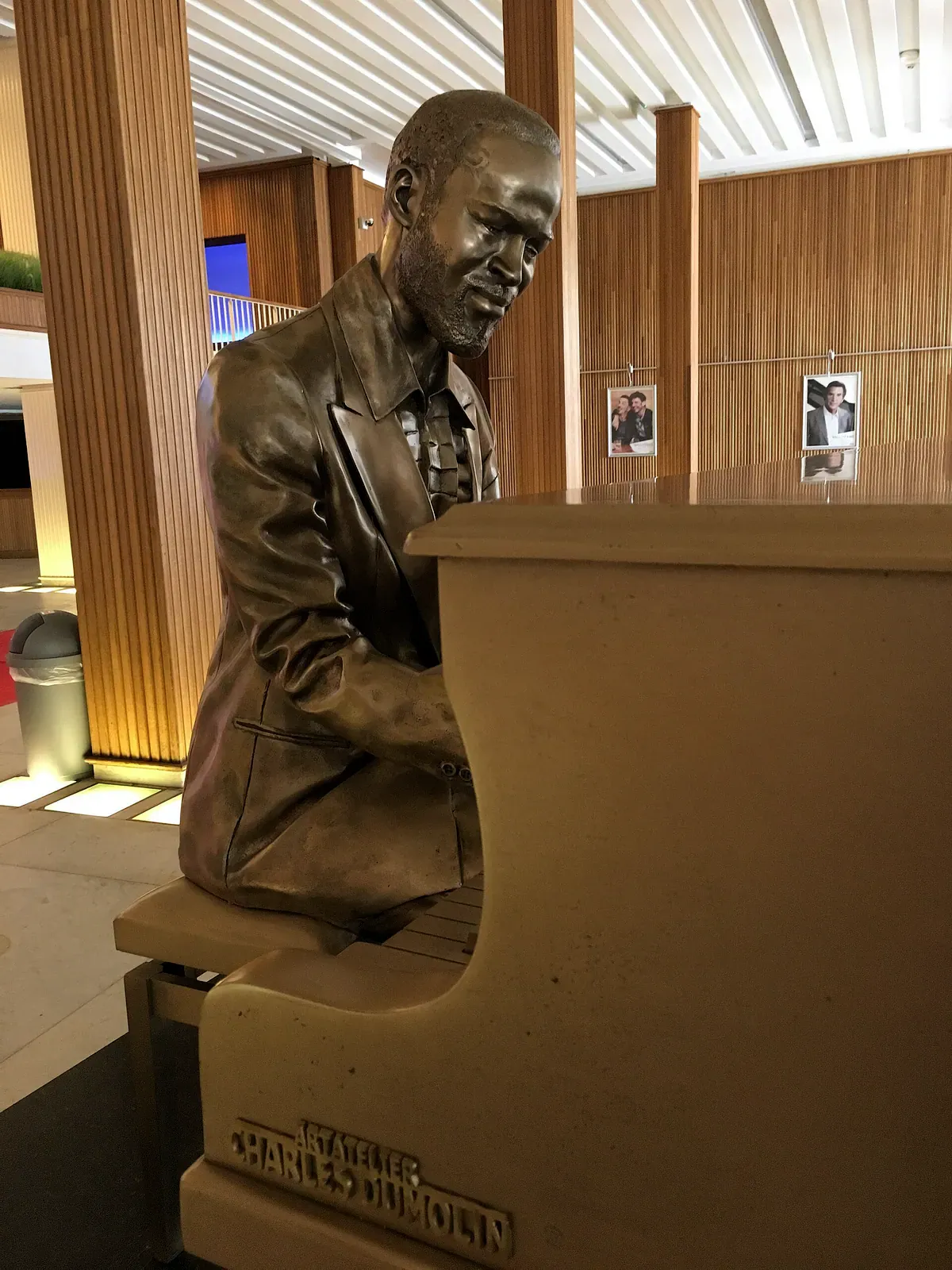
In Memphis, Al Green and producer Willie Mitchell found a slow, relaxed groove for “Let’s Stay Together”, a 1971 release that reached number one in 1972. Stax, meanwhile, was falling apart. A contract clause handed Atlantic the Stax masters in 1968, the label staged the Wattstax benefit in the Los Angeles Coliseum in 1972, and in December 1975 it went bankrupt. Motown moved to Los Angeles in 1972.
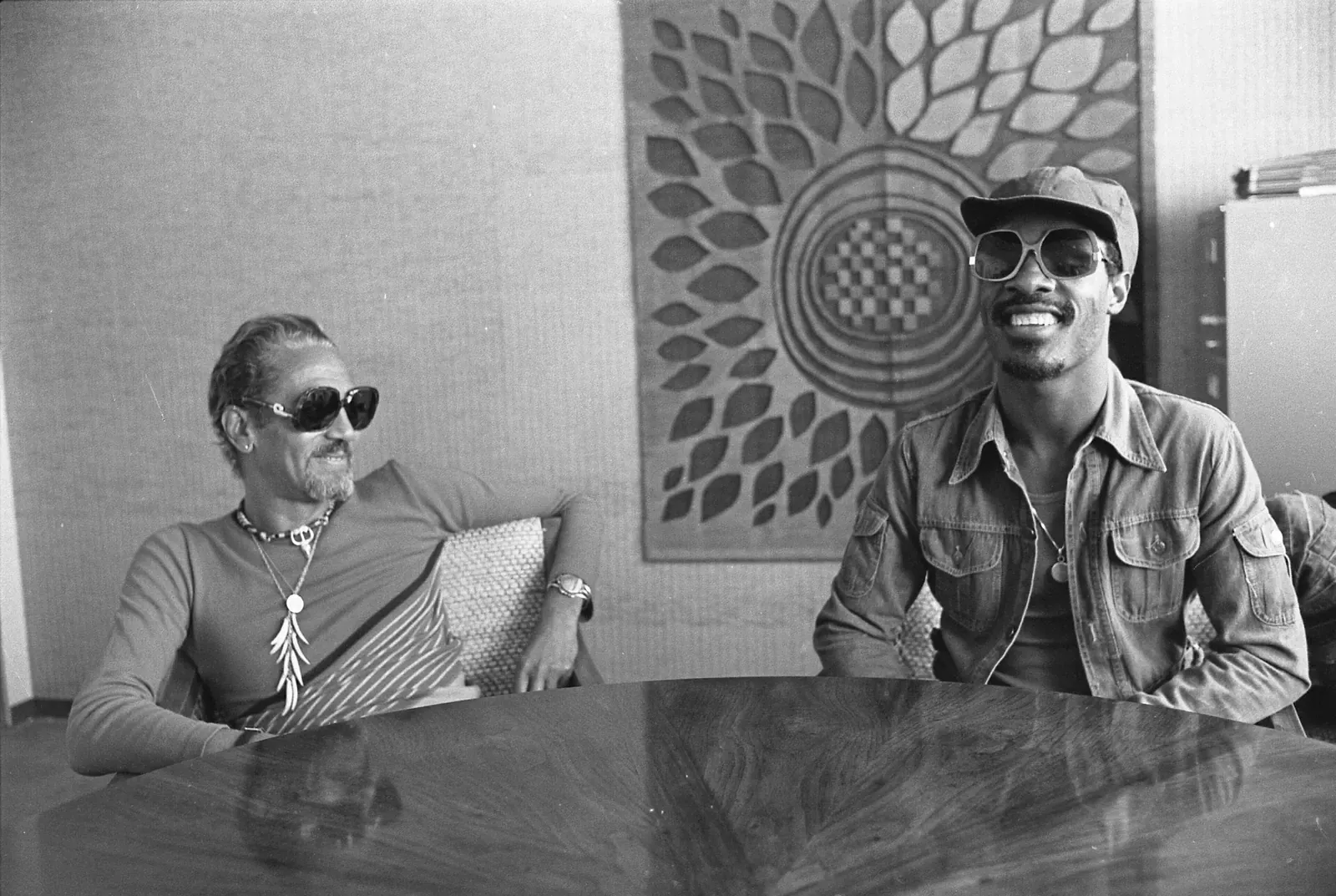
Slicker sounds, 1976-1999
Between 1976 and 1999, soul got smoother and more electronic. Disco took the dance floor, the quiet storm format built a late-night radio audience for smooth soul, and in 1992 Mary J. Blige’s “What’s the 411?” joined sung vocals to hip-hop beats. Three years later, D’Angelo’s “Brown Sugar” brought back band-played, organic soul and anchored the neo-soul movement.
Retro revival, since 2000
Since 2000, a handful of small labels have treated soul as a craft. Daptone started in Brooklyn in 2001, with Gabriel Roth and Neal Sugarman building a studio around vintage analog gear. In 2007, Sharon Jones and the Dap-Kings released “100 Days, 100 Nights”, a modern record built the way a 1960s one was, and found a loyal collector audience that still buys it on vinyl.
Notable recordings
“A Change Is Gonna Come” was built as a statement rather than a hit: a gospel-rooted orchestral ballad written by Cooke after he heard a folk protest song, and not released until after he died. It is why many people think of soul as music with a conscience.
“What’s Going On” was a quarrel before it was a classic. Gordy did not want to release it. Gaye pushed for it anyway, and the album sold strongly.
Culture
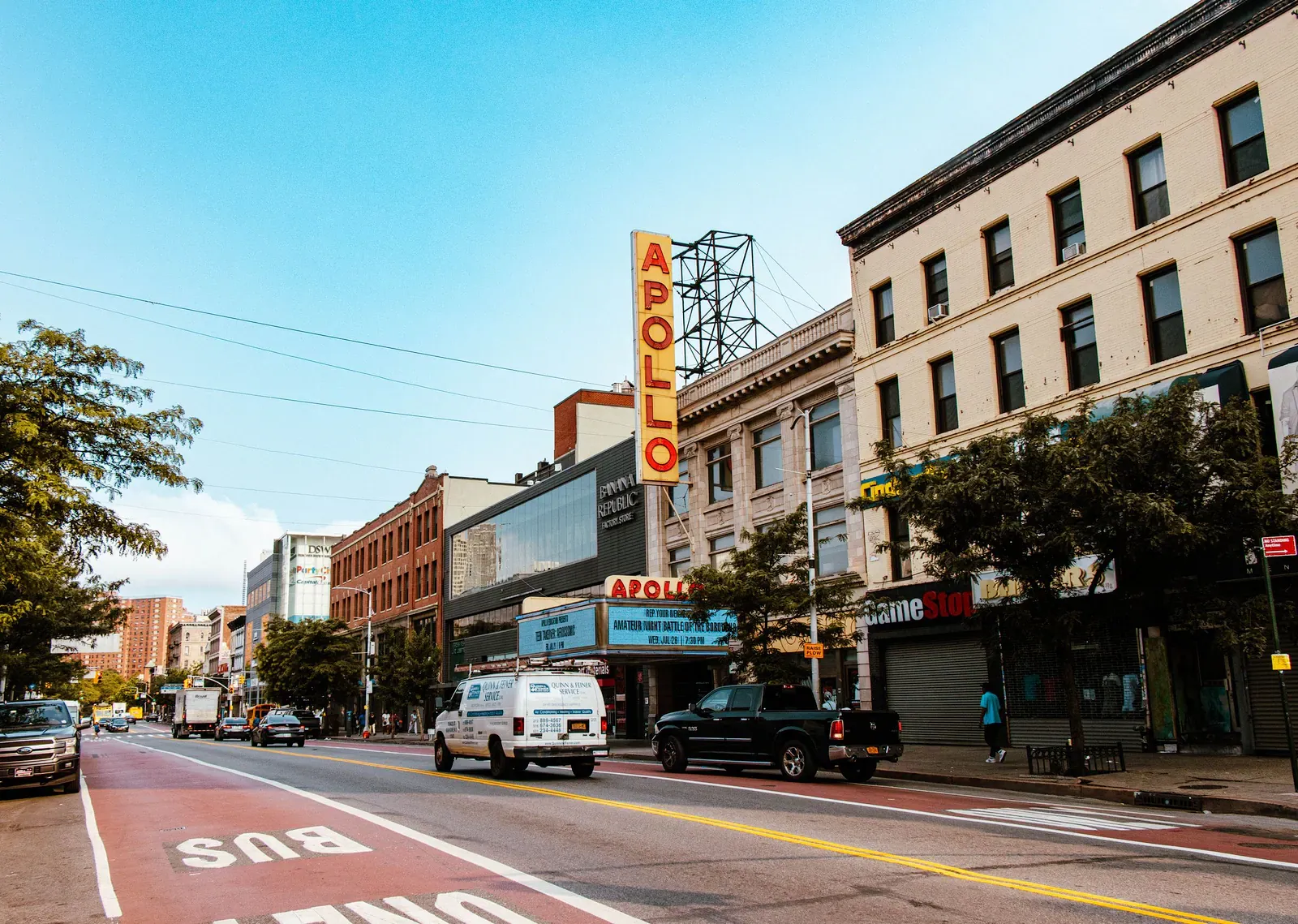
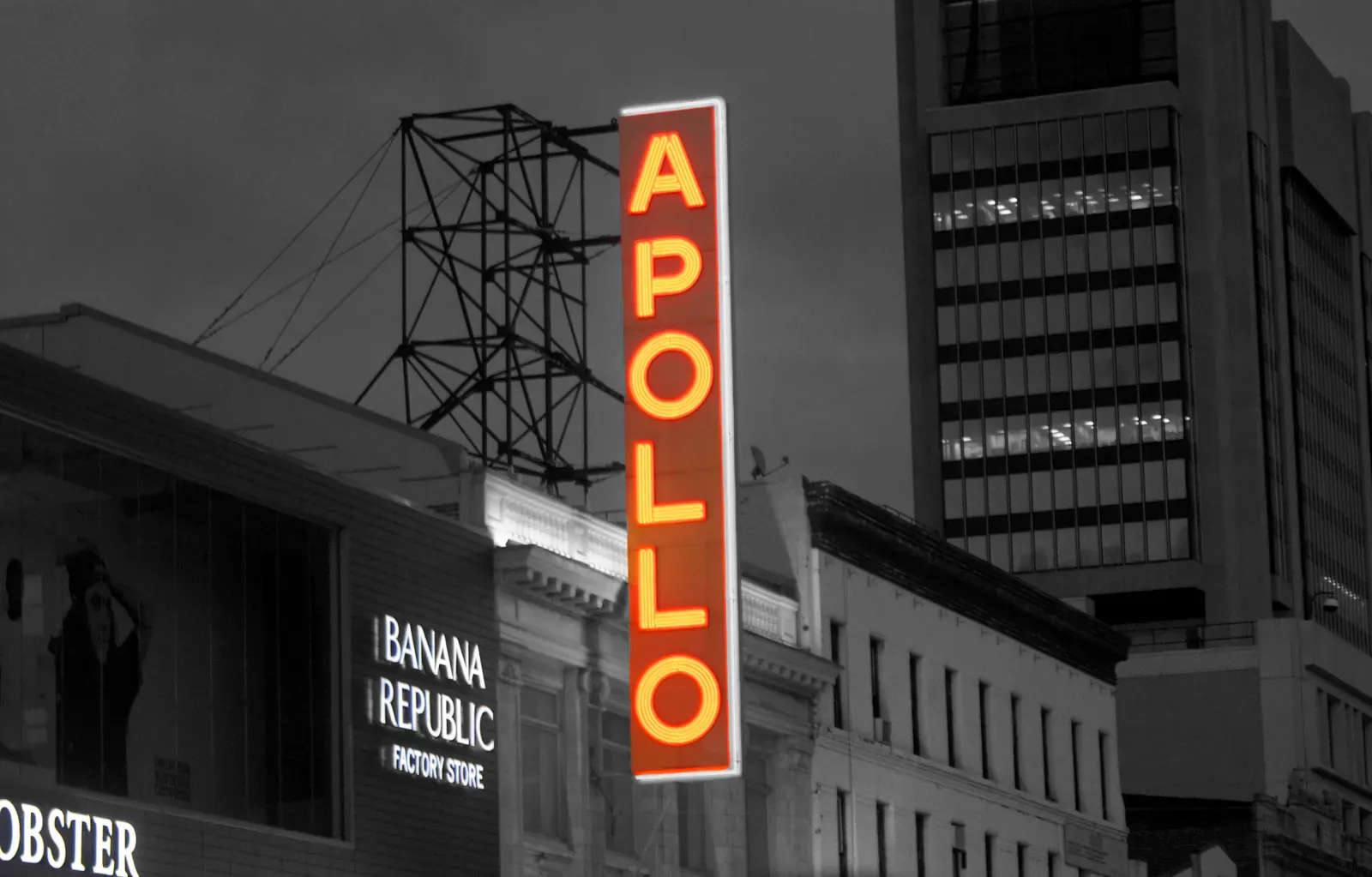
Soul came with its own rituals. Shared package tours, from the chitlin’ circuit to the Stax-Volt tour, put several acts on one bill and sent them from town to town. The Apollo Theater in Harlem, with its amateur nights, launched Black performers to a national audience. Motown acts learned choreographed steps for television, and from 1971 Soul Train, with its two-line dance corridor, gave the music a weekly stage. The word “soul” became shorthand for Black pride and shared culture, from soul food to soul brother.
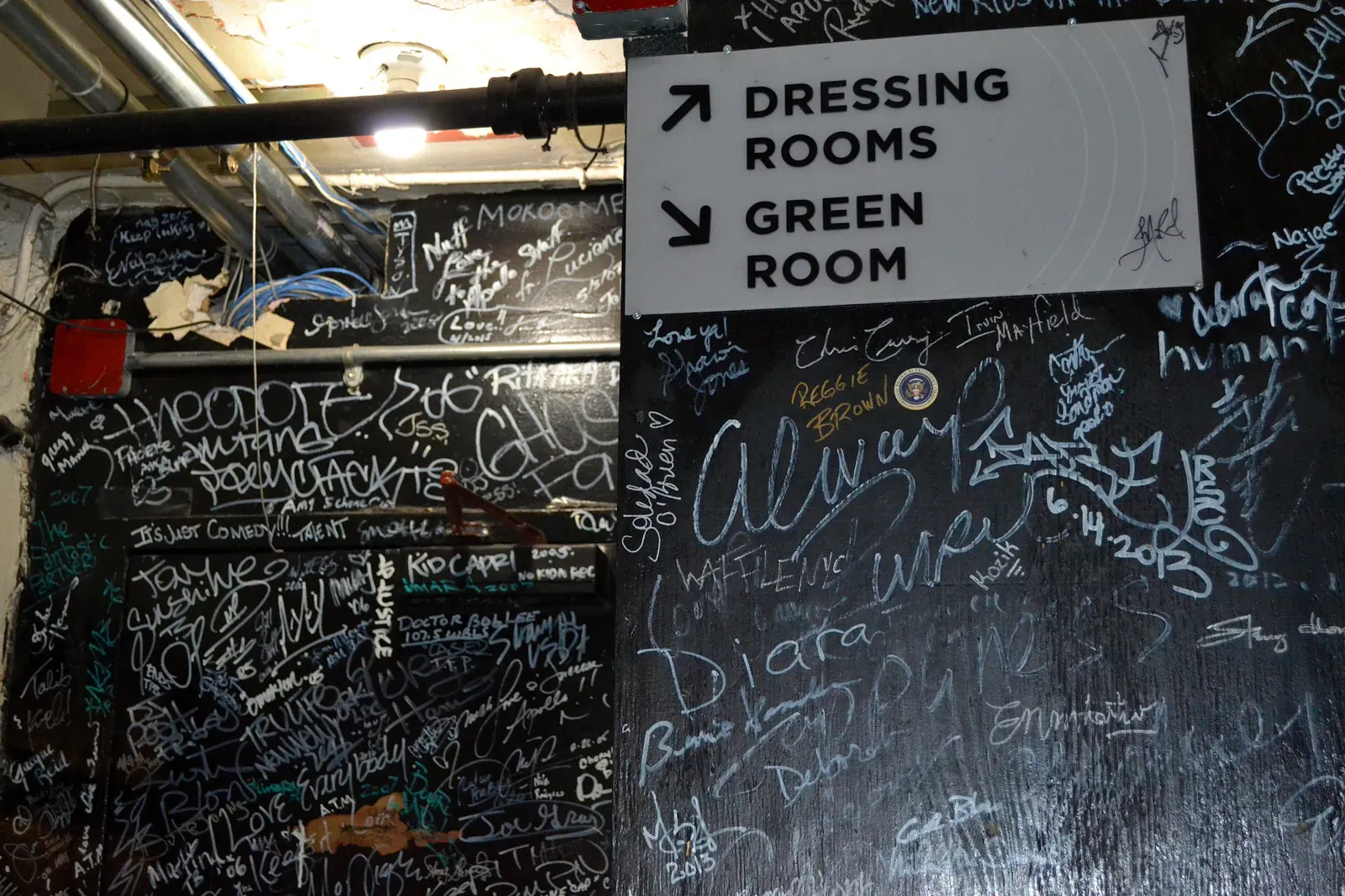
Misconceptions
Soul is not just Motown. Motown was one pole, a polished, pop-minded Detroit sound. The other was Southern: Stax in Memphis, Hi Records, and the Muscle Shoals sessions all had a rawer, horn-heavy feel. Philadelphia and Chicago each made their own versions too.
Soul did not die with disco; it changed. Quiet storm radio, hip-hop soul and neo-soul carried it forward, and labels such as Daptone still make records in the older style.
Nor was soul invented by one person. Ray Charles’s 1954 record is the move many writers call the beginning, but Sam Cooke, Otis Redding and Aretha Franklin each remade it, and the sound came from churches, studios and tour buses across the country, not a single desk.
Frequently asked questions
What is soul music?
Soul music is African-American popular music that puts gospel vocal technique, such as melisma and call and response, into secular rhythm and blues. It usually features a passionate lead vocal, backing singers, a melodic bass and a horn section or strings.
What is the difference between Motown and Southern soul?
Motown, in Detroit, used a polished house band, tambourine backbeats and arrangements built for pop radio. Southern soul, from Stax in Memphis and the Alabama studios, is rougher and horn-led, with a looser rhythm section and more church feel.
Which songs best represent soul music?
Frequently cited examples are “My Girl” by the Temptations, “Respect” by Aretha Franklin and “(Sittin’ On) The Dock of the Bay” by Otis Redding. “A Change Is Gonna Come” and “What’s Going On” show the genre’s turn to social comment.
Sound
Sound sheet
Anatomy of a track
| # | Part | Bars |
|---|---|---|
| 1 | Intro (rhythm section or horn hook) | 4 |
| 2 | Verse | 8 |
| 3 | Chorus | 8 |
| 4 | Verse | 8 |
| 5 | Chorus | 8 |
| 6 | Bridge or horn break | 8 |
| 7 | Final chorus and vocal vamp | 16 |
Signature sounds
- Gospel-style lead with melisma and ad-libs
- Backing vocals answering the lead
- Melodic bass line locked to the kick
- Horn stabs on the off-beats
- Tambourine or snare on the backbeat
Synths and software
- Hammond B-3
- Wurlitzer 120
Techniques
- Gospel melisma and ad-libs
- Call and response
- Tambourine backbeat
- Melodic one-finger bass
- Horn section lines
Vocals
Impassioned gospel-trained lead with backing singers answering.
Scenes
Where it happened
Where and when the sound lived: one bar per city on a shared timeline.
North America
Active scenes
Peak 5, 1961-1970
Motown made house-band pop soul at Hitsville U.S.A. and sent its acts to the pop charts.
Stax and Hi Records built a horn-led Southern sound in old buildings on the south side.
FAME Studios and a white and Black rhythm section cut records for Atlantic and others.
Gamble and Huff added strings and political lyrics at Sigma Sound.
Vee-Jay, Chess and Curtis Mayfield shaped a lighter, gospel-leaning soul.
Atlantic and the Apollo Theater linked Southern players to a national audience.
Daptone and its house band lead the modern analog soul revival.
Venues and places
Detroit, 1959 to today. Motown's house studio in a converted Detroit home, where the Funk Brothers cut hits.
Memphis, 1960 to today. A converted cinema that became the Stax recording room and a Southern soul landmark.
New York City, 1934 to today. Harlem theater whose amateur nights and stage shows launched Black acts to a national audience.
Muscle Shoals, 1961 to today. Rick Hall's studio, where Aretha Franklin and Wilson Pickett cut Southern soul sessions.
Philadelphia, 1968 to today. Studio of the Philadelphia International records and the MFSB orchestra.
Los Angeles, 1923 to today. Site of the 1972 Wattstax concert organized by Stax.
Culture
Culture markers
- Motown choreography
Choreographer Cholly Atkins taught vocal groups synchronized steps for stage and television.
Dance - Matching stage suits and gowns
Motown's artist development programme polished acts for mainstream audiences.
Fashion - The package revue
Soul acts toured in shared bills, from the chitlin' circuit to the Stax-Volt tour.
Ritual - Soul Train line
Dancers move between two lines on the TV show that began in 1971.
Dance - Soul brother and soul food
The word "soul" became shorthand for Black pride and shared culture in the 1960s.
Slang
Media
Key media
- 1973Wattstax
by Mel Stuart. Concert documentary of the 1972 Stax benefit in Los Angeles.
Film - 1985Where Did Our Love Go?
by Nelson George. The rise and fall of the Motown sound and its label.
Book - 1986Sweet Soul Music
by Peter Guralnick. A standard history of Southern soul told through interviews and sessions.
Book - 2002Standing in the Shadows of Motown
by Paul Justman. Documentary on the Funk Brothers, Motown's uncredited house band.
Film - 2013Muscle Shoals
by Greg Camalier. Documentary on the Alabama studios and their rhythm section.
Film
Glossary
Terms on this page
A lead voice sings a line and the band or chorus answers it.
A network of Black-owned venues in the US, where soul acts toured in the 1950s and 60s.
The name Berry Gordy gave Motown's Detroit headquarters and studio.
Singing several notes on one syllable, a gospel technique central to soul vocals.
A late-night radio format and smooth soul style that grew from the mid-1970s.
The drums, bass, guitar and keys that lock the groove in a soul band.
A church term for passionate personal witness, carried into soul vocal delivery.
R&B, Soul & Funk family