Blues
Blues is African-American music that took shape in the Deep South around 1890 and fed jazz, R&B and rock, from juke joints to Chicago and beyond.
66 genres
Since 1890
Genres
66
In this family
Branches
26
Main subgenres
Since
1890
Deep South
Timeline
Era by era
From the first sparks to today. Select a dot to read the story behind it.
- Roots in the Deep South
1890 to 1919
- The record boom
1920 to 1929
- Country and city blues
1930 to 1944
- Electric Chicago
1945 to 1959
- Revival and rock
1960 to 1979
- Survival and festivals
1980 to 2009
- A new generation
2010 to 2026
Eras
Moments
- 1 Roots in the Deep South, 1890 to 1919
- 2 The record boom, 1920 to 1929
- 3 Country and city blues, 1930 to 1944
- 4 Electric Chicago, 1945 to 1959
- 5 Revival and rock, 1960 to 1979
- 6 Survival and festivals, 1980 to 2009
- 7 A new generation, 2010 to 2026
around 1890
Roots in the Deep South
Field hollers, work songs and spirituals harden into a solo form in Black communities of the Mississippi Delta and East Texas. Itinerant players and minstrel shows carry it to towns; sheet music appears by 1912.
- 1890Blues takes shape in the Deep SouthThe form coalesces among Black musicians in the Mississippi Delta, East Texas and the Georgia Piedmont; the exact date is unknowable.
- 1903W.C. Handy hears the blues at TutwilerHandy later wrote of a ragged guitarist sliding a knife on the strings at a Mississippi railway station.
- 1912First blues sheet music is publishedHandy's "The Memphis Blues" and Hart Wand's "Dallas Blues" both appear in print.
1920
The record boom
Mamie Smith's 1920 hit proves a market. Vaudeville "classic" singers such as Bessie Smith sell in large numbers, then labels chase male guitar singers, and Paramount, Okeh and Columbia fill catalogues aimed at Black buyers.
- 1920Mamie Smith records "Crazy Blues"The Okeh disc sells strongly to Black buyers and opens the race-records market.
- 1923Bessie Smith's "Downhearted Blues"Her Columbia debut becomes a hit and begins the career of the best-selling classic blues singer.
- 1926Blind Lemon Jefferson becomes a Paramount starHis solo guitar records show labels that male country blues can sell.
- 1929Charley Patton records "Pony Blues"Paramount captures a founding voice of the Delta style.
1930
Country and city blues
The Depression ends the boom, but regional styles flower: Delta, Piedmont, Texas and Memphis. Robert Johnson records in 1936 and Lomax field recordings document rural singers.
- 1936Robert Johnson records in San AntonioHe cuts sides including "Cross Road Blues" in a hotel room in November.
- 1938"From Spirituals to Swing" at Carnegie HallJohn Hammond presents Black blues, gospel and jazz players to a New York concert audience.
- 1941Alan Lomax records Muddy Waters in MississippiField recordings for the Library of Congress document a future Chicago star.
- 1943Muddy Waters moves to ChicagoHe arrives as part of the Great Migration and starts to play amplified in clubs.
1945
Electric Chicago
The Great Migration puts amplified bands in South Side clubs. Muddy Waters, Howlin' Wolf and Little Walter plug in; Chess, Vee-Jay and Cobra sell it, and Sun in Memphis feeds the same sound toward rock and roll.
- 1947T-Bone Walker records "Call It Stormy Monday"His clean electric guitar lines set the template for later blues guitarists.
- 1948John Lee Hooker's "Boogie Chillen"A one-chord Detroit hit shows the power of a solo amplified groove.
- 1951Howlin' Wolf records in MemphisSam Phillips cuts his early sides and leases them to Chess.
- 1953Vee-Jay opens in GaryA Black-owned label starts a catalogue that includes Jimmy Reed and John Lee Hooker.
- 1956Cobra issues Otis Rush"I Can't Quit You Baby" launches the West Side sound.
- 1957Buddy Guy arrives in ChicagoThe young Louisiana guitarist joins the West Side club circuit.
1960
Revival and rock
White audiences discover the blues through folk festivals and tours of Europe. British bands cover Chicago records, B.B. King crosses over, and blues rock fills arenas as the older Black audience drifts toward soul.
- 1960Muddy Waters plays NewportA folk and jazz festival crowd hears a full Chicago band; the live album follows.
- 1962American Folk Blues Festival tours EuropeWillie Dixon and others reach European audiences that inspire a generation of players.
- 1964The Rolling Stones record at ChessThe band cuts tracks at Chicago's Chess studio, where their heroes had recorded.
- 1966Bluesbreakers album with Eric ClaptonJohn Mayall's record sets the British blues guitar benchmark.
- 1969B.B. King's "The Thrill Is Gone"A string-laced version becomes his biggest pop crossover.
- 1971Alligator Records starts in ChicagoBruce Iglauer founds a blues label with the debut of Hound Dog Taylor.
- 1975Chess closesThe original label ends after the 1969 sale to GRT.
1980
Survival and festivals
Stevie Ray Vaughan and Buddy Guy put blues back on the charts. Small labels, the Blues Foundation, festivals and cruises keep a touring circuit alive as many founding players die.
- 1983Stevie Ray Vaughan releases Texas FloodA hard-driving Texas debut makes blues guitar a mainstream rock force again.
- 1991Buddy Guy's "Damn Right, I've Got the Blues"A comeback album wins a Grammy and brings the Chicago master to a new audience.
2010
A new generation
Young players such as Christone "Kingfish" Ingram and Samantha Fish, streaming and Nashville producers renew the audience, while independent labels and Mississippi heritage trails sustain the roots.
- 2019Christone "Kingfish" Ingram releases KingfishA teenage Clarksdale guitarist debuts on Alligator.
Roots
Roots and offspring
Influenced by
Deep South, 1890
Blues
Led to (10)
Facts
| Genres in the family | 66 |
| Main branches | 23 |
| Emerged | 1860s to 1900s |
| Key places | Deep South, Mississippi Delta, East Texas |
| Tempo | 65 to 175 BPM |
Blues is African-American music from the Deep South, built on bent “blue” notes, call-and-response and a lyric that states a line, repeats it and answers it.
It took shape around 1890 in the Mississippi Delta, East Texas and the Georgia Piedmont, and it matters because jazz, R&B, rock and hip hop all borrowed its scale and its attitude. Its branches run from Delta and Piedmont country blues to Chicago, Texas and modern blues rock.
Deep South, 1890-1919
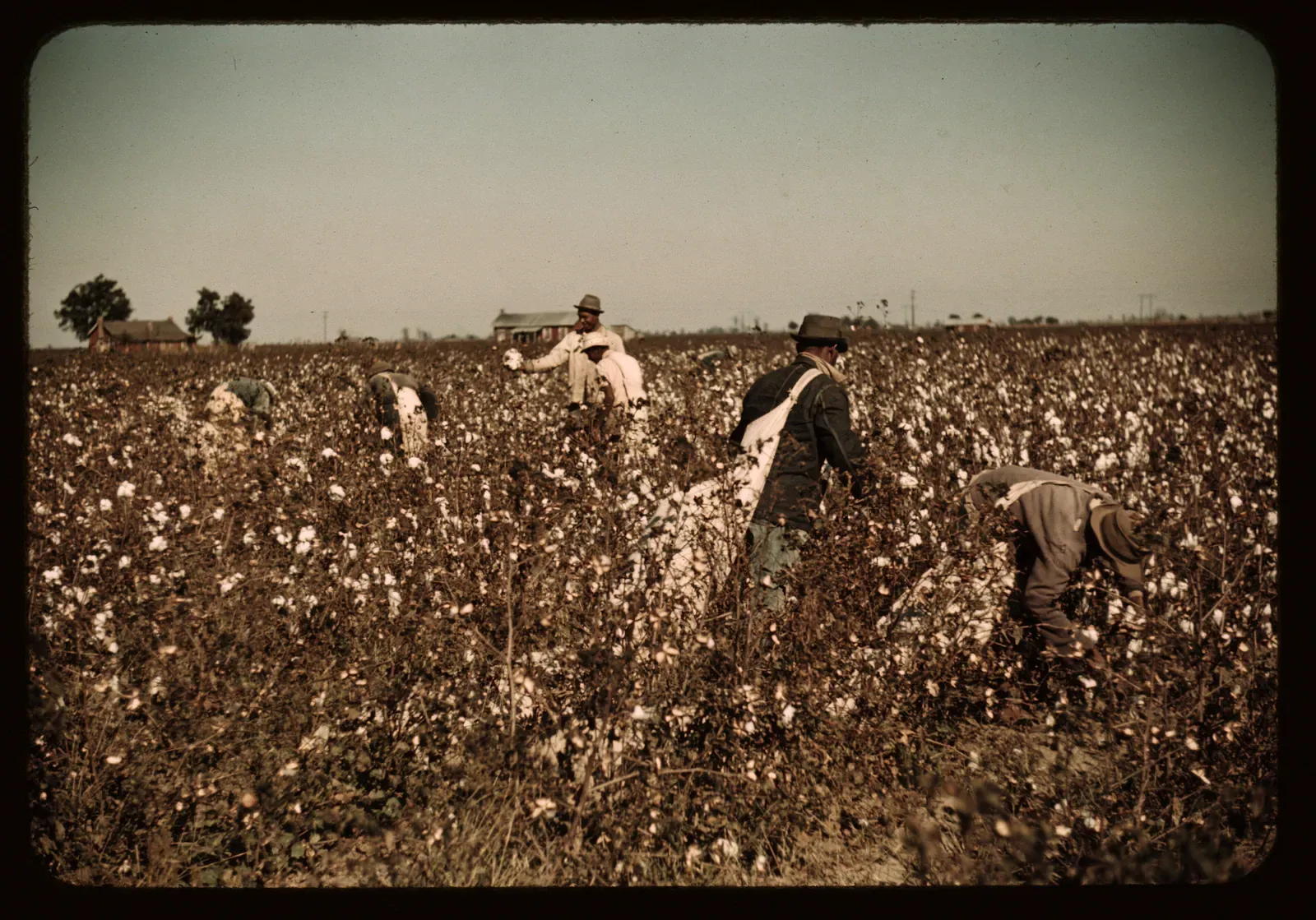
Before there were records there were people singing while they worked. Field hollers, labour songs and spirituals in Black communities of the Delta and East Texas hardened into a solo form: one voice, one guitar, a stanza that said its line twice and then answered it. The date is unknowable, which is why the start is given as “around 1890”.
The best-known first sighting is a railway platform. In 1903 W.C. Handy, a bandleader waiting for a train at Tutwiler, Mississippi, heard a man pressing a knife to a guitar and singing; Handy later wrote in his 1941 autobiography, Father of the Blues, that it was the weirdest music he had ever heard. The knife is the ancestor of the bottleneck slide, a glass or metal tube that lets a guitar mimic the voice.

Handy did not invent the blues, but he put it on paper. In 1912 his “The Memphis Blues” and Hart Wand’s “Dallas Blues” were both published as sheet music, and a form that had travelled by ear now travelled by mail. Itinerant players and minstrel shows had already carried it from plantation to railroad town.
The record boom, 1920-1929
The market was proved by a woman from vaudeville. Mamie Smith recorded “Crazy Blues” for Okeh in August 1920, and its first-month sales are put above 70,000 copies. Rival companies noticed that Black listeners would buy records, and the category the industry called “race records” was born.
Bessie Smith followed. Her Columbia debut, “Downhearted Blues” (1923), reportedly sold about 780,000 copies in six months, and she became the best-selling “classic” blues singer of the decade, backed by jazz players. Then labels turned to men with guitars. Blind Lemon Jefferson’s solo records of 1926 showed that country blues could sell across the South, and in 1929 Charley Patton cut “Pony Blues,” a rough, rhythmic founding record of the Delta style. Okeh, Columbia and their rivals aimed these records at Black buyers, in a market kept apart from the pop charts.
Country and city blues, 1930-1944
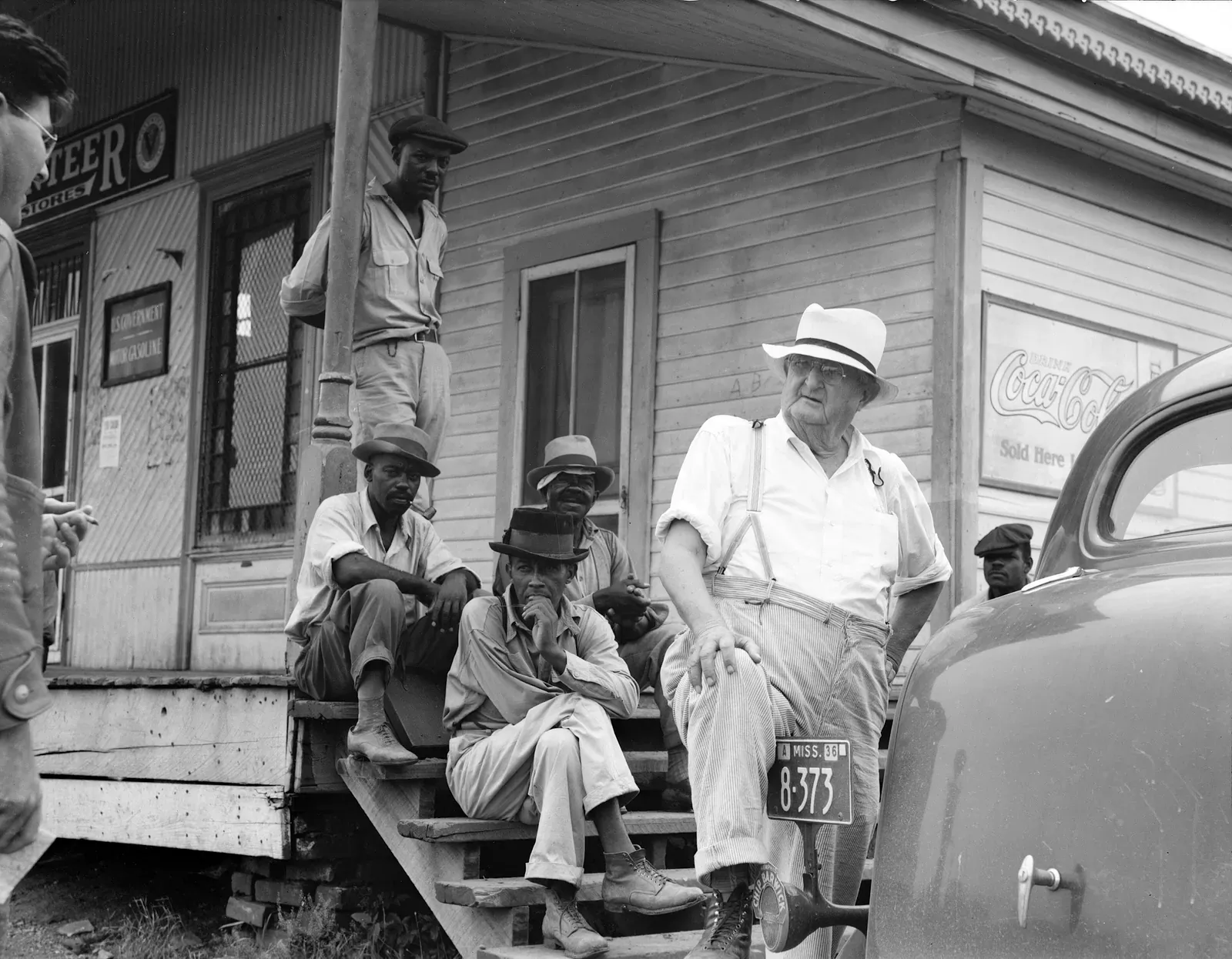
The Depression flattened record sales, but the music did not stop; it split into regions. The Delta, the Piedmont, Texas and Memphis each developed a sound, and the records that survive are a map of them. In Memphis the music met jug bands and Beale Street theatres, in Texas it met the swing of dance bands, and on the Atlantic coast fingerpicked guitar kept a lighter, ragtime-flavoured feel.
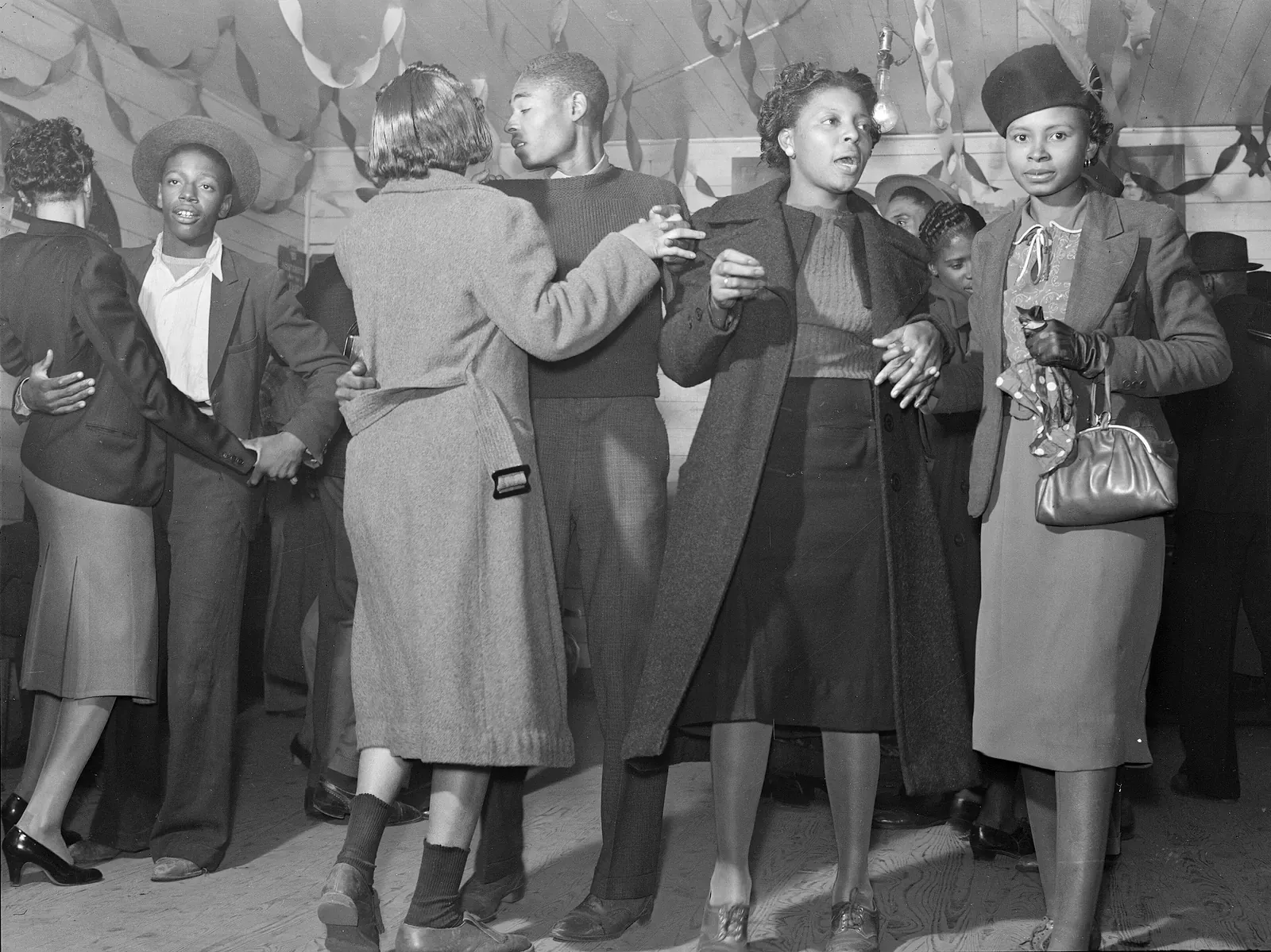
Two recording sessions made the era famous. In November 1936 Robert Johnson recorded in a San Antonio hotel room, and in 1937 he recorded in Dallas; the 29 songs he left are the core of his reputation, and he died in 1938 nearly unknown outside the Delta. And in 1933 John Lomax and his son Alan began carrying portable disc recorders for the Library of Congress. In 1941 Alan Lomax recorded a young Muddy Waters at Stovall Farm near Clarksdale.
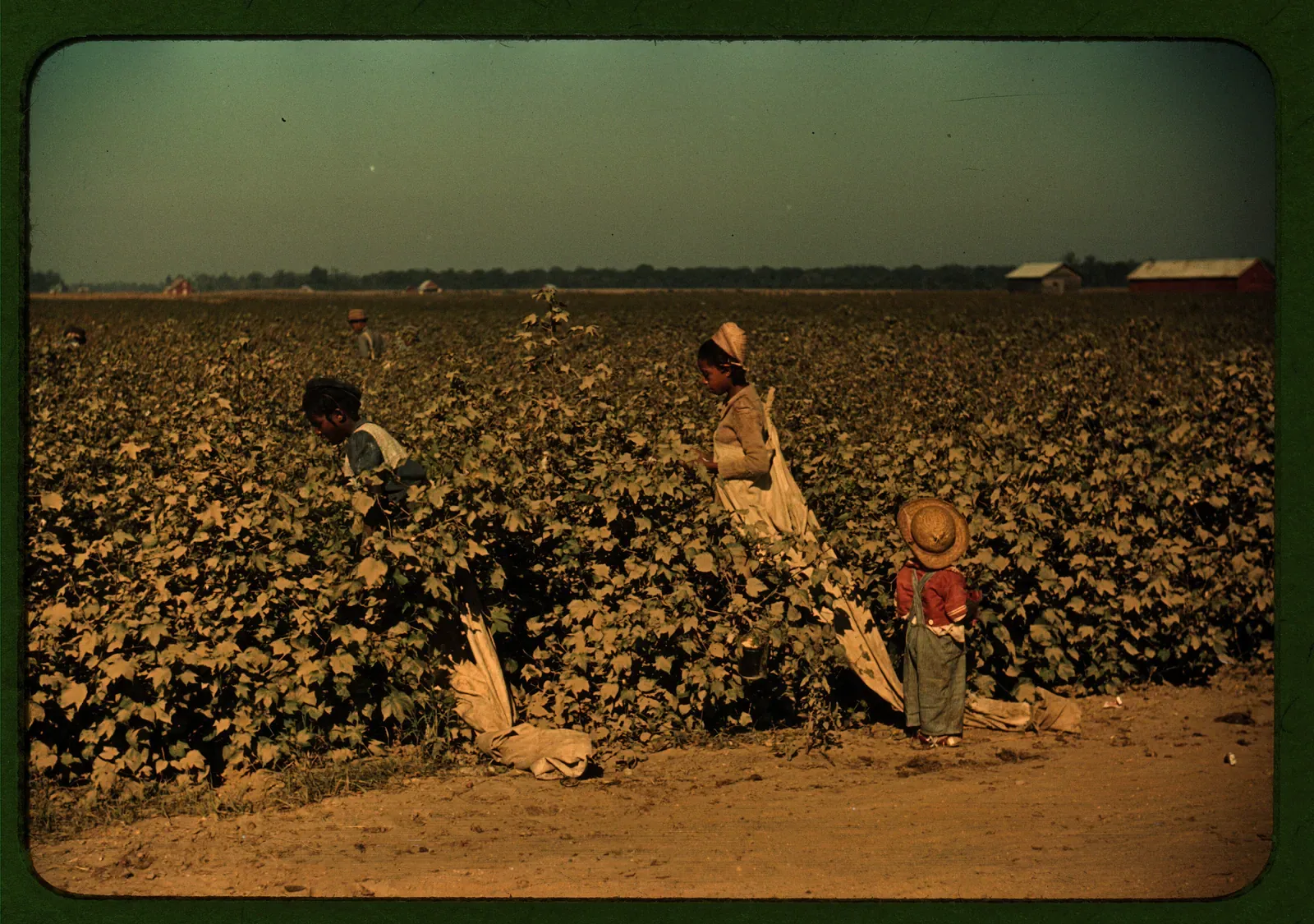
Meanwhile John Hammond staged “From Spirituals to Swing” at Carnegie Hall in 1938, presenting Black blues, gospel and jazz musicians to a New York concert audience. It was an early sign that the blues could travel outside the Black South without losing its roots.
Electric Chicago, 1945-1959
Millions of Black Southerners left in the Great Migration, which ran from about 1916 to 1970 and moved over 6 million people north. They took the blues to Chicago, and in the clubs of the South Side the music got louder because it had to. Muddy Waters arrived in 1943 and soon played amplified, because a Delta guitar could not be heard over a crowded bar.
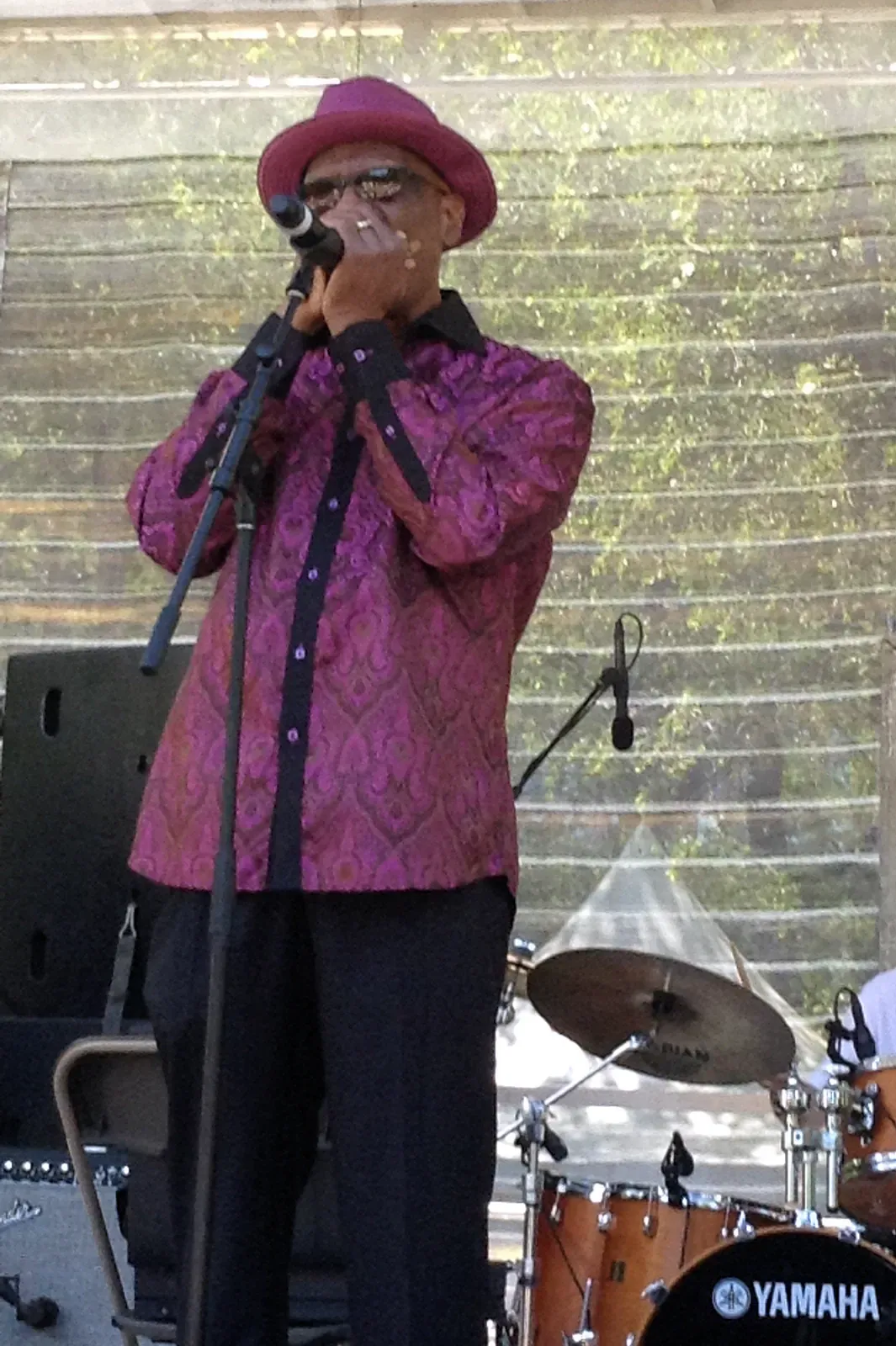
The new sound was built for volume. Electric guitar, drums and a bass line filled the room; amplified harmonica replaced the horn section. Little Walter’s amplified harmonica first appears on record on Muddy Waters’ “Country Boy” (recorded in 1951), and his own instrumental “Juke” spent eight weeks at the top of the Billboard R&B chart in 1952. Howlin’ Wolf recorded in Memphis in 1951 with Sam Phillips, who leased the sides to Chess; Phillips would go on to found Sun Records and record Elvis Presley, which is how the Memphis blues ended up inside early rock and roll.
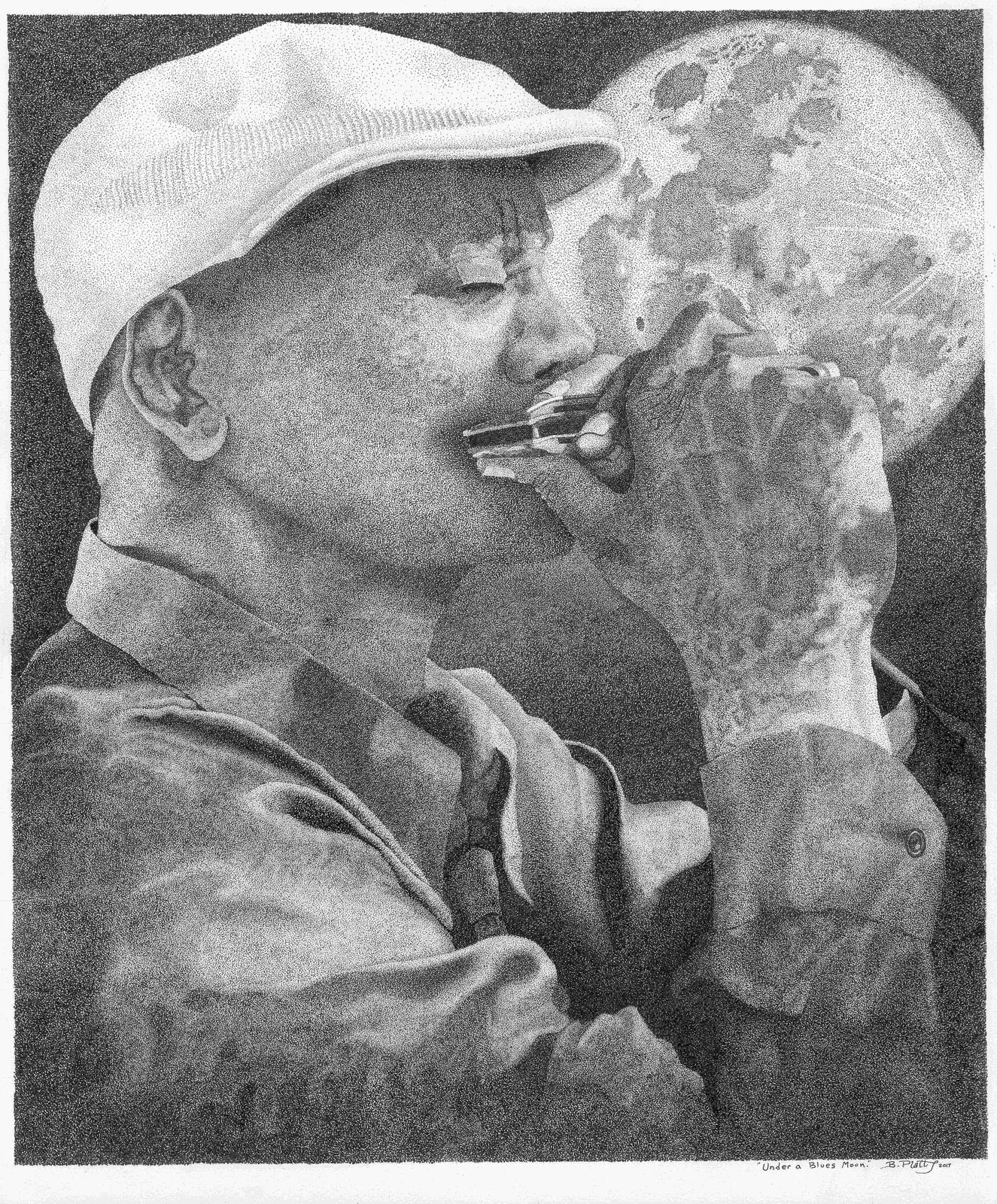
Chess, run by Leonard and Phil Chess, was the centre, but not the whole story. Vee-Jay opened in Gary, Indiana, in 1953 as a Black-owned label and issued Jimmy Reed and John Lee Hooker. Cobra put out Otis Rush’s “I Can’t Quit You Baby” in 1956 and launched the West Side sound, and Buddy Guy joined that club circuit the next year. The 45 rpm single, introduced in 1949, and the jukebox spread it all.
Revival and rock, 1960-1979
In the 1960s the audience changed. White folk fans found the blues through festivals: Muddy Waters played the Newport Folk Festival in 1960 and a live album followed. The American Folk Blues Festival toured Europe from 1962 with Willie Dixon among its players, and the young British musicians who saw them took it home.
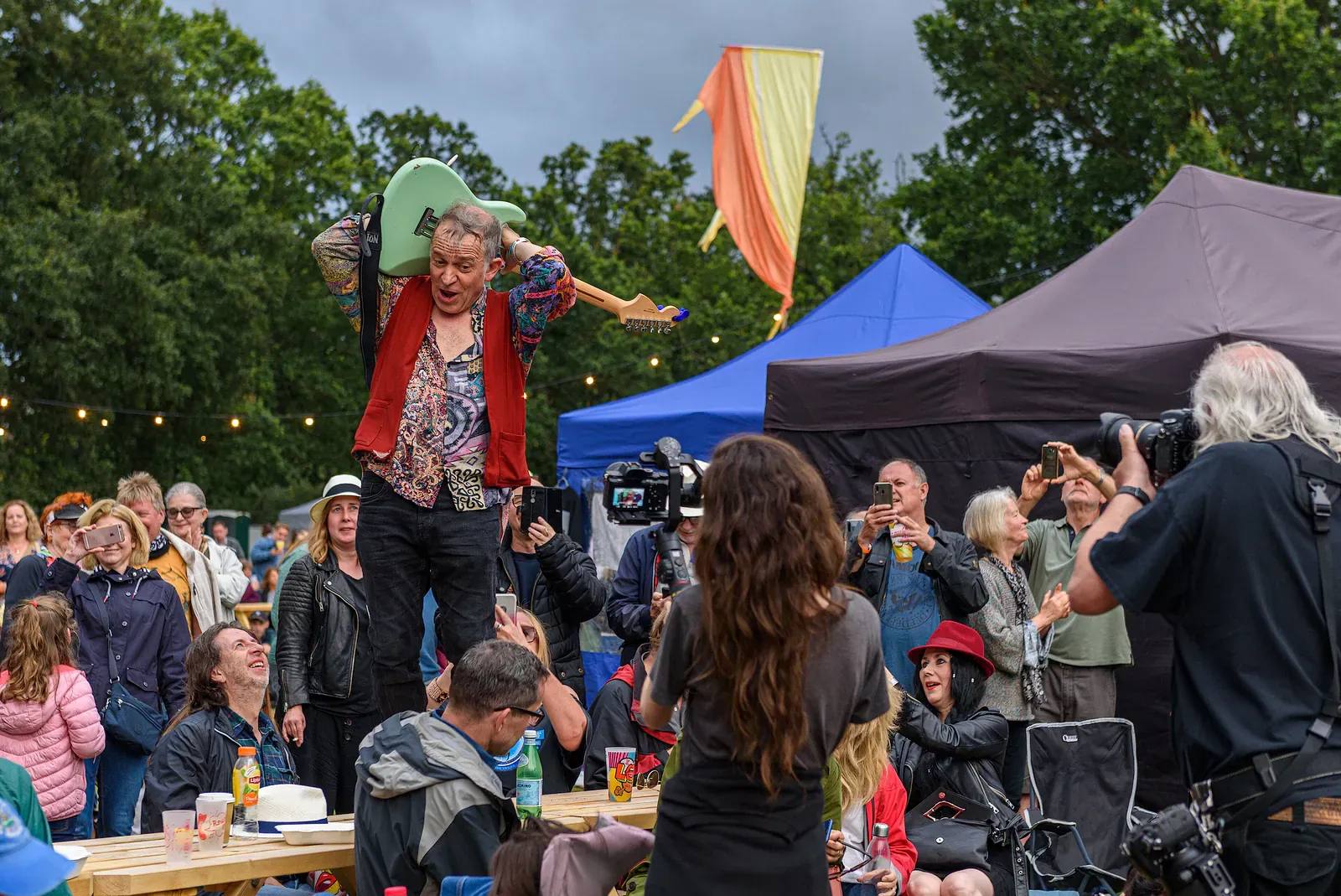
The Rolling Stones took their name from a Muddy Waters song, “Rollin’ Stone,” and in June 1964 they recorded at Chess Studios in Chicago, where they met Waters himself and cut an instrumental called “2120 South Michigan Avenue” after the studio’s address. In 1966 John Mayall’s Bluesbreakers album with Eric Clapton set the benchmark for British blues guitar. B.B. King moved the other way: “The Thrill Is Gone” (1969) used strings and became his biggest pop crossover.
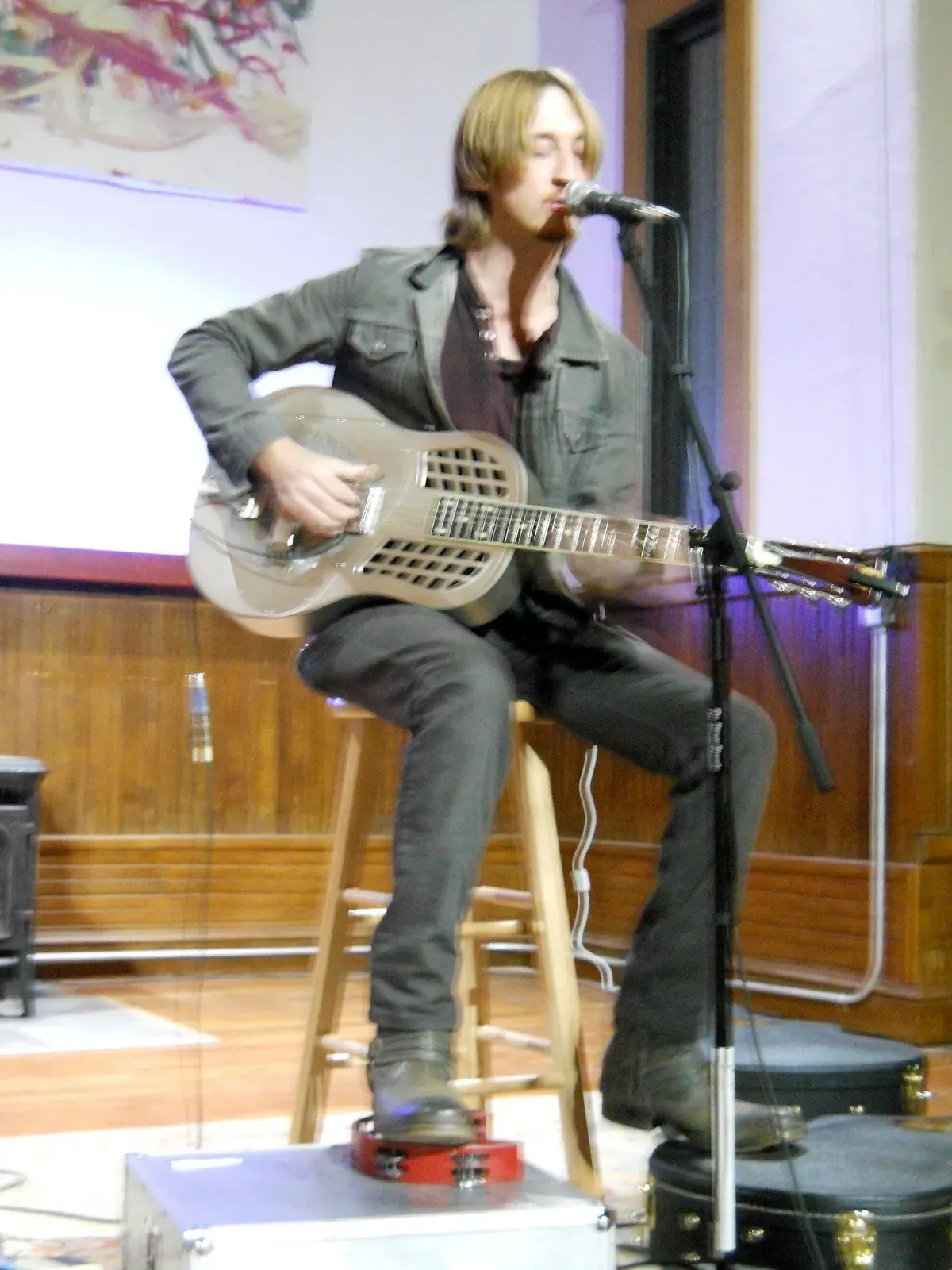
There was a cost. As blues rock filled arenas, the older Black audience drifted toward soul. Alligator Records began in Chicago in 1971, when Bruce Iglauer founded it to release Hound Dog Taylor, and Chess had ended by 1975, after its 1969 sale to GRT. Mainstream blues was becoming a rock sound and an independent-label niche at the same time.
Survival and festivals, 1980-2009
By the 1980s many founders had died, and the blues had to survive as a circuit rather than a chart genre. Stevie Ray Vaughan’s debut Texas Flood (1983) brought fast Texas blues guitar back into the mainstream. Buddy Guy’s “Damn Right, I’ve Got the Blues” (1991) won a Grammy and gave the Chicago veteran a second career.
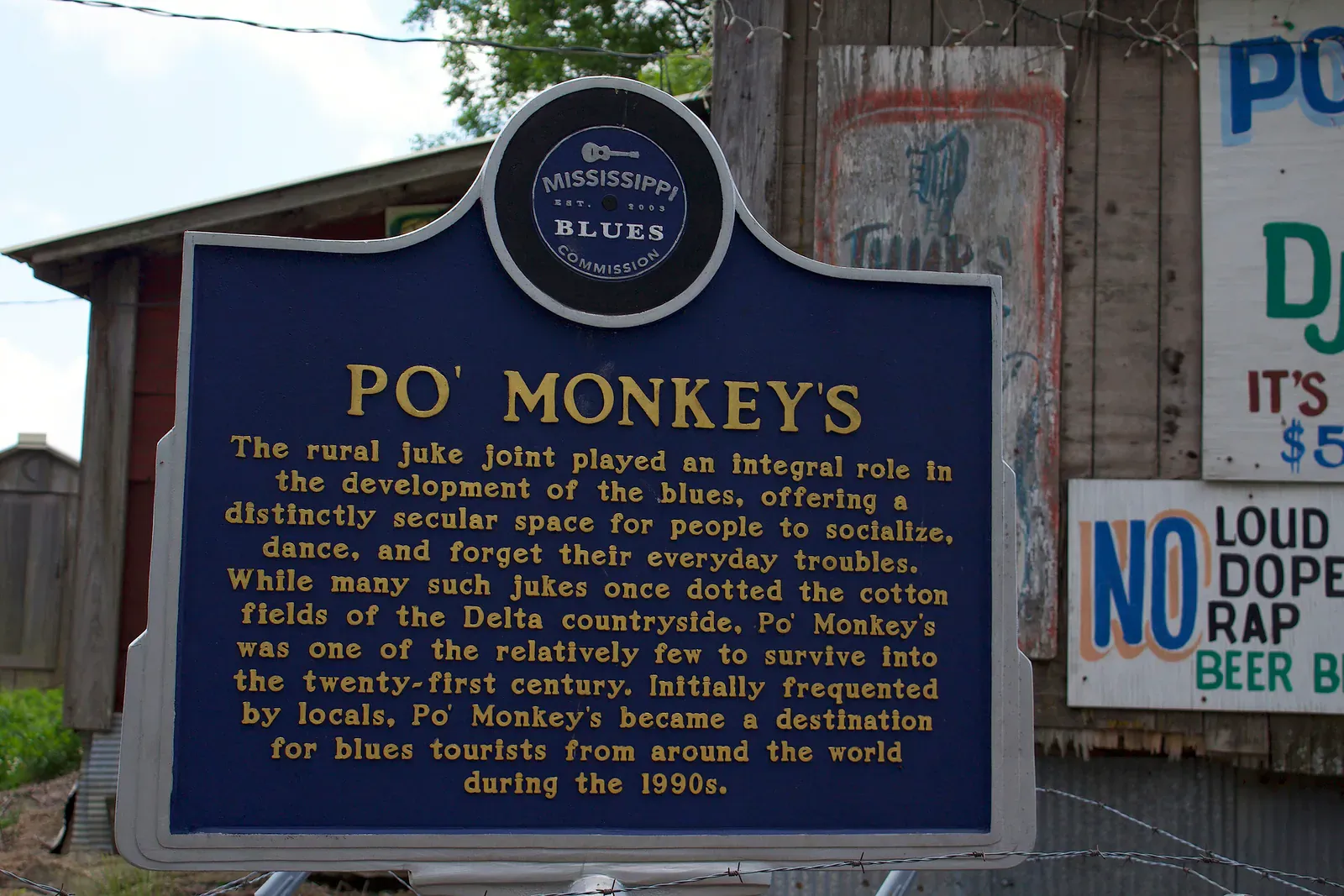
The institutions did the work that radio would not. The Blues Foundation was established in Memphis in 1980 and held the first National Blues Awards that November, the ancestor of today’s Blues Music Awards. In 2006 the Mississippi Blues Commission placed its first Blues Trail markers, and tourism gave Delta towns a reason to keep their juke joints open.
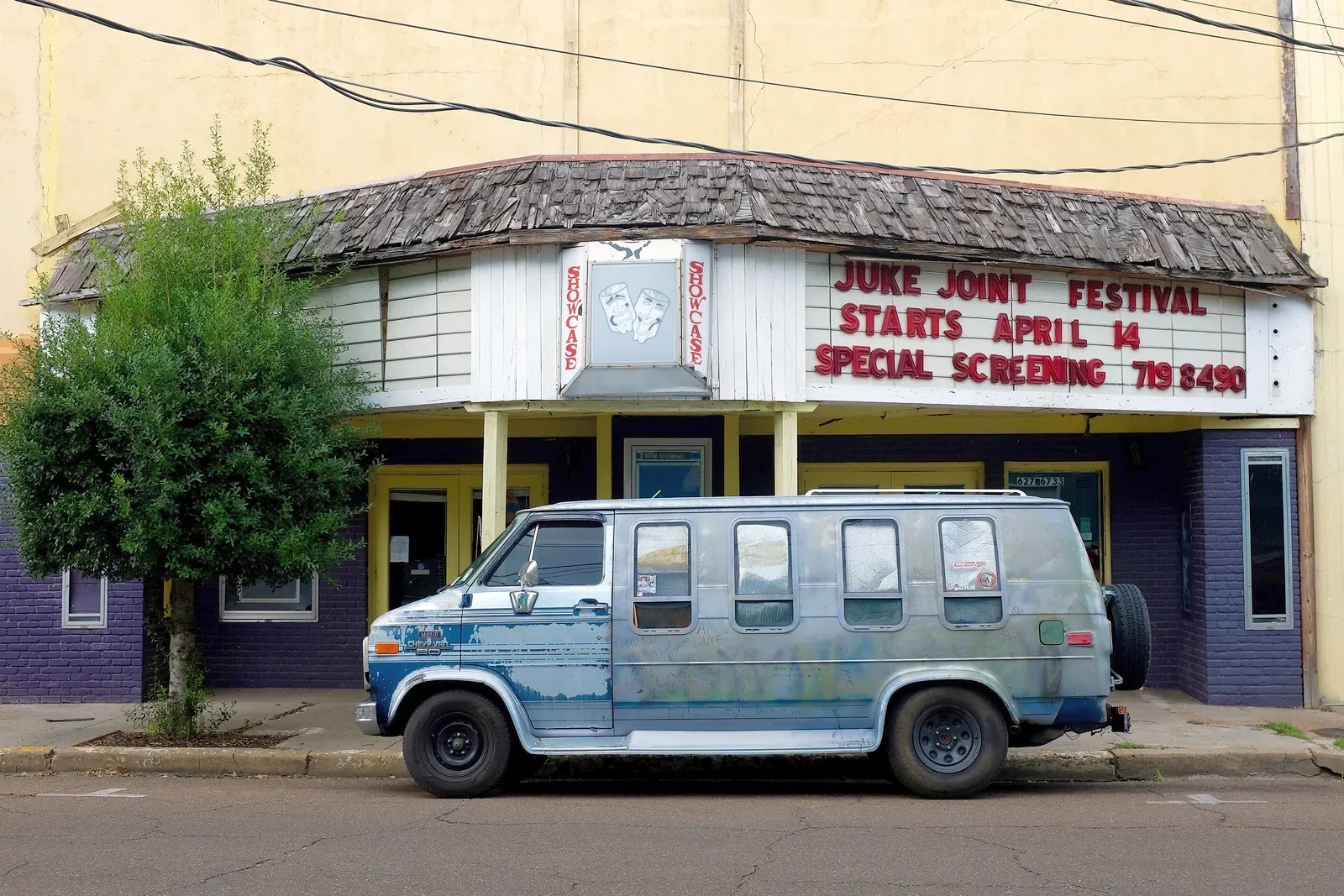
A new generation, 2010-2026
New players have arrived by way of the old places. Christone “Kingfish” Ingram, a guitarist from Clarksdale, released his debut Kingfish on Alligator in 2019, and his 2021 album 662 won the Grammy for Best Contemporary Blues Album in 2022. Samantha Fish and others have broadened the audience, helped by streaming and Nashville producers, while independent labels and the Mississippi heritage trail keep the roots visible.
Characteristics
The blues is defined less by a fixed form than by a way of treating pitch and phrasing. Singers and instrumentalists bend the third, fifth and seventh of the scale so the notes fall between major and minor, and the voice and the instrument trade phrases in call and response. The twelve-bar pattern with its three four-bar lines is the standard frame, but eight-bar, sixteen-bar and free-metre blues were common on early recordings.
Instruments and production
The sound moved with the technology. Country blues needed one acoustic or resonator guitar and a voice; the cheap harmonica and the washboard added colour at no cost. In Chicago the amplifier made the electric guitar the lead voice, and harmonica players cupped small microphones into amplifiers for a distorted, horn-like tone. Studio practice stayed live: a band played the song together in a room, and the roughness of the take was part of the style.
Culture
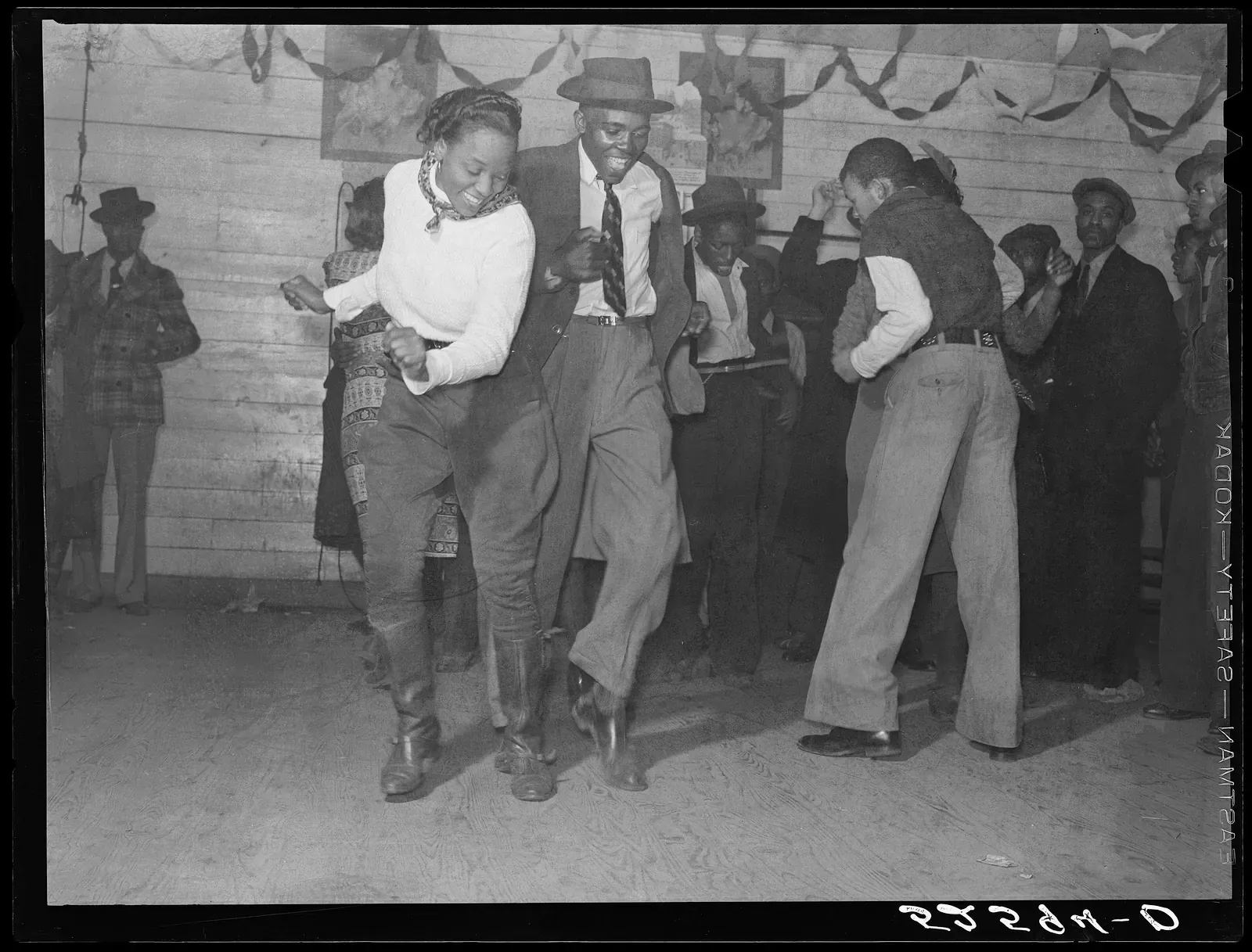
Blues was a Black working-class music before it was anyone else’s. It was played at juke joints (rural clubs made for dancing), at house parties, in tent shows and on street corners, and the lyrics dealt with love, work, travel, money and trouble, often with a wink. The economics were harsh: many early artists were paid a flat session fee, and “race records” were sold through a segregated market that white musicians later profited from.
Women shaped the first boom. Mamie Smith, Ma Rainey and Bessie Smith sang with jazz bands in vaudeville theatres, and their sales convinced labels to record the guitarists who followed.
Misconceptions
Robert Johnson sold his soul at the crossroads. The best-known version is a later composite. The crossroads story was first attached to a different Delta musician, Tommy Johnson, in David Evans’ 1971 book about him, and later writers combined it with remarks by Son House about Robert Johnson’s improvement on guitar. The devil appears in Robert Johnson’s songs, but the legend grew far beyond them.
Handy invented the blues. W.C. Handy is called the “Father of the Blues,” but he was a bandleader and publisher who heard the form and wrote it down. Musicians in the Delta, Texas and the Piedmont were playing blues before his 1912 sheet music.
The blues is always slow, sad and twelve bars long. The twelve-bar pattern is the best-known form, but early recordings use eight-bar, sixteen-bar and irregular shapes, and many blues are funny, sly or openly sexual. Bessie Smith and Muddy Waters sang as often about swagger as about sorrow.
Frequently asked questions
What is blues music?
Blues is a music from the Deep South built on blue notes, call-and-response and a three-line AAB lyric. It usually follows a twelve-bar chord pattern and is played on guitar, harmonica and piano. Artists such as Bessie Smith, Muddy Waters and B.B. King defined it.
Where did the blues begin?
The blues began among Black communities in the Mississippi Delta, East Texas and the Georgia Piedmont around 1890. The exact date is unknowable. Mamie Smith’s 1920 “Crazy Blues” was the first big blues hit on record.
What is the difference between Delta blues and Chicago blues?
Delta blues is usually one voice and one acoustic or slide guitar, played in the rural South. Chicago blues is the electric, band-based version that migrants built in the clubs of the South Side after the 1940s, with amplified guitar, harmonica, bass and drums.
How did the blues influence rock?
British bands such as the Rolling Stones and the Bluesbreakers copied Chicago blues records in the 1960s, and American rock and roll came partly from the same Memphis and Chicago studios. Rock has been borrowing the blues scale and guitar solo ever since. See the rock family for the other half of the story.
Is blues related to country music?
Yes. Blues and country shared players, songs and instruments in the Southern states from the 1920s, and country artists such as Jimmie Rodgers built songs on blues forms. See the country family for the shared ground.
Subgenres
Genres in the family
26 main branches. Names with their own page are links.
- African blues
1965
1959
1900, 1 branch
1958
1955, 1 branch
1980, 2 branches
1900, 10 branches
1925
1939, 9 branches
1800, 2 branches
- Gospel blues
1890
1925
- Jazz blues
1925
1923, 4 branches
1938, 2 branches
1945, 2 branches
1910
1935
1900, 3 branches
1981
1968
- Texas blues
1910, 5 branches
1900, 2 branches
1916
Sound
What it sounds like
Tempo
- Overall65-175
- Country blues70-110
- Delta blues80-115
- Chicago blues80-150
- Texas blues65-145
- Electric blues65-130
- Jump blues145-175
- Boogie-woogie95-175
Drums and percussion
- Drum kit with brushes or sticks
Techniques
- Twelve-bar form
- AAB lyric
- Call and response
- String bending
- Bottleneck slide
- Cross harp
- Shuffle rhythm
- Alternating thumb bass
Keys and modes
Blues scale. Minor pentatonic with an added flat fifth, the core melodic vocabulary
Dominant seventh chords. I7, IV7 and V7 serve as the home chords, so the tonic is a major-sounding chord with a flat seventh
Blue notes. Bent or flattened third, fifth and seventh degrees sit between major and minor
Minor blues. Minor tonic chord, common in slow blues
Common guitar keys. E, A, G, D and C suit open strings; harmonica players use a harp a fourth below the song key (second position, cross harp)
Tuning
12-TET, A=440; open G (Spanish) and open D (Vestapol) tunings for slide guitar
Vocals
Raw, speech-like singing with bent notes, moans and shouts, often in an AAB lyric
Hallmarks
- twelve-bar form
- blue notes
- call-and-response
- slide guitar
- harmonica
- AAB lyric form
Instruments
- Acoustic guitar
The core accompaniment for early solo bluesmen.
- Slide guitar (bottleneck)
A glass or metal slide gives the vocal-like Delta sound.
- Harmonica
Cheap and portable, it mimics train whistles and voices.
- Electric guitar
Amplification made lead guitar a bandstand voice from the 1940s.
- Amplified harmonica
Little Walter's mic and amp turned the harp into a lead horn.
- Barrelhouse piano
Rolling left-hand patterns drove boogie-woogie and juke joints.
- Upright and electric bass
Walking bass lines set the shuffle and later electric bass drove Chicago bands.
- Washboard and jug
Improvised percussion and bass in jug bands.
Technology that shaped it
- 1920Race records
Labels marketed discs to Black buyers, funding the first blues recordings.
- 1933Field recording discs
John and Alan Lomax carried portable disc recorders for the Library of Congress.
- 1936Electric guitar
Gibson's ES-150 gave players a guitar loud enough for a band.
- 194945 rpm single
Cheap singles and jukeboxes spread Chicago and Memphis blues.
Essential records
- 1920Crazy Blues
Mamie Smith and Her Jazz Hounds. The hit that convinced labels Black listeners were a market.
- 1923Downhearted Blues
Bessie Smith. Her Columbia debut sold in large numbers and made her the biggest classic blues singer.
- 1926Long Lonesome Blues
Blind Lemon Jefferson. A solo guitar blues that sold to Black buyers across the South.
- 1929Pony Blues
Charley Patton. A founding Delta record with a rough, rhythmic guitar and vocal.
- 1936Cross Road Blues
Robert Johnson. A slide-guitar blues whose legend has outgrown its original release.
- 1947Call It Stormy Monday (But Tuesday Is Just as Bad)
T-Bone Walker. Smooth electric lead guitar that shaped later blues and rock soloists.
- 1954I'm Your Hoochie Coochie Man
Muddy Waters. A Willie Dixon song with a stop-time riff that became a blues standard.
- 1956Smokestack Lightnin'
Howlin' Wolf. A one-chord, haunted vocal that Chicago bands and British rockers copied.
- 1960Big Boss Man
Jimmy Reed. A relaxed shuffle that showed blues could also be easy pop.
- 1965Live at the Regal
B.B. King. A club album that captures his call-and-response guitar and crowd.
- 1983Texas Flood
Stevie Ray Vaughan and Double Trouble. A debut of fast Texas blues that revived the genre commercially.
- 1991Damn Right, I've Got the Blues
Buddy Guy. A Grammy winning comeback for the Chicago veteran.
Scenes
Where it happened
Where and when the sound lived: one bar per city on a shared timeline.
North America
Europe
Active scenes
Peak 8, 1958-1970
The Mississippi Delta hub of Charley Patton, Son House and Muddy Waters' early years.
Beale Street, W.C. Handy, Sun Studio and Stax shaped urban Southern blues.
Deep Ellum was home to Blind Lemon Jefferson and Texas blues.
A recording hub for Piedmont blues and early country blues.
Piano blues and Delmark's origins in a river city.
Gulf Coast and Third Ward clubs fed Texas blues and Duke Records.
The electric blues capital of Chess, Vee-Jay, Cobra, Alligator and Delmark.
The British blues boom of Mayall, Clapton and the Stones.
Texas blues revival base of Stevie Ray Vaughan and the Fabulous Thunderbirds.
Glossary
Terms on this page
A lyric pattern where a line is sung, repeated, then answered.
A bent pitch between major and minor that gives blues its mood.
The movement of millions of Black Southerners to northern cities, carrying blues north.
A rural Southern club where blues was played for dancing.
A name used in the 1920s to 1940s for records aimed at Black buyers.
A swung rhythm with a long-short triplet feel.
Playing with a bottleneck or metal tube sliding on the strings.
A short phrase at the end of a chorus that leads back to the start.
A three-line, twelve-measure chord pattern using I, IV and V.
Families