Blues revival
The blues revival was a 1950s and 1960s movement that reissued pre-war country blues and brought surviving players to folk festivals and coffeehouses.
Newport, 1959
Blues family
Born
1959
Newport
Links
8
Genres it drew on or shaped
Tempo
75-110 BPMLineage
Family tree
Timeline
Era by era
From the first sparks to today. Select a dot to read the story behind it.
- Collectors and reissues
1948 to 1962
- Rediscoveries
1963 to 1966
- Folk circuit and handoff
1967 to 1970
Eras
Moments
- 1 Collectors and reissues, 1948 to 1962
- 2 Rediscoveries, 1963 to 1966
- 3 Folk circuit and handoff, 1967 to 1970
1948
Collectors and reissues
Folkways Records, Harry Smith's Anthology of American Folk Music and Samuel Charters' The Country Blues put 1920s and 1930s 78s back into circulation, while Arhoolie began recording surviving singers in 1960.
- 1952Anthology of American Folk MusicHarry Smith's three-volume set from his 78 collection, issued by Folkways, includes two Mississippi John Hurt sides.
- 1958Club 47 and the Ash Grove openCambridge and Los Angeles folk clubs that later booked rediscovered bluesmen.
- 1959The Country Blues book and albumSamuel Charters' book and Folkways LP RF 1 present pre-war blues to folk audiences.
- 1959Newport Folk Festival begins
- 1960Arhoolie Records foundedChris Strachwitz starts a label for down-home blues; Mance Lipscomb is among the first recorded.
- 1962American Folk Blues Festival tours EuropeThe annual tours bring Chicago and Delta players to European stages and feed the British blues boom.
1963
Rediscoveries
Collectors traced Mississippi John Hurt in 1963, then Son House and Skip James in 1964. All three played Newport and recorded new albums, some for Vanguard.
- 1963Mississippi John Hurt found in AvalonTom Hoskins traces him from the song Avalon Blues; Hurt plays Newport that summer.
- 1964Son House found in RochesterNick Perls, Dick Waterman and Phil Spiro locate him; he plays Newport in 1964.
- 1964Skip James found in a Tunica hospitalJohn Fahey, Bill Barth and Henry Vestine find him; he plays Newport in July.
- 1965Dylan plays electric at NewportOn 25 July he backs a set with members of the Paul Butterfield Blues Band.
- 1966Vanguard issues Today! for Hurt and JamesBoth men's post-rediscovery albums for the label appear in 1966.
1967
Folk circuit and handoff
Older bluesmen toured clubs, colleges and European festivals while younger players moved to electric bands. Dylan's 1965 Newport set marked that turn; Skip James died in 1969.
- 1969Newport ends its run; Skip James diesThe festival's first run closes after 1969, and James dies on 3 October.
Listening path
Start listening
A short path from an easy way in to the deep end. Thumbnails come from YouTube; the player loads only when you press play.
- 01
Mississippi John Hurt, 1928
Hurt's gentle fingerpicking, the sound folk audiences met when he returned in 1963.
- 02
Skip James, 1931
Listen for the open D-minor tuning and falsetto that set James apart.
- 03
Son House, 1965
A signature song recorded in New York after House's rediscovery; hear the slide and vocal.
- 04
Mississippi Fred McDowell, 1965
Slow slide guitar blues recorded for Arhoolie, later covered by the Rolling Stones.
- 05
Lightnin' Hopkins, 1962
A Texas country blues that Arhoolie-era folk audiences also took up.
Facts
| Family | Blues |
| Origin | Newport, United States |
| Emerged | Late 1950s to 1960s |
| Status | Historical |
| Tempo | 75 to 110 BPM |
| Meter | 4/4 |
The blues revival was a movement inside the American folk revival, running from the late 1950s to the end of the 1960s, that rediscovered surviving pre-war country blues musicians and reissued their 78 rpm records.
It moved acoustic blues from the Deep South to folk festivals, coffeehouses and college campuses, mostly in the United States and Britain. Its defining traits are a solo voice with an acoustic guitar, a repertoire taken from 1920s and 1930s records, and a largely white student audience. It sits within the wider blues family and revived styles such as country blues and jug band music.
Origins
The groundwork was laid by record collectors. After the Second World War few records cut by southern musicians in the 1920s were still on sale, and some had been pressed in very small numbers. In August 1952 Folkways Records issued Harry Smith’s three-volume Anthology of American Folk Music, eighty-four sides from 1926 to 1933 drawn from his own 78 collection. It sold poorly at first, but it became a reference for the folk revival, and it sent hobbyists searching for the people on it.
The marker most often used for the start is 1959, when Samuel Charters published his book The Country Blues together with a Folkways LP of the same name, catalogue number RF 1. Both presented pre-war blues as a living tradition worth hearing, and many of the songs were later copied or rewritten by younger players. Smithsonian Folkways now holds that catalogue.
Collectors and reissues, 1948-1962
New labels followed the collectors. Chris Strachwitz founded Arhoolie in 1960 to record obscure down-home blues artists, among them Lightnin’ Hopkins, and Mance Lipscomb was among the earliest players he recorded. Yazoo, founded in the mid-1960s by Nick Perls, specialised in reissuing early American blues, country and jazz.
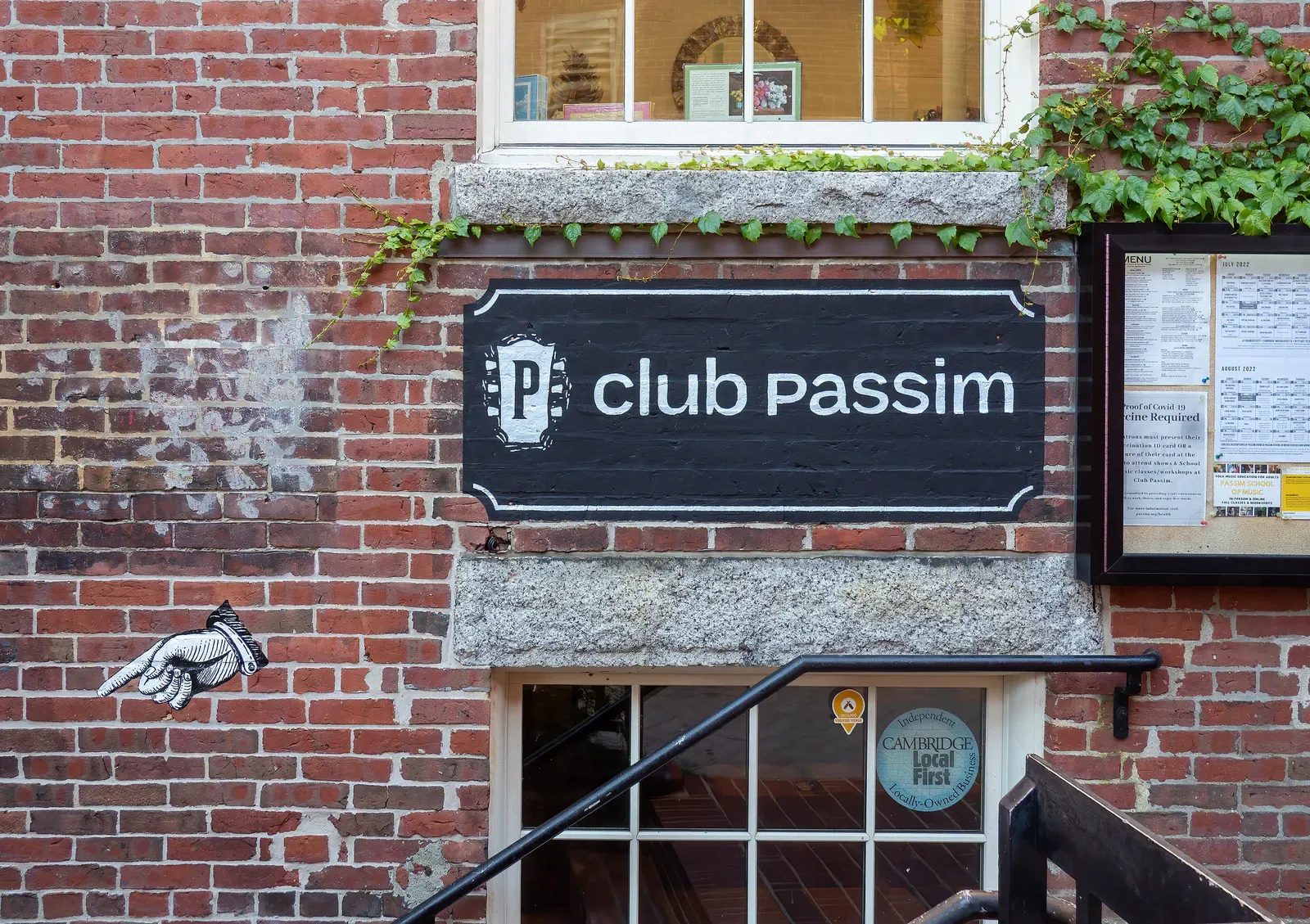
Clubs and festivals created the stages. Club 47 in Cambridge, Massachusetts, opened in 1958 as mainly a jazz and blues room before turning to folk. The Ash Grove in Los Angeles, founded the same year by Ed Pearl, became a meeting point between older blues musicians and younger players. The Newport Folk Festival began in 1959, founded by George Wein, Albert Grossman, Pete Seeger, Theodore Bikel and Oscar Brand. In 1962 the American Folk Blues Festival began touring Europe each year, bringing Chicago and Delta players to audiences that had never seen them.
Rediscoveries, 1963-1966
The rediscoveries made the movement famous. Mississippi John Hurt had recorded thirteen songs for OKeh in 1928 and returned to farming. In 1963 the collectors Tom Hoskins and Mike Stewart obtained a tape of his Avalon Blues, which named his home town. Hoskins found Avalon, asked Hurt to play to prove who he was, and brought him to Washington, D.C. The tour that followed ended that July at the Newport Folk Festival, where Hurt joined Brownie McGhee, Sonny Terry and John Lee Hooker in a blues workshop.
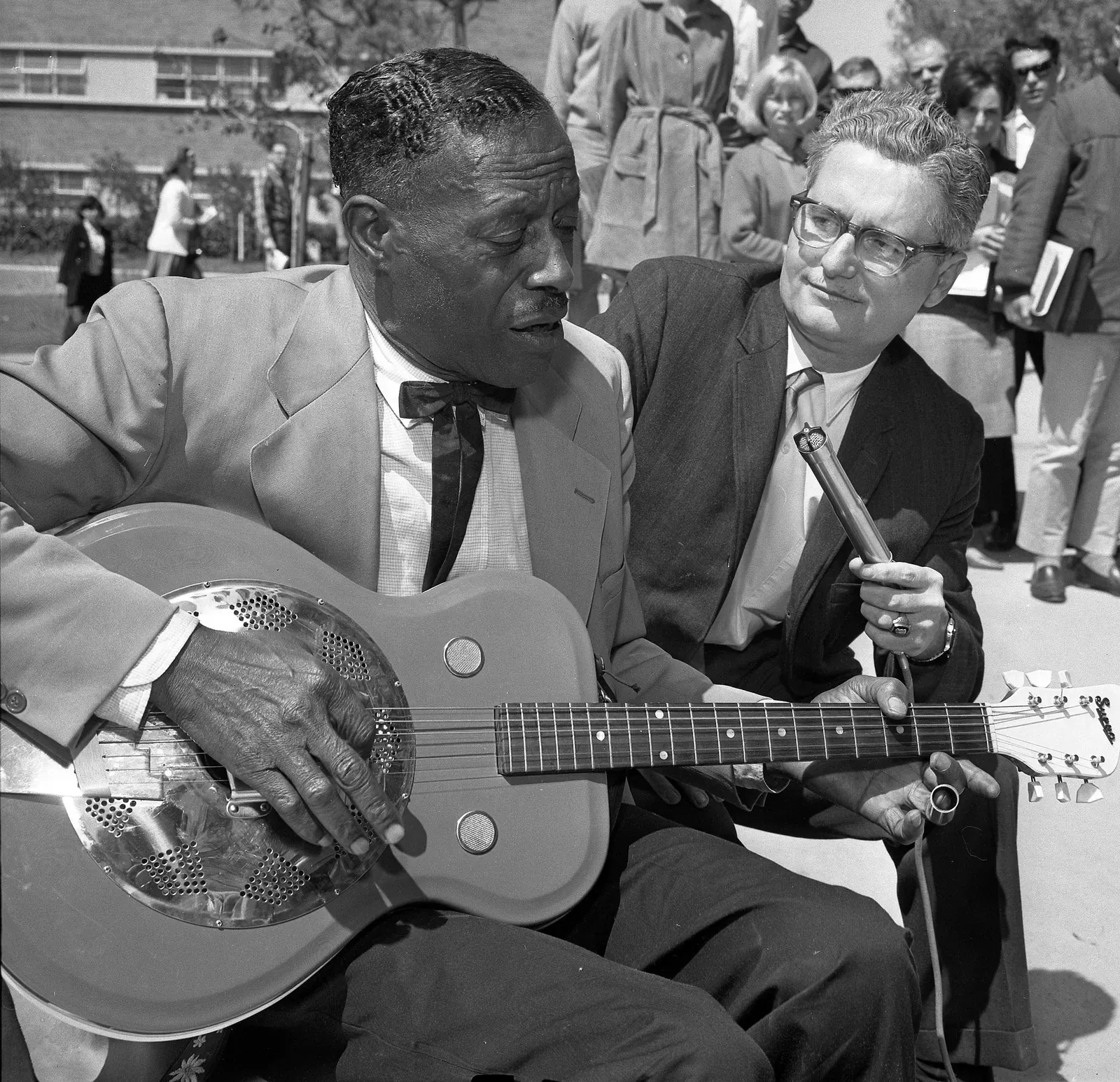
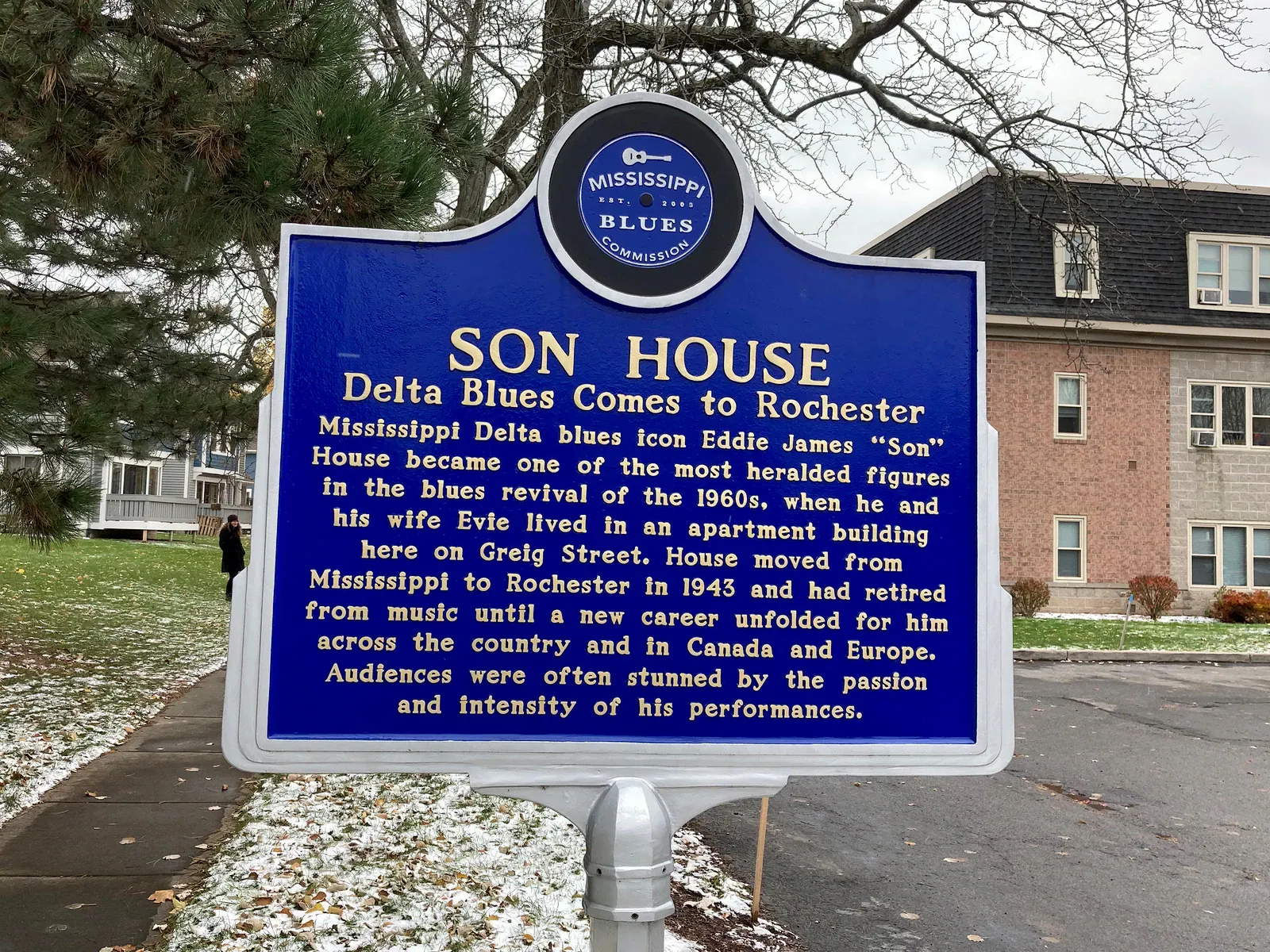
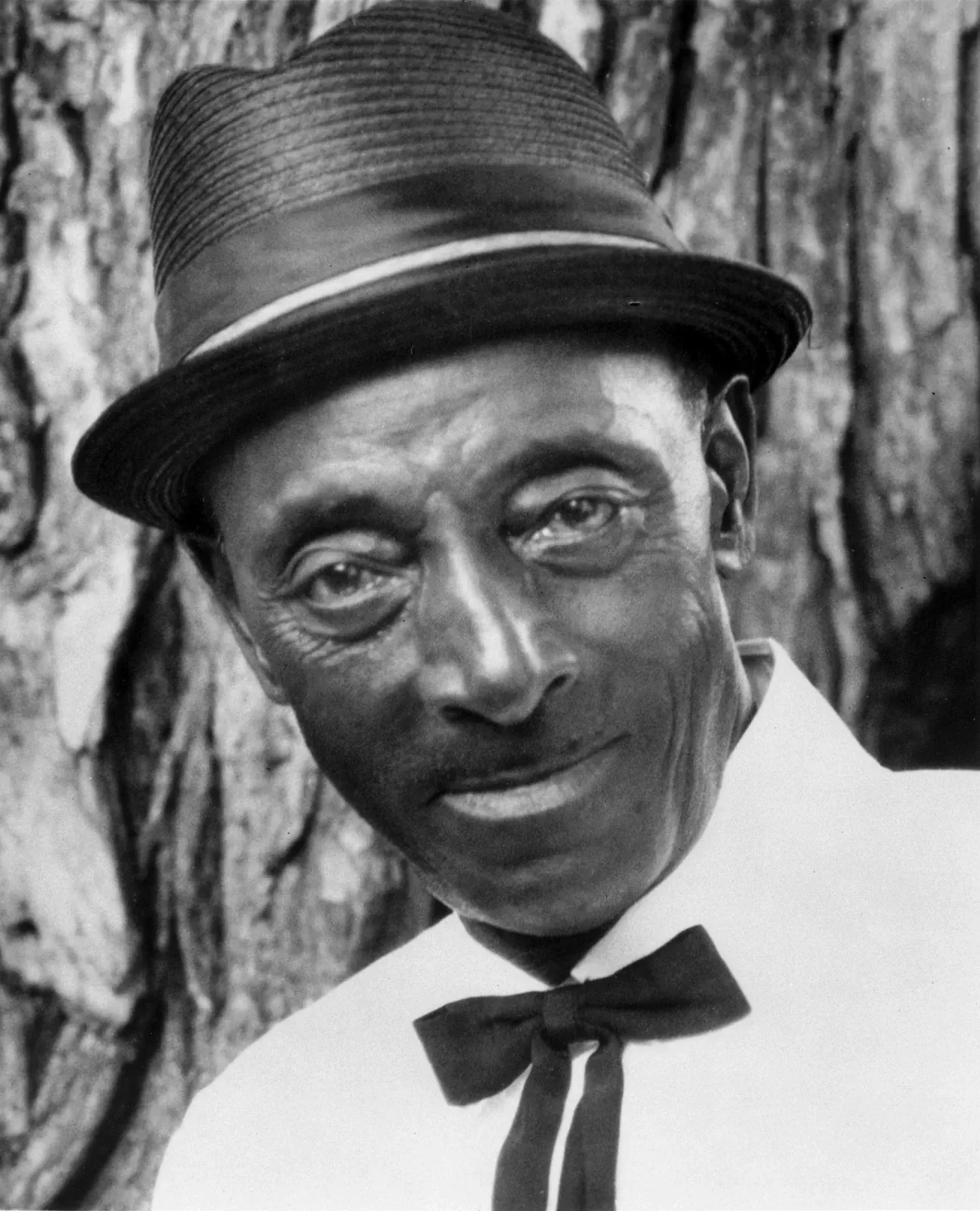
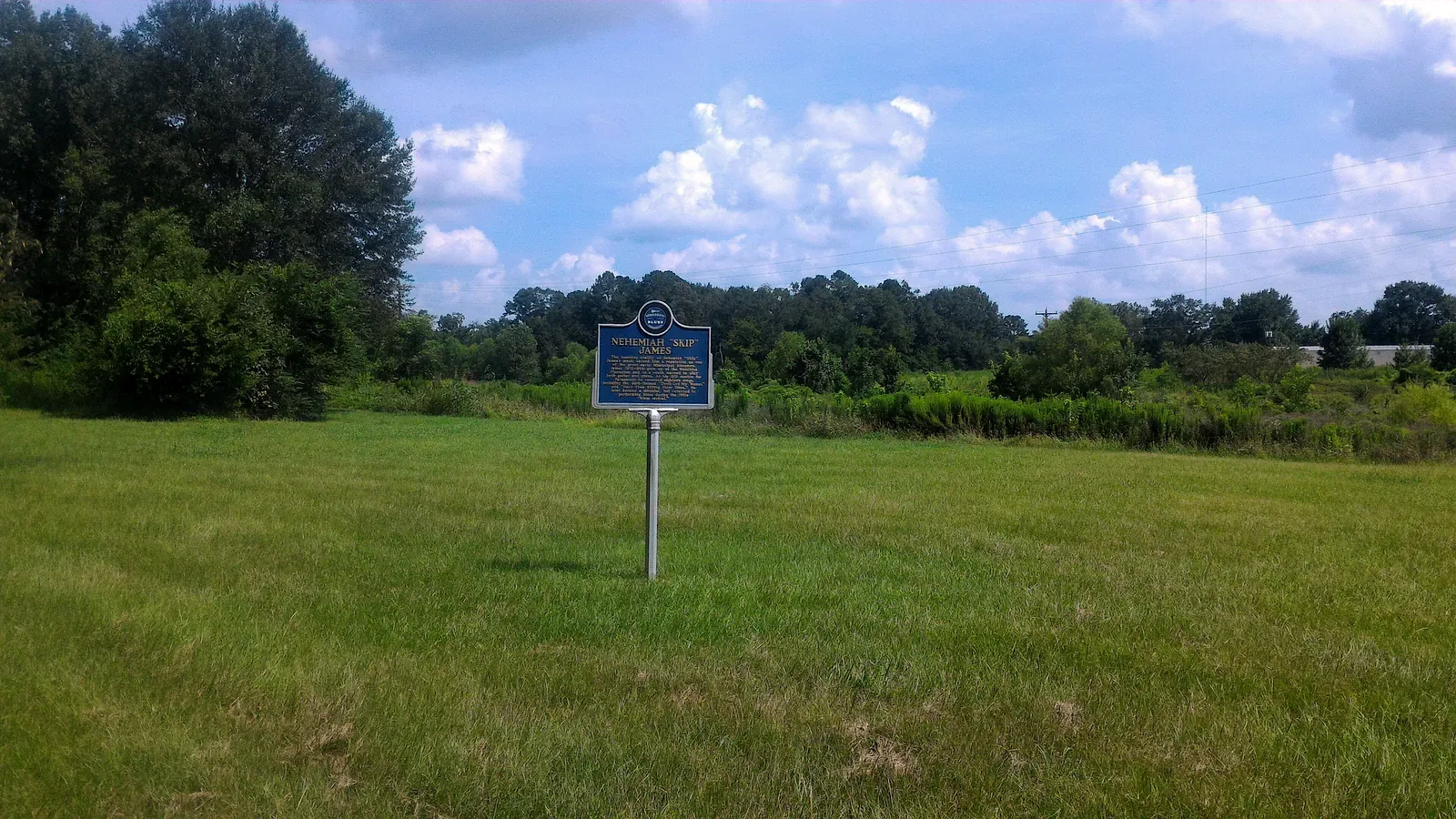
In 1964 Nick Perls, Dick Waterman and Phil Spiro found Son House in Rochester, New York, where he had lived since 1943 and had retired from music. The same year John Fahey, Bill Barth and Henry Vestine found Skip James in a hospital in Tunica, Mississippi. James had made no known recordings for 33 years. Both men played Newport in 1964, and their near-simultaneous rediscovery is often counted as the start of the American blues revival.
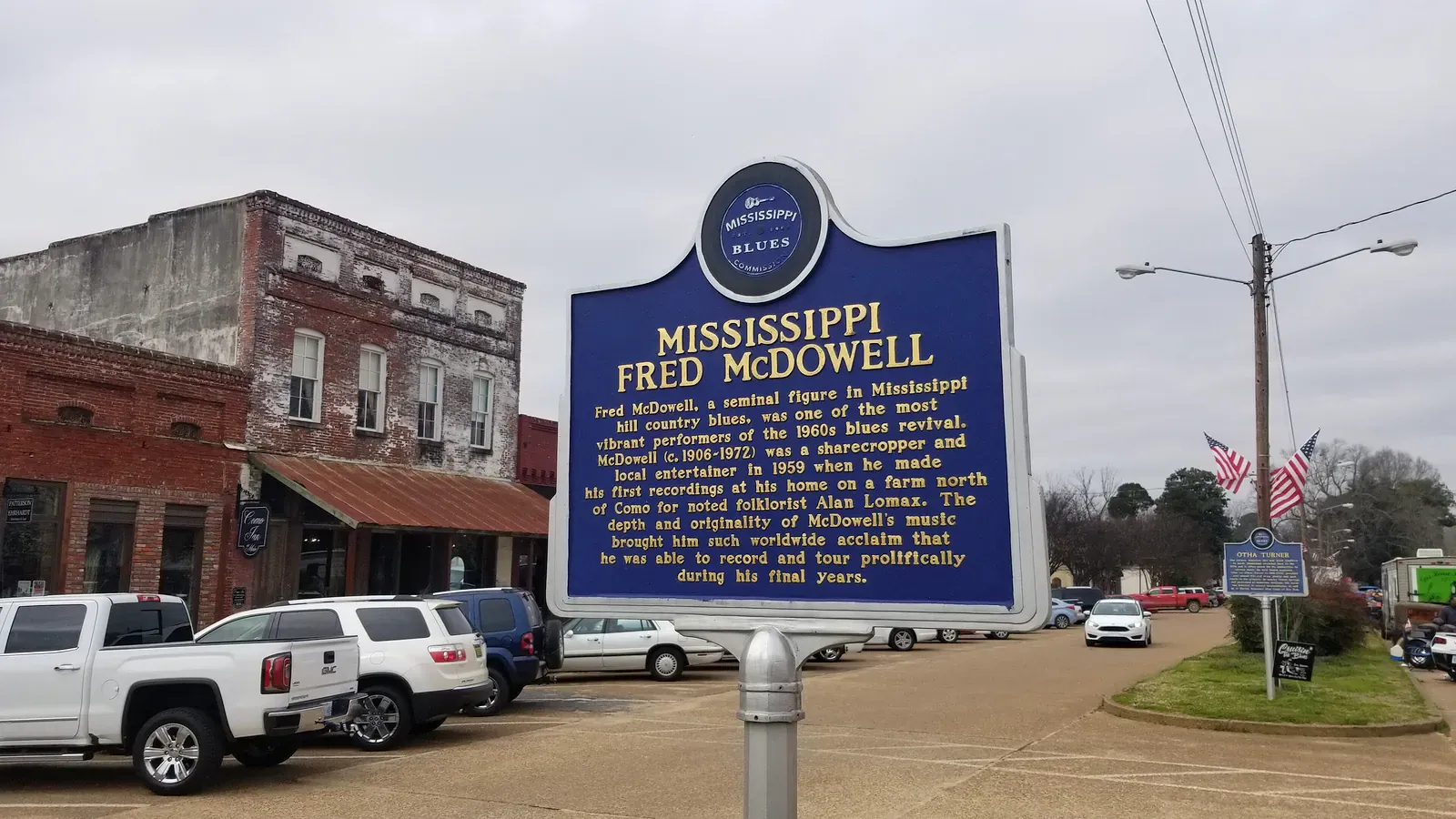
Others came back too. Mississippi Fred McDowell, a sharecropper from near Como, Mississippi, had first been recorded at home by Alan Lomax in 1959, and then made records for Arhoolie. Bukka White, Sleepy John Estes and Furry Lewis were among the other older players traced or recorded in these years.
Folk circuit and handoff, 1967-1970
By the late 1960s the older musicians were touring clubs, colleges and festivals. Son House appeared at the New York Folk Festival in July 1965 and joined the 1967 European tour of the American Folk Festival with Skip James and Bukka White. Younger players studied them closely: the guitarist Alan Wilson, then 22, was asked by the producer John Hammond to help House recover his own playing style before the 1965 sessions.
The revival also fed electric music. On 25 July 1965 Bob Dylan played a set at Newport backed by members of the Paul Butterfield Blues Band, an event that marked a turn from folk to rock. The wider blues boom, including blues rock, drew on the same records. The Newport festival ended its first run after 1969, and Skip James died on 3 October that year in Philadelphia.
Characteristics
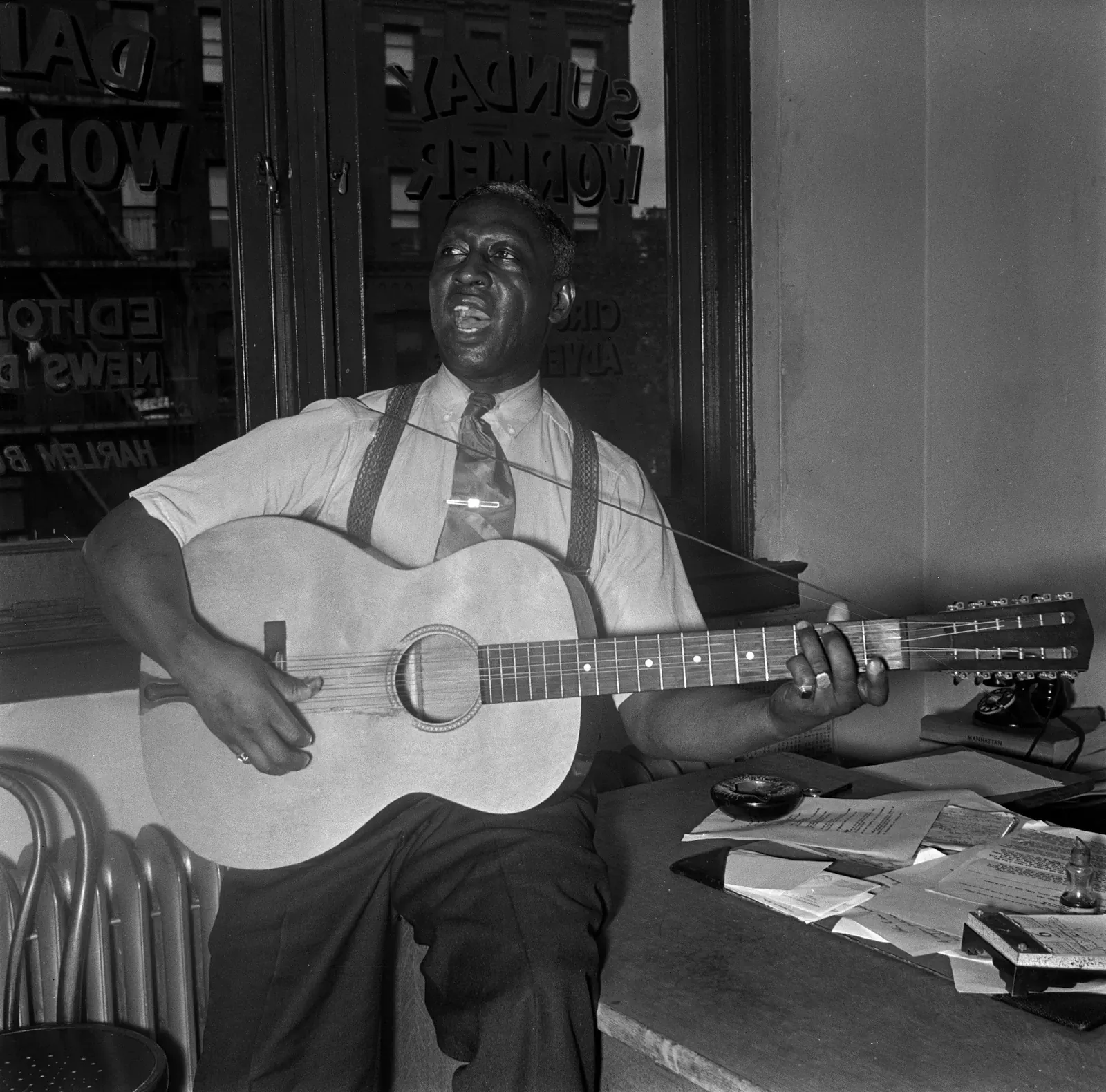
Performances were usually a single voice with one acoustic guitar, played fingerstyle or with a bottleneck slide. The repertoire came from records made in the 1920s and 1930s, with songsters such as Hurt and Lipscomb adding ballads and rags. Keys and tunings mattered: Skip James played in open D minor with a high falsetto. Many pieces follow a verse pattern of twelve bars, with a guitar break between verses.
Instruments and production
The revival was an acoustic movement, carried by resonator and steel-string guitars and the occasional harmonica. Long-playing records let reissues gather old 78 sides on one disc.
Mainstream success
The revival never produced hit singles of its own. Its reach was in festivals, college concerts and album sales, and in the songs that others took up. Vanguard issued Today! albums for both Mississippi John Hurt and Skip James in 1966. Vanguard Records became a home for this repertoire, and artists such as Cream and the Rolling Stones recorded songs by James and McDowell.
Notable recordings
Son House’s Father of Folk Blues, recorded in New York in 1965 after his rediscovery, gave listeners a new document of an artist last heard on 1930 and 1941-42 sessions, and included Death Letter Blues. Mississippi John Hurt’s 1966 Today! set shows the gentle fingerpicking that the Newport audience met in 1963. McDowell’s slow slide guitar blues recorded for Arhoolie in the mid-1960s, was later covered by the Rolling Stones on Sticky Fingers.
Culture
Record hunting and tape trading were part of the scene: collectors swapped tapes and combed attics and shops for 78s, and Hoskins and Stewart located Hurt that way. Blues workshops at Newport let players show tunings and techniques in small daytime sessions. Greenwich Village players such as Dave Van Ronk, nicknamed the Mayor of MacDougal Street, brought country blues into the New York folk circuit.
Legacy
The revival returned a body of pre-war recordings to circulation and gave several older musicians a second career. It also prepared the audience for later acoustic blues and for the electric blues and rock that built on the same sources. Its documents, from the Anthology to the Arhoolie and Vanguard albums, remain the reference points for early country blues.
Misconceptions
One myth holds that the crowd at Newport in 1965 rejected Dylan’s electric set. Accounts describe booing from a small group of folk purists, while most of the audience was reported as enthusiastic. A second myth says the rediscovered musicians were unknown to everyone: Hurt, House and James had all made records, and collectors knew them from 78s, and from the Anthology in Hurt’s case, before they were found. A third gives one start date. Charters’ 1959 book and the 1964 finds of House and James are both used as starting points, and the movement grew in steps from collectors to labels to festivals.
Frequently asked questions
What was the blues revival?
The blues revival was a 1950s and 1960s movement in which collectors, labels and folk festivals rediscovered pre-war country blues players, reissued their records and brought them to new, mostly white audiences.
Who were the main rediscovered bluesmen?
Mississippi John Hurt in 1963, then Son House and Skip James in 1964, were the best-known finds. Fred McDowell, Mance Lipscomb, Bukka White and Sleepy John Estes were also recorded or brought back in these years.
When did the blues revival start and end?
It began in the late 1950s, with the 1959 Country Blues book and the first Newport Folk Festival, and faded by about 1970 as the first Newport run ended and younger players moved to electric bands.
How did the blues revival affect rock?
Younger musicians learned from the rediscovered players and the reissues, and bands such as Cream and the Rolling Stones recorded songs by Skip James and Fred McDowell. Dylan’s 1965 Newport set with members of the Paul Butterfield Blues Band showed how folk and blues were turning electric.
Sound
Sound sheet
Anatomy of a track
| # | Part | Bars |
|---|---|---|
| 1 | Guitar introduction | 4 |
| 2 | Sung verses | 12 |
| 3 | Guitar break | 12 |
| 4 | Closing verse | 12 |
Signature sounds
- One voice with one acoustic guitar
- Fingerpicked alternating thumb bass
- Slide guitar answering the vocal line
- Repertoire from 1920s and 1930s 78s
Techniques
- Alternating thumb fingerpicking
- Bottleneck slide
- Falsetto singing
Keys and modes
Open D minor. Skip James's tuning and key, giving a dark, minor-key guitar sound.
Tuning
Standard and open tunings, A=440; old 78s run off-pitch
Vocals
Solo voice, often shifting between speech-like delivery, falsetto and shouts, singing 1920s and 1930s repertoire.
Scenes
Where it happened
Where and when the sound lived: one bar per city on a shared timeline.
North America
Active scenes
Peak 4, 1960-1969
Home of Folkways and the Greenwich Village scene of Dave Van Ronk and John Hammond.
Club 47 opened here in 1958 as a jazz and blues room before turning to folk.
The Ash Grove hosted Hurt, House, White, Hopkins and Lipscomb.
Arhoolie Records, run by Chris Strachwitz, is based here.
Venues and places
Cambridge, 1958 to today. Opened in 1958 at 47 Mount Auburn Street; moved to Palmer Street in 1963.
Los Angeles, 1958 to today. Ed Pearl's club at 8162 Melrose Avenue ran for about fifteen years.
Newport, 1959 to today. Held 1959, 1960 and 1963 to 1969 in its first run, at Freebody Park and Festival Field.
Culture
Culture markers
- Tape trading and record hunting
Collectors traded tapes and searched for 78s; Hoskins and Stewart found Hurt this way.
Ritual - Newport blues workshops
The 1963 workshop paired Hurt with Brownie McGhee, Sonny Terry and John Lee Hooker.
Ritual - Learning from reissues
Young players copied guitar parts from reissued 78s; Alan Wilson coached House on his own style.
Ritual
Media
Key media
- 1952Anthology of American Folk Music
by Harry Smith. Eighty-four 1926-1933 recordings that became a reference for revival players.
Compilation - 1959The Country Blues
by Samuel Charters. First book-length account of the pre-war blues, issued with a Folkways album.
Book
Glossary
Terms on this page
A small daytime festival session where players showed techniques and songs.
Acoustic blues presented to concert and coffeehouse audiences within the folk revival.
A guitar tuned to a chord, such as the open D minor used by Skip James.
The 1960s tracing of surviving pre-war blues singers, who were persuaded to perform and record again.
A singer with a broad repertoire of ballads, rags and blues, as Mance Lipscomb and Mississippi John Hurt were.
Blues family