Country blues
Country blues is solo acoustic blues from the rural American South, first recorded in the 1920s and revived by the 1960s folk movement.
rural American South, 1900
Blues family
Born
1900
rural American South
Subgenres
6
Documented branches
Links
22
Genres it drew on or shaped
Tempo
70-110 BPMLineage
Family tree
Grew out of
Derived from
Influenced by
rural American South, 1900
Country blues
Led to (13)
Timeline
Era by era
From the first sparks to today. Select a dot to read the story behind it.
- Songsters and street corners
1900 to 1923
- The race-record boom
1924 to 1932
- Field recordings and the move to the city
1933 to 1958
- The folk revival rediscoveries
1959 to 1970
- Reissues and living tradition
1971 to 2026
Eras
Moments
- 1 Songsters and street corners, 1900 to 1923
- 2 The race-record boom, 1924 to 1932
- 3 Field recordings and the move to the city, 1933 to 1958
- 4 The folk revival rediscoveries, 1959 to 1970
- 5 Reissues and living tradition, 1971 to 2026
around 1900
Songsters and street corners
Blues takes shape among rural Southern Black musicians, played at house parties, medicine shows and on street corners, long before anyone records it.
- 1900Blues takes shape in the rural SouthSouthern Black musicians blend field hollers, work songs and spirituals into the solo guitar blues later called country blues.
- 1920Mamie Smith's Crazy Blues sells to Black buyersOkeh proves there is a market for blues records aimed at Black audiences, opening the race-record business.
- 1923Okeh starts field recording tripsMobile equipment sent to Atlanta, New Orleans and other cities captures Southern blues that New York studios would never have reached.
1924
The race-record boom
Paramount, Okeh, Vocalion and Victor record self-accompanied bluesmen for Black buyers. Blind Lemon Jefferson becomes a star, then the Depression guts the market.
- 1924Papa Charlie Jackson records Papa's Lawdy Lawdy BluesOften called the first self-accompanied blues musician on record, Jackson plays a guitar-banjo for Paramount.
- 1926Blind Lemon Jefferson's first Paramount hitsHis 1926 records start a run of strong sales that makes him the first country blues star.
- 1927Blind Willie Johnson records for Columbia in DallasThe 1927 session includes Dark Was the Night, Cold Was the Ground, later placed on NASA's Voyager Golden Record.
- 1928Blind Willie McTell cuts Statesboro BluesRecorded for Victor in Atlanta on a twelve-string guitar on 17 October 1928.
- 1928Mississippi John Hurt records for OkehTwenty songs cut in Memphis and New York sell modestly, and Hurt goes back to farming.
- 1929Charley Patton's Paramount sessions at GennettParamount sends Patton to Richmond, Indiana, where he cuts 14 sides on 14 June 1929, including Pony Blues.
- 1929Blind Lemon Jefferson dies in ChicagoHis death in December ends the career of the genre's biggest early seller.
- 1931Skip James records at Paramount's Grafton studioHis Hard Time Killing Floor Blues sells poorly at the time and is later hailed as a classic.
- 1932Paramount stops recordingThe Depression ends the label that held the biggest catalogue of early country blues.
1933
Field recordings and the move to the city
Alan Lomax records Lead Belly and others for the Library of Congress while Chicago turns the blues electric. Country blues survives as folk music and on a few labels.
- 1933John and Alan Lomax record Lead Belly at AngolaThe Library of Congress field trip to the Louisiana penitentiary starts his path to a national audience.
- 1936Robert Johnson records Cross Road BluesJohnson cuts the song in San Antonio; it later feeds the rock guitar canon.
- 1941Alan Lomax applies the term country bluesThe folklorist uses the label for the field recordings made across the South, fixing the name in scholarship.
- 1950The Weavers take Lead Belly's Goodnight Irene to No. 1Their version tops the Billboard best-sellers chart for 13 weeks and carries a country blues song into pop.
- 1952Harry Smith's Anthology of American Folk MusicThe Folkways set puts 1920s blues and country 78s in front of young listeners and sparks the hunt for lost players.
1959
The folk revival rediscoveries
Samuel Charters, Newport and young collectors bring the music to white college audiences and track down forgotten players such as Mississippi John Hurt, Skip James and Son House.
- 1959Samuel Charters publishes The Country BluesThe book and its Folkways LP give the nearly forgotten style a name and a canon for the revival.
- 1963Mississippi John Hurt is found in AvalonTom Hoskins tracks him down; he plays Newport and records for Vanguard before dying in 1966.
- 1964Skip James and Son House rediscoveredCollectors find James in a Tunica hospital and House in Rochester; both return to the stage.
- 1965Son House records Father of Folk BluesThe Columbia album brings his slide-guitar songs, including Death Letter, to the folk audience.
- 1968Taj Mahal's debut albumA young Black guitarist brings country blues material such as Statesboro Blues to rock fans on Columbia.
1971
Reissues and living tradition
Labels such as Yazoo and Document put the 78s back in print while Taj Mahal and later players keep the acoustic style working in new songs.
- 1986Document Records starts its pre-war blues reissuesThe label sets out to put back in print blues recorded before the 1942-44 musicians' strike.
- 2017Taj Mahal and Keb' Mo' release TajMoThe acoustic-rooted collaboration wins seven Blues Music Awards.
Listening path
Anthems
The records that built the sound, grouped by the part they played. Thumbnails come from YouTube; the player loads only when you press play.
- 01
Papa Charlie Jackson, 1924 · Paramount
The self-accompanied blues record that started the genre on disc, played on a guitar-banjo.
Origin - 02
Charley Patton, 1929 · Paramount
The founding record of the Delta strand, cut at Gennett and later added to the National Recording Registry.
Origin - 03
Blind Lemon Jefferson, 1927 · Paramount
Jefferson was the first country blues act to sell in large numbers, and this became his best-known song.
Breakthrough - 04
Blind Blake, 1926 · Paramount
Ragtime fingerpicking that sounds like a small band, the model for later Piedmont players.
Anthem - 05
Blind Willie Johnson, 1927 · Columbia Records
A moaned slide-guitar hymn with no words, the genre's most famous trip into space on the Voyager disc.
Anthem - 06
Blind Willie McTell, 1928 · RCA Records
A relaxed twelve-string song that is the easiest way in and was covered by Taj Mahal and the Allman Brothers Band.
Start hereAnthem - 07
Mississippi John Hurt, 1928 · Okeh
Hurt's gentle thumb-bass picking, the record that let collectors find him in 1963.
Anthem - 08
Skip James, 1931 · Paramount
Falsetto vocal over open D-minor guitar, a haunting outlier of the Depression years.
Anthem - 09
Lead Belly, 1933
First recorded by Lead Belly in 1933 and a No. 1 hit for The Weavers in 1950, the genre's clearest crossover.
Start hereCrossover - 10
Robert Johnson, 1936 · Vocalion
The Delta standard that rock guitarists rewrote, taking country blues to stadium audiences.
Start hereCrossover - 11
Son House, 1965 · Columbia Records
A rediscovered master playing a one-guitar slide piece for the folk revival audience.
Revival - 12
Taj Mahal, 1969 · Columbia Records
A 1928 songster tune made fresh for rock-era listeners, showing the genre alive in the late 1960s.
Revival
Facts
| Family | Blues |
| Origin | rural American South, United States |
| Emerged | Early 20th century |
| Status | Revival |
| Tempo | 70 to 110 BPM |
| Meter | Free: flexible beat and bar counts; tempo varies by player and song |
| Grew out of | Field holler |
| Subgenres | 5 |
Country blues is blues played mostly by one person, a voice with an acoustic guitar, made by rural Southern Black musicians from about 1900. It is marked by fingerpicked or slide guitar, open tunings and loose, irregular song forms, and it was first recorded in the 1920s for Black record buyers.
Almost every later blues, rock and folk guitar style borrows from it.
Origins
Nobody wrote it down, so the start is a blur. Around 1900 Black musicians in the rural South mixed field hollers, work songs and spirituals into a new kind of solo song. It was played at house parties, medicine shows and on street corners, long before a record company cared.
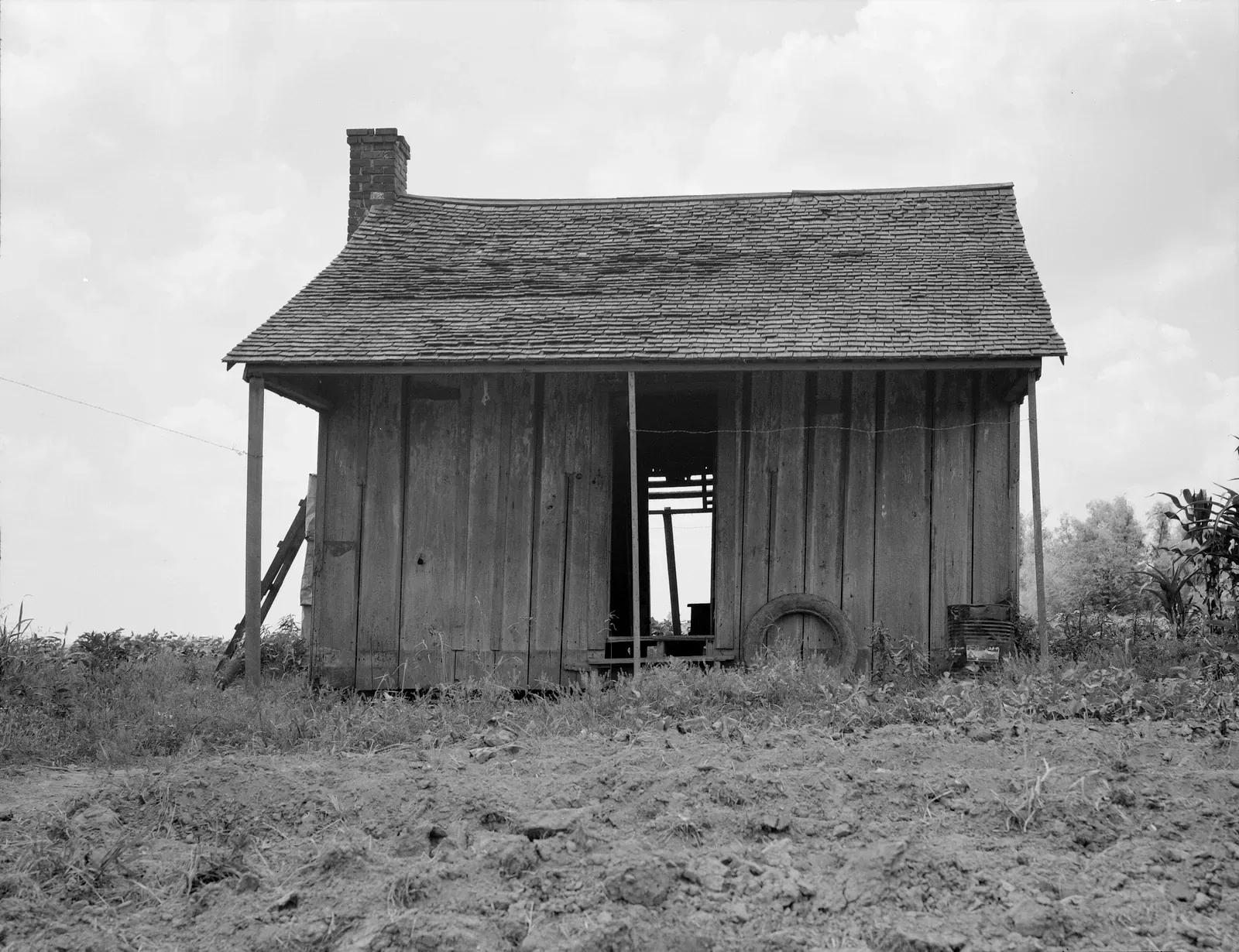
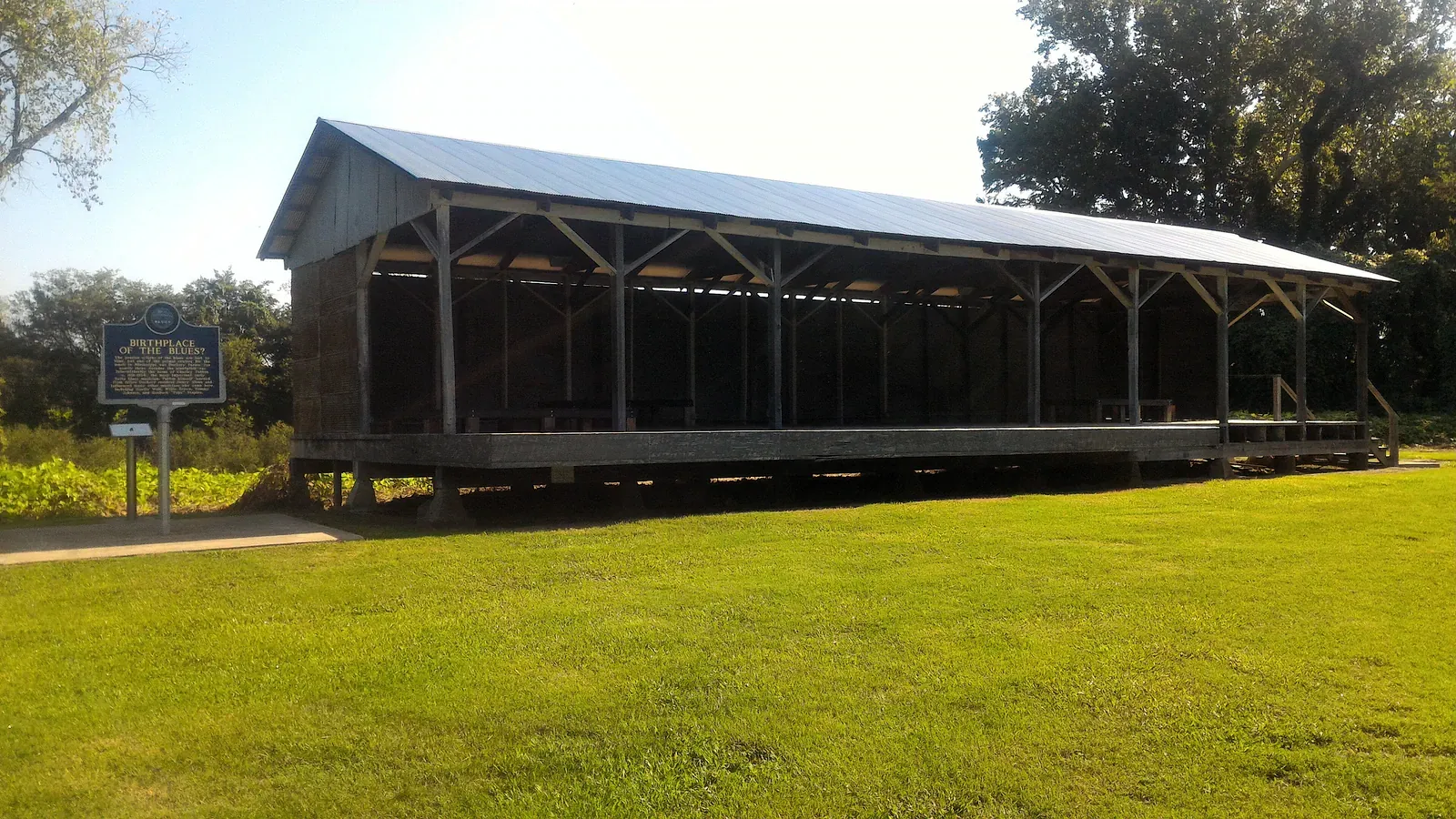
The Delta strand has a place name: Dockery Farms near Ruleville, Mississippi, where Charley Patton grew up and learned his trade. Patton cut 14 sides for Paramount at the Gennett studio in Richmond, Indiana, on 14 June 1929, and “Pony Blues” among them became the founding record of Delta blues. In 2006 it joined the US National Recording Registry.
Songsters and street corners
Before the record boom, the best players were songsters: musicians with a wide repertoire of blues, ballads, ragtime and dance tunes. Their job was to please a crowd, so a set could jump from a blues to a waltz. That mix is why country blues is looser than later band blues, and why it shares tunes with ragtime and with folk song.
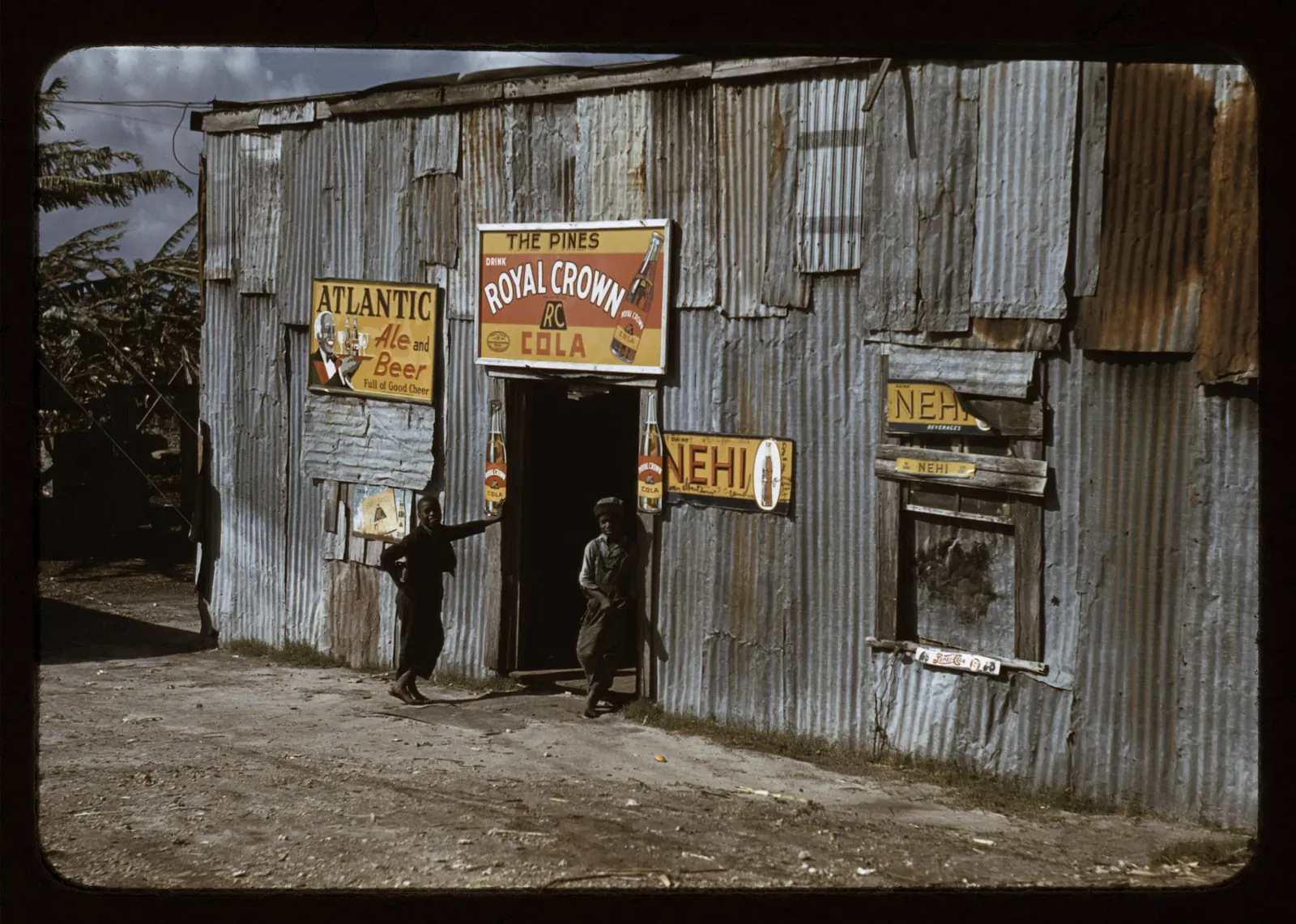
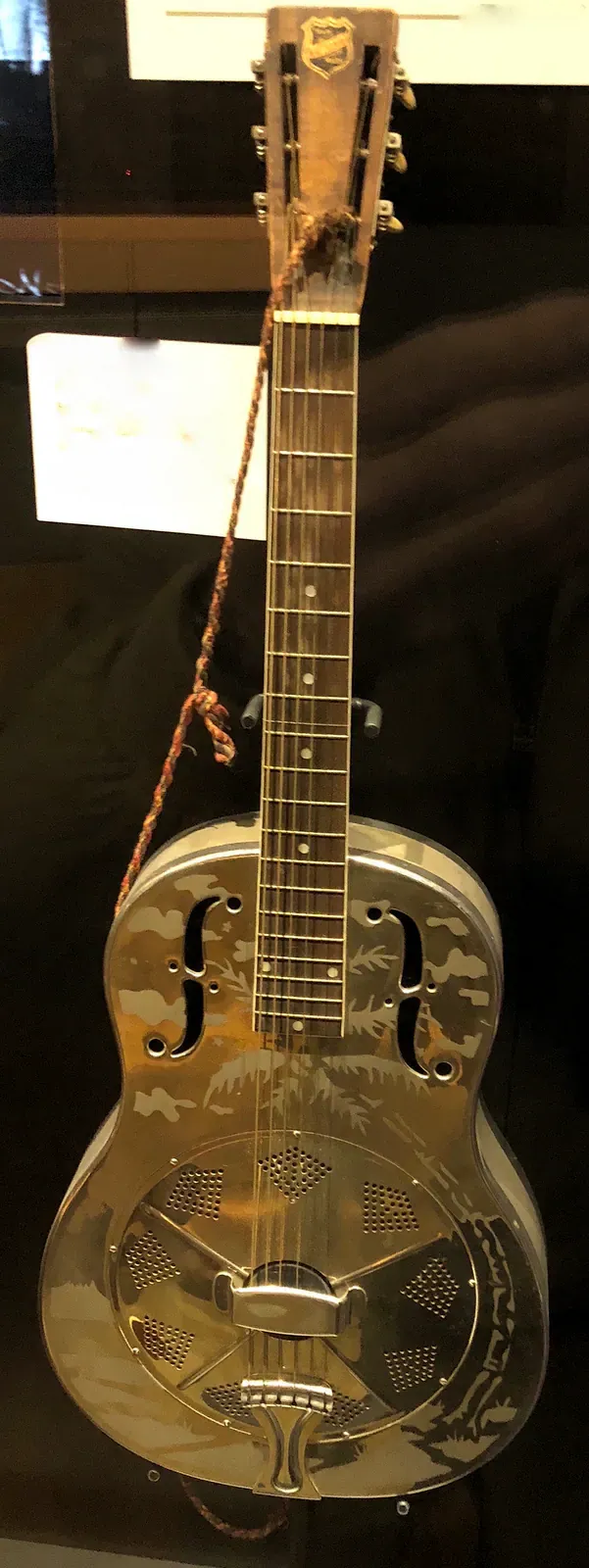
Players earned tips at dances and in juke joints, where a loud guitar was worth more than a subtle one. That need for volume helped sell the metal-bodied National resonator guitars of the late 1920s.
The race-record boom
The market opened in 1920, when Mamie Smith’s “Crazy Blues” sold to Black buyers for Okeh. Labels filed this music in a separate catalogue marketed by race, and in 1923 Okeh started sending mobile recorders to Atlanta, New Orleans and other cities. Players who would never have reached a New York studio were suddenly on disc. In August 1924 Papa Charlie Jackson recorded “Papa’s Lawdy Lawdy Blues” for Paramount, accompanying himself on a six-string banjo, the first commercially successful self-accompanied blues record by a man.
Blind Lemon Jefferson was the first country blues star. His 1926 records for Paramount sold strongly, and “Match Box Blues” became his best-known song. He died in Chicago in December 1929.
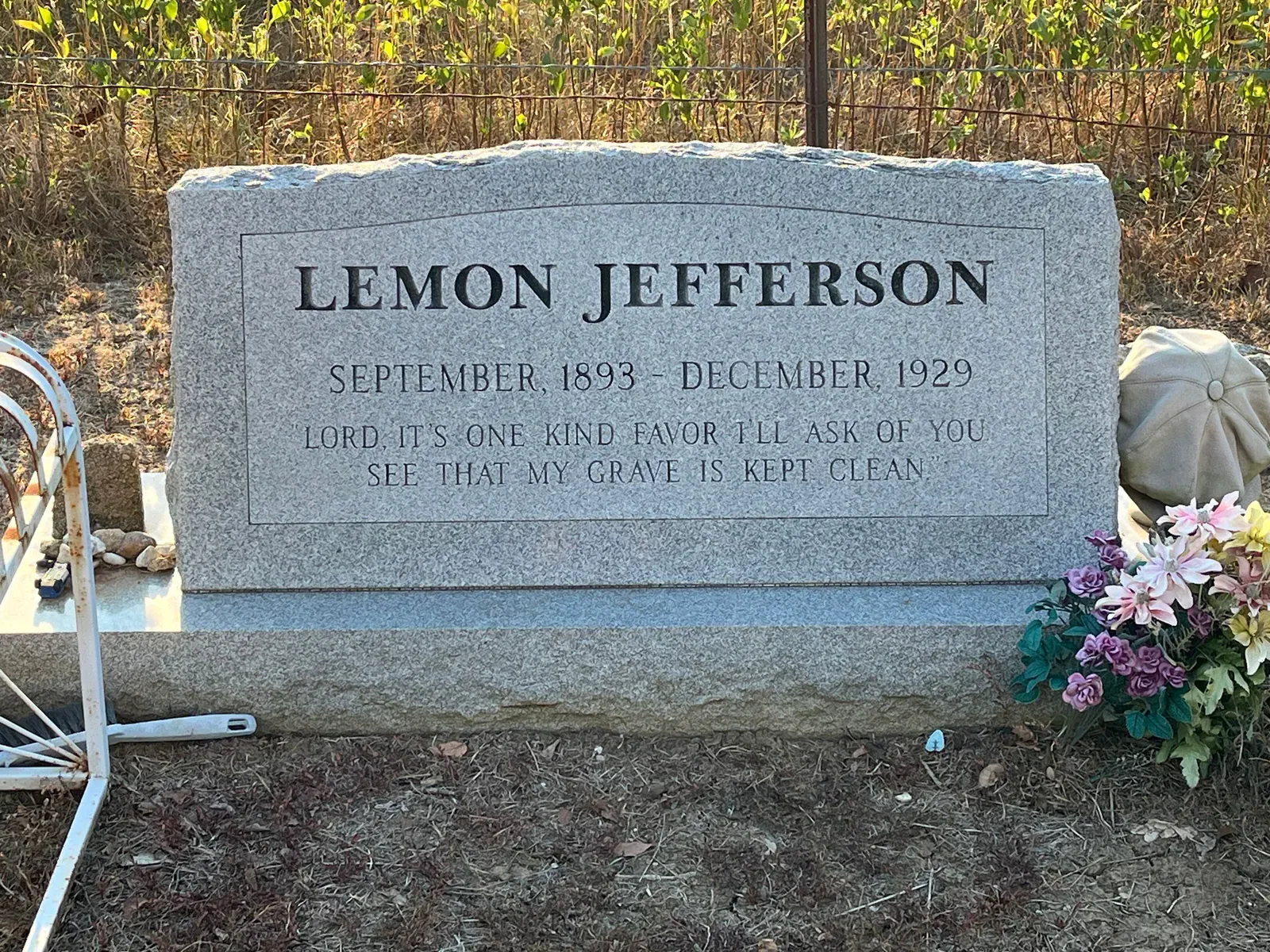
Others followed within a few years: Blind Blake’s ragtime picking in 1926, Blind Willie Johnson’s Dallas session in 1927, Blind Willie McTell’s twelve-string “Statesboro Blues” for Victor in 1928, Skip James at Paramount’s Grafton studio in 1931. Then the Depression hit, and Paramount, which held the biggest catalogue of early country blues, stopped recording in 1932.
Field recordings and the move to the city
With the labels gone, scholars took over. In 1933 John and Alan Lomax recorded Lead Belly at the Louisiana penitentiary at Angola for the Library of Congress, and he soon found a national audience. The Lomaxes’ trips captured work songs, hollers and blues that no company would have paid for.
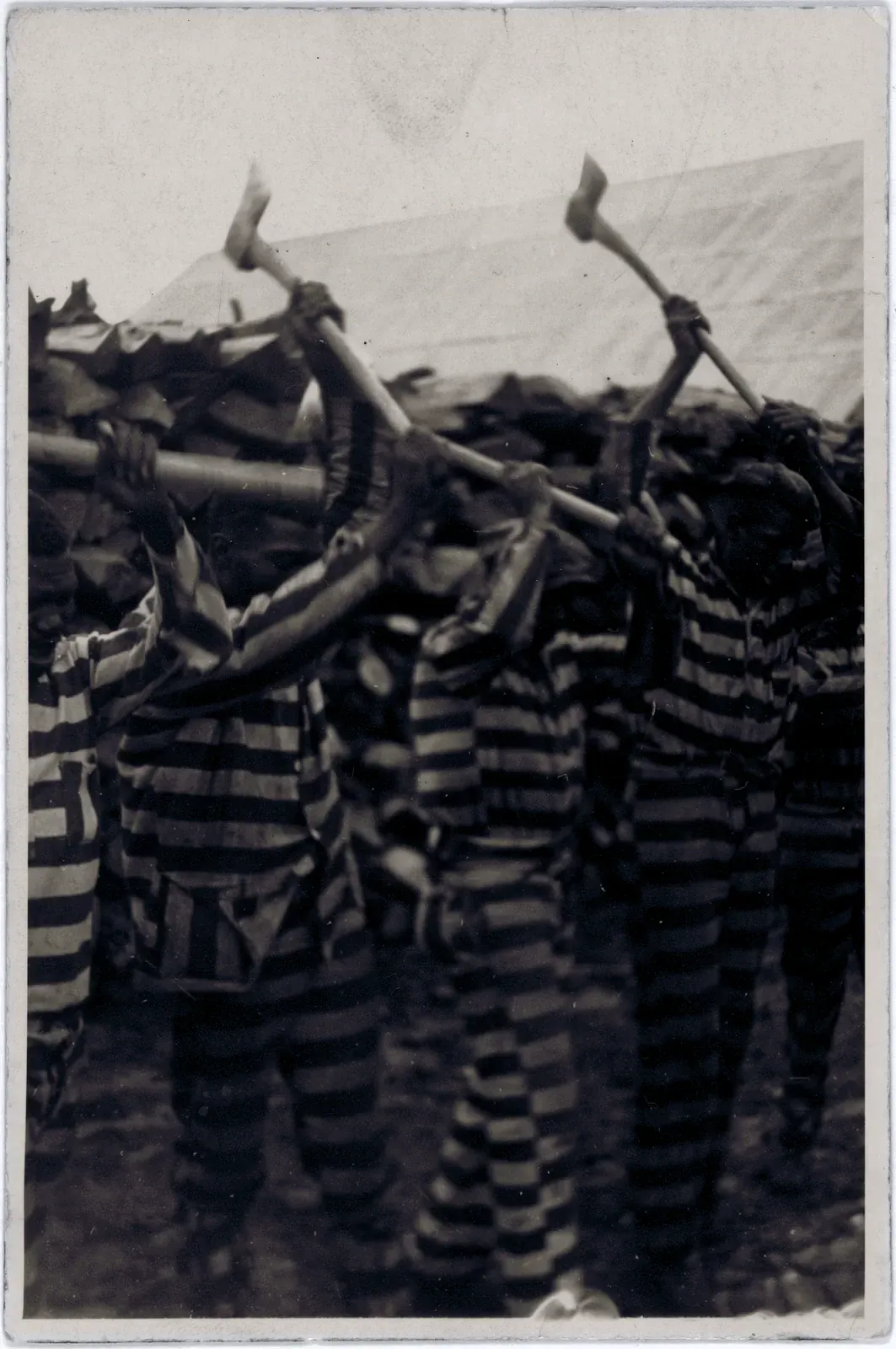
In 1941 Lomax applied the term “country blues” to this field material, which fixed the name in scholarship. Meanwhile Chicago was turning the blues electric, and Big Bill Broonzy, whose career centred on that city, moved between both worlds. Country blues survived as folk music and on a few small labels.
The folk revival rediscoveries
In 1952 Harry Smith’s Anthology of American Folk Music, issued by Smithsonian Folkways, put 1920s blues and country 78s in front of young listeners. Samuel Charters’ 1959 book The Country Blues and its companion LP gave the style a name and a canon for them. Collectors went looking for the men on the records.
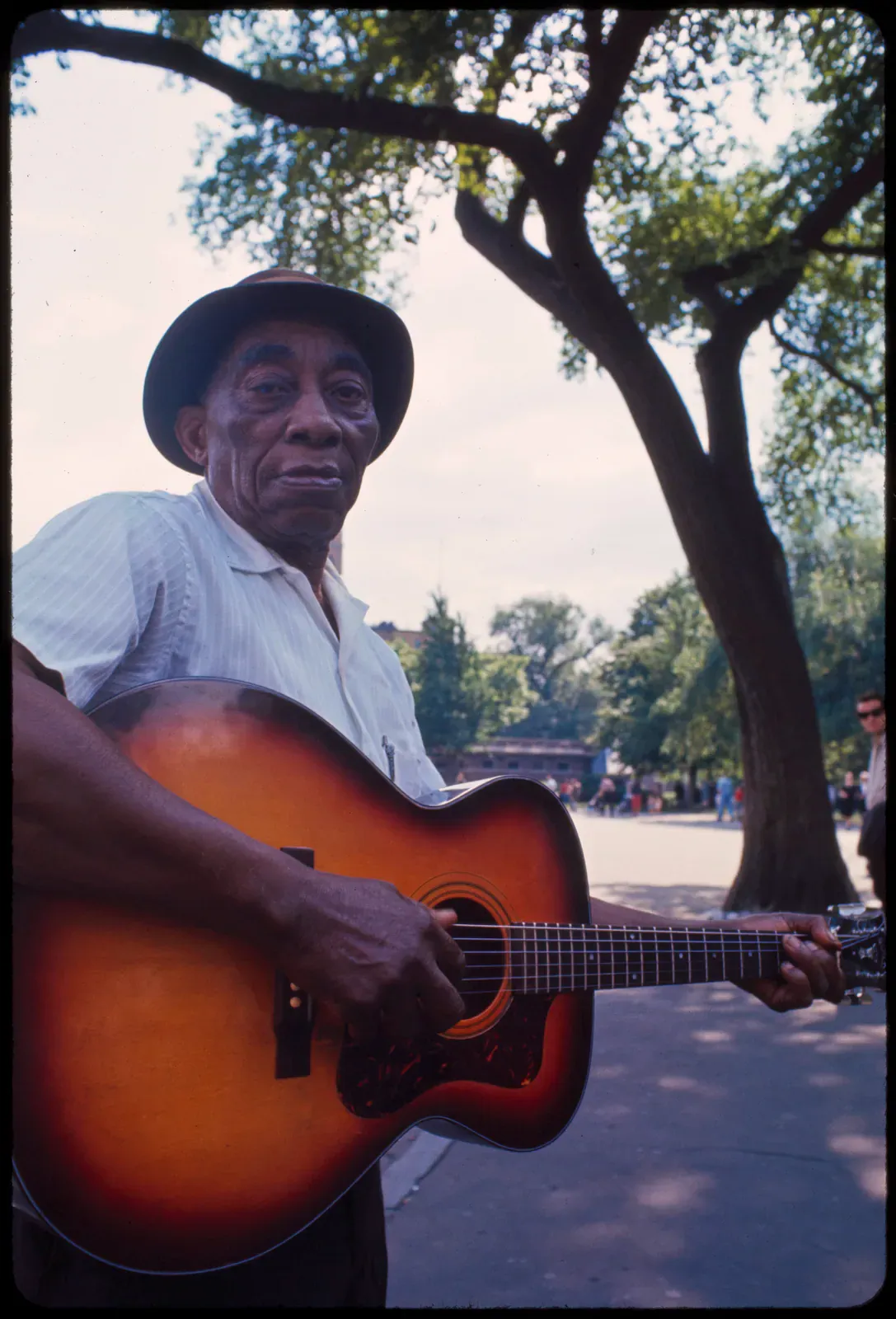
In 1963 Tom Hoskins found Mississippi John Hurt in Avalon. Hurt played Newport, recorded for Vanguard and died in 1966. In 1964 collectors located Skip James in a Tunica hospital and Son House in Rochester, and both went back on stage. House’s 1965 Columbia album Father of Folk Blues carried “Death Letter” to the folk audience.
Reissues and living tradition
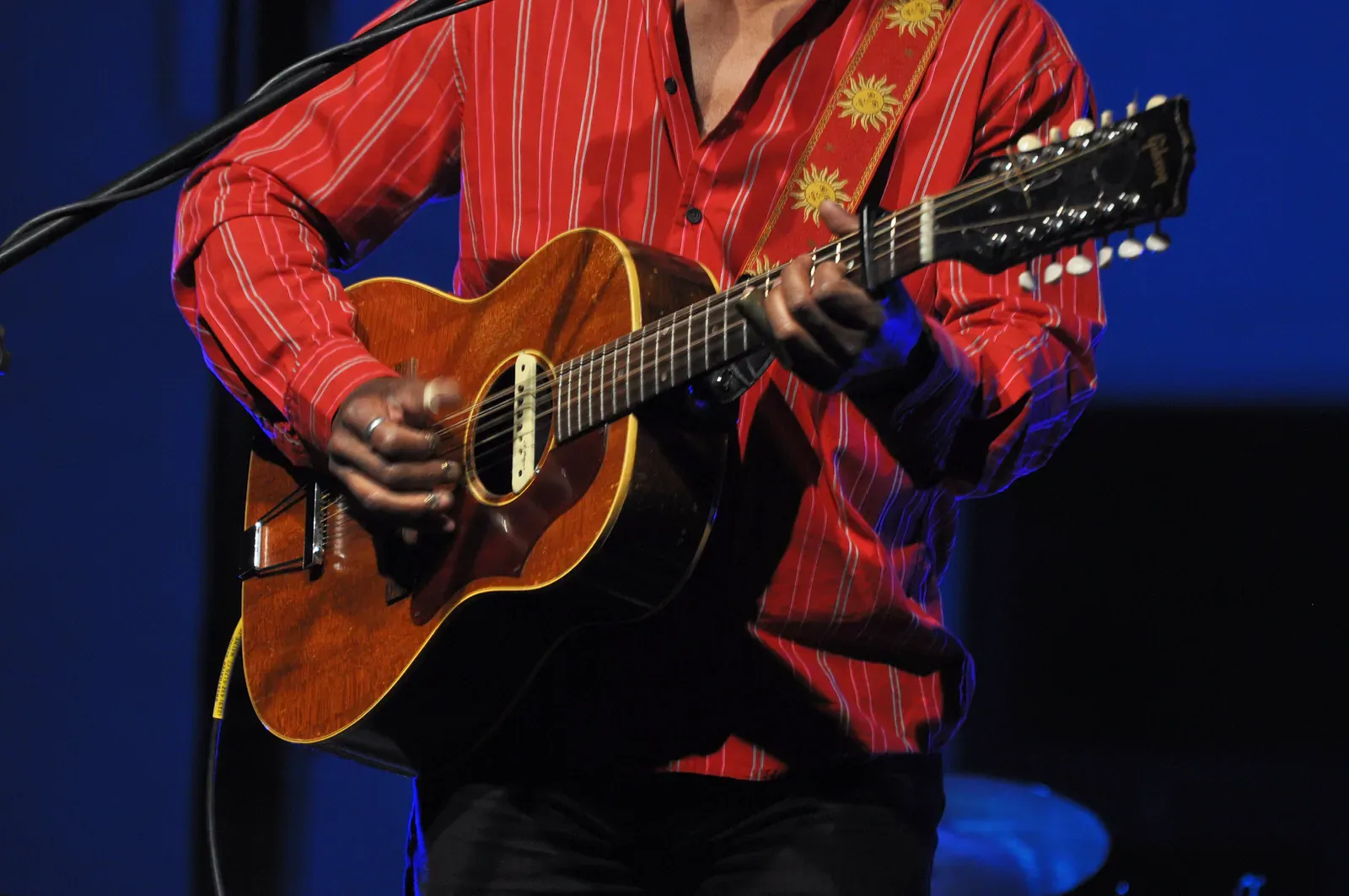
From 1968 Taj Mahal brought country blues songs such as “Statesboro Blues” to rock fans. Reissue labels then put the old 78s back in print, and Document Records began its pre-war blues series in 1986. In 2017 Taj Mahal and Keb’ Mo’ released TajMo, which won seven Blues Music Awards.
Mainstream success
Country blues reached the mainstream slowly and mostly through other people’s hands. The clearest crossover is “Goodnight Irene”: Lead Belly recorded it in 1933, and in 1950 The Weavers took their version to No. 1 on the Billboard best-sellers chart for 13 weeks. Rock musicians then rewrote the Delta repertoire, and Robert Johnson’s “Cross Road Blues”, recorded in San Antonio in 1936, became a guitarist’s set piece.
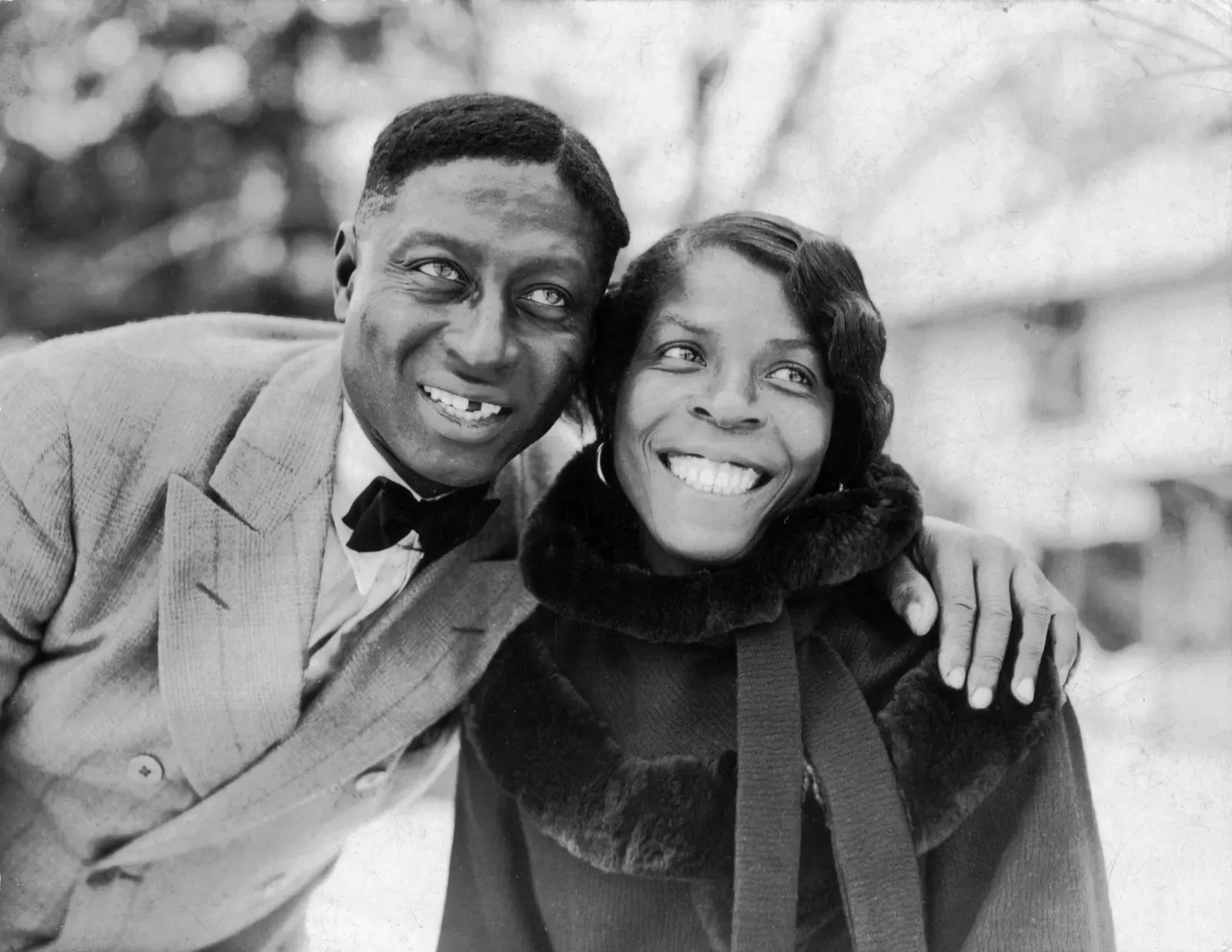
There was no single backlash. As Chicago went electric, the solo acoustic style lost ground, and it took the 1960s revival, driven by students and collectors, to restore its standing.
Notable recordings
“Dark Was the Night, Cold Was the Ground.” Blind Willie Johnson cut it for Columbia in Dallas in 1927: no words, just a moaned hum over slide guitar. NASA put it on the Voyager Golden Record in 1977.
“Avalon Blues.” Mississippi John Hurt recorded twenty songs in Memphis and New York for Okeh in 1928. They sold modestly and he went back to farming. Thirty-five years later the song led collectors to his door.
“Hard Time Killing Floor Blues.” Skip James sang it in falsetto over open D-minor tuning at Paramount in 1931. It sold poorly then and was later hailed as a classic.
Culture
Players worked streets, house parties and medicine shows, then went home to farms. Their music lived next to a church that often saw it as sinful: Son House was a preacher who first scorned the blues, and Blind Willie Johnson recorded gospel blues, so the line between sacred and secular was thin.
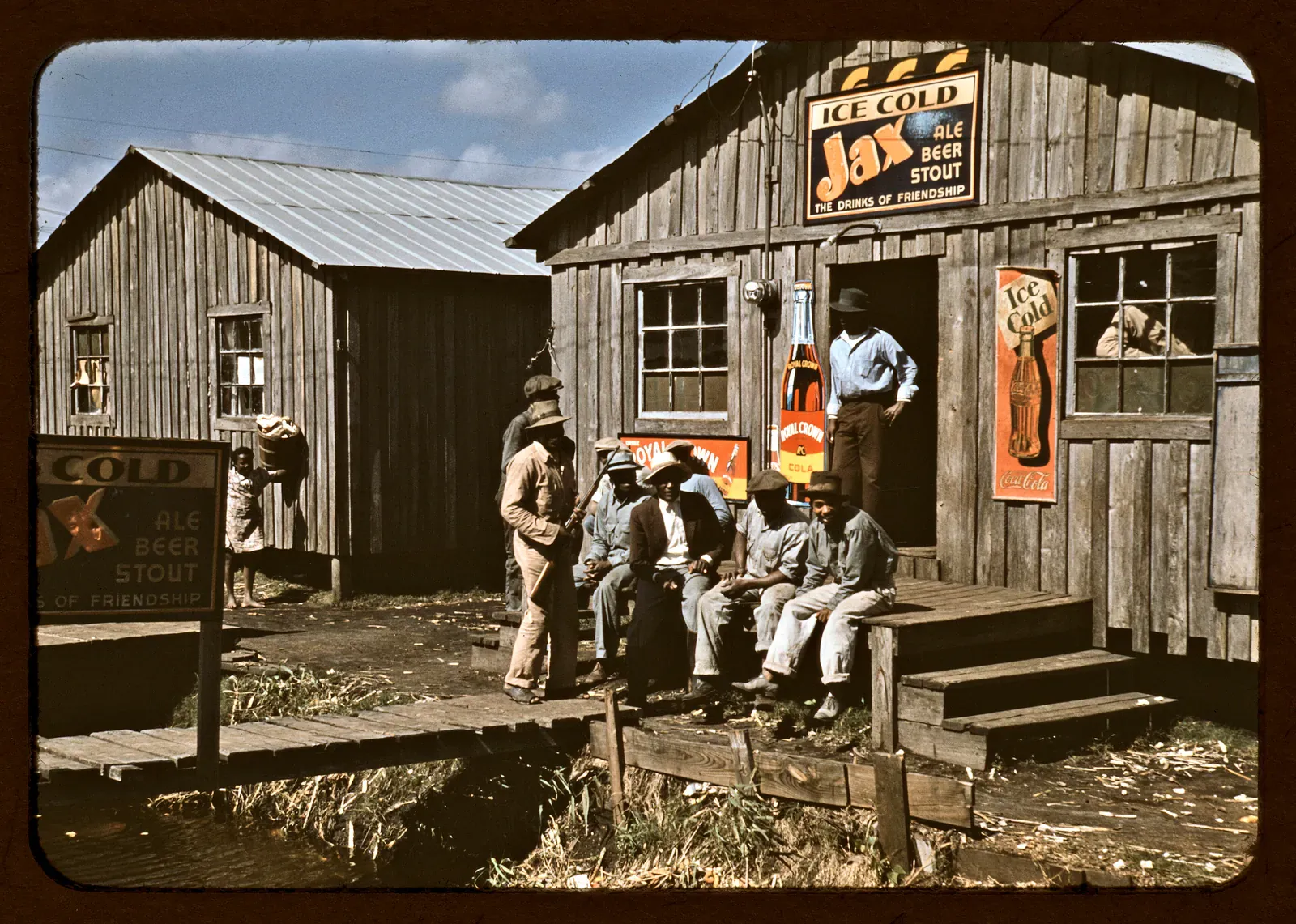
Labels sold the music through a separate race catalogue, which shaped what was recorded and who bought it. The crossroads legend, a folk story linking Robert Johnson’s skill to a deal with the devil, grew only after his death.
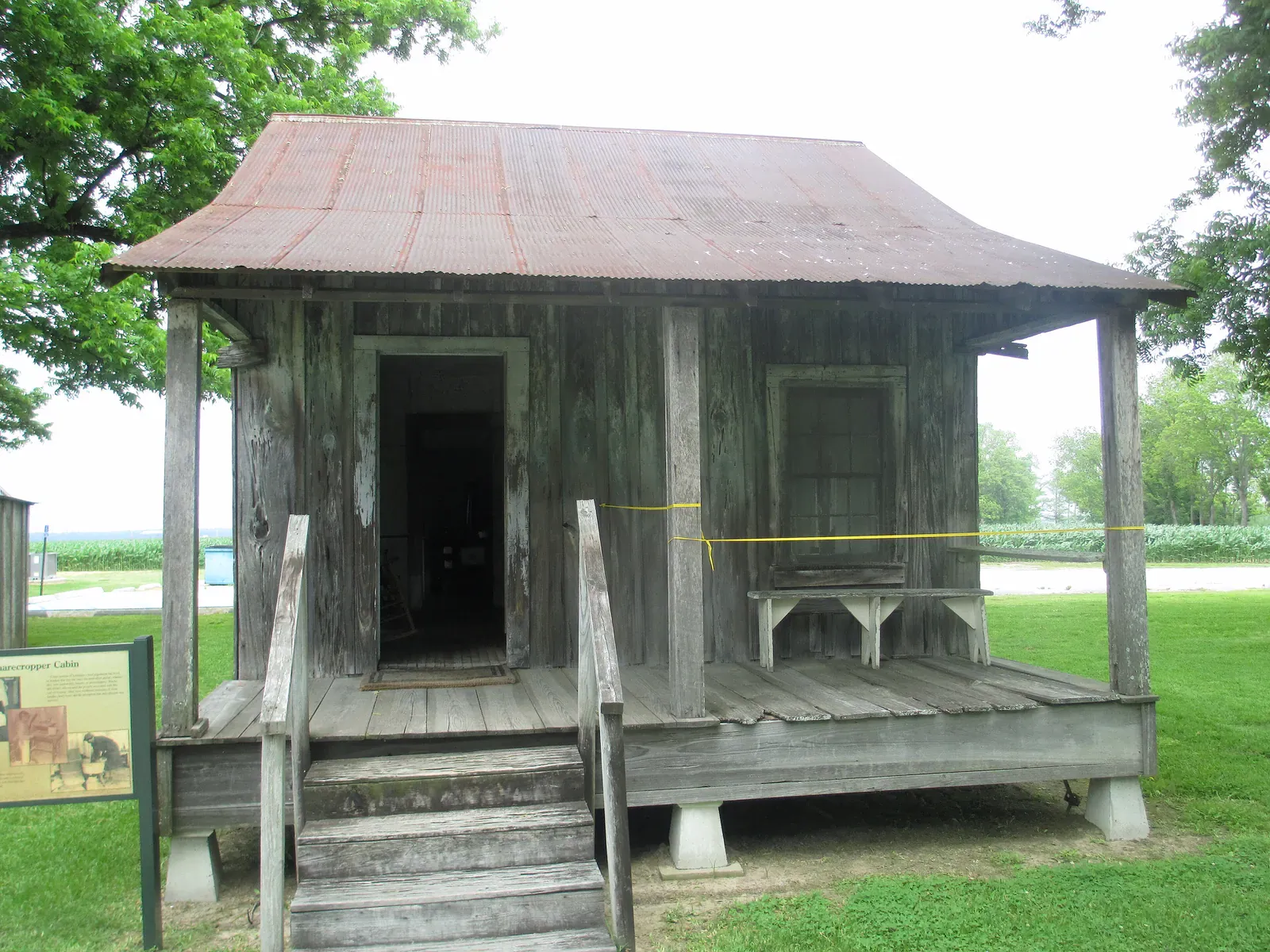
Misconceptions
It is only Delta blues. The Delta is one strand. Texas street singers like Jefferson, Atlanta’s twelve-string players like McTell and Piedmont fingerpickers such as Reverend Gary Davis worked in different styles, and Chicago and Grafton, Wisconsin, were recording hubs too.
Robert Johnson sold his soul and invented the form. The devil story is a folk legend that grew after his death. By then Charley Patton and Blind Lemon Jefferson had already made landmark records, and Johnson recorded only 29 songs.
The players were unknown until the revival. Jefferson sold in large numbers in the 1920s, and “Goodnight Irene” topped the pop chart in 1950. The 1960s revival rediscovered individual players, not the whole music.
Frequently asked questions
What is country blues?
Country blues is early solo blues, a singer with an acoustic guitar, made in the rural American South from about 1900 and first recorded in the 1920s. It is also called rural, acoustic, downhome or pre-war blues.
Who are the most important country blues artists?
Blind Lemon Jefferson, Charley Patton, Robert Johnson, Blind Willie McTell, Lead Belly, Mississippi John Hurt, Son House, Skip James, Big Bill Broonzy and Blind Blake. Each represents a different region and guitar style.
What is the difference between country blues and Delta blues?
Delta blues is one regional style within country blues, from the Mississippi Delta, known for slide guitar and driving rhythm. Country blues also covers Texas, Piedmont and other rural styles.
Where should I start with country blues?
Start with “Statesboro Blues” by Blind Willie McTell, “Cross Road Blues” by Robert Johnson and Lead Belly’s “Goodnight Irene”. Then try “Match Box Blues” and “Dark Was the Night, Cold Was the Ground”.
Is country blues still played today?
Yes. Taj Mahal has kept the acoustic style working since 1968, and his 2017 album with Keb’ Mo’ won seven Blues Music Awards. Reissue labels such as Document keep the 78s available.
Sound
Sound sheet
Anatomy of a track
| # | Part | Bars |
|---|---|---|
| 1 | Instrumental intro (guitar figure) | 4 |
| 2 | Verse 1 (AAB lyric) | 12 |
| 3 | Verse 2 | 12 |
| 4 | Verse 3 | 12 |
| 5 | Guitar break | 12 |
| 6 | Final verse | 12 |
| 7 | Tag ending | 2 |
Signature sounds
- AAB lyric: a line repeated, then answered
- Alternating thumb bass under melody
- Bottleneck slide and open tunings
- Irregular bar lengths, since a solo player can hold or cut a bar
- Guitar answering the voice at the end of each line
- Spoken asides, moans and falsetto
Techniques
- Alternating thumb bass
- Bottleneck and knife slide
- Irregular bar and phrase lengths
Tuning
Open tunings, chiefly Vestapol (open D) and Spanish (open G)
Vocals
Rough, sometimes archaic-sounding voice with falsetto, moans and wavering pitch
Scenes
Where it happened
Where and when the sound lived: one bar per city on a shared timeline.
North America
Active scenes
Peak 6, 1930
Blind Willie Johnson cut his Columbia sides here from 1927, in the Texas street-singer tradition of Blind Lemon Jefferson.
Charley Patton grew up on nearby Dockery Plantation, the training ground of the Delta style.
Okeh and Victor field sessions and the street scene of Blind Willie McTell made Atlanta a hub of Piedmont country blues.
One of the two cities where Mississippi John Hurt recorded for Okeh in 1928.
Paramount sessions, Maxwell Street busking and Big Bill Broonzy's career centred on the city.
Paramount's Wisconsin studio, where Son House and Skip James recorded.
Reverend Gary Davis built his Piedmont fingerstyle reputation here before moving to New York in 1944.
The Newport Folk Festival introduced Hurt, James and Davis to the revival audience.
Venues and places
Grafton, 1929 to today. Built in 1929 in Wisconsin; Son House and Skip James recorded for Paramount around it.
Richmond, 1929 to today. Charley Patton cut 14 sides here on 14 June 1929 for Paramount.
Chicago, 1920 to today. Papa Charlie Jackson busked at this open-air market in the 1920s and 1930s.
Angola, 1933 to today. Where John and Alan Lomax recorded Lead Belly for the Library of Congress in 1933.
Newport, 1959 to today. Reverend Gary Davis played in 1959, Mississippi John Hurt in 1963 and Skip James in 1964.
Culture
Culture markers
- Street corners and medicine shows
Players such as Papa Charlie Jackson and Blind Willie McTell worked streets and medicine shows before and after recording.
Ritual - House parties and juke joints
Guitarists played dances for tips in homes and country bars, where loud slide and driving bass mattered.
Ritual - Race records
Labels filed Black music in a separate catalogue marketed by race, shaping what was recorded and who bought it.
Slang - Sacred versus secular
Son House was a preacher who first scorned the blues, and Blind Willie Johnson recorded gospel blues.
Ritual - The crossroads legend
A folk story tying Robert Johnson's skill to a deal with the devil at a crossroads grew after his death.
Ritual
Media
Key media
- 1952Anthology of American Folk Music
by Harry Smith. A Folkways set of 1920s and 1930s records that sparked the hunt for Mississippi John Hurt and others.
Compilation - 1959The Country Blues
by Samuel Charters. The first history of the style, with a Folkways LP, and a spark for the revival.
Book - 1981Deep Blues
by Robert Palmer. A travelogue and history of Mississippi Delta blues from Patton to Muddy Waters.
Book - 1986Crossroads
by Walter Hill. A feature film built on the Robert Johnson legend, with Ry Cooder's score.
Film - 1993The Land Where the Blues Began
by Alan Lomax. The folklorist's account of his Delta field recording trips.
Book - 2003Martin Scorsese Presents the Blues
by Various. A seven-film PBS series that includes work on the country blues roots.
Film
Glossary
Terms on this page
A glass or metal tube or knife worn on a finger and slid along the strings.
A recording made on location, such as the Lomax sessions in Southern prisons and farms.
Plucking with the thumb and fingers so one guitar carries bass, rhythm and melody at once.
Tuning the strings to a chord, as in the open D-minor of Skip James, to suit slide or droning bass.
The industry label for records aimed at Black buyers from the 1920s, including most early country blues.
The 1960s search that found forgotten 1920s players and put them back on stage.
A rural musician with a wide repertoire of blues, ballads, ragtime and dance tunes, such as Henry Thomas.
Blues family