Piano blues
Piano blues is blues in which one pianist plays bass, chords and melody, formed in barrelhouses and work camps and recorded from 1928 by Carr, Sykes and Slim.
East Texas piney woods, 1900
Blues family
Born
1900
East Texas piney woods
Subgenres
3
Documented branches
Links
7
Genres it drew on or shaped
Tempo
70-100 BPMLineage
Family tree
Grew out of
Influenced by
East Texas piney woods, 1900
Piano blues
Led to (3)
Timeline
Era by era
From the first sparks to today. Select a dot to read the story behind it.
- Camps, joints and rent parties
1900 to 1927
- City pianists on record
1928 to 1941
- Postwar bands in Chicago
1942 to 1959
- Revival and European stages
1960 to today
Eras
Moments
- 1 Camps, joints and rent parties, 1900 to 1927
- 2 City pianists on record, 1928 to 1941
- 3 Postwar bands in Chicago, 1942 to 1959
- 4 Revival and European stages, 1960 to today
around 1900
Camps, joints and rent parties
Pianists played barrelhouses, lumber and turpentine camps and house parties across the South and Midwest, learning by ear and mixing blues with ragtime, waltz and jazz before the first records.
1928
City pianists on record
Vocalion, Okeh, Decca and Bluebird recorded St. Louis, Indianapolis and Chicago players. Pinetop Smith, Leroy Carr and Roosevelt Sykes fixed the sound of the solo pianist and the piano and guitar duo.
- 1928Pine Top's Boogie WoogieClarence Pinetop Smith records it for Vocalion in Chicago on 29 December; the first record with boogie woogie in its title.
- 1928Leroy Carr's How Long, How Long BluesCarr and guitarist Scrapper Blackwell cut the first hit of the piano and guitar duo for Vocalion.
- 1929Roosevelt Sykes records 44 BluesSykes makes his first records in New York on 14 June; 44 Blues becomes his signature song.
- 1929Speckled Red's The Dirty DozensRufus Perryman records the insult-trading barrelhouse hit for Brunswick in Memphis.
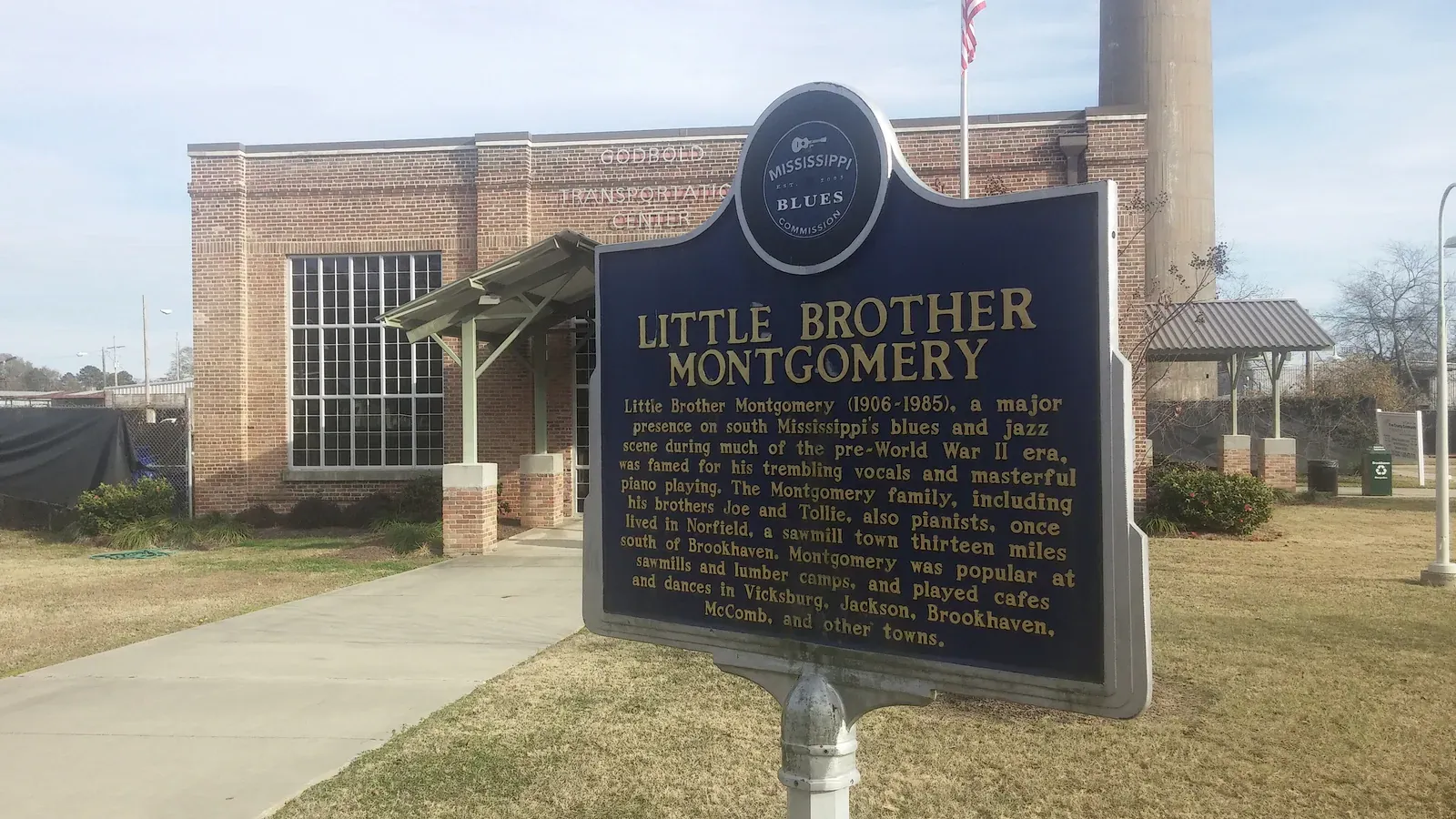
- 1930Little Brother Montgomery's Vicksburg BluesThe Louisiana-born pianist makes his first records in Chicago, including Vicksburg Blues.
- 1934Sykes signs with DeccaRoosevelt Sykes signs with Decca in Chicago and becomes a sought-after session pianist.
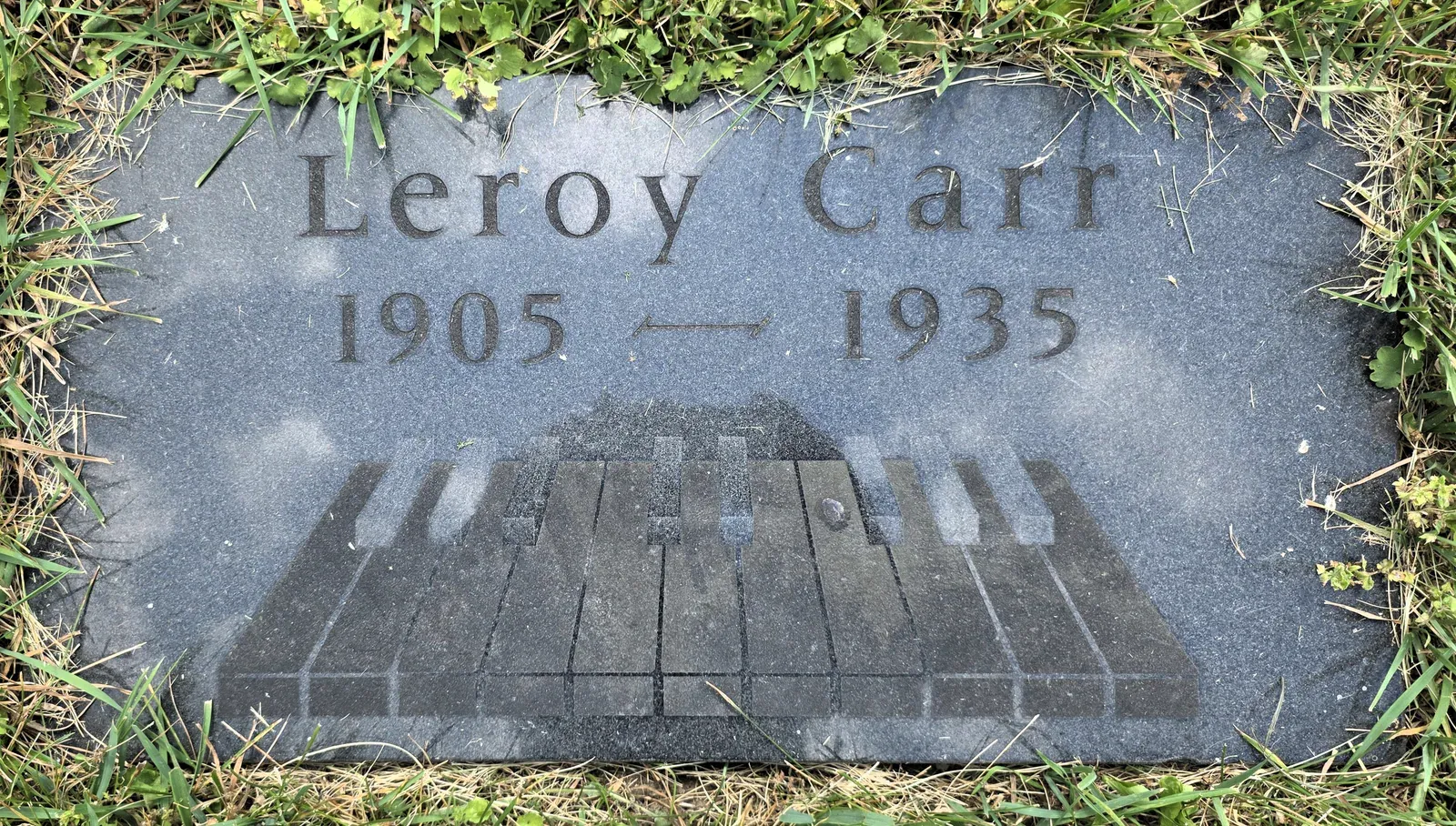
- 1935Leroy Carr diesCarr dies on 29 April, ending a prolific recording career that began in 1928.
- 1941Big Maceo's Worried Life BluesBig Maceo Merriweather's first record for Bluebird becomes a blues standard and a Chicago piano benchmark.
1942
Postwar bands in Chicago
Pianists such as Memphis Slim and Roosevelt Sykes led horn-backed combos, and Otis Spann became the piano of the Muddy Waters band as electric guitars took over the clubs.
- 1946Memphis Slim forms the House RockersSlim signs with Miracle in the fall and records Rockin' the House, which names his horn-backed band.
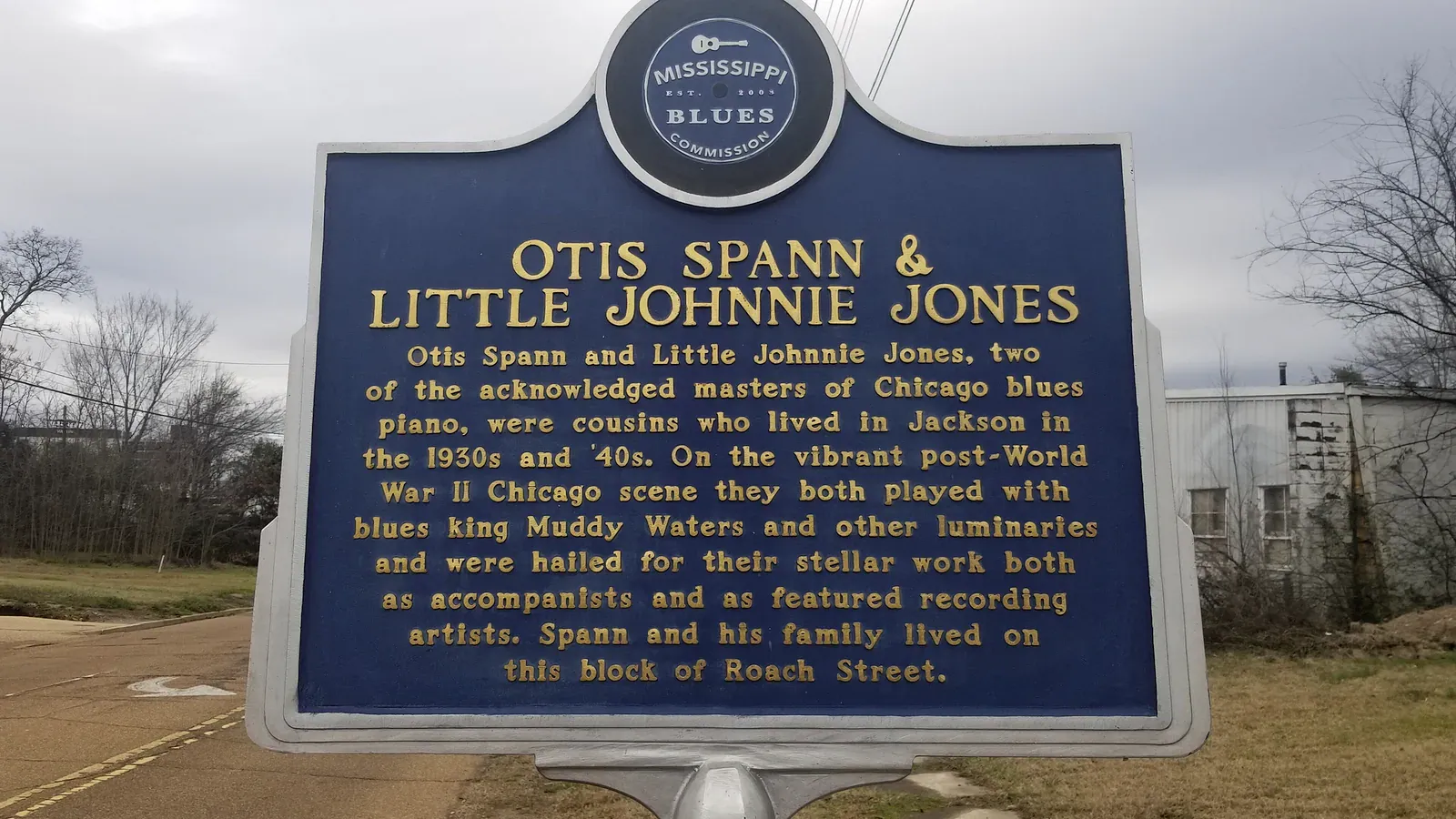
- 1952Otis Spann joins Muddy WatersSpann becomes Muddy Waters's pianist in late 1952 and records with the band from 1953.
1960
Revival and European stages
The folk revival brought older pianists to festivals and small labels. Memphis Slim settled in Paris in 1962, and Sykes, Montgomery and Spann recorded for Delmark, Candid and other revival-era labels.
- 1961Otis Spann Is the BluesSpann's first solo album, recorded in New York in 1960, appears on Candid Records in January.
- 1962Memphis Slim moves to ParisSlim settles permanently in Paris after touring Europe with Willie Dixon.
Listening path
Start listening
A short path from an easy way in to the deep end. Thumbnails come from YouTube; the player loads only when you press play.
- 01
Leroy Carr, 1928
Listen for the unhurried voice and the steady piano line with guitar answers.
- 02
Roosevelt Sykes, 1929
Hear the strong left-hand beat under a restless right hand.
- 03
Pinetop Smith, 1928
Spoken dance instructions over a rolling bass: the barrelhouse floor on record.
- 04
Little Brother Montgomery, 1960
A trembling vocal and a sparse piano from a lumber-camp veteran.
- 05
Otis Spann, 1960
The Chicago standard with a postwar pianist's heavy touch.
Facts
| Family | Blues |
| Origin | East Texas piney woods, United States |
| Emerged | 1900s to 1930s |
| Status | Active |
| Tempo | 70 to 100 BPM |
| Subgenres | 2 |
Piano blues is blues in which the piano carries the bass, the chords and the melody, with the left hand keeping a steady bass line while the right hand improvises.
It took shape in the first decades of the twentieth century in barrelhouses, juke joints, work camps and rent parties of the South and Midwest, and reached records from 1928. It is the piano branch of the blues family, related to boogie-woogie and urban blues.
Origins
The earliest piano blues is undocumented, so its history rests on the recollections of the players. A barrelhouse was originally a rough joint where liquor was served from the barrel, and the word came to name the loud, percussive piano played there. Popular accounts tie the heavy, driving left hand to the need to be heard over dancers and drinkers.
Many players learned by ear and moved along a circuit of camps. Roosevelt Sykes went on the road at fifteen, playing barrelhouse piano to all-male crowds in sawmill, turpentine and levee camps along the Mississippi. Little Brother Montgomery left home at eleven and spent four years in barrelhouses in Louisiana, later working lumber and turpentine camps in Louisiana, Arkansas and Mississippi.
Ragtime shaped the style, and its first teachers mixed idioms freely. Leothus “Pork Chop” Lee Green played piano in a West Helena theatre for silent films, drawing on blues, ragtime, waltz and jazz, and is thought to have taught Sykes to play separate but complementary bass and treble rhythms. That split between a timekeeping left hand and a free right hand is the core of the genre. Clarence Pinetop Smith said he first played his best-known tune at a house-rent party in St. Louis.
Records and city pianists, 1928-1941
The first records came from pianists who had left the camps for cities. On 29 December 1928 Pinetop Smith recorded “Pine Top’s Boogie Woogie” for Vocalion in Chicago, speaking dance instructions over a rolling bass. Smith was shot dead in a Chicago dance hall in March 1929, the day before a second session.
Leroy Carr offered a different model. Born in Nashville and raised in Indianapolis, he taught himself piano and recorded “How Long, How Long Blues” in 1928 with the guitarist Scrapper Blackwell. His light, relaxed singing and the piano and guitar pairing appealed to a sophisticated city audience and made the duet a template. Carr recorded prolifically until his death on 29 April 1935.
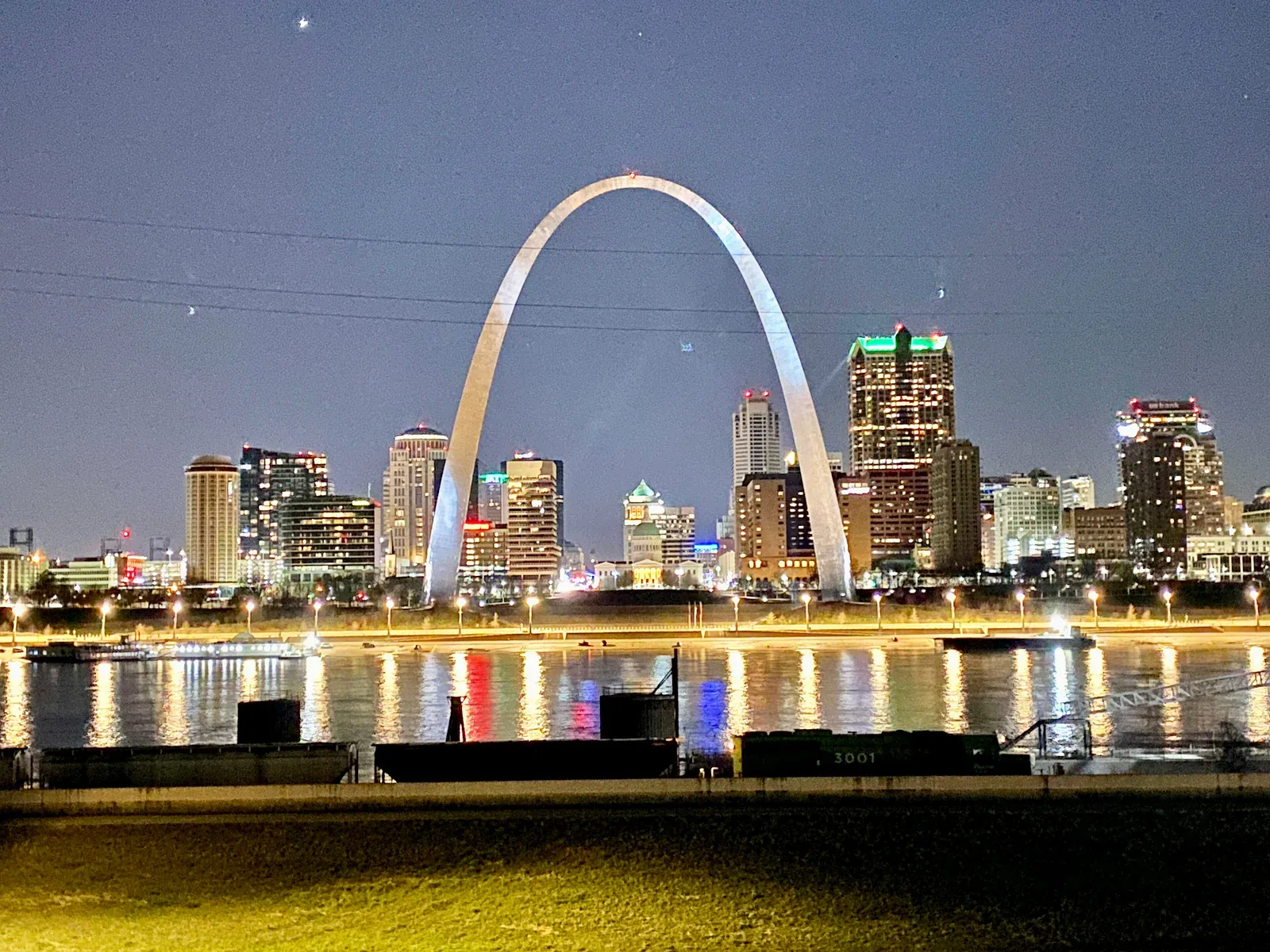
Roosevelt Sykes came out of St. Louis, where his family lived by 1909. After years in the camps and at Katy Red’s barrelhouse in East St. Louis, he was sent to New York in 1929 by a talent scout and recorded “44 Blues” for Okeh. He then worked under pseudonyms for several labels, signed with Decca in Chicago in 1934 and recorded “Driving Wheel Blues” in 1936. St. Louis was a wide-open city for pianists: Speckled Red, born in Georgia, recorded “The Dirty Dozens” for Brunswick in Memphis in 1929 and later played taverns in St. Louis, and Sykes befriended the singer and songwriter St. Louis Jimmy Oden.
Montgomery made his first records in Chicago in 1930, including “Vicksburg Blues”. In 1941 Big Maceo Merriweather, introduced by Tampa Red to the producer Lester Melrose, recorded “Worried Life Blues” for Bluebird, a hit and a standard. His style drew on Carr and Sykes and on the boogie of Meade Lux Lewis and Albert Ammons, and it influenced practically every significant postwar blues pianist. Champion Jack Dupree, born in New Orleans and named for his early boxing career, recorded “Junker Blues” in 1941.
Chicago and the band era, 1942-1959
After the war the solo pianist became a bandleader. Roosevelt Sykes formed The Honeydrippers in 1943, a band that sometimes had twelve musicians, among them many of Chicago’s best horn players. Memphis Slim, born John Len Chatman in Memphis, settled in Chicago in 1939 and worked with Big Bill Broonzy. After recording for Bluebird in 1940 and 1941 he began leading groups with saxophones, bass and drums, reflecting the appeal of jump blues. In the fall of 1946 he signed with Miracle and recorded “Rockin’ the House”, the title that named his band, the House Rockers. “Messin’ Around” reached number one on the rhythm and blues chart in 1948.
Otis Spann moved to Chicago in 1946 and was mentored by Big Maceo. He became Muddy Waters’s pianist in late 1952 and played on the band’s records from 1953, including “Hoochie Coochie Man”, “I’m Ready” and “Got My Mojo Working”, staying until 1968. As electric guitars took over the Chicago clubs, Sykes left for New Orleans in 1954, a sign of how the guitar band displaced the pianist as the centre of the sound.
Revival and Europe, 1960 onward
The folk revival gave older pianists a second audience. Sykes moved back to Chicago in 1960 and recorded for Delmark, Bluesville, Storyville and Folkways, labels documenting a fast-disappearing tradition. Spann’s “Otis Spann Is the Blues”, recorded in New York in 1960, came out on Candid in January 1961. Montgomery, discovered by a wider audience in the late 1950s, toured Europe and from 1969 issued records on his own label, FM.
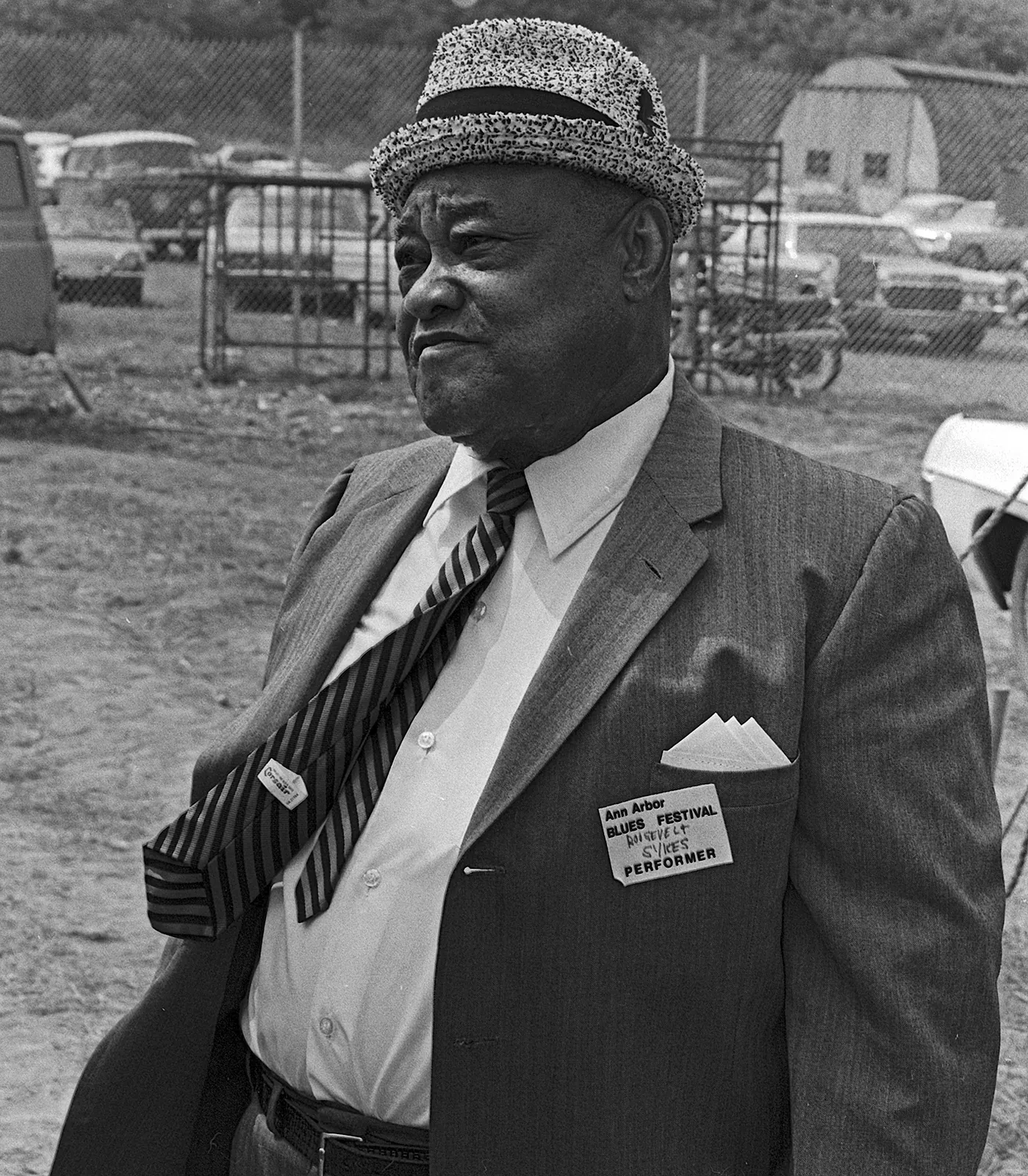
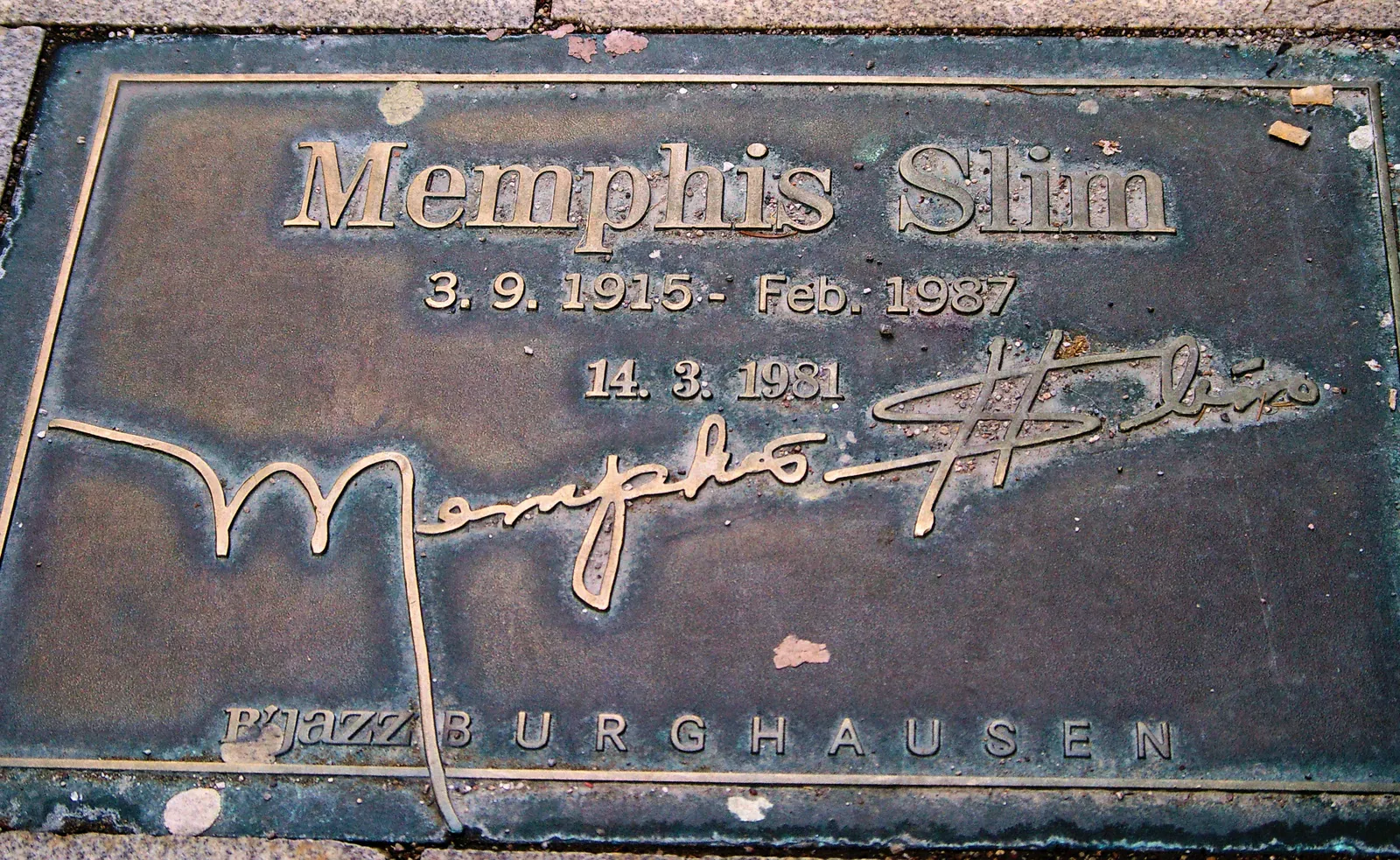
Memphis Slim first appeared outside the United States in 1960, touring with Willie Dixon, and moved permanently to Paris in 1962. The festival at Ann Arbor named its site Otis Spann Memorial Field in 1970, the year Spann died.
Characteristics
Roosevelt Sykes is the clearest model of the method. His left hand played a strong bedrock bass, often single repeated notes on the beat, while his right hand roamed the keyboard with great rhythmic complexity. He used the piano as a lead instrument rather than as part of a rhythm section, and the style worked alone or with a band. Most pieces keep to twelve-bar choruses on the three basic blues chords, although some of Sykes’s later songs use an eight-bar pattern.
Slow and medium blues dominate. Speckled Red played slow blues more often than boogie, and Sykes shone on slow and moderately paced pieces, although he could play breakneck boogies.
Mainstream success
Piano blues rarely topped general charts, and its widest reach came through its songs. “Every Day I Have the Blues”, first cut by Memphis Slim in 1947 and issued in 1949, was recorded by B. B. King, Elmore James, Ray Charles and many others. “Mother Earth”, recorded in 1951, gave its name to a 1960s San Francisco band. “How Long, How Long Blues” and “44 Blues” became standards.
Notable recordings
“44 Blues” was Sykes’s first release and his signature piece. He said he began making records on 14 June 1929 and that the first number was a hit. The separate bass and treble rhythms that Green taught him sit at its centre.
“The Dirty Dozens” brought a barrelhouse game onto record. Speckled Red sang elaborate, earthy exchanges of insults, called the dozens, and the record is considered in some respects a precursor of rap. The follow-up the next year was far less successful.
Culture
The setting shaped the music. Rent parties, where guests paid to help the host cover the rent, supplied work for pianists such as Montgomery in Chicago. Pianists took stage names: Sykes was the Honeydripper, a nickname that came from a 1929 session with the singer Edith Johnson, and Clarence Smith was Pinetop because he liked climbing trees as a child.
Legacy
Carr’s singing style reached Nat King Cole and Ray Charles, and the dance calls on Pinetop Smith’s record echo in later songs such as “Mess Around” and “What’d I Say”. The style grew partly from ragtime, and later piano rock drew on it in turn. Spann’s work with Muddy Waters is a bridge to electric blues.
Misconceptions
One myth credits “Pinetop’s Boogie Woogie” to the singer and pianist Pinetop Perkins. The song was recorded by Clarence Pinetop Smith on 29 December 1928 and released by Vocalion in March 1929; the confusion arises from the shared nickname.
Another holds that piano blues is simply boogie-woogie. Boogie-woogie is a fast, repeating-bass dance style within the wider tradition, while Speckled Red played slow blues more often than boogie, and Sykes shone on slow and moderately paced blues.
A third claims electric guitars ended the piano’s role. Players moved into bands and onto records rather than disappearing: Spann stayed with Muddy Waters until 1968, and Sykes, Montgomery and Memphis Slim recorded and toured through the revival.
Frequently asked questions
What is piano blues?
Piano blues is blues played with the piano as the main or only instrument, covering bass, chords and melody. The left hand keeps a steady bass line while the right hand improvises, and the forms are usually twelve bars, sometimes eight.
How does piano blues differ from boogie-woogie?
Boogie-woogie is an up-tempo dance style built on a repeating left-hand figure. Piano blues is the wider tradition, which includes slow and medium blues sung over the same piano, and boogie-woogie grew alongside it.
Who are the major piano blues artists?
Leroy Carr, Roosevelt Sykes, Memphis Slim, Otis Spann and Little Brother Montgomery are the leading figures, together with Pinetop Smith, Speckled Red and Big Maceo Merriweather. They recorded between 1928 and the 1970s.
Sound
Sound sheet
Anatomy of a track
| # | Part | Bars |
|---|---|---|
| 1 | Twelve-bar chorus | 12 |
| 2 | Eight-bar chorus | 8 |
Signature sounds
- Left hand keeps a steady bass while the right hand roams
- Twelve-bar form, with some eight-bar pieces
- Spoken dance calls over rhythmic breaks
- Piano and guitar duets
Techniques
- Independent left-hand bass
- Rhythmic right hand
- Singing ahead of the piano
- Piano and guitar duet
Keys and modes
Blues scale with blue notes. Flattened thirds, fifths and sevenths colour the melody and the voice.
Vocals
Sung blues verses, from Carr's relaxed crooning to Sykes's big voice and vibrato.
Scenes
Where it happened
Where and when the sound lived: one bar per city on a shared timeline.
North America
Europe
Active scenes
Peak 5, 1962-2025
A wide-open city of barrelhouses and rent parties home to Roosevelt Sykes, Speckled Red and St. Louis Jimmy Oden.
Leroy Carr's base, where he and Scrapper Blackwell began recording for Vocalion.
Recording centre for Pinetop Smith, Little Brother Montgomery, Memphis Slim and Otis Spann.
Roosevelt Sykes moved here in 1954 and returned in the late 1960s to play clubs.
Memphis Slim's home from 1962 and a base for his European touring.
Culture
Culture markers
- House-rent parties
Pianists such as Little Brother Montgomery in Chicago played private parties that raised rent money.
Ritual - Spoken dance calls
Pinetop Smith told dancers on his 1928 record when to stand still and when to shake.
Dance - Stage nicknames
Players took names such as the Honeydripper (Roosevelt Sykes) and Pinetop (Clarence Smith).
Slang
Glossary
Terms on this page
A rough joint where liquor came from the barrel, and the raucous piano style played there.
A dance piano style with a repeating bass figure, named on record by Pinetop Smith in 1928.
A house party where guests paid to help cover the host's rent, with a pianist hired to play.
A game of trading insults, set to piano in Speckled Red's 1929 hit.
The common form of three four-bar lines on the I, IV and V chords.
Blues family