Boogie-woogie
Boogie-woogie is an up-tempo dance blues built on a repeating eighth-note left-hand bass figure, developed in Texas and Chicago and a national craze by 1938.
Piney Woods of northeast Texas, 1900
Blues family
Born
1900
Piney Woods of northeast Texas
Subgenres
1
Documented branches
Links
24
Genres it drew on or shaped
Tempo
95-170 BPMLineage
Family tree
Grew out of
- Barrelhouse
Derived from
Influenced by
Piney Woods of northeast Texas, 1900
Boogie-woogie
Led to (4)
Timeline
Era by era
From the first sparks to today. Select a dot to read the story behind it.
- Camps and rent parties
1870 to 1927
- First records
1923 to 1937
- Carnegie Hall and the craze
1938 to 1945
- Jump blues, country boogie and revival
1946 to today
Eras
Moments
- 1 Camps and rent parties, 1870 to 1927
- 2 First records, 1923 to 1937
- 3 Carnegie Hall and the craze, 1938 to 1945
- 4 Jump blues, country boogie and revival, 1946 to today
around 1870
Camps and rent parties
Piano players in East Texas lumber and turpentine camps and Chicago rent parties built the repeating left-hand bass figure out of ragtime and rural blues, long before the style had a name.
- 1870Fast western piano in East TexasPianists in lumber and turpentine camps of the Piney Woods play an up-tempo blues later called fast western, an outgrowth of ragtime and rural blues.
1923
First records
From the jazz-band and piano records of the mid-1920s to Pinetop Smith's 1928 hit, the style reached disc and picked up its name; Chicago's South Side became its centre.
- 1923The Fives recorded by a jazz bandJoseph Samuels' Tampa Blue Jazz Band records the George W. Thomas piece for Okeh, regarded as the first jazz-band boogie-woogie.
- 1924Chicago StompsJimmy Blythe's April recording is sometimes called the first complete boogie-woogie piano solo record.
- 1927Honky Tonk Train Blues recordedMeade Lux Lewis records his train-imitating piece for Paramount; it is first issued in 1930.
- 1928Pine Top's Boogie WoogiePinetop Smith records the first hit in the style on 29 December, with the phrase boogie woogie in the title and spoken dance instructions.
- 1929Death of Pinetop SmithSmith dies from a gunshot in a Chicago dance-hall fight on 15 March, the day before a second Vocalion session.
- 1936Boogie Woogie StompAlbert Ammons and His Rhythm Kings record it for Decca, described as the first 12-bar piano-based boogie imitated by many jazz bands.
1938
Carnegie Hall and the craze
The Spirituals to Swing concert and the Café Society residency made piano boogie a national fad, and big bands, vocal groups and Hollywood adopted its beat.
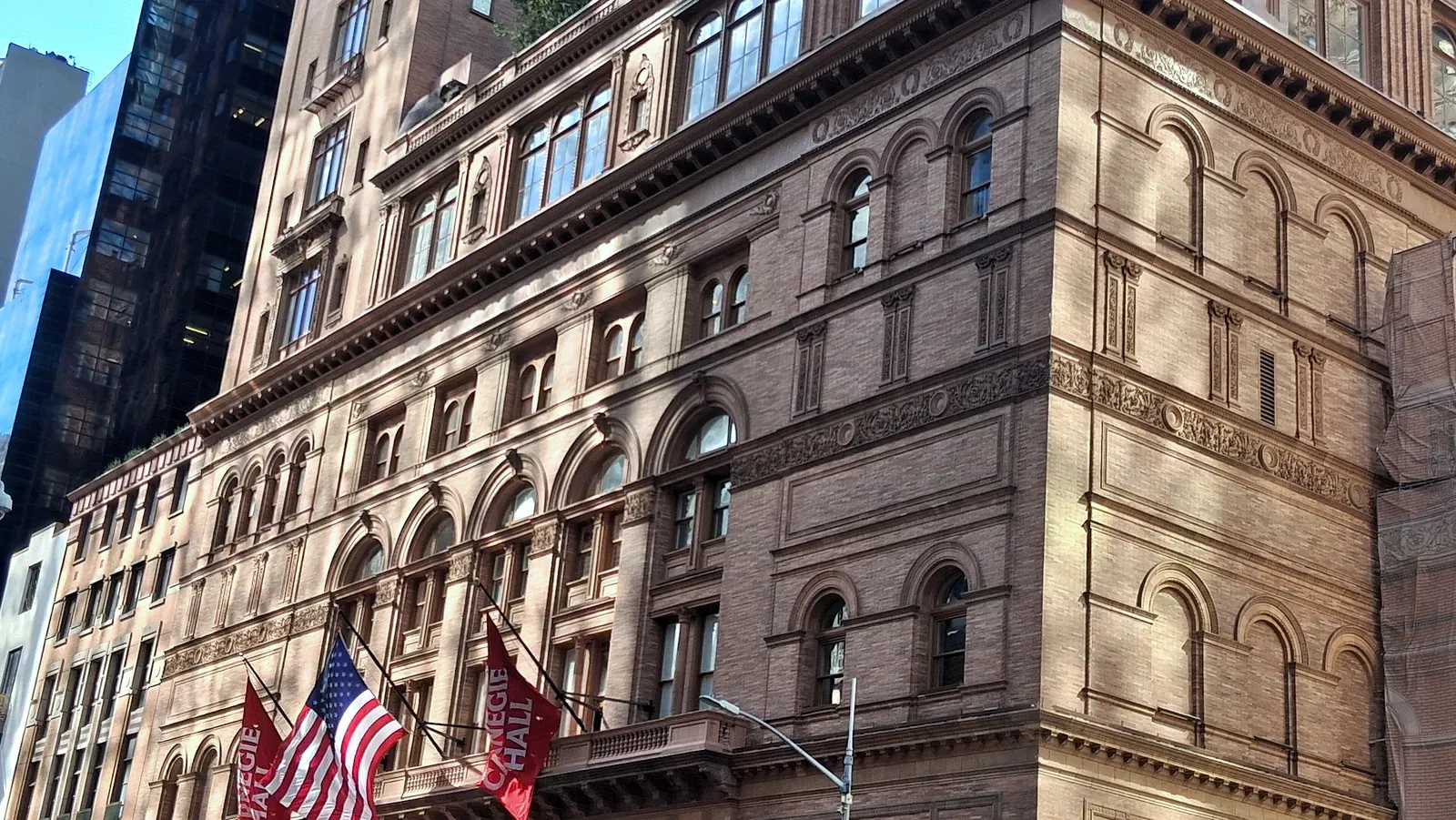
- 1938From Spirituals to Swing at Carnegie HallJohn Hammond's 23 December concert presents Ammons, Johnson, Lewis and Big Joe Turner and launches the boogie-woogie craze.
- 1938Tommy Dorsey records Boogie WoogieThe orchestra's arrangement of Pine Top's Boogie Woogie becomes a hit in 1943 and 1945, the swing era's second best seller.
- 1939Blue Note Records beginsAlfred Lion, who attended the Carnegie Hall concert, records Ammons and Lewis in a one-day session that starts the label.
- 1941Boogie Woogie Bugle BoyThe Andrews Sisters take the style to the pop charts with a top 10 single.
- 1945Country boogie arrivesHillbilly or Okie boogie becomes a flood from late 1945, carrying the bass figure to guitars and country bands.
1946
Jump blues, country boogie and revival
The beat passed to jump blues, country boogie and rock and roll, while a smaller circle of pianists, especially in Europe, kept the piano style alive.
- 2010Marshall, Texas named birthplaceThe city commission declares Marshall the birthplace of boogie-woogie on 13 May, after a researcher's study of the origin.
Listening path
Start listening
A short path from an easy way in to the deep end. Thumbnails come from YouTube; the player loads only when you press play.
- 01
Pinetop Smith, 1928
The record that started it: listen for the steady left hand and the spoken dance instructions.
- 02
Meade Lux Lewis, 1927
A train ride in piano form: the bass figure speeds up like wheels on rails.
- 03
Big Joe Turner and Pete Johnson, 1938
Boogie piano under a blues shouter, a step toward rock and roll.
- 04
Tommy Dorsey, 1938
The big-band hit that took Pinetop's tune to the mainstream.
- 05
The Andrews Sisters, 1941
Boogie as pop: three-part harmony over the boogie beat.
Facts
| Family | Blues |
| Origin | Piney Woods of northeast Texas, United States |
| Emerged | 1870s; popular from the late 1920s |
| Status | Active |
| Tempo | 95 to 170 BPM |
| Meter | 4/4 |
| Grew out of | Barrelhouse |
| Subgenres | 1 |
Boogie-woogie is a blues style for piano, often called eight to the bar, in which the left hand repeats a steady bass figure that follows the chord changes. It developed in African-American communities from the 1870s, reached records in the 1920s and became a national craze after 1938.
It is mainly dance music, usually a twelve-bar blues, and it fed directly into jump blues, country boogie and rock and roll.
Origins
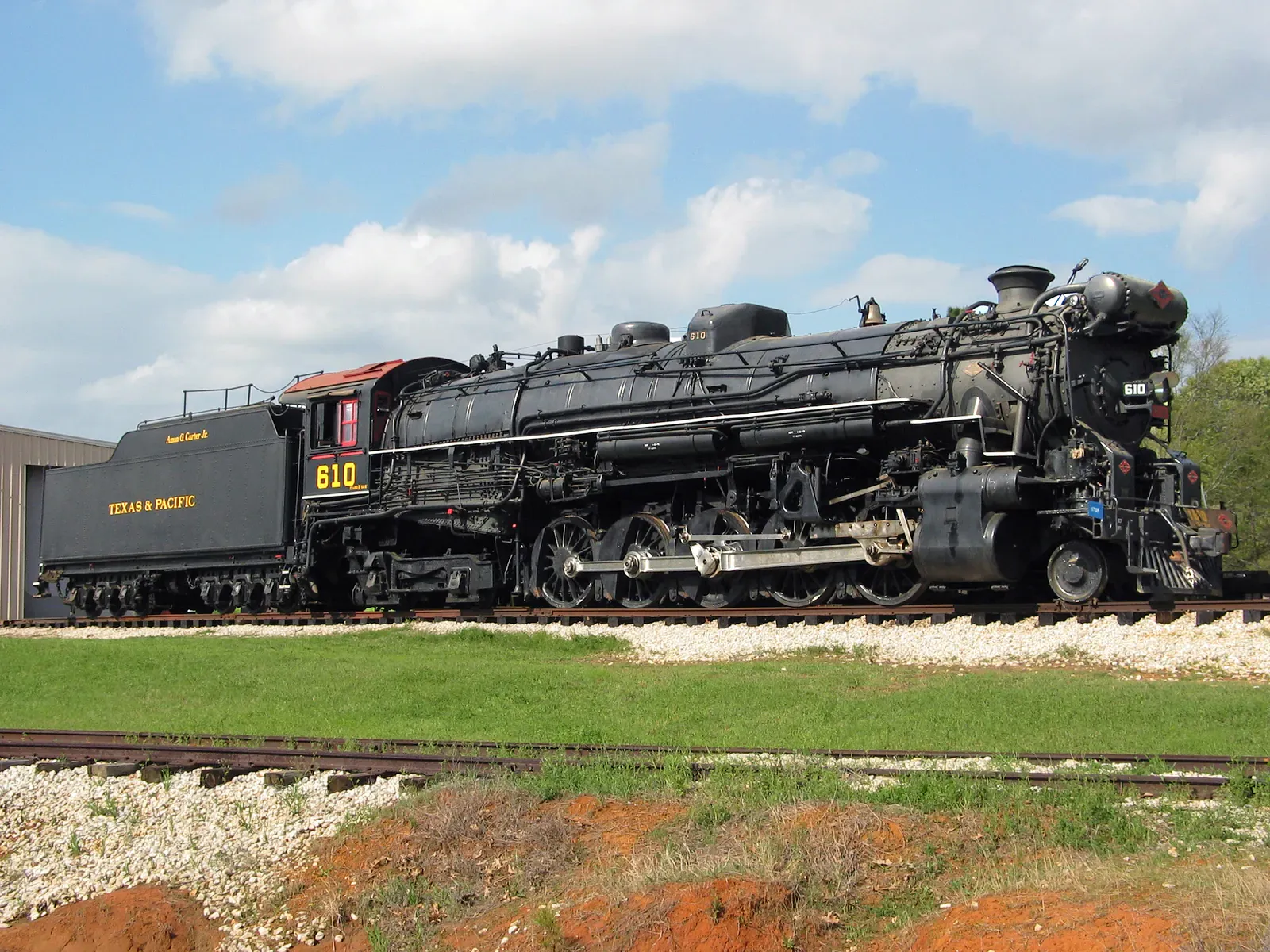
The earliest boogie-woogie is undocumented, so its history rests on later testimony. The most widely repeated account places it in the lumber and turpentine camps of East Texas, where pianists played an up-tempo blues for workers at night. Players there called it fast western, an outgrowth of ragtime and rural blues. A 2010 study of the evidence concluded that Marshall, Texas, a rail town, sits closest to the centre of the earliest performances, and the city commission named itself the birthplace that May.
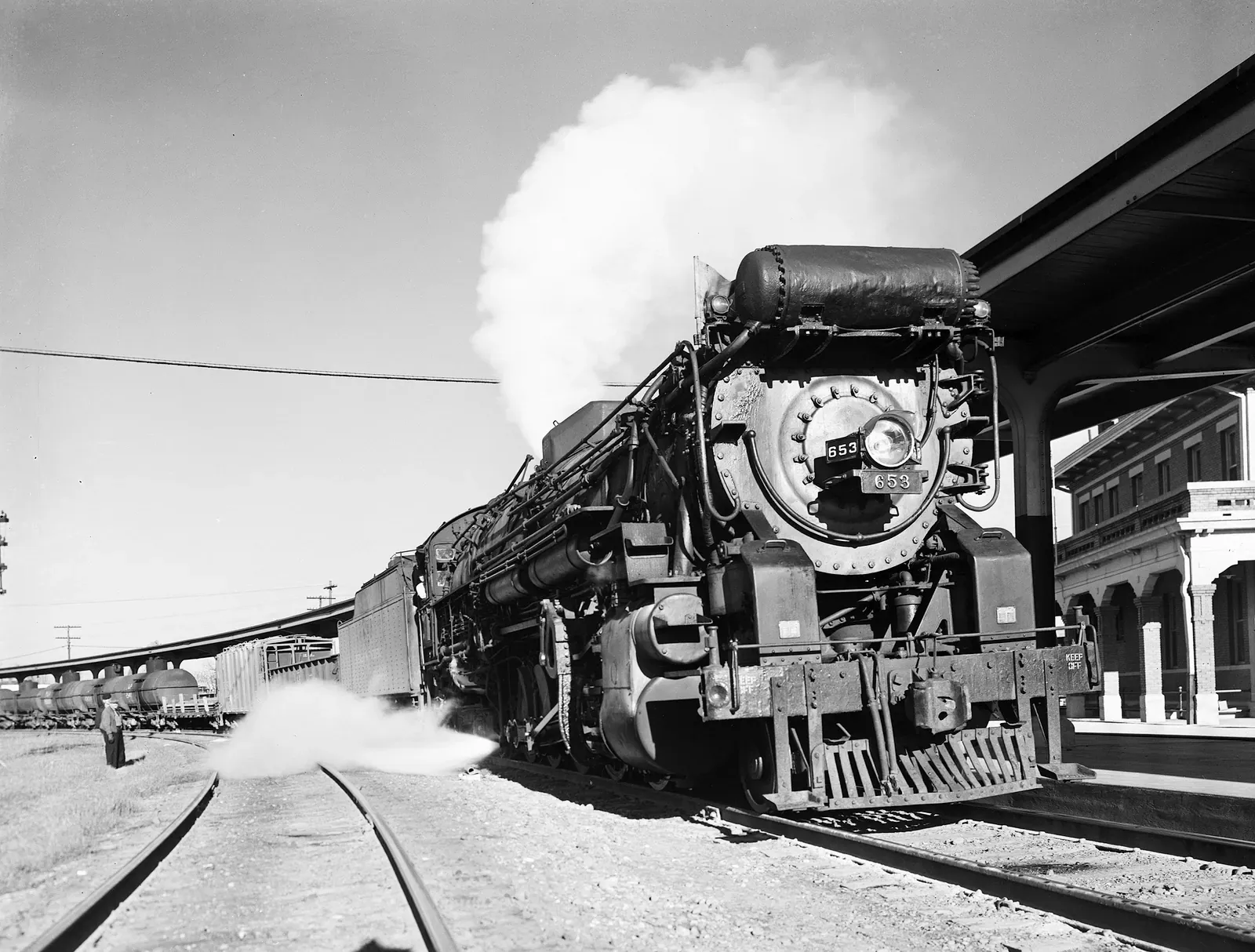
The railroad link is more than a place name. The repeating bass figure imitates the clatter of steam locomotives, and several early pieces describe train journeys outright. Whether the pattern grew from the trains themselves or the trains only supplied its imagery is argued by historians, and no document settles it.
Chicago and the first records, 1923-1937
By the 1920s the style was established in Chicago, where pianists played it at rent parties, house gatherings where guests paid to help cover the host’s rent. Jimmy Yancey, born in Chicago, was admired by younger players such as Albert Ammons and Meade Lux Lewis, and he did not record until 1939. His left-hand figure, later called the Yancey bass, reappears in many later blues and rhythm and blues records.
The first records came from jazz bands and piano soloists. A jazz-band version of “The Fives” was cut for Okeh in 1923, and Jimmy Blythe’s “Chicago Stomps” of April 1924 is sometimes called the first complete boogie-woogie piano solo on record. Lewis recorded “Honky Tonk Train Blues” for Paramount in 1927, although it was first issued in 1930.
On 29 December 1928 Pinetop Smith recorded “Pine Top’s Boogie Woogie” for Vocalion. It was the first boogie-woogie hit, the first record with the phrase in its title, and it fixed the name of the style. Smith talks through the record, telling a dancer when to stand still and when to shake. He was shot and killed in a Chicago dance-hall fight on 15 March 1929, the day before a second Vocalion session.
In 1936 Albert Ammons and His Rhythm Kings recorded “Boogie Woogie Stomp” for Decca, described as the first twelve-bar piano boogie that other jazz bands then imitated.
Carnegie Hall and the craze, 1938-1945
The turning point was “From Spirituals to Swing,” a concert produced by the record man John Hammond at Carnegie Hall on 23 December 1938. Pete Johnson accompanied the singer Big Joe Turner on “Roll ’Em Pete,” Lewis played “Honky Tonk Train Blues” and Ammons played “Swanee River Boogie.” The three pianists then took up residence at the Café Society club in New York, often playing in two- and three-piano combinations.
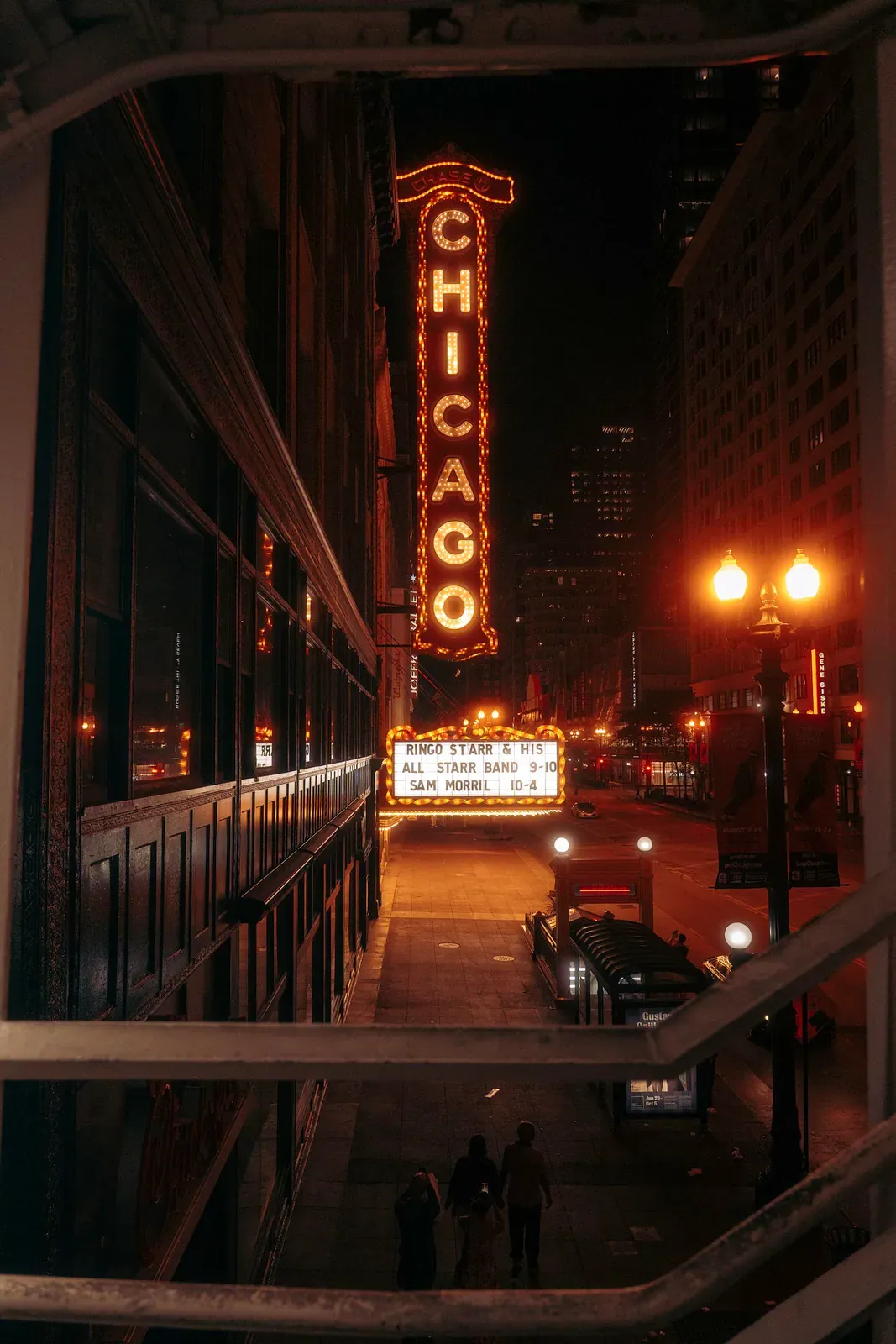
Two weeks later Alfred Lion, who had been in the audience, recorded Ammons and Lewis in a one-day session that began Blue Note. Swing bands adopted the beat at once. Tommy Dorsey had recorded his arrangement of Pinetop’s tune in 1938, and as “Boogie Woogie” it became a hit in 1943 and 1945, selling more than five million copies. Will Bradley’s orchestra had a run of boogie hits from 1940, and the Andrews Sisters took “Boogie Woogie Bugle Boy” into the top 10 in 1941. The fad ran from the late 1930s into the early 1950s.
After the craze, 1946 to present
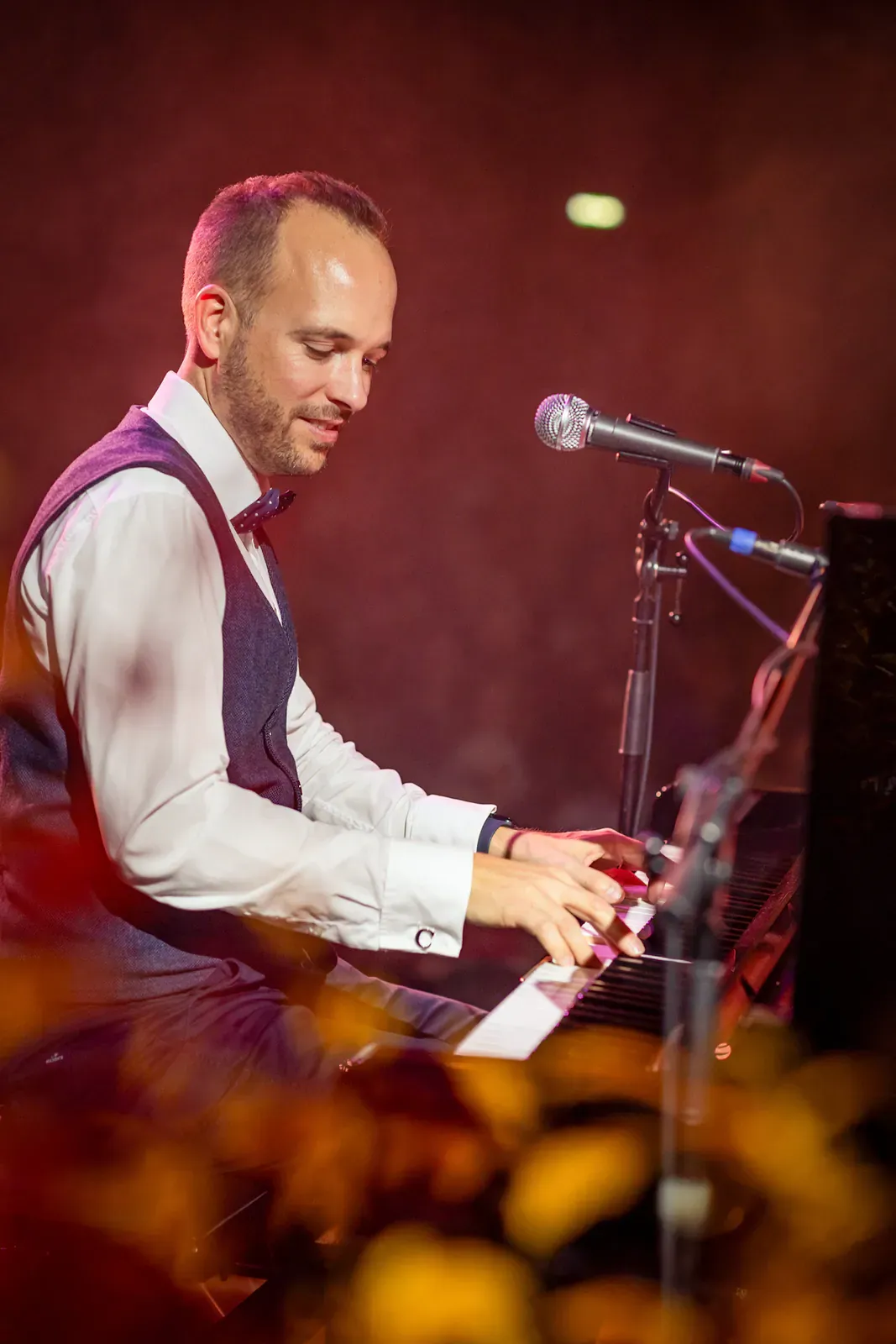
The beat moved to other instruments. Hillbilly or Okie boogie, later called country boogie, became a flood from late 1945, and the Delmore Brothers’ “Freight Train Boogie” and Bob Wills’s western swing show how guitars took over the bass figure. Louis Jordan’s jump blues carried it into rhythm and blues. Pete Johnson’s 1948 “Rocket Boogie 88” is credited with influencing Ike Turner’s 1951 “Rocket 88,” and Fats Domino, Little Richard and Jerry Lee Lewis built on the piano style directly.
In Chicago blues, Big Maceo Merriweather and Sunnyland Slim were among the first to keep the style going, and Otis Spann and Pinetop Perkins carried it on in later decades.
Characteristics
A boogie-woogie performance is built on contrast. The left hand never changes its pattern; the right hand supplies the variety, with riffs, breaks and answers that sit on top. The form is almost always the twelve-bar blues, though the method has been applied to pop songs such as “Swanee River” and to hymns. The feel is often described as eight to the bar, and the tempo, which ranges from a steady shuffle to a frantic stomp, serves dancers first.
Instruments and production
The piano is the lead instrument, and the music works well on a worn upright or a studio grand. Two or three pianists often share one number, splitting the bass and treble duties. Guitar, saxophone and brass sections took on the bass figure once the style left the piano bench. Yancey ended his recordings on a stock closing lick, probably when the side was running out of time.

Notable recordings
“Pine Top’s Boogie Woogie” matters for what Smith says as much as what he plays. His spoken instructions to a dancer, “shake that thing” and “mess around,” passed into later songs, including Ray Charles’s “Mess Around,” which adapts the tune.
“Honky Tonk Train Blues” turned the locomotive theory into a piece of music. Lewis made it his signature; he recorded it for Paramount in 1927 and again in 1935 and 1937, and later versions came from Adrian Rollini, Bob Zurke and Keith Emerson.
“Roll ’Em Pete,” composed by Johnson and Turner, joins a blues shout to hard-driving piano. It was recorded in 1938 and is now often counted among the earliest rock and roll records.
Culture
Rent parties were the first stage: a pianist, a crowd and dancing, with admission going toward the host’s rent. Records like Smith’s carry that setting on disc. Outside music, Piet Mondrian took up boogie-woogie after moving to New York in 1940 and worked its rhythm into his later paintings. The animator Norman McLaren drew directly onto film to Ammons’ playing in the 1941 short “Boogie-Doodle.” Ammons and Johnson also appear as themselves in the film short “Boogie-Woogie Dream.”
Legacy
Boogie-woogie gave popular music its steady, dance-driven bass pattern, and the bass line passed through jump blues and country boogie into rock and roll. Pinetop Perkins, who became Muddy Waters’s pianist, took both his name and his signature tune from Pinetop Smith. The wider family of piano blues is covered under blues, and the style’s neighbours include ragtime, swing, rhythm and blues and rock and roll.
Misconceptions
Pinetop Perkins is often credited with writing “Pinetop’s Boogie Woogie.” It was recorded by Pinetop Smith in 1928; Perkins took his nickname from the record, and he joked about the mix-up on a late album.
The style is not a product of the 1938 concert. It had been in African-American communities since the 1870s, and the first hit record came nearly a decade before Carnegie Hall.
Boogie-woogie music is also not the same thing as the competitive dance called boogie-woogie, which uses the name for convenience and is usually not danced to this music.
Finally, it is not purely a piano genre. It was adapted for piano duos and trios, guitar, big band, country and gospel music.
Frequently asked questions
What is boogie-woogie?
Boogie-woogie is an up-tempo blues style in which a repeating left-hand figure follows the chord changes, usually over a twelve-bar blues. It is mainly dance music.
Who invented boogie-woogie?
No one person did. Its origins lie in 1870s African-American communities, probably in northeast Texas. Pinetop Smith made the first hit record in 1928.
Why is it called eight to the bar?
Because the left hand plays eighth notes in common time, so a single bar holds eight evenly spaced notes.
Who were the Boogie-Woogie Trio?
Albert Ammons, Pete Johnson and Meade Lux Lewis, three pianists who played together at New York’s Café Society after the 1938 Carnegie Hall concert.
How did boogie-woogie influence rock and roll?
Its driving bass pattern and dance beat passed through jump blues and country boogie into rock and roll, and pianists such as Fats Domino, Little Richard and Jerry Lee Lewis built on it directly.
Sound
Sound sheet
Anatomy of a track
| # | Part | Bars |
|---|---|---|
| 1 | Bars 1-4: I chord over the bass figure | 4 |
| 2 | Bars 5-8: IV chord, then back to I | 4 |
| 3 | Bars 9-12: V-IV turnaround to I | 4 |
Signature sounds
- Eighth-note left-hand ostinato
- Bass figure transposed with each chord
- Twelve-bar I-IV-V blues form
- Right-hand breaks and riffs
- Train-rhythm imagery
Techniques
- Left-hand ostinato
- Right-hand breaks
- Two- and three-piano arrangements
- Spoken dance calls
Keys and modes
Twelve-bar major keys. I-IV-V blues form, with the bass figure transposed to each chord.
E-flat and A-flat. Jimmy Yancey favoured these keys, unusual for barrelhouse players.
Vocals
Mostly instrumental; blues shouters such as Big Joe Turner and vocal groups such as the Andrews Sisters sing over the style.
Scenes
Where it happened
Where and when the sound lived: one bar per city on a shared timeline.
North America
Active scenes
Peak 4, 1938
East Texas rail town and the municipality most likely at the centre of the earliest boogie performance, per a 2010 study.
South Side rent parties and rooming houses where Yancey, Ammons, Lewis and Pinetop Smith worked and recorded.
Home city of Pete Johnson and Big Joe Turner, who played together before Carnegie Hall.
Carnegie Hall, Café Society and the recording studios that made boogie a national craze.
Venues and places
New York, 1938 to today. Site of the 1938 From Spirituals to Swing concert that launched the craze.
New York, 1938 to today. Greenwich Village club where Ammons, Johnson and Turner took up residence and played in two- and three-piano combinations.
Chicago, 1934 to today. South Side club where Albert Ammons led his band for two years from 1934.
New York, 1936 to today. Club where Pete Johnson played in 1936 after meeting John Hammond.
Culture
Culture markers
- Rent parties
House parties with a piano where early players like Yancey performed before they recorded.
Ritual - Eight to the bar
A nickname for the style and part of the title of the Will Bradley band's hit Beat Me Daddy (Eight to the Bar).
Slang - Mondrian's boogie-woogie paintings
Piet Mondrian took up the music in New York after 1940 and worked its rhythm into his paintings.
Artwork - Spoken dance instructions
Pinetop Smith talks over his record, telling a dancer when to stand still and when to shake.
Dance
Media
Key media
- 1939Camel Caravan
by Meade Lux Lewis. A radio broadcast from New York with a performance of Honky Tonk Train Blues.
Radio - 1941Boogie-Doodle
by Norman McLaren. Animation drawn directly on film to Albert Ammons' piano.
Film - 1944Boogie-Woogie Dream
by Albert Ammons, Pete Johnson and Lena Horne. Short film in which Ammons and Johnson play themselves.
Film
Glossary
Terms on this page
The rough, rowdy piano blues of camp and juke-joint pianos from which boogie-woogie grew.
The repeating left-hand ostinato figure, transposed to follow the chord changes.
A nickname for the style from its eighth-note left-hand pattern in common time.
The Texas name for an up-tempo piano blues, often credited as the origin of the style.
A house party with piano and dancing where guests paid to help cover rent, a main early performance setting.
A left-hand figure popularised by Jimmy Yancey and reused in later blues and R&B records.
Blues family