Electric blues
Electric blues is blues played through amplifiers, born in the late 1930s. It runs from T-Bone Walker to the Chess studio in Chicago and on to the rock era.
Chicago, 1939
Blues family
Born
1939
Chicago
Subgenres
6
Documented branches
Links
18
Genres it drew on or shaped
Tempo
60-150 BPMLineage
Family tree
Grew out of
Derived from
- Delta blues
Derived from
Derived from
Influenced by
Chicago, 1939
Electric blues
Led to (13)
Timeline
Era by era
From the first sparks to today. Select a dot to read the story behind it.
- Plugging in
1936 to 1949
- Chicago and the independents
1950 to 1963
- Rock crossover and the festival circuit
1964 to 1979
- Revival and the club circuit
1980 to 2026
Eras
Moments
- 1 Plugging in, 1936 to 1949
- 2 Chicago and the independents, 1950 to 1963
- 3 Rock crossover and the festival circuit, 1964 to 1979
- 4 Revival and the club circuit, 1980 to 2026
1936
Plugging in
Electric guitars reach jazz and swing, then T-Bone Walker, Muddy Waters and John Lee Hooker use them to make blues loud enough for bars and city streets.
- 1936Gibson launches the ES-150The first commercially successful electric Spanish guitar, made famous by Charlie Christian.
- 1942T-Bone Walker records "Mean Old World"Walker makes his first electric recordings and sets the model for single-note blues solos.
- 1944Muddy Waters buys his first electric guitarHe had moved to Chicago in 1943; an amp lets him be heard over the noise of South Side clubs and Maxwell Street.
- 1947T-Bone Walker records "Call It Stormy Monday"Recorded in September, it reached the R&B top five in 1948 and became a template for blues guitar.
- 1948John Lee Hooker records "Boogie Chillen"Cut in Detroit, it became the best-selling race record of 1949 and reached number one on the R&B chart.
1950
Chicago and the independents
Chess, Vee-Jay, Cobra and a few Southern and West Coast labels record full bands with amplified harmonica, and the Chicago sound spreads to jukeboxes and, by 1962, to Europe.
- 1950Fender introduces the BroadcasterLeo Fender builds the first mass-produced solid-body guitar; renamed Telecaster in 1951, it becomes a blues staple.
- 1951Elmore James records "Dust My Broom"His electric slide version of a Robert Johnson song reached the R&B chart in 1952 and made him a star.
- 1951Little Walter plays amplified harmonica on "Country Boy"Recorded with Muddy Waters in July, it is the first record to feature his amplified, distorted harmonica.
- 1952Little Walter releases "Juke"The harmonica instrumental spent eight weeks at number one on the R&B chart.
- 1954Muddy Waters records "Hoochie Coochie Man"Willie Dixon wrote it for Waters; it became his biggest hit and a blues standard.
- 1956Otis Rush records "I Can't Quit You Baby"Debut single for Cobra Records, it reached number six on the R&B chart and set the West Side sound.
- 1960Muddy Waters plays NewportHis set at the Newport Jazz Festival becomes At Newport 1960, often called the first live blues album.
- 1961Freddie King's "Hide Away" reaches the chartsThe instrumental reached number five on the R&B chart and 29 on the Hot 100, a rarity for blues.
- 1962American Folk Blues Festival tours EuropeT-Bone Walker, John Lee Hooker, Willie Dixon and others reach European audiences, many for the first time.
1964
Rock crossover and the festival circuit
British bands cover Chicago records, Albert King and B.B. King play the Fillmore and the pop charts, and Alligator starts a new generation of Chicago label catalogues.
- 1964The Rolling Stones record at ChessThey cut an EP at 2120 South Michigan Avenue in June, paying tribute to their Chicago heroes.
- 1965Junior Wells releases Hoodoo Man BluesRecorded with Buddy Guy for Delmark; it became the label's best-selling release.
- 1966Bluesbreakers album with Eric ClaptonJohn Mayall's Blues Breakers with Eric Clapton, known as the Beano album, puts overdriven Chicago-style guitar into British rock.
- 1967Albert King records "Born Under a Bad Sign"Backed by Booker T. and the MG's, it opens his Stax career and wins him a rock audience.
- 1969B.B. King releases "The Thrill Is Gone"His highest-charting single, it reached number 15 on the Hot 100 and won a Grammy.
- 1971Alligator Records starts in ChicagoBruce Iglauer founds it to release Hound Dog Taylor and the HouseRockers after Delmark declines.
- 1975Antone's opens in AustinClifford Antone's club on Sixth Street launches Stevie Ray Vaughan and brings Chicago players to Texas.
1980
Revival and the club circuit
Stevie Ray Vaughan and Buddy Guy return electric blues to the charts, clubs in Austin and Chicago keep it live, and Christone "Kingfish" Ingram brings in a new generation.
- 1983Stevie Ray Vaughan releases Texas FloodThe debut, with "Pride and Joy", brings blues-rock guitar to a new mass audience.
- 1991Buddy Guy releases Damn Right, I've Got the BluesThe Silvertone album won the Grammy for Best Contemporary Blues Album and revived his career.
- 2019Christone "Kingfish" Ingram releases KingfishThe 20-year-old Clarksdale guitarist debuts on Alligator and earns a Grammy nomination.
Listening path
Anthems
The records that built the sound, grouped by the part they played. Thumbnails come from YouTube; the player loads only when you press play.
- 01
T-Bone Walker, 1947
The record that set the template for single-note electric blues guitar.
Start hereOrigin - 02
John Lee Hooker, 1948 · #1 Billboard R&B, 1949 · Modern Records
A one-man electric boogie that became a number one R&B hit and the blueprint for down-home electric blues.
Origin - 03
B.B. King, 1969 · #15 Billboard Hot 100, 1970
B.B. King's pop crossover, with strings and a Grammy, that made him a mainstream star.
Start hereBreakthrough - 04
Elmore James, 1951 · Trumpet Records
The electric slide riff that defined an era and still opens countless blues sets.
Anthem - 05
Little Walter, 1952 · #1 Billboard R&B, 1952 · Chess
The harmonica instrumental that proved amplified harp could top the chart.
Anthem - 06
Muddy Waters, 1954 · Chess
Muddy Waters' swaggering signature, written by Willie Dixon, and the sound of Chicago blues at its peak.
Start hereAnthem - 07
Howlin' Wolf, 1956 · Chess
A one-chord, harp-and-guitar howl that became a rock cover staple.
Anthem - 08
Otis Rush, 1956 · Cobra
The slow minor-key blues that launched Cobra Records and the West Side sound.
Anthem - 09
Freddie King, 1961 · #5 Billboard R&B, 1961 · King Records
A guitar instrumental that became a jam standard and a rock-band rite of passage.
Crossover - 10
Albert King, 1967 · Stax Records
Albert King's signature, covered by Cream and Jimi Hendrix, and the record that brought him to rock audiences.
Crossover - 11
Stevie Ray Vaughan, 1983
A fast shuffle that brought electric blues back to radio and arenas in the 1980s.
Revival - 12
Buddy Guy, 1991
The title track of Buddy Guy's Grammy-winning comeback.
Revival - 13
Christone "Kingfish" Ingram, 2019 · Alligator
A track from a young player's debut album, proof the style still draws new talent.
Revival
Facts
| Family | Blues |
| Origin | Chicago, United States |
| Emerged | Late 1930s onwards |
| Status | Active |
| Tempo | 60 to 150 BPM |
| Meter | 4/4 (shuffle feel) |
| Grew out of | Country blues, Delta blues, Urban blues |
| Subgenres | 5 |
Electric blues is blues played on amplified instruments, first the guitar and then the harmonica and bass, which turned a solo porch music into a loud band music.
It began in the late 1930s, took its classic shape in Chicago after the Second World War, and gave rock and roll most of its guitar vocabulary. It matters because the amplifier did not just make blues louder: it changed what the instruments could do.
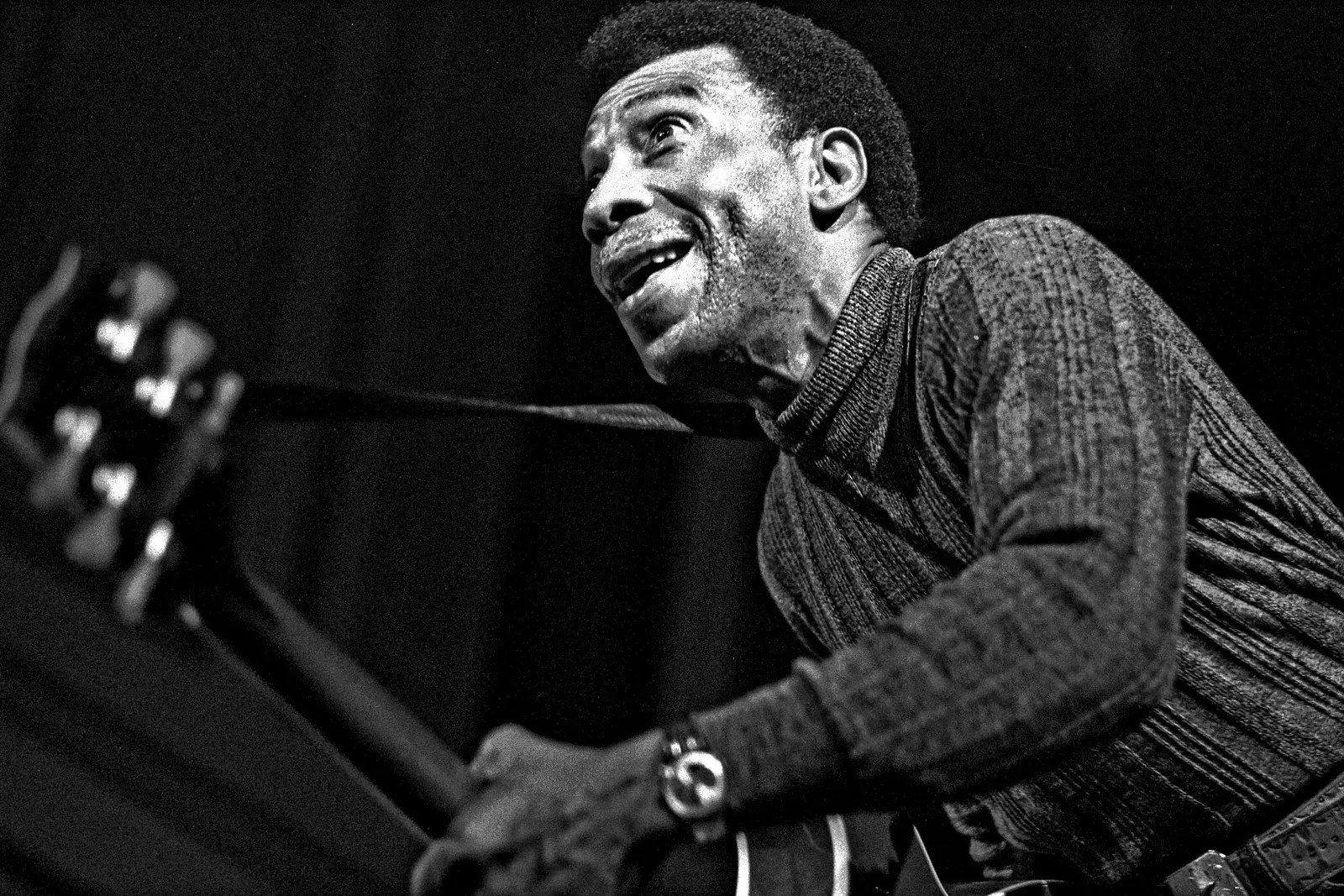
Origins
It started with a pickup. Gibson launched the ES-150 in 1936, the first commercially successful electric Spanish guitar, and jazz players such as Charlie Christian made it famous. Blues players saw the use at once: a guitar that could be heard over a band, a crowd or a noisy street.
T-Bone Walker, from Texas, was the first to build a blues style on it. His 1942 recording “Mean Old World” was his first electric work and set the model for the single-note blues solo. In 1947 he cut “Call It Stormy Monday”, which reached the R&B top five in 1948 and became a template for blues guitar. Walker’s style came from country blues and jazz, but his amplified, bending single lines were new.
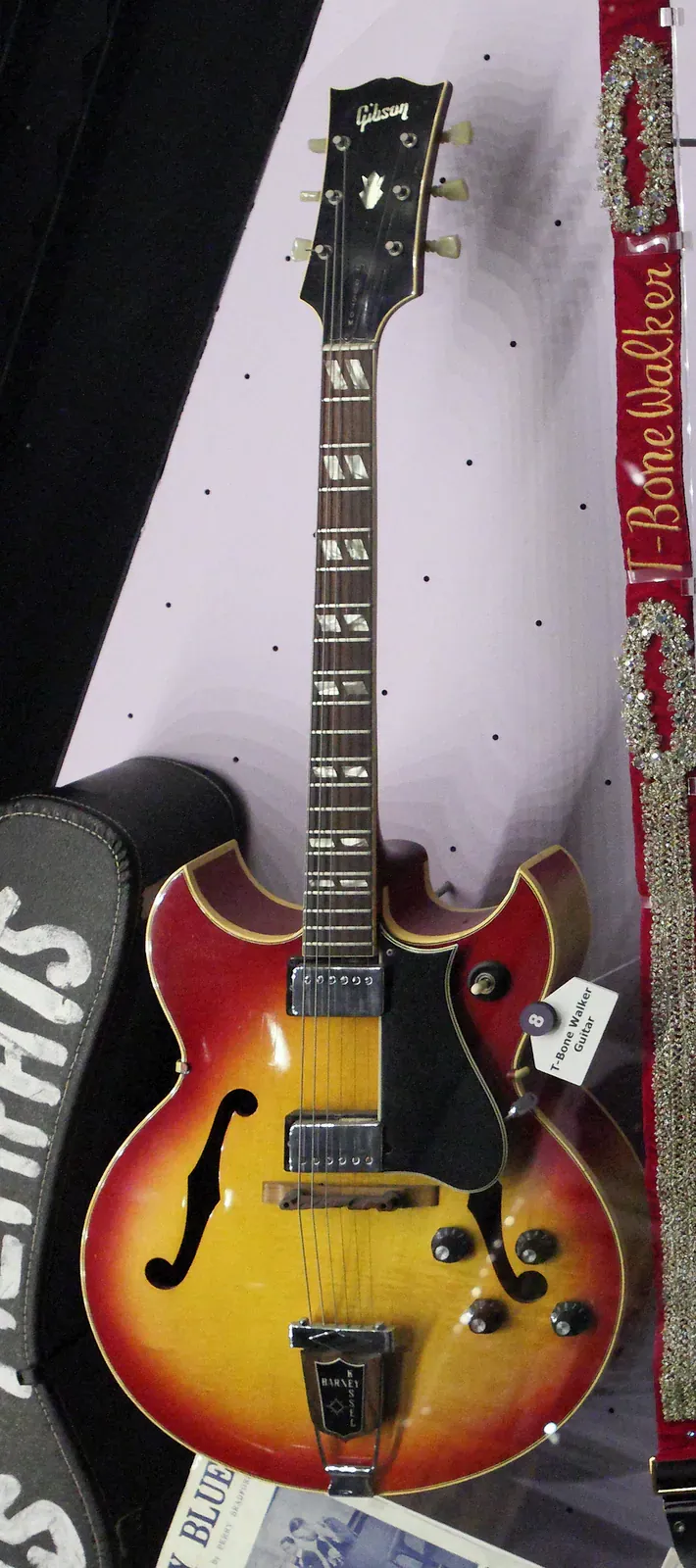
Early electric blues, 1936 to 1949
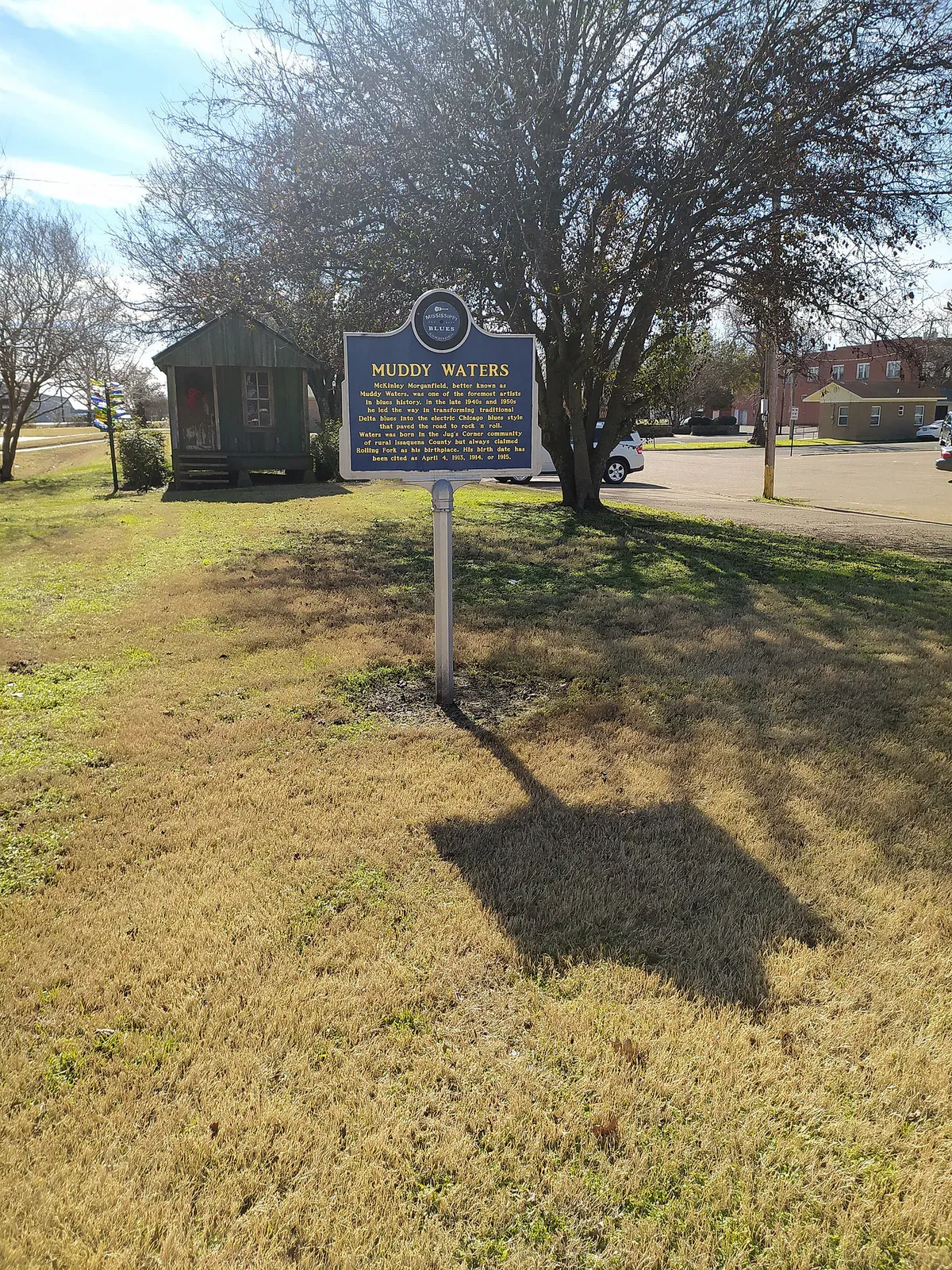
It was the decade when blues left the porch. Muddy Waters moved from Mississippi to Chicago in 1943 and bought his first electric guitar in 1944, because an amplifier let him be heard over the noise of South Side clubs and the Maxwell Street market, where Chicago players first performed amplified on the street. Muddy Waters was born in Mississippi, and a state blues marker in Rolling Fork records his claim to the town as his birthplace.
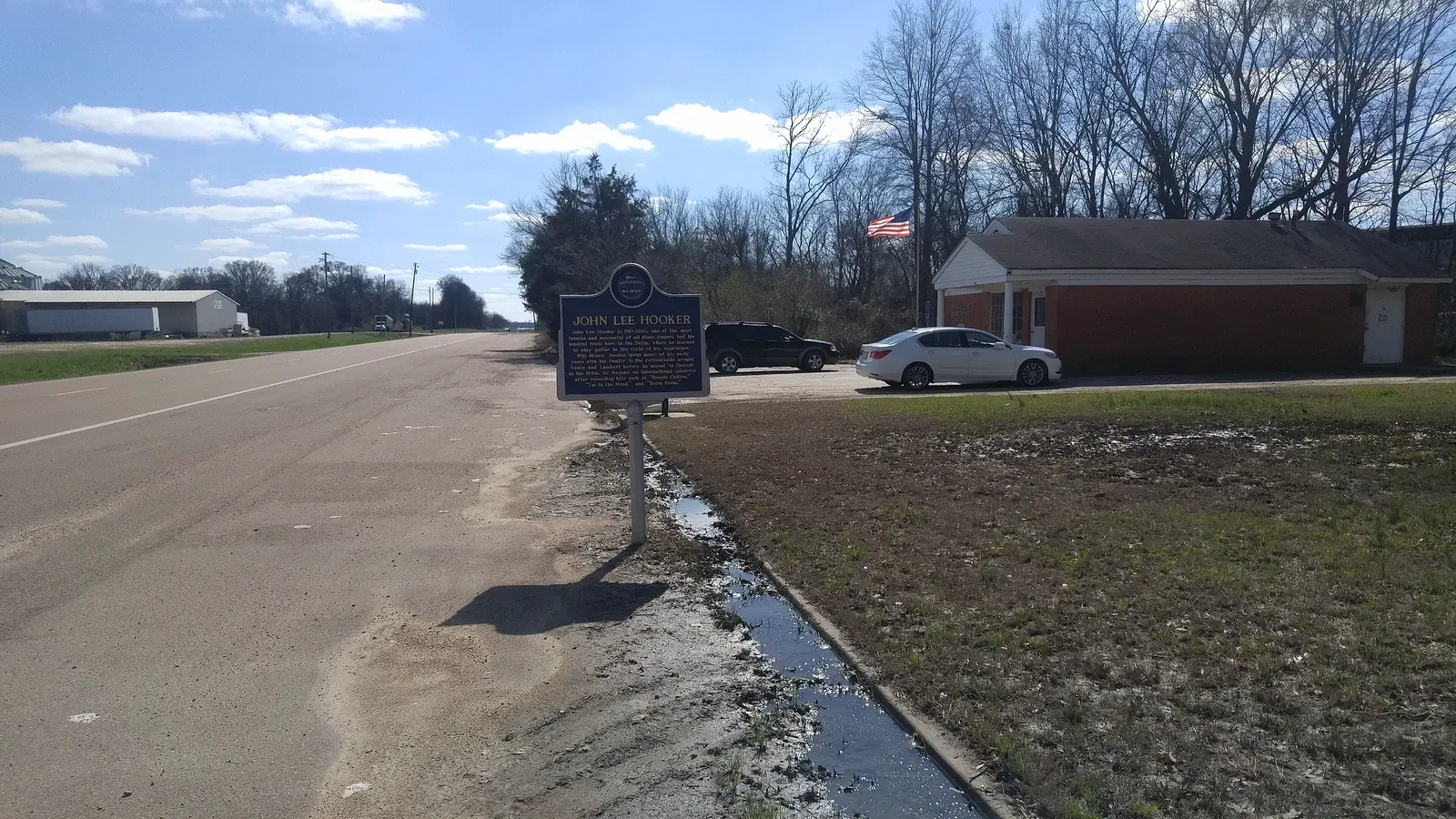
In Detroit, John Lee Hooker recorded “Boogie Chillen” in 1948 for Modern Records. It became the best-selling race record of 1949 and reached number one on the R&B chart, a one-man electric boogie built on a single chord. Hooker grew up in Mississippi sharecropping country before moving north, and he played the Hastings Street clubs in Detroit.
Chicago blues, 1950 to 1963
Chicago had the migrants, the bars and a few small labels willing to record them. Between 1950 and 1963 Chess, Vee-Jay and Cobra recorded full bands with amplified harmonica, and the sound spread to jukeboxes and, by 1962, to Europe.
The harmonica did the most to separate the new music from the old. In July 1951 Little Walter played on “Country Boy” with Muddy Waters, the first record to feature his amplified, distorted harmonica: a harp cupped around a microphone and pushed through an overdriven amp. Fender’s Precision Bass arrived the same year and replaced the upright on many stages, and the Telecaster, introduced as the Broadcaster in 1950, became a blues staple.
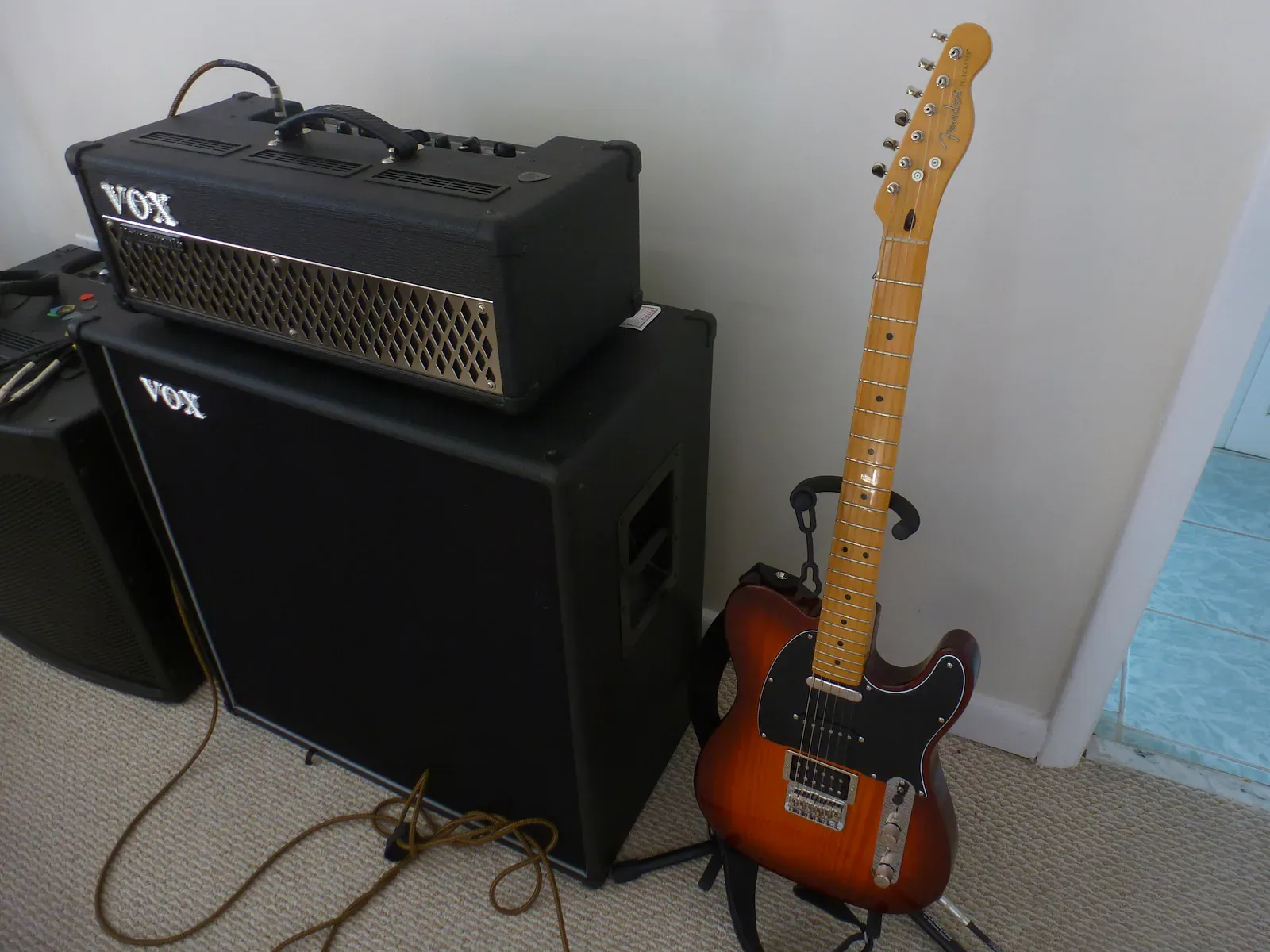
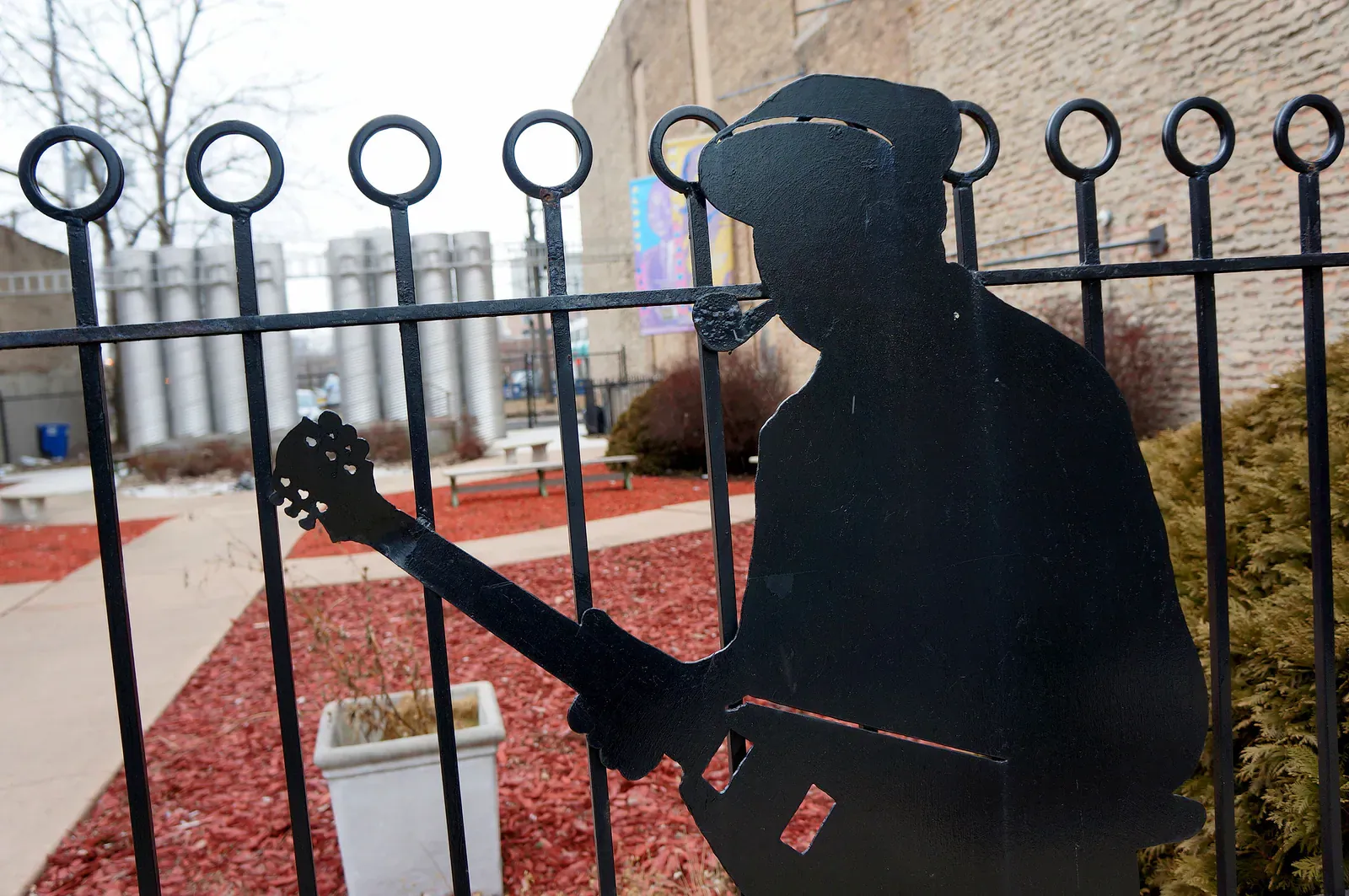
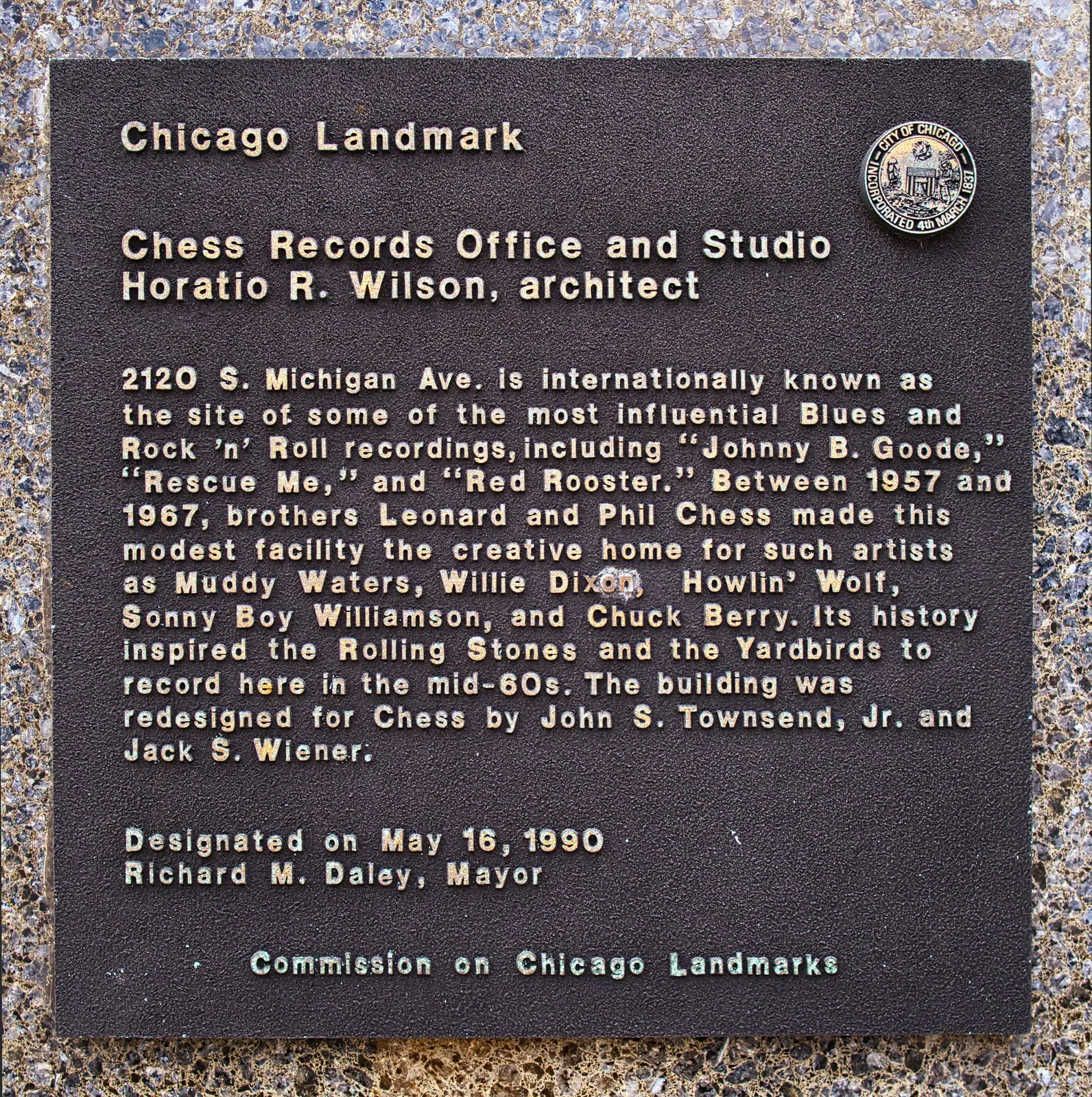
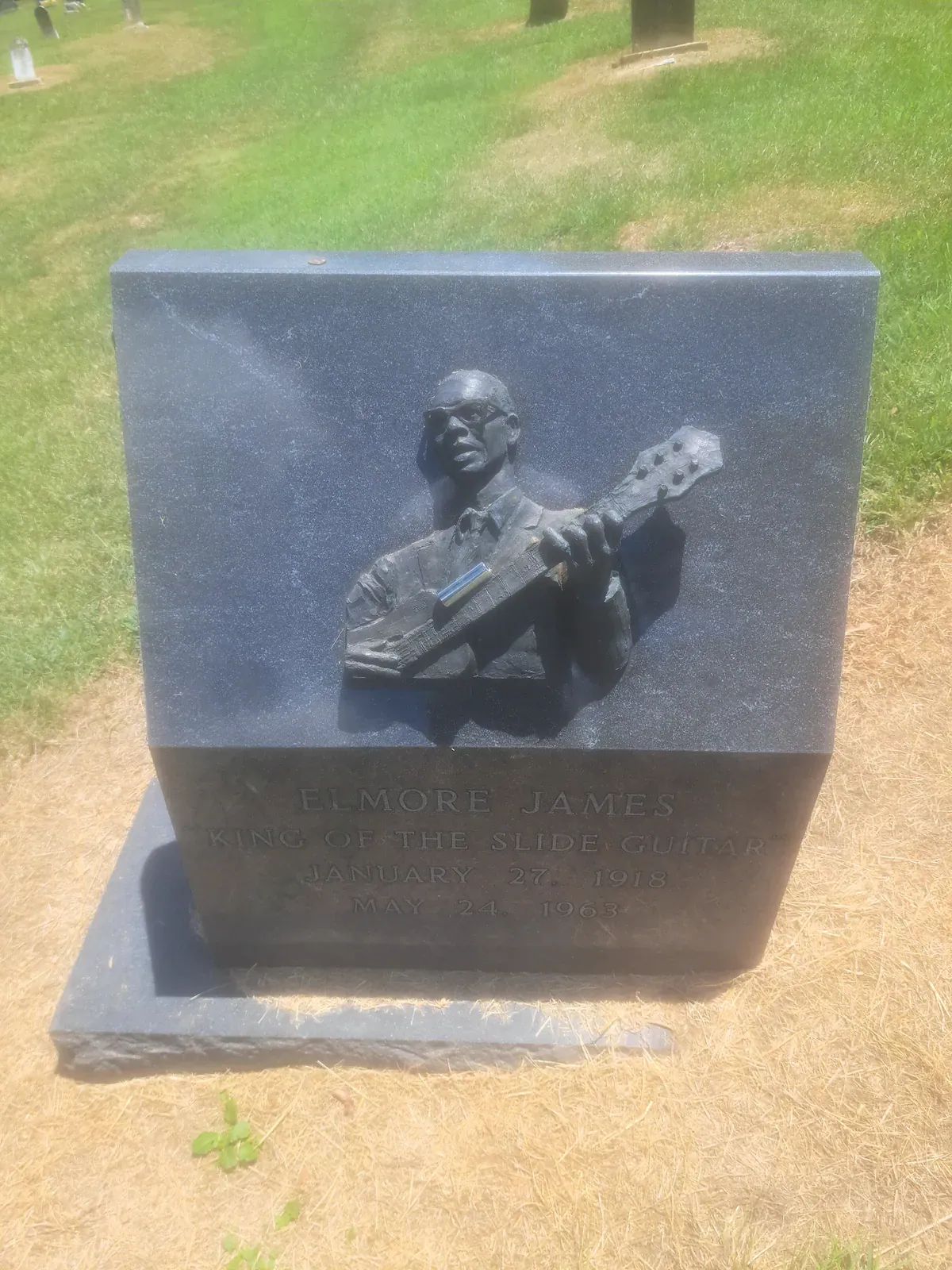
Elmore James took a different road. His 1951 electric slide version of a Robert Johnson song, “Dust My Broom”, reached the R&B chart in 1952 and made him a star, and the opening riff still starts countless blues sets. The Chess studio at 2120 South Michigan Avenue became the workplace of Muddy Waters, Howlin’ Wolf and Willie Dixon between 1957 and 1967.
Mainstream success
In the 1960s a new audience found the music, and much of it was young and white. The American Folk Blues Festival toured Europe in 1962 with T-Bone Walker, John Lee Hooker, Willie Dixon and others, many playing to European audiences for the first time. In June 1964 the Rolling Stones recorded an EP at Chess, paying tribute to their Chicago heroes. In 1966 John Mayall’s Blues Breakers with Eric Clapton, known as the Beano album, put overdriven Chicago-style guitar into British rock.
Back home, Junior Wells released Hoodoo Man Blues in 1965 with Buddy Guy, and it is still the best-selling release of Delmark. Albert King recorded “Born Under a Bad Sign” in 1967 at Stax with Booker T. and the MG’s, which opened his Stax career and won him a rock audience. Freddie King’s instrumental “Hide Away” had reached number five on the R&B chart and 29 on the Hot 100 in 1961, a rarity for blues.
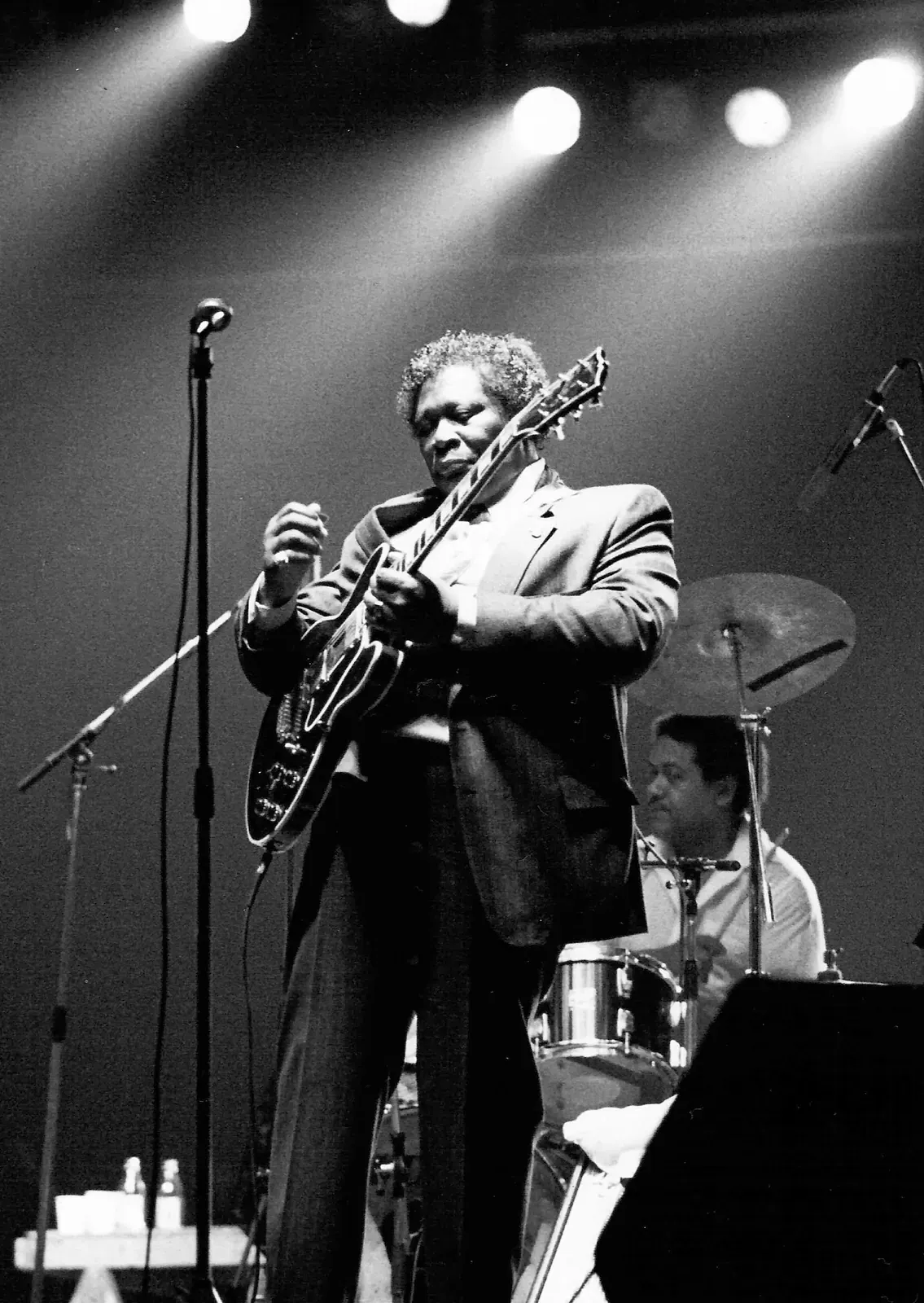
The breakthrough single was B.B. King’s “The Thrill Is Gone” in 1969. It reached number 15 on the Hot 100, his highest-charting single, and won a Grammy. Bruce Iglauer founded Alligator in Chicago in 1971 to release Hound Dog Taylor and the HouseRockers after Delmark declined, and its catalogue began a new generation of Chicago records.
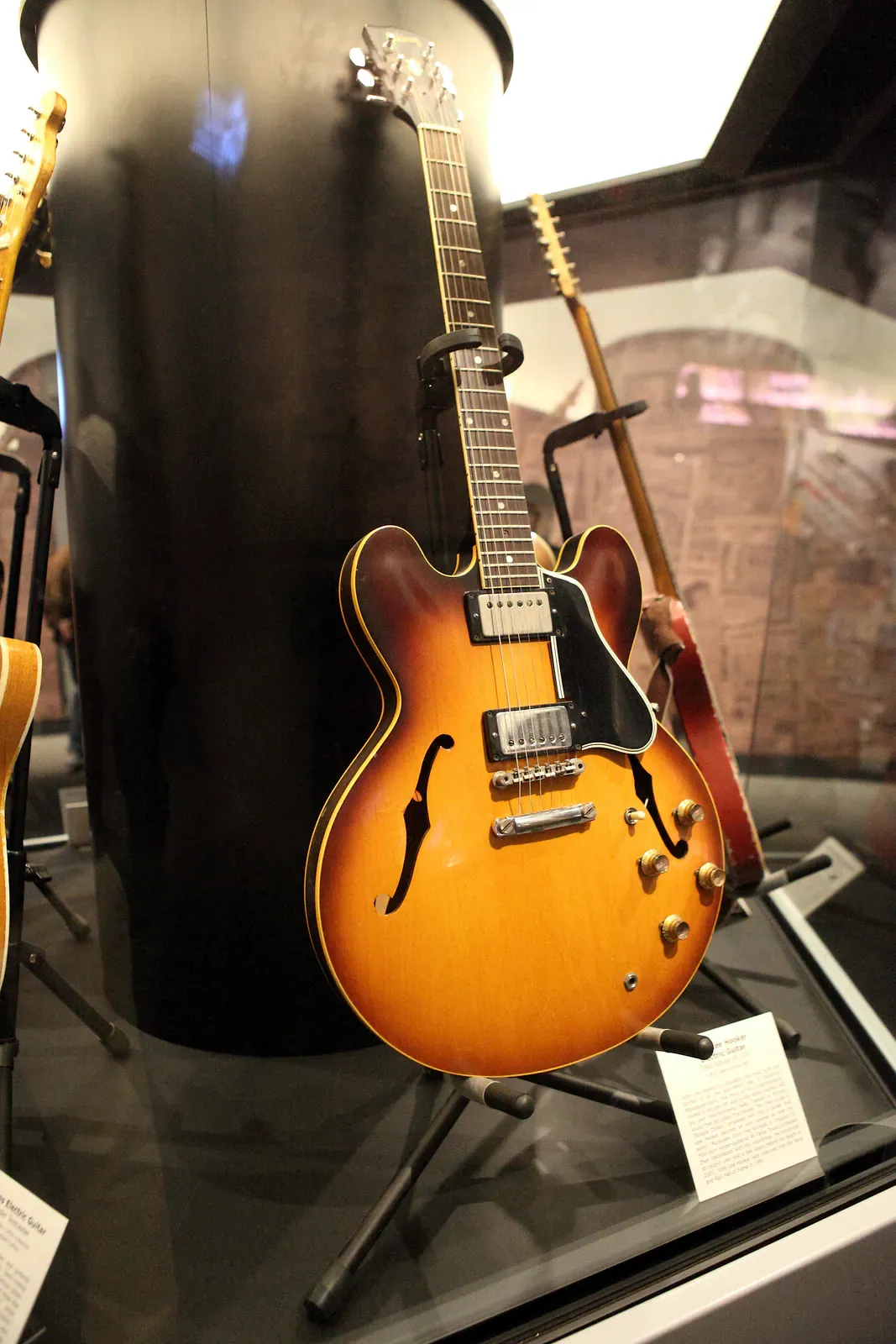
Notable recordings
Three records show how the music was made and heard.
“Boogie Chillen” came out of Detroit in 1948: a single voice and an electric guitar playing one chord. It proved that a down-home sound could top the R&B chart.
“Juke” followed in 1952. Little Walter’s harmonica instrumental spent eight weeks at number one on the R&B chart, which proved that an amplified harp could carry a hit by itself.
“Hoochie Coochie Man” of 1954 was written by Willie Dixon for Muddy Waters and became his biggest hit and a blues standard. It is the sound of Chicago blues at its peak: a swaggering vocal over a slow shuffle.
In 1960 Muddy Waters played the Newport Jazz Festival, and the set was released as At Newport 1960, often called the first live blues album. Otis Rush’s “I Can’t Quit You Baby” of 1956, the debut single for Cobra, reached number six on the R&B chart and set the West Side sound.
Culture
It is a club culture. Chicago bands played neighborhood lounges such as Theresa’s several nights a week for small crowds, and acts travelled the chitlin’ circuit of Black-owned clubs and theatres from city to city. The language is its own: “harp” for the harmonica, “shuffle” for the swung groove, and “turnaround” for the short phrase that leads back to the start of a twelve-bar chorus.
Legacy
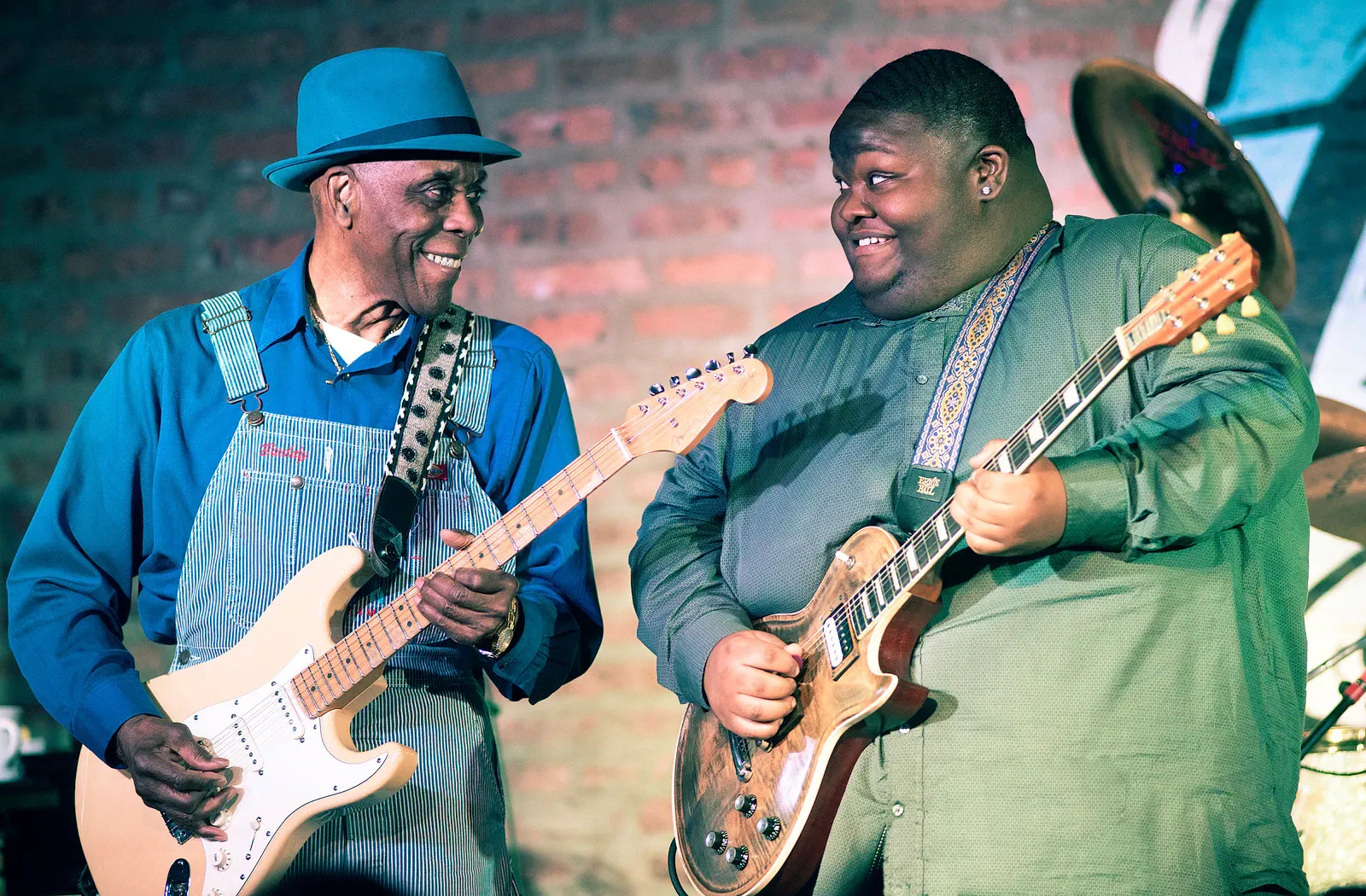
By going back to the clubs. Clifford Antone opened Antone’s on Sixth Street in Austin in 1975 and launched Stevie Ray Vaughan, whose 1983 debut Texas Flood, with “Pride and Joy”, brought blues-rock guitar to a new mass audience. In 1991 Buddy Guy’s Damn Right, I’ve Got the Blues won the Grammy for Best Contemporary Blues Album and revived his career. Buddy Guy’s Legends, his South Loop club in Chicago, opened in 1989 and is one of the few Chicago blues rooms still open.
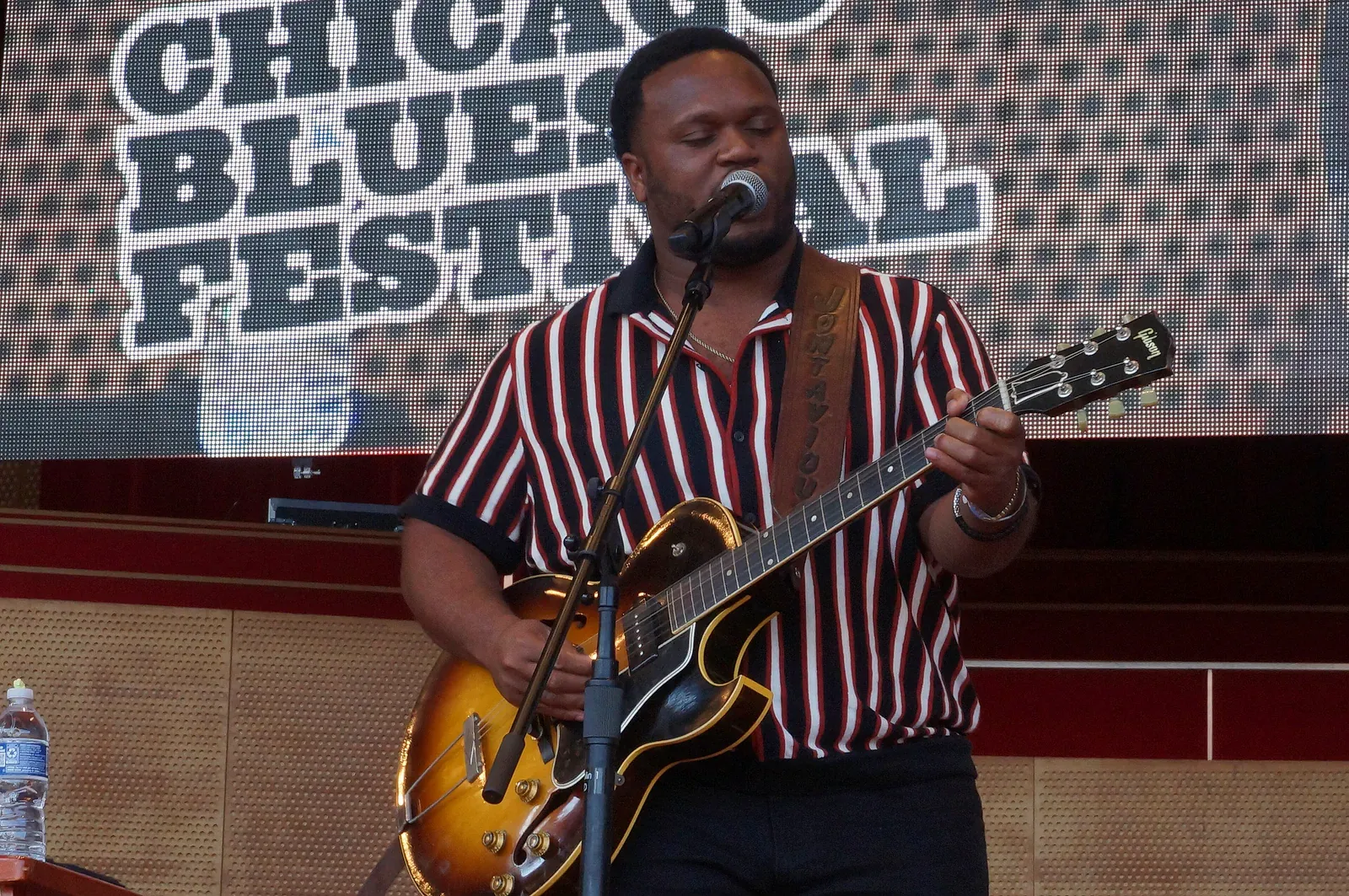
A younger generation is now carrying it on. Christone “Kingfish” Ingram, from Clarksdale, Mississippi, released his debut Kingfish on Alligator in 2019 at age 20 and earned a Grammy nomination.
Misconceptions
It is just blues turned up. The amplifier changed the instruments. A harp through a microphone and an overdriven amp is a different instrument from an acoustic harp, and a band with drums and electric bass is a different music from a solo player.
Muddy Waters invented it. T-Bone Walker was recording electric blues in 1942, and Muddy Waters bought his first electric guitar in 1944. Muddy made the Chicago version, which is the best known, but he did not start the idea.
British bands created it. The sound of the Beano album and the Stones at Chess came from Chicago records made a decade earlier, and the Stones said so by recording at the Chess address.
Frequently asked questions
What is electric blues?
Electric blues is blues played on amplified instruments, usually electric guitar, amplified harmonica, electric bass and a drum kit. It started with T-Bone Walker in the late 1930s and early 1940s and took its classic form in Chicago in the 1950s.
Who started electric blues?
T-Bone Walker, John Lee Hooker and Muddy Waters were early pioneers, and Little Walter added the amplified harmonica in the early 1950s. Walker’s 1942 recordings are usually seen as the first influential electric blues solos.
What is the difference between electric blues and Chicago blues?
Chicago blues is the best-known regional style of electric blues, built on amplified harmonica, a shuffle rhythm and bands that recorded for Chess, Vee-Jay and Cobra. Electric blues also includes the Texas, Memphis, Detroit and West Coast styles.
Which records define electric blues?
Core records are “Call It Stormy Monday” by T-Bone Walker, “Hoochie Coochie Man” by Muddy Waters, “Juke”, “Hide Away”, “The Thrill Is Gone” and “Pride and Joy”. A standard live album is Muddy Waters’s At Newport 1960. The broader blues family page maps the related styles.
Sound
Sound sheet
Anatomy of a track
| # | Part | Bars |
|---|---|---|
| 1 | Intro riff or turnaround | 4 |
| 2 | Verse 1 (AAB lyric) | 12 |
| 3 | Verse 2 | 12 |
| 4 | Guitar solo | 12 |
| 5 | Harmonica or second solo | 12 |
| 6 | Final verse | 12 |
| 7 | Tag ending | 2 |
Signature sounds
- Amplified single-note guitar lead with string bends
- Overdriven harmonica played through a microphone
- Shuffle rhythm with walking bass
- Call and response between voice and guitar
- Electric slide guitar with triplet riffs
- 12-bar form with a turnaround
Drums and percussion
- Drum kit
Techniques
- String bending
- Shuffle rhythm
- Slide guitar
- Amplified harmonica
- Vibrato
Keys and modes
Blues scale over dominant sevenths. Minor pentatonic plus the flat fifth, played over I7, IV7 and V7 chords of the 12-bar form.
Open E and open G slide tunings. Elmore James used open E; Muddy Waters used open G on early recordings.
Scenes
Where it happened
Where and when the sound lived: one bar per city on a shared timeline.
North America
Active scenes
Peak 6, 1950-1955
The capital of electric blues, from Maxwell Street to the South and West Side clubs and the Chess and Delmark studios.
Sam Phillips recorded Howlin' Wolf and B.B. King here before they went to Chess and RPM.
John Lee Hooker recorded "Boogie Chillen" here and played the Hastings Street clubs.
T-Bone Walker and Modern Records made it the West Coast home of the style.
Trumpet Records recorded Elmore James and Sonny Boy Williamson II here.
Antone's and a wave of Texas guitarists kept the style live from the mid-1970s.
Freddie King and other Texas guitarists carried T-Bone Walker's influence into the 1960s.
Venues and places
Chicago, 1930 to today. Open-air market where Muddy Waters, Little Walter and Elmore James first played amplified on the street.
Chicago, 1949 to today. South Side tavern at 4801 South Indiana, a home for Junior Wells and Buddy Guy until its 1983 move.
Memphis, 1950 to today. Sam Phillips' studio at 706 Union recorded Howlin' Wolf and B.B. King.
Chicago, 1957 to today. The 2120 South Michigan address where Muddy Waters, Wolf and the Rolling Stones recorded.
Austin, 1975 to today. Clifford Antone's Sixth Street club that launched Stevie Ray Vaughan.
Chicago, 1989 to today. Buddy Guy's South Loop club, one of the few Chicago blues rooms still open.
Culture
Culture markers
- Street playing on Maxwell Street
Players amplified their guitars and harps to be heard above the market crowds.
Ritual - Neighborhood tavern gigs
Chicago bands played lounges such as Theresa's several nights a week for small crowds.
Ritual - The Chitlin' circuit
Black-owned clubs and theatres that took blues acts from city to city.
Ritual - Harp
Chicago's name for the harmonica, played amplified by Little Walter and Junior Wells.
Slang
Media
Key media
- 1958The Best of Muddy Waters
by Muddy Waters. A Chess compilation that introduced his singles to album buyers.
Compilation - 1958His Best
by Little Walter. A Chess collection of Walter's hits and the standard first listen.
Compilation - 2008Cadillac Records
by Darnell Martin. A drama about the rise of Chess and its blues stars.
Film - 2018Bitten by the Blues: The Alligator Records Story
by Bruce Iglauer with Patrick A. Roberts. The label founder's account of building a blues label from 1971.
Book
Glossary
Terms on this page
The network of Black-owned clubs and theatres that carried blues acts around the US.
Blues players' name for the harmonica.
A swung rhythm with a long-short pulse, the default groove of Chicago blues.
A short phrase at the end of a chorus that leads back to the start.
The standard blues form of twelve bars built on three chords.
A Chicago style led by Magic Sam and Otis Rush, with stinging guitar, bent notes and a soul-influenced vocal.
Blues family