Urban blues
Urban blues is the city blues that grew after the Great Migration, from Leroy Carr's piano duets in 1928 to Charles Brown, T-Bone Walker and B.B. King.
Chicago, 1916
Blues family
Born
1916
Chicago
Links
13
Genres it drew on or shaped
Tempo
65-100 BPMLineage
Family tree
Timeline
Era by era
From the first sparks to today. Select a dot to read the story behind it.
- Classic and vaudeville blues
1920 to 1927
- Piano, guitar and the Bluebird sound
1928 to 1941
- Boogie-woogie, jump and West Coast blues
1942 to 1949
- The rhythm and blues market
1950 to 1969
Eras
Moments
- 1 Classic and vaudeville blues, 1920 to 1927
- 2 Piano, guitar and the Bluebird sound, 1928 to 1941
- 3 Boogie-woogie, jump and West Coast blues, 1942 to 1949
- 4 The rhythm and blues market, 1950 to 1969
1920
Classic and vaudeville blues
Mamie Smith recorded Crazy Blues in 1920, and Ma Rainey, Bessie Smith and Lucille Bogan became the stars of a stage-and-record blues sold to city audiences.
- 1916Great Migration beginsBlack families leave the rural South for northern and western cities, building the audience for city blues.
- 1920Mamie Smith records Crazy BluesThe first blues record by a Black singer; its first month sells 75,000 copies.
- 1920Big Bill Broonzy moves to ChicagoHe switches from fiddle to guitar and plays rent parties before his first recordings.
- 1927Broonzy's House Rent Stomp releasedHis first record, on Paramount, sells poorly.
1928
Piano, guitar and the Bluebird sound
Leroy Carr and Scrapper Blackwell's piano and guitar duets set a smooth city style, and Chicago producers built small studio bands around Tampa Red and Big Bill Broonzy.
- 1928How Long, How Long BluesLeroy Carr's debut for Vocalion, with Scrapper Blackwell on guitar, becomes his first hit.
- 1928Tampa Red and Georgia Tom's It's Tight Like ThatThe Chicago guitarist and pianist duo record a hokum blues hit.
- 1934Broonzy joins BluebirdWith pianist Black Bob his music takes on a stronger rhythm and blues sound.
- 1935Leroy Carr diesAfter a last Chicago session on 25 February, Carr dies in April at about 30.
1942
Boogie-woogie, jump and West Coast blues
Big bands, boogie-woogie and jump blues set the pace in the 1940s, while T-Bone Walker and Charles Brown carried a relaxed, polished blues to Los Angeles clubs.
- 1945Mean Old World releasedT-Bone Walker's early single, later reissued on his 1959 album T-Bone Blues.
- 1945Driftin' BluesCharles Brown's vocal with Johnny Moore's Three Blazers stays on the R&B chart for six months.
- 1947Call It Stormy MondayT-Bone Walker's slow blues is later recorded many times over, in about 95 dated versions.
- 1949Trouble Blues tops the R&B chartBrown spends 15 weeks at number one on Aladdin, the first of his two chart-topping runs.
- 1949B.B. King begins recordingAfter a first single for Bullet, he signs with RPM Records in Los Angeles.
1950
The rhythm and blues market
Race records became rhythm and blues, amplification spread, and B.B. King turned city blues into a touring career that reached rock audiences by 1969.
- 1951Black Night spends 14 weeks at number oneBrown's slow blues leads the R&B chart from March to June.
- 19523 O'Clock Blues reaches number oneB.B. King's first R&B chart-topper begins a run of 1950s hits.
- 1969B.B. King tours with the Rolling StonesOpening the Stones' American tour brings city blues to a rock audience; The Thrill Is Gone wins a Grammy in 1970.
Listening path
Start listening
A short path from an easy way in to the deep end. Thumbnails come from YouTube; the player loads only when you press play.
- 01
Leroy Carr, 1928
Listen for the unhurried vocal over a piano and guitar duet.
- 02
Tampa Red, 1928
A bouncy hokum blues that shows the lighter side of the city style.
- 03
Charles Brown, 1945
Note the soft piano and the nightclub whisper of the vocal.
- 04
T-Bone Walker, 1947
Listen for the single-note guitar answers between the vocal lines.
- 05
B.B. King, 1951
A slow blues in which the guitar answers the voice phrase by phrase.
Facts
| Family | Blues |
| Origin | Chicago, United States |
| Emerged | 1910s to 1940s |
| Status | Active |
| Tempo | 65 to 100 BPM |
| Grew out of | Country blues |
Urban blues is the blues of the cities of the North and West, shaped from the 1910s onward by the Great Migration. Compared with country blues, it has richer harmony, a fuller band, a smoother voice and lyrics about city life.
Origins
Blues began as a rural music, played by one performer for a local audience. When Black families left the South for Chicago, Detroit, St. Louis, New York and Los Angeles, the music moved with them and changed. City performers played to larger and more varied audiences, so their styles became more codified and elaborate, and professional arrangement replaced the loose structure of the porch and the juke joint.
Records sold to Black buyers were marketed as race records, and blues singers, pianists and bandleaders went into studios in growing numbers.
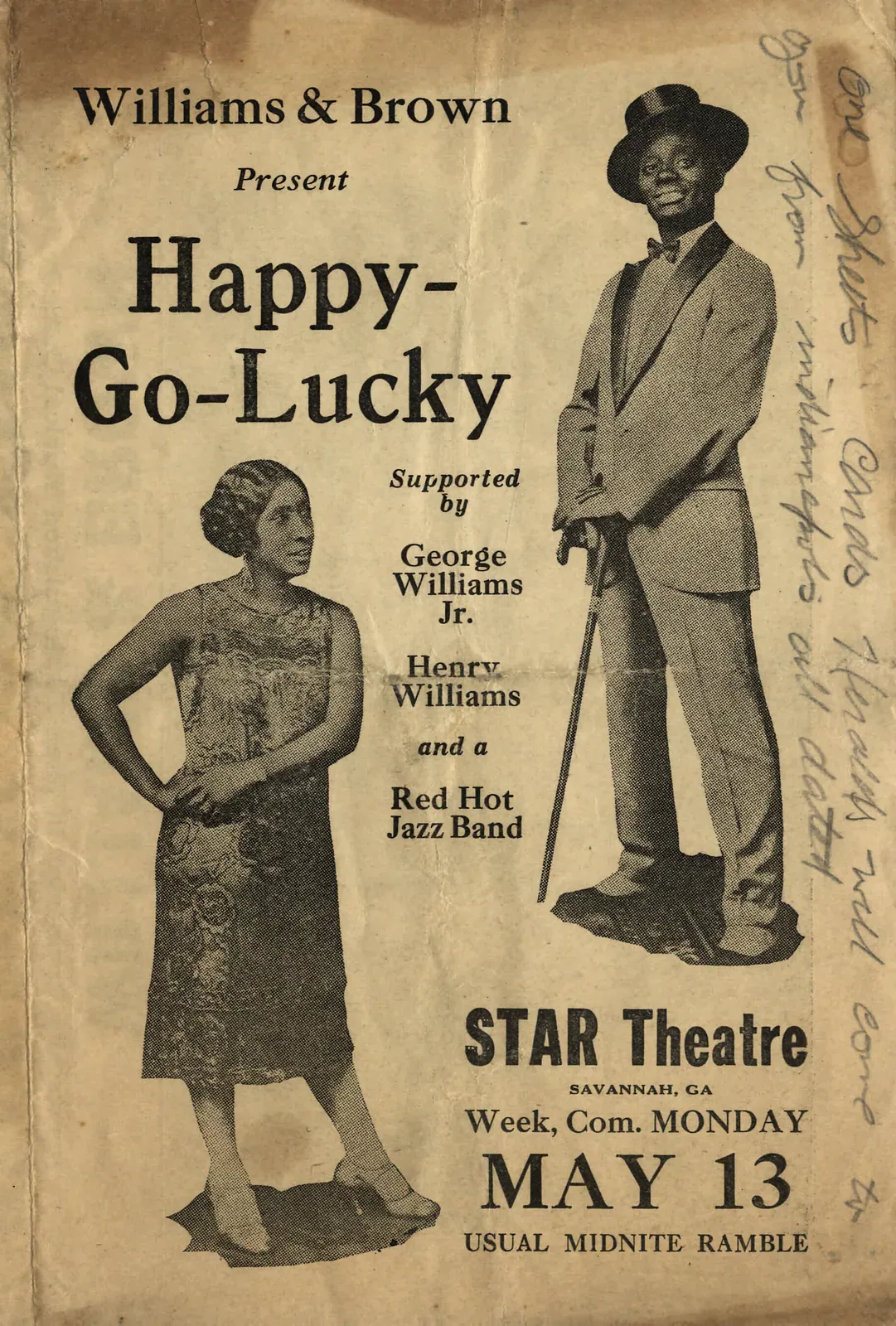
Classic and vaudeville blues, 1920 to 1927
Mamie Smith recorded “Crazy Blues” in 1920, the first blues record by a Black singer, and it sold 75,000 copies in its first month. Gertrude “Ma” Rainey, Bessie Smith and Lucille Bogan were the leading names of the decade.
These singers brought stage technique to the form: more melodic improvisation, unusual phrasing, and shouts, moans and wails. Their work fed into jazz, Broadway musicals, torch songs, gospel and eventually rhythm and blues.
Piano, guitar and the Bluebird sound, 1928 to 1941
The male stars of the late 1920s and 1930s were Leroy Carr, Tampa Red and Big Bill Broonzy. Carr, born in Nashville and based in Indianapolis, sang in a laid-back, crooning style over his own piano, with Scrapper Blackwell’s melodic guitar answering. Their first release, “How Long, How Long Blues” for Vocalion in 1928, was a hit. Historians rank Carr among the most influential male blues singers and songwriters of the first half of the century. He made his last recordings in Chicago on 25 February 1935 and died that April, aged about 30.
Tampa Red, a Chicago guitarist known for single-string slide playing, recorded the hokum hit “It’s Tight Like That” in 1928 with the pianist Georgia Tom. Broonzy had moved to Chicago in 1920, learned guitar from Papa Charlie Jackson and played rent parties for years. His first record, “House Rent Stomp”, came out on Paramount in 1927 and sold poorly. Talent scout Lester Melrose then placed him, and in 1934 he joined Bluebird, where a stronger rhythm and blues sound emerged. By 1937 he was working with the pianist Joshua Altheimer in a small group with drums, double bass and horns or harmonica.
Bluebird, founded in 1932 as RCA Victor’s budget label, made records quickly and cheaply. Its session band included Broonzy, Roosevelt Sykes and Washboard Sam, and Melrose controlled much of the Chicago blues market. The “Bluebird sound” that resulted influenced rhythm and blues and early rock and roll.
Boogie-woogie, jump and West Coast blues, 1942 to 1949
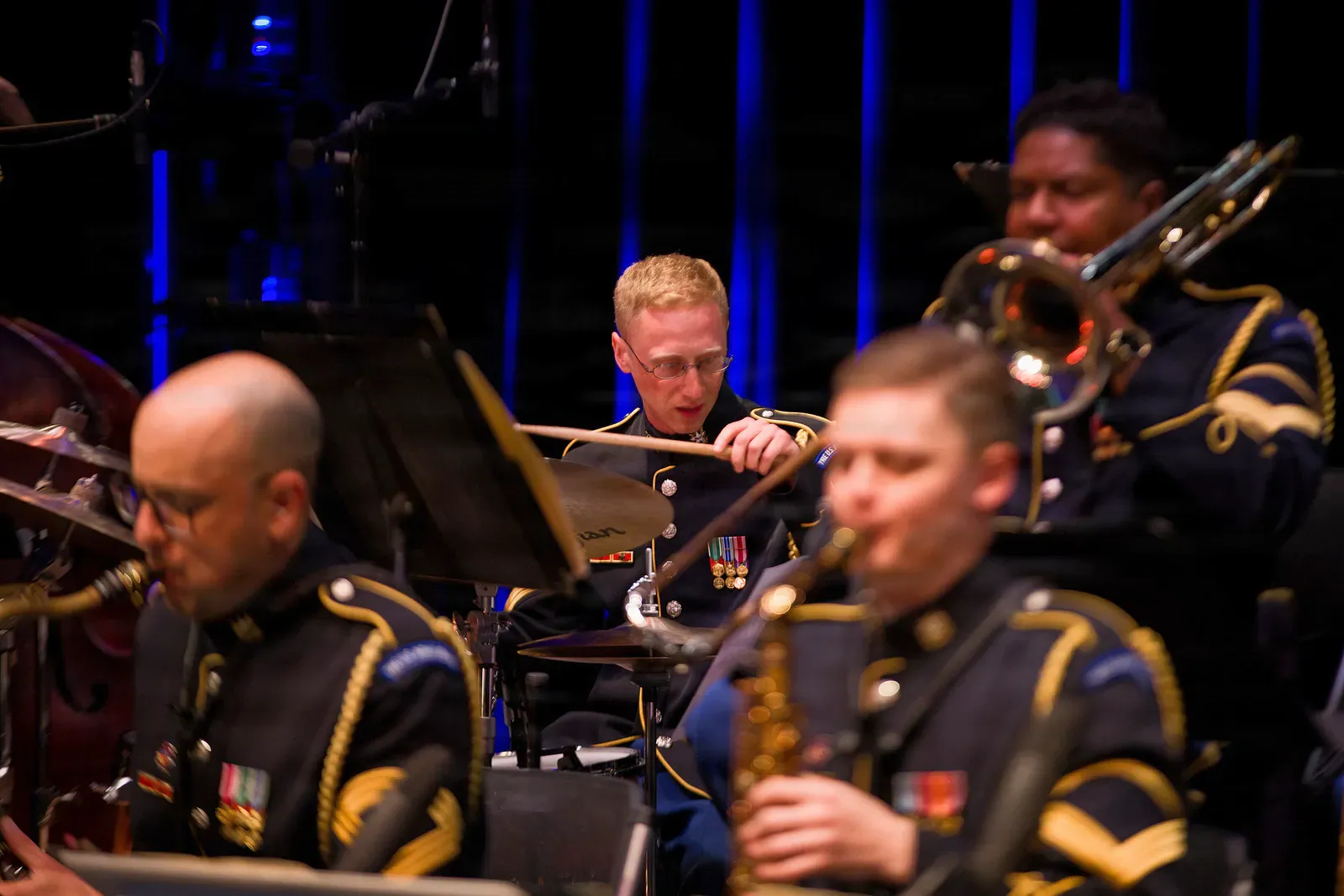
Boogie-woogie, a piano style with a repeating left-hand figure, was a major urban form of the 1930s and early 1940s. Jimmy Yancey, Albert Ammons, Pete Johnson and Meade Lux Lewis pioneered it. In Kansas City, bands such as Bennie Moten’s and Count Basie’s played blues, with Jimmy Rushing shouting over them.
In the 1940s the jump blues style grew out of boogie-woogie under the influence of big bands. It used saxophone or brass with a guitar in the rhythm section, an up-tempo jazzy sound and declamatory vocals. Louis Jordan and Big Joe Turner were its leading voices, and it fed directly into rhythm and blues and rock and roll.
T-Bone Walker, born in Texas, moved from the early urban style of Lonnie Johnson and Carr to jump blues and dominated the blues and jazz scene in Los Angeles in the 1940s. His single “Mean Old World” came out in November 1945, and “Call It Stormy Monday” followed in 1947. Wartime arrivals from the South built an integrated club scene on Central Avenue that favoured a lighter touch. Nat King Cole’s piano set the style, and when he left to perform nationally, Johnny Moore’s Three Blazers filled his place with Charles Brown singing and playing piano.
Brown’s “Driftin’ Blues” stayed on the R&B chart for six months in 1945. After leaving the Three Blazers in 1948 he signed with Aladdin, and “Trouble Blues” held number one on the R&B chart for 15 weeks in 1949. His singing, like that of Walker and Amos Milburn, was lighter and more relaxed, with saxophone sections and written arrangements.
Rhythm and blues and the touring circuit, 1950 to 1969
The Second Great Migration after the war brought a new wave of Black residents to the cities and a new market with higher incomes. The industry replaced the term race records with rhythm and blues, and Billboard began an R&B chart. Electric instruments and amplification became common, and the blues shuffle beat spread through R&B.
Brown’s “Black Night” held the top of the R&B chart for 14 weeks in 1951. His mellow approach did not survive the harsher rhythms of rock and roll, but “Please Come Home for Christmas”, a 1960 hit, sold over a million copies by 1968.
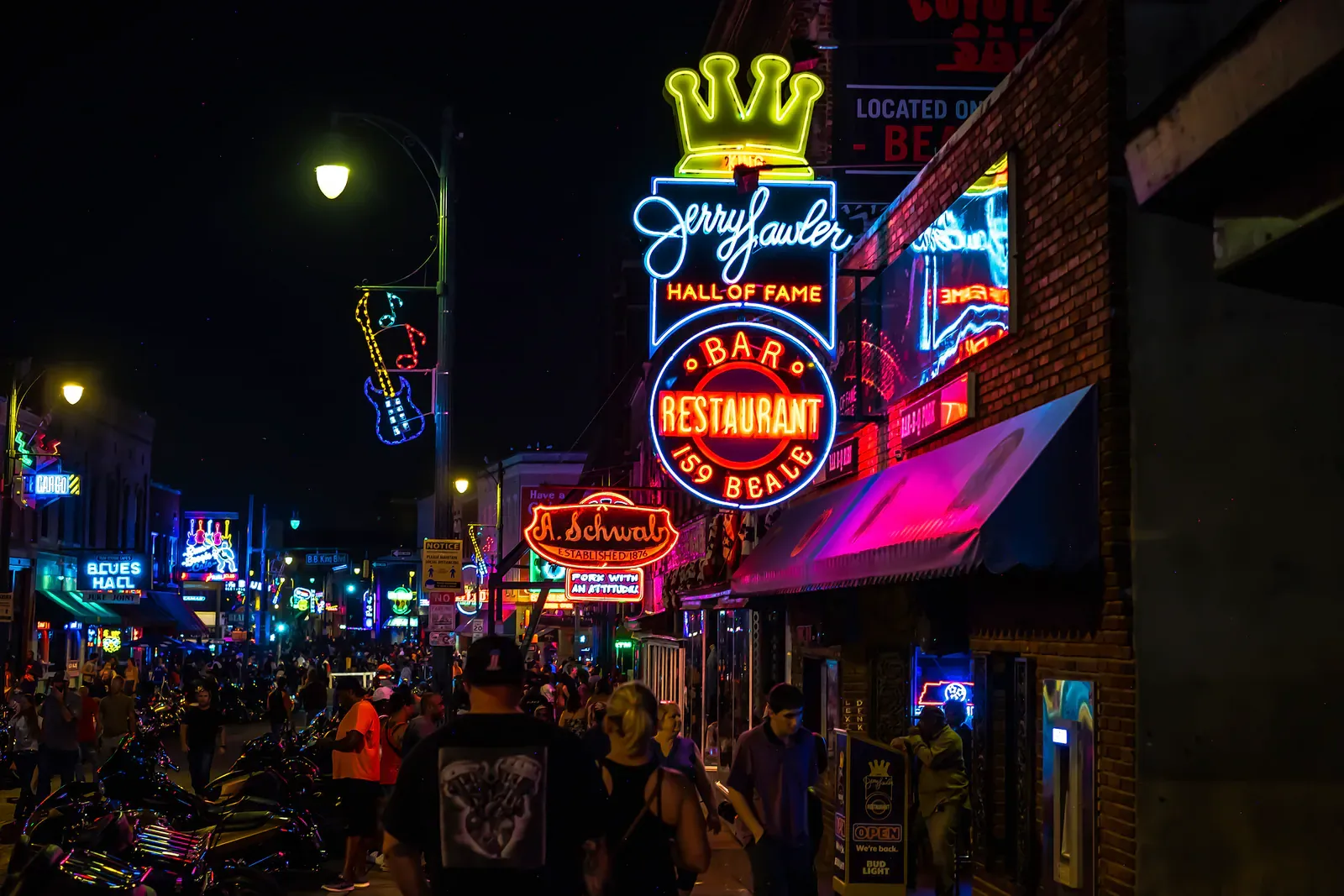
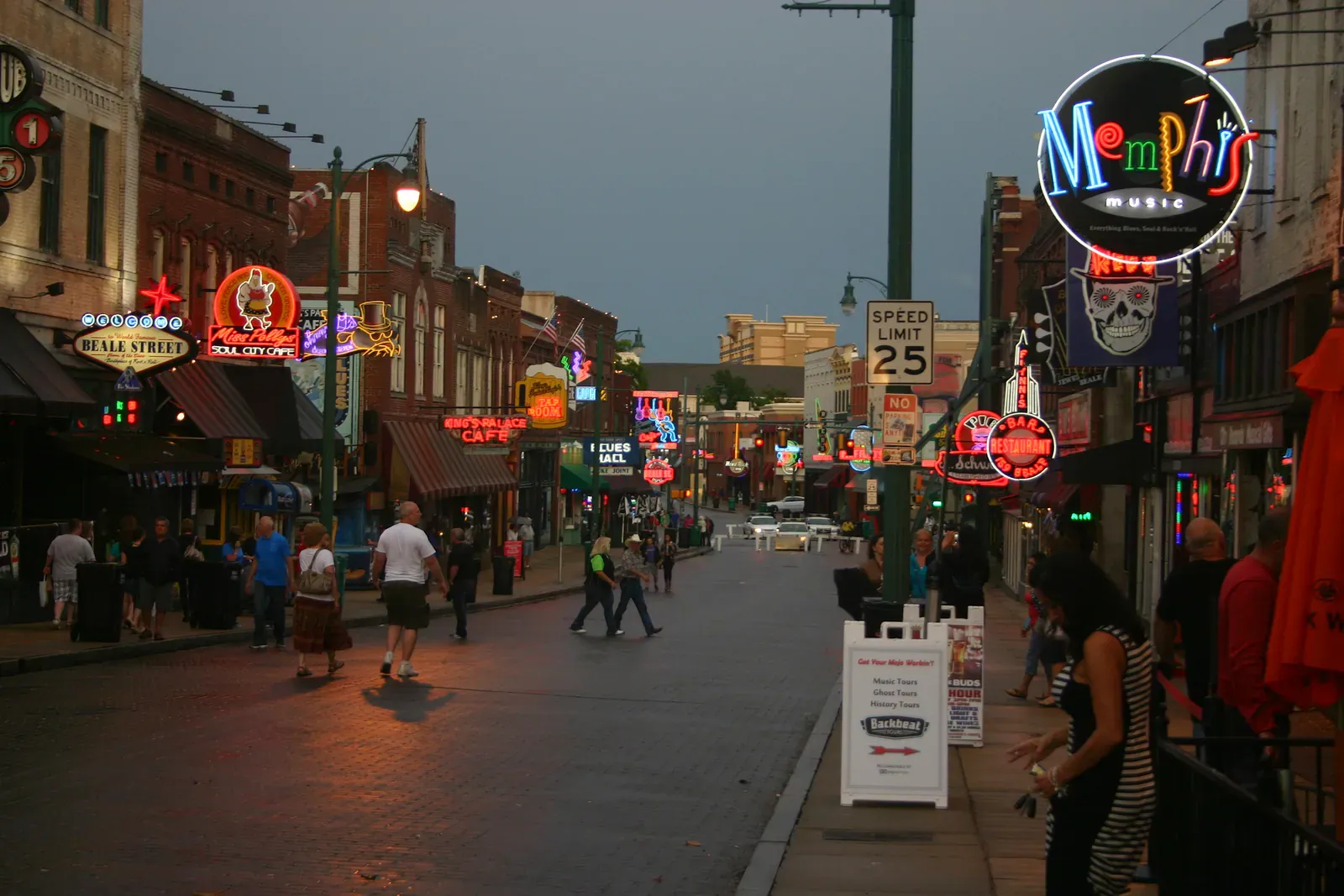
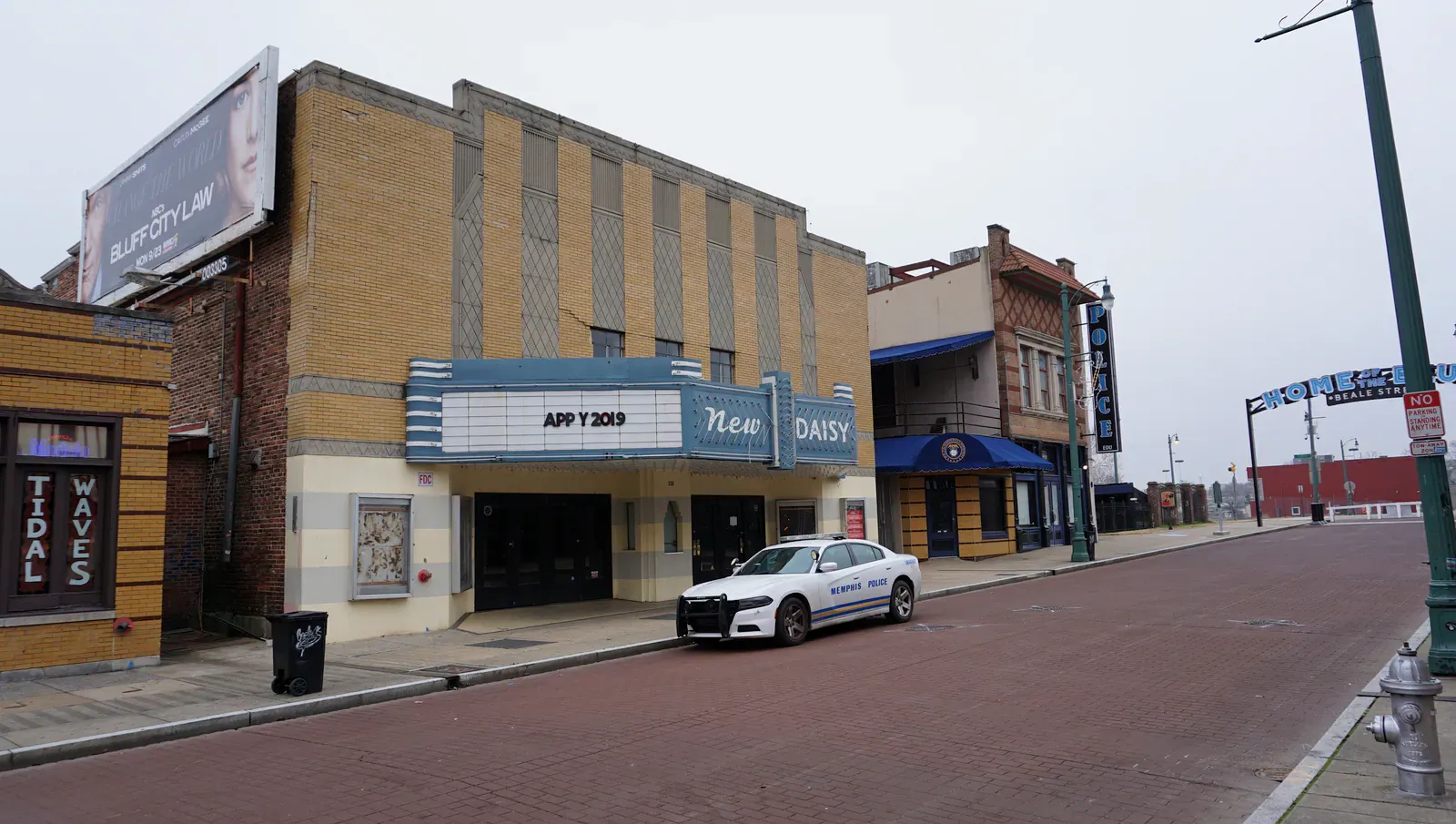
B.B. King came up on Memphis’s Beale Street, playing with Bobby Bland and Johnny Ace in the Beale Streeters. He made his first record for Bullet in 1949 and then signed to RPM Records in Los Angeles, where Sam Phillips produced many of his early sessions. “3 O’Clock Blues” reached number one on the R&B chart in 1952. In 1956 he booked 342 concerts. His career was built on touring theatres, juke joints and the Chitlin’ Circuit, and in 1969 he opened the Rolling Stones’ American tour, which brought him a rock audience. His 1970 Grammy-winning “The Thrill Is Gone” crossed over to the pop chart. Chicago’s electric blues ran alongside this city circuit.
Characteristics
The vocal is smoother and more polished than in country blues, from Carr’s croon to Brown’s nightclub whisper. A band replaces the solo performer, and the harmony borrows from jazz. Songs keep the twelve-bar form, a line sung over four bars, repeated, then answered by a longer closing line, but the lyrics turn to city themes. The singer at the piano with a guitarist alongside, set by Carr and Blackwell, lasted into the 1950s with Brown and even Nat King Cole.
Instruments and production
The piano was the first lead instrument, valued for its steady bass and light right-hand ornament. The guitar played single notes and jazz-flavoured lines, and Walker and King built their styles on phrases that answer the vocal. Studio groups of the 1930s added drums, double bass, harmonica and horns, and the 1940s combos expanded the saxophone section. Bluebird recorded fast with a house band, so a handful of players gave Chicago a recognisable sound.
Mainstream success
“Crazy Blues” in 1920 showed that a market for blues existed. Brown had seven Top 10 hits on the R&B chart between 1949 and 1952, and King reached the pop chart in 1970. Brown entered the Rock and Roll Hall of Fame in 1999 and King in 1987.
Notable recordings
“How Long, How Long Blues” was Carr’s debut and first hit, released in 1928 with sequels in 1929. It showed that a blues could be sung quietly over a piano and a jazz guitar rather than shouted for a vaudeville house.
“Driftin’ Blues”, recorded by Brown with Johnny Moore’s Three Blazers in 1945, defined West Coast blues. Brown influenced Floyd Dixon, Percy Mayfield, Johnny Ace and Ray Charles.
“Call It Stormy Monday” appeared in 1947 and has since been recorded in about 95 dated versions. Its slow tempo, near 65 beats per minute, and answering guitar lines made it a template for amplified blues.
Culture
Rent parties, where a pianist or guitarist played for donations, trained many players, Broonzy among them. The Central Avenue clubs of Los Angeles and the theatres of the touring circuit gave the music its public. King named his guitar Lucille after a fire at a dance in Twist, Arkansas, started by two men fighting over a woman of that name; he ran back in to save the instrument.
Legacy
Carr’s vocal style moved blues singing toward urban sophistication and influenced T-Bone Walker, Charles Brown, Amos Milburn, Jimmy Witherspoon and Ray Charles. Jump blues shaped rhythm and blues and rock and roll. The wider story is told on the blues page.
Misconceptions
Urban blues is not the same as electric blues. Its first stars played piano and acoustic guitar, and amplification became standard only in the 1940s and 1950s.
City blues was not a watered-down country blues. It answered a different audience with more elaborate arrangements, and singers such as Broonzy moved between both worlds.
Race records were not heard only by Black listeners: white buyers bought some of the classic female singers’ records as well.
Frequently asked questions
What is urban blues?
Urban blues is blues shaped by city life and the Great Migration, with ensemble backing, richer harmony, smoother vocals and urban lyrics, in contrast to rural country blues.
How does urban blues differ from country blues?
Country blues was solo and local, usually voice and guitar. Urban blues used bands, pianos and horns, and sang to larger audiences.
How is urban blues related to rhythm and blues?
Rhythm and blues was the industry’s name for the market that urban blues created, and jump and West Coast blues fed directly into it.
Sound
Sound sheet
Anatomy of a track
| # | Part | Bars |
|---|---|---|
| 1 | First line of the verse | 4 |
| 2 | Repeated line | 4 |
| 3 | Closing line | 4 |
Signature sounds
- Piano and guitar duet
- Horn section riffs behind the singer
- Smooth, crooning vocal
- Single-note amplified guitar lead
Techniques
- Twelve-bar AAB form
- Piano and guitar duet
- Boogie-woogie left hand
- Crooning vocal
- Blues shouting over horn riffs
- Single-note guitar lead
Keys and modes
Blues scale and blue notes. Lowered thirds, fifths and sevenths over a twelve-bar form.
Vocals
Smoother and more polished than the country blues, from the laid-back croon of Carr and Brown to the shouting of jump blues.
Scenes
Where it happened
Where and when the sound lived: one bar per city on a shared timeline.
North America
Active scenes
Peak 4, 1948-2025
South Side clubs, rent parties and Bluebird sessions made it the base for Broonzy and Tampa Red.
Wartime migration built an integrated club scene on Central Avenue for Walker and Brown.
Beale Street was the base for B.B. King's early career.
Home city of Leroy Carr, whose piano style spread from there.
Culture
Culture markers
- Race records
The industry's label for records sold to Black buyers, replaced by rhythm and blues.
Slang - Rent parties
Neighbourhood parties where a pianist or guitarist played for donations, such as the ones where Broonzy honed his playing.
Ritual - Boogie-woogie piano
A driving left-hand ostinato that accompanied singers and dancers in 1930s and 1940s clubs.
Dance
Glossary
Terms on this page
A loud, projected vocal style used in front of big bands, as in Jimmy Rushing and Big Joe Turner.
A piano style with a repeating left-hand figure that also backed singers and bands.
The movement of millions of Black Americans from the rural South to northern and western cities, starting around 1916.
Up-tempo, horn-led blues with declamatory vocals, developed in the 1940s from boogie-woogie and big band music.
A 78 rpm record marketed to Black listeners, the label replaced by rhythm and blues after the Second World War.
Blues family