Canadian blues
Canadian blues is blues and blues-rock by Canadian bands and players, built on the Toronto club scene of the late 1950s and a national festival circuit.
Toronto, 1955
Blues family
Born
1955
Toronto
Subgenres
1
Documented branches
Links
3
Genres it drew on or shaped
Tempo
60-170 BPMLineage
Family tree
Grew out of
Derived from
- Chicago blues
Derived from
Toronto, 1955
Canadian blues
Led to (1)
Timeline
Era by era
From the first sparks to today. Select a dot to read the story behind it.
- Yonge Street and the Hawks
1958 to 1972
- Touring bands and independent labels
1973 to 1984
- Crossover hits
1985 to 1999
- Roots labels and festival circuit
2000 to today
Eras
Moments
- 1 Yonge Street and the Hawks, 1958 to 1972
- 2 Touring bands and independent labels, 1973 to 1984
- 3 Crossover hits, 1985 to 1999
- 4 Roots labels and festival circuit, 2000 to today
around 1958
Yonge Street and the Hawks
Ronnie Hawkins brought rockabilly to Ontario bars, recruited and trained the musicians around him, and Toronto clubs such as Grossman's Tavern became the first home of Canadian band blues.
- 1958Hawkins settles in OntarioArkansas-born rockabilly singer Ronnie Hawkins moves to Canada in the late 1950s and builds the Toronto bar circuit around his band the Hawks.
- 1959Mary LouRonnie Hawkins records Mary Lou, one of his best-known hits and an early Canadian-based rock and roll success.
- 1969Downchild Blues Band forms in TorontoBrothers Donnie and Rick Walsh start the band, which was the house band at Grossman's Tavern from 1968 to 1970.
- 1970Official MusicKing Biscuit Boy's debut album, backed by Hawkins's circle, charts on the US Billboard album chart.
- 1971Bootleg is recordedDownchild records Bootleg over two nights in a makeshift studio at Toronto's Rochdale College, an early independent Canadian album later picked up by RCA Canada.
1973
Touring bands and independent labels
Downchild toured the country and reached the Blues Brothers repertoire, Stony Plain opened in Edmonton, and Powder Blues sold double platinum from Vancouver.
- 1976Stony Plain Records foundedHolger Petersen starts the Edmonton label that becomes a long-running home for Canadian blues and roots.
- 1978Blues Brothers record Downchild songsBriefcase Full of Blues includes Flip, Flop and Fly, Shot Gun Blues and I've Got Everything I Need (Almost) from Downchild's repertoire.
- 1980UncutPowder Blues, formed in Vancouver in 1978, sell double platinum in Canada with their debut and win a Juno for Best New Group.
1985
Crossover hits
Jeff Healey's Angel Eyes reached the US top 5 and Colin James took blues-rock to Canadian radio, while festivals and blues societies spread across the provinces.
- 1988Angel EyesThe Jeff Healey Band signs to Arista and releases See the Light, whose single Angel Eyes reaches No. 5 on the US Billboard Hot 100.
- 1990Just Came BackColin James releases the single from Sudden Stop, which wins a Juno as Single of the Year.
2000
Roots labels and festival circuit
Labels such as Electro-Fi and NorthernBlues, and festivals from Ottawa to Nanaimo, support a touring scene of guitarists including Sue Foley, Jack de Keyzer and JW-Jones.
- 2000Sue Foley wins a JunoLove Comin' Down earns Sue Foley the Juno for Best Blues Album.
- 2021Pinky's BluesSue Foley releases Pinky's Blues, a Texas-style album from the Ottawa-born guitarist.
Listening path
Start listening
A short path from an easy way in to the deep end. Thumbnails come from YouTube; the player loads only when you press play.
- 01
Ronnie Hawkins, 1963
The rockabilly-to-blues bridge of the Toronto scene; listen for the Hawks' stomping rhythm section.
- 02
Downchild Blues Band, 1973
The jump-blues signature of Canada's longest-running blues band; listen for the horns and piano.
- 03
The Jeff Healey Band, 1988
The crossover hit that reached the US top 5; listen for the lap-style guitar solo.
- 04
Colin James, 1990
Blues-rock single that won a Juno; listen for the Chicago-style guitar riffs.
- 05
Sue Foley, 2021
Present-day Texas-style Canadian blues; listen for the clean single-note guitar.
Facts
| Family | Blues |
| Origin | Toronto, Canada |
| Emerged | 1950s onwards |
| Status | Active |
| Tempo | 60 to 170 BPM |
| Meter | 4/4 |
| Grew out of | Electric blues, Chicago blues |
| Subgenres | 1 |
Canadian blues is the blues, jump blues and blues-rock played and recorded by Canadian bands and performers. It rests on the American styles of Chicago and Mississippi blues and on electric band blues, and it took shape in Toronto bars from the late 1950s.
It is carried by touring bands, independent labels, city blues societies and a national chain of summer festivals.
Origins
Canada shares a long border with the United States, and most Canadians live close to it. Players in Ontario could hear and play with bands from Detroit and Chicago, and American musicians worked Canadian clubs as a matter of routine. The result was a scene that borrowed its forms from the American blues and rock and roll rather than from a local folk tradition, and that stayed open to collaboration across the border. Guest spots, shared bills and American producers are a constant in its history.
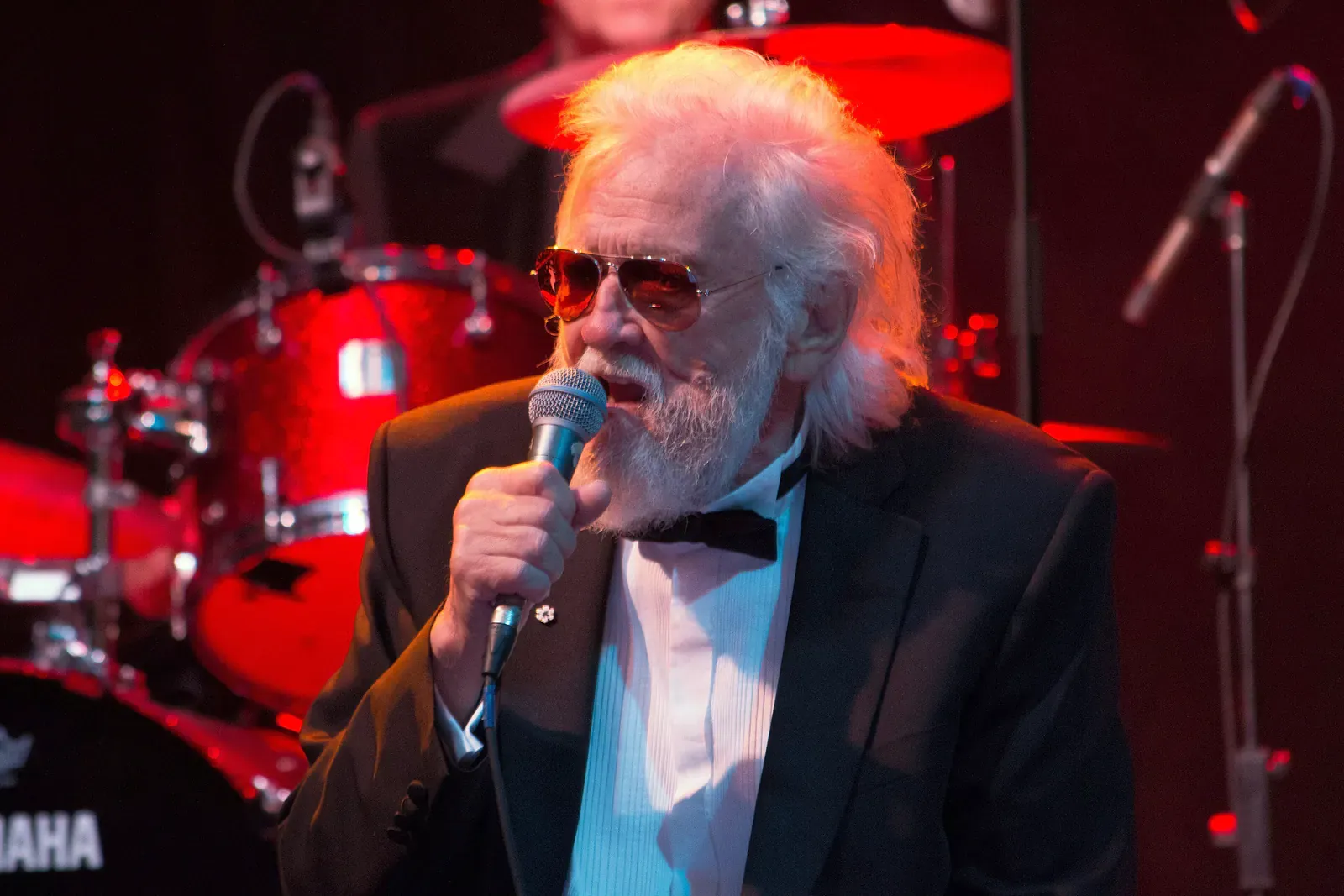
The first organising figure was not a bluesman. Ronnie Hawkins, a rockabilly singer from Arkansas, moved to Ontario in the late 1950s and made the Yonge Street bars of Toronto his base. His band, the Hawks, played a rough mix of rock and roll, rhythm and blues and country, and he recruited and trained the musicians around him, among them players who later formed The Band. His 1959 hit Mary Lou and his 1963 reading of Bo Diddley’s Who Do You Love showed that a Toronto act could sell records and fill rooms. Hawkins also gave Richard Newell of Hamilton the nickname King Biscuit Boy, after the radio programme King Biscuit Time.
Toronto, 1958-1972
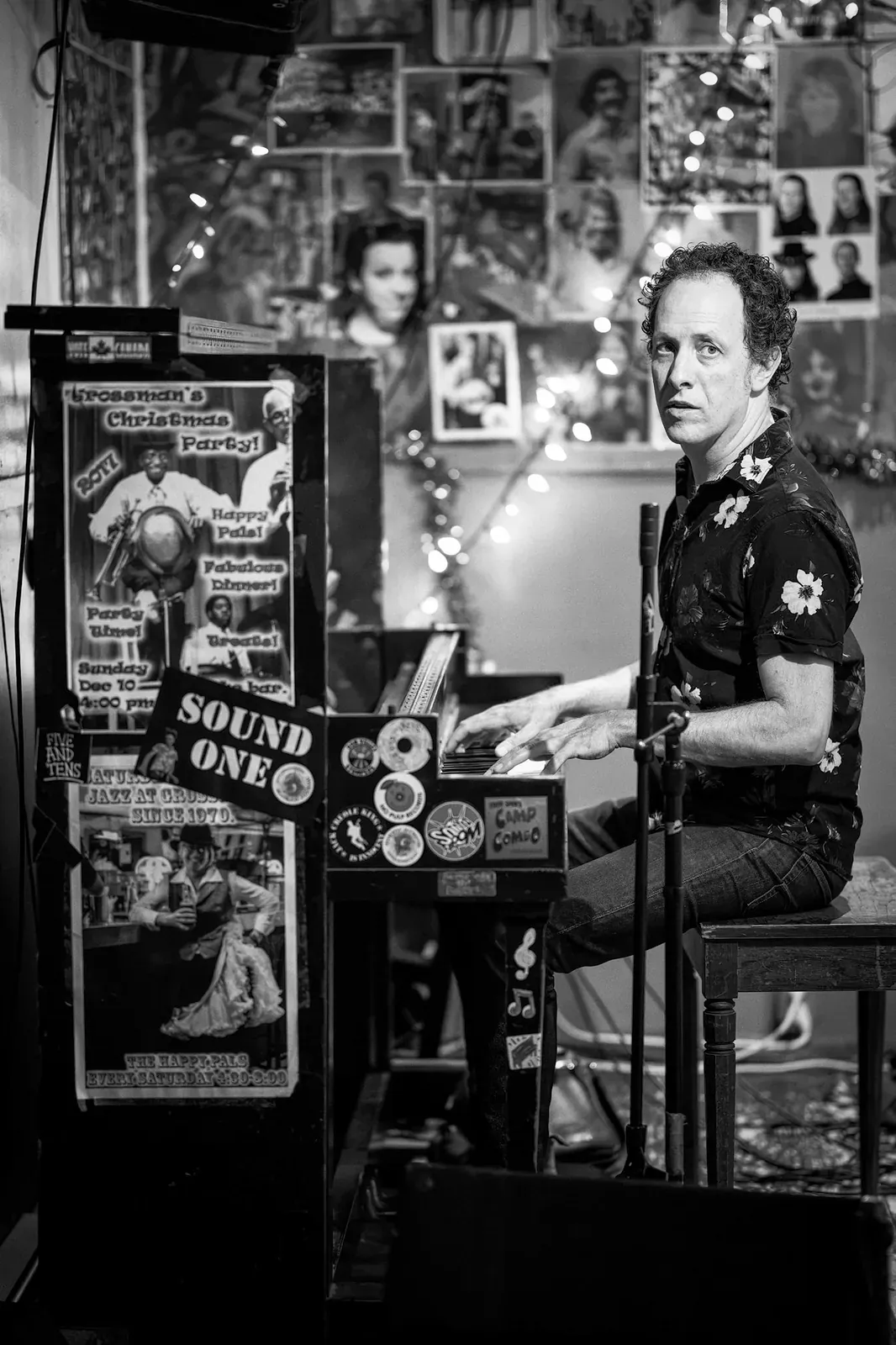
Toronto’s bars were the first laboratory. Grossman’s Tavern became the room where a young blues band could play for weeks, and Downchild Blues Band was its house band from 1968 to 1970. The Jeff Healey Band later played there, and it was at the club Albert’s Hall that Stevie Ray Vaughan and Albert Collins discovered Healey.
King Biscuit Boy, a slide guitarist and harmonica player, released Official Music in 1970 and became the first Canadian blues artist to reach the US charts. Downchild, formed in 1969 by brothers Donnie and Rick Walsh and named after a Sonny Boy Williamson song, took a different route. Its first album, Bootleg, was recorded in 1971 over two nights in a makeshift studio at Rochdale College and distributed by hand before RCA Canada picked it up. It is counted among the first independent albums made in the country.
Independent bands and labels, 1973-1984
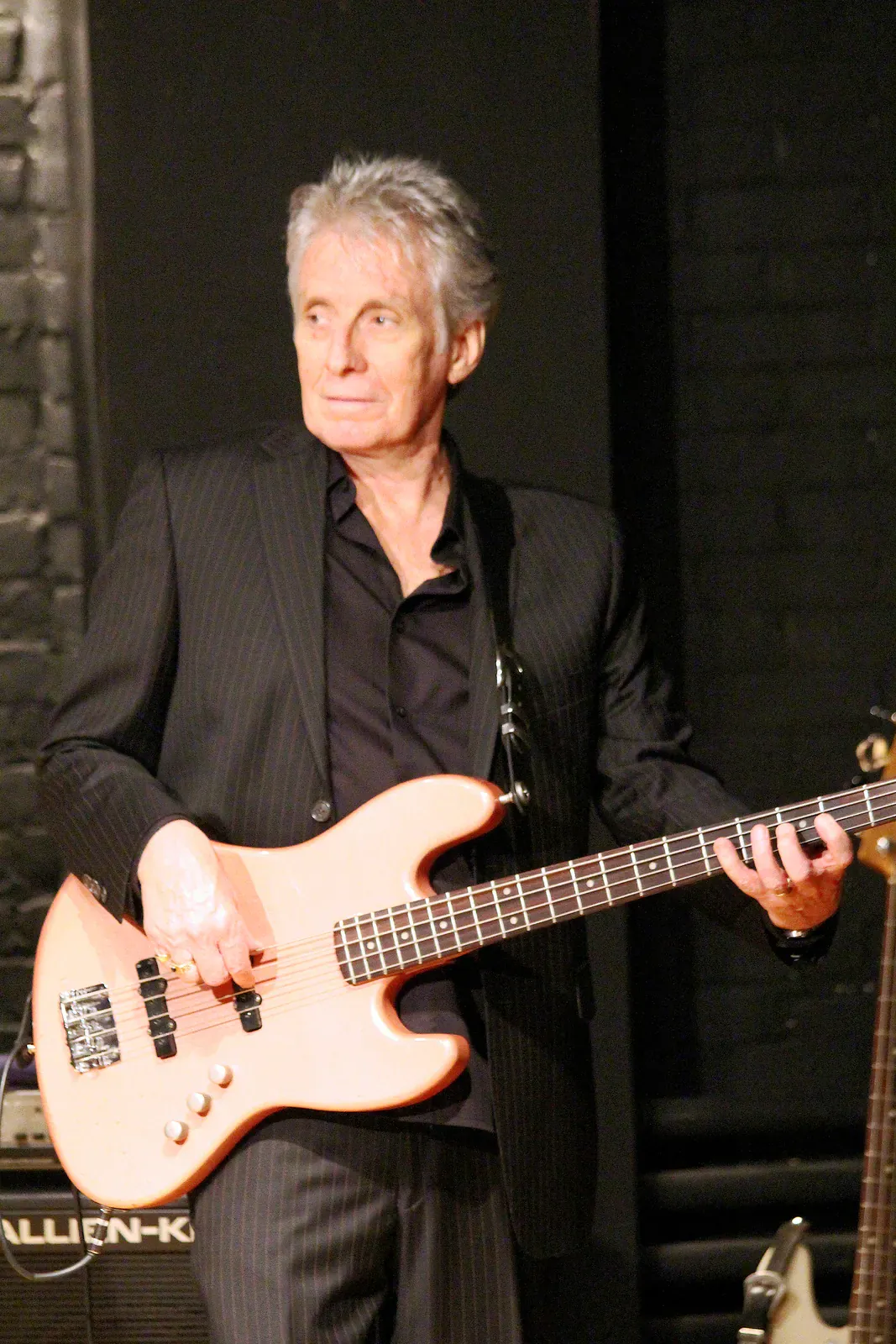
The 1970s saw the genre settle into a working circuit. Downchild toured across the country for decades and, with a lineup that has passed through more than 120 musicians, remained a jump and Chicago-style blues band. In 1978 the first Blues Brothers album recorded three Downchild songs, Flip, Flop and Fly, Shot Gun Blues and I’ve Got Everything I Need (Almost), which gave the band an audience beyond Canada. In Nova Scotia, Dutch Mason, a singer, guitarist and pianist from Lunenburg, became known as the Prime Minister of the Blues.
The business side grew in parallel. Holger Petersen founded Stony Plain Records in Edmonton in 1976, and it became a home for Canadian blues and roots with a catalogue of several hundred albums. In Vancouver, Tom Lavin formed Powder Blues in 1978. Their 1980 debut, Uncut, sold double platinum in Canada, produced four top ten songs and won a Juno for Best New Group; the follow-up, Thirsty Ears, appeared on Capitol Records.
Crossover hits, 1985-1999
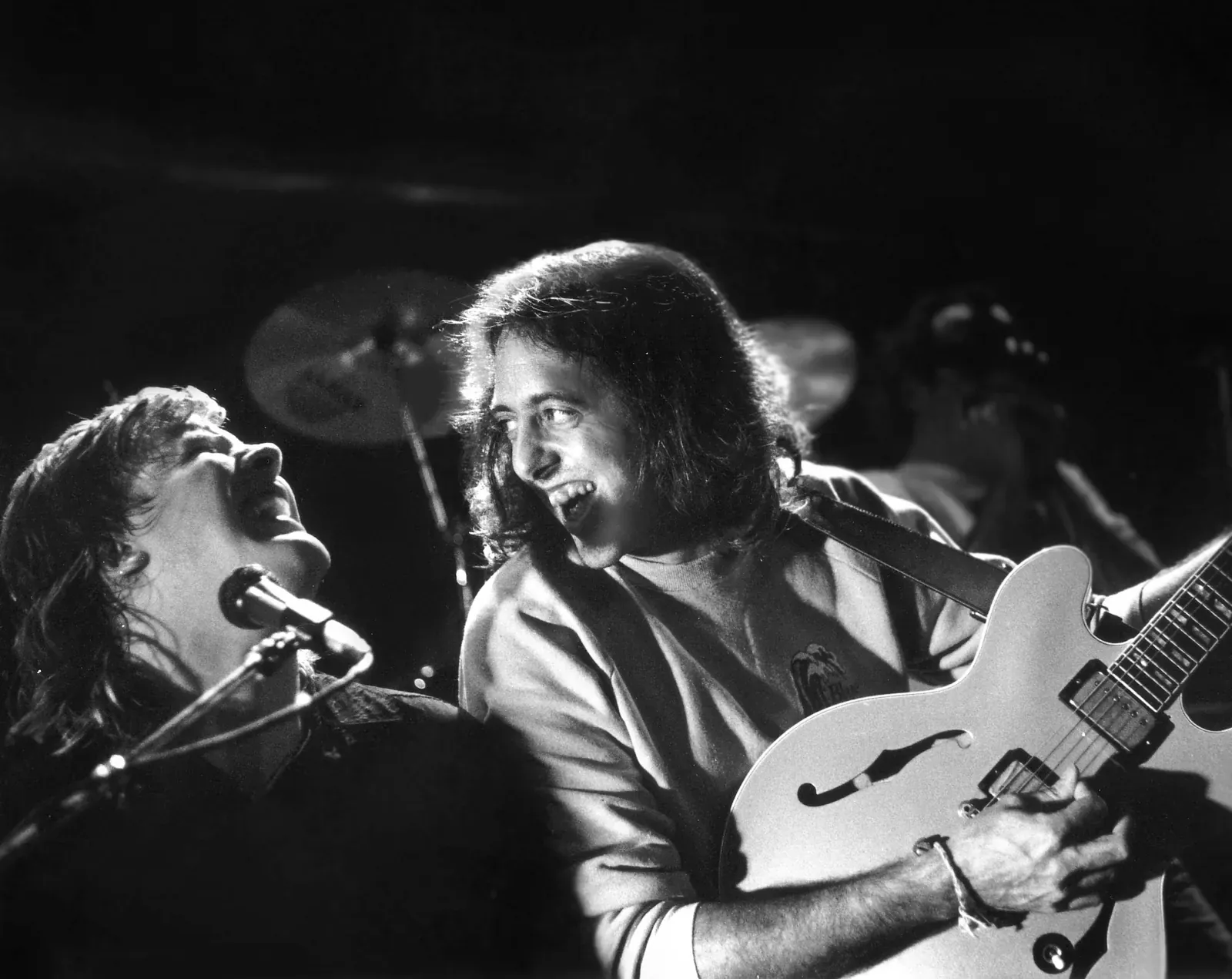
The next step was the radio. Jeff Healey, who lost his sight to retinoblastoma, played the electric guitar flat across his lap. His trio formed in 1985 and signed to Arista in 1988, and the debut See the Light produced Angel Eyes, a No. 5 hit on the US Billboard Hot 100, and the Grammy-nominated instrumental Hideaway. The band also appeared in the film Road House as the bar’s house band. Colin James, born in Regina, built his career on blues-rock songs and swing; his single Just Came Back won a Juno in 1991 and National Steel won the Juno for Best Blues Album in 1998. Both belong to the line that connects the genre to blues rock, where the blues form carries a rock arrangement.
Characteristics
The format is the electric band: guitar, bass, drum kit, and a harmonica, piano or organ, sometimes with a horn section. Songs follow the twelve-bar form and its variations, from slow ballads to shuffles and jump numbers, and the measured tempos of canonical recordings run from about 60 to about 170 beats per minute. A spread of styles lives under the label, from Downchild’s Chicago-influenced jump band sound to Healey’s lap-style guitar, Foley’s Texas-style leads and Colin James’s rock-leaning delivery. Many bands rely on live work, with the club and festival circuit as the main income.
Instruments and production
Production tends to stay close to the live band. The harmonica, treated as a lead voice, defines King Biscuit Boy and Downchild’s early records, while pianist Jane Vasey, who joined Downchild in 1973, gave that band a keyboard identity. Healey played his electric guitar flat on his lap, a technique tied to his own style. Horn sections add the jump-blues bite. Colin James’s National Steel (1997) takes its title from the resonator guitar, and Sue Foley plays in the Texas tradition.
Mainstream success
Crossover came in bursts. King Biscuit Boy charted in 1970, Powder Blues sold double platinum in 1980, Healey reached the US top 5 in 1988, and Colin James collected Junos through the 1990s. Between those peaks the genre depended on touring and on specialised labels. Stony Plain remained active, Electro-Fi launched in 1997 with a roster that mixed Canadian players and American elders, and NorthernBlues Music followed in 2001.
Culture
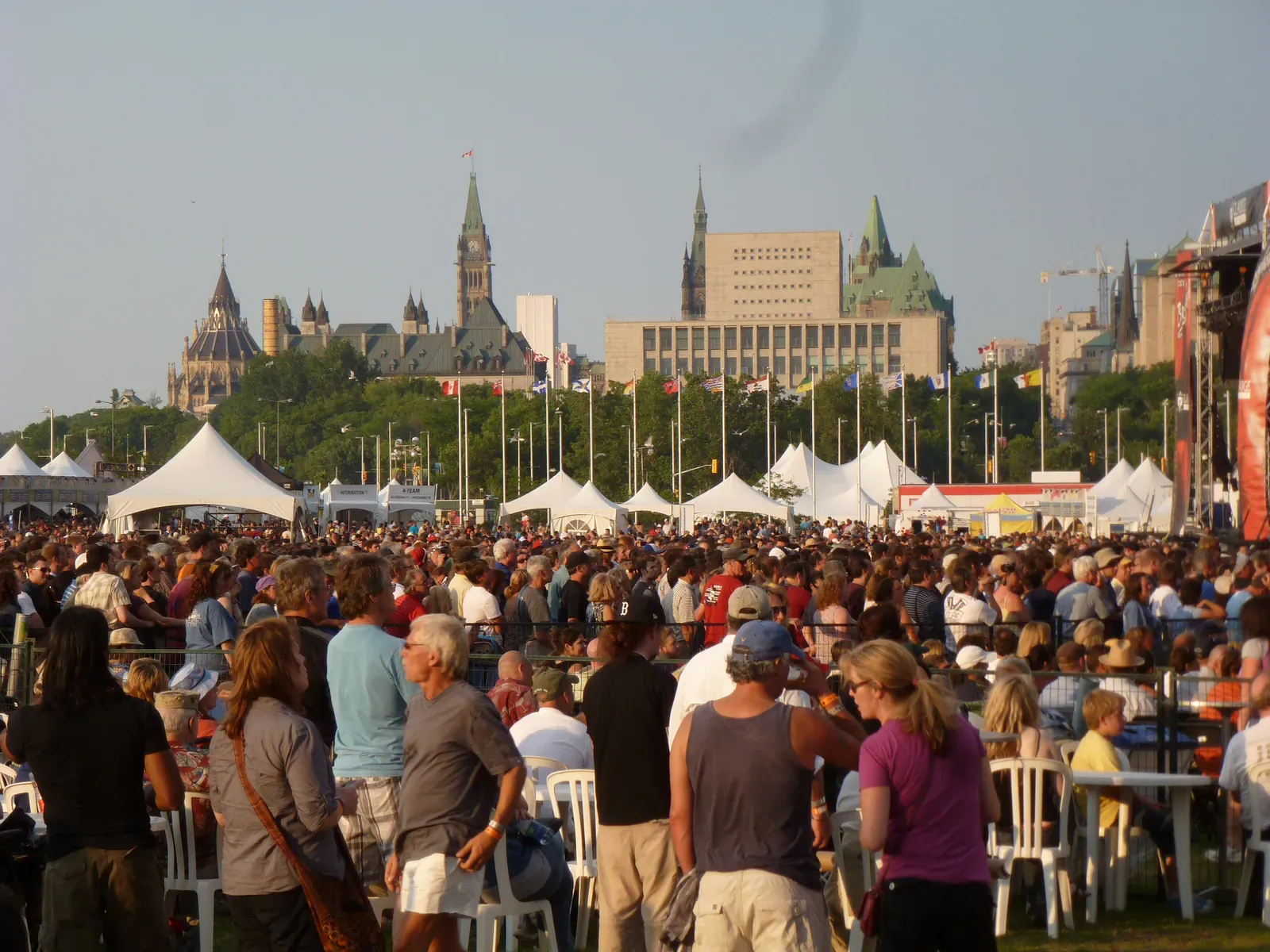
Blues in Canada lives in clubs, radio programmes and volunteer blues societies that book shows and run jam sessions. Summer festivals set the calendar. Ottawa Bluesfest is among the largest and draws big crowds to a site in front of Parliament Hill. Smaller events run in Fredericton, Hamilton, Calgary, Edmonton, Nanaimo and, in Nova Scotia, in Dutch Mason’s name. Awards give the scene its own milestones: the Juno Award for Blues Album of the Year, which Sue Foley won in 2000 for Love Comin’ Down, and the Maple Blues Awards.

Legacy
The scene now spans several generations. Jack de Keyzer, a Juno winner in 2003 and 2010, Sue Foley, who released Pinky’s Blues in 2021, JW-Jones, David Gogo and Roxanne Potvin tour the festival circuit at home and in the US and Europe. Downchild is still performing more than five decades after its first album. The style also left a mark on rock, because the Toronto bar circuit trained players who went on to form The Band, and because electric blues forms remain the shared language of the touring band. Its roots lie in rockabilly as much as in the blues.
Misconceptions
One myth is that Canadian blues is a branch of American blues with nothing of its own. Its institutions are distinct: Stony Plain, Electro-Fi and NorthernBlues, the Juno and Maple Blues awards, blues societies and a national festival map. A second is that Ronnie Hawkins was a bluesman; he was a rockabilly and rock and roll singer whose bands and protegés set the Ontario scene in motion. A third is that Jeff Healey was only a novelty guitarist; he led a platinum band, was a long-serving jazz radio host and played in traditional jazz groups.
Frequently asked questions
What is Canadian blues?
Canadian blues is blues, jump blues and blues-rock performed and recorded by Canadian artists. It follows the twelve-bar forms of American Chicago and Texas styles and developed mainly through the Toronto club scene from the late 1950s.
Who are the best-known Canadian blues artists?
The most often named are Ronnie Hawkins, King Biscuit Boy, the Downchild Blues Band, Powder Blues, Jeff Healey, Colin James, Sue Foley and Jack de Keyzer.
Which Canadian blues song charted highest in the United States?
Angel Eyes by the Jeff Healey Band, released in 1988, reached No. 5 on the US Billboard Hot 100.
Where is the biggest Canadian blues festival?
Ottawa Bluesfest is among the largest of the country’s blues festivals. Others include the Fredericton Harvest Jazz and Blues Festival, the Hamilton Blues and Roots Festival, the Dutch Mason Blues Festival in Nova Scotia and the Nanaimo Blues Festival.
Which labels release Canadian blues?
Stony Plain Records in Edmonton, founded in 1976, Electro-Fi, founded in 1997, and NorthernBlues Music, launched in 2001, are the best-known specialist labels. Major labels have also signed blues acts, including Capitol for Powder Blues and Arista for the Jeff Healey Band.
Sound
Sound sheet
Anatomy of a track
| # | Part | Bars |
|---|---|---|
| 1 | Intro | 4 |
| 2 | Vocal chorus (12-bar) | 12 |
| 3 | Guitar or harmonica solo chorus | 12 |
| 4 | Vocal chorus | 12 |
| 5 | Turnaround and ending | 4 |
Signature sounds
- Electric band shuffles with harmonica and horns
- Blues-rock guitar solos
- Lap-style or slide guitar leads
Drums and percussion
- Drum kit
Techniques
- Lap-style guitar
- Slide guitar
- Shuffle rhythm
Keys and modes
Blues scale over dominant sevenths. Twelve-bar form on I, IV and V chords, as in the American styles it follows.
Tuning
12-TET, A=440; standard guitar tuning, open tunings for slide
Vocals
Gritty English-language lead vocals in an American-derived blues idiom, from shouters to ballad singers.
Scenes
Where it happened
Where and when the sound lived: one bar per city on a shared timeline.
North America
Active scenes
Peak 5, 1990-2025
Yonge Street bars, Grossman's Tavern and Albert's Hall made the city the centre of band blues.
Home of Powder Blues and the west-coast jump-blues revival.
Base of Stony Plain Records and its blues and roots catalogue.
Home of Ottawa Bluesfest and of guitarists such as Sue Foley and JW-Jones.
Base of Dutch Mason, nicknamed the Prime Minister of the Blues, and of an Atlantic festival in his name.
Venues and places
Toronto, 1968 to today. Tavern where Downchild was house band from 1968 to 1970 and where the Jeff Healey Band later played.
Toronto, 1985 to today. Club where Stevie Ray Vaughan and Albert Collins discovered Jeff Healey.
Toronto, 1971 to today. Makeshift studio where Downchild recorded Bootleg.
Culture
Culture markers
- Blues society jam sessions
City and regional blues societies run jam nights and radio shows that feed the club circuit.
Ritual - Summer festival circuit
Festivals from Ottawa and Hamilton to Calgary, Edmonton and Nanaimo carry the touring calendar.
Ritual - Prime Minister of the Blues
Nickname given to Nova Scotia's Dutch Mason in the 1970s.
Slang
Media
Key media
- 1989Road House
by Rowdy Herrington. Film in which the Jeff Healey Band appears as the house band of the bar.
Film
Glossary
Terms on this page
Slang for the diatonic harmonica played in cross-harp position.
Local volunteer group that organises shows, radio and jam sessions for a city or region.
Up-tempo, horn-driven blues with a shuffle beat, the basis of Downchild's band style.
Canadian music award, with a Blues Album of the Year category won by Foley, de Keyzer, Fathead and others.
Annual Canadian blues awards for players, albums and live acts.
Blues family