British blues
British blues is guitar-led electric blues that grew out of London clubs from the late 1950s and peaked in the late-1960s blues boom.
London, 1958
Blues family
Born
1958
London
Links
20
Genres it drew on or shaped
Tempo
70-135 BPMLineage
Family tree
Grew out of
- Chicago blues
Derived from
Derived from
Influenced by
London, 1958
British blues
Led to (3)
Timeline
Era by era
From the first sparks to today. Select a dot to read the story behind it.
- Skiffle and acoustic blues
1955 to 1961
- London clubs and rhythm and blues
1962 to 1965
- The blues boom
1966 to 1969
- Decline, hard rock and revival
1970 to today
Eras
Moments
- 1 Skiffle and acoustic blues, 1955 to 1961
- 2 London clubs and rhythm and blues, 1962 to 1965
- 3 The blues boom, 1966 to 1969
- 4 Decline, hard rock and revival, 1970 to today
around 1955
Skiffle and acoustic blues
American blues reached Britain on imported records and visiting players. Skiffle fans such as Alexis Korner and Cyril Davies turned to the blues, and Muddy Waters' 1958 tour showed them the amplified sound.
- 1955American blues records reach British shopsBritish labels begin distributing American blues, adding to imports from servicemen and sailors. Skiffle then introduces many British players to the songs of Lead Belly.
- 1957London Blues and Barrelhouse Club opensCyril Davies and Alexis Korner close their skiffle night and reopen as a blues club in a Soho pub in Wardour Street.
- 1958Muddy Waters tours BritainMuddy Waters plays amplified Chicago blues to audiences who expected folk blues, and the reception convinces Davies and Korner to plug in.
1962
London clubs and rhythm and blues
Blues Incorporated gave London its first regular blues night in 1962. Players who sat in with it formed the Rolling Stones, Cream and the Bluesbreakers, while the Yardbirds and the Animals took the sound to wider audiences.
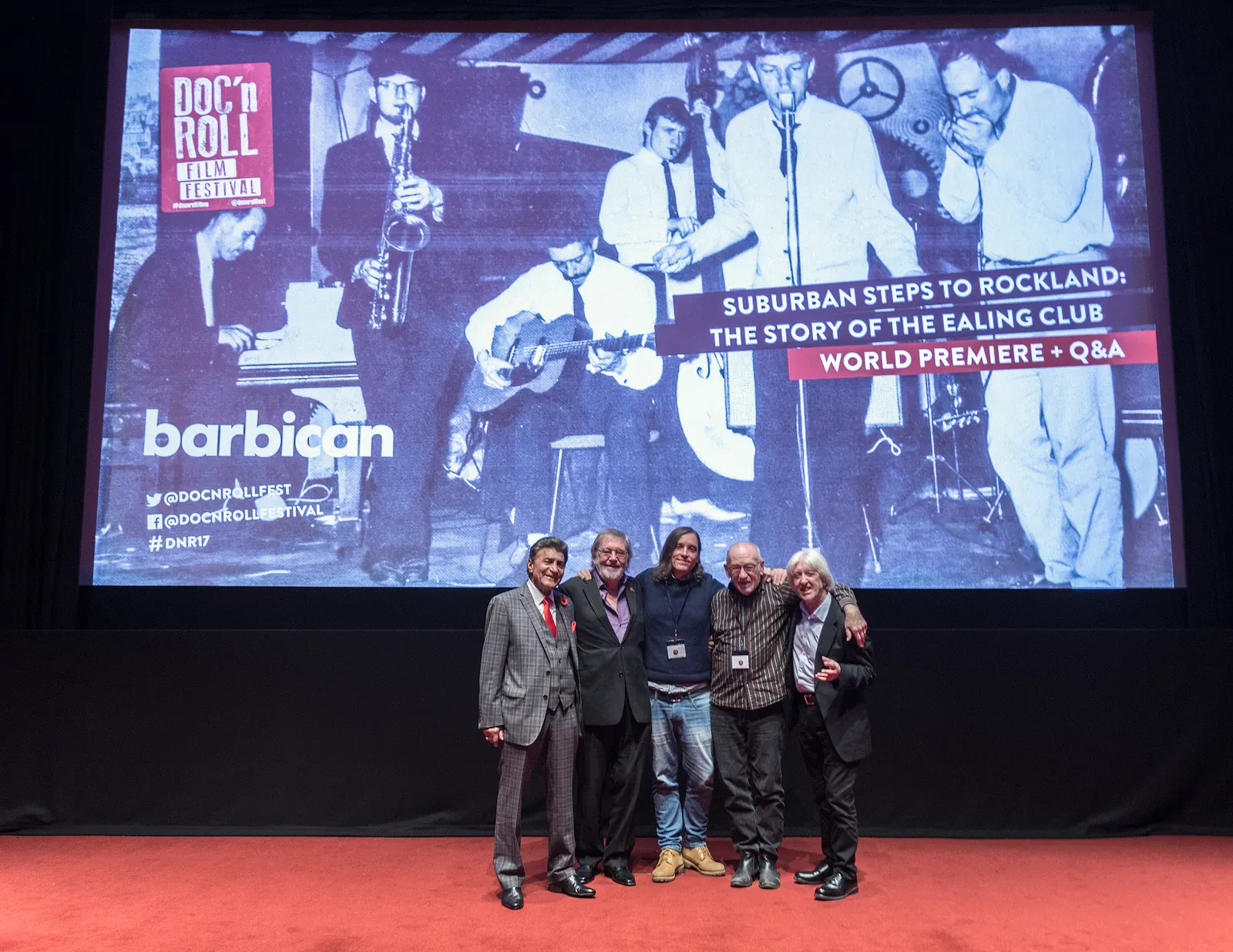
- 1962Ealing Club starts Britain's first regular blues nightBlues Incorporated opens a weekly night on 17 March at the Ealing Jazz Club. Mick Jagger, Keith Richards, Charlie Watts, Jack Bruce and Ginger Baker all sit in.
- 1962R&B from the MarqueeBlues Incorporated record the first British blues album for Decca, after a residency at the Marquee Club.
- 1963The Yardbirds form in LondonThe band that would pass through Eric Clapton, Jeff Beck and Jimmy Page forms in the London area.
- 1965Mike Vernon founds Blue HorizonThe producer starts the label that will release the Fleetwood Mac and Chicken Shack records of the boom.
1966
The blues boom
The Bluesbreakers' 1966 album with Eric Clapton set a guitar-led template. Cream, Fleetwood Mac, Free and Ten Years After followed, and Albatross reached number one in 1969.
- 1966Blues Breakers with Eric ClaptonJohn Mayall's album, produced by Mike Vernon, pairs a Gibson Les Paul with a Marshall amp and sets the sound of British blues guitar.
- 1966Cream formEric Clapton, Jack Bruce and Ginger Baker form a trio often called the first supergroup. They split in 1968.
- 1967Peter Green's Fleetwood Mac formsPeter Green leaves the Bluesbreakers with Mick Fleetwood and John McVie and records for Blue Horizon.
- 1969Albatross reaches number oneFleetwood Mac's instrumental tops the UK singles chart in early 1969, the commercial high point of the blues boom.
- 1969Blues bands turn to hard rockLed Zeppelin's first two albums fuse heavy blues with amplified rock as the boom ends and bands move into hard rock and progressive rock.
1970
Decline, hard rock and revival
The scene and its clubs faded in the 1970s as bands moved into hard rock and progressive rock. Blues festivals and bands such as the Blues Band kept the style going from the 1980s.
Listening path
Start listening
A short path from an easy way in to the deep end. Thumbnails come from YouTube; the player loads only when you press play.
- 01
John Mayall & the Bluesbreakers, 1966
Eric Clapton's instrumental showpiece from the album that defined the guitar-led sound.
- 02
The Yardbirds, 1966
Jeff Beck's guitar pushes rhythm and blues toward psychedelia.
- 03
Cream, 1968
A live trio take on a Delta blues song, built around Clapton's solos.
- 04
Fleetwood Mac, 1968
Peter Green's slow instrumental that reached number one in the UK; listen for the sustained guitar.
- 05
Free, 1970
Blues-rock stripped to a riff and a chant, as the boom turns toward hard rock.
Facts
| Family | Blues |
| Origin | London, United Kingdom |
| Emerged | Late 1950s to 1970s |
| Status | Active |
| Tempo | 70 to 135 BPM |
| Meter | 4/4 |
| Grew out of | Chicago blues, Electric blues |
British blues is a style of electric blues played by British musicians, dominated by lead guitar and an amplified band format. It began in London in the late 1950s, when players raised on skiffle and jazz turned to American blues records, and it reached its height of popularity in the 1960s.
A group of bands from this scene, among them the Rolling Stones, the Yardbirds, Cream and Fleetwood Mac, exported the sound back to the United States and the rest of the world. It is the main root of the guitar-driven blues rock and early hard rock of the 1970s and belongs to the wider blues family.
Origins
American blues reached Britain from the 1930s on records carried by sailors and, later, by American servicemen, and it was familiar to jazz fans through singers such as Ma Rainey and Bessie Smith. From 1955 British labels began distributing American blues, and the skiffle craze, with its covers of Lead Belly songs, introduced many young players to the idiom. As skiffle faded, a few musicians went on to play blues only.
Among them were the harmonica player Cyril Davies and the guitarist Alexis Korner, both of whom worked in trombonist Chris Barber’s band, which also brought American folk and blues players to Britain. In 1957 Davies and Korner turned their skiffle club into the London Blues and Barrelhouse Club in a Soho pub. British blues at that point was still acoustic and modelled on Delta and country blues. The change came in 1958, when Muddy Waters toured Britain with an amplified band. Audiences who expected a folk performer were first startled, then enthusiastic, and Davies and Korner plugged in.
London clubs, 1962-1965
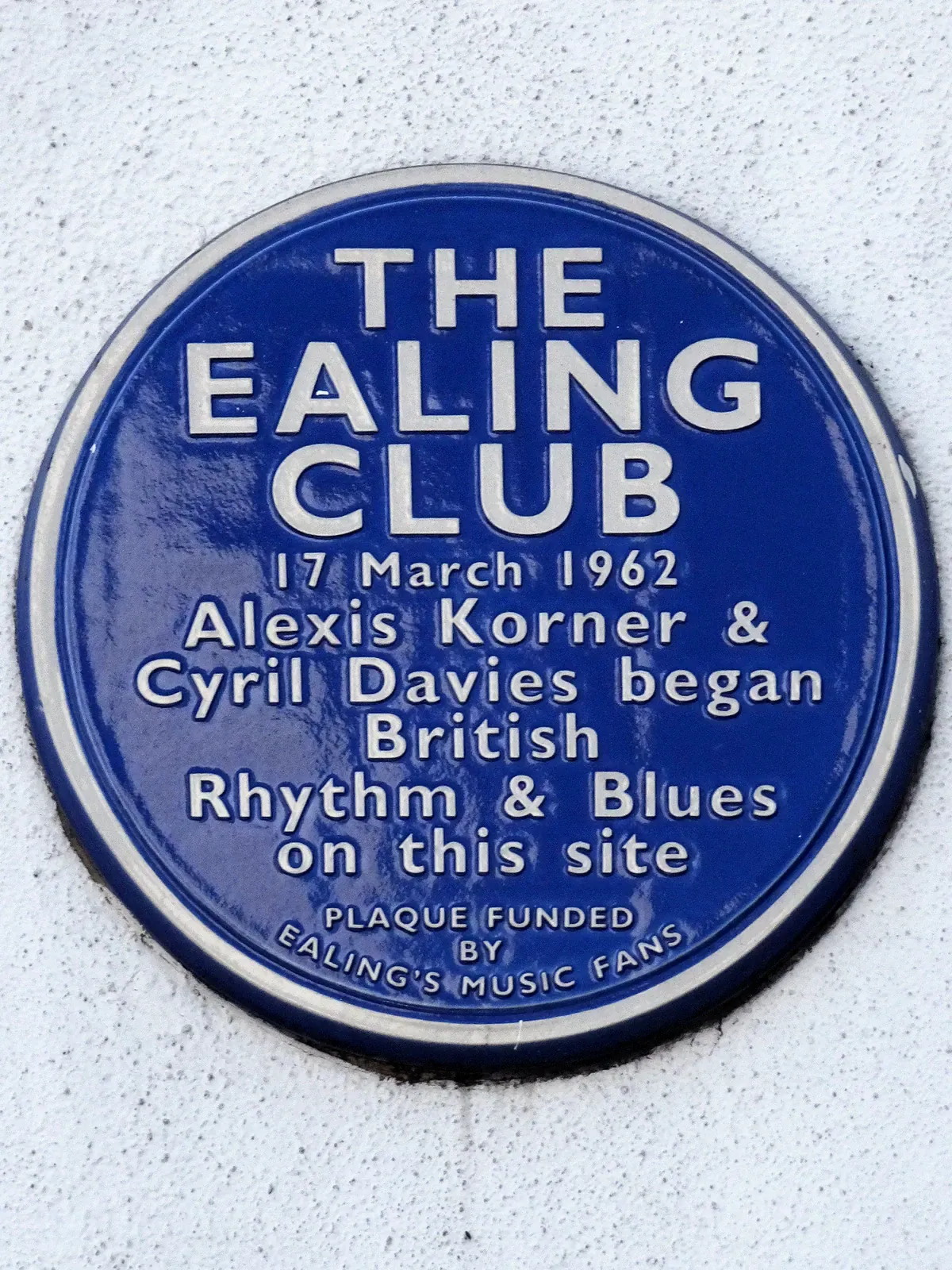
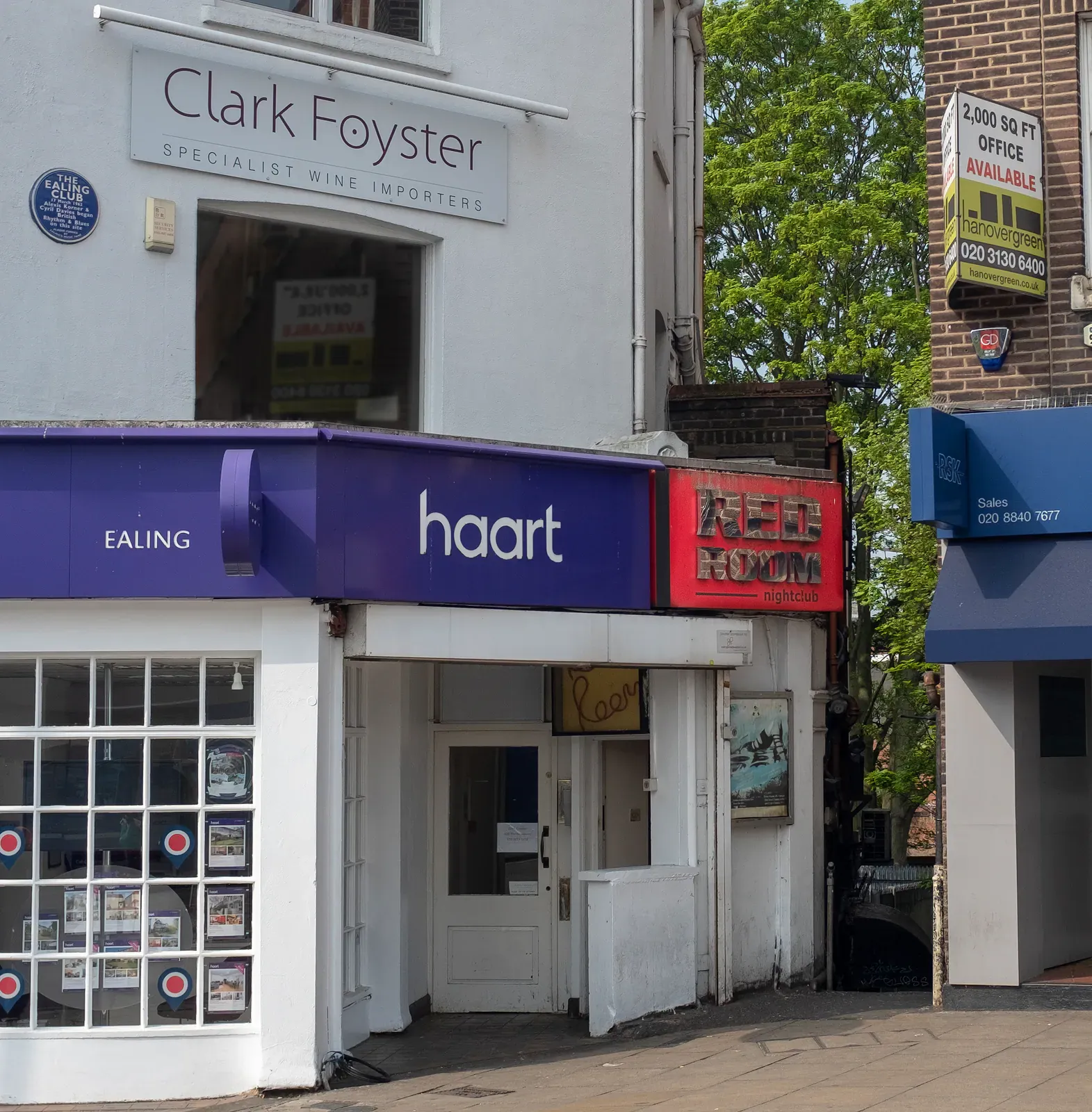
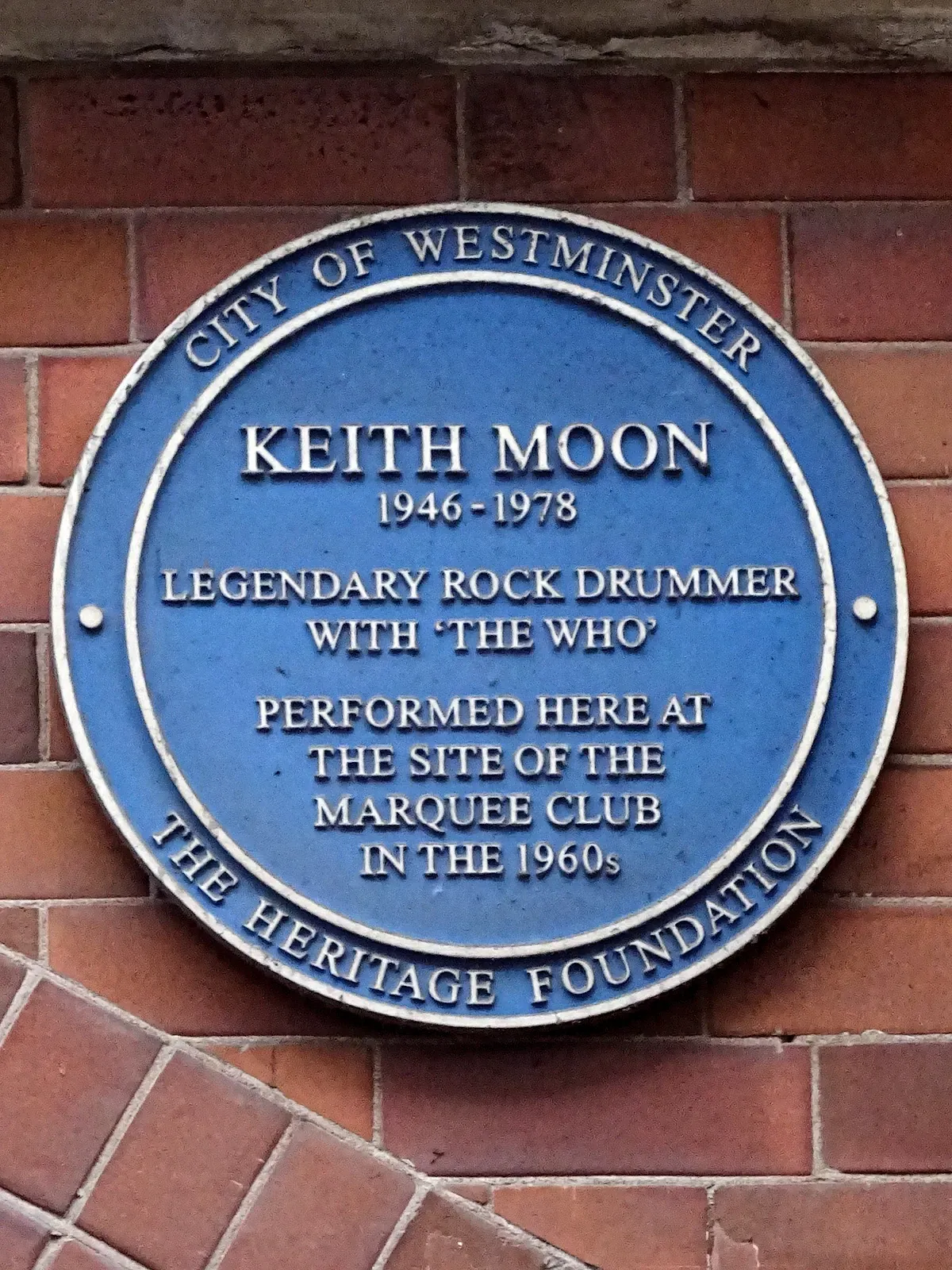
Korner and Davies formed Blues Incorporated, and on 17 March 1962, after being asked to leave their earlier venue for being too loud, they opened the first regular blues night in Britain at the Ealing Jazz Club. The band became a clearing house for the scene. Mick Jagger, Keith Richards, Charlie Watts and Brian Jones, the future Rolling Stones, came to play, as did Jack Bruce and Ginger Baker, later of Cream, and Graham Bond and Long John Baldry. After a residency at the Marquee Club the band recorded R&B from the Marquee for Decca, the first British blues album, though the band split before it came out.
Around this core grew a wider rhythm and blues scene. The Rolling Stones moved away from blues purism and released an album of mostly rhythm and blues standards in 1964, then reached number one in the UK that year with a cover of “It’s All Over Now”. The Yardbirds in London, the Animals from Newcastle, the Spencer Davis Group from Birmingham and Them from Belfast took related music to wider audiences, usually mixing blues with other material. These bands are usually grouped under rhythm and blues, and many of them left the style behind once they began to write their own songs.
The blues boom, 1966-1969
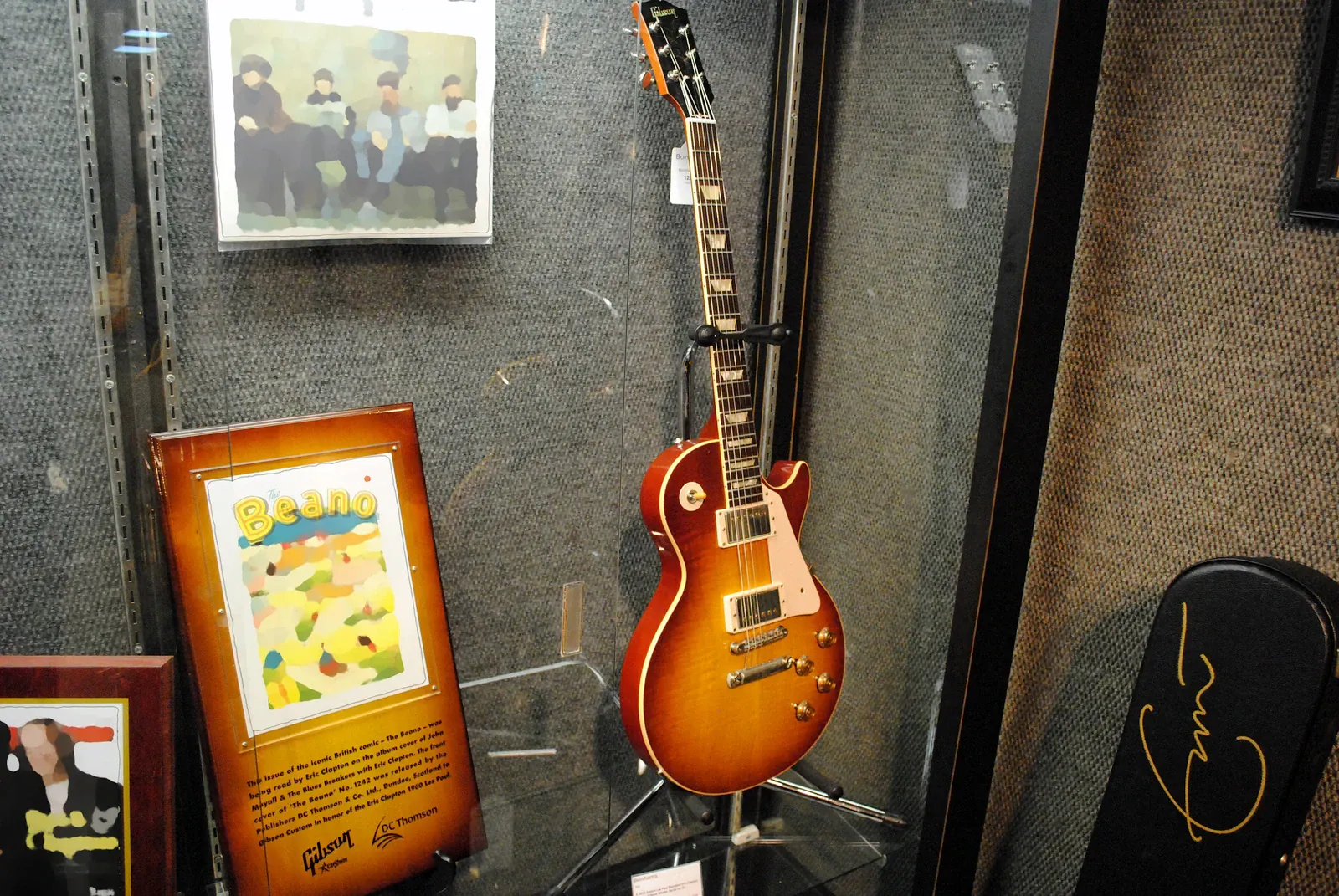
The boom overlapped with the rhythm and blues years and carried a core of instrumentalists into a more purist direction. John Mayall, who had moved to London in the early 1960s, led the Bluesbreakers, whose members at various times included Jack Bruce, Eric Clapton, Peter Green and Mick Taylor. Their 1966 album Blues Breakers with Eric Clapton, produced by Mike Vernon, was one of the key recordings of the style. Clapton’s fast licks and thick distorted tone, taken from a Gibson Les Paul and a Marshall amplifier, became a standard combination for British blues and later rock guitarists, and made the guitar the centre of the music.
Clapton left to form Cream, and Peter Green replaced him in the Bluesbreakers. Cream, formed in 1966 by Clapton, Bruce and Baker, is often seen as the first supergroup and as an early example of the power trio. Green left the Bluesbreakers in 1967 with Mick Fleetwood and John McVie to start Fleetwood Mac, who recorded for Mike Vernon’s Blue Horizon label. Their debut album reached the UK top five in early 1968, and the instrumental “Albatross” went to number one on the UK singles chart in early 1969. Other bands of the same wave included Ten Years After, Savoy Brown and Free. Free, led by guitarist Paul Kossoff, played a stripped-down blues that influenced hard rock.
Characteristics
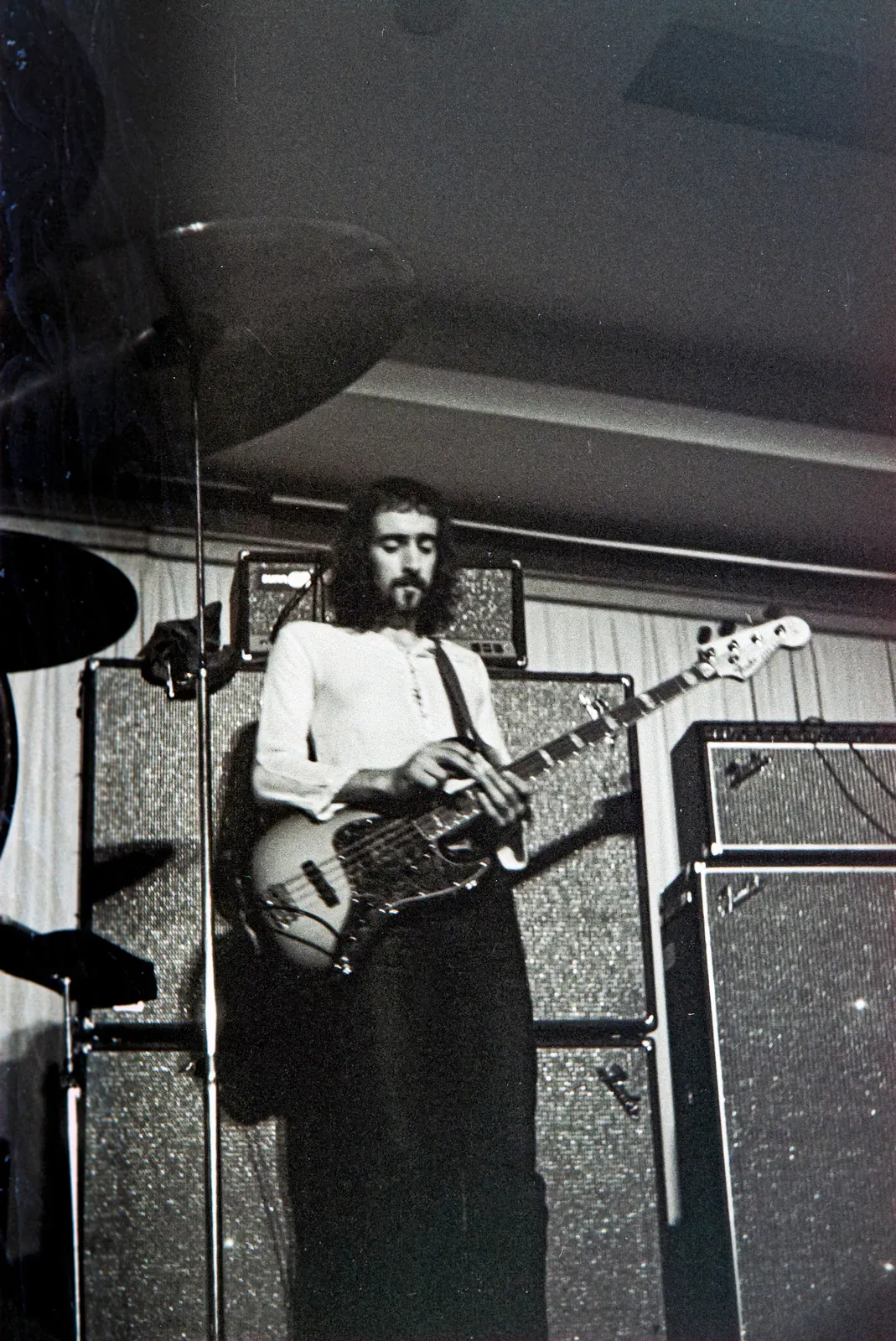
The format was a guitarist with a lead role, a bass player and a drummer, often with harmonica or organ added. The repertoire began with Chicago blues songs, many from Chess artists such as Muddy Waters and Howlin’ Wolf, and moved toward original material that kept the twelve-bar form but gave more space to individual virtuosity. Major labels such as Decca issued the first albums, and small specialist labels such as Blue Horizon followed. The result was louder and more guitar-centred than American blues, with a sound often more energetic than the Chicago records on which it was modelled.
Instruments and production
The central pairing was a Les Paul-type guitar driven through a loud Marshall amplifier, which supplied sustain and a distorted lead tone that could be played at length. Bass and drums were played with a straight backbeat or a shuffle, and trio lineups such as Cream stretched songs far beyond three minutes with improvisation. Harmonica carried over from Chicago bands, and some players, including Brian Jones and Jeremy Spencer, played slide guitar in the manner of American records.
Decline and survival
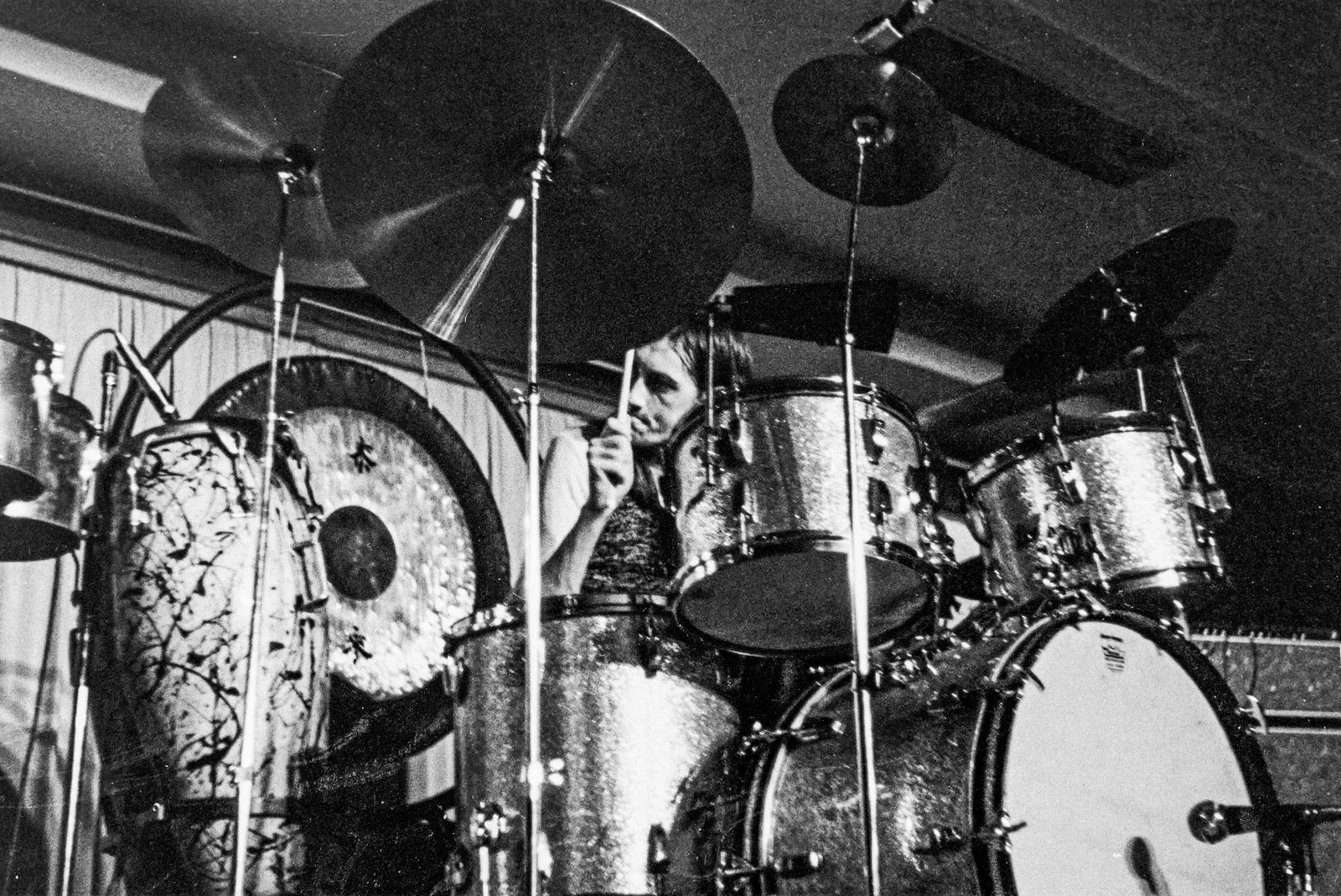
British blues went into a rapid decline at the end of the 1960s. Some bands drifted away from twelve-bar songs: Jethro Tull moved into progressive rock. Others played a loud blues rock that became the base of hard rock and early heavy metal. Led Zeppelin, formed by former Yardbird Jimmy Page, fused heavy blues with amplified rock on their first two albums of 1969, and Deep Purple and Black Sabbath also began from blues roots. Korner and Mayall carried on playing blues in a purer form, outside the mainstream, and the clubs and festivals that had grown up in the previous years largely disappeared in the 1970s.
The style survived on the folk circuit, through players such as Dave Kelly and Jo Ann Kelly, and through American visitors including John Lee Hooker and Freddie King. The Blues Band, formed by Kelly with Paul Jones and Tom McGuinness, helped start a second blues boom, and by the 1990s festivals were held across the country. Several figures from the first boom, including Peter Green, Mick Fleetwood and Eric Clapton, returned to the blues later in life.
Culture
Much of the scene’s life took place in club residencies, where students and young musicians could sit in with working bands. Package tours of the American Folk Blues Festival, organised by German promoters, brought Chicago and Delta players to British and European audiences in the early 1960s. In 1967 the slogan “Clapton is God” appeared on a wall in London, a symbol of the guitar worship around the Bluesbreakers and Cream. Critics also accused the British bands of exploiting African American music, while others have noted that they brought it to audiences and helped the reputations of the original artists.
Legacy
British blues put the guitar at the centre of rock. The music was re-exported to the United States and the wider world, Eric Clapton became an international star in this period, and the lineups that came out of it fed into hard rock, progressive rock and heavy metal. Its influence continues in modern players such as Joe Bonamassa, who names the 1960s British blues guitarists as his main influence.
Misconceptions
British blues is not just a copy of Chicago blues. The first bands did play American songs, but by the late 1960s groups such as Cream, Fleetwood Mac and Free were writing their own material and stretching the form, and the result is regarded as the start of blues rock. Nor was it all electric: Davy Graham, Bert Jansch and John Renbourn played blues alongside folk and jazz, and acoustic blues continued on the folk circuit. And the fall of the boom did not end the style, since blues festivals and bands such as the Blues Band revived interest from the 1980s.
Frequently asked questions
What is British blues?
British blues is electric blues developed by British musicians from the late 1950s, built on amplified bands and lead guitar and based on American blues, especially the Chicago style. It differs from American blues mainly in its emphasis on guitar virtuosity and volume.
Who started British blues?
Alexis Korner and Cyril Davies are generally seen as its founders. They opened a London blues club in 1957 and formed Blues Incorporated, whose Ealing Club nights from 1962 gave the scene its first regular home.
What was the British blues boom?
The boom was the late-1960s peak, when John Mayall’s Bluesbreakers, Cream, Fleetwood Mac, Free and Ten Years After took blues-based music to large audiences, and Fleetwood Mac’s “Albatross” reached number one in the UK in 1969.
What came after British blues?
Many of its bands moved into hard rock, heavy metal and progressive rock. Led Zeppelin, Deep Purple and Black Sabbath all began from blues roots, while the blues itself continued on a smaller scale through revival bands and festivals.
Sound
Sound sheet
Anatomy of a track
| # | Part | Bars |
|---|---|---|
| 1 | Intro riff or guitar figure | 4 |
| 2 | Twelve-bar verses | 12 |
| 3 | Guitar solo choruses | 24 |
| 4 | Final verse and tag | 12 |
Signature sounds
- Overdriven Les Paul and Marshall lead tone
- Twelve-bar form with long guitar solos
- Reworked Chicago blues standards
- Guitar, bass and drums trio format
Drums and percussion
- Drum kit
Techniques
- Twelve-bar form
- Overdriven guitar tone
- Extended soloing
- Chicago song covers
Keys and modes
Minor pentatonic and blues scale. Bent-note lead lines over twelve-bar changes, usually in guitar-friendly keys such as A, E and G.
Tuning
Standard guitar tuning, A=440
Vocals
Male lead vocals in an American blues manner, covering Chicago songs at first and moving to originals from the mid-1960s.
Scenes
Where it happened
Where and when the sound lived: one bar per city on a shared timeline.
Europe
Active scenes
Peak 3, 1963-2025
Soho and Ealing clubs hosted Blues Incorporated, the Bluesbreakers, the Yardbirds and most of the boom's record companies.
Home of the Animals, with Eric Burdon's vocals and Alan Price's keyboards.
Home of the Spencer Davis Group, built around the teenage Steve Winwood.
Venues and places
London, 1962 to today. Basement venue of the Ealing Jazz Club, where Blues Incorporated started Britain's first regular blues night.
London, 1958 to today. Soho club where Blues Incorporated held a residency before recording R&B from the Marquee.
Culture
Culture markers
- Weekly blues nights
Club residencies in London let students and young musicians sit in with working bands.
Ritual - Clapton is God graffiti
A slogan painted on a London wall in 1967 became a symbol of the guitar worship around the Bluesbreakers and Cream.
Artwork - American Folk Blues Festival tours
Package tours organised by German promoters brought Chicago and Delta players to British and European audiences in the early 1960s.
Ritual
Glossary
Terms on this page
The late-1960s peak of British blues, led by Cream, Fleetwood Mac, Free and Ten Years After.
Alexis Korner and Cyril Davies' band, a meeting point for the first generation of British blues players.
A player or fan who favours close copies of American blues over pop or rock adaptations.
John Mayall's band, whose lineups trained Eric Clapton, Peter Green and Mick Taylor.
British folk and jug band craze of the 1950s that introduced many players to blues songs.
Blues family