Australian blues
Australian blues is blues and blues-rock made in Australia, from the Chain and Aztecs bands of the early 1970s to slide guitarists and a festival circuit.
Melbourne, 1965
Blues family
Born
1965
Melbourne
Links
3
Genres it drew on or shaped
Tempo
80-145 BPMLineage
Family tree
Timeline
Era by era
From the first sparks to today. Select a dot to read the story behind it.
- From beat groups to blues bands
1965 to 1971
- Sunbury and the pub circuit
1972 to 1979
- Touring guitarists and the US break
1980 to 1999
- Blues and roots festivals
2000 to today
Eras
Moments
- 1 From beat groups to blues bands, 1965 to 1971
- 2 Sunbury and the pub circuit, 1972 to 1979
- 3 Touring guitarists and the US break, 1980 to 1999
- 4 Blues and roots festivals, 2000 to today
around 1965
From beat groups to blues bands
Perth and Melbourne pop-blues groups such as the Beat 'n Tracks turned into Chain, whose first single and live album set the template for a local blues sound.
- 1965Dave Hole forms Broken HabitsThe Perth teenager starts his first group, the first step in a Western Australian blues-rock career.
- 1968The Chain forms in MelbournePerth's Beat 'n Tracks, with guitarist Phil Manning, move east and take the name The Chain from Aretha Franklin's Chain of Fools, with Wendy Saddington on vocals.
- 1969Show Me HomeChain's first single appears on Festival Records and is later called one of the first progressive blues records issued in Australia.
- 1970Live ChainRecorded in June at Caesar's Palace discotheque in Sydney and released in October as the band's first album.
- 1970Matt Taylor joins ChainHarmonica player and singer Matt Taylor becomes front man in September, forming the line-up known to fans as the classic Chain.
- 1971Black and BlueChain's single on Festival's Infinity label becomes their only top twenty hit and their signature song.
- 1971Live at Melbourne Town HallBilly Thorpe and the Aztecs play a loud blues-based set to a capacity crowd of 5,000, recorded for a live album.
1972
Sunbury and the pub circuit
Sunbury put all-Australian line-ups in front of festival crowds, Chain and the Aztecs filled halls, and Dutch Tilders carried acoustic and electric blues across the country.
- 1972Sunbury Pop FestivalThe first Sunbury festival features an all-Australian bill, and the Aztecs' set becomes the live album Aztecs Live! At Sunbury.
- 1972Most People I Know (Think That I'm Crazy)The Aztecs' single reaches No. 3 on the Go-Set national chart in May and later enters the Sounds of Australia registry.
- 1972Dutch TildersTilders' debut album, produced by Brian Cadd with members of Chain, puts acoustic Delta blues on one side and Chicago electric blues on the other.
- 1974Tilders tours with John MayallDutch Tilders supports the British bluesman across the United Kingdom, one of several tours alongside visiting blues artists.
1980
Touring guitarists and the US break
Players such as Dave Hole and Geoff Achison built careers on long pub tours, and Hole's Short Fuse Blues took him to Alligator Records and US blues charts.
- 1980The Blues Had a Baby and They Called It Rock'n'RollDutch Tilders and guitarist Kevin Borich release a blues-rock album in November.
- 1990Byron Bay festival beginsThe East Coast Annual Blues Festival starts at the Arts Factory in Byron Bay with about 6,000 people and grows into the country's largest blues and roots event.
- 1990Short Fuse BluesDave Hole finances, produces and records the album in three days with his trio Short Fuse.
- 1991Guitar Player praises HoleA July article in the US magazine calls him a new guitar wizard, leading Alligator Records to sign him as its first non-US artist.
- 1995Steel on SteelDave Hole's album peaks at No. 13 on the Billboard Top Blues Albums chart.
- 1999Under the Spell wins an ARIADave Hole's album takes Best Blues and Roots Album at the ARIA Music Awards.
2000
Blues and roots festivals
Byron Bay's festival and regional events carry a scene of guitarists and roots acts such as Fiona Boyes and Ash Grunwald, who tour Australia, Europe and the US.
- 2012LongtimeAsh Grunwald releases the single ahead of his album Trouble's Door, which charts in the ARIA top 50.
Listening path
Start listening
A short path from an easy way in to the deep end. Thumbnails come from YouTube; the player loads only when you press play.
- 01
Billy Thorpe & the Aztecs, 1972
The Sunbury-era signature: listen for the loud shuffle and the organ.
- 02
Dave Hole, 2007
A slow slide-guitar reading of a blues standard; listen for the index-finger slide.
- 03
Ash Grunwald, 2012
A modern one-man blues band sound with stomping rhythm and a slide hook.
- 04
Geoff Achison, 2016
Festival-circuit blues-rock with a singing guitar line.
Facts
| Family | Blues |
| Origin | Melbourne, Australia |
| Emerged | 1960s onwards |
| Status | Active |
| Tempo | 80 to 145 BPM |
| Grew out of | Electric blues |
Australian blues is the blues and blues-rock played and written in Australia, shaped by the pub and festival circuit rather than by a single city or label.
It began in the late 1960s, when Perth and Melbourne beat groups turned to electric blues, and it grew through the Sunbury festivals of the 1970s into a touring scene of guitarists and a national roots-festival calendar. It follows electric blues and the British players of British blues, and it overlaps with Aussie rock and pub rock.
Origins
The scene began with pop bands that wanted to play something heavier. In Perth, the Beat ’n Tracks played Beatles and Rolling Stones covers alongside Motown, blues and rock material, and added organ and songs by bands such as Traffic and Vanilla Fudge. In 1968 they won the Perth heat of a national band contest and travelled to Melbourne for the final. The guitarist Dave Hole, then a student, went back to Perth. His place was taken by Phil Manning, and the band stayed in Melbourne.
Late that year a new singer, Wendy Saddington, gave the group its name, The Chain, after Aretha Franklin’s Chain of Fools. Critics of the time called Saddington the best female rhythm and blues singer in the country. She left in 1969, and the band, now shortened to Chain, released Show Me Home on Festival Records in October 1969. It has been called one of the first progressive blues records issued in Australia. Festival Records, through its Infinity imprint, stayed the band’s home.
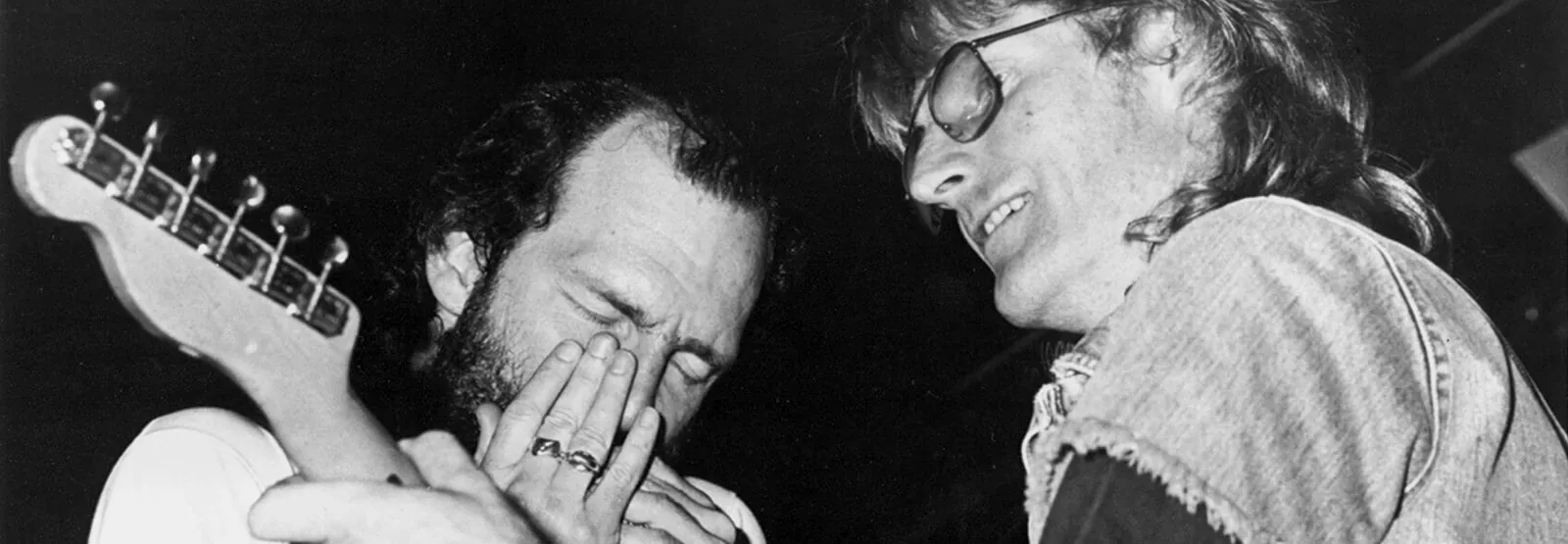
Melbourne and Sydney, 1969-1971
Chain’s first album, Live Chain, was recorded in June 1970 at Caesar’s Palace discotheque in Sydney and released in October. Matt Taylor, a harmonica player and singer from Brisbane, joined as front man in September 1970. The line-up of Manning, Taylor, drummer Barry Harvey and bassist Barry Sullivan became known to fans as the classic Chain, although it lasted only about eleven months.
In that time Chain released Black and Blue, issued as a single in March 1971 on Infinity. It became their only top twenty hit and still stands for the genre as a whole. The song uses the image of a chain gang to refer to Australia’s convict past, and its extended version on the album Toward the Blues, released in September 1971, is the better guide to how the band played it live. The album sold steadily and went gold more than twenty years after release. Chain split in July 1974, reformed for a one-off concert in 1982 and then for a longer run from 1983 to 1986, and Taylor and Manning later led versions of the band into the 2000s.
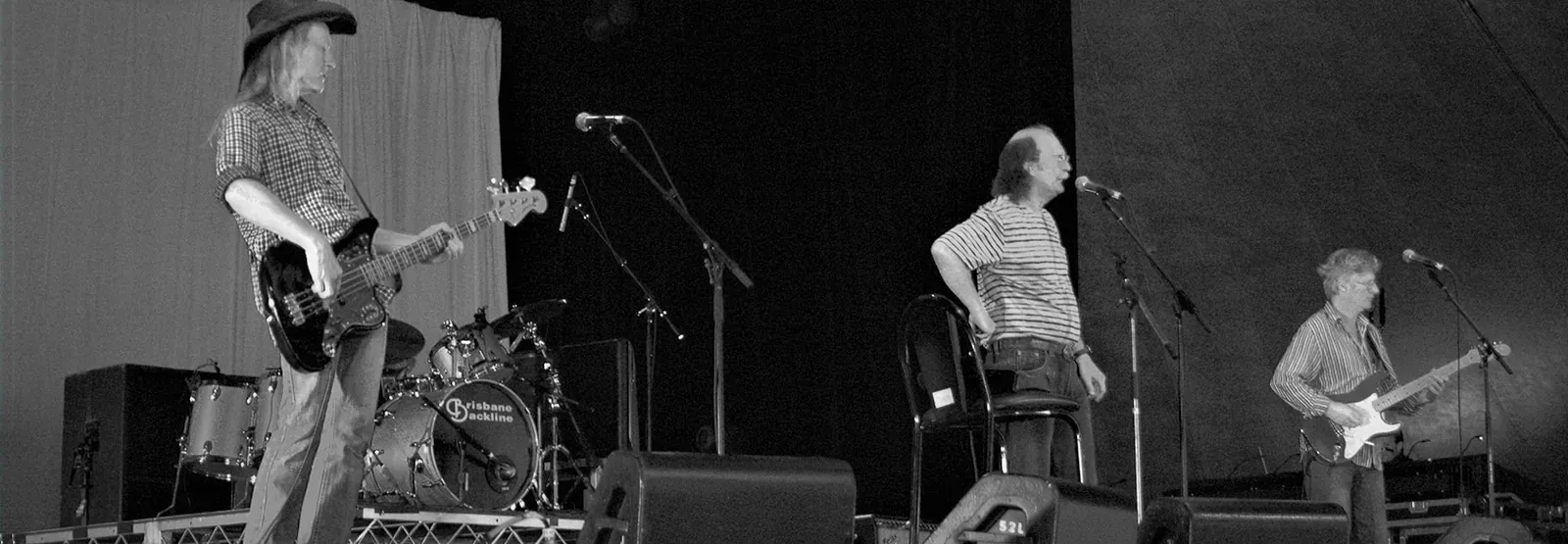
Sunbury and the pub circuit, 1971-1979
Billy Thorpe and the Aztecs were a Sydney beat group that returned in 1968 with a heavier sound and a new line-up. On 13 June 1971 they headlined Melbourne Town Hall before 5,000 people, with the organist Warren Morgan, who had moved over from Chain’s early line-up, playing the hall’s organ. The concert was recorded for a live album and entered local lore for its volume. In early 1972 their single Most People I Know (Think That I’m Crazy) reached No. 3 on the national chart, helped by their set at the first Sunbury festival.
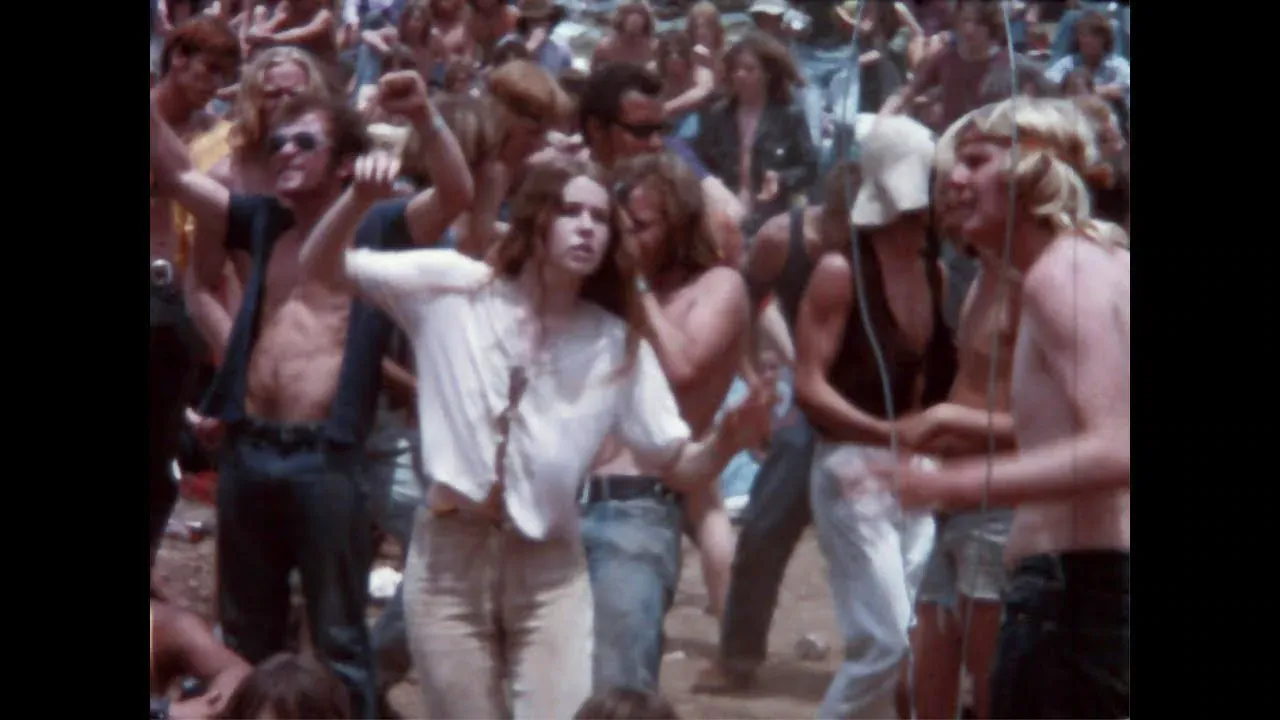
Sunbury was held on farmland north of Melbourne on the Australia Day weekend from 1972 to 1975. It was billed as Australia’s Woodstock, and the first edition had an all-Australian line-up. Chain played. Live albums from the festivals were released, and the triple album from 1973 was the first release on Mushroom Records. The festivals also marked a change in audience taste, away from hippie-era bands and towards louder pub bands.
Dutch Tilders, born in the Netherlands and raised in Melbourne from the age of 14, was a different kind of blues artist. He played acoustic Delta-style guitar and Chicago electric blues, signed to Bootleg Records after a television talent show in 1970, and released a debut album in 1972 with members of Chain as his band. He played both the 1973 and 1974 Sunbury festivals, supported Sonny Terry and Brownie McGhee and B.B. King on their Australian tours, and in 1974 toured the United Kingdom with John Mayall. In 1980 he made a blues-rock album with the guitarist Kevin Borich.
Characteristics
The common core is the twelve-bar form, played by a rock band with a rhythm section, organ or second guitar, and a lead singer who often doubles on harmonica. The sound leans toward blues-rock rather than the Chicago band style, and long live jams are part of the repertoire: the extended Black and Blue and the Aztecs’ Melbourne Town Hall set were both released as live recordings. Guitarists, from Manning and Hole to Achison, are the scene’s best-known figures.
Touring guitarists, 1980-1999
Many later players learned their trade on the pub circuit. Dave Hole, who had played with the Beat ’n Tracks and led his own groups in Perth, spent two decades on the Western Australian pub circuit. His slide playing is unusual: he wears the slide on his index finger and drapes his hand over the neck. In 1990 he paid for and recorded Short Fuse Blues in three days. A copy reached the US magazine Guitar Player, which praised him in July 1991, and Alligator Records signed him as the first non-US artist in its history. His albums Steel on Steel and Ticket to Chicago both reached the Billboard Top Blues Albums chart, and Under the Spell won an ARIA award for Best Blues and Roots Album in 1999. Alligator in the United States and Provogue in Europe carried his work abroad.
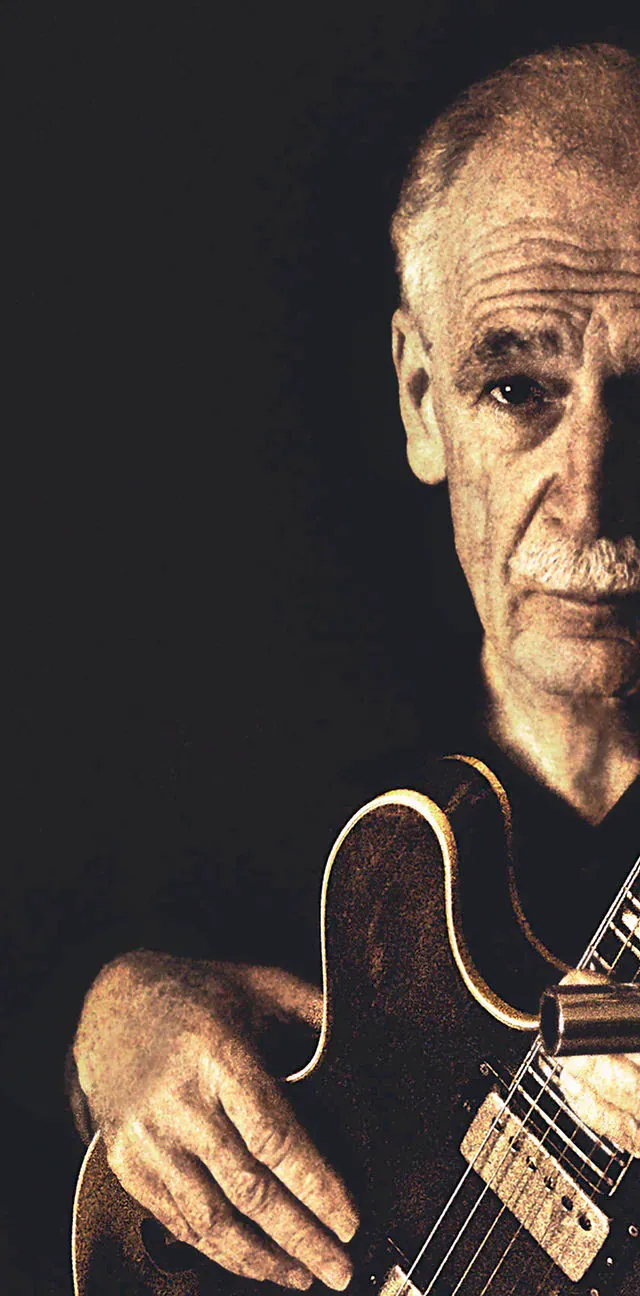
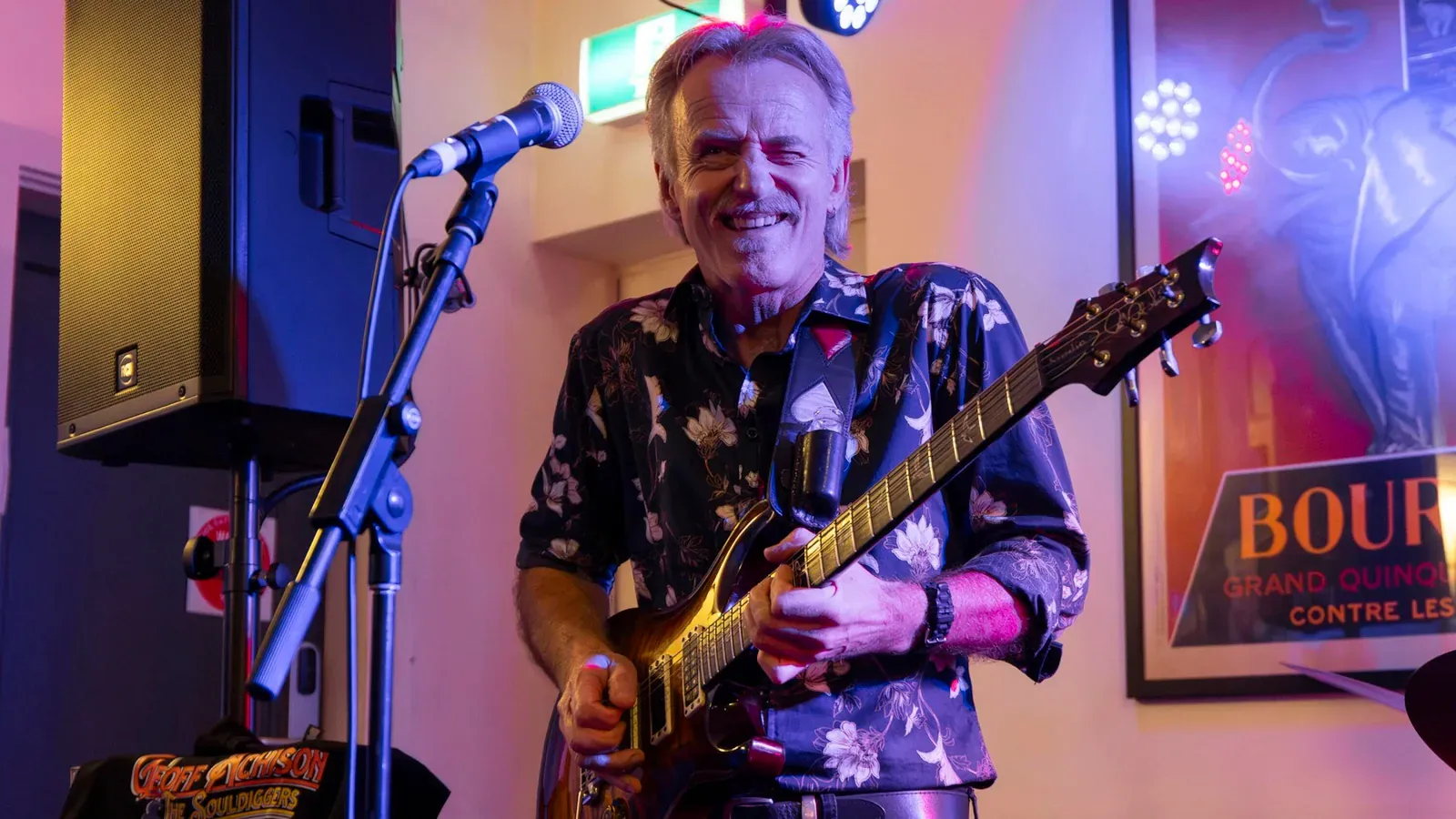
Geoff Achison, from Phillip Island, Victoria, was Tilders’ lead guitarist from 1989 to 1996 and recorded his first album, Big Machine, in 1994 with his band the Souldiggers. He has been a regular at Australian blues festivals and has taught at a guitar camp in the United States since 1998.
Festivals and roots, 2000 onward
In 1990 the East Coast Annual Blues Festival began at the Arts Factory in Byron Bay with about 6,000 people. It moved several times and grew into a large Easter event that mixed blues with folk, soul, reggae and Indigenous music, which is where the label “blues and roots” comes from. Regional festivals in Victoria and New South Wales gave smaller acts a place to play.
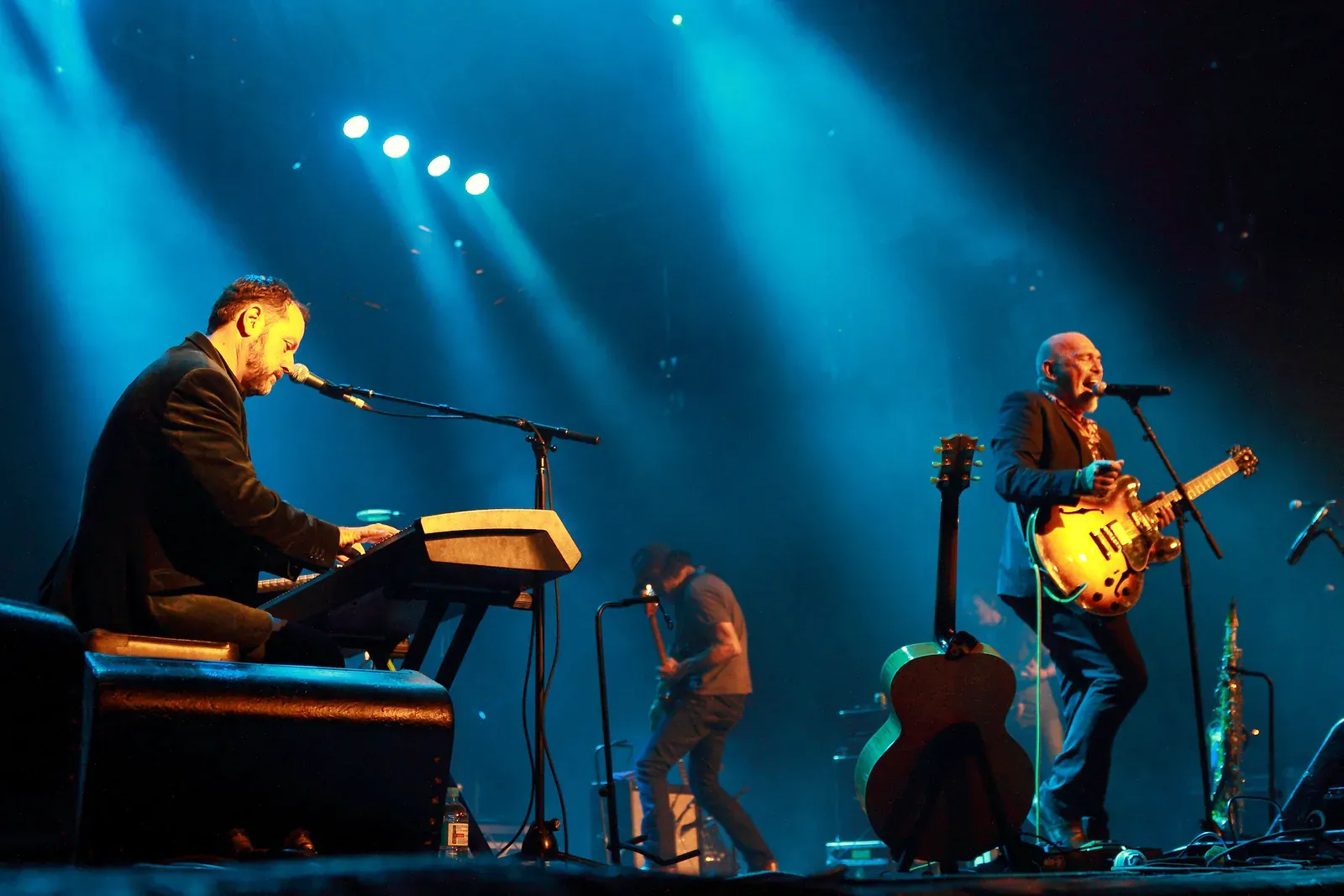
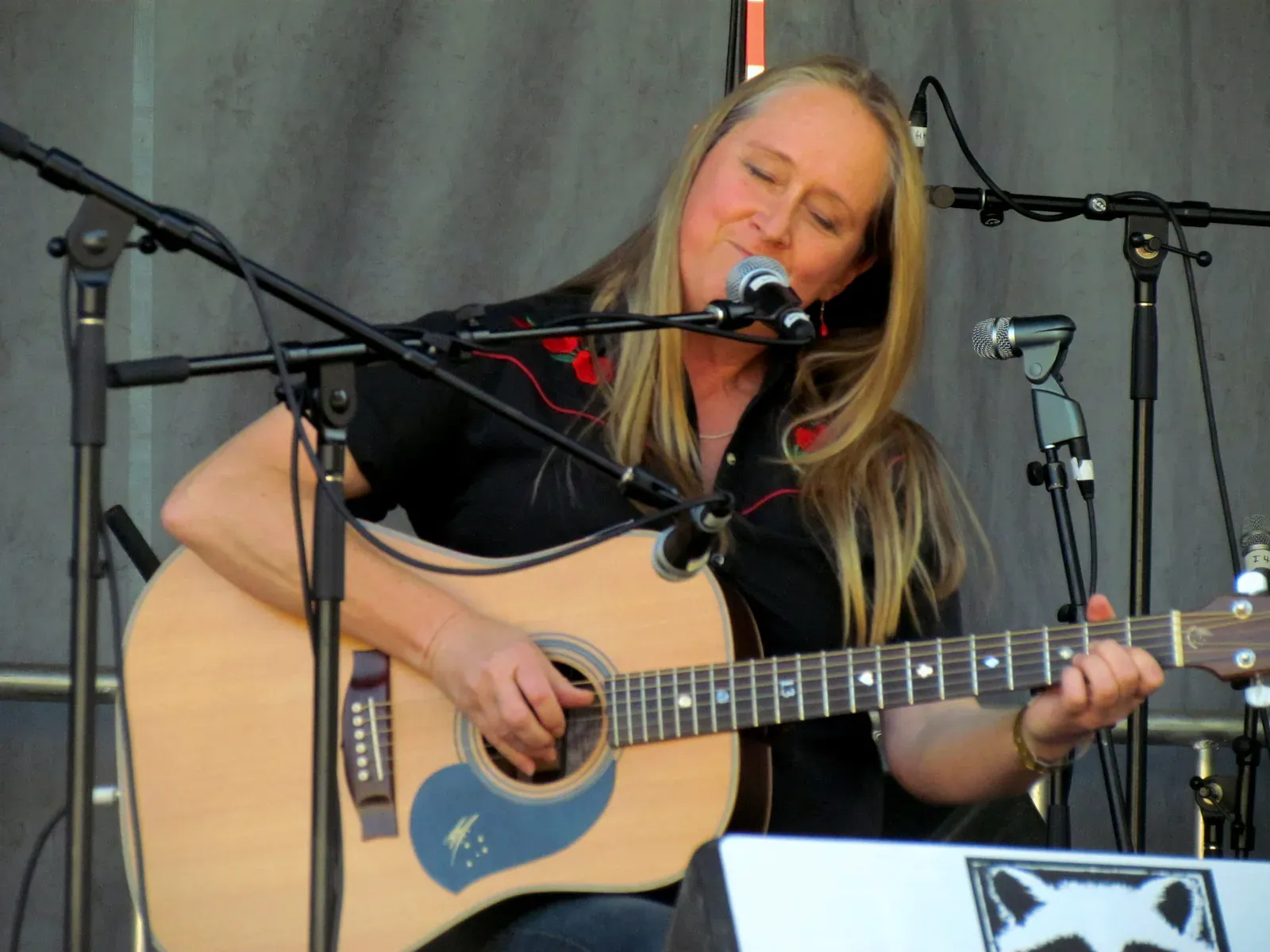
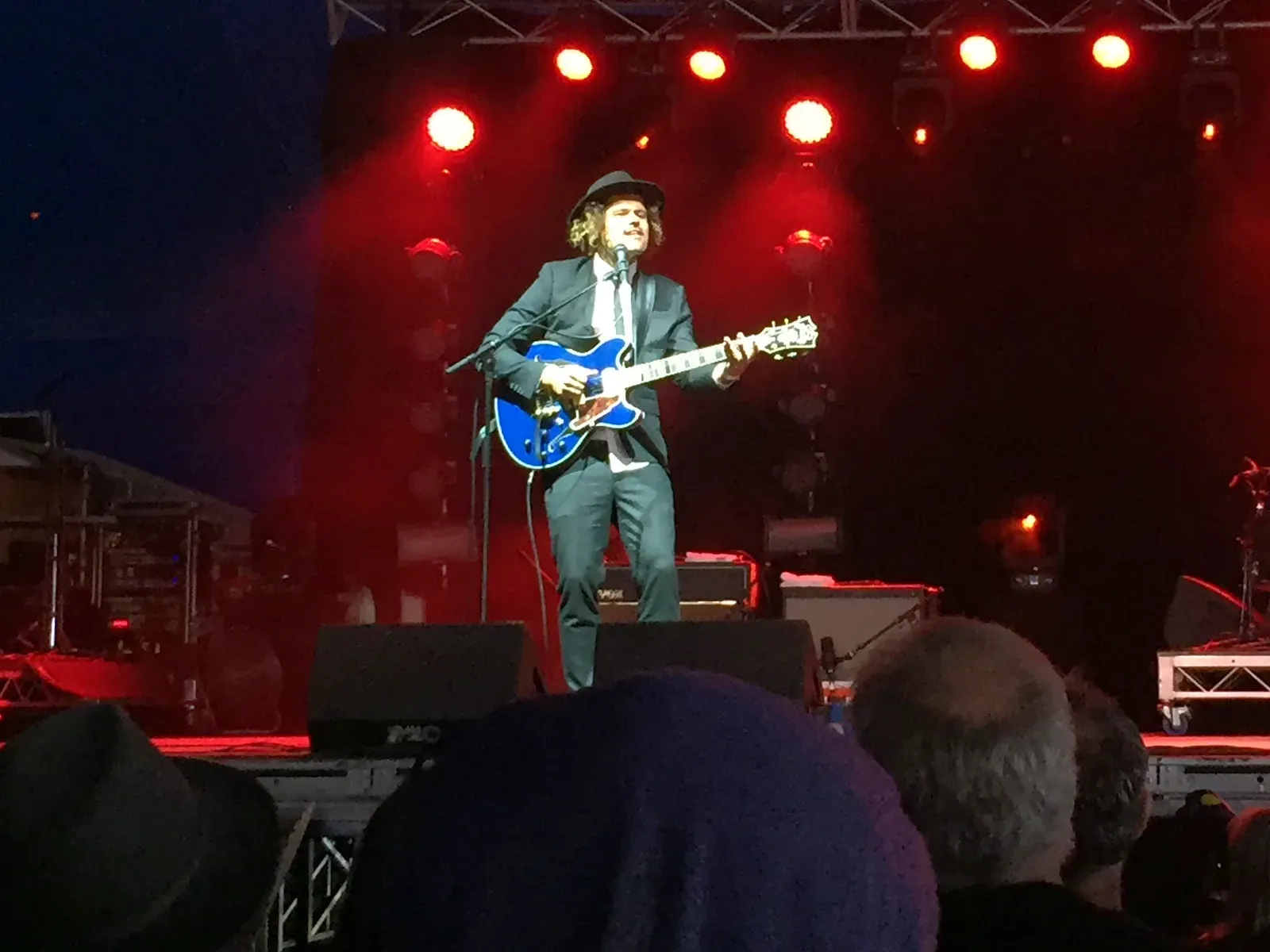
The festival circuit also carried a new generation. Fiona Boyes plays acoustic and electric Delta and Piedmont styles, won the solo and duo category at the International Blues Challenge in Memphis in 2003, and has been nominated for several Blues Music Awards. Ash Grunwald, who plays as a one-man band, has released nine studio albums and has had five of them chart in the ARIA top 50, including Trouble’s Door, which carried the single Longtime.
Legacy
Australian blues did not produce a single sound or a single city. It produced a few records that mattered, Show Me Home, Black and Blue, Most People I Know and Short Fuse Blues, and a habit of touring. Its musicians moved easily between blues, rock and roots, and its festivals now present blues beside folk and soul. Artists such as Hole and Boyes found their wider audience abroad first, and then in Australia.
Misconceptions
Australian blues is not only an imitation of American records. Chain wrote its own songs, including Show Me Home and Black and Blue, which has a local theme in its chain-gang image.
It is not the same thing as pub rock. The two overlap, since the same hotels and the same bands served both, but blues bands such as Chain worked from the twelve-bar form while pub rock covers a wider range of loud guitar music.
It was also not confined to the 1970s. The scene’s best-known recordings date from that decade, but Hole’s international career began around 1990, Achison’s first album came in 1994, and Grunwald’s albums charted from 2008.
Frequently asked questions
What is Australian blues?
Australian blues is blues and blues-rock made by Australian bands and players, starting in the late 1960s with groups such as Chain and growing through the Sunbury festivals into a touring and festival scene.
Who are the main Australian blues artists?
Chain, Billy Thorpe and the Aztecs, Dutch Tilders and Dave Hole are the best-known early and mid-career names, and Geoff Achison, Fiona Boyes and Ash Grunwald are leading names from later decades.
What is Chain’s Black and Blue?
Black and Blue is a 1971 blues single by Chain, released on Festival’s Infinity label. It was the band’s only top twenty hit and is often cited as the best-known Australian blues record.
Is Australian blues related to Australian rock?
Yes. The two share bands, pubs and festivals, and Billy Thorpe and the Aztecs sit in both. Blues-rock is the nearest style outside the country.
Sound
Sound sheet
Anatomy of a track
| # | Part | Bars |
|---|---|---|
| 1 | Intro riff | 4 |
| 2 | Vocal chorus (12-bar) | 12 |
| 3 | Guitar or harmonica solo | 12 |
| 4 | Vocal chorus and ending | 12 |
Signature sounds
- Slide guitar leads
- Harmonica fills over a shuffle
- Long live jams with organ or second guitar
Techniques
- Index-finger slide
- Twelve-bar form
- Shuffle rhythm
- Direct-to-disc recording
Keys and modes
Blues scale over dominant sevenths. Twelve-bar form on I, IV and V chords, as in the American styles it follows.
Vocals
Gruff lead voices in a rock-blues register, with soul-blues singers such as Wendy Saddington on the edges of the scene.
Scenes
Where it happened
Where and when the sound lived: one bar per city on a shared timeline.
Oceania
Active scenes
Peak 4, 1990-2025
Home of Chain's classic line-up, Dutch Tilders, Geoff Achison and the Sunbury festival crowds.
Birthplace of the Beat 'n Tracks and base of Dave Hole's long run on the Western Australian pub circuit.
Site of the Live Chain recording and of Billy Thorpe and the Aztecs' pub and hall shows.
Host of the Easter blues and roots festival that gathers the local and visiting scene.
Venues and places
Sydney, 1970 to today. Where Chain recorded the live album Live Chain in June 1970.
Melbourne, 1971 to today. Hall where the Aztecs played to 5,000 people in June 1971, with the town hall organ in the set.
Sunbury, 1972 to today. Farmland amphitheatre north of Melbourne used for the Australia Day weekend festivals from 1972 to 1975.
Byron Bay, 1990 to today. Original site of the East Coast Annual Blues Festival.
Culture
Culture markers
- Pub circuit
Dave Hole toured Western Australian pubs for twenty years before the industry noticed him.
Ritual - Easter festival weekend
The Byron Bay festival has been held over the Easter long weekend.
Ritual
Media
Key media
- 1973Sunbury 1973 - The Great Australian Rock Festival
by Various. Triple live album from the festival, the first release on Mushroom Records.
Compilation - 1974Australian Jazz of the 70s Vol. 5 The Blues Singers
by Dutch Tilders and Margret RoadKnight. Split album that put two Australian blues singers on the same record.
Compilation
Glossary
Terms on this page
Festival billing that mixes blues with folk, soul, reggae and Indigenous music.
Network of hotel bars across Australian cities and towns where bands built audiences through years of touring.
Style played with a tube on a finger, producing gliding notes between frets.
Annual Australia Day weekend festival near Melbourne from 1972 that showcased local bands.
Standard chord form of twelve measures built on three chords.
Blues family