Country music
Country is American popular music from Southern string-band, gospel, blues and cowboy song, first recorded in the 1920s and centred on Nashville.
80 genres
Since 1922
Genres
80
In this family
Branches
28
Main subgenres
Since
1922
Southern United States
Timeline
Era by era
From the first sparks to today. Select a dot to read the story behind it.
- Hillbilly records and barn dances
1923 to 1934
- Honky-tonk, swing and bluegrass
1935 to 1953
- Nashville sound and Bakersfield
1954 to 1967
- Outlaws and crossover
1968 to 1979
- Neotraditionalists and arena country
1980 to 1999
- Bluegrass revival, bro-country, streaming
2000 to 2026
Eras
Moments
- 1 Hillbilly records and barn dances, 1923 to 1934
- 2 Honky-tonk, swing and bluegrass, 1935 to 1953
- 3 Nashville sound and Bakersfield, 1954 to 1967
- 4 Outlaws and crossover, 1968 to 1979
- 5 Neotraditionalists and arena country, 1980 to 1999
- 6 Bluegrass revival, bro-country, streaming, 2000 to 2026
1923
Hillbilly records and barn dances
Southern string bands, blues and gospel reach the phonograph and the radio. Atlanta, Bristol and Nashville become the first places a national audience hears rural Southern music.
- 1923Fiddlin' John Carson records for OKeh in AtlantaOften cited as the first commercial country record; it showed labels a market for rural Southern music.
- 1925WSM Barn Dance starts in NashvilleThe radio show later renamed the Grand Ole Opry made Nashville the genre's home.
- 1927The Bristol SessionsProducer Ralph Peer recorded dozens of acts there, including the Carter Family and Jimmie Rodgers.
- 1927Jimmie Rodgers records his first Blue YodelsHis yodelling blues songs made him country's first star.
- 1934Bob Wills forms the Texas PlayboysWills fused fiddles, jazz horns and swing rhythms into western swing, played for dancers across Texas and Oklahoma.
1935
Honky-tonk, swing and bluegrass
Dance halls and the Opry spawn western swing, honky-tonk and bluegrass. Electric guitars, drums and Hank Williams's songwriting move country from porch to jukebox.
- 1942Acuff-Rose founded in NashvilleThe first major Nashville publishing house tied songwriting to the city's studio economy.
- 1945Earl Scruggs joins Bill Monroe's bandHis three-finger banjo style completed the sound now called bluegrass.
- 1949Hank Williams's Lovesick BluesThe single topped the country chart and brought Williams to the Opry, starting a short, huge career.
- 1952Kitty Wells's It Wasn't God Who Made Honky Tonk AngelsThe first number one by a solo woman on the country chart opened the door for later women stars.
1954
Nashville sound and Bakersfield
Rock and roll forces Nashville to smooth its records with strings and choirs, while Bakersfield answers with loud Telecasters. Women and pop crossover reshape the charts.
- 1954Elvis Presley records for SunRockabilly pressured Nashville to rethink its sound and drew young listeners away from country.
- 1955Johnny Cash's first single Cry! Cry! Cry!Cash joined Sun's roster and carried country into the rock and roll era.
- 1957RCA Studio B opens in NashvilleChet Atkins and producers used it to develop the smoothed Nashville sound.
- 1959Buck Owens's first big Capitol hitOwens and Bakersfield bandmates built a harder, electric alternative to Nashville.
- 1961Patsy Cline's CrazyProducer Owen Bradley's string-backed arrangement made her a pop crossover star.
- 1962Ray Charles's Modern Sounds in Country and Western MusicA top-selling soul album of country songs widened country's audience.
1968
Outlaws and crossover
Cash, Haggard, Willie and Waylon push for artistic control, Austin becomes a rival capital, and Dolly Parton and others cross into pop.
- 1968Johnny Cash records at Folsom PrisonThe live album revived Cash's career and showed country's rawer side.
- 1968The Byrds and Gram Parsons release Sweetheart of the RodeoRock musicians playing straight country began the country-rock current.
- 1973Waylon Jennings's Honky Tonk HeroesIt put the outlaw approach on record: his own band, his own song choices.
- 1976Wanted! The Outlaws is releasedThe compilation of Waylon, Willie and others was country's first platinum album and gave the movement its name.
1980
Neotraditionalists and arena country
Randy Travis and George Strait revive the traditional sound just before Garth Brooks and Shania Twain turn country into a stadium and pop business.
- 1980Urban Cowboy popularises country in citiesThe film and its soundtrack pushed country into mainstream pop and bars across the US.
- 1980George Jones's He Stopped Loving Her TodayA late-career ballad often named the best country song, topping the charts and winning awards.
- 1989Garth Brooks's debut albumHis 1990-91 records brought arena rock staging to country and sold on a pop scale.
- 1991Billboard adopts SoundScanScanner-based sales data revealed how much country sold and sped the 1990s boom.
- 1997Shania Twain's Come On OverIts pop-rock-leaning country made it one of the best-selling albums of all time.
2000
Bluegrass revival, bro-country, streaming
O Brother revives roots music, bro-country and hip-hop collaboration reshape radio, and streaming opens the genre to Americana and outsiders.
- 2000O Brother, Where Art Thou? soundtrackThe roots-music soundtrack sold millions and revived bluegrass and old-time on radio and festival stages.
- 2015Chris Stapleton's TravellerA soulful outsider record won the CMA Album of the Year and showed audiences wanted traditional, singer-led country.
- 2019Old Town Road and the chart rowBillboard removed it from the country chart, prompting a debate over what counts as country.
- 2024Beyonce releases Cowboy CarterThe album sparked renewed discussion of Black artists' roots in country and the genre's gatekeeping.
Roots
Roots and offspring
Grew out of
- Old-time music
Derived from
- Appalachian music
Derived from
Derived from
Derived from
Influenced by
Southern United States, 1922
Country
Led to (12)
Facts
| Genres in the family | 80 |
| Main branches | 25 |
| Emerged | 1920s |
| Key places | Southern United States, Appalachia, Texas, Nashville, Tennessee |
| Tempo | 70 to 170 BPM |
Country is American popular music that grew from Southern string-band, gospel, blues and cowboy songs, and it reached the public in the 1920s on phonograph records and radio.
Its defining traits are the fiddle, banjo, acoustic and electric guitar and pedal steel, plain-spoken narrative lyrics and a twang in the vocals. The first commercial recording usually credited to it is Fiddlin’ John Carson’s session for OKeh in Atlanta in 1923. The library dates the family from 1922 and holds 80 country genres, 28 of them direct branches.
Hillbilly records and barn dances, 1923 to 1934
Before the record companies noticed, this music was local: fiddle tunes at dances, ballads on porches, hymns in church. In 1923 OKeh’s Atlanta session with Fiddlin’ John Carson sold well enough to convince labels that rural Southern listeners were a market. They called the product “hillbilly” and sent engineers south with portable equipment.
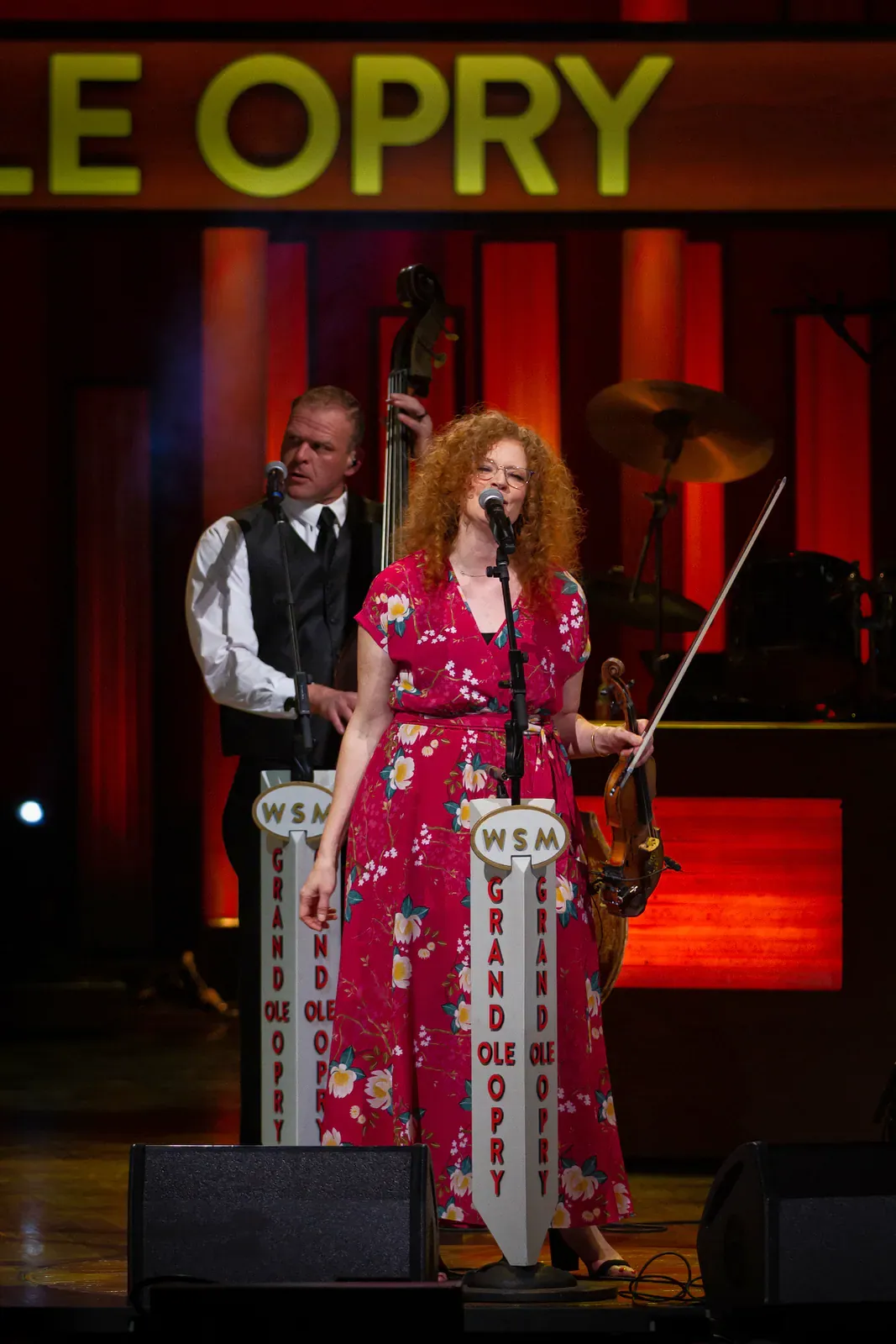
Radio did the rest. WSM in Nashville started its Saturday barn dance in 1925, and the show took the name Grand Ole Opry in 1927. Listeners who had never seen a fiddle in person now heard one every week.
The turning point came in the summer of 1927. Producer Ralph Peer ran the Bristol Sessions on the Tennessee-Virginia border and recorded dozens of acts, among them the Carter Family and Jimmie Rodgers. The Carters brought a mountain repertoire and a way of harmonising that later acts copied for decades. Rodgers, a former railway brakeman, mixed blues with yodelling in his Blue Yodels and became the genre’s first star. Recording had gone electrical in 1925, so quiet acts like solo singers and string bands could finally sound natural on disc.
Honky-tonk, swing and bluegrass, 1935 to 1953
The Depression and the war moved people from farms to oil towns and defence plants, and the music followed them into bars. Western swing came first: Bob Wills formed the Texas Playboys in 1934 and put fiddles, jazz horns and swing rhythm in front of dancers in Texas and Oklahoma, broadcasting from Tulsa. Dance halls needed volume, so electric guitars and drums arrived.
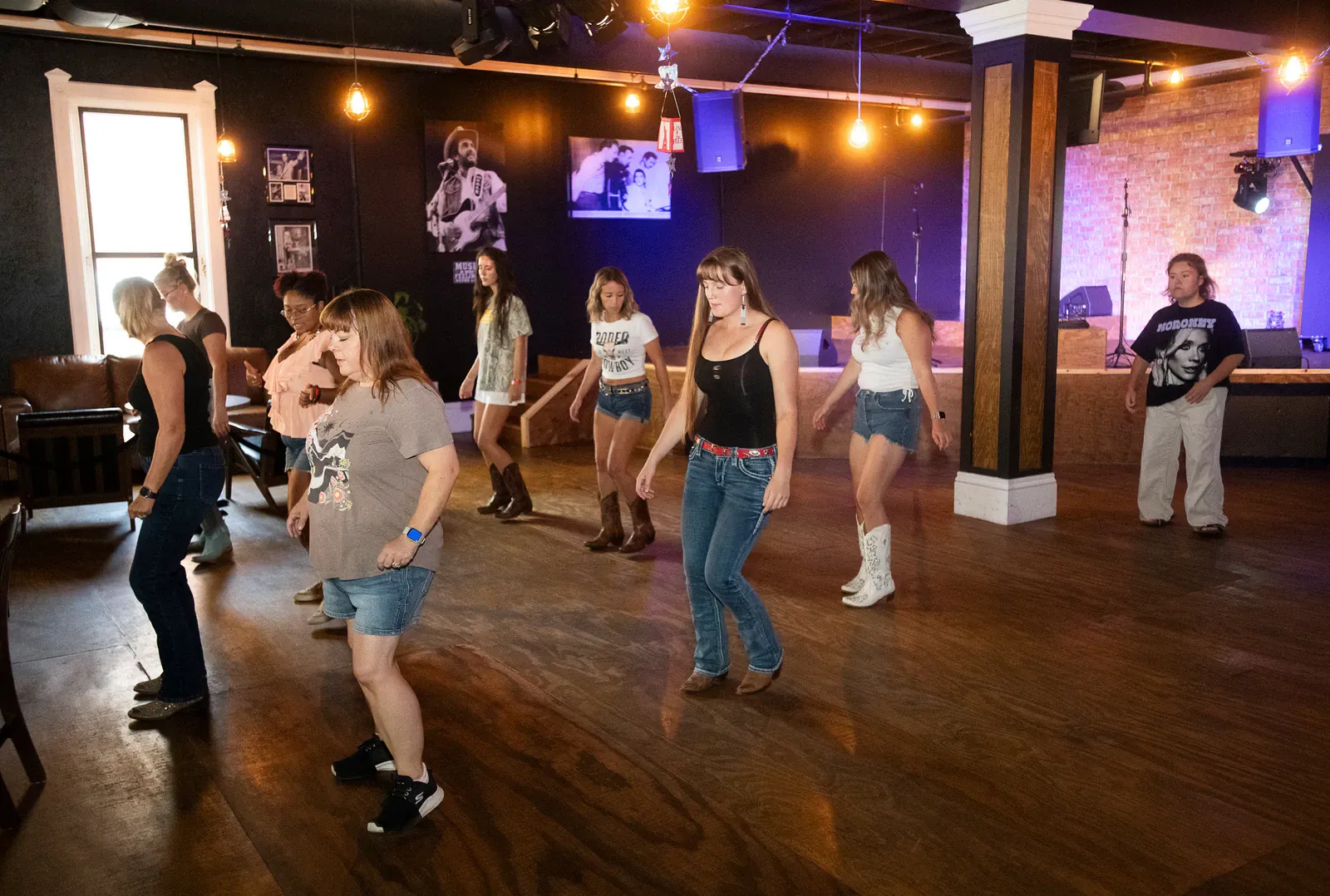
Honky-tonk was the sound of that room: a steel guitar, a fiddle and a lyric about drinking, cheating or being left. Hank Williams made it a songwriter’s form. His “Lovesick Blues” topped the country chart in 1949 and took him to the Opry, and he was dead at 29 on 1 January 1953. Kitty Wells followed in 1952 with “It Wasn’t God Who Made Honky Tonk Angels”, the first number one by a solo woman on the country chart, an answer to the male songs of the day.
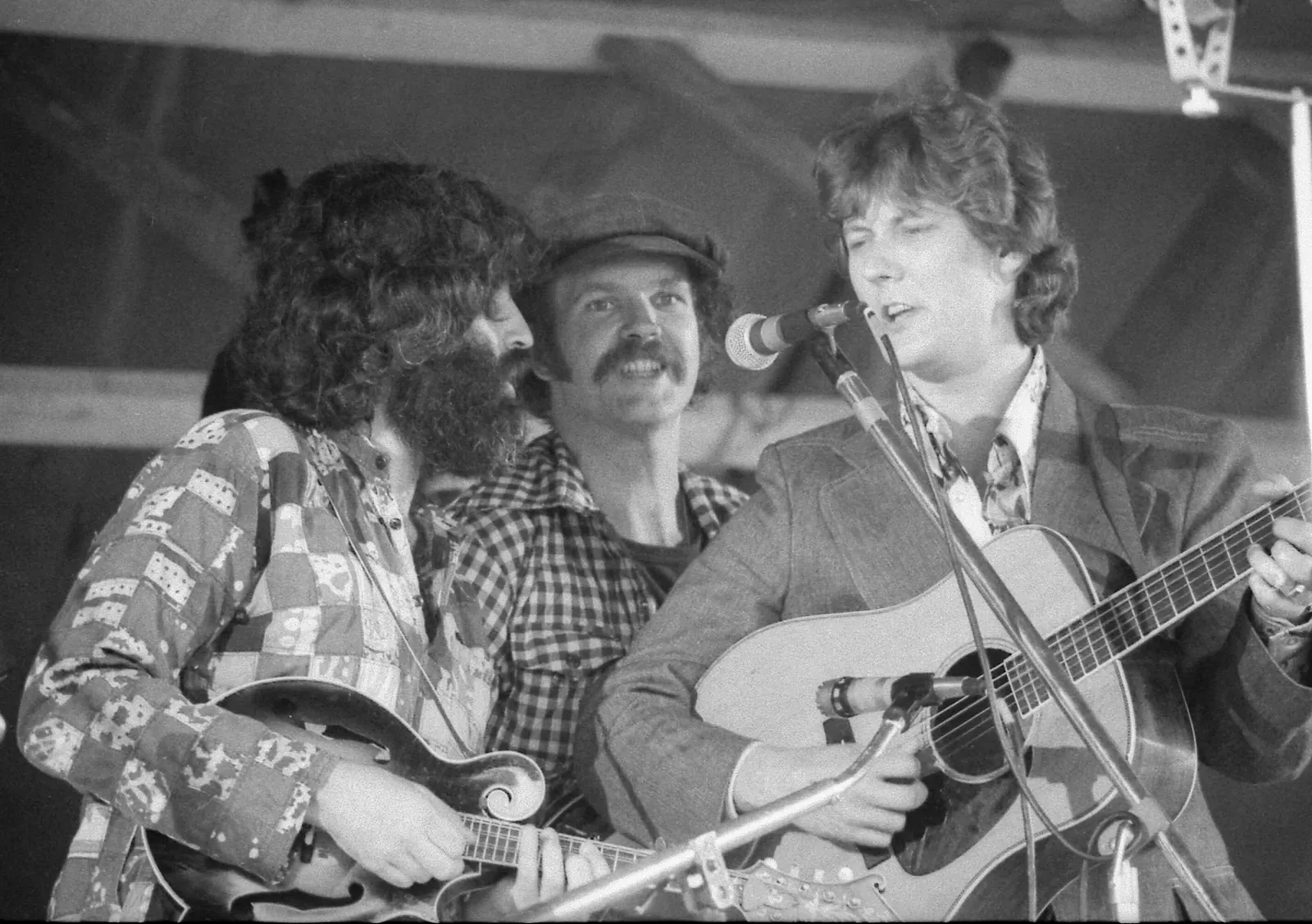
Out of the mountains came a different, faster music. Bill Monroe’s band added Earl Scruggs in 1945, and his three-finger banjo style completed the sound people now call bluegrass: acoustic, virtuosic and sung in high harmony. Monroe’s mandolin chop became its drum kit.

Nashville sound and Bakersfield, 1954 to 1967
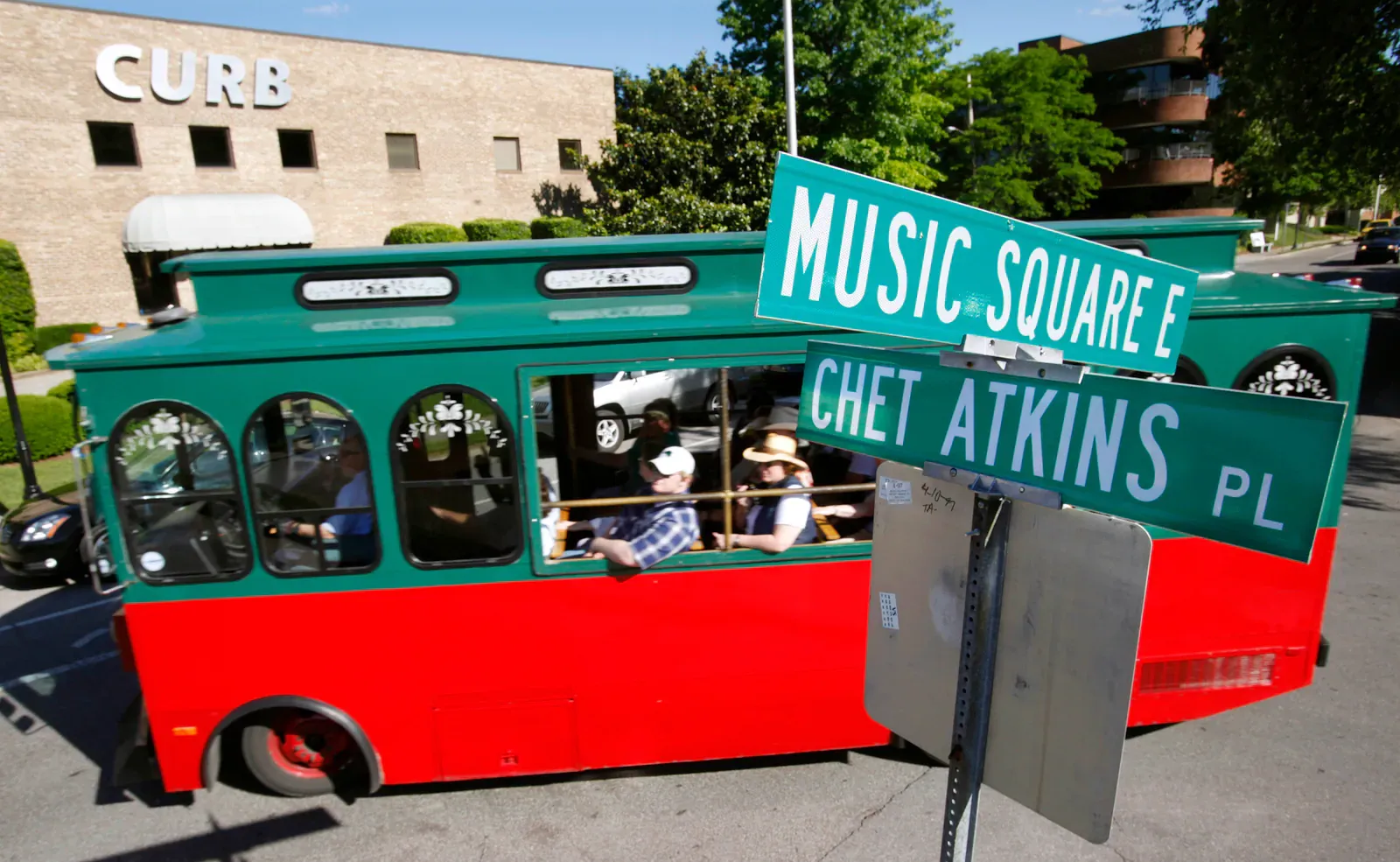
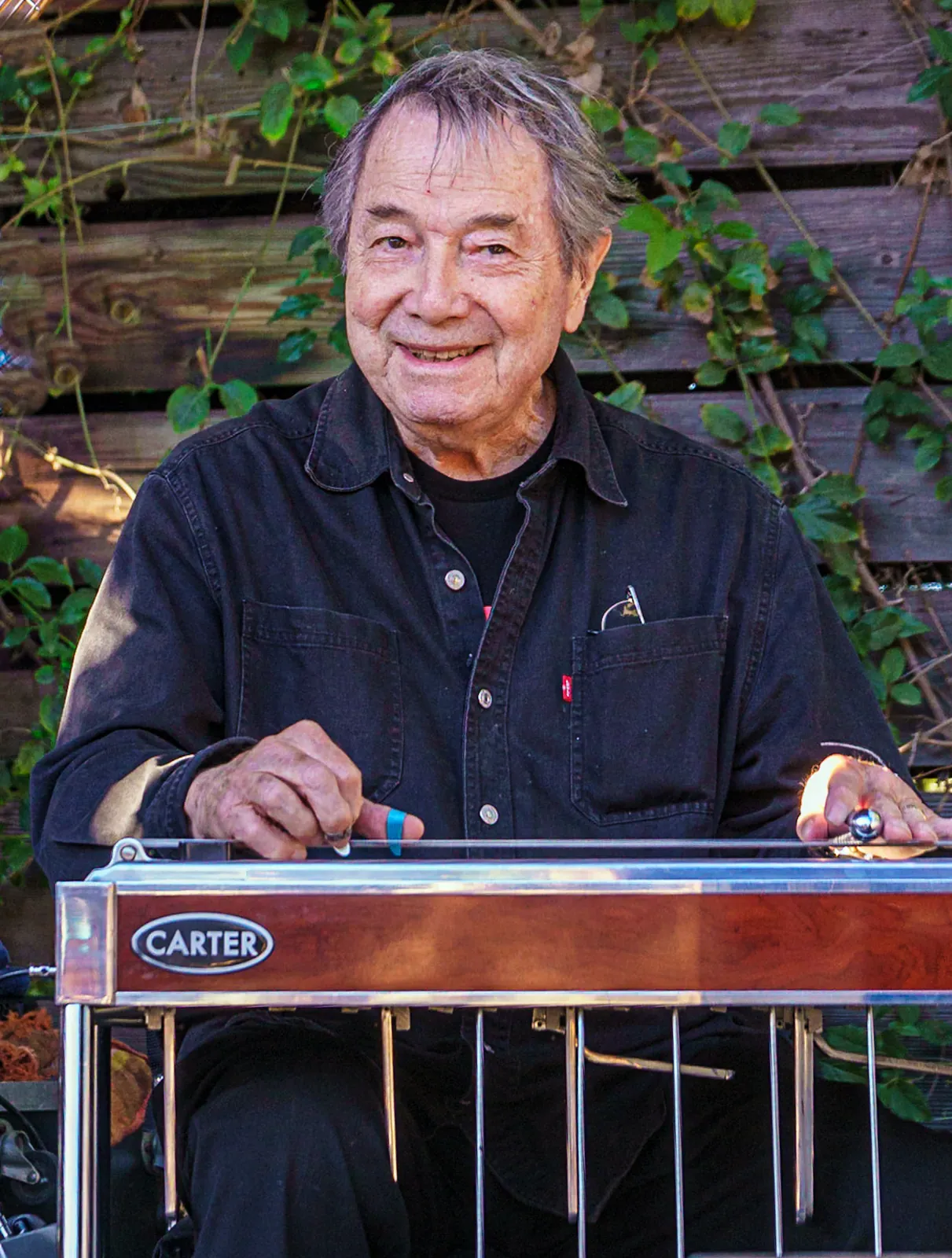
In 1954 Elvis Presley recorded for Sun in Memphis, and rockabilly pulled teenagers away from country. Nashville answered by smoothing its records. At RCA Studio B, opened in 1957, producer Chet Atkins used strings, choirs and cleaner arrangements to reach pop buyers. Owen Bradley did the same for Patsy Cline, and “Crazy” in 1961 set the template for a country voice with a pop-ready backdrop. The pedal steel became a signature too: Bud Isaacs’s playing on Webb Pierce’s “Slowly” in 1954 is the record usually cited.
Critics said the strings had killed the music. The Californian reply came from Bakersfield, where Buck Owens and Merle Haggard built a lean, loud sound on the bright Fender Telecaster and drums, aimed at the dance halls of transplanted Oklahomans. Haggard’s “Okie from Muskogee” in 1969 captured the cultural split of the Vietnam years.
Sun Records matters here for a second reason. Johnny Cash joined its roster in 1955 with “Cry! Cry! Cry!” and carried country into the rock and roll era, a bridge that the rock family tells from the other side.
Outlaws and crossover, 1968 to 1979
By the late 1960s a group of performers wanted control over their own records. Johnny Cash’s At Folsom Prison (1968) showed that a live, raw country album could sell widely. The Byrds and Gram Parsons made Sweetheart of the Rodeo the same year, and rock musicians playing straight country began the country-rock current. Waylon Jennings’ Honky Tonk Heroes (1973) put the outlaw approach on record: his own band and his own song choices.
Willie Nelson is the clearest case. He had written hits for others in Nashville, including “Crazy”, then moved to Austin in 1972 and helped turn Texas into a rival centre. His sparse concept album Red Headed Stranger (1975) proved artist-led country could sell, and the compilation Wanted! The Outlaws (1976) became country’s first platinum album and gave the movement its name.
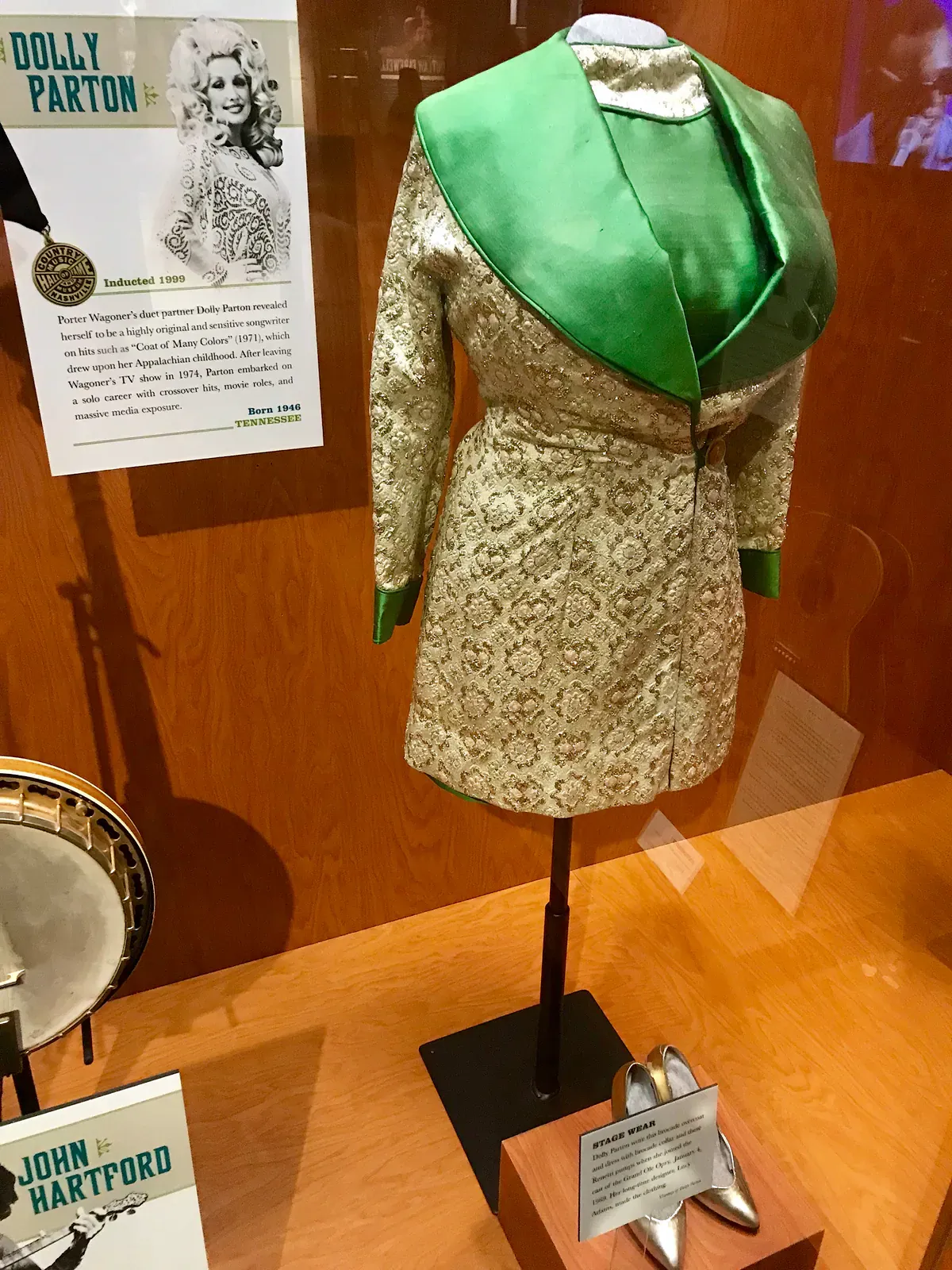
Crossover ran the other way too. Dolly Parton’s “Jolene” (1973) became one of the most covered songs in country, and her career soon reached well beyond the genre. Country was now selling far beyond the South.
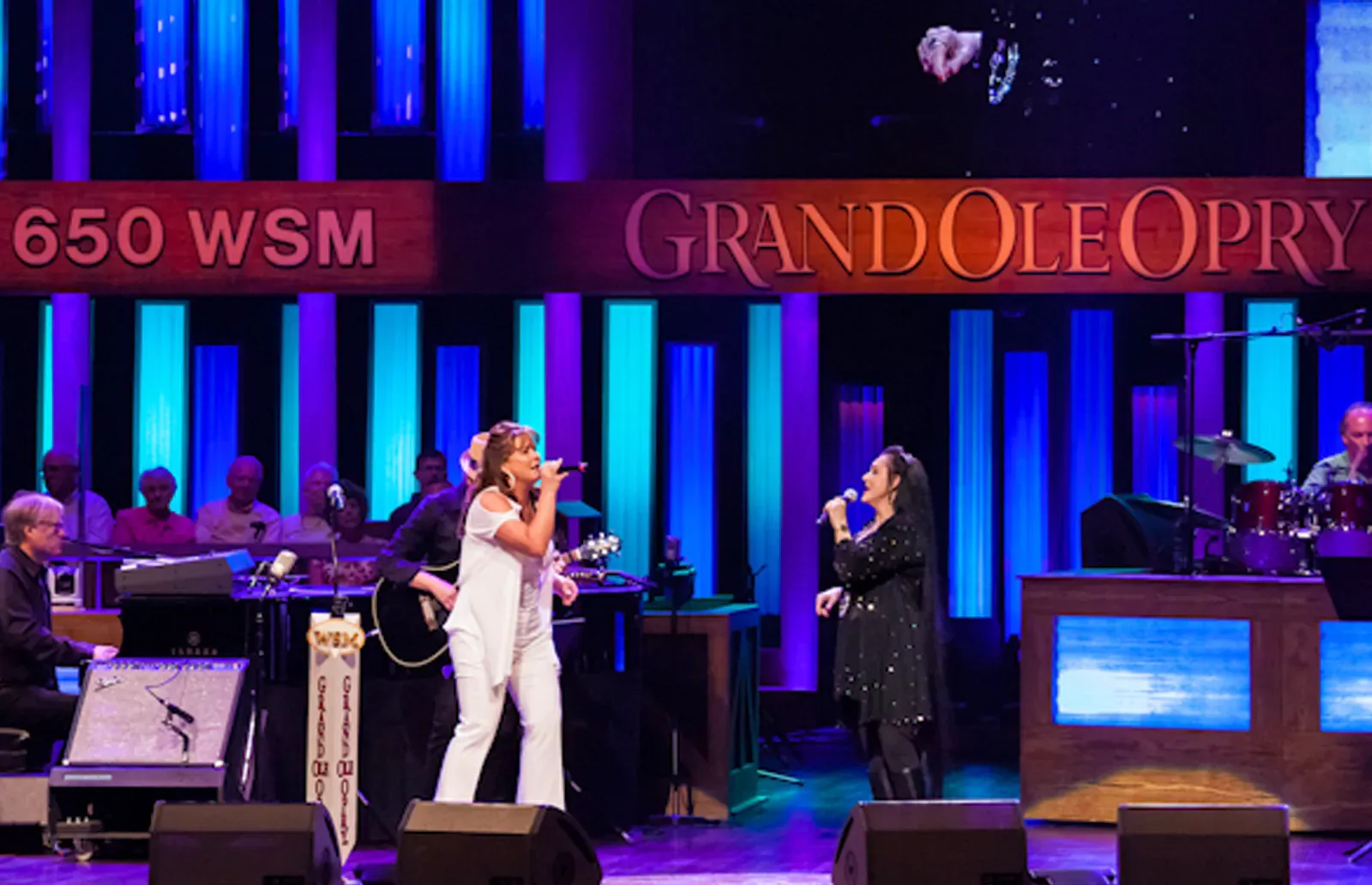
Neotraditionalists and arena country, 1980 to 1999
Urban Cowboy (1980) made country fashionable in city bars across the US, and the pop gloss that followed provoked a revival. George Jones’ “He Stopped Loving Her Today” (1980) is a ballad often named the best country single. In the mid-1980s Randy Travis and George Strait brought back fiddles, steel and a plain voice, and the movement took the name neotraditional.
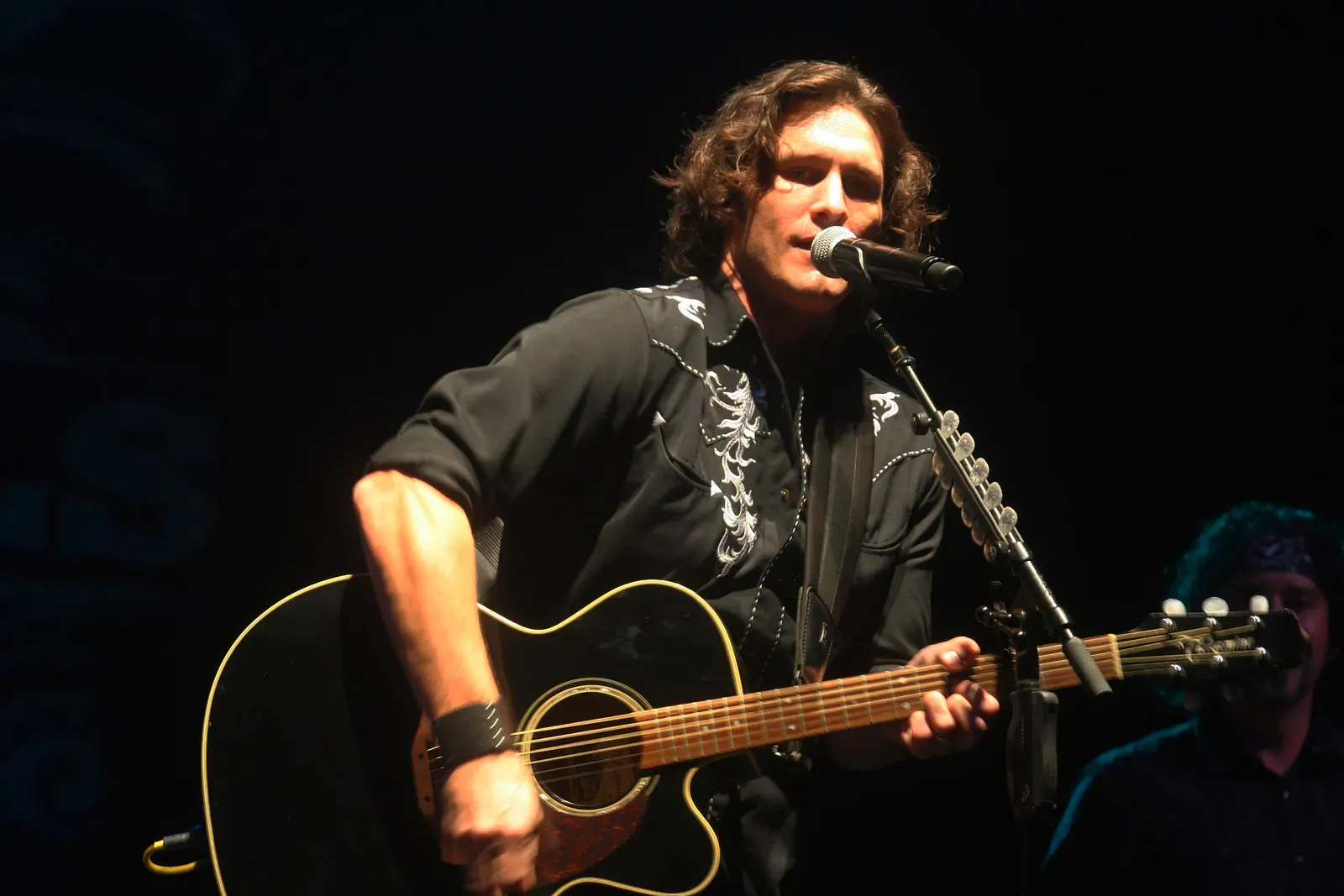
Then came the money. In 1991 Billboard began using SoundScan, which counted sales at registers instead of relying on store reports, and it showed how much country sold. Garth Brooks, whose debut appeared in 1989, brought arena rock staging to the genre and sold on a pop scale in 1990 and 1991. Shania Twain’s Come On Over (1997) followed with pop-rock-leaning country that became one of the best-selling albums of all time.
Bluegrass revival, bro-country and streaming, 2000 to now
The O Brother, Where Art Thou? soundtrack (2000) sold millions and sent audiences back to bluegrass and old-time on radio and festival stages. In the 2010s radio went the other way, toward bro-country: trucks, parties and hip-hop-influenced beats. Chris Stapleton’s Traveller (2015) answered it. A soulful, band-recorded record by a songwriter, it won the CMA Album of the Year and showed audiences still wanted traditional, singer-led country.

Streaming changed the gate. Playlists and short video let hits arrive from outside Nashville’s radio programmers, and the genre’s edges began to be argued over in public. In 2019 Billboard removed Lil Nas X’s “Old Town Road” from its country chart, prompting a debate over what counts as country. In 2024 Beyonce released Cowboy Carter, an album that renewed talk of Black artists’ roots in country and of the genre’s gatekeeping.


Culture
Country was shaped by rural and working-class Southern white and Black musicians, then sold by a handful of record companies and radio stations that decided who got heard. Its listeners were migrants: farm families who moved to cities for work and wanted music that sounded like home. That is the audience that filled the honky-tonks and the Opry.
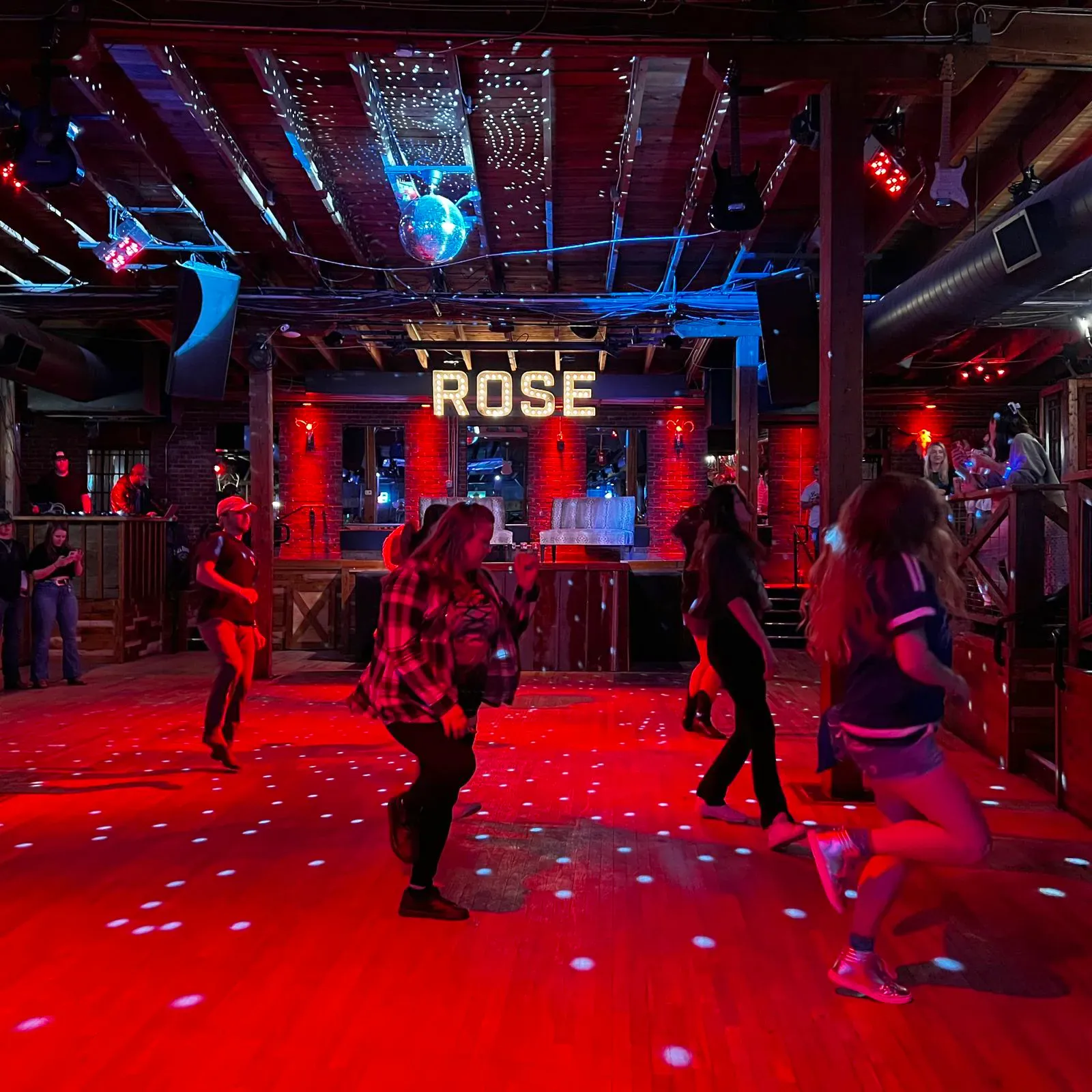
Style carried identity. Dolly Parton’s rhinestones, the cowboy hat and the work shirt were signals about class and region, and artists chose them on purpose. Nashville’s economics did the rest. The publishing house Acuff-Rose, founded in 1942, was the first major Nashville publisher and tied songwriting to the city’s studio system. A town of studios, publishers and radio shows meant a young songwriter could be heard in one trip.
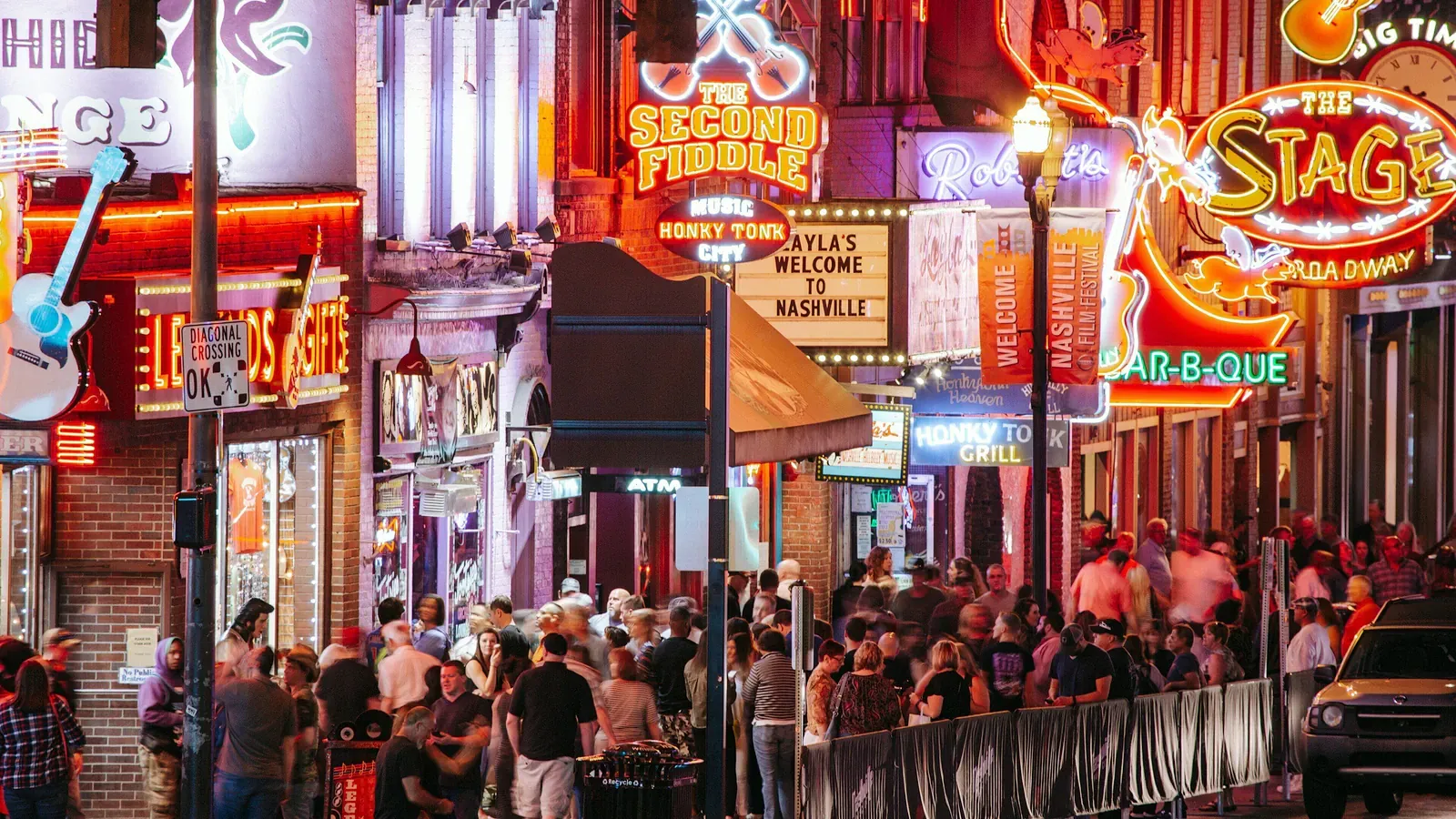
The borders were always policed. Rockabilly threatened Nashville in the 1950s, bro-country divided fans in the 2010s, and the 2019 chart decision and the Cowboy Carter debate in 2024 made the argument public. Outside the US the music took local forms: the library tracks branches in Australia, Canada, Japan, Kenya, Nigeria and New Zealand. Tejano and other border styles connect it to the Latin family.
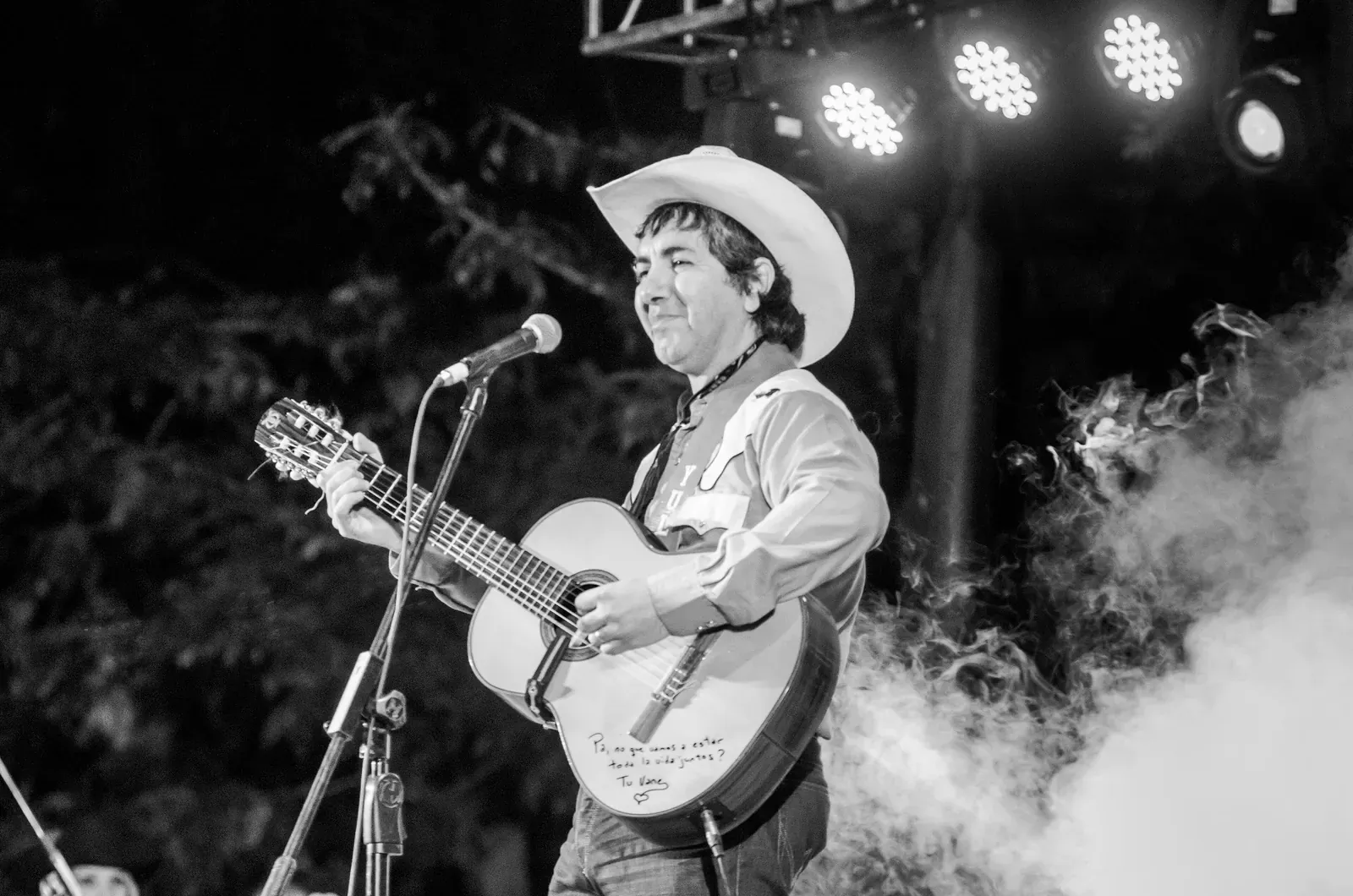
Misconceptions
“Country is white Southern music.” The roots are mixed. The banjo came from West African instruments, and DeFord Bailey, a Black harmonica player, performed on the WSM barn dance in the mid-1920s. Jimmie Rodgers drew on blues, and Ray Charles’ Modern Sounds in Country and Western Music (1962) was a top-selling album of country songs. The fact that the business marketed the music as white does not change who made it.
“The Nashville sound killed real country.” It was a business answer to a business problem. Rockabilly in 1954 pulled young listeners away, and producers like Chet Atkins and Owen Bradley used strings and choirs to hold the audience. It produced Patsy Cline’s “Crazy” (1961), and Bakersfield and the outlaws were built against it, so it also gave them something to push against.
“Outlaw country came from outsiders.” The leaders knew the system. Willie Nelson wrote “Crazy” in Nashville before he left for Texas, and Waylon Jennings recorded for RCA in Nashville for years before gaining control of his sessions. The rebellion was about contract terms and creative control, which is why Wanted! The Outlaws could come from the major label RCA and sell platinum.
Frequently asked questions
What is country music?
Country is American popular music rooted in Southern string-band, gospel, blues and cowboy song. It is built around the fiddle, banjo, acoustic and electric guitar and pedal steel, with story-led lyrics and a twang in the vocals. The Genrology library holds 80 country genres.
When did country music start?
Country was first recorded commercially in the 1920s, with Fiddlin’ John Carson’s session in Atlanta in 1923 and the Bristol Sessions of 1927. The library dates the family from 1922, and Nashville became its centre after WSM’s barn dance began in 1925.
What is the difference between country and bluegrass?
Bluegrass is one branch of country: acoustic, fast and played by string bands around Bill Monroe and Earl Scruggs from 1945. Country as a whole also includes electric honky-tonk, the polished Nashville sound and the pop-country of the arena era.
What is honky-tonk music?
Honky-tonk is bar-room country built around steel guitar, fiddle and electric guitar, played for dancers. Hank Williams made it a songwriting form in the late 1940s, and the Bakersfield sound later gave it a harder edge.
What is outlaw country?
Outlaw country is a 1970s movement of artists, led by Waylon Jennings and Willie Nelson, who wanted creative control and a rougher sound than Nashville gave them. Wanted! The Outlaws (1976) was country’s first platinum album.
Subgenres
Genres in the family
28 main branches. Names with their own page are links.
1987, 3 branches
1995
- Ameripolitan
2013
1936, 3 branches
1945, 9 branches
1925, 1 branch
1950, 1 branch
1945, 1 branch
1989, 2 branches
1963
1962, 6 branches
1998, 1 branch
1962
- Cowboy song
- Cowpunk
1979
1925, 4 branches
1936, 5 branches
1947
- Kenyan country
1950
1957, 1 branch
1979, 1 branch
1950, 1 branch
1972, 5 branches
1968, 1 branch
1890, 10 branches
Sound
What it sounds like
Tempo
- Overall70-170
- Honky-tonk100-145
- Western swing95-140
- Nashville sound70-110
- Outlaw country100-125
- Bakersfield sound95-145
- Country pop85-130
- Bro-country95-150
- Bluegrass115-170
Techniques
- Nashville number system
- Three-finger banjo roll
- Pedal steel pedal and lever bends
- Boom-chick bass and rhythm guitar
- Close harmony singing
- Resonator guitar slide with hammer-ons
- Yodel
Keys and modes
G major. Open-string guitar key common in bluegrass and traditional country.
D major. Fiddle and guitar friendly key for dance tunes and ballads.
A major. Frequent for fiddle tunes and honky-tonk shuffles.
E major. Standard guitar key for honky-tonk and rockabilly-leaning country.
Tuning
12-TET, A=440; open-G and open-D banjo tunings, C6 and E9 pedal steel tunings
Vocals
Plain, narrative delivery with regional twang, often in solo or close harmony.
Hallmarks
- fiddle
- banjo
- acoustic and electric guitar
- pedal steel guitar
- narrative vernacular lyrics
- twang vocal delivery
- Nashville / Texas industry centres
Instruments
- Fiddle
The lead voice of early string bands and dance music, still central to traditional country.
- Five-string banjo
Provides the rolling rhythm of old-time and, with Scruggs picking, bluegrass.
- Martin dreadnought guitar
The big-bodied acoustic that carries rhythm and flat-picked lead from Carter Family to Nashville.
- Pedal steel guitar
Supplies the weeping, sliding lines that mark honky-tonk and the Nashville sound.
- Fender Telecaster
The bright, twangy electric guitar of the Bakersfield sound.
- Dobro resonator guitar
A metal-bodied slide guitar that gives bluegrass and country its wailing lead tone.
- Upright bass
Anchors the rhythm of honky-tonk, bluegrass and western swing before electric bass.
- Mandolin
Bill Monroe's chopped backbeat made it bluegrass's rhythm and lead voice.
Technology that shaped it
- 1925Electrical recording
Microphones let quieter acts like string bands and solo singers record naturally.
- 1925Radio barn dance broadcasts
WSM and other stations spread country to rural and urban listeners.
- 1954Pedal steel on Slowly
Bud Isaacs's playing on the Webb Pierce hit made the pedal steel a country signature.
- 1991Billboard SoundScan
Scanner data exposed country's real sales and fed the 1990s boom.
- 2015Streaming playlists
Playlists and TikTok made hits from outside Nashville's radio gatekeepers possible.
Essential records
- 1927Blue Yodel (T for Texas)
Jimmie Rodgers. It made the singing brakeman country's first star and fixed the blues-yodel template.
- 1949Lovesick Blues
Hank Williams. It launched the songwriter who defined honky-tonk heartbreak.
- 1952It Wasn't God Who Made Honky Tonk Angels
Kitty Wells. It was the first solo woman's number one on the country chart.
- 1961Crazy
Patsy Cline. It set the Nashville-sound standard for strings and a pop-ready voice.
- 1968At Folsom Prison
Johnny Cash. The live album made country's outlaw persona a mainstream force.
- 1969Okie from Muskogee
Merle Haggard. A Bakersfield hit that captured the cultural split of the Vietnam era.
- 1973Jolene
Dolly Parton. A simple plea that became one of country's most covered songs.
- 1975Red Headed Stranger
Willie Nelson. A sparse concept album that proved artist-led country could sell.
- 1976Wanted! The Outlaws
Waylon Jennings, Willie Nelson, Jessi Colter and Tompall Glaser. It was country's first platinum album and named the outlaw movement.
- 1980He Stopped Loving Her Today
George Jones. A towering ballad often named the best country single ever.
- 1997Come On Over
Shania Twain. It showed country-pop could rival any pop album's global sales.
- 2015Traveller
Chris Stapleton. A soulful, band-recorded record that turned a songwriter into a headliner.
Scenes
Where it happened
Where and when the sound lived: one bar per city on a shared timeline.
North America
Active scenes
Peak 4, 1954-1960
OKeh and other labels recorded early fiddlers and string bands here.
The 1927 Bristol Sessions recorded the Carter Family and Jimmie Rodgers.
The Opry, Music Row and its studios made it the industry's center.
Bob Wills and the Texas Playboys broadcast western swing from here.
The Louisiana Hayride broadcast launched Hank Williams, Elvis and George Jones.
Sun Studio recorded Johnny Cash and rockabilly acts that crossed into country.
Buck Owens and Merle Haggard built a loud, Telecaster-led alternative to Nashville.
Willie Nelson and the progressive country scene made Texas a rival to Nashville.
Glossary
Terms on this page
A lean, loud California honky-tonk led by Telecasters and drums.
Acoustic string-band style with fast banjo, mandolin and high harmonies from Bill Monroe's band.
2010s radio style built on trucks, parties and hip-hop-influenced beats.
Nashville's weekly radio show, the genre's most famous stage since 1925.
Bar-room country with electric guitar and steel, built for dancing and drinking songs.
A smoothed 1950s-60s style with strings, backing choirs and pop arrangements.
1980s revival of honky-tonk and classic styles after pop-country excess.
1970s movement of artists demanding creative control and a rougher sound.
The bright, nasal vocal and guitar tone associated with country.
Texas dance music fusing fiddles, jazz horns and swing rhythm.
Families