Japanese country
Japanese country is Japan's country and western scene, born from American forces radio and base shows in the late 1940s and peaking around 1960.
Tokyo, 1947
Country family
Born
1947
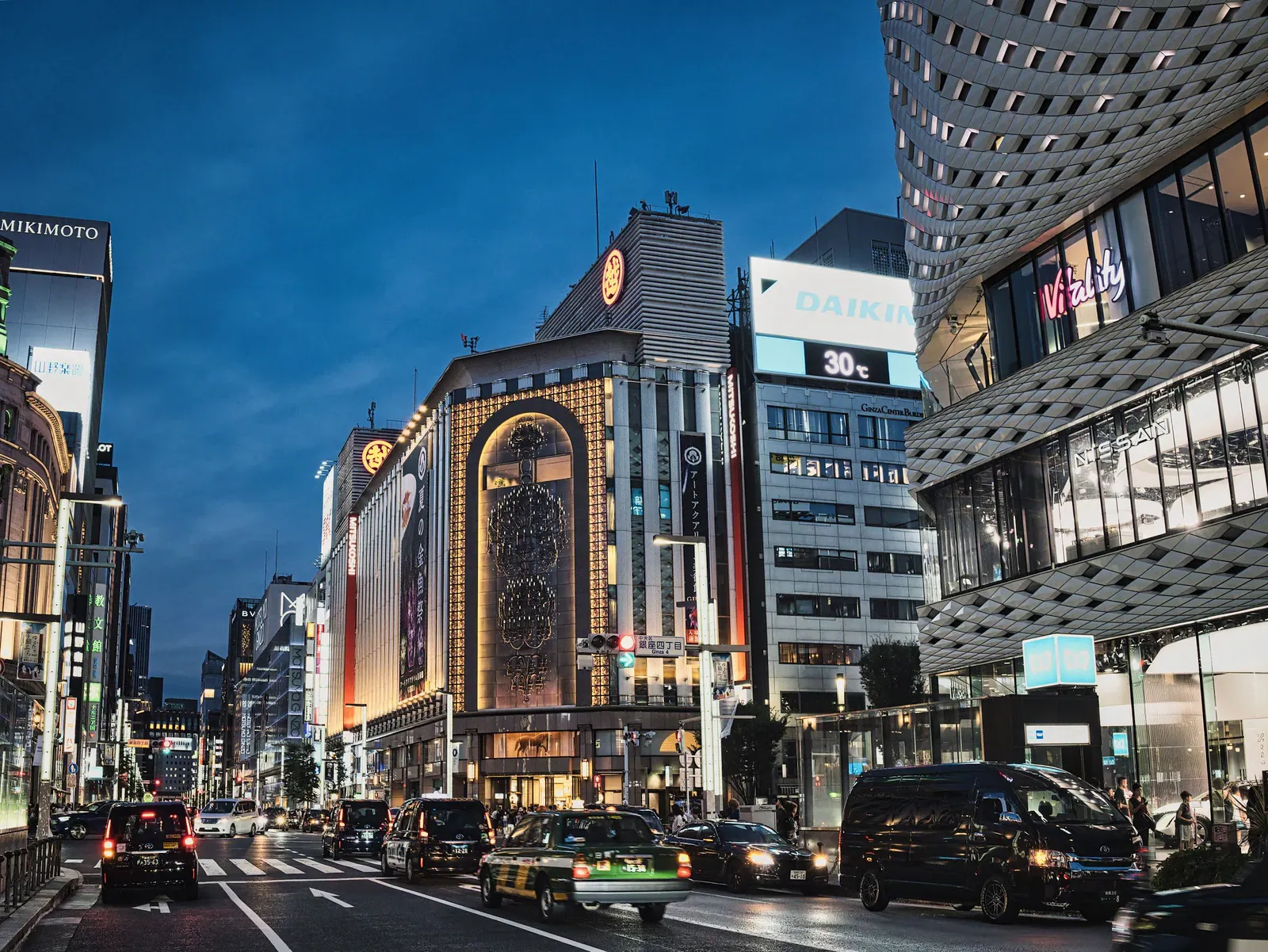
Tokyo
Links
7
Genres it drew on or shaped
Tempo
85-165 BPMLineage
Family tree
Grew out of
Derived from
Derived from
Influenced by
Tokyo, 1947
Japanese country
Timeline
Era by era
From the first sparks to today. Select a dot to read the story behind it.
- Radio and base shows
1945 to 1956
- Cowboy bands and the Western Carnival
1957 to 1966
- Scattering and bars
1967 to 1988
- Festivals and bluegrass clubs
1989 to today
Eras
Moments
- 1 Radio and base shows, 1945 to 1956
- 2 Cowboy bands and the Western Carnival, 1957 to 1966
- 3 Scattering and bars, 1967 to 1988
- 4 Festivals and bluegrass clubs, 1989 to today
1945
Radio and base shows
American forces radio and military base stages introduced country records to young Japanese listeners, and Tokyo's first cowboy bands, led by the Western Ramblers, formed around them.
- 1945Forces radio reaches TokyoThe Far East Network station WVTR starts broadcasting in Tokyo under the Allied occupation, soon airing a country hour, Chuck Wagon Time.
- 1948Western Ramblers formThe Tokyo group, one of the first cowboy-style bands, recruits 17-year-old vocalist Teddy Hara.
- 1951Singing Stagecoach at the LionThe Western Ramblers perform their Singing Stagecoach shows at the Lion beer hall in Ginza.
- 1952Kosaka joins the Wagon MastersKazuya Kosaka joins the Wagon Masters as vocalist; the same year Tomi Fujiyama, aged 12, starts singing country songs.
- 1955Kosaka debuts on ColumbiaKazuya Kosaka and the Wagon Masters release Wagon Master on Columbia, the start of his run as a country idol.
- 1956Nagatani hears Hillbilly JamboreeCharlie Nagatani attends his first country concert, by the band Hillbilly Jamboree.
1957
Cowboy bands and the Western Carnival
The Mountain Playboys and rival groups played Tokyo jazz cafes and bases, recorded American covers by the hundred, and shared the stage with the rockabilly craze of 1958.
- 1957Mountain Playboys formJimmie Tokita founds the Mountain Playboys in September, a drumless line-up able to play country and bluegrass.
- 1958Nichigeki Western Carnival opensThe first Western Carnival at Tokyo's Nippon Gekijo on 8 February launches the rockabilly craze that overlaps with the country bands.
- 1960Tokita's record debutJimmie Tokita makes his first records, and by 1966 has released 18 albums, some under shared credit.
- 1961Charlie and the Cannonballs startNagatani's band begins playing and becomes one of Japan's longest-running groups.
- 1964Tomi Fujiyama at the OpryFujiyama plays the Grand Ole Opry and receives a standing ovation, after signing to Columbia and recording five albums.
- 1965Lonely Together chartsFujiyama's Lonely Together is the first song by a Japanese singer to reach the American country charts.
1967
Scattering and bars
Bandleader Jimmie Tokita left for the United States in 1967 and the cowboy-band boom faded; country lived on in bars, clubs and rock-side experiments such as Hosono House.
- 1967Tokita leaves for the United StatesThe Mountain Playboys go on hold when Tokita travels to the US in September; he returns in 1969 and the band resumes in 1970.
- 1973Hosono HouseHaruomi Hosono records his solo debut at a house in Sayama known as American Village.
- 1985Nagatani's first Opry appearanceCharlie Nagatani makes his first appearance on the Grand Ole Opry stage.
1989
Festivals and bluegrass clubs
Charlie Nagatani's Country Gold festival, university bluegrass clubs and honky tonk bars kept a small, devoted national scene going into the 2020s.
- 1989Country Gold beginsNagatani starts the Country Gold festival at Mount Aso, which runs until 2019.
- 2000Jimmie Tokita diesTokita dies on 10 March in Tokyo, ending the Mountain Playboys.
Listening path
Start listening
A short path from an easy way in to the deep end. Thumbnails come from YouTube; the player loads only when you press play.
- 01
Kazuya Kosaka, 1957
A Columbia-era single by the first country idol, an American song sung in Tokyo.
Facts
| Family | Country |
| Origin | Tokyo, Japan |
| Emerged | Late 1940s to 1950s |
| Status | Active |
| Tempo | 85 to 165 BPM |
| Meter | 4/4 |
| Grew out of | Western music, Hillbilly music |
Japanese country is the country and western scene of Japan, a regional variant of country built on American songs sung and played by Japanese musicians.
It began in the late 1940s, when forces radio and military base stages gave young Tokyo listeners their first hillbilly records, and it peaked in the late 1950s and early 1960s with cowboy-costumed bands. Its defining traits are a repertoire of American covers, a university and jazz-cafe circuit, and a long afterlife in bars, festivals and bluegrass clubs.
Origins
The scene started with radio. The Far East Network, the American forces service whose first station WVTR opened in Tokyo right after the war, aired a one-hour hillbilly programme called Chuck Wagon Time, and young listeners copied what they heard. Bands also played for US servicemen at base clubs such as the EM Club in Yokosuka before they played for Japanese audiences.
The first cowboy-style group of note was the Western Ramblers, formed in 1948. Its vocalist, 17-year-old high-school student Teddy Hara, had first heard cowboy songs on the morning radio show. By 1951 the band was performing a show called Singing Stagecoach at the Lion beer hall in Ginza. Players learned songs by ear and took American first names on stage. Keiichi Teramoto, later a member of several bands, began as an elementary school child in a cowboy suit and went on to form the Singing Riders in high school.
The cowboy-band years, 1957-1966
The scene’s centre of gravity was Jimmie Tokita and his Mountain Playboys, founded in September 1957. Tokita was born in Manchuria in 1936, studied at Aoyama Gakuin University, and took the name Jimmie after the singer Jimmie Rodgers. He built the band so it could play both country and bluegrass: guitars, steel guitar, bass and fiddle, with banjo or mandolin doubled by the guitarists, and no regular drummer. After starting on base camps, the group moved into jazz cafes from 1959, made its first records in 1960 and had released 18 albums, some under shared credit, by 1966. Bands that followed copied the Mountain Playboys closely, and the group recorded hundreds of American covers in the late 1950s.
Other groups filled the same circuit: the Wagon Masters, Swing West, the Chuck Wagon Boys, Wagon Ace and the Cannonballs. Student music clubs at schools such as Keio, Aoyama Gakuin and Gakushuin fed them with players. Takeshi Terauchi worked in base country bands, among them the Honshu Cowboys and the Mountain Playboys, before founding the Blue Jeans in 1962 and becoming Japan’s best-known instrumental rock guitarist.
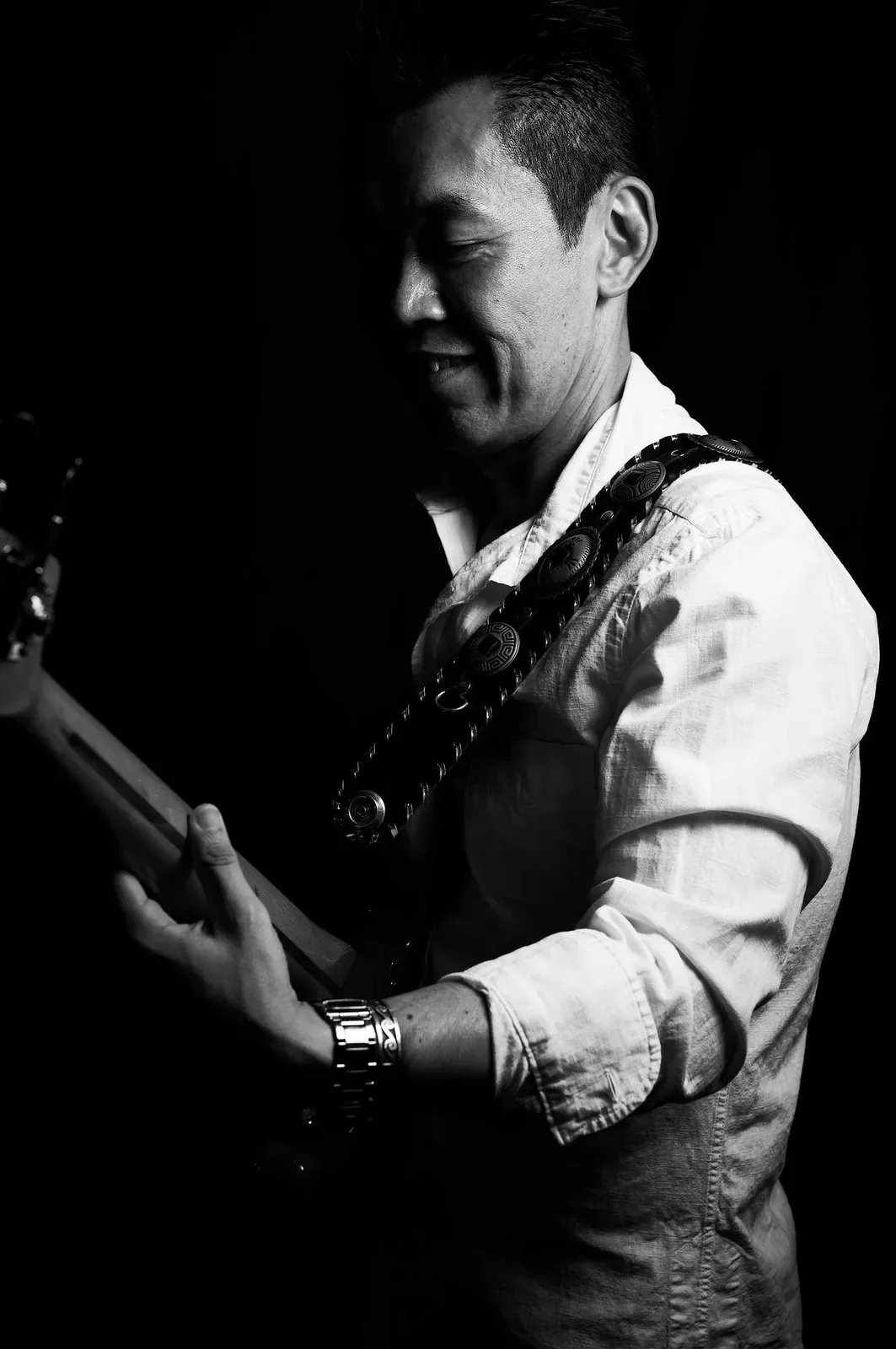
Rockabilly and the Western Carnival
Country shared its audience with the rockabilly craze. The Nichigeki Western Carnival opened at Tokyo’s Nippon Gekijo on 8 February 1958 and ran twice a year until 1977. The 1958 rokabiri boom was the first teenage-driven pop culture movement of postwar Japan, and country players such as Kazuya Kosaka sat on both sides of it. Kosaka had joined the Wagon Masters as vocalist in 1952 and released Wagon Master on Columbia in the mid-1950s. In 1956 he had a hit with a Japanese cover of Heartbreak Hotel, which earned him the nickname of Japan’s original Presley. See rockabilly for the American side of that wave.
Characteristics
Japanese country is defined by repertoire more than by a distinct sound. Most recordings are English-language covers of American songs, from hillbilly and western numbers to bluegrass, played in the standard cowboy-band line-up. Japanese-language country songs were rare. Kosaka tried them, and a few later artists did, but the Japanese pop audience generally heard country as an American import presented with local stagecraft: cowboy hats, fringe jackets and stage names.
The tempo range follows the American material the bands covered, from slow waltz ballads to brisk shuffles. The drumless Mountain Playboys sound, with steel guitar and fiddle in the band, is the clearest local signature. The bluegrass side of the scene has its own clubs.
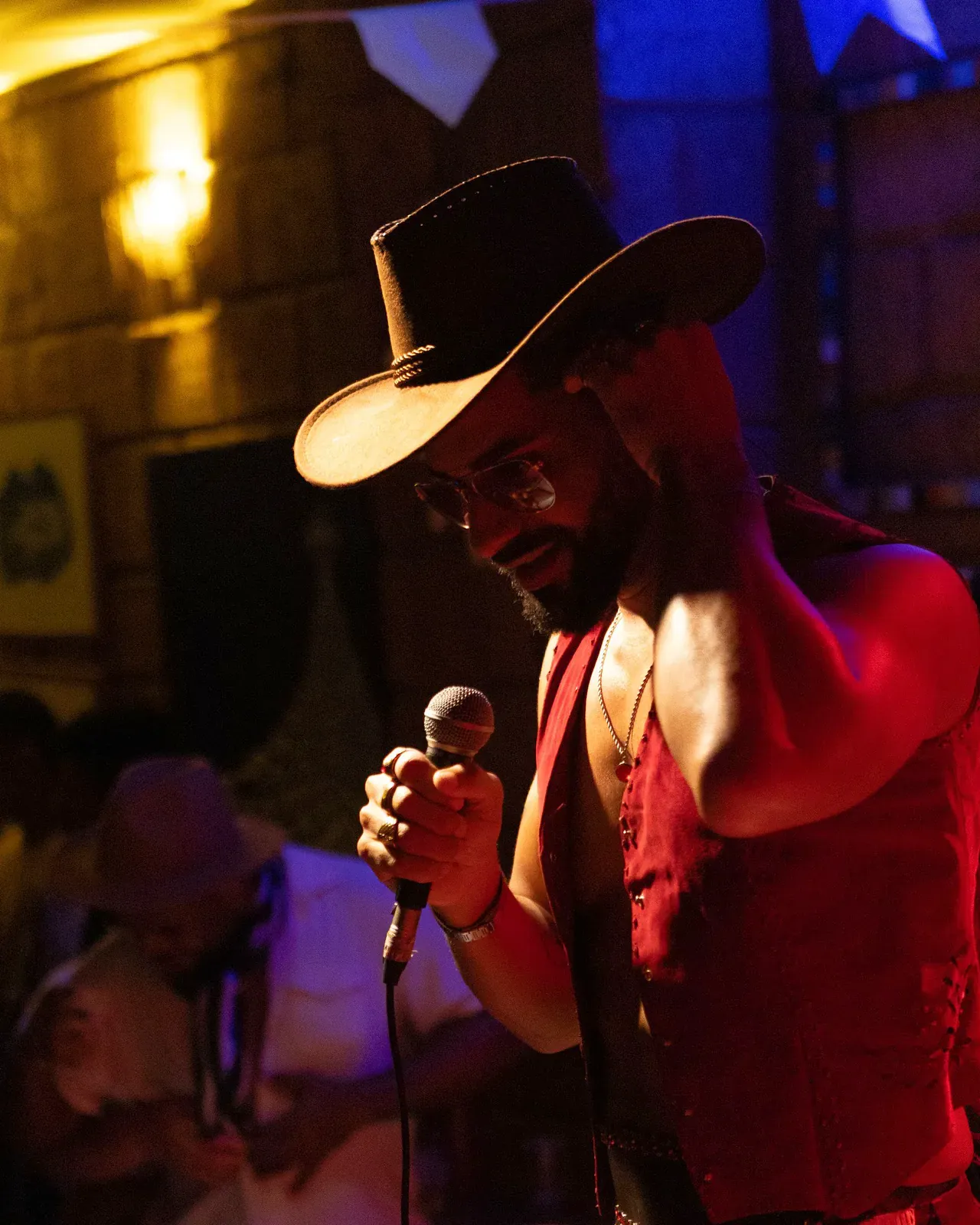
Instruments and production
The core instruments are the acoustic and electric guitar, steel guitar, fiddle and bass, with a banjo or mandolin brought in for bluegrass numbers. Steel player Mitsuo Fujii played with the Mountain Playboys from 1958 to 1960 and later founded the steel guitar maker Fazey. Records of the period were made by the major Japanese labels, notably Nippon Columbia for Kosaka and Tomi Fujiyama and King Records for the Mountain Playboys and Terauchi.

Mainstream success
Country never became a mass genre in Japan, but its stars did cross over at their peak. Kosaka made the New Year’s televised song contest three years in a row, and he began a film career in 1957. Tomi Fujiyama, born in 1941, began singing country songs at 12 in 1952 without speaking English, performed on US bases and was signed to Columbia. By 1964 she had made five albums and 21 singles, and that year she played regularly at a Las Vegas casino and made her first appearance at the Grand Ole Opry, where she received a standing ovation. In 1965 Lonely Together became the first song by a Japanese singer to reach the American country charts.
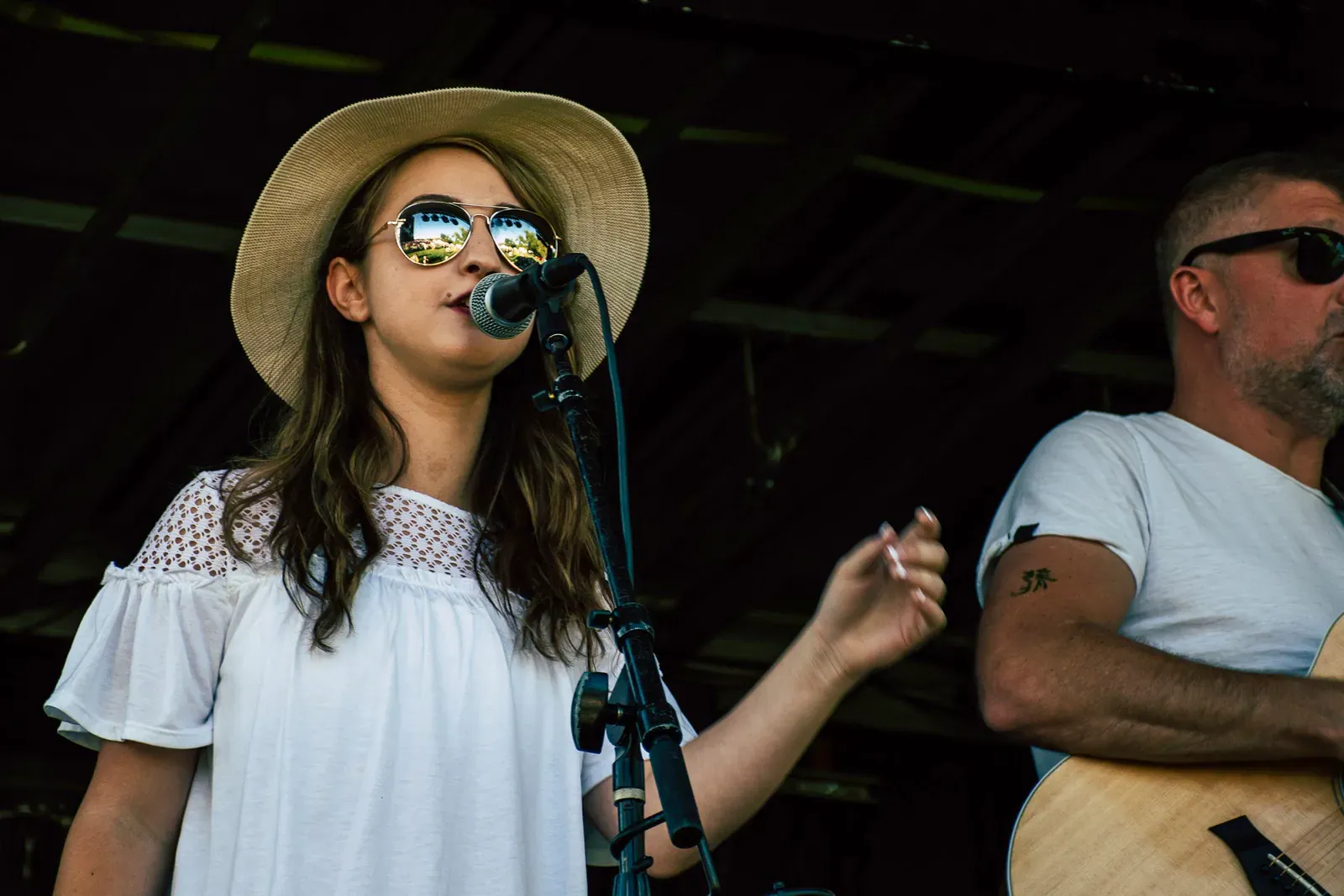
The scattering, 1967-1988
When Tokita left for the United States in 1967, the Mountain Playboys went on hold. He returned in August 1969 after his health suffered, and the band restarted in 1970, but activity was intermittent from then on. He died in Tokyo on 10 March 2000. The audience for cowboy bands shrank, and country survived in bars, record collections and small clubs. In 1973 Haruomi Hosono recorded his solo debut Hosono House at a house in Sayama known as American Village.
Country Gold and the bluegrass clubs
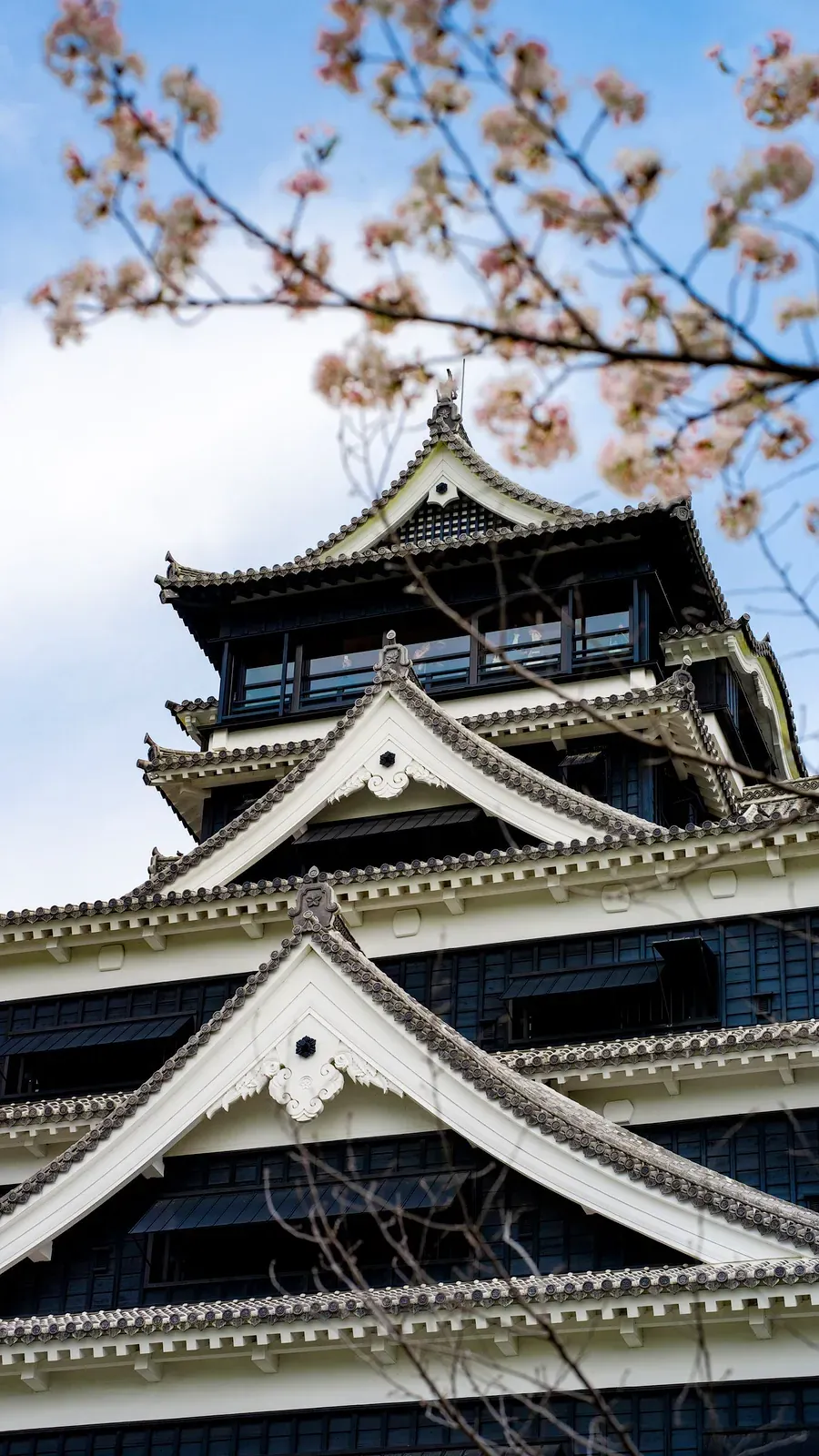
The scene’s second wave came from Kumamoto. Charlie Nagatani, born there in 1936, heard his first country concert, by the band Hillbilly Jamboree, in 1956 and later formed Charlie and the Cannonballs in 1961. He opened a honky tonk called Good Time Charlie and founded the Country Gold festival at Mount Aso in 1989. It ran until 2019 and drew performers from the United States, including Bill Monroe, Ricky Skaggs, Emmylou Harris and Brad Paisley. Nagatani first appeared on the Grand Ole Opry stage in 1985, and his 1992 debut album featured Harris, Monroe, the Osborne Brothers and Porter Wagoner. The 2016 documentary Far Western tells his story.
Bluegrass took a separate route into the universities. Clubs exist at Nagoya, Tohoku, Kyoto, Kansai, Ryukyu, Rakuno Gakuen, Hokkaido and Kobe universities, and the Takarazuka Bluegrass Festival in Sanda, Hyogo Prefecture, reached its 52nd edition in 2024. Honky tonk bars in Tokyo and Kumamoto keep jam sessions going.
Legacy
Japanese country left a small but durable infrastructure: festivals, bars, bluegrass clubs and two artists who reached the American stage, Fujiyama and Nagatani. Its best-known recordings are rooted in the 1950s and 1960s, but the scene itself is still active.
Misconceptions
One common view is that country in Japan is a recent novelty. The records show the opposite: the first cowboy bands formed in the late 1940s, and the Mountain Playboys were on disc by 1960. A second is that the music was simply imposed by the occupation. American radio and bases supplied the songs, but Japanese bands built their own circuit of jazz cafes, record labels and festivals.
Frequently asked questions
When did country music start in Japan?
Japanese country began in the late 1940s, when forces radio in Tokyo broadcast country shows and the Western Ramblers formed in 1948.
Who are the best-known Japanese country artists?
The key names are Jimmie Tokita and the Mountain Playboys, Tomi Fujiyama, Kazuya Kosaka and Charlie Nagatani.
Is Japanese country sung in Japanese?
Mostly not. Most recordings are English-language covers of American songs, with Japanese-language country remaining rare.
Sound
Sound sheet
Anatomy of a track
| # | Part | Bars |
|---|---|---|
| 1 | Intro | 4 |
| 2 | Verse | 16 |
| 3 | Chorus | 8 |
| 4 | Instrumental break | 16 |
Signature sounds
- Cowboy-band line-up of guitars, steel guitar, fiddle and bass
- Drumless backing in the Mountain Playboys
- American repertoire sung in English
Techniques
- Cover repertoire
- Drumless line-up
- Phonetic English singing
- Bluegrass doubling
Tuning
12-TET, A=440
Vocals
American country songs sung in English, learned by ear from radio and records, with occasional Japanese-language versions.
Scenes
Where it happened
Where and when the sound lived: one bar per city on a shared timeline.
Asia
Active scenes
Peak 3, 1956-2025
Ginza beer halls, jazz cafes and nearby US bases hosted the cowboy bands from the late 1940s.
Home of Charlie Nagatani, his honky tonk Good Time Charlie and the Country Gold festival.
Navy base town where club stages such as the EM Club gave young players an audience.
Venues and places
Tokyo, 1951 to today. Ginza beer hall where the Western Ramblers staged Singing Stagecoach.
Tokyo, 1958 to today. Tokyo theatre that housed the Western Carnival from February 1958.
Kumamoto, 1996 to today. Honky tonk bar opened by Charlie Nagatani in his home town.
Culture
Culture markers
- Cowboy costume
Bands wore full western dress on stage; guitarist Keiichi Teramoto began as a child in a cowboy suit.
Fashion - University music clubs
Many players came from student clubs at Aoyama Gakuin, Keio and similar schools, and bluegrass clubs remain active on campuses today.
Ritual - Adopted American first names
Players took names such as Jimmie, Teddy and Charlie; Tokita chose Jimmie after Jimmie Rodgers.
Slang
Media
Key media
- 2016Far Western
by James Payne. Documentary on country music in Japan built around Charlie Nagatani and Country Gold.
Film
Glossary
Terms on this page
Festival founded by Charlie Nagatani at Mount Aso in 1989, which ran until 2019.
The Far East Network, the American forces radio service whose country shows taught early Japanese players their repertoire.
A Japanese music cafe; bands such as the Mountain Playboys played jazz cafes from 1959.
The Japanese rockabilly craze of 1958, centred on the Nichigeki Western Carnival.
Twice-yearly live show at Tokyo's Nichigeki theatre that ran from 1958 and mixed rockabilly and country acts.
Country family