Western music
Western music is the song tradition of the American West: cowboy trail ballads, Hollywood singing cowboys and Marty Robbins's El Paso, from 1880 on.
Western United States, 1890
Country family
Born
1890
Western United States
Subgenres
7
Documented branches
Links
21
Genres it drew on or shaped
Tempo
70-130 BPMLineage
Family tree
Grew out of
Derived from
Influenced by
RancheraTejanoCorridoCowboy poetry
Western United States, 1890
Western music
Led to (11)
Timeline
Era by era
From the first sparks to today. Select a dot to read the story behind it.
- Trail drives and range songs
1880 to 1924
- First cowboy records
1925 to 1933
- Singing cowboys and Hollywood
1934 to 1952
- Gunfighter ballads and decline
1953 to 1975
- Revival and preservation
1976 to 2026
Eras
Moments
- 1 Trail drives and range songs, 1880 to 1924
- 2 First cowboy records, 1925 to 1933
- 3 Singing cowboys and Hollywood, 1934 to 1952
- 4 Gunfighter ballads and decline, 1953 to 1975
- 5 Revival and preservation, 1976 to 2026
around 1880
Trail drives and range songs
Cowboys sing herd-calming ballads and bunkhouse songs; N. Howard Thorp (1908) and John Lomax (1910) publish the first collections, giving the repertoire a national audience.
- 1908Thorp publishes Songs of the CowboysN. Howard Thorp issues the first printed collection of cowboy songs.
- 1910Lomax collects Cowboy Songs and Other Frontier BalladsJohn Lomax's book first brings western song to national attention.
1925
First cowboy records
Electrical recording and radio barn dances carry real ranch singers such as Carl T. Sprague onto disc, and the cowboy becomes a recognised commercial persona.
- 1925Carl T. Sprague records for VictorA former ranch hand makes some of the first commercial cowboy song recordings.
- 1929Gene Autry signs with ColumbiaThe Texas-born radio singer begins a recording career that reaches hundreds of releases.
- 1933The Pioneer Trio forms in Los AngelesLeonard Slye, Bob Nolan and Tim Spencer begin the group that becomes the Sons of the Pioneers.
1934
Singing cowboys and Hollywood
Gene Autry, Roy Rogers and the Sons of the Pioneers make the West a film and radio brand; Bing Crosby and others carry cowboy songs into mainstream pop.
- 1934Sons of the Pioneers record Tumbling Tumbleweeds for DeccaThe 8 August session produces Bob Nolan's song that defines the western sound.
- 1935Patsy Montana records Cowboy's SweetheartRecorded for ARC, it becomes the first million-selling single by a woman in country music.
- 1936Bing Crosby stars in Rhythm on the RangeA pop star lends cowboy songs to a mainstream film.
- 1938Roy Rogers debuts in Under Western StarsRepublic Pictures builds a second singing-cowboy star beside Gene Autry.
- 1939Gene Autry records Back in the Saddle AgainThe song becomes his theme tune.
- 1942Tex Ritter becomes the first artist signed to CapitolThe film cowboy joins the new Los Angeles label, which grows into a western and country base.
- 1944Bing Crosby and the Andrews Sisters record Don't Fence Me InCut in about half an hour on 25 July, it tops the US sales charts for eight weeks.
1953
Gunfighter ballads and decline
Film themes and Marty Robbins's 1959 album keep Western song on the charts, but rock and roll and the Nashville sound push it out of the studios by the 1960s.
- 1953High Noon wins the Oscar for Best Original SongTex Ritter sings the theme at the televised 1953 ceremony.
- 1959Marty Robbins releases Gunfighter Ballads and Trail SongsA concept album of western story songs, recorded in Nashville, with El Paso as its single.
- 1960El Paso reaches number one on the Hot 100It is Marty Robbins's only pop number one.
- 1962Rock and roll and the Nashville sound crowd out western actsHollywood studios drop most western artists during the 1960s.
1976
Revival and preservation
Outlaw country, Riders in the Sky, Michael Martin Murphey, Chris LeDoux and cowboy poetry gatherings rebuild an audience; the Western Music Association forms in 1989.
- 1976Wanted! The Outlaws revives the frontier imageThe outlaw-country album makes a rebel West fashionable again.
- 1977Riders in the Sky form in NashvilleTheir comic cowboy harmony act keeps the tradition alive for decades.
- 1978Waylon and Willie record Mammas Don't Let Your Babies Grow Up to Be CowboysA duet from the album Waylon & Willie wins a 1979 Grammy.
- 1985First National Cowboy Poetry Gathering in ElkoA Nevada gathering makes working-cowboy verse and song a festival tradition.
- 1989Western Music Association foundedA membership group forms to preserve and promote western music.
- 1990Michael Martin Murphey's Cowboy Songs goes goldA new western album that proves a market for the style.
- 1992Chris LeDoux and Garth Brooks chart with Whatcha Gonna Do with a CowboyThe duet reaches the country top ten and earns a Grammy nomination.
- 2001Riders in the Sky win a Grammy for Woody's RoundupTheir Toy Story 2 album wins Best Musical Album for Children.
Listening path
Anthems
The records that built the sound, grouped by the part they played. Thumbnails come from YouTube; the player loads only when you press play.
- 01
Sons of the Pioneers, 1934 · Decca Records
Bob Nolan's song, cut at the group's first Decca session, gave western music its drifting-cowboy harmony sound.
Origin - 02
Bing Crosby, 1944 · Decca Records
A cowboy song that took western imagery to the top of the mainstream pop charts.
Start hereBreakthrough - 03
Marty Robbins, 1959 · #1 Billboard Hot 100, 1960 · Columbia Records
A long story ballad that reached number one on the pop charts and made western song a modern hit form.
Start hereBreakthrough - 04
Patsy Montana, 1935 · American Record Corporation
The first million-selling country single by a woman, it made the cowgirl yodel a western fixture.
Anthem - 05
Gene Autry, 1939
The singing cowboy's signature tune, an easy way into the film-era sound.
Start hereAnthem - 06
Sons of the Pioneers, 1941 · Decca Records
A desert lament in three-part harmony that became a western standard.
Anthem - 07
Marty Robbins, 1959 · Columbia Records
A gunfighter ballad from the same album that lived on through film and games.
Anthem - 08
Tex Ritter, 1952 · Capitol Records
A western ballad that became an Oscar-winning film theme for a mass audience.
Crossover - 09
Waylon Jennings, 1978 · #1 Hot Country Songs, 1978 · RCA Records
A Waylon Jennings and Willie Nelson duet that gave the modern cowboy a country anthem.
Revival - 10
Chris LeDoux, 1991 · Liberty Records
A rodeo champion's hat-and-saddle song from his first major-label album.
Revival
Facts
| Family | Country |
| Origin | Western United States, United States |
| Emerged | Late 19th century to 1930s |
| Status | Active |
| Tempo | 70 to 130 BPM |
| Meter | Often 3/4 waltz time, also 4/4; tempo varies by song |
| Grew out of | American folk music |
| Subgenres | 7 |
Western music is the song tradition of the American West: cowboy ballads and trail songs that radio, records and Hollywood turned into a national style.
It began on cattle ranges around 1880, is built on acoustic guitar, fiddle and close vocal harmony, and peaked with the singing cowboys of the 1930s and 1940s. The industry later bundled it with hillbilly music as “country and western”, which is why it is often filed under country.
Origins
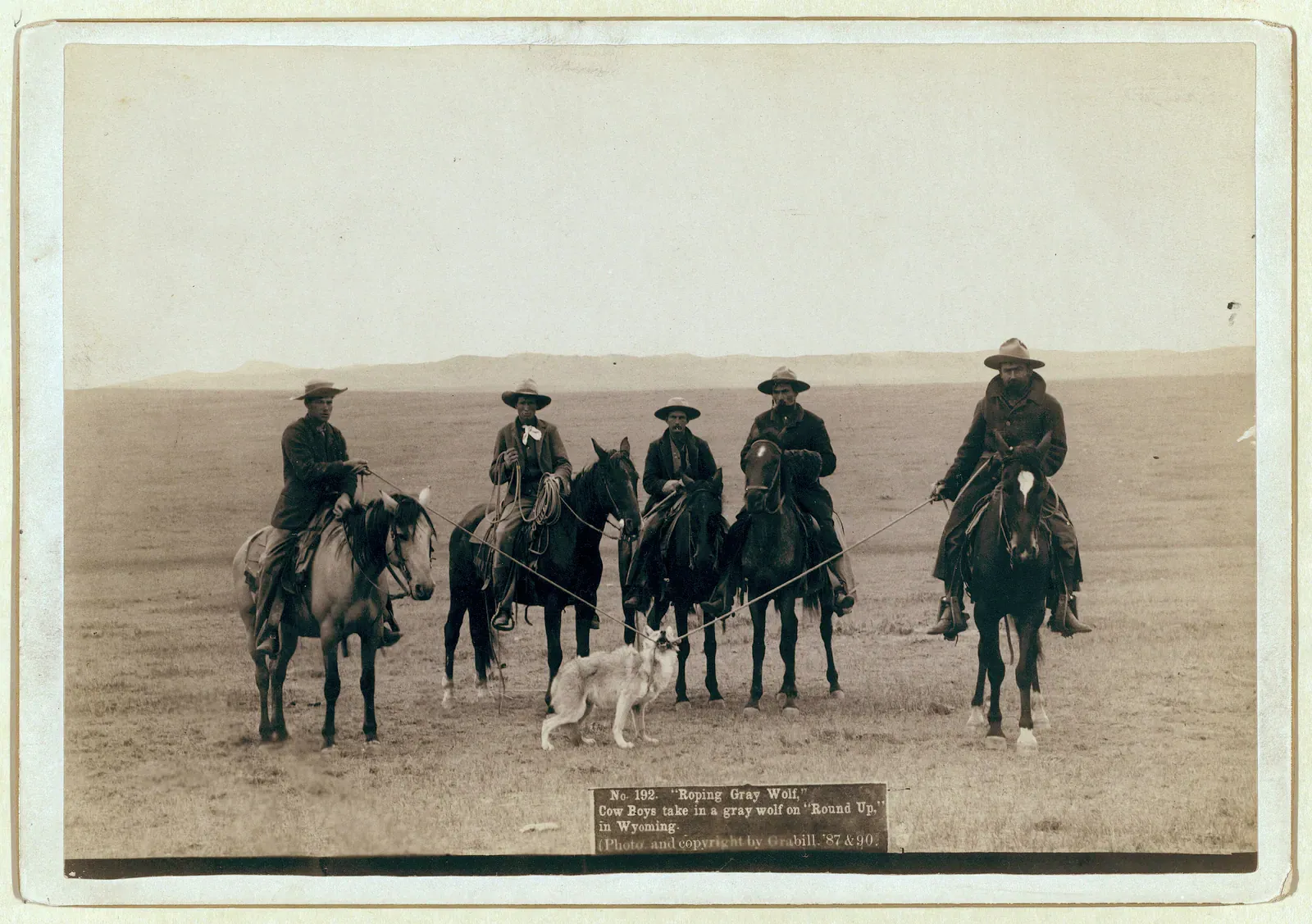
Cattle outfits moved herds across open country, and the men watching them at night sang slow, steady ballads to keep the animals calm. The tunes came from folk songs, hymns and dance numbers.
The origin anthem is “Tumbling Tumbleweeds”, cut by the Sons of the Pioneers for Decca on 8 August 1934 in Los Angeles. Bob Nolan wrote it as a drifting-cowboy lament, and the three-part harmony the group laid over it became the template for western group singing. The group’s roots go back a year earlier, when Leonard Slye (the future Roy Rogers), Bob Nolan and Tim Spencer formed the Pioneer Trio in the city.
Trail drives and range songs, 1880-1924
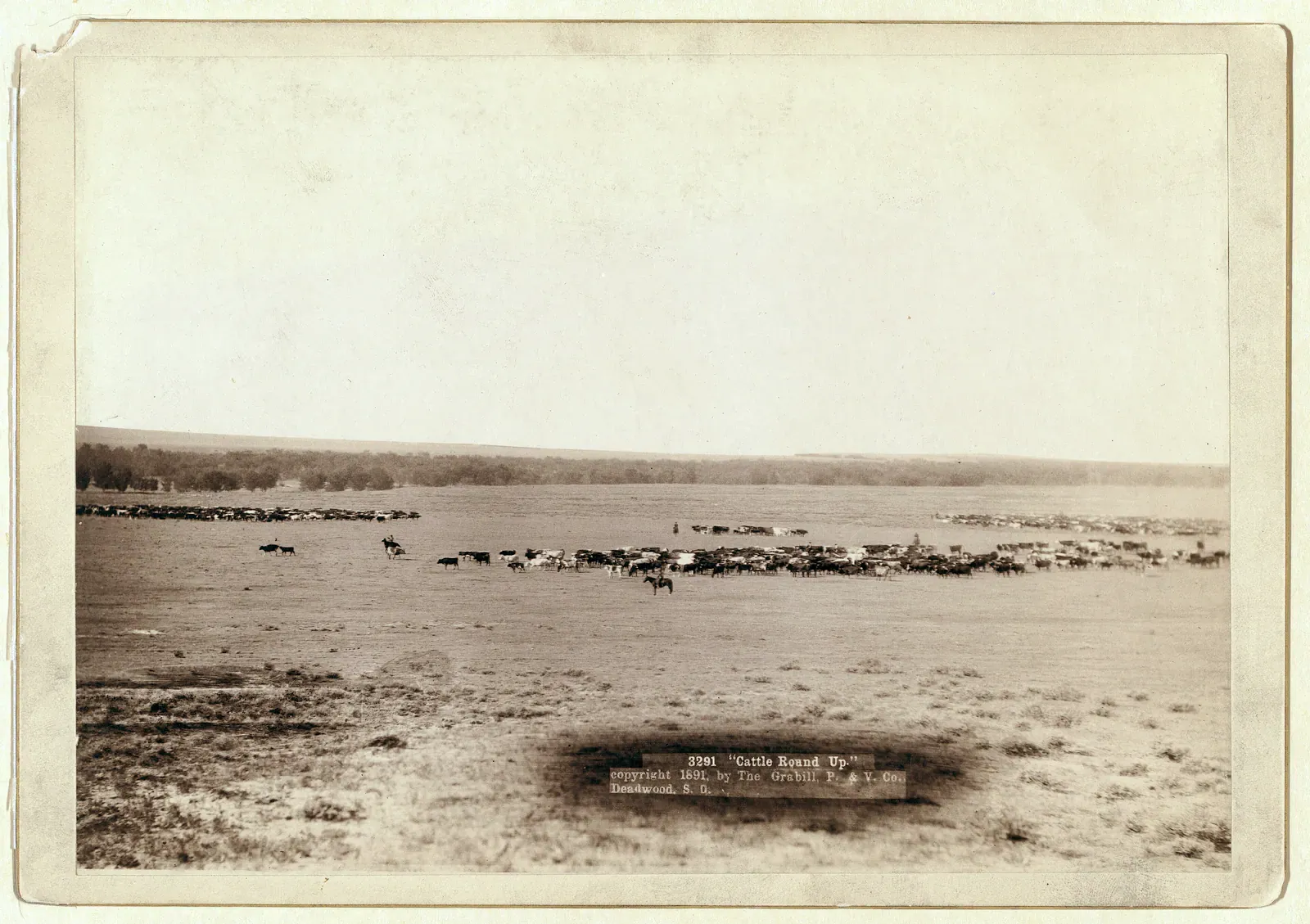
From about 1880 to 1924 the repertoire lived by ear. Ranch hands passed songs along bunkhouse by bunkhouse, and nobody earned money from them. That changed on paper. In 1908 N. Howard Thorp published Songs of the Cowboys, the first printed collection. Two years later John Lomax issued Cowboy Songs and Other Frontier Ballads, a book that carried the repertoire to a national readership.
First cowboy records, 1925-1934
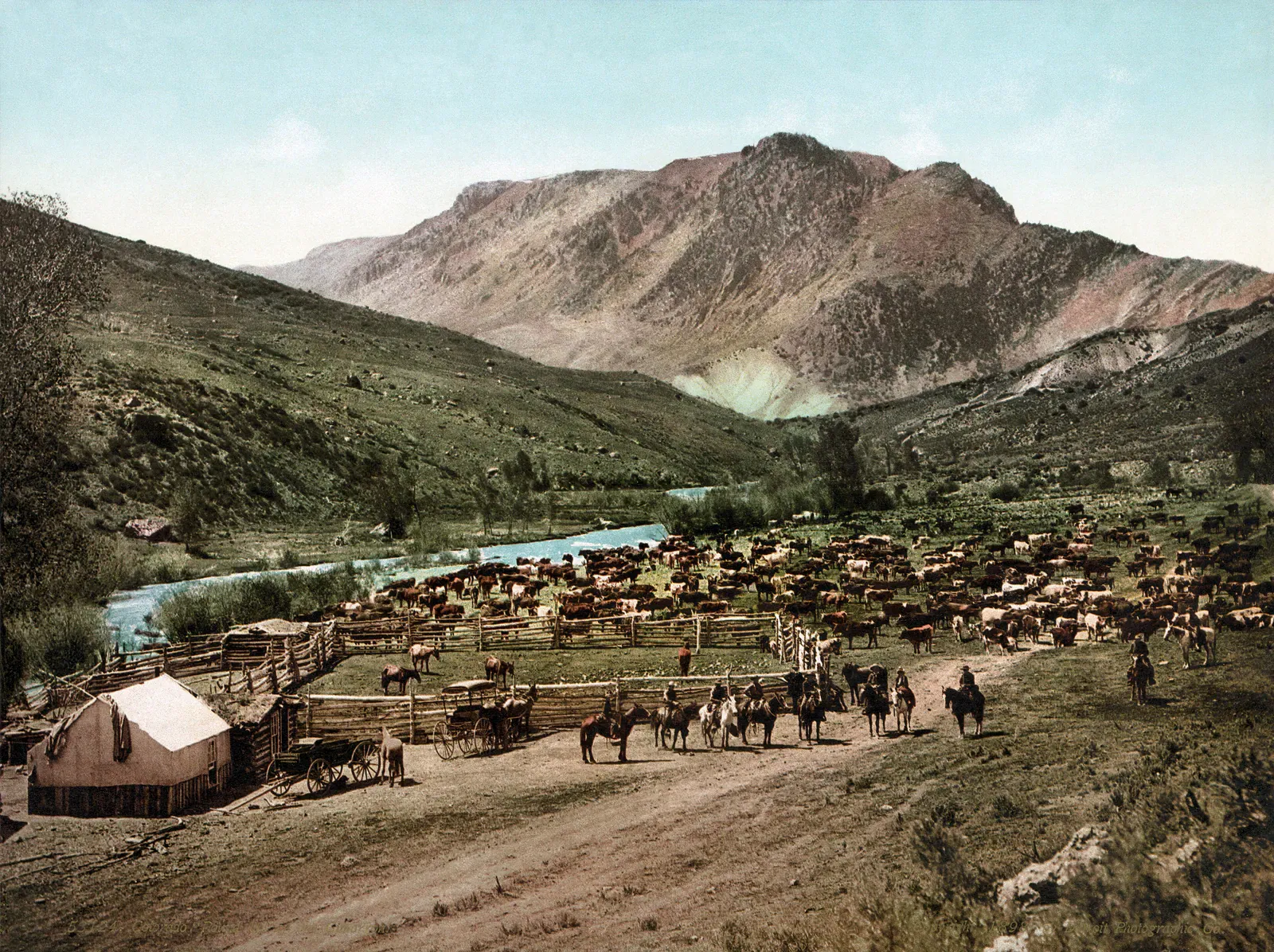
Electrical recording arrived in 1925, and microphones suited quiet solo voices. Carl T. Sprague, a former ranch hand, made some of the first commercial cowboy recordings for Victor that year. Radio barn dances gave the sound a weekly audience, and Chicago’s WLS National Barn Dance carried Patsy Montana and the Prairie Ramblers through the 1930s. In 1929 a Texas-born radio singer called Gene Autry signed with Columbia, a career that would reach hundreds of releases.
Singing cowboys and Hollywood, 1927-1950s
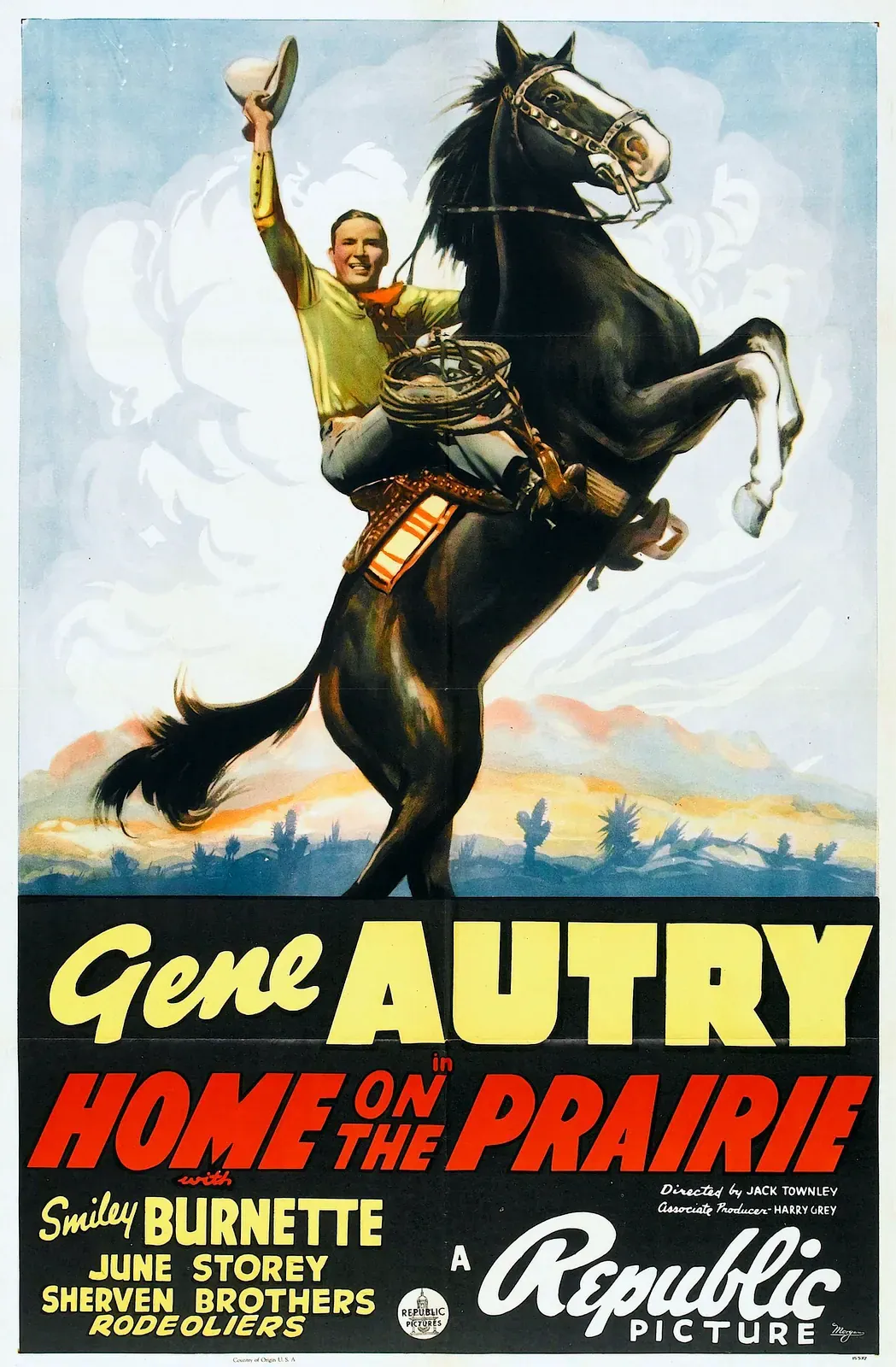
Sound film arrived in 1927, and within a few years the West had a soundtrack. Republic Pictures built a franchise around Gene Autry, then added a second star when Roy Rogers debuted in Under Western Stars in 1938. Autry’s “Back in the Saddle Again”, recorded in 1939, became his theme tune, and his Melody Ranch show ran on CBS radio from 1940 until 1956.
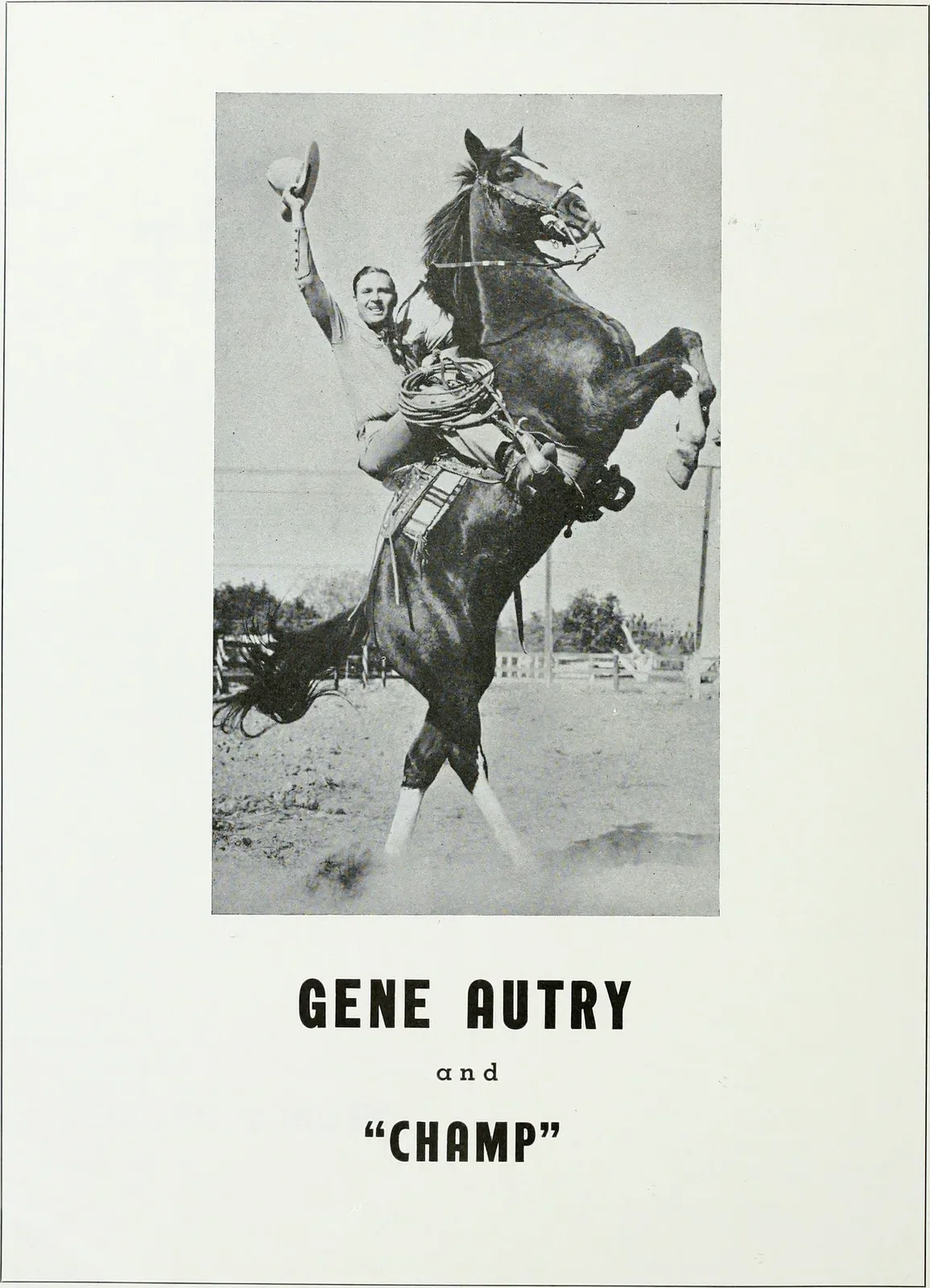
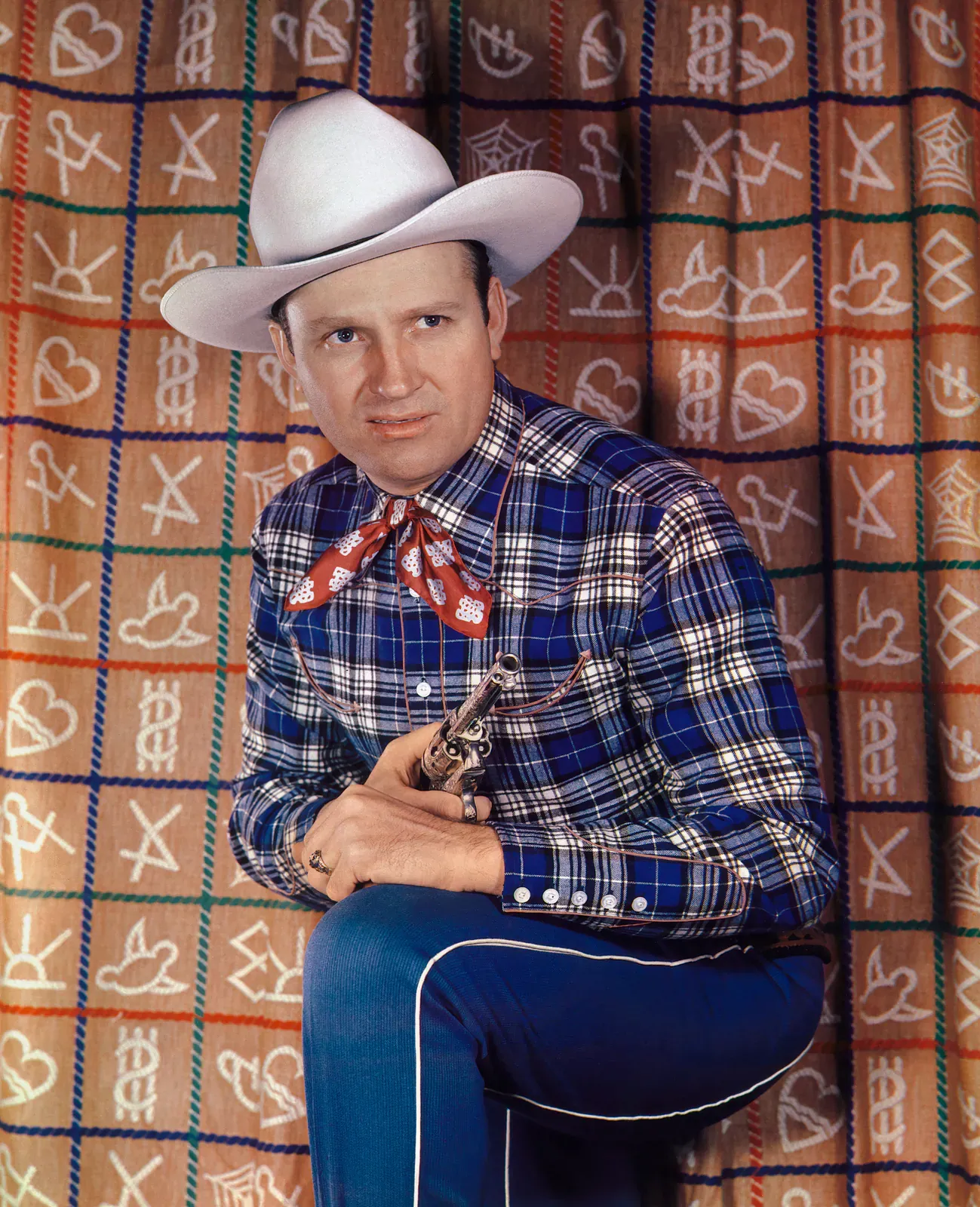
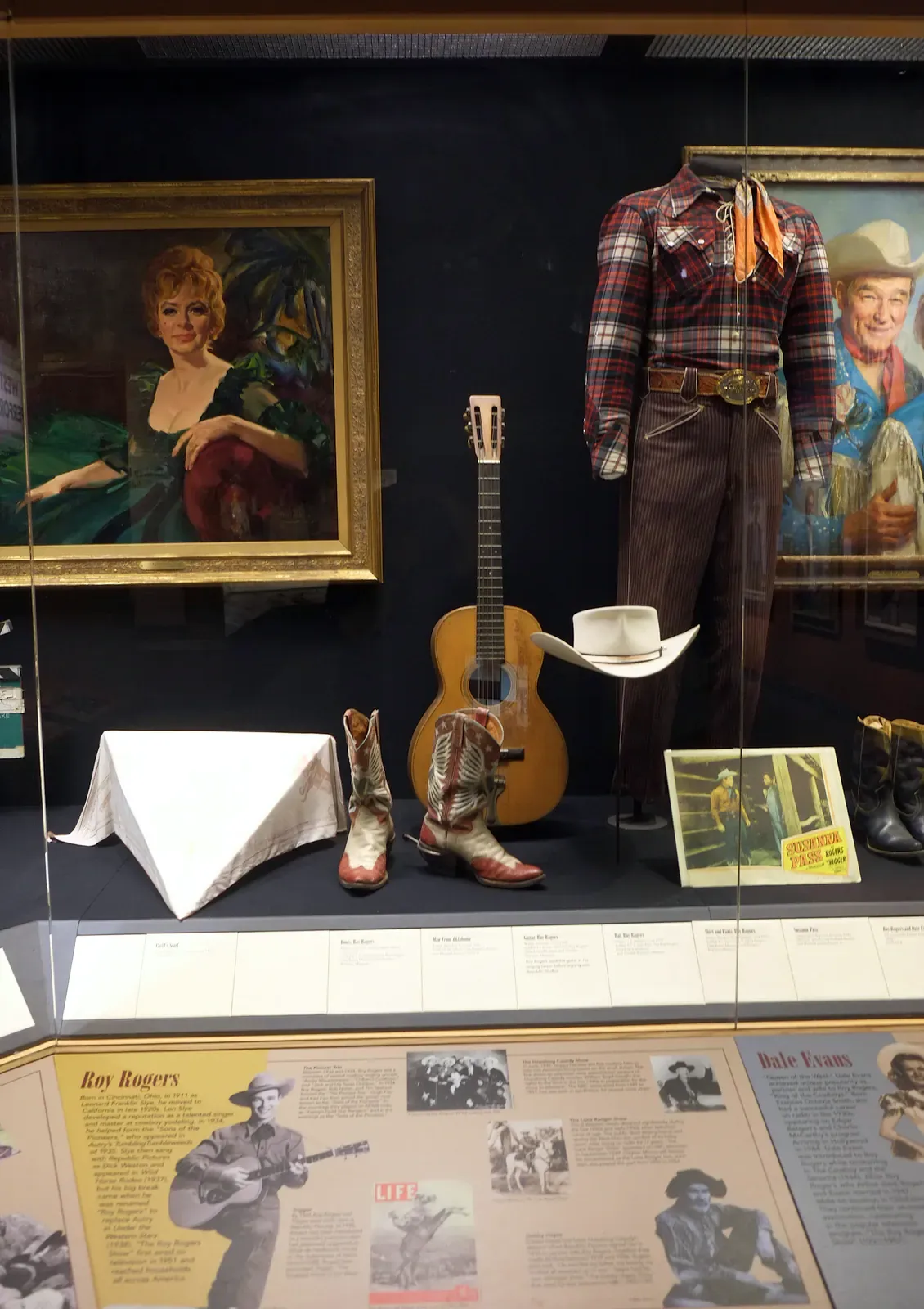
The mainstream noticed. Bing Crosby starred in Rhythm on the Range in 1936, and in 1942 Tex Ritter became the first artist signed to the new Los Angeles label Capitol.
Characteristics
Western songs are story-driven ballads on a three-chord structure, sung in verses with a refrain. Several cowboy classics, including “Home on the Range” and “The Strawberry Roan”, are in three-quarter time, and blended close harmony became a hallmark of the Sons of the Pioneers.
Instruments and production
Acoustic guitar, fiddle and upright bass carried the sound, with harmonica and accordion added by some acts. The singing-cowboy boom shaped hardware too: in 1937 Gibson built the first SJ-200 flat-top guitar for the cowboy singer Ray Whitley, who helped design it as a showpiece instrument.
Mainstream success
The cowboy lyric reached the top of the charts when Bing Crosby and the Andrews Sisters recorded “Don’t Fence Me In” on 25 July 1944, a session of about half an hour. It topped the US sales charts for eight weeks.
The next crossover came through the cinema. Tex Ritter sang “High Noon (Do Not Forsake Me)”, the theme of the 1952 film, and it won the Oscar for Best Original Song, performed at the televised 1953 ceremony. Patsy Montana had already shown that a woman could carry the genre: “I Want to Be a Cowboy’s Sweetheart”, recorded in 1935 for ARC, became the first million-seller by a woman in country music.
Gunfighter ballads and decline, 1959-1960s
Marty Robbins’s 1959 album Gunfighter Ballads and Trail Songs, recorded in Nashville, set the modern standard for western storytelling. Its single “El Paso”, a long tale of a doomed cowboy, reached number one on the Hot 100 in 1960 and remains his only pop number one.
Then the market shifted. Rock and roll and the Nashville sound crowded out western acts around 1962, and Hollywood studios dropped most western artists during the 1960s.
Revival and preservation, 1976 onward
The comeback began from the edges. In 1976 the outlaw-country album Wanted! The Outlaws made a rebel West fashionable again. In 1977 Riders in the Sky formed in Nashville and built a comic cowboy harmony act that has lasted for decades. In 1978 Waylon Jennings and Willie Nelson recorded “Mammas Don’t Let Your Babies Grow Up to Be Cowboys”, which went to number one on the country chart and won a 1979 Grammy.
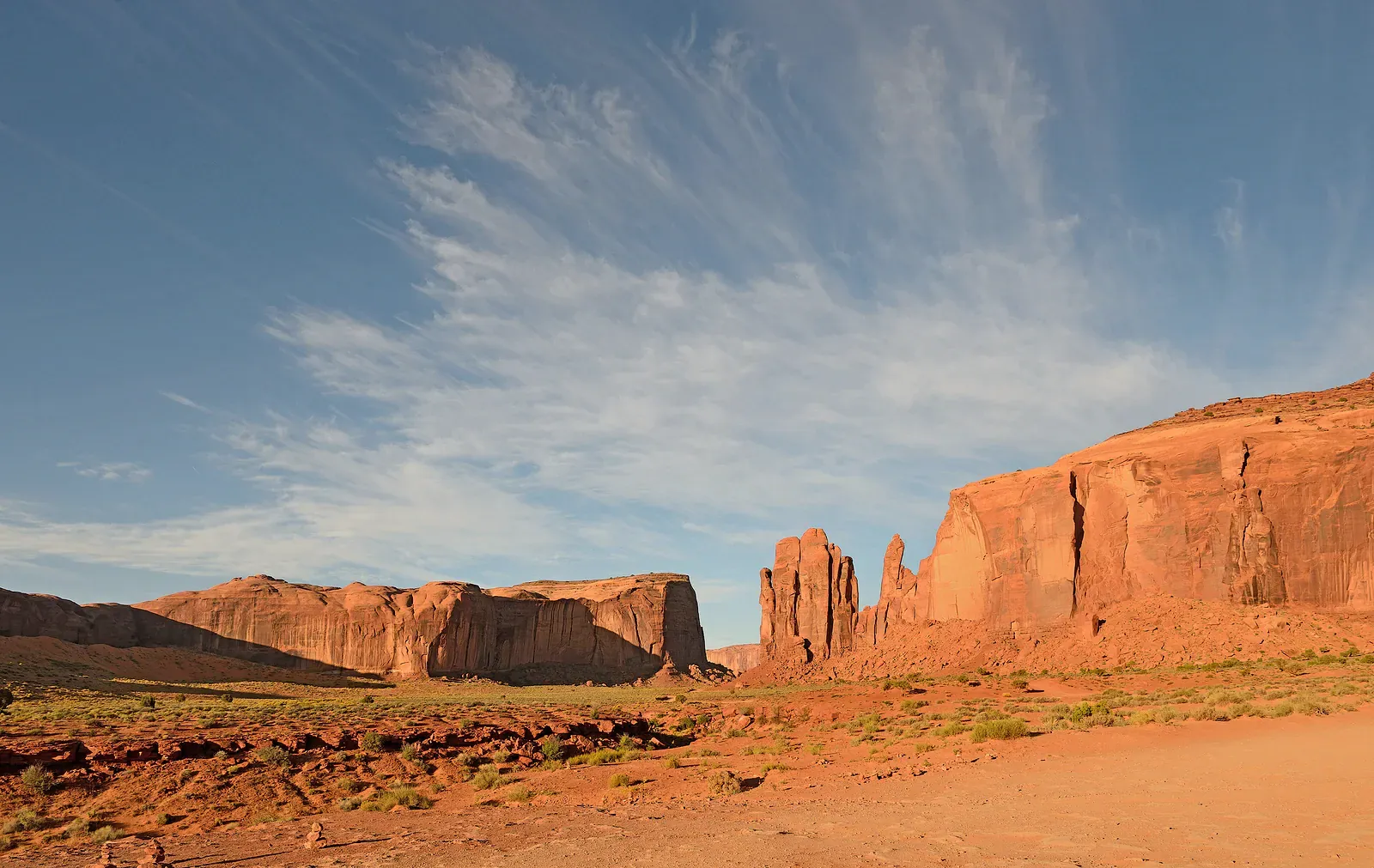
Institutions followed. The first National Cowboy Poetry Gathering took place in Elko, Nevada, in 1985, and the Western Music Association formed in 1989. In 1990 Michael Martin Murphey’s Cowboy Songs went gold. Two years later Chris LeDoux and Garth Brooks charted with “Whatcha Gonna Do with a Cowboy”, a country top ten. In 2001 Riders in the Sky won a Grammy for their Toy Story 2 album Woody’s Roundup.
Culture
Western music is a look as much as a sound. Fringe, rhinestones and ten-gallon hats became a stage uniform for singing cowboys, and the modern ritual is the cowboy poetry gathering, where recitation and song mix.
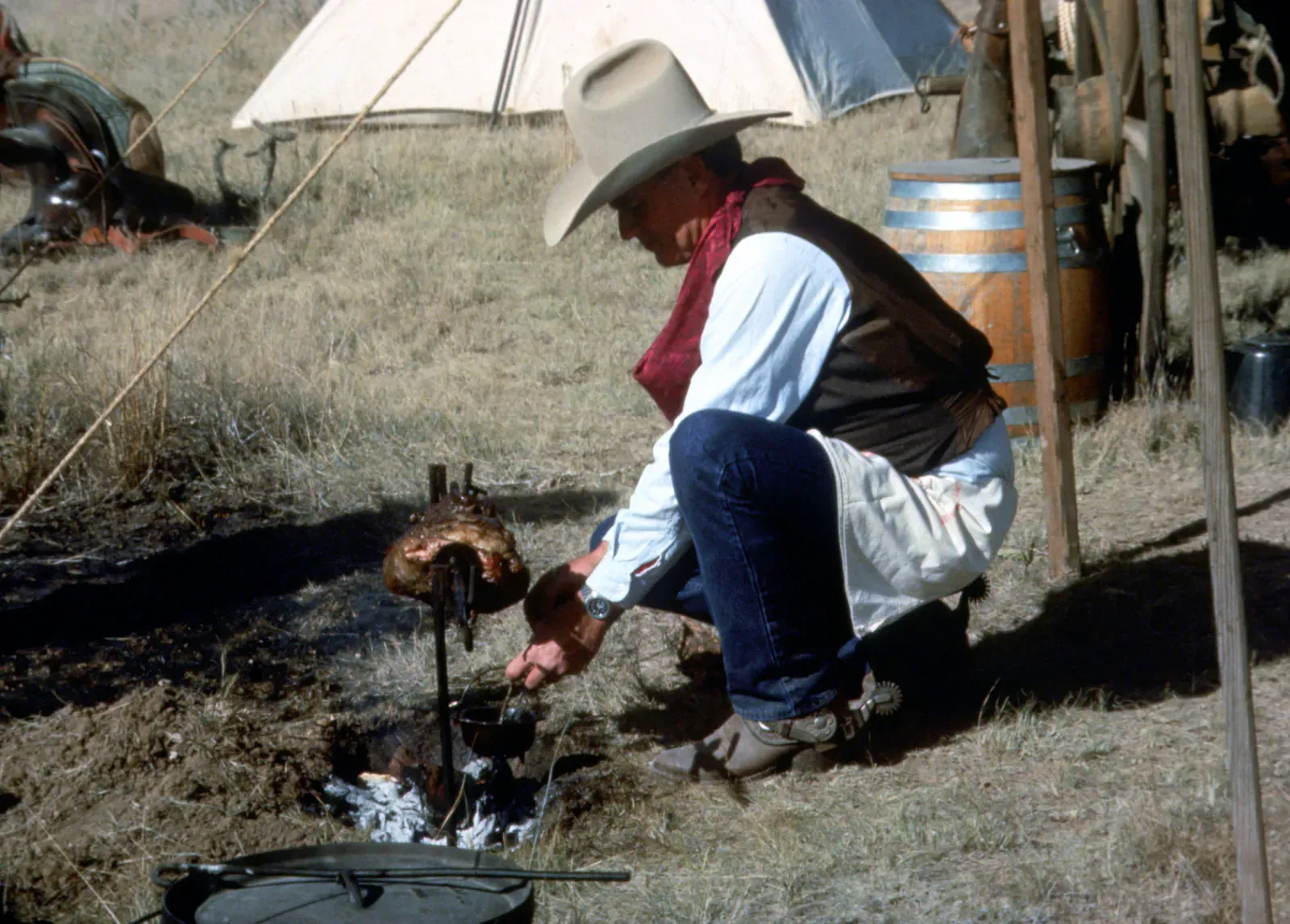
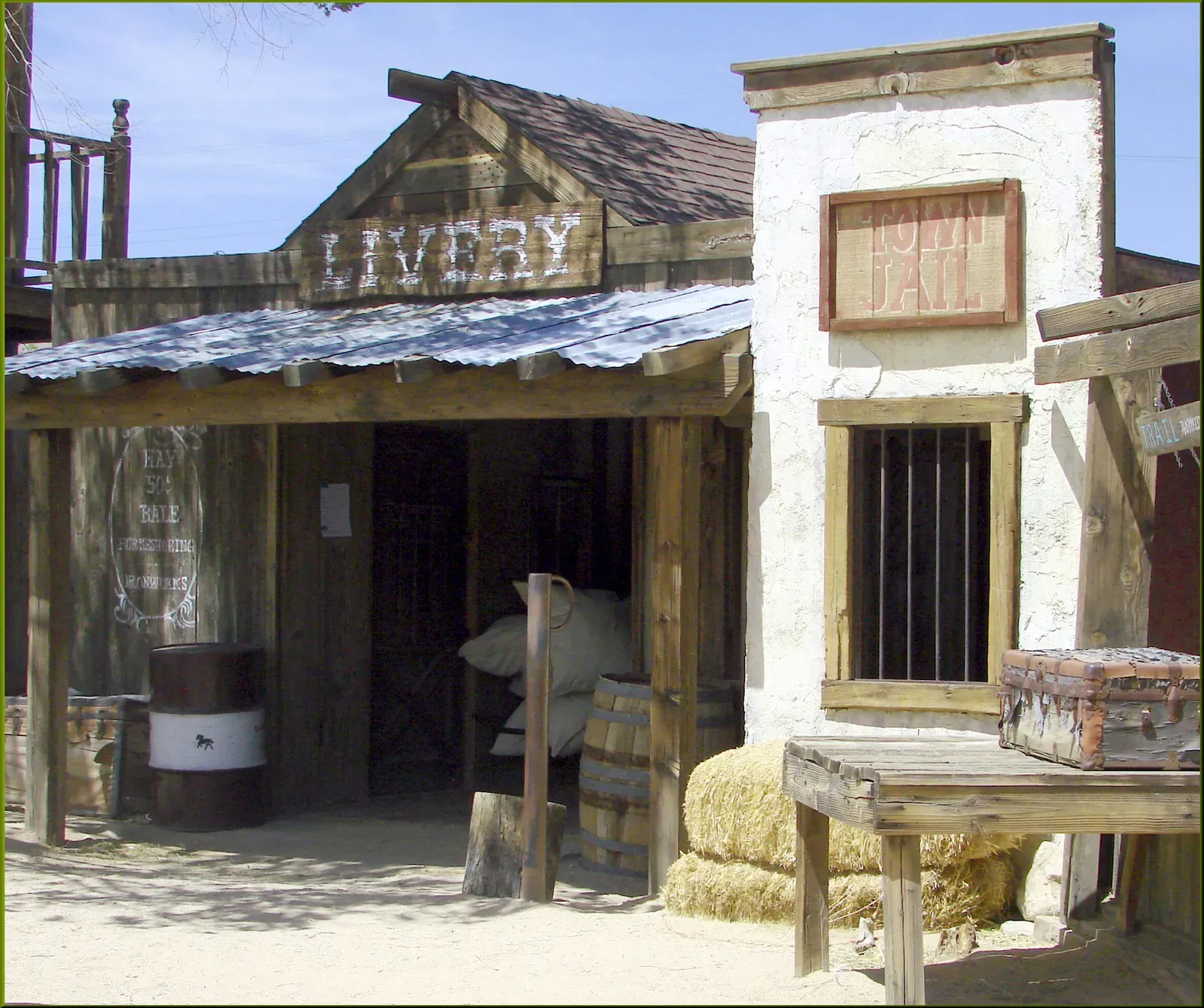
The business ran on the B-western, a low-budget studio cowboy picture that was the main vehicle for singing cowboys. By the 1950s that world was ending, but its imagery stayed in country, rock and advertising.
Misconceptions
Western music is often assumed to be the same as country. The industry bundled hillbilly and western together as “country and western” from the mid-20th century, but they began in different places with different subjects. Western swing, a dance-band style mixing western song with jazz, is a separate branch.
The singing cowboys are often taken for working cowboys, but mostly they were entertainers. Carl T. Sprague was a former ranch hand, but Gene Autry was a Texas-born radio singer and Roy Rogers was an Ohio-born singer who moved to California.
Frequently asked questions
What is western music?
Western music is the song tradition of the American West, including cowboy ballads, trail songs and the Hollywood singing-cowboy repertoire. It began around 1880 and is built on acoustic guitar, fiddle, close harmony and story verses.
What is the difference between western and country music?
Western music is its own tradition that the industry grouped with hillbilly music as “country and western”.
Who are the most important western music artists?
Gene Autry, the Sons of the Pioneers, Roy Rogers, Marty Robbins and Tex Ritter shaped the genre between the 1930s and 1960s.
Which recordings define western music?
Gene Autry’s “Back in the Saddle Again”, then Bing Crosby’s “Don’t Fence Me In” and Marty Robbins’s “El Paso” are the usual reference points.
Sound
Sound sheet
Anatomy of a track
| # | Part | Bars |
|---|---|---|
| 1 | Intro (guitar strum) | 4 |
| 2 | Verse (story line) | 16 |
| 3 | Refrain or yodel | 8 |
| 4 | Verse and refrain repeats | 32 |
| 5 | Closing refrain | 8 |
Signature sounds
- Three-part close harmony
- Yodel breaks
- Acoustic guitar and fiddle
- Story-song verses
- Galloping or hoofbeat rhythm
Techniques
- Three-part close harmony
- Yodeling
- Night-herding songs
Keys and modes
Pentatonic. Some traditional cowboy melodies, such as Get Along, Little Dogies, use five-note scales.
Scenes
Where it happened
Where and when the sound lived: one bar per city on a shared timeline.
North America
Active scenes
Peak 3, 1985-2005
Tex Ritter began on radio station KPRC in the late 1920s.
WLS National Barn Dance carried Patsy Montana and the Prairie Ramblers.
Republic and other studios made singing-cowboy films and records.
Home of Marty Robbins's sessions and Riders in the Sky.
Chris LeDoux sold self-released albums from his Wyoming base.
Annual cowboy poetry gathering that anchors the modern revival.
Venues and places
Los Angeles, 1934 to today. The Sons of the Pioneers cut Tumbling Tumbleweeds here on 8 August 1934.
Los Angeles, 1935 to today. Studio behind Autry and Rogers singing-cowboy films.
Chicago, 1924 to today. A Chicago radio show that featured Patsy Montana.
Houston, 1925 to today. Tex Ritter began on this Houston station in the late 1920s.
Nashville, 1925 to today. Riders in the Sky joined in 1982 and Tex Ritter became a member in 1970.
Elko, 1985 to today. Annual festival of ranch verse and song.
Culture
Culture markers
- Western wear
Fringe, rhinestones and ten-gallon hats became a stage uniform for singing cowboys.
Fashion - Horse opera
A joking name for cowboy films and songs.
Slang - Cowboy poetry gatherings
Festivals such as Elko, begun in 1985, mix recitation and song.
Ritual - Square dance and two-step
Dance forms that shaped the rhythm of range and ranch music.
Dance - Hollywood cowboy imagery
Film posters and trading cards built the singing-cowboy brand.
Artwork
Media
Key media
- 1908Songs of the Cowboys
by N. Howard Thorp. The first printed collection of cowboy songs.
Book - 1910Cowboy Songs and Other Frontier Ballads
by John A. Lomax. Gave western song national attention.
Book - 1935Tumbling Tumbleweeds
by Gene Autry. A film that spread the song and the singing-cowboy format.
Film - 1938Under Western Stars
by Roy Rogers. Debut of Roy Rogers as a Republic star.
Film - 1940Gene Autry's Melody Ranch
by CBS. A CBS radio show that ran until 1956.
Radio - 1952High Noon
by Fred Zinnemann. Its Tex Ritter theme won the Best Original Song Oscar.
Film
Glossary
Terms on this page
A low-budget studio cowboy picture, the main vehicle for singing cowboys.
A trade label that bundled hillbilly and western music together from the mid-20th century.
Rhymed verse by working ranchers, recited and sung at gatherings.
A film or radio hero who sings, popularised by Gene Autry and Roy Rogers.
A ballad sung on cattle drives, often to calm the herd.
A dance-band style mixing western song with jazz and swing, a separate branch.
Country family