American folk music
American folk music is the traditional song and dance music of the United States. Follow it from British ballads and the 1927 Bristol sessions to Newport.
United States, around 1700
Folk family
Born
around 1700
United States
Subgenres
9
Documented branches
Links
17
Genres it drew on or shaped
Tempo
70-145 BPMLineage
Family tree
Grew out of
Derived from
Derived from
Influenced by
Irish traditional musicAfrican American folk music
United States
American folk music
Led to (12)
Timeline
Era by era
From the first sparks to today. Select a dot to read the story behind it.
- Inherited songs and collectors
1700 to 1926
- Records and archives
1927 to 1939
- Singers of the left
1940 to 1957
- The folk revival
1958 to 1969
- Roots labels and songwriters
1970 to 1999
- Old-time returns
2000 to 2026
Eras
Moments
- 1 Inherited songs and collectors, 1700 to 1926
- 2 Records and archives, 1927 to 1939
- 3 Singers of the left, 1940 to 1957
- 4 The folk revival, 1958 to 1969
- 5 Roots labels and songwriters, 1970 to 1999
- 6 Old-time returns, 2000 to 2026
around 1700
Inherited songs and collectors
British ballads, fiddle tunes, spirituals and work songs mix in the colonies and the young nation, then collectors such as Lomax and Sharp write them down.
- 1910John Lomax's Cowboy Songs and Other Frontier BalladsThe first big American collection of cowboy songs, printed with tunes.
- 1917Cecil Sharp's Appalachian collectingThe English collector found surviving British ballads in the Southern mountains and published them in 1917.
1927
Records and archives
Field sessions, the Bristol recordings and the Library of Congress turn local songs into a documented national repertoire.
- 1927Bristol SessionsRalph Peer ran Victor field sessions in Bristol and recorded the Carter Family and Jimmie Rodgers.
- 1928Carter Family's Wildwood FlowerThe recording fixed a guitar style later copied across the country.
- 1928Library of Congress Archive of American Folk SongThe national archive that later stored the Lomax field recordings.
- 1929Clarence Ashley records The Coo Coo BirdJohnson City session for Columbia, later a revival touchstone.
- 1933Lomaxes record Lead Belly in LouisianaJohn and Alan Lomax recorded him on a portable disc machine at Angola prison.
1940
Singers of the left
Guthrie, Seeger and the Weavers use old tunes for labor and peace songs, until the blacklist cuts them off from broadcast.
- 1940Woody Guthrie's Dust Bowl BalladsGuthrie's songs about Oklahoma migrants were recorded in New York for Victor.
- 1941The Almanac Singers form in New YorkPete Seeger and Lee Hays sang labor and peace songs and made the hootenanny a known event.
- 1944Guthrie records This Land Is Your LandWritten in 1940, it was first recorded for Moses Asch.
- 1948Folkways Records foundedMoses Asch started the label that documented American folk music on LP.
- 1949Peekskill riotsCrowds attacked audiences at Paul Robeson concerts where Pete Seeger played.
- 1950The Weavers top the charts with Goodnight IreneA Lead Belly song turned into a number one pop hit.
- 1952Anthology of American Folk MusicHarry Smith's six-LP set of 1920s and 1930s records became the revival's textbook.
- 1955Seeger before the House Committee on Un-American ActivitiesHe refused to name associates, was later indicted, and was blacklisted from TV.
1958
The folk revival
Campus audiences, Greenwich Village clubs and Newport carry folk into the pop charts and the civil rights movement.
- 1958The Kingston Trio's Tom DooleyA North Carolina murder ballad reached number one and opened the folk boom.
- 1959First Newport Folk FestivalThe Rhode Island festival became the revival's main gathering.
- 1960Arhoolie Records foundedChris Strachwitz began a label for blues, Cajun and old-time field recordings.
- 1963Dylan's Blowin' in the WindHis song became a civil rights anthem and a hit for Peter, Paul and Mary.
- 1963Mississippi John Hurt rediscoveredFound in Mississippi, he played Newport and recorded for Vanguard.
- 1965Dylan plugs in at NewportHis amplified set split the folk audience.
- 1965The Byrds' Turn! Turn! Turn!Seeger's setting of Ecclesiastes reached number one as folk rock.
- 1967Woody Guthrie diesHe died of Huntington's disease after years in hospital.
1970
Roots labels and songwriters
Independent labels and the Smithsonian keep traditional music in print while songwriters move into rock and country.
- 1970Rounder Records foundedThree Massachusetts friends started a label for roots music.
- 1987Smithsonian acquires FolkwaysThe Folkways catalogue became Smithsonian Folkways with a promise to keep every title in print.
2000
Old-time returns
A film soundtrack and young string bands bring banjo and fiddle music to new listeners, with new attention to its Black roots.
- 2000O Brother, Where Art Thou? soundtrackT Bone Burnett's old-time soundtrack sold millions and lifted string-band music.
- 2010Carolina Chocolate Drops win with Genuine Negro JigThe Black string band revived Piedmont banjo and fiddle tunes and won a Grammy.
- 2016Bob Dylan wins the Nobel Prize in LiteratureThe first songwriter honored, for new poetic expressions within the American song tradition.
Listening path
Anthems
The records that built the sound, grouped by the part they played. Thumbnails come from YouTube; the player loads only when you press play.
- 01
The Carter Family, 1928 · Victor Talking Machine Company
Maybelle Carter's thumb-and-finger guitar lead became the blueprint for country and folk accompaniment.
Origin - 02
Clarence Ashley, 1929 · Columbia Records
A haunting Appalachian banjo song that Harry Smith put in his Anthology and revivalists copied.
Origin - 03
The Weavers, 1950 · #1 Billboard Best Sellers, 1950 · Decca Records
A Lead Belly song that sold a million copies and showed folk could top the pop charts.
Breakthrough - 04
The Kingston Trio, 1958 · #1 Billboard Hot 100, 1958 · Capitol Records
A clean-cut trio made a Carolina murder ballad a number one hit and started the folk boom.
Start hereBreakthrough - 05
Woody Guthrie, 1944
The song Americans learn in school, written as an answer to God Bless America.
Start hereAnthem - 06
Bob Dylan, 1963 · Columbia Records
A plain-spoken protest song that set the bar for the topical songwriting of the 1960s.
Start hereAnthem - 07
Peter, Paul and Mary, 1963
Their harmony version put Dylan's song on pop radio before he was famous.
Crossover - 08
The Byrds, 1965 · #1 Billboard Hot 100, 1965 · Columbia Records
Electric twelve-string guitars carried a Pete Seeger setting of Ecclesiastes to number one.
Crossover - 09
Soggy Bottom Boys, 2000
The film song that made old-time string music popular again for a new audience.
Revival - 10
Carolina Chocolate Drops, 2010 · Nonesuch Records
A Black Piedmont string band reclaimed fiddle and banjo tunes and won a Grammy for it.
Revival
Facts
| Family | Folk |
| Origin | United States |
| Emerged | Colonial era onwards |
| Status | Active |
| Tempo | 70 to 145 BPM |
| Meter | 4/4, 3/4 or 2/4 |
| Grew out of | English folk music, Scottish folk music |
| Subgenres | 9 |
American folk music is the traditional song and dance music of the United States: British ballads, fiddle and banjo tunes, spirituals and work songs that were passed on by ear and later written down and recorded.
It took shape in the colonies and the young nation, reached the record catalogues in 1927, and became a national movement in the 1950s and 1960s. It matters because it gave American popular music its storytelling voice, and its songs still turn up in school songbooks, protest marches and the charts.
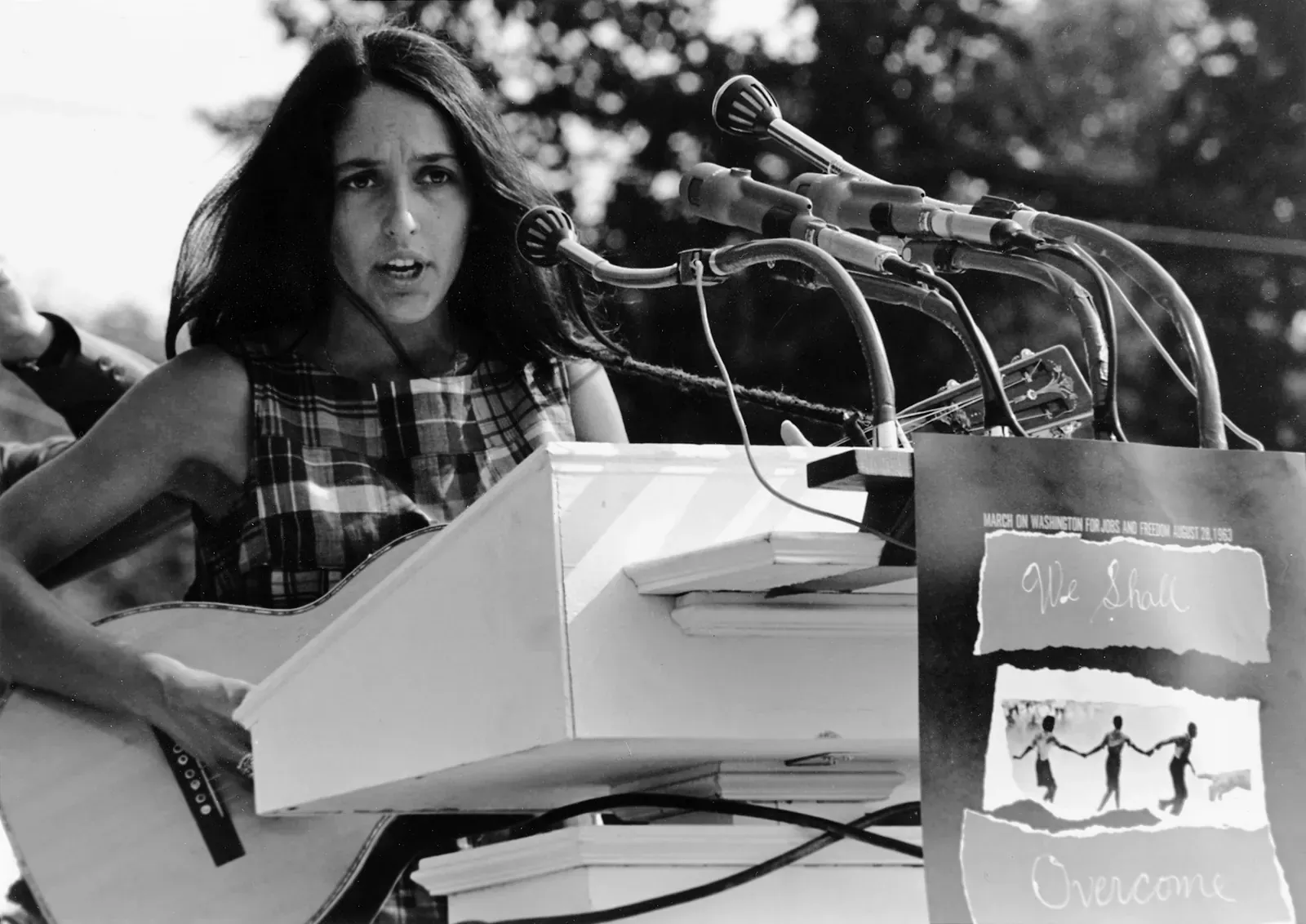
Origins
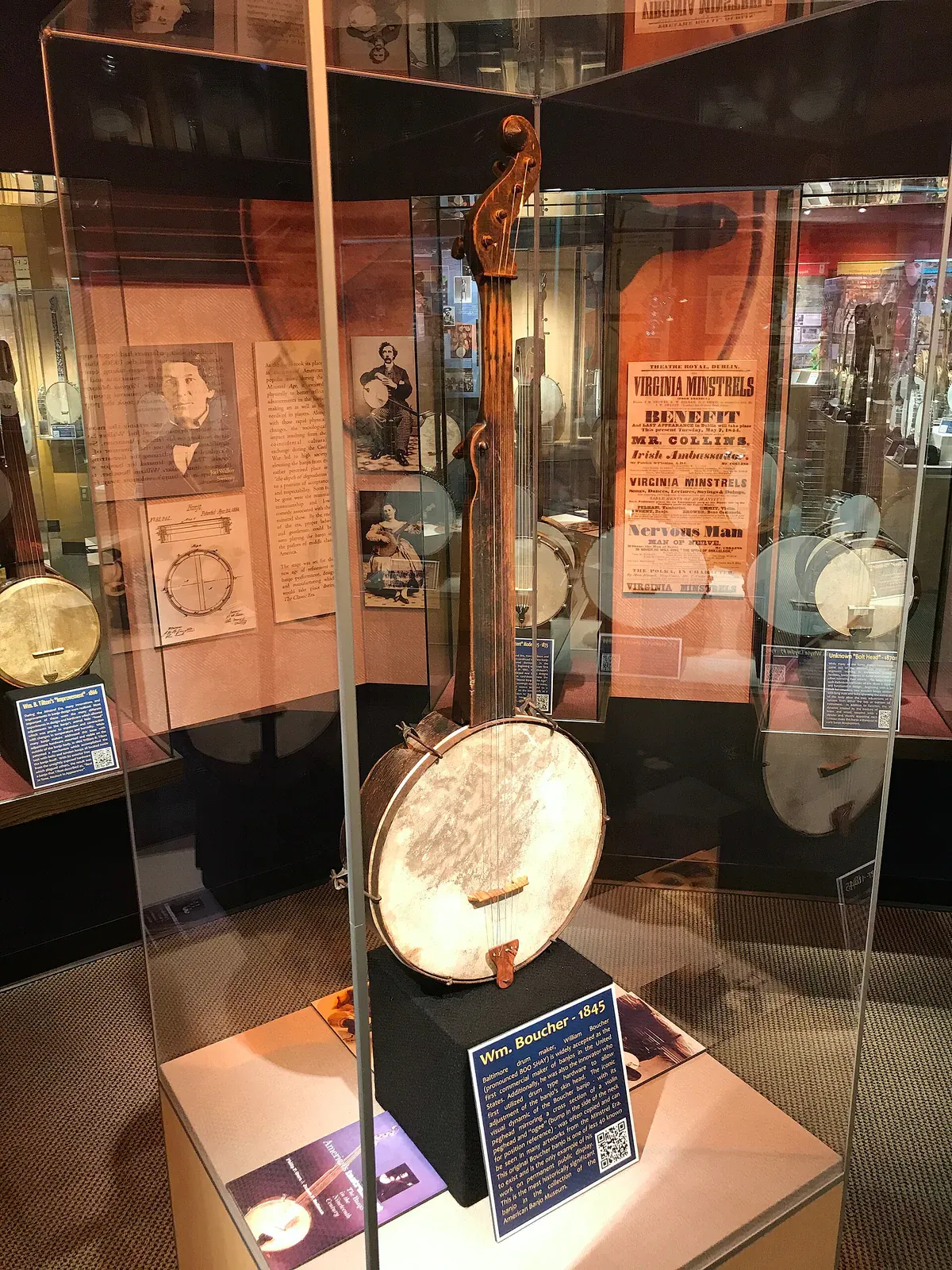
It started with songs that travelled. Settlers brought English and Scottish ballads to the colonies, and in the Southern mountains those ballads lived on in the voice and the fiddle. They mixed with Irish dance tunes and with the music of enslaved and later free African Americans: spirituals, work songs and the banjo, an instrument of African descent that became a fixture of American dance music.
The recordings that fix the sound came later. In 1928 Victor released the Carter Family’s “Wildwood Flower”, and Maybelle Carter’s thumb-and-finger guitar lead became the blueprint for country and folk accompaniment. A year later Clarence Ashley recorded “The Coo Coo Bird” for Columbia, a haunting banjo song that Harry Smith later put in his Anthology and revivalists copied. Both are the oldest kind of folk music on tape: songs that were already old when a microphone found them.
Collectors and ballads, 1800-1926
The years up to 1926 were the age of collectors. Francis James Child gathered 305 English and Scottish ballads in the 1800s, and the Child ballad became a category. John Lomax published “Cowboy Songs and Other Frontier Ballads” in 1910, the first big American collection of cowboy songs printed with tunes, which links the folk story to western music. The English collector Cecil Sharp went into the Appalachians and found British ballads still sung there, publishing them in 1917.
These men wrote songs down. The next generation switched on machines.
Records and archives, 1927-1939
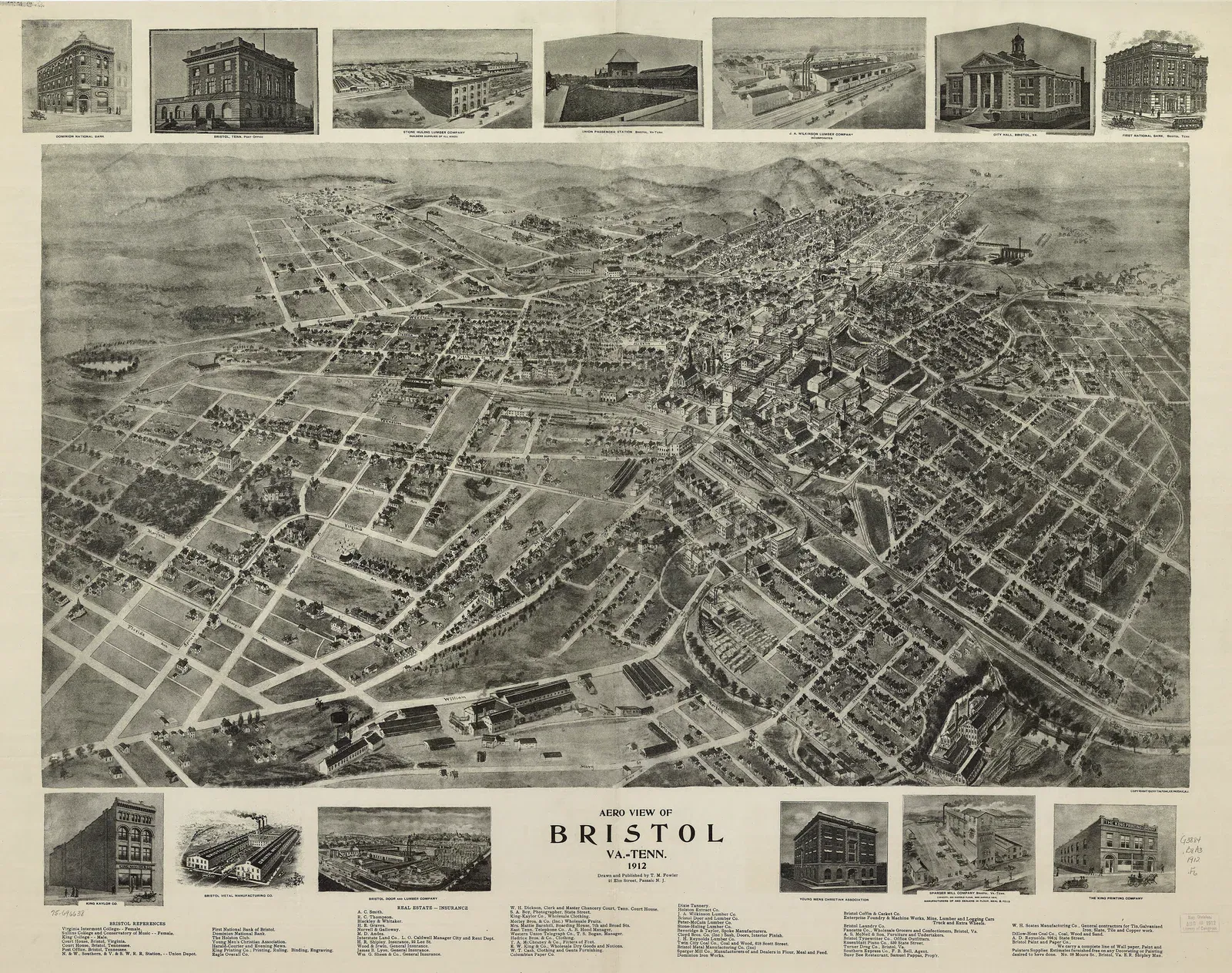
In 1927 Ralph Peer ran field sessions for the Victor Talking Machine Company in Bristol, on the Tennessee and Virginia line. Victor set up a temporary studio in a hat warehouse and recorded dozens of acts, among them the Carter Family and Jimmie Rodgers. A local sound became a product.
The Library of Congress opened its Archive of American Folk Song in 1928. In 1933 John and Alan Lomax carried a portable disc recorder across the South and recorded Lead Belly at the Angola prison in Louisiana, along with singers in homes, churches and prisons. The Lomaxes’ songbook “American Ballads and Folk Songs” followed in 1934, and the field recordings later became a core of the national archive. The music of country blues singers entered the same archives, which is why the two stories overlap.
Singers of the left, 1940-1957
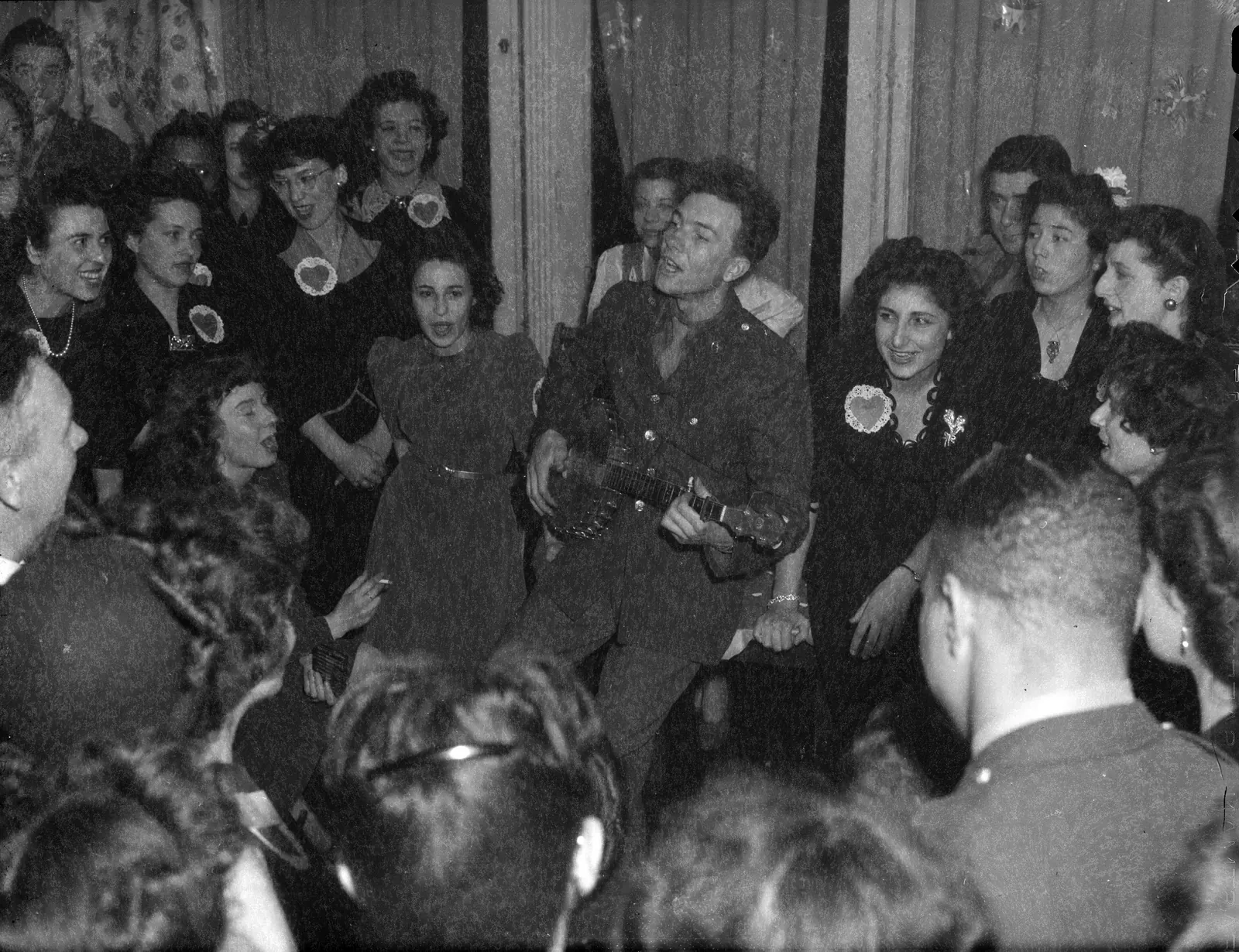
Between 1940 and 1957 old tunes carried new words. Woody Guthrie, born in Okemah, Oklahoma, recorded “Dust Bowl Ballads” in 1940, a song cycle about drought and migration. In 1941 Pete Seeger and Lee Hays formed the Almanac Singers in New York, sang labor and peace songs, and made the hootenanny a known event. In 1944 Guthrie recorded “This Land Is Your Land” for Moses Asch, and in 1948 Asch founded Folkways Records.
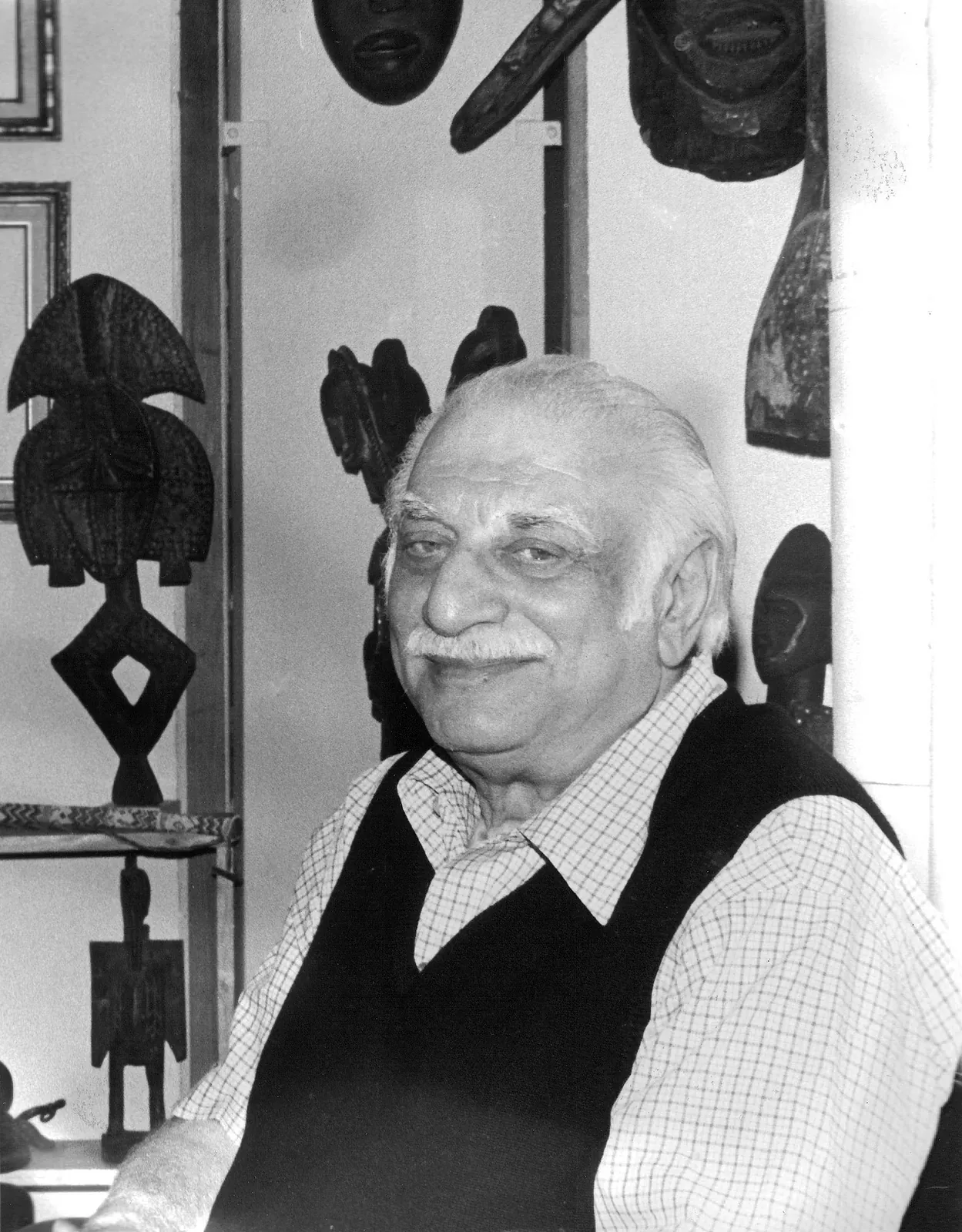
The Weavers scored a number one hit for Decca in 1950 with “Goodnight Irene”, a Lead Belly song. Then politics caught up. In 1949 crowds attacked audiences at Paul Robeson’s Peekskill concerts, and Seeger played the second one. In 1955 Seeger refused to name associates before the House Committee on Un-American Activities, was later indicted, and was blacklisted from television. In 1952 Harry Smith’s six-LP “Anthology of American Folk Music” had already appeared, and it became the revival’s textbook.
The folk revival, 1958-1969
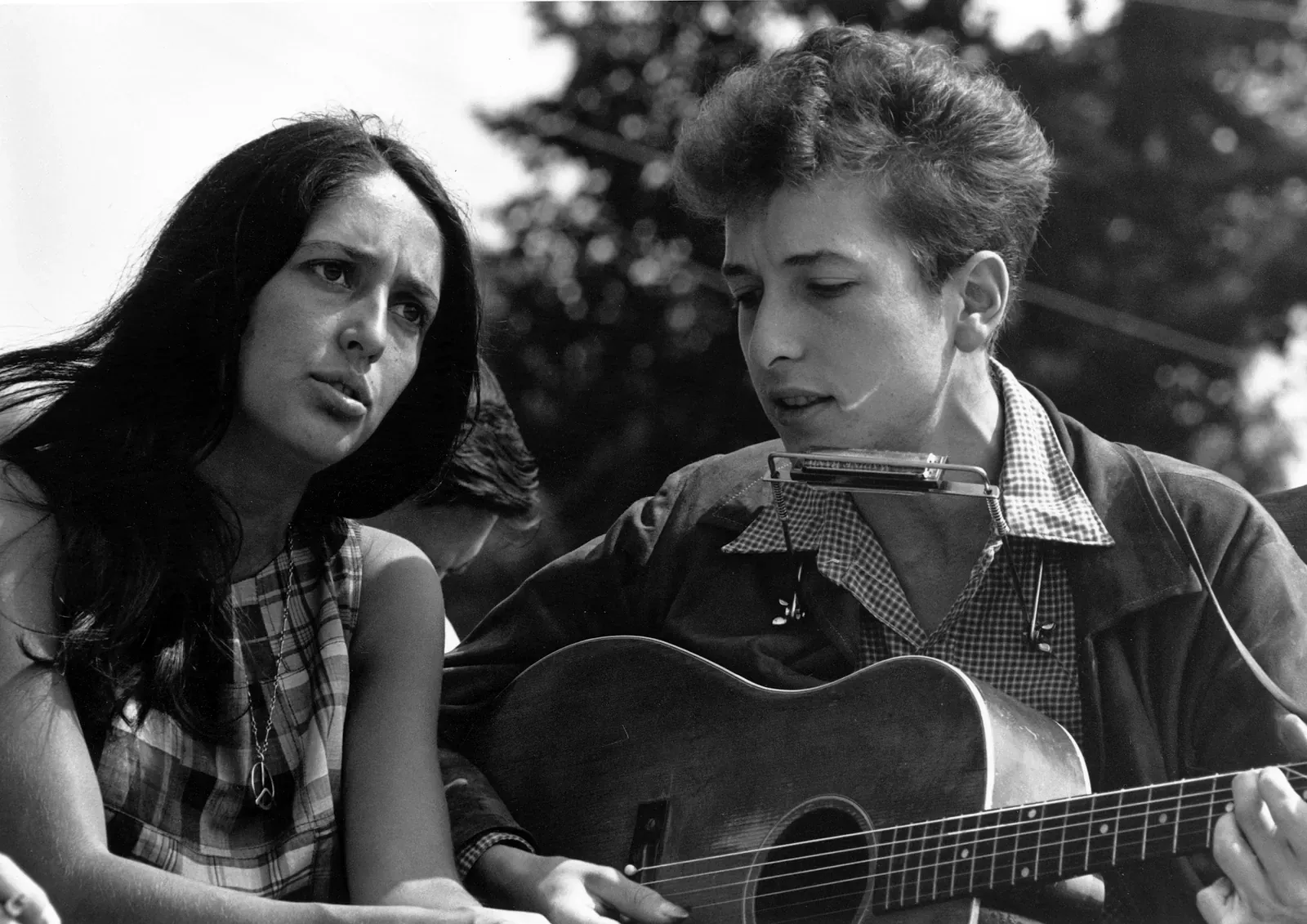
The revival ran from 1958 to 1969, and its first breakthrough was a clean-cut trio. The Kingston Trio’s “Tom Dooley”, a North Carolina murder ballad, reached number one on the Hot 100 in 1958 for Capitol and opened the boom. The first Newport Folk Festival followed in 1959 and became the revival’s main gathering, and in Cambridge the Club 47 coffeehouse and Harvard students built an audience for Joan Baez, whose 1960 debut for Vanguard made her the best known young voice.
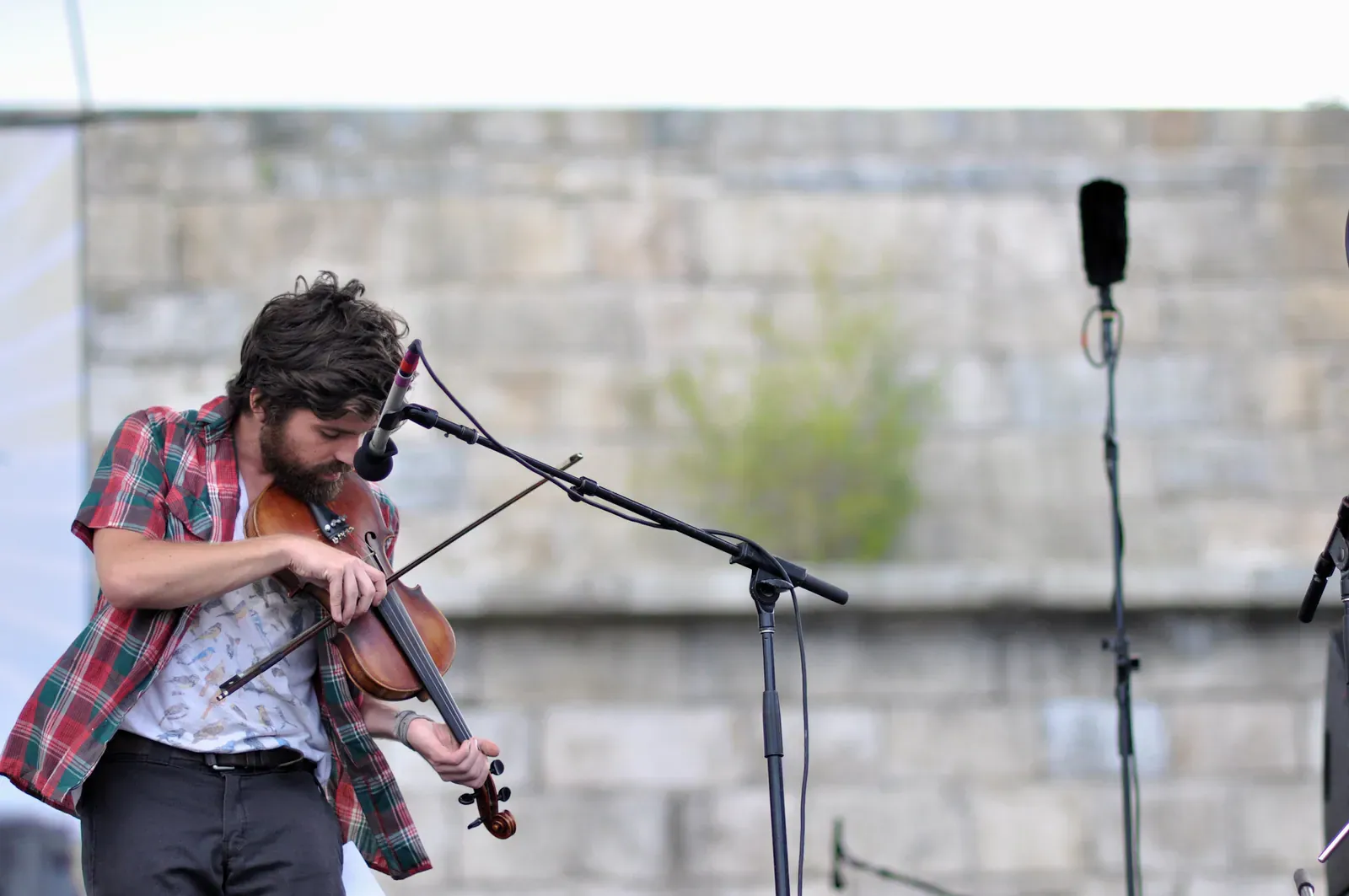
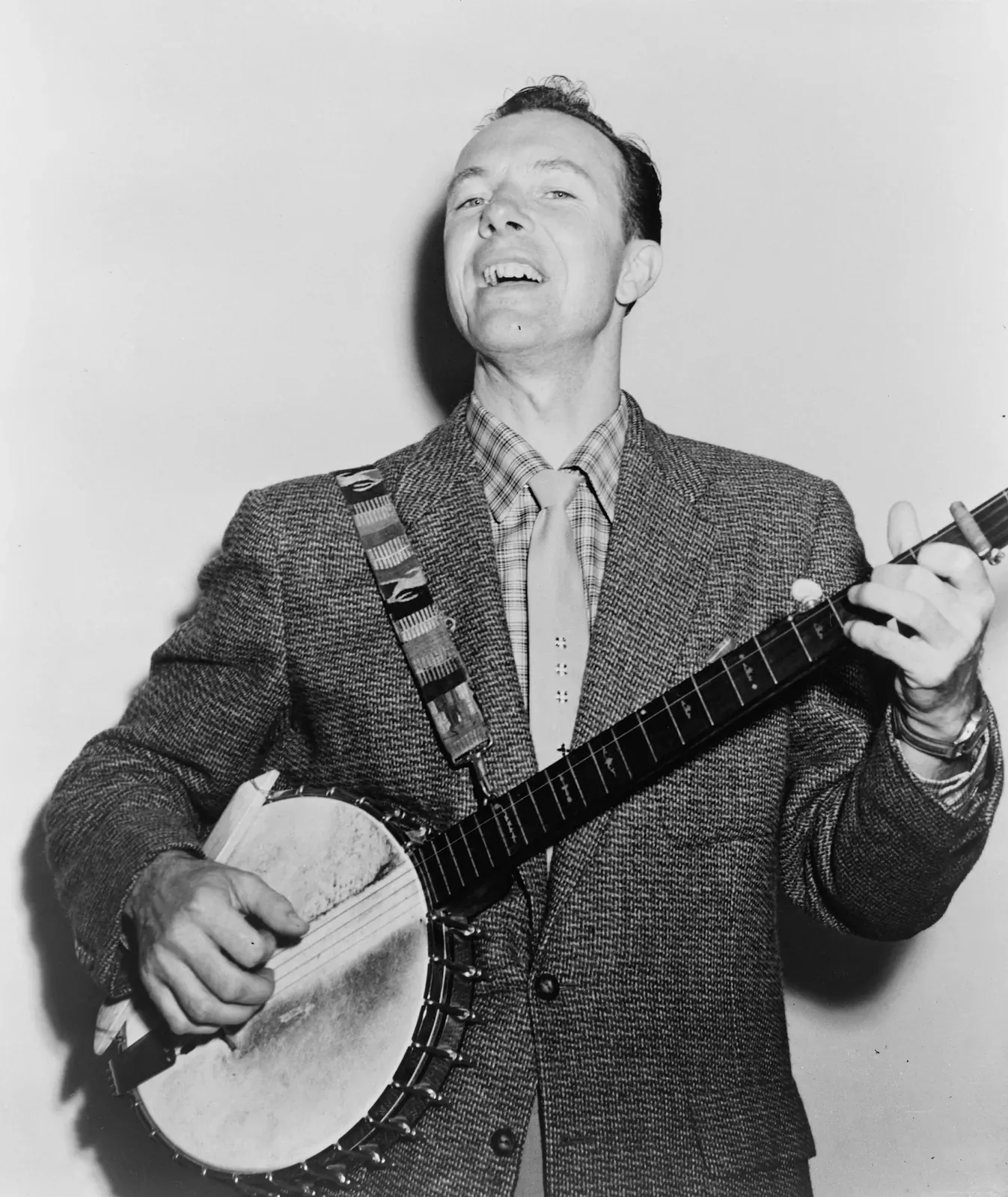
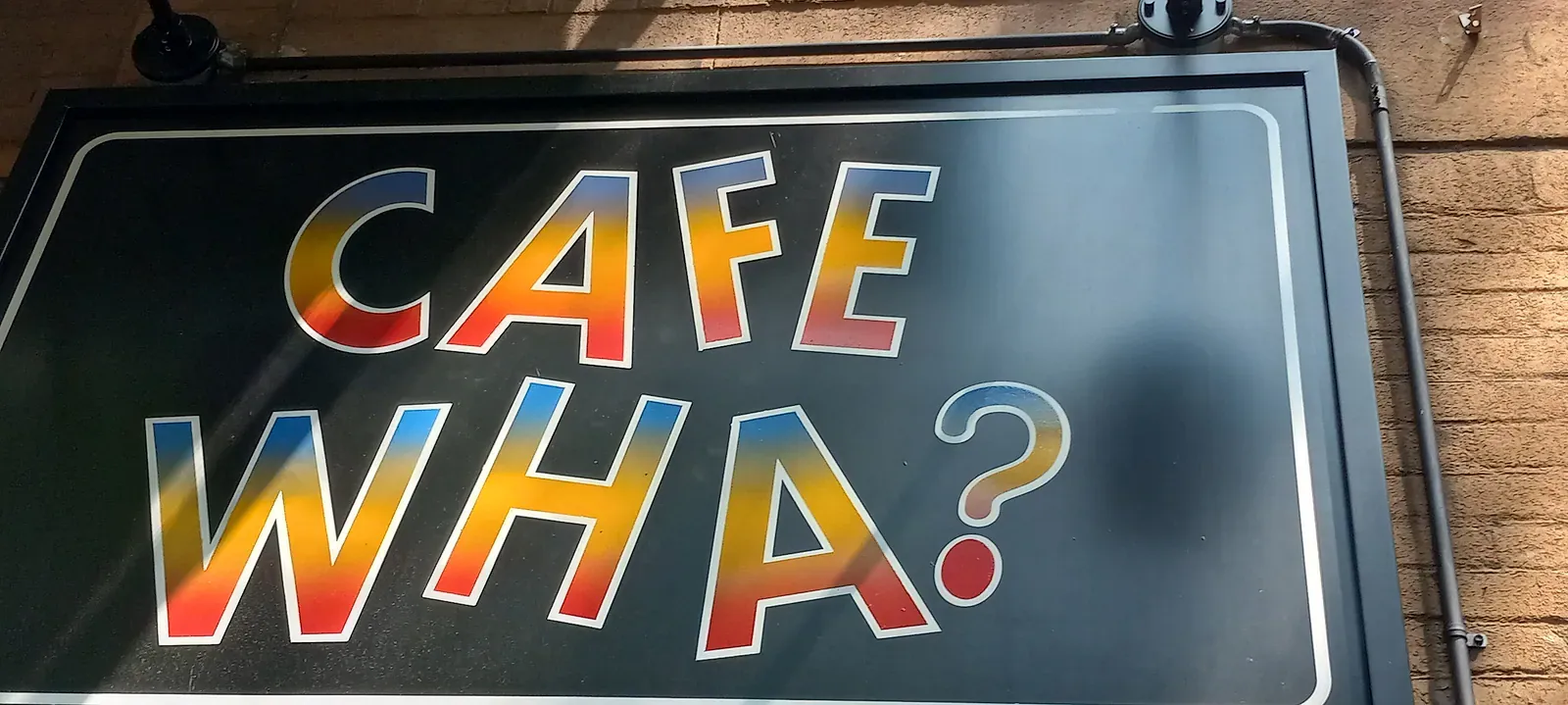
New York was the capital. The Greenwich Village basements, among them Cafe Wha? and Gerde’s Folk City, gave young singers a place to play, and Bob Dylan played his first paid New York shows at Gerde’s in 1961.
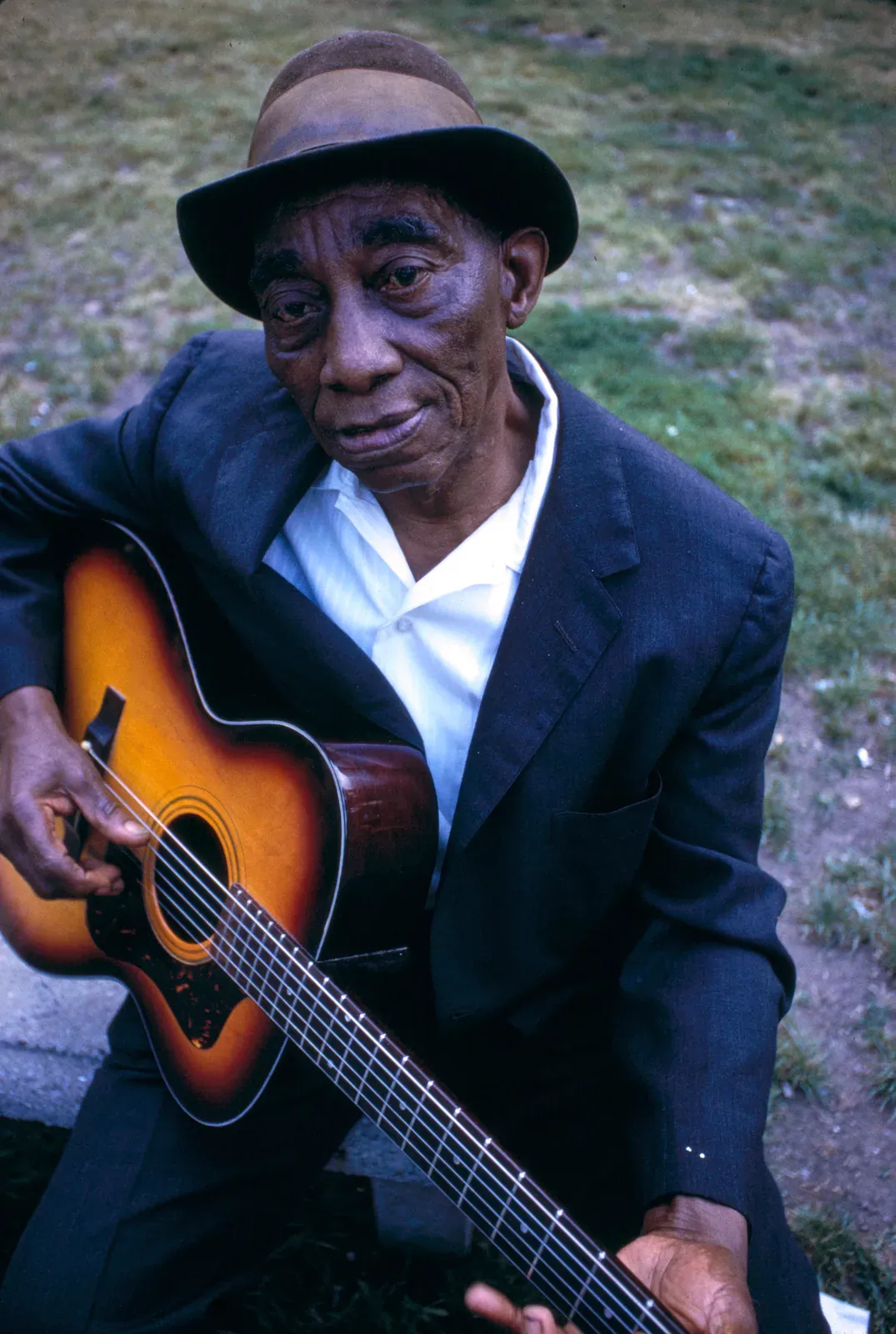
Dylan’s “Blowin’ in the Wind” became a civil rights anthem in 1963 and a hit for Peter, Paul and Mary. The Byrds took Seeger’s setting of Ecclesiastes, “Turn! Turn! Turn!”, to number one in 1965 as folk rock. The same year Dylan played an amplified set at Newport, and the folk audience split. The revival also brought elders back: Mississippi John Hurt was found in Mississippi in 1963, played Newport and recorded for Vanguard.
Roots labels and songwriters, 1970-2016
After 1970 the audience scattered, and small labels did the saving. Rounder Records started in 1970 as three Massachusetts friends’ roots label, Arhoolie had begun in 1960 with Chris Strachwitz’s field recordings, and in 1987 the Smithsonian acquired the Folkways catalogue as Smithsonian Folkways, promising to keep every title in print. Songwriters moved into rock and country, and Dylan’s Nobel Prize in Literature in 2016, the first for a songwriter, honored new poetic expressions within the American song tradition.
Notable recordings
“Wildwood Flower” was a parlor song from the 1800s before the Carter Family played it. What they recorded in 1928 was a guitar style, Maybelle’s lead on the bass strings with the melody picked above, and guitarists across the country copied it.
“This Land Is Your Land” was written in 1940 as an answer to “God Bless America” and recorded in 1944. Americans learn it in school, though the verses that question private property and relief lines are often left out.
Culture
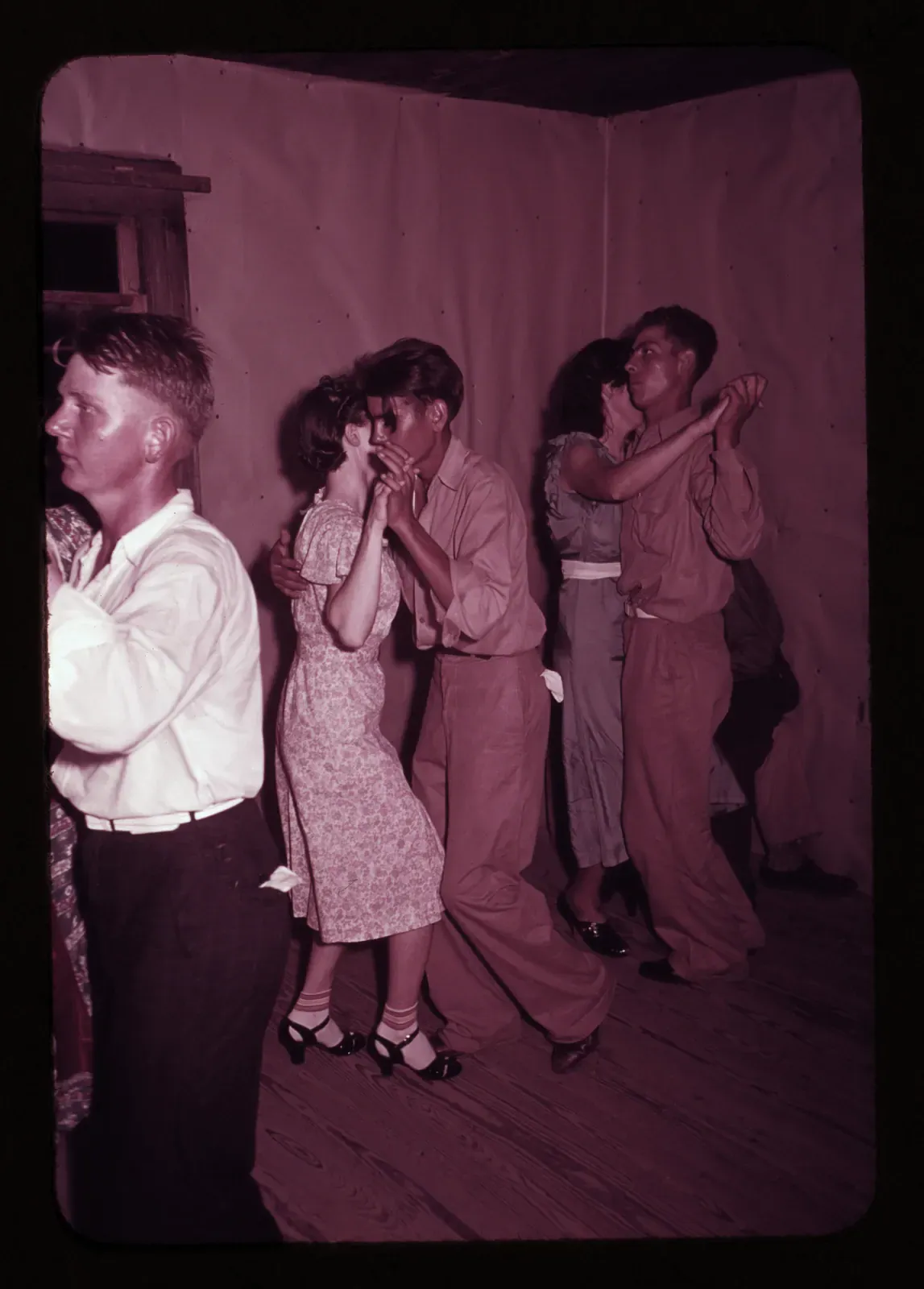
Folk was music for use. Square dances ran on old-time fiddle and banjo, and the audience joined the choruses, a habit from work, church and labor meetings. In the 1960s the word hootenanny gave a name to a TV series, and work shirts and denim signaled solidarity with working people. Magazines such as “Sing Out!”, started in 1950, and “Broadside”, which first printed Dylan and Phil Ochs, spread the songs on paper.
Legacy
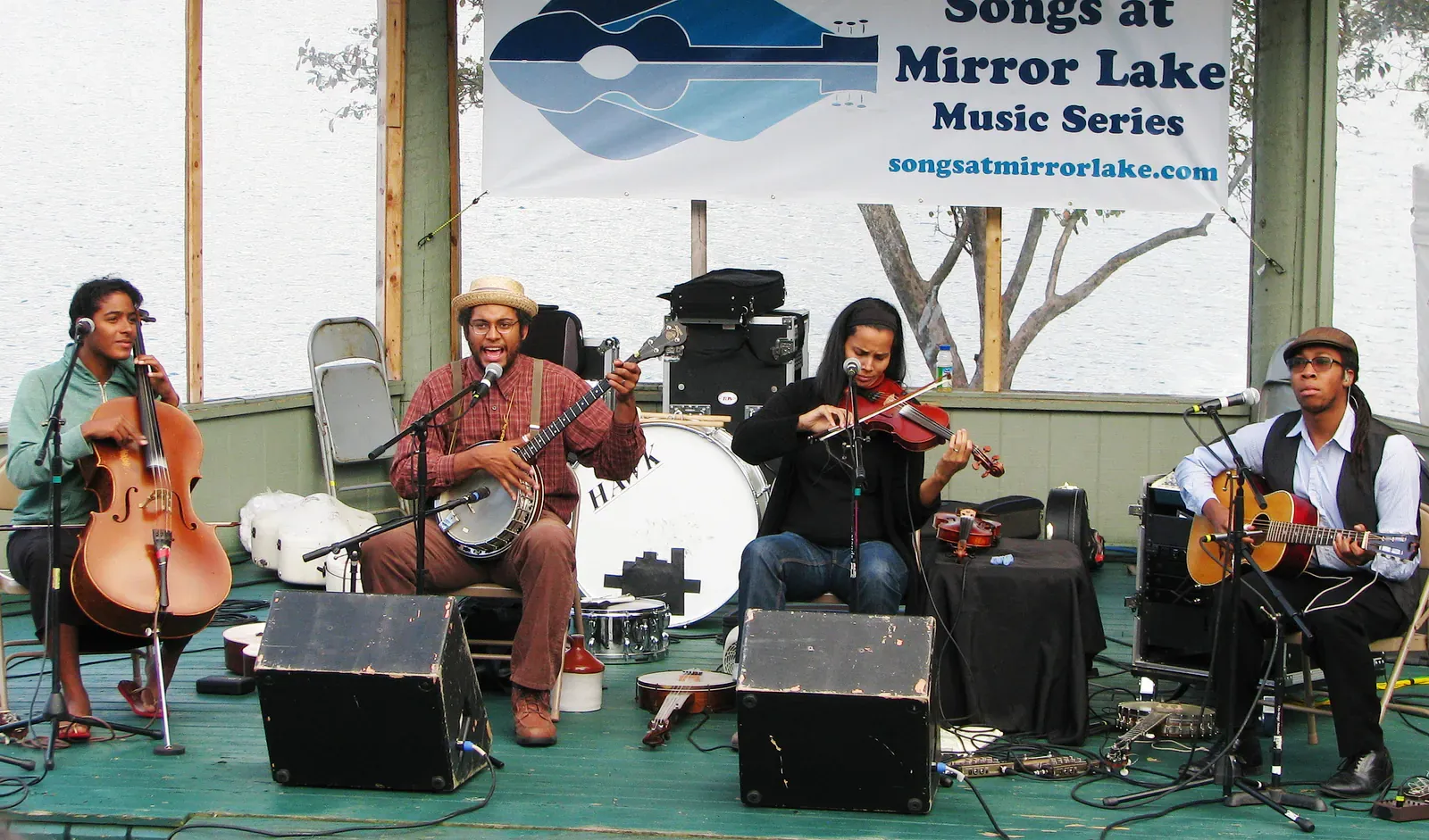
In 2000 the “O Brother, Where Art Thou?” soundtrack, produced by T Bone Burnett, sold millions and lifted string-band music; “I Am a Man of Constant Sorrow” was its calling card. In 2010 the Carolina Chocolate Drops won a Grammy for “Genuine Negro Jig” on Nonesuch, reviving Piedmont banjo and fiddle tunes as a Black string band and turning attention back to the music’s African American roots.
Misconceptions
Was the banjo always a white instrument? No. The banjo came from West African lutes and was played by enslaved people long before it reached minstrel shows and string bands. The Carolina Chocolate Drops revived that Black Piedmont tradition.
Did Dylan going electric at Newport end folk music? No. The crowd split in 1965, but the Newport Folk Festival is still held every year, and folk songs went on in clubs, on labels and in homes.
Are folk songs ancient and anonymous? Some are, but many that people call traditional have named authors. “This Land Is Your Land” was written by Woody Guthrie in 1940, and Seeger’s “Turn! Turn! Turn!” took its words from Ecclesiastes.
Frequently asked questions
What is American folk music?
American folk music is the traditional music of the United States: ballads, dance tunes, work songs and spirituals handed down by ear, plus the songs written in the same spirit during the 20th-century revivals.
Where should I start with American folk music?
Start with the six-LP “Anthology of American Folk Music” from 1952 for the roots, Guthrie’s “Dust Bowl Ballads” from 1940 for the protest voice, and “The Freewheelin’ Bob Dylan” from 1963 for the revival’s peak. The “O Brother, Where Art Thou?” soundtrack is an easy way into old-time playing.
What instruments are used in American folk music?
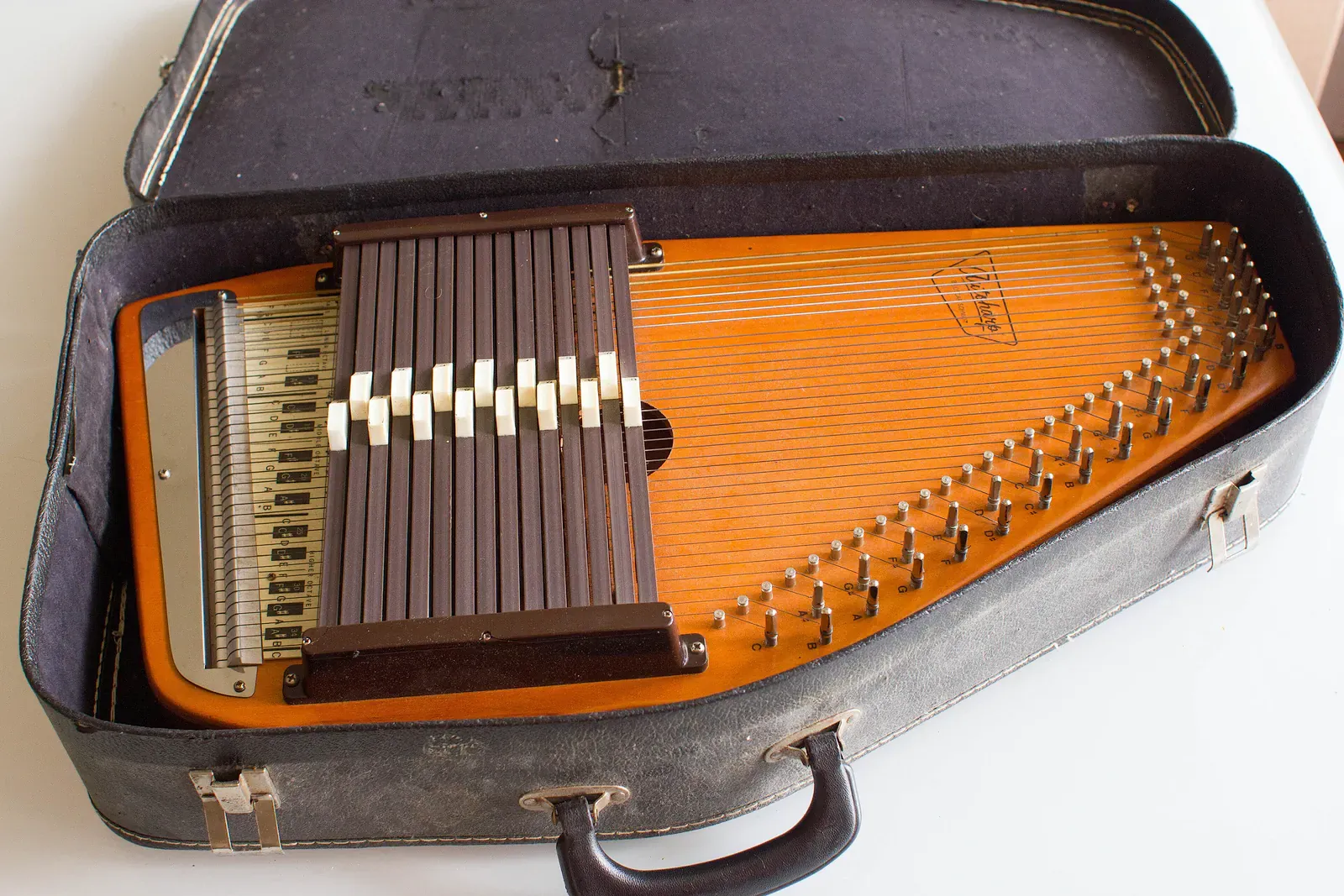
The acoustic guitar, five-string banjo and fiddle lead, with mountain dulcimer, autoharp, harmonica and mandolin adding colour. The family page on folk music places the American tradition among its cousins.
Sound
Sound sheet
Anatomy of a track
| # | Part | Bars |
|---|---|---|
| 1 | Instrumental intro or count in | 4 |
| 2 | Verse (repeated, sometimes ten or more times) | 16 |
| 3 | Chorus or refrain | 8 |
| 4 | Final verse | 16 |
Signature sounds
- Strophic verses that tell a story
- Acoustic guitar, banjo or fiddle accompaniment
- Plain, unornamented lead vocal
- Group choruses meant to be sung along
- Modal or pentatonic tunes with few chords
Techniques
- Clawhammer banjo
- Carter scratch
- Cross-tuning
Keys and modes
Mixolydian. Many of the oldest Appalachian fiddle and banjo tunes sit in this mode, with a flattened seventh.
Dorian. A minor-sounding mode, used in many of the oldest fiddle tunes.
Tuning
Fiddles and banjos are often retuned for one key or tune; fiddle cross-tunings such as AEAE are typical.
Scenes
Where it happened
Where and when the sound lived: one bar per city on a shared timeline.
North America
Active scenes
Peak 5, 1959-1966
The 1927 sessions there recorded the Carter Family and Jimmie Rodgers.
Guthrie, Seeger, Folkways and the Greenwich Village clubs made the city the revival capital.
Club 47 and Harvard students nurtured Baez and a campus folk audience.
The festival where the revival met mass audiences.
The Ash Grove club hosted old-time and blues veterans.
Home of the Library of Congress folk archive and Smithsonian Folkways.
Venues and places
Bristol, 1927 to today. Victor set up a temporary studio in a hat warehouse and recorded dozens of acts.
New York, 1959 to today. A Greenwich Village basement where young folk singers played.
New York, 1960 to today. Bob Dylan played his first paid New York shows here in 1961.
Cambridge, 1958 to today. A Harvard Square coffeehouse where Joan Baez started out.
West Hollywood, 1958 to today. Ed Pearl's club booked old-time musicians and bluesmen for Los Angeles audiences.
Newport, 1959 to today. The annual festival where revival stars and traditional elders shared a stage.
Washington, 1967 to today. A yearly festival on the National Mall for living traditions.
Culture
Culture markers
- Square dance
Old-time fiddle and banjo tunes provided the music for community dances.
Dance - Hootenanny
A word for a sing-along concert, then a name for a 1960s TV series.
Slang - Group singing
Audiences join choruses, a habit that comes from work, church and labor meetings.
Ritual - Work clothes
Denim, work shirts and plain dress signaled solidarity with working people.
Fashion - Anthology cover art
Harry Smith's cover drawing of the celestial monochord became an emblem of the set.
Artwork
Media
Key media
- 1934American Ballads and Folk Songs
by John A. and Alan Lomax. A large field-collected songbook.
Book - 1945Folksinger's Choice
by Oscar Brand. A WNYC radio show that ran for decades.
Radio - 1950Sing Out!
by People's Artists. A magazine that printed songs and covered the revival.
Zine - 1952Anthology of American Folk Music
by Harry Smith. The revival's main source of songs.
Compilation - 1962Broadside
by Sis Cunningham and Gordon Friesen. A mimeographed magazine of topical songs that first printed Dylan and Phil Ochs.
Zine - 2000O Brother, Where Art Thou? (soundtrack)
by Various. Put old-time music in the pop charts.
Compilation - 2013Inside Llewyn Davis
by Joel and Ethan Coen. A fictional portrait of the 1961 Greenwich Village scene.
Film
Glossary
Terms on this page
A story song, often passed down orally in many versions.
A cheap printed sheet of lyrics, later the name of a topical song magazine.
One of 305 English and Scottish ballads gathered by Francis James Child in the 1800s.
A recording made on location, in a home, church or prison, rather than in a studio.
The 1940s to 1960s interest in traditional songs among urban and student audiences.
An informal sing-along concert, popularized by the Almanac Singers.
Southern string-band dance music with fiddle and banjo.
A song about current events or a political cause.
Folk family