Folk music
Folk music is the traditional and revival song, dance and instrumental music of Britain, Ireland and North America and the styles descended from it.
192 genres
Since around 1882
Genres
192
In this family
Branches
19
Main subgenres
Since
around 1882
United Kingdom, Ireland, United States, Canada
Timeline
Era by era
From the first sparks to today. Select a dot to read the story behind it.
- Collectors and ballad hunters
1882 to 1926
- Records, radio and the left
1927 to 1947
- The first revival
1948 to 1957
- The folk boom
1958 to 1964
- Folk rock and the singer-songwriter
1965 to 1974
- Celtic, roots and the quiet decades
1975 to 1999
- Roots revival and indie folk
2000 to 2026
Eras
Moments
- 1 Collectors and ballad hunters, 1882 to 1926
- 2 Records, radio and the left, 1927 to 1947
- 3 The first revival, 1948 to 1957
- 4 The folk boom, 1958 to 1964
- 5 Folk rock and the singer-songwriter, 1965 to 1974
- 6 Celtic, roots and the quiet decades, 1975 to 1999
- 7 Roots revival and indie folk, 2000 to 2026
around 1882
Collectors and ballad hunters
Scholars and song collectors such as Francis James Child and Cecil Sharp write down rural songs in Britain, Ireland and the Appalachians. Folk music becomes an object of study before it is a market.
- 1882Child begins publishing the English and Scottish balladsFrancis James Child's collection fixes 305 ballads that revivalists still sing.
- 1903Cecil Sharp collects "The Seeds of Love"Hearing a gardener sing in Somerset starts Sharp's collecting of English folk songs.
1927
Records, radio and the left
Hillbilly records, radio barn dances and field recordings carry rural songs to a mass audience. In New York, Woody Guthrie and the Almanac Singers fuse them with labor and anti-fascist politics.
- 1927The Bristol SessionsRalph Peer's sessions in Bristol, Tennessee, record the Carter Family and Jimmie Rodgers.
- 1940Woody Guthrie records Dust Bowl BalladsSongs of migrants and the Depression make the topical folk song a record format.
1948
The first revival
Folkways, the Weavers and the Harry Smith Anthology make folk a movement for urban audiences. In Britain, Ewan MacColl and skiffle open a parallel revival.
- 1948Moses Asch founds Folkways RecordsThe label documents music from around the world and becomes a home for the revival.
- 1950The Weavers reach number one with Goodnight, IreneA Lead Belly song becomes the first folk arrangement to top the US charts.
- 1952Harry Smith compiles the Anthology of American Folk MusicEighty-four 1920s and 30s records become the revival's textbook.
- 1955Lonnie Donegan releases Rock Island LineThe skiffle hit puts thousands of British teenagers on guitars.
1958
The folk boom
The Kingston Trio top the charts, Newport becomes a festival, and Greenwich Village and Cambridge clubs fill. Joan Baez and Bob Dylan turn the topical song into a national voice.
- 1958The Kingston Trio hit number one with Tom DooleyAn Appalachian murder ballad launches the commercial folk boom.
- 1958The Ballad of John Axon, the first Radio BalladEwan MacColl, Charles Parker and Peggy Seeger blend recorded speech with song for the BBC.
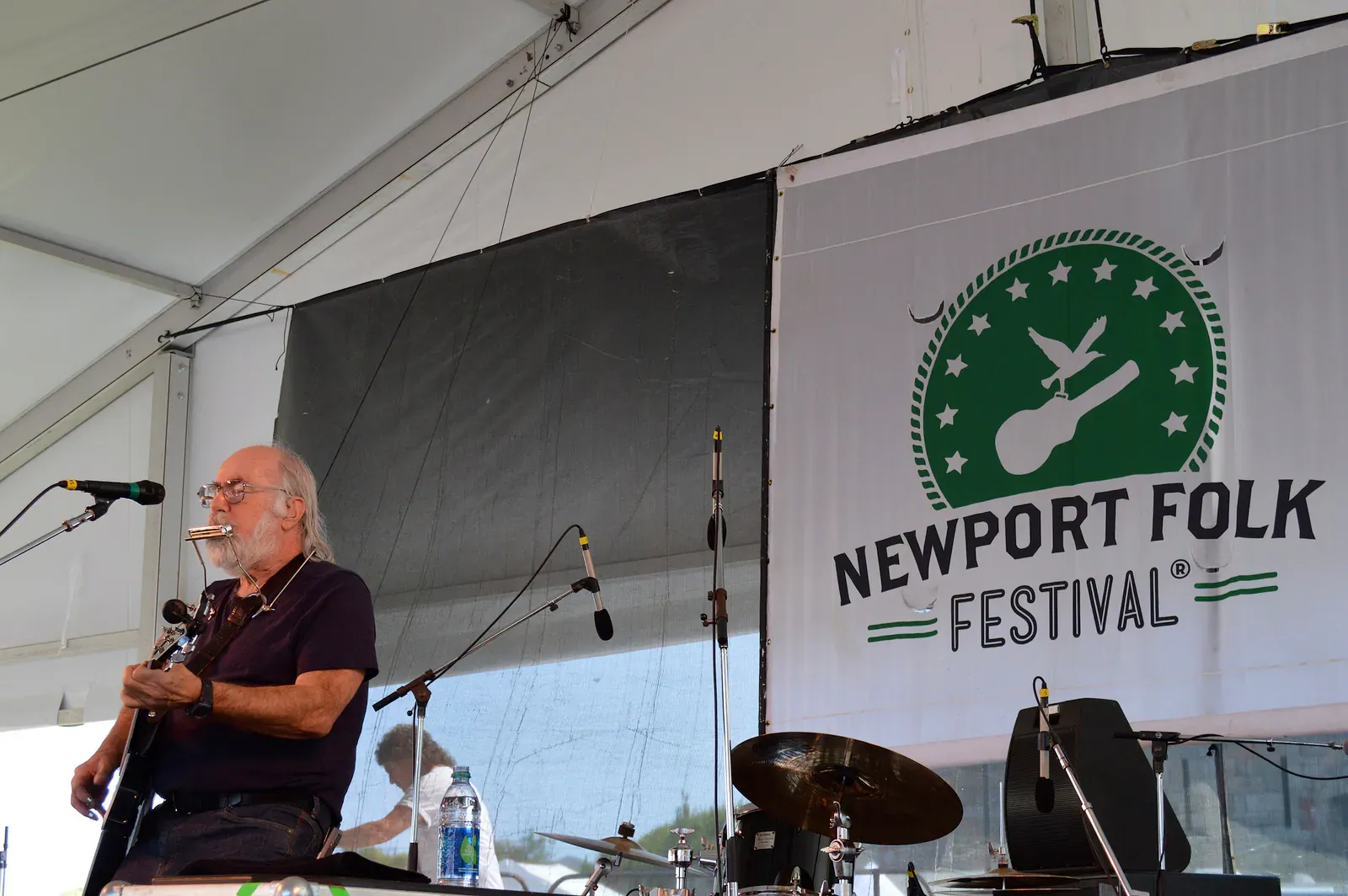
- 1959The Newport Folk Festival beginsThe Rhode Island festival becomes the revival's annual meeting place.
- 1960Joan Baez releases her debut albumThe Vanguard record makes her the voice of the Cambridge scene.
- 1961Bob Dylan arrives in Greenwich VillageThe young songwriter plays the Village coffeehouses and meets the folk scene.
- 1962The Chieftains form in DublinPaddy Moloney gathers pipers and fiddlers who later carry Irish tradition worldwide.
- 1963The Freewheelin' Bob DylanBlowin' in the Wind and other originals lift songwriting above the repertoire.
1965
Folk rock and the singer-songwriter
Electric guitars arrive at Newport, the Byrds chart, and Fairport Convention electrifies English ballads. Joni Mitchell and a wave of songwriters make the personal song the new center.
- 1965The Byrds chart with Mr. Tambourine ManDylan's song in a jangling electric arrangement defines folk rock.
- 1965Dylan plays electric at NewportThe set splits the revival audience over amplification.
- 1969Fairport Convention releases Liege and LiefTraditional ballads meet electric instruments and British folk rock arrives.
- 1971Joni Mitchell releases BlueConfessional songwriting sets a template for the singer-songwriter album.
1975
Celtic, roots and the quiet decades
Irish bands like the Chieftains reach world audiences, small labels sustain the tradition, and Tracy Chapman shows a folk voice can top charts. Alt-country and Americana take shape.
- 1975The Chieftains score Barry LyndonTheir work on the film wins them listeners outside Irish music.
- 1988Tracy Chapman releases her debut albumFast Car and Talkin' Bout a Revolution put a folk voice in the mainstream.
2000
Roots revival and indie folk
An O Brother soundtrack, Fleet Foxes, Bon Iver and Mumford and Sons bring banjos and harmonies back to the mainstream. Streaming and social media spread traditions, including a sea shanty craze.
- 2000The O Brother, Where Art Thou? soundtrackT Bone Burnett's collection of old-time and bluegrass songs sells in the millions.
- 2008Bon Iver releases For Emma, Forever AgoA cabin-recorded debut becomes a model for indie folk.
- 2008Fleet Foxes release their debut albumClose harmonies and pastoral songs revive folk for the indie audience.
- 2009Mumford and Sons release Sigh No MoreBanjo-led stadium folk pushes the style into arenas.
- 2021Sea shanties go viral on TikTokNathan Evans's Wellerman starts a craze for communal sea songs online.
Roots
Roots and offspring
United Kingdom, Ireland, United States, Canada
Folk
Led to (2)
Facts
| Genres in the family | 192 |
| Main branches | 17 |
| Emerged | Traditional; revival 1890s to 1960s |
| Tempo | 60 to 145 BPM |
Folk music is the traditional and revival song, dance and instrumental music of Britain, Ireland and North America, together with the singer-songwriter and roots styles that grew out of it.
Its songs are passed on by ear, usually on acoustic instruments, and tell stories or serve dancing and communal singing. Collectors began writing the songs down in the 1880s, records and radio spread them in the 1920s, and a city audience turned them into a movement after 1948. The library holds 192 folk genres, 19 of them direct branches.
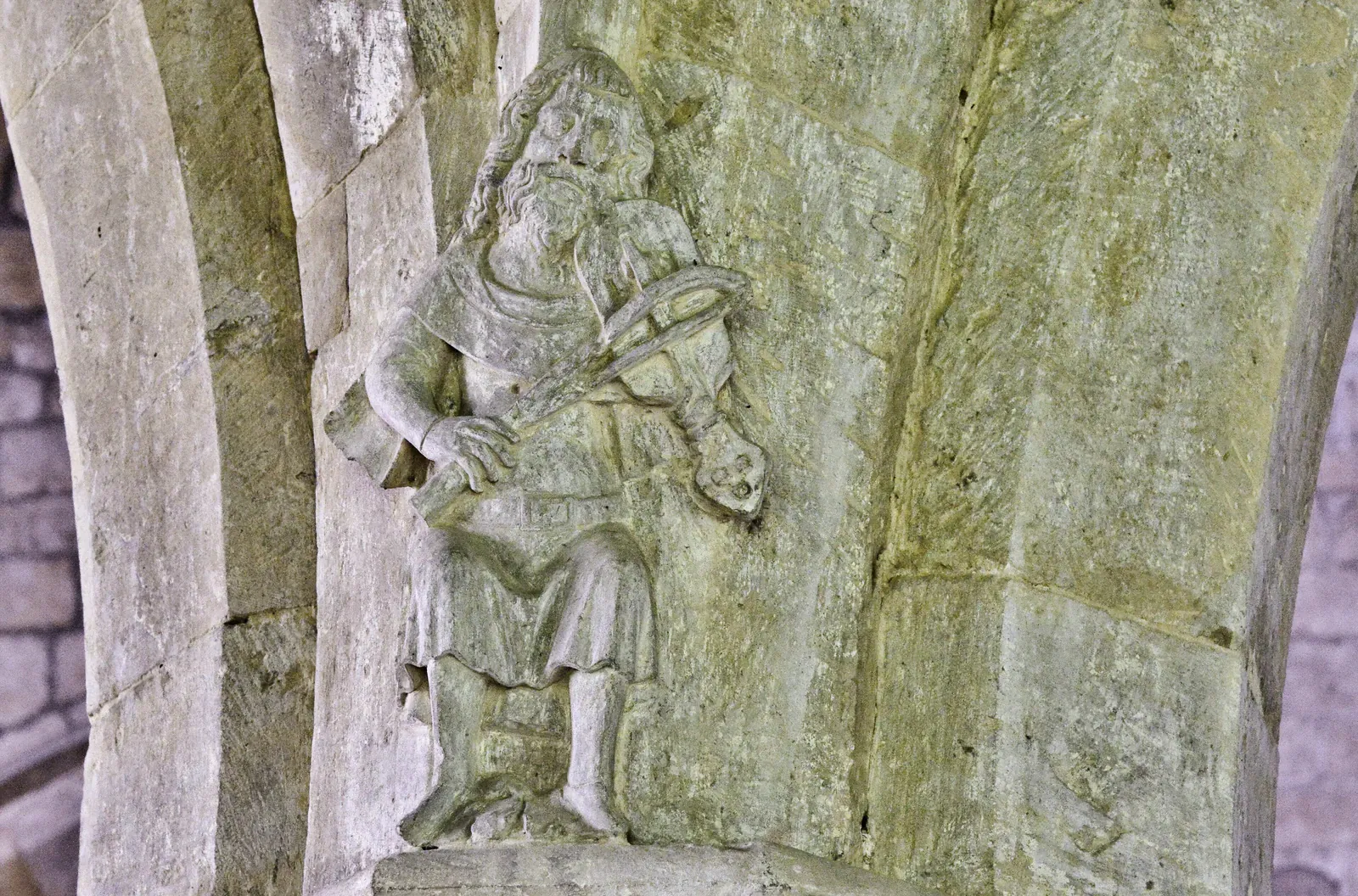
Origins: collectors and ballad hunters, 1882 to 1926
Folk music started as a subject for scholars. Francis James Child, a Harvard professor, published The English and Scottish Popular Ballads in five volumes between 1882 and 1898, gathering 305 ballads with their variants. Cecil Sharp took the same idea into the field. In 1903 he heard a gardener in Somerset sing “The Seeds of Love”, and he spent the next decade writing down English songs from people who had never thought of them as heritage.
Sharp’s most surprising finding came across the Atlantic. Between 1916 and 1918 he toured the southern Appalachians and, with Olive Dame Campbell, published English Folk Songs from the Southern Appalachians in 1917. Mountain singers were still performing ballads that had faded from English villages. The gap between the printed page and the living voice shows that collecting changed what it collected.
Records, radio and the left, 1927 to 1947
Commercial recording pulled rural music out of the hills in 1927. Ralph Peer’s sessions in Bristol, Tennessee, recorded the Carter Family and Jimmie Rodgers, and the label bosses in New York learned that old songs sold. A few years later the folklorists John and Alan Lomax carried a heavy disc recorder through Southern prisons for the Library of Congress and, in 1933, recorded Huddie Ledbetter, known as Lead Belly, at Angola in Louisiana.
The city gave the music a politics. Woody Guthrie, a migrant from Oklahoma, wrote “This Land Is Your Land” in 1940 in answer to the radio’s constant “God Bless America”, and recorded Dust Bowl Ballads the same year. In New York he joined Pete Seeger and the Almanac Singers, and for the first time a folk song could be a union pamphlet. The American left, not the countryside, became folk’s main early audience.
The first revival, 1948 to 1957
In 1948 Moses Asch and Marian Distler founded Folkways Records in New York and put the long-playing record to work as an archive. Four years later Harry Smith compiled the Anthology of American Folk Music from his own 78 rpm collection: 84 commercial records from 1927 to 1932, issued as six LPs. Revival singers treated it as a textbook, and its blues, ballads and gospel arrived at the moment young listeners wanted something less polished than radio pop.
The commercial breakthrough was the Weavers. Their version of Lead Belly’s “Goodnight, Irene” reached number one in 1950, the first folk arrangement to top the US chart, and then the blacklist hit them. Their comeback concert at Carnegie Hall in 1955 became a 1957 album on Vanguard, proof that the audience had stayed. In Britain, the parallel revival ran through Ewan MacColl and A. L. Lloyd at Topic Records, and through skiffle: Lonnie Donegan’s “Rock Island Line” (1955) put thousands of British teenagers on guitars.
The folk boom, 1958 to 1964
In 1958 the Kingston Trio’s “Tom Dooley”, an Appalachian murder ballad, went to number one on Capitol and made folk a mass-market style. A year later the first Newport Folk Festival opened in Rhode Island, founded by George Wein with Pete Seeger and others. Joan Baez appeared there in 1959 and signed to Vanguard, whose 1960 debut album of English and Scottish ballads made her the voice of the Cambridge, Massachusetts, club scene.
The center of gravity was Greenwich Village. Bob Dylan reached New York in 1961 and played the MacDougal Street coffeehouses, and in 1963 The Freewheelin’ Bob Dylan on Columbia carried “Blowin’ in the Wind” far beyond the clubs. Dylan wrote his own songs, and the songwriter replaced the repertoire singer as the center of the genre.
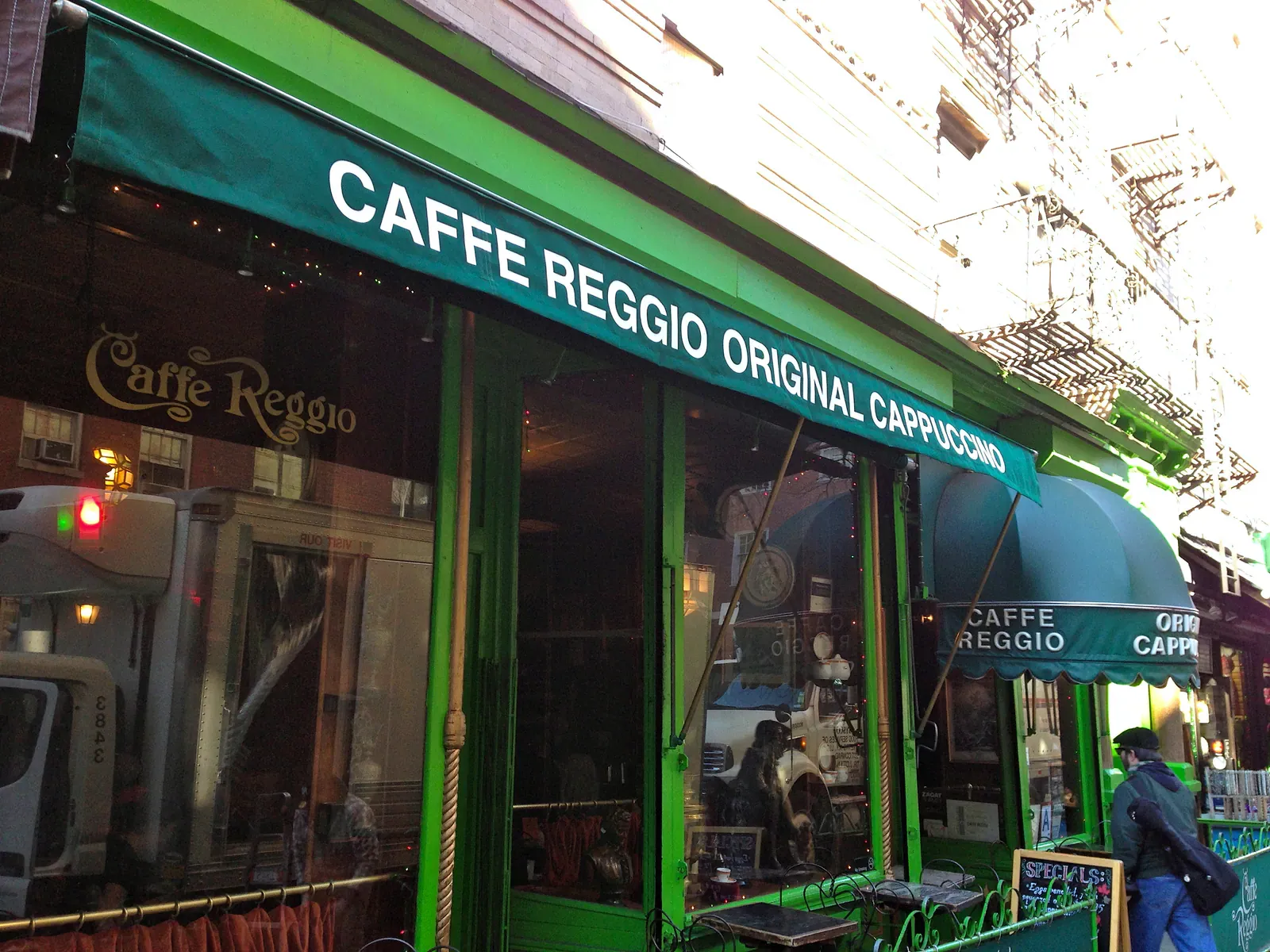
Folk rock and the singer-songwriter, 1965 to 1974
On 25 July 1965 Dylan played three songs with an electric band at Newport: “Maggie’s Farm”, “Like a Rolling Stone” and an early “It Takes a Lot to Laugh, It Takes a Train to Cry”. Part of the crowd booed. The reason is still disputed: Pete Seeger objected to distortion, and Al Kooper later said the audience was upset that the headliner played for only about 15 minutes. Either way the change was already under way. The Byrds’ electric “Mr. Tambourine Man” had reached number one on 26 June 1965.
Britain made its own electric synthesis. Fairport Convention’s Liege and Lief (1969, Island) set traditional ballads such as “Matty Groves” to an electric band with Sandy Denny’s singing at the front, and it opened a route that bands such as Pentangle, on Transatlantic Records, explored from the acoustic side. In California, Joni Mitchell’s Blue (1971) fixed the template for the confessional singer-songwriter album. Folk and rock now shared a repertoire.
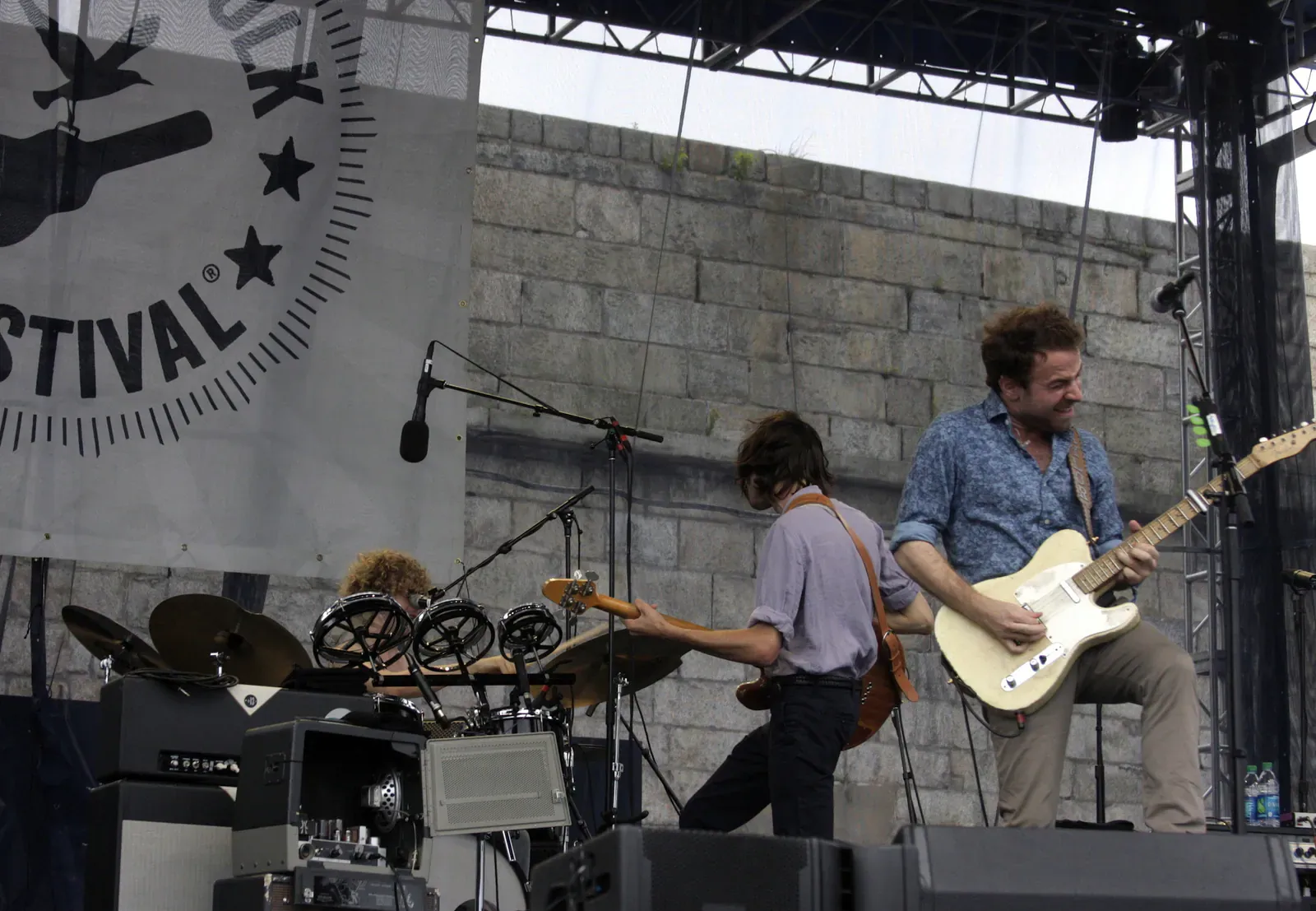
Celtic, roots and the quiet decades, 1975 to 1999
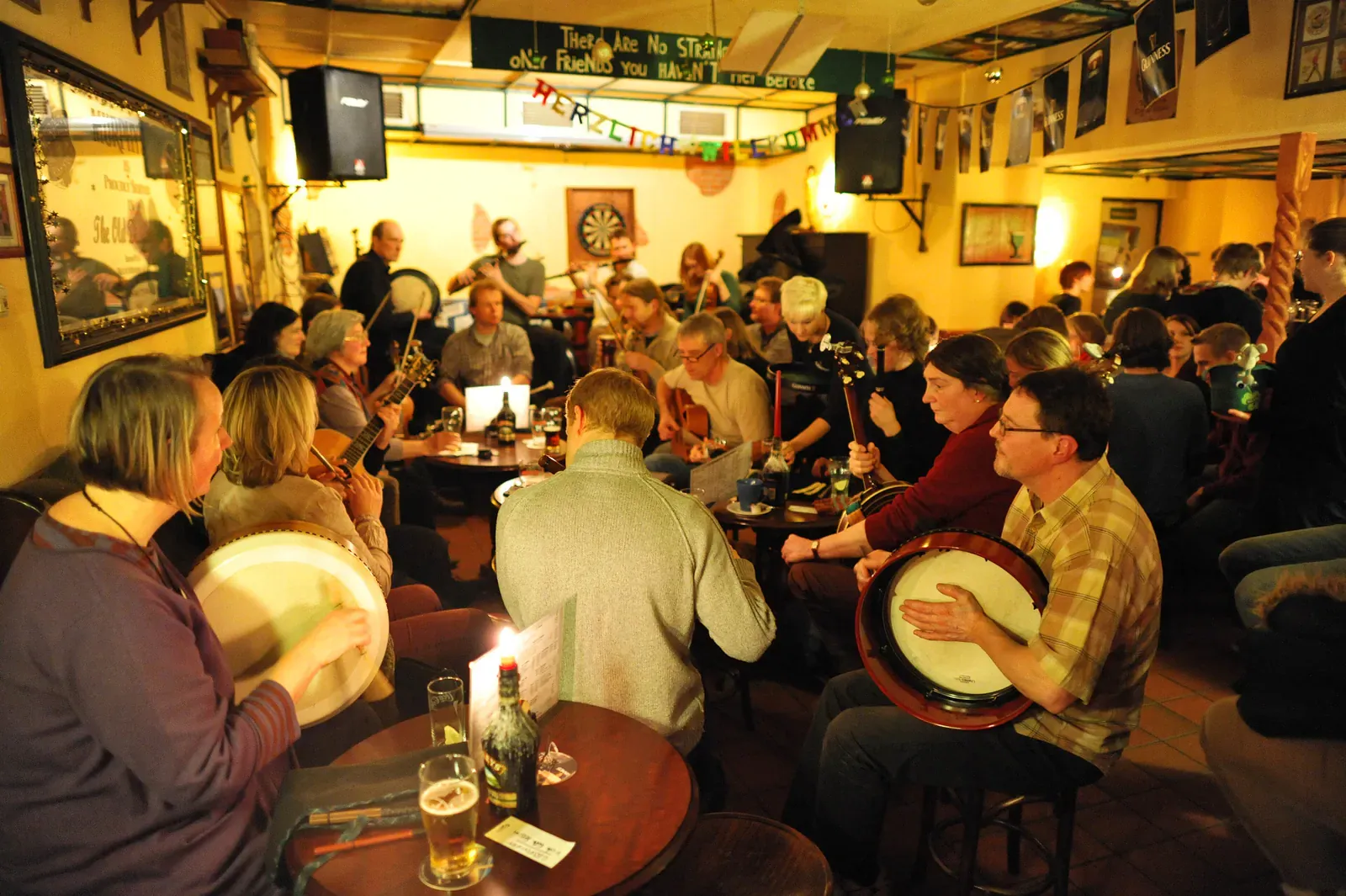
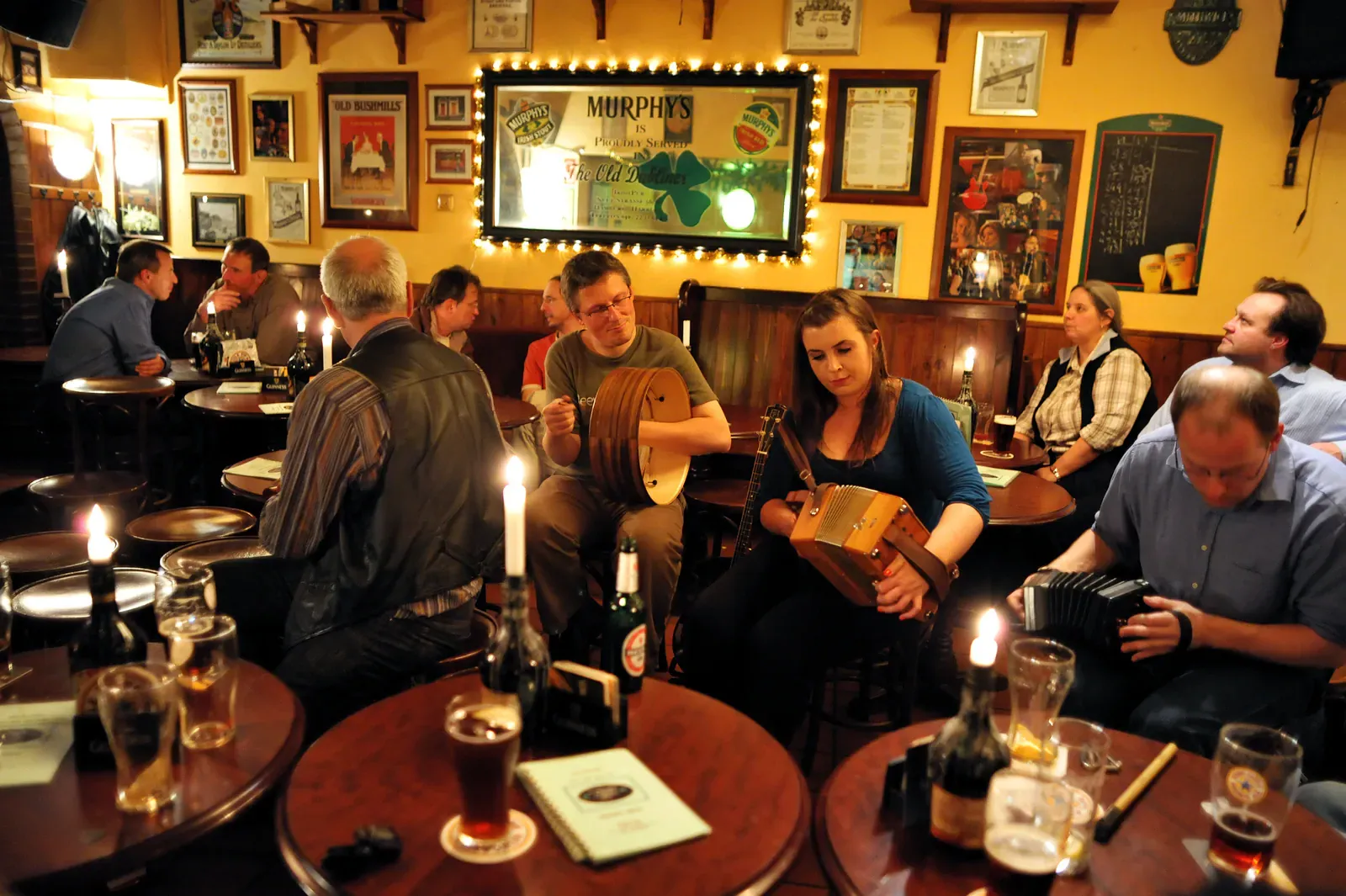
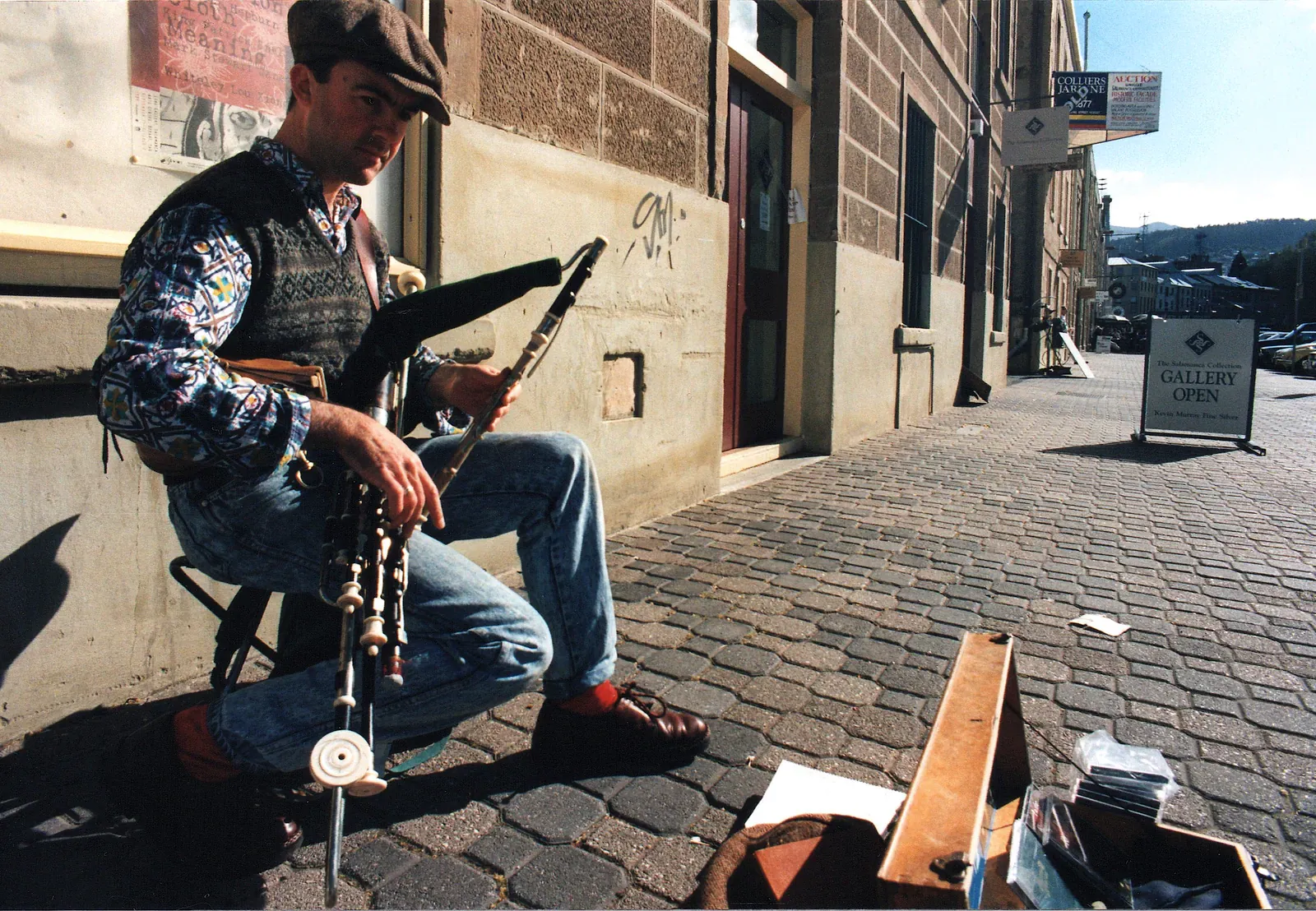
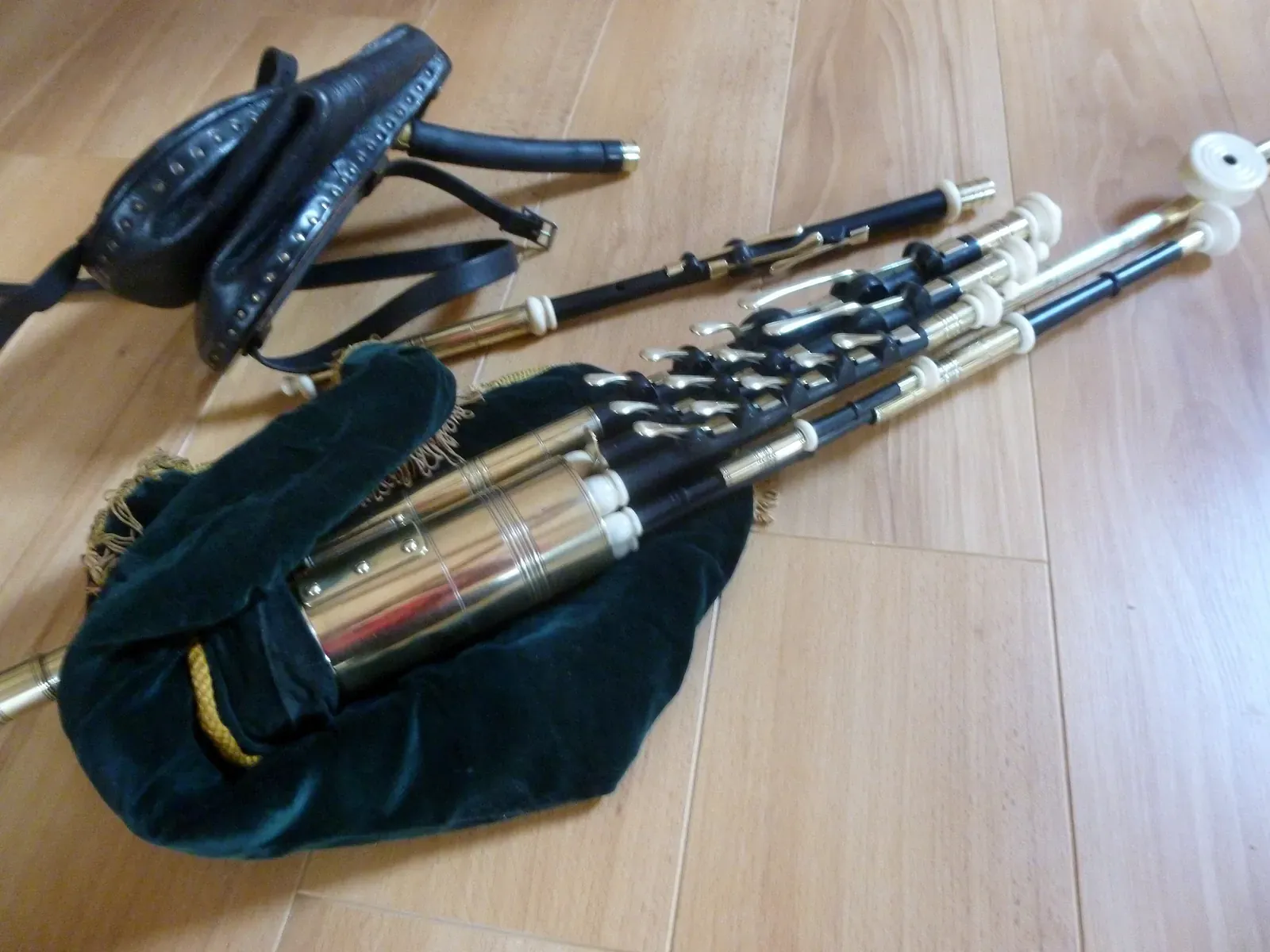
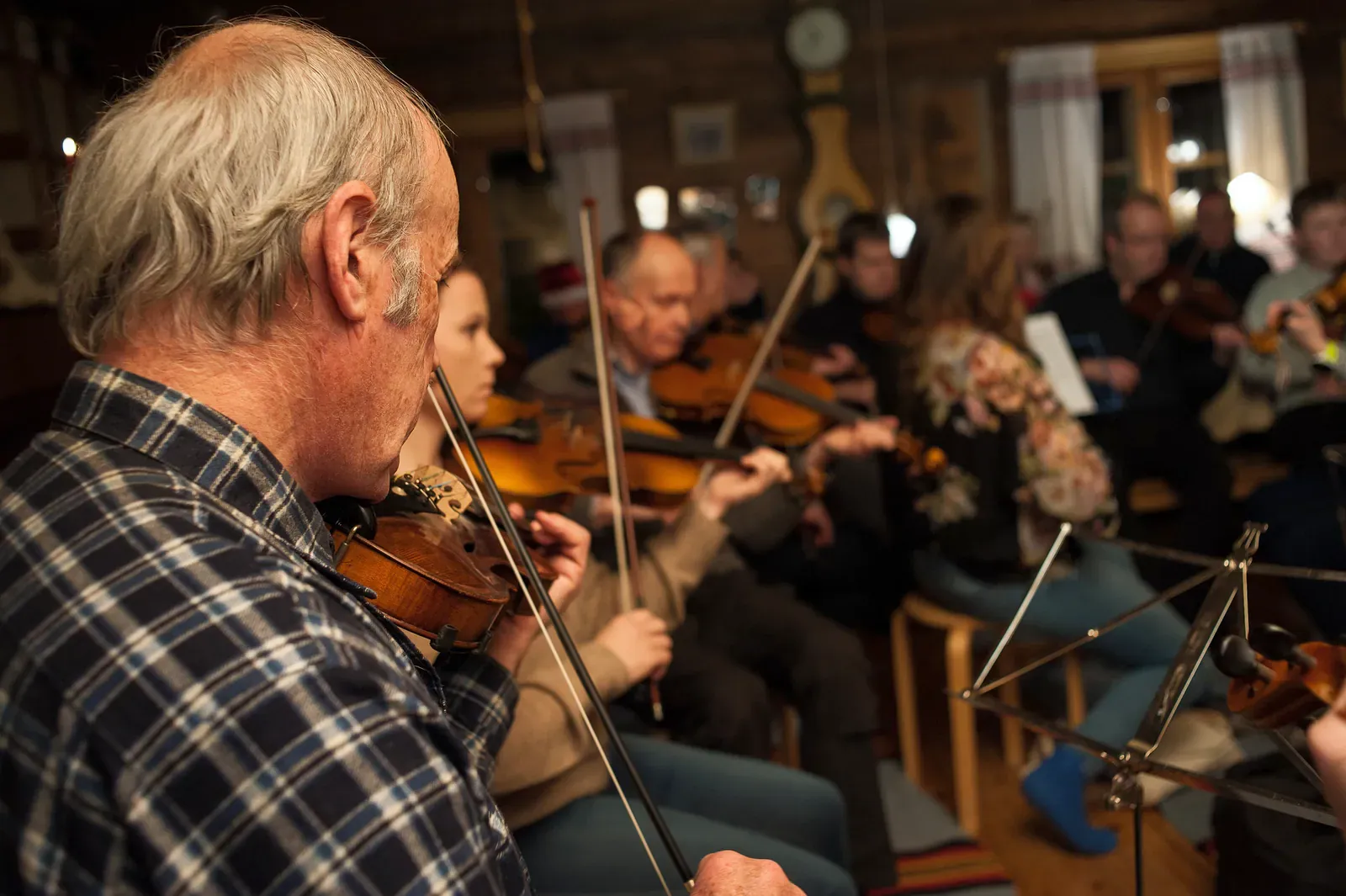
After the boom, folk stopped being a chart style and became a network of small labels, clubs and festivals. Irish music did the most to reach new listeners. The Chieftains, formed in Dublin in 1962 by Paddy Moloney, took uilleann pipes and fiddle onto concert stages and, in 1975, contributed to the soundtrack of Barry Lyndon. Pub sessions, where players of fiddle, pipes, bodhran and concertina trade tunes without a stage, kept the music itself alive.
Labels did the rest. Green Linnet Records, started in Connecticut in 1973, grew into the main American home of Celtic bands, and Rounder Records in Massachusetts kept bluegrass and old-time in print from 1970. Compass Records was founded in Nashville in 1995 and later bought the Green Linnet catalogue. In 1988 Tracy Chapman’s solo acoustic debut showed that a folk voice could still sell millions.
Roots revival and indie folk, 2000 to today
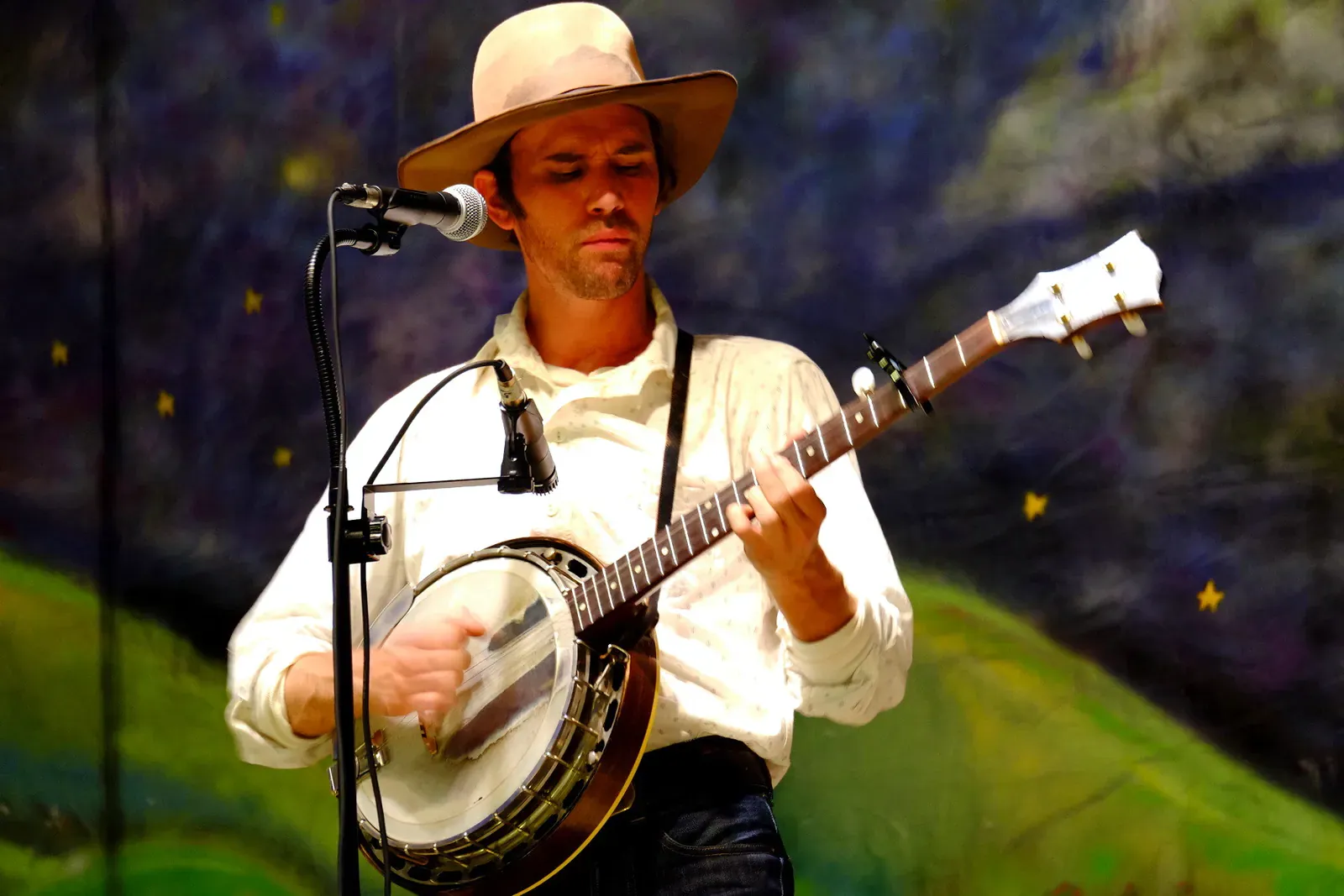
The revival began again in 2000, when the O Brother, Where Art Thou? soundtrack, produced by T Bone Burnett, sold in the millions and sent a mass audience to old-time and bluegrass. The next wave came from indie labels. Bon Iver’s For Emma, Forever Ago (2008, Jagjaguwar), recorded alone in a cabin, and Fleet Foxes’ debut on Sub Pop the same year, revived close harmony and pastoral songs for the indie audience. Mumford and Sons’ Sigh No More (2009) carried banjo-led folk into arenas.
Streaming and social media now spread tradition faster than any label. Nathan Evans’s “Wellerman”, posted in December 2020, set off a TikTok sea-shanty craze in early 2021. The business still runs on independents. Cooking Vinyl in London works with Billy Bragg, New West Records and Stony Plain Records supply Americana and roots, and Smithsonian Folkways, active since 1948, still issues new records.
Characteristics
Folk is defined by how it travels more than by one sound. Songs are learned by ear and change with each singer, so a ballad exists in many variants. Melodies are often modal and tunes built on a few chords, which keeps them easy to join in. Subjects include love, murder, work, migration and protest, told in verses that repeat one tune.
Instruments and production
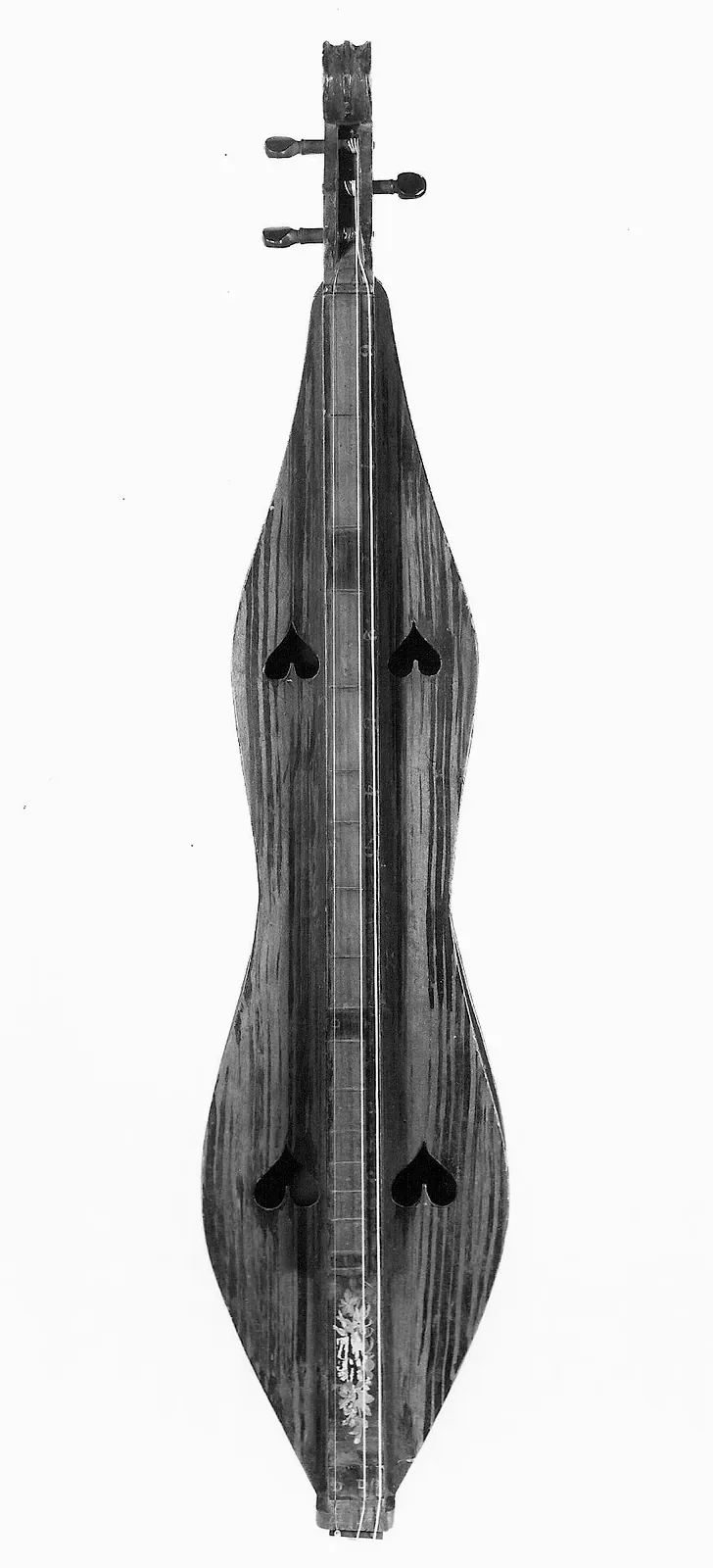
Instruments are acoustic and portable: guitar, five-string banjo, fiddle and Appalachian dulcimer in North America, and tin whistle, uilleann pipes, concertina and bodhran in Irish and Celtic music. Recording stayed plain for decades. Field recordings, Folkways LPs and coffeehouse albums favored a single voice and instrument captured close, and the indie folk of the 2000s kept that intimacy with home recording.
Culture: makers, audiences and money
Folk’s makers were collectors and migrants more often than stars. Child, Sharp and the Lomaxes were academics or amateurs funded by libraries; the singers they recorded, from Appalachian farmers to Lead Belly in prison, were seldom paid for the songs. The audience changed with each wave: the 1930s left, the 1950s college crowd, the 1960s coffeehouse, then festival campers and online listeners. The economics always favored the small. Folkways kept every title in print even after the Smithsonian bought it in 1987, and Topic nearly collapsed in the late 1950s. Those labels lived on a few steady sellers and a back catalogue, not on hits. Authenticity was the product: the Greenwich Village singer’s plain acoustic guitar and the cabin story behind For Emma, Forever Ago both sold it.
Legacy
Folk gave rock its first singer-songwriters and gave country and bluegrass much of their repertoire. Its revivals set the template for later roots movements: archive labels, festivals, and amateur sessions that keep tunes in circulation. The protest song and the cover of a traditional ballad both remain standard moves in popular music.
Misconceptions
“Folk songs are ancient and anonymous.” Many are, but the versions people sing were collected and edited. Child’s 305 ballads came from printed broadsides and manuscripts as well as singers, and revival singers fixed songs that had changed with every performance. “This Land Is Your Land” is a known author’s work: Woody Guthrie wrote it in 1940 and recorded it for Moses Asch in April 1944.
“Dylan killed folk by going electric.” The booing at Newport in 1965 is real, but Al Kooper’s account blames the 15-minute set, and The Byrds had reached number one with an electric Dylan song a month earlier. Folk rock, then Fairport Convention’s electric ballads, grew from the same repertoire. The genre changed rather than ended.
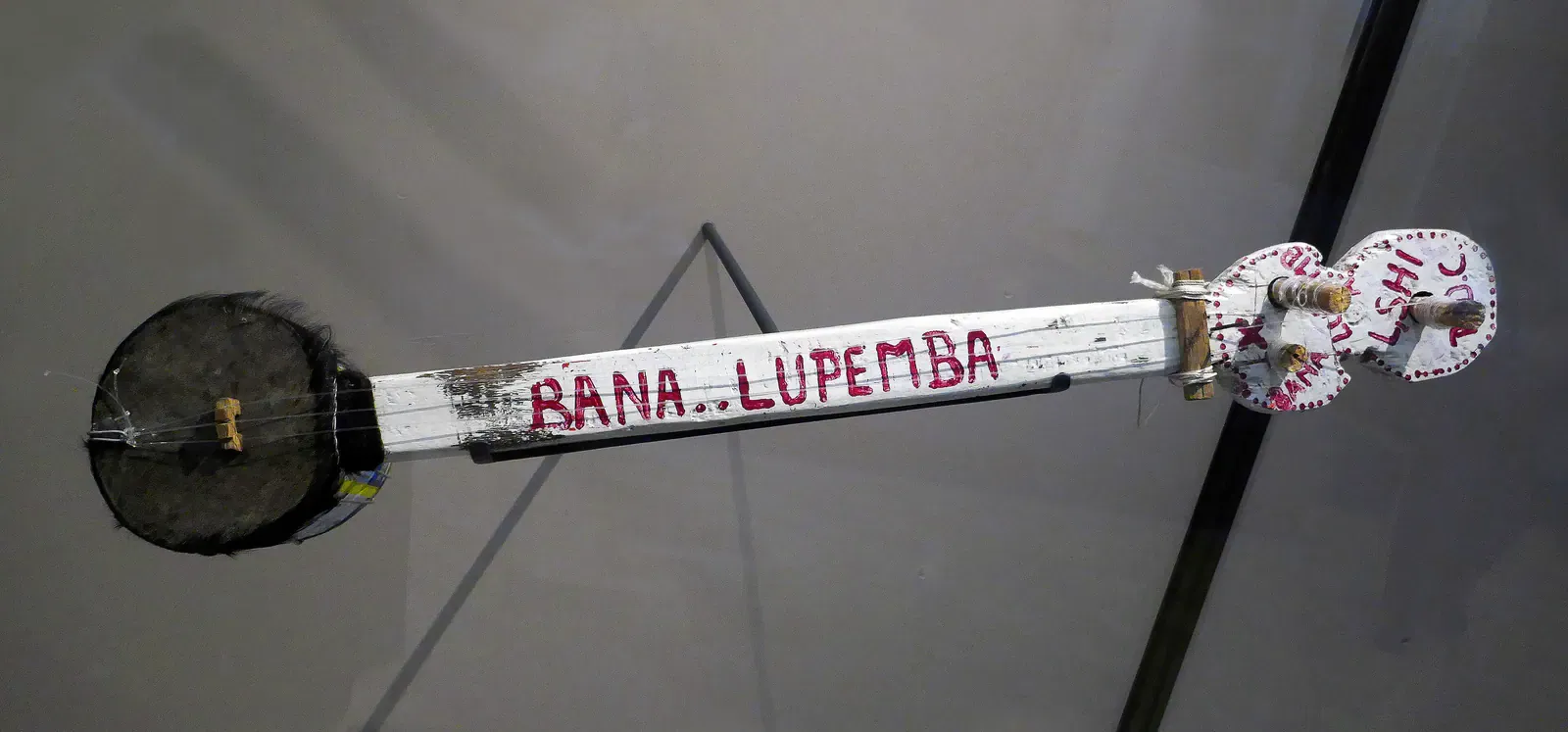
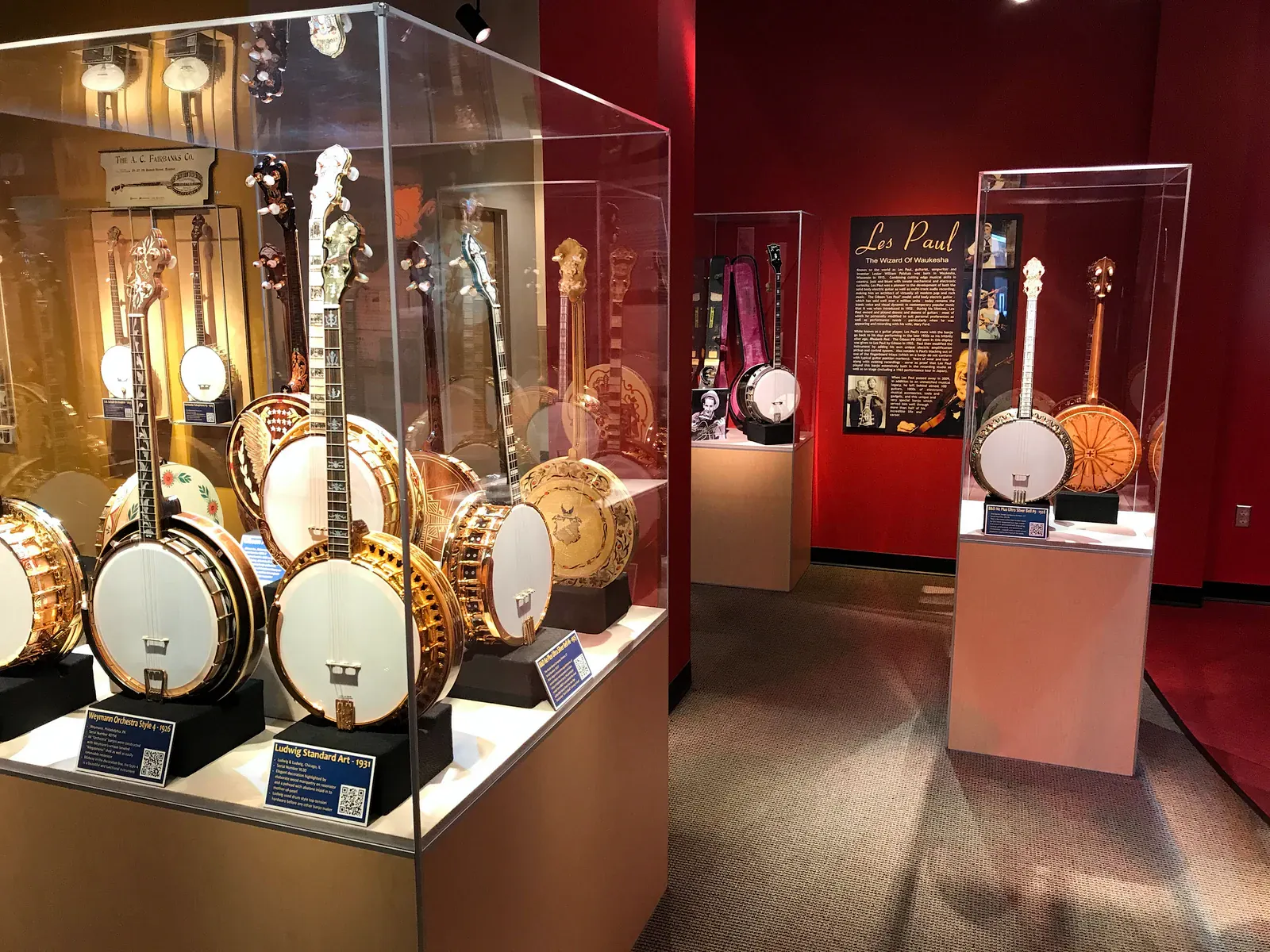
“The banjo is a hillbilly instrument.” Its roots are African. Enslaved West Africans in the Caribbean built the first banjos from the skin-headed lutes of their homelands, such as the akonting and the ngoni, and the five-string banjo became a mainstay of American folk through Pete Seeger’s revival playing as well as Appalachian old-time.
Frequently asked questions
What is folk music?
Folk music is traditional and revival music handed down by ear and shaped by the people who sing it, together with the songwriter styles that descend from it. Its core is the ballads, dance tunes and work songs of Britain, Ireland and North America. The library groups 192 genres under folk, from sea shanties to Americana.
When did the folk revival happen?
Folk music had two main American revivals. The first ran from about 1948 to 1957, with Folkways, the Weavers and the Anthology of American Folk Music. The second, the folk boom, ran from 1958 to 1964, with the Kingston Trio, Newport and Greenwich Village. Britain had its own revival from the 1950s with Ewan MacColl and skiffle.
What is the difference between folk and country?
Folk and country share ballads, fiddles and the Carter Family, but folk grew from collectors, labor politics and urban revivals, while country grew from the commercial hillbilly industry of the 1920s. See country music for that side of the family tree. Both draw on the same Appalachian songs.
What instruments are used in folk music?
The most common are acoustic guitar, five-string banjo, fiddle, Appalachian dulcimer, and in Celtic music uilleann pipes, tin whistle, concertina and bodhran. Which instrument leads depends on the tradition: fiddles drive dance music, while guitars accompany the revival song.
Which labels are known for folk?
Smithsonian Folkways and Topic Records are the archive labels, Vanguard Records led the 1960s boom, and Rounder, Compass and Stony Plain keep roots music in print today. Later indie folk came largely through Jagjaguwar and Sub Pop. The rock and blues pages cover the neighbors that folk fed.
Subgenres
Genres in the family
19 main branches. Names with their own page are links.
20 branches
1995
4 branches
12 branches
34 branches
1960, 14 branches
1963
15 branches
9 branches
15 branches
5 branches
25 branches
- Neofolk
1981
2 branches
11 branches
1800, 8 branches
1925, 1 branch
Sound
What it sounds like
Tempo
- Overall60-145
- Old-time and Appalachian95-115
- Revival and protest songs85-135
- British folk rock80-140
- Singer-songwriter folk60-130
- Irish and Celtic traditional90-145
- Indie folk revival75-140
Drums and percussion
- Bodhran
Techniques
- Fingerpicking
- Clawhammer banjo
- Call and response
- Ornamentation
- Alternative tunings
- Strophic ballad form
Keys and modes
Major. Revival songs and ballads rest on three-chord progressions such as G, C and D.
Mixolydian mode. A major scale with a flattened seventh, common in Appalachian and Celtic tunes.
Dorian mode. A minor-sounding mode with a raised sixth, used in many fiddle tunes and ballads.
Tuning
12-TET, A=440; open tunings such as DADGAD and open G are common
Vocals
Plain, unforced narrative singing, solo or in unison and close harmony, often unaccompanied in traditional styles.
Hallmarks
- oral transmission
- acoustic instrumentation
- communal/dance function
- narrative song
Instruments
- Acoustic guitar
Fingerpicked or strummed, it is the main accompaniment in revival and singer-songwriter folk.
- Five-string banjo
Brought to the folk revival by Pete Seeger and used in Appalachian and old-time styles.
- Fiddle
The lead dance instrument of English, Irish, Scottish and Appalachian traditions.
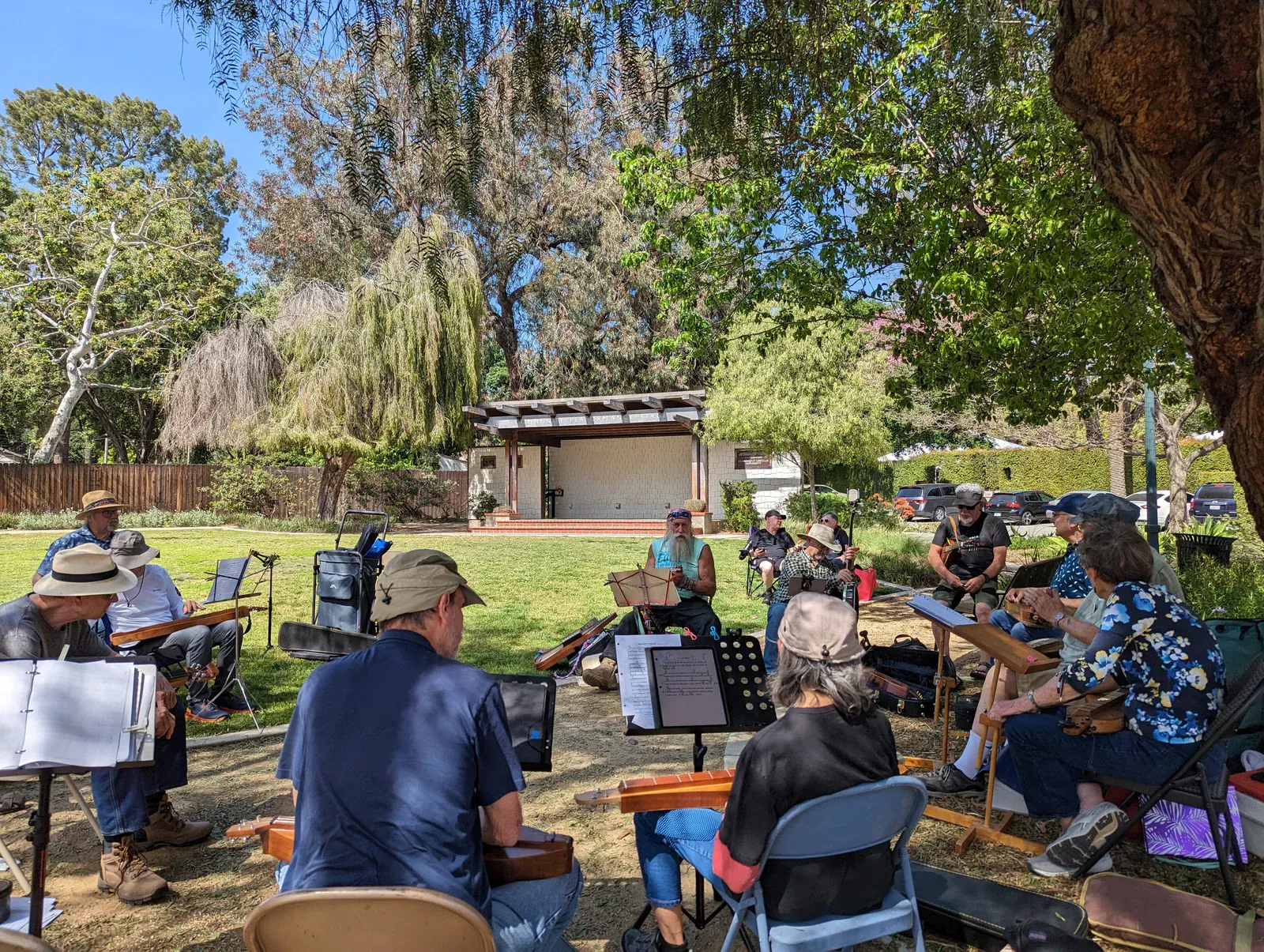
- Appalachian dulcimer
A fretted zither that Appalachian singers like Jean Ritchie brought to wider audiences.
- Uilleann pipes
Irish bellows-blown bagpipes that define the sound of bands such as the Chieftains.
- Bodhran
An Irish frame drum that became the standard percussion of Celtic folk groups.
- Tin whistle
A cheap, loud and portable flute central to Irish and Scottish session music.
- Concertina
A small bellows instrument used for English dance and sea songs.
- Autoharp
The strummed zither of the Carter Family, which made chord accompaniment simple.
Technology that shaped it
- 1877Edison phonograph
Wax cylinder recorders let collectors capture singers on location.
- 1948Long-playing record
The LP gave labels like Folkways room for full albums of songs and field recordings.
- 2008Bandcamp
The platform lets small folk artists sell directly to listeners.
Essential records
- 1940Dust Bowl Ballads
Woody Guthrie. Songs of the Dust Bowl migration make an album the form of the topical song.
- 1952Anthology of American Folk Music
Various artists (compiled by Harry Smith). Its 84 commercial records from 1927 to 1932 taught the revival generation the old repertoire.
- 1957The Weavers at Carnegie Hall
The Weavers. The 1955 comeback concert after blacklisting shows the audience was still there.
- 1958The Ballad of John Axon
Ewan MacColl and Peggy Seeger. The first Radio Ballad turns a railwayman's story into documentary song.
- 1958The Kingston Trio
The Kingston Trio. The debut album carries Tom Dooley and starts the commercial folk boom.
- 1960Joan Baez
Joan Baez. Her clear soprano and ballad repertoire make the revival a record-store item.
- 1963The Freewheelin' Bob Dylan
Bob Dylan. Original songs like Blowin' in the Wind turn the folk singer into a poet of protest.
- 1964The Chieftains
The Chieftains. The debut puts uilleann pipes and fiddle in a tight ensemble sound that later defines Irish folk bands.
- 1969Liege and Lief
Fairport Convention. It proves that traditional ballads can be played by an electric band without losing their weight.
- 1971Blue
Joni Mitchell. Open-tuned guitar and intimate lyrics define the confessional singer-songwriter record.
- 1988Tracy Chapman
Tracy Chapman. A solo acoustic debut sells millions and shows folk songwriting can top the charts.
- 2008Fleet Foxes
Fleet Foxes. Layered vocals and pastoral songs set the template for the 2000s folk revival.
Scenes
Where it happened
Where and when the sound lived: one bar per city on a shared timeline.
North America
Europe
Active scenes
Peak 6, 1965-1969
Greenwich Village coffeehouses, the Almanac Singers, Folkways and the Weavers made it the revival capital.
Club 47 and the Harvard Square scene launched Joan Baez and fed the folk boom.
The Newport Folk Festival is the revival's gathering and the place Dylan went electric in 1965.
The 1927 Bristol Sessions recorded the Carter Family and Jimmie Rodgers.
Soho clubs, Topic Records and the Singers Club made it the center of the British revival.
Pub sessions and bands like the Dubliners and the Chieftains carried Irish tradition into recording.
Laurel Canyon and the Byrds linked folk song and rock bands, and Joni Mitchell found a base there.
Compass and Americana labels make it a home for new folk and roots music.
Glossary
Terms on this page
A song printed on a single sheet and sold cheaply on the street.
A social gathering with Scottish or Irish dance and traditional music.
One of the 305 English and Scottish ballads gathered by Francis James Child in the late 19th century.
A guitar style where the thumb and fingers pluck separate strings to play bass and melody together.
The way songs change as different singers pass them on.
A folk concert or gathering where several performers share the stage and the audience joins in.
Unaccompanied, highly ornamented Irish singing in Gaelic.
A British style of the 1950s played on guitar, washboard and tea-chest bass.
A song written about a current event or political issue.
Families