Americana
Americana is contemporary American roots music that blends country, folk, blues, bluegrass, gospel, soul and rock, named as an industry category in the 1990s.
Nashville, 1995
Folk family
Born
1995
Nashville
Links
21
Genres it drew on or shaped
Tempo
100-135 BPMLineage
Family tree
Grew out of
Also shaped by
Nashville, 1995
Americana
Timeline
Era by era
From the first sparks to today. Select a dot to read the story behind it.
- Roots and the folk revival
1940 to 1964
- Folk rock and country rock
1965 to 1989
- Alt-country and the Americana format
1990 to 1999
- Industry recognition
2000 to 2009
- Mainstream crossover
2010 to today
Eras
Moments
- 1 Roots and the folk revival, 1940 to 1964
- 2 Folk rock and country rock, 1965 to 1989
- 3 Alt-country and the Americana format, 1990 to 1999
- 4 Industry recognition, 2000 to 2009
- 5 Mainstream crossover, 2010 to today
around 1940
Roots and the folk revival
Hank Williams, the Carter Family and Woody Guthrie set the template of plain-spoken American song, which the folk revival of the 1950s and early 1960s carried to a new audience.
1965
Folk rock and country rock
The Byrds, Bob Dylan and Gram Parsons plugged folk and country songs into electric bands, and cowpunk acts of the 1980s added punk energy.
- 1965The Byrds record Mr. Tambourine ManThe electric treatment of a Bob Dylan song, recorded in January 1965, sets the template for folk rock.
- 1968Music from Big PinkThe Band's debut album draws on country, gospel and rhythm and blues.
- 1968Sweetheart of the RodeoThe Byrds, with Gram Parsons in the line-up, turn to country music.
- 1969Bob Dylan's Nashville SkylineDylan records a country album in Nashville with local session players.
- 1974Grievous AngelGram Parsons's second solo album appears in January 1974, after his death in 1973.
- 1975KFAT starts in GilroyThe California station mixes country, folk, blues and honky tonk in a pattern later called the Americana radio format.
1990
Alt-country and the Americana format
Uncle Tupelo's No Depression named a movement, and radio promoters coined Americana for songwriters that Nashville radio no longer played.
- 1990Uncle Tupelo's No DepressionThe Illinois band's debut album is widely credited as the first alt-country LP.
- 1994Uncle Tupelo split, Wilco formsAfter the split, Jeff Tweedy forms Wilco while Jay Farrar forms Son Volt.
- 1994Bloodshot Records opens in ChicagoAn independent label that champions what it calls insurgent country.
- 1995Americana enters radio chartsRadio promoters adopt the word Americana for traditionally minded songwriters outside Nashville's country format.
- 1995No Depression magazine beginsA Seattle-based publication named after the Uncle Tupelo album covers alt-country and roots music.
- 1995Emmylou Harris's Wrecking BallA Daniel Lanois production that recasts a country singer with atmospheric rock arrangements.
- 1998Car Wheels on a Gravel RoadLucinda Williams's album brings her wide acclaim and a Grammy for contemporary folk.
- 1999Americana Music Association formedA trade body for artists, radio, labels and publishers.
2000
Industry recognition
The O Brother soundtrack and Raising Sand brought roots music Grammy attention, and the Americana Music Association built an awards and festival circuit.
- 2000O Brother, Where Art Thou? soundtrackT Bone Burnett's old-time and bluegrass soundtrack wins the 2002 Grammy for Album of the Year.
- 2002Wilco's Yankee Hotel FoxtrotReleased by Nonesuch after the band left its previous label.
- 2007Raising SandRobert Plant and Alison Krauss win the Grammy for Album of the Year in 2009.
2010
Mainstream crossover
Mumford and Sons, the Lumineers and Chris Stapleton took roots-flavoured songs to the pop and country charts, while the genre's definition widened to include soul and R&B.
- 2010Grammy Best Americana AlbumThe Recording Academy presents the category for the first time.
- 2013Mumford and Sons win Album of the YearBabel takes the top Grammy, a mainstream moment for banjo-led folk rock.
- 2014Ameripolitan awards foundedDale Watson starts the awards for honky tonk, outlaw, Western swing and rockabilly, which he says no longer fit country or Americana.
- 2015Chris Stapleton's TravellerA debut solo album that reaches a country and pop audience and wins the CMA Album of the Year.
Listening path
Start listening
A short path from an easy way in to the deep end. Thumbnails come from YouTube; the player loads only when you press play.
- 01
Uncle Tupelo, 1990
The title track that named alt-country; listen for the punk-fast strum under a country melody.
- 02
Lucinda Williams, 1998
A Car Wheels single; listen for the unhurried, grainy vocal over a roots-rock band.
- 03
Wilco, 2002
A song-first track from the album that took the genre toward studio experiment.
- 04
Robert Plant and Alison Krauss, 2007
The Raising Sand highlight; listen for two-voice close harmony.
- 05
Chris Stapleton, 2015
The crossover song; a soul-ballad reading of a country tune.
Facts
| Family | Folk |
| Origin | Nashville, United States |
| Emerged | 1990s formalisation of a post-1950s sound |
| Status | Active |
| Tempo | 100 to 135 BPM |
| Meter | 4/4 |
Americana is contemporary American roots music that draws on country, folk, blues, bluegrass, gospel, soul and rock and roll without belonging purely to any of them.
The word became a working category in the mid-1990s, when radio promoters needed a name for songwriters that country radio no longer played, and the Americana Music Association was formed in 1999. Its songs are lyric-led, played on acoustic and electric instruments alike, and rooted in the traditions of the American South and beyond. It sits in the folk family and shares a border with country.
Origins
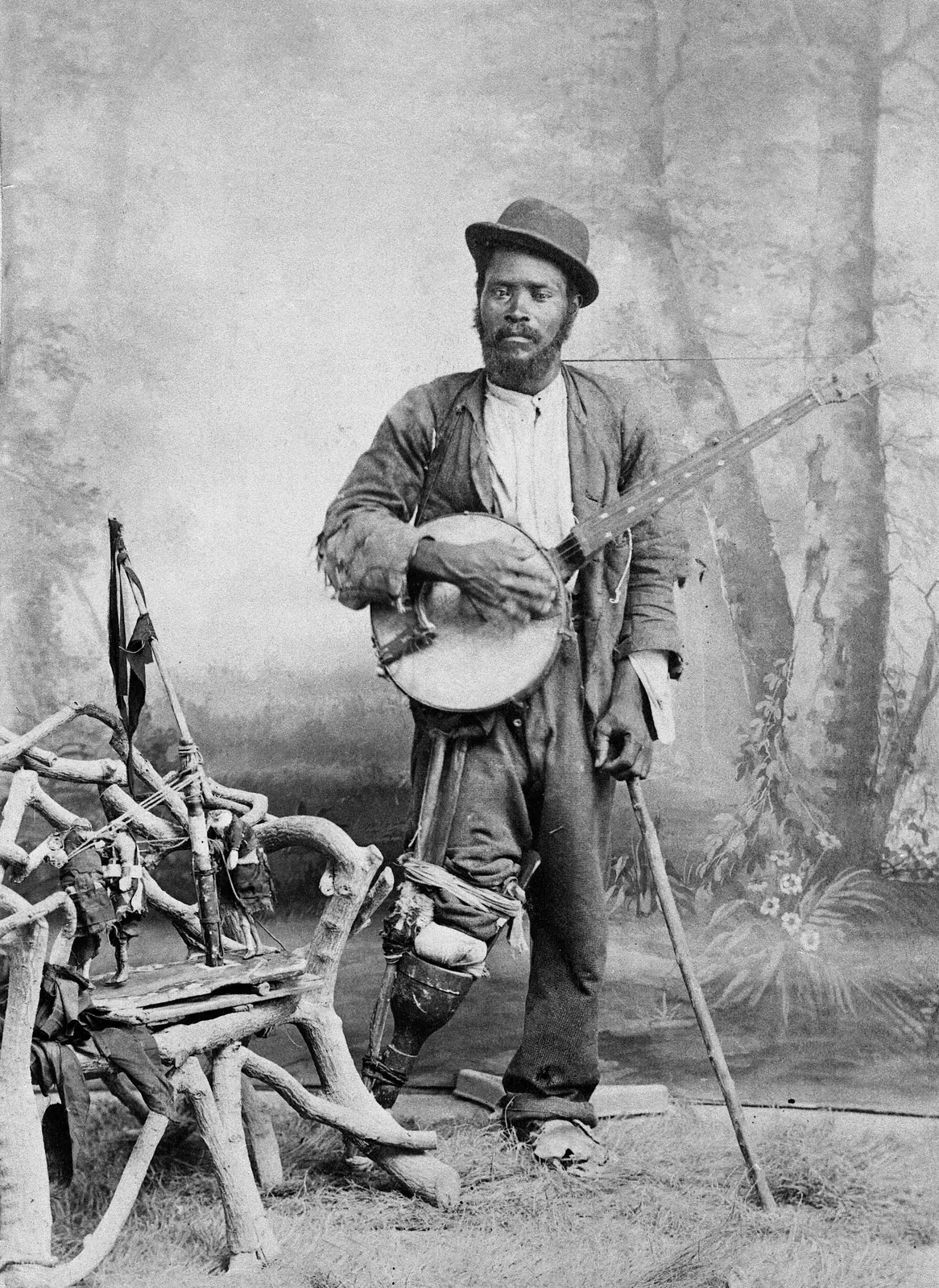
The sound existed long before the label. Hank Williams, the Carter Family and Woody Guthrie are the usual ancestors: plain-spoken songs of work, faith and loss that the folk revival of the 1950s and early 1960s carried to new listeners. The banjo, a staple of the style, has a longer story still, rooted in the music of enslaved Africans in the United States.
The label itself came from radio. A California station, KFAT in Gilroy, mixed country, folk, blues and honky tonk from 1975 to 1983, and a later weekly show on a Los Angeles college station billed a similar blend as Americana. In the mid-1990s promoters spread across Nashville, California and Texas used the word to build a market for traditional-minded songwriters such as Guy Clark, Darrell Scott and Jim Lauderdale, whose work no longer fit a country industry riding high on Garth Brooks and Shania Twain.
Folk rock and country rock, 1965-1989
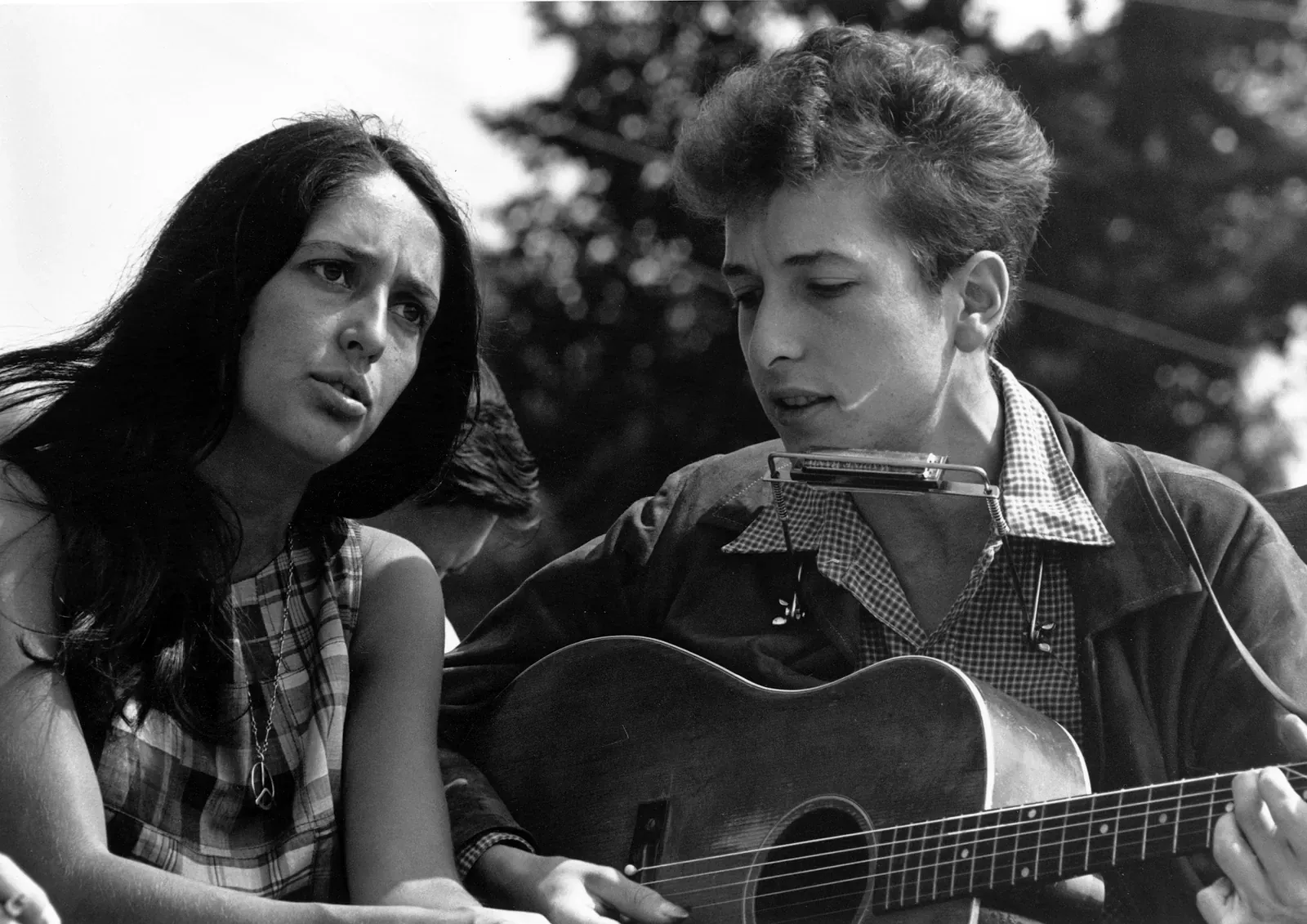
The first step was electrification. In January 1965 the Byrds recorded Bob Dylan’s Mr. Tambourine Man with a full electric band, which gave folk rock its template, and Dylan’s own set with an electric band at the Newport Folk Festival that July became a famous argument about what folk could be. In 1968 the Byrds’ Sweetheart of the Rodeo turned toward country with Gram Parsons in the line-up, and the same year The Band’s Music from Big Pink mixed country, gospel and rhythm and blues. Dylan followed with Nashville Skyline in 1969.
Parsons called his mixture Cosmic American Music and made two solo records before his death in 1973, the second of them, Grievous Angel, released in January 1974 with Emmylou Harris singing harmony. In the 1980s the cowpunk scene of Southern California and Nashville added punk speed: Jason and the Scorchers, the Long Ryders and X all pushed country forms through loud guitars.
Alt-country and the Americana format, 1990-1999
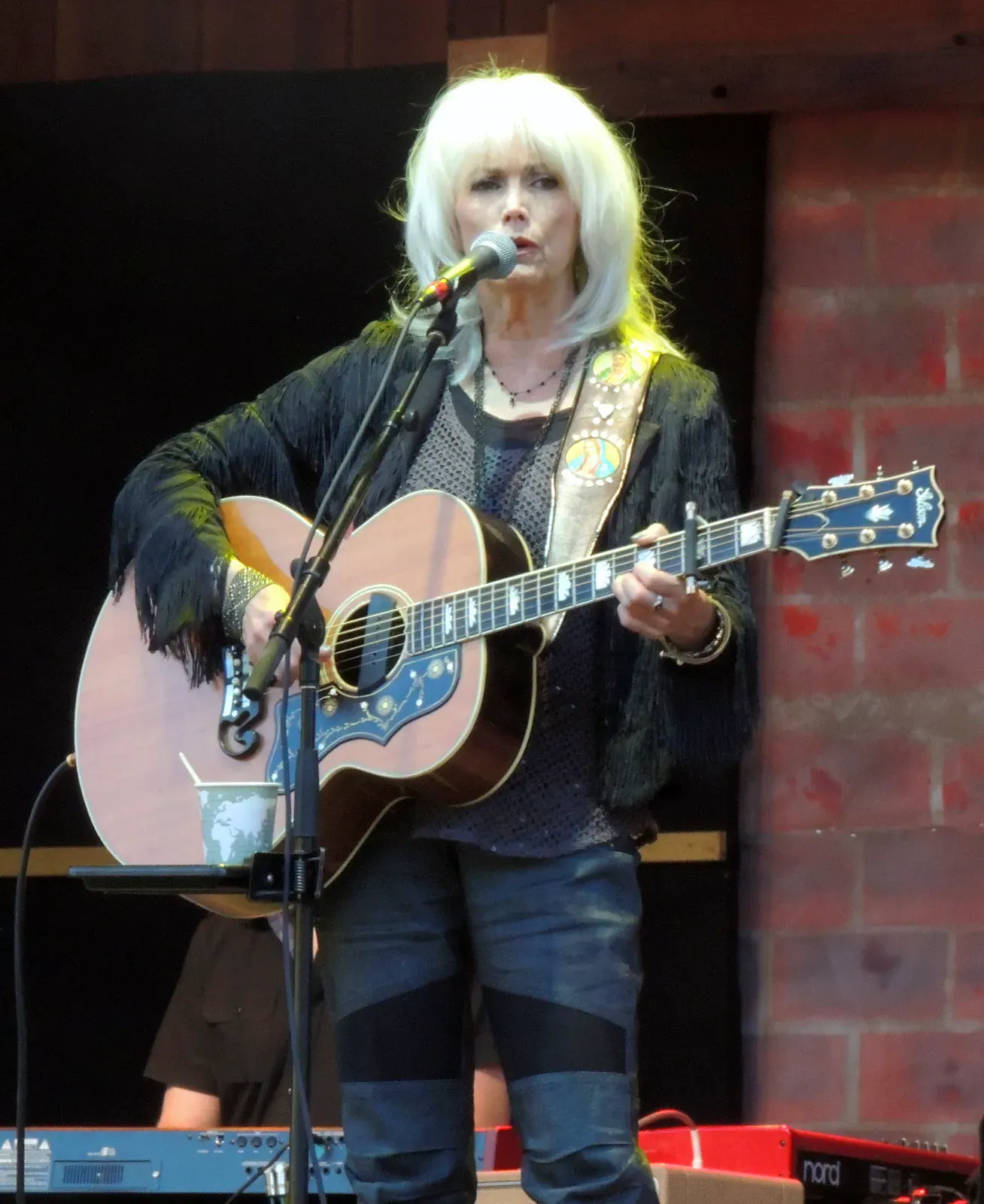
Uncle Tupelo’s debut No Depression, released in 1990 by a band from Belleville, Illinois, is widely credited as the first alt-country album. The punk-rock energy, DIY attitude and country songwriting that the cowpunk bands had sketched came together on it. The term alternative country, mirroring alternative rock, followed, and a magazine named after the album began in 1995.
When Uncle Tupelo split in 1994, Jeff Tweedy formed Wilco and Jay Farrar formed Son Volt. Chicago’s Bloodshot Records opened the same year as a home for what it called insurgent country. Emmylou Harris’s Wrecking Ball, produced by Daniel Lanois, appeared in 1995, and Lucinda Williams released Car Wheels on a Gravel Road in 1998. By 1999 a trade body, the Americana Music Association, linked artists, radio stations, labels and publishers into a recognisable industry.
Industry recognition, 2000-2009
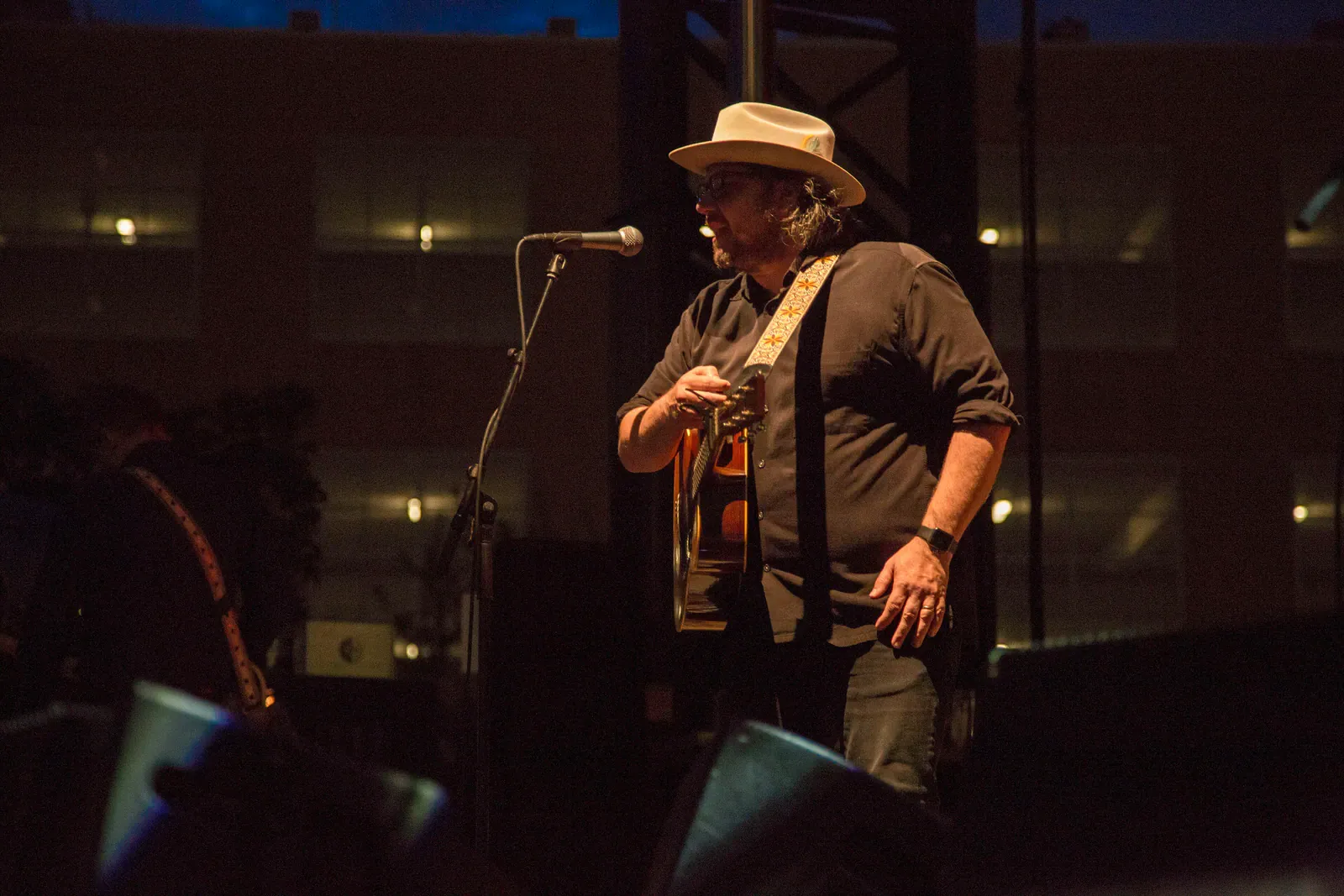
The O Brother, Where Art Thou? soundtrack arrived in 2000, produced by T Bone Burnett, and won the 2002 Grammy for Album of the Year with a programme of old-time and bluegrass songs. Wilco’s Yankee Hotel Foxtrot came out on Nonesuch in 2002 after the band left its previous label, pushing the genre toward studio experiment. In 2007 Robert Plant and Alison Krauss released Raising Sand on Rounder and won the Album of the Year Grammy in 2009. A dedicated Best Americana Album Grammy was first awarded in 2010.
Crossover, 2010 onward
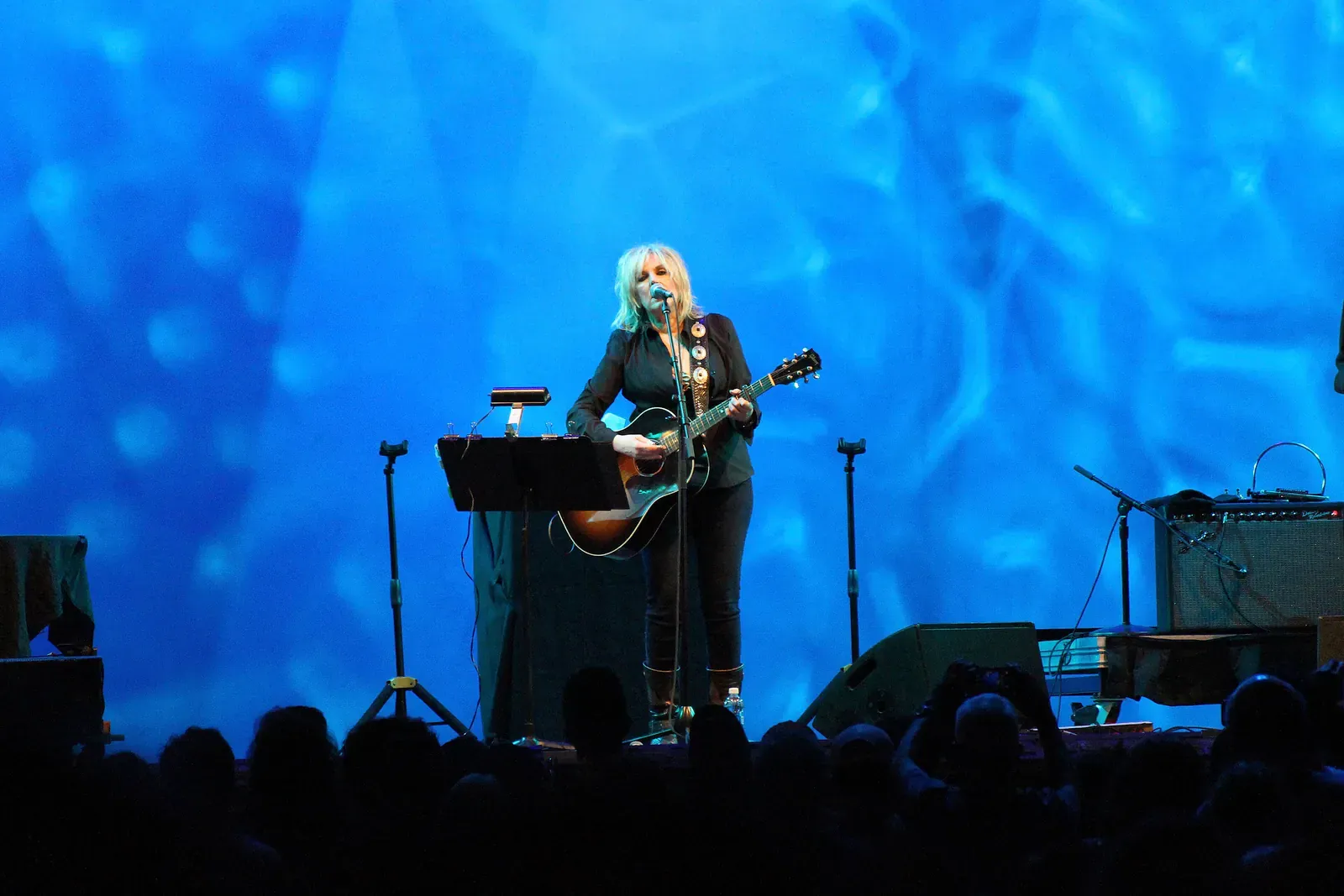
In the 2010s groups linked to the genre reached the Billboard charts. Mumford and Sons, the Lumineers and the Avett Brothers brought banjo, acoustic guitar and group singing to a pop audience, and Babel by Mumford and Sons won Album of the Year at the Grammys in 2013. Chris Stapleton’s Traveller (2015) took a blues and soul voice to the top of the country charts and won the Country Music Association’s Album of the Year, and his duet performance of Tennessee Whiskey with Justin Timberlake at that year’s CMA Awards lifted the song to a wide audience.
The definition kept moving. The Americana Music Association’s older description included rhythm and blues, and recent usage has taken in more blues, soul and R&B. European artists, especially in the Netherlands, now chart on dedicated Americana lists. In 2014 Dale Watson started the Ameripolitan awards for honky tonk, outlaw, Western swing and rockabilly, arguing those styles no longer fitted country or Americana, and a 2017 magazine feature argued that the genre faced an identity crisis over its boundaries and its diversity.
Characteristics
Americana is defined by approach rather than by one rhythm. The songwriting leans on narrative and place, the lead voices are grainy and speech-like rather than polished, and close harmony from country and bluegrass is common. The genre keeps the acoustic instruments of the roots styles but is just as likely to be played by a full electric band, a point its own trade association makes in its definition. Typical tempos sit in a moderate range, quicker than a ballad and slower than punk.
Instruments and production
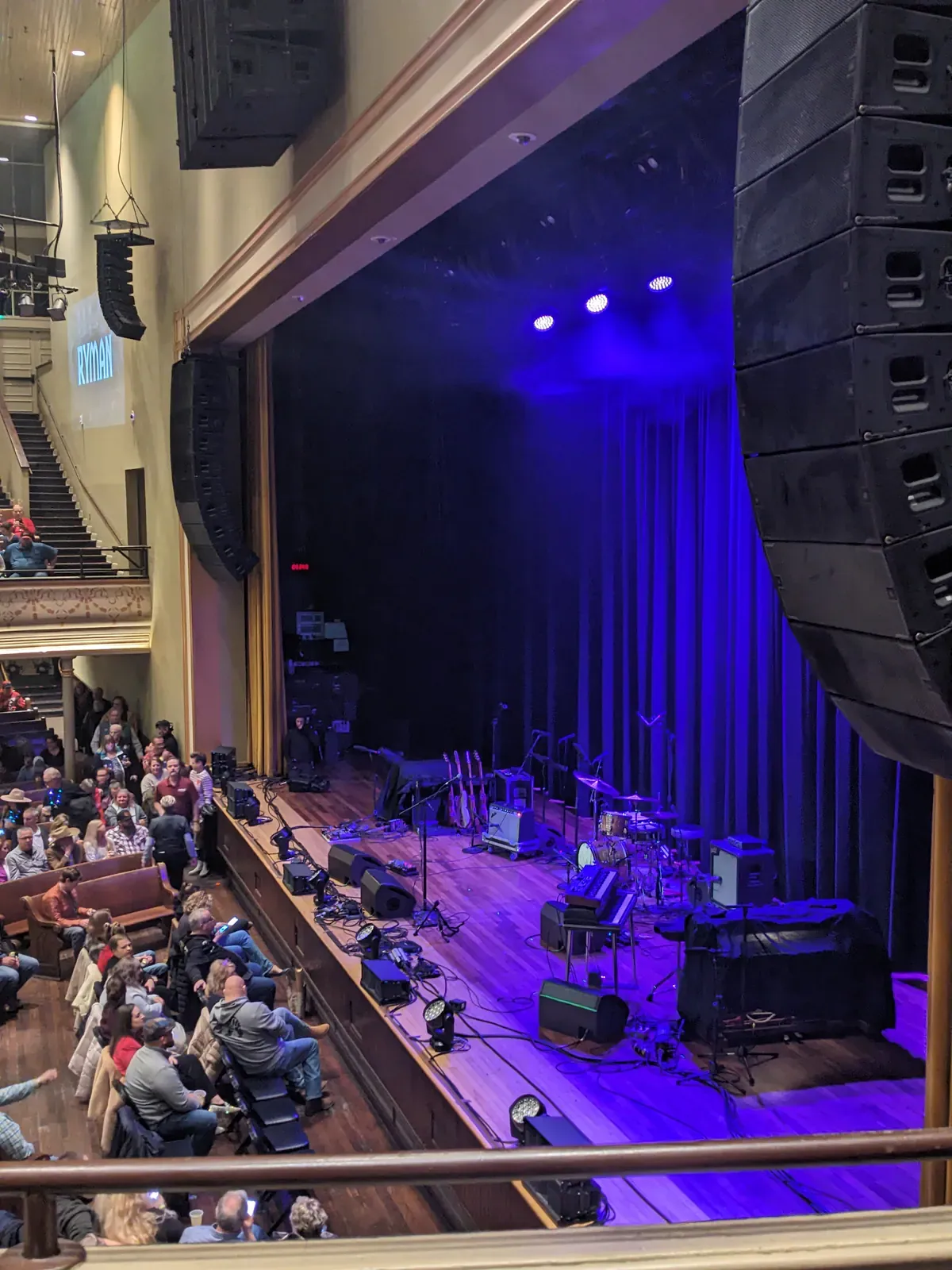
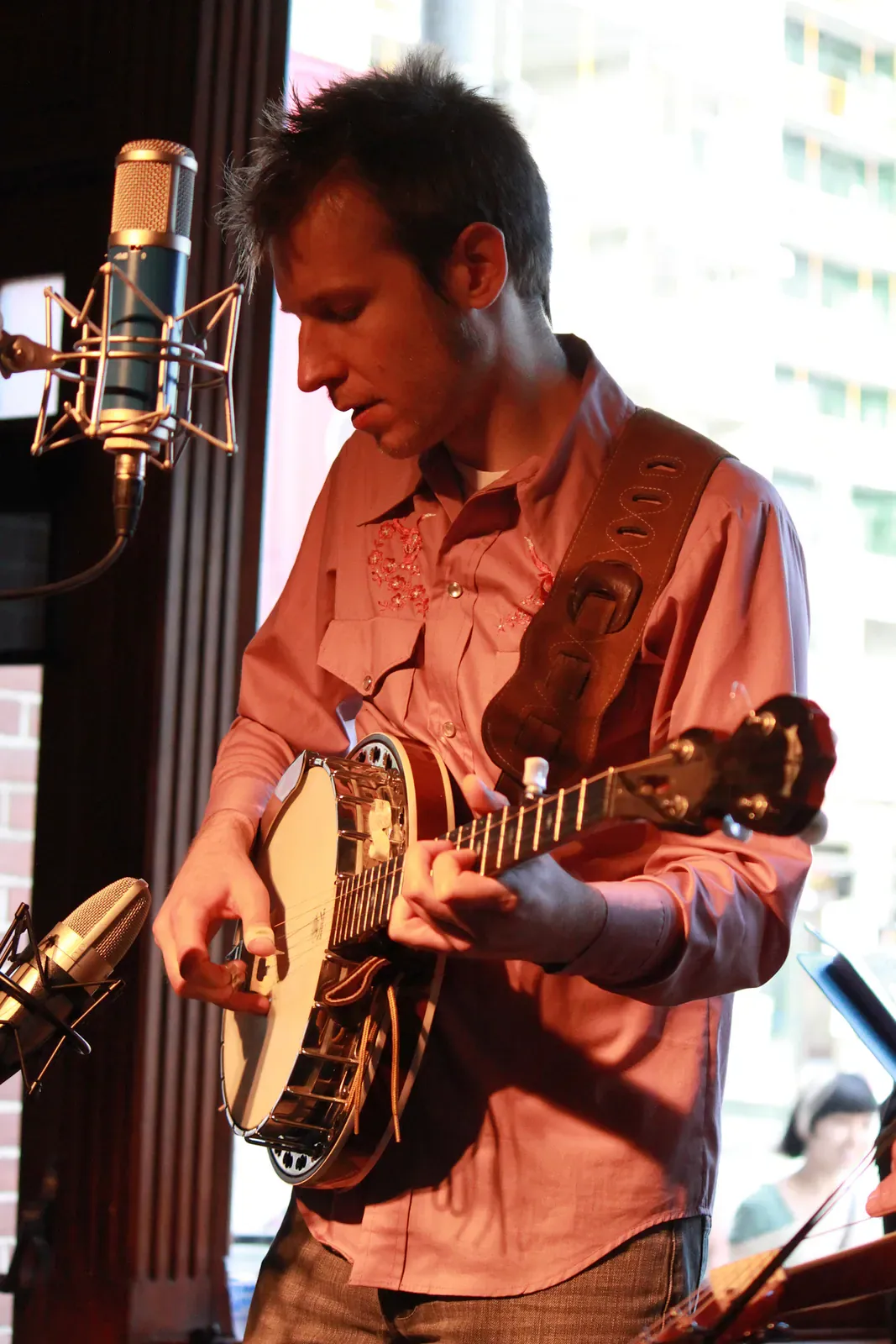
The core is guitar, banjo, fiddle, mandolin and pedal steel, mixed freely with drums and electric bass. Production tends to keep the band audible as a band: the records tied most closely to the genre’s rise were shaped by producers such as T Bone Burnett and Daniel Lanois, who favour room sound and space around the voice over studio polish.
Notable recordings
No Depression took its title from an old Carter Family gospel song, which tied a punk-era band to the oldest country repertoire. Raising Sand paired a rock singer with a bluegrass star in whispered duets and showed that roots material could carry the biggest prize in the Grammys. Car Wheels on a Gravel Road, from a singer born in Lake Charles, Louisiana, became the standard of the Southern songwriter record.
Culture
The scene runs on a circuit of small rooms and a few large halls. In Nashville the Station Inn is known for bluegrass and the Bluebird Cafe for songwriters playing in the round, where writers sit together and trade songs. Gram Parsons’s rhinestone suit on the cover of The Gilded Palace of Sin tied the music to the western fashion of Nudie tailors. Each year the Americana Music Association holds a festival and awards in Nashville.
Legacy
Americana gave artists who fit neither Nashville radio nor rock radio a shared market, a trade body and an awards category. It also shows how a genre can be named from the industry side, years after the music: the roots sound was there in the 1960s, and the label arrived in the 1990s. Wilco, Lucinda Williams, Gillian Welch and Alison Krauss are common reference points, and the genre’s reach now includes Europe.
Misconceptions
Americana is not simply country under another name. The association’s 2020 definition lists country alongside folk, blues, soul, bluegrass, gospel and rock, and the music is made by artists whose records may never fit a country station. It is also not necessarily acoustic: the same definition says acoustic instruments are often present but a full electric band is common. Nor is it purely old or purely American: its roots run back decades before the 1990s label, and artists from the Netherlands and elsewhere now work in it.
Frequently asked questions
What is Americana music?
Americana is American roots music that blends country, folk, blues, bluegrass, gospel, soul and rock. It is defined by songwriting and a roots feel more than by one sound.
What is the difference between Americana and country?
Mainstream country is a commercial radio format built around polished production. Americana draws on a wider set of roots styles and is often made outside that format, though the two overlap and many artists cross between them.
When did Americana become a genre?
The word became a category in the mid-1990s through radio promoters, and the Americana Music Association formed in 1999. The music itself traces to folk rock and country rock of the 1960s and the alt-country of 1990.
Who are the key Americana artists?
Gram Parsons, Uncle Tupelo, Lucinda Williams, Wilco and Alison Krauss are widely cited, with Emmylou Harris, Gillian Welch and Chris Stapleton close behind.
Sound
Sound sheet
Anatomy of a track
| # | Part | Bars |
|---|---|---|
| 1 | Intro (guitar or riff) | 4 |
| 2 | Verse | 16 |
| 3 | Chorus | 8 |
| 4 | Instrumental break | 8 |
Signature sounds
- Acoustic and electric instruments in one band
- Pedal steel, fiddle or banjo colouring
- Close two-part harmony
- Narrative songwriting led by the lyric
Drums and percussion
- Drum kit
Techniques
- Fingerpicked acoustic guitar
- Close harmony singing
- Pedal steel fills
- Plain-spoken narrative lyrics
Keys and modes
Major and minor pentatonic. Common melodic basis shared by country, blues and folk songs.
Vocals
Grainy, speech-like lead voices, often doubled by close harmony, from country twang to rock rasp.
Scenes
Where it happened
Where and when the sound lived: one bar per city on a shared timeline.
North America
Active scenes
Peak 3, 1994-2025
Home of the Byrds and the country-rock circle around Gram Parsons.
Texas songwriter and honky-tonk hub with a long roots-music club life.
Illinois town where Uncle Tupelo formed and where alt-country took shape.
Base of Bloodshot Records and Wilco.
Headquarters of the Americana Music Association and its yearly festival.
Venues and places
Nashville, 1892 to today. Historic hall used for the Americana Honors and Awards.
Nashville, 1974 to today. Small club known for bluegrass and acoustic music.
Nashville, 1982 to today. Listening room famed for songwriters in the round.
Austin, 1975 to today. Austin blues club on the roots-music circuit.
Culture
Culture markers
- Nudie suits
Rhinestone western suits, worn by Gram Parsons on the cover of The Gilded Palace of Sin.
Fashion - Songwriters in the round
Writers sit together and trade songs, a Nashville listening-room format.
Ritual - Cosmic American Music
Parsons's phrase for his country-soul-rock hybrid.
Slang
Media
Key media
- 1975KFAT
by Gilroy, California. Early station whose mixed format anticipated Americana radio.
Radio - 1995No Depression
by Grant Alden and Peter Blackstock. Magazine that covered alt-country and roots artists.
Zine - 2000O Brother, Where Art Thou?
by Various. Soundtrack that sent old-time music to the top of the charts.
Compilation
Glossary
Terms on this page
Country-rooted music made outside Nashville's commercial mainstream, often with punk or rock energy.
Dale Watson's term for traditional honky tonk, outlaw, Western swing and rockabilly.
Gram Parsons's name for his blend of country, soul, folk and rock.
Barroom country style with steel guitar and fiddle.
A label used by Bloodshot Records for rowdy, punk-inflected country.
Rock that draws directly on country, blues and folk forms.
Folk family