R&B, Soul & Funk
R&B, soul and funk: the African-American popular music family that grew from 1940s rhythm and blues into a 64-genre lineage of labels, studios and machines.
64 genres
Since 1947
Genres
64
In this family
Branches
5
Main subgenres
Since
1947
New York City
Timeline
Era by era
From the first sparks to today. Select a dot to read the story behind it.
- Jump blues and the R&B label
1942 to 1953
- Gospel crosses into the secular
1954 to 1964
- Classic soul and the birth of funk
1965 to 1974
- Philly soul, disco and P-Funk
1975 to 1982
- Synthesizers, new jack swing and neo-soul
1983 to 1999
- Pop crossover and the streaming era
2000 to today
Eras
Moments
- 1 Jump blues and the R&B label, 1942 to 1953
- 2 Gospel crosses into the secular, 1954 to 1964
- 3 Classic soul and the birth of funk, 1965 to 1974
- 4 Philly soul, disco and P-Funk, 1975 to 1982
- 5 Synthesizers, new jack swing and neo-soul, 1983 to 1999
- 6 Pop crossover and the streaming era, 2000 to today
1942
Jump blues and the R&B label
Small combos such as Louis Jordan's Tympany Five turn blues and swing into dance-floor singles. Billboard replaces "race records" with "Rhythm & Blues" in 1949 and indie labels like Atlantic and Chess take root.
- 1946Louis Jordan releases Choo Choo Ch'BoogieA jump blues single that tops the R&B chart for weeks and becomes a template for rock and roll.
- 1947Atlantic Records is founded in New YorkAhmet Ertegun and Herb Abramson start the label that will define soul and sign Ray Charles and Aretha Franklin.
- 1949Billboard renames its race chart "Rhythm & Blues"Jerry Wexler, then a Billboard reporter, coins the term that gives the genre its name.
- 1950Leonard and Phil Chess rename Aristocrat as ChessThe Chicago label records blues, R&B and early rock and roll through the 1950s.
1954
Gospel crosses into the secular
Ray Charles and Sam Cooke bring church vocals to love songs. Motown opens in Detroit in 1959 and Stax in Memphis, giving soul two rival factories.
- 1954Ray Charles records I Got a WomanHe adapts a gospel tune into a secular hit, a key moment in the birth of soul.
- 1957Sam Cooke scores with You Send MeA former gospel star proves a smooth soul voice can top both pop and R&B charts.
- 1957Stax starts life as Satellite Records in MemphisJim Stewart and Estelle Axton open the label, renamed Stax in 1961.
- 1959Berry Gordy founds Tamla in DetroitMotown Record Corporation follows in 1960 and builds a hit-making assembly line.
- 1964The Supremes top the charts with Where Did Our Love GoThe first of five straight number-one pop singles for the Motown trio.
- 1964A Change Is Gonna Come is released after Sam Cooke's deathCooke died in December 1964; the song becomes a civil rights anthem.
1965
Classic soul and the birth of funk
Aretha Franklin, Otis Redding and Marvin Gaye define soul while James Brown and Sly Stone push rhythm toward funk. Albums replace singles as the artist's statement.
- 1965Otis Redding releases Otis BlueThe Stax singer's breakthrough album mixes originals and covers of Sam Cooke and the Rolling Stones.
- 1967James Brown records Cold SweatWith the emphasis shifted to the first beat of the bar, it is often called the first funk record.
- 1967Aretha Franklin records RespectHer version of Otis Redding's song adds a spelled-out chorus and becomes a feminist anthem.
- 1967Otis Redding dies in a plane crashHe was 26; "(Sittin' On) The Dock of the Bay" is released posthumously in early 1968.
- 1968Sly and the Family Stone release Dance to the MusicA racially and sexually mixed band blends soul, rock and psychedelia into a funk-pop hybrid.
- 1971Marvin Gaye releases What's Going OnA concept album on war, poverty and the environment; Motown resisted it, then sold millions.
- 1971Gamble and Huff launch Philadelphia InternationalThe label turns lush orchestral Philly soul into a national sound.
- 1972Wattstax draws a huge crowd to the Los Angeles ColiseumStax Records stages a benefit concert for Watts, often described as "Black Woodstock".
- 1972Stevie Wonder releases Talking BookA run of self-produced albums follows, with synthesizers and clavinet at the center.
1975
Philly soul, disco and P-Funk
Orchestral Philadelphia soul feeds disco, Parliament-Funkadelic builds a funk mythology, and radio's quiet storm format makes slow jams a staple.
- 1975Stax files for bankruptcyThe Memphis label collapses after losing distribution and financing.
- 1975Parliament releases Mothership ConnectionGeorge Clinton's space-funk persona and Bootsy Collins' bass lines set the P-Funk template.
- 1982Michael Jackson releases ThrillerThe best-selling album ever, built on R&B rhythm sections and Quincy Jones' production.
1983
Synthesizers, new jack swing and neo-soul
Drum machines and keyboards reshape the sound. Prince and Michael Jackson dominate pop, Teddy Riley merges swing with hip-hop beats, and D'Angelo and Erykah Badu revive live-band soul.
- 1984Prince releases Purple RainA Minneapolis funk-rock-R&B blend that fuses film, album and stage show.
- 1988Teddy Riley's group Guy releases its debutNew jack swing joins swung drum-machine beats and hip-hop attitude to R&B singing.
- 1992Mary J. Blige releases What's the 411?Hip-hop soul puts a gospel-trained singer over hard drum loops.
- 1995D'Angelo releases Brown SugarLive-band, 1970s-minded soul helps launch the neo-soul movement.
2000
Pop crossover and the streaming era
Beyonce turns R&B into arena pop, Auto-Tune and trap production blur genre lines, and alternative R&B spreads through mixtapes and streaming from 2011.
- 2003Beyonce releases Dangerously in LoveCrazy in Love opens a solo career that turns R&B into global stadium pop.
- 2024Beyonce releases Cowboy CarterIt becomes the first album by a Black woman to top Billboard's country albums chart.
Roots
Roots and offspring
Facts
| Genres in the family | 64 |
| Main branches | 4 |
| Emerged | 1940s |
| Key places | New York City, Chicago, New Orleans, Detroit |
| Tempo | 70 to 165 BPM |
R&B, soul and funk make up the African-American popular music lineage that runs from 1940s rhythm and blues through soul and funk to today’s contemporary R&B.
It took shape in US cities such as New York, Chicago, Detroit and Memphis, and its gospel-trained voices, backbeat and groove-first rhythm sections sit under most popular music since. The family holds 64 genres and dates from 1947.
Jump blues and the R&B label, 1942-1953
The story starts with small bands that wanted to be heard over a dance floor. Louis Jordan and his Tympany Five squeezed swing into short, funny, danceable records, and “Choo Choo Ch’Boogie” (1946) made him the model for what came next. In 1949 Billboard dropped its “race records” category and renamed the chart “Rhythm & Blues”. The reporter Jerry Wexler is usually credited with the new name, and he later produced Aretha Franklin at Atlantic.
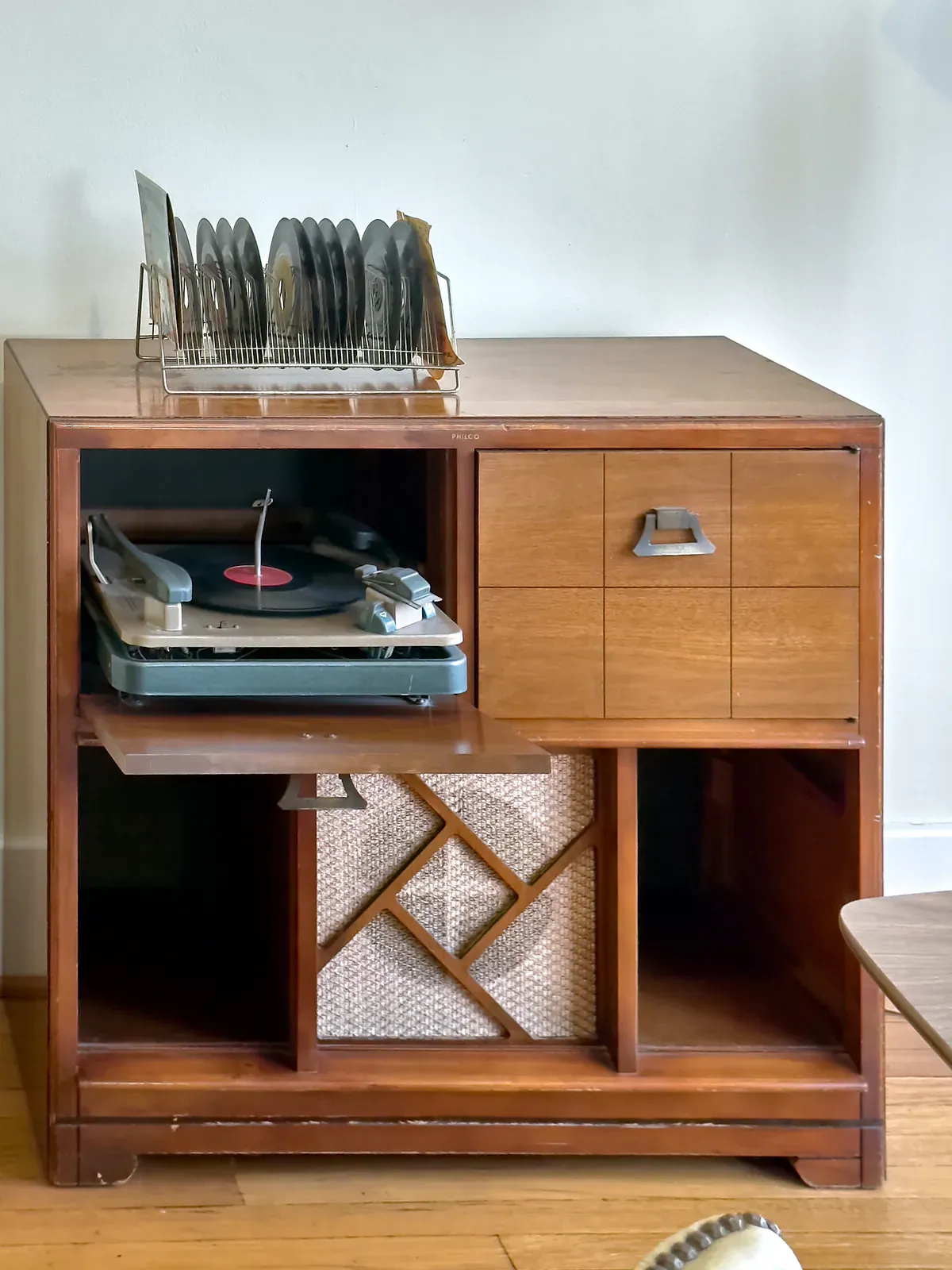
The cause was money. Major labels had underserved Black buyers, so independents moved in: Atlantic in New York (founded 1947), Chess in Chicago (renamed from Aristocrat in 1950) and King in Cincinnati. RCA’s cheap 45 rpm single, launched in 1949, and the jukebox then carried those records into bars, barbershops and homes. Vee-Jay, founded in Gary, Indiana, in 1953 by Vivian Carter and Jimmy Bracken, grew into one of the leading Black-owned independents.
Gospel crosses into the secular, 1954-1964
In 1954 Ray Charles cut “I Got a Woman” for Atlantic, wedding church-style call and response to a secular lyric. Sam Cooke, a gospel star with the Soul Stirrers, followed with the pop-friendly “You Send Me” (1957). The shift mattered because it changed who a singer could be: a voice trained in a congregation could now sell love songs. Cooke’s “A Change Is Gonna Come” was recorded on 30 January 1964 at RCA in Hollywood after he heard Bob Dylan’s “Blowin’ in the Wind” and was turned away from a Shreveport motel. It reached the shops on 22 December 1964, eleven days after his death.
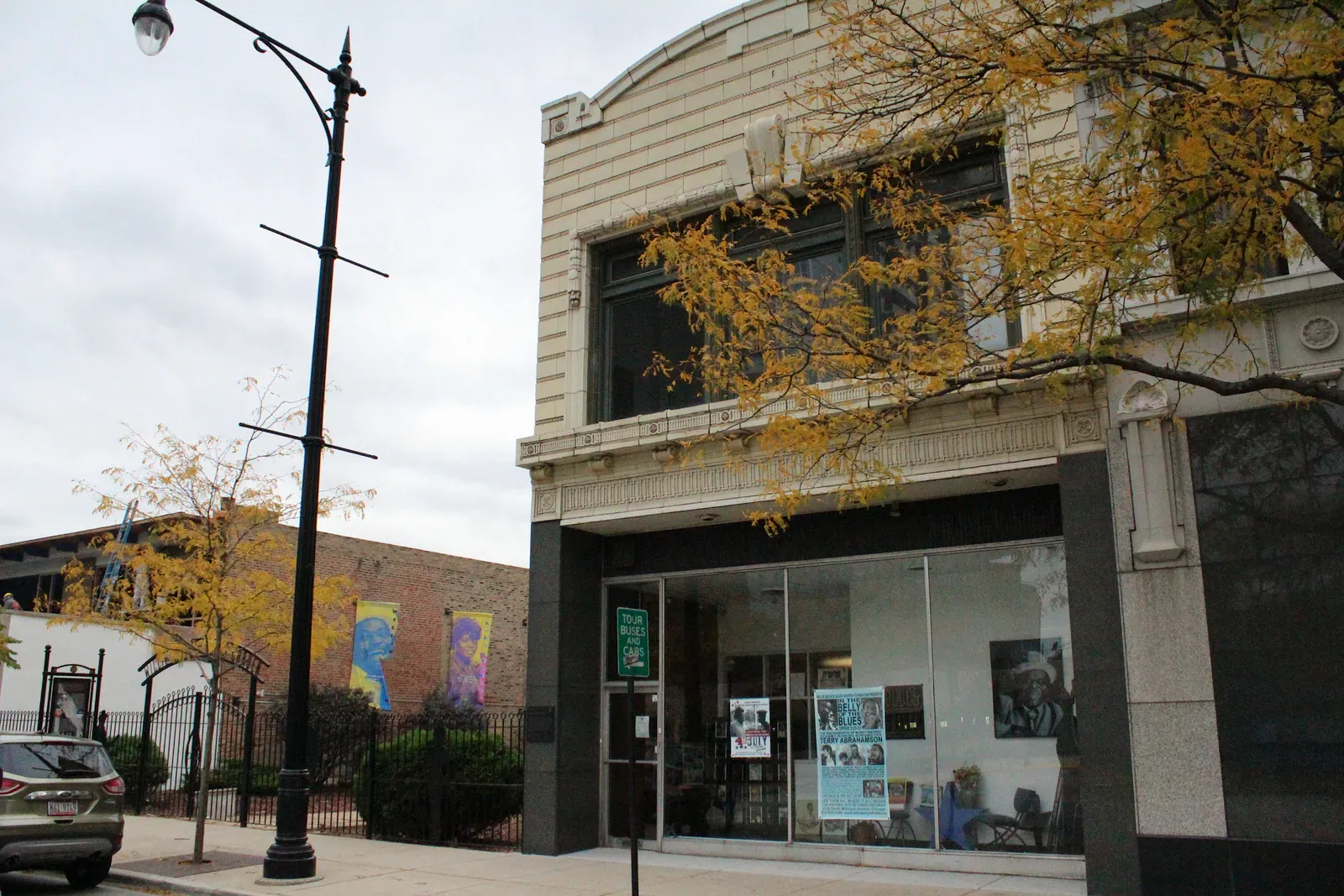
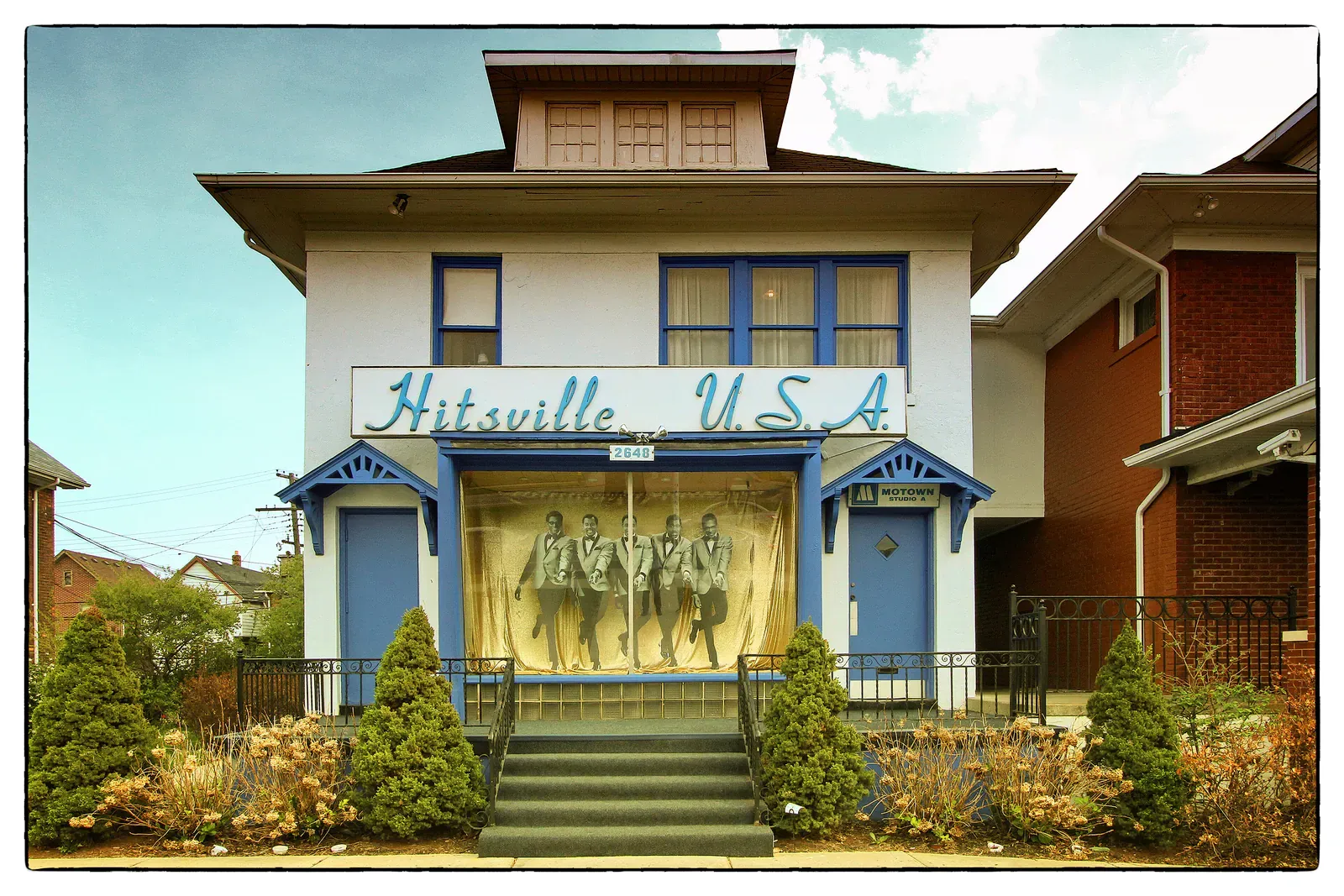
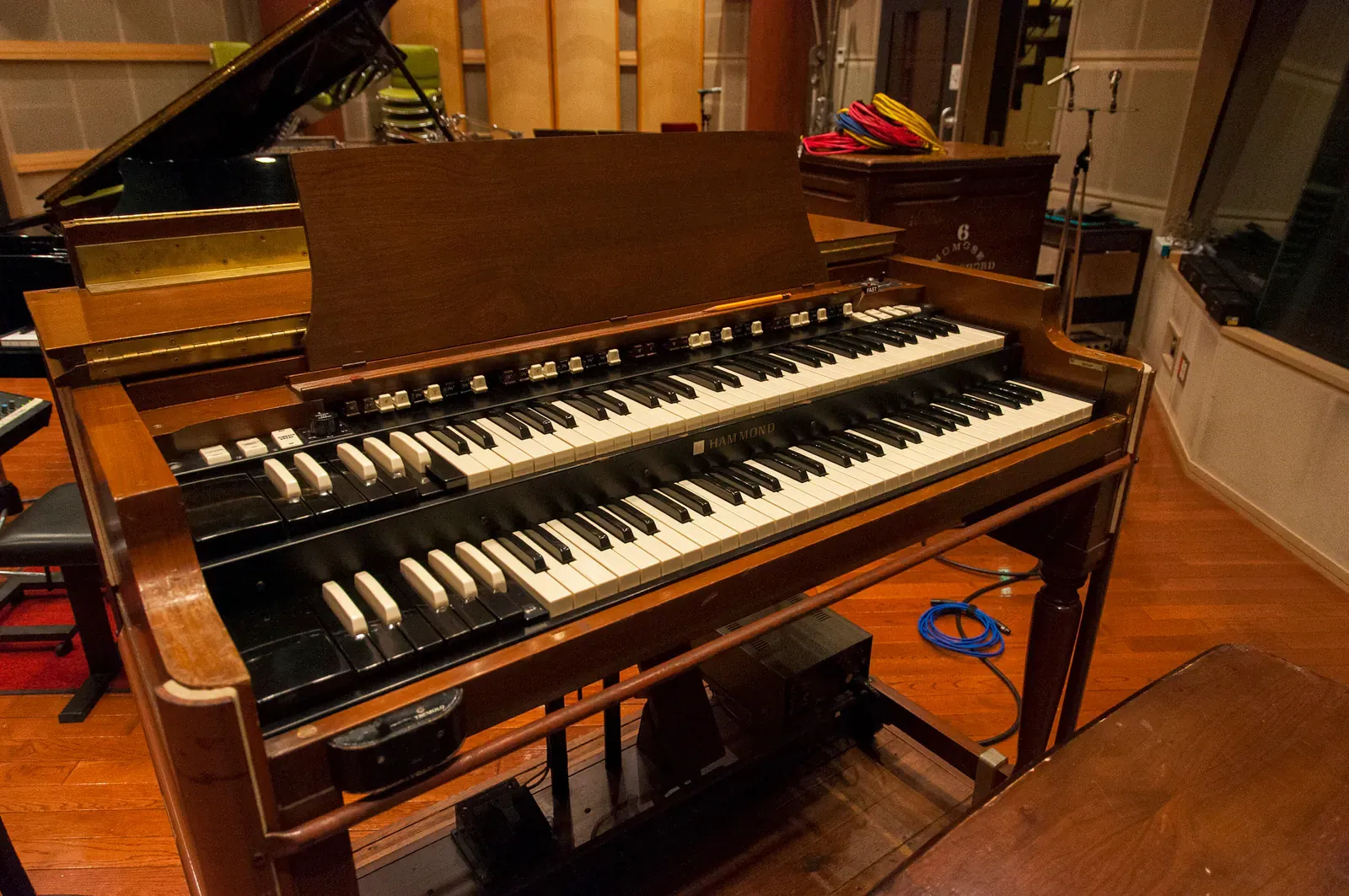
Detroit and Memphis then built two competing factories. Berry Gordy founded Tamla on 12 January 1959 with an $800 family loan and set up at 2648 West Grand Boulevard, soon called Hitsville U.S.A. Motown groomed its artists in etiquette and choreography, and its house band, the Funk Brothers, anchored hits like the Supremes’ “Where Did Our Love Go” (1964). Meanwhile Jim Stewart and Estelle Axton were building what became Stax in Memphis. Their house band, Booker T. & the M.G.’s, was racially integrated and had a number one R&B hit in 1962 with “Green Onions”. The Hammond organ, long heard in church services, moved into soul combos.
Classic soul and the birth of funk, 1965-1974
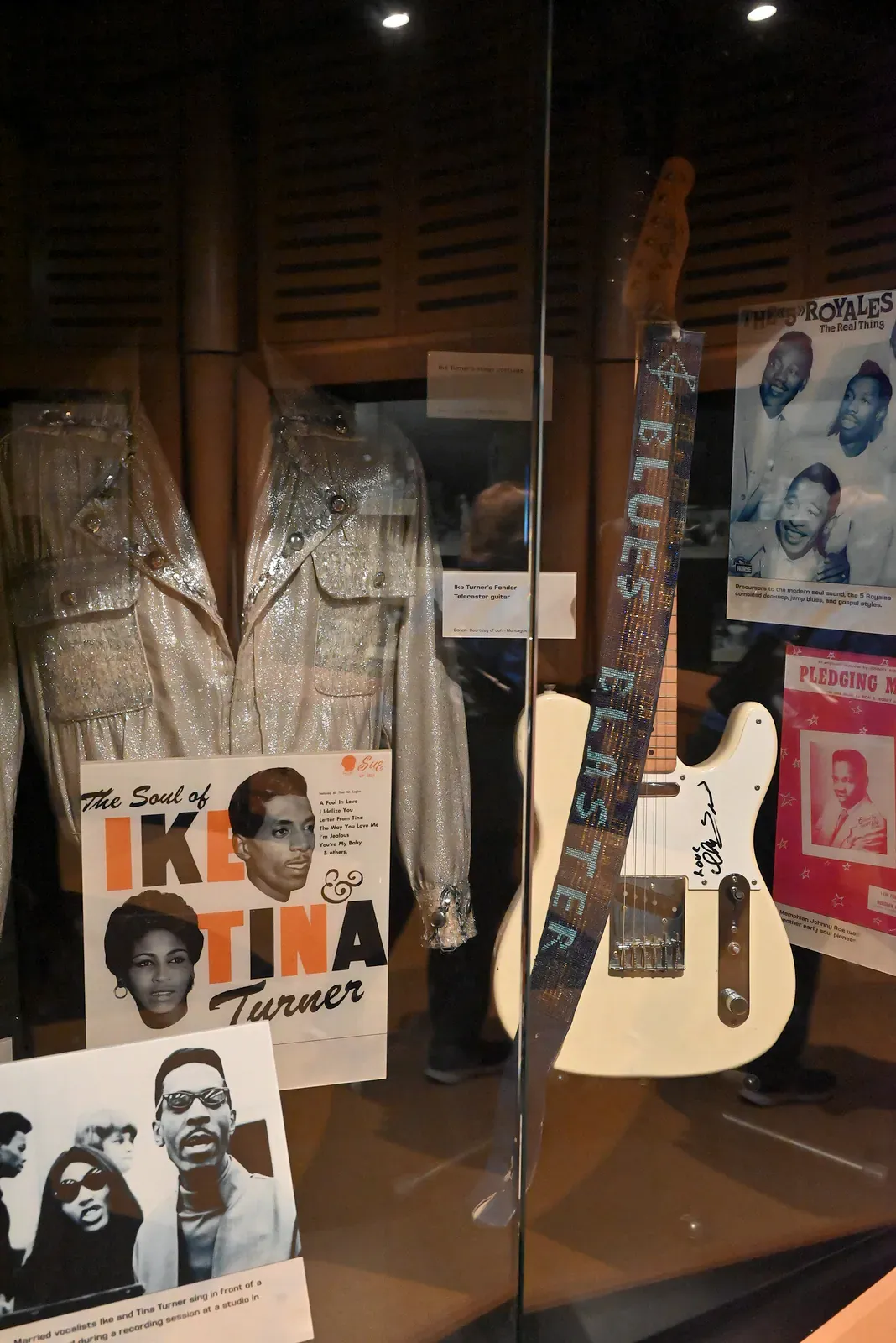
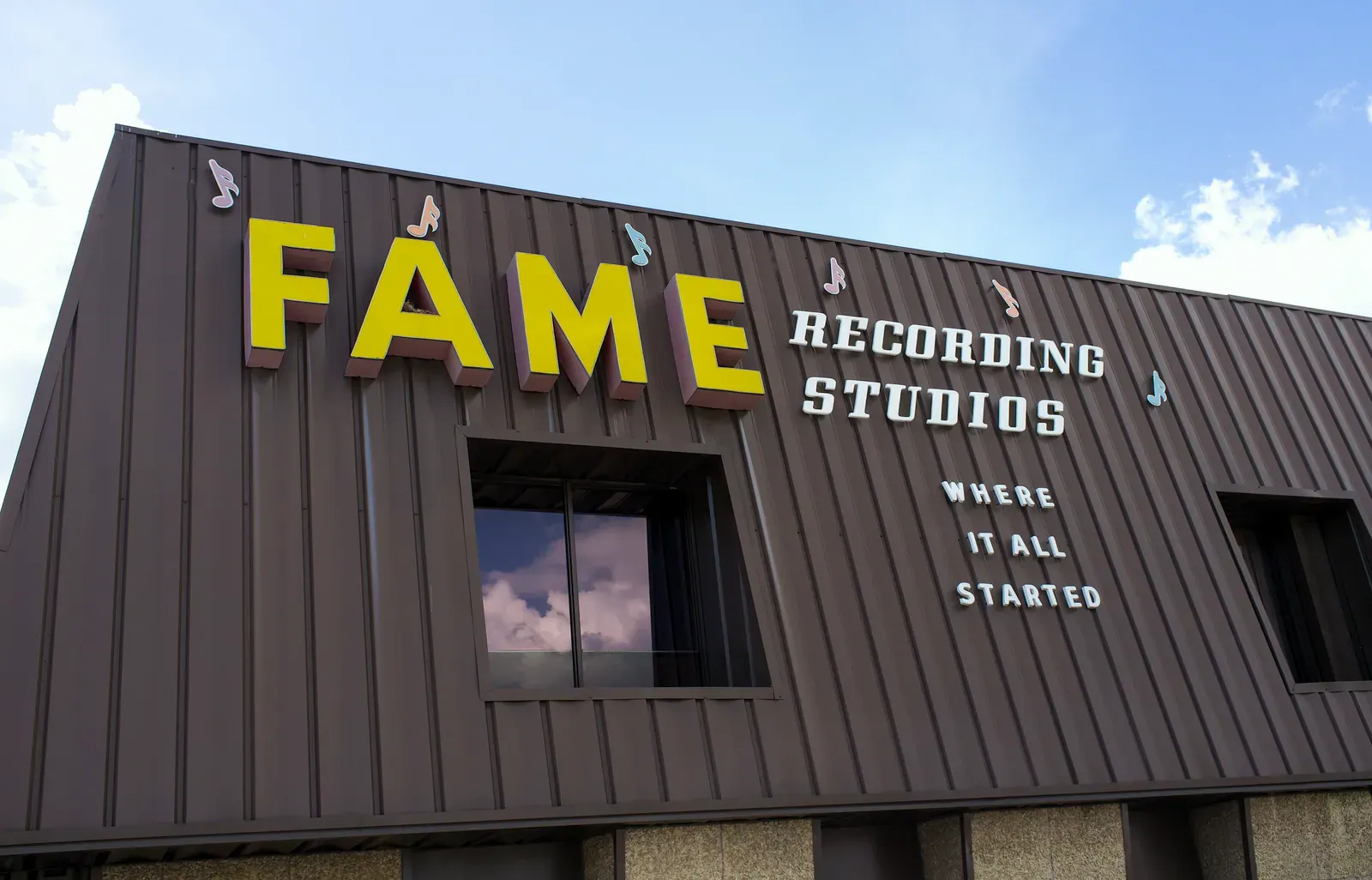
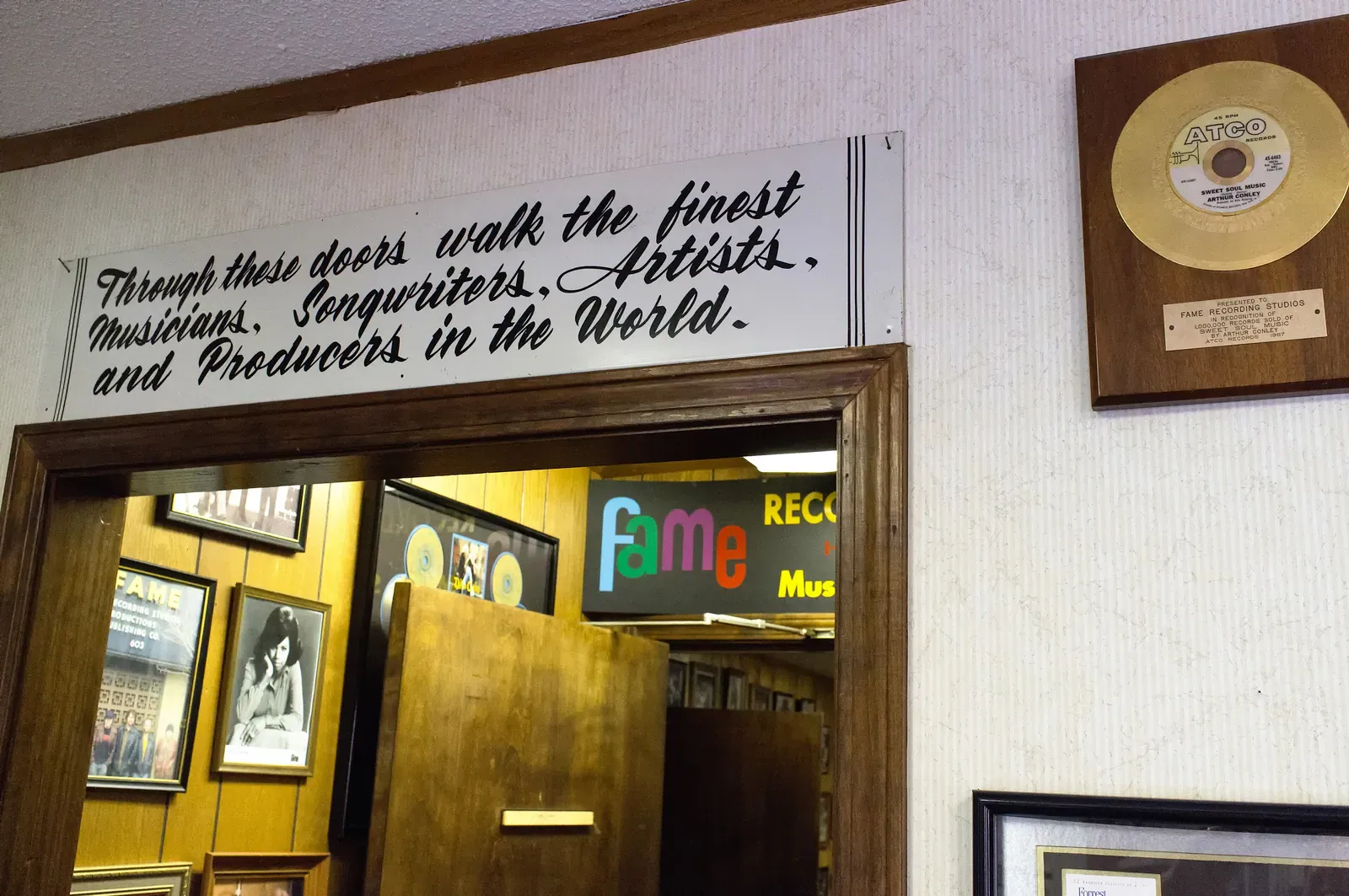
This is the peak of the singles era, and it ends with the album as the artist’s statement. Otis Redding’s “Otis Blue” (1965) came out of Stax, and Sam & Dave’s “Soul Man” followed in 1967. Redding died in a plane crash on 10 December 1967, and Stax then lost its early masters when Atlantic kept the recordings it had distributed. Aretha Franklin’s breakthrough album, “I Never Loved a Man the Way I Love You”, began in January 1967 at FAME Studios in Muscle Shoals, Alabama. After an altercation in the studio, Jerry Wexler moved the sessions to New York. The album came out on 10 March 1967 and its single “Respect” hit number one on the Hot 100.
Meanwhile rhythm was changing. James Brown’s “Cold Sweat” (1967, King) and Sly and the Family Stone’s “Dance to the Music” (1968) pushed groove ahead of melody and opened the road to funk. By 1971 the music had found a social voice. Marvin Gaye’s “What’s Going On” asked about war and poverty, and Stevie Wonder’s “Talking Book” (1972) kept that album-length ambition going at Motown. Stax answered with Isaac Hayes’s “Hot Buttered Soul” (1969) and Wattstax, a concert at the Los Angeles Coliseum on 20 August 1972 that drew more than 100,000 people.
Philly soul, disco and P-Funk, 1975-1982
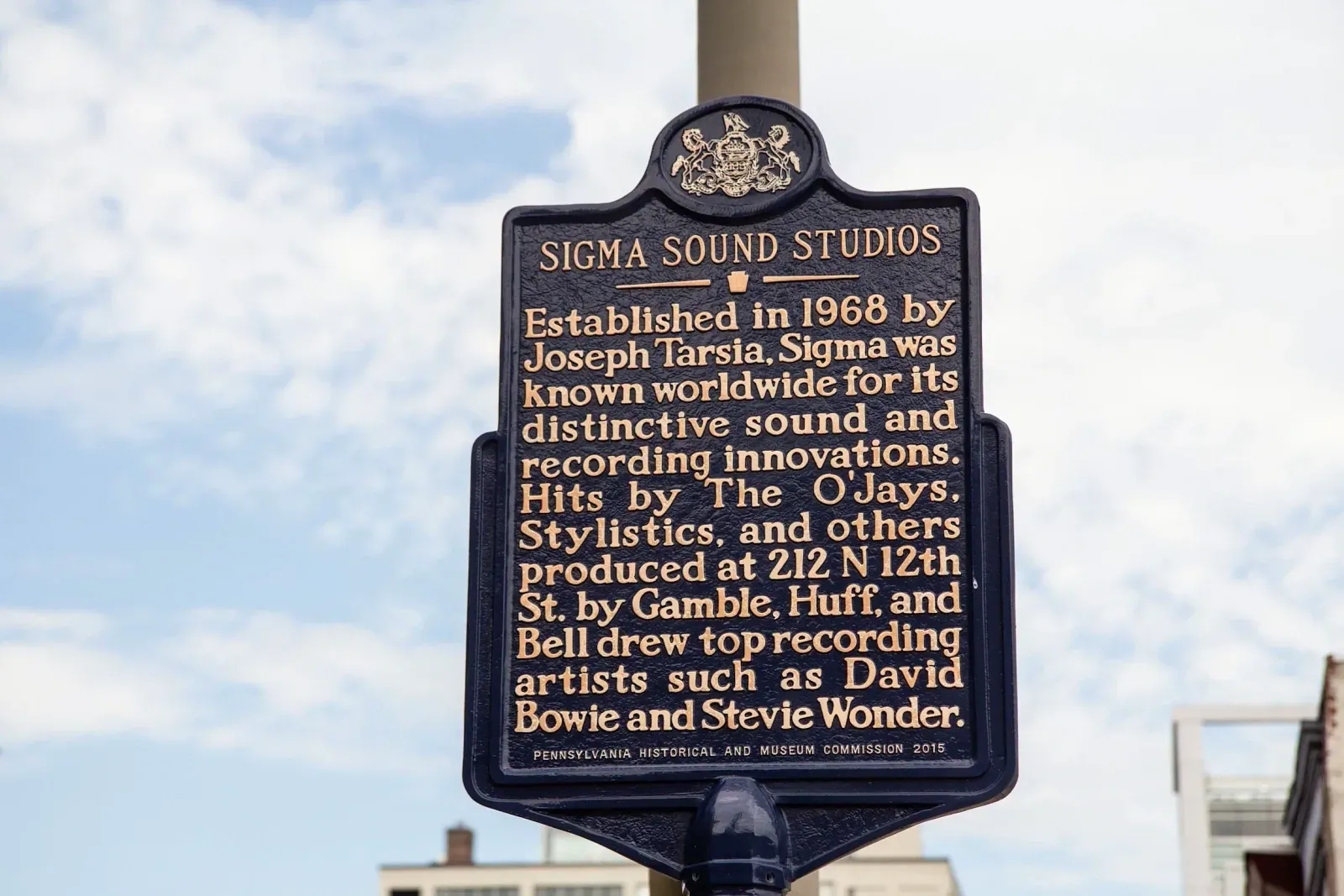
In Philadelphia, Kenneth Gamble and Leon Huff launched Philadelphia International in 1971 and recorded much of it at Sigma Sound Studios with the MFSB house band. Their strings, bass and drums, heard on the O’Jays’ “Back Stabbers” (1972) and MFSB’s “TSOP (The Sound of Philadelphia)” (1974), fed straight into disco. Read more at Philadelphia International Records.
Funk grew stranger and bigger. George Clinton’s Parliament released “Mothership Connection” in 1975, turning the groove into a science-fiction stage show. Stevie Wonder’s “Songs in the Key of Life” followed in 1976. The same year Melvin Lindsey, a Howard University student, started a late-night slow-jam format on Washington’s WHUR-FM, named after Smokey Robinson’s 1975 album “A Quiet Storm”. Stations across the country copied it, and the format peaked in the 1980s.
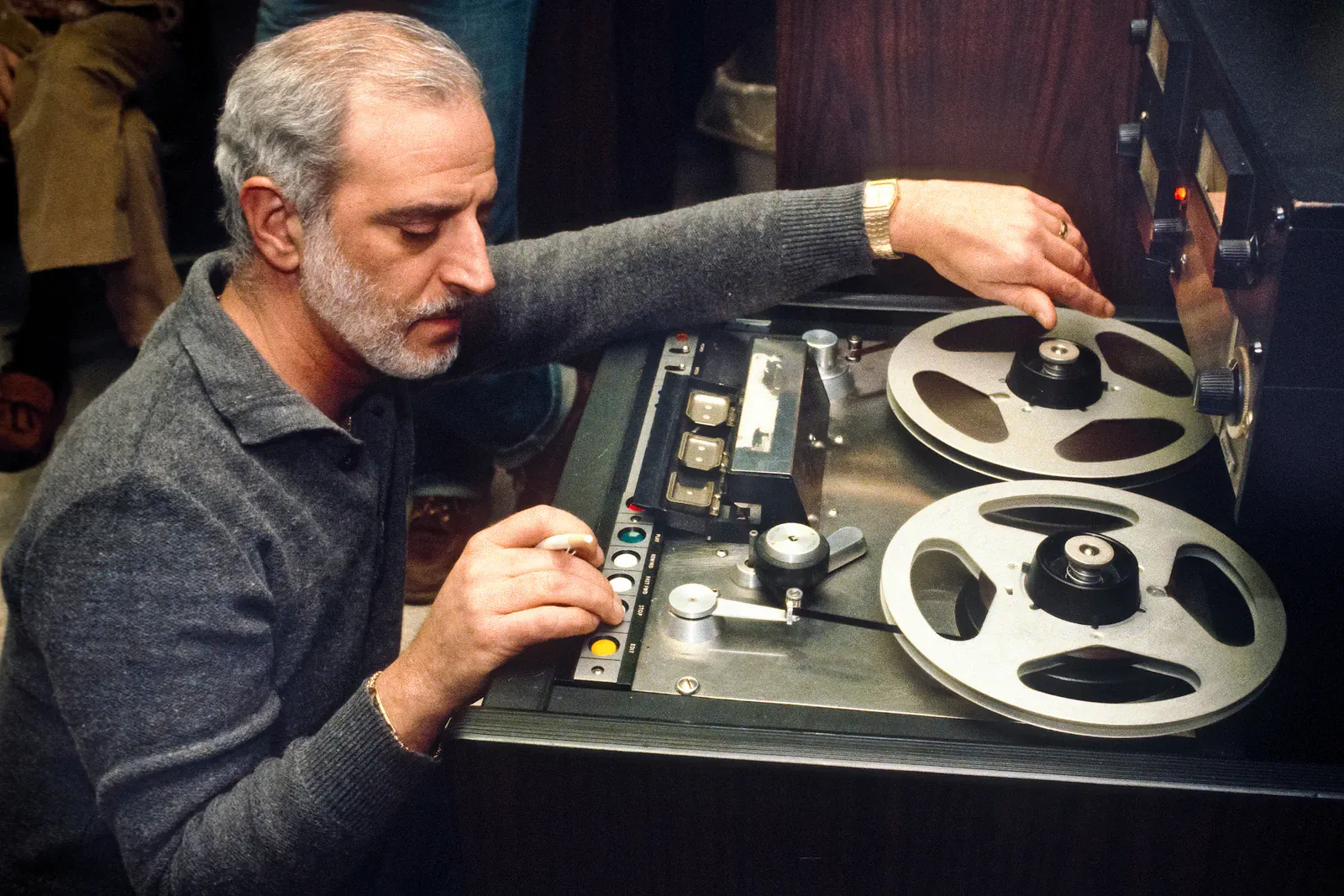
Synthesizers, new jack swing and neo-soul, 1983-1999
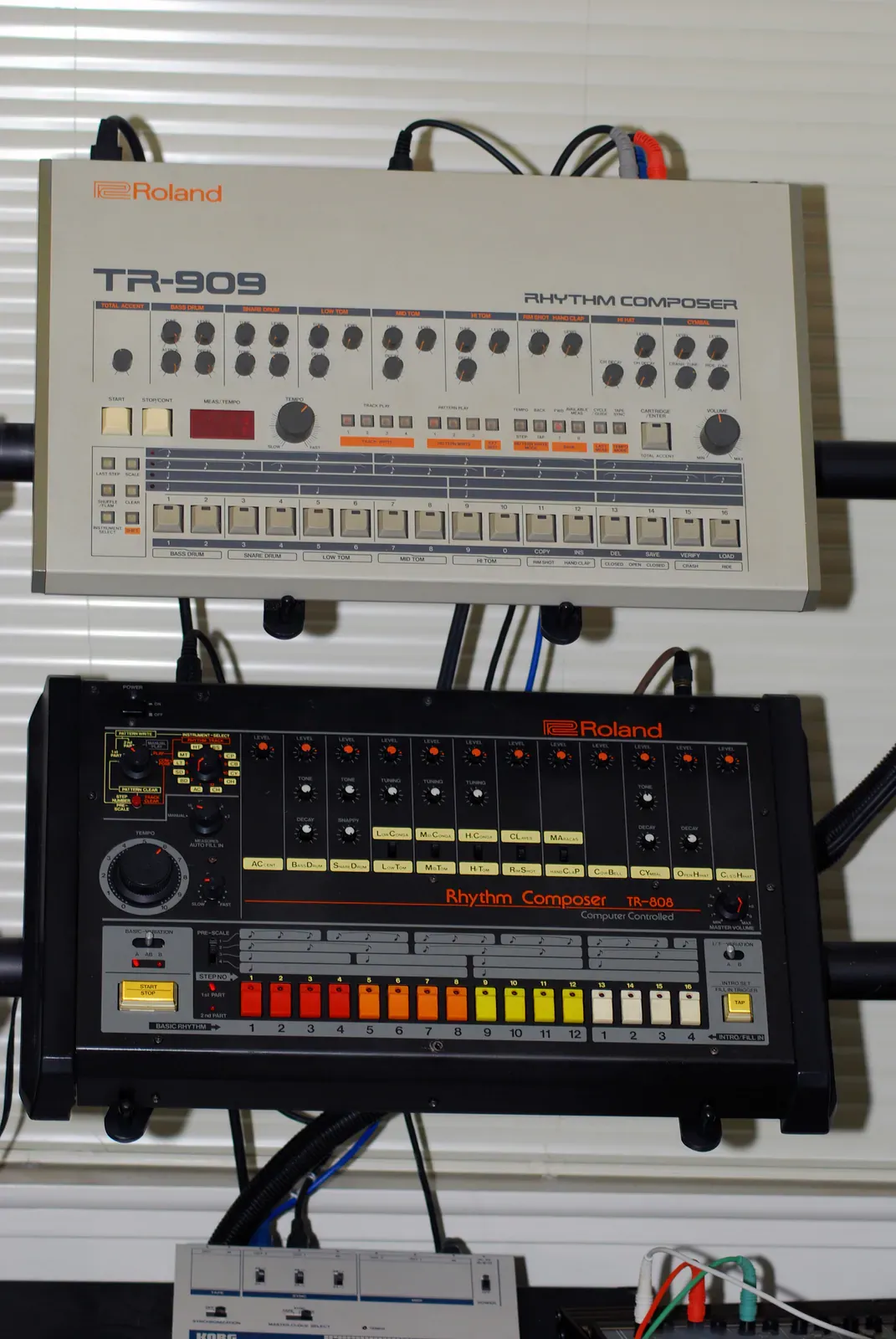
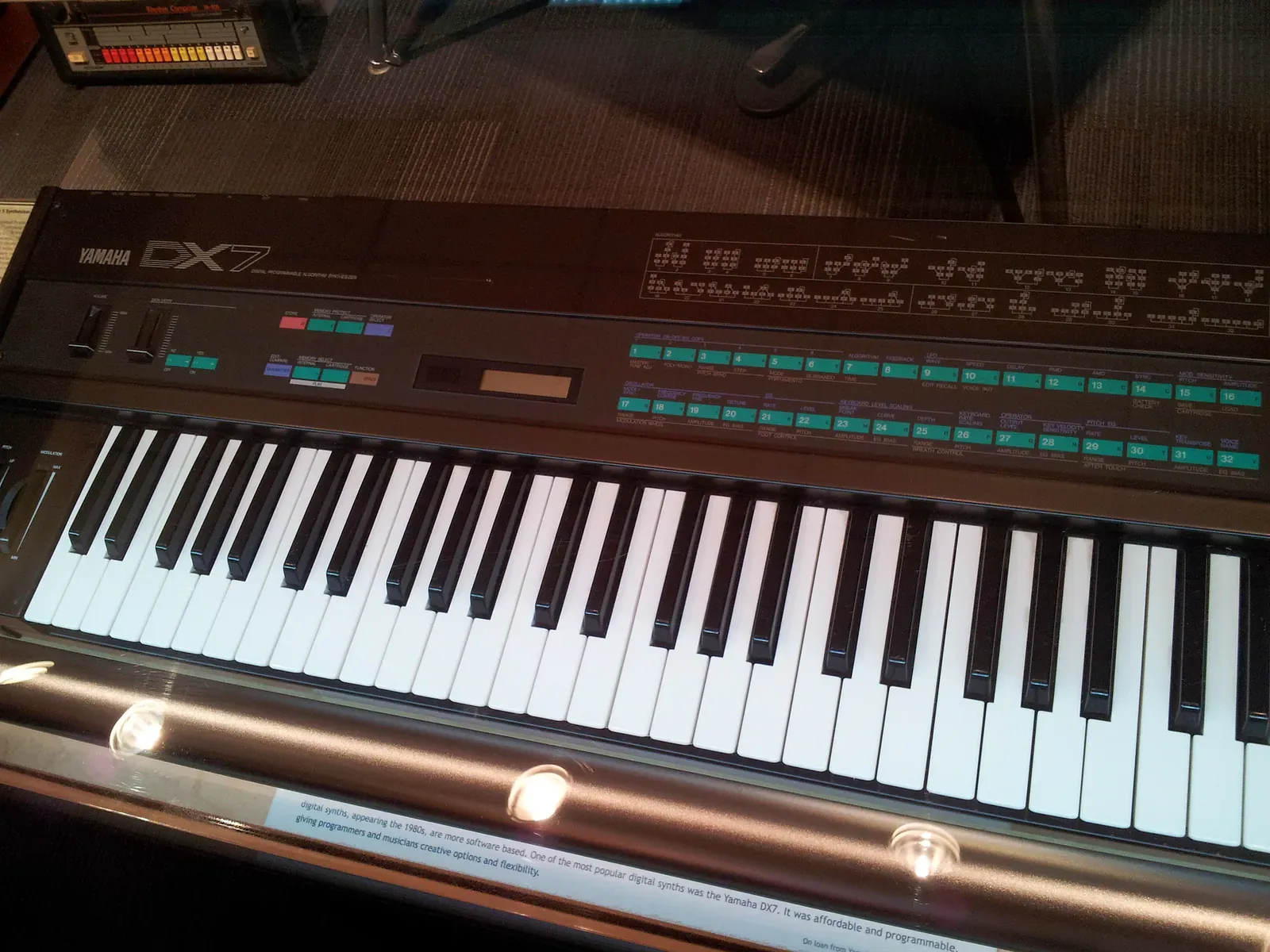
Machines took over. Marvin Gaye’s “Sexual Healing” (1982) was built on a Roland TR-808 drum machine and reached number one on the R&B chart for ten weeks. Yamaha’s DX7, introduced in 1983, was the first successful digital synthesizer. Its “E Piano 1” preset colored power ballads, and it appeared on 40 percent of Hot 100 number-one singles in 1986. At the pop end, Michael Jackson’s “Thriller” (1982) and Prince’s “Purple Rain” (1984) made R&B stars the biggest names in music.
Producers now led. Teddy Riley merged swing rhythms with hip hop beats and synthesizers in the mid-1980s, a style called new jack swing, and his group Guy released a debut in 1988. Mary J. Blige’s “What’s the 411?” (1992) set the template for hip hop soul. Against the machines, D’Angelo’s “Brown Sugar” (1995) and “Voodoo” (2000), with Erykah Badu’s “Baduizm” (1997), brought back live-band feel under the name neo-soul. Hip hop’s rise is told on the hip hop page.
Pop crossover and the streaming era, 2000-present
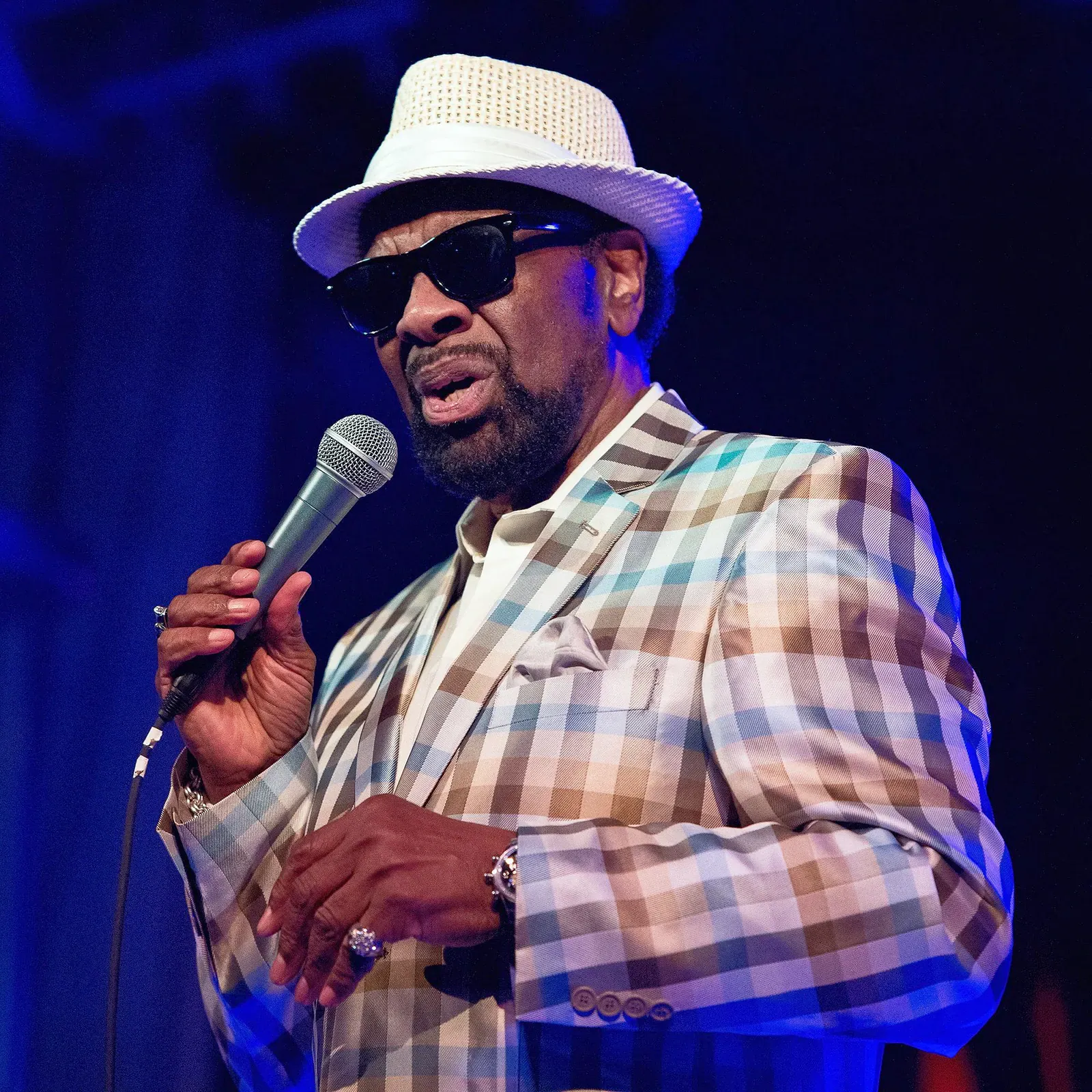
Beyonce’s “Dangerously in Love” (2003) turned R&B into arena pop, and Alicia Keys’s “Fallin’” won Song of the Year at the Grammys for 2001. Auto-Tune and trap production then blurred genre lines, and alternative R&B spread through mixtapes and streaming from 2011. Labels have changed too. Atlanta’s LVRN broke Summer Walker, whose “Over It” (2019) debuted at number two on the Billboard 200 with the biggest streaming week for a female R&B album at the time. Top Dawg Entertainment and Daptone, a Brooklyn label that still records on analog equipment, show that old and new coexist.
Culture
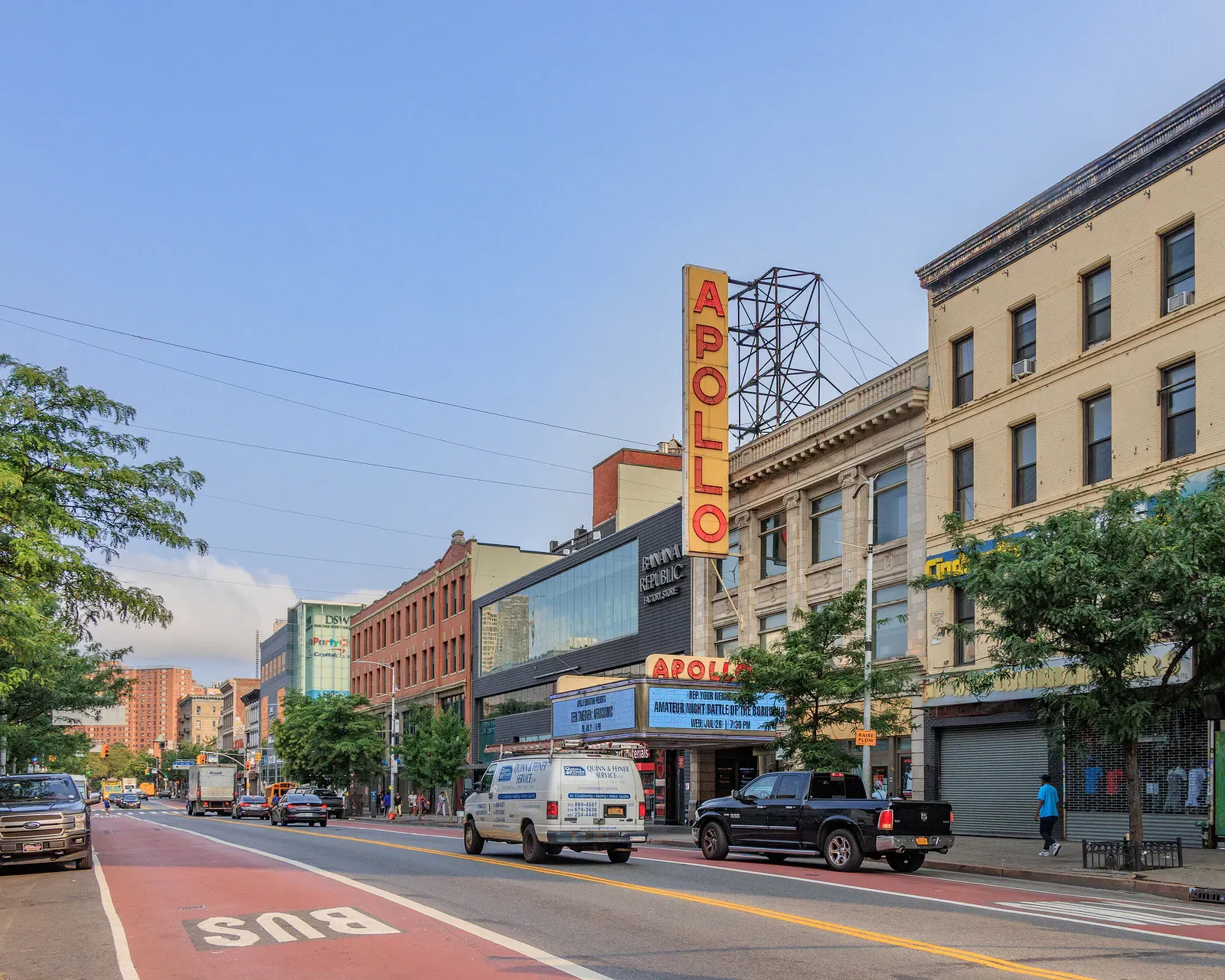
For decades the music was made by Black artists for Black audiences first. The Apollo Theater in Harlem became a Black-audience venue on 26 January 1934, and its Amateur Night is still running. Radio, jukeboxes and Black-owned labels such as Vee-Jay and Motown built an economy around it, and charts tracked “crossover” success into the white pop market. Dance shows like Soul Train, whose theme was MFSB’s “TSOP”, kept the audience dancing. Politics ran through the music too, from “A Change Is Gonna Come” to Wattstax.
Misconceptions
R&B is often taken for slow, romantic songs, but the label began as a chart category, and 1940s R&B was loud, up-tempo jump blues. By the 1970s the term covered soul, funk and disco.
Motown is sometimes credited with inventing soul, yet Ray Charles recorded “I Got a Woman” in 1954 and Sam Cooke scored in 1957, both before Gordy founded Tamla in 1959. Motown aimed at the pop charts, while Stax in Memphis offered a rougher sound.
Machines are also blamed for killing “real” R&B, but Marvin Gaye used a TR-808 on “Sexual Healing”, and Prince and Michael Jackson built landmark albums with synthesizers.
Frequently asked questions
What is R&B music?
R&B, short for rhythm and blues, is African-American popular music built on a backbeat, gospel-trained singing and a groove-driven rhythm section. In the Genrology library, the R&B, Soul and Funk family dates from 1947 and holds 64 genres.
What is the difference between R&B and soul?
Soul is one branch of the R&B family, rooted in gospel singing and dated from 1959 in the library. R&B in its original sense was the 1940s jump-blues style, while contemporary R&B, dated from 1979, adds synthesizers, drum machines and pop production.
What is the difference between funk and R&B?
Funk, dated from 1965, puts the rhythm section first and often drops chord changes, as in James Brown’s “Cold Sweat” (1967). R&B is the wider family that funk belongs to, with more emphasis on melody and the vocalist.
Where did soul music start?
Soul grew in several US cities. Ray Charles and Sam Cooke brought church voices to pop songs in the 1950s, then Detroit (Motown) and Memphis (Stax) became the best-known centers, with Muscle Shoals, Alabama, adding a third in 1967.
Subgenres
Genres in the family
5 main branches. Names with their own page are links.
1979, 13 branches
1962
1965, 12 branches
1947, 10 branches
1959, 25 branches
Sound
What it sounds like
Tempo
- Overall70-165
- Quiet storm70-115
- Neo soul75-115
- Soul85-130
- New jack swing100-120
- Funk100-130
- Northern soul130-165
Drums and percussion
- Roland TR-808
- Linn LM-1
- Akai MPC
Synths and software
- Minimoog
- Yamaha DX7
- Pro Tools
- Auto-Tune
- Ableton Live
Techniques
- Backbeat
- Call and response
- Melisma
- Emphasis on the one
- Wah-wah rhythm guitar
- Horn stabs
- Swingbeat
Keys and modes
Blues scale and pentatonic. Melodies and riffs inherited from blues and gospel.
Dominant seventh and ninth chords. Funk grooves lean on seventh-chord variants, often over a single repeated chord.
Extended jazz-influenced chords. Neo-soul and contemporary R&B add ninths, elevenths and thirteenths to ballads.
Vocals
Gospel-trained lead singing with melisma, falsetto and call and response, stacked with backing harmonies.
Hallmarks
- backbeat
- gospel-derived vocals
- groove-based rhythm sections
- singles-driven Black popular music
Instruments
- Hammond B-3 organ
Gospel-born swells and sustained chords underpin soul ballads and Stax grooves.
- Fender Precision Bass
The melodic, rounded bass of James Jamerson at Motown set the rhythm-section standard.
- Fender Rhodes electric piano
A warm, bell-like tone that defines 1970s soul and quiet-storm ballads.
- Hohner Clavinet
Percussive keyboard behind Stevie Wonder's Superstition and much funk.
- Horn section
Tenor sax, trumpet and trombone punctuate the groove, a staple of Stax and James Brown.
- Minimoog
Fat synthesizer bass lines arrive in the 1970s and later replace the electric bass in funk.
- Roland TR-808
Its booming kick and handclap shape 1980s R&B, from Marvin Gaye to new jack swing.
- Talk box
Used by Roger Troutman of Zapp for a robotic vocal effect on 1980s funk.
Technology that shaped it
- 194945 rpm single
RCA's compact disc format becomes the main medium for R&B hits.
- 1958Eight-track recording
Atlantic and Tom Dowd embrace multitrack tape, giving producers more control over soul recordings.
- 1983MIDI
A digital standard that lets keyboards and drum machines sync in R&B productions.
- 1998Auto-Tune
Pitch correction software that becomes a vocal effect in R&B from the 2000s.
Essential records
- 1946Choo Choo Ch'Boogie
Louis Jordan. Jump blues with a rock-and-roll shuffle that shaped the next generation of R&B.
- 1964A Change Is Gonna Come
Sam Cooke. A gospel-trained singer turns civil rights hope into a string-backed soul standard.
- 1965Otis Blue
Otis Redding. The album that put raw Southern soul in front of a wider audience.
- 1967Cold Sweat
James Brown. Rhythm replaces chord changes; the blueprint for funk.
- 1967I Never Loved a Man the Way I Love You
Aretha Franklin. Her Atlantic debut combines church power with Muscle Shoals rhythm sections.
- 1971What's Going On
Marvin Gaye. Soul as social commentary, with a seamless suite structure.
- 1975Mothership Connection
Parliament. Funk becomes theatre: horns, synths and Bootsy's bass in a sci-fi story.
- 1976Songs in the Key of Life
Stevie Wonder. A double album that sums up 1970s R&B ambition.
- 1982Thriller
Michael Jackson. The cross-over peak of R&B-based pop, with polished funk and rock guitar.
- 1984Purple Rain
Prince. Minneapolis funk, rock guitar and R&B ballads in one blockbuster.
- 2000Voodoo
D'Angelo. Behind-the-beat live grooves and hip-hop drums define neo-soul.
- 2003Dangerously in Love
Beyonce. Horn-led Crazy in Love brings R&B to the pop mainstream.
Scenes
Where it happened
Where and when the sound lived: one bar per city on a shared timeline.
North America
Active scenes
Peak 8, 1971
Motown's Hitsville studio and its house band, the Funk Brothers, produce a hit factory.
Stax and Hi Records forge a gritty Southern soul sound on Soulsville's McLemore Avenue.
Sigma Sound Studios and Gamble and Huff define orchestral Philly soul.
Atlantic, the Apollo Theater and later Uptown Records make the city a base for R&B across decades.
Chess, Vee-Jay and Curtis Mayfield's Curtom Records shape R&B and Chicago soul.
King Records records James Brown and Hank Ballard in a single Ohio studio.
Fats Domino, Allen Toussaint and The Meters turn second-line rhythm into R&B and funk.
FAME and Muscle Shoals Sound studios host Wilson Pickett, Aretha Franklin and others.
Prince, The Time and producers Jimmy Jam and Terry Lewis define the Minneapolis sound.
LaFace Records and later LVRN make Atlanta a capital of contemporary R&B.
Glossary
Terms on this page
Emphasis on beats two and four of a bar, the core of R&B drumming.
A lead singer answered by a chorus or band, inherited from gospel and work songs.
Singing several notes on one syllable, a hallmark of gospel-trained R&B vocals.
1990s movement reviving live-band soul with hip-hop and jazz influences.
Late-1980s fusion of swung hip-hop beats with R&B vocals, led by Teddy Riley.
The tight, relaxed alignment of drums and bass that makes a groove feel natural.
A late-night radio format and smooth, slow style of R&B named after a 1975 Smokey Robinson album.
James Brown's accent on the first beat of each bar that defines funk.
Families