Hip Hop
Hip hop is a music and culture of rapping over looped beats, begun in the Bronx in 1973 and, with R&B, ahead of rock in US consumption in 2017.
340 genres
Since 1973
Genres
340
In this family
Branches
34
Main subgenres
Since
1973
The Bronx, New York City
Timeline
Era by era
From the first sparks to today. Select a dot to read the story behind it.
- Block parties and breaks
1973 to 1979
- The first records
1979 to 1986
- Sampling and the golden age
1986 to 1993
- Coasts, labels and the platinum rush
1992 to 1999
- The South and the pop boom
1998 to 2009
- Streaming, trap and global rap
2010 to today
Eras
Moments
- 1 Block parties and breaks, 1973 to 1979
- 2 The first records, 1979 to 1986
- 3 Sampling and the golden age, 1986 to 1993
- 4 Coasts, labels and the platinum rush, 1992 to 1999
- 5 The South and the pop boom, 1998 to 2009
- 6 Streaming, trap and global rap, 2010 to today
1973
Block parties and breaks
In the Bronx, DJs loop the drum breaks of funk records for dancers while MCs talk over the beat and crews build the four elements: rapping, DJing, b-boying and graffiti.
- 1973DJ Kool Herc's Sedgwick Avenue partyOn 11 August Herc and his sister Cindy host a back-to-school jam at 1520 Sedgwick Avenue, often cited as the birth of hip hop.
- 1973Universal Zulu Nation foundedAfrika Bambaataa turns a Bronx gang-era scene toward peace and culture, and later names the four elements.
- 1977Grandmaster Flash perfects the quick mixFlash refines cueing and cutting between two copies of a record to extend the break.
1979
The first records
Rapper's Delight and The Message take the music from parks to radio and vinyl. Drum machines and electro replace live bands, and Run-DMC and the Beastie Boys fuse rap with rock.
- 1979Rapper's DelightThe Sugarhill Gang's single, built on a replayed Chic groove, becomes the first rap record to reach a mass audience.
- 1982The MessageGrandmaster Flash and the Furious Five turn rap toward social realism.
- 1982Planet Rock and the 808Afrika Bambaataa and Soulsonic Force pair Kraftwerk melodies with the Roland TR-808, fixing electro-rap's sound.
- 1983Def Jam is foundedRick Rubin and Russell Simmons start the label that defines hard, sparse New York rap.
1986
Sampling and the golden age
Samplers and dense collages power Public Enemy, Eric B. & Rakim and the Native Tongues. Rap turns political, jazzy and experimental, and Compton introduces gangsta rap.
- 1986Walk This WayRun-DMC and Aerosmith reach the US top five and bring rap to rock radio and MTV.
- 1988It Takes a Nation of Millions to Hold Us BackPublic Enemy and the Bomb Squad set the standard for dense sample collage and political rap.
- 1988Straight Outta ComptonN.W.A put Los Angeles street reportage on record and spark a national debate on lyrics.
- 1988Yo! MTV Raps premieresA rap video show gives the music a national television home.
- 1989First rap Grammy awardedThe category debuts at the 1989 ceremony and is met by a boycott from several leading acts.
- 1990People's Instinctive Travels and the Paths of RhythmA Tribe Called Quest give the Native Tongues collective a jazz-sampling, playful template.
- 1991Grand Upright v. Warner Bros. rulingA US court condemns an uncleared sample of Gilbert O'Sullivan, ending the free-for-all era of sampling.
1992
Coasts, labels and the platinum rush
G-funk, the Wu-Tang Clan, Illmatic and the Bad Boy sound make rap a commercial force, while the deaths of Tupac and The Notorious B.I.G. end the coastal rivalry.
- 1992The ChronicDr. Dre's debut makes G-funk the sound of the West Coast and a multi-platinum success.
- 1993Enter the Wu-Tang (36 Chambers)Nine Staten Island MCs and RZA's gritty production reset New York rap.
- 1994IllmaticNas condenses Queensbridge life into ten tracks with producers such as DJ Premier and Pete Rock.
- 1996Tupac Shakur is shot in Las VegasHe dies on 13 September, at the height of the East-West rivalry.
- 1997The Notorious B.I.G. is killedHe is shot in Los Angeles on 9 March, days before his second album Life After Death is released.
1998
The South and the pop boom
Cash Money, OutKast, Eminem, Jay-Z and Kanye West dominate charts and ringtones, and Atlanta and New Orleans move rap's centre of gravity south.
- 1998Cash Money signs a landmark distribution dealThe New Orleans label secures a reported 30 million dollar deal with Universal and keeps its masters.
- 2000The Marshall Mathers LPEminem's second major album becomes one of the fastest-selling rap releases up to that time.
- 2004OutKast win Album of the YearSpeakerboxxx/The Love Below takes the top Grammy, a landmark for Southern rap.
- 2008Jay-Z launches Roc NationThe rapper moves from running Def Jam to an independent entertainment company.
2010
Streaming, trap and global rap
Trap, drill and cloud rap spread through YouTube, SoundCloud and streaming. Hip hop becomes the biggest genre in the United States and a local language on every continent.
- 2012good kid, m.A.A.d cityKendrick Lamar's major-label debut turns a Compton story into a critical landmark.
- 2016ViewsDrake's album on OVO Sound shows how streaming rewards rap and R&B blends.
- 2017Hip hop becomes the biggest US genreNielsen reports that R&B and hip hop pass rock in total US consumption for 2017.
- 2018Kendrick Lamar wins the Pulitzer Prize for MusicDAMN. is the first work outside classical and jazz to receive the prize.
- 2023Hip hop marks 50 yearsConcerts, museum shows and a Grammy tribute mark the anniversary of the Sedgwick Avenue party.
Roots
Roots and offspring
Facts
| Genres in the family | 340 |
| Main branches | 28 |
| Emerged | Early 1970s |
| Key places | The Bronx, New York City |
| Tempo | 65 to 155 BPM |
Hip hop is a music and culture built on rapping over beats made from looped records, samples and drum machines. It began in the Bronx, New York City, in the early 1970s, created by African American, Caribbean and Latino teenagers who had turntables and no budget for a band.
Its four elements are MCing, DJing, breaking and graffiti, and rap, the vocal element, became the dominant popular music of the 21st century.
Origins
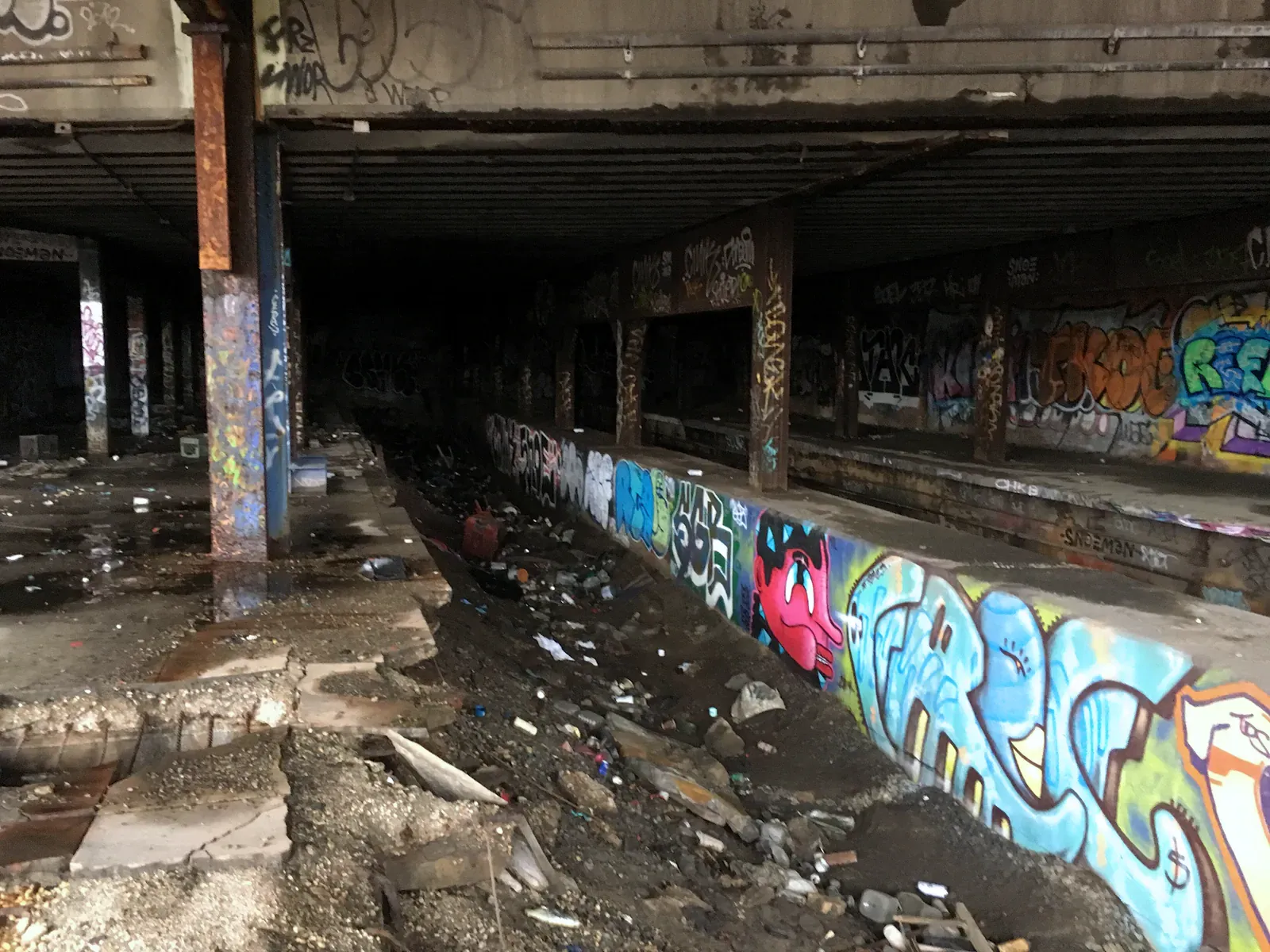
On 11 August 1973, Cindy Campbell hired the rec room at 1520 Sedgwick Avenue in the Bronx to raise money for school clothes. Her brother Clive, who had moved from Kingston, Jamaica, as a boy and DJed as Kool Herc, ran the music. More than 300 people came.
Herc had noticed that dancers went wild for the break, the short percussive stretch in a funk record where the singing drops out. He bought two copies of the same record and switched between them, so the break never ended. He called it the merry-go-round. That loop is the seed of the whole genre.
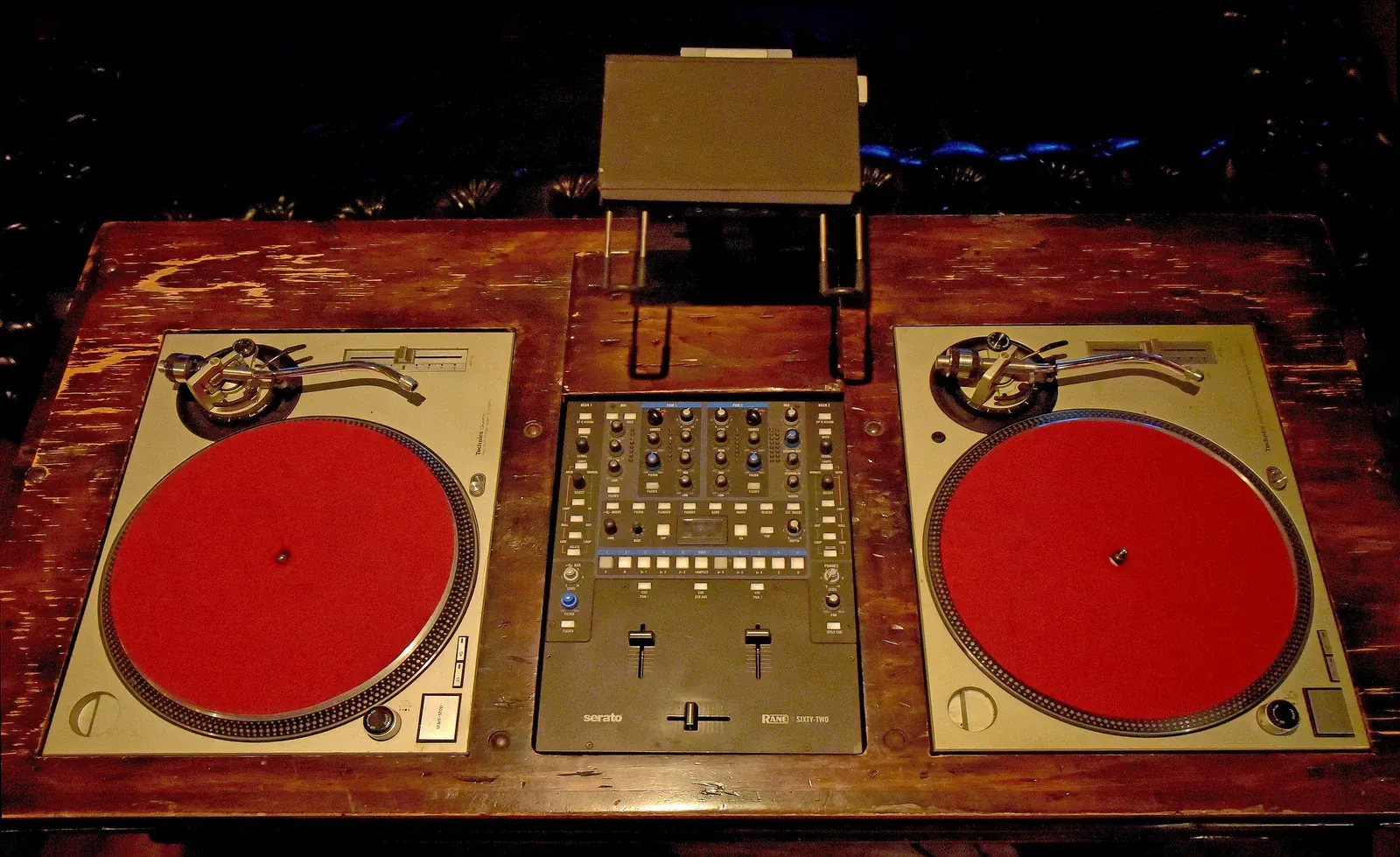
Others sharpened the idea. Grandmaster Flash developed what he called the quick mix theory, a precise way of cutting, repeating and extending short sections of records with the crossfader. Afrika Bambaataa, who founded the Universal Zulu Nation in the Bronx in 1973, gave the scene a creed of peace and a record collection that stretched from funk to Kraftwerk.
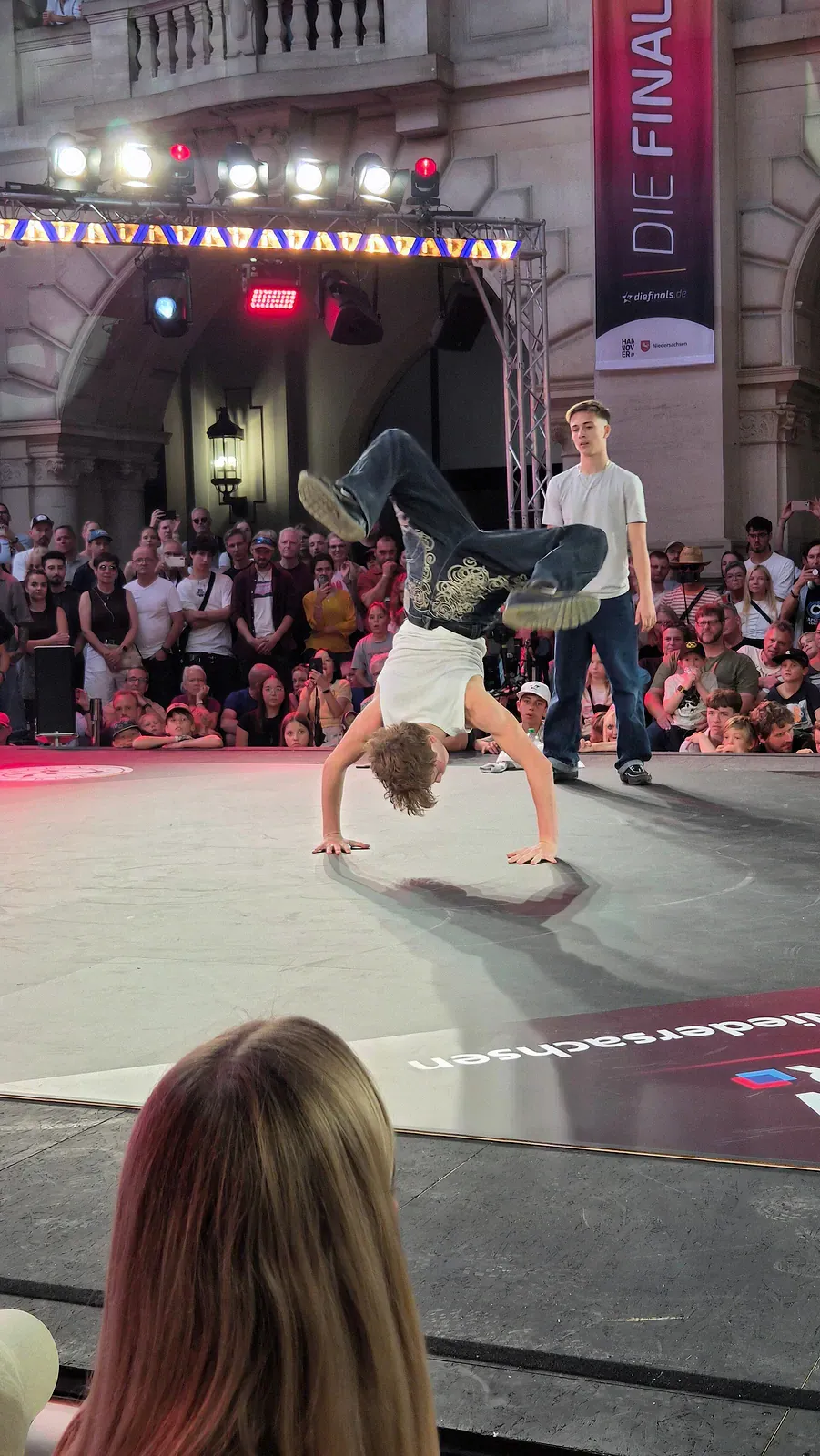
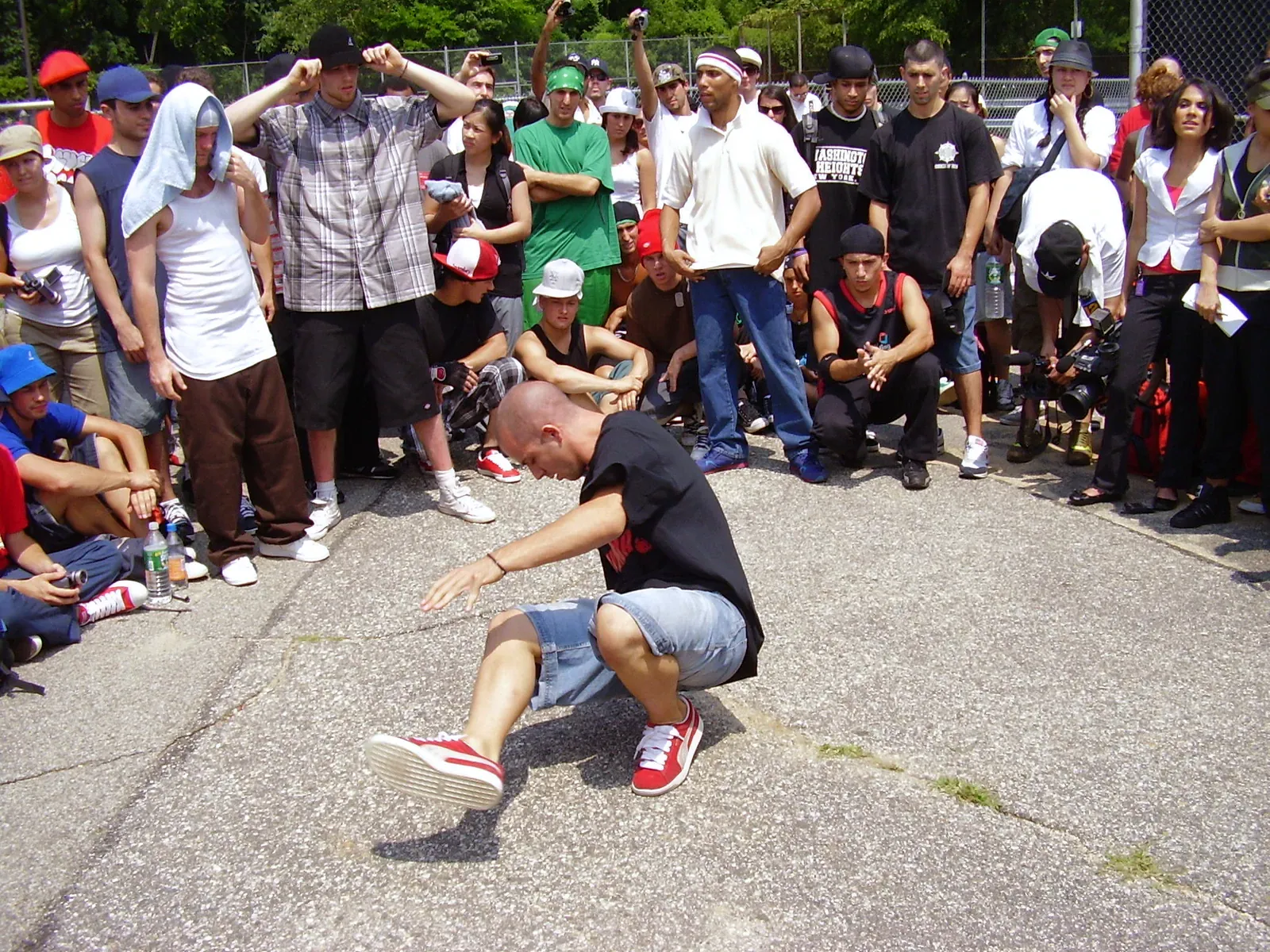
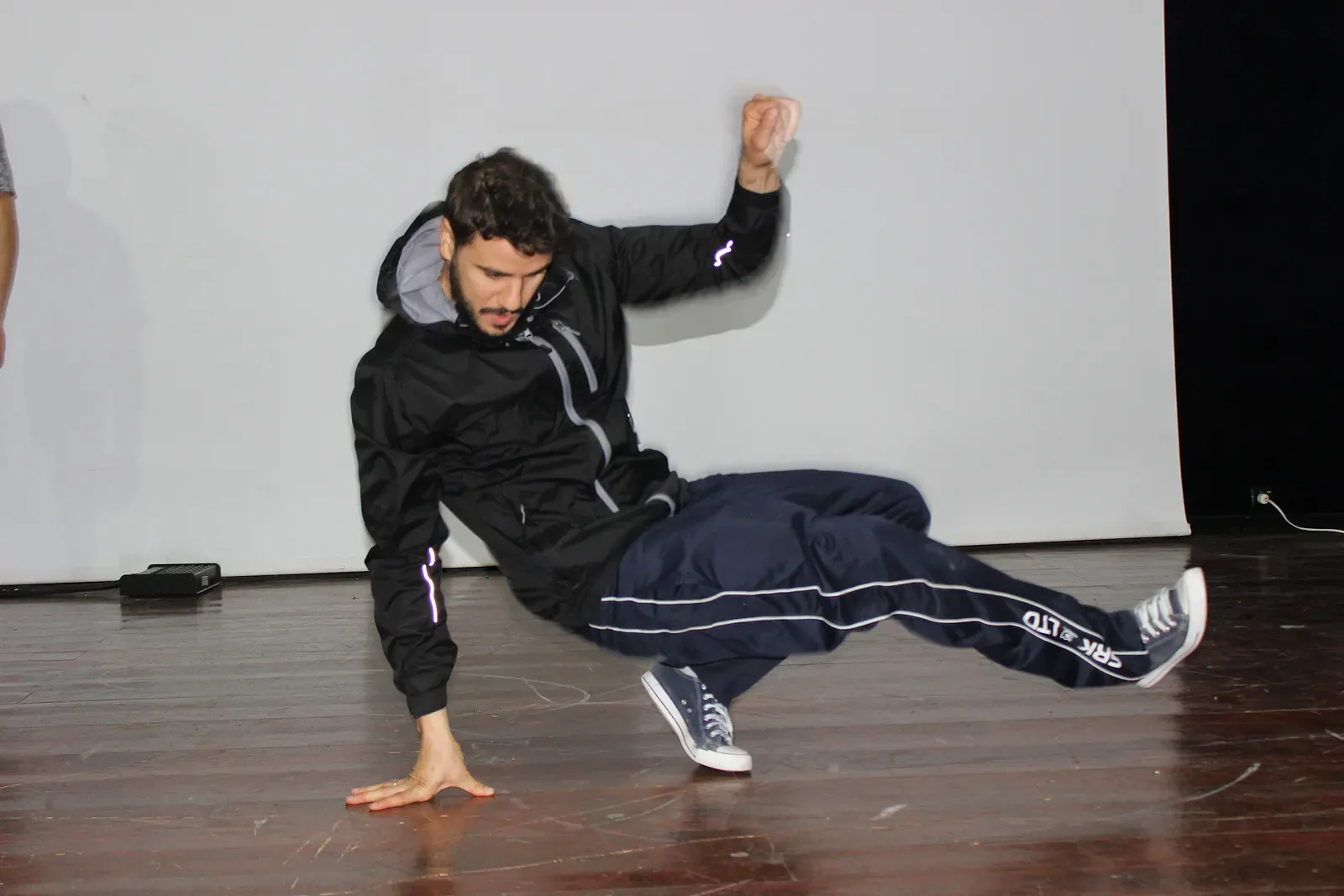
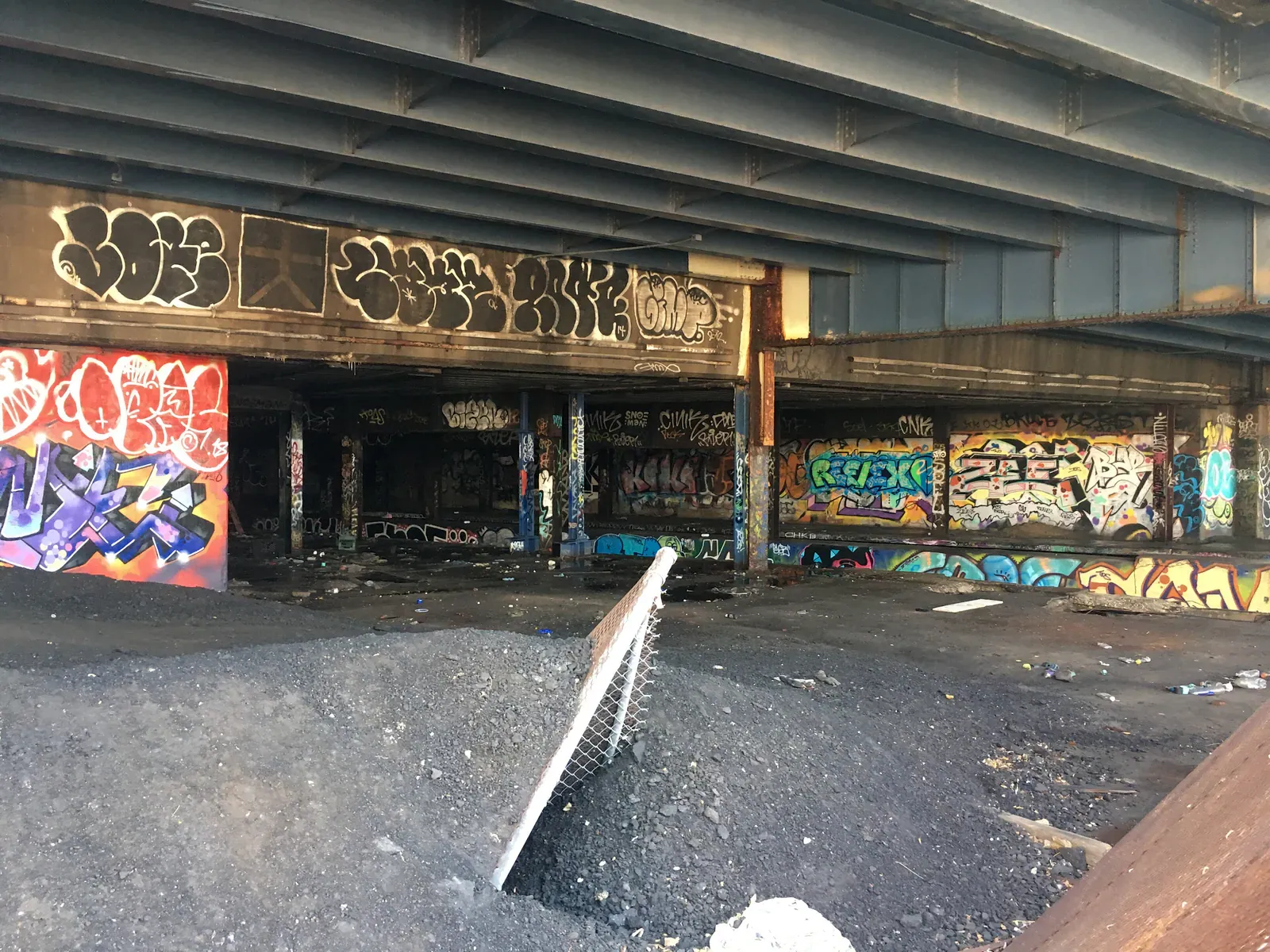
The setting mattered: parties in parks and rec rooms cost little and kept teenagers busy. Graffiti writers covered subway cars and walls, and b-boys and b-girls turned the break into a dance. Those four arts, rapping, DJing, breaking and graffiti, became the four elements.
New York, 1979-1986
For six years hip hop was heard live and on cassettes. Then records arrived. The Fatback Band’s “King Tim III (Personality Jock)” shipped in the summer of 1979, and the Sugarhill Gang’s “Rapper’s Delight” followed, released by Sylvia Robinson’s Sugar Hill label on 16 September 1979. It ran about 14 minutes, reached number 36 on the Billboard Hot 100 and told the rest of the world that rap existed. Kurtis Blow’s “The Breaks” (1980) became the first rap single on a major label, Mercury, and the first certified gold by the RIAA.
Rap soon learned to say something. “The Message” by Grandmaster Flash and the Furious Five, released by Sugar Hill on 1 July 1982, described inner-city stress in a way no party record had,. It swapped the funk loop for a synthesizer groove and a story.
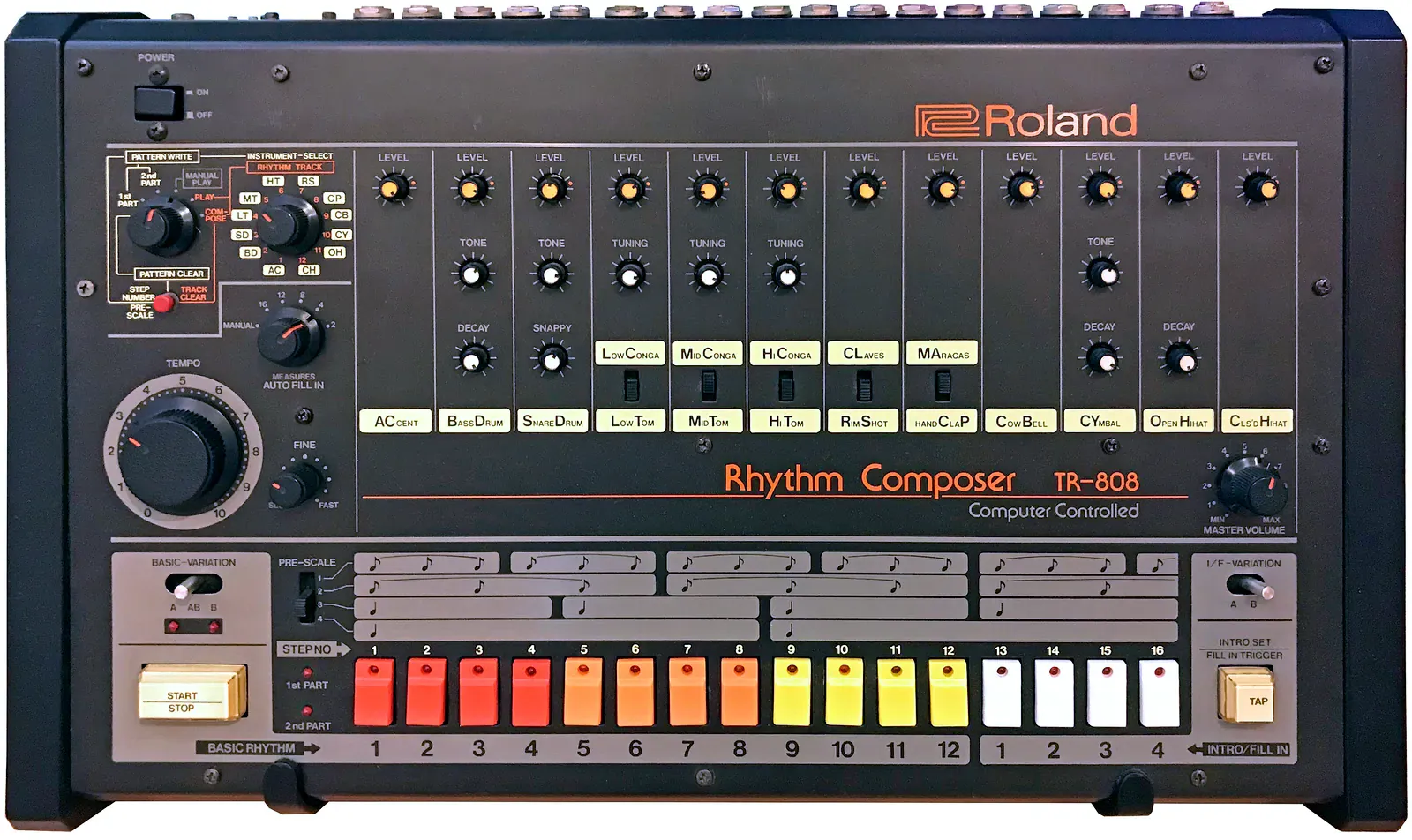
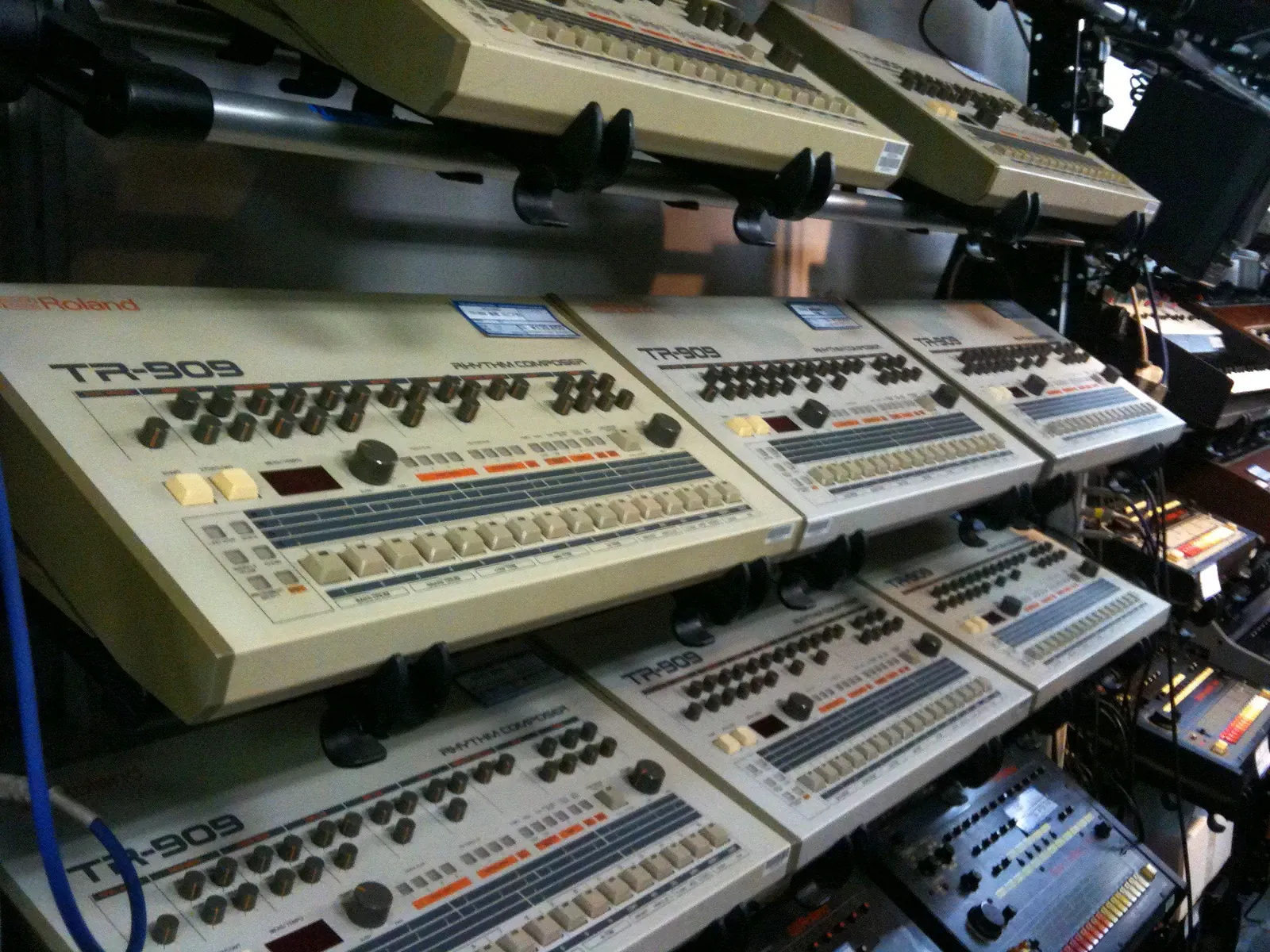
The machine that defined the sound was the Roland TR-808. Roland built it from 1980 to 1983, about 12,000 units in all, and it was cheap enough to turn up secondhand in every New York bedroom. Afrika Bambaataa and the Soul Sonic Force used it on “Planet Rock” (1982, Tommy Boy), produced by Arthur Baker and John Robie, which borrowed a melody from Kraftwerk’s “Trans-Europe Express”. That record links hip hop to the electronic family as much as to funk.
By 1986 rap and rock were shaking hands. Run-DMC’s cover of Aerosmith’s “Walk This Way” reached number 4 on the Hot 100, the first rap record in the top five, and its album Raising Hell went triple platinum on Profile Records. Def Jam, started in 1983 by Rick Rubin in his NYU dorm room and built with Russell Simmons, issued official catalogue numbers from 1984, starting with LL Cool J’s “I Need a Beat” and gave the music a polished, loud, guitar-friendly sound. The rock family was no longer the only one that sold teenagers their identity.
The golden age, 1986-1993
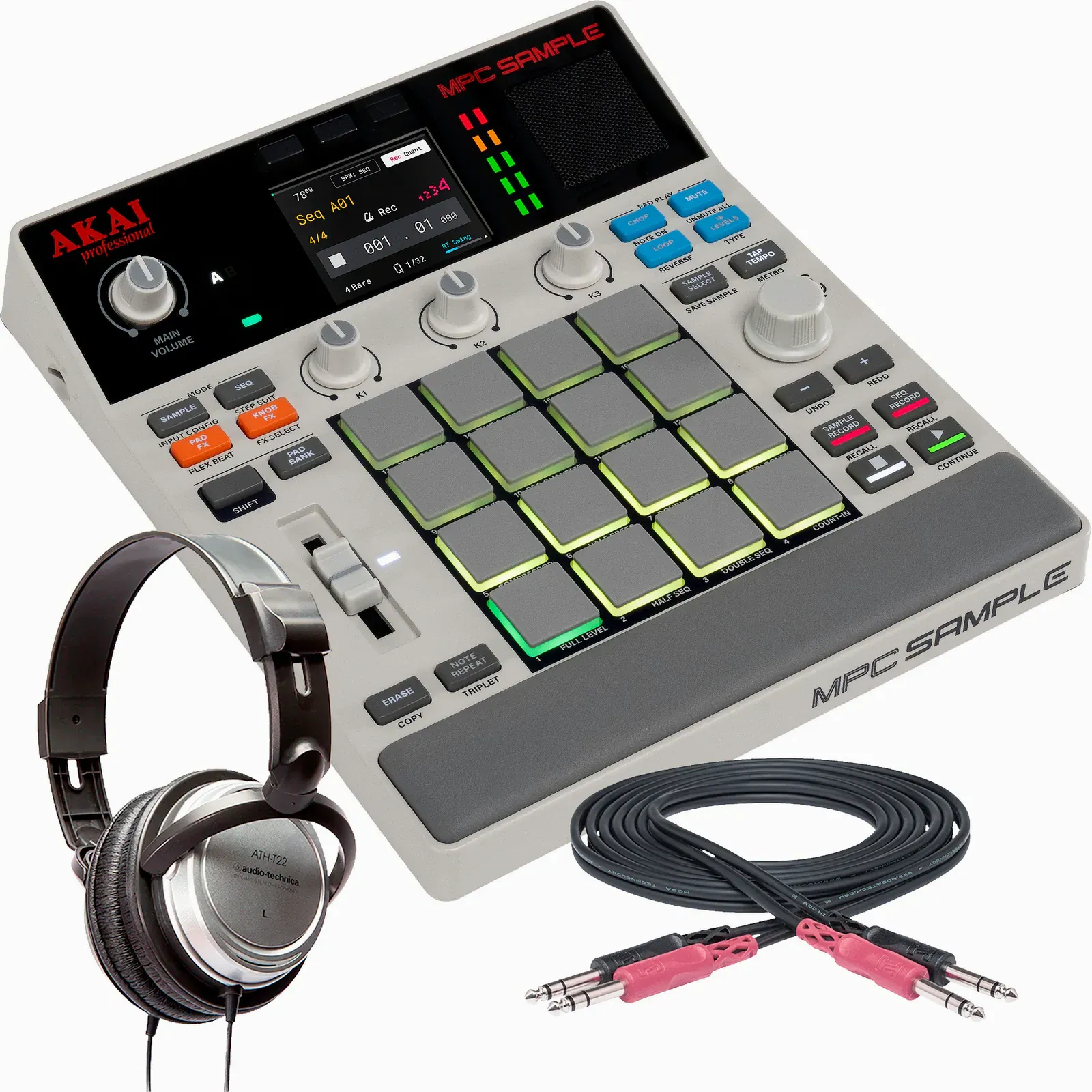
Cheap samplers changed everything. The E-mu SP-1200 arrived in August 1987, and the Akai MPC60 followed in December 1988. A producer with one of them could cut a drum break, a horn stab and a speech into a loop in an afternoon. Public Enemy’s production team, the Bomb Squad, used that power to build dense collages for It Takes a Nation of Millions to Hold Us Back (1988, Def Jam), chopping James Brown’s “Funky Drummer” and a Malcolm X speech into “Bring the Noise”. Chuck D called rap the CNN of Black America.
Variety flourished too. De La Soul’s 3 Feet High and Rising (1989) and A Tribe Called Quest turned jazz and soul samples into something gentle and odd. N.W.A’s Straight Outta Compton (1988) brought Compton’s view to the nation and started gangsta rap. Yo! MTV Raps began on 6 August 1988, hosted by Fab 5 Freddy, and sent the music into suburban bedrooms. In 1989 the Grammys created a rap category, and DJ Jazzy Jeff and the Fresh Prince won for “Parents Just Don’t Understand” after boycotting the show because the award was not televised.
The party ended in court. In December 1991 a federal judge in Grand Upright v. Warner Bros. ruled against Biz Markie for sampling Gilbert O’Sullivan’s “Alone Again (Naturally)” without a licence, and Cold Chillin’ had released the album anyway. From then on, labels cleared samples and paid for them, which made the dense Public Enemy style far more expensive to make.
Coastal rivalry, 1992-1999
With sampling costly, West Coast producers went to live musicians and old funk. Dr. Dre’s The Chronic (15 December 1992, Death Row, distributed through Interscope) slowed the tempo, leaned on Parliament-Funkadelic grooves and launched Snoop Dogg. It reached number 3 on the Billboard 200. Interscope, its distributor, had found a new kind of hit.
New York answered with grit. RZA built Enter the Wu-Tang (36 Chambers) (Loud/RCA, November 1993) in Staten Island on sampler loops and kung fu films, and Nas’s Illmatic (Columbia, 19 April 1994) used beats from DJ Premier, Pete Rock, Q-Tip and Large Professor to make a short, dense debut that is often named among the best rap albums.
The rivalry that followed had real casualties. Tupac Shakur was shot in Las Vegas on 7 September 1996 and died on 13 September. The Notorious B.I.G. was killed in Los Angeles in March 1997. Both killings went unsolved for decades. The coastal feud lost its appeal after that.
The South and the pop boom, 1998-2009
While New York and Los Angeles argued, the South organised. Master P’s No Limit, from New Orleans, sold records almost without major-label help, and in March 1998 Cash Money signed a three-year, $30 million distribution deal with Universal that let the Williams brothers keep ownership of their masters. Atlanta and Houston followed with trap and crunk.
The same decade made rap the centre of pop. Eminem’s The Marshall Mathers LP (2000, Aftermath) was a blockbuster. OutKast’s double album Speakerboxxx/The Love Below won Album of the Year at the Grammys held in February 2004. Jay-Z turned himself into a business by launching Roc Nation in 2008 and signing a multi-year partnership with Universal Music Group in 2013.
Streaming and global rap, 2010 to the present
Free platforms changed who could become a star. Chicago drill reached the mainstream through Chief Keef’s “I Don’t Like” (2012), which grew on YouTube and free mixtape sites. SoundCloud and then TikTok turned bedroom tracks into chart hits: Lil Nas X’s “Old Town Road” spent a record 19 weeks at number one on the Hot 100 in 2019 after Billboard removed it from the country chart.
Kendrick Lamar’s DAMN. won the 2018 Pulitzer Prize for Music, the first prize given to a work outside classical and jazz. His earlier good kid, m.A.A.d city (Top Dawg, 2012) and Drake’s Views (OVO Sound, 2016) showed that independent-minded imprints could rival the majors. In 2023 the music marked its 50th anniversary.
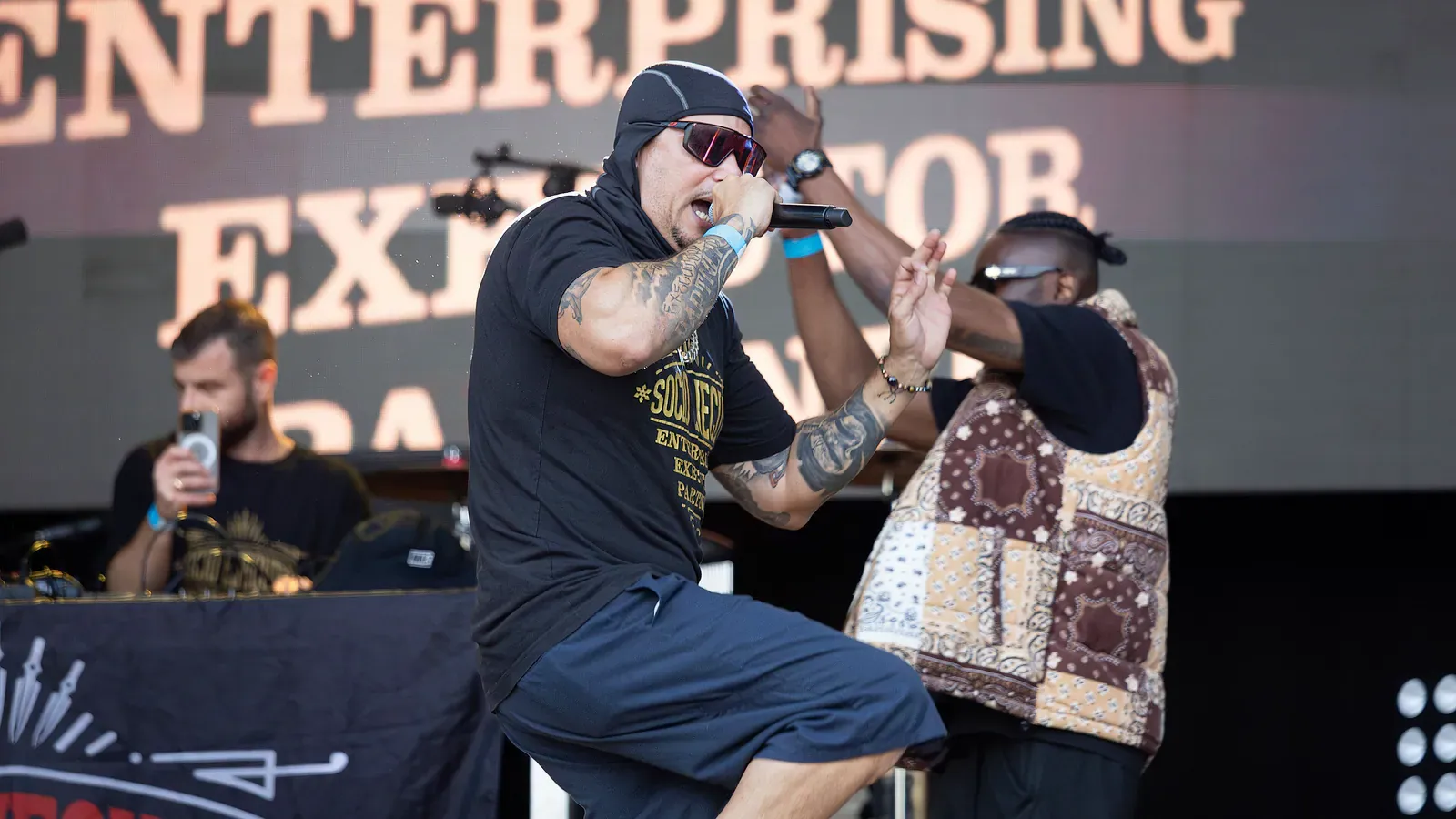
Outside the US the sound grew its own dialects. French rap, UK grime and drill, Brazilian rap and African hip hop each use local languages and rhythms, and they now share charts with the pop family.
Characteristics
Rap is delivered over a steady beat in four-beat bars, with rhymes landing on the backbeat, and styles range from the boasts and chants of the first records to dense internal rhyme and triplet flows. Beats are built from loops: a drum break or a short sampled phrase repeats while the MC raps. Lyrics cover parties, street life, politics, status and personal stories, and the genre prizes originality of voice and wordplay.
Instruments and production
Production moved from two turntables and a mixer to drum machines, samplers and laptops, each step opening the music to more makers. The Roland TR-808 supplied the bass drum, the E-mu SP-1200 and Akai MPC the chopped samples, and software later let a bedroom producer finish a charting record alone. Some producers replay samples with live musicians to avoid clearance fees, a method West Coast producers made central.
Culture
The music started with people locked out of the main economy: Black and Latino teenagers in a borough the city had stopped investing in. The first hit records came from small independents: Sylvia Robinson assembled the Sugarhill Gang from local talent for her Sugar Hill label, and the Bronx DJs who started it all made no records at all.
Later, ownership became the fight. Jay-Z, Master P and the Williams brothers at Cash Money all built labels so they, not majors, would hold the masters. Rappers became brands, with clothing lines and labels of their own.
Politics ran through it from the start: “The Message” in 1982, Public Enemy in 1988, N.W.A on policing, and Lamar’s Pulitzer-winning DAMN. three decades later.
Misconceptions
“Hip hop and rap are the same thing.” Rap is the vocal element. Hip hop is the wider culture, with four elements: MCing, DJing, breaking and graffiti.
“Rapper’s Delight was the first rap record.” It was the first to reach a mass audience, but the Fatback Band’s “King Tim III (Personality Jock)” reached the shops first, in July 1979, weeks before the Sugarhill Gang’s single. Kurtis Blow’s “The Breaks” was the first rap record certified gold by the RIAA.
“Sampling was always a free-for-all.” In the 1980s it was loosely policed, but the December 1991 Grand Upright ruling made sample clearance standard.
Frequently asked questions
What is hip hop music?
Hip hop is a style built on rhythmic spoken vocals, called rapping, over beats made from loops, samples and drum machines. It is also a culture with four elements: MCing, DJing, breaking and graffiti. It started in the Bronx in the 1970s.
Who invented hip hop?
No single person did, but DJ Kool Herc is widely credited with starting it. At a party on 11 August 1973 at 1520 Sedgwick Avenue in the Bronx, he looped the drum breaks of funk records between two turntables. Grandmaster Flash and Afrika Bambaataa shaped the sound that followed.
When did hip hop start?
Hip hop started in 1973 in the Bronx, with Kool Herc’s block parties. The first commercial rap records came in 1979, and “Rapper’s Delight” reached number 36 on the Billboard Hot 100 that year.
What are the four elements of hip hop?
The four elements of hip hop are MCing (rapping), DJing (turntables and breaks), breaking (the dance) and graffiti (the visual art). They grew up together in 1970s Bronx block parties.
Is hip hop the biggest genre in the world?
In the United States, yes: a 2017 year-end consumption report for the US showed R&B and hip hop at 24.5 percent of music consumed, ahead of rock at 20.8 percent. Rankings differ by country and by how consumption is measured.
Subgenres
Genres in the family
34 main branches. Names with their own page are links.
1982, 44 branches
1988, 18 branches
- Asian hip hop
1981, 22 branches
1983, 4 branches
1982, 2 branches
2009, 2 branches
1986, 2 branches
1998, 1 branch
2011, 17 branches
1973, 18 branches
2012, 1 branch
- European hip hop
1980, 38 branches
1986, 1 branch
2001, 7 branches
1989, 2 branches
1986, 12 branches
1984, 3 branches
1994, 14 branches
1988, 14 branches
- Nerdcore
2000, 3 branches
- Oceanian hip hop
1982, 6 branches
1973, 5 branches
2011, 4 branches
1986, 3 branches
- Rap metal
1986
- Rap rock
1983, 1 branch
- Rapso
1970
1986, 22 branches
- Spoken word
1960, 1 branch
1998, 26 branches
- Trap dancehall
1982, 7 branches
1981, 14 branches
- Zydeco rap
1995
Sound
What it sounds like
Tempo
- Overall65-155
- Old-school hip hop100-125
- Golden age hip hop95-110
- West Coast hip hop80-95
- Miami bass120-135
- Trap130-150
- Drill130-145
- Cloud rap65-95
- Phonk130-155
Drums and percussion
- Roland TR-808
- E-mu SP-1200
- Akai MPC60
Synths and software
- FL Studio
Techniques
- Breakbeat looping
- Sampling and chopping
- Scratching
- Swing quantisation
- Hi-hat rolls
- Sustained 808 bass
- Chopped and screwed
Keys and modes
Natural minor. Dark, melancholic loops and bass lines, the default for trap and drill
Harmonic minor. Raised seventh adds tension to string, piano and bell melodies
Vocals
Rapping: rhythmic spoken delivery, from boasts and chants to triplet flows and Auto-Tuned melody
Hallmarks
- rapping/MCing
- DJing and breakbeat looping
- sampling
- Roland TR-808
- four elements (MC, DJ, b-boying, graffiti)
Instruments
- Two turntables and a mixer
DJs loop and extend breakbeats, the basis of early hip hop.
- Technics SL-1200
The direct-drive turntable became the standard tool for scratching and mixing.
- Roland TR-808
Its booming bass drum and snare define electro, Miami bass and trap.
- E-mu SP-1200
A gritty 12-bit sampler that shaped New York boom-bap.
- Akai MPC60
A sampler and sequencer with a feel that producers such as J Dilla made iconic.
- Oberheim DMX
An early drum machine used on first-generation hip hop and electro records.
- Microphone
The MC's primary instrument, as important as the beat.
- Digital audio workstations
FL Studio, Ableton and Logic let bedroom producers make charting beats.
Technology that shaped it
- 1975Scratching
Grand Wizzard Theodore is credited with moving a record back and forth under the needle as a musical technique.
- 1977Quick mix and the crossfader
DJs developed the cueing and cutting methods that made the break loop possible.
- 1980Roland TR-808
The drum machine arrived in 1980 and became hip hop's defining bass sound through the 1980s.
- 1987E-mu SP-1200
The sampler gave producers a limited but characterful way to chop records.
- 1997Auto-Tune
Pitch correction, used creatively by T-Pain and Future, became a new vocal texture.
- 2008Streaming platforms
YouTube, SoundCloud and Spotify let rappers reach audiences without radio.
Essential records
- 1982The Message
Grandmaster Flash and the Furious Five. It proved rap could describe urban life with unflinching detail.
- 1986Raising Hell
Run-DMC. It carried rap into the pop mainstream and sold millions.
- 1988It Takes a Nation of Millions to Hold Us Back
Public Enemy. Its sample-heavy noise set a high bar for production and politics.
- 1988Straight Outta Compton
N.W.A. It defined gangsta rap and the West Coast's voice.
- 19893 Feet High and Rising
De La Soul. Its playful, sample-rich style opened rap to humour and eccentricity.
- 1991The Low End Theory
A Tribe Called Quest. It fused jazz bass and hard drums into a lasting alternative template.
- 1992The Chronic
Dr. Dre. It made G-funk the dominant West Coast sound.
- 1993Enter the Wu-Tang (36 Chambers)
Wu-Tang Clan. It brought raw, minimalist production and a collective of MCs.
- 1994Illmatic
Nas. It is widely treated as the benchmark for lyrical rap.
- 1996Reasonable Doubt
Jay-Z. It introduced the rapper-as-businessman voice.
- 1998Aquemini
OutKast. It gave the South its own artistic identity.
- 2015To Pimp a Butterfly
Kendrick Lamar. It merged jazz, funk and spoken word into a major statement on race.
Scenes
Where it happened
Where and when the sound lived: one bar per city on a shared timeline.
North America
Europe
Active scenes
Peak 8, 1992-1995
Block parties, sound systems and the four elements start here.
Sugar Hill Records, Run-DMC and later Nas make New York the capital of rap.
From electro to N.W.A and G-funk, the West Coast builds a rival sound.
Bass-heavy party records, led by 2 Live Crew, define Miami bass.
OutKast, crunk and later trap make the city a global centre of rap.
Bounce and Cash Money turn the city into a commercial powerhouse.
Geto Boys and the chopped-and-screwed DJ tradition shape a slow, heavy Southern style.
UK hip hop, then grime and UK drill, grow from the city's pirate radio and sound-system culture.
France becomes the largest rap market in Europe, with its own language and stars.
Chief Keef and Chicago drill spread a darker, minimal sound worldwide.
Glossary
Terms on this page
A contest between MCs, DJs or dancers judged on skill and wit.
A public feud between artists, often fought through diss tracks.
A hard, sample-based New York drum style named for its kick and snare sounds.
The short percussion-only section of a funk or soul record that DJs loop for dancers.
A circle of rappers who trade freestyle verses in turn.
Rapping improvised without a written lyric.
The master of ceremonies or rapper who delivers rhythmic lyrics over a beat.
A free or low-cost release that circulates outside the usual label system.
The maker of the beat, often a star in their own right.
A piece of an existing recording reused in a new track.
Families