Middle Eastern hip hop
Middle Eastern hip hop is rap in Arabic, Persian, Hebrew and French from the Middle East, North Africa and their diasporas, taking shape from the 1990s.
France, Palestinian Territories, Israel, Iran, 1994
Hip Hop family
Born
1994
France, Palestinian Territories, Israel, Iran
Subgenres
4
Documented branches
Links
2
Genres it drew on or shaped
Tempo
85-120 BPMLineage
Family tree
Grew out of
Derived from
France, Palestinian Territories, Israel, Iran, 1994
Middle Eastern hip hop
Led to (4)
Timeline
Era by era
From the first sparks to today. Select a dot to read the story behind it.
- Imports and first crews
1985 to 1999
- Underground and online
2000 to 2009
- Uprisings and platforms
2010 to 2021
- Protest and prison
2022 to today
Eras
Moments
- 1 Imports and first crews, 1985 to 1999
- 2 Underground and online, 2000 to 2009
- 3 Uprisings and platforms, 2010 to 2021
- 4 Protest and prison, 2022 to today
around 1985
Imports and first crews
Hip hop reached the region through French-language rap among North African families, Hebrew parodies and radio in Israel, and Persian translations of American gangsta rap in Tehran.
- 1985Hashem Tamid, an Israeli rap parodyYair Nitzani of the rock group Tislam released an old-school rap parody album as Hashem Tamid, an early trace of Hebrew rap.
- 1994French radio quotaA 40 percent French-language quota on French radio helped French-language rap grow, the setting where Arabic-speaking North African families fused rap with French and rai.
- 1995Esek Shachor on GalgalatzDJ Liron Teeni and Quami de la Fox launched Israel's first all-hip-hop radio show on army radio, pushing rappers to write in Hebrew.
- 1995Shabak Samech raps in HebrewThe Israeli group, inspired by the Beastie Boys, began rapping in Hebrew and met initial resistance from listeners and DJs.
- 1996Hadag Nahash forms in JerusalemThe hip hop and funk band formed in Jerusalem and went on to build a body of political protest songs.
- 1998Persian rap begins in TehranA few Iranians started translating American gangsta rap into Persian and passing recordings around online, before writing their own lyrics.
- 1999DAM forms in LodBrothers Tamer and Suhell Nafar and Mahmoud Jreri founded DAM, usually called the first Palestinian hip hop group.
2000
Underground and online
Palestinian, Israeli and Iranian crews found audiences through downloads and websites, while MTV Arabia put a rap contest on Arab satellite television in 2006.
- 2001Meen Irhabi? goes viralDAM's single Who is the Terrorist? was downloaded over a million times without a record label behind it.
- 2004Shirat HastickerHadag Nahash recorded the bumper-sticker song, written by novelist David Grossman, on the album Homer Mekomi.
- 2006Hip Hop Na on MTV ArabiaThe MTV Arabia reality contest, hosted by Fredwreck and Qusai, took Arabic rap to satellite audiences.
- 2008Slingshot Hip HopJackie Salloum's documentary followed Palestinian rappers including DAM and screened at Sundance.
- 2009Green Movement crackdownAfter the disputed Iranian election, a crackdown on artists led many rappers to leave Iran.
2010
Uprisings and platforms
Tunisian rapper El General released Rais Lebled in late 2010, and rap became a voice of the 2011 uprisings while Iranian rappers worked underground or left the country.
- 2010Rais LebledEl General posted the song attacking Tunisian President Ben Ali, and it spread online as an anthem of the uprising.
- 2012Dabke on the MoonDAM released its second album of that name, mixing Arabic rap with Palestinian folk references.
2022
Protest and prison
During the Mahsa Amini protests in Iran, rappers such as Toomaj Salehi were jailed, and DAM and others kept Palestinian rap on international stages.
- 2022Toomaj Salehi arrestedIranian security forces arrested the rapper on 30 October 2022 after he backed the Mahsa Amini protests.
- 2024Salehi death sentence overturnedA court sentenced Salehi to death in April 2024, the Supreme Court overturned it that June, and he was released in December.
Listening path
Start listening
A short path from an easy way in to the deep end. Thumbnails come from YouTube; the player loads only when you press play.
- 01
DAM, 2001
The Palestinian single that began as a download and made DAM known across the region.
- 02
Hadag Nahash, 2004
The Israeli song of clashing bumper-sticker slogans, here in a later recording with Ahuva Ozeri.
- 03
Hichkas, 2006
A first-generation Persian rap track from the underground scene.
- 04
Shadia Mansour, 2010
A Palestinian-British rapper's keffiyeh anthem with M-1 of Dead Prez.
- 05
Toomaj, 2025
A recent release by the Iranian protest rapper after his release from prison.
Facts
| Family | Hip Hop |
| Origin | France, Palestinian Territories, Israel, Iran |
| Emerged | 1990s |
| Status | Active |
| Tempo | 85 to 120 BPM |
| Meter | 4/4 |
| Grew out of | Old-school hip hop |
| Subgenres | 4 |
Middle Eastern hip hop is the umbrella name for rap made in Arabic, Persian, Hebrew and French across the Middle East, North Africa and their diasporas. It took shape from the mid-1990s as an import of American hip hop and grew into local scenes with their own languages, samples and politics.
Many of its best-known records are protest music made under censorship.
Origins
The scenes did not start in one place. In France, North African Arabic speakers blended American hip hop, French rap and raï from the early to mid-1990s, and groups such as Saïan Supa Crew and IAM included Arabic-speaking members. A 40 percent French-language quota on French radio from 1994 helped French-language rap grow around them.
In Israel the first traces are a rap parody album released in the mid-1980s by Yair Nitzani of the rock group Tislam under the name Hashem Tamid. The turning point was 1995, when DJ Liron Teeni and Quami de la Fox launched Esek Shachor, an all-hip-hop show on the army station Galgalatz. Teeni pushed young rappers to switch from English to Hebrew, because English-language rap sounded like an American export.
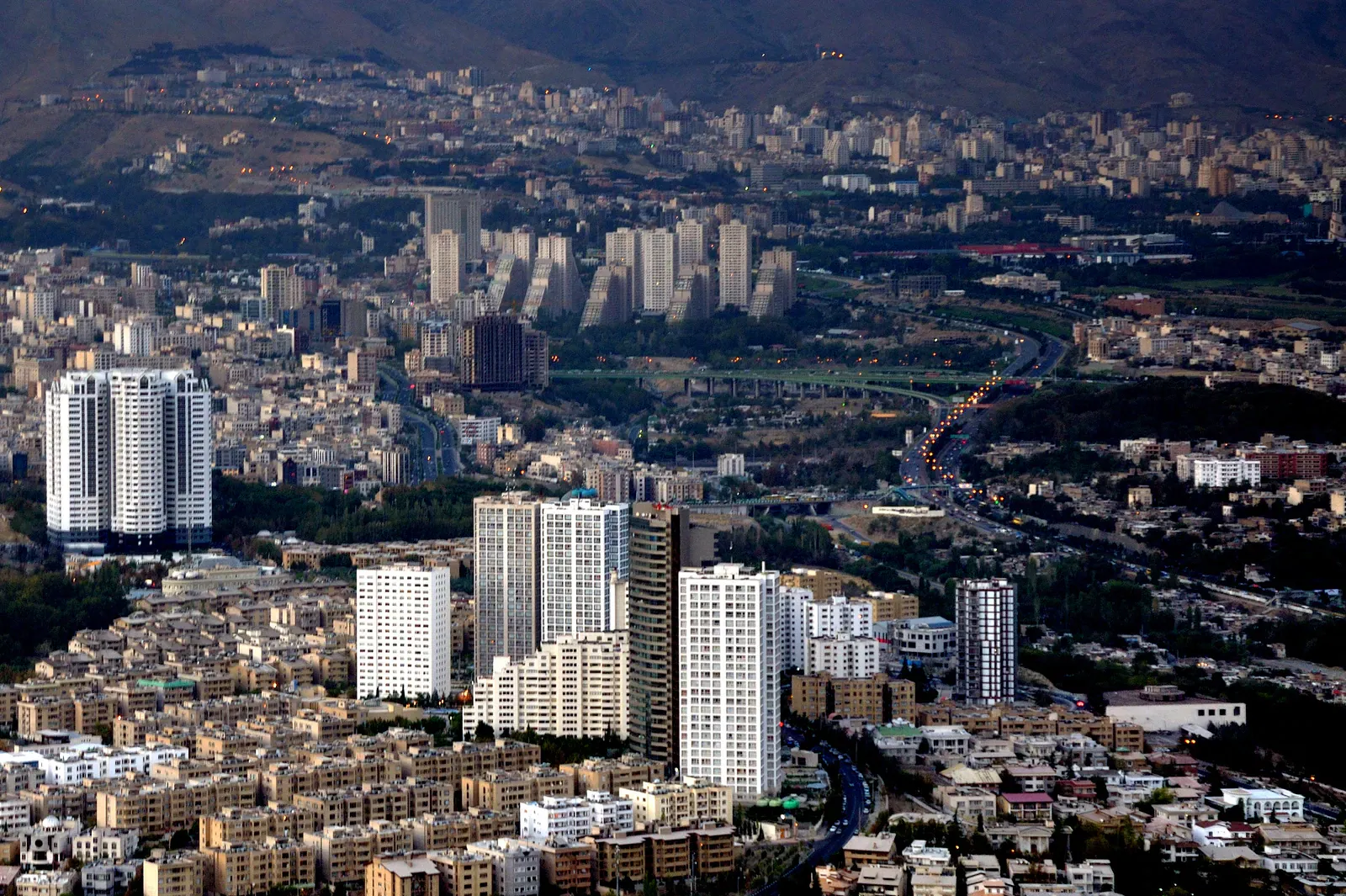
Iran’s scene began in the late 1990s, when a few people in Tehran translated American gangsta rap into Persian and spread the recordings online before writing their own lyrics. The umbrella is also defined by what it is not: distinct local genres such as mahraganat and raï sit in the Middle East and North Africa family, not here.
Imports and first crews, 1985-1999
Hebrew rap met resistance at first. Shabak Samech, which began rapping in Hebrew in 1995 under the influence of the Beastie Boys, had party lyrics rather than a political message, and listeners and DJs doubted that the language could carry rap. Hadag Nahash formed in Jerusalem in 1996 as a hip hop and funk band and became known for political songs.
Palestinian rap started in the same decade. DAM, founded around 1999 in Lod by the brothers Tamer and Suhell Nafar and their friend Mahmoud Jreri, is usually called the first Palestinian hip hop group. Its name is the Arabic verb for lasting forever, the Hebrew word for blood, and a reading of Da Arabian MCs. The members hold Israeli citizenship and rap mainly in Arabic, with Hebrew and English passages so that several audiences can follow.
Underground and online, 2000-2009
Download culture gave these scenes an audience without labels. DAM’s 2001 single Meen Irhabi?, English title Who is the Terrorist?, was released without a record company and was downloaded over a million times, which made the group known across the region during the Second Intifada. Hadag Nahash released Shirat Hasticker in 2004 on the album Homer Mekomi. The words come from the novelist David Grossman and consist of Israeli bumper-sticker slogans set against one another, from the left, the right, and the religious.
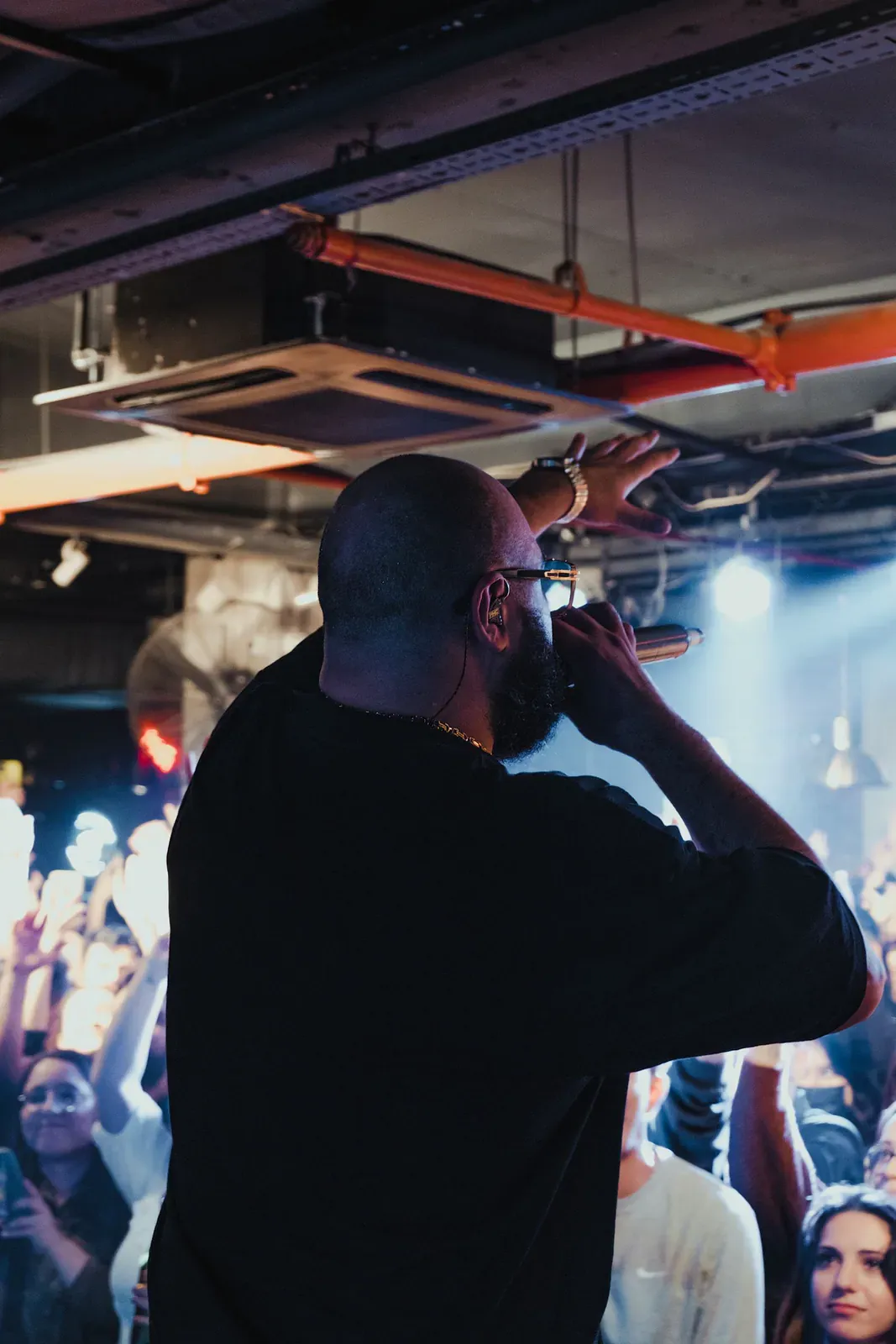
Iran’s rappers depended on the internet even more. The site RapFa appeared in 2003 and Bia2Rap followed, giving artists a place to upload and review tracks and, from 2005, to post videos. The government filtered Bia2Rap in 2008. Yas and Hichkas, two first-generation rappers, found ways around the lack of permits. Hichkas, born in 1985, is credited with popularizing Persian rap beyond Iran, in places such as Afghanistan and Tajikistan. Arab television joined in 2006, when MTV Arabia ran the reality contest Hip Hop Na, hosted by the producer Fredwreck and the Saudi rapper Qusai. The 2008 documentary Slingshot Hip Hop, directed by Jackie Salloum, followed Palestinian rappers including DAM and screened at Sundance.
Uprisings and platforms, 2010-2021
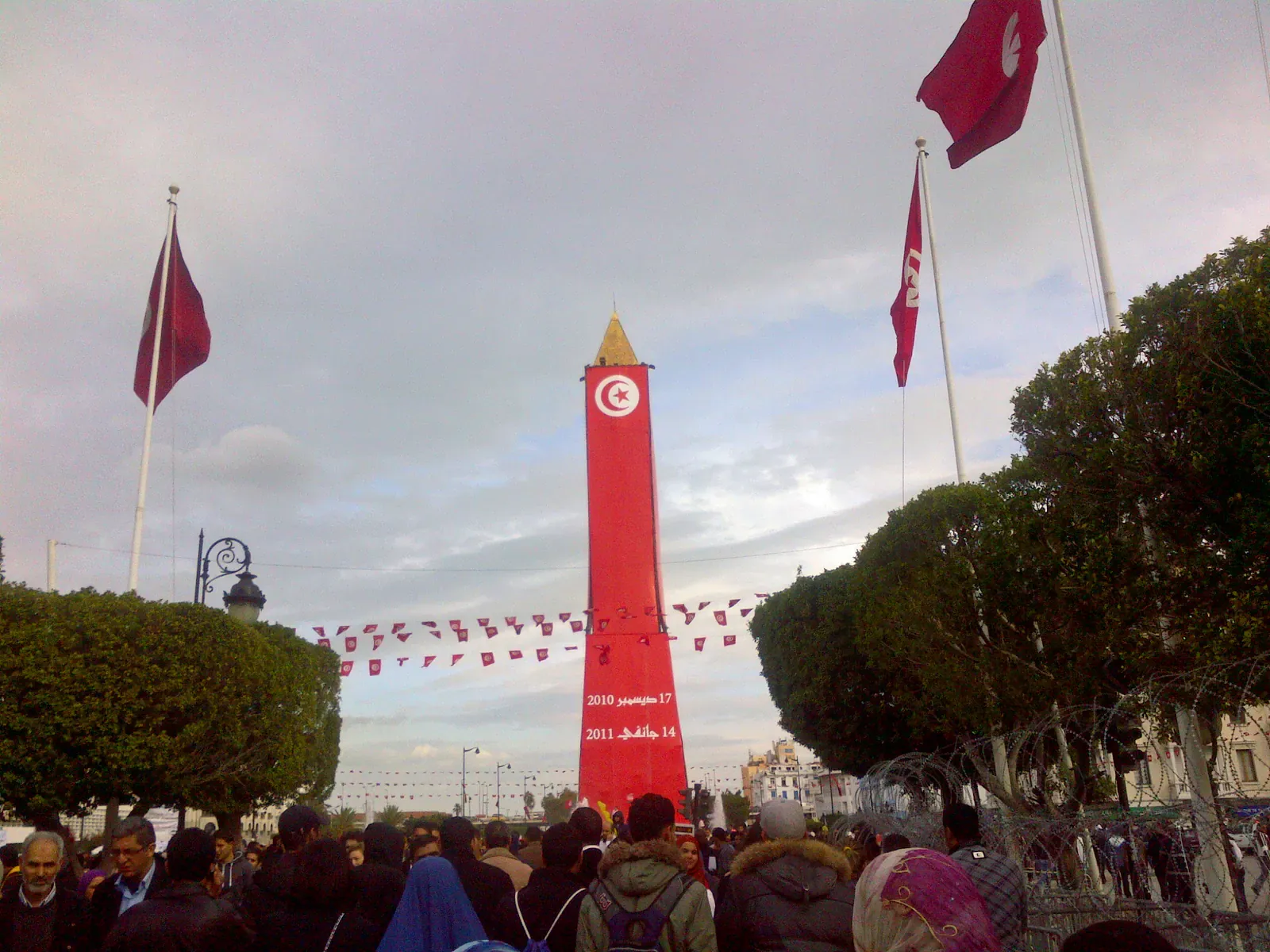
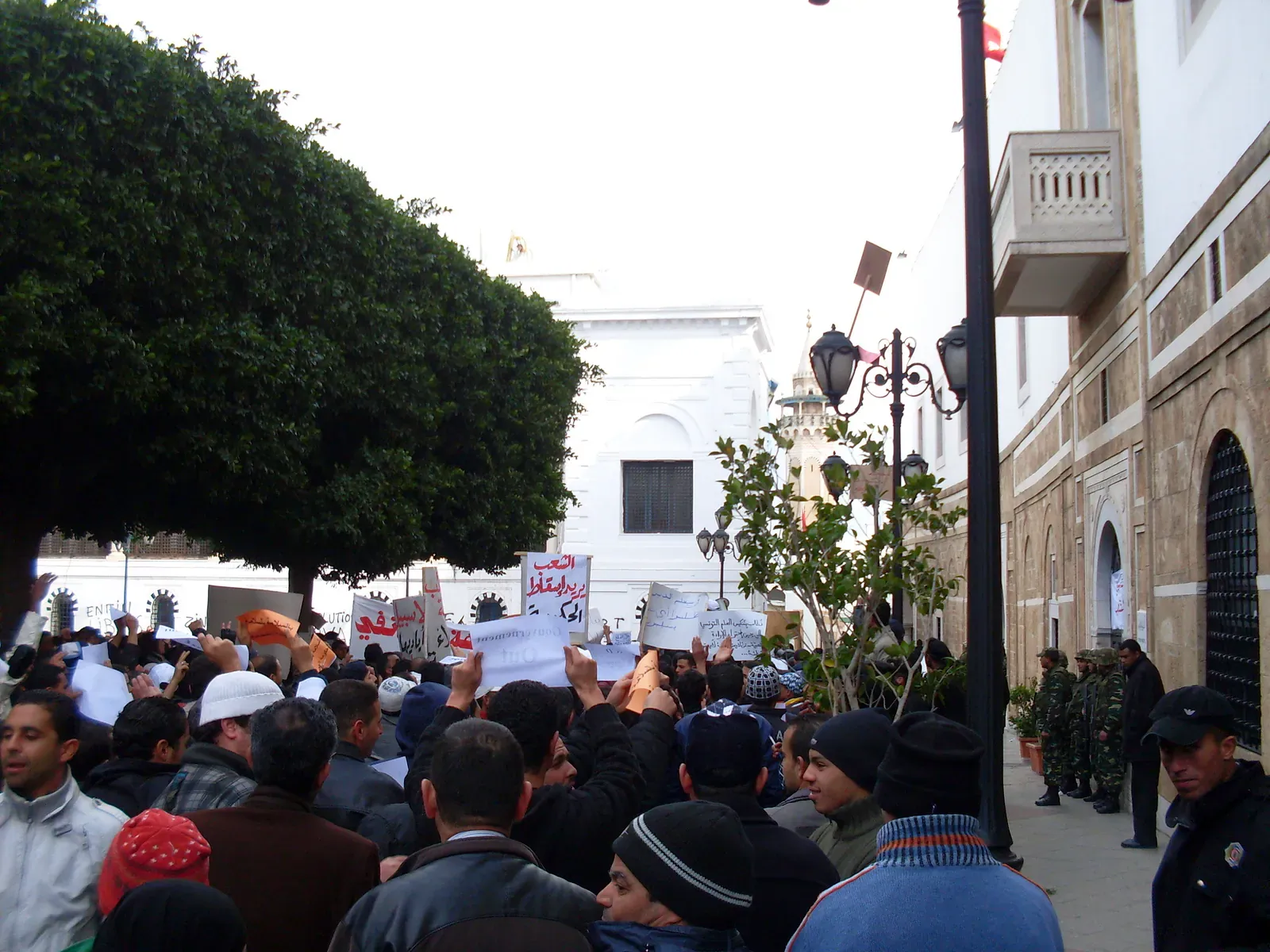
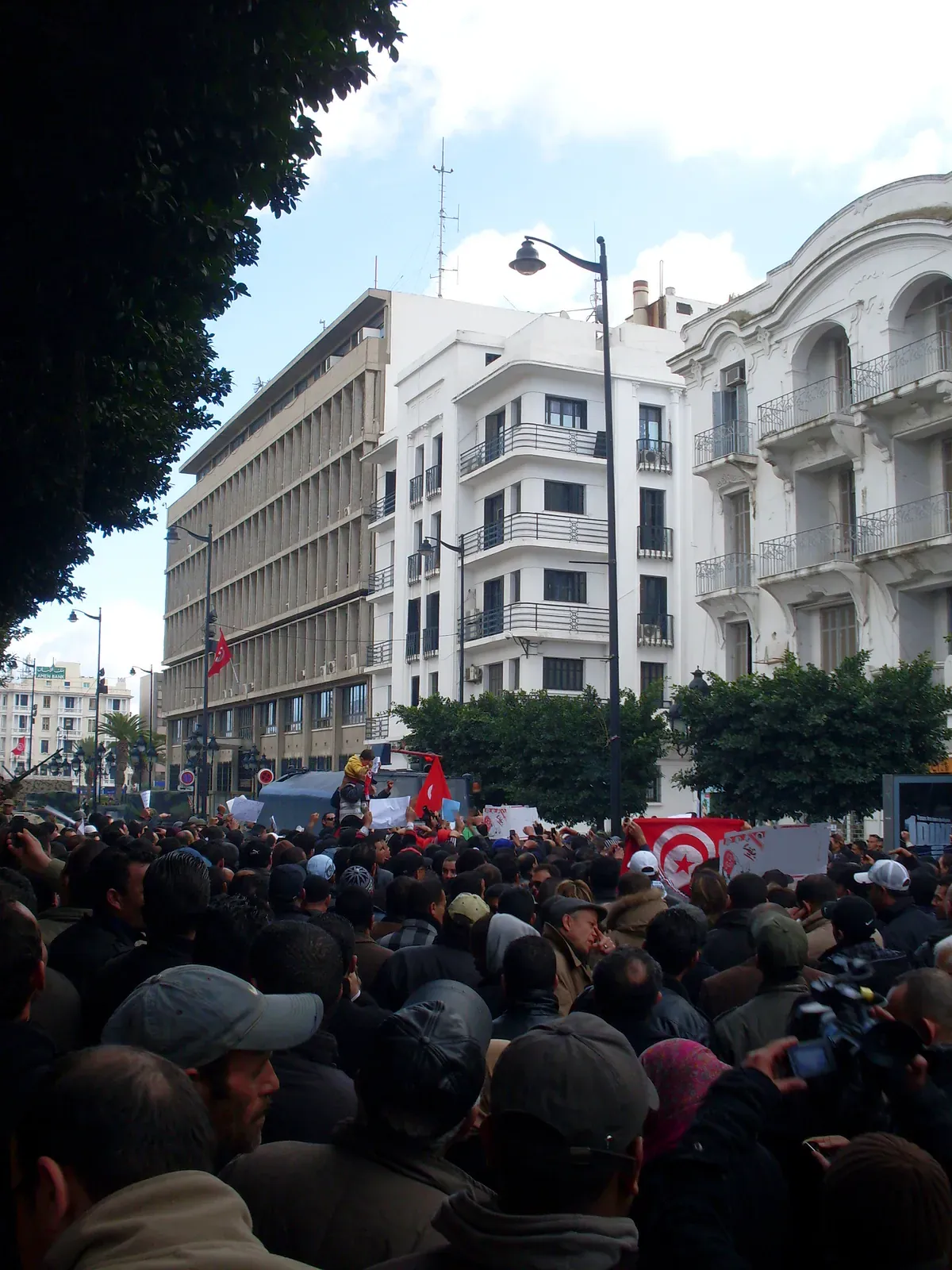
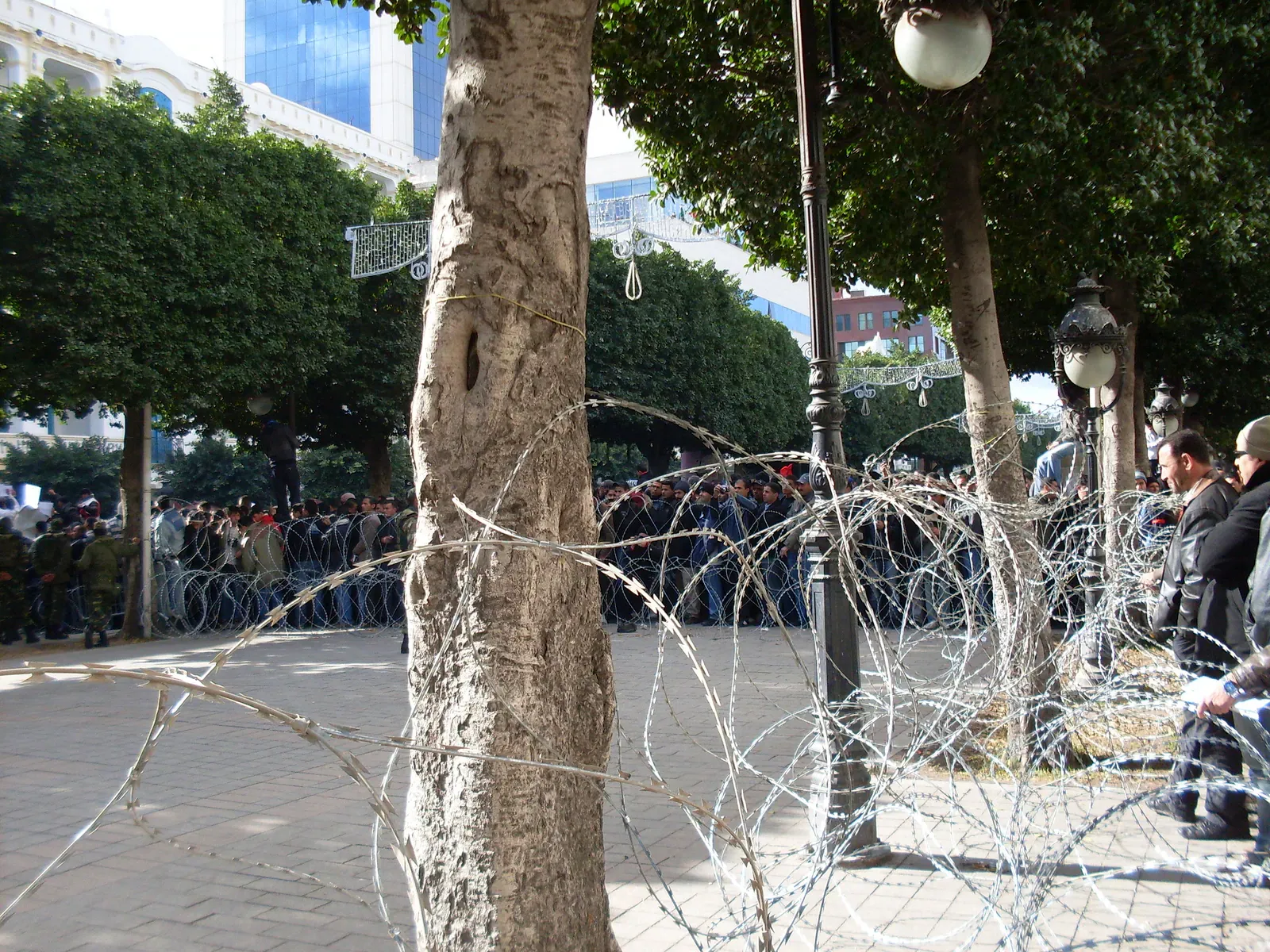
The scene’s political weight became clear in Tunisia. In late 2010, El General, the rapper Hamada Ben Amor from Sfax, posted Rais Lebled, a song addressed to the president. It spread online and was widely described as an anthem of the revolution that removed Zine El Abidine Ben Ali in January 2011. El General was arrested during the unrest and freed after public pressure. His case is cited as the clearest example of rap as protest in the Arab world, and the music was shared through Facebook and YouTube across Egypt, Libya, Syria and Yemen.
DAM kept releasing albums, including Dabke on the Moon in 2012. In January 2017 the group signed with the London independent Cooking Vinyl, and in 2015 the singer Maysa Daw joined the group.
Protest and prison, 2022 onward
During the Mahsa Amini protests in Iran, rappers who had been working underground were openly criminalized. Toomaj Salehi, who began releasing protest songs around 2017, was arrested on 30 October 2022 shortly after releasing Meydoone Jang, a call to join the uprising, and Faal. A court sentenced him to six years in 2023, and then to death in April 2024 on charges of waging war against God. The Supreme Court overturned the sentence in June 2024 and he was released in December. Saman Yasin, a Kurdish rapper, was also sentenced to death in 2022, and the Supreme Court later annulled his sentence and ordered a retrial.
Characteristics
The common thread is language, not sound. Rappers work in local Arabic dialects, Persian or Hebrew, and move between languages when a line has to reach more than one audience: DAM adds Hebrew and English, French-Arabic crews blend French and Arabic. Beats follow American conventions, usually in a moderate tempo, with local melodies sampled or echoed in the production.
Themes track the conditions each scene works in. Arabic rap speaks of poverty, drug use and resistance to occupation, and Iranian rap addresses the state, women’s rights and corruption. Israeli rap deals with poverty, crime and the Israeli-Palestinian conflict. Some of it is not political at all: Shabak Samech’s early songs were party music, and the Israeli duo Subliminal and The Shadow, who began performing in clubs in 1995, were known for patriotic songs after 2000.
Instruments and production
Production rests on the sampler and the drum machine, as in American hip hop, with Arabic and Persian instrumental phrases looped under the verses. In Iran, tracks were recorded in basements and bedrooms turned into studios, and websites did the work of radio and distribution.
Mainstream success
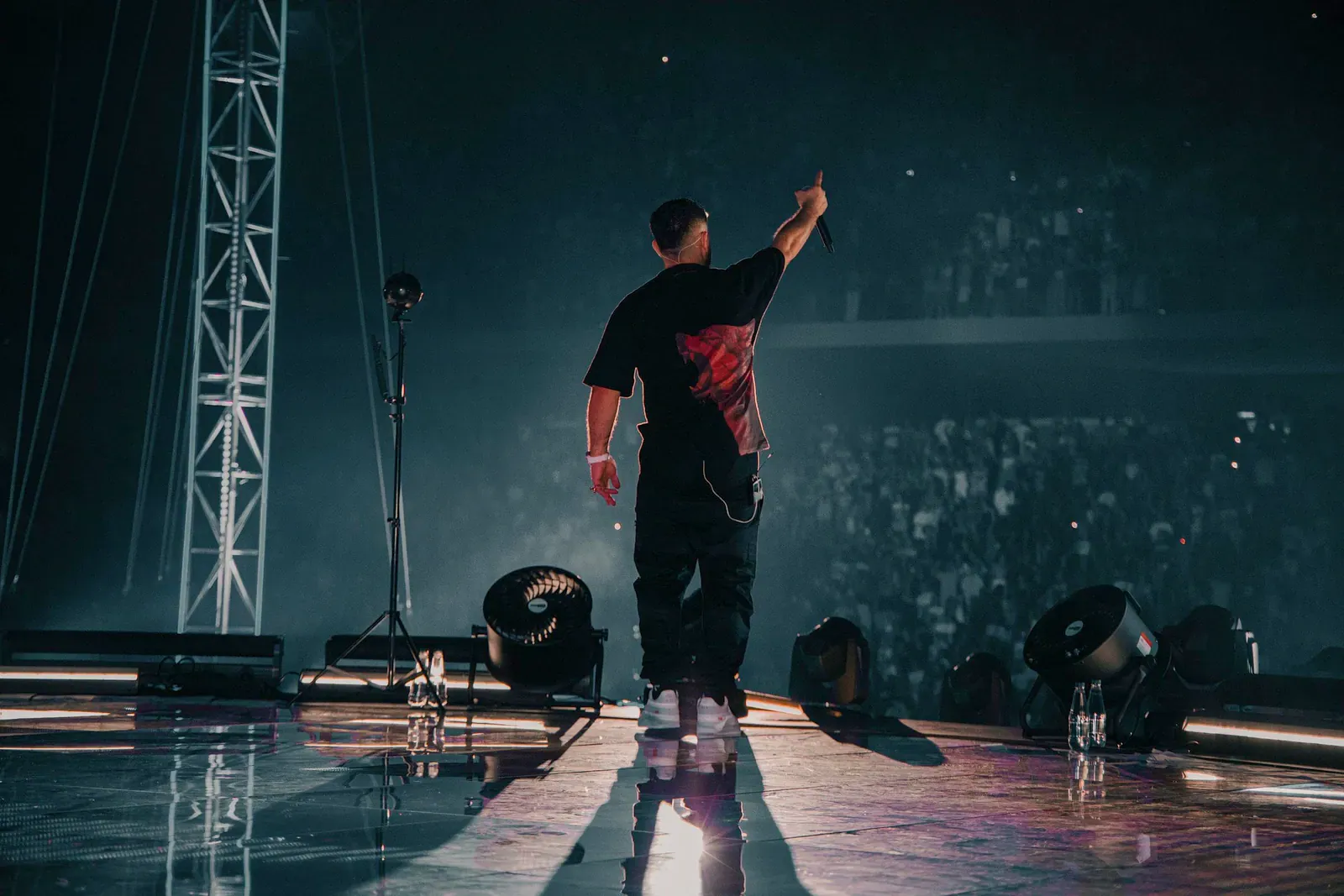
Arabic hip hop reached television and the festival circuit more easily than the Persian scene could. Hip Hop Na gave it a platform in 2006. In 2025 the Egyptian performer Mohammed Ramadan became the first Egyptian to play Coachella, and Egyptian artists such as Wegz now lead the local scene.
Notable recordings
Meen Irhabi? is the record most often used to explain why DAM matters. It was released for free, spread by downloads, and spoke directly to the Second Intifada years.
Rais Lebled is the other defining recording. It was made with little: a friend filmed the rapper walking through an alley to a home studio and another put the video on YouTube. Its force came from addressing the president directly in the language of the street.
Culture
The culture is local in its references. DAM’s 2012 album title points to dabke, the Levantine line dance, while the keffiyeh, the subject of Shadia Mansour’s 2010 song, is a Palestinian identity symbol. The Iranian rapper Yas wears the Zoroastrian faravahar pendant as a sign of Iranian identity. Persian rap was long coded as morally corrupting by state media, which linked it to Satanism, and the scene has used that hostility as a space to resist social expectations.
Legacy
The scenes showed that rap could be translated into a local language without losing its protest function. Hebrew rap proved it in the late 1990s, Persian rap proved it with almost no official infrastructure, and Arabic rap proved it in 2010 and 2011. Related scenes now include African hip hop in North Africa and European hip hop in the diaspora, and the sound can be traced back to old-school hip hop.
Misconceptions
One myth is that Middle Eastern hip hop is a single genre. It is a set of Arabic, Persian, Hebrew and French scenes with different histories and different rules about what can be recorded or performed, and the umbrella name is a convenience.
A second myth is that all of it is protest music. Much of it is, but early Hebrew rap was party music and some Israeli rap praises military service and avoids drugs and smoking.
A third is that rap is banned across the region. It is not licensed in Iran, where studios have been closed, websites blocked and artists arrested, but in Israel it grew largely free of repression and in much of the Arab world it reached satellite television.
Frequently asked questions
What language is Middle Eastern hip hop rapped in?
Mostly Arabic dialects, Persian and Hebrew, with French in the North African diaspora. Many artists switch between languages inside a verse.
Who was the first Palestinian hip hop group?
DAM, founded in Lod around 1999 by Tamer Nafar, Suhell Nafar and Mahmoud Jreri, is usually described as the first Palestinian hip hop group.
Is hip hop allowed in Iran?
Not in practice. Artists must submit work to the Ministry of Culture and Islamic Guidance, which almost never approves rap, so most Persian hip hop is underground or recorded abroad.
What role did rap play in the Arab Spring?
Songs such as El General’s Rais Lebled spread through social media during the Tunisian uprising of 2010 and 2011 and became anthems for protesters across several countries.
Sound
Sound sheet
Signature sounds
- Rapping in Arabic, Persian or Hebrew
- Sampled folk or maqam phrases
- Political or social lyrics
- Code-switching between languages
Techniques
- Local-dialect rapping
- Folk and maqam sampling
- Code-switching
- Online release
Keys and modes
Maqam-influenced melodies. Sampled or echoed Arabic modes sit under many tracks.
Vocals
Spoken rap in local languages on social and political themes.
Scenes
Where it happened
Where and when the sound lived: one bar per city on a shared timeline.
Europe
Asia
Africa
Active scenes
Peak 6, 2007-2025
French-language rap among North African families that mixed rap, French styles and rai.
Hebrew rap took shape around army radio and groups such as Shabak Samech.
Persian rap grew in basements and online forums despite official refusal of permits.
Home of DAM and a Palestinian rap scene.
An early b-boy community, and a 2004 concert with RZA.
Birthplace of El General, who began rapping in 2007.
Culture
Culture markers
- Dabke
The folk line dance gives its name to DAM's 2012 album Dabke on the Moon.
Dance - Keffiyeh
The scarf is the subject of Shadia Mansour's 2010 song and a Palestinian identity symbol.
Fashion - Faravahar pendant
Iranian rapper Yas wears the Zoroastrian symbol as an emblem of Iranian identity.
Fashion
Media
Key media
- 1995Esek Shachor (Galgalatz)
by Liron Teeni and Quami de la Fox. Israel's first all-hip-hop radio show.
Radio - 2006Hip Hop Na
by MTV Arabia. The satellite rap reality contest hosted by Fredwreck and Qusai.
Radio - 2008Slingshot Hip Hop
by Jackie Salloum. Documentary on Palestinian rap that screened at Sundance.
Film
Glossary
Terms on this page
A Levantine line dance referenced in the title of DAM's 2012 album.
Hebrew for Black Business, the 1995 army-radio show that promoted Hebrew rap.
The 2006 MTV Arabia rap reality show.
The melodic mode system of Arabic music, sampled or echoed in many beats.
Tunisian Arabic for head of the country, the title of El General's 2010 song.
Hip Hop family