African hip hop
African hip hop is rap made across Africa, mostly in local languages such as Wolof, Twi, Swahili and Sheng, with national scenes dating from the 1980s.
Senegal, South Africa, Tanzania, Ghana, Nigeria, 1982
Hip Hop family
Born
1982
Senegal, South Africa, Tanzania, Ghana, Nigeria
Subgenres
29
Documented branches
Links
3
Genres it drew on or shaped
Tempo
75-170 BPMLineage
Family tree
Grew out of
Derived from
Senegal, South Africa, Tanzania, Ghana, Nigeria, 1982
African hip hop
Led to (29)
Timeline
Era by era
From the first sparks to today. Select a dot to read the story behind it.
- Imports and first crews
1982 to 1992
- Rapping in local languages
1990 to 1999
- Hip hop goes national
2000 to 2009
- Protest and pan-African reach
2010 to 2014
- Stadiums and streaming
2015 to today
Eras
Moments
- 1 Imports and first crews, 1982 to 1992
- 2 Rapping in local languages, 1990 to 1999
- 3 Hip hop goes national, 2000 to 2009
- 4 Protest and pan-African reach, 2010 to 2014
- 5 Stadiums and streaming, 2015 to today
around 1982
Imports and first crews
Breakdance, graffiti, radio and cassettes bring American hip hop to Dakar, Cape Town, Lagos and Accra, and the first local crews form.
- 1985Hip hop reaches SenegalDakar youth start rapping, making Senegal the first scene in West Africa.
- 1988Prophets of da City form in Cape TownLate 1988; the crew grows to about eight members.
- 1989Positive Black Soul founded in DakarDidier Awadi and Duggy-Tee join forces after starting as rival crews.
1990
Rapping in local languages
Wolof, Twi, Swahili and Sheng replace borrowed English, and landmark records appear in Cape Town, Dakar, Accra, Dar es Salaam and Nairobi.
- 1990Our World, the first South African hip hop albumProphets of da City release it as apartheid is being dismantled.
- 1993Age of Truth is banned by the censorsMost of the album is barred over its mockery of apartheid symbols.
- 1993Kwanza Unit forms in TanzaniaSeveral groups merge; they rap in English first, then Swahili.
- 1994Prophets of da City play Mandela's inaugurationThe gig lifts hip hop into the South African mainstream.
- 1994Reggie Rockstone returns to GhanaHe starts rapping in Twi and begins what becomes hiplife.
- 1995Positive Black Soul release SalaamThe Senegalese duo's debut album comes out on Mango.
- 1996Hardstone's UhikiKenya's first major commercial hip hop hit, built on Kikuyu folk and Marvin Gaye samples.
- 1997Reggie Rockstone's Makaa MakaReleased on his own Kassa Records, it sells over 50,000 copies in Ghana.
- 1997Kalamashaka's Tafsiri HiiTedd Josiah produces the Swahili and Sheng rap that becomes a Kenyan blueprint.
2000
Hip hop goes national
Radio hits, political anthems and bans make rappers public figures, while home studios spread and Senegal reaches world-music stages.
- 2001Professor Jay's Ndio MzeeThe solo debut yields a track Tanzania's president later quotes in a speech.
- 2002Unbwogable becomes a campaign anthemKenya's NARC coalition adopts it on the way to ending Moi's 24-year rule.
- 2003Daara J release BoomerangThe album on Wrasse takes Wolof rap to world-music audiences.
- 2004Daara J win BBC Radio 3's Best African ActThe award is given ahead of Cesaria Evora, Oumou Sangare and Rokia Traore.
- 2004Eedris Abdulkareem's Jaga Jaga is banned from radioThe Nigerian rapper's attack on corruption angers President Obasanjo.
- 2009Kiff No Beat win in Cote d'IvoireTheir Faya Flow victory brings Ivorian hip hop into the mainstream.
2010
Protest and pan-African reach
Rap fuels Tunisia's uprising and Senegal's Y'en a Marre, and Nigerian, Ghanaian and South African hits cross borders through TV and YouTube.
- 2010Ice Prince's OlekuChocolate City releases the Yoruba-titled single, one of Nigeria's most remixed songs.
- 2010El General uploads Rais LebledThe Tunisian protest rap spreads online weeks before the uprising.
- 2011Y'en a Marre founded in DakarRappers from Keur Gui and journalists launch the movement in January.
- 2012Sarkodie wins BET Best International Act: AfricaHe shares the award with Wizkid.
- 2014Cassper Nyovest's Doc ShebelezaThe trap-leaning single from Tsholofelo tops the 5FM Top 40.
2015
Stadiums and streaming
South African rappers sell out stadiums, Nigerian rap bends into street pop, and streaming sends scenes to a global audience.
- 2017Cassper Nyovest fills FNB StadiumMore than 68,000 tickets sold, a first for a South African rapper.
Listening path
Anthems
The records that built the sound, grouped by the part they played. Thumbnails come from YouTube; the player loads only when you press play.
- 01
Prophets of da City, 1993
A protest rap from the banned Age of Truth that distrusted the "new" South Africa.
Origin - 02
Positive Black Soul, 1994
The Dakar duo's first track, a Wolof attack on political corruption.
Origin - 03
Reggie Rockstone, 1997
A hit from Makaa Maka that showed rapping in Twi could sell, founding hiplife.
Origin - 04
Professor Jay, 2001
Swahili rap that Tanzania's president quoted, putting Bongo Flava into politics.
Breakthrough - 05
Ice Prince, 2010 · Chocolate City
The Nigerian single with Brymo that won Headies Song of the Year and was remixed endlessly.
Start hereBreakthrough - 06
El General, 2010
The online protest track that became a battle hymn of the Tunisian uprising.
Anthem - 07
Cassper Nyovest, 2014
Trap-beat single that went number one on 5FM and made Cassper a national star.
Start hereAnthem - 08
Daara J, 2003
Title track of the album that took Wolof rap to world-music audiences and a BBC award.
Crossover - 09
Sarkodie, 2014 · SarkCess Music
The Ghanaian hit with Castro that became the first Ghanaian rap video to pass 100 million YouTube views.
Start hereCrossover
Facts
| Family | Hip Hop |
| Origin | Senegal, South Africa, Tanzania, Ghana, Nigeria |
| Emerged | Early 1980s |
| Status | Active |
| Tempo | 75 to 170 BPM |
| Meter | 4/4, tempo varies by scene |
| Grew out of | Old-school hip hop |
| Subgenres | 29 |
African hip hop is rap made across the continent, performed mostly in local languages such as Wolof, Twi, Swahili, Sheng and Setswana over beats that borrow from highlife, mbalax and folk music.
It is a set of national scenes rather than one, which began in Cape Town, Dakar, Lagos and Accra in the 1980s. It belongs to both the hip hop family and African music, and by the 2010s it filled stadiums and moved crowds in the streets.
Origins
It arrived on cassettes, radio shows, music videos and the luggage of returning travellers, and it landed in cities with strong traditions of spoken word and drumming. Young people copied breakdance, graffiti, DJing and rap, then asked an obvious question: why rap in someone else’s language?
Three records show how the answer sounded. In 1993 Prophets of da City released “Understand Where I’m Coming From”, a protest rap that distrusted the “new” South Africa while it was still being negotiated. In 1994 Positive Black Soul’s first track, “Boul Fale”, attacked political corruption in Wolof. In 1997 Reggie Rockstone’s “Sweetie Sweetie” proved that rapping in Twi could sell, and hiplife was born. Together they show that rap works in any language.
Imports and first crews (1982 to 1992)
In Cape Town, breakdance and graffiti took root around 1982. Prophets of da City formed in late 1988 and grew to about eight members, rapping in English at a time when apartheid was still law. Their debut “Our World” came out in 1990, the first South African hip hop album, just as the system was being dismantled.
Dakar’s rap began around 1985, the first scene in West Africa. In 1989 Didier Awadi and Duggy-Tee, who had started as rival crews, joined forces as Positive Black Soul. Lagos had early crews from about 1988, under military rule.
Rapping in local languages (1990 to 1999)
In 1993 the apartheid censors banned most of Prophets of da City’s “Age of Truth” because it mocked the symbols of the old state. It is now remembered as South Africa’s first hip hop classic, and the band played at Nelson Mandela’s inauguration in 1994, which lifted hip hop into the national mainstream.
In 1995 Positive Black Soul’s “Salaam”, mixing Wolof, French and English, reached an international label. In Ghana, Reggie Rockstone came home in 1994, began rapping in Twi and in 1997 released “Makaa Maka” on his own Kassa Records. It sold more than 50,000 copies, an enormous number for a local rap record. Highlife guitars and horns sat under the rapped verse.
East Africa moved at the same time. Kwanza Unit formed in Tanzania in 1993, rapping in English first and then in Swahili. A Dar es Salaam radio show hosted by DJs Master T and Mike Muhagama began airing local artists in late 1994 and helped start Bongo Flava. In Kenya, Hardstone’s “Uhiki” in 1996 became the first big commercial hip hop hit, built on Kikuyu folk and Marvin Gaye samples, and Kalamashaka’s “Tafsiri Hii” followed in 1997, produced by Tedd Josiah in Swahili and Sheng.
Hip hop goes national (2000 to 2009)
By the 2000s rappers were public figures. In 2001 Professor Jay’s “Ndio Mzee” gave Tanzania a line that its president later quoted in a speech. In 2002 Gidi Gidi Maji Maji’s “Unbwogable”, whose title is Dholuo slang for “cannot be bullied”, was adopted as a campaign anthem by Kenya’s NARC coalition on the way to ending Daniel arap Moi’s 24-year rule.
Senegal reached the world-music circuit. Daara J’s album “Boomerang” came out in 2003 on Wrasse, and in 2004 the group won BBC Radio 3’s award for Best African Act. Not every song was welcomed at home. The same year Eedris Abdulkareem’s “Jaga Jaga”, an attack on corruption in Nigeria, was banned from radio after it angered President Obasanjo.
In 2009 Kiff No Beat’s Faya Flow win brought Ivorian hip hop into the mainstream.
Protest and pan-African reach (2010 to 2014)
In 2010 two things changed at once. Streaming on YouTube and Facebook turned local hits into continental ones, and in Tunisia a young rapper known as El General uploaded “Rais Lebled”, an open address to the president. It spread online while state media were censored and became a hymn of the uprising that opened the Arab Spring, making rap in Arabic a political voice across North Africa.
In January 2011 rappers from the Keur Gui duo and a group of journalists launched Y’en a Marre (“Enough is enough”) in Dakar. The name was a protest against power cuts and the political class, and the movement mobilised young voters ahead of the 2012 election.
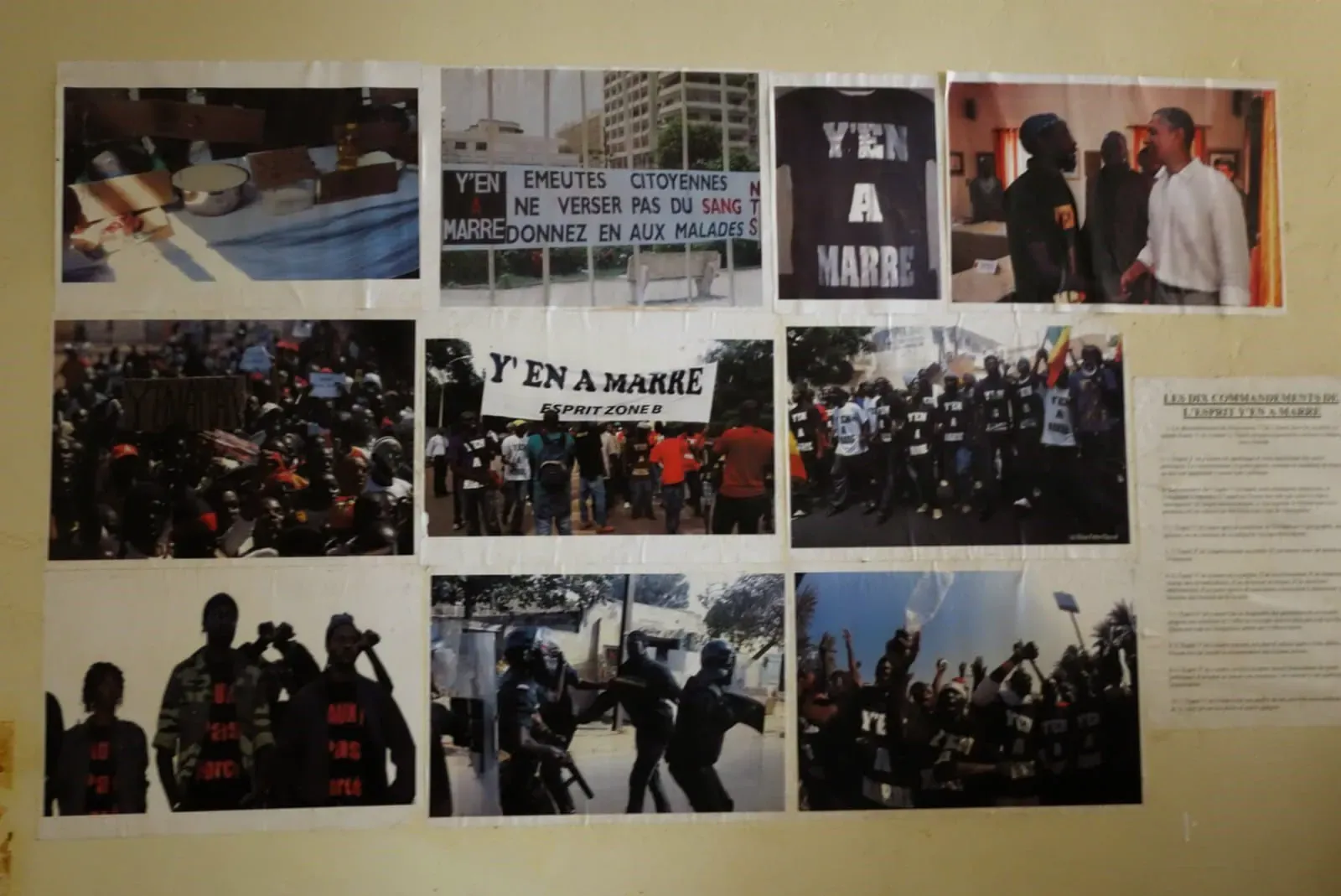
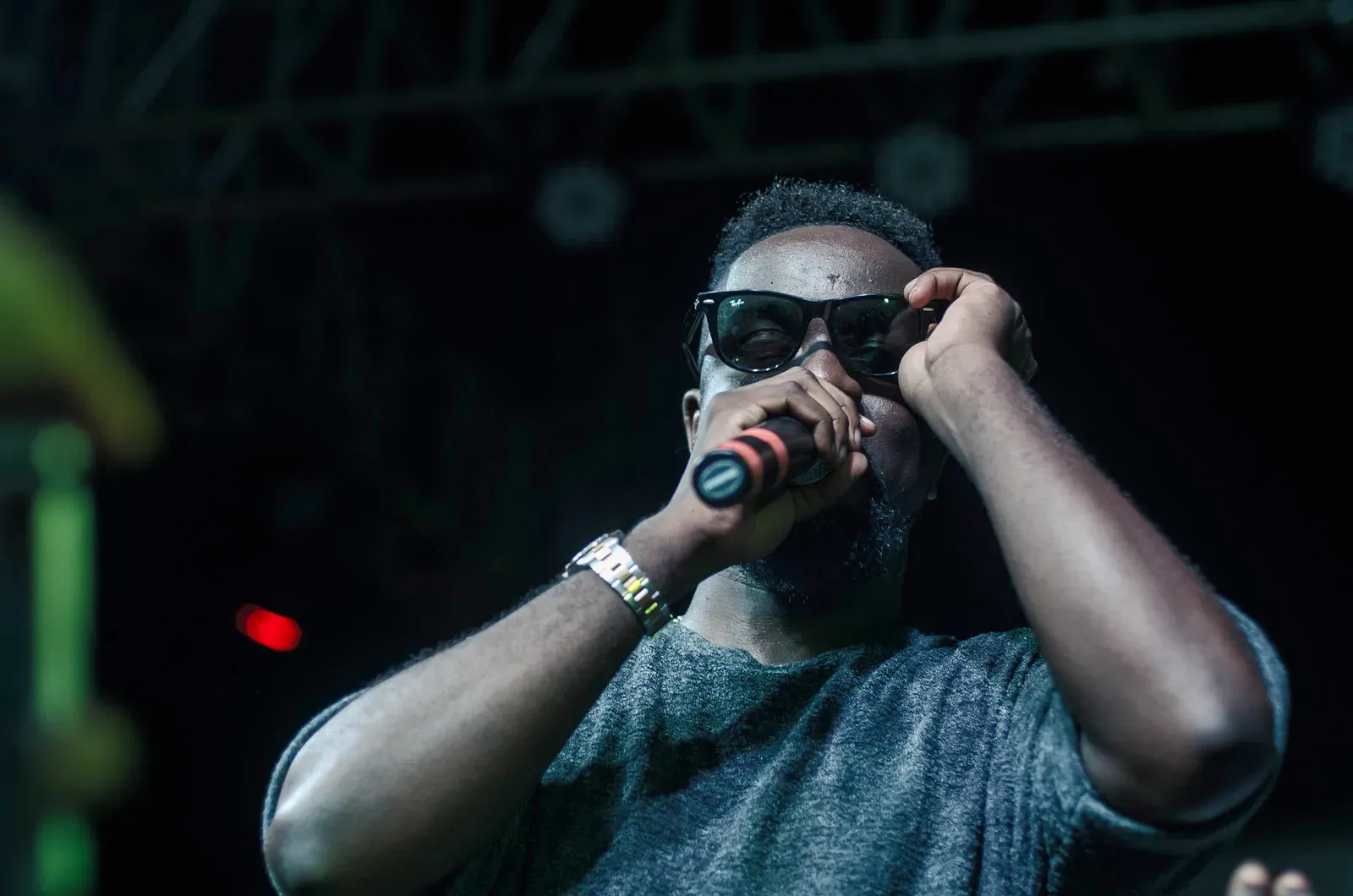
Nigeria’s Ice Prince released “Oleku” through Chocolate City in 2010, and it became one of the most remixed songs the country had seen. In Ghana, Sarkodie shared the 2012 BET award for Best International Act: Africa with Wizkid.
Stadiums and streaming (2015 to now)
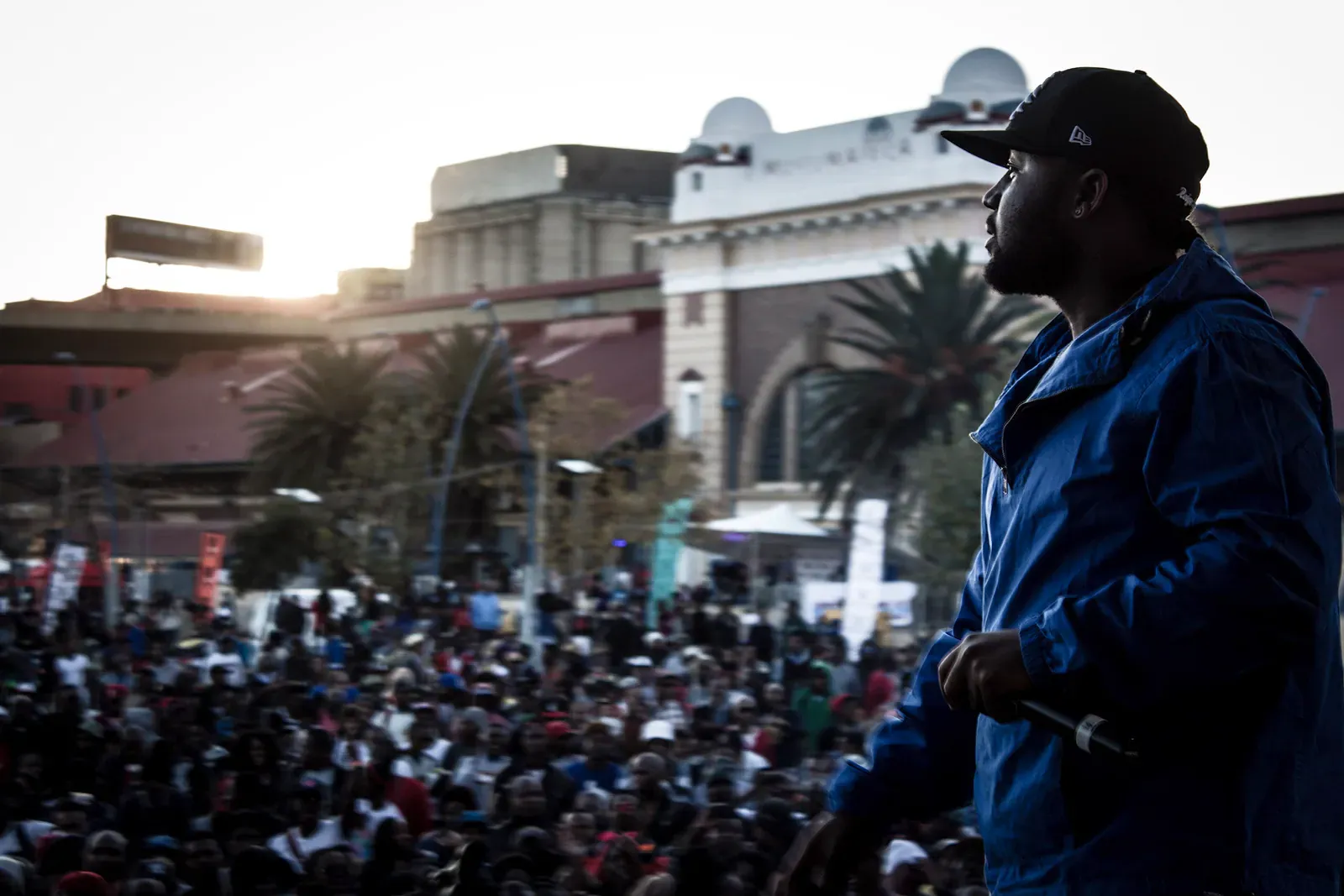
South African rappers were the first to fill huge venues. Cassper Nyovest’s “Doc Shebeleza”, a trap-leaning single from “Tsholofelo”, went to number one on 5FM in 2014. In October 2016 his Fill Up Orlando Stadium show drew about 40,000 people, and in November 2017 he sold more than 68,000 tickets at Johannesburg’s FNB Stadium, a first for a South African rapper.
Trap-style 808 bass and hi-hat rolls changed the sound of rap in South Africa and Nigeria, where rap also bent into street pop. For the older strand of West African pop it shares studios and singers with, see Afrobeat.
Characteristics
Rapping in indigenous languages is the defining trait, often switching between a local language, English and French within a verse. Hooks are sung more often than in American rap and borrow melodies from highlife, mbalax or dance-pop. Lyrics address corruption, apartheid, power cuts and daily hardship, and the delivery echoes the rhythmic, repetitive speech of griot tradition and the call and response of older African music.
Instruments and production
Senegalese groups fuse rap with mbalax, where the sabar drum supplies the rhythm. Ghanaian hiplife puts highlife guitars and horns under Twi verses, and most of it is built in studios with computer-aided production. Hardstone’s Kenyan hit sampled Kikuyu folk and Marvin Gaye, and 808 bass with hi-hat rolls shaped South African and Nigerian rap in the 2010s. Cheap home studios running software such as FL Studio let producers work without major labels.
Mainstream success
It never had one crossover moment, because each country had its own. Ghanaian hiplife crossed over through radio and the azonto dance craze, Nigerian and South African hits through TV and YouTube, and Senegal through the world-music circuit instead of the charts. “Unbwogable” became a political slogan; “Adonai” became a video people shared worldwide. Neither needed the American charts.
Notable recordings
“Understand Where I’m Coming From” appeared on “Age of Truth”, released in 1993 while South Africa’s future was still being negotiated. Its distrust of the “new” South Africa was the point, and the censors barred most of the album for mocking apartheid symbols.
“Rais Lebled” was uploaded by El General in 2010. It was online weeks before the uprising began, and then it was in the streets.
Culture
Language is the first marker of belonging. Nairobi’s Sheng mixes Swahili, English and other tongues. Abidjan’s rappers use Nouchi, Ivorian French slang. In Uganda, the Bataka Squad launched Lugaflow, rapping in Luganda, and held the first Uganda Hip-Hop Foundation summit at Club Sabrina’s in Kampala in 2003.
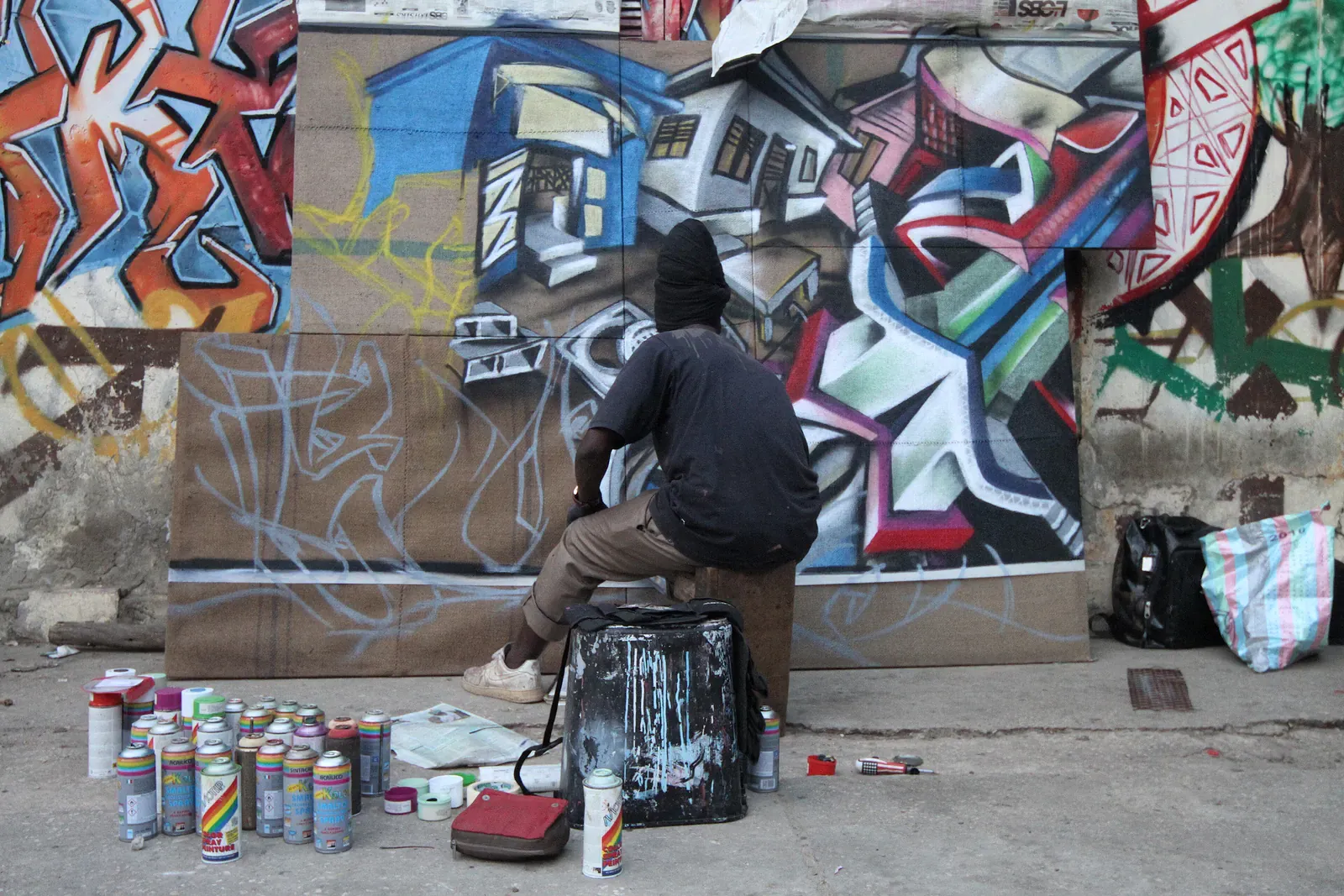
Azonto, the Ghanaian dance craze, is linked with Sarkodie’s early 2010s hits. For years there were few record stores and few labels, so artists built their own: Reggie Rockstone started Kassa Records, Sarkodie later built Sarkcess Music, and Chocolate City turned a Lagos label into a pillar of Nigerian rap.
Misconceptions
The idea that it is American rap with a different accent is wrong. The first records already mixed in local material: highlife melodies in Accra, Kikuyu folk and a Marvin Gaye sample in Nairobi, sabar rhythms in Dakar. Rappers wrote in Wolof, Twi, Swahili and Setswana, and the subject matter was local: apartheid, corruption, power cuts.
It is also not one scene. Hiplife, Bongo Flava, motswako, genge and hip hop galsen each have their own history and fans. “African hip hop” is a map; the real genre names are local.
Nor did it start only after landmark records appeared. Hip hop was in Cape Town by about 1982 and Dakar by about 1985, years before most of the records now credited as landmarks.
Frequently asked questions
Where did African hip hop start?
African hip hop began in several places at once: Cape Town around 1982, Dakar by about 1985, Lagos by about 1988. No single city owns the beginning.
What is hiplife?
Hiplife is Ghanaian hip hop that blends rapping, mostly in Twi, with highlife melodies. Reggie Rockstone began it in the mid-1990s, and his 1997 album “Makaa Maka” sold more than 50,000 copies in Ghana.
Is African hip hop political?
Often, yes. Banned albums in South Africa, a song adopted by a Kenyan election campaign, Senegal’s Y’en a Marre and Tunisia’s uprising all show it. Not every artist writes protest rap, and many hits are party music.
Sound
Sound sheet
Anatomy of a track
| # | Part | Bars |
|---|---|---|
| 1 | Intro or hook tease | 4 |
| 2 | Verse 1 | 16 |
| 3 | Hook | 8 |
| 4 | Verse 2 | 16 |
| 5 | Hook | 8 |
| 6 | Verse 3 or bridge | 16 |
| 7 | Final hook | 8 |
Signature sounds
- Rapping in Wolof, Twi, Swahili, Sheng, Yoruba or Setswana
- Code-switching between local language, English and French
- Hooks borrowed from highlife, mbalax or dance-pop melodies
- Social and political commentary on corruption and daily hardship
- Local percussion or sampled folk lines under hip hop beats
- Guest hooks from singers on pan-African singles
Drums and percussion
- Sabar
- Tama
- Roland TR-808
Synths and software
- FL Studio
Techniques
- Call and response
- Code-switching
- Folk and highlife sampling
- Computer-aided production
- Griot-style delivery
Tuning
Studio beats sit in standard 12-tone tuning; local instruments such as sabar and tama keep their own tuning.
Vocals
Rapping in indigenous languages such as Wolof, Twi, Swahili and Sheng, often with sung hooks.
Scenes
Where it happened
Where and when the sound lived: one bar per city on a shared timeline.
Africa
Active scenes
Peak 8, 2010-2025
West Africa's first hip hop scene: Positive Black Soul, Daara J, Keur Gui and Y'en a Marre.
Breakdance and graffiti took root here, then Prophets of da City turned rap into anti-apartheid protest.
Home of hiplife, from Reggie Rockstone to Sarkodie.
Nigerian hip hop began here under military rule, from Plantashun Boiz to Chocolate City.
Dandora gave Kenya its Swahili and Sheng rap through Kalamashaka and Ukoo Flani.
Kwanza Unit, Mr II and Professor Jay built Swahili rap that became Bongo Flava.
Base of the motswako and trap-era stars, including Cassper Nyovest.
El General's protest rap became a soundtrack of the 2010-2011 uprising.
Venues and places
Dar es Salaam, 1994 to today. DJs Master T and Mike Muhagama began airing local artists here in late 1994.
Kampala, 2003 to today. Site of the first Uganda Hip-Hop Foundation summit.
Johannesburg, 2016 to today. Cassper Nyovest's Fill Up Orlando Stadium show drew about 40,000 in October 2016.
Johannesburg, 2017 to today. Cassper Nyovest sold more than 68,000 tickets here in November 2017.
Culture
Culture markers
- Sheng
Nairobi street slang mixing Swahili and English, used in Kenyan rap since Kalamashaka.
Slang - Nouchi
Ivorian French slang that rap dogba artists use.
Slang - Cape slang
Cape Flats speech, as in Prophets of da City's "Dala Flat".
Slang - Lugaflow
Rapping in Luganda that Uganda's Bataka Squad pioneered.
Slang - Azonto
Ghanaian dance craze that Sarkodie is linked with in the early 2010s.
Dance
Media
Key media
- 1994Radio One DJ Show
by Master T and Mike Muhagama. Dar es Salaam radio show that pushed local artists and helped start Bongo Flava.
Radio - 1999Kenyan Second Chapter
by Tedd Josiah. Compilation that carried Gidi Gidi Maji Maji's first hit.
Compilation - 2002Red Hot + Riot: The Music and Spirit of Fela Kuti
by Various. Tribute album with Positive Black Soul beside Baaba Maal and Tony Allen.
Compilation - 2010Afrikaaps
by Dylan Valley and Kurt Orderson. Film about Cape Town hip hop in Afrikaans and Cape slang.
Film - 2012Hip Hop Africa: New African Music in a Globalizing World
by Eric Charry (ed.). Essay collection on rap scenes across the continent.
Book
Glossary
Terms on this page
Tanzanian pop-rap scene from Dar es Salaam, rapped and sung in Swahili.
Kenyan offshoot that sets Sheng rap over dance beats and later became gengetone.
Senegalese rap, mostly in Wolof, from the Dakar scene.
Ghanaian style that blends hip hop with highlife melodies, rapped mostly in Akan languages.
South African township rap, "kasi" being slang for township.
Style of rapping in Luganda that Uganda's Bataka Squad launched in the 1990s.
South African rap in Setswana, associated with HHP and the Mahikeng and Pretoria scene.
Nairobi slang mixing Swahili, English and other languages, the voice of Kenyan rap.
Hip Hop family