Afrobeat
Afrobeat is a West African genre from late-1960s Lagos, created by Fela Kuti and Tony Allen: highlife, Yoruba rhythm, funk and jazz in long political grooves.
Lagos, 1968
African family
Born
1968
Lagos
Subgenres
1
Documented branches
Links
23
Genres it drew on or shaped
Tempo
100-125 BPMLineage
Family tree
Timeline
Era by era
From the first sparks to today. Select a dot to read the story behind it.
- Highlife-jazz roots
1963 to 1969
- Africa '70 and the Shrine
1970 to 1979
- Egypt 80 and prison
1980 to 1997
- Revival and reissues
1998 to 2008
- Broadway and beyond
2009 to today
Eras
Moments
- 1 Highlife-jazz roots, 1963 to 1969
- 2 Africa '70 and the Shrine, 1970 to 1979
- 3 Egypt 80 and prison, 1980 to 1997
- 4 Revival and reissues, 1998 to 2008
- 5 Broadway and beyond, 2009 to today
1963
Highlife-jazz roots
Fela Kuti returns to Lagos in 1963, fronts Koola Lobitos, visits Ghana in 1967 and starts calling his fusion of highlife, jazz and funk Afrobeat, with Tony Allen on drums.
- 1967Fela goes to Ghana and names AfrobeatSources place the moment Fela first called his highlife, jazz and funk mix Afrobeat during a 1967 trip to Ghana.
- 1968Tony Allen joins as drummer and music directorAllen runs the band's rhythm until 1979; Fela later said there would be no Afrobeat without him.
- 1969Los Angeles trip and Black PowerFela spends about ten months in the US, meets Sandra Smith, reads Malcolm X and Angela Davis, and records The '69 Los Angeles Sessions.
1970
Africa '70 and the Shrine
The classic years: the Afrika Shrine residency, side-long records, the Kalakuta Republic commune and the Zombie album that provoked the 1977 army raid.
- 1970Africa '70 and the Kalakuta RepublicBack in Lagos, Fela renames the band Africa '70 and founds the Kalakuta Republic commune.
- 1971Afrika Shrine opens at the Empire HotelThe Empire Hotel club, first called the Afro-Spot, becomes the band's home stage.
- 1971Live! with Ginger BakerCream drummer Ginger Baker travels to Lagos in 1971 and records with Fela and Africa '70.
- 1972ShakaraTwo side-long tracks, Lady and Shakara (Oloje), issued by EMI Nigeria; it later became an international favourite.
- 1973GentlemanFela mocks Africans who wear heavy European suits in the tropics: I be Africa man original.
- 1973Batakota (ARC) studio opens in LagosA new recording room, also used by Paul McCartney and Wings for Band on the Run, gives Lagos a Western-standard studio.
- 1975Expensive ShitTitle track refers to a 1974 cannabis arrest; Water No Get Enemy on side two becomes one of his most covered songs.
- 1975Tony Allen's JealousyAllen's first solo album shows the drum-led side of Afrobeat.
- 1976ZombieFela compares soldiers to obedient automatons; Coconut Records issues it in Nigeria.
- 1977Army raid on the Kalakuta RepublicAbout a thousand soldiers burn the compound; Fela's mother Funmilayo Ransome-Kuti is fatally injured.
- 1979Allen leaves the bandAfter eleven years Tony Allen quits to go solo; Fela forms Egypt 80.
1980
Egypt 80 and prison
Fela tours the world with Egypt 80 and is jailed for 20 months in 1984. Femi Kuti founds his own band in 1986. Fela dies on 2 August 1997.
- 1980Talking Heads' Remain in LightBrian Eno and David Byrne credit Fela as a key influence on the album.
- 1997Fela Kuti diesHe dies on 2 August 1997 from AIDS-related complications; son Seun later takes over Egypt 80.
1998
Revival and reissues
Antibalas starts in Brooklyn in 1998, Strut's Nigeria 70 anthology arrives in 2001 and Soundway digs up Lagos obscurities in 2008, while Femi and Seun carry the Kuti line.
- 1998Antibalas forms in BrooklynMartin Perna founds the Afrobeat orchestra; first gig at St. Nick's Pub in Harlem on 26 May 1998.
- 2001Nigeria 70 anthologyStrut's three-disc set maps 1970s Lagos funk beyond Fela, from Segun Bucknor to Lijadu Sisters.
- 2008Soundway's Nigeria SpecialA Lagos digging trip yields a compilation of 1970-76 highlife, afro-soul and blues obscurities.
2009
Broadway and beyond
Fela! reaches Broadway in 2009 and wins three Tonys. Antibalas, Seun and Femi Kuti keep releasing, and Zombie enters the Grammy Hall of Fame in 2025.
- 2009Fela! opens on BroadwayThe musical (Off-Broadway 2008) reaches the Eugene O'Neill Theatre on 23 November 2009 and wins 3 Tonys.
- 2011Afrobeats gets its nameLondon DJ Abrantee names the separate pop genre Afrobeats, a different sound from Fela's Afrobeat.
- 2018Seun Kuti's Black TimesThe Strut album, with Carlos Santana on the title track, earns a nomination for the 2019 Grammys.
- 2020Tony Allen dies in ParisThe drummer, aged 79, leaves 13+ solo projects and over 30 albums made with Fela.
- 2025Zombie enters the Grammy Hall of FameIt is the first Nigerian album inducted.
Listening path
Anthems
The records that built the sound, grouped by the part they played. Thumbnails come from YouTube; the player loads only when you press play.
- 01
Fela Kuti, 1971
Fela's first big hit single, with the horn-and-riff layout the genre kept.
Origin - 02
Fela Kuti, 1972
Side one of Shakara: a 13-minute vamp showing how Afrobeat builds slowly and stays locked.
Start hereAnthem - 03
Fela Kuti, 1973
A satire on European suits in the tropics that put the political voice in front of the groove.
Anthem - 04
Fela Kuti, 1975
Likely the easiest entry: a Yoruba proverb on a clean groove, later covered and sampled widely.
Start hereAnthem - 05
Fela Kuti, 1975
Defiant song about the 1974 arrest and the stool-sample story, 13 minutes of horn riffs.
Anthem - 06
Tony Allen, 1975
The drummer's solo debut puts his polyrhythmic kit playing in front.
Anthem - 07
Fela Kuti, 1976
The army satire that provoked the 1977 raid; the genre's best-known protest song.
Start hereAnthem - 08
Fela Kuti, 1977
A slow groove about police violence and the daily terror of life under military rule.
Anthem - 09
Lijadu Sisters, 1979
A woman-led, slow-burning political Afrobeat from the Horizon Unlimited album.
Anthem - 10
Tony Allen, 2014
Allen's drumming under Damon Albarn's voice moves Afrobeat into pop-adjacent territory.
Crossover - 11
Femi Kuti, 1998
Fela's eldest son tightens the sound for a new generation on Shoki Shoki.
Revival - 12
Antibalas, 2004
Brooklyn's Antibalas rebuilds the Africa '70 horn-and-riff sound as American protest music.
Revival - 13
Seun Kuti, 2018 · Strut
Seun Kuti and Egypt 80 with Carlos Santana: the Kuti line sounds current and angry.
Revival
Facts
| Family | African |
| Origin | Lagos, Nigeria |
| Emerged | Late 1960s |
| Status | Active |
| Tempo | 100 to 125 BPM |
| Meter | 4/4 |
| Subgenres | 1 |
Afrobeat is a West African genre created in late-1960s Lagos by the bandleader Fela Kuti and the drummer Tony Allen. It fuses highlife and Yoruba rhythms with American funk, jazz and soul into long, horn-driven grooves with chanted call-and-response vocals and political lyrics.
It belongs to the wider African music family and is distinct from Afrobeats, the pop genre named in 2011.
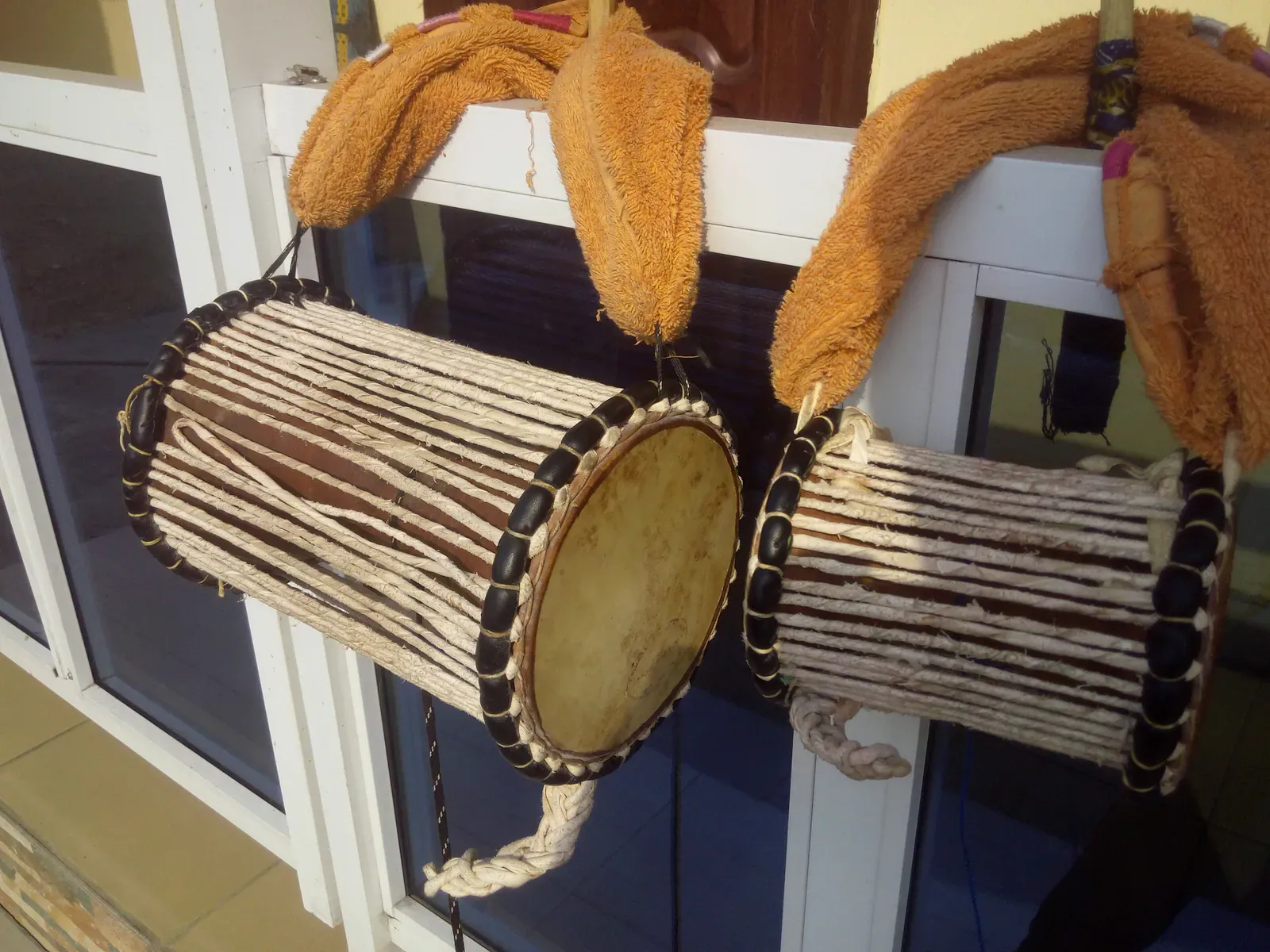
Origins
Fela Anikulapo Kuti came back to Lagos in 1963 after studying music in London, and spent the next years leading Koola Lobitos, a highlife and jazz band. The turn came around a 1967 trip to Ghana, where he began calling his blend of highlife, jazz and funk “Afrobeat”. In 1968 Tony Allen joined as drummer and musical director. Fela later said there would have been no Afrobeat without him.
The sound had five parents: highlife, Yoruba music, funk, jazz and soul. Highlife supplied the guitars and horns, Yoruba rhythm the cross-patterns, funk the tight, repeating riffs. Allen’s kit playing glued them together.
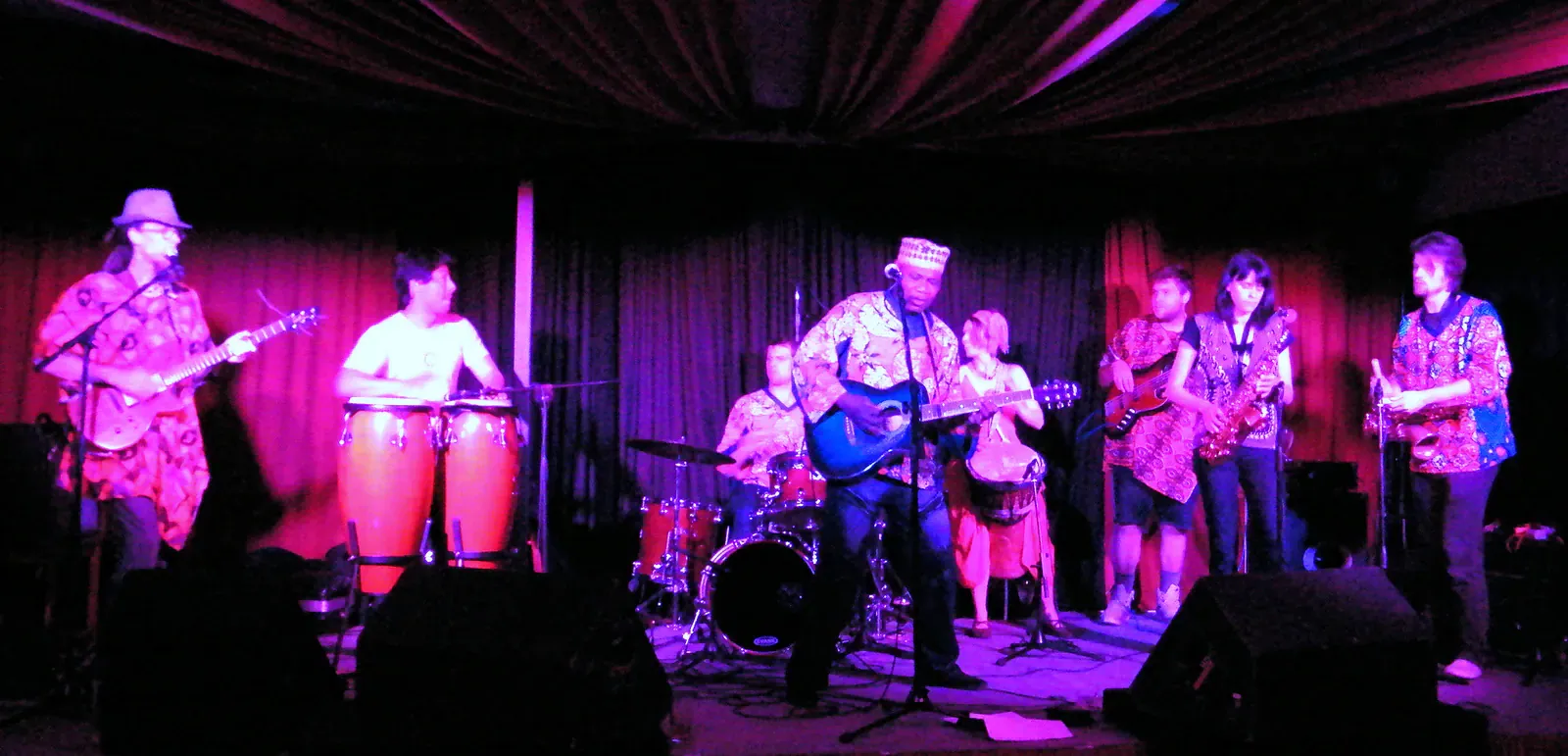
Highlife-jazz roots (1963-1969)
Koola Lobitos played highlife with jazz leanings. The early recordings are collected on the compilation Lagos Baby 1963-1969.
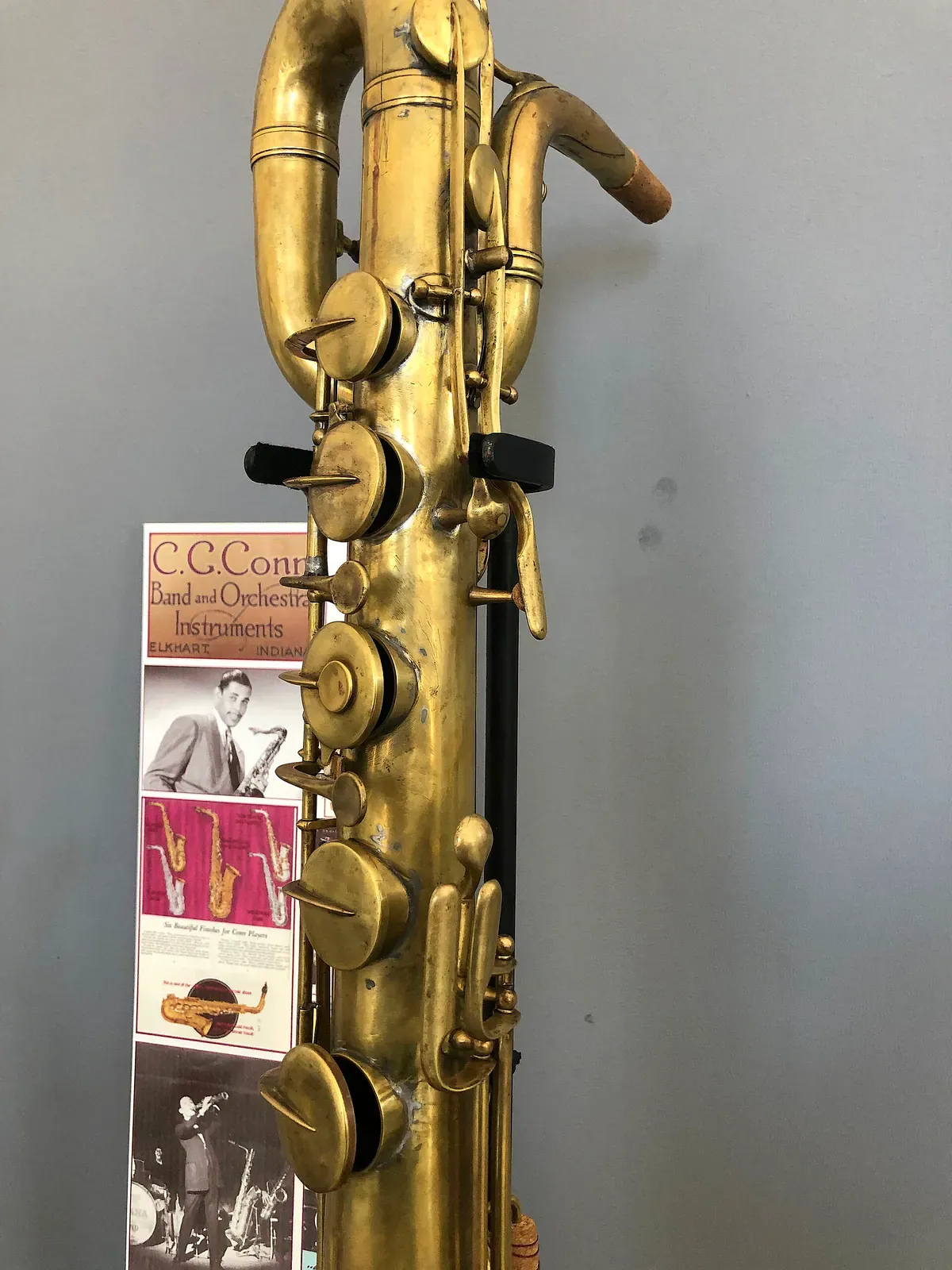
In 1969 Fela spent about ten months in the United States, met Sandra Smith, and read Malcolm X and Angela Davis. He recorded The ’69 Los Angeles Sessions there. Bossa nova is a comparable 1960s hybrid that gave jazz harmony a local rhythmic spine.
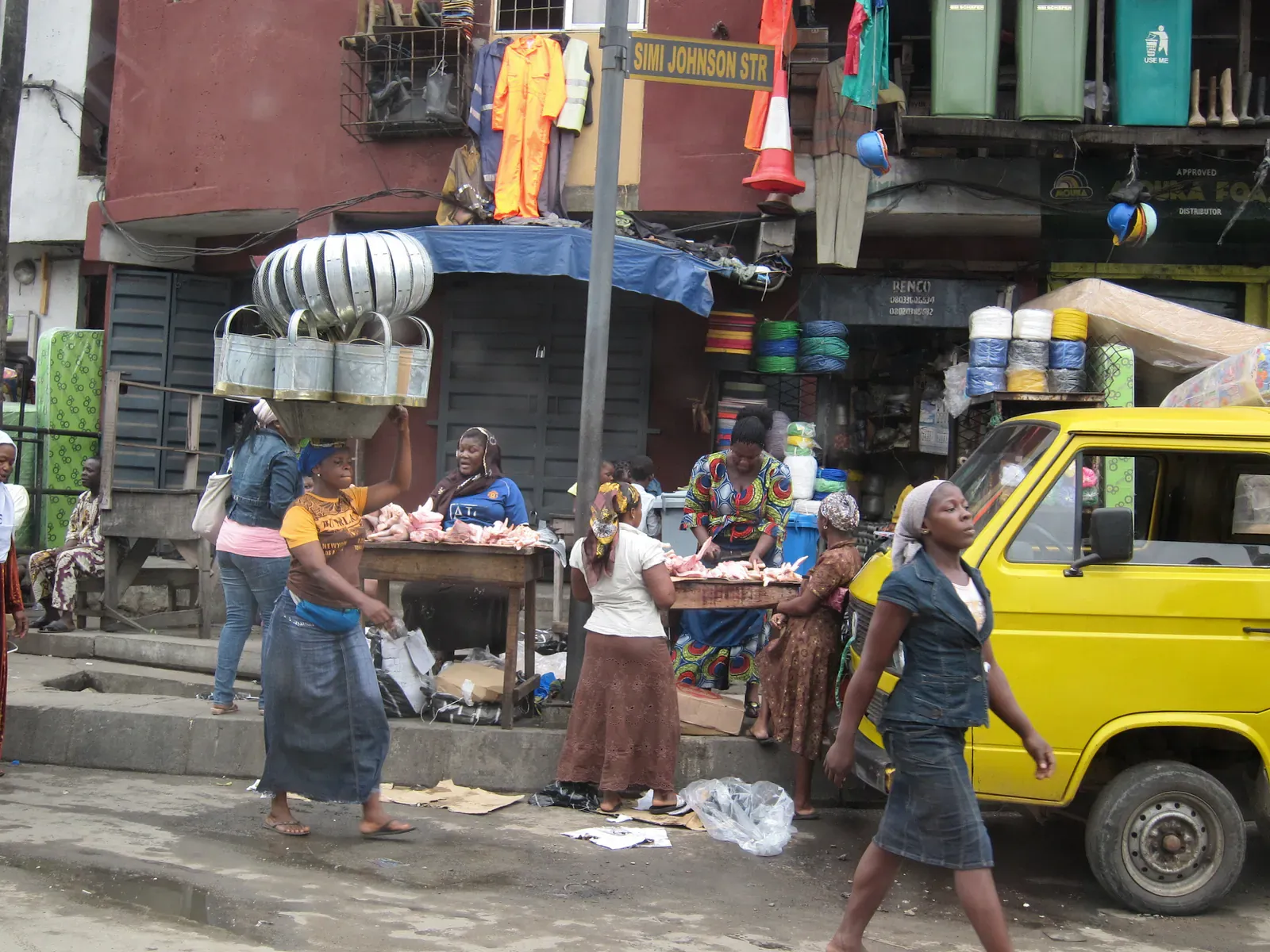
Africa ’70 and the Shrine (1970-1979)
Back in Lagos, Fela renamed the band Africa ’70 and founded the Kalakuta Republic, a commune and studio. In 1971 the Empire Hotel club, first called the Afro-Spot, became the Afrika Shrine, the band’s home stage. Fela sang in Nigerian Pidgin English.
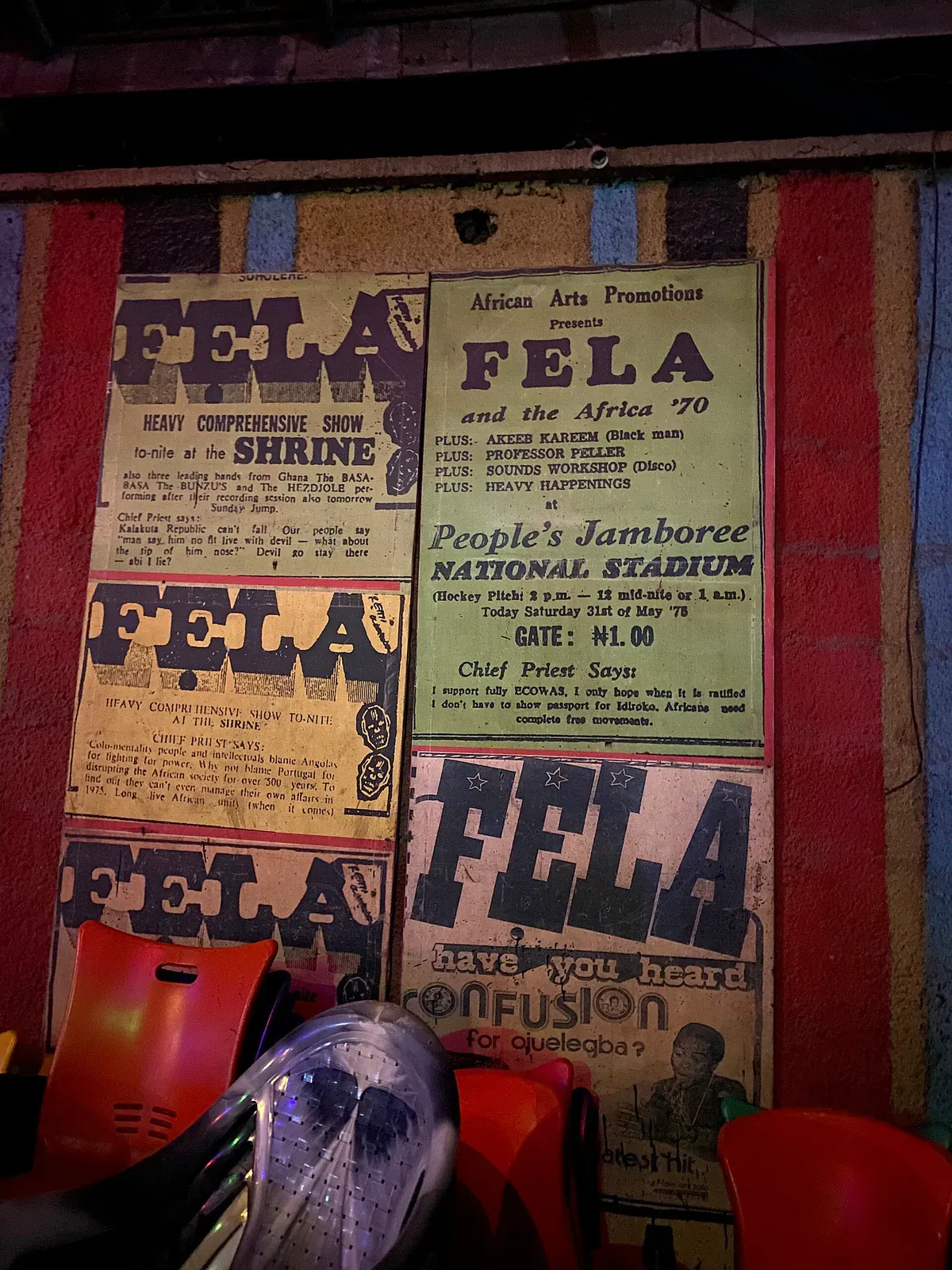
The records were built for vinyl: tracks of 11 to 14 minutes, one or two per side. Shakara (1972), Gentleman (1973), Expensive Shit (1975) and Zombie (1976) set the template. In 1971 Cream drummer Ginger Baker travelled to Lagos and recorded with the band, and in 1973 the new Batakota studio gave the city a Western-standard recording room that Paul McCartney’s Wings also used.
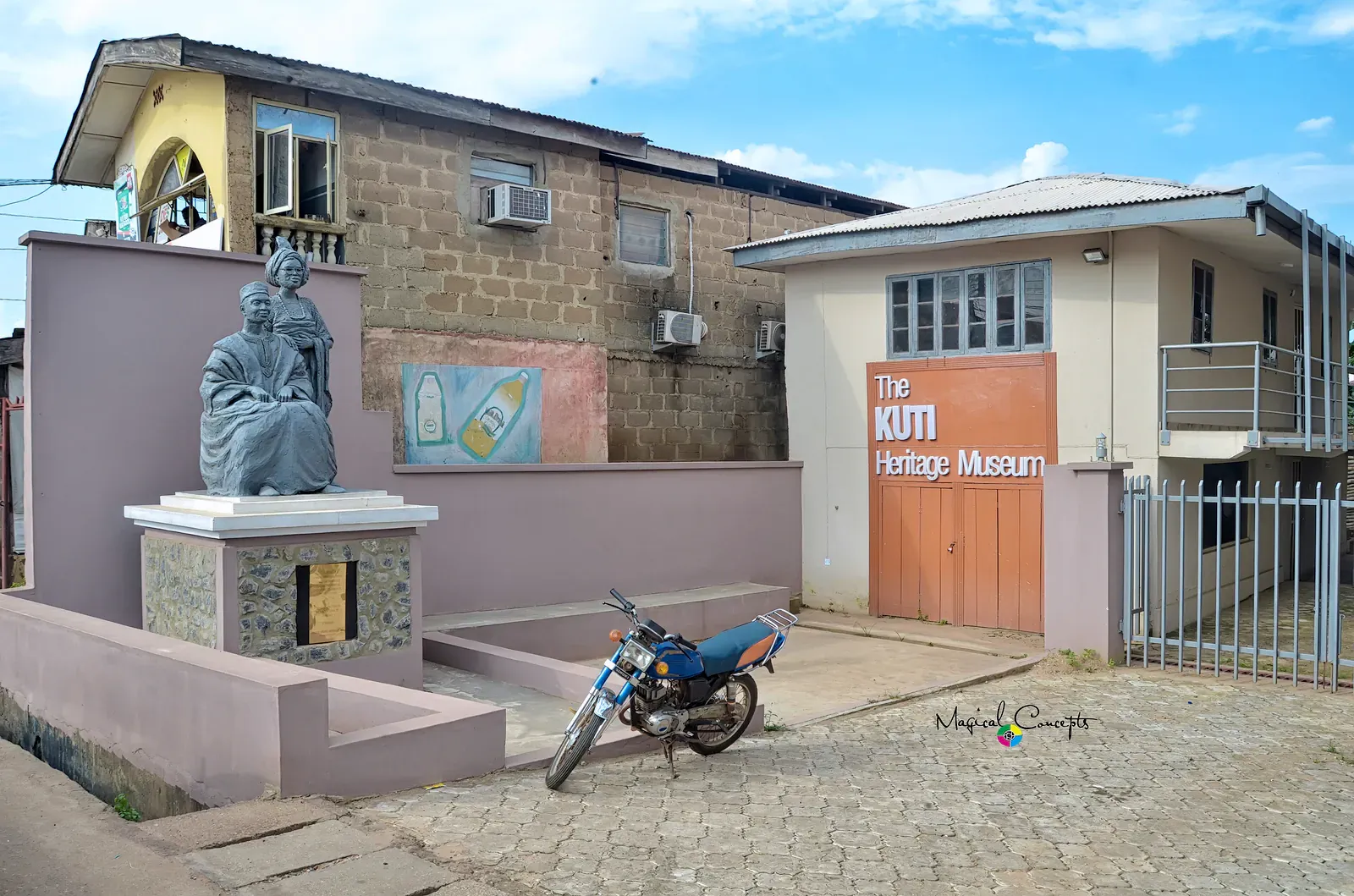
The state noticed. Zombie compared Nigerian soldiers to mindless automatons. On 18 February 1977 around a thousand soldiers attacked the Kalakuta Republic and burned it down. Fela’s mother, the activist Funmilayo Ransome-Kuti, was thrown from a window and died in 1978 of complications widely linked to her injuries. Fela answered with Sorrow Tears and Blood.
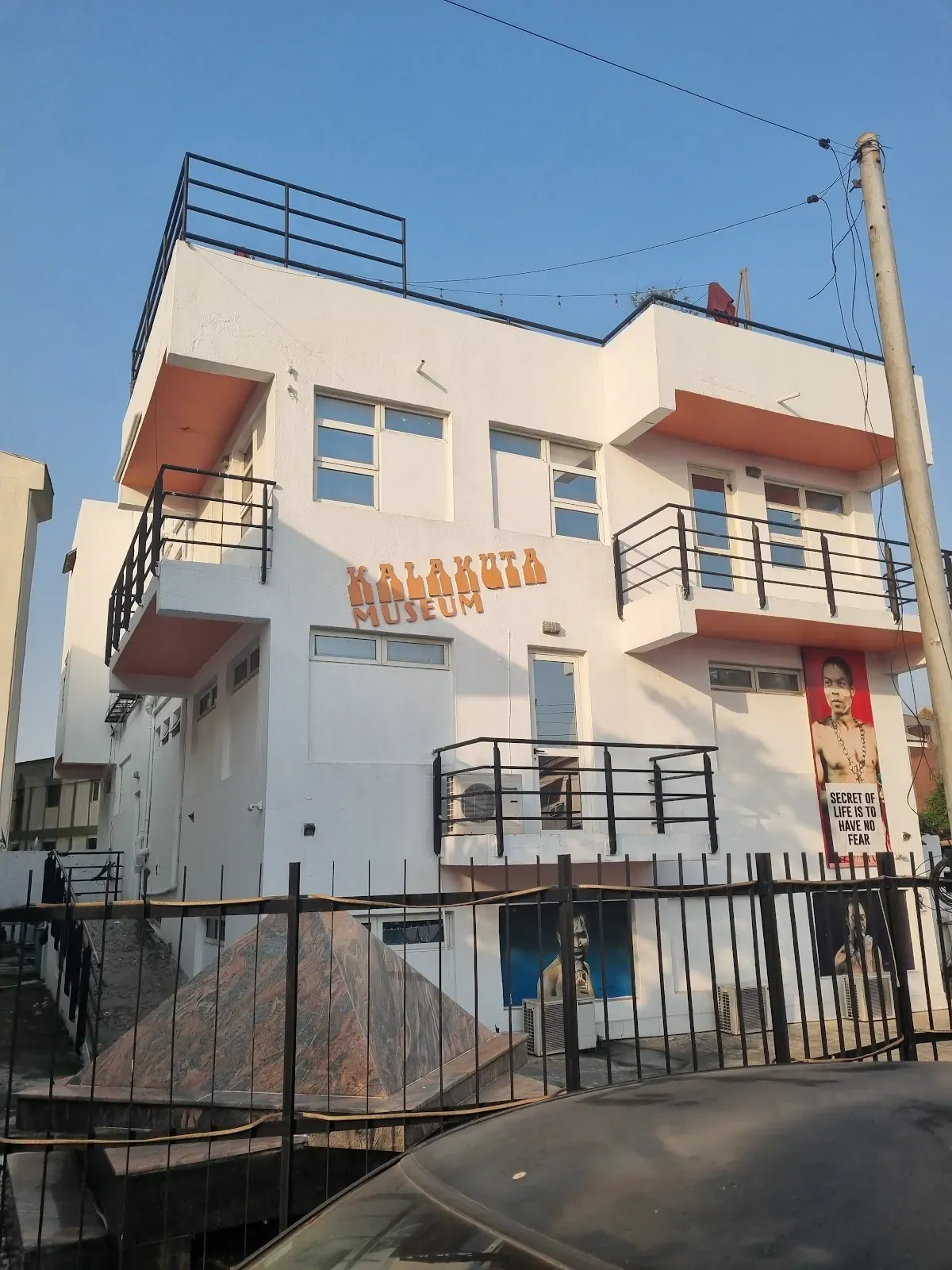
Egypt 80 and prison (1980-1997)
Tony Allen left in 1979 after eleven years, and Fela formed Egypt 80. The band toured the world, and Fela was jailed for 20 months in 1984. In 1980 Talking Heads released Remain in Light, for which Brian Eno and David Byrne have credited Fela as a key influence. Allen began a solo career with Jealousy in 1975 and later settled in Paris.
Fela’s eldest son Femi Kuti started his own band in 1986 and later modernised the sound on Shoki Shoki (1998). Fela died on 2 August 1997 from AIDS-related complications, and the family line passed to his sons.
Revival and reissues (1998-2008)
The revival came from two directions. In Brooklyn, Martin Perna founded Antibalas in 1998, and the band played its first show at St. Nick’s Pub in Harlem on 26 May 1998. Around Daptone Records a scene grew that rebuilt the Africa ’70 horn-and-riff sound as American protest music, as on Who Is This America? (2004).
The second direction was archaeology. Strut released the three-disc Nigeria 70 anthology in 2001, mapping 1970s Lagos funk beyond Fela, from Segun Bucknor to the Lijadu Sisters. Soundway followed in 2008 with Nigeria Special, built on a digging trip to Lagos.
Broadway and beyond, 2009 to now
The musical Fela! opened Off-Broadway in 2008 and reached the Eugene O’Neill Theatre on 23 November 2009, winning three Tony Awards. Seun Kuti’s Black Times (2018), with Carlos Santana on the title track, earned a 2019 Grammy nomination. Tony Allen died in Paris in 2020, aged 79, and Zombie entered the Grammy Hall of Fame in 2025, the first Nigerian album inducted.
Mainstream success
Afrobeat never produced a chart hit. The tracks ran too long for radio singles and the lyrics were a risk for broadcasters. It spread sideways instead.
First came musicians: Ginger Baker, Brian Eno and David Byrne carried the ideas into rock and art-pop. Second came reissue labels, whose compilations turned 1970s Lagos pressings into a canon and gave producers and DJs drum breaks and horn lines to sample. Third came revival bands such as Antibalas and Dele Sosimi’s orchestra in London, while Femi and Seun Kuti kept the Lagos line going. Fourth came the stage: Fela! brought the story to people who had never heard a note. Allen’s later work with Damon Albarn, including Rocket Juice and the Moon (2012), put his drumming under a pop voice.
Notable recordings
Zombie (1976). The title track turns a barracks drill into a chant about soldiers who move only when ordered. The raid on the Kalakuta Republic followed within months. It is the genre’s best-known protest song.
Expensive Shit (1975). The title refers to Fela’s 1974 cannabis arrest, and the song turns the episode into a defiant joke over 13 minutes of horn riffs. Its second side, Water No Get Enemy, became one of his most covered songs.
Gentleman (1973). A satire on Africans wearing heavy European suits in the tropics, with the line “I be Africa man original”. It runs about 14 minutes.
Culture
Fela officiated traditional Yoruba rituals at the Afrika Shrine, so a night there was part concert, part ceremony, part political rally. Afrobeat bands, from his to Dele Sosimi’s orchestra, tour with dancers. The annual week-long Felabration festival, begun in 1998 by Yeni Kuti, now fills the New Afrika Shrine in Lagos.
Misconceptions
“Afrobeat and Afrobeats are the same.” They are different genres. Afrobeat, no “s”, is the 1960s West African sound described here. Afrobeats is a 21st-century pop umbrella that mixes hip-hop, house, R&B and dancehall; a London DJ, Abrantee, gave it its name in 2011.
“Fela invented it alone.” Fela led, wrote and sang, but Allen’s drum patterns shaped the rhythm from the start. Credit is still argued: Femi Kuti has said Allen did not co-pioneer it, while Fela said it would not exist without him. “It is just Nigerian funk.” Funk is one ingredient among five. Highlife and Yoruba rhythm matter as much, and the long form and Pidgin lyrics are Lagos.
Frequently asked questions
What is the difference between afrobeat and afrobeats?
Afrobeat is the 1960s genre created by Fela Kuti and Tony Allen, built on long horn-driven grooves and political lyrics. Afrobeats is a separate 21st-century pop genre named in London in 2011.
Who invented afrobeat?
Fela Kuti is credited as the genre’s founder, with drummer Tony Allen as his musical director from 1968 to 1979. Fela first used the name Afrobeat around a 1967 trip to Ghana.
Which recordings define afrobeat?
Water No Get Enemy (1975) and Zombie (1976) are the best-known Fela Kuti recordings, the second a protest anthem that preceded the 1977 raid. Later examples include Antibalas’s Indictment and Seun Kuti’s Black Times.
What instruments are in afrobeat?
A drum kit, electric bass, one or two electric guitars, electric piano or organ, a horn section of saxophones and trumpets, and extra percussion such as congas and the shekere. Fela himself played tenor saxophone and keyboards.
Is afrobeat still being made?
Yes, afrobeat is still made. Seun Kuti leads Egypt 80, Femi Kuti plays the New Afrika Shrine, and Antibalas and Dele Sosimi’s orchestra keep releasing and touring.
Sound
Sound sheet
Anatomy of a track
| # | Part | Bars |
|---|---|---|
| 1 | Intro (kit, bass and guitar groove) | 16 |
| 2 | Horn riffs and keyboard enter | 32 |
| 3 | Instrumental solos and jam | 64 |
| 4 | Vocals, call-and-response | 48 |
| 5 | Outro groove | 16 |
Signature sounds
- Interlocking guitar and keyboard riffs
- Polyrhythmic drum kit with extra percussion
- Punchy repeating horn lines
- Chanted call-and-response vocals
- Songs of 10-15 minutes, vocal entry minutes in
- Political lyrics in Nigerian Pidgin English
Drums and percussion
- Drum kit
- Shekere
- Congas
Techniques
- Polyrhythmic kit playing
- Interlocking guitar riffs
- Call-and-response vocals
- Single-chord vamp
- Punchy horn riffs
Keys and modes
Dorian mode on a minor key. Grooves usually sit on one chord or a two-chord vamp, often colored with sevenths and ninths.
Vocals
Chanted call-and-response, often sung in Nigerian Pidgin English, entering minutes into the track.
Scenes
Where it happened
Where and when the sound lived: one bar per city on a shared timeline.
Europe
Africa
North America
Active scenes
Peak 4, 1969-2025
Home of the Shrine, Kalakuta Republic and the whole 1970s scene.
Fela's 1967 trip to Ghana is where he started calling his music Afrobeat.
Ten months in 1969 gave Fela Black Power politics and the LA Sessions.
Fela studied there, Ginger Baker linked up with him, and Dele Sosimi leads an Afrobeat orchestra today.
Antibalas and Daptone-adjacent bands made it the revival capital.
Venues and places
Lagos, 1971 to 1977. Fela's home stage at the Empire Hotel, first called the Afro-Spot, before it was burned.
Lagos, 1970 to 1977. Fela's commune and recording base, destroyed by soldiers in February 1977.
Lagos, 1973 to today. Lagos studio opened in January 1973, used by Ginger Baker and Paul McCartney's Wings.
Lagos, 2000 to today. Femi Kuti's venue, home of the annual Felabration festival.
New York, 1998 to today. Antibalas played its first show here in Harlem on 26 May 1998.
New York, 2009 to 2011. Broadway home of Fela! from November 2009 to January 2011.
Culture
Culture markers
- Shrine ceremonies
Fela officiated traditional Yoruba rituals at the Afrika Shrine.
Ritual - Felabration
The annual week-long festival at the New Afrika Shrine, begun in 1998 by Yeni Kuti.
Ritual - Dancers and stage show
Afrobeat bands, from Fela's to Dele Sosimi's orchestra, tour with dancers.
Dance - Nigerian Pidgin English
Fela sang in Pidgin so market traders and soldiers could follow every line.
Slang
Media
Key media
- 1973Ginger Baker in Africa
by Tony Palmer. BBC documentary on Baker's 1971 overland trip to Lagos, where he recorded with Fela.
Film - 2001Nigeria 70: The Definitive Story of 1970s Funky Lagos
by Various. Strut's three-disc map of Lagos funk beyond Fela.
Compilation - 2008Nigeria Special: Modern Highlife, Afro-Sounds and Nigerian Blues 1970-6
by Various. Soundway's digging trip into overlooked 1970s Nigerian records.
Compilation - 2008Lagos Baby 1963-1969
by Fela Kuti. Vampisoul collects Fela's early highlife, jazz and soul recordings before Afrobeat.
Compilation - 2019Birth of Afrobeat
by Documentary. Documentary on Tony Allen's path from Lagos to Paris.
Film
Glossary
Terms on this page
Fela's band name from 1970 until the late 1970s, with Tony Allen on drums.
Fela Kuti and Tony Allen's blend of highlife, Yoruba music, funk, jazz and soul.
Separate 21st-century West African pop umbrella named in London; not the same genre.
The leader sings a line and the band or dancers chant back.
Fela's post-1979 band, later led by his son Seun.
Ghanaian and Nigerian dance music with guitars and horns that fed into Afrobeat.
Fela's Lagos commune and studio, burned by soldiers in February 1977.
Fela's Lagos nightclub, from the Empire Hotel in 1971 to today's New Afrika Shrine.
African family