Afrobeats
Afrobeats is West African pop at about 95 to 115 BPM that emerged in Lagos and Accra in the 2000s and reached global charts from 2012 onward.
Lagos, 2005
African family
Born
2005
Lagos
Subgenres
14
Documented branches
Links
33
Genres it drew on or shaped
Tempo
95-115 BPMLineage
Family tree
Derived from
- Palm-wine music
Derived from
- Kpanlogo
Derived from
Influenced by
Lagos, 2005
Afrobeats
Led to (14)
Timeline
Era by era
From the first sparks to today. Select a dot to read the story behind it.
- Lagos pop takes shape
2004 to 2010
- Azonto and the UK door
2011 to 2014
- Streaming and the Drake moment
2015 to 2018
- Global stage
2019 to 2021
- Charts and arenas
2022 to today
Eras
Moments
- 1 Lagos pop takes shape, 2004 to 2010
- 2 Azonto and the UK door, 2011 to 2014
- 3 Streaming and the Drake moment, 2015 to 2018
- 4 Global stage, 2019 to 2021
- 5 Charts and arenas, 2022 to today
2004
Lagos pop takes shape
2Baba, P-Square, Mo' Hits and Kennis Music build a home audience for Nigerian pop sung in English, Pidgin and Yoruba, while Ghanaian hiplife develops in Accra.
- 2004Face 2 Face and African QueenSolo debut of 2Baba on Kennis Music; its title single becomes a landmark of Nigerian pop.
- 2004Mo' Hits Records formedDon Jazzy and D'banj start the label that supplies the production template for Lagos pop.
- 2005Chocolate City founded in LagosThe label starts in hip hop and later becomes a major Afrobeats home.
- 2007P-Square release Game OverThe duo's third album carries the hit Do Me and builds their pan-African audience.
2011
Azonto and the UK door
The name Afrobeats is coined for UK radio, Oliver Twist and Antenna reach the UK top 10, and azonto and Skelewu spread as video dance crazes.
- 2011Afrobeats named for UK radioDJ Abrantee launches an Afrobeats show on Choice FM in London and popularises the plural name.
- 2011D'banj releases Oliver Twist in NigeriaProduced by Don Jazzy and released in August on Mo' Hits.
- 2012Mo' Hits splits and Mavin Records beginsD'banj leaves in March; Don Jazzy launches Mavin in May.
- 2012Oliver Twist enters the UK chart at number 9Mercury releases it in the UK in May; it becomes the first Nigerian song to debut on the UK singles chart.
- 2013Antenna peaks at number 7 in the UKReleased as a single in June, it later goes platinum in the UK.
- 2013Azonto and Skelewu spread onlineDance crazes spread through YouTube and act as free promotion for songs.
- 2014Wizkid releases OjuelegbaThe street-corner anthem becomes his bridge to a UK and US audience.
2015
Streaming and the Drake moment
Wizkid on One Dance, big-label deals for Davido, Tiwa Savage and Wizkid, and the Ojuelegba remix make Afrobeats a fixture on streaming playlists.
- 2016One Dance tops the chartsDrake's single with Wizkid and Kyla spends 10 weeks at number one on the US Hot 100 and 15 weeks at number one in the UK.
- 2016One Dance passes one billion Spotify streamsIn October it becomes the first song to reach that mark on the service.
- 2017Afrochella debuts in AccraThe first edition in December anchors the Detty December festival season.
2019
Global stage
The Lion King: The Gift, Burna Boy's Grammy win, Essence on the Hot 100 and TikTok-driven Love Nwantiti take the sound to a worldwide audience.
- 2019The Lion King: The Gift features Afrobeats starsBeyonce's companion album puts Burna Boy, Wizkid and Tiwa Savage before a global pop audience.
- 2019Afro Nation begins in PortugalA three-day diaspora festival at Praia da Rocha, Portimao.
- 2019CKay releases Love NwantitiThe track sleeps for two years before a TikTok dance spreads it worldwide.
- 2020Wizkid releases Made in LagosThe album carries Essence with Tems, released on 30 October.
- 2021Burna Boy wins a GrammyTwice as Tall takes Best Global Music Album, his first Grammy win.
2022
Charts and arenas
Billboard starts a US Afrobeats chart, Calm Down reaches the top 3, Burna Boy plays Madison Square Garden and London Stadium, and the Grammys add an African category.
- 2022Billboard launches the US Afrobeats Songs chartLove Nwantiti is the first number one on the issue dated 29 March.
- 2022Burna Boy sells out Madison Square GardenThe first Nigerian to headline the New York arena, on 28 April.
- 2022Calm Down released; Selena Gomez remix follows in AugustRema's song becomes the longest-charting African song on the Hot 100.
- 2023Burna Boy headlines London StadiumOn 3 June he becomes the first African artist to headline a UK stadium.
- 2024Grammys add Best African Music PerformanceTyla wins the first award; Asake, Burna Boy, Davido and Ayra Starr are nominated.
Listening path
Anthems
The records that built the sound, grouped by the part they played. Thumbnails come from YouTube; the player loads only when you press play.
- 01
2Baba, 2004 · Kennis Music
The ballad that began Nigerian pop's modern era and still tops lists of the best Afrobeats songs.
Origin - 02
D'banj, 2011 · #9 UK Singles, 2012 · Mo' Hits Records
Don Jazzy's production took Nigerian pop into the UK top 10 for the first time.
Breakthrough - 03
Fuse ODG, 2013 · #7 UK Singles, 2013
Made azonto a UK daytime-radio sound and a platinum seller.
Breakthrough - 04
P-Square, 2008
Slick dance-pop from the twin duo that defined the era's club sound across Africa.
Anthem - 05
Wizkid, 2014 · Starboy Entertainment
Street-corner storytelling over a gentle groove, the song that grew Wizkid's audience abroad.
Start hereAnthem - 06
Davido, 2017
A melodic hit that stayed on the US charts longer than any Nigerian pop song before it.
Anthem - 07
Burna Boy, 2018
A swaggering hit that marked Burna Boy's rise to international star.
Anthem - 08
Asake, 2022
Street-pop energy and log-drum bounce that defined the early 2020s Lagos sound.
Anthem - 09
Drake, 2016 · #1 Billboard Hot 100, 2016
Wizkid co-wrote and co-produced this worldwide number one that pulled Afrobeats rhythms into pop radio.
Crossover - 10
CKay, 2019 · Chocolate City
A slow-burning TikTok smash that became the first number one on Billboard's Afrobeats chart.
Crossover - 11
Wizkid, 2020 · #9 Billboard Hot 100, 2021 · Starboy Entertainment
A cool, spacious duet with Tems that reached the top 10 of the US Hot 100.
Start hereCrossover - 12
Rema, 2022 · Jonzing World
Its Selena Gomez remix reached the top 3 of the Hot 100 and spent a record run atop the US Afrobeats chart.
Start hereCrossover
Afrobeats is the umbrella name for the pop music that came out of Nigeria and Ghana from the mid-2000s: mid-tempo dance songs, usually between 95 and 115 BPM, built on syncopated percussion, a rubbery bass and melodic vocals in English, Pidgin, Yoruba, Igbo or Twi.
It grew in Lagos and Accra, was named for a London radio audience around 2011, and has since filled arenas and topped charts worldwide. It is the first West African pop sound to reach the global mainstream on its own terms.
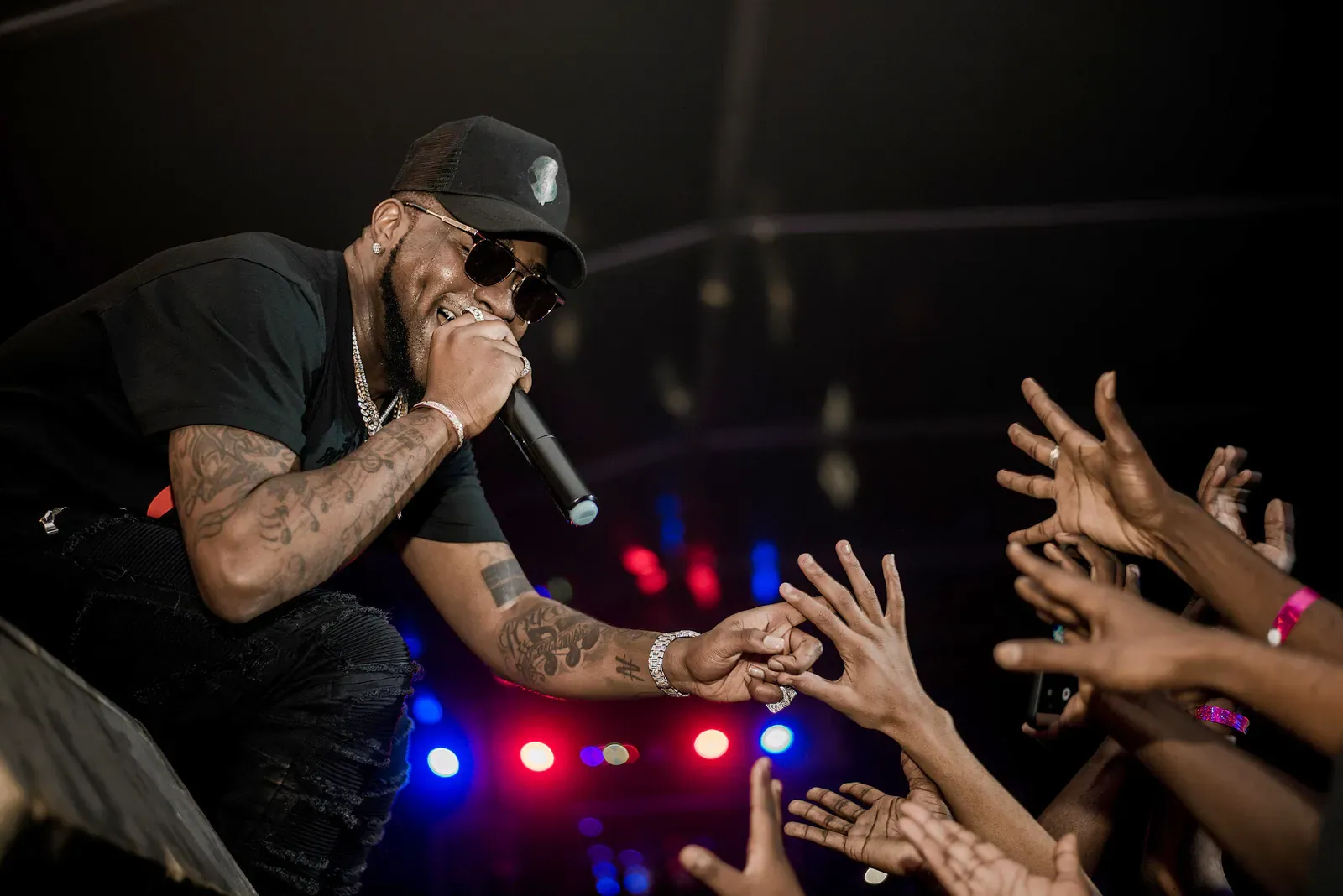
Origins
The genre began in two cities and drew on older music. Afrobeats descends from highlife, jùjú, fuji and Ghanaian hiplife, the blend of highlife and hip hop, and takes ideas from dancehall, hip hop, R&B and house. Lagos supplied the studios and labels. Accra supplied hiplife and, later, the dances.
The song most often named as the starting point is “African Queen”, 2Baba’s ballad from his 2004 solo debut “Face 2 Face” on Kennis Music. It reset what Nigerian pop could sound like: polished, romantic, sung in a mix of English and Pidgin. The label Mo’ Hits Records was formed the same year by Don Jazzy and D’banj, and Don Jazzy’s production became the template for Lagos pop. Chocolate City followed in 2005 as a hip hop label and later became a major Afrobeats home.
The word “Afrobeats” came later and from outside. Around 2011 the DJ Abrantee launched a show on Choice FM in London and popularised the plural name as a catch-all for Nigerian and Ghanaian pop. Musicians were never asked, which is part of why some still object to it.
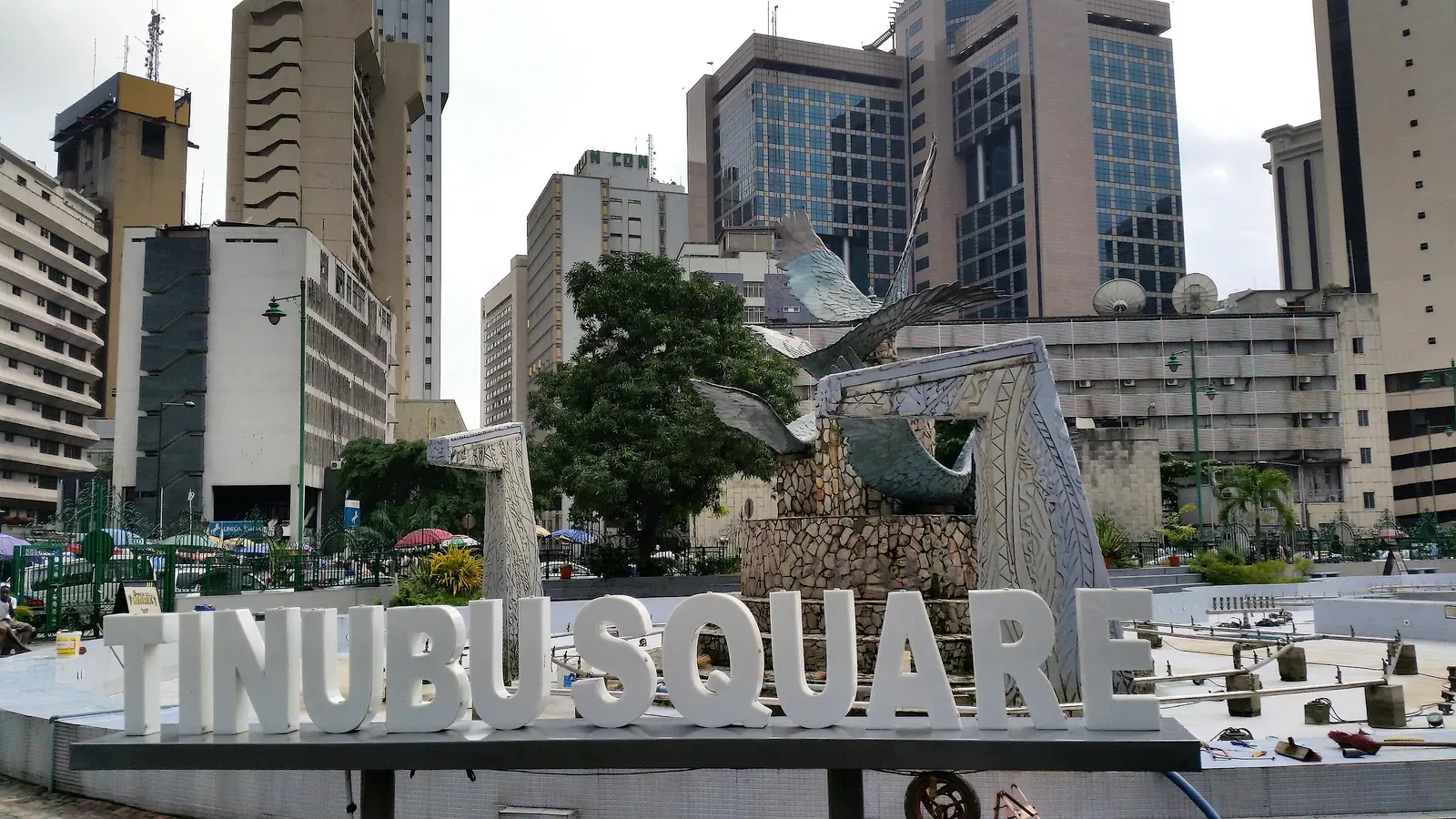
Lagos, 2004-2010
A handful of labels and acts built a home audience before anyone abroad was listening. Kennis Music with 2Baba, Mo’ Hits and the twin duo P-Square made English, Pidgin and Yoruba pop for Nigeria and then for the continent. P-Square’s 2007 album “Game Over” carried the hit “Do Me” and made the duo continental stars; the song’s slick club sound is why it sits among the genre’s anthems.
In Accra, hiplife kept developing in parallel, and the two scenes traded artists, beats and audiences. The sound of the period leaned on programmed drums, a clean highlife-style guitar lick and a repeated sing-song hook, and it was already built for radio and clubs rather than for the festival stage.
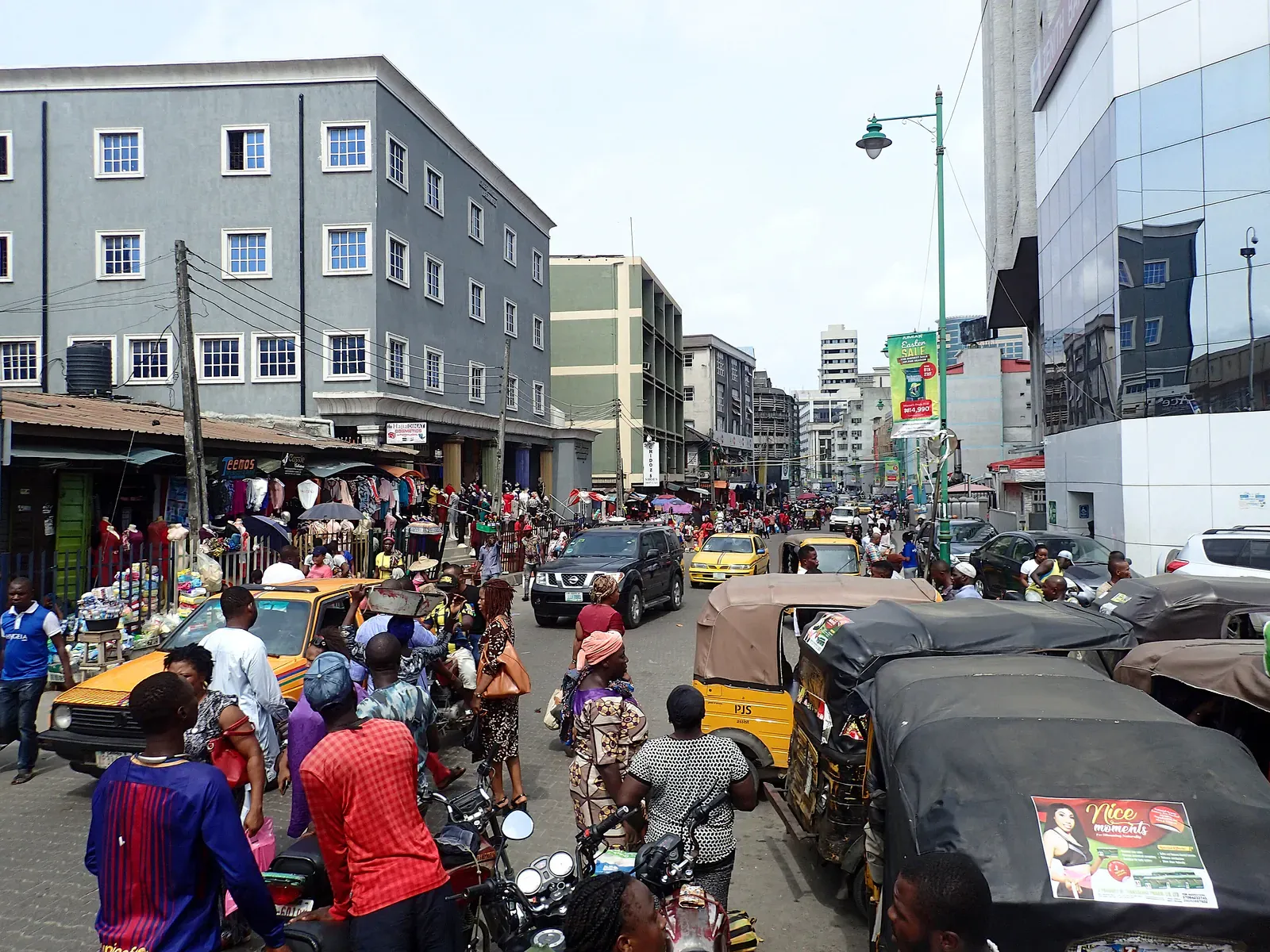
Azonto and the UK, 2011-2014
These years gave the music its first big audience abroad, and its first dance crazes. D’banj’s “Oliver Twist”, produced by Don Jazzy and released on Mo’ Hits in August 2011, was released in the UK by Mercury in May 2012 and entered the chart at number 9, the first Nigerian song to debut on the UK singles chart. Mo’ Hits split that year: D’banj left in March and Don Jazzy launched Mavin Records in May.
Fuse ODG, a British-Ghanaian artist, then made azonto a UK sound. His single “Antenna” peaked at number 7 in 2013 and later went platinum, and BBC Radio 1Xtra played it in 2012, taking Afrobeats to a mainstream UK audience. Azonto began in Ghana as a dance that mimics everyday gestures, and with Skelewu in 2013 it spread through YouTube as free promotion. In 2014 Wizkid released “Ojuelegba”, a street-corner anthem that became his bridge to UK and US listeners.
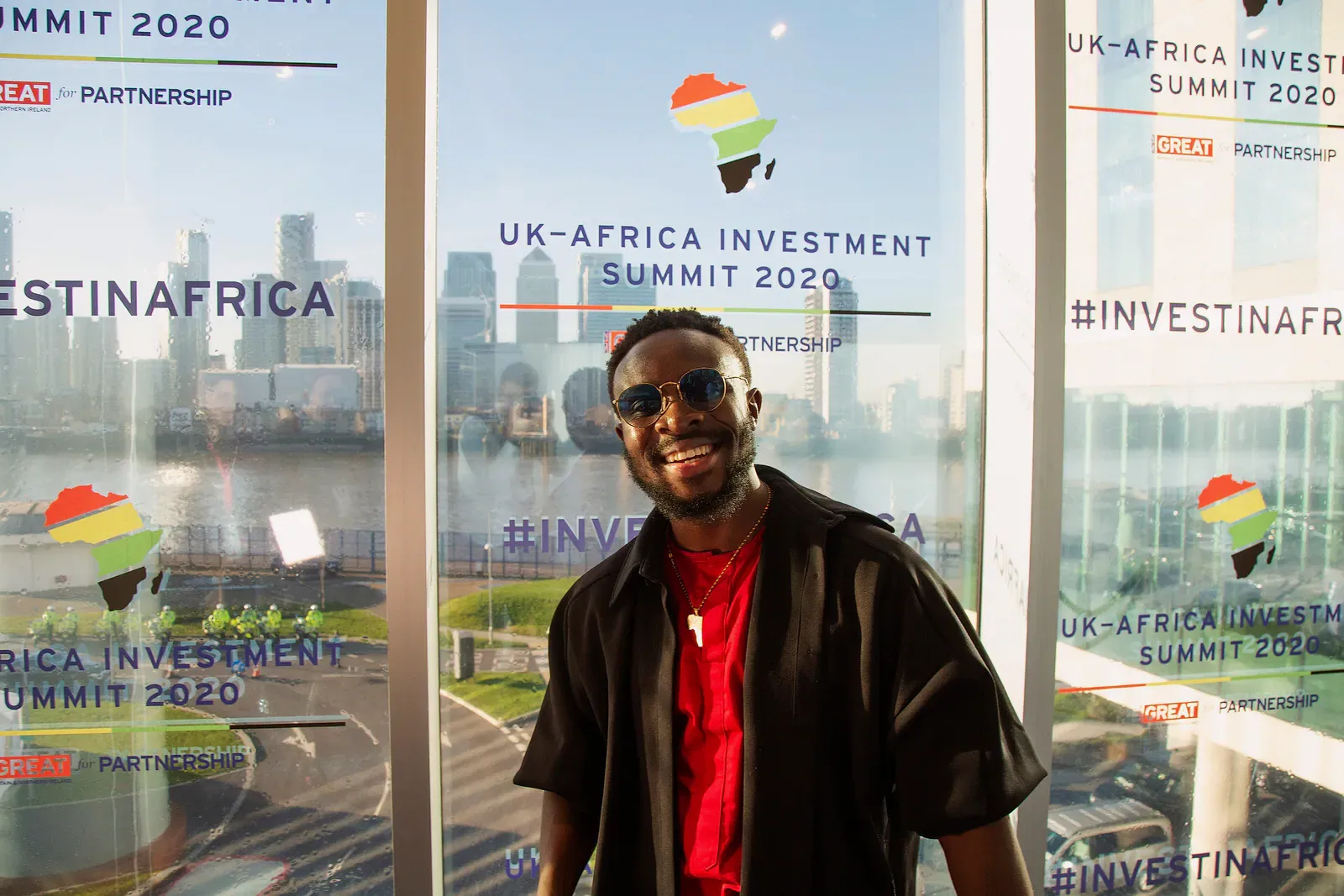
Streaming and Drake, 2015-2018
Streaming made the music a playlist fixture. Drake’s “One Dance” with Wizkid and Kyla spent 10 weeks at number one on the US Hot 100 and 15 weeks at number one in the UK in 2016, and became the first song to pass one billion Spotify streams. Wizkid co-wrote and co-produced it, and it pulled Afrobeats rhythms onto pop radio.
Big-label deals followed for Davido, Tiwa Savage and Wizkid. Davido’s “Fall” in 2017 stayed on the US charts longer than any Nigerian pop song before it, and Burna Boy’s “Ye” in 2018 marked his rise to international star. In December 2017 the first Afrochella took place in Accra, anchoring the year-end season now called Detty December.
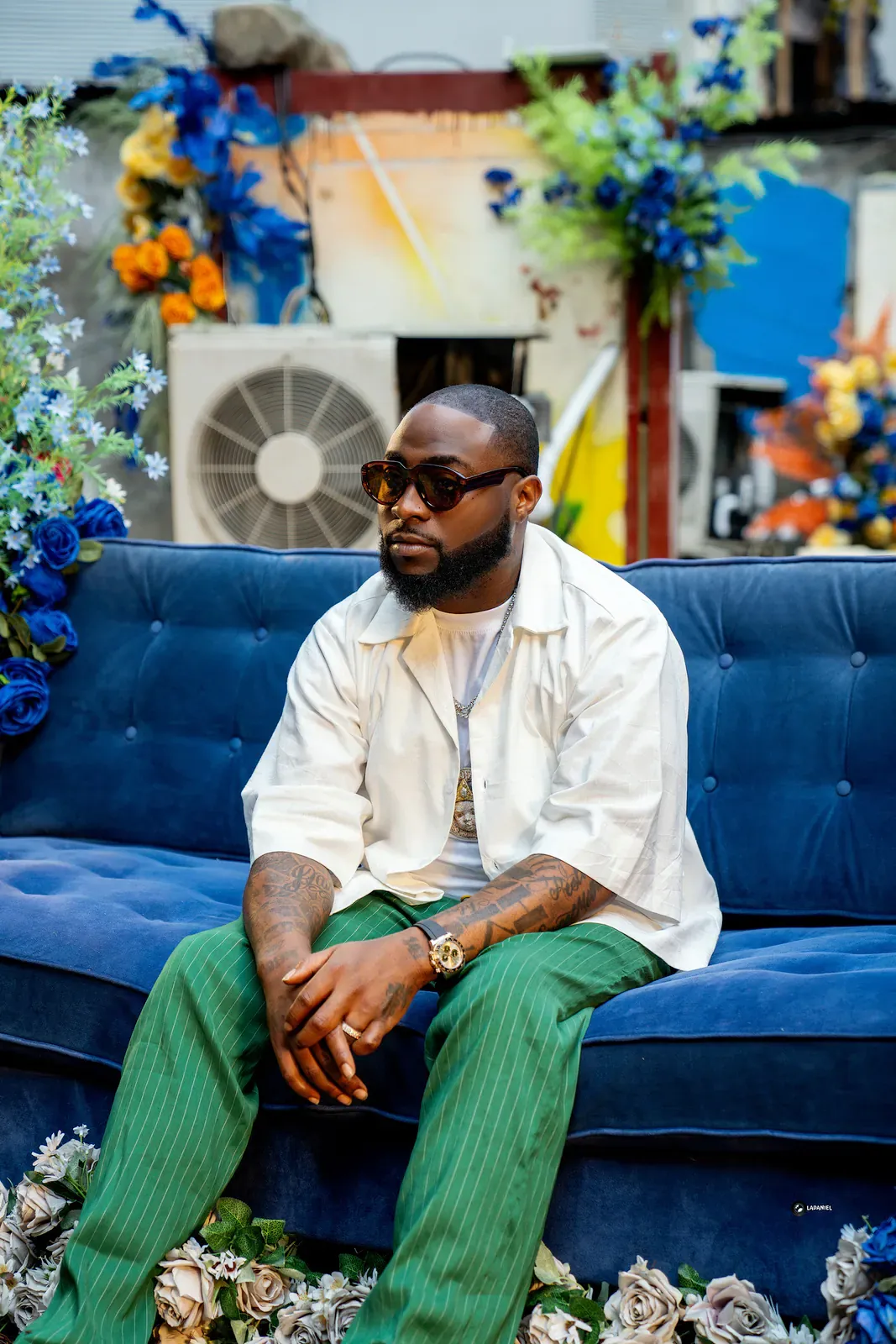
Global breakthrough, 2019-2021
The sound reached an audience that did not need a Nigerian connection. Beyonce’s “The Lion King: The Gift” in 2019 put Burna Boy, Wizkid and Tiwa Savage in front of a global pop audience. In 2020 Wizkid released “Made in Lagos”, carrying “Essence” with Tems, which reached number 9 on the US Hot 100 in 2021. Burna Boy’s “Twice as Tall” won Best Global Music Album at the 2021 Grammys, his first win.
CKay’s “Love Nwantiti” shows how strange the new route was. Released in 2019, it slept for two years until a TikTok dance by Tracy Joseph spread it worldwide. Afro Nation, a three-day diaspora festival at Praia da Rocha in Portimao, Portugal, also began in 2019.
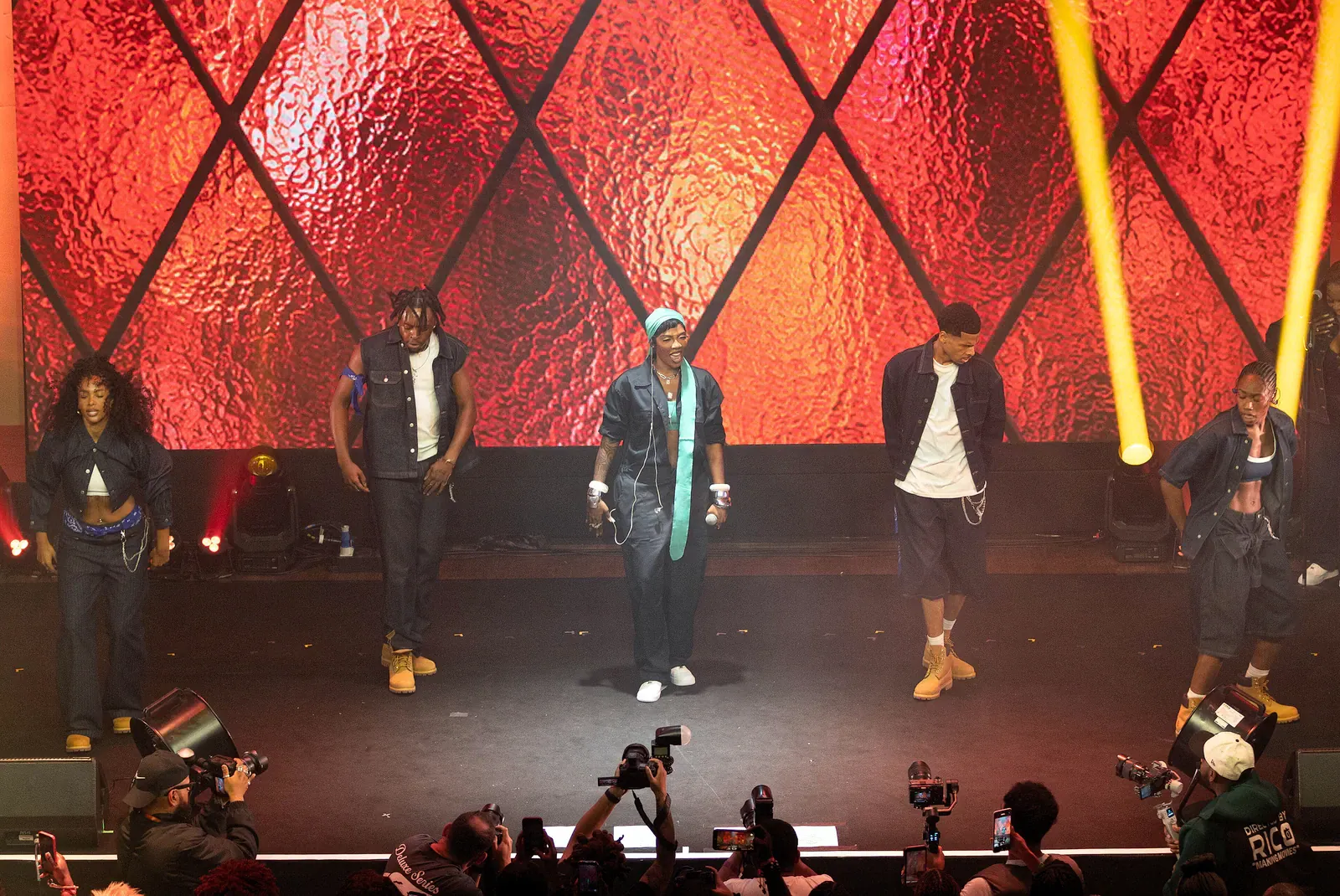
Charts and stadiums, 2022 onward
The genre gained its own chart and stadium shows. Billboard launched a US Afrobeats Songs chart in 2022, and “Love Nwantiti” was its first number one on the issue dated 29 March. On 28 April 2022 Burna Boy became the first Nigerian to headline Madison Square Garden. On 3 June 2023 he became the first African artist to headline a UK stadium, at London Stadium.
Rema’s “Calm Down”, released in 2022, with a Selena Gomez remix in August, became the longest-charting African song on the Hot 100 and reached the top 3. His debut album “Rave & Roses” later became the first African album past two billion Spotify streams in its Ultra edition. Asake’s “Mr. Money with the Vibe” blended street pop with amapiano log drums and defined the new Lagos sound, and Davido’s “Timeless” followed in 2023. In 2024 the Grammys added Best African Music Performance, and Tyla won the first award, with Asake, Burna Boy, Davido and Ayra Starr nominated.
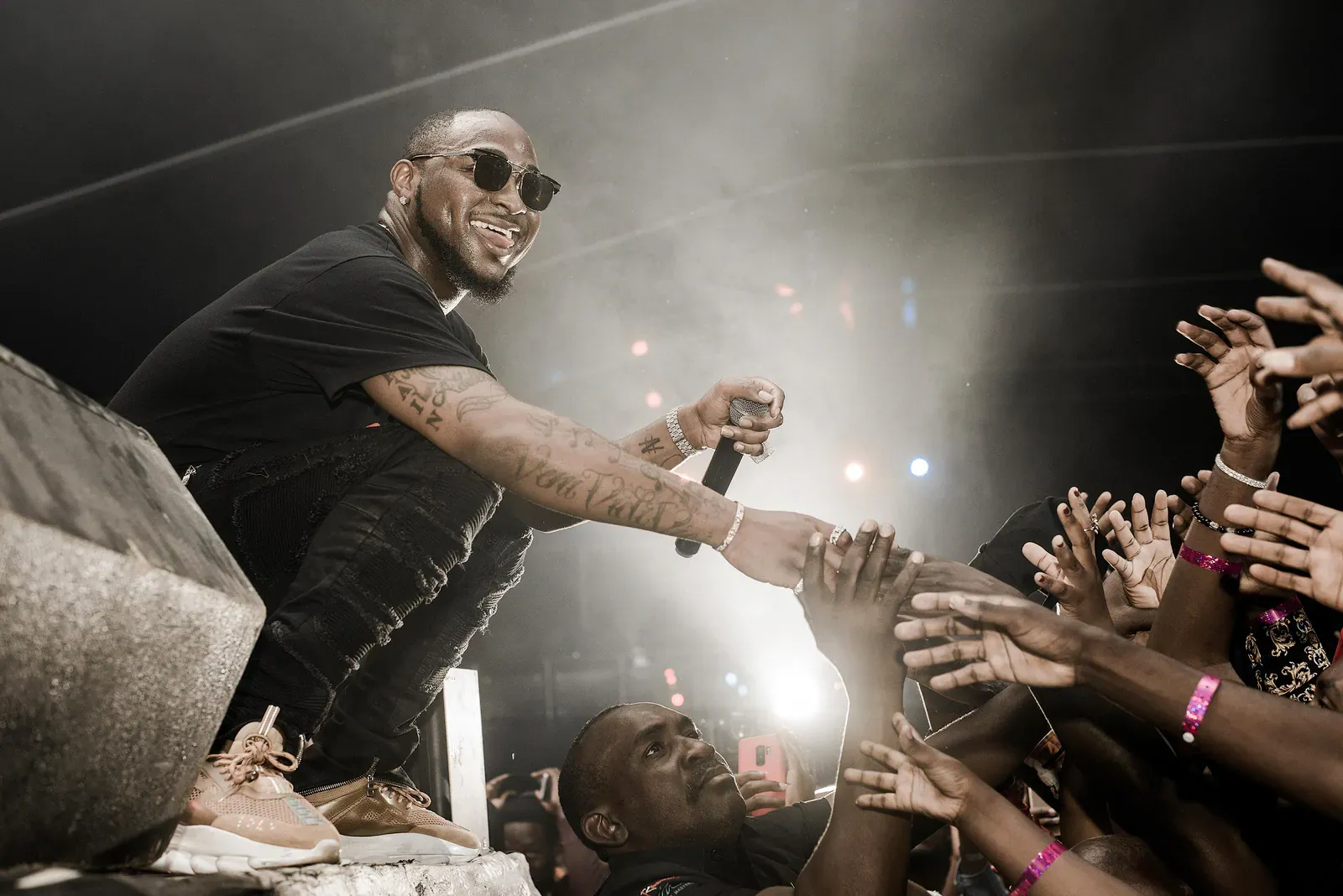
Notable recordings
“African Queen” is the origin story. It was a ballad rather than a dance track, and its warmth showed Nigerian audiences that local pop could carry romance on its own terms. It still tops lists of the best Afrobeats songs.
“Oliver Twist” is the breakthrough. Don Jazzy’s production took Nigerian pop into the UK top 10 for the first time, and its chart debut gave labels in Lagos proof that London would listen.
“Calm Down” is the crossover. A mid-tempo track on a gentle groove, it was already a hit in Nigeria and across Africa before the Selena Gomez remix arrived, and the remix then carried it through the Hot 100 and onto the Afrobeats chart for a record run.
Culture
The culture is dance first. Azonto mimicked everyday gestures such as washing and driving, Skelewu followed in 2013, and the Love Nwantiti challenge on TikTok turned a quiet song into a worldwide hit.
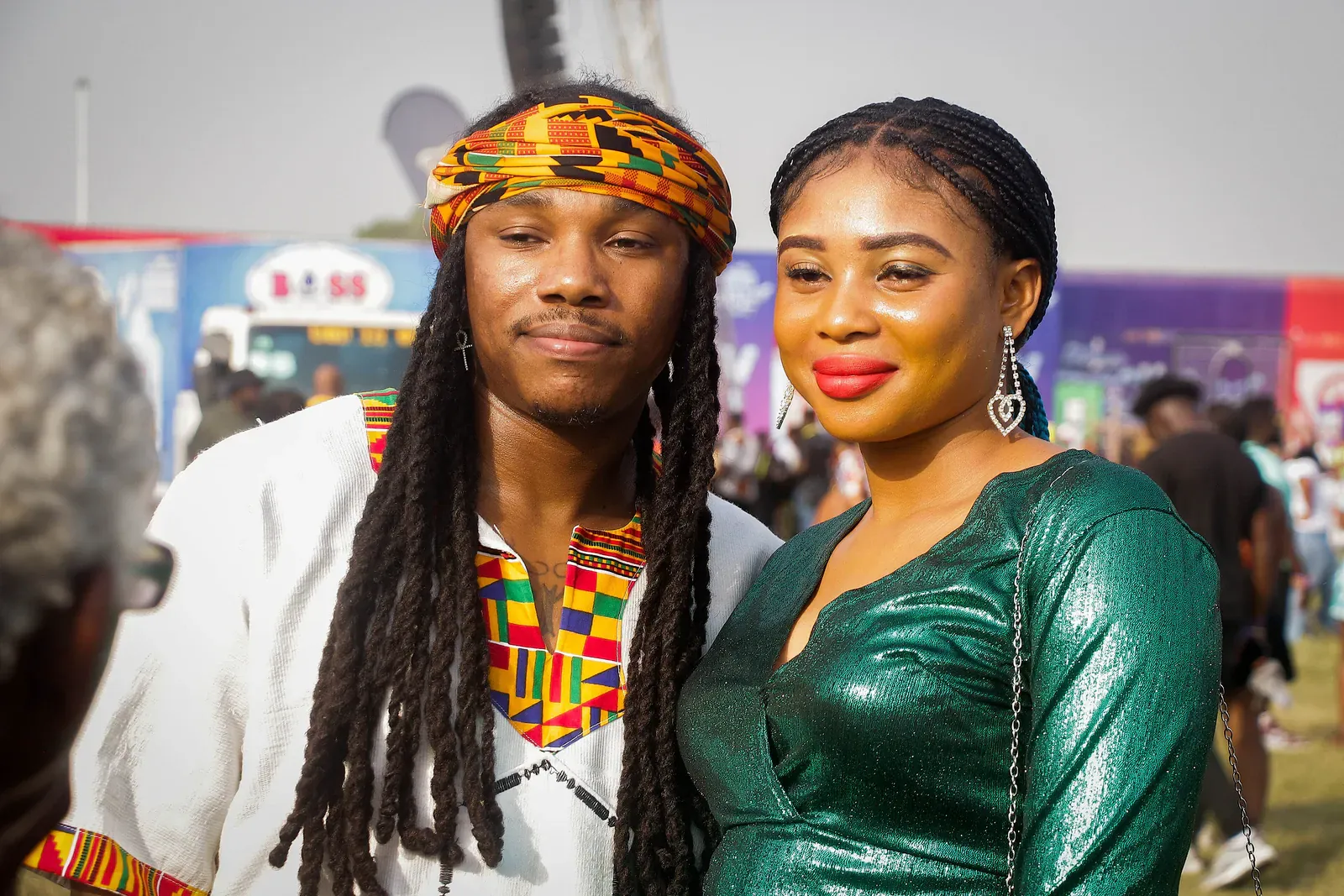
Detty December is the second pillar. It is the year-end season of concerts, parties and festivals in Lagos and Accra, and Afrochella in Accra, which began in December 2017, anchored it. Afro Nation in Portugal carries the same energy to the diaspora every summer.
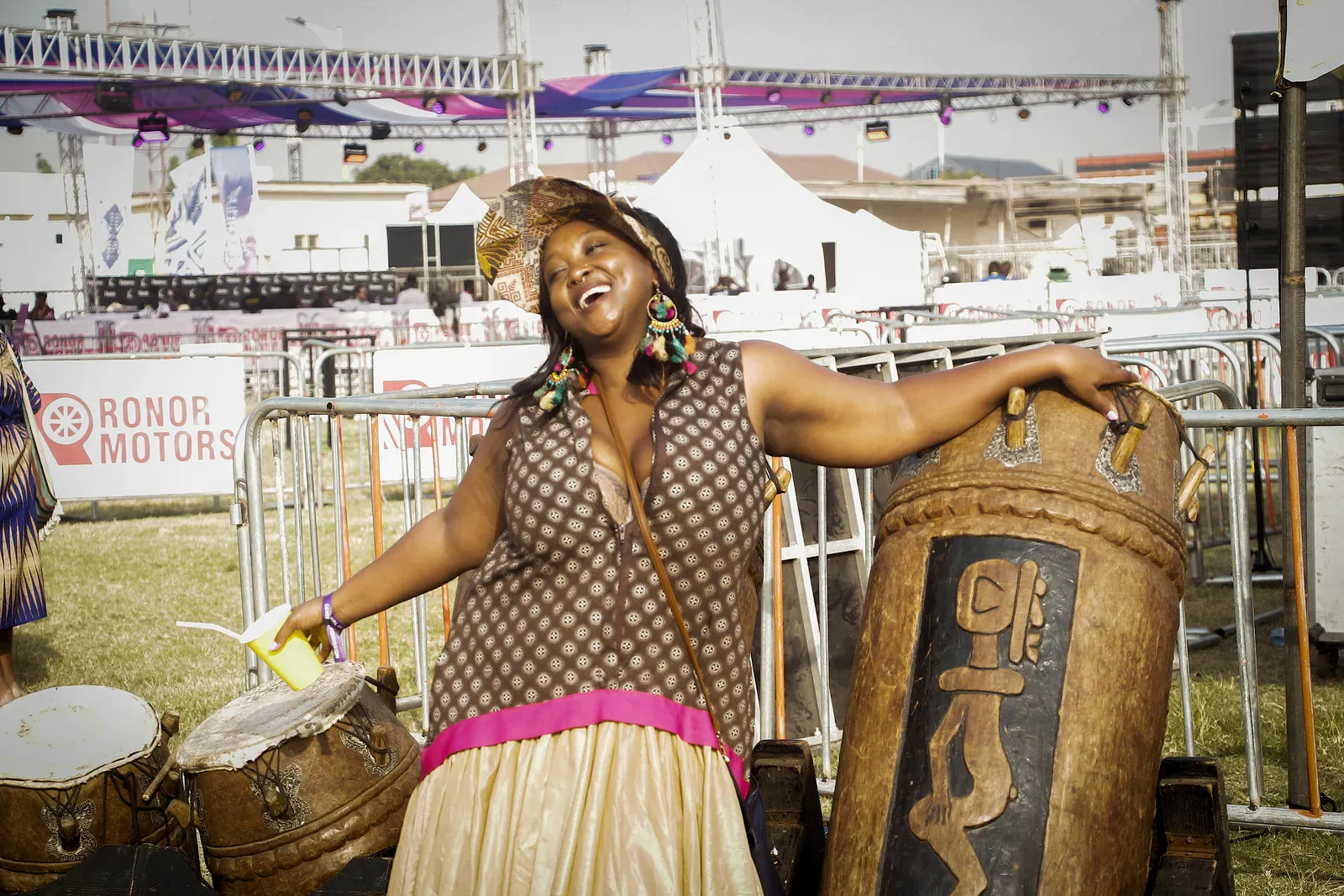
Language is part of the identity. Songs mix Nigerian Pidgin English with Yoruba, Igbo and Twi, which gives them a reach across West Africa that a single standard language would not.

Misconceptions
Afrobeats is Fela Kuti’s afrobeat with an s. They are separate. Afrobeat is the 1970s style of Fela Kuti and Tony Allen, and Fela’s relatives have objected to the similar name. Afrobeats is a pop label coined in the UK around 2011.
It is one Nigerian sound. Ghana’s hiplife and azonto shaped the music, and the name covers a family that includes afro-fusion, alte and afroswing.
Artists chose the name. Many dislike it as over-generalised and prefer Naija pop or Afro-fusion. The label works as a convenient umbrella, not a tight definition.
Frequently asked questions
What is Afrobeats music?
Afrobeats is a West African pop sound that emerged in Nigeria and Ghana in the 2000s. It uses mid-tempo 4/4 grooves at about 95 to 115 BPM, syncopated percussion, rubbery sub bass and melodic, often Auto-Tuned vocals.
What is the difference between Afrobeats and afrobeat?
Afrobeat is the 1970s style created by Fela Kuti and Tony Allen, with long, jazz-influenced jams. Afrobeats is a 2000s pop umbrella that mixes highlife, hiplife, dancehall, hip hop and R&B. For the older style, read about afrobeat.
Who are the biggest Afrobeats artists?
Wizkid, Burna Boy, Davido, 2Baba, D’banj, P-Square, Don Jazzy, Rema, Tiwa Savage and Asake are the names that define it. Burna Boy sold out Madison Square Garden in 2022 and headlined London Stadium in 2023.
Which songs define Afrobeats?
“African Queen” by 2Baba, “Oliver Twist” by D’banj, “Ojuelegba” by Wizkid, “Essence” by Wizkid with Tems and “Calm Down” by Rema are the songs most often named. Afrobeats belongs to the African family of genres.
Sound
Sound sheet
Anatomy of a track
| # | Part | Bars |
|---|---|---|
| 1 | Intro (drums and a hook line) | 8 |
| 2 | Verse | 16 |
| 3 | Hook | 8 |
| 4 | Verse | 16 |
| 5 | Hook | 8 |
| 6 | Bridge or feature verse | 8 |
| 7 | Final hook and outro | 16 |
Signature sounds
- Syncopated percussion on a 3-2 or 2-3 clave feel
- Rubbery sub bass
- Melodic, Auto-Tuned vocals
- Lyrics in Pidgin, Yoruba, Igbo or Twi
- Producer tags and a repeated sing-song hook
- Log drums in the 2020s
Drums and percussion
- Congas
- Shakers
Synths and software
- FL Studio
Techniques
- Clave-based syncopation
- Log drum bass
- Call and response
- Multilingual code-switching
Keys and modes
Minor keys. Most tracks sit in a minor key, often with modal colouring over simple chords.
Vocals
Melodic, hook-driven singing and rap in English, Pidgin, Yoruba, Igbo or Twi, with call-and-response refrains.
Scenes
Where it happened
Where and when the sound lived: one bar per city on a shared timeline.
Africa
Europe
North America
Active scenes
Peak 5, 2022-2025
Home of Mo' Hits, Mavin, Kennis Music, Chocolate City and Starboy.
Hiplife and azonto shaped the sound and the dances; Detty December festivals fill the city.
Choice FM and BBC Radio 1Xtra, the diaspora audience and the first UK chart entries.
Afro Nation brings the diaspora to Praia da Rocha each July.
Billboard's Afrobeats chart and Madison Square Garden headline shows.
Venues and places
New York, 2022 to today. Burna Boy sold it out on 28 April 2022, a first for a Nigerian artist.
London, 2023 to today. Burna Boy headlined on 3 June 2023, the first African artist to do so at a UK stadium.
Portimao, 2019 to today. Annual July festival for the Afrobeats diaspora.
Accra, 2017 to today. Site of the first Afrochella in December 2017, later moved to larger grounds.
London, 2011 to today. Station where DJ Abrantee ran the Afrobeats show that helped fix the name.
London, 2012 to today. Broadcast Antenna in 2012 and brought Afrobeats to a mainstream UK audience.
Culture
Culture markers
- Azonto
Ghanaian dance that mimics everyday gestures and went viral on YouTube around 2011 to 2013.
Dance - Skelewu
Dance craze of 2013 that spread online as free promotion for songs.
Dance - Love Nwantiti challenge
A TikTok dance by Tracy Joseph that turned the song into a global hit.
Dance - Detty December
Year-end season of concerts, parties and festivals in Lagos and Accra.
Ritual - Pidgin lyrics
Nigerian Pidgin English mixed with Yoruba, Igbo and Twi gives the songs their cross-West-African reach.
Slang
Media
Key media
- 2011Afrobeats show on Choice FM
by DJ Abrantee. UK radio show credited with popularising the plural name.
Radio - 2012Solar Plexus
by Mavin Records. The first Mavin compilation, introducing Tiwa Savage, Wande Coal and others.
Compilation - 2019The Lion King: The Gift
by Beyonce. A pop superstar album that gave Afrobeats artists a global audience.
Compilation - 2022Chapter X
by Mavin Records. Tenth anniversary compilation released on 2 December 2022.
Compilation
Glossary
Terms on this page
The 1970s style of Fela Kuti and Tony Allen; relatives of Fela have objected to the similar name.
Umbrella name for West African pop built on mid-tempo dance rhythms; the plural s separates it from afrobeat.
UK offshoot mixing Afrobeats with dancehall and trap.
Ghanaian dance and music craze that went viral around 2011 to 2013.
The year-end season of concerts and parties in Lagos and Accra.
Ghanaian blend of highlife and hip hop, an ancestor of Afrobeats.
Another name for Nigerian pop, often used by artists who dislike the Afrobeats label.
Nigerian Pidgin English, a common lyric language alongside Yoruba, Igbo and Twi.
African family