Soca
Soca is uptempo Carnival dance music from Trinidad and Tobago, created in the early 1970s by Lord Shorty from calypso, soul, funk and Indian rhythms.
Trinidad & Tobago, around 1970
Caribbean family
Born
around 1970
Trinidad & Tobago
Subgenres
9
Documented branches
Links
20
Genres it drew on or shaped
Tempo
105-165 BPMLineage
Family tree
Timeline
Era by era
From the first sparks to today. Select a dot to read the story behind it.
- Sokah, the soul of calypso
1970 to 1979
- Soca takes the road
1980 to 1989
- Power soca and the Monarch
1990 to 1999
- Monarchs, ragga and groovy
2000 to 2012
- Streaming and afrosoca
2013 to today
Eras
Moments
- 1 Sokah, the soul of calypso, 1970 to 1979
- 2 Soca takes the road, 1980 to 1989
- 3 Power soca and the Monarch, 1990 to 1999
- 4 Monarchs, ragga and groovy, 2000 to 2012
- 5 Streaming and afrosoca, 2013 to today
around 1970
Sokah, the soul of calypso
Lord Shorty blends calypso with soul, funk and Indian percussion. Records cut in Port of Spain and Brooklyn spread the sound, and Carnival bands adopt it.
- 1969Brooklyn parade moves to Eastern ParkwayThe West Indian Day Parade settles on Eastern Parkway and becomes the diaspora's main soca stage.
- 1969Straker's Records opens in BrooklynGranville Straker starts the label that later records many calypso and soca stars.
- 1972Charlie's Calypso City record store opensRawlston Charles opens a Brooklyn shop on 4 July, the base for Charlie's Records.
- 1974Lord Shorty releases Endless VibrationsThe album with Shanti Om and Indrani brings Indian percussion into calypso and is cited as the start of soca.
- 1976Pelham Goddard leads studio band at KH StudioStudio musicians who become Charlie's Roots record at KH Studio in Sea Lots, Port of Spain.
- 1976Spelling "soca" enters printA misspelling in a Carnival article fixes the name; Shorty had written it "sokah".
- 1978Kitchener releases Sugar Bum BumThe veteran calypsonian scores an early soca hit; some accounts give 1977.
1980
Soca takes the road
Blue Boy wins the Road March three times and Arrow's Hot Hot Hot goes global. Brooklyn labels and the West Indian Day Parade carry soca across the diaspora.
- 1980Blue Boy wins Road March with Soca BaptistAustin Lyons, later Superblue, takes the first of his Road March titles.
- 1982Arrow records Hot Hot HotThe Montserrat singer's song becomes the biggest selling soca hit worldwide.
- 1984Shorty leaves commercial socaUnhappy with how soca was used, he turns to faith-based music and later calls his style jamoo.
- 1987Chatnee Soca coined by Drupatee RamgoonaiHer recording names chutney soca, blending Indo-Caribbean music with soca.
1990
Power soca and the Monarch
Superblue's fast Road March hits set the template later called power soca. The Soca Monarch contest starts in 1993 and Machel Montano breaks through with Big Truck.
- 1991Superblue sets the power soca templateGet Something and Wave, a fast Road March winner, is credited as the model for power soca.
- 1993Soca Monarch competition startsThe Carnival Friday contest becomes the International Soca Monarch when it opens to foreign acts in 1996.
- 1997Machel Montano wins Road March with Big TruckThe Xtatik hit starts a record run of Road March titles.
2000
Monarchs, ragga and groovy
Ragga soca, chutney soca and bouyon blends grow. Power and groovy are branded as separate categories, and Rupee and Alison Hinds take Barbados soca abroad.
- 2004Rupee's Tempted to TouchThe Barbadian single wins over two years of club play abroad and an Atlantic deal.
- 2005Groovy and power soca branded as categoriesMonarch rules split uptempo and slower soca; Roll It Gal by Alison Hinds is released in Barbados.
- 2009Fay-Ann Lyons first woman to win the Power MonarchShe also takes the Groovy and People's Choice awards on Fantastic Friday.
- 2010Palance wins Road March and Power MonarchJW and Blaze's song takes both titles in the same year.
- 2011Kes wins the Groovy Soca MonarchKes the Band's Wotless also earns a Soul Train Music Award nomination.
- 2012Bunji Garlin releases DifferentologyThe single wins a Soul Train Award and a Major Lazer remix follows.
2013
Streaming and afrosoca
Differentology and Famalay reach audiences beyond Carnival. Digital release, collaborations with afrobeats and dancehall, and new island scenes widen the genre.
- 2014iTunes lists calypso and soca as genresApple's store adds both as catalog genres.
- 2019Famalay wins Road March for a Vincentian artistSkinny Fabulous, with Montano and Bunji Garlin, is the first non-Trinidadian soca artist to win the title.
- 2022No Road March after pandemic cancellationsCarnival in Trinidad is not held in 2022 and no title is awarded.
- 2026Machel Montano wins a twelfth Road MarchEncore extends his record title count.
Listening path
Anthems
The records that built the sound, grouped by the part they played. Thumbnails come from YouTube; the player loads only when you press play.
- 01
Ras Shorty I, 1974
From Endless Vibrations, it brought Indian hand percussion into calypso and helped start the genre.
Origin - 02
Arrow, 1982
Took soca worldwide and became its best selling single.
Start hereBreakthrough - 03
Lord Kitchener, 1978
A calypso master adopts the soca beat for one of the early scene-defining hits.
Anthem - 04
Machel Montano, 1997
Road March winner that defined 1990s soca for a generation and launched Montano.
Start hereAnthem - 05
JW and Blaze, 2010
Road March and Power Monarch winner whose side-to-side dance filled the fetes.
Anthem - 06
Kes, 2011
Groovy Monarch winner that showed melodic soca could rule the season.
Anthem - 07
Machel Montano, 2015
Road March and Power Monarch winner from the peak of Montano's run.
Anthem - 08
Rupee, 2004
Barbadian single that earned two years of club play abroad.
Crossover - 09
Alison Hinds, 2005
Women's anthem that topped charts in Barbados and Trinidad and travelled beyond the Caribbean.
Crossover - 10
Bunji Garlin, 2012
Award-winning single that reached listeners outside Carnival, helped by a Major Lazer remix.
Crossover - 11
Superblue, 2013
Superblue returns to the Road March at 57, bridging the 1980s pioneers and the streaming era.
Revival - 12
Skinny Fabulous, 2019
Road March winner that united three artists and the wider Caribbean family.
Start hereRevival
Soca is an uptempo dance music from Trinidad and Tobago, built to be played on trucks and stages during Carnival. It began in the early 1970s when Lord Shorty set out to revive calypso by mixing it with American soul and funk and with the rhythms of Trinidad’s Indian community.
Its traits are a fast dance beat, instruction-style hooks to jump, wave or wine, and a focus on the street procession known as jump-up.

Origins
Soca grew out of calypso’s commercial slump. By the early 1970s younger Trinidadians were turning to imported soul and funk, and Lord Shorty, a calypsonian from Trinidad, looked for a way to bring dancers back to local music. He called the result “the soul of calypso” and wrote it “sokah.” He added Indian hand percussion, played on instruments such as the dholak and tabla, to a calypso rhythm tightened by soul and funk phrasing. The album Endless Vibrations, with tracks such as “Shanti Om” and “Indrani,” is the usual starting point.
The name reached the public by accident. In 1976 a misspelling in a Carnival article fixed the word as “soca,” and the spelling stuck. Shorty left commercial soca around 1984, unhappy with how the style was being used, and moved to faith-based music he later called jamoo.
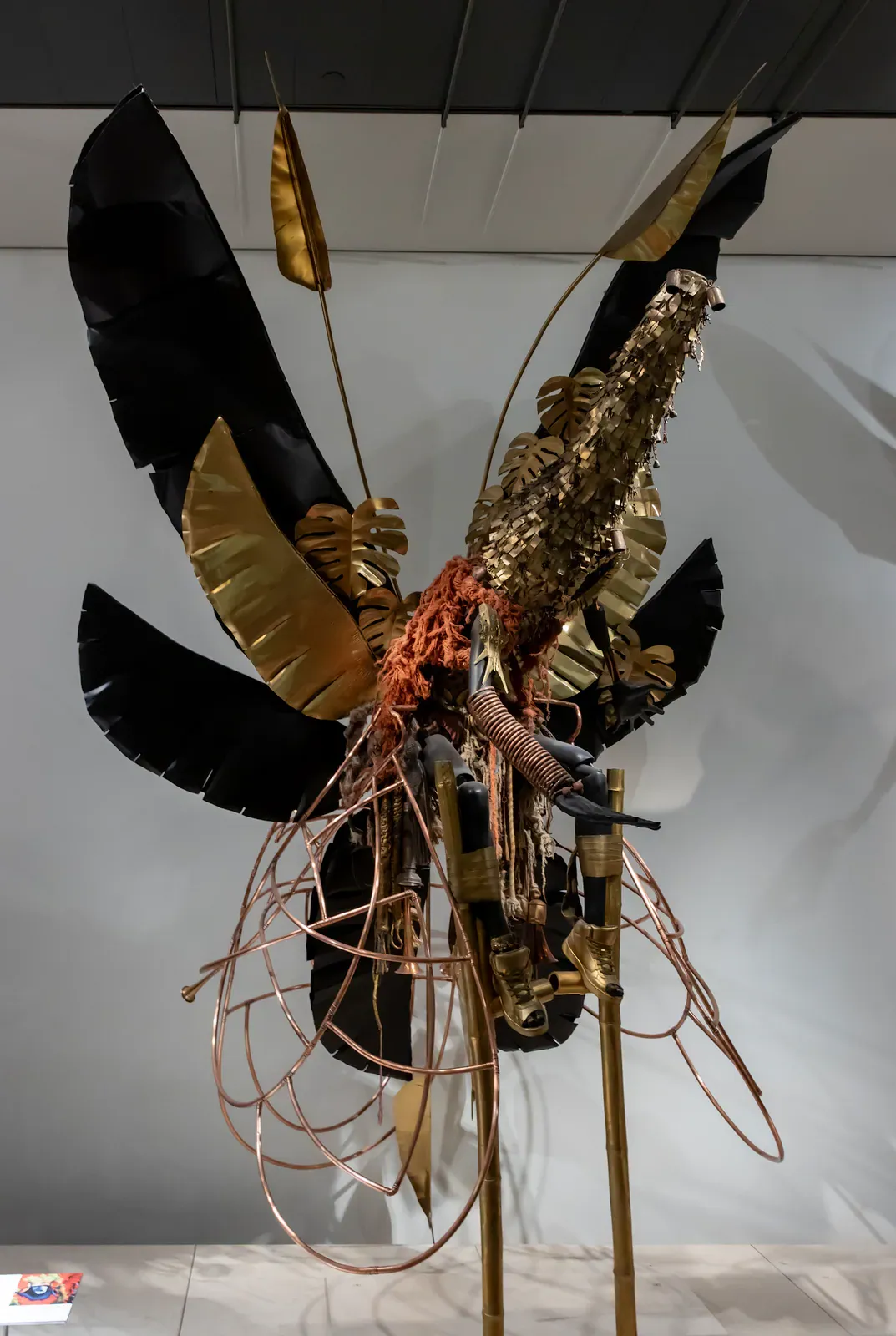
Sokah, 1970-1979
The 1970s were a studio decade. Pelham Goddard led session players at KH Studio in Sea Lots, Port of Spain, and those musicians became Charlie’s Roots, the house band for Charlie’s Records in Brooklyn. Rawlston Charles had opened Charlie’s Calypso City, a record shop in Bedford-Stuyvesant, in 1972. Granville Straker’s Straker’s Records opened in Brooklyn in 1969, so Trinidad’s music had two American outlets from the start.
Established calypso names adopted the beat. Lord Kitchener’s “Sugar Bum Bum,” released around 1978 (some accounts give 1977), was one of the early hits. Shorty’s Brooklyn-issued album Soca Explosion carried the style to the diaspora in the same year.
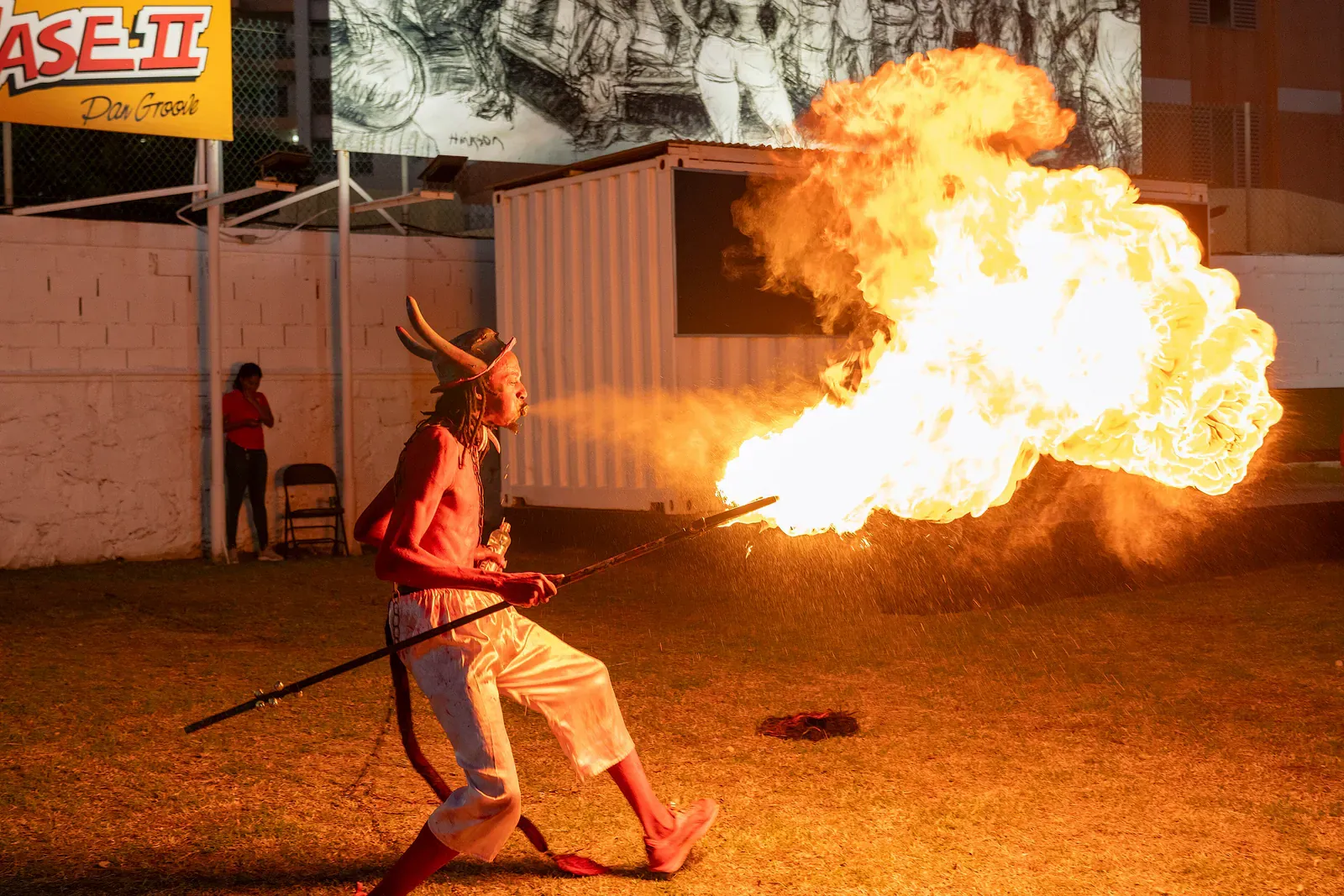
Soca takes the road, 1980-1989
In 1980 Austin Lyons, then called Blue Boy and later Superblue, won the Road March with “Soca Baptist,” the first of several titles. The Road March is decided by counting how often bands play each song at the judging points on Carnival days, so a Road March winner is a song that dominates the street rather than the radio.
The decade’s biggest export was “Hot Hot Hot,” recorded in 1982 by the Montserrat singer Arrow. It became the best-selling soca single worldwide and has been covered many times. Brooklyn’s West Indian Day Parade, which settled on Eastern Parkway in 1969, gave the diaspora a yearly stage where truck-mounted sound systems played the season’s songs to large crowds.
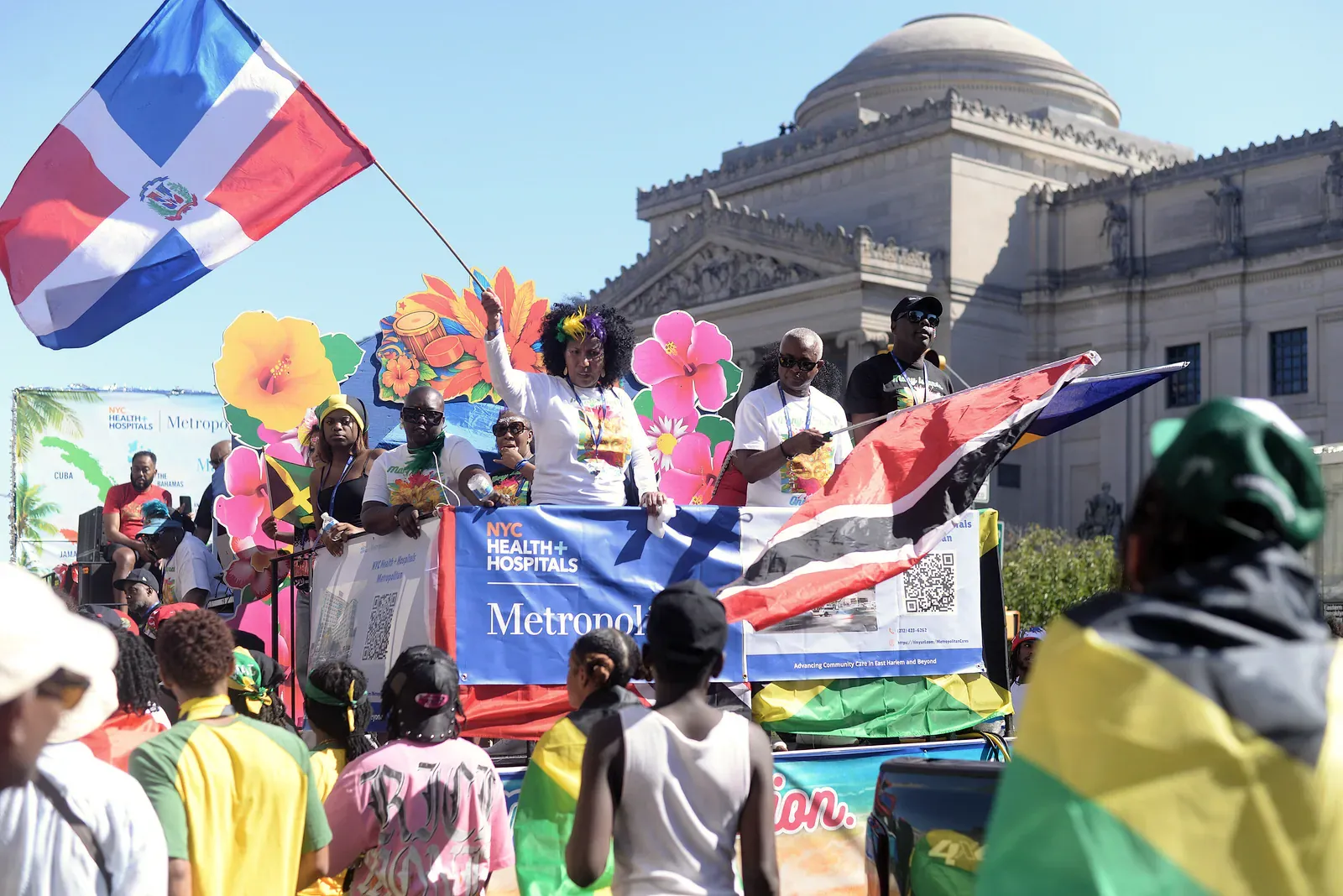
Power soca and the Monarch, 1990-1999
Superblue’s “Get Something and Wave” (1991), a fast Road March winner, is credited as the model for what was later called power soca: high tempo, a shouted command in the hook, and a rhythm made for waving a rag or flag. The Soca Monarch contest began in 1993 as a Carnival Friday competition and became the International Soca Monarch when it opened to foreign acts in 1996.
Machel Montano and his band Xtatik won the 1997 Road March with “Big Truck,” from the album Heavy Duty. It began a record run of titles that reached a twelfth in 2026. In the same era chutney soca took form, with Drupatee Ramgoonai’s 1987 recording naming it “Chatnee Soca” and fusing Indo-Caribbean music with the soca beat.

Monarchs, ragga and groovy, 2000-2012
Soca split into lanes in the 2000s. Monarch rules in 2005 separated faster power soca from slower groovy soca, and ragga soca, with dancehall-style toasting, and bouyon soca, drawing on Dominica’s bouyon, grew alongside. Women moved to the front: Fay-Ann Lyons became the first woman to win the Power Monarch in 2009, and Alison Hinds’s “Roll It Gal” became a women’s anthem across the Caribbean.
In 2010 JW and Blaze’s “Palance” won both the Road March and the Power Monarch. Its synchronised side-to-side move, palancing, spread across fetes. A year later Kes won the Groovy Soca Monarch with “Wotless,” showing that melodic soca could lead a season.
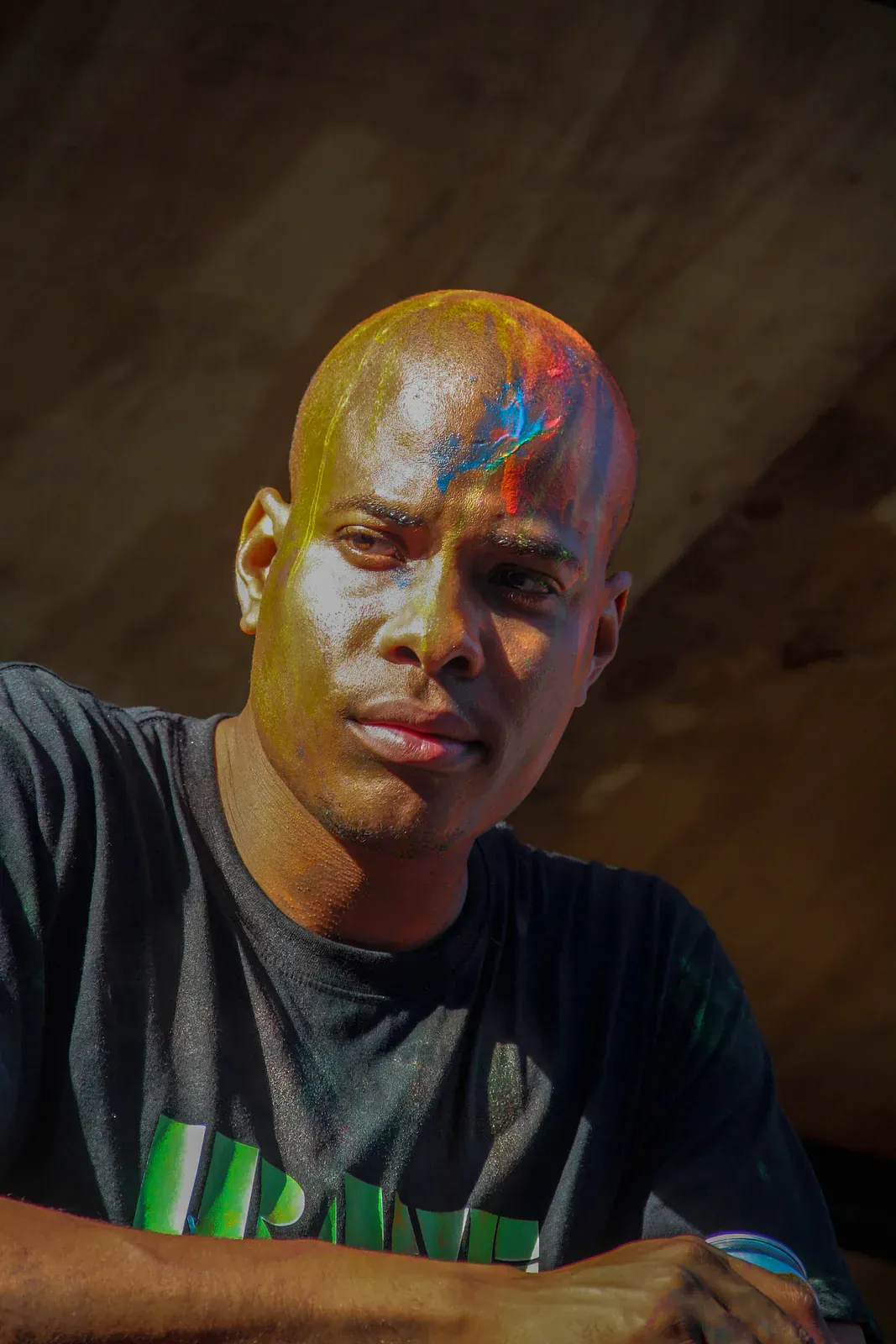
Streaming and afrosoca, 2013 to present
Digital release widened the audience. Bunji Garlin’s “Differentology” (2012) won a Soul Train Award and received a Major Lazer remix, and in 2014 an online music store added calypso and soca as catalog genres. In 2019 “Famalay,” by Skinny Fabulous with Montano and Bunji Garlin, won the Road March and made Skinny Fabulous the first non-Trinidadian soca artist to take the title. Superblue’s “Fantastic Friday” had already returned him to the Road March at age 57 in 2013. Carnival in Trinidad was not held in 2022, so no title was awarded that year.
New scenes now shape the sound: Saint Lucia’s Dennery Segment pushes tempos past 140 BPM, and afrosoca crosses with afrobeats and dancehall.
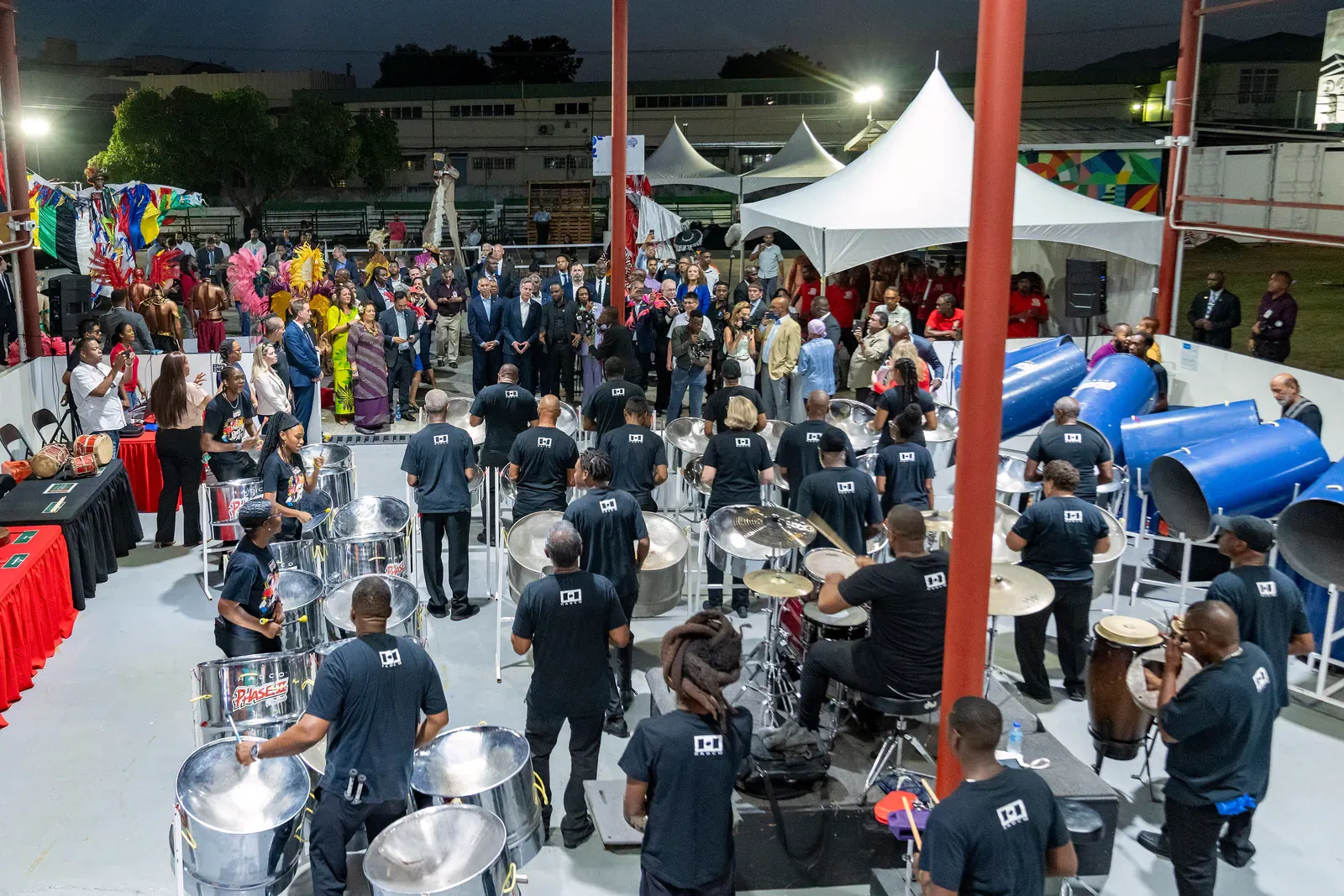
Characteristics
A soca song is structured for a moving crowd. An intro with percussion and a vocal tag leads to a verse, then a chorus hook that tells listeners what to do. A road mix, often instrumental or stripped back, is cut for trucks and the street, and the closing chorus repeats the command. Tempo runs from about 105 BPM in groovy soca, which leans on melody and bass, to the mid-160s in the fastest power soca, in 4/4.
Instruments and production
The early sound used a live studio band: electric bass, guitar, congas, brass and Indian hand drums. From the 1980s, drum machines, samplers and sequencers took over the rhythm section, and synthesizers imitated or replaced horn sections. The steelpan survives as a lead or riff layer, and programmed production lets one producer build a full backing track for a season.
Culture
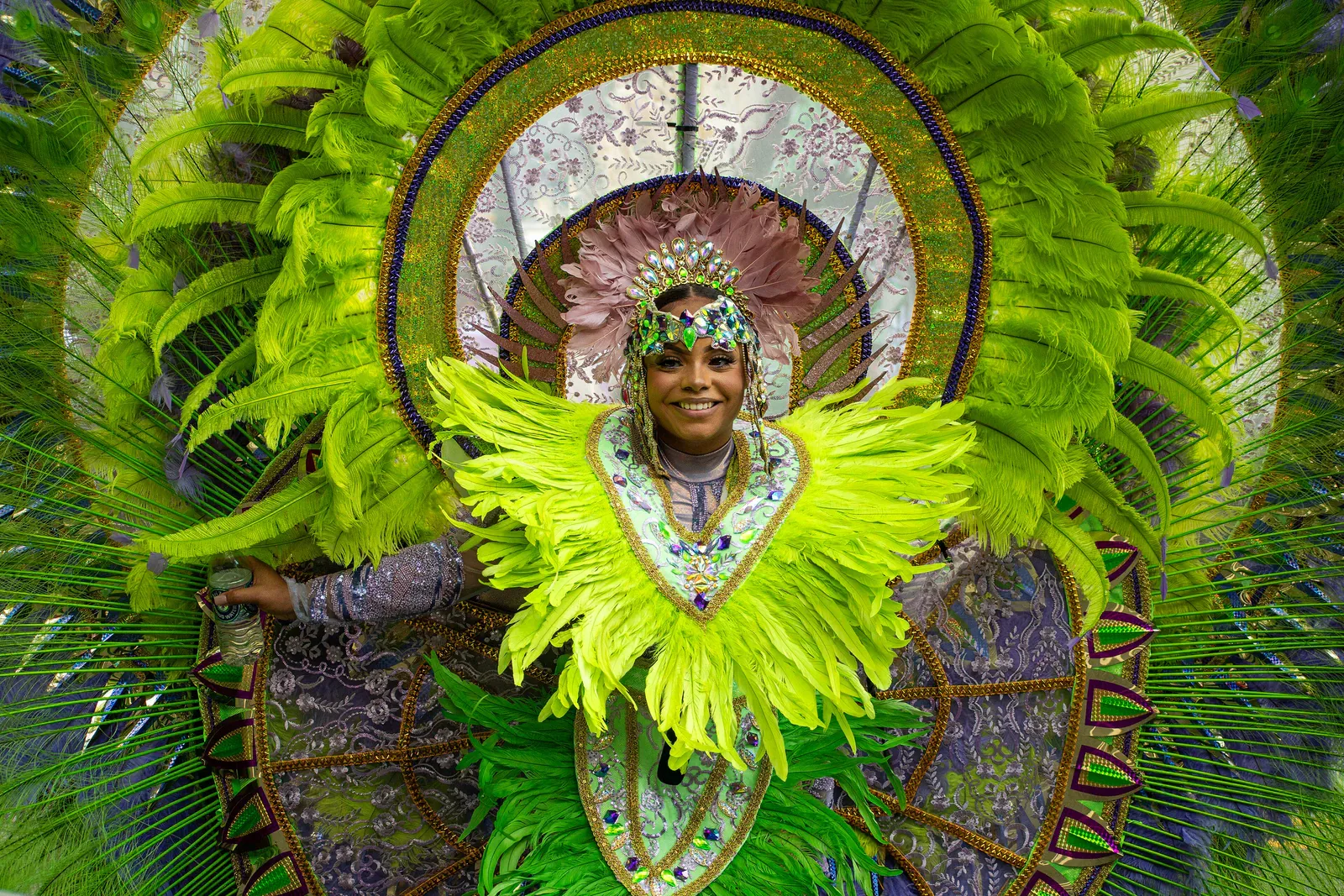
Carnival organises soca’s year. Songs are released ahead of the season, tested in fetes, and judged in public through the Road March and the Monarch. Hooks double as instructions for flags and rags, and “famalay,” Trinidadian creole for family, became both a song title and a motto. “Bacchanal,” the local word for uproar and revelry, appears in many song titles.
Diaspora events matter as much as Port of Spain. Brooklyn’s parade, Crop Over’s Kadooment Day in Bridgetown and Saint Vincent’s festival season each run their own contests and send hits back to Trinidad.
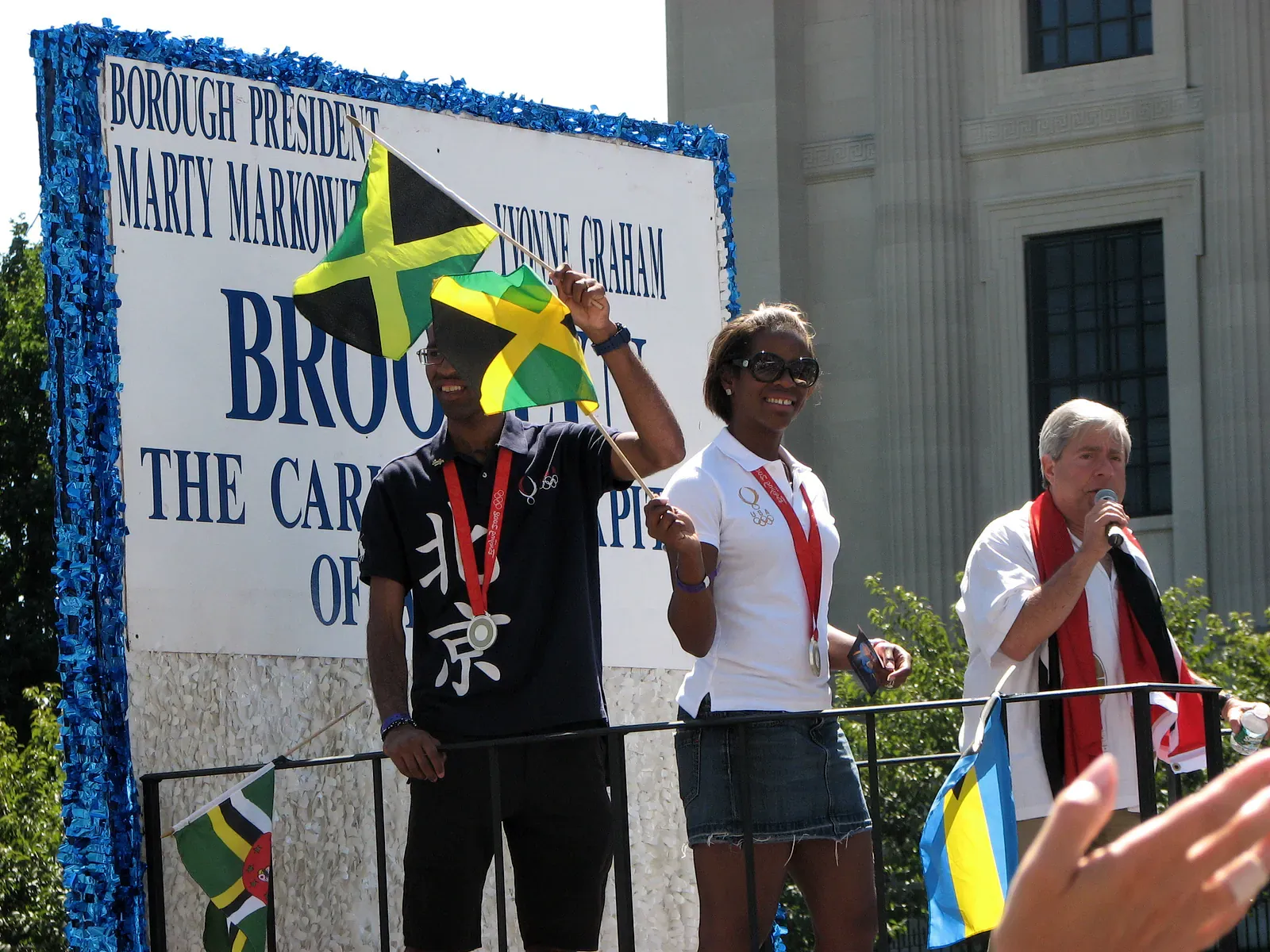
Mainstream success
Soca’s crossovers came through single songs rather than a sustained chart presence. “Hot Hot Hot” is the genre’s global hit, Rupee’s “Tempted to Touch” (2004) earned two years of club play abroad and an Atlantic deal, and “Differentology” reached listeners far from Carnival. Streaming made the Road March season visible to a global audience for the first time.
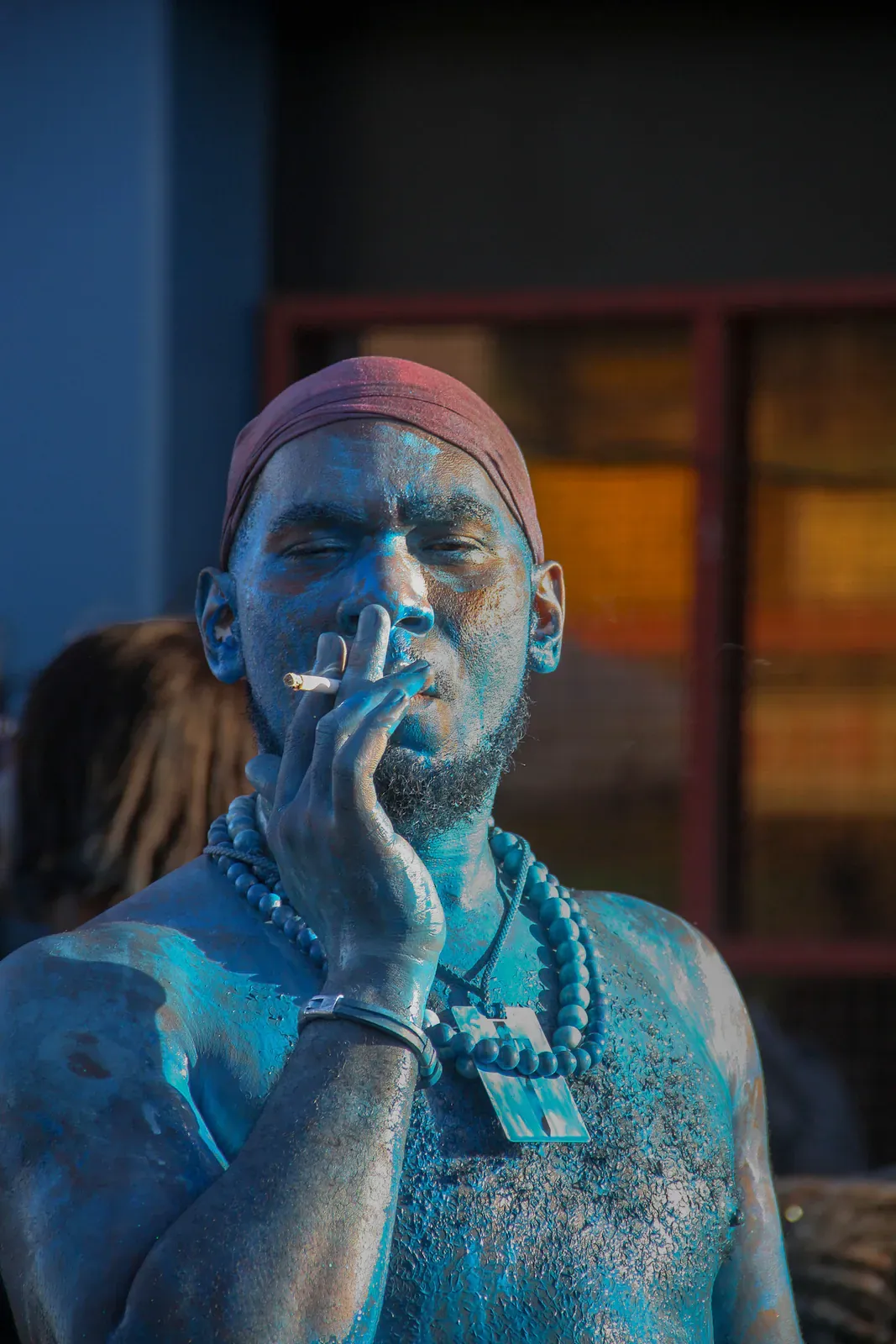
Notable recordings
“Shanti Om” (1974) brought Indian percussion into calypso and is the origin recording. “Hot Hot Hot” (1982) is the breakthrough, and “Big Truck” (1997) defined the 1990s for a generation. “Famalay” (2019) united three of the genre’s leading artists on one Road March winner.

Legacy
Soca made Carnival’s music danceable for a new generation and gave Trinidad a modern export. Its call-and-response hooks and truck-ready mixes shaped how Caribbean festival music is staged, and its fusion habits continue in ragga soca, bouyon soca and afrosoca. It is closely related to calypso and sits within the Caribbean family; compare also reggae.
Misconceptions
Soca is often called a form of calypso with a faster tempo, but Shorty’s mix of soul, funk and Indian percussion made it a separate genre. Many assume “Hot Hot Hot” is a Trinidadian song because of its Carnival use, yet it was recorded by Arrow, from Montserrat. Soca is sometimes described as Trinidad-only, although Skinny Fabulous of Saint Vincent won the 2019 Road March and Barbados and Saint Lucia run their own scenes.
Frequently asked questions
What is soca music?
Soca is an uptempo dance music from Trinidad and Tobago, created in the early 1970s by Lord Shorty from calypso, soul, funk and Indian rhythms and played at Carnival.
What does soca stand for?
Soca is usually explained as a blend of soul and calypso. Lord Shorty’s own spelling was “sokah,” and a misspelling in a 1976 Carnival article fixed the form soca.
What is the difference between soca and calypso?
Calypso is the older storytelling form with a moderate tempo. Soca is faster, built around dance hooks, and adds soul, funk and Indian percussion.
What is the Road March?
The Road March is the Carnival title for the song bands play most often at the judging points on Carnival days. Machel Montano has won it twelve times.
What is power soca?
Power soca is the fast branch of soca, modelled on Superblue’s “Get Something and Wave” (1991) and judged in its own Monarch category.
Sound
Sound sheet
Anatomy of a track
| # | Part |
|---|---|
| 1 | Intro with percussion and vocal tag |
| 2 | Verse |
| 3 | Chorus hook (a call to jump, wave or wine) |
| 4 | Second verse |
| 5 | Road mix breakdown |
| 6 | Final chorus |
Signature sounds
- Instruction-style hook (jump, wave, wine)
- Brass or steel pan riffs over a programmed rhythm
- Syncopated electric bass line
- Instrumental road mix for the street
- Indian hand percussion in early sokah
Drums and percussion
- Electronic drum kit with triggered samples
- Dholak and tabla
- Congas
Techniques
- Sequenced programming
- Triggered drum samples
- Call-and-response chorus
- Road mix
Keys and modes
Major keys. Big Truck sits in C major and Famalay in G flat major.
Vocals
Shouted, chant-like hooks, with dancehall-style toasting in ragga soca.
Scenes
Where it happened
Where and when the sound lived: one bar per city on a shared timeline.
North America
Caribbean
Active scenes
Peak 6, 2010-2025
Home of Carnival, the Road March and the studios and tents where soca was made.
Straker's, Charlie's and B's labels and Eastern Parkway made it a second capital.
Crop Over and Kadooment Day feed a Bajan soca scene of Square One, Alison Hinds and Rupee.
Vincentian soca, led by Skinny Fabulous, reaches the Trinidad Road March in 2019.
Saint Lucia's Dennery Segment speeds soca past 140 BPM with kuduro and zouk touches.
Dominica's bouyon rhythms feed bouyon soca.
Venues and places
Port of Spain, 1976 to today. Sea Lots studio where Pelham Goddard's band cut hits for Charlie's Records.
Brooklyn, 1972 to today. Rawlston Charles's Bedford-Stuyvesant record store and label base.
Brooklyn, 1969 to today. Labor Day parade where truck-mounted sound systems play soca for large crowds.
Port of Spain, 1993 to today. Carnival Friday contest with power and groovy categories.
Bridgetown, 1974 to today. Barbados summer festival with its own Road March and monarch contests.
Culture
Culture markers
- Road March contest
Bands pass judging points on Carnival days and the most played song wins the title.
Ritual - Waving flags and rags
Titles like Get Something and Wave and Pump Yuh Flag instruct revellers to wave on cue.
Ritual - Palancing
The synchronised side-to-side move that spread with Palance in 2010.
Dance - Famalay
Trinidadian creole for family, the title and theme of the 2019 Road March winner.
Slang - Bacchanal
Carnival word for uproar and revelry, used in song titles such as Bacchanal Time.
Slang
Media
Key media
- 1978Bacchanal Time
by Trinidad and Tobago film. Trinidadian feature whose title song carries the carnival term bacchanal.
Film - 1999Charlie's Golden Hitz of Calypso and Soca, Vol. 1
by Various. Anthology of the Brooklyn label's 1970s and 1980s soca and calypso hits.
Compilation - 2013Soca Gold 2013
by Various. Entry in VP Records' yearly soca roundup that carries the season's hits to the diaspora.
Compilation
Glossary
Terms on this page
Soca mixed with Indo-Caribbean music, sung in English and Hindi.
Fast Saint Lucian soca variant from the early 2010s.
Slower, melodic soca, roughly 134 BPM and below, a category since the mid 2000s.
Shorty's term for his late gospel and reggae flavoured soca.
Uptempo soca, about 135 BPM and above, built for jump-up.
Soca with dancehall-style vocal delivery, associated with Bunji Garlin.
Annual Trinidad contest won by the song played most by bands crossing the judging points on Carnival days.
Shorty's original spelling of soca, with "kah" nodding to Sanskrit and East Indian influence.
Caribbean family