Gwo ka
Gwo ka is Guadeloupe's tradition of ka drums, call-and-response song and dance, built on seven rhythms and UNESCO-listed in 2014. Its story from 1685 on.
Guadeloupe, around 1685
Caribbean family
Born
around 1685
Guadeloupe
Subgenres
8
Documented branches
Links
12
Genres it drew on or shaped
Tempo
85-120 BPMLineage
Family tree
Grew out of
Guadeloupe
Gwo ka
Led to (8)
Timeline
Era by era
From the first sparks to today. Select a dot to read the story behind it.
- Drums under the Code Noir
1685 to 1848
- Léwoz in the cane country
1848 to 1966
- Revival, politics and the first records
1967 to 1984
- Gwoka moderne, bands and festivals
1985 to 2013
- UNESCO listing and jazz ka
2014 to 2026
Eras
Moments
- 1 Drums under the Code Noir, 1685 to 1848
- 2 Léwoz in the cane country, 1848 to 1966
- 3 Revival, politics and the first records, 1967 to 1984
- 4 Gwoka moderne, bands and festivals, 1985 to 2013
- 5 UNESCO listing and jazz ka, 2014 to 2026
around 1685
Drums under the Code Noir
Enslaved Africans keep drumming, singing and dancing despite bans on drums, using voice mimicry (bouladjèl) and barrel drums. African and European forms begin to blend.
- 1685Code Noir restricts drumsDrum bans push enslaved people to imitate drums with the voice (bouladjèl) and to hide the practice.
1848
Léwoz in the cane country
After abolition gwoka settles as a rural, nocturnal practice around sugar estates, strongest in northern Basse-Terre, and is looked down on by urban society.
- 1848Abolition of slaveryGwoka settles into a distinct secular practice tied to cane work, wakes and nocturnal léwoz gatherings.
- 1951Gérard Lockel leaves for FranceThe Pointe-à-Pitre guitarist studies jazz in France before returning to gwoka.
1967
Revival, politics and the first records
After the May 1967 riots, drums join the anticolonial movement. Vélo and Guy Conquette reach vinyl, Gérard Lockel invents gwoka moderne, Akiyo forms. Vélo dies in 1984.
- 1967May 1967 riots in Pointe-à-PitreGwoka drums accompany slogans in the streets; the music becomes tied to the anticolonial movement.
- 1969Lockel returns and starts gwoka modènHe adds guitar, harmony and jazz thinking to the seven traditional rhythms.
- 1970Vélo and Anzala reach vinyl on CéliniVélo joins the group Takouta and records his first 33 rpm; Anzala debuts on Célini with Vélo the same year.
- 1976Lockel releases the triple album Gro Ka ModênAn experimental, jazz-leaning manifesto for gwoka moderne.
- 1976Anzala releases Folklore: Fais attention ka ça yéA landmark traditional-voice album from the Le Moule singer, on Univers Disques.
- 1979Akiyo takes shape in Pointe-à-PitreYoung musicians around Vélo bring skin drums and masks back to Carnival after plastic drums took over.
- 1979Kassav' forms and quotes gwoka rhythmsThe band opens its first recordings with gwoka rhythms as a tribute to Vélo, before zouk takes off.
- 1981Lockel publishes Traité de Gwo ka modènThe first attempt to formalise gwoka moderne in writing, asserting its African roots.
- 1984Vélo dies, Akiyo becomes an associationHis death on 5 June is a wake-up call for Guadeloupeans to reclaim the music.
- 1984Kassav' pushes zouk worldwideZouk draws on gwoka and Martinican bèlè and becomes the islands' global sound, overshadowing gwoka at home.
1985
Gwoka moderne, bands and festivals
Lockel, Esnard Boisdur, Edmony Krater and groups like Akiyo and Horizon add guitar, horns and jazz harmony. The Sainte-Anne festival (1988) gives the music a yearly stage.
- 1985Akiyo faces censorship over colonial imageryAuthorities try to ban Carnival imagery seen as colonial, sparking large public protests.
- 1988Sainte-Anne gwoka festival startsLawyer and activist Félix Cotellon founds the Festival de Gwoka (Sentann) without municipal support.
- 1988Edmony Krater and Zepiss record Tijan Pou VéloA gwoka-jazz tribute to Vélo that became a cult record.
- 1992Akiyo releases Mémoires on SonodiscThe movement's first album, opening with Aki yo la o la kale kon sa.
- 1994William Flessel releases Message KaA gwoka moderne album that became an international hit.
- 2006Jacques Schwarz-Bart releases Soné Ka-LaA gwoka jazz album on EmArcy with Admiral T and Jacob Desvarieux as guests.
- 2009Gwoka drums play during the LKP general strikeAkiyo percussionists play gwoka during the strike negotiations.
2014
UNESCO listing and jazz ka
Gwoka joins the UNESCO Representative List in 2014. A new generation mixes it with jazz, soul and electronics, and archive compilations reach foreign listeners.
- 2014UNESCO inscribes gwokaInscribed on 26 November on the Representative List, a listing contested by some musicians.
- 2022Lèspri Ka compilation reaches foreign listenersA double LP of modern gwoka from 1981 to 2010, released 28 January.
Listening path
Anthems
The records that built the sound, grouped by the part they played. Thumbnails come from YouTube; the player loads only when you press play.
- 01
Vélo, 1970 · Célini Disques
Master drummer Vélo on one of the earliest gwoka records, where the seven rhythms first reach vinyl.
Start hereOrigin - 02
Guy Conquette, 1970 · Célini Disques
An early Guy Conquette single of gwoka song on the Célini imprint.
Origin - 03
Anzala, 1982 · Disques Debs
Anzala's plea not to abandon gwoka, from the voice who carried the tradition through the 1970s and 80s.
Anthem - 04
Edmony Krater, 1988
Edmony Krater and Zepiss turn gwoka into jazz-tinged music in a tribute to Vélo.
Start hereAnthem - 05
Akiyo, 1992 · Sonodisc
The Carnival movement's signature chant, built on skin drums and a call-and-response chorus.
Start hereAnthem - 06
Esnard Boisdur, 1994 · Sonodisc
Esnard Boisdur's gwoka song from Flanm' a La Viktwa, showing his bridge from tradition to band format.
Anthem - 07
Kassav', 1984
Zouk, built partly on gwoka rhythms, takes the Guadeloupean sound worldwide and casts a shadow over gwoka at home.
Crossover - 08
Dominik Coco, 2008
A zouk singer returns to gwoka roots and mixes them with hip-hop, dancehall and salsa.
Revival - 09
Jacques Schwarz-Bart, 2020
Gwoka jazz on the mendé rhythm with Sonny Troupé on ka, from the sequel to Soné Ka-La.
Revival
Facts
| Family | Caribbean |
| Origin | Guadeloupe |
| Emerged | 17th century |
| Status | Active |
| Tempo | 85 to 120 BPM |
| Meter | Varies by rhythm: 2/4 (kaladja), 3/4 (woulé, padjanbèl) |
| Subgenres | 8 |
Gwo ka (also written gwoka) is the drumming, singing and dancing tradition of Guadeloupe, built on seven core rhythms and played on barrel-shaped ka drums. It was created by enslaved Africans from the late 17th century and is one of the Caribbean’s oldest living folk musics.
UNESCO added it to its Representative List of the Intangible Cultural Heritage of Humanity in 2014.
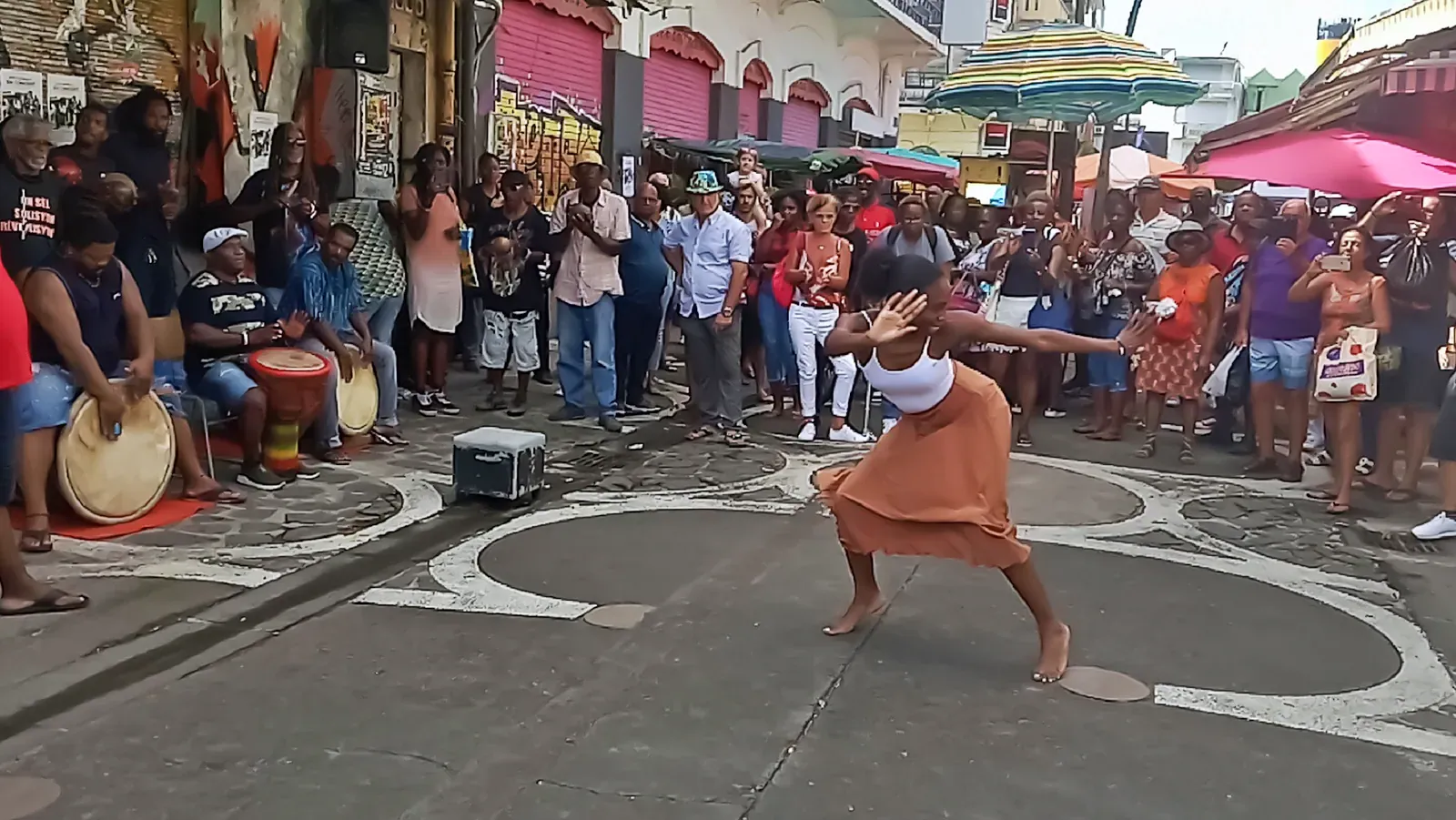
Origins
It started with a ban. From about 1685 the Code Noir, the French colonial law for the islands, restricted drums, and enslaved people answered by imitating the drum with the voice (a technique called bouladjèl) and by keeping the practice out of sight. African rhythms and song forms met European ones in the cane fields, and the result was a new creole music.
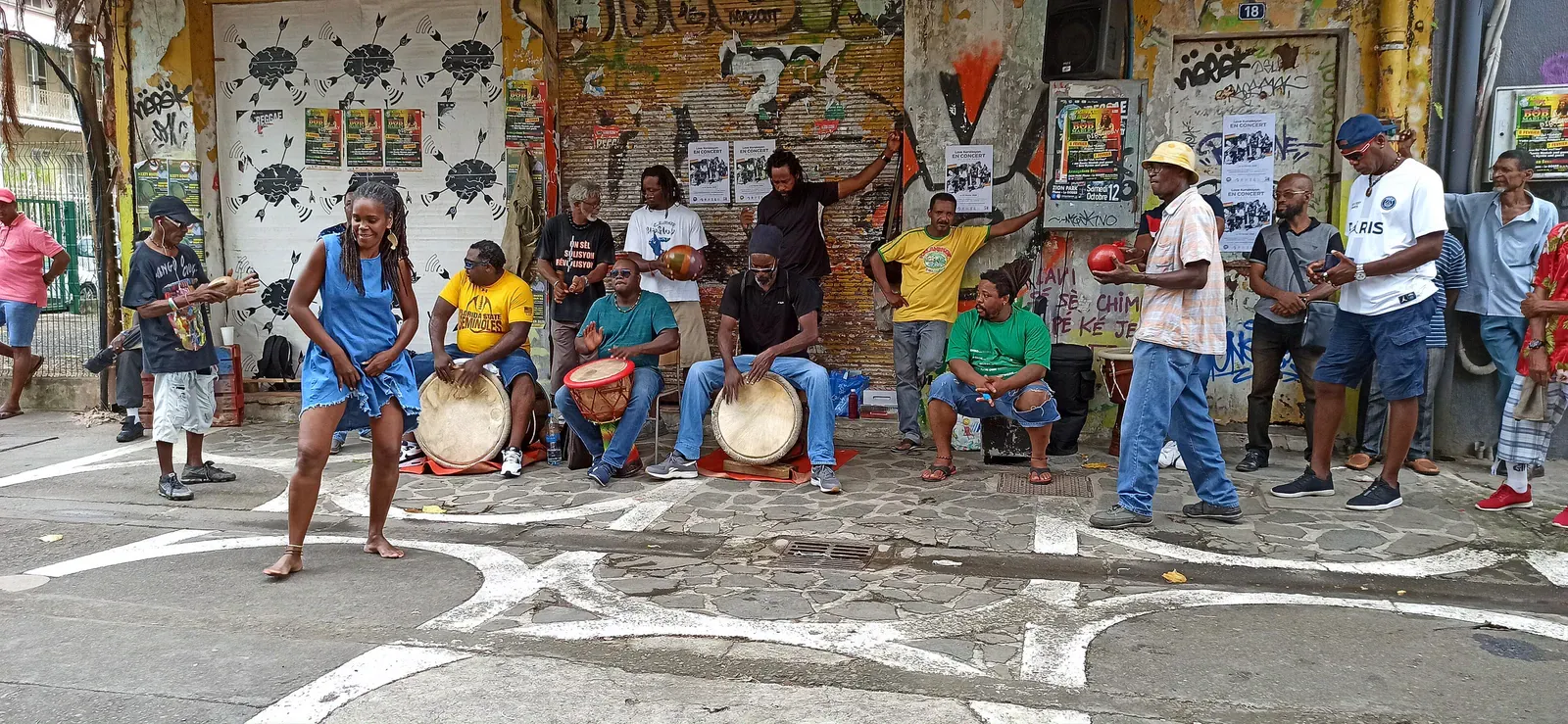
The vocabulary shows how it works. The boula is the large ka drum that holds the base rhythm. The makè is the smaller one that improvises and answers the dancer and the singer, the chantè, who calls the rhythm. Players, singers and dancers stand in a circle called the lawonn, and soloists step in by turns. A chacha shaker and ti bwa sticks add texture.
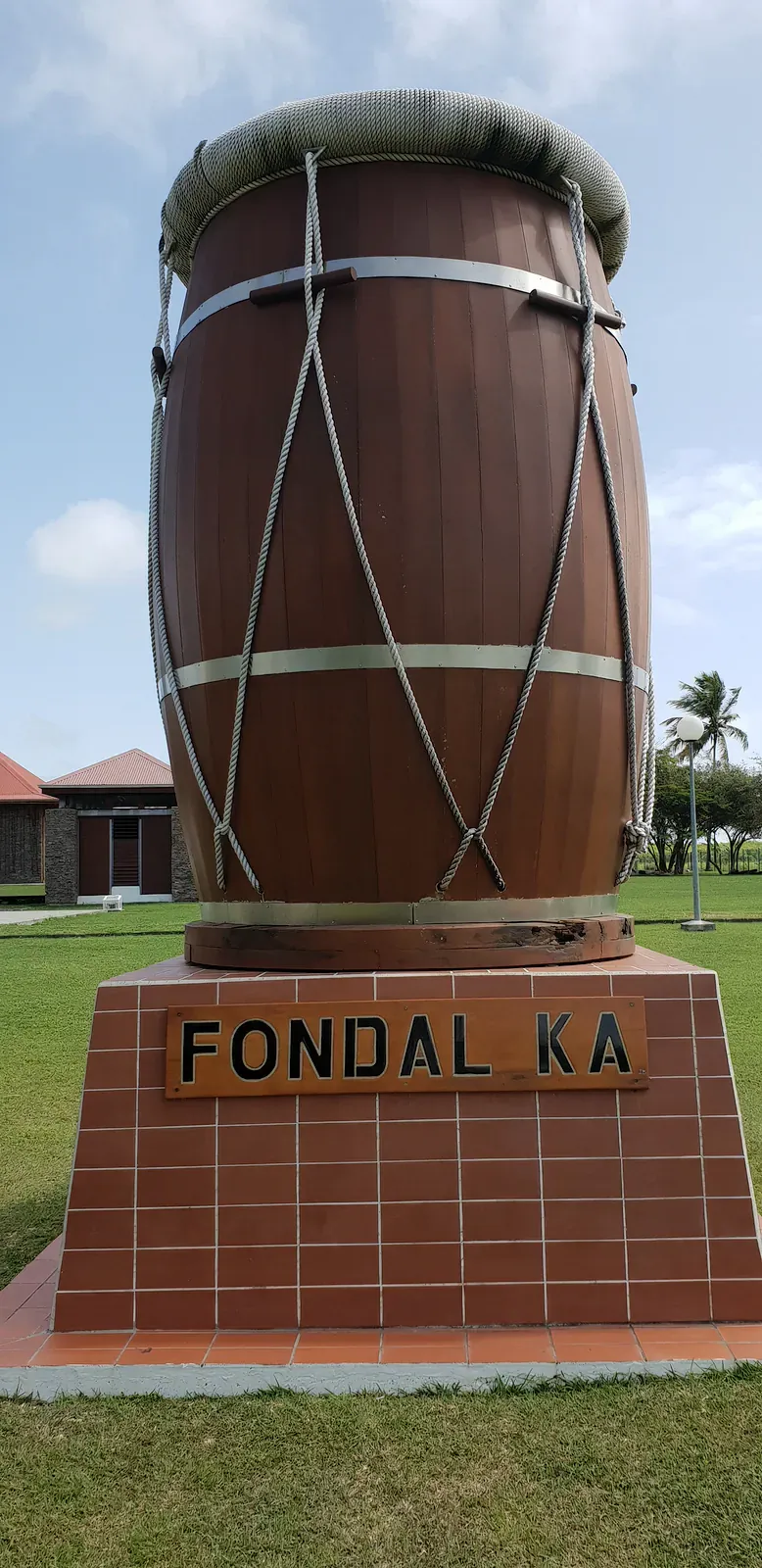
Drums under the Code Noir, 1685-1848
For more than 160 years the music survived without a written record. Drums were limited and sometimes hidden, singing carried messages, and the barrel drum stayed the centre of the music. When slavery was abolished in 1848, the music did not vanish with the old order. It settled into a secular practice tied to cane work, wakes and night gatherings.
Léwoz in the cane country, 1848-1966
After abolition gwo ka became rural and nocturnal. The léwoz, an all-night gathering and also one of the seven rhythms, was strongest around the sugar estates of northern Basse-Terre, in places such as Sainte-Rose and Lamentin. Dancers pause at the repriz, and the makè drummer follows them. Urban society looked down on it, which kept it a music passed on by ear, generation to generation.
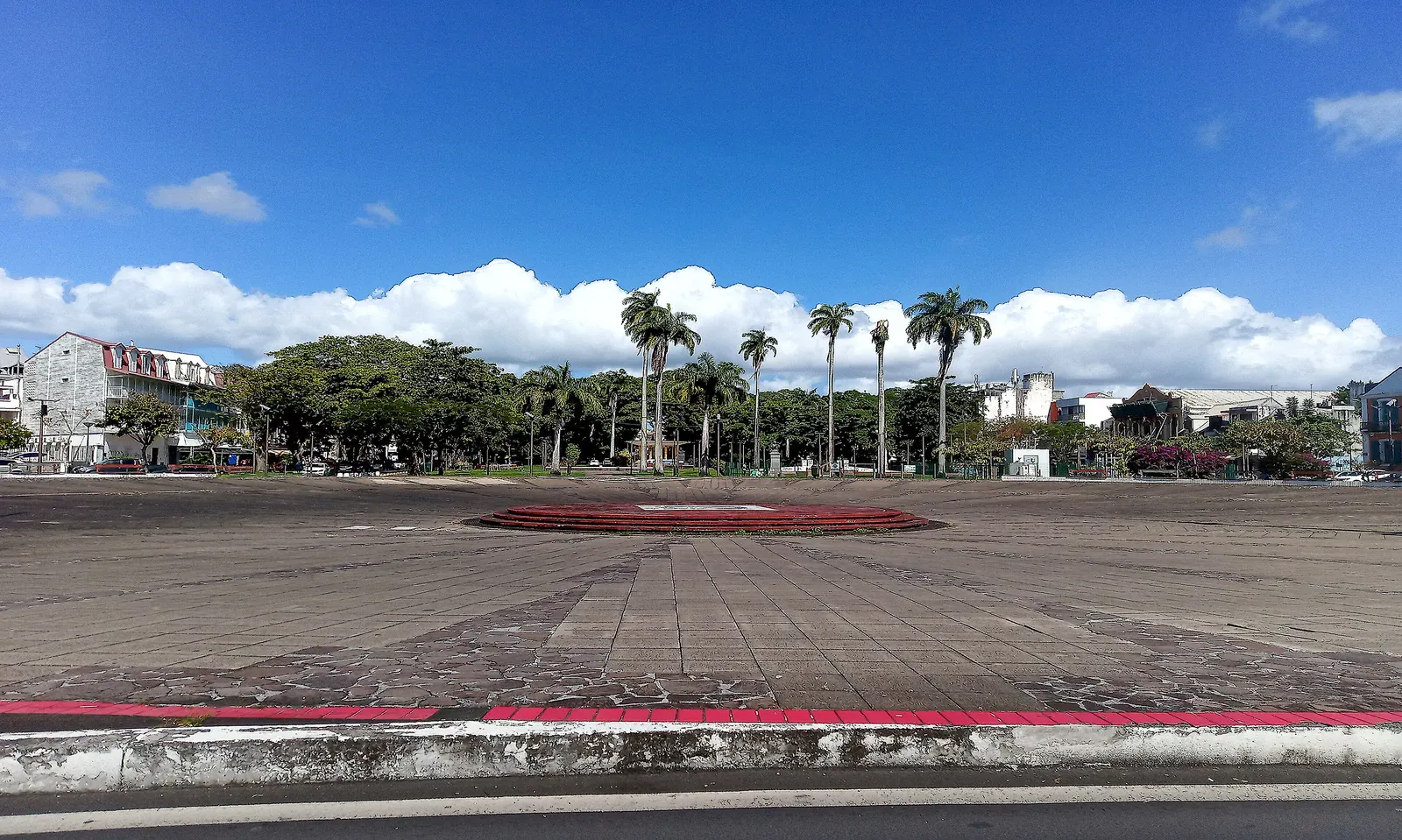
Revival, politics and the first records, 1967-1984
The turning point was political. After the May 1967 riots in Pointe-à-Pitre, gwo ka drums joined the anticolonial movement and the music became tied to demands for dignity and autonomy. Records followed. Master drummer Vélo and singer Guy Conquette reached vinyl on the Célini label, and the Debs studio in downtown Pointe-à-Pitre recorded Anzala, Ti Céleste and Horizon. Anzala, from Le Moule, became known as the voice of ka; his 1976 album Folklore: Fais attention ka ça yé is a landmark of traditional singing.
In 1969 the guitarist Gérard Lockel came back from studying jazz in France and started gwoka moderne, adding guitar, harmony and jazz thinking to the seven traditional rhythms. His triple album Gro Ka Modên (1976) set the style out, and his Traité de Gwo ka modèn (1981) was the first attempt to write it down. Around 1979 young musicians around Vélo formed Akiyo and brought skin drums and masks back to Carnival after plastic drums had taken over. Vélo died on 5 June 1984, and for many Guadeloupeans his death was a call to take the music back.
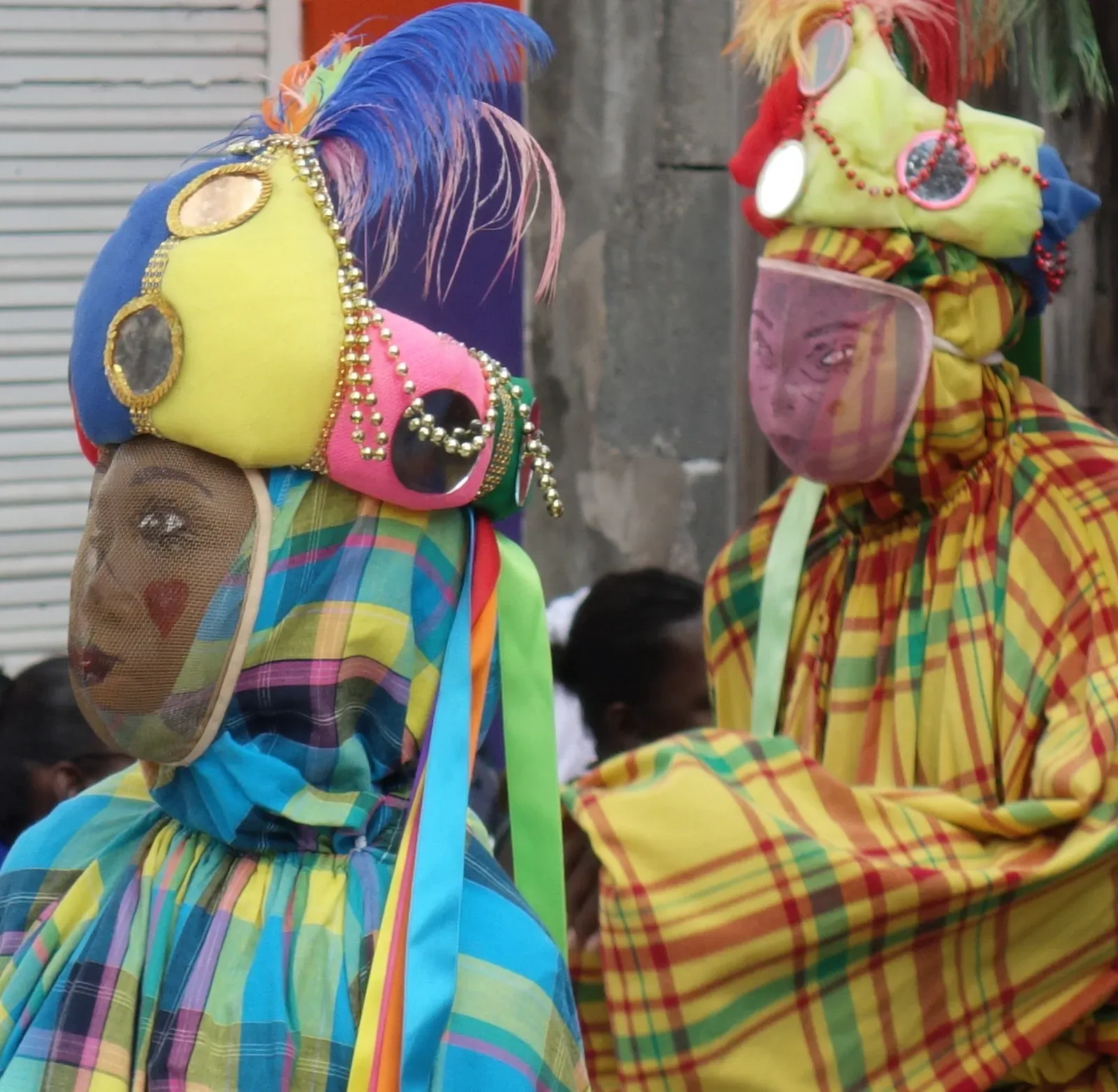
Gwoka moderne, bands and festivals, 1985-2013
In 1985 authorities tried to ban Carnival imagery seen as colonial, and large public protests followed. Three years later the lawyer and activist Félix Cotellon founded the Festival de Gwoka in Sainte-Anne without municipal support. It still runs each year, with the main stage on Plage Galba.
Bands brought the music onto stages. Esnard Boisdur’s group Katel recorded for the Antillean market. Edmony Krater and Zepiss recorded Tijan Pou Vélo in 1988, a gwoka-jazz tribute that became a cult record. Akiyo’s first album, Mémoires, came out on Sonodisc in 1992, and William Flessel’s Message Ka (1994) became an international hit. A bronze statue of Vélo, commissioned by Akiyo, stands in Pointe-à-Pitre.
UNESCO listing and jazz ka, 2014-2026
On 26 November 2014 UNESCO inscribed gwoka as music, song, dance and cultural practice representative of Guadeloupean identity, a listing some musicians contested. A new generation has since mixed it with jazz, soul and electronics. Jacques Schwarz-Bart’s Soné Ka-La (2006) was the first full marriage of gwoka and jazz on a major-label release. Dominik Coco, a zouk singer, went back to roots with Lèspri Kaskòd (2008) and mixed gwoka with hip-hop, dancehall and salsa. The 2022 double LP Lèspri Ka gave modern gwoka from 1981 to 2010 to foreign listeners, and the 2014 Soul Jazz compilation by Tradisyon Ka did the same for new recordings made in Pointe-à-Pitre.
Mainstream success
Gwo ka never had a chart crossover. Its reach came through politics, Carnival, local festivals and the Guadeloupean diaspora in Paris, where Sonodisc was based and Heavenly Sweetness still is. The closest thing to a worldwide hit from the same roots was Kassav’s zouk. Kassav’ formed in 1979, quoted gwoka rhythms on its first recordings as a tribute to Vélo, and from 1984 pushed zouk around the world. Zouk drew on gwoka and Martinican bèlè, and its success overshadowed gwoka at home.
Notable recordings
Three records show the arc. The early Célini singles by Vélo and Guy Conquette, including Vélo’s Gaj nouvo rive, are among the first to put the seven rhythms on vinyl, made at a time when the music was still seen as rural folk. Anzala’s An Pe Ke Lese Gwoka La (1982) is a plea not to abandon the tradition, from the voice that carried it through the 1970s and 80s. Akiyo’s Aki yo la o la kale kon sa (1992) became the Carnival movement’s signature chant, built on skin drums and a call-and-response chorus.
Culture
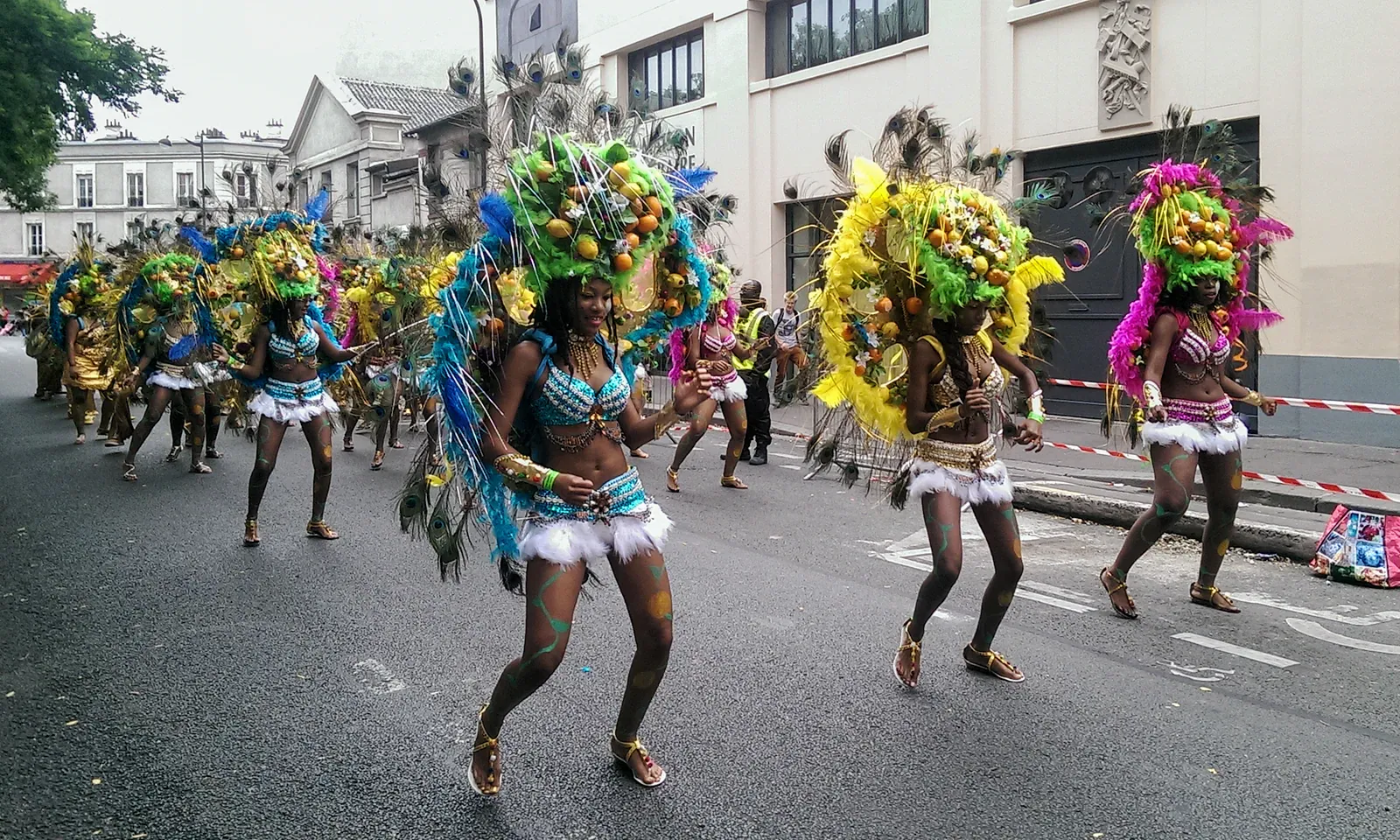
The dancer leads the drummer, not the other way round. The dancer often sets the tempo and the makè answers each movement. Léwoz nights are where songs and rhythms pass between generations, and gwo ka is also played at wakes and ninth-day funeral vigils. At Carnival, Akiyo and Voukoum brought back traditional masks and real drums. The vocal style is guttural and rough, and the music has been tied to the anticolonial cause since 1967: gwoka drums even played during the 2009 LKP general strike negotiations.
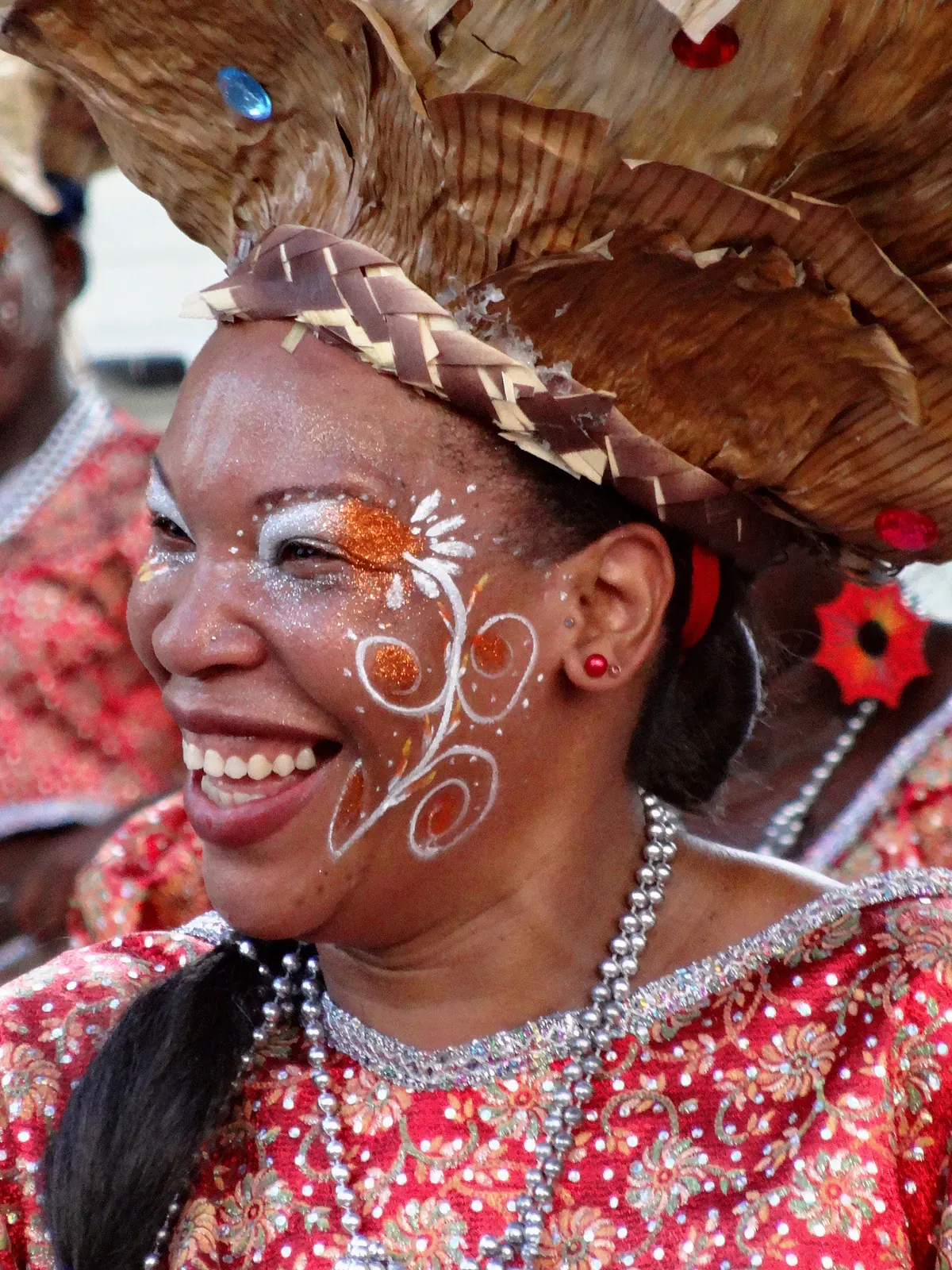
Misconceptions
Myth: it is just a rhythm of zouk. Zouk borrowed from gwo ka, but gwo ka is an older, separate tradition with its own seven rhythms.
Myth: it is only folklore. It has been reinvented since 1969: Lockel’s guitar-led gwoka moderne, Krater’s jazz in 1988 and the jazz ka of Schwarz-Bart’s Soné Ka-La all show it changing.
Myth: it is one rhythm. The seven core rhythms are léwoz, kaladja, toumblak, padjabèl, graj, woulé and mendé.
Frequently asked questions
What does gwo ka mean?
Gwo ka means “big drum” in Guadeloupean Creole and names both the large ka drum and the whole tradition of song, dance and drumming built around it.
What are the seven gwo ka rhythms?
Léwoz, kaladja, toumblak, padjabèl, graj, woulé and mendé. Each has its own pulse, mood and dance, and gwo ka players switch between them through a night.
Is gwo ka the same as zouk?
No. Zouk is a Guadeloupean and Martinican pop style that quotes gwo ka and bèlè rhythms, while gwo ka is the older drum-and-dance tradition. Zouk spread worldwide from 1984, and gwo ka stayed mostly local.
Where can you hear gwo ka?
At the yearly Festival de Gwoka in Sainte-Anne, at léwoz nights and Carnival in Pointe-à-Pitre and, on record, through Vélo, Anzala, Akiyo, Gérard Lockel and the Lèspri Ka compilation. It belongs to the wider Caribbean family of music.
Sound
Sound sheet
Anatomy of a track
| # | Part |
|---|---|
| 1 | Singer calls the rhythm |
| 2 | Boula players lock the base pattern |
| 3 | Makè answers the singer and dancer |
| 4 | Call-and-response chorus |
| 5 | Dancer enters the lawonn and pauses at the repriz |
Signature sounds
- Seven core rhythms (léwoz, kaladja, toumblak, padjabèl, graj, woulé, mendé)
- Boula base with improvising makè
- Creole call-and-response singing
- Dancer leads the drummer
- Guttural, rough vocal style
- Chacha and ti bwa texture
Drums and percussion
- Boula
- Makè
Techniques
- Call and response
- Bouladjèl
- Makè improvisation
- Lawonn circle
Tuning
Hand drums with rope, hoop and peg tensioning; no fixed pitch system, the boula sounds lower than the makè
Vocals
Responsorial Creole singing, a soloist answered by the chorus
Scenes
Where it happened
Where and when the sound lived: one bar per city on a shared timeline.
Caribbean
Europe
Active scenes
Peak 5, 1988-2025
Home of Vélo, Akiyo and the Debs and Célini studios; the street and record-shop heart of gwoka.
Seaside town of the yearly Festival de Gwoka, first held in 1988.
Home town of Anzala, the singer called the voice of ka.
Gérard Lockel lived here and a cultural centre carries his name.
Northern Basse-Terre sugar country, where traditional léwoz was strongest until the late 1970s.
Diaspora base: Sonodisc and Heavenly Sweetness are here, and Lockel studied jazz here.
Venues and places
Sainte-Anne, 1988 to today. Yearly festival, with the main stage on Plage Galba, founded by Félix Cotellon.
Pointe-à-Pitre, 1959 to today. Downtown studio that recorded Anzala, Ti Céleste and Horizon.
Pointe-à-Pitre, 1960 to today. Neighbourhoods where Vélo played léwoz before his first records.
Culture
Culture markers
- Dancer leads the drummer
The dancer often sets the tempo, and the makè drummer answers each movement.
Dance - Léwoz night gatherings
Nocturnal circles where generations pass on songs and rhythms orally.
Ritual - Ninth-day funeral vigils
Gwoka is played at wakes and ninth-day ceremonies.
Ritual - Carnival with skin drums and masks
Akiyo and Voukoum bring back traditional masks and real drums to Carnival.
Ritual - Statue of Vélo
Bronze statue of Vélo playing ka on rue Saint-John Perse in Pointe-à-Pitre.
Artwork
Media
Key media
- 1981Traité de Gwo Ka Modènn
by Gérard Lockel. The founding treatise of gwoka moderne.
Book - 2012Nostalgie caraïbes
by Guy Conquette, Vélo and others. Reissue of early Célini gwoka recordings by Vélo and Guy Conquette.
Compilation - 2014Gwo Ka: Music of Guadeloupe, West Indies
by Tradisyon Ka. New recordings made in Pointe-à-Pitre for Soul Jazz Records.
Compilation - 2019Creolized Aurality: Guadeloupean Gwoka and Postcolonial Politics
by Jérôme Camal. Scholarly history of gwoka and anticolonial politics.
Book - 2022Lèspri Ka: New Directions in Gwoka Music from Guadeloupe 1981-2010
by Various Artists. Double LP of modern gwoka, curated by Cédric Lassonde and Brandon Hocura.
Compilation
Glossary
Terms on this page
The big ka drum that keeps the beat.
Voice technique that imitates drums, born when drums were banned.
The lead singer who calls the rhythm for the boula players to follow.
Gwoka with added harmony instruments and jazz ideas, keeping the seven rhythms.
The circle of players, singers and dancers where soloists step in by turns.
The night-time gathering and also one of the seven rhythms, with the dancer pausing at the repriz.
The small ka drum that improvises with the dancer.
A ka drummer.
Caribbean family