Caribbean music
Caribbean music spans Trinidadian calypso and soca, Jamaican ska, reggae, dub and dancehall, and the zouk of Guadeloupe and Martinique, from 1900 to today.
136 genres
Since around 1900
Genres
136
In this family
Branches
66
Main subgenres
Since
around 1900
Jamaica, Trinidad & Tobago, Haiti, Guadeloupe, Martinique
Timeline
Era by era
From the first sparks to today. Select a dot to read the story behind it.
- Calypso, mento and sound systems
1900 to 1958
- Ska and rocksteady
1959 to 1967
- Reggae and dub go global
1968 to 1981
- Digital riddims, zouk and soca
1982 to 1999
- Crossover and streaming
2000 to today
Eras
Moments
- 1 Calypso, mento and sound systems, 1900 to 1958
- 2 Ska and rocksteady, 1959 to 1967
- 3 Reggae and dub go global, 1968 to 1981
- 4 Digital riddims, zouk and soca, 1982 to 1999
- 5 Crossover and streaming, 2000 to today
around 1900
Calypso, mento and sound systems
Trinidadian calypso tents, Jamaican mento, steel bands and Kingston sound systems playing American R&B set the stage, while calypso migrants arrived in Britain in 1948.
- 1948Lord Kitchener arrives on the Empire WindrushHe sings a calypso for newsreel cameras at Tilbury, an early sound of Caribbean migration to Britain.
- 1950Kingston sound systems battle over American R&BCoxsone Dodd and Duke Reid rival each other with mobile speakers and exclusive records, which leads them into recording their own.
- 1954Coxsone Dodd starts the Studio One labelThe sound system operator begins issuing records that will define Jamaican music.
- 1956Mighty Sparrow records Jean and DinahA topical calypso that makes him a star and begins a six-decade career.
- 1956Harry Belafonte's Calypso tops the US album chartRCA Victor releases the first LP by a single artist to sell a million copies, starting a US calypso craze.
1959
Ska and rocksteady
Island Records, Studio One and Treasure Isle turn Kingston into a studio town. Independence in 1962 brings ska, then a slower rocksteady groove by 1966.
- 1959Chris Blackwell founds Island Records in KingstonThe label later moves to London and carries Jamaican music to Britain and beyond.
- 1963Studio One opens at Brentford RoadFirst recordings at the Kingston studio, soon home to the Skatalites and the Wailers.
- 1964Millie Small's My Boy Lollipop becomes a world hitBlackwell produces the record, released in Britain through Fontana, and it spreads ska outside Jamaica.
- 1966Rocksteady slows the beatSingers like Alton Ellis and Hopeton Lewis lead a slower, bass-led style recorded at Treasure Isle and Studio One.
1968
Reggae and dub go global
Toots names reggae in 1968, King Tubby and Lee Perry invent dub, and Bob Marley takes the music worldwide through Island Records until his death in 1981.
- 1968Trojan Records launches in LondonLee Gopthal and Chris Blackwell found the label that sells Jamaican records to a British audience.
- 1968Toots and the Maytals release Do the ReggayThe first popular song to use the word reggae, which names the new style.
- 1968Desmond Dekker's IsraelitesReaches number one in the UK in April 1969 and the US top ten in June 1969.
- 1968King Tubby develops dub mixingHe strips vocals, adds echo and reverb and treats the desk as an instrument.
- 1970Bob Marley and the Wailers start Tuff GongTheir own label puts out Run for Cover as its first single.
- 1972The Harder They Come reaches cinemasJimmy Cliff stars in the film; its soundtrack brings reggae to American audiences.
- 1973Catch a Fire released by IslandThe first Wailers album prepared for an international audience.
- 1973Lee Perry builds the Black Ark studioA small Kingston studio that yields Super Ape and other dub landmarks until a fire ends it, dated 1979 or 1983.
- 1973Lord Shorty releases IndraniOften seen as the first soca record; Endless Vibrations follows in 1975.
- 1978One Love Peace Concert in KingstonMarley brings rival leaders Michael Manley and Edward Seaga on stage to shake hands.
- 1979Kassav' forms in the French AntillesThe Guadeloupe and Martinique band starts the sound that becomes zouk.
- 1979VP Records settles in Queens, New YorkVincent and Patricia Chin move their record store to Jamaica, Queens; the label follows in 1993.
- 1981Bob Marley dies in MiamiHe dies on 11 May at age 36; Legend becomes the best-selling reggae album.
1982
Digital riddims, zouk and soca
The Sleng Teng riddim of 1985 digitises dancehall, Shabba Ranks reaches US charts, Kassav' makes zouk a dance craze and soca grows out of Trinidad.
- 1984Kassav' release Zouk la se sel medikaman nou niThe hit from Yelele that makes zouk a dance craze across Europe, Africa and Latin America.
- 1985Under Mi Sleng Teng digitises dancehallWayne Smith and King Jammy build a riddim on a Casio MT-40 preset; hundreds of versions follow.
- 1992Shabba Ranks wins the Best Reggae Album GrammyAs Raw as Ever makes him the first dancehall artist to win the prize; he wins again in 1993.
2000
Crossover and streaming
Sean Paul takes dancehall to number one in 2003, soca and dancehall move to streaming, UNESCO lists reggae in 2018 and the founding generation passes.
- 2003Sean Paul's Get Busy tops the US Hot 100Often called the first dancehall song to reach number one, from Dutty Rock, which wins the Grammy in 2004.
- 2018UNESCO lists reggae music of JamaicaReggae added to the Representative List of the Intangible Cultural Heritage of Humanity.
- 2025Jimmy Cliff dies at age 81Cliff died on 24 November 2025, one of the last stars of the 1960s Kingston generation.
Facts
| Genres in the family | 136 |
| Main branches | 66 |
| Emerged | 19th to 20th century |
| Tempo | 60 to 165 BPM |
Caribbean music is the family of styles made on the islands and their coasts since about 1900: Trinidadian calypso and soca, Jamaican mento, ska, rocksteady, reggae, dub and dancehall, and the zouk of Guadeloupe and Martinique.
Most of it was shaped by the same few things, a carnival season, a sound system or a studio, and a diaspora in London, New York or Paris that carried it further than any radio station could.
Trinidad and Kingston, 1900-1958
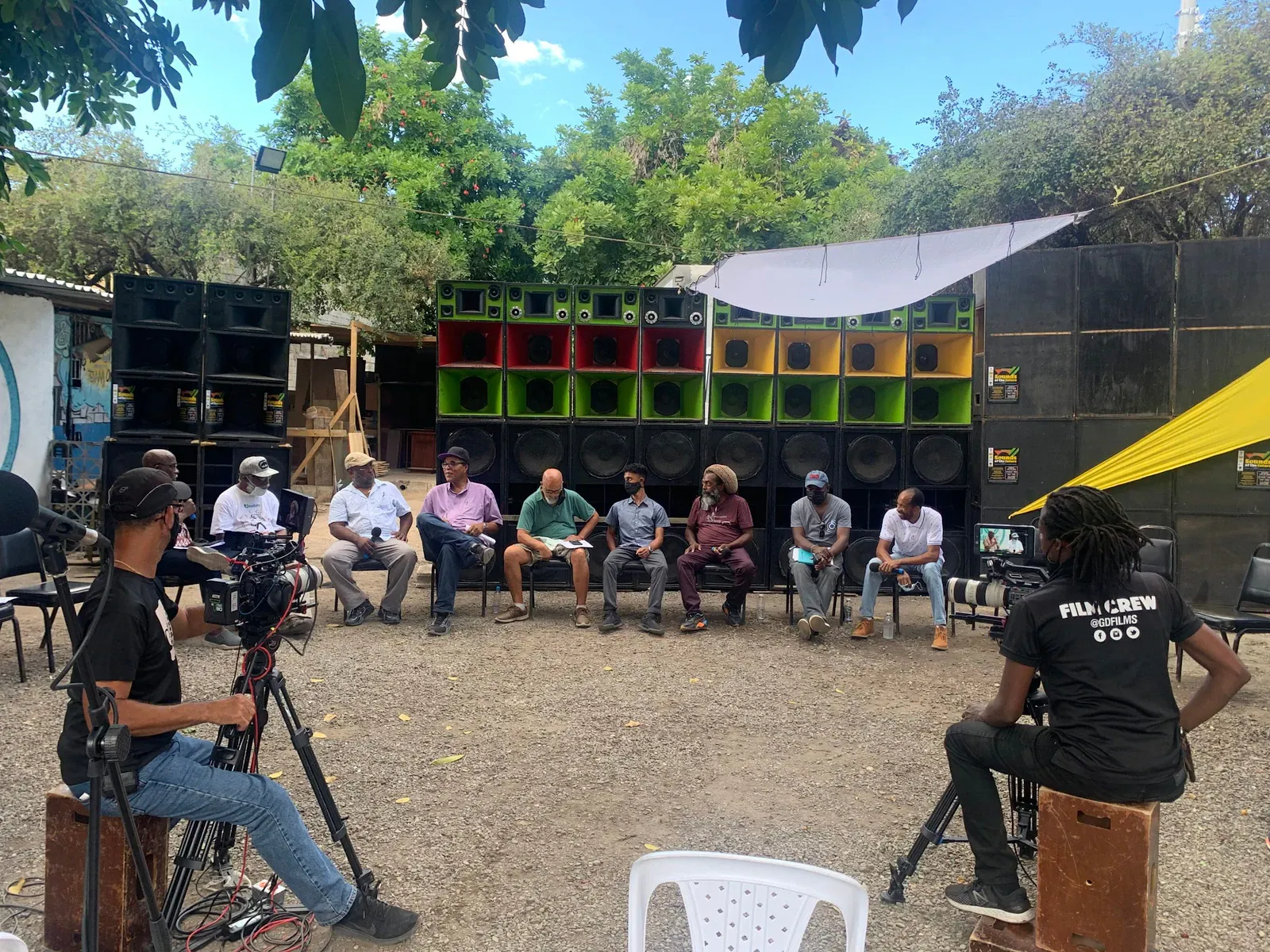
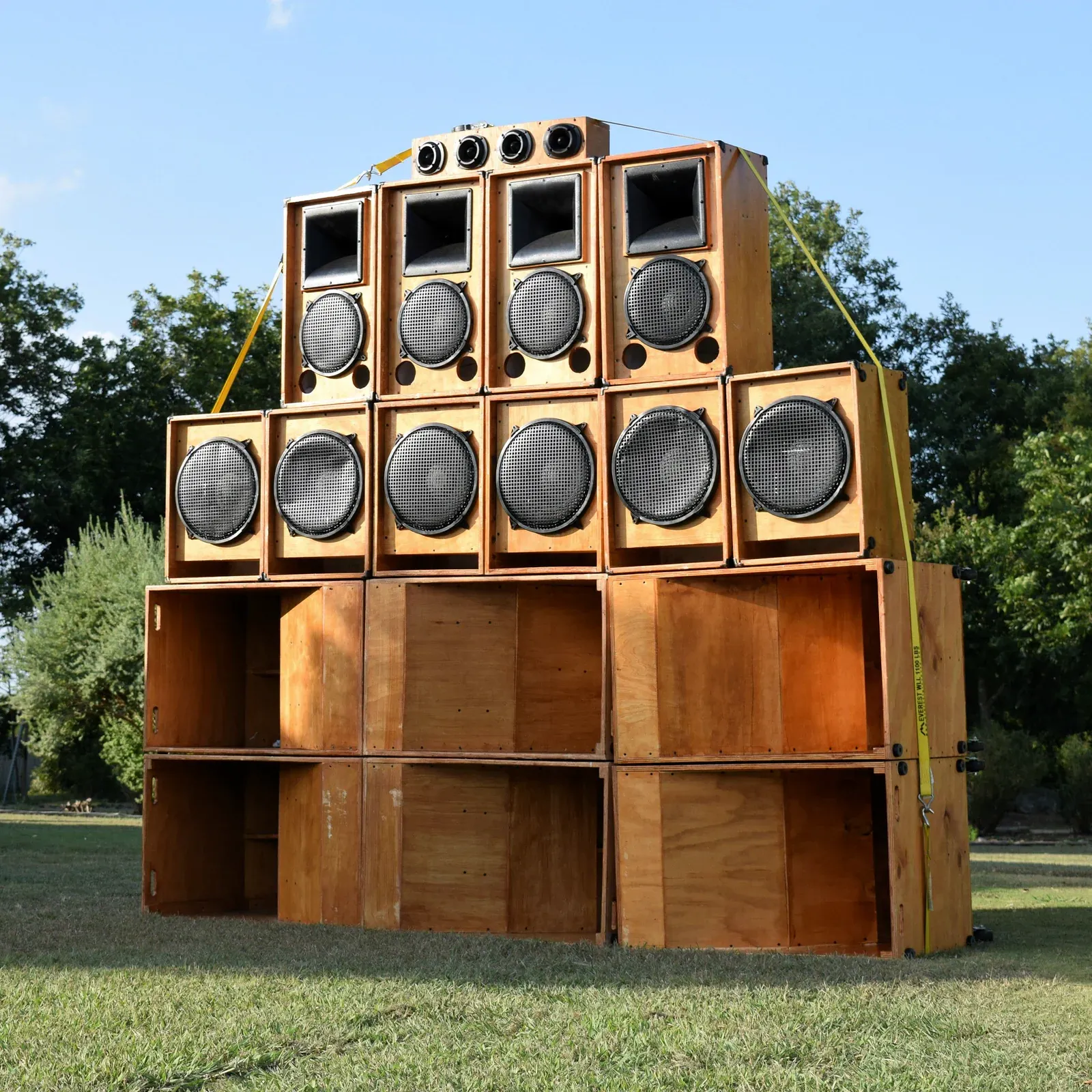
Calypso grew in Trinidad’s carnival and in the tents where singers competed with topical songs. Mento, Jamaica’s country dance music, used the rumba box as its bass. In Kingston the 1950s belonged to the sound system: operators such as Coxsone Dodd and Duke Reid rivalled each other with mobile speakers and exclusive American R&B records, and the competition pushed both into recording their own music.
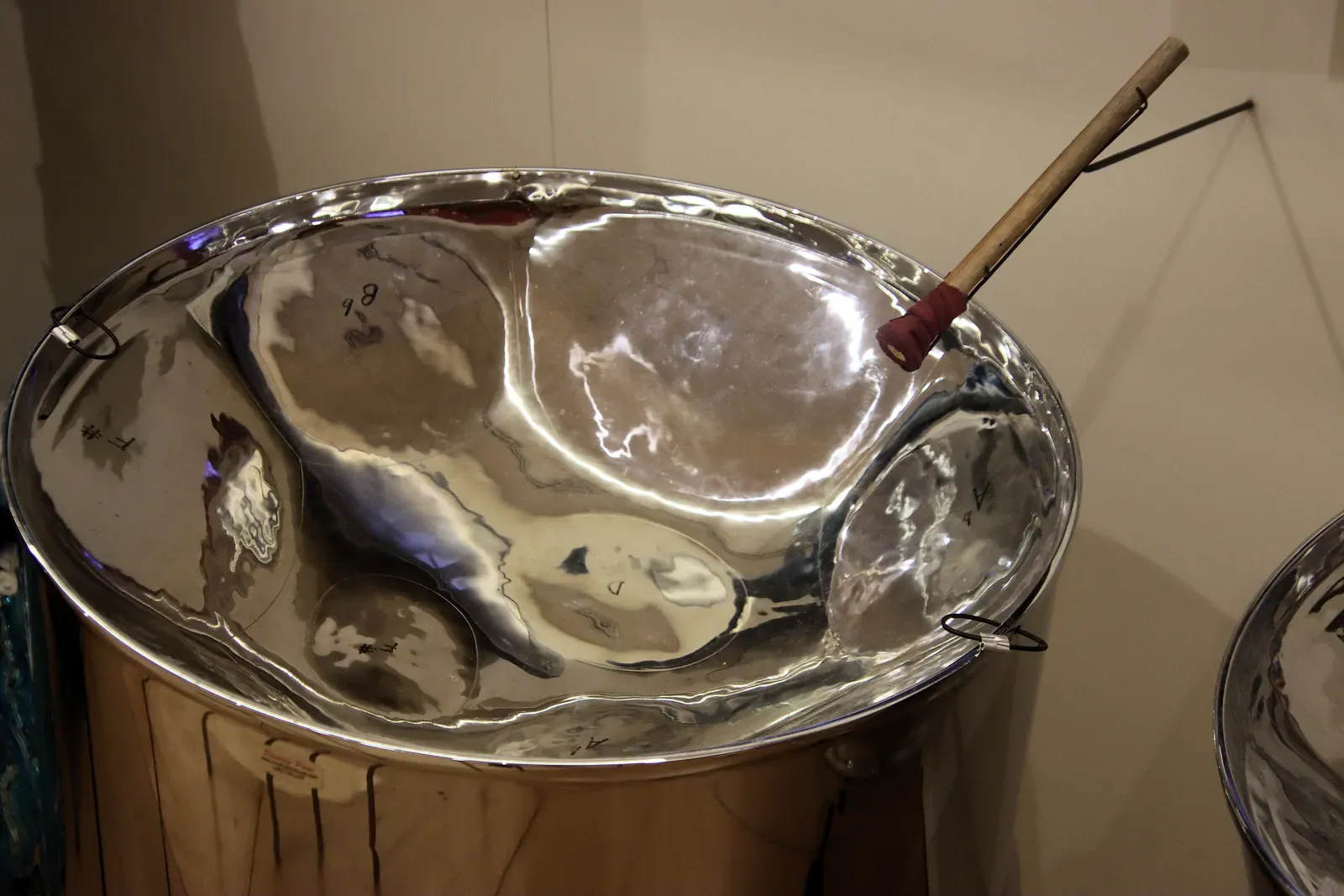
Trinidad sent its sound abroad first. In 1948 Lord Kitchener arrived in Britain on the Empire Windrush and sang a calypso for newsreel cameras at Tilbury, an early sound of Caribbean migration. In 1956 Harry Belafonte’s Calypso, issued by RCA Records, topped the US album chart and became the first LP by a single artist to sell a million copies. That same year the Mighty Sparrow recorded Jean and Dinah, a topical calypso that made him a star and began a six-decade career. Sparrow, called the Calypso King of the World, died in New York on 27 September 2026 at age 91.
Coxsone Dodd started the Studio One label in 1954, and in 1959 Chris Blackwell founded Island Records in Jamaica. Both are still part of the story, and both started small.
Ska and rocksteady, 1959-1967
Jamaican independence came in 1962, and ska arrived with it: an offbeat guitar chop over a walking bass, played by Kingston’s best jazz-trained session musicians. In 1963 Studio One opened at Brentford Road, where the Skatalites became the house band and recorded Ska Authentic (1964). Millie Small’s My Boy Lollipop, produced by Island’s Chris Blackwell, became a world hit in 1964 and carried ska beyond Jamaica.
By 1966 the beat had slowed. Rocksteady, led by singers such as Alton Ellis and Hopeton Lewis, put the bass out in front and gave vocal groups room to harmonise. Treasure Isle, Duke Reid’s studio, and Studio One were its main factories, and the Paragons’ The Tide Is High (1967, written by John Holt) is the best-known result, later a number one for Blondie.
Reggae and dub, 1968-1981
In 1968 Toots and the Maytals released Do the Reggay, the first popular song to use the word, and the new style took its name. The same year Trojan Records launched in London to sell Jamaican records to a British audience, and Desmond Dekker’s Israelites reached number one in the UK in April 1969 and the US top ten in June 1969.
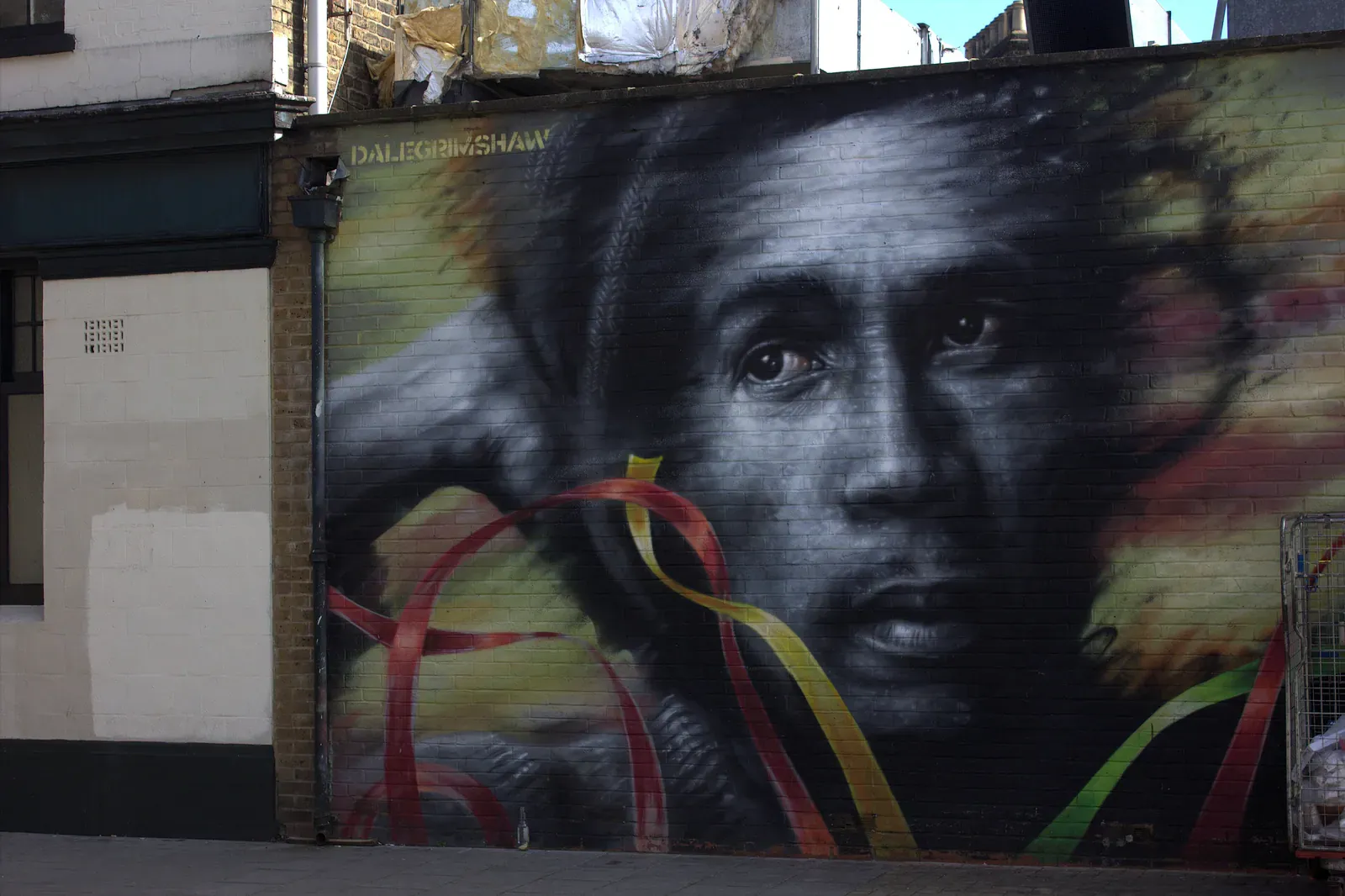
Bob Marley and the Wailers started their own label, Tuff Gong, in 1970. In 1973 Island released Catch a Fire, and Exodus (1977) turned Marley into a world star. In the 1978 One Love Peace Concert in Kingston he brought the rival leaders Michael Manley and Edward Seaga on stage to shake hands. He died in Miami on 11 May 1981, at age 36, and Legend became the best-selling reggae album. In 1972 Jimmy Cliff starred in The Harder They Come, whose soundtrack brought reggae to American audiences. Cliff died on 24 November 2025, aged 81, one of the last stars of that generation.
Dub was the second invention. Around 1968 King Tubby began stripping vocals from tracks and adding echo and reverb, treating the mixing desk as an instrument. In 1973 Lee Perry built the Black Ark studio, which produced Super Ape (1976) and other dub landmarks. Dub and the toasting that deejays did over instrumentals later fed hip hop, and Kool Herc, born in Kingston and later a Bronx DJ, is one bridge between them; see hip hop.
Digital riddims, zouk and soca, 1982-1999
In Trinidad, Lord Shorty released Indrani in 1973, often seen as the first soca record, and Endless Vibrations in 1975. Soca took calypso’s rhythm and made it faster and built for the road in carnival season.
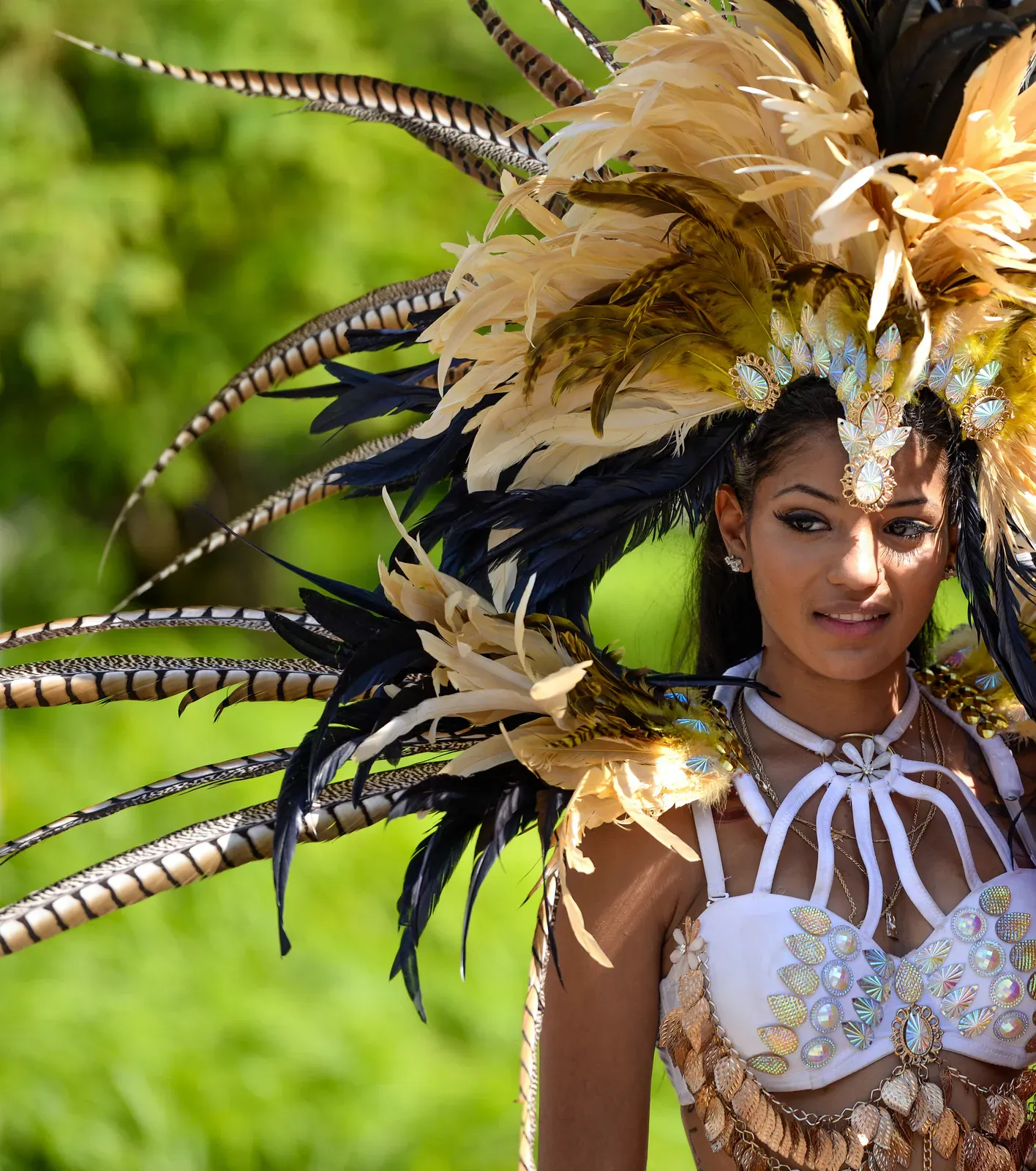
In the French Antilles, Kassav’ formed in 1979 and built the sound that became zouk, and their 1984 hit Zouk la se sel medikaman nou ni made it a dance craze in Europe, Africa and Latin America. Its African audience is part of a two-way traffic across the Atlantic; see African music for the other end.
In Jamaica the change was technological. In 1985 Wayne Smith and King Jammy built Under Mi Sleng Teng on a Casio MT-40 preset, and hundreds of versions followed; Greensleeves Records issued it in Britain. Digital production let one producer replace a whole band. Shabba Ranks won the Grammy for Best Reggae Album in 1992 with As Raw as Ever, the first dancehall artist to take it, and won again in 1993. In Queens, the VP Records shop, open there since 1979, launched its own label in 1993. Penthouse Records, Donovan Germain’s Kingston label, released Buju Banton’s Mr. Mention in 1992.
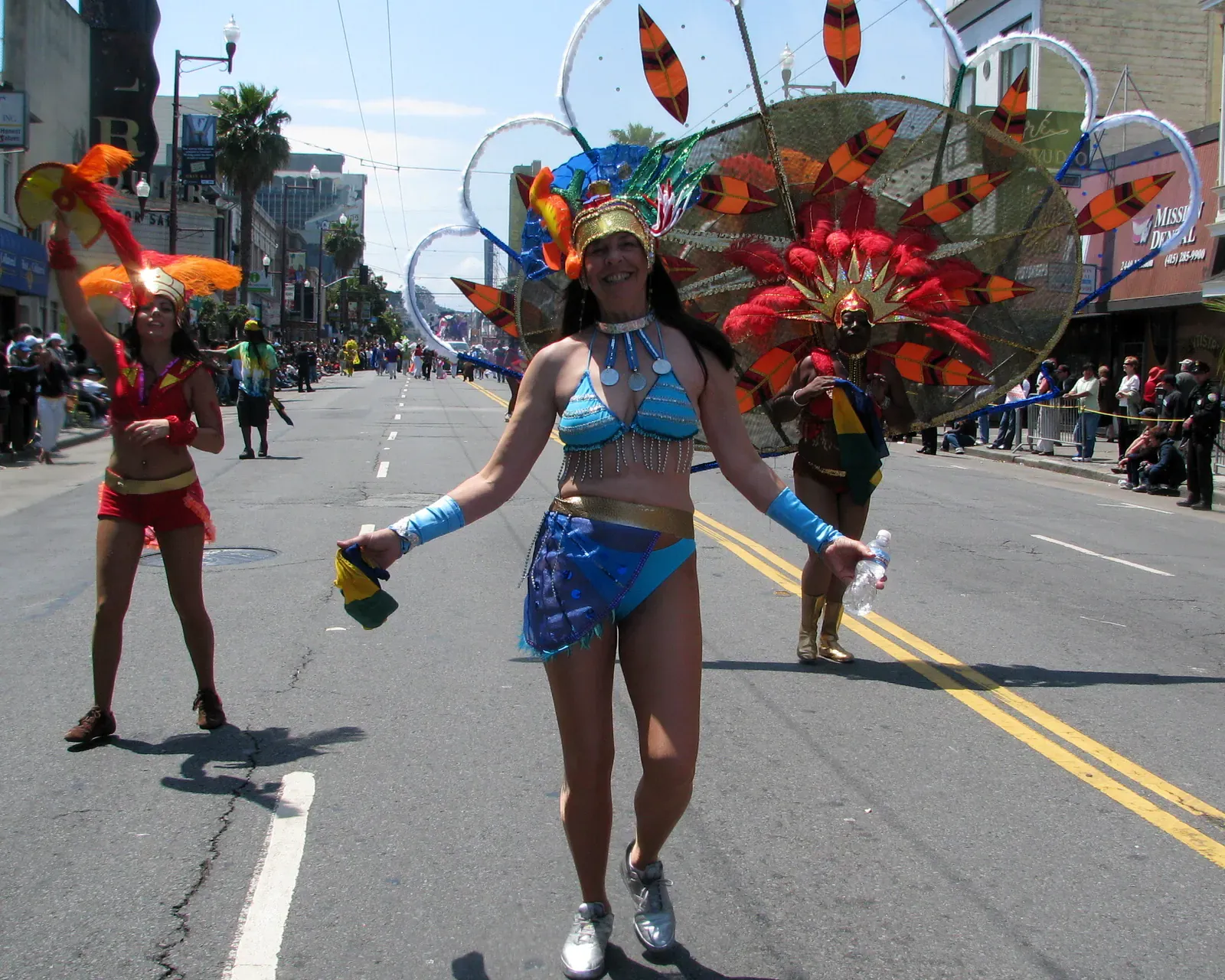
Crossover and streaming, 2000-present
Sean Paul’s Get Busy reached number one on the US Hot 100 in 2003, often called the first dancehall song to do so, from Dutty Rock, which won the Grammy in 2004. Soca and dancehall then moved to streaming. Brooklyn’s Mixpak, founded by Dre Skull in 2009, released Vybz Kartel and Popcaan albums, while London’s Ariwa Sounds kept dub alive from south London, where Mad Professor began in his family’s front room in Thornton Heath. Easy Star Records in New York turned Pink Floyd’s Dark Side of the Moon into a dub album in 2003.
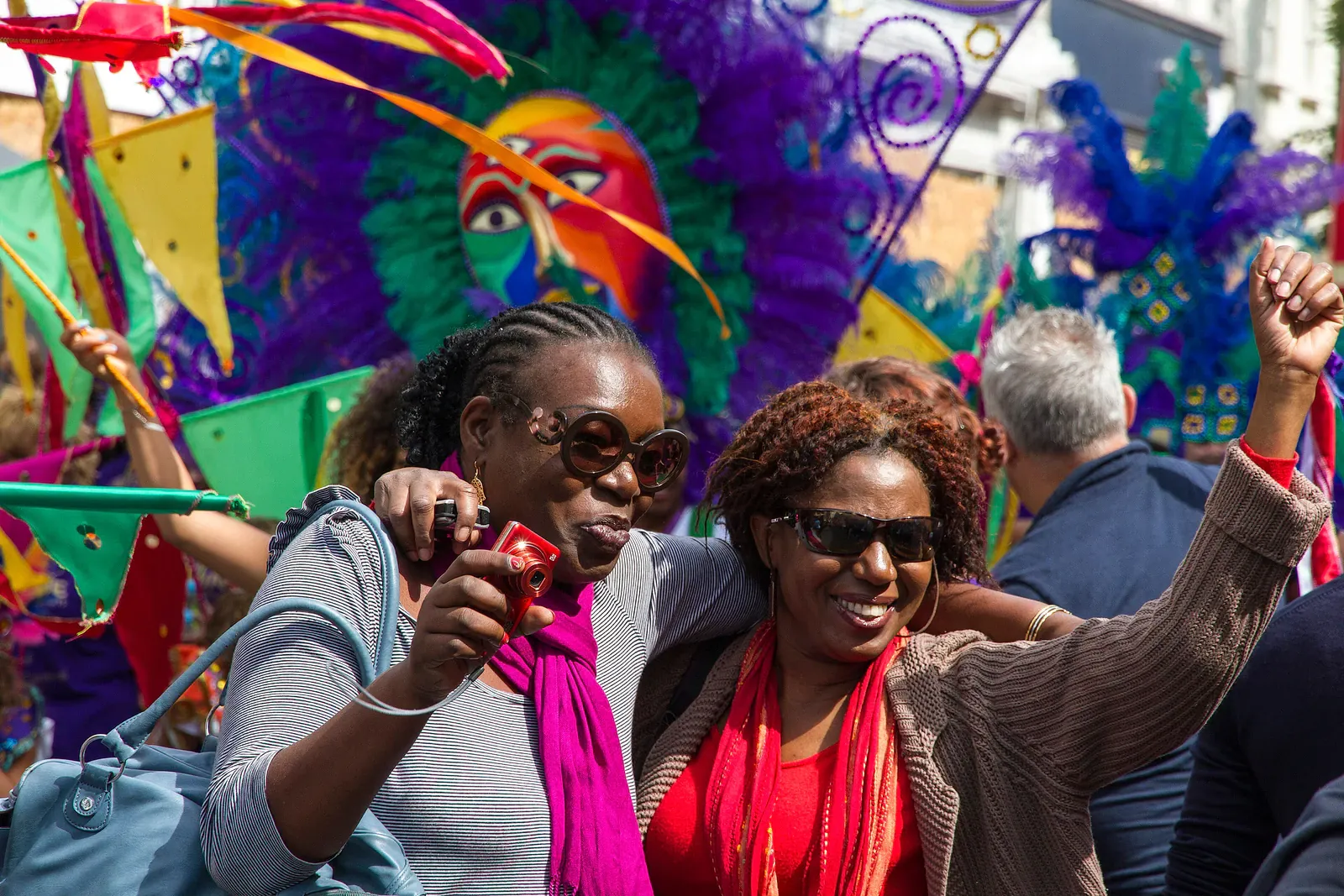
UNESCO added reggae music of Jamaica to its Representative List of the Intangible Cultural Heritage of Humanity in 2018. The recognition came as the founding generation was passing: Cliff in 2025, Sparrow in 2026.
Culture
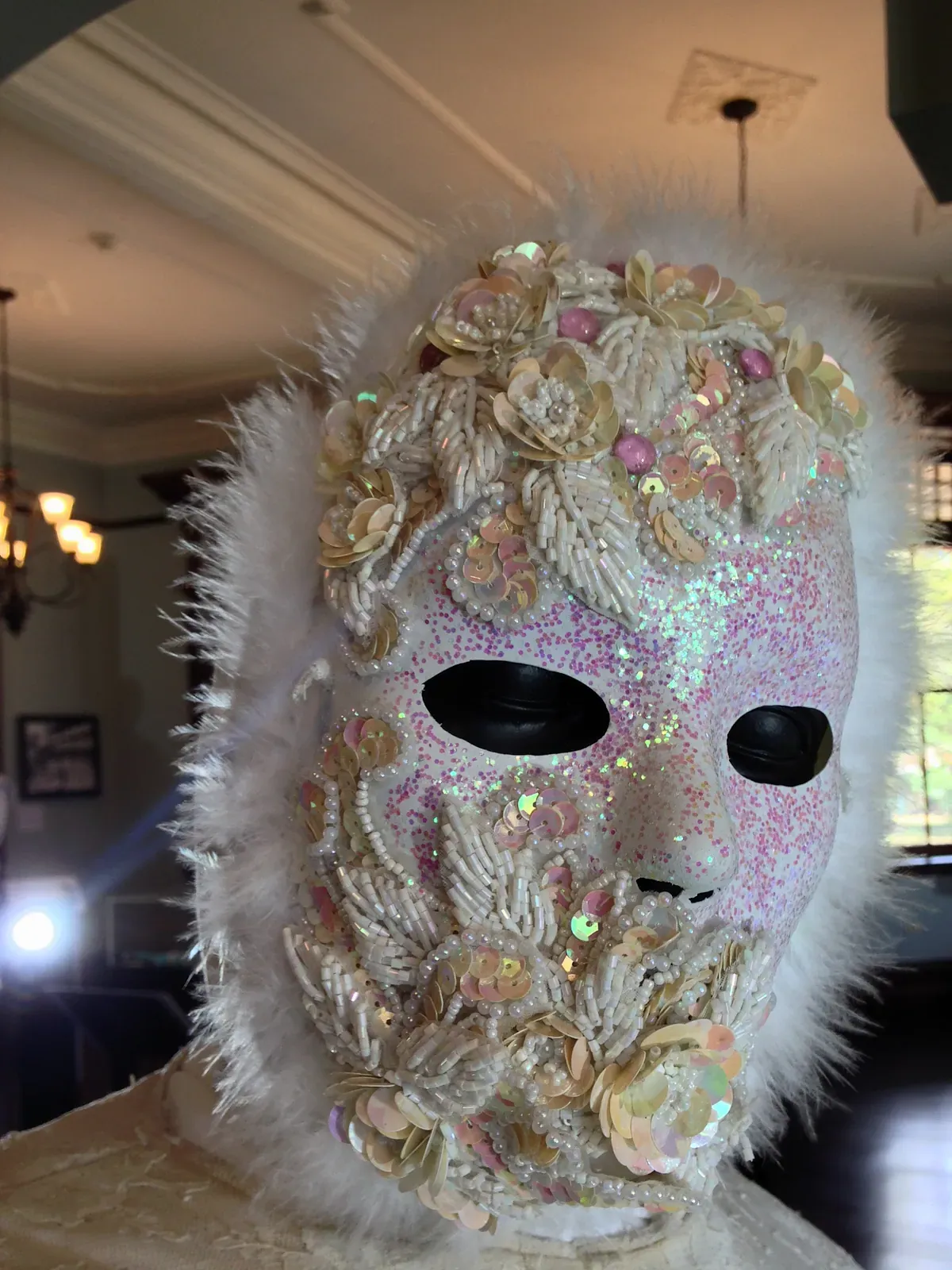
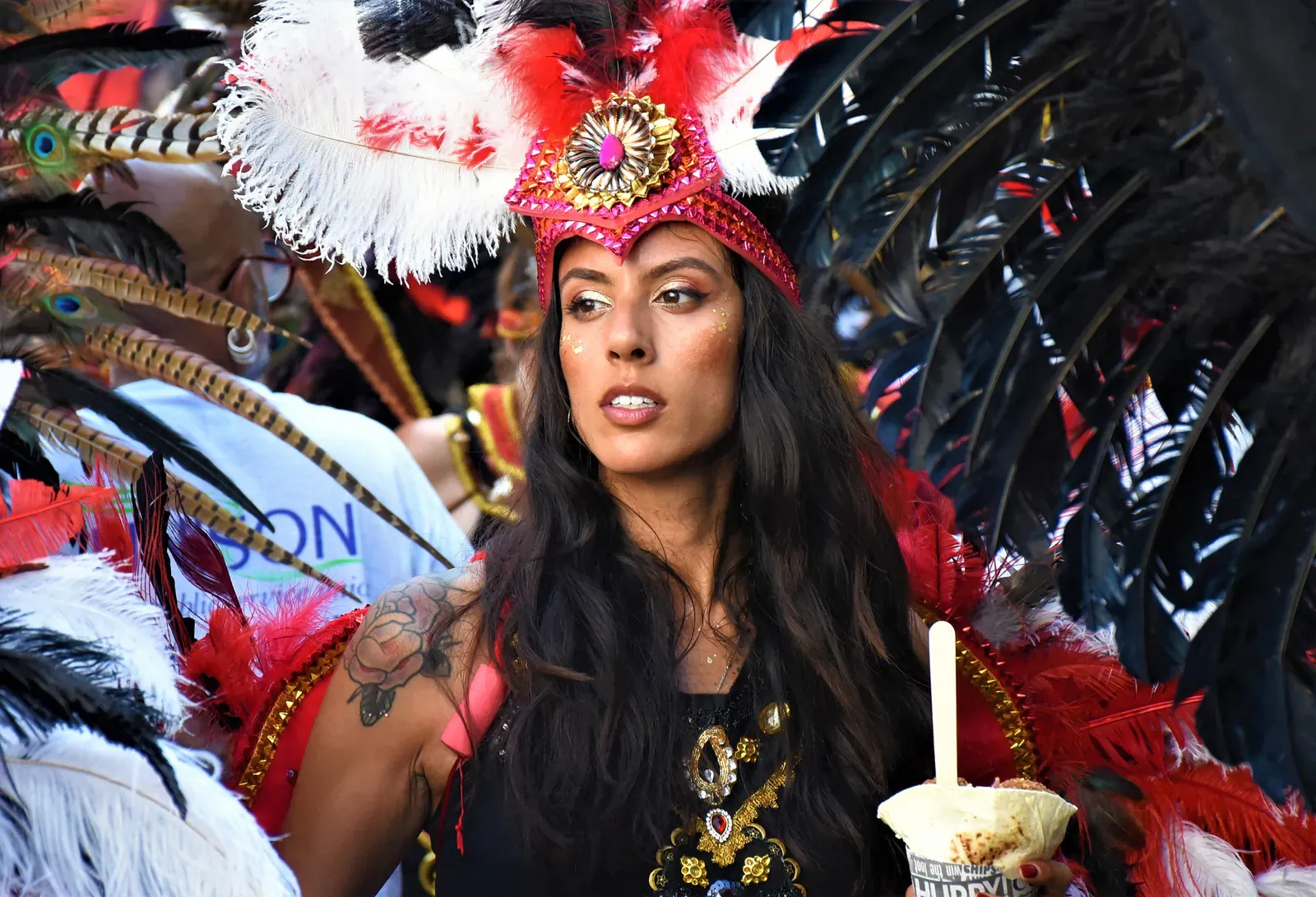
Carnival is the common thread. In Trinidad it organises the year, with calypso tents, steel bands and costume bands, and in London it moved to the streets of Notting Hill, where sound systems and costume bands share the route. Costume bands parade on the August bank holiday weekend.
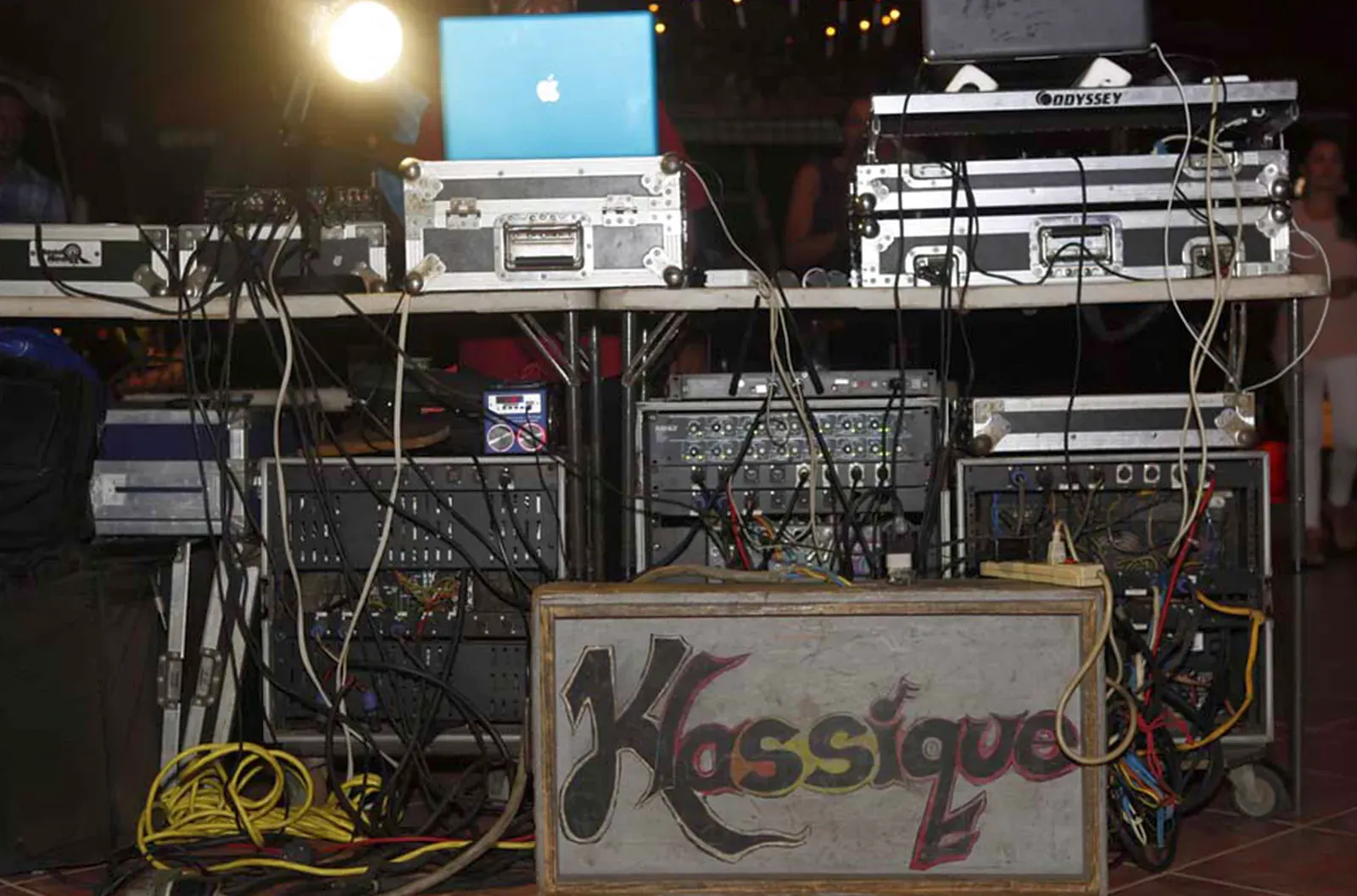
Money followed the sound system model. A crew owned its speakers, cut exclusive records on a “dub plate” and sold dance tickets, so labels, studios and pressing plants were an extension of the party. Tuff Gong still presses records in Kingston on a site that held the island’s first pressing plant. In Jamaica, singers and deejays voice shared riddims, a practice that lets many artists work over one rhythm, and the word “version” names the instrumental B-side that producers reuse.
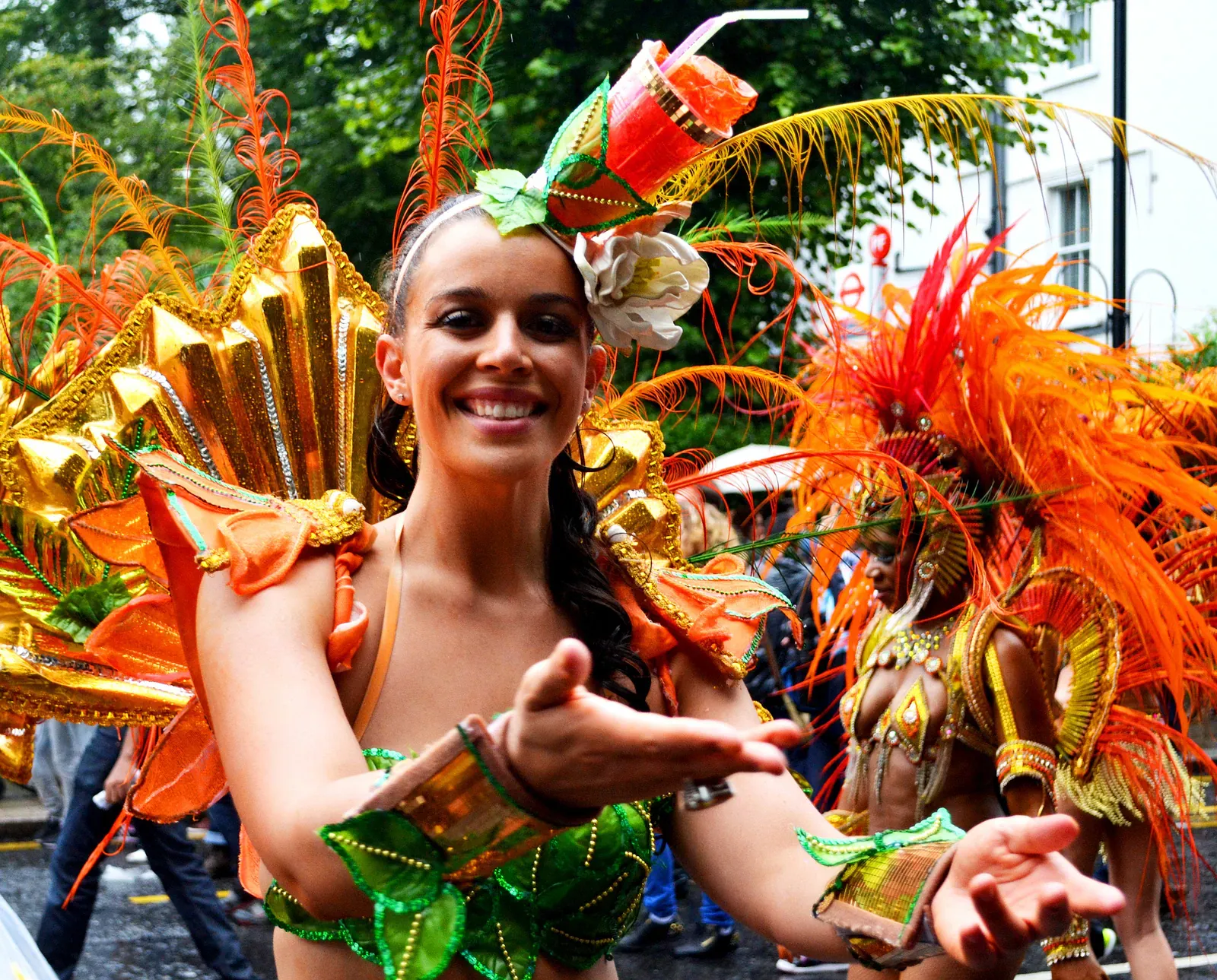
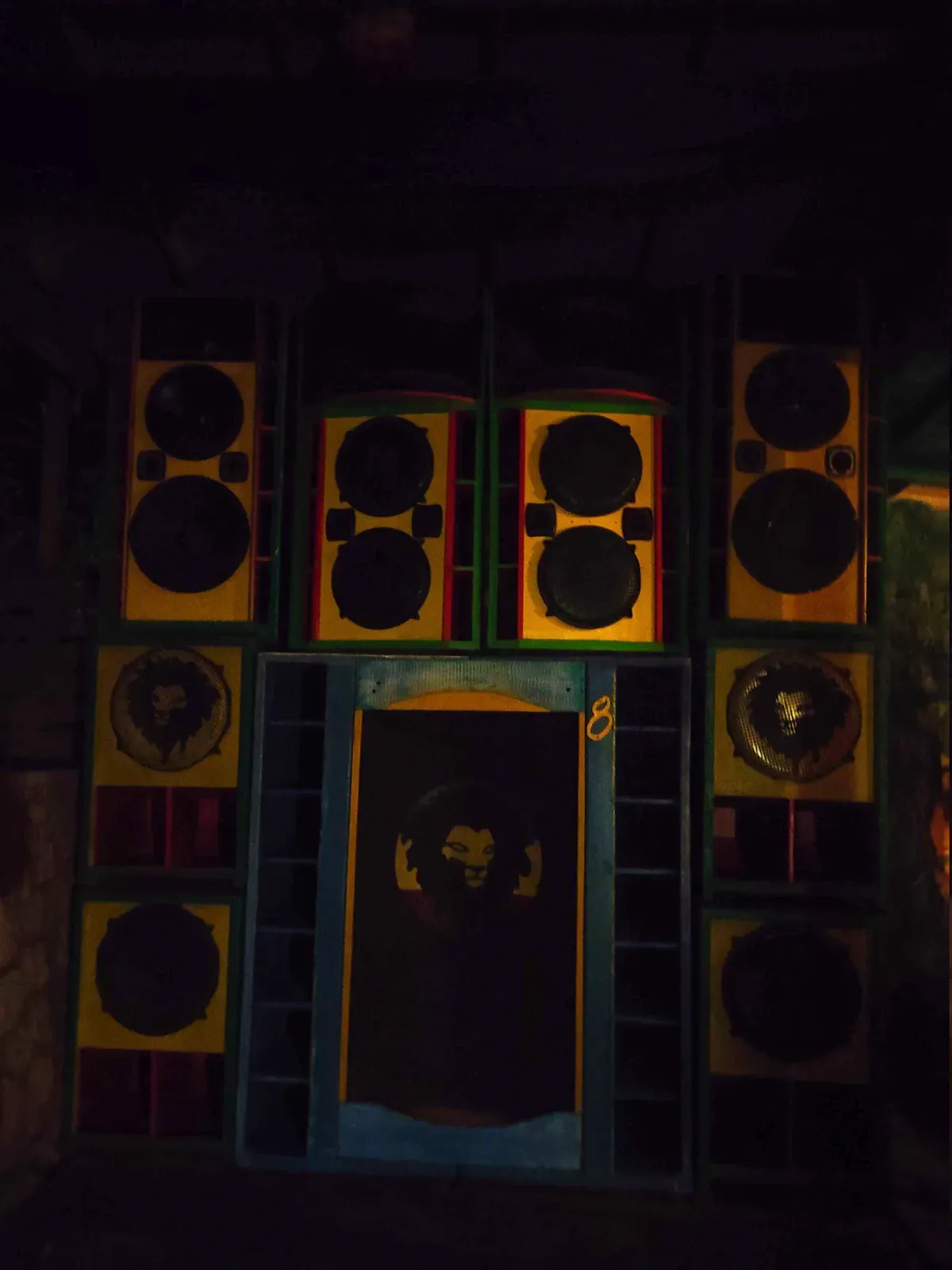
Politics is never far away. Marley’s 1978 One Love Peace Concert, Sparrow’s topical calypsos and the Rastafari colours on sound system cabinets all show that the music often speaks about power, race and migration.
Misconceptions
“Caribbean music is reggae.” Reggae is one branch. Calypso, soca, zouk, kompa from Haiti and the steelpan tradition are older or just as distinct. Kompa direct and cadence rampa came out of Port-au-Prince in the 1950s, and Guadeloupe’s gwo ka drumming fed zouk.
“Bob Marley invented reggae.” The word came from Toots and the Maytals in 1968, and Studio One, Treasure Isle and Trojan were releasing the style before Island released Catch a Fire in 1973. Marley’s gift was taking it worldwide, and his own label Tuff Gong came in 1970.
“Dub is reggae with the vocals taken out.” Removing the voice is only the first step. In King Tubby’s work, the engineer used faders, echo and reverb to rebuild the track, so the result is a new piece made in the studio.
Frequently asked questions
What is Caribbean music?
Caribbean music is the group of popular styles made in the Caribbean islands and their diasporas, including calypso, soca, ska, rocksteady, reggae, dub, dancehall, zouk and kompa. They share African rhythmic roots, carnival and dance traditions and, in many cases, a Jamaican sound system or Trinidadian tent history.
What is the difference between ska, rocksteady and reggae?
Ska is the faster Jamaican style of the early 1960s, with an offbeat guitar chop. Rocksteady, from about 1966, slowed the beat and put the bass forward. Reggae, named in 1968, kept the offbeat but added heavier bass lines and the one-drop drum feel.
What is soca?
Soca is a dance music from Trinidad that grew out of calypso in the 1970s. Lord Shorty’s Indrani (1973) is often cited as the first soca record, and the style is built for the carnival road.
What is zouk?
Zouk is a dance style from Guadeloupe and Martinique; the Creole word means party. The band Kassav’ formed in 1979 and made it popular with their 1984 hit Zouk la se sel medikaman nou ni.
Subgenres
Genres in the family
66 main branches. Names with their own page are links.
- Aleke
- Baithak gana
- Bèlè
- Benna
- Big Drum
2 branches
- Bongo (Trinidad)
3 branches
- Brukdown
- Buru
- Cadence rampa
6 branches
- Canboulay
- Cariso
- Chouval bwa
- Chowtal
- Creole quadrille
5 branches
- Dinki Mini
1 branch
- Gerreh
- Gombey
8 branches
- Haitian méringue
- Jing ping
- Junkanoo
- Jwé
- Kalinda
3 branches
- Kawina
- Kréyol djaz
2020
1 branch
- Mizik angaje
- Muziek di zumbi
2 branches
- Pocomania
- Ponum
4 branches
- Quelbe
- Quimbe
- Rake-and-scrape
1968, 19 branches
- Revival Zion
1966
- Shango
1958, 5 branches
8 branches
- Spouge
- Steelpan
- Tambú
- Tan singing
- Tassa
1 branch
- Tuk
- Tumba
- Twoubadou
- Vodou jazz
- Winti
2 branches
Sound
What it sounds like
Tempo
- Overall60-165
- Ska115-135
- Rocksteady75-100
- Reggae60-90
- Dancehall85-110
- Soca120-165
- Zouk90-145
- Calypso85-135
- Kompa90-125
Drums and percussion
- Gwo ka drums
- Tassa drums
- Nyabinghi drums
Synths and software
- Casiotone MT-40
- FL Studio
Techniques
- Offbeat skank
- One-drop
- Dub mixing
- Riddim sharing
- Deejay toasting
- Call and response
Keys and modes
Major, I-IV-V. Calypso and mento rest on three-chord progressions such as G, C and D.
Natural minor. Roots reggae and dub favour minor-key bass lines and horn riffs.
Major pentatonic. Common for calypso melodies and steelpan lines.
Tuning
12-TET, A=440; steelpans are tuned chromatically to the Western scale
Vocals
Topical storytelling in calypso, melodic harmony in rocksteady, toasting and sung deejay styles in dancehall, Creole lyrics in zouk.
Instruments
- Steelpan
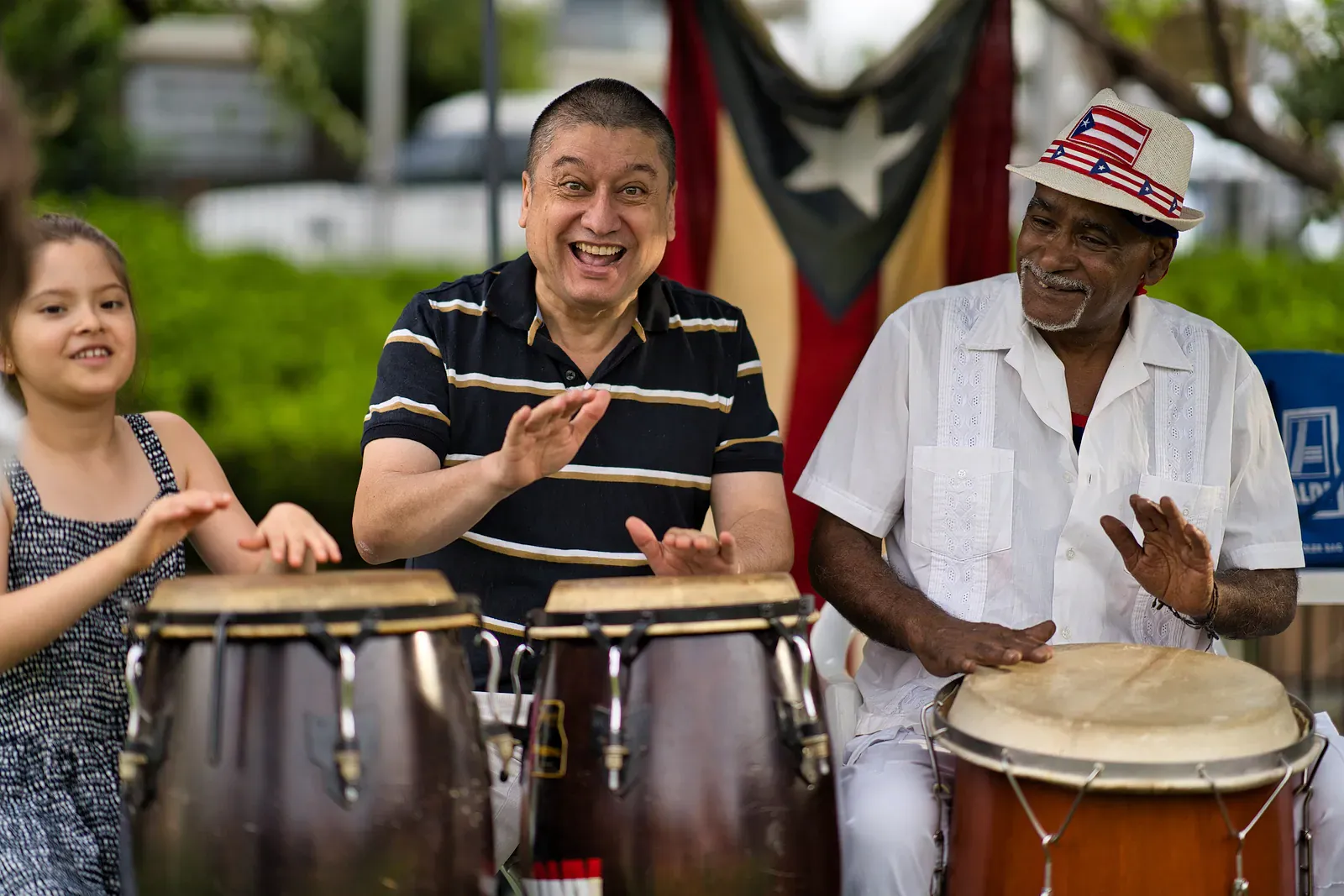
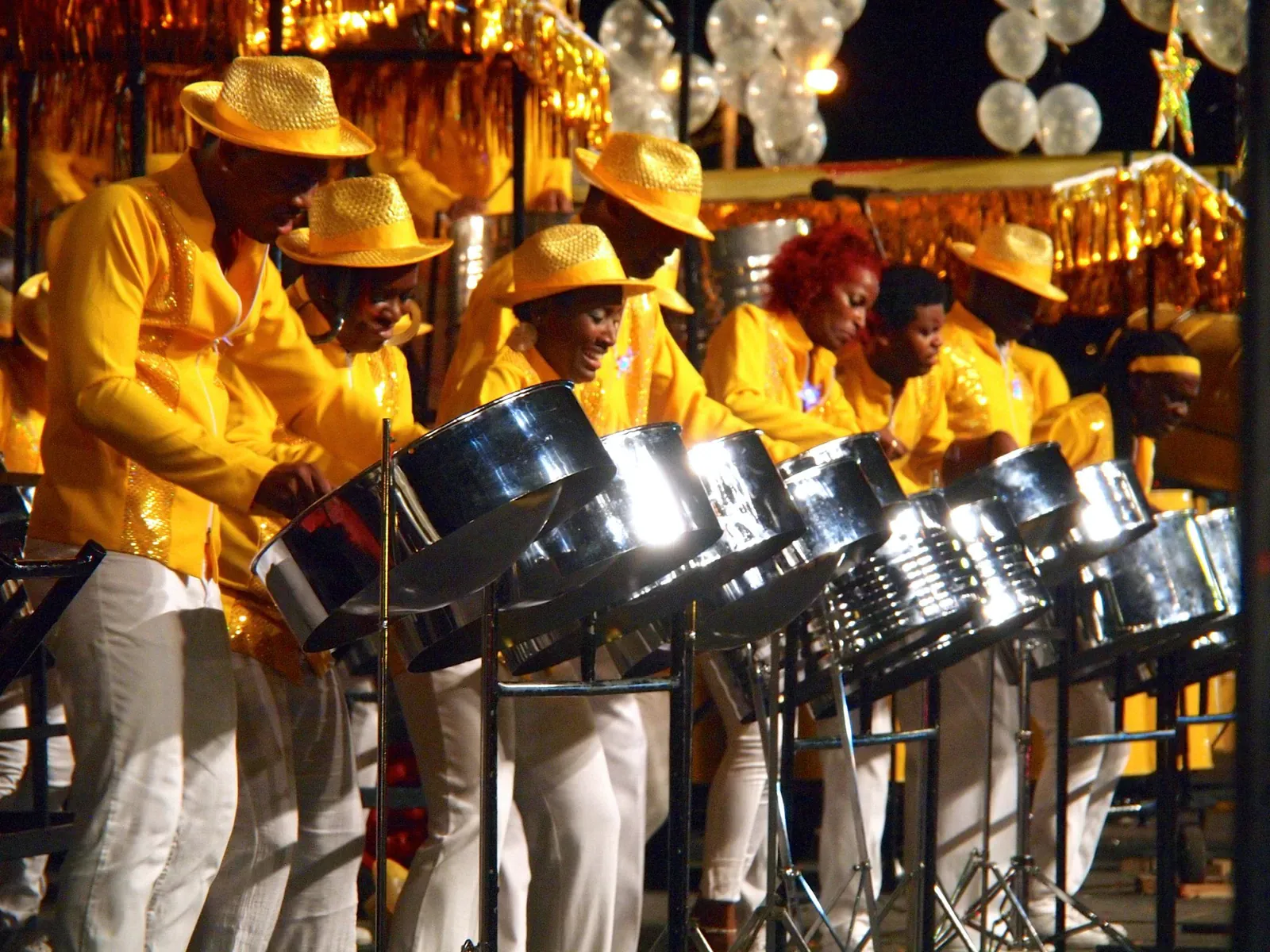
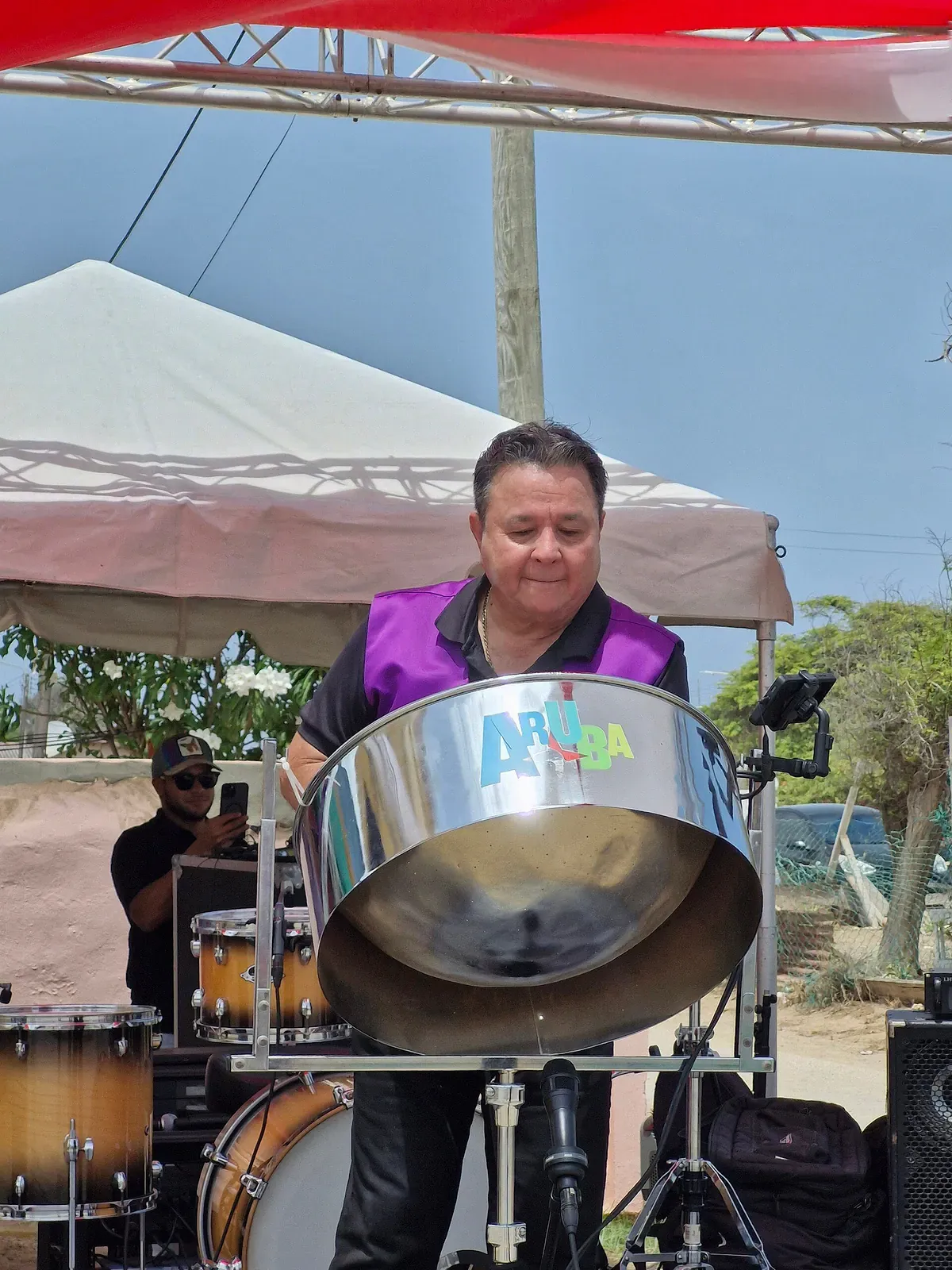
Tuned oil drum from Trinidad, central to calypso and soca and the Panorama competition.
- Rumba box
Large thumb piano used as the bass in Jamaican mento.
- Nyabinghi drums
Rastafari hand drums whose pulse shaped roots reggae rhythm.
- Electric bass guitar
The lead voice of reggae and dub, playing slow, heavy lines.
- Rhythm guitar skank
Short chopped chords on the off-beat that define ska and reggae.
- Melodica
Reed keyboard that Augustus Pablo made a signature sound of dub.
- Gwo ka drums
Large Guadeloupean barrel drums that drive gwo ka and influenced zouk.
- Tassa drums
Indo-Caribbean kettle drums used in Trinidad and Guyana chutney and soca fusions.
Technology that shaped it
- 1950Sound system rigs
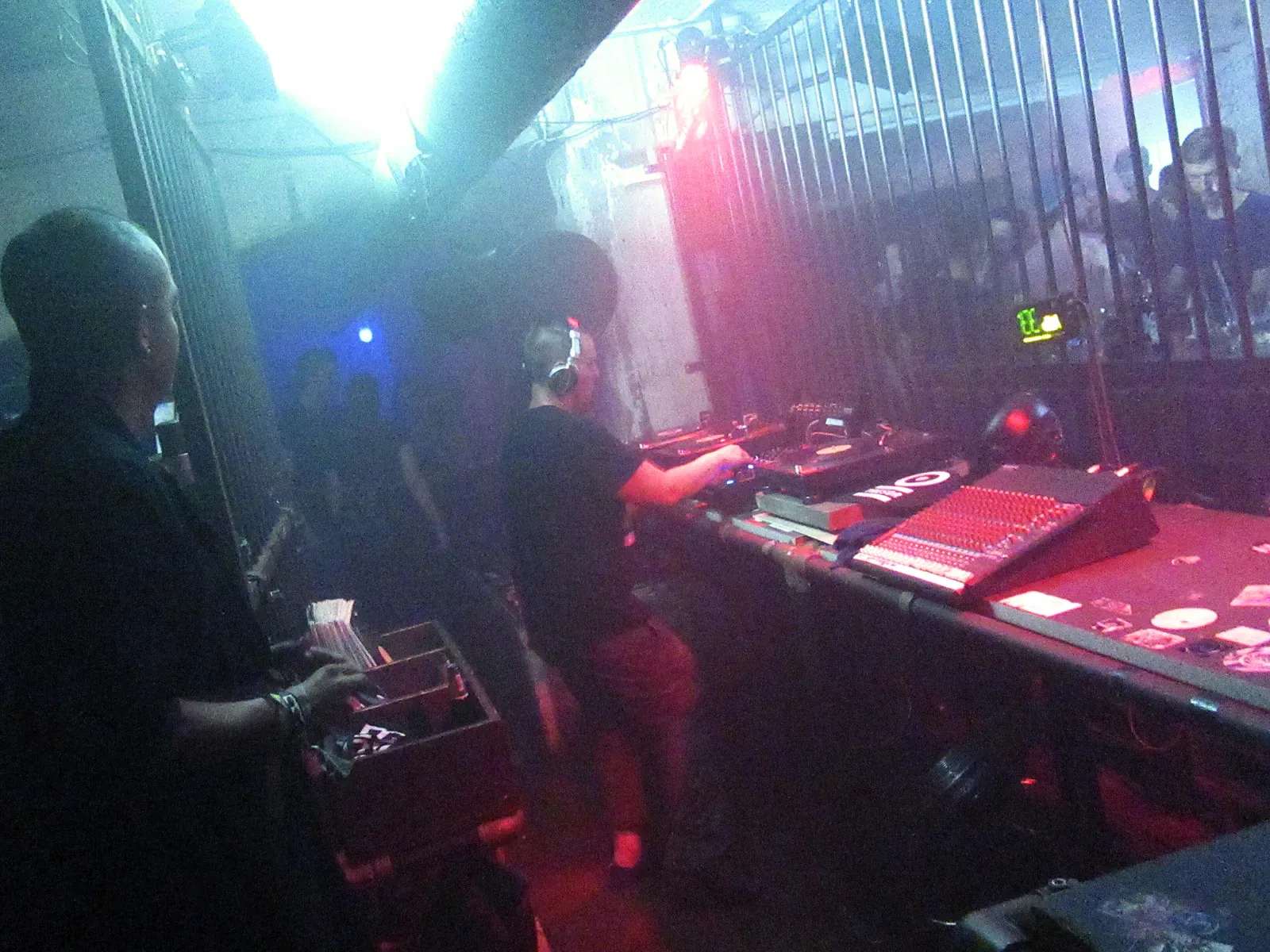
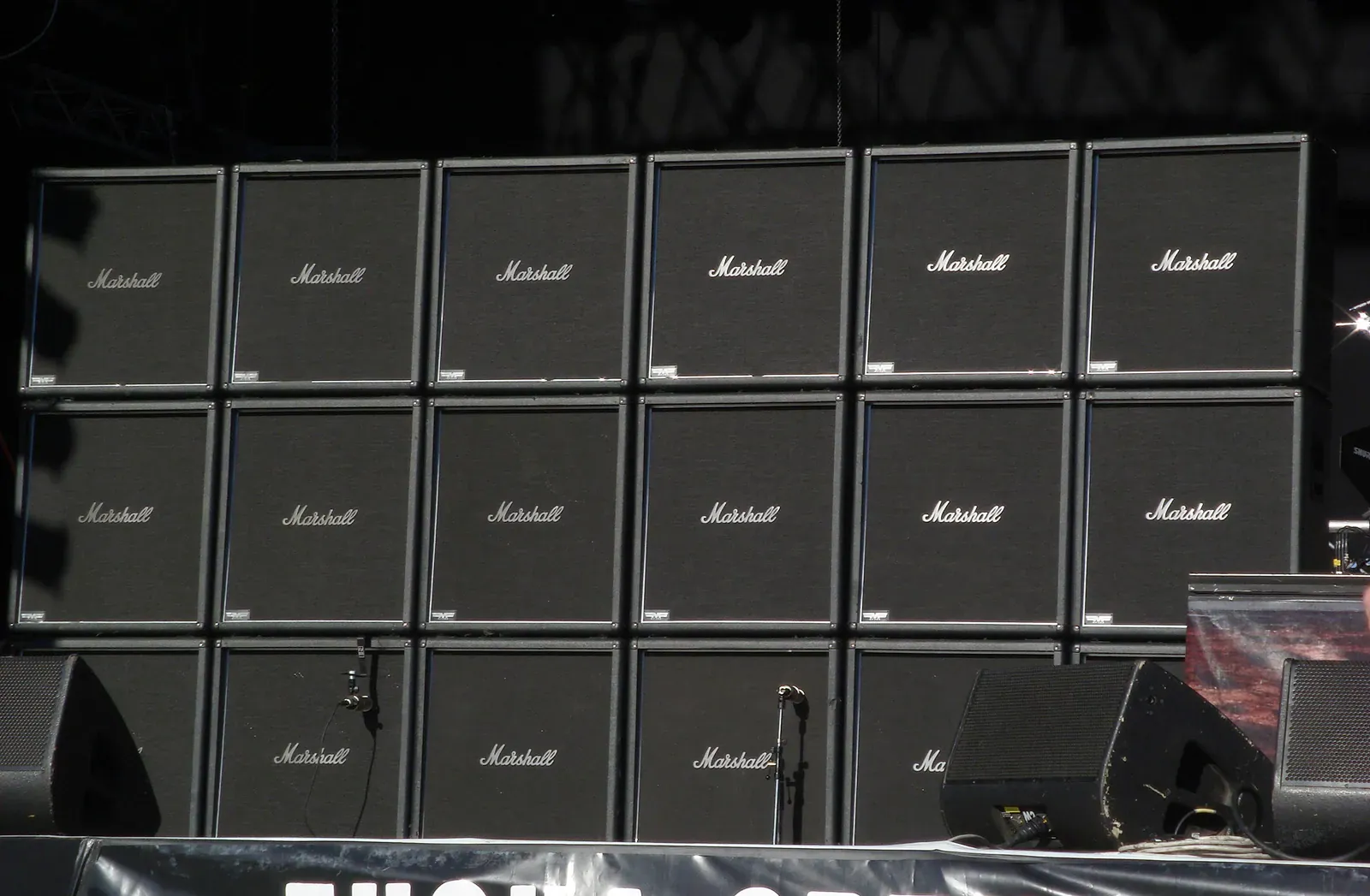
Mobile speaker stacks in Kingston turned dance parties into the record industry's testing ground.
- 1968Dub mixing desk
King Tubby and Lee Perry used faders, echo and reverb to remake tracks in the studio.
- 1985Casio MT-40 preset rhythms
A cheap keyboard produced the Sleng Teng riddim and opened dancehall to digital production.
Essential records
- 1956Jean and Dinah
Mighty Sparrow. Topical calypso that made Sparrow a star and set the tent-song style for decades.
- 1956Calypso
Harry Belafonte. First LP by a single artist to sell a million copies, giving calypso a US audience.
- 1964Ska Authentic
The Skatalites. The defining instrumental ska album, played by Kingston's top session musicians.
- 1968Do the Reggay
Toots and the Maytals. The first song to use the word reggae, naming the style.
- 1968Israelites
Desmond Dekker and the Aces. A UK number one in 1969 that opened the British charts to Jamaican music.
- 1973Catch a Fire
Bob Marley and the Wailers. The first Wailers album built for an international audience.
- 1975Endless Vibrations
Lord Shorty. Seen as the album that took soca beyond Trinidad.
- 1976Super Ape
Lee "Scratch" Perry. Perry's dub peak from the Black Ark, with heavy bass and studio effects.
- 1977Exodus
Bob Marley and the Wailers. Marley's world-conquering album, written after the 1976 shooting and his move to London.
- 1984Zouk la se sel medikaman nou ni
Kassav'. The hit that made zouk a dance craze beyond the French Antilles.
- 1985Under Mi Sleng Teng
Wayne Smith. First dancehall record built wholly on digital sounds, inspiring hundreds of versions.
- 2002Dutty Rock
Sean Paul. Grammy winner that brought dancehall to US radio and number one with Get Busy.
Scenes
Where it happened
Where and when the sound lived: one bar per city on a shared timeline.
Caribbean
Europe
North America
Active scenes
Peak 8, 1979-2025
Sound systems, Studio One, Treasure Isle and Tuff Gong made it the birthplace of ska, reggae, dub and dancehall.
Carnival, calypso tents, the steelpan and soca all grew here.
Windrush arrivals, Island and Trojan Records, sound systems and dub studios built British Caribbean music.
Home of the VP Records shop and Mixpak, and a US hub for dancehall and soca.
Nemours Jean-Baptiste and rival Webert Sicot built kompa direct and cadence rampa here.
Guadeloupe base for gwo ka tradition and Kassav', the band behind zouk.
Studios and concert halls for the French Antillean diaspora where zouk became a craze.
Caribana, founded in 1967, turned the city into a major soca and dancehall hub.
Glossary
Terms on this page
A calypso singer, often a topical lyricist who competes in tent shows.
A shared instrumental track that many artists voice their own songs over.
The song played most by bands crossing the stage on Trinidad Carnival days.
The short off-beat guitar chop at the heart of ska and reggae.
A mobile DJ setup with speakers, selector and deejay, the root of Jamaican record culture.
Rhythmic spoken delivery over a riddim, a forerunner of rap.
The instrumental B-side of a single that deejays and producers reuse.
A French Antillean dance style from Guadeloupe and Martinique; the Creole word means party.
Families