Kaseko
Kaseko is an Afro-Surinamese dance music from Paramaribo, formed in the late 1940s from kawina and bigi poku, built on a skratji bass drum and horns.
Paramaribo, around 1900
Caribbean family
Born
around 1900
Paramaribo
Subgenres
3
Documented branches
Links
8
Genres it drew on or shaped
Tempo
115-135 BPMLineage
Family tree
Timeline
Era by era
From the first sparks to today. Select a dot to read the story behind it.
- Kawina and big drum roots
1900 to 1946
- Paramaribo modern dance bands
1947 to 1969
- Kaseko in the Netherlands
1970 to 1989
- Jazz, fusion and tribute
1990 to today
Eras
Moments
- 1 Kawina and big drum roots, 1900 to 1946
- 2 Paramaribo modern dance bands, 1947 to 1969
- 3 Kaseko in the Netherlands, 1970 to 1989
- 4 Jazz, fusion and tribute, 1990 to today
around 1900
Kawina and big drum roots
Street musicians played kawina in Paramaribo from about 1900, and in the 1930s large festivity bands, especially brass bands, played it as bigi poku, or big drum music.
- 1900Kawina in ParamariboStreet musicians play the Afro-Surinamese style kawina in Paramaribo, the base kaseko grew from.
- 1935Bigi poku brass bandsFestivities use large bands, especially brass bands, playing bigi poku, big drum music and a direct precursor of kaseko.
around 1947
Paramaribo modern dance bands
From the late 1940s jazz and calypso arrived, and rock and roll soon added electrified instruments, producing the horn-led dance band sound called kaseko.
- 1947Jazz and calypso reach ParamariboImported jazz and calypso become popular in the late 1940s and shape the new dance band style.
- 1967Lieve Hugo joins Washboard OrchestraThe band, which more or less invented kaseko, gets a drummer and singer who later became its king.
1970
Kaseko in the Netherlands
Surinamese musicians in the Netherlands, among them Lieve Hugo and Ewald Krolis, popularised kaseko there, and independence in 1975 pushed more artists to emigrate.
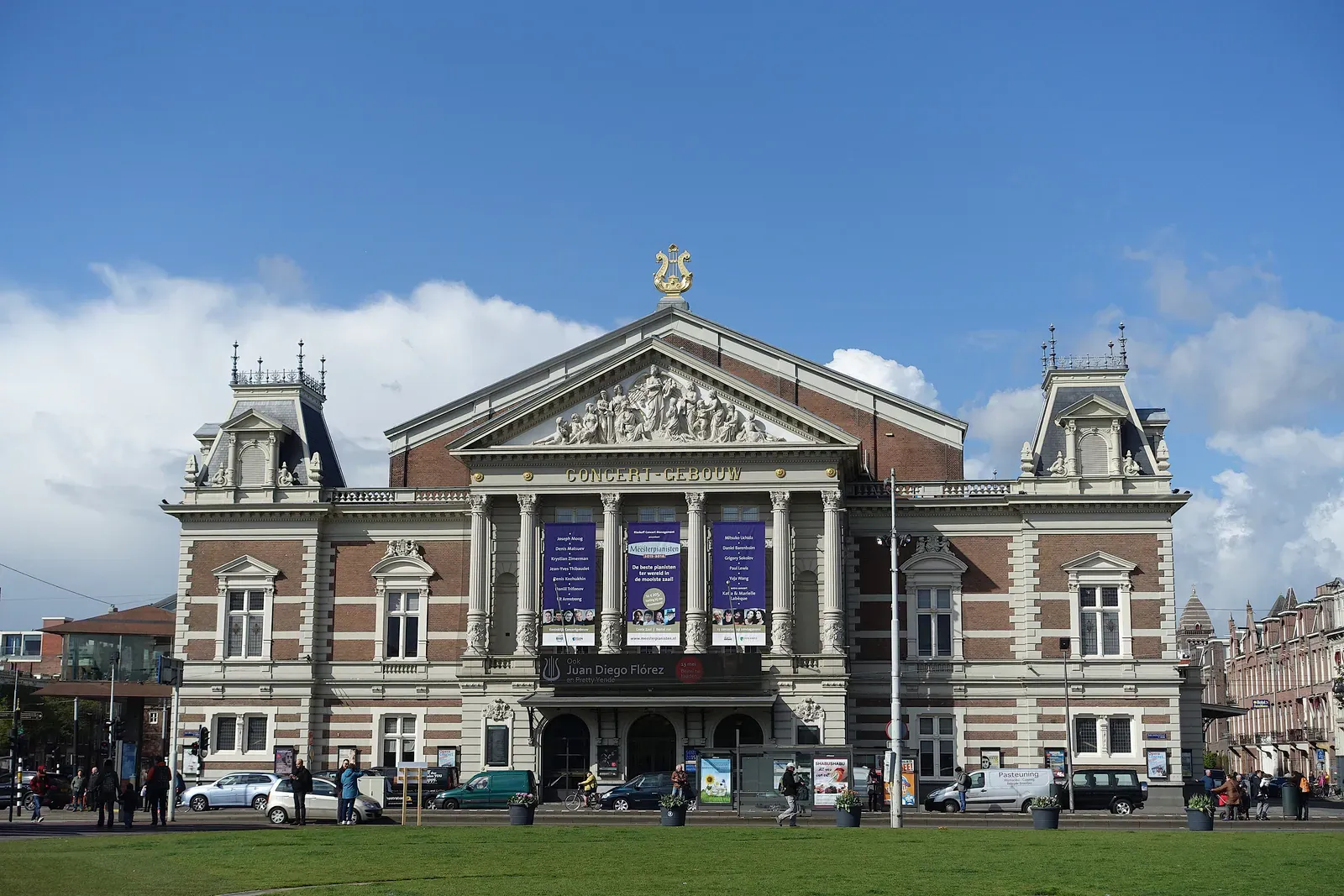
- 1970Holland Festival at the ConcertgebouwA mutated Washboard Orchestra headlines the Amsterdam festival and gets the audience dancing.
- 1974King of KasekoLieve Hugo signs to EMI and releases a debut that becomes one of the biggest-selling albums in Surinamese music.
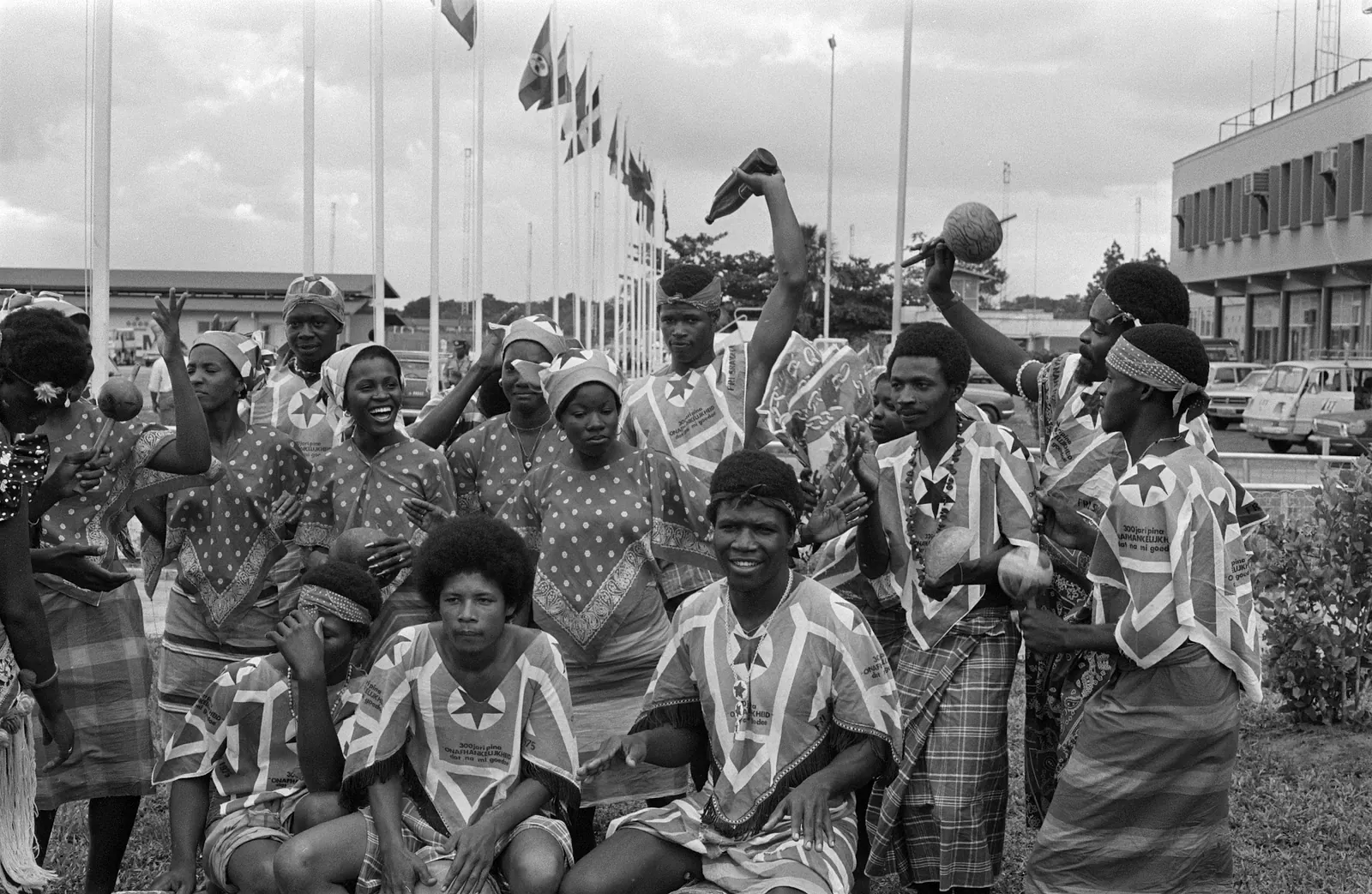
- 1975Independence and Wan PipelSuriname becomes independent; Lieve Hugo album Wan Pipel marks it, but he dies of a heart attack ten days before the ceremony.
- 1975Krolis settles in RotterdamEwald Krolis moves to the Netherlands in November and forms Caribbean Combo.
- 1977Natural SourcesRonald Snijders begins leading his own band, whose compositions often draw on kaseko.
- 1979Switie BamaroCaribbean Combo debut album holds ten recordings, among them translated covers.
- 1981Trafassi formsFormer Happy Boys form the party band Trafassi, which becomes a leading live act in the Netherlands.
- 1985WasmasjienTrafassi single becomes its biggest hit and a Dutch Top 40 entry.
1990
Jazz, fusion and tribute
Ronald Snijders blended kaseko with jazz, fusion variants such as kaskawi and kaskazouk appeared, and tributes revived the pioneer catalogue.
- 1994Kasekojazz and MoreRonald Snijders releases the album that joins the genre to jazz after his kaseko studies.
- 2008Lieve Hugo tribute at the ConcertgebouwThe Metropole Orchestra backs Dutch and Surinamese singers in a tribute to the King of Kaseko.
Listening path
Start listening
A short path from an easy way in to the deep end. Thumbnails come from YouTube; the player loads only when you press play.
- 01
Lieve Hugo, 1974
The King of Kaseko in his EMI-era prime; listen for the call-and-response and the horn riffs.
- 02
Trafassi, 1985
The Dutch party-band hit; hear the driving dance rhythm at about 130 BPM.
- 03
Ronald Snijders, 1980
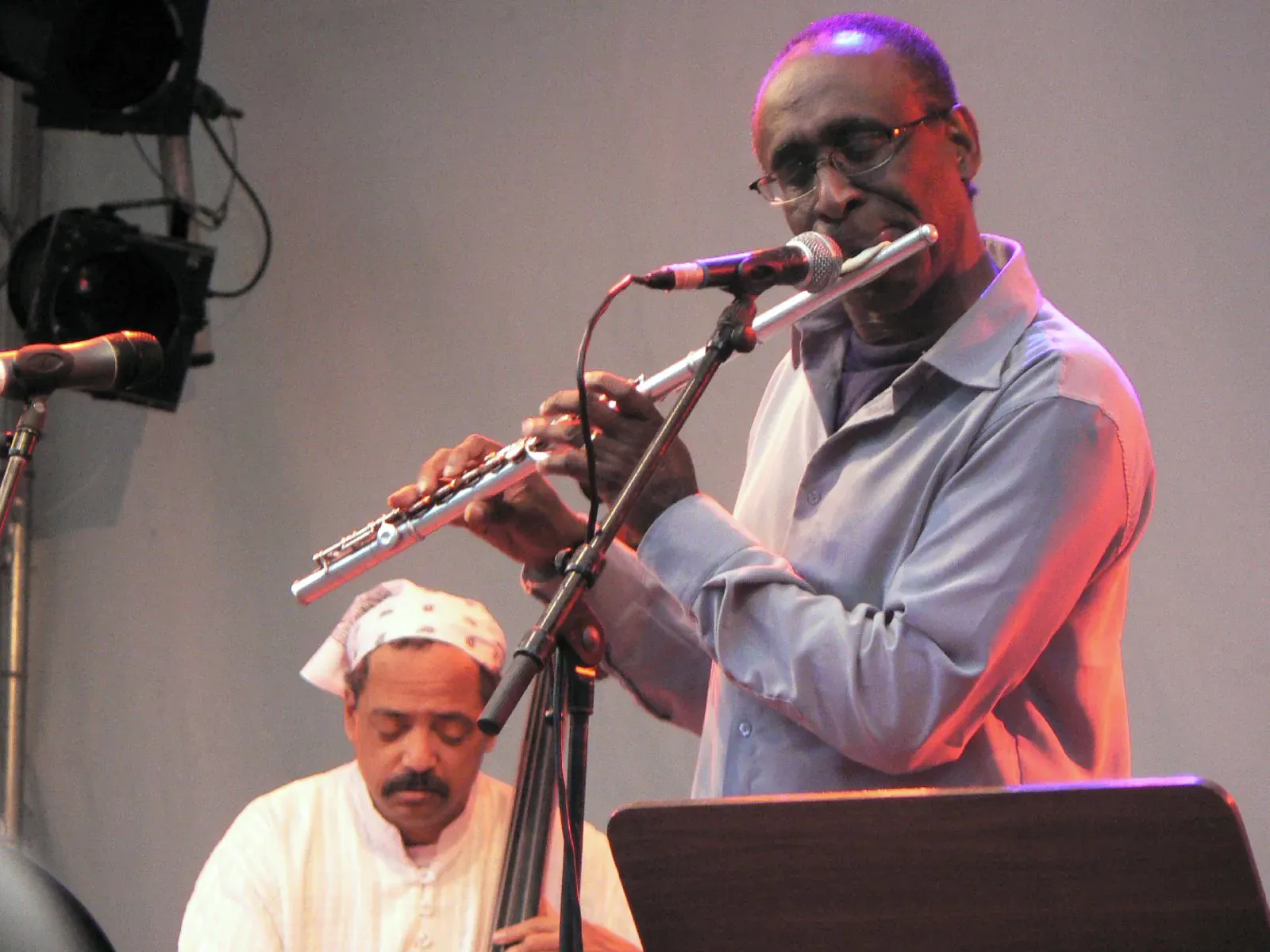
Flute-led jazz by a musician whose compositions often draw on kaseko.
Facts
| Family | Caribbean |
| Origin | Paramaribo, Suriname |
| Emerged | Late 1940s |
| Status | Active |
| Tempo | 115 to 135 BPM |
| Meter | 4/4 |
| Grew out of | Kawina |
| Subgenres | 3 |
Kaseko is an Afro-Surinamese dance music from Paramaribo, Suriname, that took shape in the late 1940s. It is a fusion of folk and popular styles from Africa, Europe and the Americas, played by a band with a very large bass drum called the skratji, a snare drum, horns and call-and-response singing.
After 1970 it was carried to the Netherlands by Surinamese musicians, who made the Dutch cities its second home.
Origins
Kaseko grew out of kawina, a style of Afro-Surinamese percussion and song that street musicians played in Paramaribo from the beginning of the twentieth century. In the 1930s, festivities with large bands, especially brass bands, played a form called bigi poku, “big drum music”, without electric instruments. It is the direct precursor of kaseko.
The break came in the late 1940s. Jazz, calypso and other imported styles became popular in the city, and rock and roll soon added electrified instruments. Kawina had dominated Afro-Surinamese music until then; the shift is credited mainly to Fransje Gomes, who introduced a fuller sound with wind instruments and electric guitars. The new dance music took its texts, melodies and rhythms from Creole folk traditions such as kawina and winti, and added the horn section and the drum kit of the dance band.
The name is probably a loan from French, casser le corps, “to break the body”, used in slavery for a very swift dance. Another account links it to Kasékò, a creole dance of neighbouring French Guiana.
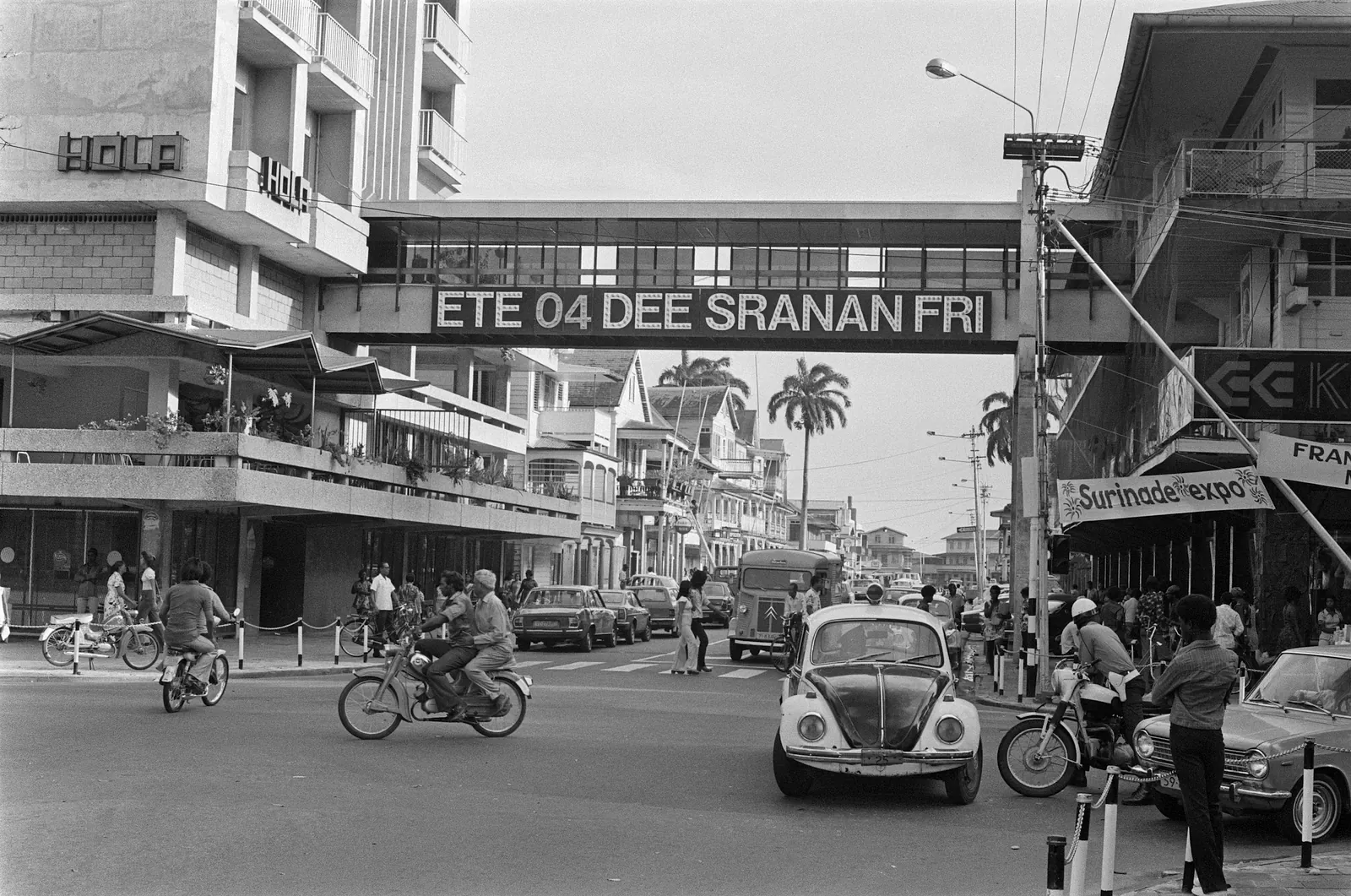
Paramaribo, 1947-1969
In the capital, kaseko was a live dance music, and a band of this period combined a skratji and snare section with saxophone, trumpet and sometimes trombone, plus electric guitar and bass. Washboard Orchestra, the band that more or less invented the style in the 1960s, counted the future star Lieve Hugo as drummer and singer from 1967.
Kaseko also attracted composers. Eddy Snijders brought kaseko into symphonic music and made the arrangement of the national anthem, and his son Ronald later made it a base for jazz.
Kaseko in the Netherlands, 1970-1989
In 1970 a mutated Washboard Orchestra headlined the Holland Festival at the Amsterdam Concertgebouw and got the audience dancing. Surinamese in the Netherlands, among them Lieve Hugo and Ewald Krolis, then popularised the style there.
Lieve Hugo settled in the Bijlmermeer district of Amsterdam and signed to EMI. His 1974 debut, King of Kaseko, became one of the biggest-selling albums in Surinamese music, and with his band the Happy Boys he toured the Netherlands, Belgium and South America. Suriname became independent in 1975, and he chronicled the moment on his second album, Wan Pipel, but a heart attack during a concert in Amsterdam killed him on 15 November 1975, ten days before the ceremony he was due to play.
Ewald Krolis moved to Rotterdam in November 1975 and formed Caribbean Combo. The band released its first singles in 1977 and its album Switie Bamaro in 1979, and the 1984 single Mie Lobi carried Krolis’s signature song on its B-side. A road accident in 1986 left him disabled, and he died in 2006. The Happy Boys continued after Lieve Hugo, and after the group broke up in 1980 several members formed Trafassi, a party band that became one of the leading live acts in the Netherlands.
Characteristics
Kaseko is rhythmically complex. Interacting patterns on the skratji and snare rolls form the base, solo and choir singing alternate in call-and-response, and the wind section adds riffs. Recordings that define the genre sit between about 115 and 135 beats per minute, in four-beat meter.
Instruments and production
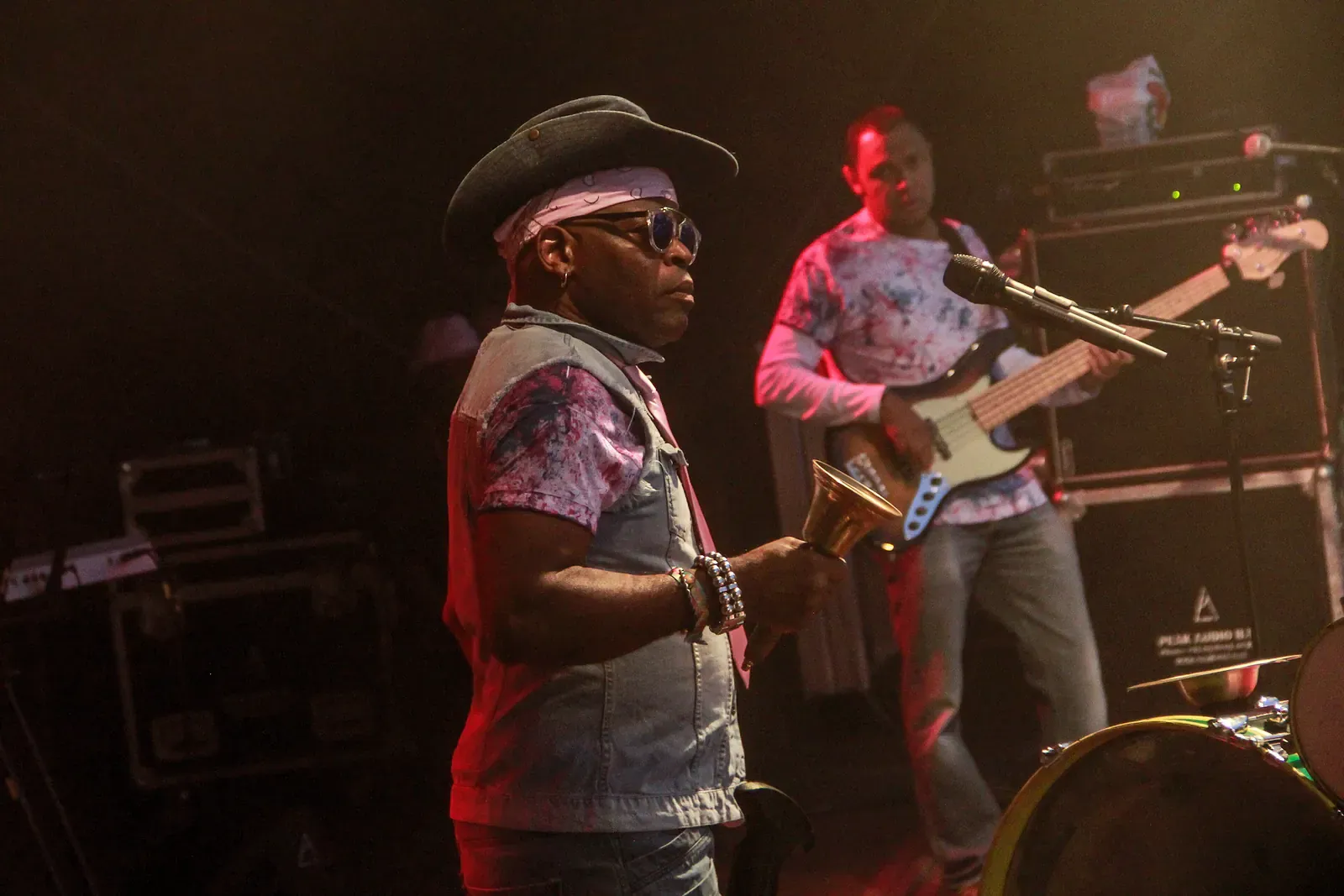
The skratji is a sideways bass drum with a hand cymbal resting on top, and it is the rhythmic centre of the band. The snare drum is played in rolls rather than as a plain backbeat. Saxophone and trumpet carry the horn lines, with trombone as an occasional third voice, while electric guitar and bass supply the rock and roll layer.
Mainstream success
Kaseko’s first mass audience was Surinamese in the Netherlands, where Lieve Hugo’s 1974 album sold widely. The wider Dutch public met it through Trafassi, whose 1985 single Wasmasjien became a Dutch Top 40 hit and its biggest, and whose later songs kept the band on Dutch stages. The Metropole Orchestra paid tribute to Lieve Hugo at the Concertgebouw in 2008 with Dutch and Surinamese singers, and in 2013 both of his solo albums were reissued on one CD in a series devoted to Surinamese artists of the 1970s.
Notable recordings
Okrosoepoe, from Lieve Hugo’s first solo period, is a defining recording of the early Dutch years. Wasmasjien, from 1985, is one of the best-known singles to come out of the Surinamese-Dutch dance band world. Ronald Snijders, who studied kaseko at the University of Amsterdam from 1986 to 1991, released Kasekojazz and More in 1994 and Kaseko Mundial! Live in 1996, joining the genre to jazz.
Culture
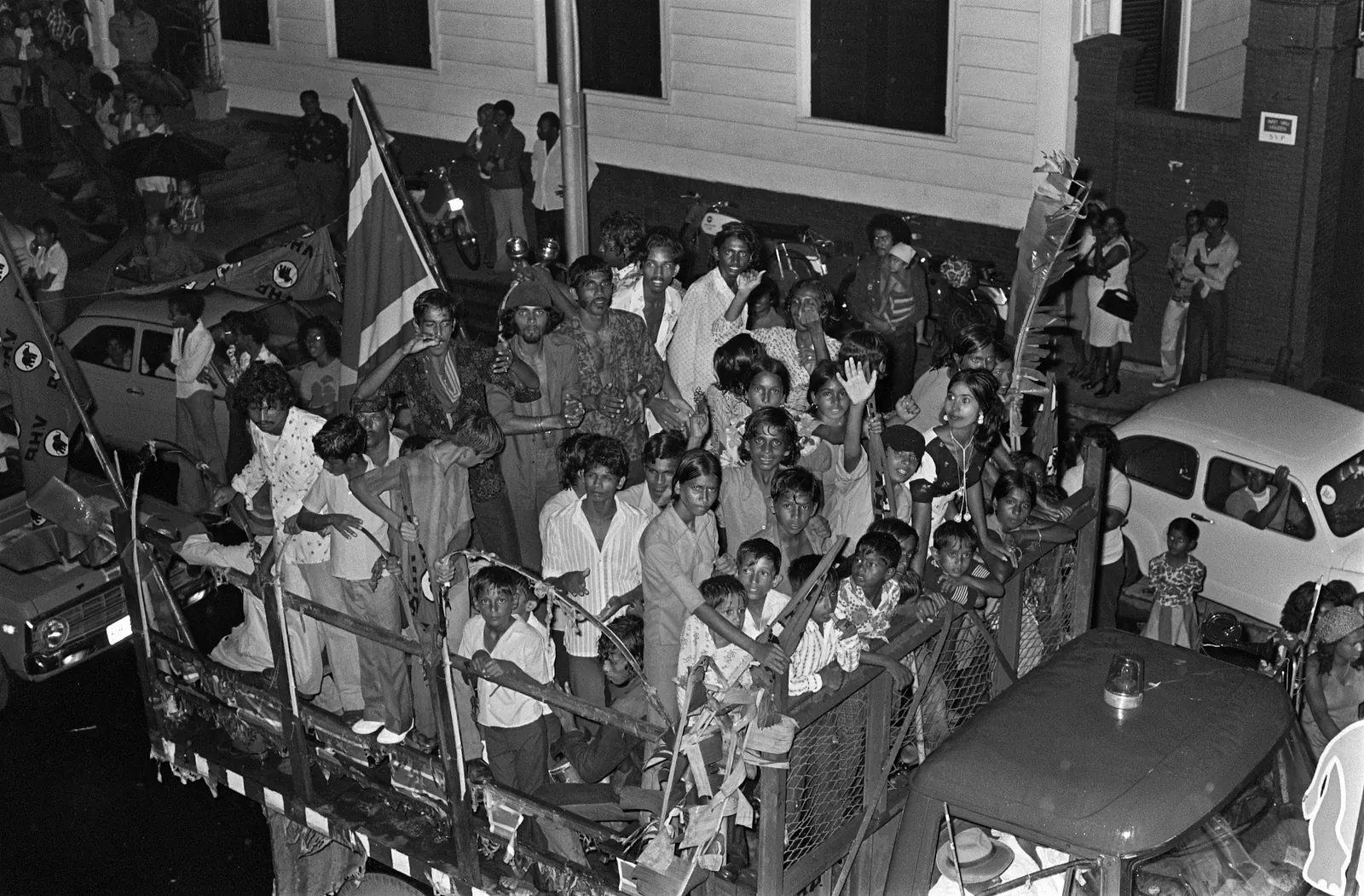
Kaseko is dance music above all, and its early stages belonged to festivities where large bands played. The word bigi poku still names the big drum tradition it came from. In 1975 the music also took in national events, as in Lieve Hugo’s album for independence.
Legacy
Related fusion forms followed: kaskawi, a variant of kaseko, and kaskazouk, a fusion with the zouk of the French Antilles. Dutch hip hop of the late 1980s and Paramaribop, a fusion with jazz, also drew on it.
Misconceptions
Kaseko is not the same as kawina. Kawina is the older percussion and song style in four-beat time that kaseko came from; kaseko added brass, drum kit and electric instruments. It is also a separate genre from Kasékò of French Guiana, which is played on three drums and a ti-bwa and has its own history, even if the names may be related. Finally, kaseko is not only a music of the Surinamese homeland: its first recording stars, from Lieve Hugo to Trafassi, worked largely in Dutch cities.
Frequently asked questions
What is kaseko music?
Kaseko is an Afro-Surinamese dance music from Paramaribo, formed in the late 1940s from kawina and bigi poku with influences from jazz, calypso and rock and roll.
What instruments are used in kaseko?
A kaseko band uses the skratji bass drum, a snare drum, saxophone, trumpet, sometimes trombone, and electric guitar and bass, with solo and choir singing.
Where does the word kaseko come from?
It is probably derived from the French phrase casser le corps, “to break the body”, used in slavery for a very swift dance; Kasékò, a dance from French Guiana, is another proposed source.
Who are the best-known kaseko artists?
Lieve Hugo, called the King of Kaseko, Ewald Krolis, the band Trafassi and the flautist Ronald Snijders are the key figures. Kaseko belongs to the Caribbean music family, and calypso is one of its influences.
Sound
Sound sheet
Signature sounds
- Interlocking skratji pattern with snare rolls
- Horn riffs from saxophone and trumpet
- Solo lead against choir response
- Electric guitar and bass under the horns
Drums and percussion
- Skratji
- Snare drum
Techniques
- Call-and-response
- Snare rolls
- Interlocking drum patterns
- Wind-section riffs
Tuning
Western equal temperament, set by horns, guitar and bass
Vocals
Solo and choir singing in call-and-response, often in Sranan Tongo.
Scenes
Where it happened
Where and when the sound lived: one bar per city on a shared timeline.
Latin America
Europe
Active scenes
Peak 3, 1975-2025
Home of kawina street musicians, bigi poku brass bands and the first kaseko dance bands.
The Bijlmermeer district housed Lieve Hugo, and the Concertgebouw hosted the kaseko of the 1970 Holland Festival.
Where Ewald Krolis settled and formed Caribbean Combo.
Venues and places
Amsterdam, 1970 to today. Host of the 1970 Holland Festival set that got the audience dancing and of the 2008 Lieve Hugo tribute.
Culture
Culture markers
- Casser le corps
The French phrase for a very swift dance that probably gave kaseko its name.
Slang - Bigi poku
Big drum music, the name of the 1930s brass-band party style.
Slang - Brass-band festivities
Street and festival celebrations with large bands in 1930s Paramaribo.
Ritual
Media
Key media
- 1976Wan Pipel
by Pim de la Parra. Surinamese-Dutch drama with a Lieve Hugo scene.
Film - 2013Sranan Gowtu: Lieve Hugo
by Lieve Hugo. TopNotch reissue of both solo albums on one CD, in a series of 1970s Surinamese artists.
Compilation
Glossary
Terms on this page
Big drum music, the brass-band dance style of the 1930s that preceded kaseko.
French phrase meaning to break the body, a slavery-era name for a very swift dance and the probable source of the word kaseko.
A fusion variant of kaseko.
A fusion of kaseko with French Antillean zouk.
Afro-Surinamese percussion and song style that kaseko grew out of.
The very large bass drum at the centre of a kaseko band.
Caribbean family