Calypso
Calypso, or kaiso, is Trinidad's topical Carnival song tradition, formed after emancipation from West African, lavway and belair roots at about 85 to 120 BPM.
Trinidad & Tobago, around 1834
Caribbean family

Born
around 1834
Trinidad & Tobago
Subgenres
6
Documented branches
Links
29
Genres it drew on or shaped
Tempo
85-120 BPMLineage
Family tree
Grew out of
- Kalinda
Derived from
- Canboulay
Derived from
Trinidad & Tobago
Calypso
Led to (8)
Timeline
Era by era
From the first sparks to today. Select a dot to read the story behind it.
- Kaiso and Carnival roots
1834 to 1911
- Records and the golden age
1912 to 1944
- Windrush and the craze
1945 to 1961
- Independence and the tent era
1962 to 1976
- Women, unity and soca
1977 to 1989
- Heritage and revival
1990 to today
Eras
Moments
- 1 Kaiso and Carnival roots, 1834 to 1911
- 2 Records and the golden age, 1912 to 1944
- 3 Windrush and the craze, 1945 to 1961
- 4 Independence and the tent era, 1962 to 1976
- 5 Women, unity and soca, 1977 to 1989
- 6 Heritage and revival, 1990 to today
around 1834
Kaiso and Carnival roots
After emancipation, Afro-Trinidadians shape lavway, belair and stick-fighting chants into topical song. Canboulay and street Carnival are its stage.
- 1834Emancipation shapes Carnival songAfter slavery ends, Afro-Trinidadians build Carnival songs from West African kaiso, lavway and belair.
- 1881Canboulay riotsPolice try to ban the torchlit stick-fighting procession and the community fights back.
- 1884Peace Preservation ActThe law sets the official start of Carnival and curbs street masquerade.
around 1912
Records and the golden age
First discs are cut in New York. Roaring Lion and Atilla the Hun record there in 1934, the Calypso King contest starts in 1939 and the steelpan appears.
- 1912First calypso recordings in New YorkLovey's String Band cuts the first identifiable calypso on disc.
- 1934Roaring Lion and Atilla record in New YorkA Port of Spain shop owner sends them to New York, the first calypsonians to record abroad.
- 1937Steelpan emergesImprovised pans start to replace tamboo bamboo bands on the Carnival road.
- 1939First Calypso King contestGrowling Tiger wins with Trade Union.
- 1943Lord Invader writes Rum and Coca-ColaA song about American troops and prostitution near Trinidad's bases.
1945
Windrush and the craze
Rum and Coca-Cola, the Windrush voyage and Belafonte's million-selling Calypso take the music from Port of Spain to London and New York.
- 1945Andrews Sisters take Rum and Coca-Cola to number oneTheir Decca cover spends ten weeks atop the Billboard pop chart.
- 1946Atilla the Hun enters public officeHe becomes the first calypsonian elected to office, on the Port of Spain City Council.
- 1948Kitchener and Beginner sail on the WindrushLord Kitchener performs on arrival at Tilbury Docks and calypso takes root in Britain.
- 1948Lord Invader wins his case over Rum and Coca-ColaHe is awarded royalties, but Morey Amsterdam keeps the US copyright.
- 1950Victory Test MatchLord Beginner celebrates the West Indies win at Lord's.
- 1956Belafonte's Calypso tops the album chartThe RCA Victor LP is the first to sell a million copies in a year and spends 31 weeks at number one.
- 1956Mighty Sparrow wins with Jean and DinahHis first Road March and Calypso King win comments on the US bases leaving Trinidad.
- 1957Calypso on screenIsland in the Sun and Calypso Joe ride the craze, and Robert Mitchum records a calypso LP.
1962
Independence and the tent era
Sparrow, Kitchener and Shadow turn the song into political and social commentary for a new nation, with rivalry settled in the calypso tents.
- 1962IndependenceTrinidad and Tobago leaves the British empire and calypso turns to national themes.
- 1974Shadow's Bassman wins the Road MarchA record winning margin for a melodic bass-line calypso.
- 1975Kitchener wins his only Calypso Monarch titleHe takes it with Tribute to Spree Simon.
1977
Women, unity and soca
Calypso Rose wins the Road March and the crown, Black Stalin preaches Caribbean unity, and faster soca takes over the road while kaiso holds the tent.
- 1977Calypso Rose wins the Road MarchShe is the first woman to win it, with Gimme More Tempo.
- 1978First woman Calypso MonarchCalypso Rose wins with Come Leh We Jam and the contest drops the title Calypso King.
- 1979Black Stalin wins his first crown with Caribbean UnityOne of two songs that took him to the Monarch title.
- 1988Rudder's Haiti includes Rally 'Round the West IndiesThe song later becomes the West Indies cricket anthem.
- 1988Beetlejuice revives Jump in the LineBelafonte's version of Kitchener's 1946 song closes Tim Burton's film.
1990
Heritage and revival
Rudder, Chalkdust and Stalin carry the kaiso tradition, film revives old songs, and Calypso Rose reaches new audiences abroad.
- 2016Calypso Rose releases Far From HomeThe album wins a French Victoires de la Musique award in 2017.
Listening path
Anthems
The records that built the sound, grouped by the part they played. Thumbnails come from YouTube; the player loads only when you press play.
- 01
Roaring Lion, 1934
An early New York recording that set the template of a witty verse and a sung hook.
Origin - 02
Harry Belafonte, 1956 · RCA Records
Belafonte's chart hit from the first million-selling LP made calypso a world craze.
Start hereBreakthrough - 03
Lord Kitchener, 1948
Kitchener's Windrush-era song of arrival, the voice of Caribbean migrants in Britain.
Anthem - 04
Lord Beginner, 1950
The cricket win at Lord's turned into a lasting West Indian celebration song.
Anthem - 05
Mighty Sparrow, 1956
Sparrow's breakthrough, a Road March winner about the departing US troops and a gateway to his catalogue.
Start hereAnthem - 06
Calypso Rose, 1966
An early Calypso Rose classic from the woman who later broke the Road March and crown barriers.
Anthem - 07
Mighty Shadow, 1974
A melodic bass-line Road March hit by Shadow that pointed toward soca.
Anthem - 08
David Rudder, 1988
Rudder's pan-Caribbean song, later adapted as the West Indies cricket anthem.
Anthem - 09
Lord Invader, 1943
The Trinidad song that an American group took to number one in 1945.
Crossover - 10
Harry Belafonte, 1961 · RCA Records
Kitchener's 1946 song in Belafonte's version, revived by the film Beetlejuice in 1988.
Start hereRevival - 11
Calypso Rose, 2016
Calypso Rose's award-winning late-career album title track, bringing calypso to new audiences.
Revival
Facts
| Family | Caribbean |
| Origin | Trinidad & Tobago |
| Emerged | 19th century |
| Status | Active |
| Tempo | 85 to 120 BPM |
| Meter | 4/4 |
| Grew out of | Kalinda, Canboulay |
| Subgenres | 6 |
Calypso, also called kaiso, is a Trinidadian song tradition of witty, topical commentary on social and political life, sung mostly in English-lexicon Creole over a syncopated 4/4 groove at roughly 85 to 120 BPM.
It took shape in the 19th century from West African song, Carnival lavway and French Creole belair, and remains the voice of Trinidad and Tobago’s pre-Carnival season.
Origins
After emancipation in the 1830s, Afro-Trinidadians built Carnival song from West African kaiso, call-and-response masquerade chants (lavway), belair and the chants of stick-fighting bands. The torchlit canboulay procession was the stage for much of it. When police tried to suppress it, the Canboulay riots of 1881 followed, and the Peace Preservation Act of 1884 fixed the official start of Carnival and curbed street masquerade. Wit became a method as well as a style: double meanings let singers say what censors and officials would not allow, and the competitive mockery known as picong, with its improvised cousin extempo, kept rival singers sharp.
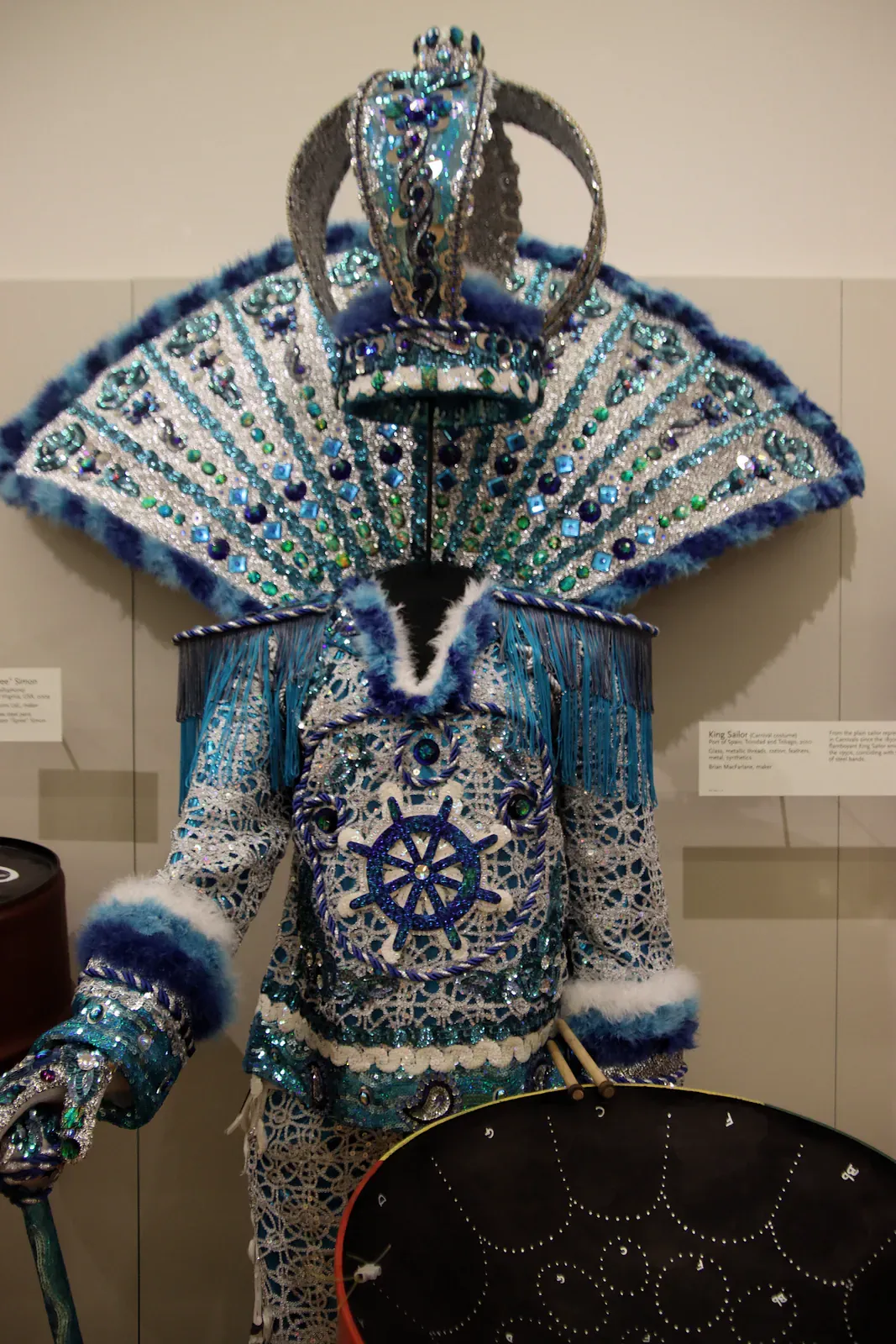
Singers took royal and martial stage names, and the titles Lord, Mighty, Roaring and Growling still mark calypsonians. The songs were performed in tents, venues in the weeks before Carnival where singers tried out new material before the contest.
New York records, 1912-1944
The first identifiable calypso was recorded in New York around 1912 by Lovey’s String Band. A larger step came in 1934, when a Port of Spain music-shop owner, Eduardo de Sa Gomes, sent Roaring Lion and Atilla the Hun to New York to record, the first calypsonians to do so abroad. Lion’s “Ugly Woman” from that period shows the form’s template: a witty narrative verse and a sung hook, delivered in clear diction for a 78 rpm disc.
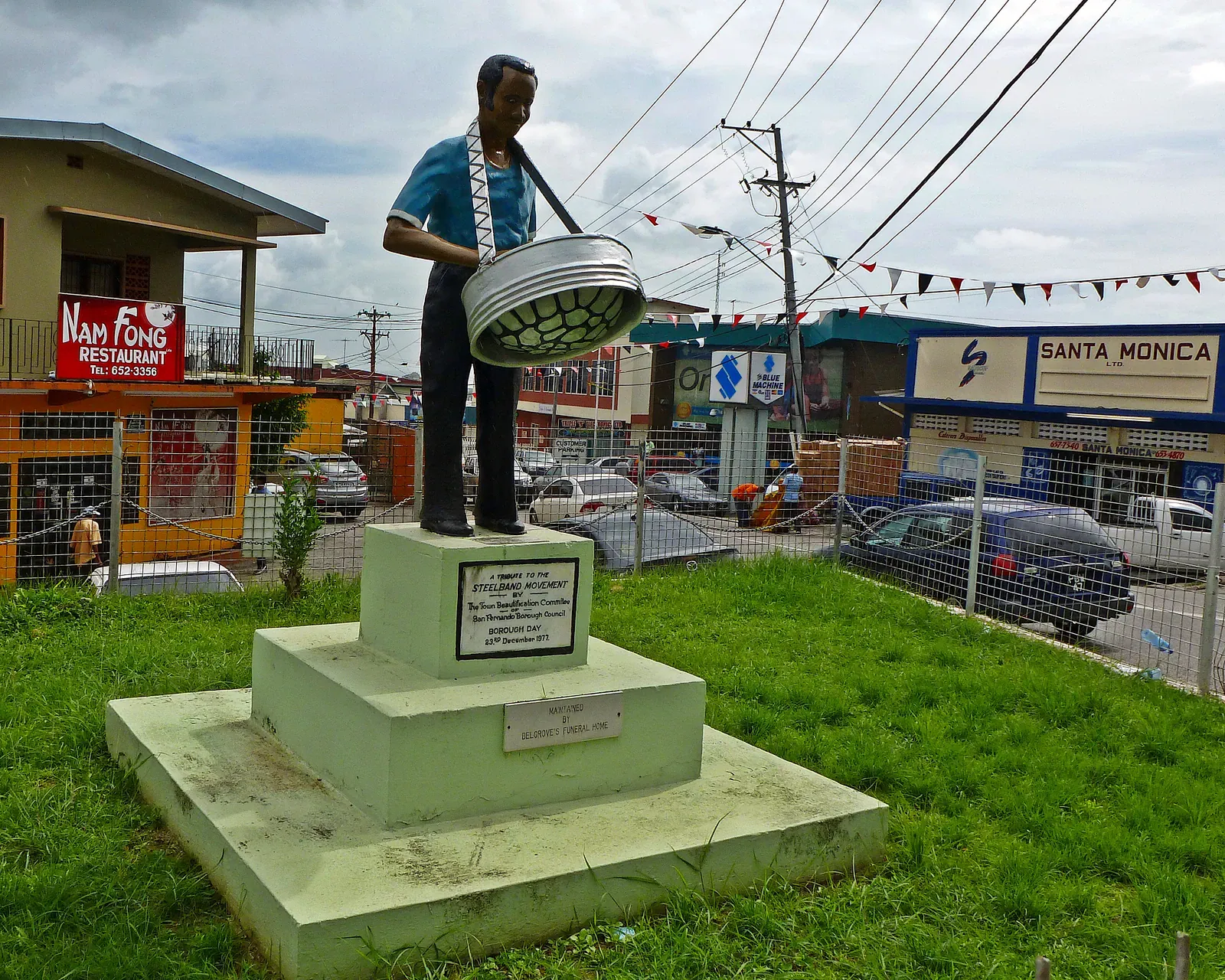
At home, the steelpan emerged around 1937 as improvised pans began to replace the bamboo tamboo bands of the Carnival road. The Calypso King contest began in 1939, with Growling Tiger winning with “Trade Union”.
Windrush and the craze, 1945-1961
Lord Invader wrote “Rum and Coca-Cola” in 1943 about American troops and prostitution around Trinidad’s bases. The Andrews Sisters’ Decca cover reached number one on the Billboard pop chart in 1945 and stayed there ten weeks. Invader won a case over it in 1948 and was awarded royalties, but the American copyright stayed with Morey Amsterdam. In 1946 Atilla the Hun became the first calypsonian elected to public office, on the Port of Spain City Council.
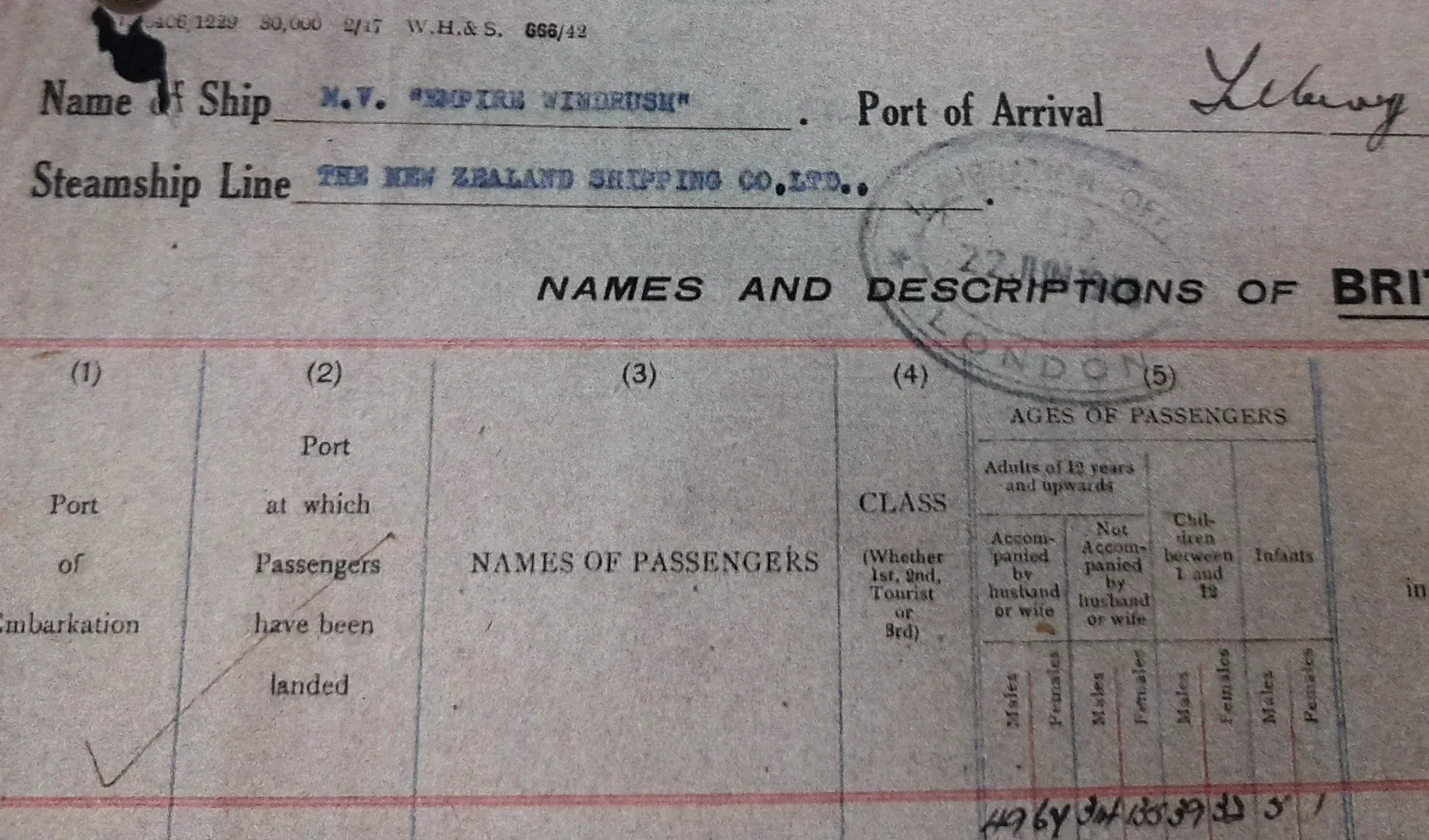
In 1948 Lord Kitchener and Lord Beginner sailed to Britain on the Empire Windrush. Kitchener performed on arrival at Tilbury Docks, and calypso took root in London, where Melodisc and Parlophone recorded the new arrivals. His “London Is the Place for Me” became the song of Caribbean migrants in Britain, and Beginner’s 1950 “Victory Test Match” celebrated the West Indies cricket win at Lord’s.
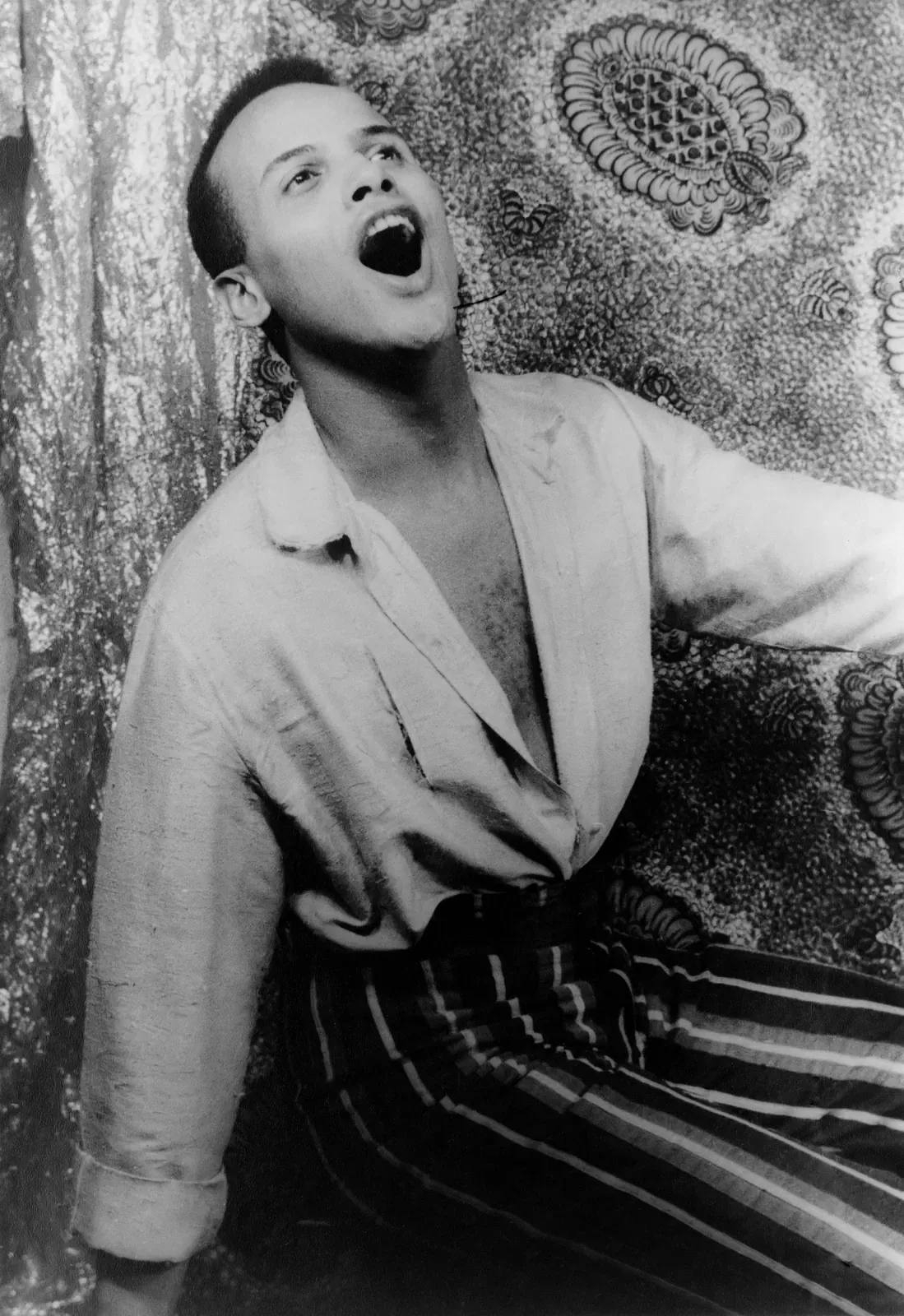
The craze peaked in 1956, when Harry Belafonte’s RCA album Calypso became the first LP to sell a million copies in a year and spent 31 weeks at number one. Films such as Island in the Sun and Calypso Joe followed in 1957.
Independence and the tent era, 1962-1976
Trinidad and Tobago left the British empire in 1962 and calypso turned to national themes. Mighty Sparrow, whose “Jean and Dinah” won both the Road March and the Calypso King title in 1956 with a comment on the departing American bases, became the dominant singer, with eight Road Marches in all. Kitchener, back in Trinidad, and Mighty Shadow joined him. Shadow’s melodic “Bassman” won the 1974 Road March by a record margin and pointed toward soca.
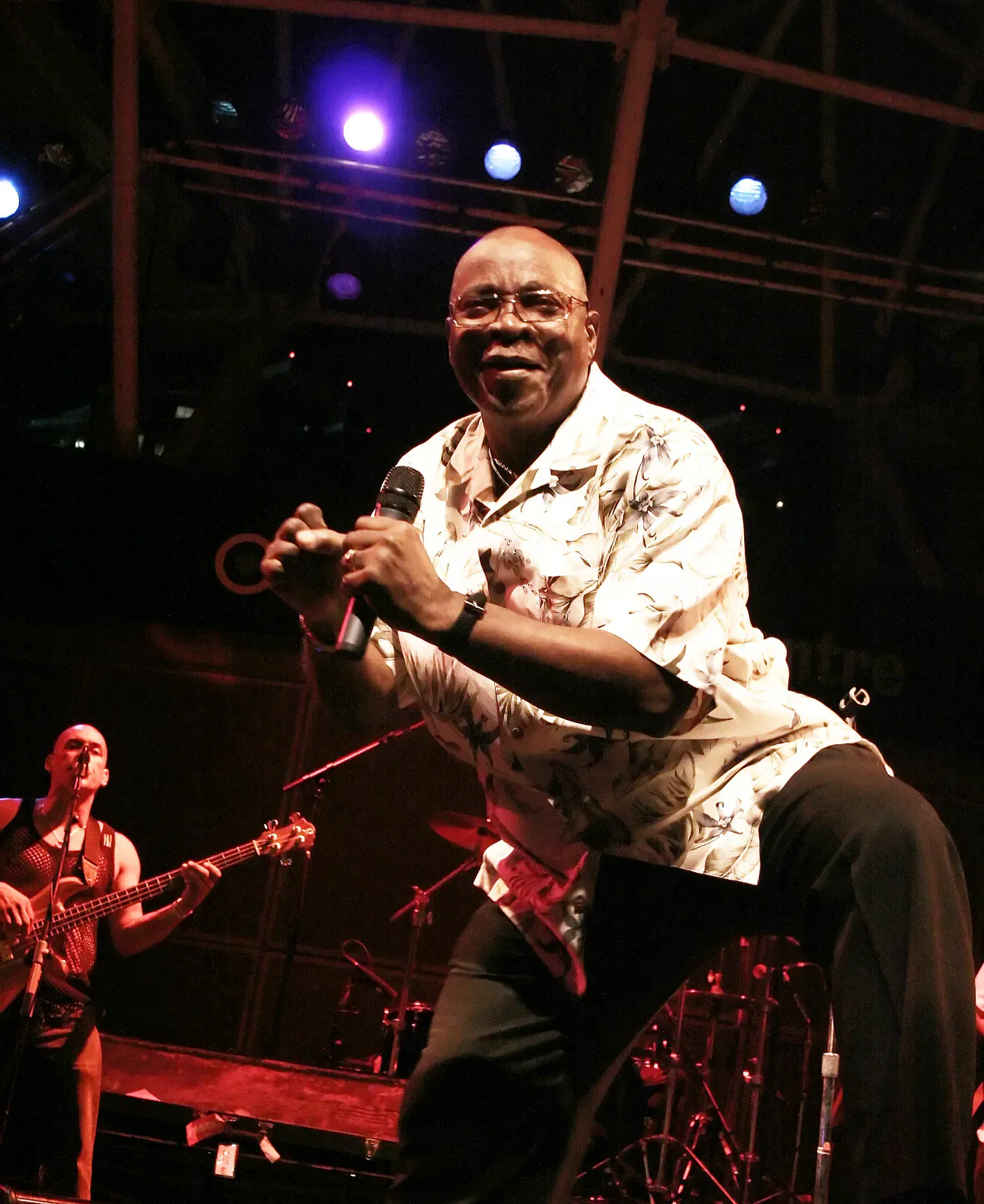
Rivalry between singers was settled in the tents and in the contest. Kitchener took his only Calypso Monarch title in 1975 with “Tribute to Spree Simon”.
Women, unity and soca, 1977-1989
Calypso Rose won the Road March in 1977 with “Gimme More Tempo”, the first woman to do so, and in 1978 became the first woman Calypso Monarch with “Come Leh We Jam”, after which the contest dropped the title Calypso King. Black Stalin won his first crown in 1979 with “Caribbean Unity”, one of two songs that took him to the title, with a message of pan-Caribbean solidarity.

Faster soca took over the road in this period, while kaiso held the tent. David Rudder’s 1988 album Haiti carried “Rally ’Round the West Indies”, later adopted as the West Indies cricket anthem.
Heritage and revival, 1990 onward
Rudder, Chalkdust and Black Stalin carried the kaiso tradition through the 1990s, and film revived old songs: Belafonte’s version of Kitchener’s “Jump in the Line” closed Tim Burton’s Beetlejuice in 1988, and “Under the Sea” from Disney’s 1989 film The Little Mermaid won the Academy Award for Best Original Song at the 1990 ceremony. Calypso Rose’s 2016 album Far From Home won a French Victoires de la Musique award in 2017 and brought her to new audiences abroad.
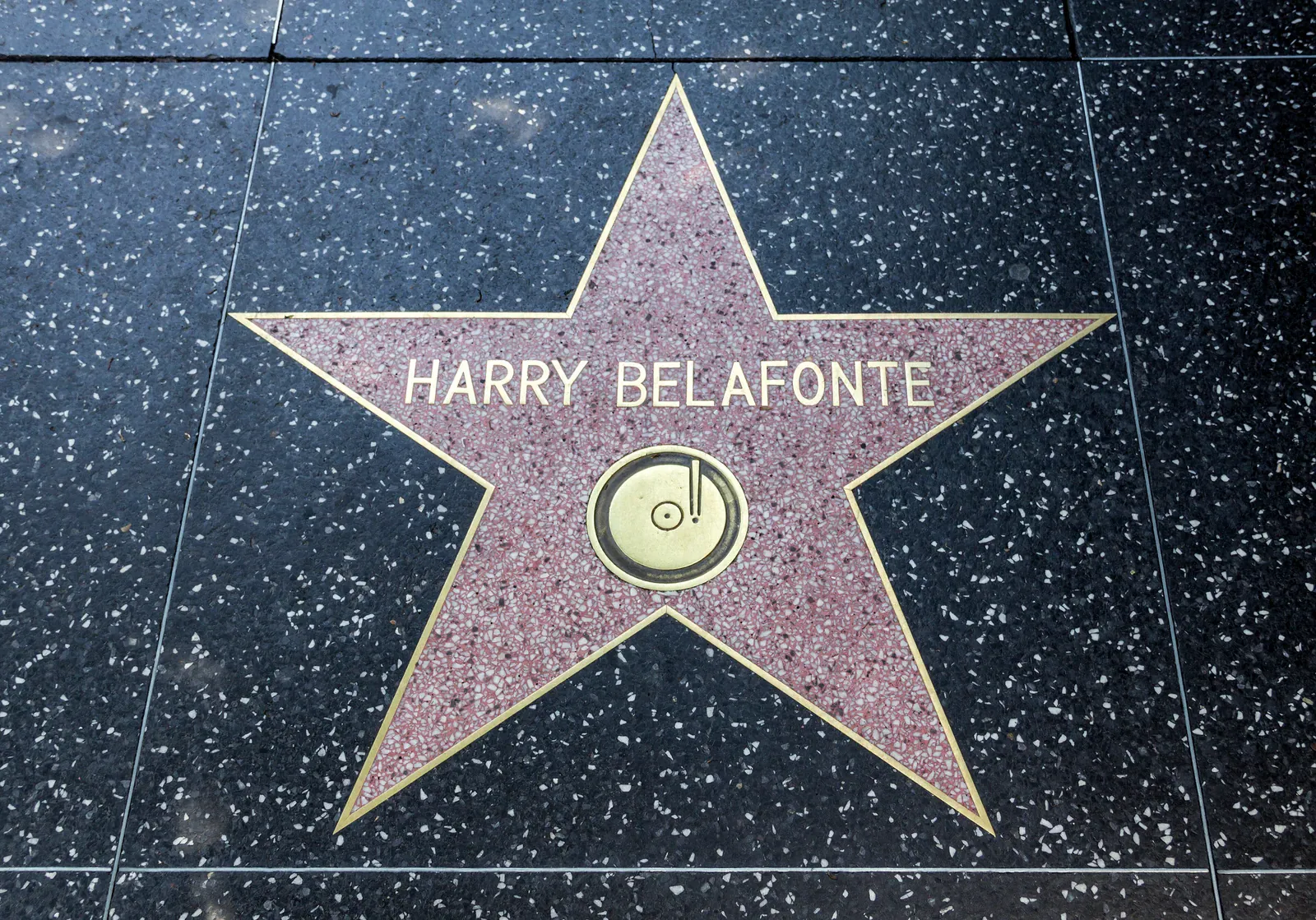
Characteristics
Calypso songs are built on a narrative or commentary verse and a sung chorus, often by a group, in a call-and-response pattern. The harmony is simple, mostly I, IV and V chords in a major key, and the melody is syncopated over a steady 4/4. Lyrics lean on double entendre, picong and topical commentary: elections, scandal, cricket, migration and the price of living.
Instruments and production
Early studio and tent bands built the sound from guitar, piano, double bass, hand percussion such as congas and maracas, and horns that answered the voice. Brass riffs and the steelpan, tuned oil-drum pans from the 1930s, reached the road through steel bands and arrangements. Tamboo bamboo, stamped tubes of bamboo, kept Carnival rhythm before the pans existed. Later calypso added electric bass and amplified bands, and in the 1970s arrangement began to move toward the faster, dance-driven soca.
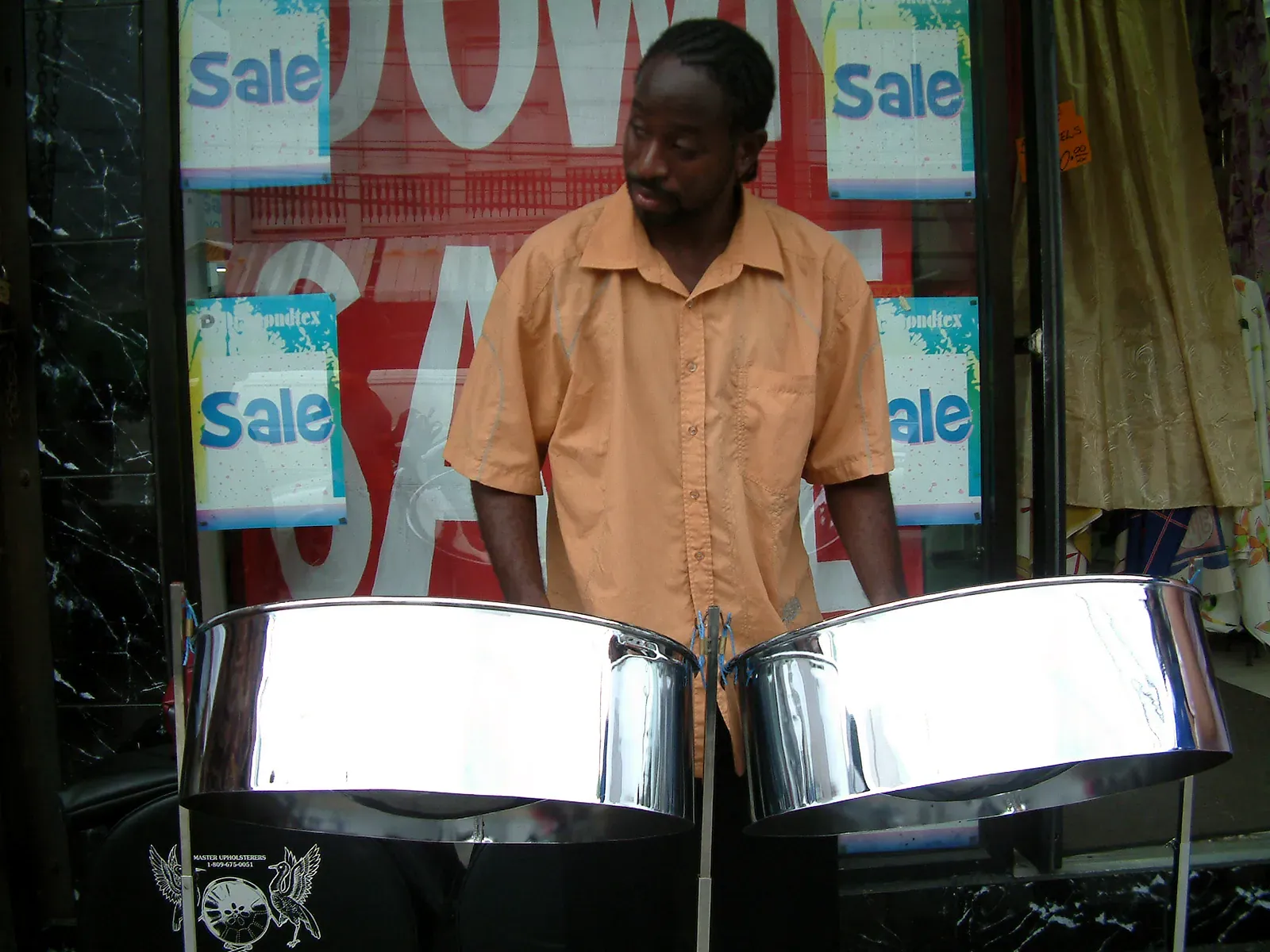
Notable recordings
“Ugly Woman” (1934) set the early template of a witty verse and a sung hook. “Rum and Coca-Cola” is the Trinidad song an American group took to number one, and its copyright case showed how little the original writers shared in the proceeds. “Jean and Dinah” is a Road March winner about the departing US troops and a gateway to Sparrow’s catalogue. “Fire in Me Wire” (1966) is an early Calypso Rose classic from the singer who later broke the Road March and Monarch barriers.
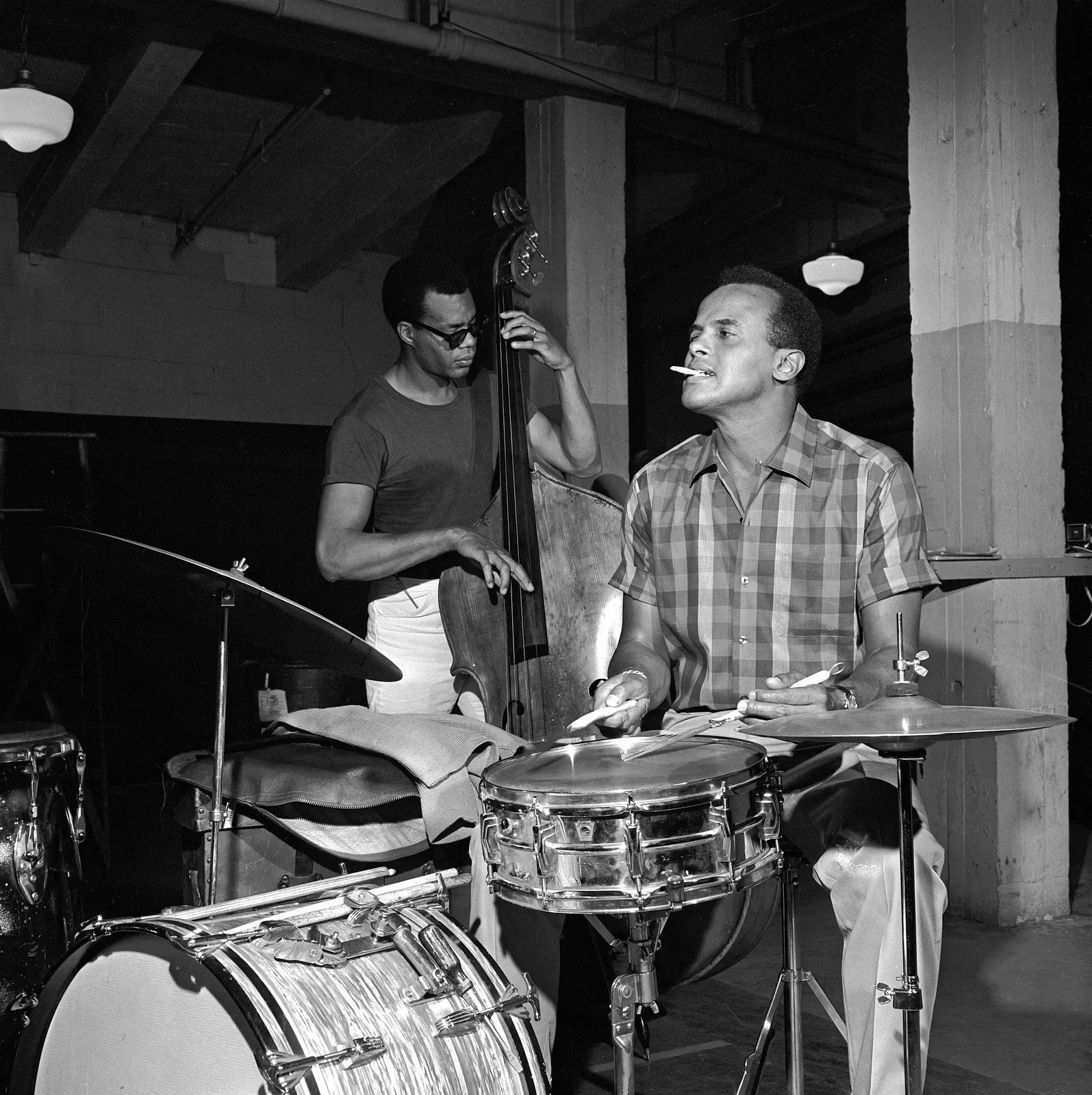
Mainstream success
Calypso reached the mainstream twice. First came the 1945 Andrews Sisters cover, which made a Trinidad song a number one hit without credit going to its author. Second came Belafonte’s Calypso in 1956, whose “Day-O (Banana Boat Song)” made it a world craze. The craze produced a backlash: much of the American “calypso” of the late 1950s had little to do with Trinidadian kaiso, and the fashion ended within a few years, while Trinidad’s tradition carried on in the tents.
Culture
Calypso is the voice of Carnival Monday and Tuesday, the two days before Ash Wednesday. J’ouvert, the break-of-day start of Carnival, is linked to Canboulay. Limbo dancing is part of the Carnival and calypso show tradition. Scene economics run through the tents, the record shops of Port of Spain and the diaspora shops in Brooklyn such as Charlie’s and Straker’s, which pressed new calypso from the 1970s.
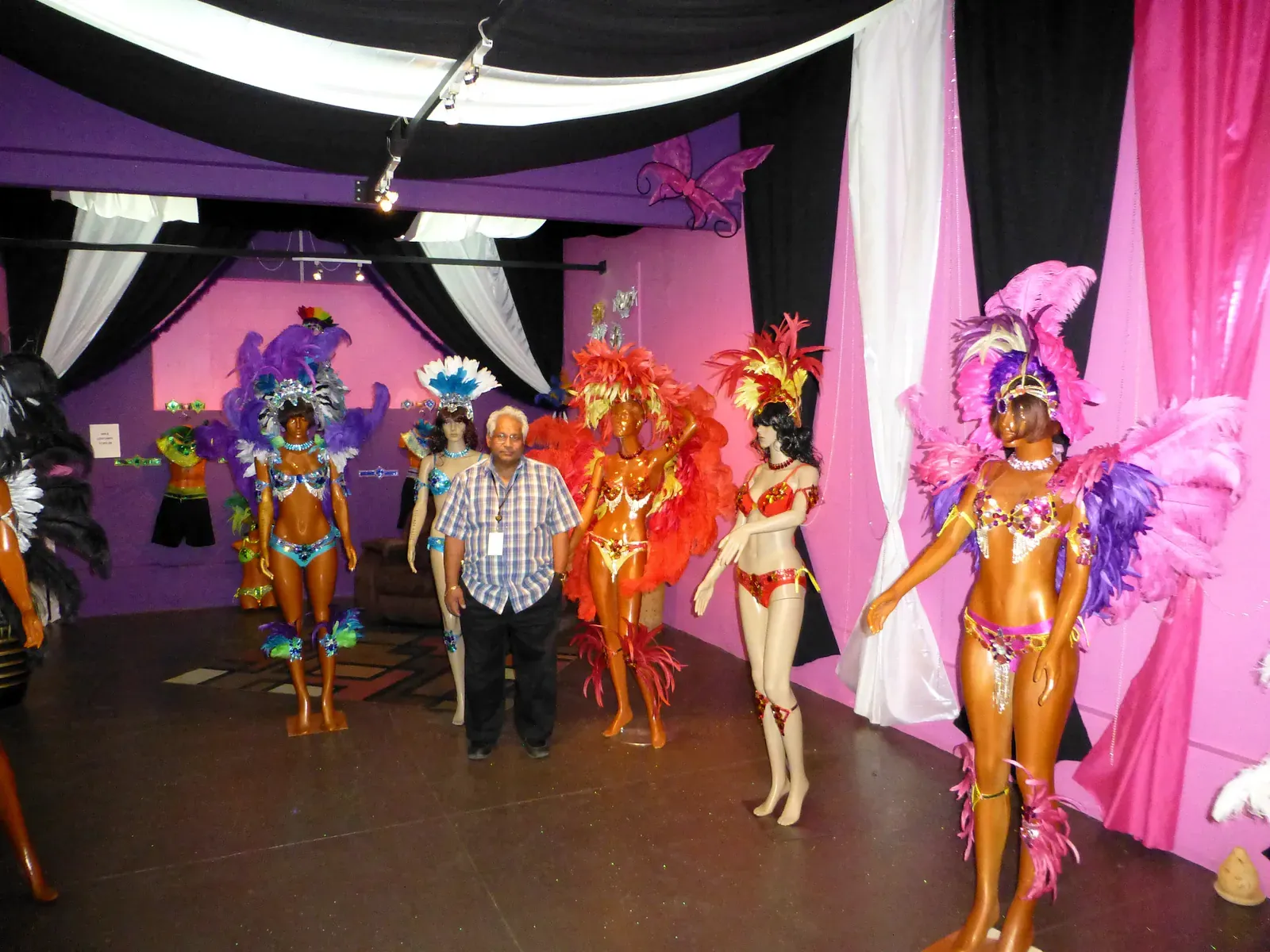

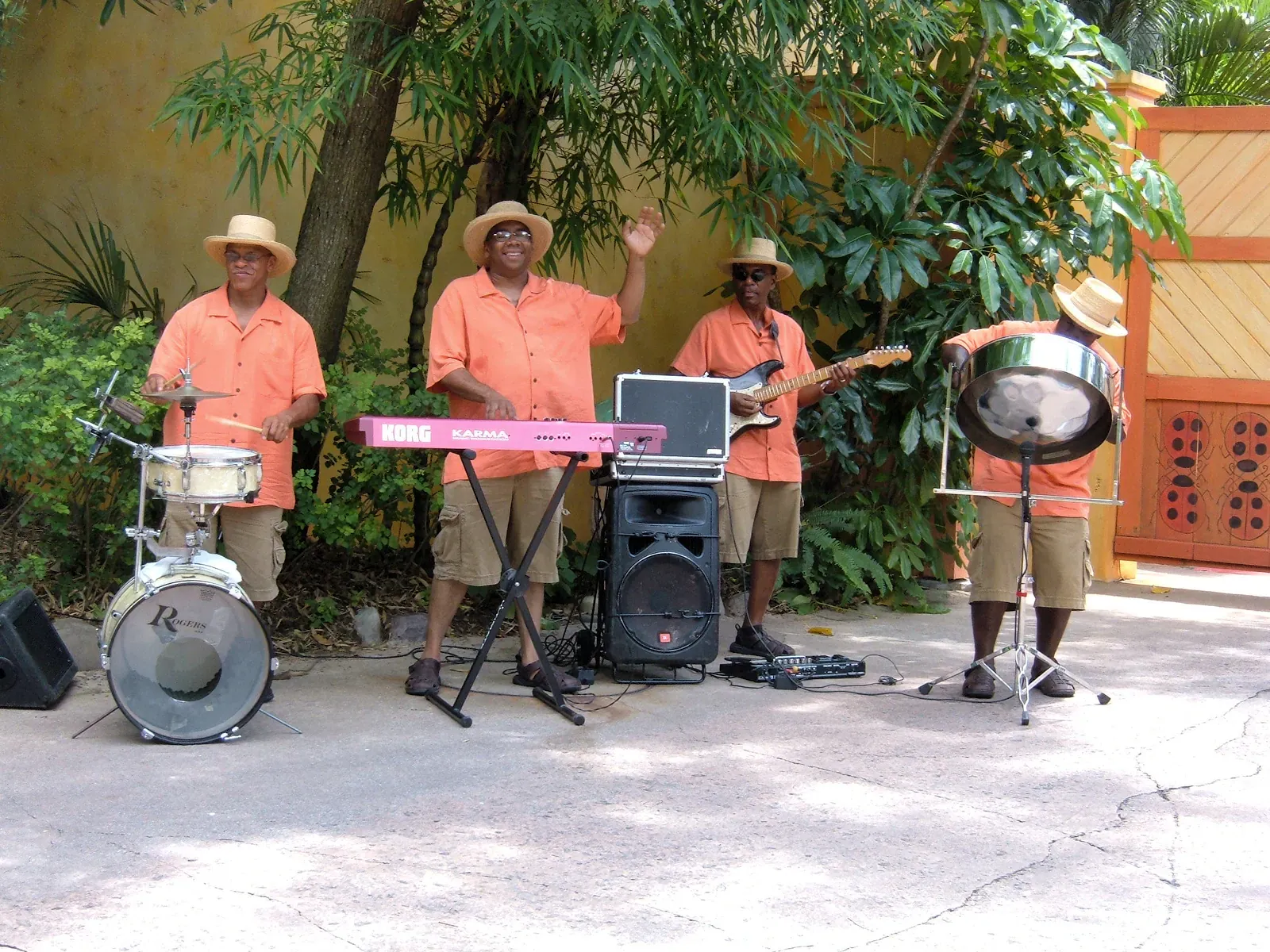
Calypso is also a political form. Singers have long commented on prime ministers, independence, corruption and race, and the pre-Carnival tents work as a national forum.
Legacy
Calypso fed soca, rapso, extempo and the pan-Caribbean songs of the 1980s, and it shaped British Caribbean music through the Windrush generation. The Calypso Monarch contest and the Road March remain central to Trinidad’s Carnival, and its singers carry the tradition through new generations.
Misconceptions
Calypso is often described as the same thing as reggae or ska, or as Jamaican. It is Trinidadian, and its tradition predates both. The craze of the 1950s is often taken as the whole genre, though Belafonte, an American-born singer of Jamaican and Martinican descent, recorded mostly Caribbean folk songs, while the central figures of the tradition were Trinidadian singers such as Sparrow and Kitchener. A third myth treats calypso as light party music: much of it is sharp political and social commentary, with a long record of conflict with censors.
Frequently asked questions
What is calypso music?
Calypso is a Trinidadian song tradition of topical, often humorous commentary, also called kaiso. It formed in the 19th century from West African song, lavway and belair and is sung at Carnival time.
Where does calypso come from?
Calypso comes from Trinidad and Tobago. Afro-Trinidadians shaped it after emancipation, in the 1830s onward, and the first recordings were made in New York around 1912.
Who are the most important calypso artists?
Lord Kitchener, Mighty Sparrow, Roaring Lion, Atilla the Hun, Lord Invader, Calypso Rose, Mighty Shadow, David Rudder, Black Stalin and Growling Tiger are the ten artists ranked highest in the genre’s history.
What is the difference between calypso and soca?
Calypso keeps the lyric commentary and narrative forms of kaiso, while soca, which grew from it in the 1970s, is faster and built for dancing on the road.
Sound
Sound sheet
Anatomy of a track
| # | Part |
|---|---|
| 1 | Verse: a story or commentary |
| 2 | Chorus: sung hook, often by a group |
| 3 | Verse and chorus repeat |
Signature sounds
- Syncopated melody over a steady 4/4
- Simple I, IV, V harmony in a major key
- Topical or double-meaning lyrics
- Guitar, brass and percussion backing
Techniques
- Syncopation
- Picong
- Extempo
- Double entendre
- Call and response
Keys and modes
Major keys. Primary chords I, IV and V carry most songs.
Vocals
Lead singer delivers clear, rhythmic storytelling with a group chorus.
Scenes
Where it happened
Where and when the sound lived: one bar per city on a shared timeline.
Caribbean
North America
Europe
Active scenes
Peak 4, 1972-2025
The heart of Carnival, the tents and the Calypso Monarch contest.
Home of the first calypso records and of exiles such as Lord Invader.
Windrush calypsonians recorded for labels such as Melodisc and Parlophone.
Diaspora record shops and labels such as Charlie's and Straker's press new calypso.
Venues and places
Brooklyn, 1972 to today. Bed-Stuy record shop that became a label and hub for diaspora calypso.
Port of Spain, 1934 to today. Eduardo de Sa Gomes's shop sent Roaring Lion and Atilla to record in New York.
Culture
Culture markers
- Carnival Monday and Tuesday
Calypso is the voice of the two days before Ash Wednesday.
Ritual - J'ouvert
The break-of-day start of Carnival, linked to Canboulay.
Ritual - Picong
Playful insult duels between calypsonians.
Slang - Royal stage names
Titles such as Lord, Mighty, Roaring and Growling mark calypsonians.
Slang - Limbo
Limbo dancing is part of the Carnival and calypso show tradition.
Dance - Calypso tents
Pre-Carnival venues where singers try out new songs before the contest.
Ritual
Media
Key media
- 1955Calypso in New York
by Lord Invader. A Folkways collection spanning Lord Invader's New York career.
Compilation - 1957Island in the Sun
One of the films that rode the 1957 calypso craze.
Film - 1957Calypso Joe
A second calypso-themed film from the 1957 craze.
Film - 1983Atilla's Kaiso: A Short History of Trinidad Calypso
by Atilla the Hun and John La Rose. A first-hand history by a calypso pioneer, published after his death.
Book - 1988Beetlejuice
Its finale revived Belafonte's Jump in the Line for a new generation.
Film - 1989The Little Mermaid
Under the Sea, a calypso-styled song, won an Academy Award.
Film
Glossary
Terms on this page
The crown of the national calypso contest, started in 1939 as Calypso King.
Lyrics with a hidden second meaning, used to dodge censors.
Calypso improvised on the spot, usually in a duel.
The older Trinidadian name for calypso, rooted in West African song.
A call-and-response masquerade song that fed into calypso.
Witty, competitive mockery between singers.
The song most played by Carnival bands on the road.
A venue where calypsonians perform in the weeks before Carnival.
Caribbean family