Reggae
Reggae is a Jamaican genre from 1968, built on the offbeat guitar skank and the one drop drum pattern, with roots in ska and rocksteady.
Jamaica, 1968
Caribbean family
Born
1968
Jamaica
Subgenres
20
Documented branches
Links
76
Genres it drew on or shaped
Tempo
60-90 BPMLineage
Family tree
Grew out of
Derived from
Derived from
Derived from
Influenced by
Jamaica, 1968
Reggae
Led to (25)
Timeline
Era by era
From the first sparks to today. Select a dot to read the story behind it.
- Slowing down: rocksteady
1966 to 1968
- The word and the first hits
1968 to 1972
- Roots, dub and Marley
1973 to 1981
- Lovers, pop and the digital turn
1982 to 1999
- Revival and world heritage
2000 to 2026
Eras
Moments
- 1 Slowing down: rocksteady, 1966 to 1968
- 2 The word and the first hits, 1968 to 1972
- 3 Roots, dub and Marley, 1973 to 1981
- 4 Lovers, pop and the digital turn, 1982 to 1999
- 5 Revival and world heritage, 2000 to 2026
around 1966
Slowing down: rocksteady
Ska slows into rocksteady, with harmony trios, Treasure Isle and Studio One shaping the vocal style. Better studios and the rise of Rastafari themes push the music toward reggae.
1968
The word and the first hits
Do the Reggay (1968) names the style, Leslie Kong's Beverley's and the new Trojan label send it abroad, and Israelites reaches the top of the UK chart. The Harder They Come (1972) takes it to cinemas.
- 1968The Maytals release Do the ReggayThe first popular song to use the word reggae, produced by Leslie Kong for Beverley's.
- 1968King Tubby founds Tubby's Hometown Hi-FiHis custom amplifiers and echo effects lay the ground for dub.
- 1968Trojan Records launches in LondonThe label becomes the main UK outlet for Jamaican reggae.
- 1969Israelites reaches number one in the UKDesmond Dekker's hit is the first Jamaican-produced record to top the UK chart.
- 1972The Harder They Come film and soundtrackPerry Henzell's film starring Jimmy Cliff introduces reggae to cinema audiences abroad.
- 1972Harry J Studio opens in KingstonBob Marley and the Wailers, Burning Spear and the Heptones record there through the 1970s.
1973
Roots, dub and Marley
Island Records breaks Bob Marley and the Wailers worldwide. Rastafari-led roots reggae, dub engineers like King Tubby and Lee Perry, and British bands like Steel Pulse shape the golden decade, which ends with Marley's death in 1981.
- 1973Catch a Fire brings the Wailers to Island RecordsThe first Wailers album marketed to a rock audience.
- 1973Lee Perry opens the Black ArkHis Kingston backyard studio becomes a source of experimental dub-era sounds.
- 1974Eric Clapton covers I Shot the SheriffA Marley song introduces reggae to a wider rock audience.
- 1975Live No Woman, No Cry is releasedMarley's first international hit single, recorded at London's Lyceum Theatre.
- 1976Peter Tosh's Legalize It is banned in JamaicaThe title track is initially banned but helps make Tosh an international name.
- 1976Gunmen attack Bob Marley at his homeMarley survives and leaves for London, where he makes Exodus.
- 1977Culture's Two Sevens Clash is releasedA Joe Gibbs production that reaches the UK punk scene.
- 1978One Love Peace ConcertOn 22 April at Kingston's National Stadium, Marley joins the hands of rival leaders Manley and Seaga on stage.
- 1978First Reggae Sunsplash in Montego BayA week-long festival that ties reggae to Jamaica's tourist season.
- 1978Steel Pulse release Ku Klux Klan and Handsworth RevolutionBirmingham's Steel Pulse bring British roots reggae to Island Records.
- 1980Marley plays Zimbabwe's Independence DayThe concert lifts reggae's standing across Africa.
- 1981Bob Marley dies in MiamiHe dies on 11 May aged 36; Jamaica awards him the Order of Merit the same year.
1982
Lovers, pop and the digital turn
Gregory Isaacs and Dennis Brown carry the singing tradition while Under Mi Sleng Teng (1985) makes digital riddims the Jamaican norm. UB40 and the Grammy reggae category bring the sound to pop audiences.
- 1982Gregory Isaacs releases Night NurseHis Island album and title track bring lovers reggae to club and radio audiences.
- 1985Under Mi Sleng Teng goes digitalWayne Smith and King Jammy build a riddim on a Casio keyboard preset, ending the live-band default.
- 1985Grammys add a reggae categoryBlack Uhuru win the first award for Anthem.
- 1987Steel Pulse win a reggae GrammyThey become the first non-Jamaican act to win the category, for Babylon the Bandit.
2000
Revival and world heritage
A young Jamaican generation revives live, roots-minded reggae, Koffee wins a Grammy at 19, and UNESCO lists reggae music of Jamaica as intangible cultural heritage in 2018.
- 2018UNESCO lists reggae music of JamaicaAdded to the Representative List of the Intangible Cultural Heritage of Humanity.
- 2020Koffee wins the reggae Grammy at 19Her EP Rapture makes her the youngest winner of Best Reggae Album.
Listening path
Anthems
The records that built the sound, grouped by the part they played. Thumbnails come from YouTube; the player loads only when you press play.
- 01
Toots and the Maytals, 1968 · Beverley's
The first popular song to use the word reggae, so it named the genre.
Origin - 02
Desmond Dekker, 1968 · #1 UK Singles, 1969 · Beverley's
The first UK number one for a Jamaican-produced record, and a US top ten hit that opened mainstream ears.
Start hereBreakthrough - 03
Bob Marley, 1975 · Island Records
The live Lyceum recording was Marley's first international hit and made him a star outside Jamaica.
Start hereBreakthrough - 04
Jimmy Cliff, 1972 · Island Records
The film's title song and a Rolling Stone top 500 track that told the world about Kingston life.
Anthem - 05
Bob Marley, 1973 · Island Records
Written with Peter Tosh on Burnin', it became the genre's protest anthem and Marley's final concert song.
Anthem - 06
Peter Tosh, 1976
The title track of Tosh's solo debut, banned in Jamaica at first, became a protest song heard worldwide.
Anthem - 07
Bob Marley, 1977 · Island Records
A seven-minute call to arms written in London that became Marley's first single widely played on black US radio.
Anthem - 08
Steel Pulse, 1978 · Island Records
Steel Pulse's first Island single, a call for resistance to racism that defined British roots reggae.
Anthem - 09
Dennis Brown, 1979 · Joe Gibbs Records
Dennis Brown's Joe Gibbs hit, a UK top 20 single in 1979 and a crossover favorite.
Anthem - 10
Bob Marley, 1980 · Island Records
An acoustic closer to Uprising, drawing on a Marcus Garvey speech, and one of Marley's most admired songs.
Anthem - 11
Gregory Isaacs, 1982 · Island Records
The title track of Isaacs' Island album became a club and radio favorite and defined smooth lovers reggae.
Anthem - 12
UB40, 1983 · DEP International
The Birmingham band's reggae take on a Neil Diamond song carried the sound to pop radio on both sides of the Atlantic.
Crossover
Facts
| Family | Caribbean |
| Origin | Jamaica |
| Emerged | Late 1960s |
| Status | Active |
| Tempo | 60 to 90 BPM |
| Meter | 4/4 |
| Grew out of | Rocksteady, Ska, Mento |
| Subgenres | 19 |
Reggae is a Jamaican popular music that emerged in Kingston in 1968 from ska and rocksteady. It is defined by a slow, bass-led groove, short guitar chops on the offbeat and a drum pattern that leaves the first beat empty. The name comes from the 1968 Maytals single “Do the Reggay”.
The genre produced roots reggae, lovers rock and, through studio engineers, dub. UNESCO listed reggae music of Jamaica as intangible cultural heritage in 2018.
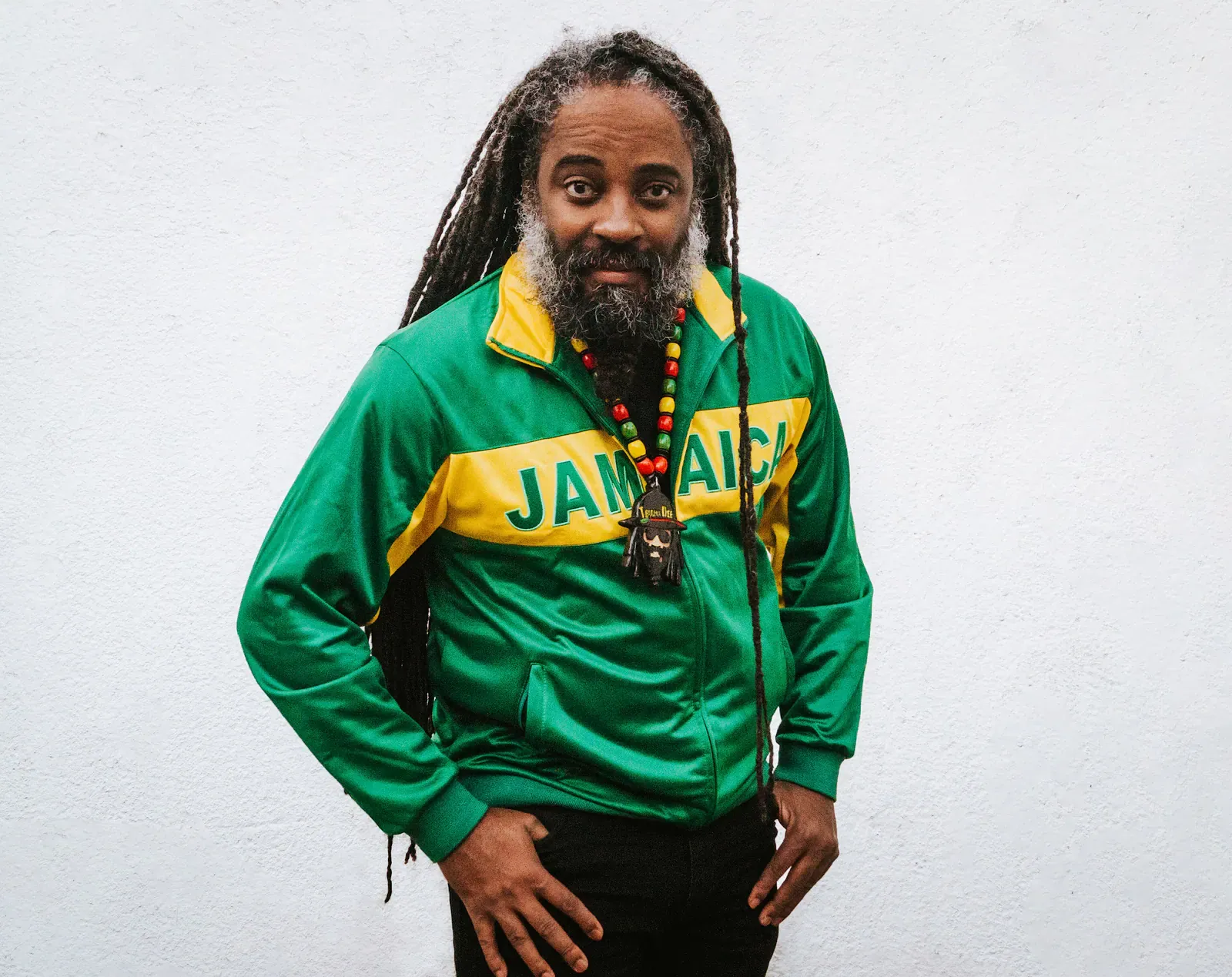
Origins
Reggae began in the street and the shed studio. Jamaican dance culture ran on sound systems: trucks of heavy speakers, a selector and a DJ playing records the crowd could not hear elsewhere. The men who ran them, among them Clement “Coxsone” Dodd and Duke Reid, went into recording to keep their supply of exclusive tunes. Dodd opened Studio One in Kingston in the early 1960s, and Reid’s Treasure Isle set the standard for smooth vocal groups.
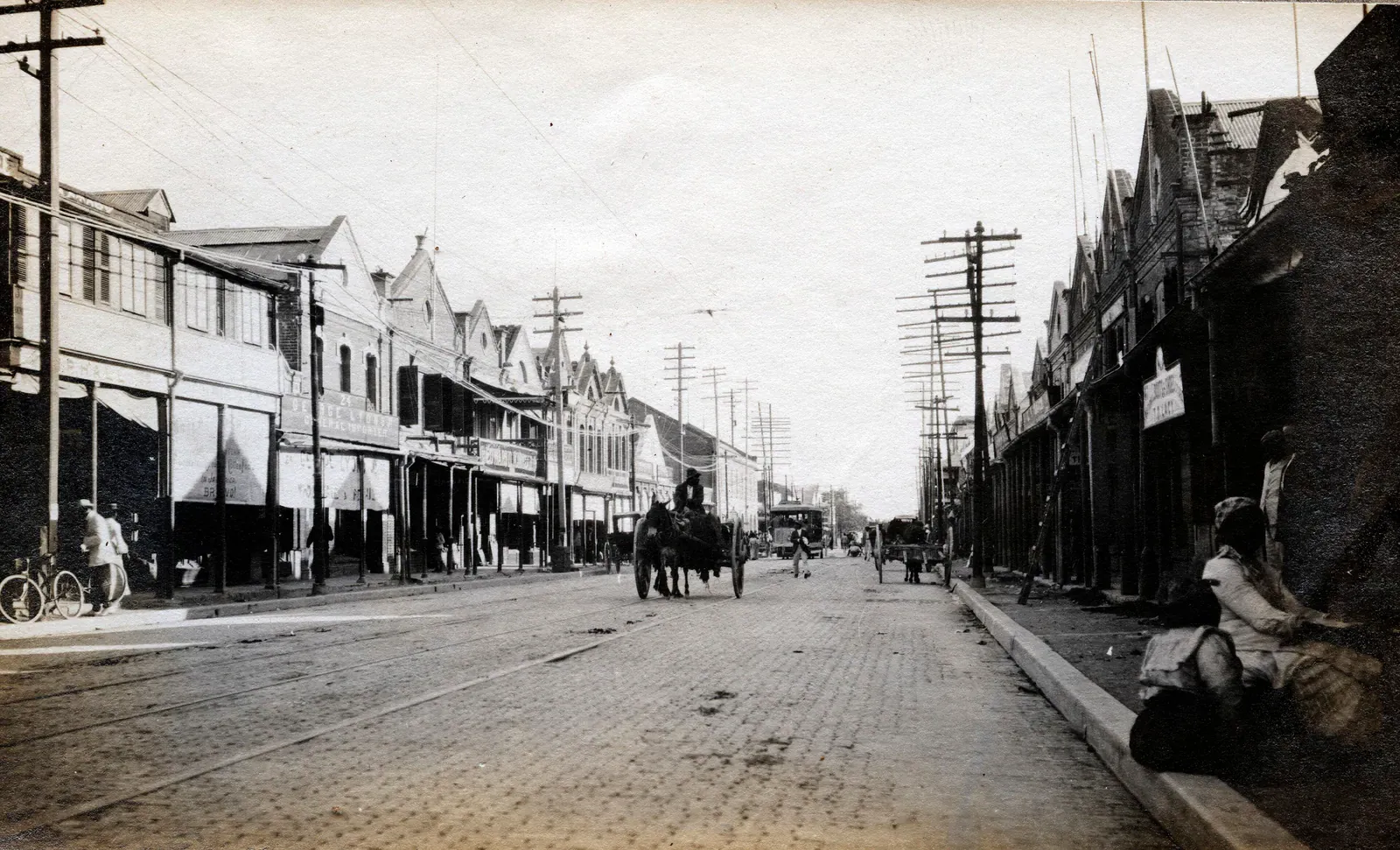
The word itself arrived in 1968. “Do the Reggay” by the Maytals, produced by Leslie Kong for Beverley’s, was the first popular song to use it, and the name stuck to the new sound. Kong’s label also had Desmond Dekker, whose “Israelites” would carry Jamaican music abroad.
Rocksteady to reggae, 1966-1968
Ska had been fast and horn-driven. Around 1966 the tempo dropped into rocksteady, with harmony trios, a heavier bass and a more sung, romantic feel, recorded at Studio One, Treasure Isle and Joe Gibbs’s outfit. Reggae pushed the bass further forward and sharpened the offbeat: the guitar chops on the second and fourth beats (the skank) and a drummer who skips beat one and lands on three, the one drop.
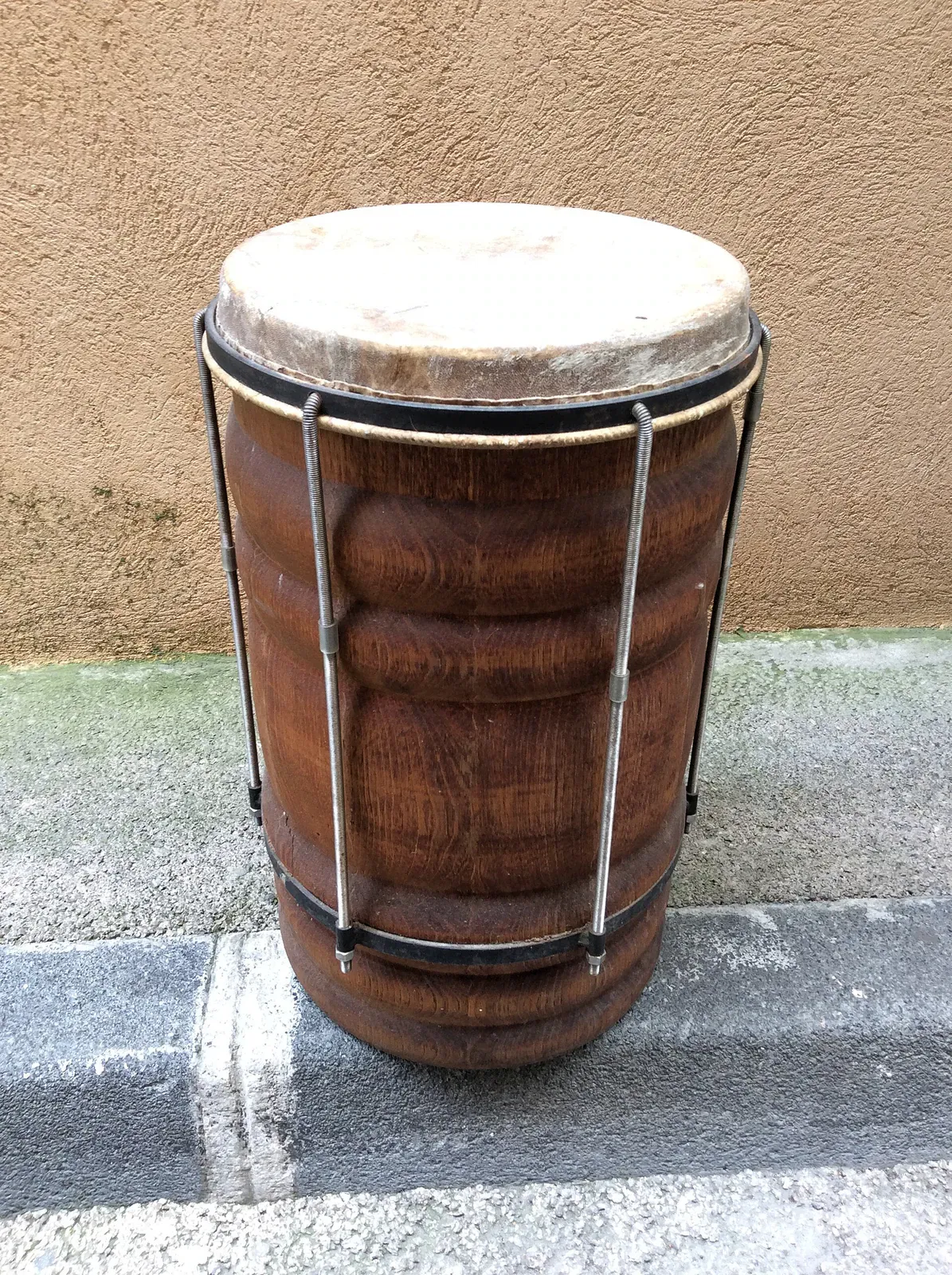
Rastafari mattered here as much as any technique. Nyabinghi drumming, the faith’s ritual drum gatherings, fed roots reggae’s slow, heavy pulse, and its language (Iyaric) crept into lyrics about Africa, Babylon and repatriation.
First hits and export, 1968-1972
Two moments opened the door. In April 1969 Desmond Dekker and the Aces’ “Israelites” reached number one in the UK, the first Jamaican-produced record to do so, and it climbed to number 9 in the United States. In London, Trojan Records launched in 1968 as the main UK outlet for Jamaican releases, feeding a Caribbean diaspora that had settled in Britain.
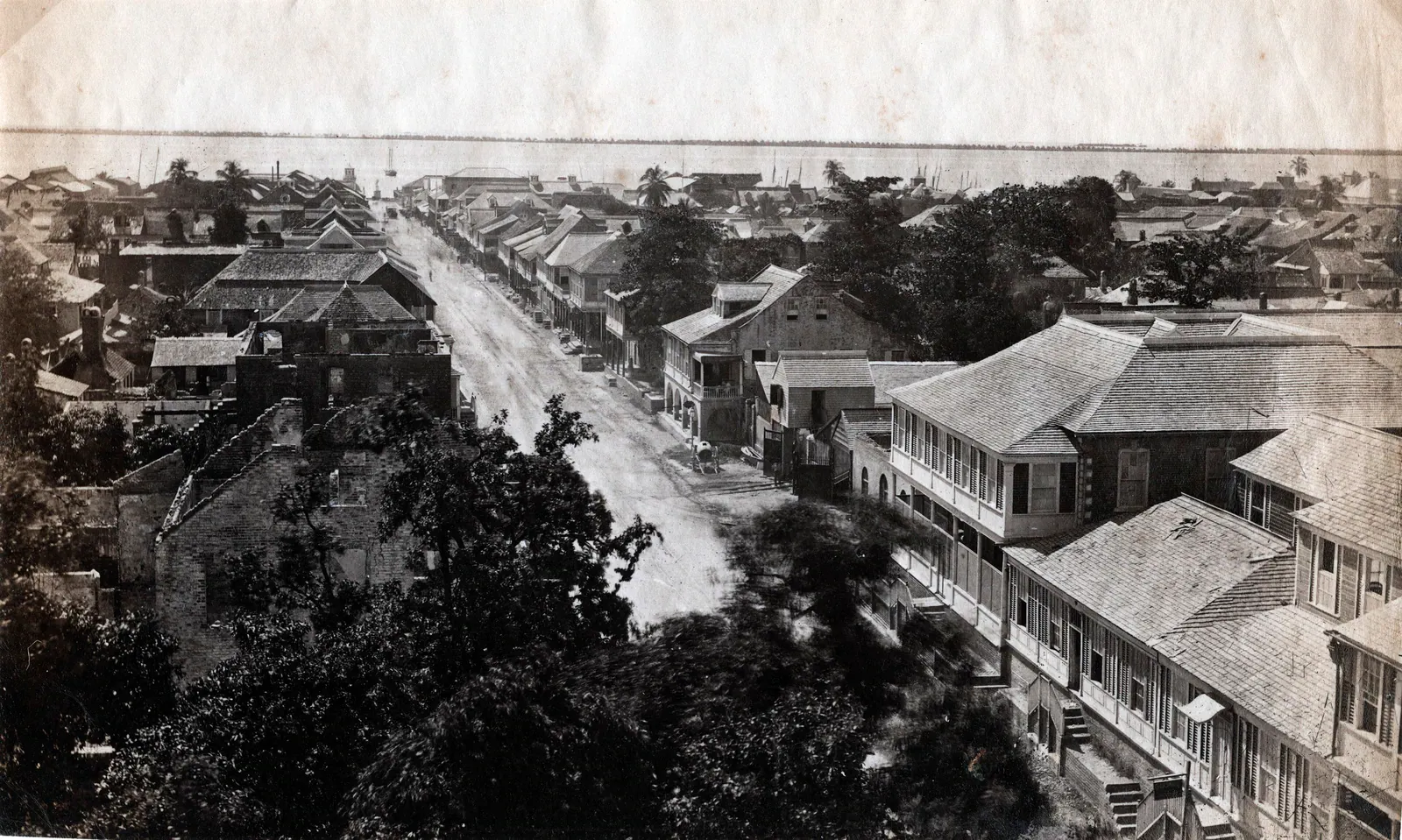
In 1972 Perry Henzell’s film “The Harder They Come”, starring Jimmy Cliff, put Kingston’s slums, gangs and recording industry on cinema screens, and its soundtrack was reggae’s breakthrough in the US. Island Records, started in Jamaica by Chris Blackwell, was waiting to build on it.
Roots and dub, 1973-1981
Blackwell signed Bob Marley and the Wailers, and “Catch a Fire” (1973) was packaged for rock listeners. Marley’s Tuff Gong kept his own releases rooted in Kingston. Eric Clapton covered “I Shot the Sheriff” in 1974, the live “No Woman, No Cry” from London’s Lyceum became his first international hit in 1975, and “Exodus” followed in 1977. Peter Tosh, Burning Spear, Jimmy Cliff and Toots Hibbert gave roots reggae several different voices.
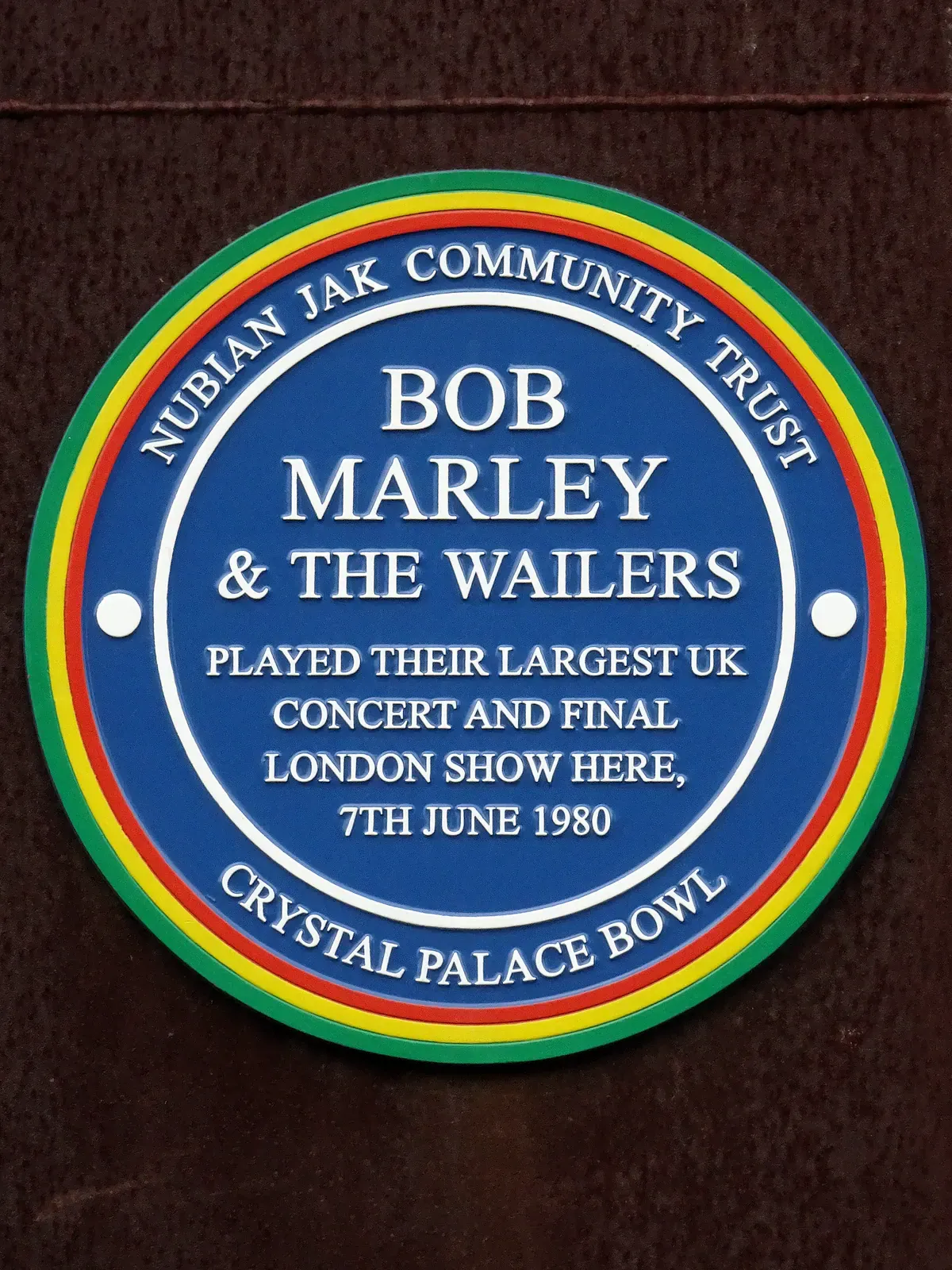
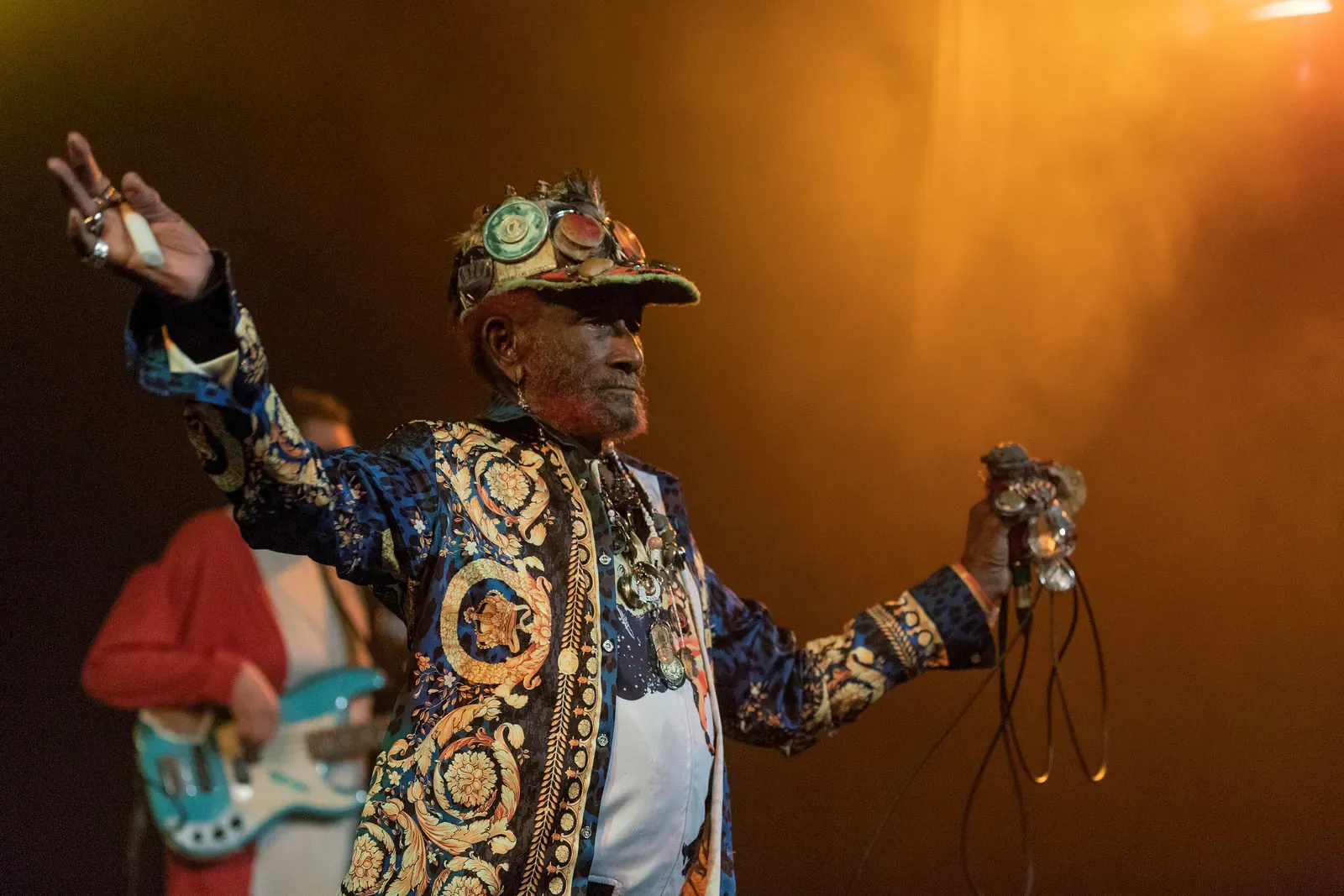
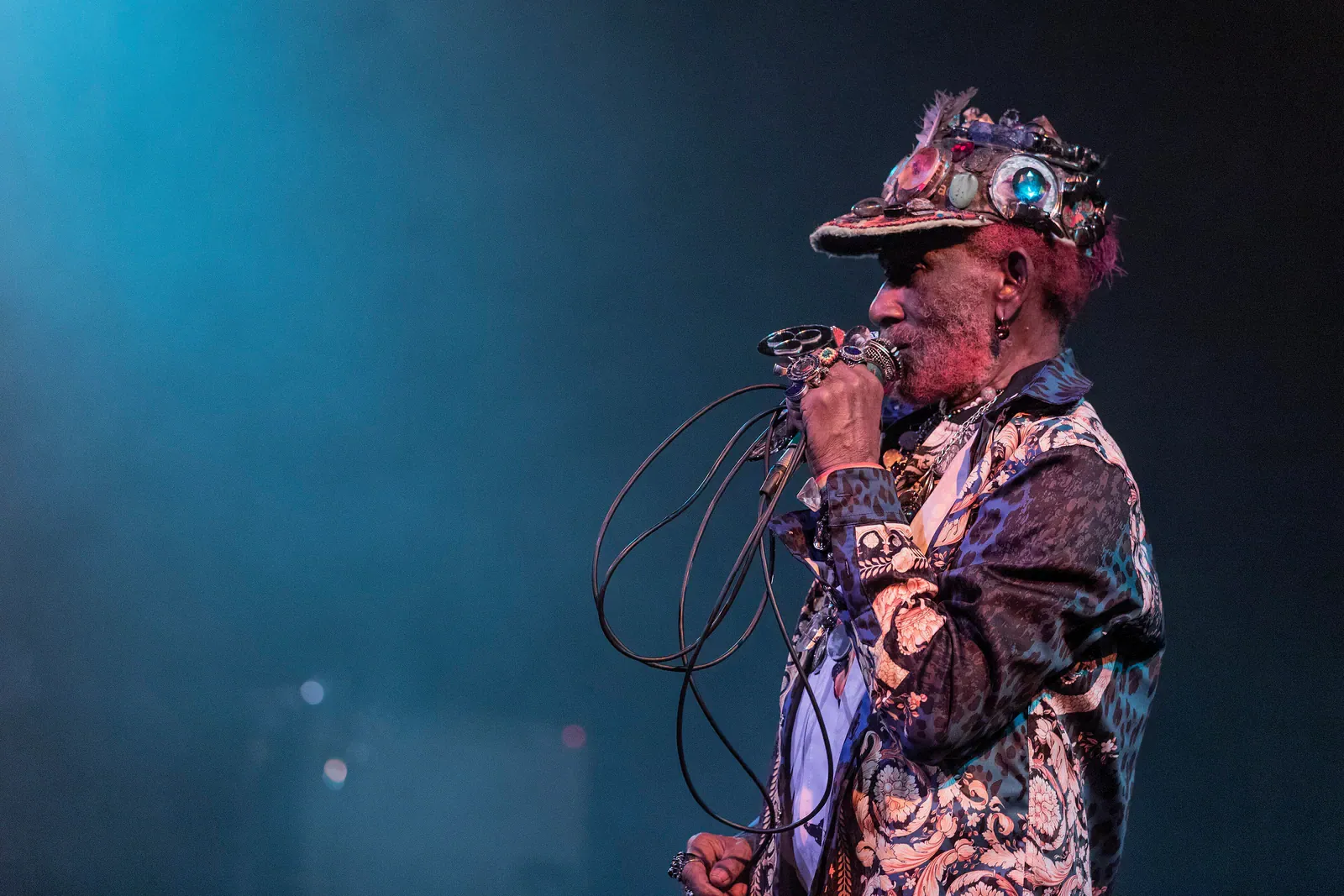
Behind the singers, engineers rewrote the rules. King Tubby set up his Hometown Hi-Fi in Waterhouse in 1968 and played a custom mixing desk like an instrument, stripping vocals from instrumental “versions” and flooding them with echo and reverb. Lee “Scratch” Perry built the Black Ark in his backyard in 1973 and layered four tracks of odd sounds into records like “Super Ape”. That is dub: the studio as the performer.
Politics sat close by. Tosh’s “Legalize It” was banned in Jamaica at first. In 1976 gunmen attacked Marley at his home, and he left for London. In April 1978 at Kingston’s National Stadium he joined the hands of rival leaders Michael Manley and Edward Seaga on stage at the One Love Peace Concert. When he died in Miami on 11 May 1981, aged 36, Jamaica had already awarded him its Order of Merit.
British reggae and punk, 1975-1978
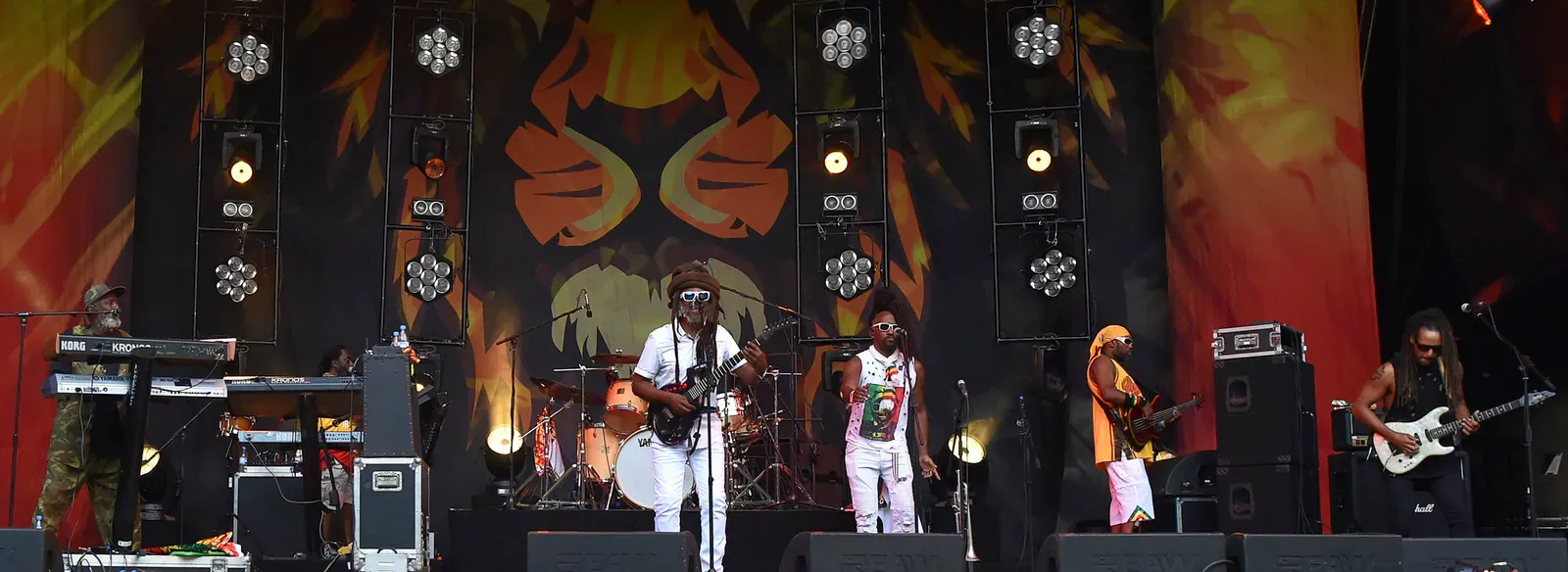
London’s diaspora made its own roots reggae. Birmingham’s Steel Pulse formed in Handsworth in 1975, and their 1978 debut “Handsworth Revolution” reached number 9 in the UK album chart. Culture’s “Two Sevens Clash”, a Joe Gibbs production from 1977, reached the British punk crowd, which found in reggae the other music of resistance. Rock bands such as the Clash borrowed the bass-heavy sound, while reggae’s own UK labels, among them Greensleeves and later Mad Professor’s Ariwa, built a native scene.
Lovers, pop and the digital turn, 1982-1999
Gregory Isaacs’s “Night Nurse” (1982) made smooth lovers reggae a club and radio staple. The Grammys added a reggae category in 1985, and Black Uhuru won the first award for “Anthem”. Steel Pulse took the 1987 award for “Babylon the Bandit”, the first non-Jamaican act to win it. In Birmingham, UB40 turned reggae into pop; their “Red Red Wine” (1983, on DEP International) reached radio on both sides of the Atlantic.
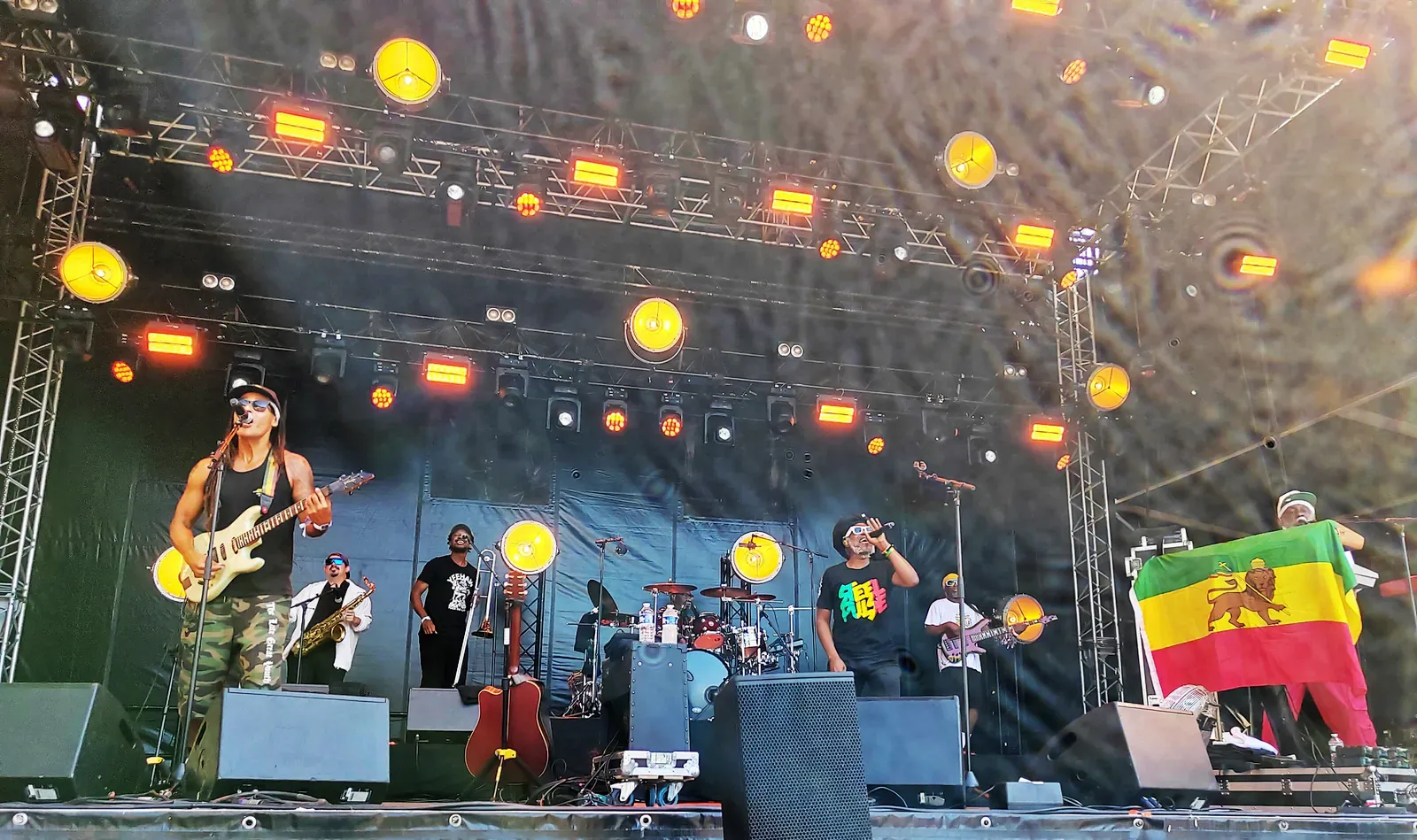
Not everyone approved. The digital turn of 1985, when Wayne Smith and King Jammy built “Under Mi Sleng Teng” around a Casio keyboard preset, ended the live-band default. It also created the modern riddim economy, where one backing track serves dozens of singers, and fed dancehall.
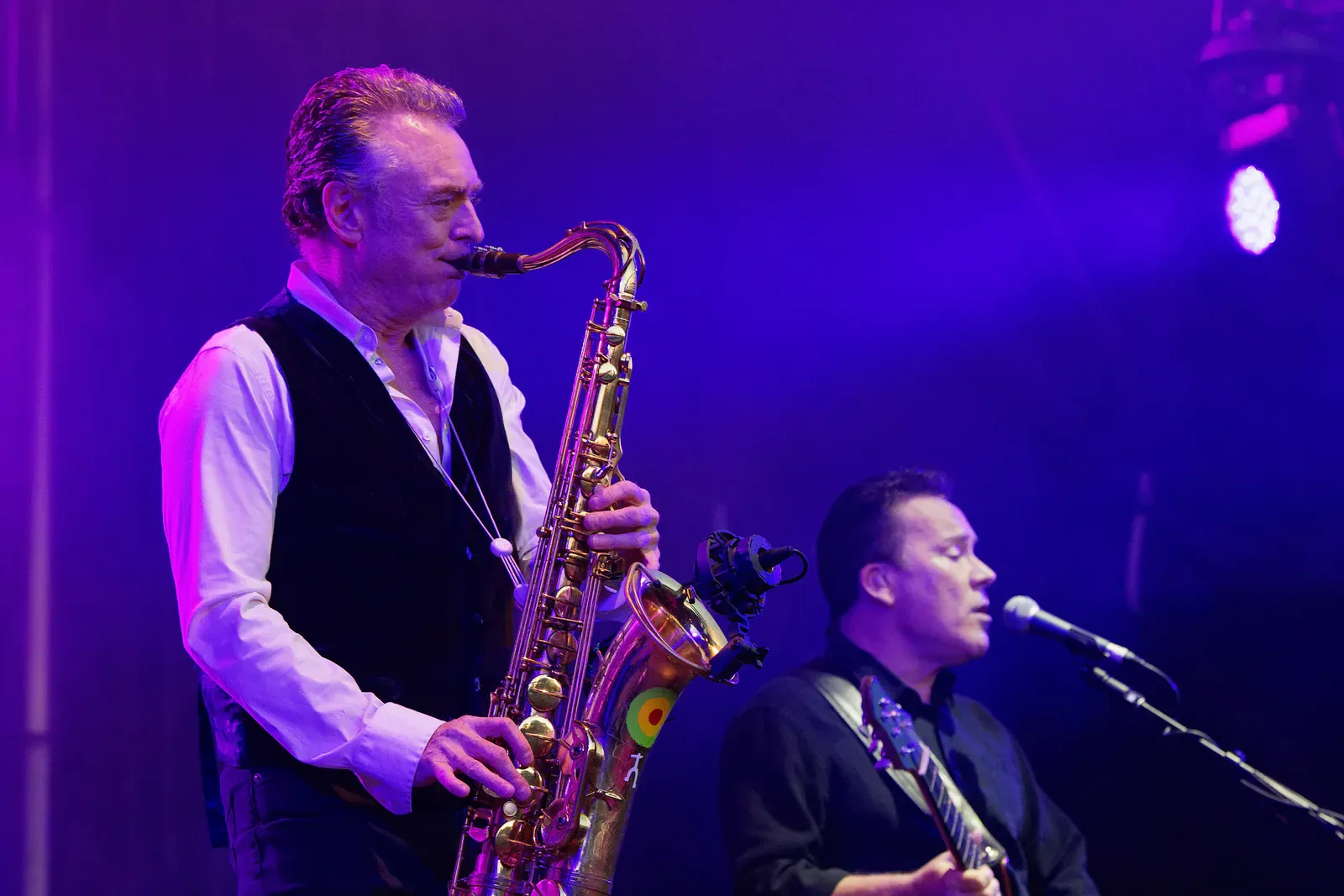
Characteristics
Reggae places the bass at the centre of the mix. The bass line is melodic and heavy, the rhythm guitar plays the skank on the second and fourth beats, and the drummer’s one drop puts the main accent on beat three. Tempos sit between about 60 and 90 beats per minute in 4/4. Harmony is simple, mostly major or minor triads in short repeating loops, with close vocal harmony behind the lead. Lyrics range from love songs to Rastafari faith, poverty, racism and political violence. Rockers, the style Sly Dunbar introduced around 1976, put a kick drum on every beat, and dub strips a record down to bass and drums for the engineer to reshape.
Instruments and production
The core band is electric bass, rhythm guitar, drums and organ, often with horns and a percussionist. The organ plays a low, syncopated shuffle known as the bubble, and the Hohner Clavinet also appeared in 1970s reggae. Studio One and Black Ark, the latter with a four-track recorder and tape echo units, shaped the sound as much as the players. Tape echo, such as the Roland Space Echo, and spring reverb became the sound of dub. Electronic drums came with Sly Dunbar’s Syndrum and, by 1984, Simmons kit, and the 1985 shift to the Casio MT-40 preset behind “Under Mi Sleng Teng” moved production from live bands to keyboards and drum programming.
Notable recordings
“Exodus” came out of exile. Marley made it in London after the 1976 shooting, and its seven-minute title track became his first single widely played on black US radio. “Legalize It” was Tosh’s solo statement; the title track was banned at first in Jamaica yet helped make him an international name. And “Under Mi Sleng Teng” showed that a keyboard preset could replace a rhythm section.
Culture
Reggae culture is spiritual, local and collective. Rastafari colours, dreadlocks and Iyaric wordplay entered everyday talk far beyond Jamaica. Sound systems stay the heart of the scene: a selector plays a dubplate, a one-off acetate cut for a single system, and a DJ toasts over a version. Festivals extended it, from the first Reggae Sunsplash in Montego Bay in 1978 to the European summer circuit today.
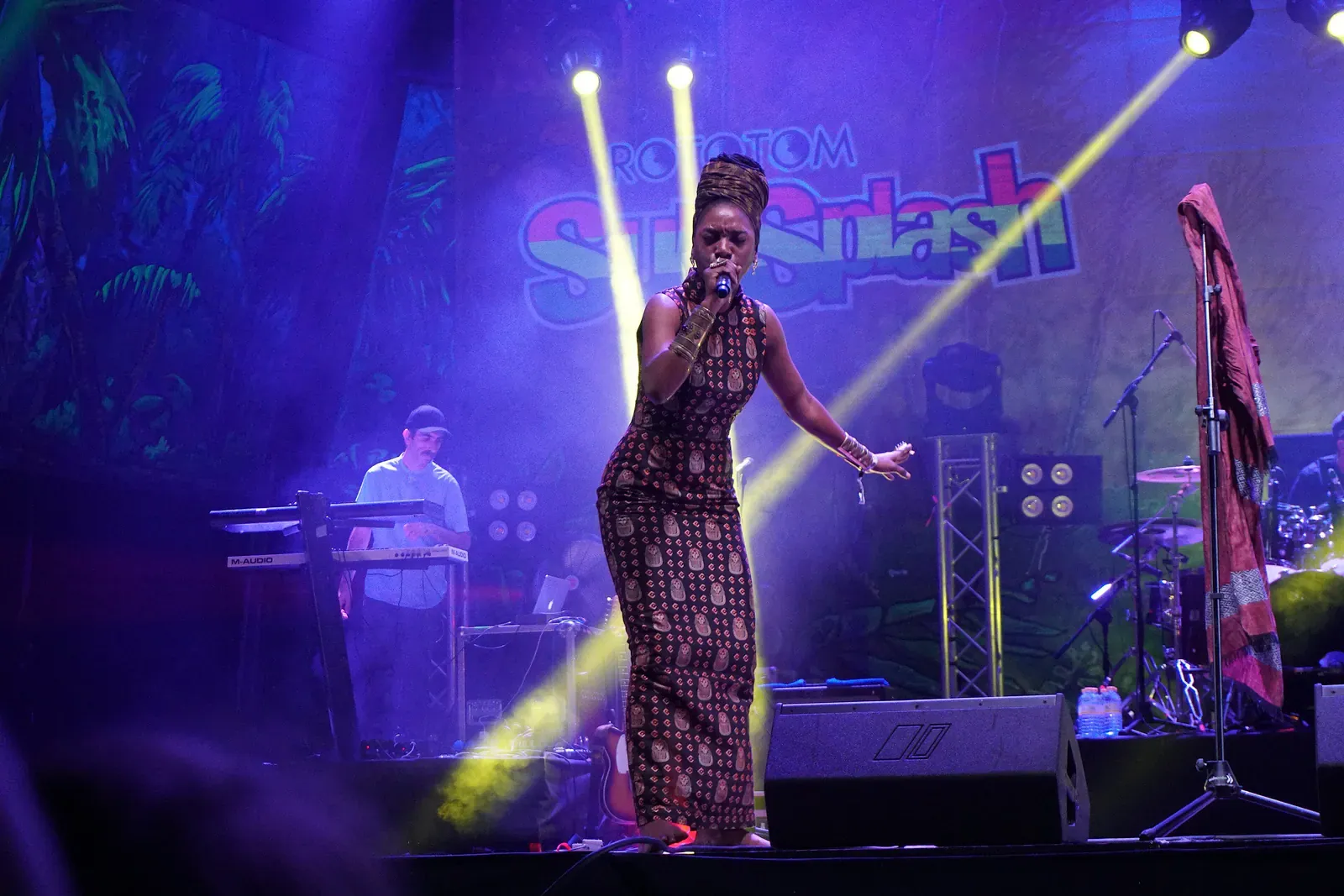
The scene’s economics were thin for the artists. Producers often owned the masters, and a riddim could be re-voiced a dozen times. That is part of why labels like VP Records in New York, founded in 1979, became important distributors of the music.
Misconceptions
Reggae is just Bob Marley. Marley was its first global star, but Dekker, Cliff, Tosh, Dennis Brown, Gregory Isaacs and Toots Hibbert shaped it too, and the studio engineers behind dub changed music as much as any singer.
Reggae means ska. Ska came first and is faster and horn-led. Reggae evolved from rocksteady, a slower form with a different bass and drum feel.
It is always laid-back and sunny. Much of it is protest and warning music, about poverty, racism, politics and violence.
Frequently asked questions
Where did reggae come from?
Reggae came from Kingston, Jamaica, in the late 1960s, growing out of ska and rocksteady. The name was popularised by the 1968 single “Do the Reggay”.
What is the one drop rhythm in reggae?
The one drop is a drum pattern that leaves beat one empty and places the main accent on beat three. Together with the offbeat guitar skank and a melodic bass line, it defines reggae’s feel.
What is the difference between reggae and dub?
Reggae is the song form with vocals; dub is a remix of it. Engineers like King Tubby and Lee Perry removed the singer and added echo, reverb and drum and bass drops.
Who are the most important reggae artists?
Bob Marley and the Wailers brought reggae to a worldwide audience in the 1970s. Desmond Dekker, Jimmy Cliff, Peter Tosh, Toots Hibbert, Burning Spear and Gregory Isaacs were central figures, and Lee “Scratch” Perry and King Tubby shaped dub.
Is reggae still made today?
Yes. Younger Jamaican artists revived live roots reggae after 2000, Koffee won the Grammy for Best Reggae Album at 19 in 2020, and reggae music of Jamaica was listed by UNESCO in 2018. Related Caribbean traditions are covered on the Caribbean music page, and its punk cousin on the punk rock page.
Sound
Sound sheet
Anatomy of a track
| # | Part | Bars |
|---|---|---|
| 1 | Intro (bass or organ riff) | 4 |
| 2 | Verse | 16 |
| 3 | Chorus | 8 |
| 4 | Verse | 16 |
| 5 | Chorus | 8 |
| 6 | Horn or instrumental break | 8 |
| 7 | Final chorus and fade | 8 |
Signature sounds
- Offbeat guitar skank
- One drop drum accent on beat three
- Heavy, melodic bass line
- Organ shuffle
- Horn riffs between vocal lines
- Dub version on the B-side
Drums and percussion
- Acoustic drum kit
- Syndrum
- Simmons electronic kit
- Nyabinghi hand drums
Synths and software
- Hohner Clavinet
- Casio MT-40
Techniques
- One drop
- Skank
- Organ bubble
- Rockers beat
- Dub version
- Tape echo and spring reverb
- Riddim re-voicing
Keys and modes
Major. Diatonic triads on I, IV and V carry most songs, often in short repeating loops
Natural minor. Minor-key roots and dub tunes lean on the same simple triad movement
Vocals
Lead singers over close harmony backing, from vocal trios to the I-Threes, with toasting or singjay delivery over versions
Scenes
Where it happened
Where and when the sound lived: one bar per city on a shared timeline.
Caribbean
Europe
Africa
Active scenes
Peak 5, 1980
Home of the studios, sound systems and labels where the music was made.
Trojan Records launched here in 1968 and the diaspora built a lasting audience.
Steel Pulse formed in Handsworth in 1975 and UB40 in 1978.
Reggae Sunsplash ran here from 1978.
Marley played Independence Day 1980 and boosted reggae's profile across Africa.
Venues and places
Kingston, 1963 to today. Coxsone Dodd's Brentford Road studio, home of the Skatalites, the Wailers and the Heptones.
Kingston, 1972 to today. 10 Roosevelt Avenue, where much of the early Island-era Wailers work was recorded.
Kingston, 1973 to 1979. Lee Perry's backyard studio in Washington Gardens, closed in 1979 after a fire.
Kingston, 1968 to today. King Tubby's Waterhouse base, where dub was shaped on a custom mixing desk.
Kingston, 1973 to today. Marley's home and Tuff Gong headquarters, now the Bob Marley Museum.
Kingston, 1978 to today. Host of the One Love Peace Concert on 22 April 1978.
Montego Bay, 1978 to today. Main site of Reggae Sunsplash from its first edition.
London, 1975 to today. Where Marley's 1975 live No Woman, No Cry was recorded.
Culture
Culture markers
- Nyabinghi drumming
Rastafari drum gatherings that influenced roots reggae's rhythm and spirituality.
Ritual - Skanking
The upbeat dance step named for the guitar chop it follows.
Dance - Riddim
Many singers record one backing track, so a riddim becomes a shared song bank.
Slang - Iyaric
Rastafari wordplay that spreads into lyrics and everyday talk.
Slang - Red, gold and green
Rastafari colors and dreadlocks became the visual code of roots reggae.
Fashion
Media
Key media
- 1972The Harder They Come
by Perry Henzell. Jamaican crime film starring Jimmy Cliff whose soundtrack introduced reggae abroad.
Film - 1978Rockers
by Jamaican production. Jamaican film set in the Kingston music scene.
Film - 1984Legend
by Bob Marley and the Wailers. The best-selling reggae album of all time.
Compilation
Glossary
Terms on this page
A single-copy acetate cut for a sound system, often with custom lyrics.
Rastafari speech that reshapes English words, used in many reggae lyrics.
The drum pattern that leaves the first beat empty and accents beat three.
An instrumental backing track that many singers record over.
Short, choppy chords played on the offbeat, also the dance step that goes with them.
A mobile dance setup of powerful speakers, a selector and a DJ, which launched Jamaica's labels.
Rhythmic spoken vocals over a version, delivered by a sound-system DJ.
An alternate mix, often a B-side with the vocals removed, which is the root of dub.
Caribbean family