Dancehall
Dancehall is Jamaican dance music from the late 1970s, built on deejays chatting over reusable riddims and, from 1985, on digital keyboards and drum machines.
Jamaica, around 1978
Caribbean family
Born
around 1978
Jamaica
Subgenres
8
Documented branches
Links
50
Genres it drew on or shaped
Tempo
80-105 BPMLineage
Family tree
Derived from
Influenced by
Jamaica
Dancehall
Led to (11)
Timeline
Era by era
From the first sparks to today. Select a dot to read the story behind it.
- Sound system deejays
1978 to 1984
- Digital riddims
1985 to 1991
- Ragga and rivalries
1992 to 1999
- Pop crossover
2000 to 2009
- Kartel and the streaming era
2010 to today
Eras
Moments
- 1 Sound system deejays, 1978 to 1984
- 2 Digital riddims, 1985 to 1991
- 3 Ragga and rivalries, 1992 to 1999
- 4 Pop crossover, 2000 to 2009
- 5 Kartel and the streaming era, 2010 to today
around 1978
Sound system deejays
Inner-city Kingston dances turned away from roots reggae. Deejays chatting over reused rhythm tracks, such as Yellowman and Sister Nancy, became bigger draws than singers.
- 1978Dancehall forms in KingstonWorking-class dances in inner-city Kingston favor local sound systems over internationally oriented roots reggae.
- 1981A Whole New Generation of DJsA Junjo Lawes-produced album presents a new wave of deejays, including Yellowman.
- 1982Mister YellowmanYellowman's first studio album appears and starts a run of hit albums for Greensleeves.
- 1983DanceHall concert series namedInnerCity Promotions stages concerts under the single-word title DanceHall, giving the music its name.
1985
Digital riddims
Wayne Smith's Under Mi Sleng Teng, built on a Casio keyboard preset, started a shift to keyboard-made riddims, and Shabba Ranks took the style abroad.
- 1985Under Mi Sleng TengWayne Smith and King Jammy release the first hit riddim built on a Casiotone keyboard preset.
- 1990Dem BowShabba Ranks voices a Steely and Clevie riddim that later underpins reggaeton.
1992
Ragga and rivalries
Shabba Ranks won Grammys, while Beenie Man, Bounty Killer, Buju Banton and Super Cat made dancehall the dominant music of Jamaica.
- 1992Shabba Ranks wins a GrammyHe wins the first of two consecutive Grammys for Best Reggae Album.
- 1993Anti-gay lyrics draw protestSongs such as Buju Banton's Boom Bye Bye begin years of protest over homophobic lyrics in dancehall.
- 1998Who Am I (Sim Simma)Beenie Man's hit reaches the UK top ten.
2000
Pop crossover
Sean Paul's Get Busy reached number one in the US in 2003, and dancehall songs adopted pop choruses and hooks.
- 2001Beenie Man wins a GrammyArt and Life takes the Best Reggae Album award.
- 2003Get Busy tops the Hot 100Sean Paul's single becomes the first dancehall song to reach number one in the US.
2010
Kartel and the streaming era
Vybz Kartel led the genre after 2010, dancehall rhythms shaped global pop hits in 2016, and rural deejays added a trap influence.
- 2010Vybz Kartel leads the genreHis rap-influenced delivery and Portmore Empire crew set the sound of the decade.
- 2016Dancehall rhythms in global popRihanna's Work and Drake's One Dance carry dancehall-pop onto Western charts.
Listening path
Start listening
A short path from an easy way in to the deep end. Thumbnails come from YouTube; the player loads only when you press play.
- 01
Wayne Smith, 1985
The digital riddim that reset Jamaican production; listen for the preset bass and the sparse drums.
- 02
Yellowman, 1983
Early 1980s deejay style, with chatted lines over a live-band riddim.
- 03
Shabba Ranks, 1990
Listen for the riddim whose pattern later drives reggaeton.
- 04
Beenie Man, 1998
Late 1990s dancehall at its most melodic, with a sung hook between chatted verses.
- 05
Sean Paul, 2003
The pop-ready sound that took dancehall to number one in the US.
Dancehall is a style of Jamaican popular music that took shape in the late 1970s as a sparser, more dance-oriented successor to roots reggae. A deejay chats or toasts in Jamaican Patois over a riddim, an instrumental backing track that can serve dozens of songs.
From the mid-1980s the riddims were made on digital keyboards and drum machines, a phase often called ragga. The genre is also known as bashment, and it sits in the Caribbean family.
Origins
Dancehall began among working-class people in inner-city Kingston who could not take part in the dances uptown. The political shift of the late 1970s, from the socialist government of Michael Manley to the Jamaica Labour Party under Edward Seaga, was echoed in the music. Roots reggae had aimed at international respectability and spoke of social justice, repatriation and Rastafari. Dancehall turned to local audiences and to dancing, street life, violence and sex, often in a provocative and vulgar tone.
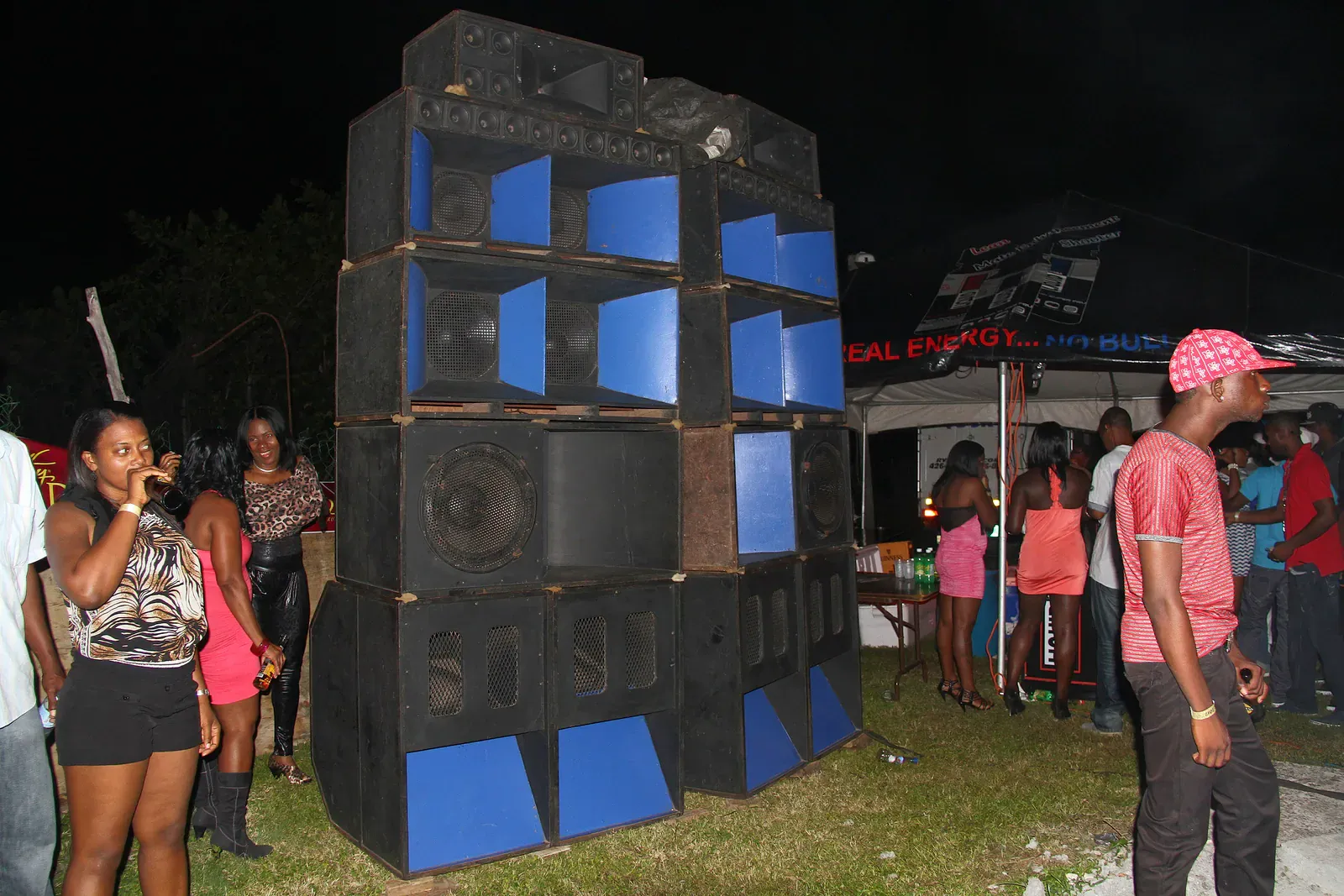
Radio would not play it, so sound systems carried it. These mobile stacks of speakers set up in open-air lots and yards, and the people running them became performers in their own right: the selector chose the records, the deejay talked over them, and the engineer wired the bass to travel far. The word dancehall first named the venue, and became the name of the music in the early 1980s, when a Kingston promotion company staged concerts under the single-word title DanceHall.
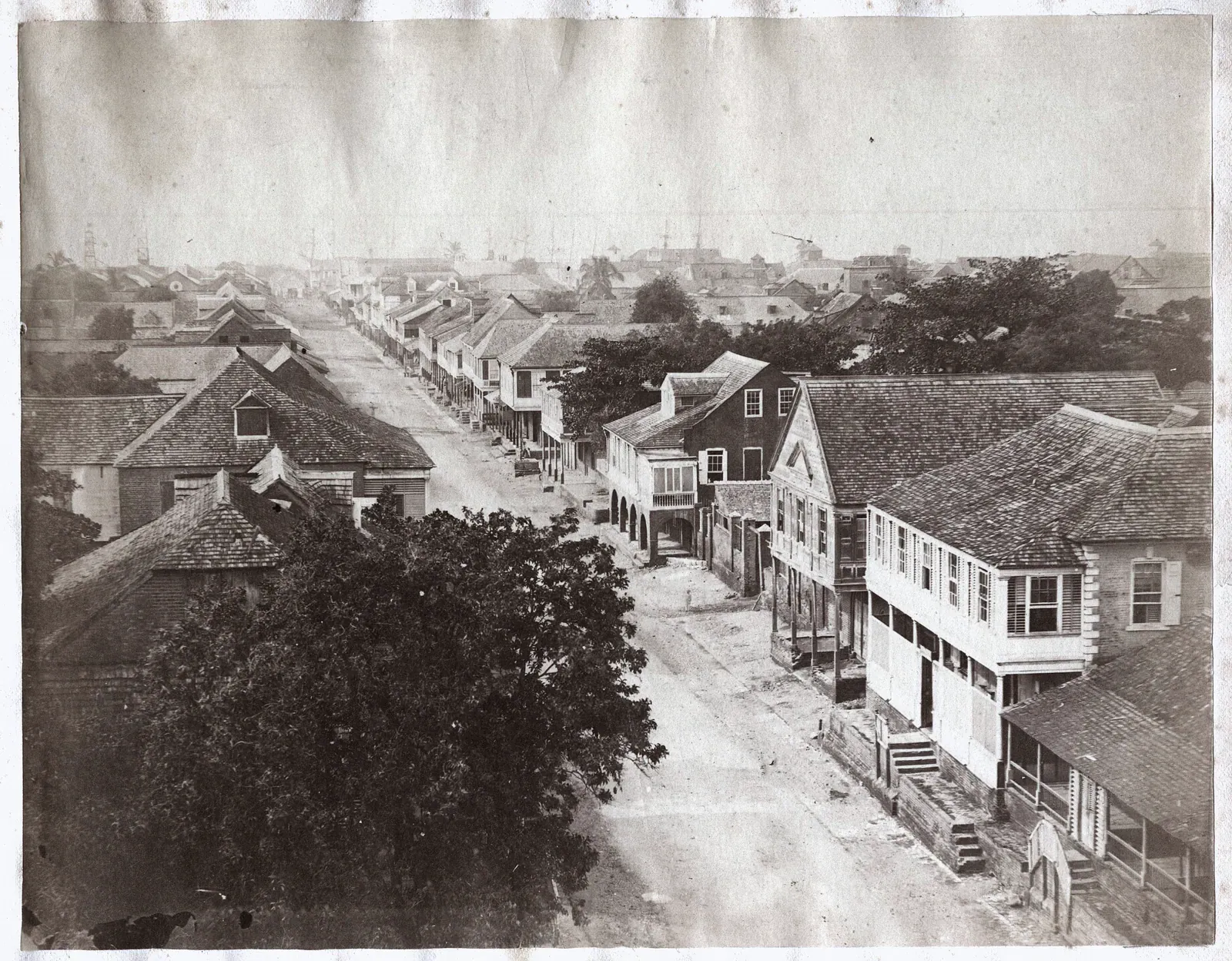
Kingston sound systems, 1978-1984
Early dancehall deejays rode backing tracks lifted from 1960s and 1970s reggae. Sound systems such as Killimanjaro, Black Scorpio and Volcano Hi-Power backed a new wave of deejays: Ranking Joe, Clint Eastwood, Lone Ranger, Josey Wales, General Echo and Yellowman. The 1981 album A Whole New Generation of DJs, produced by Junjo Lawes, captured the change. For the first time, deejay records mattered more than records by singers.
Yellowman became the biggest name. Mister Yellowman (1982) and Zungguzungguguzungguzeng (1983) came out on Greensleeves, and he became the first Jamaican deejay signed to a major American label. His sexually explicit lyrics gave the word slackness to the culture. Women deejays appeared in the same years, among them Lady G, Lady Saw and Sister Nancy, whose Bam Bam dates from 1982. Sound clash albums, recordings of rival sound systems competing live, became a format of their own.
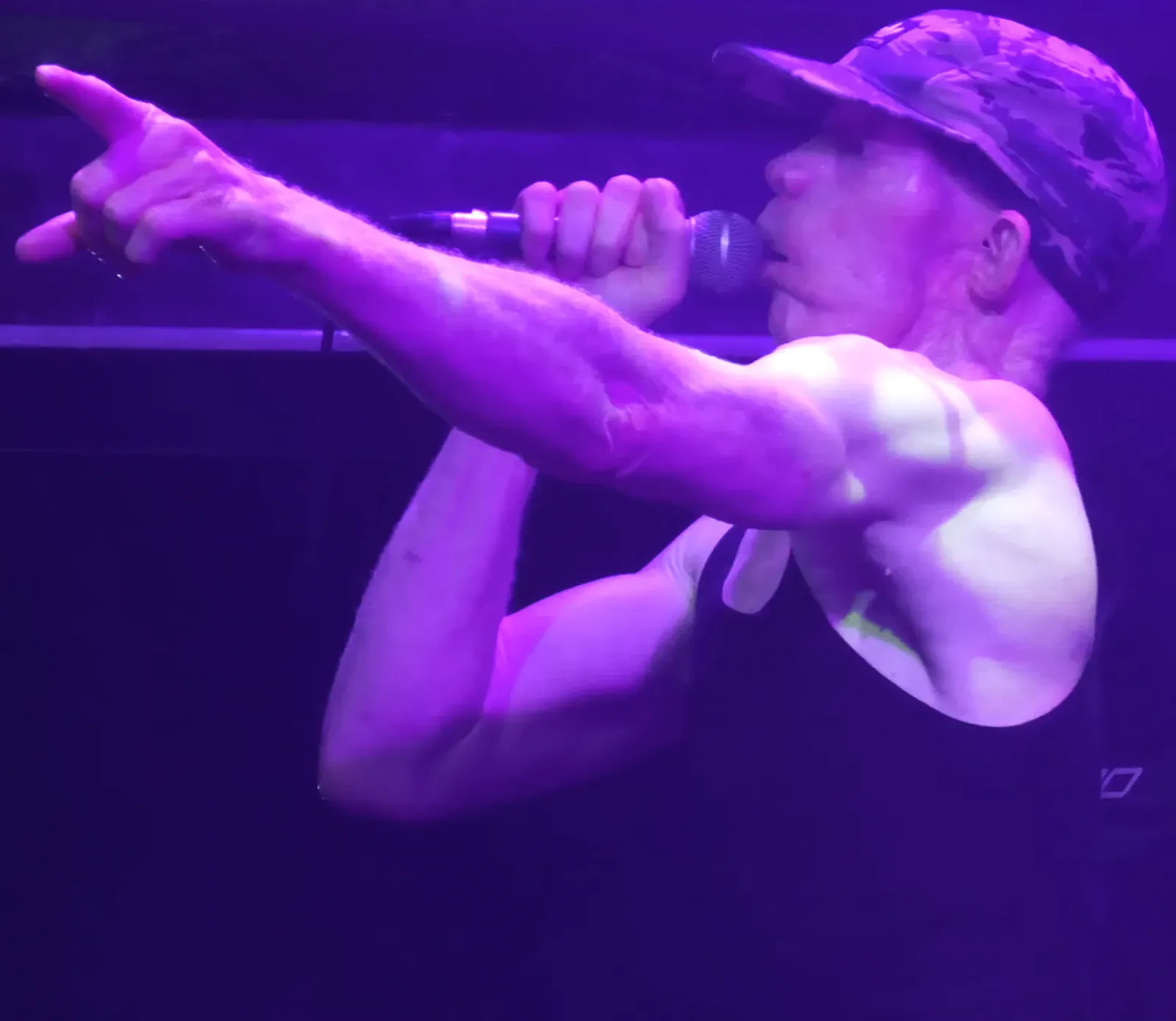
Digital riddims, 1985-1991
In 1985 Wayne Smith and the producer King Jammy released Under Mi Sleng Teng. The riddim came from a preset on a Casiotone MT-40 keyboard, completed with piano, percussion and a Pollard Syndrum electronic drum. It is among the first digital productions in Jamaica and has been used on more than 500 songs. The consequence was lasting: previously a singer brought a melody to a producer who hired session players, and afterward most riddims were made electronically by keyboard players alone, giving a tougher sound suited to sound systems. Sly and Robbie, Steely and Clevie and Mafia and Fluxy adopted electronic instruments, and purists argued over whether the result was still reggae.
Ragga and rivalries, 1992-1999
Shabba Ranks took the style abroad. He won the Grammy for Best Reggae Album in 1992 and 1993, and his 1990 record Dem Bow, on a Steely and Clevie riddim, became the rhythmic basis of reggaeton. In Jamaica a new generation led the charts: Beenie Man, Bounty Killer, Buju Banton, Super Cat, Ninjaman and Mad Cobra, alongside sweet-singing falsetto singers such as Pinchers, Cocoa Tea, Frankie Paul and Barrington Levy. Beenie Man and Bounty Killer fed the decade with a public rivalry, and Beenie Man’s Who Am I (Sim Simma) reached the UK top ten in 1998.
This period also produced the genre’s most heated controversy. Lyrics hostile to gay people, as in Buju Banton’s Boom Bye Bye, drew protests that continued for years.
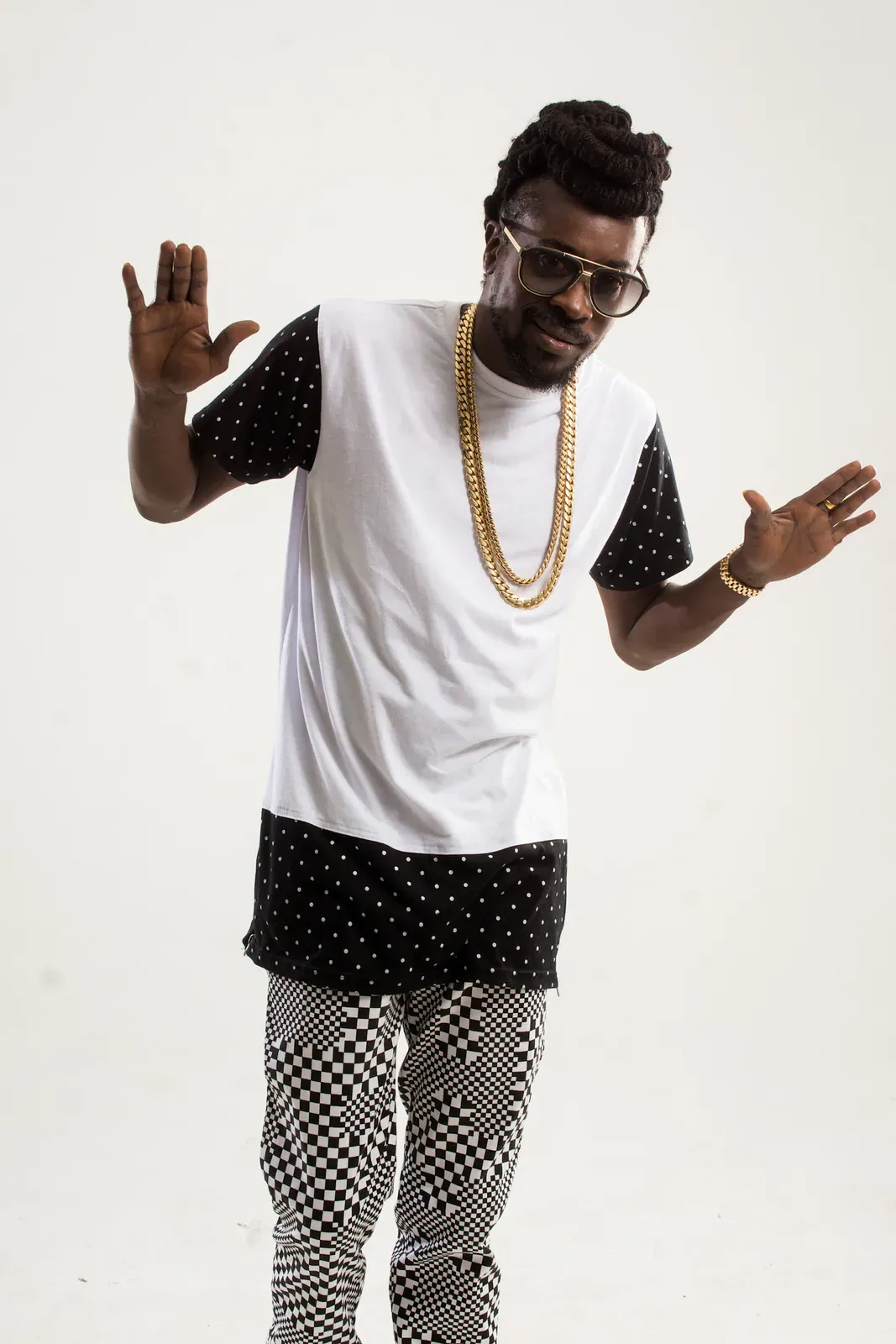
Pop crossover, 2000-2009
By the early 2000s dancehall had reached audiences in North America, Australasia and western Europe. Sean Paul’s Get Busy, from Dutty Rock, became the first dancehall single to top the US Billboard Hot 100 in 2003. Songs of the period used pop structures, with repeated choruses, melodic hooks and some less explicit lyrics, and collaborations became routine, such as Beenie Man with Mya and Sean Paul with Beyonce. Elephant Man, Vybz Kartel, Mavado, Lady Saw and Spice kept the home audience engaged.
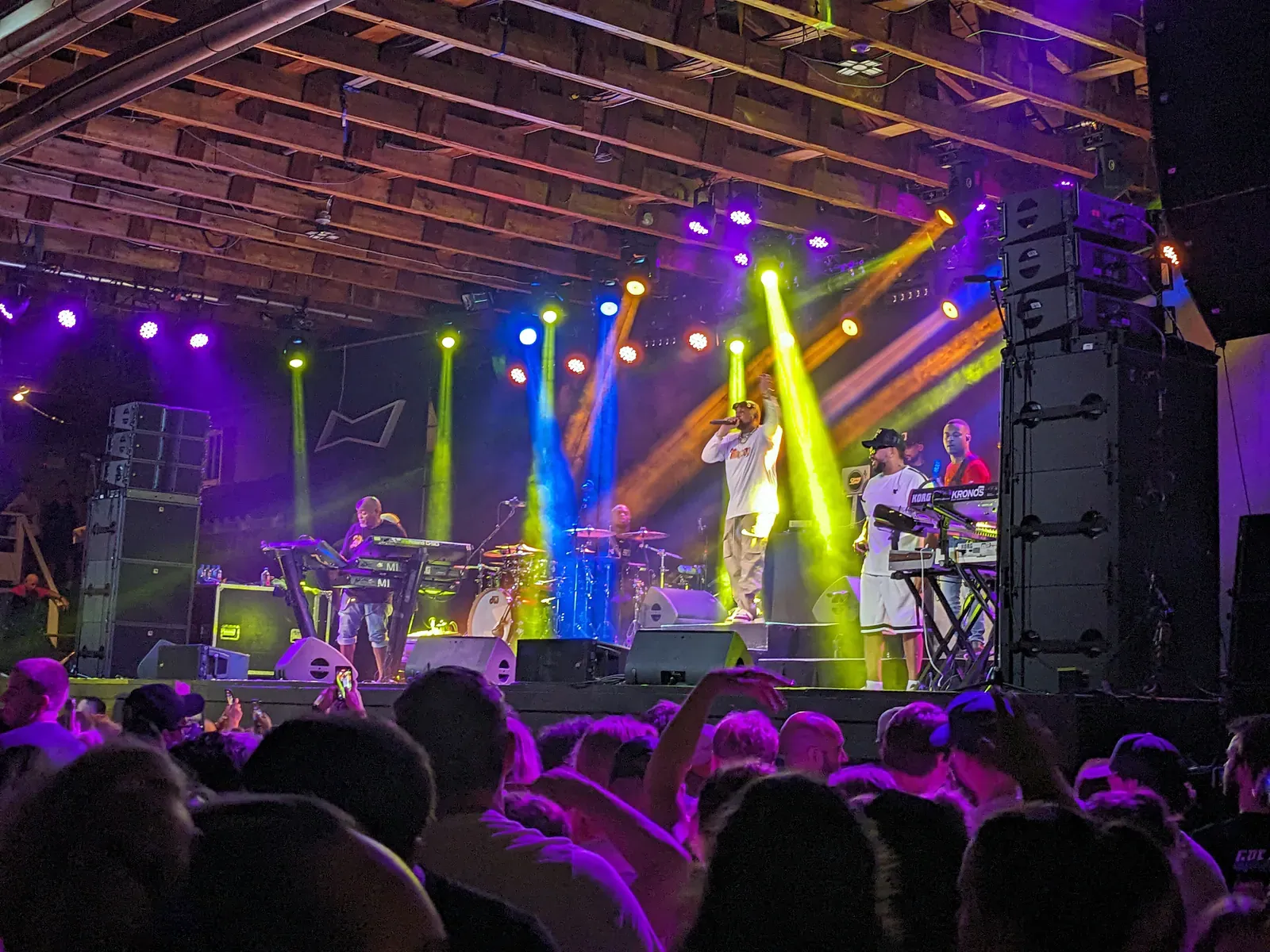
Kartel and the streaming era, 2010 onward
After 2010 Vybz Kartel became the leading figure, with a rap-influenced delivery and a crew called the Portmore Empire that included Popcaan and Tommy Lee Sparta. Alkaline’s 2016 debut New Level Unlocked topped the reggae charts. In 2016 dancehall rhythms also ran through Western pop hits such as Rihanna’s Work and Drake’s One Dance. In the late 2010s deejays from rural parishes, above all around Montego Bay, added the influence of American trap and gave rise to the trap dancehall branch.
Characteristics
Dancehall is organized around the riddim and the voice. A riddim is the bass and drum groove, and the song is the deejay’s voicing over it. A popular riddim can be recorded by many artists: Real Rock, first cut in 1967, had been used on at least 269 songs by 2006. The tempo is slow for dance music, around 80 to 105 beats per minute in four, with a heavy bass and sparse drums. Vocals are chatted in Patois, with sung hooks and falsetto singers in the lighter styles. Typical themes are dancing, status, sex, street life and politics.
Instruments and production
The core instruments are the sound system and the microphone. The shift to electronics replaced session bands with keyboard players and drum machines: a Casio preset for Sleng Teng, a LinnDrum for a UK version made by Fashion Records, and later whatever programming tools a producer could afford. King Jammy’s studio in Kingston’s Waterhouse area was the base for the digital turn, while London labels and deejays such as Smiley Culture and Tippa Irie took up Sleng Teng quickly.
Notable recordings
Under Mi Sleng Teng was released in 1985. Smith and the keyboardist Noel Davey offered it to several producers who rejected its electronic sound, and in December 1984 they brought it to Jammy, who slowed the tempo to suit reggae. Within months hundreds of tracks used the riddim, including songs by Johnny Osbourne, Tenor Saw and Sugar Minott. Dem Bow, on the other hand, shows the genre’s reach into other languages: Panamanian and Puerto Rican producers recycled its riddim in Spanish, creating the earliest reggaeton. Get Busy shows what changed by 2003, when the Jamaican sound was repackaged with a hook that radio could use.
Culture
Dancehall is also a dance culture. Songs launched or formalized moves such as the Bogle, Whine and Dip and Dutty Wine, and many steps seen in hip-hop videos are variations of them. Sound clashes pit rival systems against each other before a live crowd. Hand-painted posters announced the dances and became a visual signature, while the clothing changed from the red, green and gold of roots reggae to gold chains. Gun imagery has been a constant target of criticism. One scholarly reading treats the gunman as a theatrical badman role rather than literal violence, while some songs, such as Buju Banton’s Mr. Nine, condemn gun culture.
Legacy
Dancehall is the root of reggaeton and dembow, and of afroswing and trap dancehall, and its riddim method of reusing one backing track for many voices anticipated how producers share beats today. Western artists and producers, from Major Lazer to Drake, have drawn on it.
Misconceptions
Dancehall is sometimes taken to be reggae under another name. The two share Jamaican roots, but dancehall puts the deejay and the dance first, drops the spiritual and political themes of the roots style, and from 1985 relies on programmed riddims rather than live bands. Ragga is likewise not a separate genre: it names digital dancehall, the electronic riddim style that followed Sleng Teng. A third myth holds that Jamaican radio launched the music. In fact radio ignored it, and sound systems and record dealers spread it for years before it reached the airwaves.
Frequently asked questions
What is the difference between dancehall and reggae?
Reggae is the broader Jamaican style and includes the singers, harmony groups and message music of the 1970s. Dancehall is a later, sparser form in which a deejay chats over a riddim, and since 1985 the riddim is usually digital.
What does riddim mean in dancehall?
A riddim is the instrumental track, its bass line and drum pattern. One riddim can be used for many different songs, and each artist adds their own lyrics on top.
Who made the first digital dancehall hit?
Wayne Smith, with King Jammy, in 1985 with Under Mi Sleng Teng, built on a preset of a Casiotone MT-40 keyboard.
How fast is dancehall?
Most dancehall songs run at about 80 to 105 beats per minute in four-beat time. Tempo databases often list about double that figure, a double-time count of the same beat.
Sound
Sound sheet
Anatomy of a track
| # | Part |
|---|---|
| 1 | Riddim intro |
| 2 | Deejay verse |
| 3 | Sung hook |
| 4 | Verse and hook repeats |
Signature sounds
- Reused riddim
- Deejay chatting in Patois
- Heavy bass with sparse drums
- Looped short bass line
Drums and percussion
- Pollard Syndrum
- LinnDrum
Synths and software
- Casiotone MT-40
Techniques
- Riddim reuse
- Toasting and chatting
- Preset-based programming
- Sweet singing
Keys and modes
Ostinato vamps. Riddims loop a short bass line and chord cycle with little harmonic movement.
Vocals
Deejay chatting in Jamaican Patois, with sung hooks and falsetto singers.
Scenes
Where it happened
Where and when the sound lived: one bar per city on a shared timeline.
Caribbean
Europe
Active scenes
Peak 4, 2015-2025
Inner-city dances, sound systems and studios created the style.
UK labels and deejays such as Smiley Culture and Tippa Irie took up Sleng Teng and later dancehall.
Home town of Vybz Kartel's Portmore Empire crew.
Rural-parish deejays here blended dancehall with American trap in the late 2010s.
Venues and places
Kingston, 1982 to today. Site of the Saturday Nite Live concerts that preceded the DanceHall series.
Kingston, 1985 to today. Where Under Mi Sleng Teng was finished in the Waterhouse district.
Culture
Culture markers
- Dance crazes
Songs launched or formalized moves such as the Bogle, Whine and Dip and Dutty Wine.
Dance - Sound clashes
Rival sound systems and deejays compete live before an audience.
Ritual - Bashment
An alternate name for dancehall and for a lively party.
Slang - Hand-painted posters
Colorful dance posters became an icon of the genre.
Artwork
Media
Key media
- 1981A Whole New Generation of DJs
by Various. Produced by Junjo Lawes, it presented the new deejay wave.
Compilation - 1997Dancehall Queen
by Rick Elgood and Don Letts. A Jamaican feature film set in the dancehall scene.
Film - 2004Sound Clash
by Carolyn Cooper. A study of dancehall culture, gender and violent imagery.
Book
Glossary
Terms on this page
The vocalist who chats or toasts rhythmic lyrics over a riddim.
Digital dancehall, built on electronic riddims.
The instrumental backing track, often reused across dozens of songs.
The sound system operator who picks and plays records.
Sexually explicit lyrics, a term attached to Yellowman's records.
A live contest between rival sound systems or deejays.
Caribbean family