Dominican dembow
Dominican dembow is a fast, stripped-down form of the dembow rhythm that grew in Santo Domingo's barrios from the early 1990s, apart from reggaeton.
Santo Domingo, 1995
Latin family
Born
1995
Santo Domingo
Subgenres
1
Documented branches
Links
12
Genres it drew on or shaped
Tempo
105-125 BPMLineage
Family tree
Timeline
Era by era
From the first sparks to today. Select a dot to read the story behind it.
- Barrio origins
1991 to 2004
- Television and the street
2005 to 2012
- Regional growth and trapbow
2013 to 2017
- Global crossover
2018 to today
Eras
Moments
- 1 Barrio origins, 1991 to 2004
- 2 Television and the street, 2005 to 2012
- 3 Regional growth and trapbow, 2013 to 2017
- 4 Global crossover, 2018 to today
around 1991
Barrio origins
DJs in Santo Domingo speed up Jamaican dancehall records by hand, and the dembow riddim becomes the base of local street mixes and parties.
- 1989Poco Man Jam riddimJamaican producers Steely and Clevie create the riddim behind Shabba Ranks's Dem Bow, the source of the name and the rhythm.
- 1991Mujeres Andadoras by DJ BoyoRegarded as the first Dominican dembow: a Jamaican reggae record played faster by hand, to about 115 BPM.
2005
Television and the street
A late-night TV show, cheap software and neighbourhood producers keep a raw, fast dembow alive while Puerto Rican reggaeton turns smoother.
- 2005La Hora de DJ Topo beginsThe late-night television show gives dembow artists such as Secreto El Famoso Biberon, Mr. Menyao and El Mayor their first national exposure.
- 2009El Alfa releases Coche BombaA do-it-yourself dembow of about 107 BPM, his first solo release, which spreads across the island.
2013
Regional growth and trapbow
El Alfa and Chimbala fill Dominican radio and YouTube, Puerto Rican stars start to collaborate, and producers add trap drums and 808s.
- 2014TarzanEl Alfa's biggest track of the mid-2010s, on Dembow Exitos 2.0 with production by Bubloy and DJ Plano.
- 2015El Alfa sentenced to community serviceAfter a video was judged to insult the founding fathers, he receives 15 days of community service in Santo Domingo.
- 2016Trapbow takes shapeProducer Chael Produciendo and others blend American trap drums and 808s with the dembow pattern.
2018
Global crossover
Collaborations with Puerto Rican and Spanish stars, then a Bad Bunny hit built on dembow, carry the sound to world charts.
- 2018Suave (Remix)El Alfa gathers Chencho Corleone, Bryant Myers, Miky Woodz, Jon Z and Noriel in one of the largest dembow collaborations.
- 2020Desacato Escolar removed from YouTubeTokischa's track with Yomel El Meloso and Leo RD is taken down after criticism of its lyrics about prostitution.
- 2021Linda by Tokischa and RosalíaA dembow track with flamenco elements, recorded in an afternoon and produced by Leo RD, released on 1 September.
- 2022Tití Me Preguntó by Bad BunnyThe song samples a Dominican track by Antony El Mayimbe Santos and combines dembow, trap and bachata elements.
- 2022Hung Up on TokischaMadonna reworks her 2005 hit Hung Up with Tokischa over a dembow beat.
Listening path
Start listening
A short path from an easy way in to the deep end. Thumbnails come from YouTube; the player loads only when you press play.
- 01
El Alfa, 2018
The title track of El Alfa's 2018 album, a clear view of his hard, fast Dominican sound.
- 02
Chimbala, 2018
Chimbala's breakout single, around 123 BPM, with a sparse, chant-driven hook.
- 03
El Alfa, Farruko, Myke Towers, Justin Quiles and Chencho Corleone, 2020
The remix of El Alfa's 2020 hit, which brings Puerto Rican reggaeton voices onto a Dominican beat.
- 04
Natti Natasha, El Alfa and Chimbala, 2022
Two leading dembowseros join a Dominican pop-urbano star, showing the mainstream polish the genre later took.
Dominican dembow is a style of urban dance music from the Dominican Republic that speeds up the dembow rhythm, strips the arrangement down to a looped beat and chant-like hooks, and is performed by artists known as dembowseros.
It formed in the barrios of Santo Domingo from the early 1990s and grew up beside, not inside, Puerto Rican reggaeton, which it resembles in rhythm but not in finish. Its usual tempo falls between roughly 105 and 125 BPM. It belongs to the wider Latin music family.
Origins
The rhythm comes from Jamaica. The name is taken from “Dem Bow”, a Shabba Ranks song built on the Poco Man Jam riddim that the producers Steely and Clevie made in the late 1980s. That riddim, with its boom-ch-boom-chick pattern, travelled to Panama, Puerto Rico and New York, where it became the backbone of Spanish-language reggae and, later, reggaeton.
In the Dominican Republic the riddim met a different dance culture. DJs in Santo Domingo played Jamaican records faster than their intended speed, working the turntables by hand. DJ Boyo’s “Mujeres Andadoras”, from the early 1990s, is regarded as the first Dominican dembow: a reggae record pushed to about 115 BPM. The result was cheap to make, loud in a crowded barrio, and quick enough for a public used to dancing to merengue at high speed.
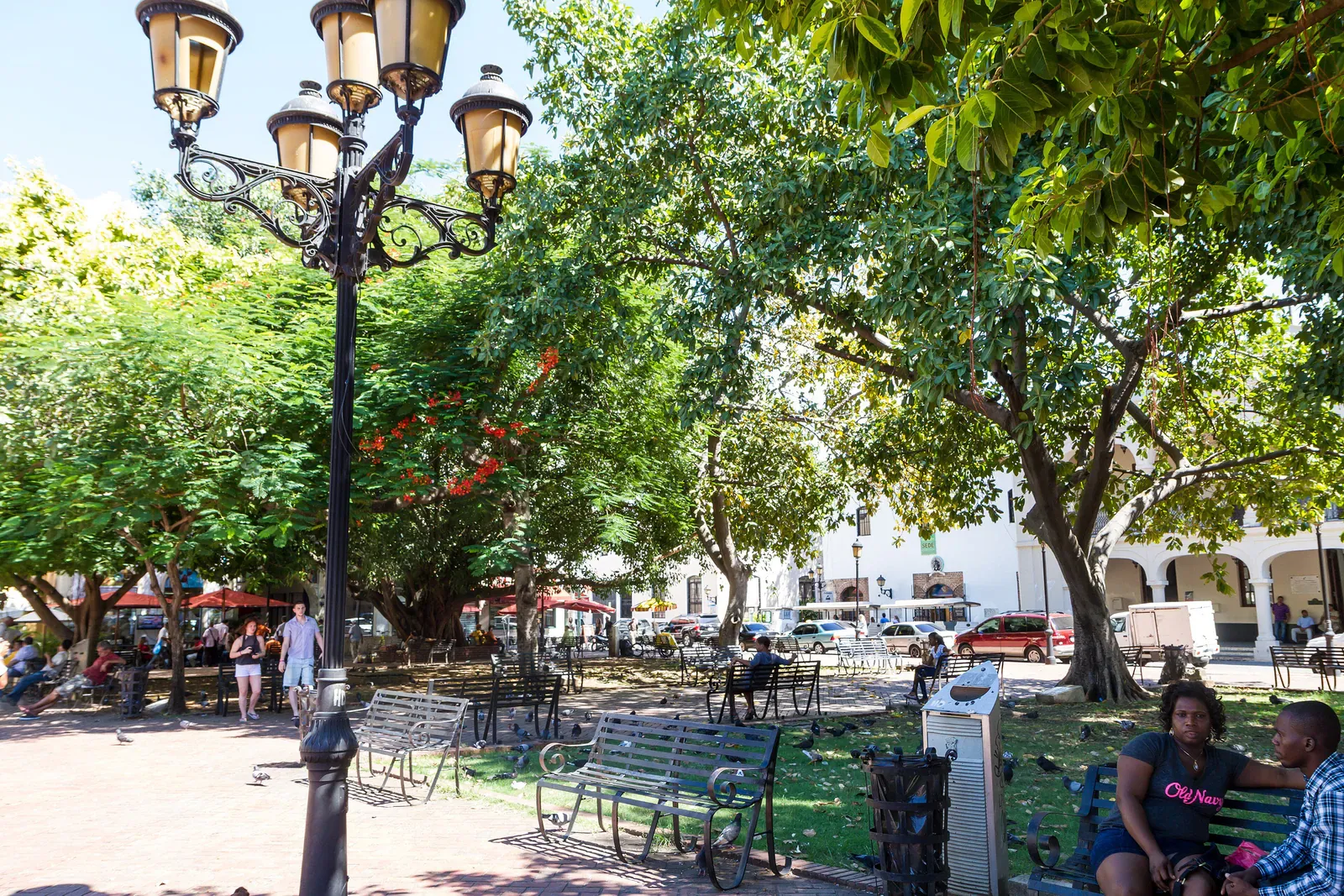
Barrio origins, 1991-2004
Through the 1990s and early 2000s the music circulated as local mixes and party records rather than commercial releases. Producers cut kicks, snares and hats from classic riddims and rebuilt them into a short pattern that repeated for the length of a track, with chanted or rapped vocals in neighbourhood slang.
During the 2000s Puerto Rican reggaeton moved toward melody, polish and romance, a shift that pushed the Dominican scene to the margins of the Latin music business. The Dominican side kept the rawer, more aggressive version, and the two styles drifted apart. Wisin and Yandel’s 2003 version of “Dem Bow” shows the Puerto Rican direction: the riddim stays but the lyrics turn toward sensuality.
Television and the street, 2005-2012
A late-night television show, La Hora de DJ Topo, began in 2005 and became the main outlet for the scene, launching artists including Secreto El Famoso Biberon, Mr. Menyao and El Mayor, and later Rochy RD. In the same years affordable software, above all FL Studio, let self-taught producers sequence and mix at home without access to a studio.
El Alfa, born in Bajos de Haina in 1990, started in 2008 in a duo with Eddy Wilson. His first solo release, “Coche Bomba” in 2009, was a do-it-yourself dembow of about 107 BPM that spread across the island. By 2012 he had a run of local hits, and in 2013 his first full-length album, Dembow Exitos, followed.
Regional growth and trapbow, 2013-2017
The mid-2010s moved dembow from neighbourhood parties to national and regional visibility. “Tarzan”, on El Alfa’s second album, was his biggest track to that date, with production by Bubloy and DJ Plano, who added voice samples and sharp effects to the beat. In 2015 a music video that insulted the country’s founding fathers led to a sentence of 15 days of community service, a dispute that kept him in the news and showed how closely the genre was watched for what it said.
Puerto Rican artists, including Nicky Jam and Farruko, began to record with Dominican dembowseros. Producers such as Chael Produciendo, Nico Clinico and Light GM brought 808 bass and trap snares into the pattern, giving rise to the term “trapbow”, a blend of American trap and dembow. Chimbala, from Santo Domingo, also built a following in these years, including a 2014 response record to El Alfa.
Global crossover, 2018 onward
Chimbala’s “Maniquí” premiered in May 2018 and passed 18 million views on YouTube within a couple of months, a remix with Farruko following in 2019. El Alfa’s “Suave (Remix)” in December 2018 brought together six Puerto Rican urbano artists on one dembow. His 2020 single “Singapur” passed 200 million streams by February 2021. Rochy RD’s “Ella No Es Tuya”, released in July 2020, earned a gold certification in the Latin category in the United States, and a remix with Myke Towers and Nicki Nicole followed in 2021.
The widest exposure came through crossovers. Tokischa and the Spanish singer Rosalía released “Linda” on 1 September 2021, a dembow with flamenco elements recorded in a single afternoon and produced by Leo RD, issued through Sony Music Latin. In 2022 Madonna reworked “Hung Up” with Tokischa over a dembow beat, and Bad Bunny’s “Tití Me Preguntó”, released by Rimas Entertainment, sampled a track by the Dominican musician Antony El Mayimbe Santos and mixed dembow with Latin trap and bachata. Bad Bunny is Puerto Rican, which shows how the Dominican style has become part of the common language of Latin urban music.
Characteristics
The defining element is the dembow rhythm at the fast end of its range, as the core of the percussion. Reggaeton uses the same pattern at a slower pace. Arrangements are minimal: a short, repeated beat, a heavy bass and few harmonic changes. Hooks are chanted, and vocals are often heavily processed. Producers rely on sampled drum hits and shared drum libraries, and the tempo and noise level suit open-air parties and cars as well as clubs.
“Coche Bomba” sits near 107 BPM, “Singapur” near 113, “Tarzan” near 116, “Suave” near 120 and “Maniquí” near 123. Some pop-leaning collaborations are slower, in the mid-90s.
Instruments and production
Early production used turntables and then sampled kicks, snares and hats. Digital audio workstations made the process cheap, and a culture of sharing drum libraries grew around them. The trap influence brought 808 sounds and new snare types after 2015.
Notable recordings
“Coche Bomba” was made on a small budget and spread by word of mouth before the genre had much of an industry behind it. “Maniquí” shows the next stage, a sparse beat built around one chant-like hook. “Linda” is the best-known meeting of the style with European pop and put Tokischa on international stages.
Culture
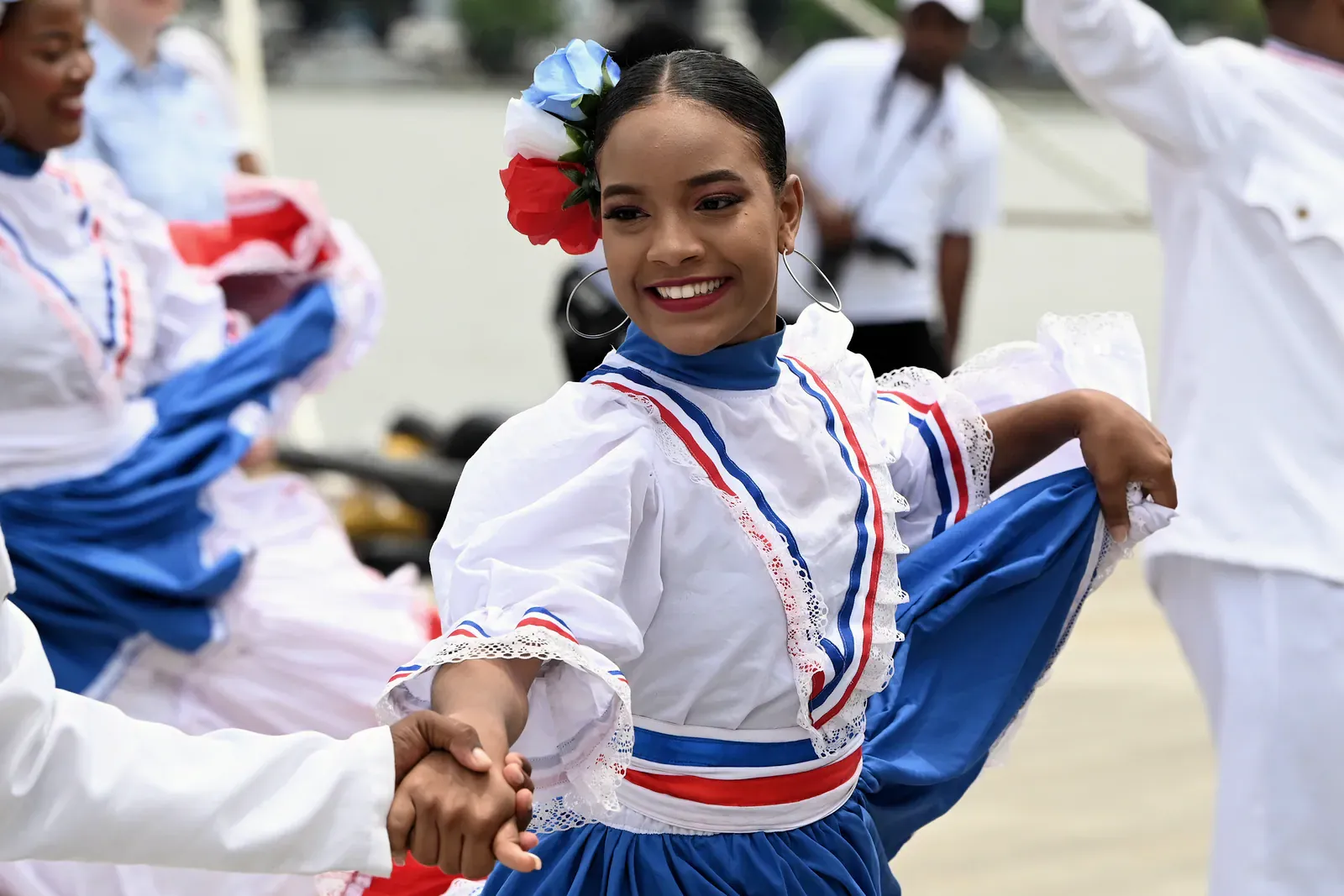
Dancing is central. Street and display dances filmed on phones and posted to YouTube are a main route by which tracks spread, and they remain part of the genre’s identity. The style sits next to older Dominican traditions, such as the folk dances and accordion-led merengue that shape local ideas of tempo, but its language and subjects are those of the barrio.
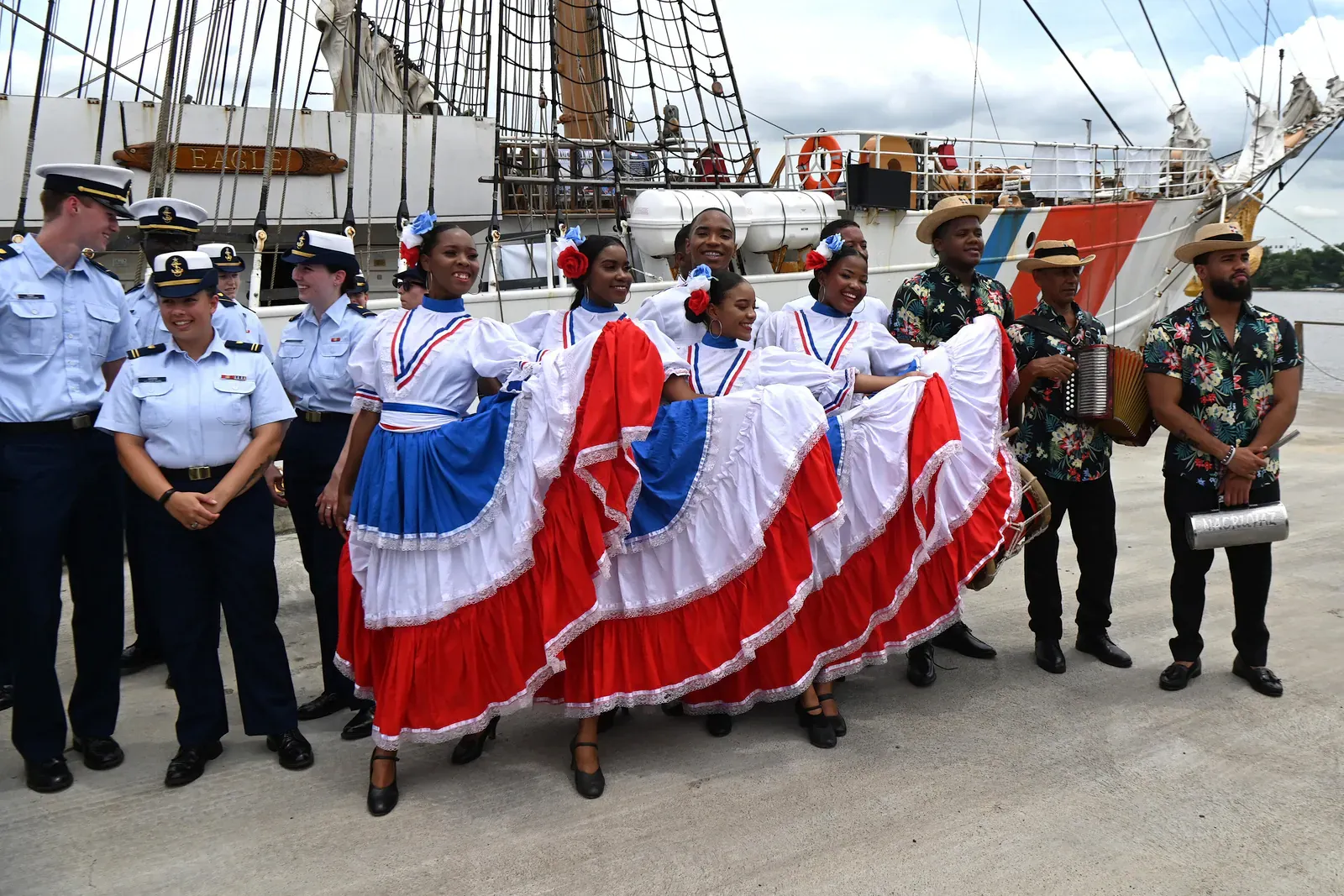
Controversy has followed the genre. Lyrics about sex, drugs and street life draw complaints from officials and religious groups. In 2020 Tokischa’s “Desacato Escolar”, made with Yomel El Meloso and Leo RD, was taken down from YouTube after criticism of its lyrics about prostitution, and in 2021 a photograph taken at a religious sanctuary in La Vega led to a local ban on her visiting sanctuaries in the province for a year. Her defenders and the artists themselves present the work as a description of life in the neighbourhood.
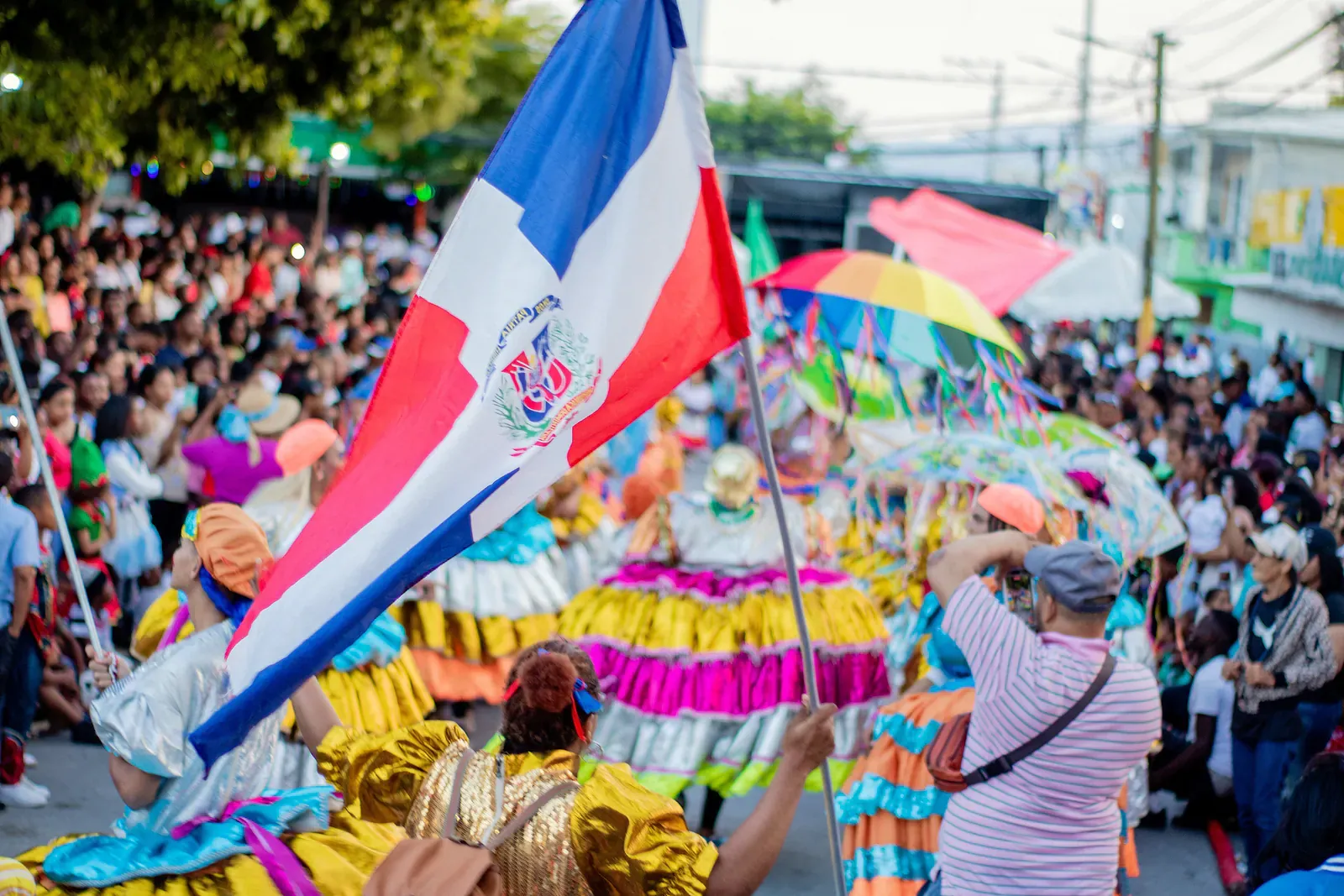
Women have worked in the scene throughout, often with less money, marketing and media attention than men. Milka La Mas Dura, La Materialista, La Insuperable and, more recently, Gailen La Moyeta and Tokischa have pushed for space and for control over how they are presented.
Legacy
Dominican dembow changed what counts as mainstream Latin pop. Its beat and its slang now appear in tracks by artists from Puerto Rico, Spain and the United States, and its producers influence the sound of reggaeton, trap and Latin pop. Within the Dominican Republic the music has moved from being marginalised on television to filling radio and streaming charts.
Misconceptions
Dominican dembow is often described as simply reggaeton played fast. The two share a rhythm, but they split in the 2000s, when reggaeton became smoother and more romantic while Dominican producers kept a raw, repetitive sound; the Dominican style also has its own artists, television outlets and slang.
It is sometimes said that the dembow rhythm is Dominican. The pattern comes from a Jamaican riddim, and the name from a Shabba Ranks song; the Dominican contribution is the speed, the stripped arrangement and the culture that grew around them.
Another claim is that dembow is a form of merengue. The country’s long taste for very fast merengue is cited as one reason for the quick tempo, but the beat itself is derived from dancehall, not from merengue’s two-beat rhythm. See merengue for the older Dominican tradition.
Frequently asked questions
What is the difference between Dominican dembow and reggaeton?
Both use the dembow rhythm. Reggaeton, formed in Puerto Rico, became slower, melodic and polished, while Dominican dembow kept a faster tempo, a looped minimal beat and rawer vocals.
Who are the main Dominican dembow artists?
El Alfa, often called the King of Dembow, Tokischa, Chimbala and Rochy RD are the best-known performers. Jey One, La Materialista and Yomel El Meloso are also part of the scene.
What BPM is Dominican dembow?
Typical tracks run from about 105 to 125 BPM. The first Dominican dembow, DJ Boyo’s “Mujeres Andadoras”, was sped up to about 115 BPM.
Where does the word dembow come from?
It comes from “Dem Bow”, a Shabba Ranks song whose riddim was made by Steely and Clevie. The title is Jamaican patois for “they bow”.
Sound
Sound sheet
Signature sounds
- Sped-up dembow rhythm as the core percussion
- Minimal, looped arrangement
- Chant hooks
- Heavily processed vocals
Synths and software
- FL Studio
Techniques
- Hand-speeding records
- Chopping riddim drums
- Trapbow layering
- Looped minimal beats
Keys and modes
B. Key reading of Suave and Mi Mami.
G. Key reading of Singapur.
Vocals
Rapped and chanted hooks in Dominican slang, often heavily processed.
Scenes
Where it happened
Where and when the sound lived: one bar per city on a shared timeline.
Caribbean
North America
Active scenes
Peak 3, 2010-2025
Barrios populares where DJs, producers and street dancers built the style.
Hometown of El Alfa, in San Cristobal province.
Washington Heights, a main diaspora centre for Dominican urban music.
Culture
Culture markers
- Street and display dances
Dances filmed in the street and shared on YouTube are part of how tracks spread.
Dance - Dembowsero
The name for the genre's performers, used by fans and press.
Slang - Dominican street slang
Lyrics lean on neighbourhood slang, which also fuels controversy over explicit content.
Slang
Glossary
Terms on this page
A Dominican dembow artist.
A bundle of drum samples and loops that producers share to build dembow beats.
The riddim created by Steely and Clevie in the late 1980s and used in Shabba Ranks's Dem Bow.
A reusable instrumental track, here the Jamaican one behind the dembow pattern.
A mix of American trap production and dembow, a term used by producer Chael Produciendo.
Latin family