Merengue
Merengue is the Dominican Republic's national dance music, formed in the Cibao valley in the mid-1800s and built on tambora, güira and accordion or brass.
El Cibao, 1850
Latin family
Born
1850
El Cibao
Subgenres
8
Documented branches
Links
19
Genres it drew on or shaped
Tempo
110-150 BPMLineage
Family tree
Grew out of
Derived from
Influenced by
El Cibao, 1850
Merengue
Led to (8)
Timeline
Era by era
From the first sparks to today. Select a dot to read the story behind it.
- Cibao strings and accordion
1850 to 1929
- Trujillo and the ballroom
1930 to 1960
- Combos, speed and New York
1961 to 1979
- Merengue across Latin America
1980 to 1999
- Heritage and fusion
2000 to today
Eras
Moments
- 1 Cibao strings and accordion, 1850 to 1929
- 2 Trujillo and the ballroom, 1930 to 1960
- 3 Combos, speed and New York, 1961 to 1979
- 4 Merengue across Latin America, 1980 to 1999
- 5 Heritage and fusion, 2000 to today
around 1850
Cibao strings and accordion
A rural dance of the Cibao valley, first played on string instruments, then led by the German-introduced accordion from the 1880s with tambora and guira.
- 1850Merengue emerges in the CibaoRural dance of the northern valley around Santiago, first played on string instruments and replacing the older tumba.
- 1880German traders bring the accordionThe button accordion becomes the lead instrument of rural merengue and stays so in merengue tipico.
1930
Trujillo and the ballroom
Dictator Trujillo adopts merengue as the national symbol, and Luis Alberti-style orchestras move it from the countryside to urban ballrooms.
- 1930Trujillo takes power and promotes merengueThe dictator, in power 1930 to 1961, makes the Cibao dance the national music and national symbol.
- 1936Compadre Pedro JuanLuis Alberti's piece becomes the first merengue to succeed at all levels of society and standardises the two-part form for dance orchestras.
1961
Combos, speed and New York
After 1961 Johnny Ventura and Wilfrido Vargas modernise the sound with brass, faster tempos and salsa, disco and rock influences, while Dominican migration carries merengue to New York.
- 1961Trujillo assassinatedThe end of the dictatorship frees merengue from state patronage and opens the way for new bands.
- 1964Johnny Ventura founds the Combo ShowA small band with brass, showy choreography and salsa influence modernises merengue.
- 1966Dominican migration to Washington HeightsFrom the 1960s migrants carry merengue cibaeno to New York, where it reaches a mass audience.
- 1973Karen Records founded in the Dominican RepublicThe label becomes the main home of merengue and bachata stars such as Wilfrido Vargas and Los Hermanos Rosario.
- 1976Wilfrido Vargas plays Madison Square GardenVargas and his Beduinos perform at Madison Square Garden.
- 1978El BarbarazoWilfrido Vargas, who sped up the tempo and added disco and rock influences, has his first international hit.
1980
Merengue across Latin America
Karen Records stars, Juan Luis Guerra, all-female bands, Fulanito and Elvis Crespo make merengue a Latin club staple and chart presence.
- 1989Ojala Que Llueva CafeAlbum by Juan Luis Guerra and 4.40 that begins their international recognition.
- 1990Bachata RosaGuerra album opens with a merengue, wins a Grammy in 1992 and sells over five million copies.
- 1997Fulanito: El Hombre Mas Famoso de la TierraNew York group mixes accordion merengue with hip hop and house, scoring a hit with Guallando.
- 1998SuavementeElvis Crespo single tops Billboard Hot Latin Tracks for six weeks.
2000
Heritage and fusion
Grammy recognition, UNESCO listing in 2016 and fusions with bachata, hip hop and urban styles keep merengue active.
- 2000Elvis Crespo wins the Grammy for Best Merengue PerformanceCrespo is honoured for the song Pintame at the 2000 awards.
- 2016UNESCO inscribes merengueMusic and dance of the merengue joins the Representative List of the Intangible Cultural Heritage of Humanity.
- 2021Johnny Ventura diesThe Dominican president declares three days of mourning for the singer who modernised merengue.
Listening path
Start listening
A short path from an easy way in to the deep end. Thumbnails come from YouTube; the player loads only when you press play.
- 01
Elvis Crespo, 1998
Took merengue to the Latin pop mainstream: six weeks at number one on Hot Latin Tracks.
- 02
Juan Luis Guerra 4.40, 1989
Title track of the Karen Records album that began Juan Luis Guerra's international recognition.
- 03
Wilfrido Vargas, 1978
Vargas's first international hit, from the year he released Punto y aparte.
Facts
| Family | Latin |
| Origin | El Cibao, Dominican Republic |
| Emerged | Mid-19th century |
| Status | Active |
| Tempo | 110 to 150 BPM |
| Meter | 2/4 |
| Grew out of | European folk |
| Subgenres | 8 |
Merengue is the national dance music of the Dominican Republic, a fast two-beat style carried by the tambora drum and the güira scraper with an accordion or brass lead.
It took shape in the Cibao valley around Santiago de los Caballeros in the mid-19th century and is still played at home and across the Dominican diaspora. Its tracks follow a set route: a slow opening, a sung body and a driving closing section.
Origins
Merengue began as a rural dance of the northern Cibao valley, around Santiago, from about 1850. The first bands used string instruments, and the new dance pushed aside an older one called the tumba.
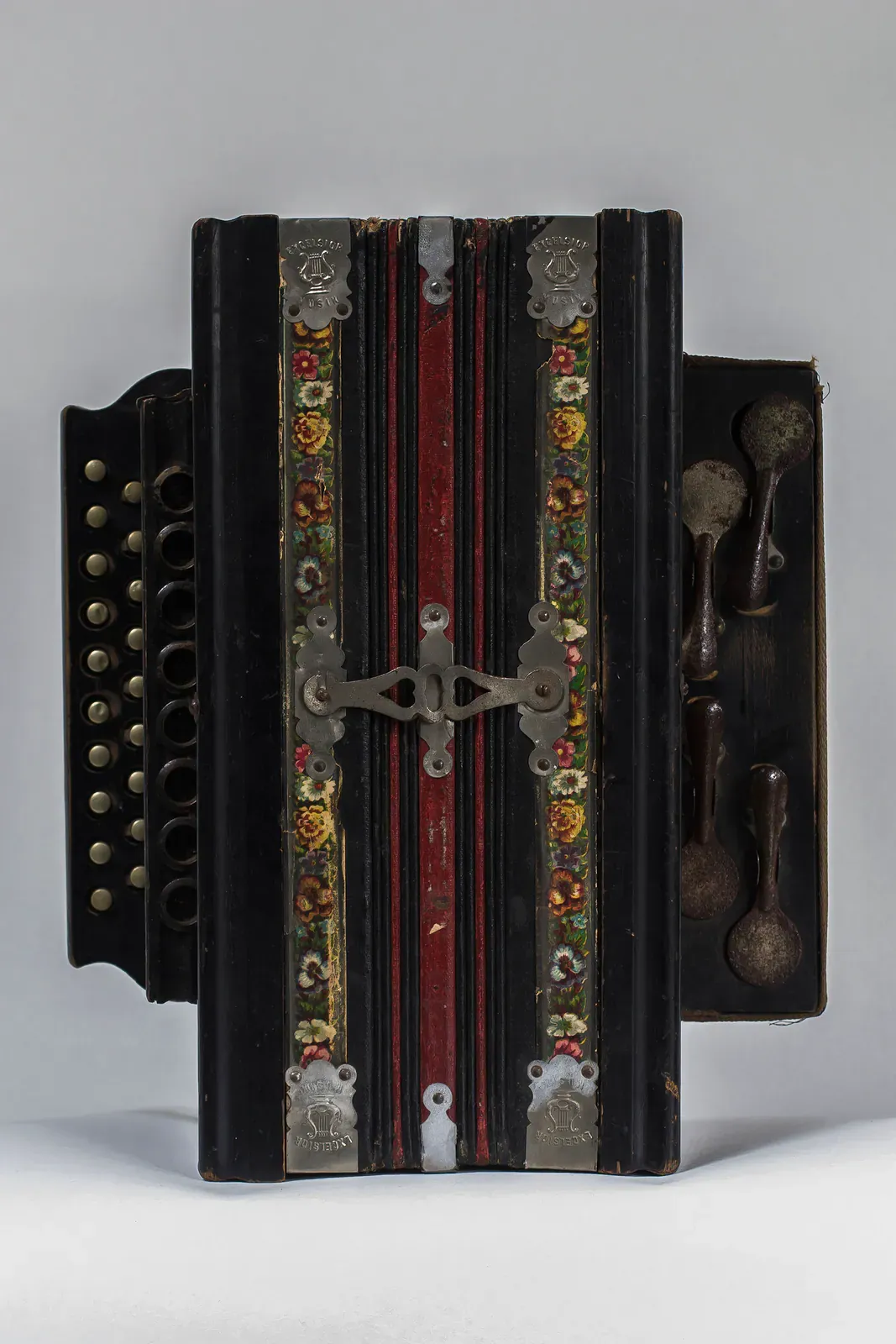
The sound changed around 1880, when German traders brought the button accordion to the island. It became the lead voice of the countryside style and has stayed the lead in the rural form now called merengue tipico, once known as perico ripiao. Two strands met in that line-up: the accordion carried the European side, and the two-headed tambora drum carried the African side, with the metal güira locking into its pulse.
Trujillo and the ballroom, 1930-1960
Rafael Trujillo took power in 1930 and ruled until 1961. He made the Cibao dance the national music and a national symbol, and bandleaders moved it from village dances to urban ballrooms. The key figure was Luis Alberti, who led a merengue jazz band. His 1936 “Compadre Pedro Juan” was the first merengue to succeed at every level of society, and dozens of artists have recorded it since.
Combos, speed and New York, 1961-1979
Trujillo’s assassination in 1961 ended state patronage and opened the way for new bands. In the 1960s Johnny Ventura founded the Combo Show, a small band with brass, showy choreography and salsa influences. Wilfrido Vargas pushed further, speeding up the tempo and adding disco and rock influences, and had his first international hit in 1978 with “El Barbarazo”. Vargas was also a trumpeter, bandleader and producer who mentored all-female bands.
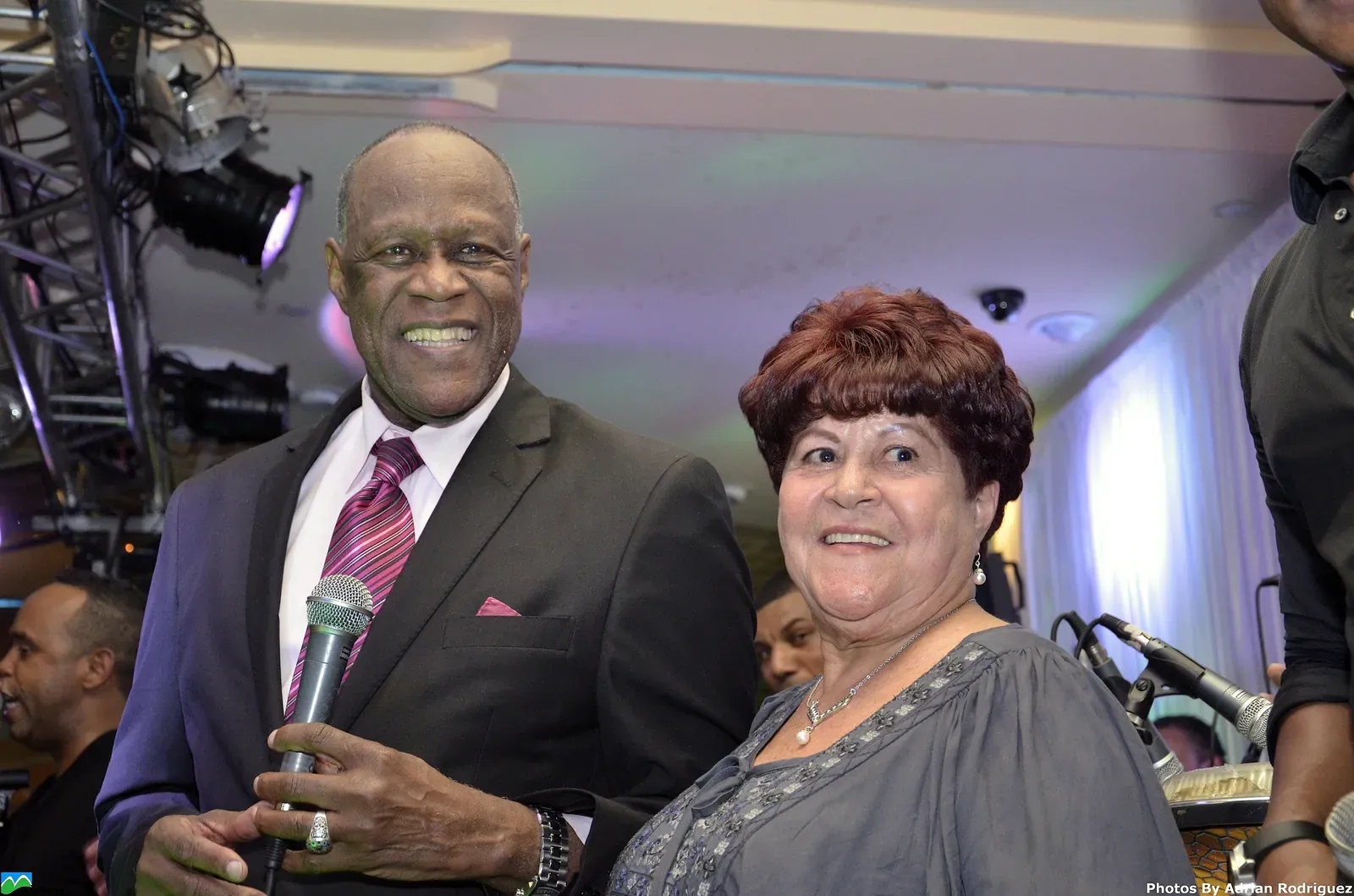
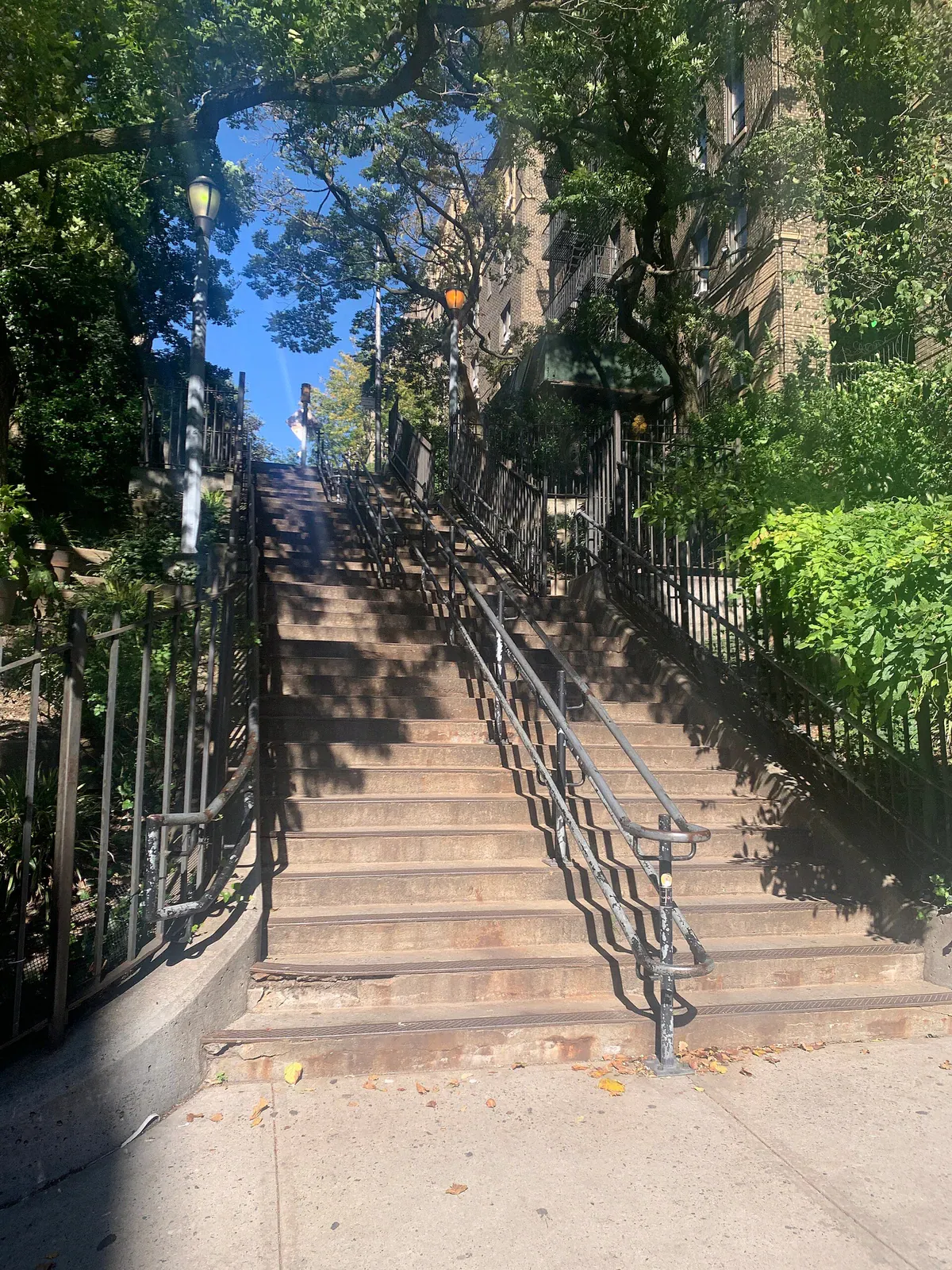
The audience was moving too. From the 1960s Dominican migrants carried the cibaeno style to Washington Heights in New York, where it reached a mass audience, and in 1976 Vargas and his Beduinos performed at Madison Square Garden. Karen Records, founded in the Dominican Republic in the 1970s, became the main home of the new sound.
Merengue across Latin America, 1980-1999
In the last two decades of the century merengue became a staple of Latin dance floors. Karen Records stars led the way, notably Juan Luis Guerra and his group 4.40, whose “Ojalá que llueva café” (1989) began his international recognition. The 1990 album Bachata Rosa, which opens with a merengue, won a Grammy for Best Tropical Latin Album in 1992 and sold more than five million copies.
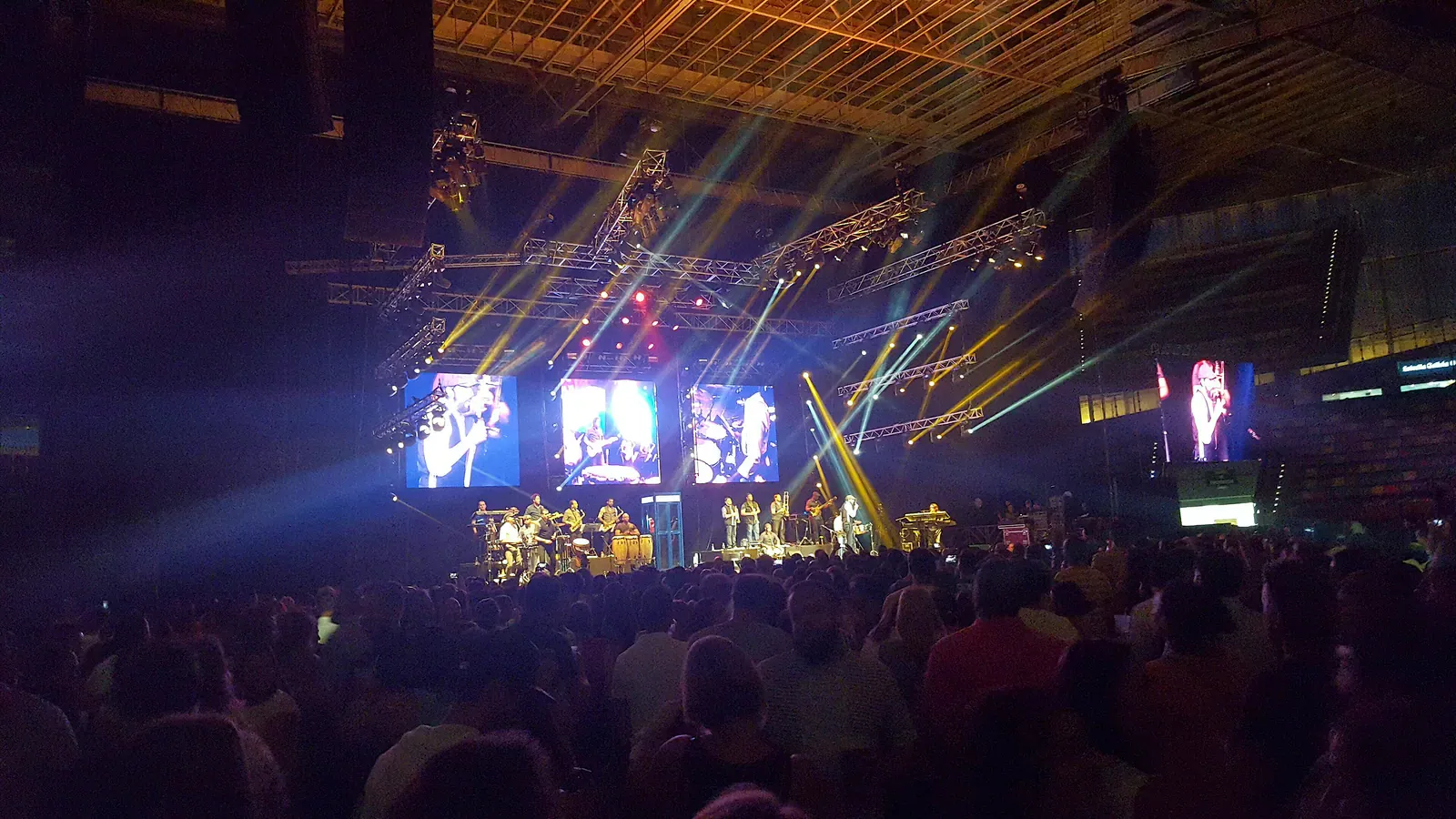
Puerto Rico added its own current, with bands such as Grupo Mania and singers such as Elvis Crespo. In New York the group Fulanito released “El Hombre Mas Famoso de la Tierra” in 1997, mixing accordion merengue with hip hop and house and scoring a hit with “Guallando”.
Characteristics
A merengue piece has a fixed shape. It opens with the paseo, a slow section in which couples promenade, then moves into the sung merengue proper over a steady, syncopated pulse. It ends with the jaleo, also called the mambo, a high-energy closing section of syncopated riffs and improvisation that spurs the dancers. Alberti’s 1936 orchestral writing fixed this two-part sung and driving form for dance bands.
Instrumentation
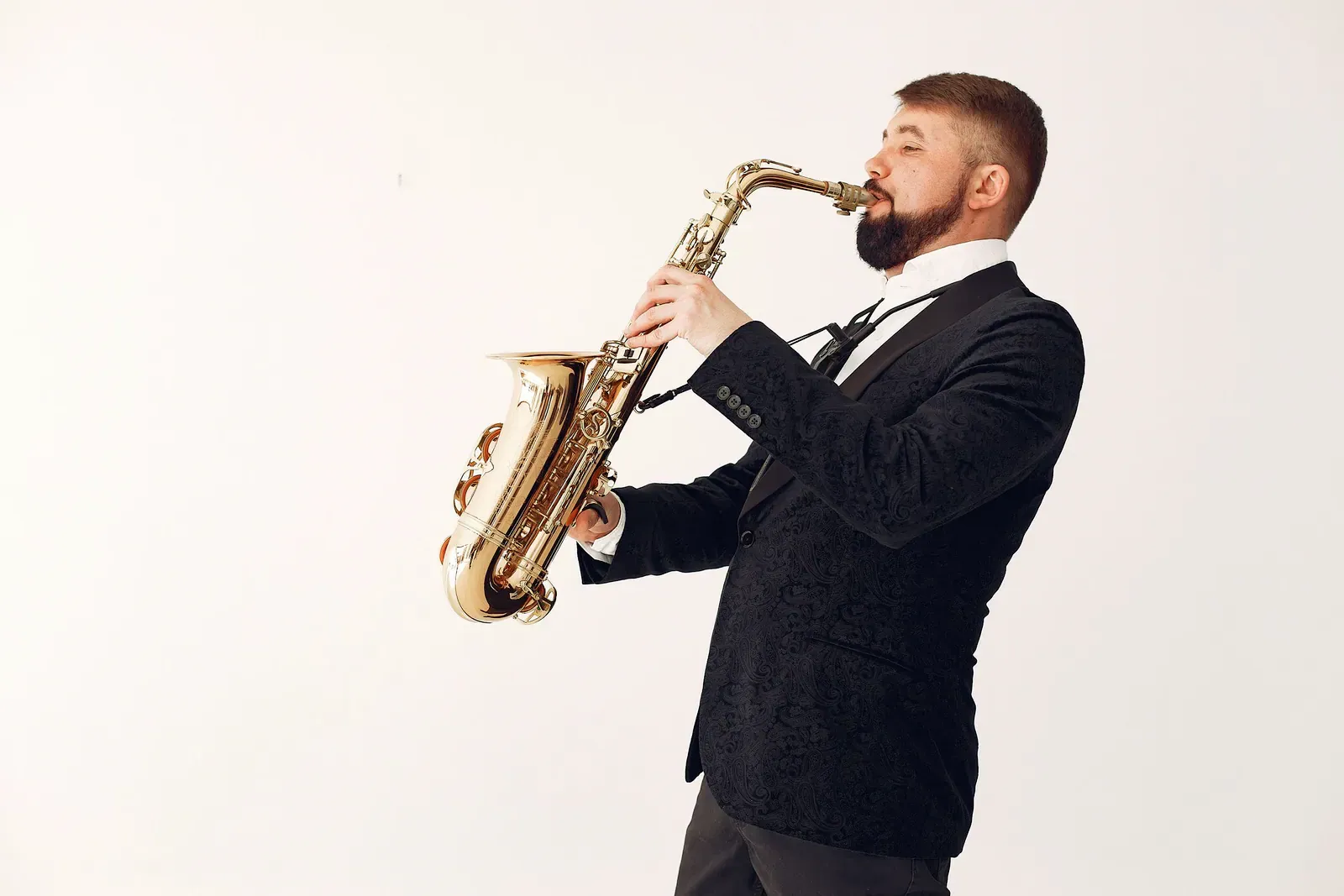
The oldest merengue was played on guitar and other strings before the accordion took over. The classic tipico group has five members: accordion, saxophone, tambora, güira and bass. The saxophone doubles or replaces the accordion on the melody and plays the riffs of the jaleo. Combos such as Ventura’s built their sound on brass.
Mainstream success
The breakthrough record of the 1990s was “Suavemente” (1998) by the singer Elvis Crespo, issued by Sony Music Latin, which stayed at number one on the Billboard Hot Latin Tracks chart for six weeks. At the 2000 Grammy Awards Crespo won Best Merengue Performance for “Pintame”. Guerra’s Bachata Rosa (1990) had already shown that a Dominican record could sell in the millions.
Notable recordings
“Compadre Pedro Juan” (1936) set the template for the urban orchestra and has since been recorded by dozens of artists. “El Barbarazo” (1978) was Vargas’s first international hit.
Culture
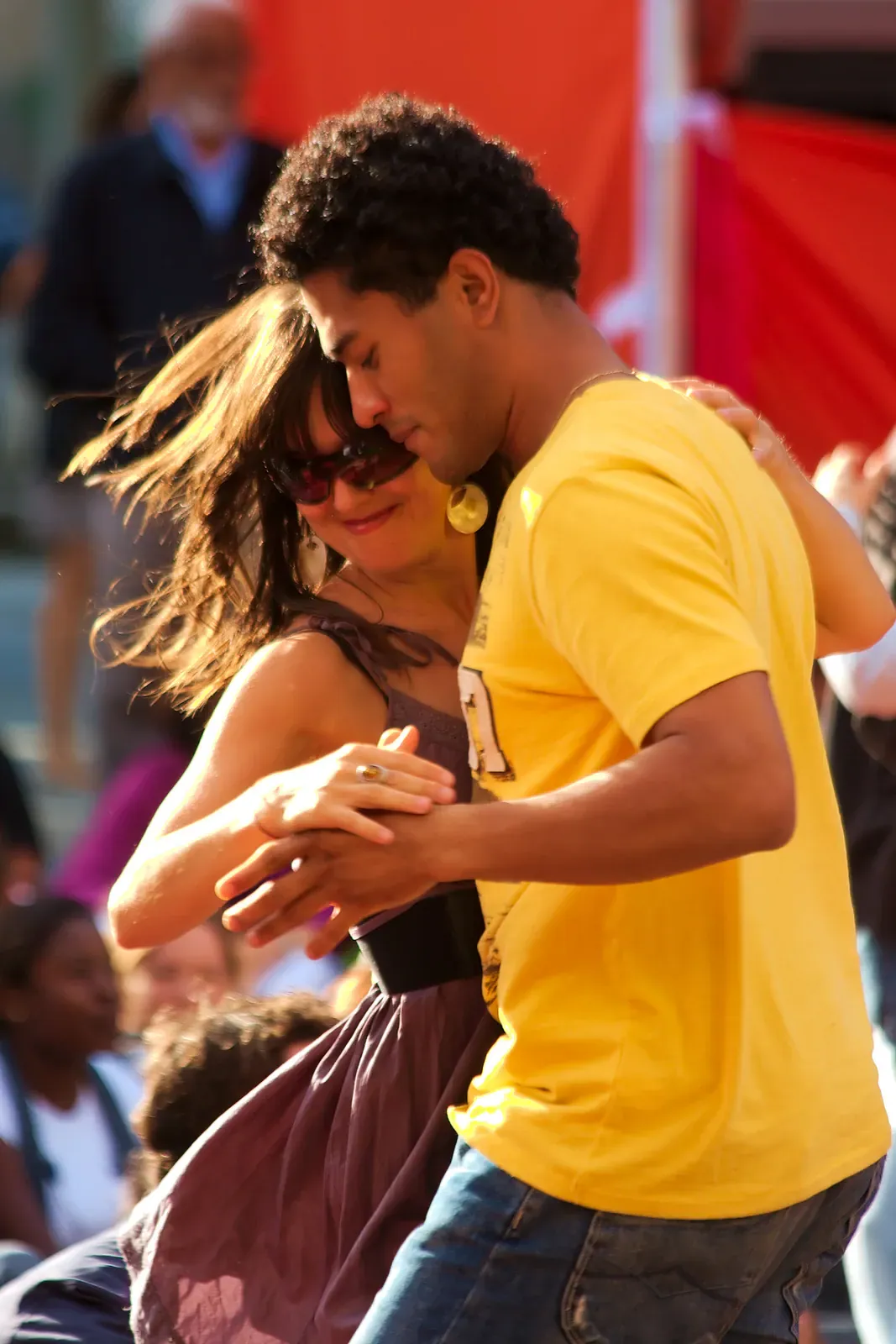
Merengue is a couple dance, performed with a limping step and flirtatious gestures, in circles or on the ballroom floor. Ventura added showy stage choreography to the band. Because the state adopted it as a national symbol, merengue also carries Dominican national identity.
Legacy
Ventura died in 2021, and the Dominican president declared three days of mourning for the singer who modernised merengue. In 2016 UNESCO inscribed the music and dance of the merengue on the Representative List of the Intangible Cultural Heritage of Humanity. Merengue stays active through fusions with bachata, hip hop and urban styles, and Karen Records is still reissuing its catalogue, including a 2025 remaster of Guerra hits.
Misconceptions
Merengue is not an invention of the Trujillo era. The dance had taken shape in the Cibao by about 1850, eight decades before he took power in 1930; what the dictatorship did was adopt it as a national symbol and move it into the ballroom.
Merengue was not always an accordion music. The first bands played on string instruments, and the accordion arrived with German traders only around 1880.
The name does not belong to one country. Venezuelan merengue caraqueño, Haitian mereng and the merengue air of Colombian vallenato are separate traditions from the Dominican style described here.
Frequently asked questions
What is merengue music?
Merengue is the national dance music of the Dominican Republic. It is a fast two-beat style led by an accordion or brass and driven by the tambora and güira, and it follows a slow paseo, a sung merengue and a closing jaleo.
Where did merengue originate?
Merengue originated in the Cibao valley of the northern Dominican Republic, around Santiago de los Caballeros, from about 1850. The accordion became its lead instrument in the 1880s.
Why is merengue the national music of the Dominican Republic?
Dictator Rafael Trujillo promoted the Cibao dance as the national music and symbol after he took power in 1930. UNESCO later inscribed the music and dance of the merengue as intangible cultural heritage in 2016.
What is merengue tipico?
Merengue tipico is the traditional accordion-led form of the music, formerly called perico ripiao. It is usually played by accordion, saxophone, tambora, güira and bass.
Sound
Sound sheet
Anatomy of a track
| # | Part |
|---|---|
| 1 | Paseo (slow introduction) |
| 2 | Merengue (verse section, steady rhythm) |
| 3 | Jaleo or mambo (improvised riffs) |
Signature sounds
- Tambora and guira interlocking pulse
- Accordion or saxophone jaleo riffs
- Two-part form: sung section, then a hard-driving mambo
Techniques
- Guira scraping
- Tambora stick and hand
- Jaleo riffs
- Paseo introduction
Scenes
Where it happened
Where and when the sound lived: one bar per city on a shared timeline.
Caribbean
North America
Active scenes
Peak 4, 1995-2025
Centre of the Cibao valley, where merengue and merengue tipico took shape.
Capital of the Dominican Republic.
Washington Heights became the leading Dominican community in the US and a second home for merengue.
Pop merengue has a strong following in Puerto Rico, home of Grupo Mania and Elvis Crespo.
Venues and places
New York, 1976 to today. Hosted Wilfrido Vargas and his Beduinos in 1976, marking merengue on a major New York stage.
Culture
Culture markers
- Merengue couple dance
Danced in pairs with a limping step and flirtatious gestures, in circles or on the ballroom floor.
Dance - Perico ripiao
Folk name for traditional accordion merengue, now usually called merengue tipico.
Slang - Combo Show choreography
Johnny Ventura introduced showy stage choreography to merengue bands.
Dance
Media
Key media
- 1997Merengue: Dominican Music and Dominican Identity
by Paul Austerlitz. Standard scholarly study of merengue and national identity.
Book - 2016La Musica y el Baile del Merengue Dominicano
by UNESCO. Seven-minute documentary made for the 2016 UNESCO heritage inscription.
Film
Glossary
Terms on this page
Northern valley of the Dominican Republic where merengue is said to have begun.
Cylindrical metal scraper played with a brush, the percussive pulse of merengue.
Final high-energy section, also called mambo, of syncopated riffs and improvisation.
Slow introduction during which couples promenade before the main dance.
Traditional name for rural accordion-led merengue, now called merengue tipico.
Two-headed Dominican drum, played with one stick and one hand.
Latin family