African music
African music spans griot song, mbira ritual, highlife, Afrobeat, Congolese rumba, amapiano and Afrobeats, with 363 related genres.
363 genres
Since around 1000
Genres
363
In this family
Branches
140
Main subgenres
Since
around 1000
Traditional roots
Timeline
Era by era
From the first sparks to today. Select a dot to read the story behind it.
- Traditional roots
1000 to 1919
- Records and city sounds
1920 to 1949
- Independence soundtracks
1950 to 1969
- Afrobeat, soukous and protest
1970 to 1989
- World music and new dance styles
1990 to 2004
- Afrobeats and amapiano
2005 to today
Eras
Moments
- 1 Traditional roots, 1000 to 1919
- 2 Records and city sounds, 1920 to 1949
- 3 Independence soundtracks, 1950 to 1969
- 4 Afrobeat, soukous and protest, 1970 to 1989
- 5 World music and new dance styles, 1990 to 2004
- 6 Afrobeats and amapiano, 2005 to today
around 1000
Traditional roots
Griot song, drum ensembles, mbira and kora traditions, and coastal palm-wine guitar styles. Music served ritual, court, work and storytelling long before records.
- 1900Palm-wine guitar styles spread along the West African coastSailors, traders and Kru musicians pass guitar patterns along the coast, laying groundwork for highlife and juju.
1920
Records and city sounds
Gramophones and local studios arrive. Highlife on the Gold Coast, marabi in Johannesburg and early Congolese rumba in Leopoldville turn rural idioms into urban pop.
- 1925Marabi takes hold in Johannesburg shebeensKeyboard-led dance music of the townships feeds later jazz, mbaqanga and kwaito.
- 1926Gallo starts its record business in JohannesburgEric Gallo begins by importing records and opens Gallo Recording Studios in 1932, anchoring South African popular music.
- 1948Wendo Kolosoy records Marie-Louise for NgomaThe song becomes a Congo-wide hit and is often cited as the start of the Congolese rumba boom.
1950
Independence soundtracks
As colonies become nations, rumba, highlife and jazz bands score the change. Labels open in Kinshasa and Addis Ababa, and Miriam Makeba carries South African song abroad.
- 1956Franco and OK Jazz form in KinshasaThe band, later TPOK Jazz, dominates Central African popular music for three decades.
- 1957Ghana becomes independentHighlife bands led by E.T. Mensah soundtrack the Nkrumah era and tour West Africa.
- 1960Congo independence and Independance Cha ChaJoseph Kabasele and African Jazz record the anthem of the moment in Brussels.
- 1966Mulatu Astatke records Afro-Latin soul in New YorkThe vibraphonist mixes Ethiopian modes with jazz and Latin rhythms, the seed of Ethio-jazz.
- 1967Miriam Makeba releases Pata Pata in the USA township dance song becomes a worldwide hit and a signature of South African pop.
- 1969Amha Records opens in Addis AbabaThe first private label in Ethiopia, defying a 1948 state monopoly, records the Swinging Addis scene.
1970
Afrobeat, soukous and protest
Fela Kuti builds Afrobeat in Lagos, Franco and Tabu Ley dominate Central Africa, juju and mbalax go global, and Graceland puts South African vocal music on the world stage.
- 1970Fela Kuti forms Africa 70 in LagosHe fuses highlife, jazz, funk and Yoruba rhythm into long, political Afrobeat.
- 1970Tabu Ley founds Orchestre Afrisa and plays the Paris OlympiaHe is described as the first sub-Saharan African artist to perform at the Olympia in Paris.
- 1972Manu Dibango releases Soul MakossaA Cameroonian dance single becomes a US club hit and one of the most sampled African records.
- 1976Soweto uprising and Soweto BluesHugh Masekela writes the township protest song that Miriam Makeba later sings.
- 1977Soldiers burn the Kalakuta RepublicFela's Lagos compound and studio is destroyed, yet his records keep circulating.
- 1982King Sunny Ade's Juju Music reaches the WestReleased by Island Records, it opens the international market for Nigerian juju.
- 1986Paul Simon's Graceland features South African musiciansIt brings Ladysmith Black Mambazo and township bands to a mass audience and sparks a boycott debate.
- 1987Salif Keita releases Soro in ParisA Malian singer of griot-era nobility pairs Mande song with synthesizers and Parisian studios.
1990
World music and new dance styles
World-music labels reissue lost catalogues while kwaito, coupe-decale and Cape Verdean morna find new audiences. Youssou N'Dour and Cesaria Evora become international names.
- 1992Cesaria Evora releases Miss PerfumadoThe barefoot diva of Cape Verde carries morna to international audiences.
- 1994Youssou N'Dour and Neneh Cherry release 7 SecondsA Wolof-and-English duet that becomes a European hit.
- 1994Kwaito emerges in Johannesburg townshipsSlowed house beats with chanted vocals voice the first post-apartheid youth generation.
- 1997Ethiopiques reissue series beginsBuda Musique starts the series that brings Swinging Addis to worldwide listeners.
- 1997Fela Kuti dies in LagosHundreds of thousands attend his funeral procession; his sons carry Afrobeat forward.
- 2002Coupe-decale grows among Ivorian exiles in Paris and AbidjanA dance-floor style of boasting and flashy spending that spreads across Francophone Africa.
2005
Afrobeats and amapiano
Lagos and Accra pop, branded Afrobeats, reaches global charts. Amapiano from Gauteng follows, and a Grammy category for African music appears in 2024.
- 2014Amapiano takes shape in GautengDeep house, kwaito and jazz chords meet the log drum in Pretoria and Johannesburg.
- 2016One Dance with Wizkid tops the chartsDrake's hit featuring Wizkid and Kyla spends weeks at number one in the US and UK.
- 2021Burna Boy wins a Grammy for Twice as TallBest Global Music Album, a landmark for Nigerian Afro-fusion.
- 2024Tyla wins the first Grammy for Best African Music PerformanceThe new category recognises Water, a pop and amapiano crossover.
Roots
Roots and offspring
African
Led to (49)
Facts
| Genres in the family | 363 |
| Main branches | 138 |
| Emerged | Ancient; modern popular forms 1920s onward |
| Tempo | 70 to 160 BPM |
African music is the popular and traditional music of Sub-Saharan Africa, Cape Verde and the Indian Ocean islands. Ritual and court forms are centuries old, and popular styles took shape from the 1920s, when gramophones and city nightlife arrived.
Rumba, highlife, Afrobeat and amapiano each grew in a city and travelled far beyond it. The library holds 363 African genres, 138 of them direct branches.
Traditional roots, to 1919
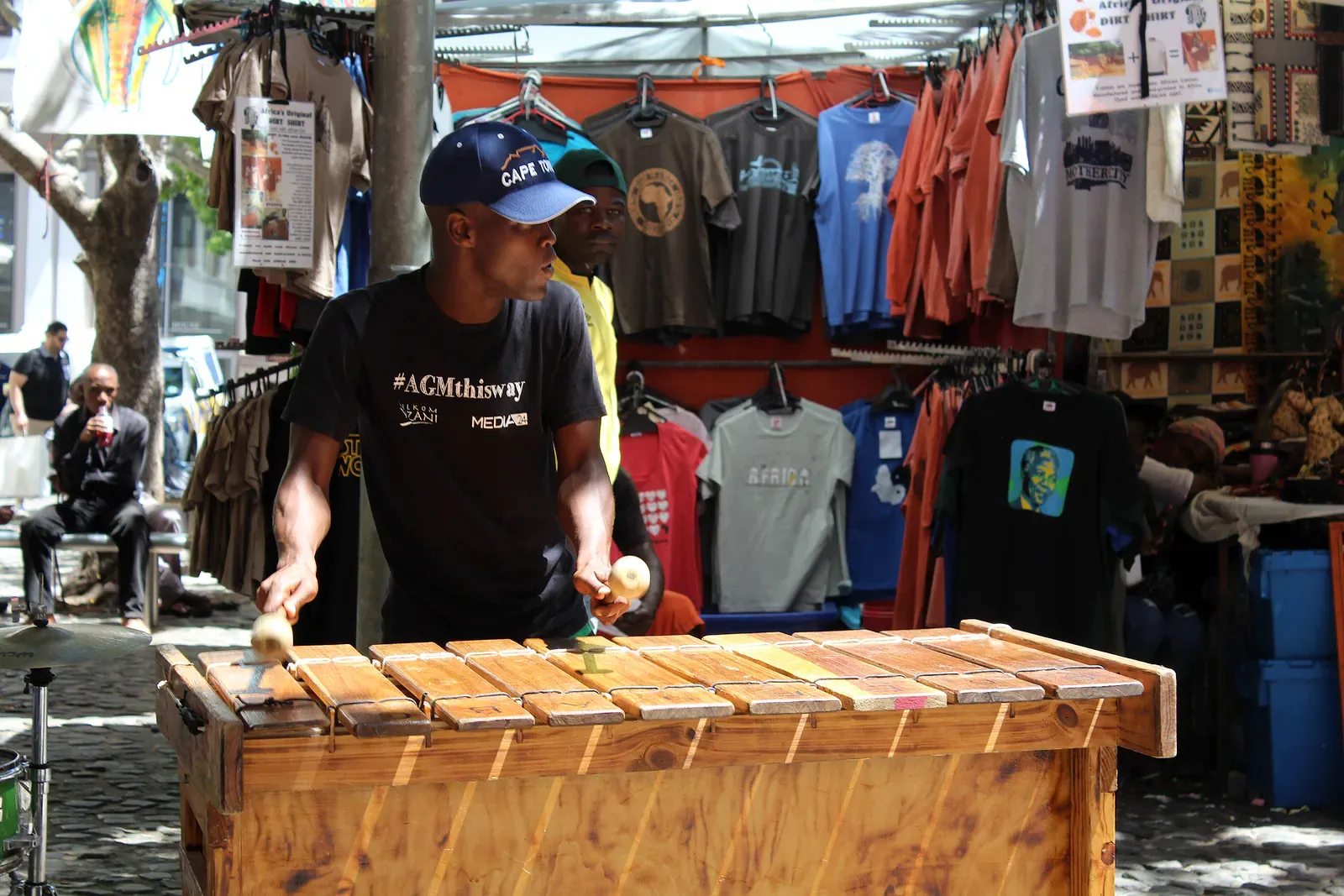
Long before records, music in West Africa was a job. Griots, the hereditary musicians of the Mande world, kept genealogies and history in song, and many kora songs are said to preserve about 800 years of memory, back to the founding of the Mande empire. The kora, a 21-string harp, is younger than the songs: its origins are placed in the Mandinka kingdom of Kaabu in the 17th or 18th century.
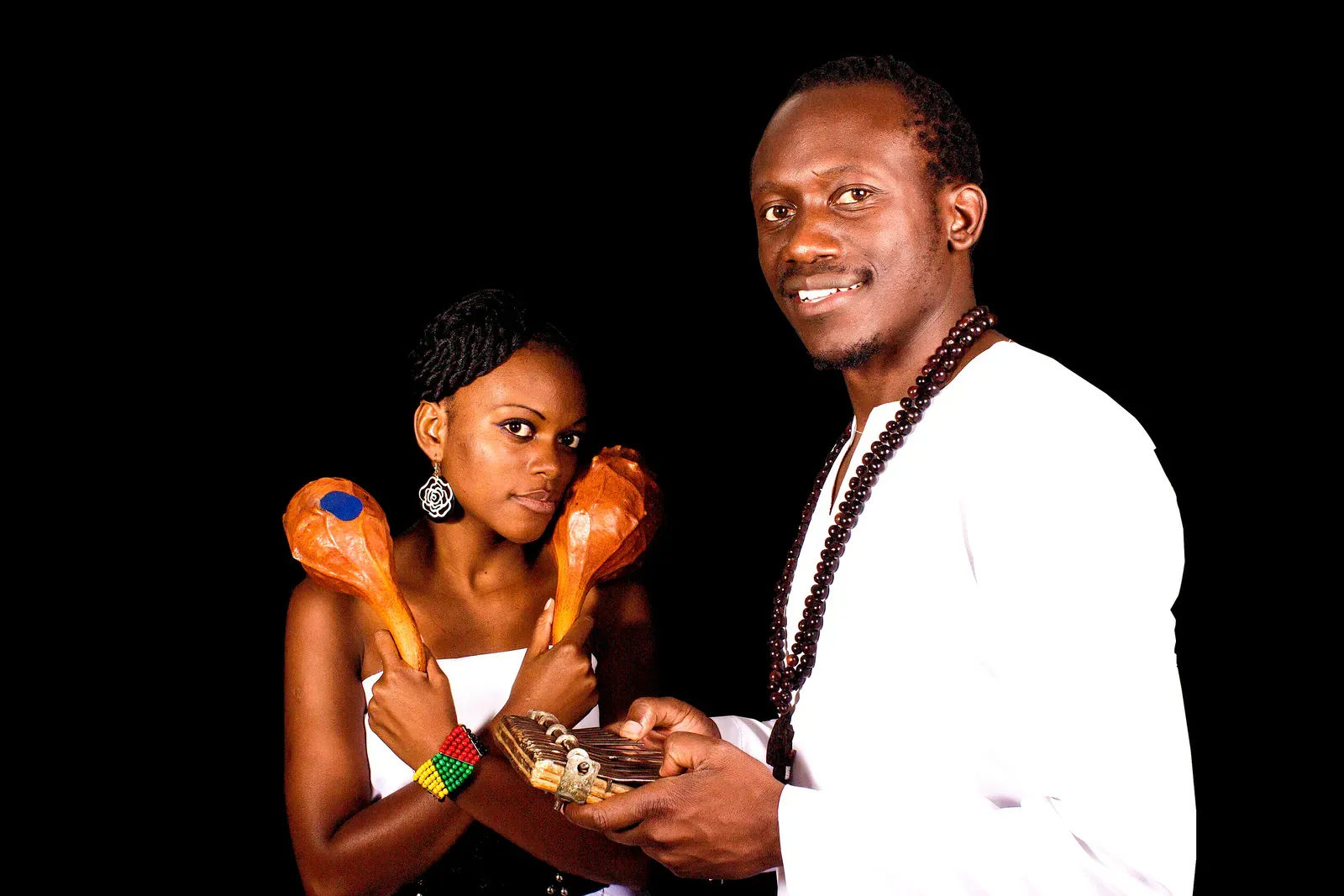
Further south the mbira carried the sacred. Metal-tined thumb pianos appeared along the Zambezi valley about 1,300 years ago, and Shona players in Zimbabwe have used the mbira for more than a thousand years, in ceremonies that call on ancestors and in secular music too.
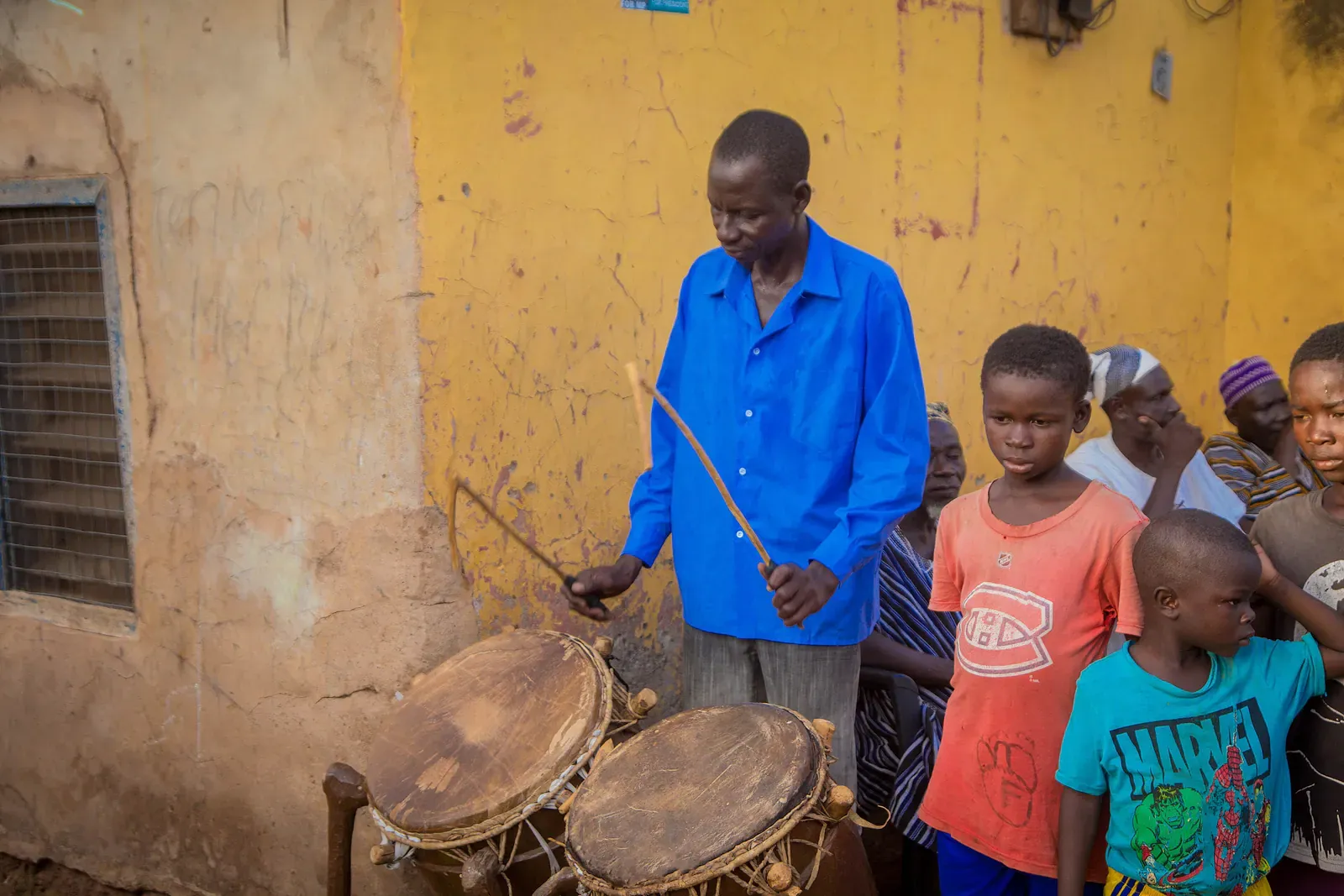
Rhythm was a language. The Yoruba dundun talking drum can imitate the three tones of Yoruba speech, so a drummer can send a phrase, not just a beat. Coastal palm-wine guitar, passed along the West African coast by sailors, traders and Kru musicians from about 1900, laid the groundwork for highlife and juju.
Records and city sounds, 1920 to 1949
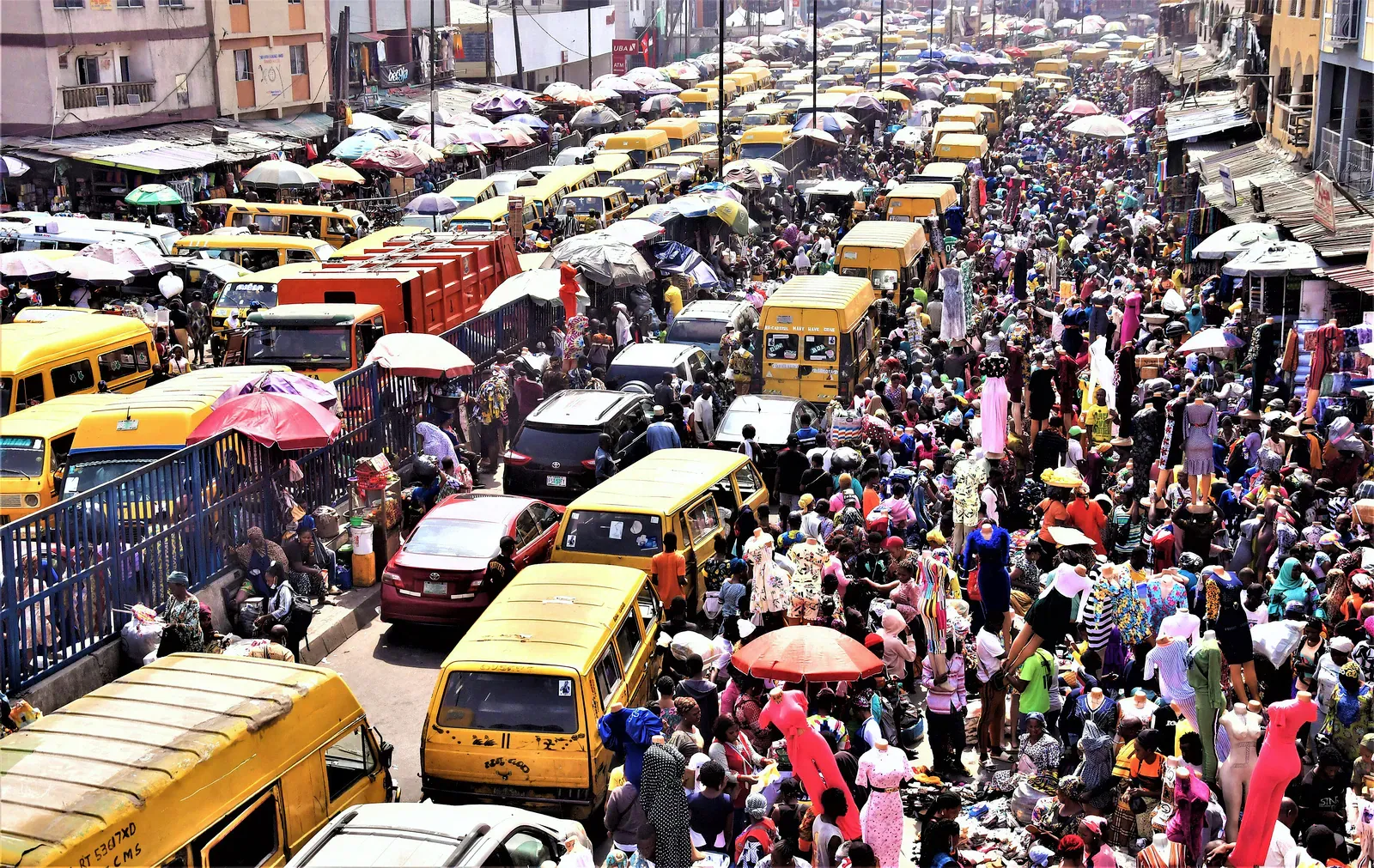
The gramophone moved music from courts and villages to shebeens, dance halls and studios. In Johannesburg, keyboard-led marabi took hold in township shebeens from the mid-1920s and fed jazz, mbaqanga and later kwaito. Eric Gallo began as a record importer in 1926 and opened Gallo Recording Studios in 1932, anchoring South African popular music.
On the Gold Coast, highlife grew among dance bands and guitar groups in Accra. Lagos had its own mix of highlife and juju. In Leopoldville, now Kinshasa, Antoine Wendo Kolosoy recorded “Marie-Louise” for the Ngoma label in 1948. It became the first major pan-African hit, and it popularised the sebene, the instrumental stretch that lets dancers and guitarists improvise. Colonial authorities disliked the song enough to exile him to Kisangani for a time.
Independence soundtracks, 1950 to 1969
Between 1957 and 1960 a wave of colonies became nations, and bands supplied the soundtrack. Ghana became independent in 1957, and highlife bands led by E.T. Mensah toured West Africa on the Nkrumah-era mood. In 1960 Joseph Kabasele and African Jazz recorded “Independance Cha Cha” in Brussels as the Congo’s anthem of the moment. Franco founded OK Jazz in Kinshasa in 1956, and the band, later TPOK Jazz, dominated Central African popular music for three decades.
Congolese rumba took its pulse from Cuban records that sold in Central Africa, then answered with guitar lines and a drive of its own. Its great rival camp was Tabu Ley Rochereau’s Orchestre Afrisa, formed in 1970 and soon playing the Olympia in Paris.
Miriam Makeba took township song abroad. “Pata Pata” reached a US audience in 1967 and became a signature of South African pop. In Addis Ababa, the vibraphonist Mulatu Astatke mixed Ethiopian modes with jazz and Latin rhythms in New York in 1966, the seed of Ethio-jazz. Amha Eshete opened Amha Records in 1969, the first private label in Ethiopia, and it released 103 singles and 12 albums by 1975.
Afrobeat, soukous and protest, 1970 to 1989
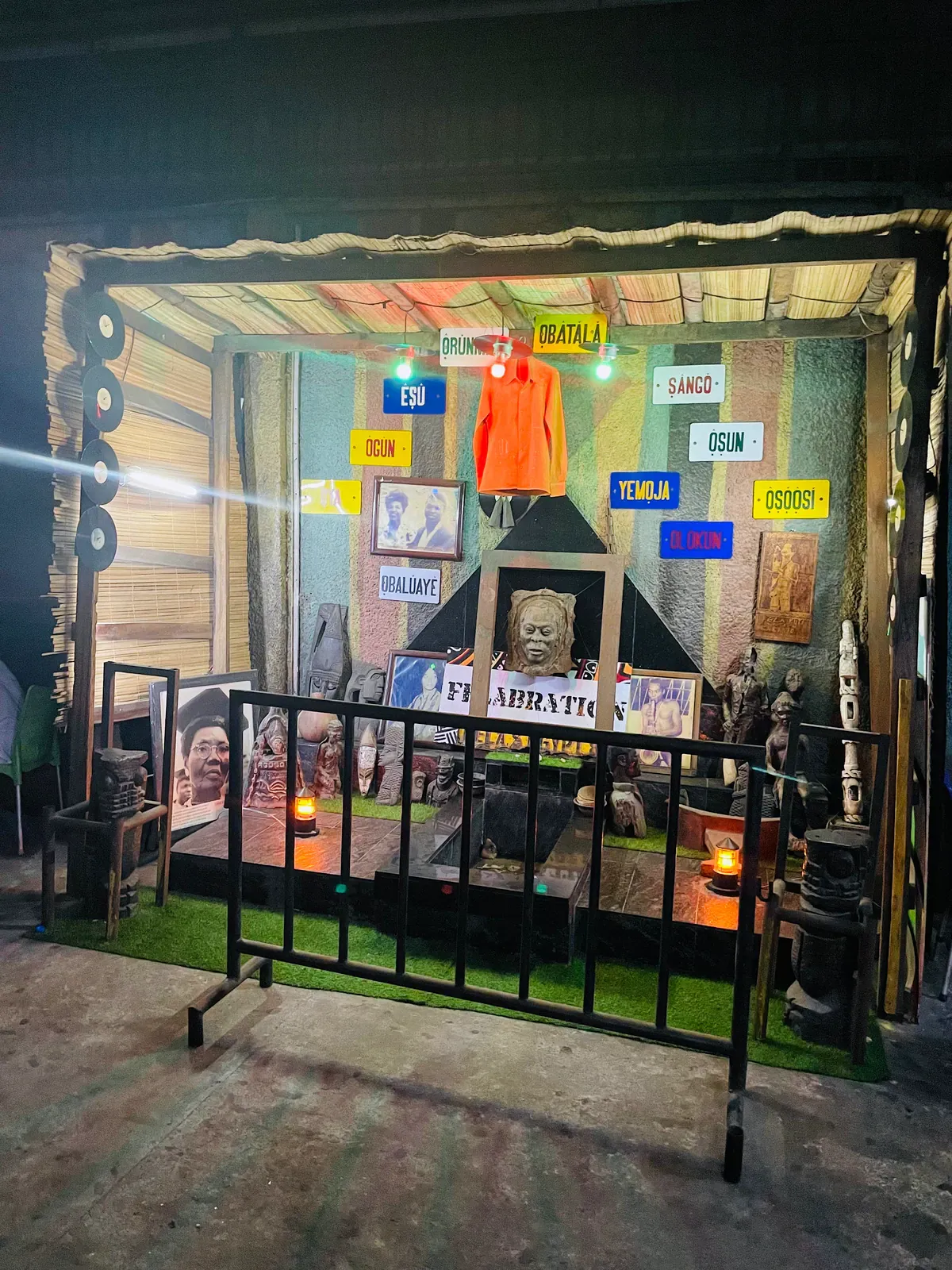
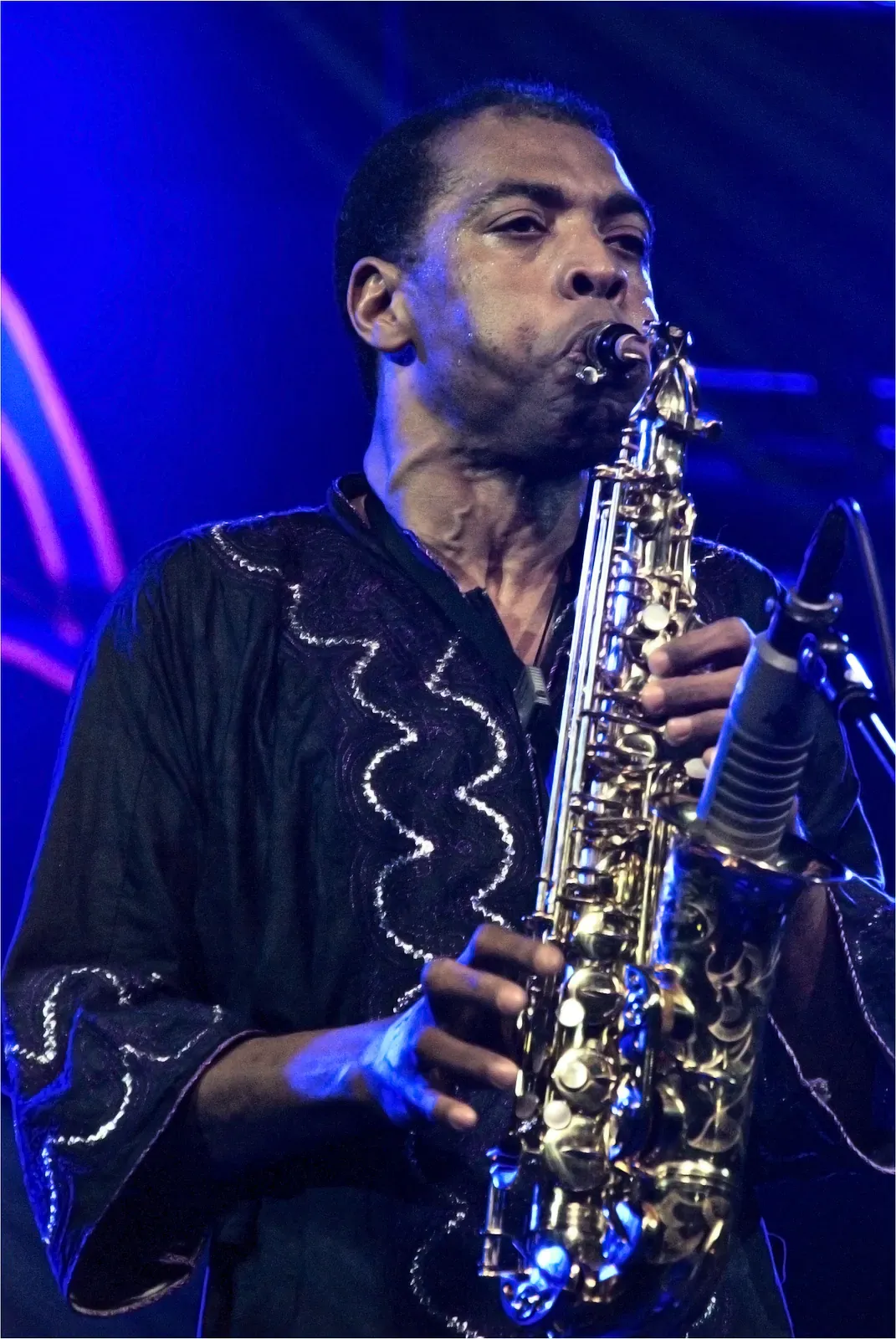
Fela Kuti toured Los Angeles in 1969 and came back with Black nationalist reading lists and a plan. In 1970 he formed Africa 70 in Lagos and fused highlife, jazz, funk and Yoruba rhythm into long, political Afrobeat. His compound, the Kalakuta Republic, was burned on 18 February 1977 by about a thousand soldiers, yet his records kept circulating. He died in Lagos on 2 August 1997. Afrobeat has its own genre page.
Elsewhere the dance floor grew. Manu Dibango’s “Soul Makossa” (1972) began as the B-side of a Cameroon football anthem. After the DJ David Mancuso played it at the Loft in New York, bootleg versions flooded the market, and it became one of the most sampled African records. King Sunny Ade’s Juju Music reached the West on Island Records in 1982. In 1986 Paul Simon’s Graceland brought Ladysmith Black Mambazo and township bands to a mass audience, and sparked a boycott debate. Salif Keita’s Soro (1987) paired Mande song with Parisian synthesizers.
World music and new dance styles, 1990 to 2004
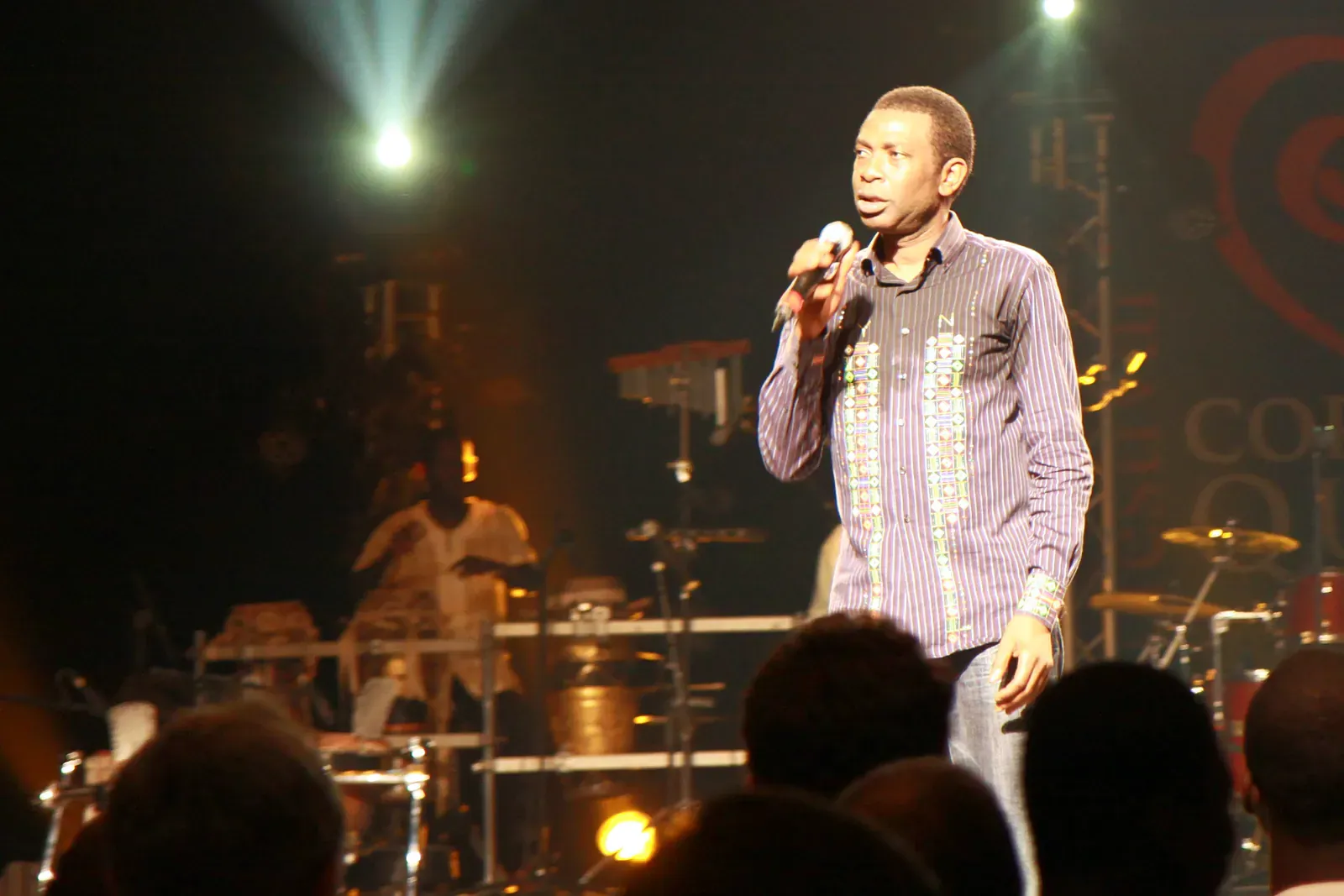
Reissue and world-music labels rediscovered lost catalogues, and Paris, London and Brussels became export hubs. Cesaria Evora’s Miss Perfumado (1992) carried the Cape Verdean morna abroad. In 1994 Youssou N’Dour and Neneh Cherry released “7 Seconds”, a Wolof and English duet that became a European hit.
The Ethiopiques series began in 1997 from Buda Musique and now runs past 30 volumes, bringing the Amha-era catalogue to listeners abroad. At home, new genres rose. Kwaito emerged in Johannesburg townships in the 1990s, with slowed house beats and chanted vocals for the first post-apartheid youth generation. Arthur Mafokate’s “Kaffir” (1995) is often cited as its first hit. Coupe-decale grew among Ivorian exiles in Paris and Abidjan from about 2002.
Afrobeats and amapiano, 2005 to the present
Streaming and cheap software moved the centre of gravity. FL Studio, released in 1997, let bedroom producers in Lagos, Accra and Johannesburg build tracks on a laptop, and YouTube and streaming platforms gave them reach. The Lagos and Accra pop sound, branded Afrobeats with an s, reached global charts. Drake’s “One Dance”, with Wizkid and Kyla, topped the US and UK charts in 2016. Burna Boy’s Twice as Tall won Best Global Music Album at the 2021 Grammys.
Amapiano took shape in Gauteng from about 2014, mixing deep house, kwaito and jazz chords around the log drum, a wide percussive bassline. Producers dispute exactly who invented it, but MDU aka TRP is widely credited with popularising the log drum sound. In 2024 Tyla won the first Grammy for Best African Music Performance with “Water”, beating Asake and Olamide, Burna Boy, Davido with Musa Keys, and Ayra Starr. The song peaked at number 7 on the Billboard Hot 100.
Culture
Griot families made the first professional music of the Sahel. In the cities, the money came from hotels, bars, radio and, from the 1970s, cassette tapes that skipped the record plant entirely. Record companies in Kinshasa and Addis Ababa were small, and Ngoma was started by a Greek businessman.
Politics always sat close to the stage. Hugh Masekela wrote “Soweto Blues” after the 1976 uprising. Fela attacked soldiers and presidents by name. Dance was political too: coupe-decale made flashy spending a performance, and kwaito gave township youth a voice in the new South Africa.
Misconceptions
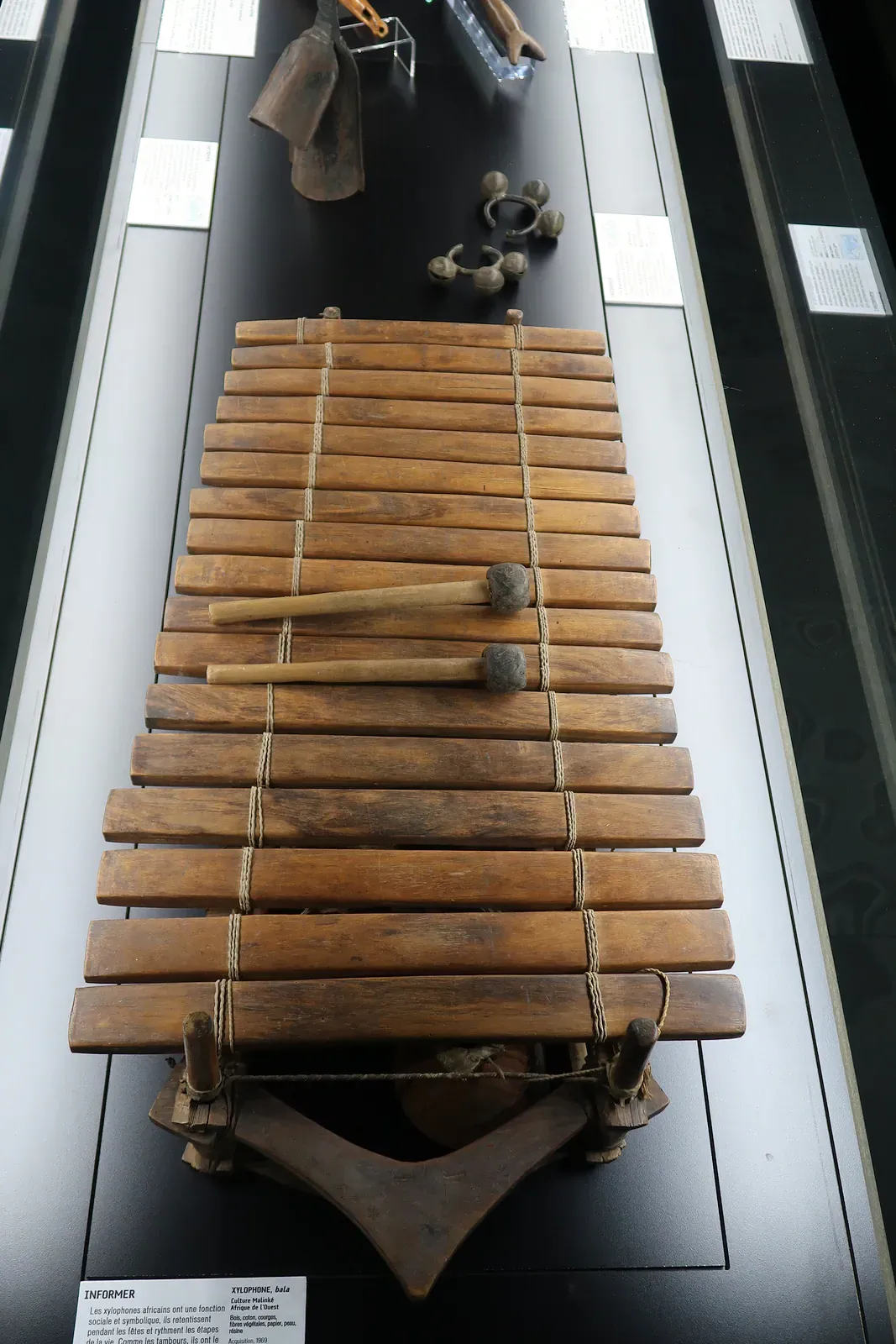
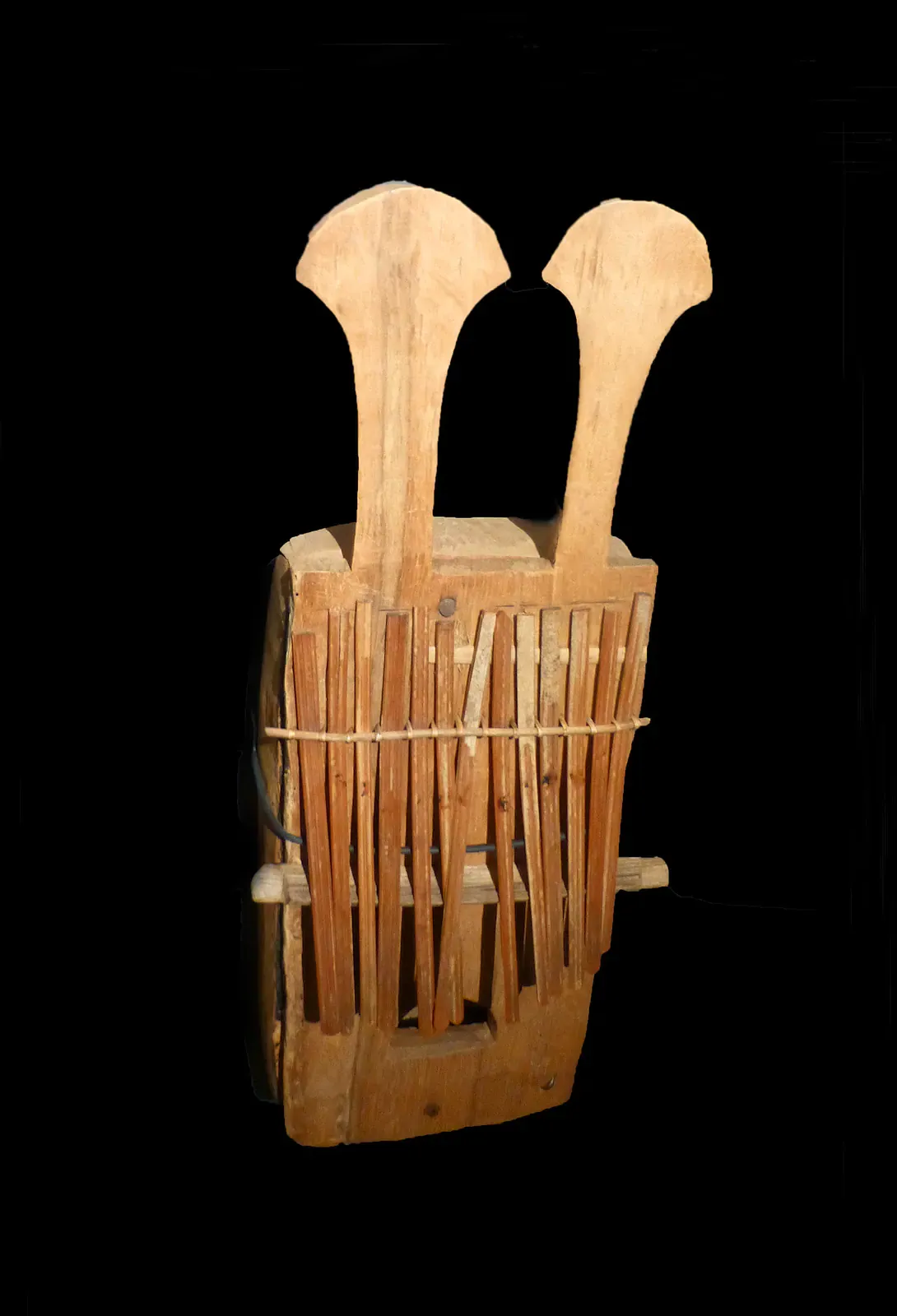
“African music is mostly drums.” Percussion matters, but the continent’s string and key instruments are just as distinctive: the kora, the balafon, the mbira, the Ethiopian krar lyre. The guitar became central from the early 1900s, in palm-wine, highlife, rumba and soukous.
“It is all traditional and unchanged.” Most of what the library lists is popular music made in cities since the 1920s, with studios, labels and charts. Even the old forms changed: Afrobeat, juju and mbalax each added drum kits, horns or synthesizers.
“Afrobeat and Afrobeats are the same thing.” They are not. Afrobeat is Fela Kuti’s 1970s fusion of highlife, jazz, funk and Yoruba rhythm, with long songs and political lyrics. Afrobeats is the 2000s pop sound of Lagos and Accra, with shorter songs, rapped and sung vocals and digital production.
Frequently asked questions
What is African music?
African music is the traditional and popular music of Sub-Saharan Africa, Cape Verde and the Indian Ocean islands. It includes griot song, mbira music, highlife, Congolese rumba, Afrobeat, mbalax and amapiano. The Genrology library lists 363 African genres.
What is the difference between Afrobeat and Afrobeats?
Afrobeat is a 1970s style created by Fela Kuti in Lagos, mixing highlife, jazz, funk and Yoruba rhythm in long political songs. Afrobeats is a 2000s pop sound from Lagos and Accra that reached global charts in the 2010s.
Which instruments define traditional African music?
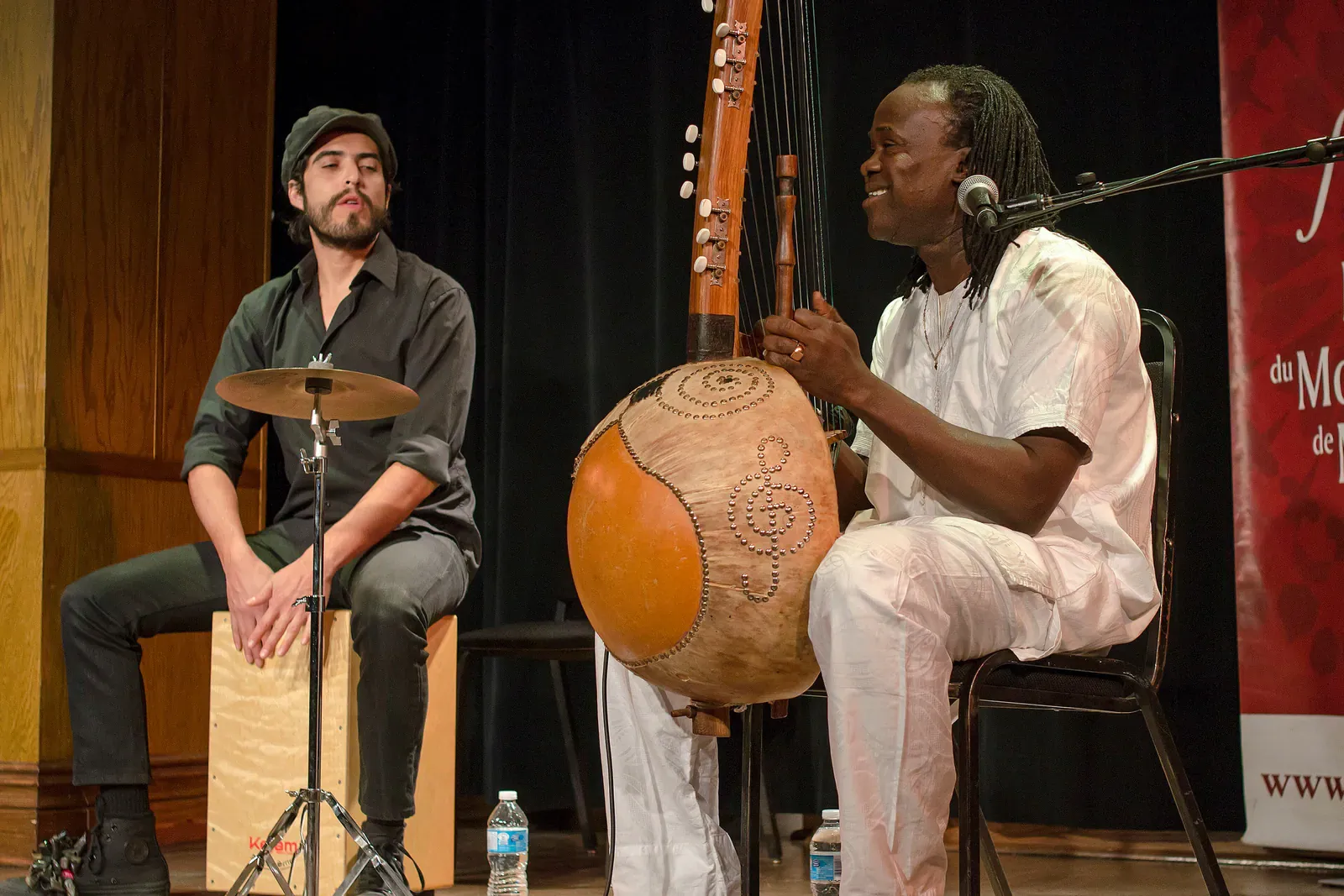
Common instruments include the kora, a 21-string harp from the Mande world, the balafon xylophone, the mbira thumb piano of the Shona people and the Yoruba talking drum. In West African ensembles the harp, xylophone and drums often play together.
Where did amapiano come from?
Amapiano is a South African style that took shape in Gauteng from about 2014. It joins deep house, kwaito and jazz chords around the log drum bassline, and it reached the Grammys in 2024 through Tyla’s “Water”.
Subgenres
Genres in the family
140 main branches. Names with their own page are links.
- 3-step
2019
- Acholitronix
2003
- African blues
- African popular music
1920, 3 branches
5 branches
- Afrikaans music
6 branches
1968, 1 branch
2005, 14 branches
- Afrosoca
- Aghani al-banat
- Akan music
4 branches
- Alloukou
2014, 7 branches
- Ambassel
- Anchihoye
- Assiko
- Azmari music
1 branch
- Bakisimba
- Balani show
- Balwo
- Bango
1987
- Bati
- Bend-skin
1993
1948, 2 branches
- Beni
1940
- Bolobedu house
2012, 1 branch
- Chakacha
- Chimurenga music
1975
- Chopi timbila
1938, 7 branches
- Coupé-décalé
2002
- Dagomba music
- Desert blues
1979, 1 branch
- Dhaanto
- Dinka music
- Djiboutian music
1945
- Eskista
- Ethio-jazz
1963, 1 branch
- Ewe music
3 branches
- Famo
1925
- Frafra music
1 branch
1968, 8 branches
- Fula music
1 branch
- Funaná
1 branch
- Ga music
3 branches
- Goema
1850, 4 branches
2010, 10 branches
- Guayla
- Gule wamkulu
- Gumbe (Guinea-Bissau)
1973, 1 branch
- Gurage music
- Haqibah
1920, 1 branch
2 branches
- Heello
1950
1920, 9 branches
- Hira gasy
1790
- Igbo music
3 branches
- Inanga music
1 branch
- Isukuti
- Jaandheer
- Jit
1982
1929, 8 branches
- Kadongo Kamu
1955
- Kalindula
1945
- Kalon'ny fahiny
1920
- Kapuka
- Kenyan folk music
- Kidandali
1995
- Kilalaky
- Kilapanga
1980, 5 branches
- Kru music
1988, 2 branches
1990, 6 branches
- Kwela
1950
- Ma/gaisa
1995
1955, 2 branches
- Makwaela
- Makwaya
1870, 2 branches
- Maloya
3 branches
6 branches
- Mangambeu
- Manzuma
1907
1910, 1 branch
- Marrabenta
1935, 1 branch
- Maskandi
1925, 2 branches
- Mbalax
1970
1960, 2 branches
- Mbolé
- Mbube
1939, 2 branches
- Mchiriku
1981
- Mgodro
- Morna
4 branches
- Mugithi
1955
- Music of Ethiopia
1930
- Mwomboko
1943
- Ohangla
- Omutibo
- Oromo music
- Oviritje
1960
- Palm-wine music
1900, 3 branches
- Pygmy music
3 branches
- Qaraami
1950
- Royal drumming of Burundi
- Salegy
1960
- São Tomean music
6 branches
5 branches
4 branches
- Senufo music
- Shambo
1998, 1 branch
- Shareero tradition
- Shona traditional music
3 branches
- Sindimba
- Singeli
2004
- Songhai music
1 branch
- Southern African folk music
26 branches
- Sungura
1980
1870, 8 branches
- Tchinkoumé
- Tizita
- Township bubblegum
1983
- Tradi-moderne ivoirien
- Tsapiky
1978
- Tsonga disco
1983, 1 branch
- Tuareg music
- Tufo
- Unyago
- Urban grooves
2000
- Vimbuza
- Vodun music
1 branch
- Wolof music
3 branches
- Worldbeat
1985
- Yoruba music
12 branches
- Ziglibithy
1973
- Zimdancehall
1989
- Zinli
1858
- Zoblazo
1989
- Zouglou
1990, 1 branch
Sound
What it sounds like
Tempo
- Overall70-160
- Highlife95-130
- Afrobeat100-130
- Afrobeats90-115
- Amapiano110-120
- Kwaito100-120
- Jùjú100-125
- Soukous115-155
- Congolese rumba80-125
- Mbalax125-160
- Gqom120-130
Drums and percussion
- Djembe
- Talking drum
- Balafon
Synths and software
- FL Studio
Techniques
- Call and response
- Polyrhythm
- Sebene
- Pitch-bent speech drumming
- Griot praise singing
- Log drum bassline
Keys and modes
Silaba (kora tuning). Mande harp-lute tuning (also Tomora Ba), closest to a just scale; Hardino and Tomora Mesengo derive from it.
Sauta (kora tuning). Derived from Hardino by raising the fourth to an augmented fourth.
Near-equiheptatonic. Mbira and Chopi timbila are tuned close to seven equal steps per octave.
Equipentatonic. Five near-equal steps per octave, typical of Ugandan amadinda xylophone music.
Tuning
Varies by instrument and ethnic tradition; not fixed to 12-TET or A=440.
Vocals
Call and response, praise singing and tonal-language melody; modern pop adds rapped and sung lines.
Instruments
- Talking drum
Hourglass drum whose pitch can be bent to imitate tonal speech; central to Yoruba music.
- Kora
Twenty-one-string harp-lute of the Mande griots, used for epic song.
- Mbira
Thumb piano with metal keys, the core of Shona music in Zimbabwe.
- Djembe
Goblet drum from Mande culture that anchors dance ensembles.
- Balafon
Wooden xylophone with gourd resonators used across the Sahel and West Africa.
- Krar
Ethiopian five-string lyre that accompanies azmari singers and tezeta songs.
- Electric guitar
Interlocking lines in highlife and the sebene of Congolese rumba and soukous.
- Log drum
Deep, bubbling bass note that defines the amapiano groove.
Technology that shaped it
- 1932Local recording studios
Gallo's studios in Johannesburg start a cycle of African recording houses.
- 1970Cassette tapes
Cheap duplication feeds regional markets and later fuels reissue digging.
- 1997FL Studio
Affordable software lets bedroom producers shape Afrobeats and amapiano.
- 2005YouTube and streaming
Video and platforms give African artists direct reach to global fans.
Essential records
- 1948Marie-Louise
Wendo Kolosoy. The hit that launched the Congolese rumba boom and made Ngoma the sound of Leopoldville.
- 1967Pata Pata
Miriam Makeba. A South African township dance song that became a global pop standard.
- 1972Mulatu of Ethiopia
Mulatu Astatke. The core Ethio-jazz album: Ethiopian pentatonic scales over jazz and Latin grooves.
- 1972Soul Makossa
Manu Dibango. Makossa dance funk that crossed into New York clubs and has been sampled endlessly.
- 1976Zombie
Fela Kuti. A fierce Afrobeat satire of military discipline that provoked the raid on Kalakuta.
- 1982Juju Music
King Sunny Ade. Pedal steel, talking drums and layered guitars made juju an export.
- 1985Mario
Franco and TPOK Jazz. A long rumba with a sharp social story and a sprawling guitar sebene, a Franco peak.
- 1987Shaka Zulu
Ladysmith Black Mambazo. Produced by Paul Simon, it won a Grammy and made isicathamiya known worldwide.
- 1987Soro
Salif Keita. Mande griot song reimagined with synthesizers; a template for African pop in Paris.
- 1992Miss Perfumado
Cesaria Evora. Quiet morna ballads that introduced Cape Verde to the world.
- 2019African Giant
Burna Boy. Afro-fusion with reggae, dancehall and Afrobeat that cemented his global rise.
- 2023Water
Tyla. Amapiano rhythm in a pop frame that charted worldwide.
Scenes
Where it happened
Where and when the sound lived: one bar per city on a shared timeline.
Africa
Active scenes
Peak 10, 1980-2025
Highlife, juju, fuji, Afrobeat and Afrobeats all grew in its clubs and studios.
The home of highlife and later hiplife, a port city where dance bands met brass and guitars.
Congolese rumba and soukous poured from its labels, bars and orchestras.
Afro-Cuban dance bands became mbalax in the clubs of Senegal.
Marabi, mbaqanga, kwaito and amapiano all took shape in its townships.
Swinging Addis blended brass bands, soul and Ethiopian scales until the 1974 revolution.
Benga, Congolese rumba imports and later genge shaped East African pop.
The cradle of taarab, which fused Swahili poetry with Arab and Indian melody.
The port that nurtured morna and coladeira, with Cesaria Evora its best-known voice.
Zouglou and coupe-decale came from its student and nightlife culture.
Glossary
Terms on this page
A Congolese hype man who shouts to energise dancers during the fast section.
A leader sings a line and the group answers; the base of much African vocal music.
West African hereditary singer-historian who keeps genealogies and epics.
Ghanaian and Nigerian dance music mixing local melody with brass and guitar.
Coastal guitar music named after the drink served where it was played.
Several contrasting rhythms played at once, central to African drumming.
The guitar-driven instrumental section of Congolese rumba and soukous, built for dancing.
Ethiopian song form and mode about nostalgia and memory.
Families