Benga music
Benga is Kenyan guitar-band music whose bass line copies the Luo nyatiti lyre. It formed in Nairobi from the late 1940s and led Kenyan pop for decades.
Nairobi, 1948
African family

Born
1948
Nairobi
Subgenres
2
Documented branches
Links
11
Genres it drew on or shaped
Tempo
90-145 BPMLineage
Family tree
Grew out of
Influenced by
Nairobi, 1948
Benga music
Led to (3)
Timeline
Era by era
From the first sparks to today. Select a dot to read the story behind it.
- Radio, finger-style and early Luo bands
1948 to 1966
- Shirati Jazz and the regional bands
1967 to 1979
- Cassettes, piracy and decline
1980 to 1996
- Loss of pioneers and bengafusion
1997 to today
Eras
Moments
- 1 Radio, finger-style and early Luo bands, 1948 to 1966
- 2 Shirati Jazz and the regional bands, 1967 to 1979
- 3 Cassettes, piracy and decline, 1980 to 1996
- 4 Loss of pioneers and bengafusion, 1997 to today
around 1948
Radio, finger-style and early Luo bands
Nairobi radio broadcast Congolese guitar, kwela and Cuban dance records, and Luo guitarists began copying the nyatiti lyre on electric strings.
- 1948Nairobi radio airs Congolese, kwela and Cuban recordsThe African Broadcasting Service in Nairobi plays soukous, kwela, finger-style guitar and Cuban dance music that shape benga.
- 1952Congolese finger-style guitar reaches KenyaRecordings by Edouard Massengo and Jean-Bosco Mwenda spread thumb-and-forefinger picking among Kenyan guitarists.
- 1965George Ramogi starts the Luo Sweet BandThe group later became Continental Kilo Jazz Band (C.K. Jazz) and recorded Luo benga for decades.
1967
Shirati Jazz and the regional bands
Shirati Jazz and Victoria Jazz led Luo benga while Kikuyu and Kamba bands adapted it, and benga became a leading popular sound on Kenyan radio.
- 1967Shirati Jazz formedDaniel Owino Misiani founds the first major benga band, whose hits were among East Africa's biggest through the 1970s and 1980s.
- 1967Kamaru's Celina breakthroughJoseph Kamaru gains his first success with Celina, a rhythmic Kikuyu dance tune.
- 1970Daniel Kamau's Murata / I Love YouThe Kikuyu benga hit makes him a national name; he opens the DK Nguvu Sounds studio around the same time.
- 1972Victoria Jazz formedOchieng Nelly Mengo and Collela Mazee found Shirati Jazz's biggest rival.
- 1975Kakai Kilonzo's first recordKakai Kilonzo releases Mama Kifagio with the Kilimambogo Brothers, a pillar of Kamba benga.
- 1975Kamaru's song on J. M. Kariuki's murderHis song condemning the killing of Josiah Mwangi Kariuki ends his friendship with President Kenyatta.
- 1977State radio bans two DK songsThe Kenya Broadcasting Corporation bans Nana and Mwithua over alleged obscenity.
- 1979Fuata NyayoKakai Kilonzo's Swahili patriotic song lifts him from Kamba regional fame to national fame.
1980
Cassettes, piracy and decline
Cassette sales spread benga to rural audiences, but piracy, flat-fee contracts and little radio support weakened the industry, and the first international album arrived around 1989.
- 1985Piracy undercuts the benga industryFrom the mid-1980s widespread piracy and flat-fee contracts leave musicians with little income.
- 1989Benga Blast! on VirginDaniel Owino Misiani and Shirati Band release the first widely distributed international benga album.
1997
Loss of pioneers and bengafusion
Several pioneers died from 1997 onward, while younger acts kept Luo benga alive in rural venues and blended it with pop, jazz and afrobeats.
- 1997Three Luo benga artists dieOkatch Biggy, George Ramogi and Prince Jully all die this year.
- 2006Misiani dies in a road accidentThe Shirati Jazz leader dies near Kisumu, and his wife Queen Babito takes over the band.
Listening path
Start listening
A short path from an easy way in to the deep end. Thumbnails come from YouTube; the player loads only when you press play.
- 01
Joseph Kamaru, 1975
Kamaru's protest song on a political murder, showing how Kikuyu benga carried commentary.
- 02
Joseph Kamaru, 1989
A Kikuyu benga track from Kamaru's Good Times, with the bright guitar lines and steady bass of the style.
- 03
Joseph Kamaru, 2025
A 2025 remaster of a Kikuyu benga track, showing how the catalogue is being reissued.
Facts
| Family | African |
| Origin | Nairobi, Kenya |
| Emerged | Late 1940s to late 1960s |
| Status | Active |
| Tempo | 90 to 145 BPM |
| Subgenres | 2 |
Benga is a style of Kenyan popular music built on interlocking electric guitars and a bass line that imitates the syncopated plucking of the Luo nyatiti lyre.
It took shape in Nairobi between the late 1940s and the late 1960s from Congolese guitar music, South African kwela, Cuban dance records and Luo folk song. It became one of the country’s leading popular styles from the 1960s to the 1980s, and the Luo, Kikuyu and Kamba each developed their own versions. It belongs to the African family.
Origins
In the 1940s the African Broadcasting Service in Nairobi aired a steady stream of soukous, South African kwela, Congolese finger-style guitar and Cuban dance music. From about 1952 recordings by Congolese guitarists such as Edouard Massengo and Jean-Bosco Mwenda were on sale in Kenya, and Mwenda’s habit of picking with thumb and forefinger spread quickly. Finger-style playing is swift and works best in small groups, where a second guitar follows the first with syncopated bass rhythms.
Local songs supplied the rest. Tanzanian and Luo folk songs formed the base of the first benga pieces, and Luo guitarists tried to copy the nyatiti, an eight-string lyre played by the Luo of western Kenya. The result was a bass guitar that plays the instrument’s syncopated figures, which remains the style’s most recognisable trait.
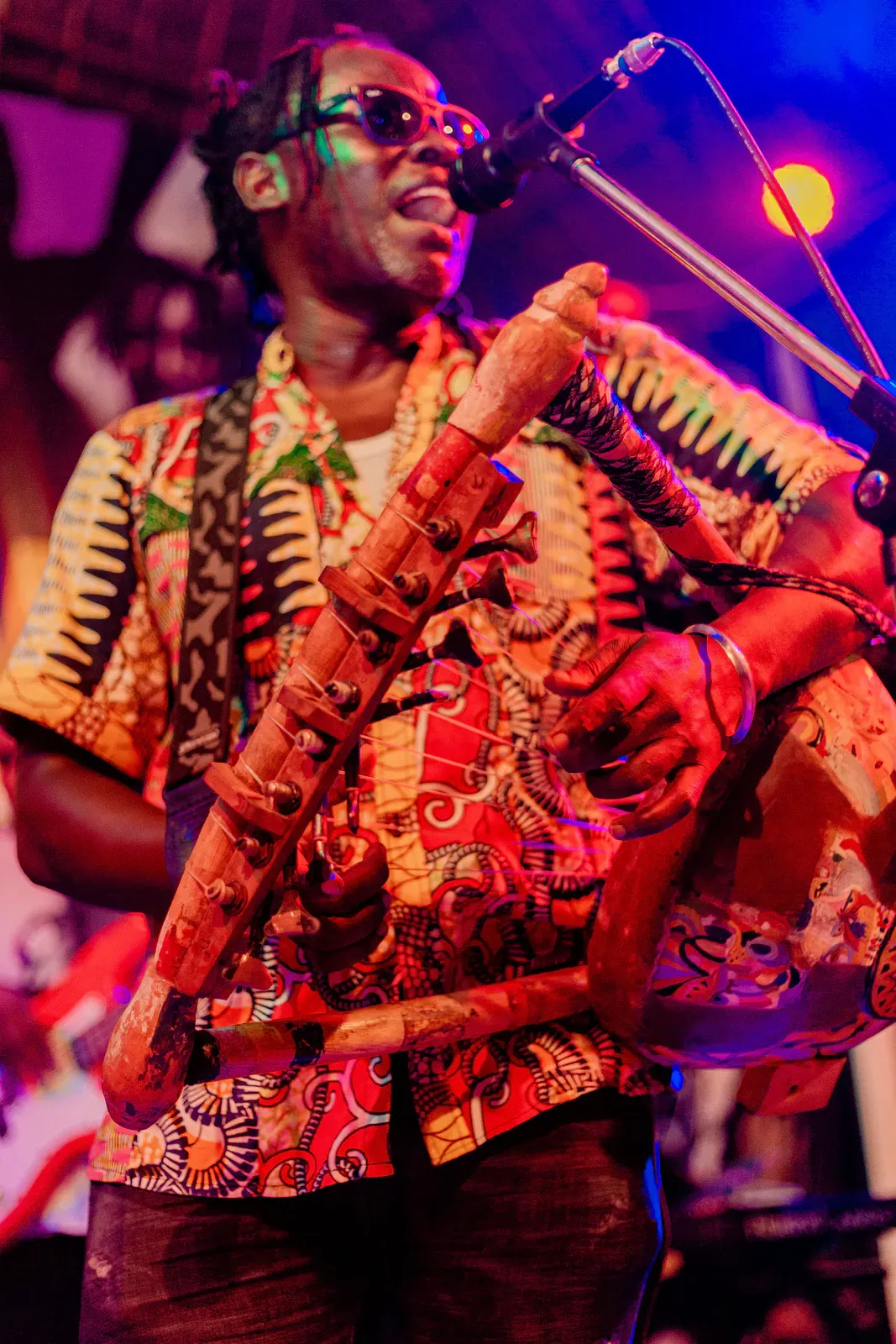
George Ramogi started the Luo Sweet Band in 1965, renamed Continental Kilo Jazz Band, or C.K. Jazz. He is counted among the fathers of Luo benga, partly because he helped other benga players get their music recorded in Nairobi. In the same years Daniel Owino Misiani, a Tanzanian-born singer from near Shirati, moved to Kenya, made his first recording with the Victoria Boys in 1965, and in 1967 formed Shirati Jazz, widely regarded as the first major benga band.
Luo benga and its rivals, 1967-1979
Shirati Jazz launched a string of hits that were among East Africa’s biggest through the 1970s and 1980s. Misiani sang mostly in Dholuo and Swahili, adapted the rhythms of the nyatiti and the orutu, a one-string fiddle, to an electric line-up, and treated song as history; he became known as the King of History. He was jailed several times for lyrics heard as political criticism.
His main rival was Victoria Jazz, formed in 1972 by Ochieng Nelly Mengo and Collela Mazee. Mazee took over the band after the pair split in 1973 and became known for sweet, melodic benga. Splinter bands followed, among them Victoria C Band and, from the mid-1970s, Migori Super Stars. Voice of Kenya radio pushed East African pop through the decade, which kept these records in front of a national audience.
Kikuyu and Kamba benga
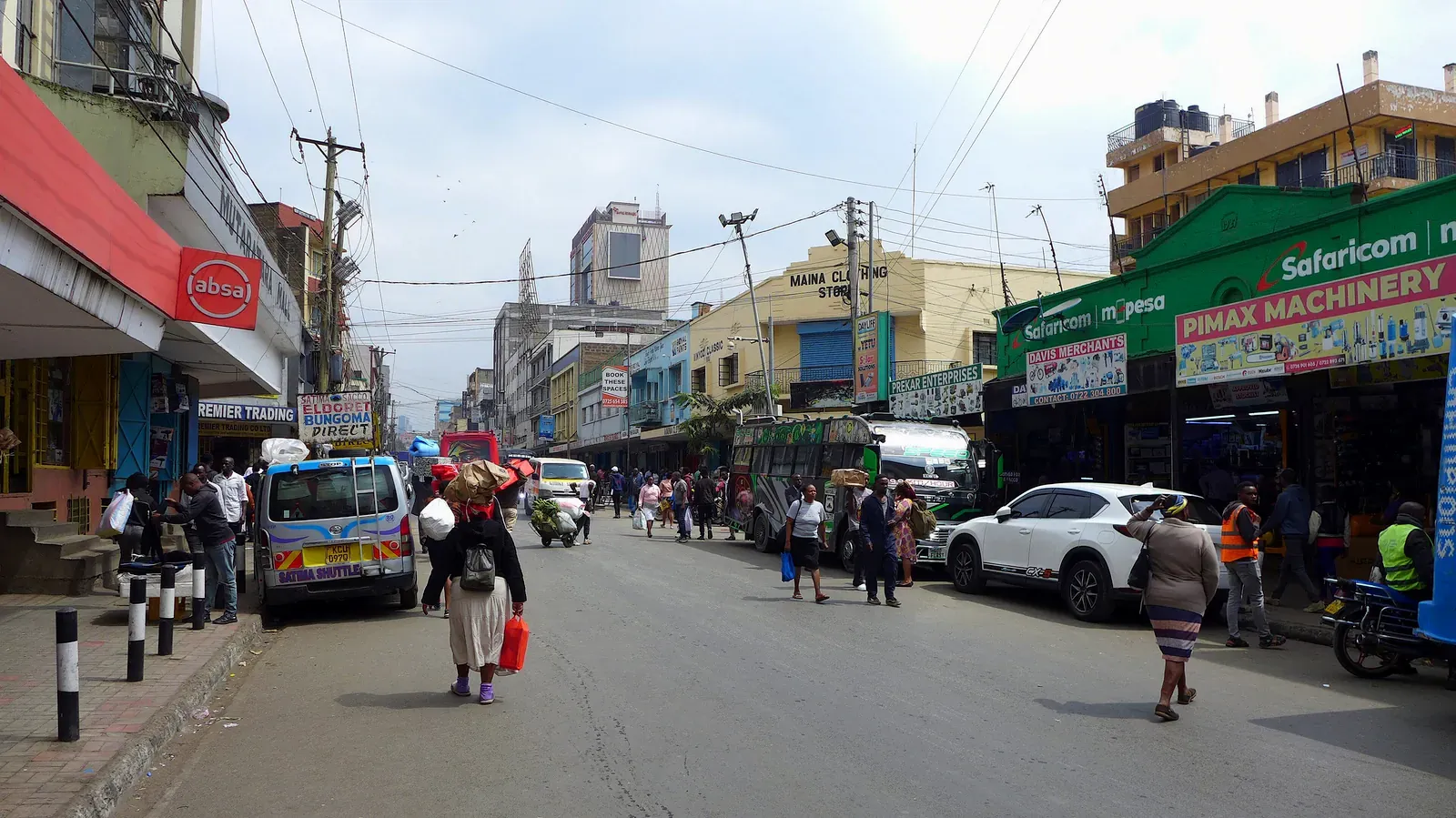
Benga crossed ethnic lines. Joseph Kamaru, born in Kangema, moved to Nairobi in 1957 and began a music career in 1965; his first success came in 1967 with Celina, and his peak ran from 1975 to 1985 with cassette releases of Kikuyu folk songs. Daniel Kamau, known as DK, released his first record in 1968 and had a national hit in 1970 with Murata. His DK Nguvu Sounds studio later drew other musicians, including Kakai Kilonzo. State radio banned two DK songs, Nana and Mwithua, in 1977 for alleged obscenity.
Kamba benga, from the area east and south of Nairobi, adds a second guitar that plays a melodious counterpoint to the lead. Kakai Kilonzo led the Kilimambogo Brothers and released his first record, Mama Kifagio, in 1975. A Swahili patriotic song, Fuata Nyayo, in 1979 carried him from Kamba audiences to national fame. He died in 1987, and the band carried on with less success. Related Kamba acts such as Kalambya Boys appeared in the mid-1970s.
Decline and survival, 1980-1996
Success never produced a stable industry. Songs were recorded along Nairobi’s River Road at studios including Capital Music Stores and Hi-Fidelity, and at Chandarana Records in Kericho, with singles pressed under many small labels. Composers were paid a flat fee of about 300 Kenyan shillings, roughly three dollars, per song, with no royalties. Piracy grew from the mid-1980s, intellectual property protection was weak, and radio gave the style little airtime once urban listeners dismissed it as music for the rural masses. Unlike Congo, Kenya had no state support to push its guitar music abroad.

Benga reached international listeners only around 1989, when Daniel Owino Misiani and the Shirati Band released Benga Blast! on Virgin Records. A 1996 world-music compilation, The Rough Guide to the Music of Kenya and Tanzania, carried Misiani and Kakai Kilonzo tracks to further audiences.
Characteristics
A typical benga song opens with a catchy guitar riff, followed by flowing verses sung in unison or simple two-part harmony over gentle fingerpicking, a very active bass line and a steady percussion pulse. The hi-hat provides much of the sizzle. Guitarists trade rapid, interlocking chord work, and the bass is the part that carries the Luo lyre pattern. Tempos are mostly mid-fast and made for dancing, and lyrics are in Dholuo, Swahili, Kikuyu or Kamba depending on the band.
Instruments and production
The core line-up is lead guitar, rhythm guitar, bass guitar and a drum kit, with vocal groups added. Shirati Jazz adapted the rhythms of the orutu as well as the nyatiti, but the electric bass stays central because it translates the nyatiti. The nyatiti itself is typically tuned B-A-G#-E-E-D-B-A from the top string to the bottom, and its players keep a circular rhythm with alternating thumb and middle finger.
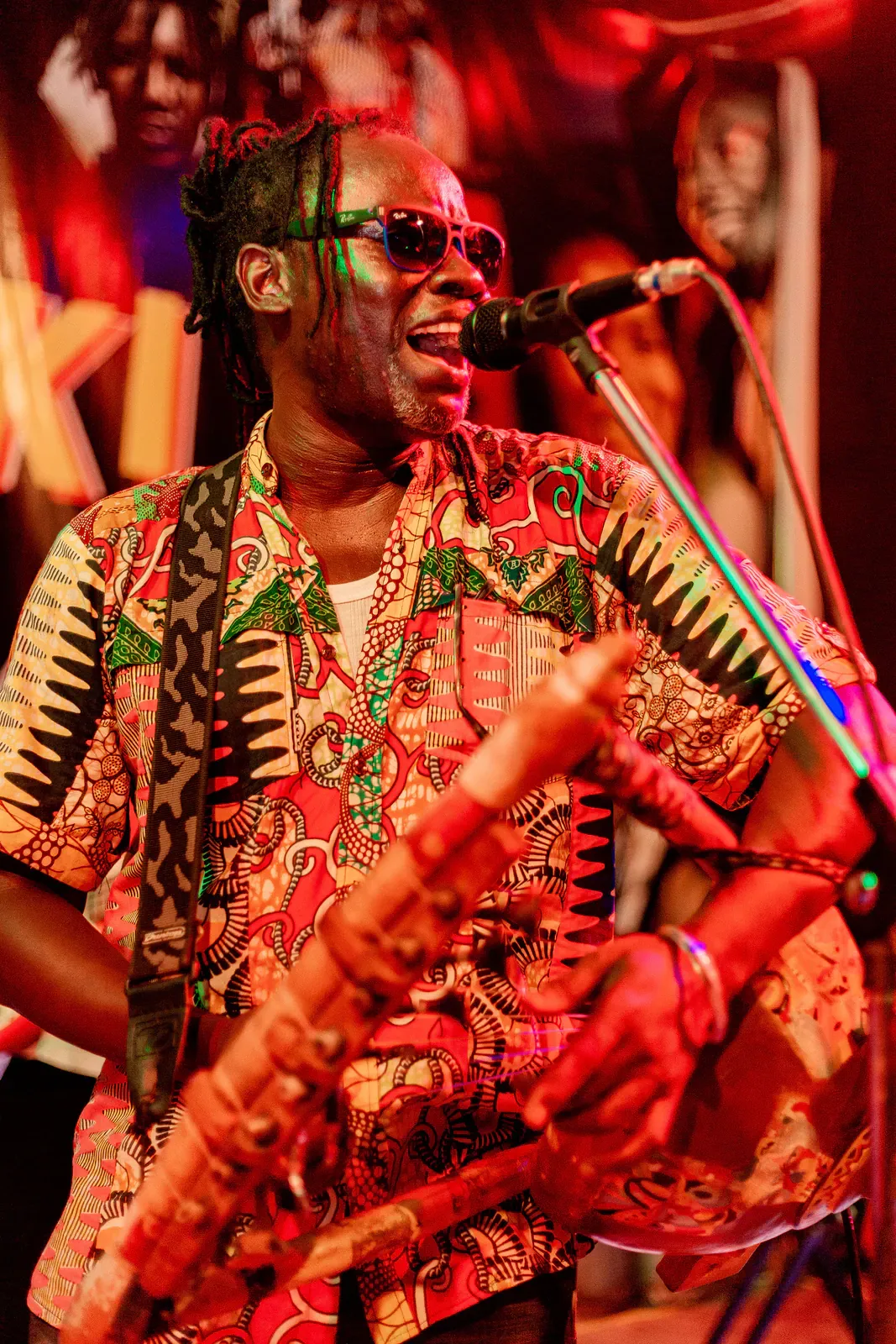
Recording was mostly in Nairobi, first on vinyl singles and later on cassette.
Notable recordings
Misiani’s Benga Blast!, released around 1989, gave Luo benga its widest overseas release and remains the most obvious entry point on record. Joseph Kamaru’s protest song about the murder of the politician Josiah Mwangi Kariuki, written in 1975, ended his friendship with President Kenyatta; under President Moi he later wrote Safari ya Japan, praising the president after a 1980 tour of Japan in his entourage. It shows benga as a vehicle for public commentary as well as dance. Kakai Kilonzo’s Fuata Nyayo, from 1979, is the Swahili patriotic song that marked his shift from Kamba to national audiences.
Culture
Benga songs often act as oral history and news. Misiani’s repertoire earned him his title, and Ramogi turned local events into songs: a lorry crash on the road to Sondu, fishermen drowned in Lake Victoria and the death of the politician Argwings-Kodhek. After Ramogi died, other musicians recorded a tribute song, Rapar George Ramogi. Performances happened in bars and clubs across Nyanza, and Kamaru in the late 1980s became the first Kenyan artist to play the Carnivore Restaurant, then hosting only foreign acts.

Legacy
Several pioneers died within a decade of each other: Okatch Biggy, George Ramogi and Prince Jully in 1997, Collela Mazee in 2000 and Misiani in a road crash near Kisumu in 2006, after which his wife Queen Babito took over Shirati Jazz. Princess Jully took over her late husband Prince Jully’s Jolly Boys Band and became a leading female benga musician. Later acts include Ogwang Lelo Okoth, Dola Kabarry, and Musa Juma, whose style absorbed rumba before his death in 2011. Contemporary groups blend benga with pop, jazz and afrobeats in what is called bengafusion, while neo-traditional bands link it back to Luo ohangla, a related Luo style that grew from benga and older Luo music. The Luo variant stays the reference point, with Kikuyu and Kamba benga are regional variants in their own right.
Misconceptions
Shirati Jazz and Victoria Jazz are not jazz groups. Both are benga bands, and jazz is only part of the band name. Benga is not a single Luo style either: Kamaru and DK built Kikuyu benga, and Kakai Kilonzo led the Kamba version, each in its own language and with its own guitar texture. The bass line is not a Congolese import. Congolese finger-style recordings shaped the guitars, but the bass is modelled on the nyatiti, a Luo instrument.
Frequently asked questions
What is benga music?
Benga is Kenyan popular guitar music whose electric bass imitates the plucked pattern of the Luo nyatiti lyre. It uses fast interlocking guitars, a steady percussion pulse and sung verses, and it is danced to in bars, clubs and at home.
Where does benga come from?
Benga formed in Nairobi between the late 1940s and the late 1960s. Congolese guitar music, South African kwela, Cuban dance records and Luo folk songs all fed it, and Luo guitarists added the nyatiti-style bass.
Who founded benga?
No single person did. George Ramogi and C.K. Jazz are called fathers of Luo benga, and Daniel Owino Misiani’s Shirati Jazz, formed in 1967, is regarded as the first major benga band.
Is benga only a Luo style?
No. Luo benga is the original reference, but Kikuyu singers such as Joseph Kamaru and Daniel Kamau and Kamba bands such as the Kilimambogo Brothers developed their own forms.
Sound
Sound sheet
Signature sounds
- Nyatiti-style bass line
- Catchy opening guitar riff
- Unison or two-part vocals over fingerpicked guitars
- Steady hi-hat pulse
Drums and percussion
- Drum kit
Techniques
- Nyatiti-style bass
- Finger-style guitar
- Second-guitar counterpoint
- Riff-led song opening
Tuning
The nyatiti, which benga bass lines imitate, is typically tuned B-A-G#-E-E-D-B-A from top to bottom.
Vocals
Unison or simple two-part harmony, sung in Dholuo, Swahili, Kikuyu or Kamba.
Scenes
Where it happened
Where and when the sound lived: one bar per city on a shared timeline.
Africa
Active scenes
Peak 4, 1975-2025
Radio, River Road record shops and studios made the capital the place where benga was recorded and pressed.
Port city of the Luo lakeshore, gateway to the bars and clubs of Nyanza where Luo bands played.
Lake Victoria town near the Kenyan border that gave Shirati Jazz its name.
Home district of Kamba pop bands such as Kakai Kilonzo's Kilimambogo Brothers.
Culture
Culture markers
- Songs as oral history
Luo musicians such as Misiani, called King of History, used songs to teach and record Luo history.
Ritual - Memorial and news songs
George Ramogi composed songs about a lorry crash, drowned fishermen and the politician Argwings-Kodhek.
Ritual
Media
Key media
- 1996The Rough Guide to the Music of Kenya and Tanzania
by Various. World Music Network compilation that carried Misiani and Kakai Kilonzo tracks to international listeners.
Compilation
Glossary
Terms on this page
Modern benga that mixes traditional benga beats with pop, jazz and afrobeats.
Congolese guitar technique of picking with thumb and forefinger, which became popular in Kenya in the 1950s.
Eight-string plucked lyre of the Luo, whose syncopated patterns benga bass lines imitate.
Luo style that grew from benga and traditional Luo music and is popular with young Luo.
One-string bowed fiddle of western Kenya, adapted by some benga bands.
African family