Gqom
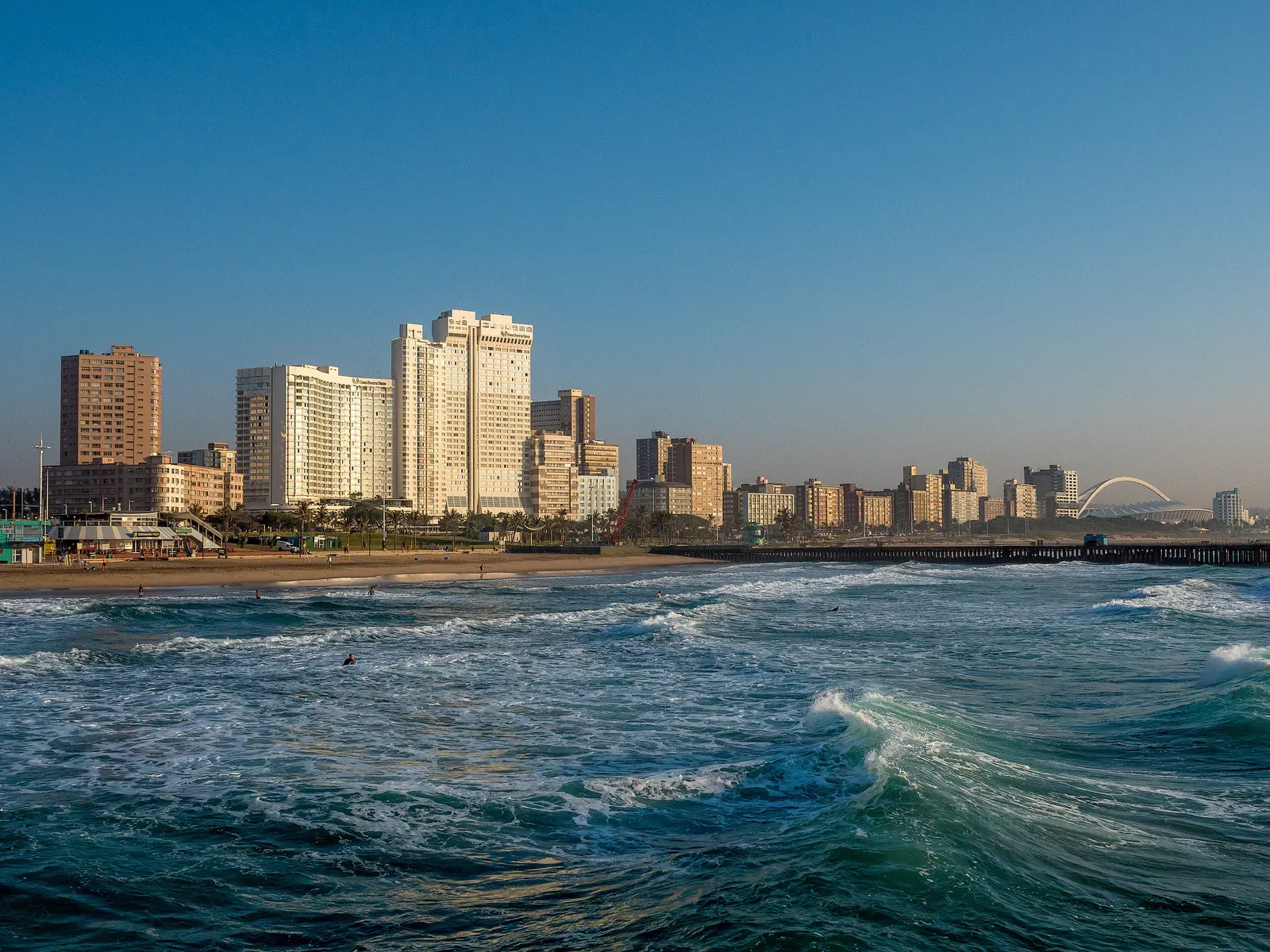
Gqom is a minimal, bass-heavy dance music from Durban, South Africa, formed in the early 2010s around broken kick patterns, drones and Zulu chants.
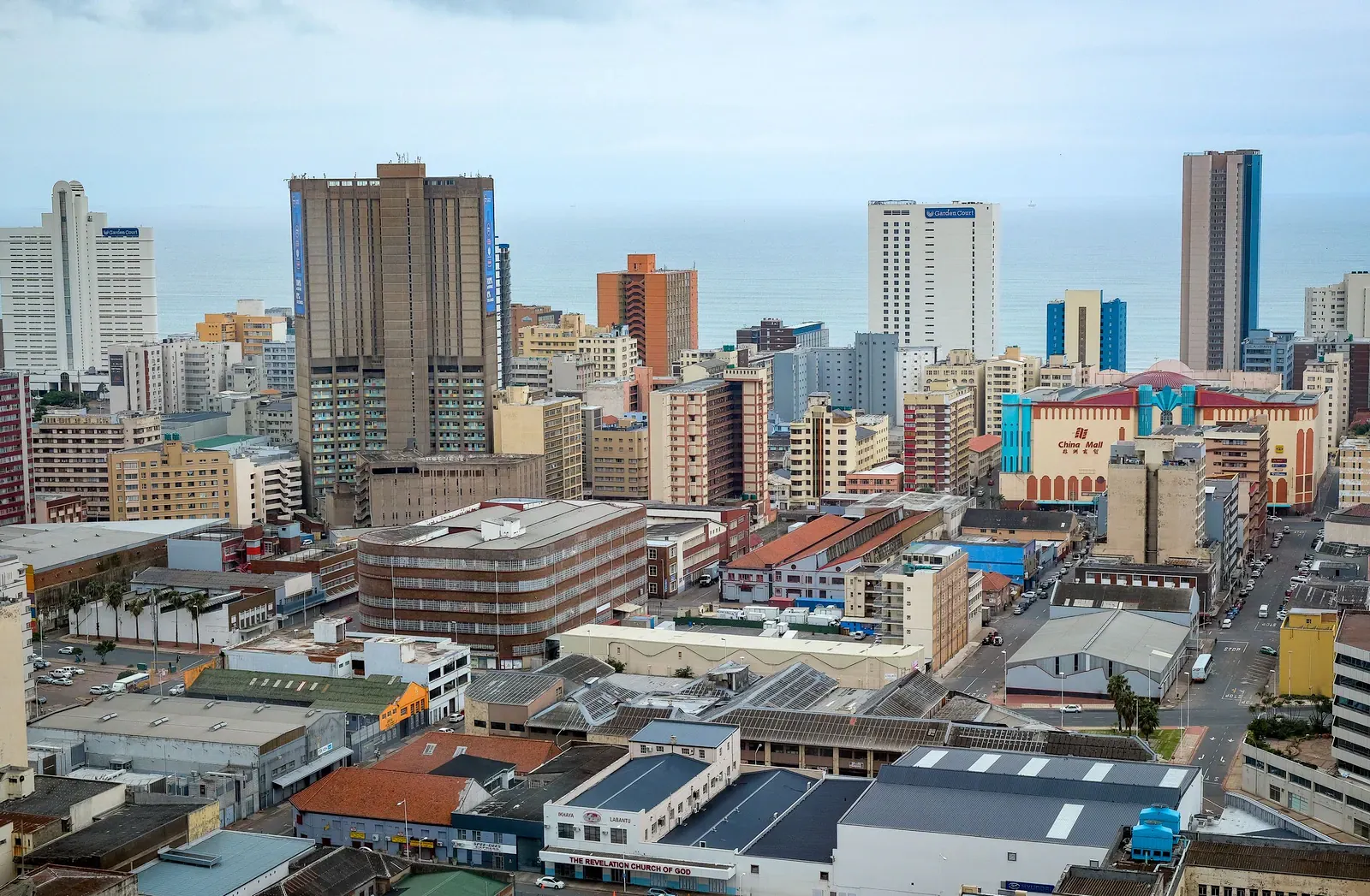
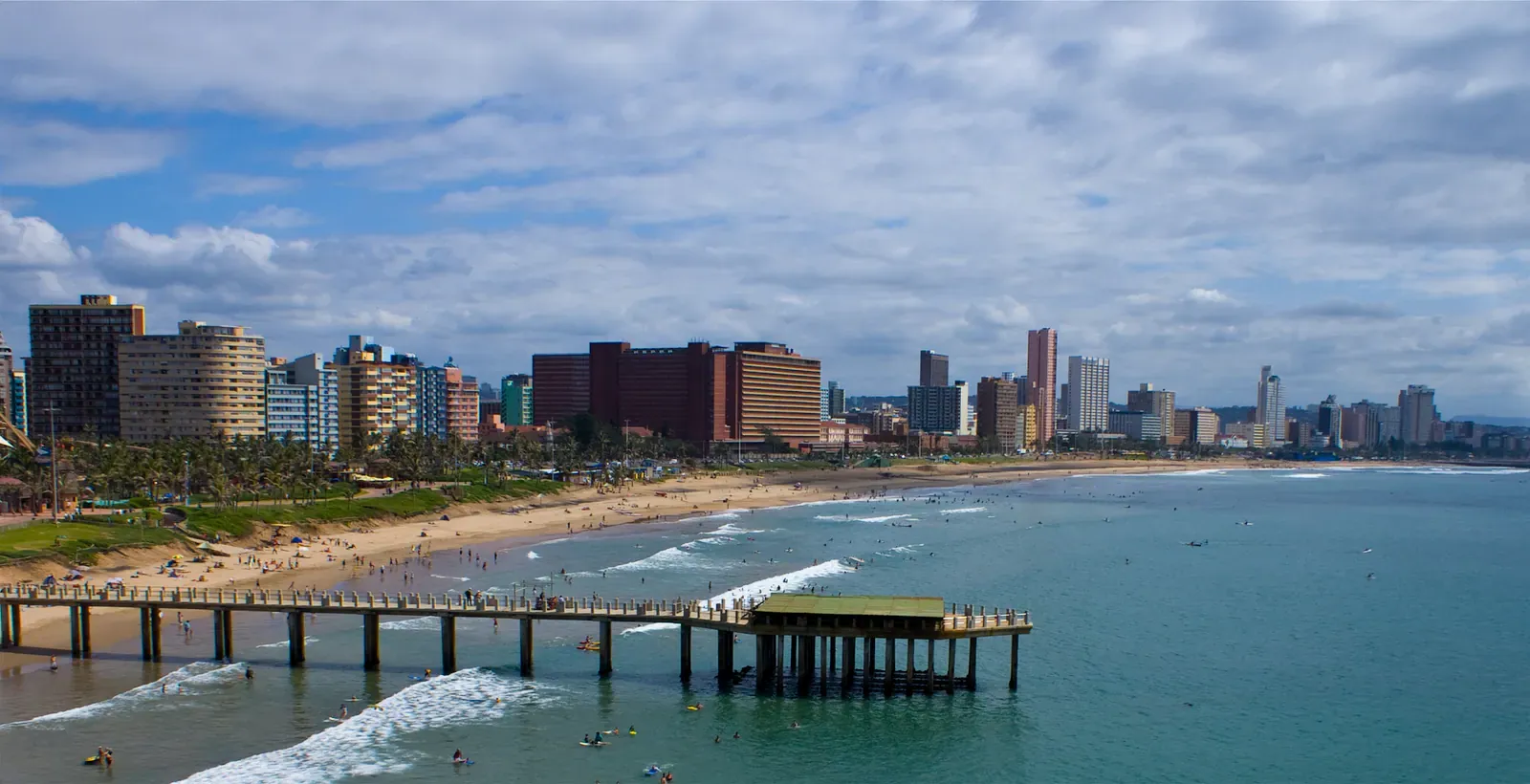
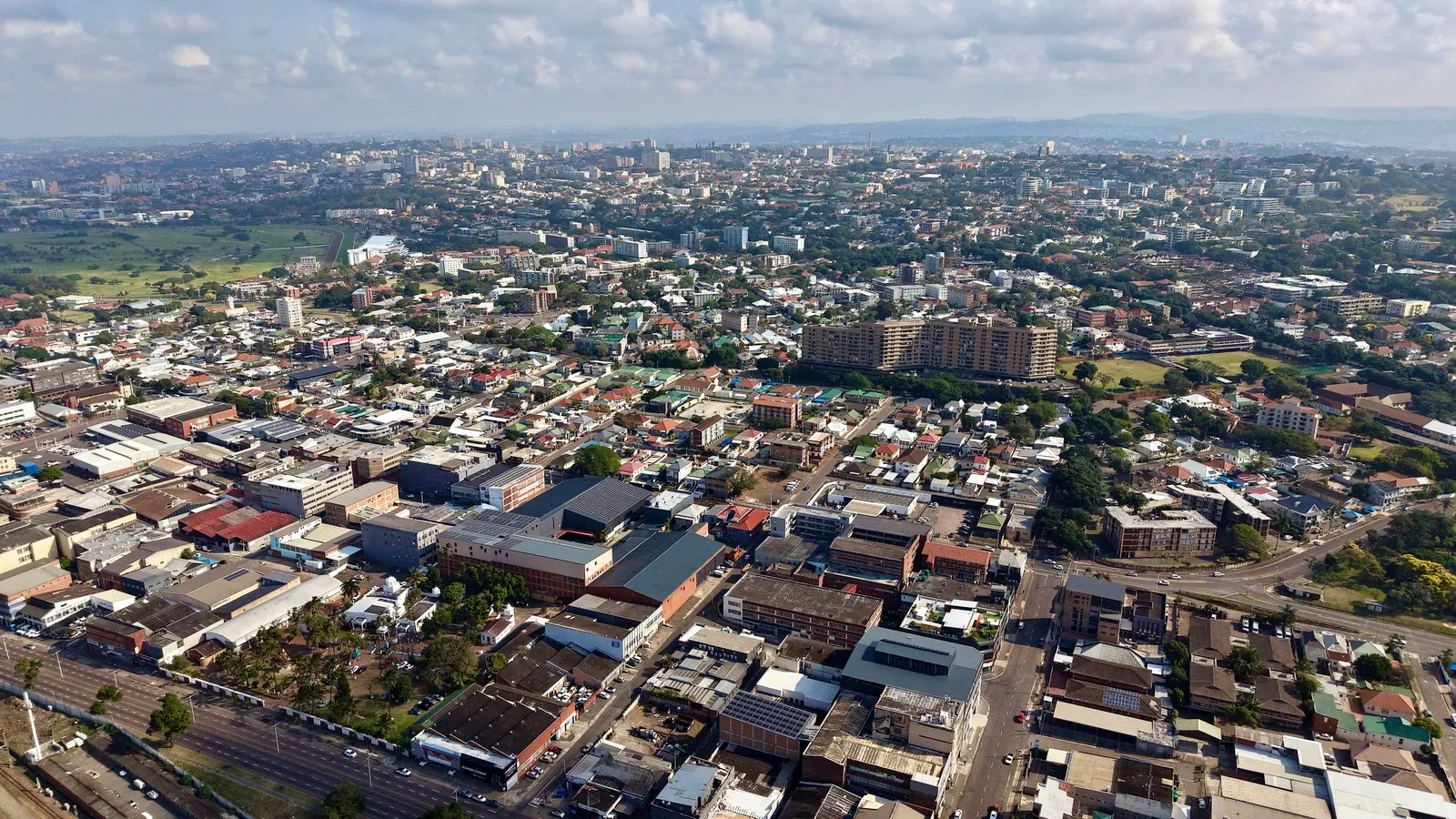
Durban, 2010
African family
Born
2010
Durban
Subgenres
12
Documented branches
Links
21
Genres it drew on or shaped
Tempo
120-130 BPMLineage
Family tree
Timeline
Era by era
From the first sparks to today. Select a dot to read the story behind it.
- Tribal house and kwaito roots
2008 to 2013
- Taxi ranks and file sharing
2013 to 2015
- Going global
2015 to 2019
- Awards and offshoots
2020 to today
Eras
Moments
- 1 Tribal house and kwaito roots, 2008 to 2013
- 2 Taxi ranks and file sharing, 2013 to 2015
- 3 Going global, 2015 to 2019
- 4 Awards and offshoots, 2020 to today
around 2008
Tribal house and kwaito roots
Durban producers working with kwaito and tribal house began stripping beats down to raw, repetitive loops, often swapping early gqom and tribal house in the same club sets.
- 2010Gqom forms in DurbanA raw, bass-heavy club style grows out of Durban kwaito and tribal house in the early 2010s.
around 2013
Taxi ranks and file sharing
Naked Boyz, Rudeboyz, Sbucardo, Griffit Vigo and others made tracks in FL Studio and passed them around on file-sharing platforms and in minibus taxis fitted with sound systems.
2015
Going global
A London EP, an Italian compilation label, the hits Wololo and Omunye and a Beyonce credit took the sound from Durban townships to international festivals and soundtracks.
- 2015Gqom Oh! is foundedItalian DJ Nan Kole finds a SoundCloud stream tagged gqom in January and sets up the label with Lerato Phiri to spread the sound.
- 2015Rudeboyz EP on Goon Club AllstarsThe London label issues a split EP by Rudeboyz and Menchess on 1 June, the first gqom release many listeners abroad hear.
- 2016Gqom Oh! The Sound of Durban Vol. 1The first full compilation of the Durban scene, 19 tracks, is released on 29 January.
- 2016WololoBabes Wodumo and Mampintsha release the single on 26 April, produced by Distruction Boyz; it becomes a national hit.
- 2016DJ Lag EPDJ Lag debuts on Goon Club Allstars with four tracks including Ice Drop.
- 2017Gqom Is the FutureDistruction Boyz release the debut album with Omunye; it is certified gold in South Africa.
- 2017First award nominations abroadDistruction Boyz and Babes Wodumo are nominated for the MTV Europe Music Award for Best African Act, and both acts for BET awards.
- 2018Black Panther: The AlbumBabes Wodumo appears on Redemption, and Rihanna performs the gwara gwara dance at the Grammy Awards.
- 2019My Power on The Lion King: The GiftDJ Lag produces the Beyonce-curated track with Busiswa and Moonchild Sanelly.
- 2019First South African Gqom AwardsThe ceremony with 25 categories is held on 20 April at the ICC Arena in Durban.
2020
Awards and offshoots
Separate South African Music Awards categories from 2021 and a spread of subgenres, from 3-step to a slower gqom 2.0, mark a settled style.
- 2021Separate SAMA categoriesThe South African Music Awards add categories for gqom and amapiano, which had been judged under kwaito.
Listening path
Start listening
A short path from an easy way in to the deep end. Thumbnails come from YouTube; the player loads only when you press play.
- 01
Babes Wodumo ft Mampintsha, 2016
The hit that made gqom a national dance craze; listen for the sparse broken kick and shouted chant.
- 02
Distruction Boyz, 2017
The track that took gqom abroad; note the dark drone and tom rolls.
- 03
DJ Lag, 2022
A later cut by a pioneer, with Babes Wodumo and Mampintsha, showing how the sound has settled.
Facts
| Family | African |
| Origin | Durban, South Africa |
| Emerged | Early 2010s |
| Status | Active |
| Tempo | 120 to 130 BPM |
| Meter | 4/4 |
| Grew out of | Durban kwaito, South African house, Afro house |
| Subgenres | 10 |
Gqom is a South African electronic dance music that emerged in Durban in the early 2010s. It is minimal, raw and repetitive, built on heavy bass, dark drones and repeated chants, and it is usually filed as a subgenre of house even though its kicks avoid the four-on-the-floor pulse.
The name comes from the Zulu word for the sound of a hit drum.
Origins
Gqom grew out of the club and township music of KwaZulu-Natal in the years around 2010. Producers who had absorbed Durban kwaito, tribal house and the experiments of producers such as Blaq Soul and Culoe de Song began stripping beats down to a bare kick, a few toms and a loop. Early gqom and tribal house sat side by side in some Durban club sets, while kwaito, Pretoria’s bacardi house and the Eastern Cape’s isjokojoko were all in the air. Techno, maskandi, afro house and broken beat also fed the sound.
The name is onomatopoeic, imitating a drum hit. Alternative names include igqomu and gqom tech. The music belongs to the wider tradition of African popular music but was made by a young generation working at home on laptops.
Taxi ranks and file sharing, 2013-2015
The producers behind early gqom included Naked Boyz, Rudeboyz, Sbucardo, Griffit Vigo, Nasty Boyz, DJ Lag, Menzi, Distruction Boyz and Citizen Boy. Most worked in FL Studio with stock plugins and samples, and distributed tracks themselves on file-sharing platforms, USB drives and WhatsApp groups before any label paid attention. Griffit Vigo is credited with the broom-like sweep sound that became a hallmark.
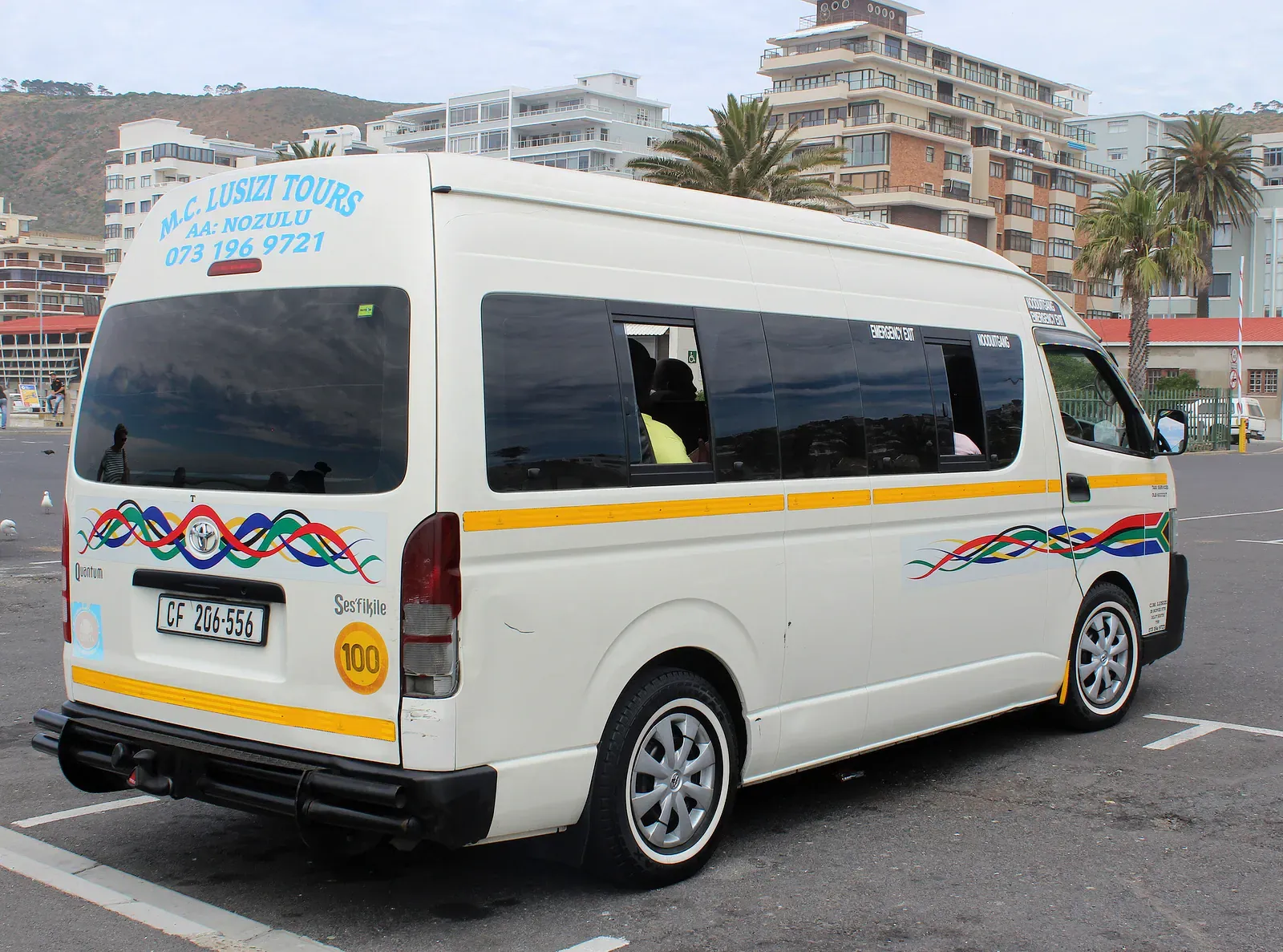
The music reached its first audience in minibus taxis. Taxis played gqom loudly, and some carried disco lights so that a ride became a small club. A weekly celebration of the sound, known as I-Nazoke or the gqom explosion, grew up around the taxis, first in Durban and then in other KwaZulu-Natal towns. The taxis also gave local drivers a business reason to play it.
In the mid-2010s Sbucardo and Citizen Boy named a variation they called 3-step, a track built on beats grouped in threes, which developed into a distinct subgenre.
Going global, 2015-2019
The first taste of gqom for many listeners abroad came on 1 June 2015, when London’s Goon Club Allstars released a split EP by Rudeboyz and Menchess. The same year the Italian DJ Nan Kole found a SoundCloud stream tagged gqom and co-founded the label Gqom Oh! with Lerato Phiri. On 29 January 2016 it released Gqom Oh! The Sound of Durban Vol. 1, a 19-track compilation of the scene’s producers.
At home, the turning point was 2016. Babes Wodumo’s single Wololo, with Mampintsha and produced by Distruction Boyz, appeared in April and became a national hit, with a dance to match. DJ Lag followed in November with a self-titled EP on Goon Club Allstars that included Ice Drop. In 2017 Distruction Boyz released Gqom Is the Future, whose single Omunye with Benny Maverick and Dladla Mshunqisi helped the album reach gold certification in South Africa.
The music then began to travel through film, television and pop. Distruction Boyz and Babes Wodumo were nominated for the MTV Europe Music Award for Best African Act, and both acts for BET awards. In 2018 Babes Wodumo sang on Redemption for Black Panther: The Album and appeared in a video with Major Lazer. The duo FAKA had music used in a Versace menswear show in 2019, and DJ Lag produced My Power for Beyonce’s The Lion King: The Gift, an album nominated for a Grammy.
The label Afrotainment, founded in Durban by DJ Tira in 2007, helped carry the sound into the mainstream.
Characteristics
Traditional gqom is a dark, hypnotic club music. The kick does not mark every beat but falls in broken, syncopated patterns, and tom rolls fill the gaps. A track is often built on one phrase or a few lines repeated many times, so chants and vocal stabs work as rhythm.
Variations developed. In sgubhu the kick follows a steady four-beat pattern close to house. In 3-step the beats fall in groups of three. Gqom 2.0 is slower and blends in elements of amapiano. Other subgenres include gqom tech, taxi kick, gqom trap and uThayela.
Instruments and production
The producers were a young, self-taught generation using stock tools, which helps explain the raw, minimal result: a few drum samples, a sparse bass drone and a handful of effects. The sweep and the tom roll are the signature sounds, and Zulu chants supply the hooks.

In a DJ set, gqom is commonly blended with sgubhu and hip hop. The tempo usually sits between 120 and 130 beats per minute, with well-known tracks near 126 and 127.
Mainstream success
By the late 2010s gqom had entered the commercial mainstream and kept an underground life alongside it. Babes Wodumo’s Gqom Queen, Vol. 1 appeared in December 2016, and in 2017 the American actor Jussie Smollett was filmed dancing to Omunye and called it his jam. Rihanna performed the gwara gwara dance on the Grammy stage in 2018, and Childish Gambino and BTS used it too.
Recognition at home followed. The first South African Gqom Awards, with 25 categories, took place at the ICC Arena in Durban on 20 April 2019. In 2021 the South African Music Awards introduced separate categories for gqom and amapiano, which had earlier been judged under Best Kwaito Album. DJ Lag later won Best Gqom Album.
Notable recordings
Wololo is the record that made the sound a household name. Babes Wodumo’s chanted vocal over a sparse drum pattern gave dancers a clear move, and the video by Pilot Films spread it in 2016.
Omunye, from the Distruction Boyz debut Gqom Is the Future in 2017, features Benny Maverick and Dladla Mshunqisi and became the track most associated with gqom abroad. DJ Lag’s Ice Drop, from a four-track EP, shows the harder club side of the style.
Culture
Dance is central. Gwara gwara, created by DJ Bongz and popularised by Babes Wodumo, is a rolling, swinging arm movement. The taxi parties of I-Nazoke made a Saturday-night custom of the music. FAKA’s Amaqhawe EP was chosen for the Versace Spring 2019 menswear show.
Legacy
Gqom changed the sound of South African dance music and left traces in other countries. The Lagos scene produced a related style known as Nigerian cruise, and offshoots exist in the United Kingdom, Brazil, Japan, South Korea, India and elsewhere. Amapiano, street pop and bérite club are described as derivatives or fusions. In 2023 the animated series Kizazi Moto: Generation Fire included a Durban story, Surf Sangoma, scored with gqom-inspired music by Aero Manyelo.
Misconceptions
One is that gqom is house with a different name. It is classed as a subgenre of house, but its defining trait is the absence of a steady four-on-the-floor kick; only the sgubhu variant brings that pulse back.
A second is that gqom and amapiano are the same. Amapiano is a separate style that borrows from gqom and house, and the slower gqom 2.0 is the point where the two blend.
A third is that gqom needed expensive studios. It was made mostly in FL Studio with stock plugins and samples, and spread through taxis, USB drives and WhatsApp before labels arrived.
Frequently asked questions
What is gqom music?
Gqom is a minimal South African dance music from Durban, defined by broken kick patterns, heavy bass, droning synths and repeated Zulu chants. It emerged in the early 2010s.
What BPM is gqom?
Most gqom sits between 120 and 130 BPM. Well-known tracks such as Omunye, Wololo and Ice Drop measure around 126 to 127.
Who are the main gqom artists?
Early pioneers include Naked Boyz, Rudeboyz, Sbucardo, Griffit Vigo, DJ Lag, Citizen Boy and Distruction Boyz. Babes Wodumo became the most visible singer and dancer of the style.
Is gqom the same as amapiano?
No. Amapiano is a separate genre that developed later with some gqom influence. Gqom 2.0 is a slower gqom that includes amapiano elements.
Sound
Sound sheet
Signature sounds
- Broken, syncopated kick without four-on-the-floor
- Tom rolls
- Droning dark bass and sweeps
- Repeated Zulu chants and vocal stabs
Synths and software
- FL Studio
Techniques
- Broken kick patterns
- Tom rolls
- Sweep sound
- Phrase repetition
Tuning
Equal temperament, tonal centre varies by track; sparse drones and chants rather than chord progressions
Vocals
Zulu chants and shouted or rapped lines, repeated, with later singers such as Babes Wodumo and Busiswa.
Scenes
Where it happened
Where and when the sound lived: one bar per city on a shared timeline.
Africa
Europe
Active scenes
Peak 4, 2016-2025
Home of the style, made in KwaZulu-Natal townships and played from minibus-taxi sound systems.
Goon Club Allstars released the first gqom EPs that reached listeners abroad.
Base of Nan Kole, co-founder of the Gqom Oh! label and its compilations.
One of the first cities abroad where the style gained a strong following.
Venues and places
Durban, 2019 to today. Host of the first South African Gqom Awards in April 2019.
Culture
Culture markers
- Gwara gwara
Arm-rolling dance made famous by DJ Bongz and Babes Wodumo, later copied by Rihanna, Childish Gambino and BTS.
Dance - I-Nazoke taxi parties
A day of celebration where Durban taxis play gqom, some fitted with disco lights as mini clubs.
Ritual - Runway placement
The duo FAKA had music from the Amaqhawe EP used in the Versace Spring 2019 menswear show.
Fashion
Media
Key media
- 2016Gqom Oh! The Sound of Durban Vol. 1
by Various. The first full-length gathering of Durban producers on one release.
Compilation - 2019The Lion King: The Gift
by Beyonce. Grammy-nominated album that includes the gqom track My Power.
Compilation - 2023Kizazi Moto: Generation Fire
by Various directors. Animated series whose Durban episode Surf Sangoma has a gqom-inspired soundtrack by Aero Manyelo.
Film
Glossary
Terms on this page
Gqom variant with beats grouped in threes, named by Sbucardo and Citizen Boy.
A slower gqom that blends in amapiano elements.
Arm-rolling dance move tied to gqom.
Durban day of celebration, also called the gqom explosion, when taxis play the music.
Zulu onomatopoeia for a hitting drum, ricochet or bang, the root of the genre name.
Gqom variant with a steady four-beat kick like house.
African family