Techno
Techno is machine-built dance music at 120 to 150 BPM, formed in Detroit and Belleville in the mid-1980s and carried to Berlin and Europe.
Detroit, 1985
Electronic family
Born
1985
Detroit
Subgenres
28
Documented branches
Links
49
Genres it drew on or shaped
Tempo
120-150 BPMLineage
Family tree
Grew out of
- Chicago house
Derived from
Derived from
- Hi-NRG
Derived from
Derived from
Derived from
Influenced by
Detroit, 1985
Techno
Led to (34)
Timeline
Era by era
From the first sparks to today. Select a dot to read the story behind it.
- Detroit machines
1981 to 1988
- Rave and Europe
1988 to 1992
- Minimal and industrial
1992 to 2000
- Berlin and the laptop era
2000 to 2012
- Festival techno
2012 to today
Eras
Moments
- 1 Detroit machines, 1981 to 1988
- 2 Rave and Europe, 1988 to 1992
- 3 Minimal and industrial, 1992 to 2000
- 4 Berlin and the laptop era, 2000 to 2012
- 5 Festival techno, 2012 to today
1981
Detroit machines
Juan Atkins, Derrick May and Kevin Saunderson fuse Kraftwerk and funk on drum machines and synths, releasing the first techno records on tiny Detroit labels.
- 1981Cybotron's Alleys of Your MindJuan Atkins and Rick Davis self-release the electro single on their Deep Space label; it sells about 15,000 copies.
- 1985Model 500's No UFO's on MetroplexAtkins launches Metroplex with the record often named the first techno production.
- 1987Derrick May's Strings of LifeReleased as Rhythim Is Rhythim on Transmat; it becomes a dancefloor phenomenon in Britain in 1987-1988.
1988
Rave and Europe
The UK compilation Techno! names the sound, Love Parade and Tresor open in Berlin, and R&S in Ghent and free parties in Britain turn it into a harder pan-European rave music.
- 1988The Music Institute opens in DetroitOpens at 1315 Broadway and unites the scattered scene until it closes in November 1989.
- 1988Techno! The New Dance Sound of DetroitNeil Rushton's UK compilation for Virgin's 10 Records spreads the word techno and separates the sound from Chicago house.
- 1988Inner City reach the UK Top 10Big Fun peaks at number 8 in 1988 and Good Life at number 4 in January 1989.
- 1988Sven Väth opens Omen in FrankfurtThe club becomes the heart of the early German techno scene.
- 1989First Love Parade in BerlinDr. Motte and Danielle de Picciotto stage a peace demonstration in July, four months before the Wall falls.
- 1989Orbital's ChimeRecorded at home and issued on Oh Zone; its 1990 FFRR release reaches UK number 17.
- 1989Underground Resistance forms in DetroitMike Banks and Jeff Mills start a masked, politically charged collective and label.
- 1990Joey Beltram's Energy FlashThe R&S release brings a harder, faster edge that European ravers adopt.
- 1990Richie Hawtin and John Acquaviva found Plus 8The Windsor, Ontario label becomes a home of acid and minimal techno.
- 1991Tresor opens in a Berlin bank vaultThe club opens in March in the former Wertheim department store; Tresor Records follows in October.
1992
Minimal and industrial
Robert Hood, Richie Hawtin and Jeff Mills strip the sound down while Basic Channel, Surgeon and Berlin labels explore dub, minimal and industrial variants.
- 1992Castlemorton free festivalA week-long May 1992 rave on the Malvern Hills draws 20,000 to 40,000 people and prompts UK anti-rave law.
- 1993Basic Channel begin in BerlinMoritz von Oswald and Mark Ernestus issue the 12-inches that define dub techno.
- 1993Plastikman's SpastikRichie Hawtin's acid-minimal single anchors the album Sheet One.
- 1994Robert Hood's Minimal NationThe Axis release is credited with inspiring minimal techno.
- 1994UK Criminal Justice and Public Order ActSection 63 targets gatherings with music marked by a succession of repetitive beats.
2000
Berlin and the laptop era
Berghain, Ostgut Ton and the Movement festival anchor the genre; software and laptops replace much hardware, and Kalkbrenner's Berlin Calling reaches the mainstream.
- 2004Berghain opens in a former Berlin power plantThe successor to Ostgut becomes a worldwide symbol of Berlin techno; Ostgut Ton launches in 2005.
- 2008Berlin Calling and Paul KalkbrennerThe film and its platinum soundtrack take Berlin techno to a mainstream audience.
- 2010Love Parade disaster in DuisburgA crowd crush on 24 July kills 21 people and ends the parade for good.
2012
Festival techno
Acid-leaning and peak-time techno returns to arenas and festivals via Kraviz, Charlotte de Witte and Drumcode, while Berlin techno culture gains national heritage recognition in 2024.
- 2024Berlin techno joins Germany's heritage inventoryOn 13 March the German UNESCO Commission lists Techno Culture in Berlin as national intangible cultural heritage.
Listening path
Anthems
The records that built the sound, grouped by the part they played. Thumbnails come from YouTube; the player loads only when you press play.
- 01
Juan Atkins, 1983
Atkins's Cybotron single on Fantasy built the machine-funk template that Detroit techno grew from.
Origin - 02
Juan Atkins, 1985 · Metroplex
Often named the first techno production; it launched Metroplex and the sound.
Origin - 03
Derrick May, 1987 · Transmat
May's piano-and-strings loop proved techno could move a crowd emotionally and became a global classic.
Start hereOrigin - 04
Inner City, 1988 · #8 UK Singles, 1988 · KMS
Kevin Saunderson's Detroit techno-house took the sound into the UK Top 10.
Breakthrough - 05
Inner City, 1988 · #4 UK Singles, 1989 · KMS
The bigger follow-up: a warm, vocal-led hit that made Detroit techno a pop-chart presence.
Start hereBreakthrough - 06
Orbital, 1989 · #17 UK Singles, 1990
A homemade rave instrumental that charted in the UK and put techno on Top of the Pops.
Breakthrough - 07
Joey Beltram, 1990 · R&S Records
The harder, faster blueprint that European rave techno followed.
Anthem - 08
Richie Hawtin, 1993 · Plus 8
Plastikman's bare acid-minimal loop turned restraint into a dancefloor weapon.
Anthem - 09
Robert Hood, 1994 · Axis
Hood stripped techno to kick, hat and groove, inspiring the minimal techno genre.
Anthem - 10
Jeff Mills, 1996
Mills's piercing bell motif over a relentless 909 groove, a DJ-set staple for decades.
Start hereAnthem - 11
Paul Kalkbrenner, 2009
A melodic Berlin Calling track that became the longest-running German chart hit.
Crossover - 12
Nina Kraviz, 2011
A raw, acid-driven club track that put a new generation of DJs in the spotlight.
Revival - 13
Adam Beyer, 2018 · Drumcode
Beyer and Bart Skils's peak-time Drumcode release, a festival-scale techno anthem.
Revival - 14
Charlotte de Witte, 2022
Acid-tinged peak-time techno from KNTXT, typical of the genre's festival-era revival.
Revival
Facts
| Family | Electronic |
| Origin | Detroit, United States |
| Emerged | Mid-1980s |
| Status | Active |
| Tempo | 120 to 150 BPM |
| Meter | 4/4 |
| Grew out of | Chicago house, Electro, Hi-NRG, Italo disco, Synth-pop |
| Subgenres | 28 |
Techno is dance music built from drum machines, synthesizers and sequencers, anchored by a steady four-on-the-floor kick and usually played between 120 and 150 BPM. It took shape in and around Detroit, Michigan, in the mid-1980s, then found its second home in Berlin after the Wall fell.
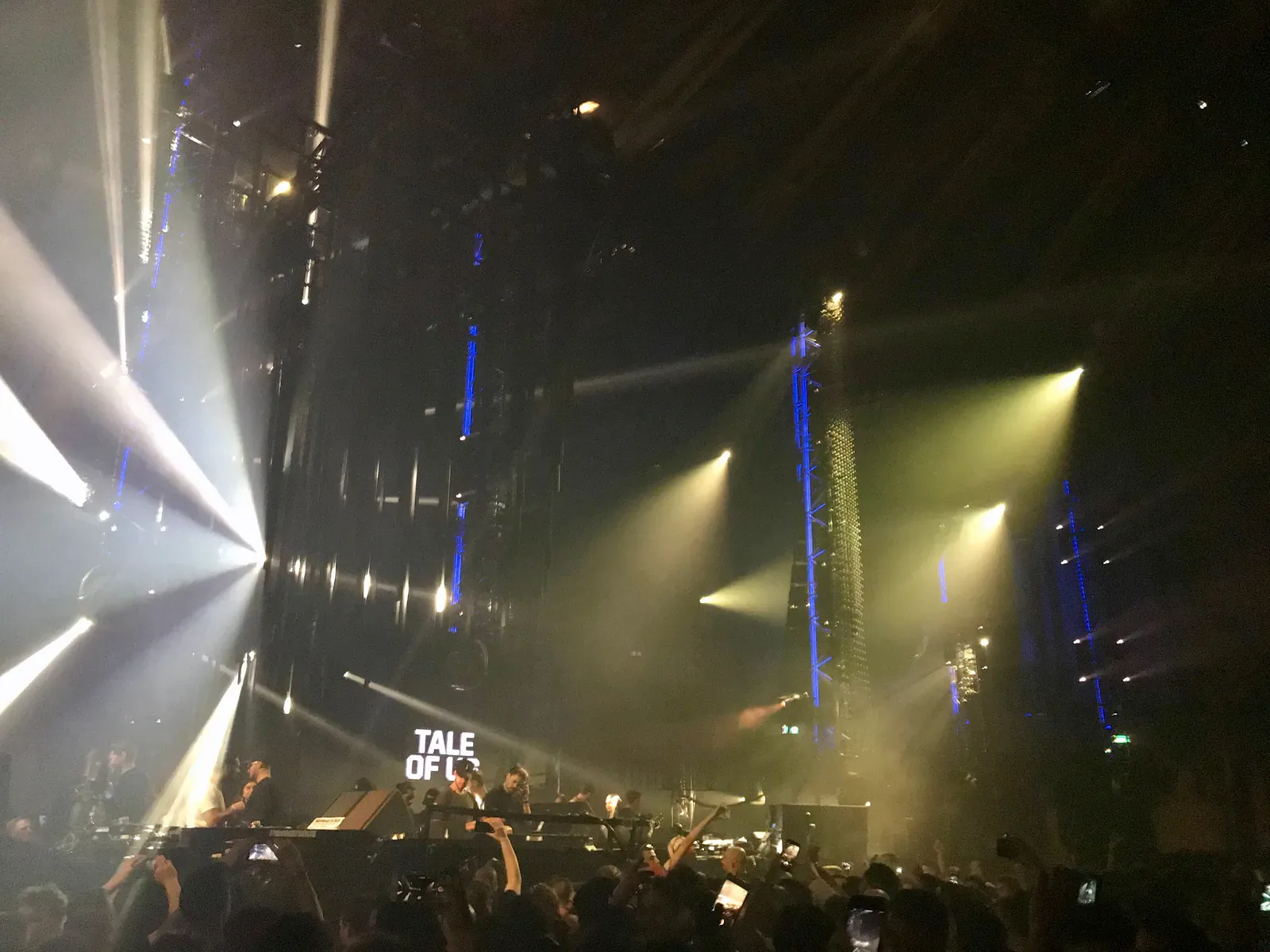
Origins
Techno started in a city that was emptying out. Detroit had about 1.85 million residents in 1950 and about 639,000 in 2020, and techno grew up in the middle of that fall, which is part of why its music looks forward so stubbornly.
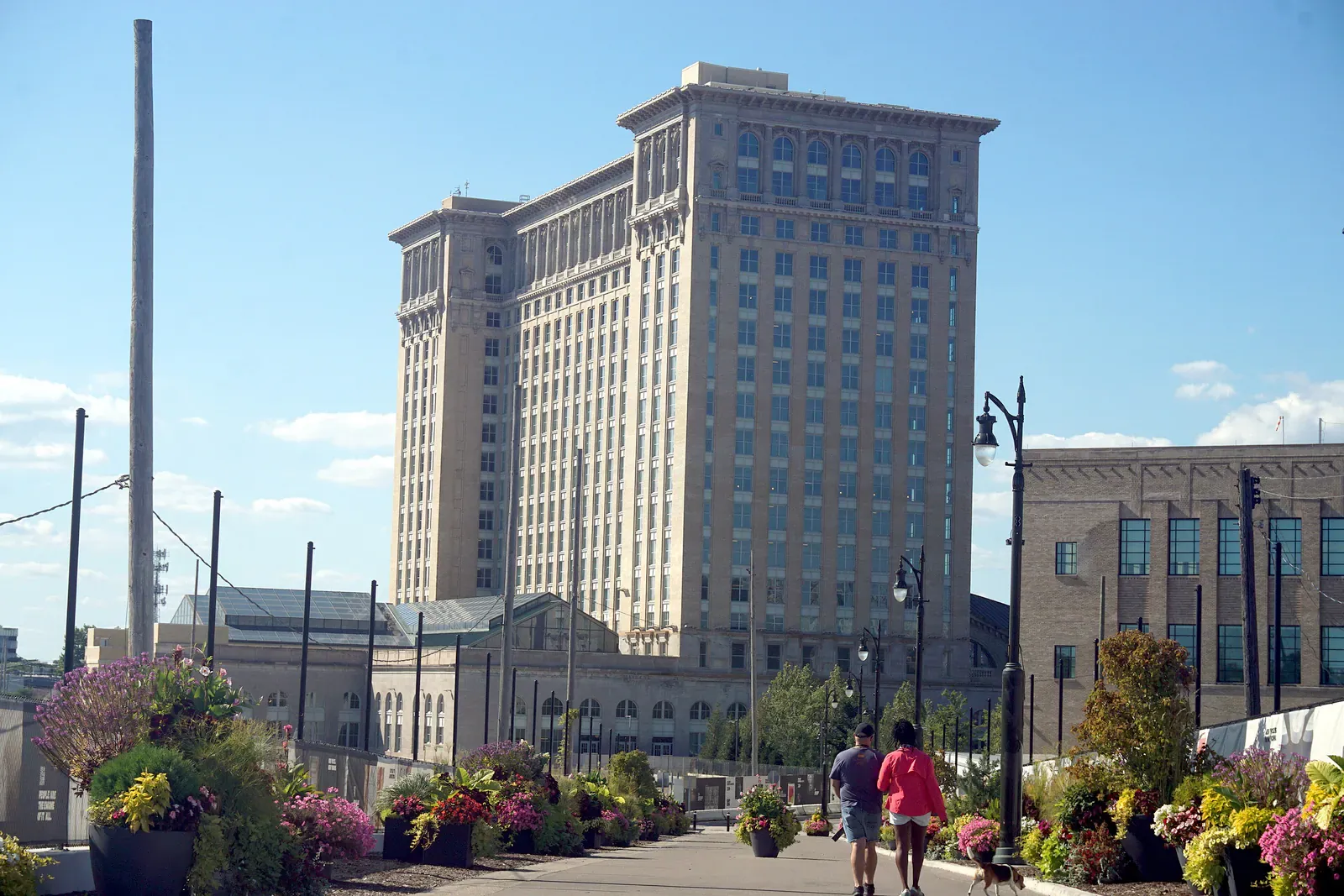
Three friends from Belleville did most of the building: Juan Atkins, Derrick May and Kevin Saunderson, now called the Belleville Three. Atkins took the word “techno” from the futurist writer Alvin Toffler. With Rick Davis as Cybotron he self-released “Alleys of Your Mind” in 1981 and followed it with “Clear” in 1983 and “Techno City” in 1984. In 1985 he started Metroplex and put out “No UFO’s” under the name Model 500, a record often named as the first true techno production.
The recipe was funk feeling from Parliament-Funkadelic and machine discipline from Kraftwerk, pushed through cheap Roland gear.
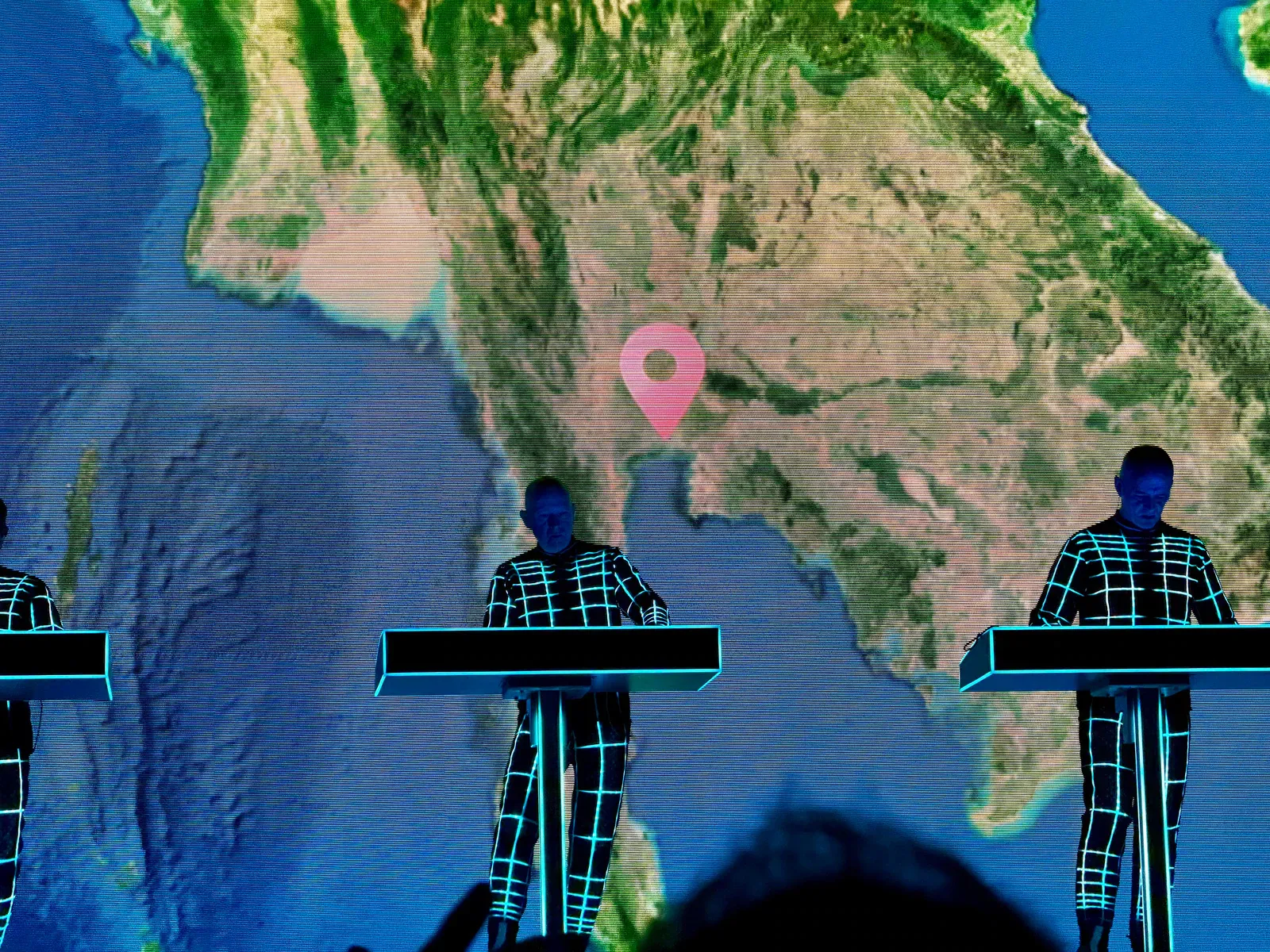
Detroit machines and clubs, 1985-1989
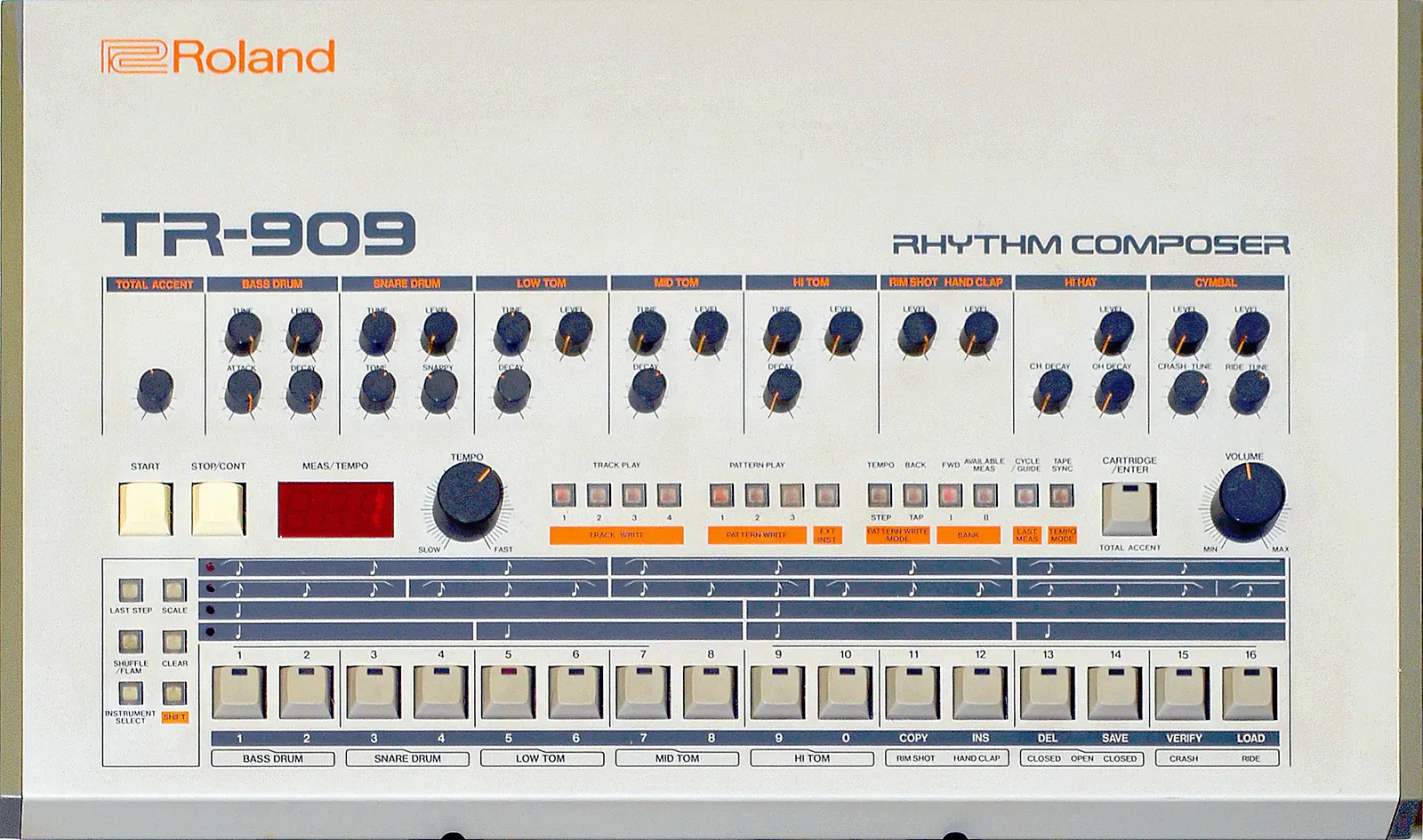
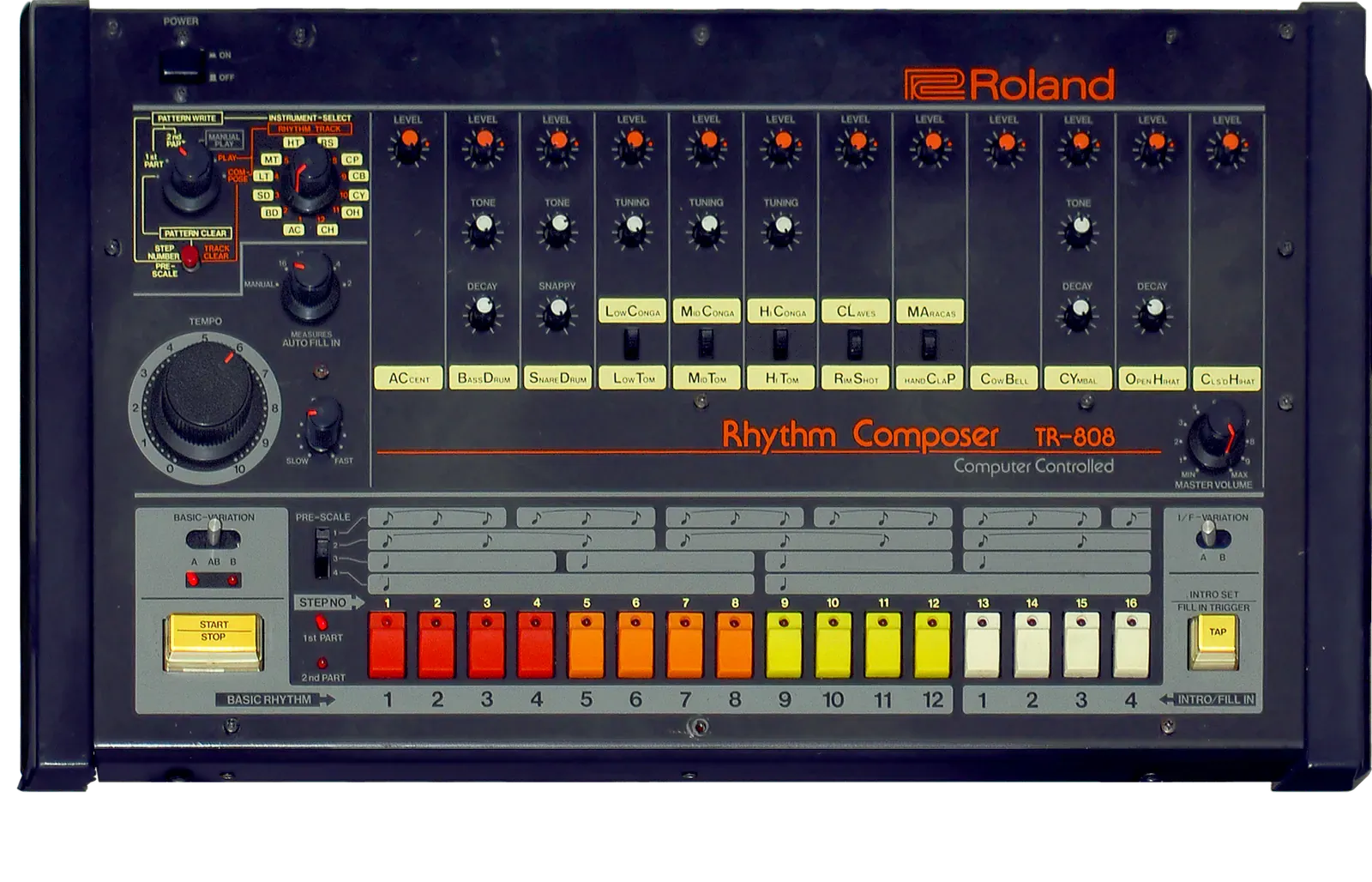
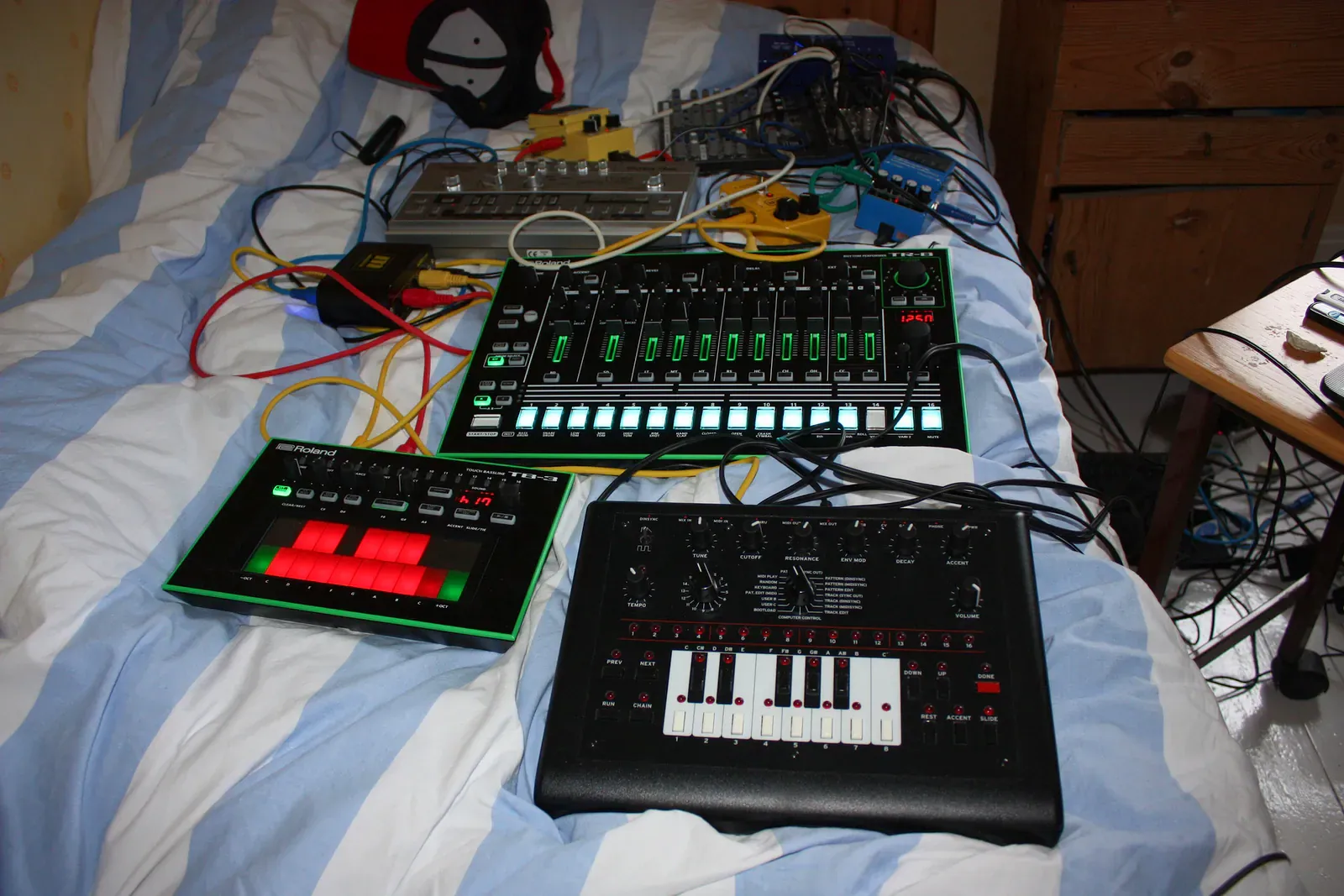
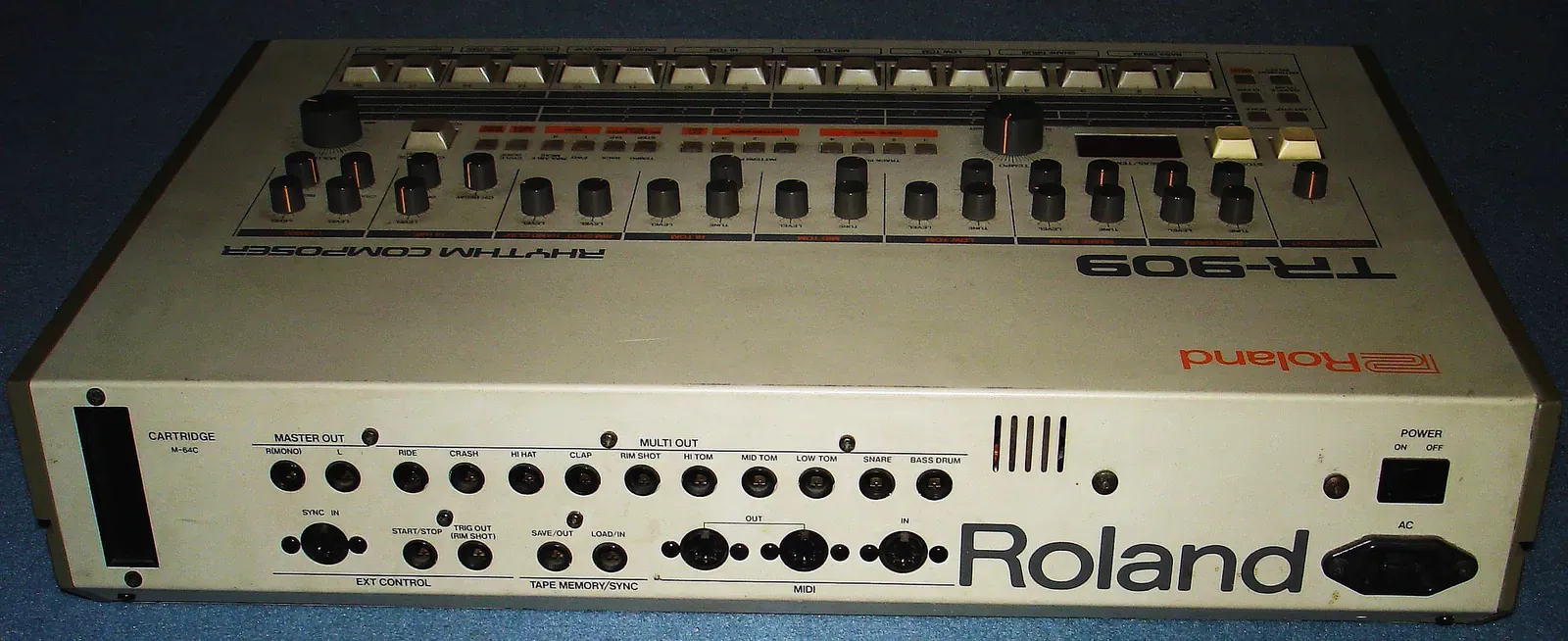
The Roland TR-909 supplied the snappy kick and hi-hats, the TR-808 added a heavier low end, and the TB-303 bass synthesizer produced the squelching filtered line later called the acid sound. Kevin Saunderson’s 1988 “Reese” bassline came from a Casio CZ-1000.
The scene was social before it was commercial. Middle-class Black teenagers threw “prep parties” at places like Charivari and Plush, then the Music Institute at 1315 Broadway opened in 1988 and pulled the scattered crowd together until it closed in November 1989.
Europe and the rave scene, 1988-1994
In 1988 the UK scout Neil Rushton assembled “Techno! The New Dance Sound of Detroit” for Virgin’s 10 Records, and the word stuck. It also separated the sound from Chicago house, one of techno’s parents alongside electro, Hi-NRG, Italo disco and synth-pop. The original branch is Detroit techno.
Europe then made its own versions. Sven Väth’s Omen club in Frankfurt became the German hub in 1988. In Ghent, R&S Records licensed American records and released Joey Beltram’s hard, fast “Energy Flash” in 1990. Underground Resistance, formed in 1989 by Mike Banks and Jeff Mills, answered back from Detroit in masks and combat gear, with records that treated the music as a political fight.
In Britain the party went outdoors. A week-long free festival at Castlemorton Common in May 1992 drew somewhere between 20,000 and 40,000 people, and the backlash became the Criminal Justice and Public Order Act of 1994, whose Section 63 targeted gatherings playing music marked by “a succession of repetitive beats.”
Berlin, 1989 onward
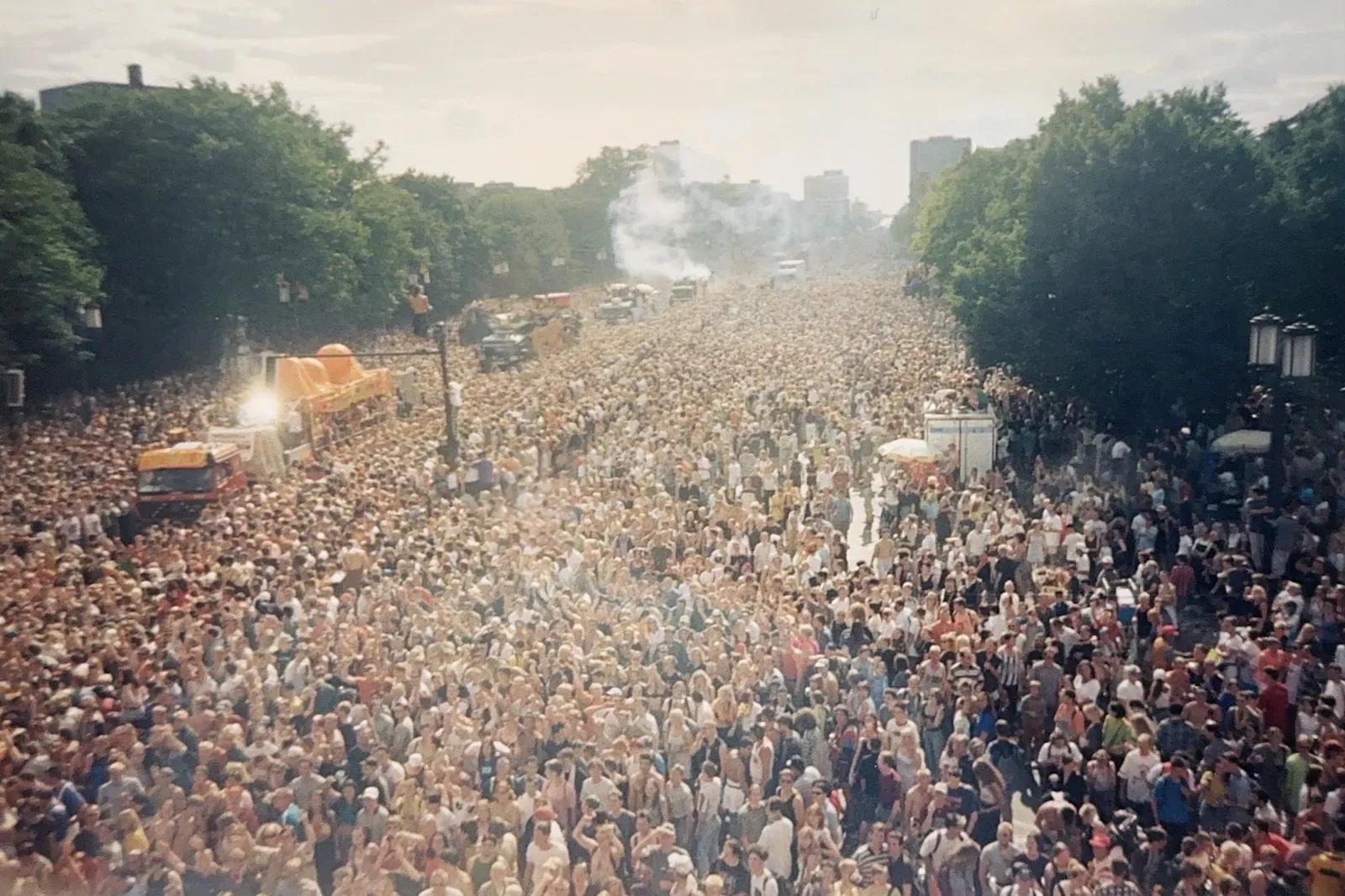
Berlin offered empty buildings and sudden freedom after the Wall fell. Dr. Motte and Danielle de Picciotto staged the first Love Parade in July 1989 as a small peace demonstration. In March 1991 Tresor opened in the vaults of the former Wertheim department store, in what had been East Berlin, and its name is German for “vault.” Tresor Records followed in October 1991 and released Detroit names such as Jeff Mills, Robert Hood, Juan Atkins and Drexciya, so the two cities traded records and DJs directly.
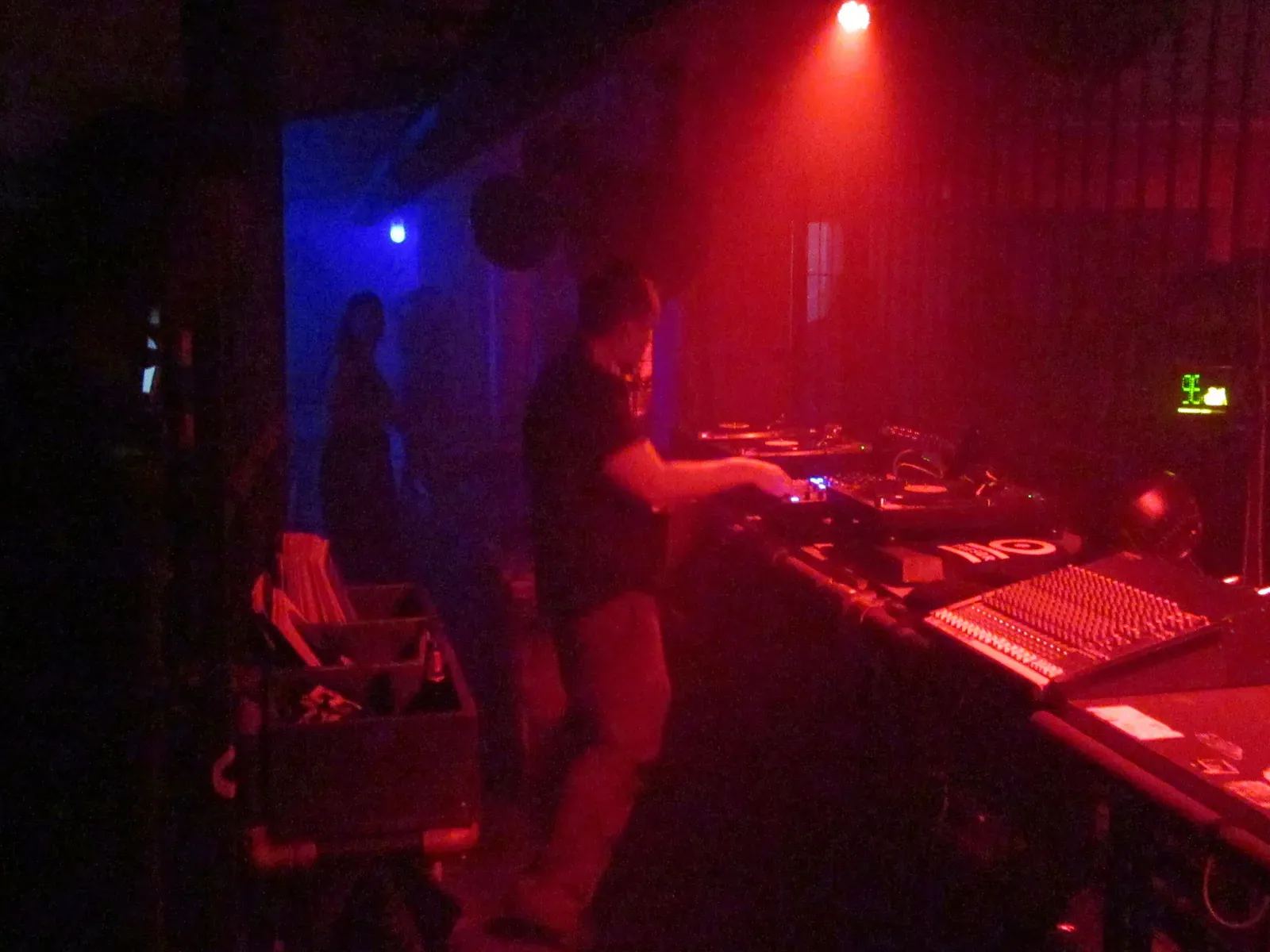
The original club closed on 16 April 2005 and reopened on 24 May 2007 in a decommissioned power plant on Köpenicker Strasse. Berghain had already opened in another former power plant in 2004, and its label Ostgut Ton launched in 2005. The Love Parade itself grew into a street festival of about 1.5 million people at its peak in 1999, and ended after the crowd crush in Duisburg on 24 July 2010 that killed 21 people.
Minimal and industrial techno, 1992-2000
From about 1992 to 2000, producers removed things. Robert Hood’s “Minimal Nation” of 1994 reduced techno to kick, hat and groove, and is credited with inspiring minimal techno. Richie Hawtin and John Acquaviva had founded Plus 8 in Windsor, Ontario, in 1990, and Hawtin’s Plastikman project made acid music from almost nothing on “Spastik” in 1993. In Berlin, Moritz von Oswald and Mark Ernestus began Basic Channel in 1993 and soaked techno in dub-style echo, creating dub techno.
The laptop era, 2000-2012
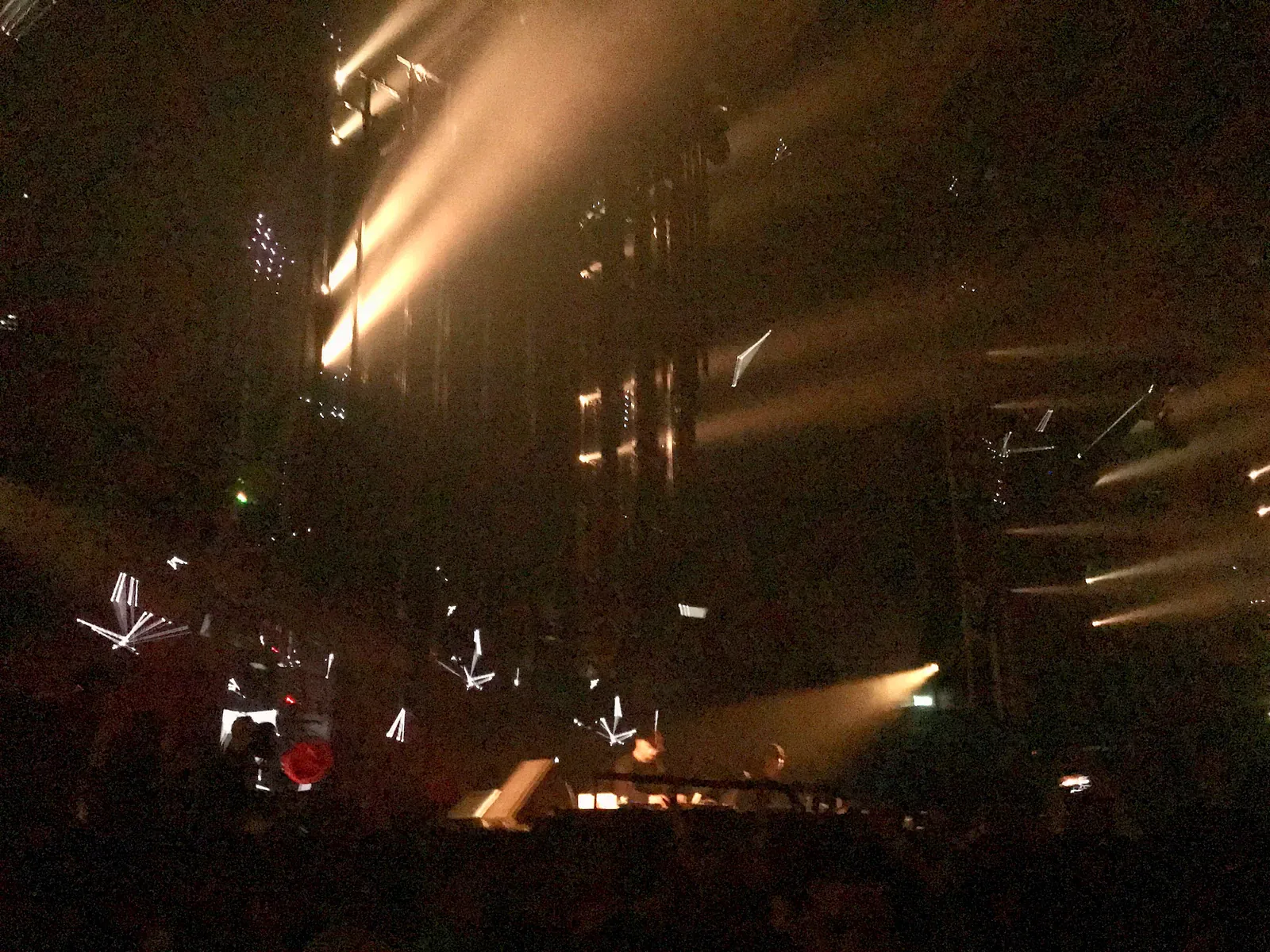
From 2000 to 2012 software replaced much of the hardware. Ableton Live arrived in 2001 and let Hawtin, Surgeon and others perform from a laptop. Berghain, Ostgut Ton and the Movement festival in Detroit anchored the scene. The Berlin film “Berlin Calling” and Paul Kalkbrenner’s soundtrack, in 2008, took melodic Berlin techno to a mainstream German audience.
Festival era, 2012 onward
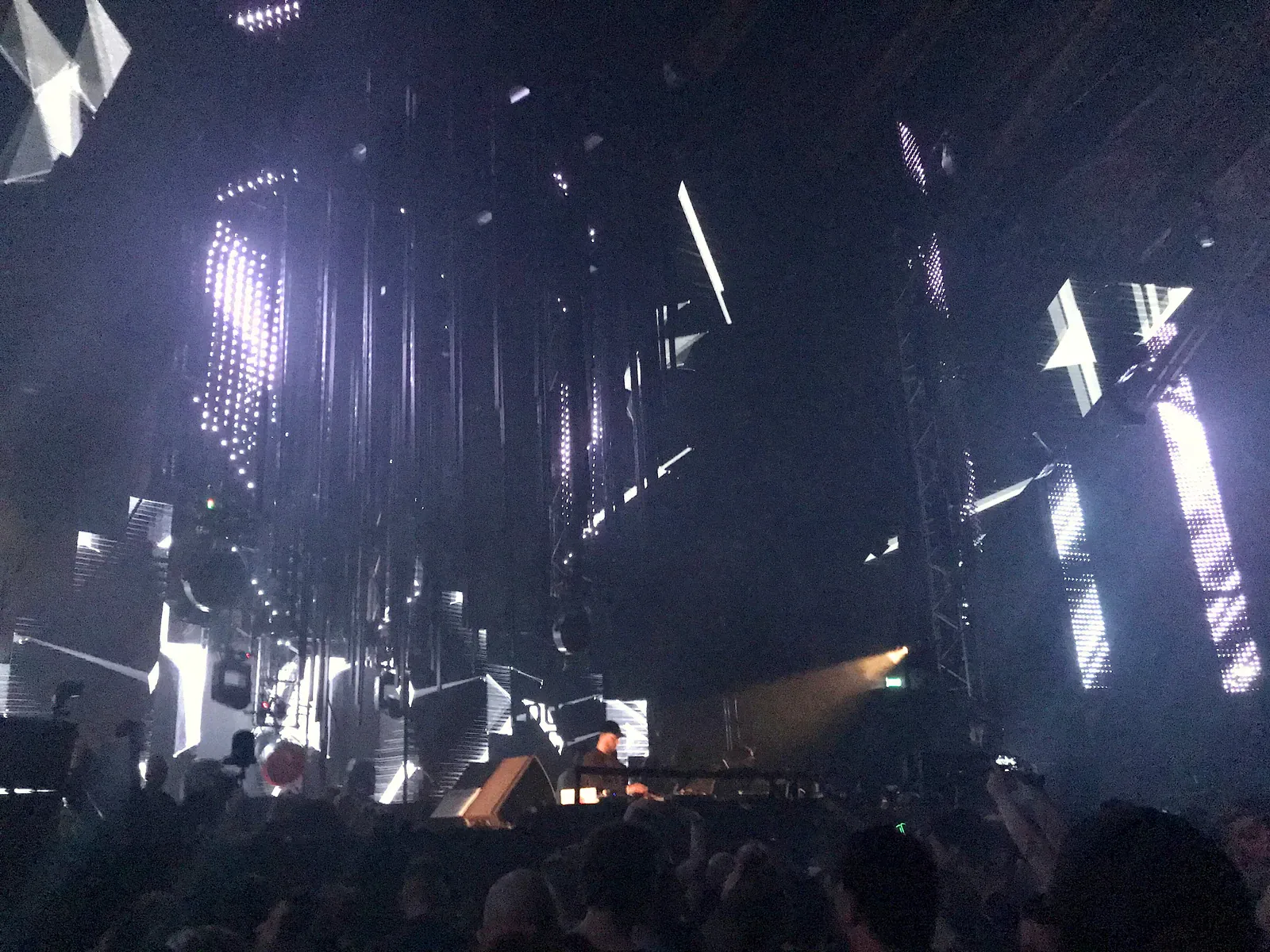
Since 2012 peak-time and acid-leaning techno has filled arenas and festivals. Nina Kraviz, Charlotte de Witte and Adam Beyer’s Drumcode, which started in Stockholm in 1996, lead the new generation. On 13 March 2024 the German UNESCO Commission added Techno Culture in Berlin to the national inventory of intangible cultural heritage, a long way from the 1994 law that tried to define it as noise.
Mainstream success
Techno reached the pop charts first and spectacle later. Inner City, Kevin Saunderson’s project with vocalist Paris Grey, reached number 8 in the UK in 1988 with “Big Fun” and number 4 in January 1989 with “Good Life”, proving Detroit sound could chart. Orbital’s “Chime”, recorded at home, climbed to number 17 in 1990 and earned a Top of the Pops slot. Later crossovers came from film and festivals, such as “Sky and Sand”, the song that became the longest-running German chart hit.
Notable recordings
“Strings of Life” came out in 1987 as Rhythim Is Rhythim on May’s Transmat. It has almost no techno cliches: a rolling piano riff, string stabs, a drum-machine groove. It became a dancefloor phenomenon in Britain in 1987 and 1988, which proved that machine music could make a crowd cry as well as dance.
“Good Life” went the other way: warm and vocal-led, it showed record companies that Detroit could sell singles.
Culture
Detroit techno borrowed the imagery of Afrofuturism: space, technology and machines as a way out. May’s phrase for it was “hi-tek soul.” Underground Resistance stayed masked and anonymous on purpose.
In Berlin the culture was about space: clubs running through the weekend in old industrial buildings. The Love Parade made a mass procession through a city a political ritual.
Misconceptions
It is a German genre. It was made in Detroit and Belleville, years before Berlin had a techno club.
It is always fast and hard. The range of 120 to 150 BPM is wide, and the genre includes dub techno, deep techno and melodic techno.
Techno and house are the same thing. Chicago house is one of techno’s parents, but Detroit producers deliberately separated their sound, and the 1988 UK compilation made that distinction a marketing line.
Frequently asked questions
Who invented techno?
Juan Atkins, Derrick May and Kevin Saunderson, the Belleville Three, created techno in the Detroit area in the early to mid 1980s. Atkins’s 1985 record “No UFO’s” is often called the first techno production.
What is the difference between techno and house?
House, from Chicago, is built on soulful, disco-derived grooves. Techno, from Detroit, is more machine-driven and futurist.
Which records define early techno?
Six records outline the genre’s first decade: Cybotron’s “Clear” (1983), Model 500’s “No UFO’s” (1985), Rhythim Is Rhythim’s “Strings of Life” (1987), Inner City’s “Big Fun” (1988), the compilation “Techno! The New Dance Sound of Detroit” (1988) and Robert Hood’s “Minimal Nation” (1994). Techno belongs to the electronic family.
Sound
Sound sheet
Anatomy of a track
| # | Part | Bars |
|---|---|---|
| 1 | Intro (kick only) | 16 |
| 2 | Hats and percussion enter | 16 |
| 3 | Main groove with bass or acid line | 32 |
| 4 | Breakdown (filter sweep, pads) | 16 |
| 5 | Full groove returns | 32 |
| 6 | Outro (drums only) | 16 |
Signature sounds
- Roland TR-909 kick and hi-hats
- TB-303 acid line
- Long filter and delay automation
- Looped one- or two-bar motifs
- Hoover or detuned synth stabs
- Dub-chord echo
Drums and percussion
- Roland TR-909
- Roland TR-808
Synths and software
- Roland TB-303
- Roland Juno-106
- Casio CZ-1000
- Ableton Live
Techniques
- Four-on-the-floor kick
- Filter sweeps
- Looped sequencer patterns
- Dub-chord echo
Keys and modes
Natural minor. Common for dark bass lines and brooding stabs over a steady root.
Phrygian mode. Flat second adds tension to repeated acid and bass motifs.
Vocals
Sparse: short samples, chants or processed fragments, often none.
Scenes
Where it happened
Where and when the sound lived: one bar per city on a shared timeline.
North America
Europe
Active scenes
Peak 6, 1996
Birthplace: the Belleville Three, Metroplex, Transmat, KMS and Underground Resistance.
Love Parade, Tresor and Berghain made it the genre's European capital.
Omen and Sven Väth anchored the early German scene.
R&S Records licensed Detroit and New York techno for Europe; later home of Charlotte de Witte.
Surgeon moved here in 1989 and co-founded the House of God club; harder UK techno grew from here.
Home of Adam Beyer's Drumcode, founded in 1996.
Venues and places
Detroit, 1988 to today. 1315 Broadway; the Belleville Three's base until it closed in November 1989.
Frankfurt, 1988 to today. Opened by Sven Väth and partners as the centre of the early German scene.
Berlin, 1989 to today. Street parade that peaked near 1.5 million people in 1999 and ended after the 2010 disaster.
Berlin, 1991 to today. Vault club that linked Detroit and Berlin; moved to a power plant in 2007.
Malvern, 1992 to today. The May 1992 free festival that triggered the UK crackdown on raves.
Berlin, 2004 to today. Former power plant in Friedrichshain and a global symbol of Berlin techno.
Culture
Culture markers
- Prep parties
Middle-class Black Detroit teenagers held them at places like Charivari and Plush before the Music Institute.
Ritual - Masks and combat suits
Underground Resistance performed anonymously in ski masks and combat gear.
Fashion - Afrofuturism
Detroit techno's imagery of space and technology as liberation shaped its covers and names.
Artwork - Hi-Tek soul
Derrick May's phrase for the genre's soulful machine feeling.
Slang - Street parade
Love Parade made a mass techno procession through a city a political and cultural ritual.
Ritual
Media
Key media
- 1988Techno! The New Dance Sound of Detroit
by Various. The UK compilation that put the word techno on the map.
Compilation - 1992Artificial Intelligence
by Various (Warp Records). Warp's series that rebranded techno as home-listening intelligent techno.
Compilation - 1998Energy Flash
by Simon Reynolds. A major history of rave and techno from Detroit to the 2000s.
Book - 2008Berlin Calling
by Hannes Stöhr. A Berlin DJ drama starring Paul Kalkbrenner, who also wrote the soundtrack.
Film - 2010Drumcode Live
by Adam Beyer. Weekly radio show that carried peak-time techno to a worldwide audience.
Radio - 2015DJ-Kicks: Nina Kraviz
by Nina Kraviz. Mix album showing 2010s techno's acid and Russian-electronic influences.
Mix
Glossary
Terms on this page
A squelching, resonant bass pattern made with a Roland TB-303.
Juan Atkins, Derrick May and Kevin Saunderson, the Detroit pioneers of techno.
Techno processed with dub-style delay and echo, pioneered by Basic Channel.
A kick drum on every beat of the bar, the steady pulse of techno.
Derrick May's phrase for techno's soulful, machine-made feeling.
A churning hoover-style synth pattern popularised by Joey Beltram's 1991 Mentasm.
A stripped-back style built from few sounds, popularised by Robert Hood and Richie Hawtin.
A detuned, phasing bassline from Kevin Saunderson's 1988 Reese record.
Electronic family