IDM
IDM is electronic music made for home listening, with complex programmed rhythms and abstract sound design, formed in Britain in the early 1990s.
United Kingdom, 1992
Electronic family
Born
1992
United Kingdom
Subgenres
4
Documented branches
Links
21
Genres it drew on or shaped
Tempo
85-140 BPMLineage
Family tree
Timeline
Era by era
From the first sparks to today. Select a dot to read the story behind it.
- Ambient techno roots
1988 to 1991
- Electronic listening music
1992 to 1995
- Jungle-driven programming
1996 to 2001
- US scenes and third wave
1996 to 2010
- Legacy and returns
2011 to today
Eras
Moments
- 1 Ambient techno roots, 1988 to 1991
- 2 Electronic listening music, 1992 to 1995
- 3 Jungle-driven programming, 1996 to 2001
- 4 US scenes and third wave, 1996 to 2010
- 5 Legacy and returns, 2011 to today
1988
Ambient techno roots
Acid house, Detroit techno and ambient house meet in Sheffield and London; Warp and The Black Dog start in 1989.
- 1989Warp releases its first recordForgemasters' Track With No Name starts the Sheffield label that later defines the sound.
- 1989The Black Dog form in SheffieldKen Downie, Ed Handley and Andy Turner begin the home-listening techno that feeds Artificial Intelligence.
- 1991Rephlex foundedAphex Twin and Grant Wilson-Claridge start the Cornwall label that moves to London a year later.
1992
Electronic listening music
Warp's Artificial Intelligence, Aphex Twin's first albums and the IDM list give the music a name and a home audience.
- 1992Artificial Intelligence compilationWarp's 6 July release brands the music as electronic listening music and gives IDM its name.
- 1992Selected Ambient Works 85-92Aphex Twin's debut album, issued on R&S, becomes a model for home-listening techno.
- 1993The IDM list startsAn August email list for fans of the Artificial Intelligence artists coins and spreads the term.
- 1993Electro-Soma by B12Compiled from early B12 Records tracks, it is B12's debut album on Warp.
- 1993Autechre's IncunabulaAutechre's first album, on Warp, sets out their melodic, electro-rooted style.
- 1994Artificial Intelligence IIWarp's sequel prints messages from the IDM list in its sleeve notes, with writing by David Toop.
- 1995Planet Mu foundedMike Paradinas gets a Virgin sublabel for his own work; he runs it independently from 1998.
1996
Jungle-driven programming
Breakbeat-heavy drum programming, drill 'n' bass and landmark albums from Aphex Twin, Squarepusher and Boards of Canada.
around 1996
US scenes and third wave
Labels in Miami and Berlin spread the sound; a later wave arrives around 2004 with less reach than the first two.
- 1996Richard D. James AlbumAphex Twin's Warp album pairs fast, jungle-flavoured drum programming with melody.
- 1996Schematic opens in MiamiJosh Kay and Romulo Del Castillo start the label after a dispute with Astralwerks, anchoring a US IDM scene.
- 1997Aphex Twin attacks the IDM tagHe calls the phrase nasty to everyone else's music; Rephlex pushes braindance instead.
- 1997Come to DaddyAphex Twin's single comes with a Chris Cunningham video and takes IDM into wide pop view.
- 1997Hard Normal DaddySquarepusher's Warp album, with live bass over fast breaks, stands for the jungle-influenced phase.
- 1998Music Has the Right to ChildrenBoards of Canada's Warp debut turns warm, nostalgic tape textures into a landmark album.
- 1999Morr Music founded in BerlinThomas Morr starts a label that mixes IDM, electronica and dreampop.
- 2001Vocal Studies + Uprock NarrativesPrefuse 73's debut, on Warp, brings chopped hip-hop beats into the IDM orbit.
- 2001DrukqsAphex Twin's double album, on Warp, sprawls from piano pieces to frantic breakbeats.
around 2011
Legacy and returns
Rephlex closes in 2014, Planet Mu marks 30 years in 2025 and Boards of Canada release Inferno in 2026.
- 2013Tomorrow's HarvestBoards of Canada return after eight years with a film-score-inspired Warp album.
- 2014Rephlex closesAphex Twin says he would rather stay friends with Grant Wilson-Claridge than keep doing business.
- 2026Inferno by Boards of CanadaThe duo's fifth album arrives after a 13-year gap, on Warp.
Listening path
Anthems
The records that built the sound, grouped by the part they played. Thumbnails come from YouTube; the player loads only when you press play.
- 01
Autechre, 1992 · Warp
Autechre's track on Warp's Artificial Intelligence compilation, one of the first records sold as electronic listening music.
Origin - 02
Aphex Twin, 1992 · R&S Records
Opening track of Selected Ambient Works 85-92, a gentle, beat-led piece that became a model for home-listening techno.
Start hereOrigin - 03
Aphex Twin, 1997 · Warp
The harsh single and its Chris Cunningham video put Aphex Twin and Warp in front of a wide public. The video linked is the Director's Cut.
Breakthrough - 04
Aphex Twin, 1999 · Warp
A UK chart single with a Chris Cunningham video that made the track famous beyond IDM. The video linked is the Director's Cut.
Start hereBreakthrough - 05
Squarepusher, 1997 · Warp
A fast, funk-heavy track from the Big Loada EP, an early showcase of Squarepusher's drum programming.
Anthem - 06
Mu-ziq, 1997 · Planet Mu
A track from Lunatic Harness, in the breakbeat-heavy, melodic style Mu-ziq pushed in the late 1990s.
Anthem - 07
Boards of Canada, 1998 · Warp
A short, sunlit track from Music Has the Right to Children, the best way into the duo's nostalgic sound.
Start hereAnthem - 08
Plaid, 2001 · Warp
Plaid's melodic single from Double Figure, from the duo who began in The Black Dog.
Anthem - 09
Autechre, 2002 · Warp
A 2002 Autechre single, a representative piece of the group's abstract, dense rhythms.
Anthem - 10
Prefuse 73, 2003 · Warp
Title track of Prefuse 73's second album, which carries chopped hip-hop beats and vocals into the IDM scene.
Crossover
Facts
| Family | Electronic |
| Origin | United Kingdom |
| Emerged | Early 1990s |
| Status | Active |
| Tempo | 85 to 140 BPM |
| Grew out of | Ambient techno, Techno, Ambient |
| Subgenres | 3 |
IDM, short for intelligent dance music, is electronic music made for listening at home rather than for the dancefloor, built on intricate programmed rhythms, abstract sound design and often melodic or ambient passages.
It crystallised in Britain in the early 1990s around Warp’s Artificial Intelligence compilation (1992) and an email list that spread the name from 1993. Most of the artists it describes dislike the label.
Origins
IDM grew out of techno, ambient and the break-driven records that followed acid house. It borrowed the machine rhythms of Detroit techno and electro, the long, floating textures of ambient house, and the tangled drum edits of breakbeat. What changed was the listener the music assumed. The records were sleeved and sequenced like albums, aimed at people sitting with headphones, and the dance floor became optional.
Two English places mattered most: Sheffield, where Warp began releasing records in 1989, and the Cornish coast, where Aphex Twin met Grant Wilson-Claridge. The 1992 releases that followed gave the music its first body of work: Autechre’s “The Egg” on Warp’s compilation and Aphex Twin’s “Xtal” on Selected Ambient Works 85-92. Both are slow to open, melodic and beat-driven, and neither was written to fill a club.

Ambient techno roots, 1988-1991
Acid house, Detroit techno and ambient house met in Sheffield and London during these years. Warp released its first record, Forgemasters’ “Track With No Name”, in 1989, the year The Black Dog formed in the same city. Ken Downie, Ed Handley and Andy Turner built the home-listening techno that prefigured the label’s later compilation.
In 1991 Aphex Twin and Wilson-Claridge founded Rephlex in Cornwall, moving it to London a year later.

Electronic listening music, 1992-1995
On 6 July 1992 Warp released Artificial Intelligence, a compilation that called its contents electronic listening music and presented the artists as album makers. The sleeve showed a relaxed android among records, and Ian Anderson’s studio, The Designers Republic, gave the label a graphic identity. The same year Aphex Twin’s debut album appeared on R&S Records, and the music had two public faces.
The name itself came a year later. In August 1993 an email list for fans of the Artificial Intelligence artists coined and spread the abbreviation IDM. Artificial Intelligence II in 1994 printed messages from the list in its sleeve notes, with writing by David Toop.
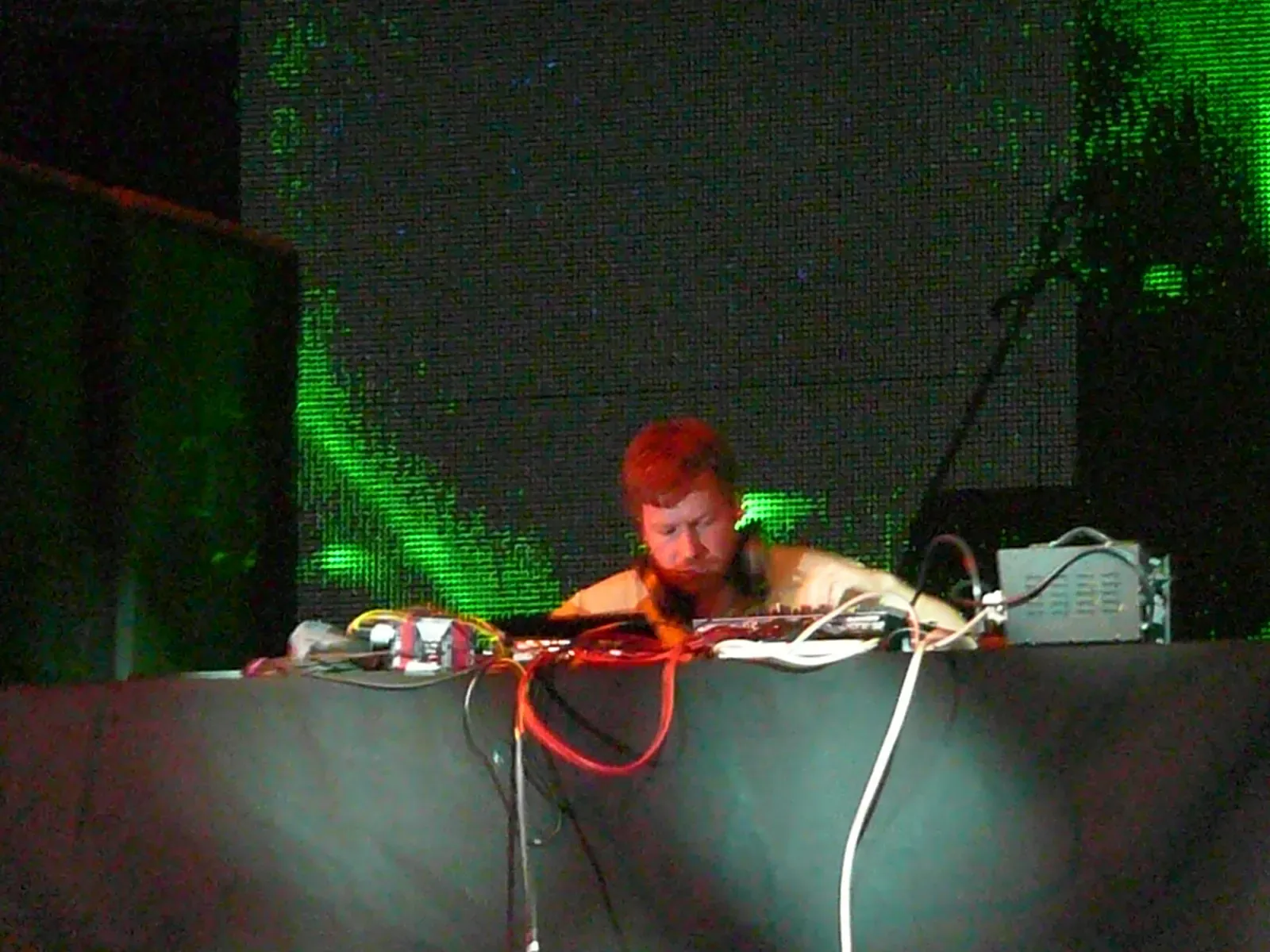
Autechre’s Incunabula (1993) and B12’s Electro-Soma (1993) put out the melodic, electro-rooted side of the style on Warp. Planet Mu followed in 1995, when Mike Paradinas started it as a Virgin sublabel for his own work as Mu-ziq. He ran it independently from 1998.
Jungle-driven programming, 1996-2001
Rhythm changed in the middle of the decade. Breakbeat-heavy programming, taken from jungle and drum and bass, pushed the drums to speeds that no dancer could follow, and the result got labelled drill ‘n’ bass. Aphex Twin’s Richard D. James Album (1996) paired frantic breaks with sweet melody in under half an hour. Squarepusher’s Hard Normal Daddy (1997) added live bass playing over fast edits, and Mu-ziq’s Lunatic Harness (1997) gave the same speed an energetic, melodic turn.
Boards of Canada’s Music Has the Right to Children (1998) went the opposite way. The Scottish duo used warm, degraded textures that sounded like old broadcasts and home videos, and the album became a landmark of nostalgic electronic music. Autechre’s Confield (2001) abandoned conventional rhythm and melody for generated, abstract structure, while Aphex Twin’s Drukqs (2001) ran from piano miniatures to extreme breakbeats.
US scenes and third wave, 1996-2010
Labels outside Britain spread the sound. In 1996 Josh Kay and Romulo Del Castillo started Schematic in Miami after a dispute with Astralwerks, and the city became the centre of a US IDM scene through the late 1990s. Berlin entered in 1999, when Thomas Morr founded Morr Music. His label tied IDM to indie and dreampop, and its 2002 compilation Blue Skied an’ Clear had artists reworking Slowdive songs. Prefuse 73’s Vocal Studies + Uprock Narratives (2001) and “One Word Extinguisher” (2003) brought chopped hip-hop beats and vocals into the style. A later wave arrived around 2004 with less reach than the first two.
Characteristics
IDM rhythm is written, not played. Drum parts are programmed step by step and then sliced, stretched and rearranged until the pulse is implied rather than stated. Where techno holds one pattern for minutes, an IDM track may change its groove every bar. Tempo is flexible, since the music was never built for DJ mixing.
Melody and atmosphere carry the early records, while the later jungle-influenced records are forceful and busy. Field recordings or sampled broadcasts sit beside synthetic sounds. The studio is treated as a compositional instrument.
Instruments and production
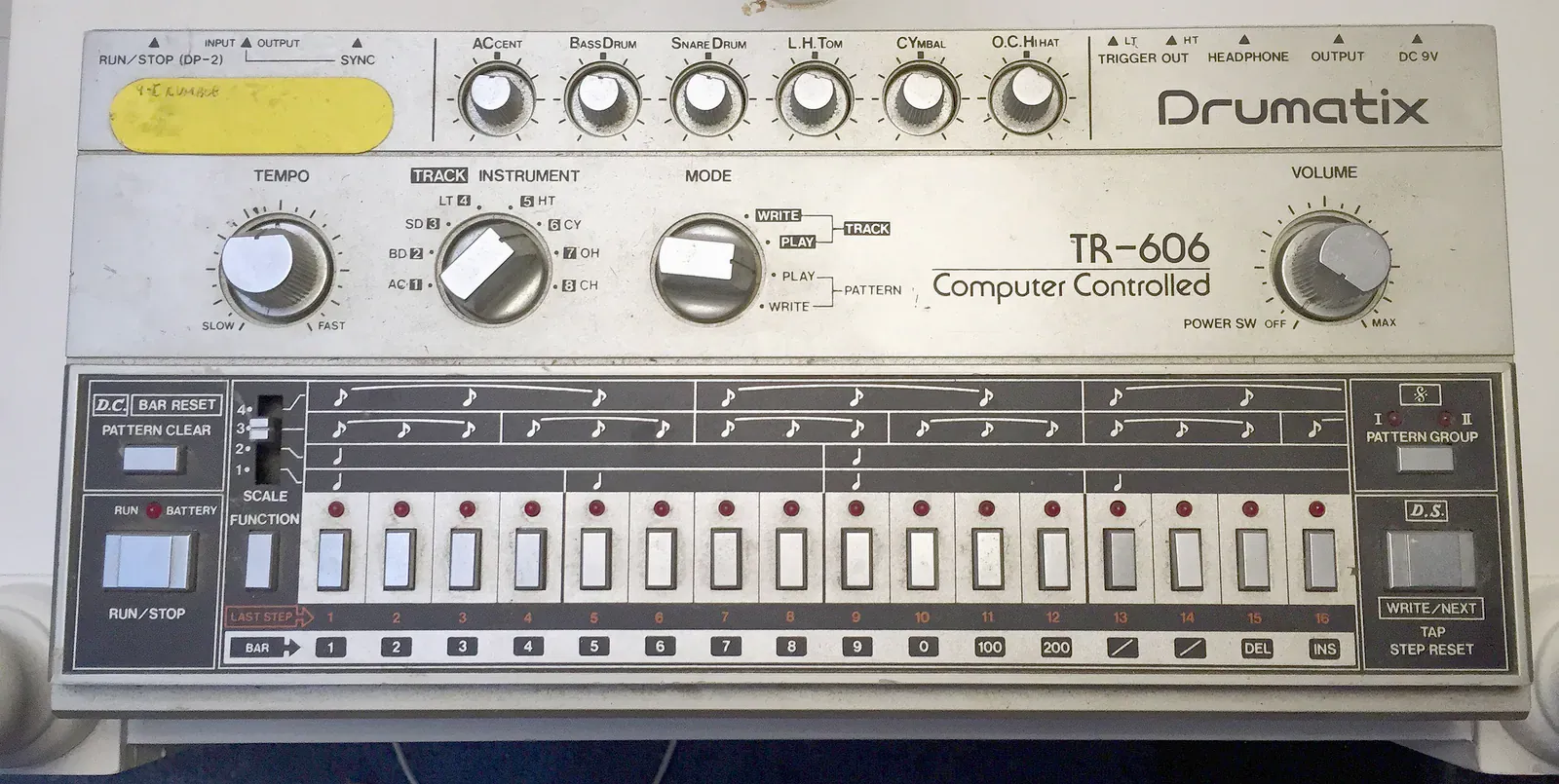
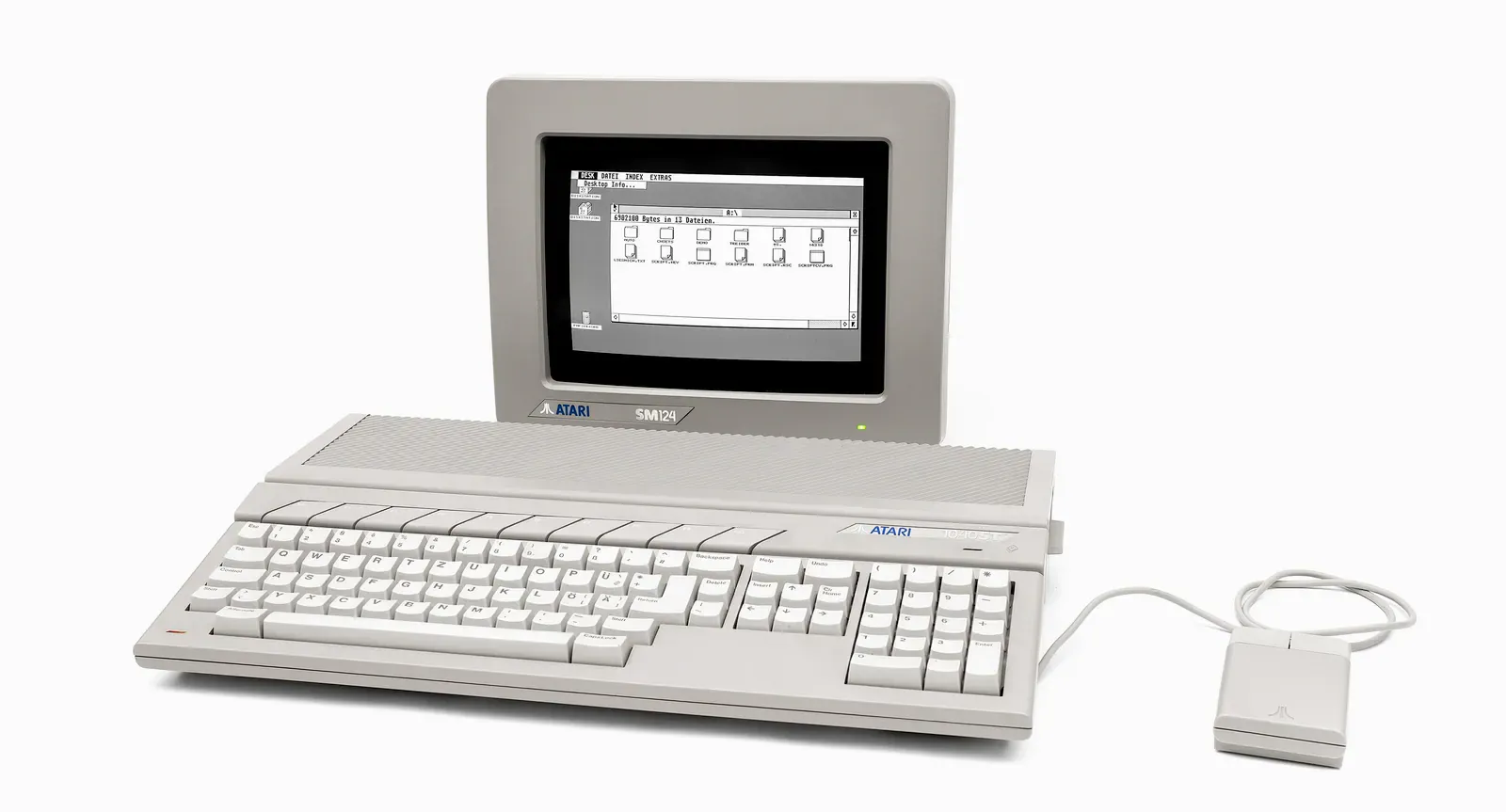
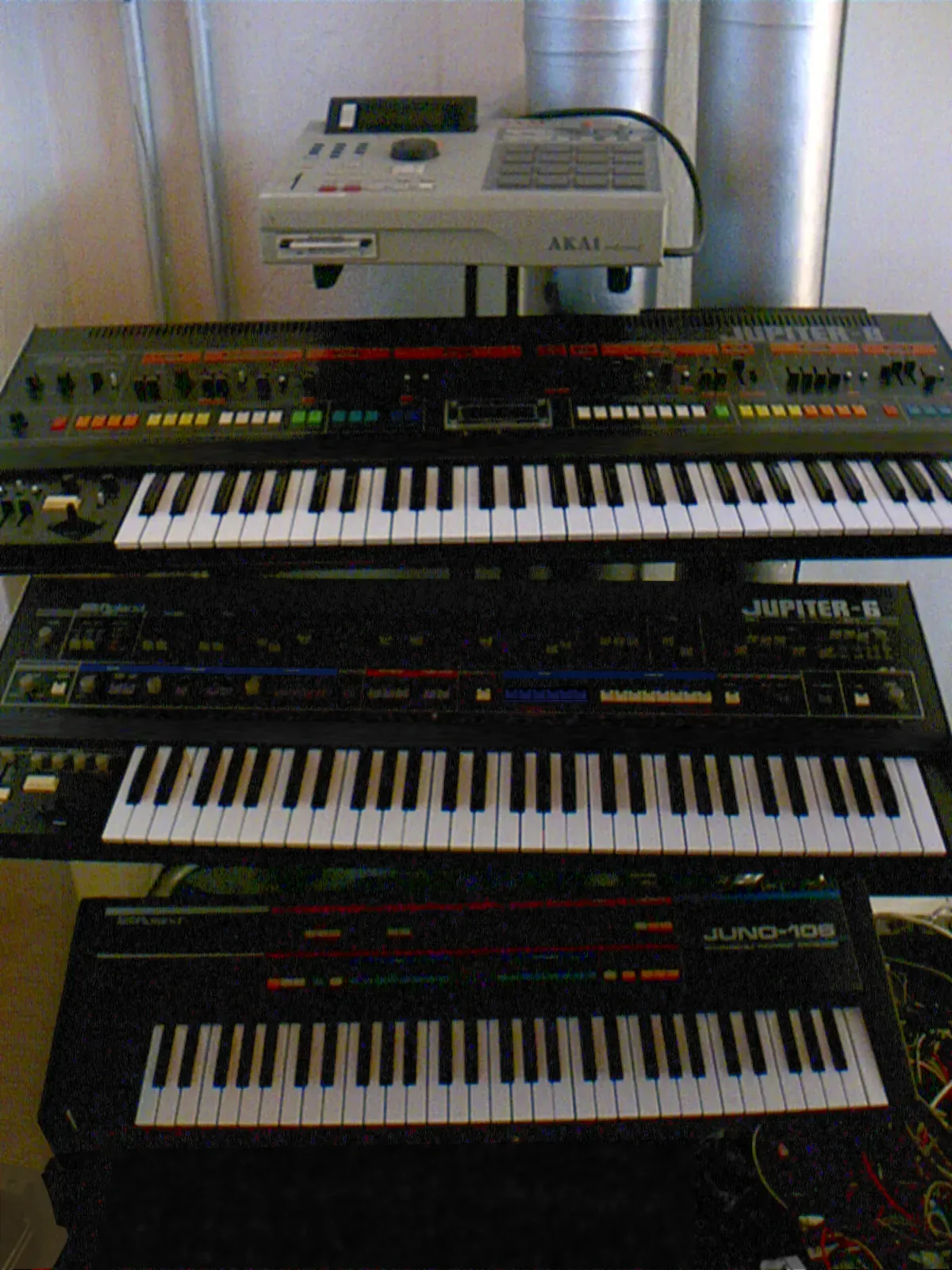
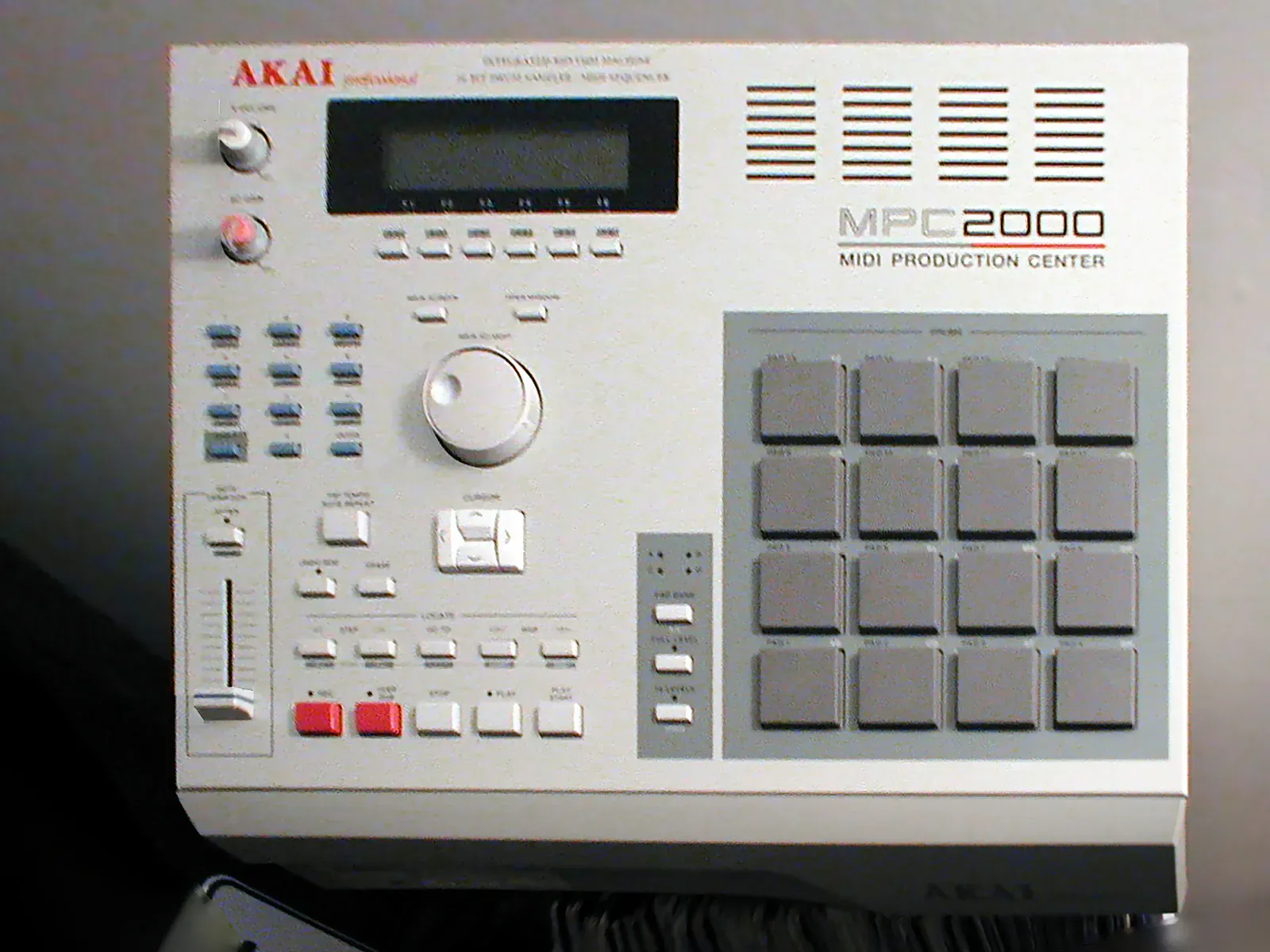
The genre is a studio music, and its tools shaped its sound. Early work ran on the cheap drum machines and samplers of the late 1980s, and Mu-ziq’s first recordings were sequenced on an Atari ST, a computer with built-in MIDI ports. Later, some producers built their own software. Autechre wrote tools in Max/MSP so that their pieces could generate parts of themselves.
Notable recordings
“The Egg” was one of the first tracks sold as electronic listening music, and “Xtal” opened the first Aphex Twin album with a gentle, beat-led piece that producers still imitate. “Come to Daddy” (1997) is the opposite case: a harsh single whose Chris Cunningham video put Aphex Twin and Warp in front of a wide public. “Windowlicker” (1999) became a UK chart single with a Cunningham video of its own.
“Roygbiv” from Music Has the Right to Children is the genre’s gentler pole, a short, sunlit track, while “Gantz Graf” (2002) is Autechre at their densest.
Mainstream success
IDM never became a chart genre, and its breakthrough came through film, not radio. Chris Cunningham’s videos for “Come to Daddy” and “Windowlicker” made the music visually famous. Plaid’s score for the anime film Tekkonkinkreet (2006) took the sound into cinema.
The backlash was internal. In 1997 Aphex Twin attacked the IDM tag, calling the phrase offensive to everyone else’s music, and Rephlex began promoting its own word, braindance. The label never fully shed the name.
Culture
Graphic design mattered: The Designers Republic gave Warp its look, and Autechre’s releases carry stark block lettering.
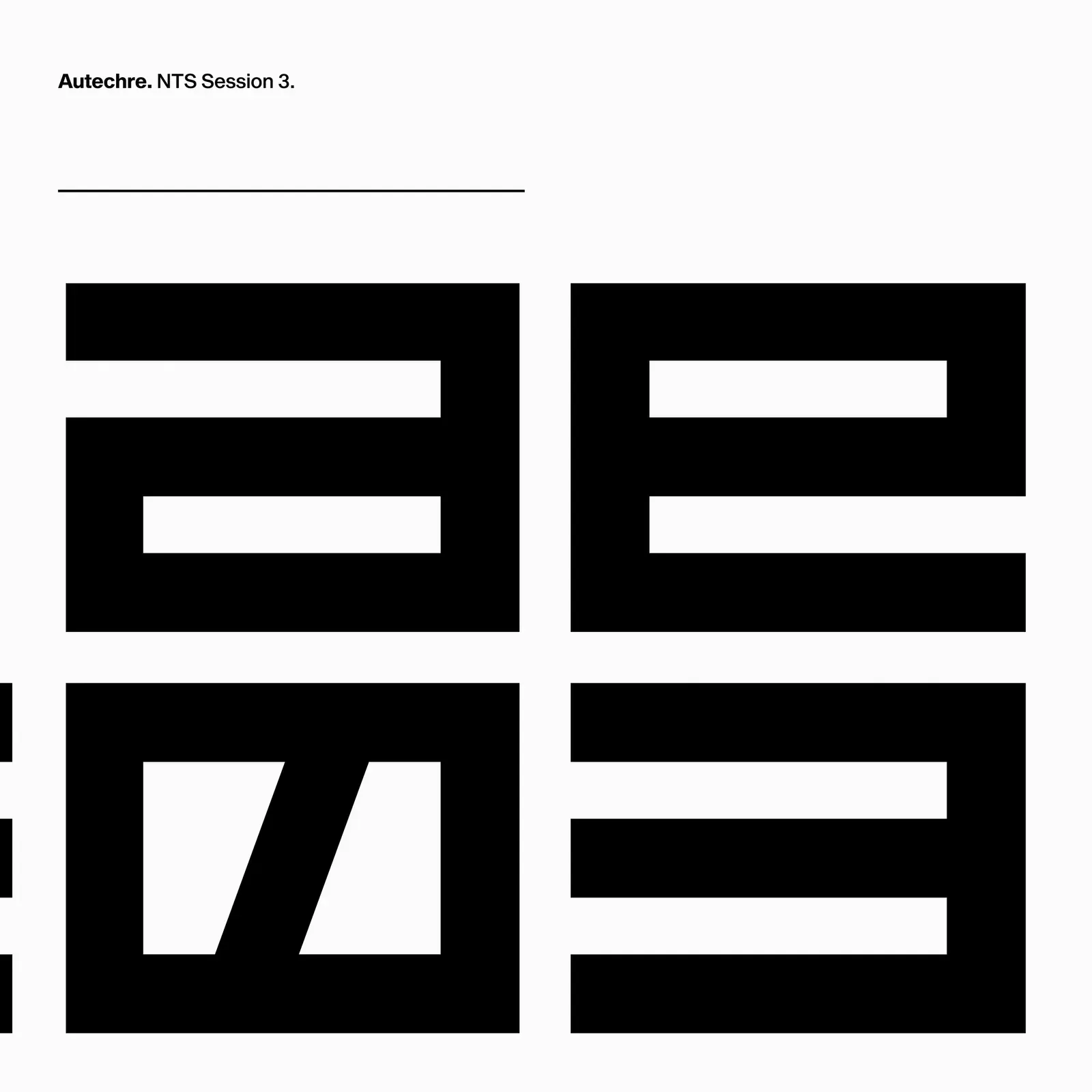
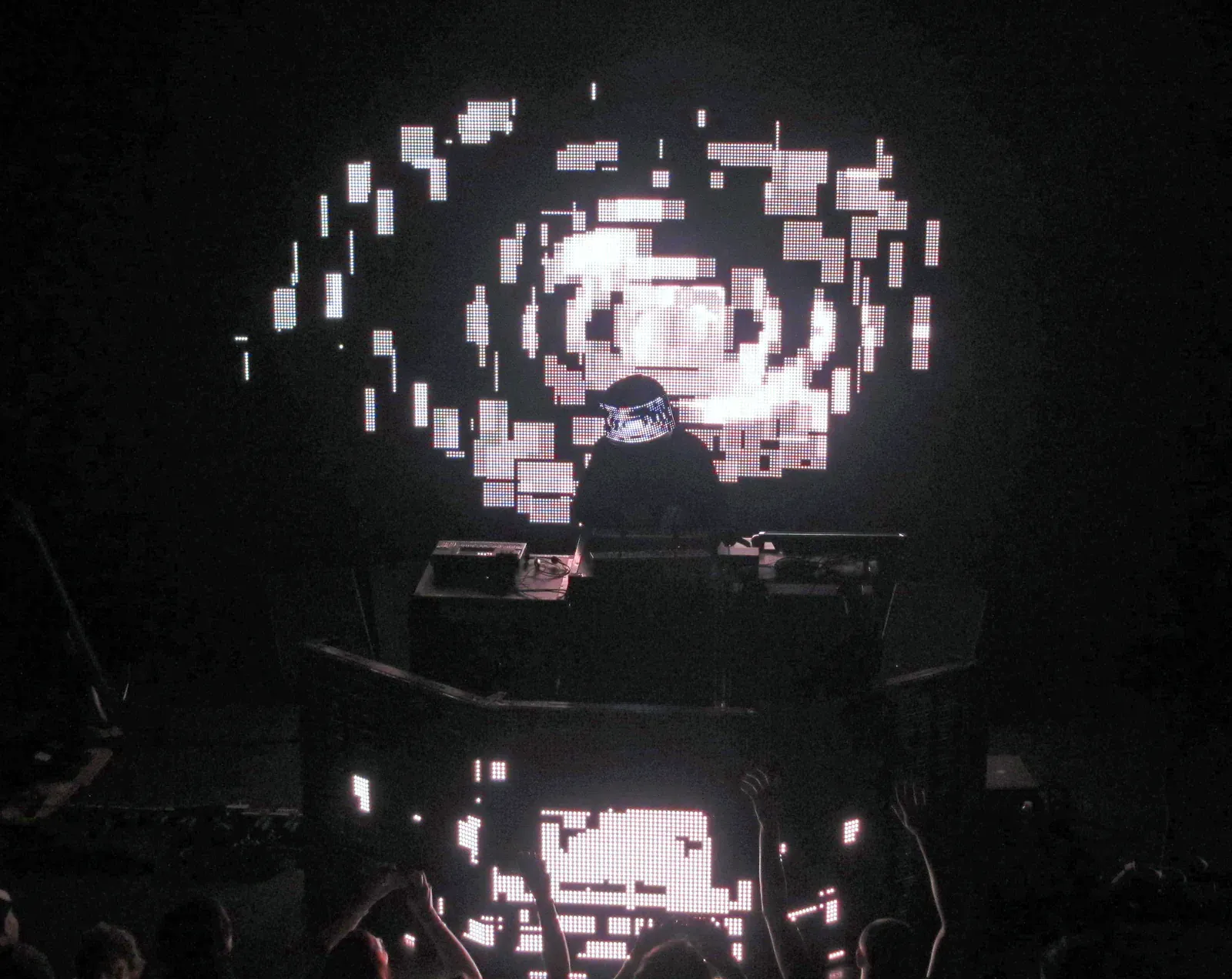
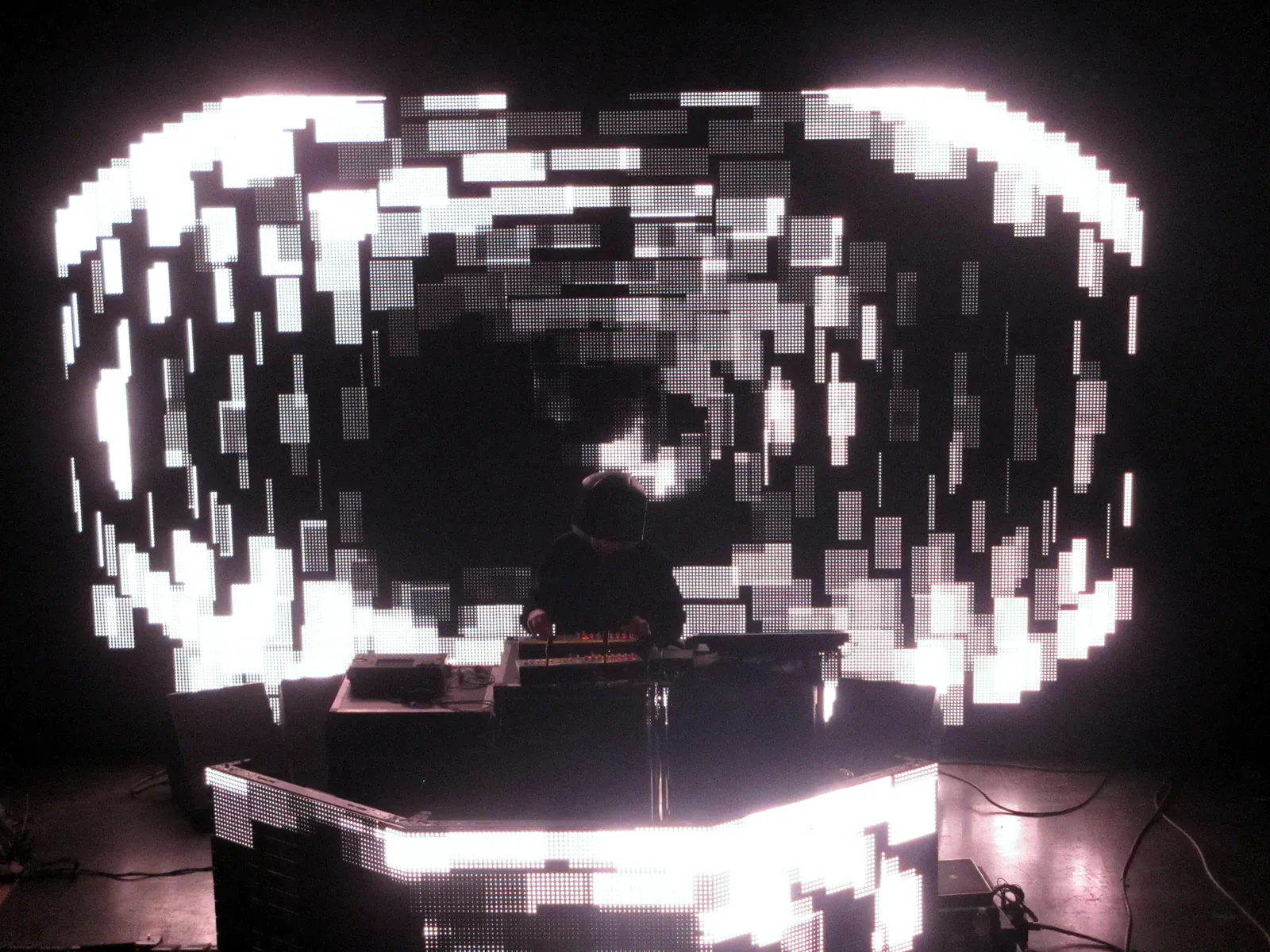
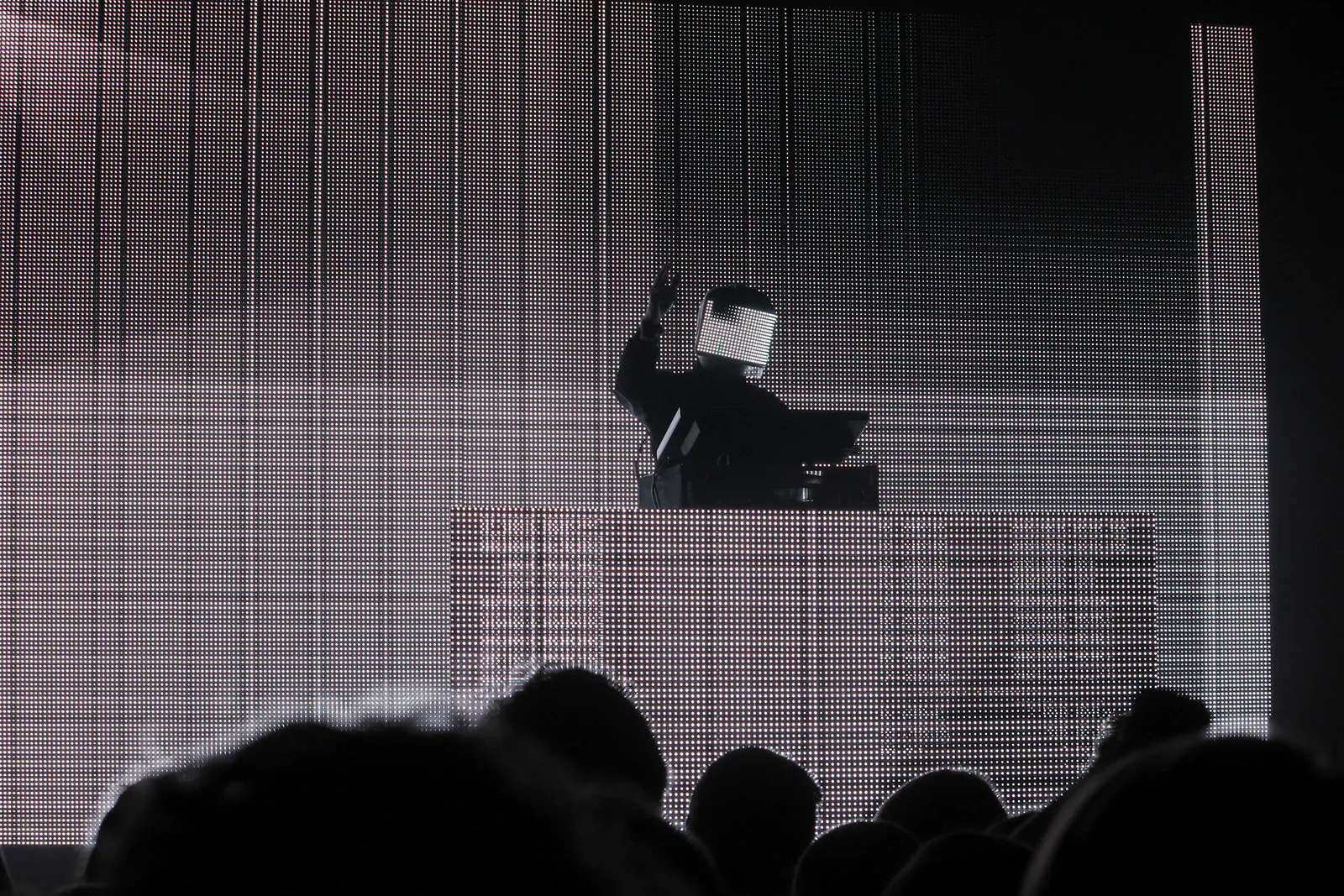
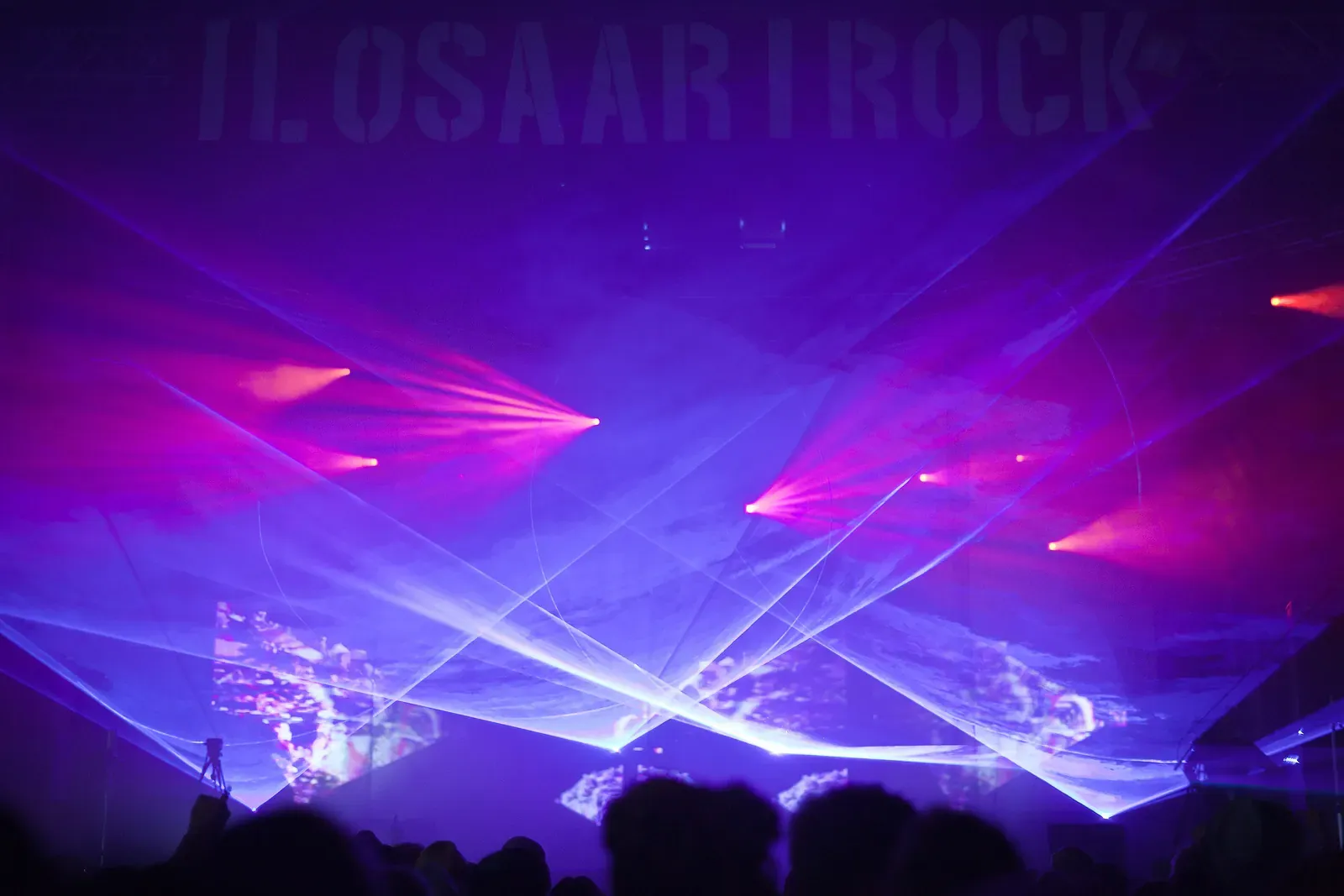
Live performance developed its own rituals. Autechre play in complete darkness without visuals, so that nothing competes with the sound, while Squarepusher performs behind a screen of LED panels. The music’s slang followed the same path: braindance was Rephlex’s own word for its music, offered as a replacement for the unloved tag.
Legacy
IDM fed straight into later styles. Breakcore and drill ‘n’ bass took its drum programming to extremes, glitch pursued its sound design, and UK bass and wonky drew on its melodic and rhythmic habits. In the 2010s its labels also began to close or mark anniversaries. Rephlex closed in 2014, Planet Mu marked 30 years in 2025, and Boards of Canada returned with Tomorrow’s Harvest in 2013 and Inferno in 2026.
Misconceptions
The most common myth is that IDM is a genre its artists chose. The name came from fans, and Aphex Twin was blunt about disliking it, so the term is better read as a record-shop and mailing-list convenience than as a movement’s own banner. A second myth holds that the name implies other electronic music is stupid, when the phrase started as a label for the Artificial Intelligence compilation and its listeners.
A third myth is that IDM means fast, glitchy breakbeats. That describes one phase, from the mid-1990s. Before it came slow, melodic records like “Xtal”, and alongside it came the warm, hazy work of Boards of Canada, built on tape-like textures instead of frantic breaks.
Frequently asked questions
What does IDM stand for?
IDM stands for intelligent dance music. The abbreviation was coined by fans on an email list that began in August 1993, and many of the artists it covers reject the term.
Is IDM music for dancing?
IDM is mainly music for listening, and its rhythms are often too complex or too fast to dance to. Some tracks do work on a floor, but the genre was built around home listening and the album format.
What is the difference between IDM and techno?
Techno is built on a steady kick pattern for dancing, while IDM treats rhythm as material to rearrange. IDM descends from techno, but it values melody, texture and variation over a continuous groove.
Which labels shaped IDM?
Warp and Rephlex shaped the style in the early 1990s, Planet Mu followed in 1995, and Schematic and Morr Music carried it to Miami and Berlin in the late 1990s.
Sound
Sound sheet
Signature sounds
- Complex, programmed rhythms in very fast microrhythmic sets
- Granular synthesis, slicing and time-stretching of sound
- Melody, atmosphere and emotion in the early phase
- Jungle-influenced, forceful breakbeat programming in the later phase
- Field recordings and sampled broadcasts mixed with synthetic sounds
Drums and percussion
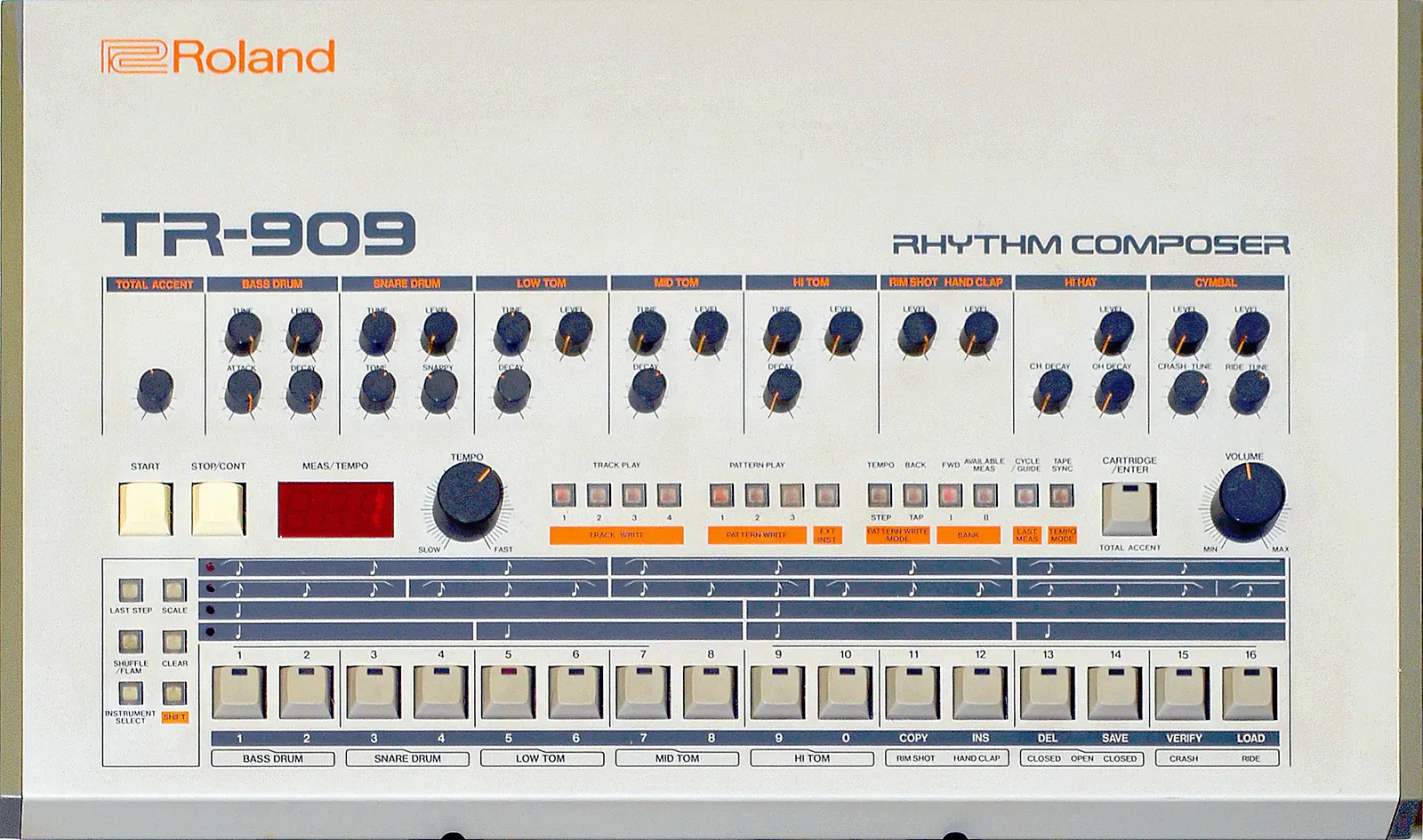
- Roland TR-606
Techniques
- Granular synthesis
- Time-stretching and freezing
Scenes
Where it happened
Where and when the sound lived: one bar per city on a shared timeline.
Europe
North America
Active scenes
Peak 5, 1999-2000
Home of Warp, The Black Dog and the bleep scene that led to Artificial Intelligence.
Rephlex moved here in 1992; Aphex Twin, Squarepusher and Mu-ziq built the later scene around it.
Skam Records and Autechre, from nearby Rochdale, anchor the city's contribution.
Cornwall base of Rephlex before its move to London.
Schematic and other labels made it the US hub of IDM through the late 1990s.
Morr Music, founded here in 1999, gave IDM a link to indie and dreampop.
Venues and places
Sheffield, 1987 to today. The Division Street record shop opened in 1987 by Steve Beckett and Rob Mitchell, where Warp began in 1989.
Culture
Culture markers
- Artificial Intelligence android sleeve
Phil Wolstenholme's 3D cover shows a relaxed android among records, hinting at album-style home listening.
Artwork - The Designers Republic sleeves
Ian Anderson's studio gave Warp releases a graphic identity.
Artwork - Chris Cunningham videos
His videos for Aphex Twin's Come to Daddy and Windowlicker made IDM visually famous.
Artwork - Gigs in darkness
Autechre play live shows in complete darkness, without visuals to watch.
Ritual - Braindance
Rephlex's own word for its music, offered as a replacement for the unloved IDM tag.
Slang
Media
Key media
- 1992Artificial Intelligence
by Various. Warp's first electronic listening music compilation, sleeved to be played at home like a rock album.
Compilation - 1994Artificial Intelligence II
by Various. The follow-up includes IDM list messages in its sleeve notes, with writing by David Toop.
Compilation - 2002Blue Skied an' Clear
by Various. Morr Music's two-disc set of artists reworking Slowdive songs, typical of its IDM-meets-dreampop line.
Compilation - 2006Tekkonkinkreet
by Plaid. Plaid composed the score for this anime film.
Film
Glossary
Terms on this page
The early-1990s fusion of ambient and techno from which IDM grew.
Rephlex's preferred alternative to IDM for its own releases.
A mid-1990s offshoot that programs frenzied, irregular breakbeats from jungle.
Warp's own 1992 tag for the music on Artificial Intelligence, used before IDM caught on.
A loose, disputed label for experimental electronic music made for home listening as much as dancing.
A group of very rapid sound events, used as a texture or a gesture in rhythm.
Electronic family