Ambient music
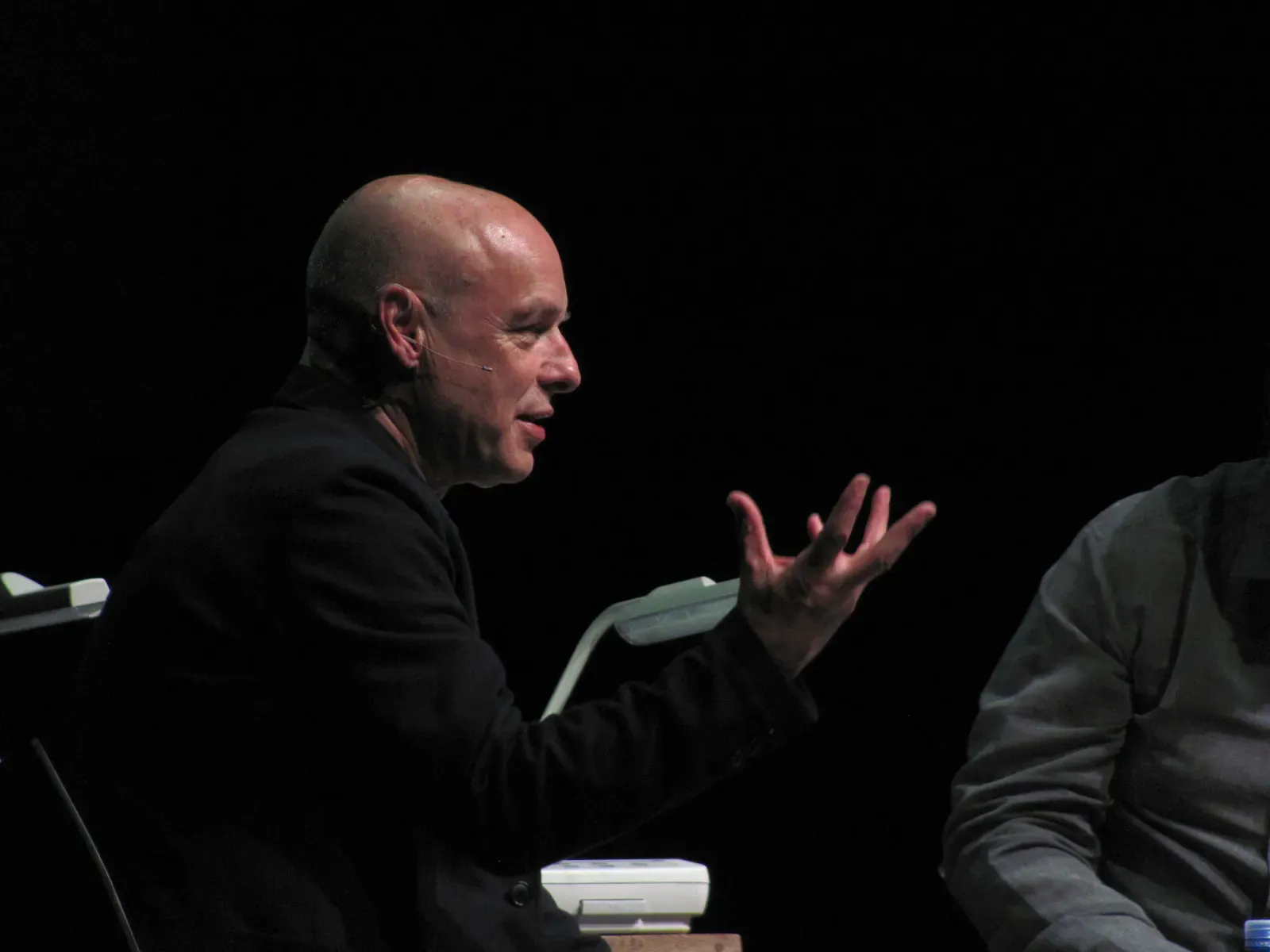
Ambient is listening-oriented electronic music built on tone and texture rather than rhythm, named by Brian Eno in 1978 with Music for Airports.
United Kingdom, Japan, Germany, 1970
Electronic family
Born
1970
United Kingdom, Japan, Germany
Subgenres
10
Documented branches
Links
51
Genres it drew on or shaped
Tempo
60-120 BPMLineage
Family tree
Grew out of
Influenced by
Pushed back against
Muzak
United Kingdom, Japan, Germany, 1970
Ambient
Led to (12)
Timeline
Era by era
From the first sparks to today. Select a dot to read the story behind it.
- Tape loops and furniture music
1970 to 1977
- The Ambient series
1978 to 1982
- Environmental and space music
1983 to 1988
- Chill-out and ambient techno
1989 to 1994
- Drones, loops and microsound
1995 to 2009
- Streaming and reissue
2010 to today
Eras
Moments
- 1 Tape loops and furniture music, 1970 to 1977
- 2 The Ambient series, 1978 to 1982
- 3 Environmental and space music, 1983 to 1988
- 4 Chill-out and ambient techno, 1989 to 1994
- 5 Drones, loops and microsound, 1995 to 2009
- 6 Streaming and reissue, 2010 to today
around 1970
Tape loops and furniture music
Eno and the London experimental circle turn tape delay, loops and generative systems into music meant to sit in a room, the groundwork for Discreet Music (1975).
- 1917Satie's furniture musicErik Satie coins musique d'ameublement, music meant to be part of the room rather than the focus of attention.
- 1975Brian Eno releases Discreet MusicA synthesizer fed through a tape delay system plays itself on side one; issued as Obscure no. 3.
1978
The Ambient series
Eno names the genre with Music for Airports (1978) and widens it through Harold Budd, Laraaji and Jon Hassell, while Hiroshi Yoshimura starts a parallel line in Japan.
- 1978Ambient 1: Music for AirportsBuilt from tape loops of unequal length; Eno's sleeve note asks for music as ignorable as it is interesting.
- 1980Harold Budd and Eno's The Plateaux of MirrorSoft piano washed in reverb, issued as Ambient 2.
- 1980Laraaji's Ambient 3: Day of RadianceEno records the street performer's electric zither in New York for the third Ambient title.
- 1980Jon Hassell and Eno's Fourth World Vol. 1Possible Musics joins processed trumpet, non-Western rhythm and electronics.
- 1980Music for Airports installed at LaGuardiaThe album plays in an airport terminal for a short time, as Eno intended.
- 1982Hiroshi Yoshimura's Music for Nine Post CardsHome-recorded Fender Rhodes pieces start the Japanese environmental music line.
- 1982The compact disc launchesLong, quiet, gapless pieces suit the new format better than vinyl.
1983
Environmental and space music
Apollo, Structures from Silence and Japanese environmental music reach listeners on CD, radio and film, overlapping with new age and Hearts of Space programming.
- 1983Eno's Apollo: Atmospheres and SoundtracksPedal steel and synth pads made for a film on the moon landings; later reused in the film For All Mankind.
- 1984Steve Roach's Structures from SilenceA long synthesizer drone album that becomes a reference for space music.
1989
Chill-out and ambient techno
Rave culture adds a rest room: The Orb, The KLF, Aphex Twin and Global Communication bring ambient into the charts and into the Warp-led home-listening canon.
- 1989The Orb play ambient in the chill-out roomAt the London club Heaven, Alex Paterson plays ambient records to dancers resting from acid house.
- 1990The KLF's Chill OutA continuous collage of samples and field recordings that sketches an imaginary night drive.
- 1990The Orb's Little Fluffy CloudsPeaks at number 87 on its first UK release; a 1993 reissue reaches the top 10.
- 1992Aphex Twin's Selected Ambient Works 85-92Bedroom techno tracks slowed to a dreamlike pace on the Belgian label R&S's Apollo imprint.
- 1992Warp's Artificial Intelligence compilationWarp frames electronic home-listening music as a series of albums rather than club singles.
- 1994Global Communication's 76:14Every track is titled after its running time on a debut praised as a high point of 1990s ambient.
1995
Drones, loops and microsound
Kranky, Touch and 2062 label artists such as Stars of the Lid, Biosphere and William Basinski stretch ambient toward slow drone, field recording and decaying tape.
- 1997Biosphere's SubstrataThe first fully ambient Biosphere album, by Norwegian producer Geir Jenssen, issued on All Saints.
- 2001Stars of the Lid's The Tired Sounds OfA double album of drones, strings and horns on Kranky.
- 2002William Basinski's The Disintegration LoopsOld tape loops crumble as they are digitized in summer 2001; on 11 September Basinski films the smoke over Manhattan from his roof.
- 2008Eno and Peter Chilvers release BloomAn iPhone app that generates evolving ambient music from touch gestures.
2010
Streaming and reissue
Playlists, sleep and focus listening, generative apps and reissues such as the 2019 Kankyo Ongaku compilation bring a worldwide audience to old and new ambient.
- 2011Marconi Union's WeightlessA slow piece promoted as relaxation music and widely used in sleep and calm playlists.
- 2019Kankyo Ongaku compilationLight in the Attic reissues Japanese environmental music from 1980 to 1990 for a worldwide audience.
Listening path
Anthems
The records that built the sound, grouped by the part they played. Thumbnails come from YouTube; the player loads only when you press play.
- 01
Brian Eno, 1975 · Obscure Records
The first Eno record built on a self-running tape delay system, the method behind everything he later called ambient.
Origin - 02
Brian Eno, 1978 · E.G. Records
The opening piano piece of Music for Airports, the record that gave the genre its name and its rule.
Start hereOrigin - 03
The Orb, 1990 · Big Life
A sampled spoken-word daydream that took chill-out ambient into the UK singles chart after its 1993 reissue.
Start hereBreakthrough - 04
Laraaji, 1980 · E.G. Records
A shimmering electric zither piece from Ambient 3 that shows the genre outside the studio, in New York street music.
Anthem - 05
Jon Hassell, 1980 · E.G. Records
Processed trumpet and electronics from Fourth World Vol. 1, a world-music strand of early ambient.
Anthem - 06
Harold Budd, 1980 · E.G. Records
Sparse piano in deep reverb from The Plateaux of Mirror, the model for later piano-led ambient.
Anthem - 07
Brian Eno, 1983 · E.G. Records
The best-known Apollo piece, widely reused in film and television as shorthand for quiet awe.
Start hereAnthem - 08
Steve Roach, 1984
A single long synthesizer drone that set the template for the space-music side of ambient.
Anthem - 09
Global Communication, 1994
A long, melancholic centrepiece of 76:14, often cited as a high point of 1990s ambient.
Anthem - 10
Biosphere, 1997
A cold, field-recording-rich piece from Substrata, the album that made Arctic ambient a reference point.
Anthem - 11
Stars of the Lid, 2001 · Kranky
Slow strings and horns opening The Tired Sounds Of, the template for 2000s drone-ambient.
Anthem - 12
William Basinski, 2002
The first Disintegration Loops piece, tape loops decaying in real time and tied in memory to 11 September 2001.
Anthem - 13
Aphex Twin, 1992
The opening track of Selected Ambient Works 85-92 that brought ambient into rave-era electronic listening.
Crossover - 14
Hiroshi Yoshimura, 1982
The opening piece of Music for Nine Post Cards, rediscovered worldwide through reissues and streaming.
Revival
Facts
| Family | Electronic |
| Origin | United Kingdom, Japan, Germany |
| Emerged | Late 1960s to 1970s |
| Status | Active |
| Tempo | 60 to 120 BPM |
| Meter | Free time, or a slow 4/4 pulse |
| Subgenres | 8 |
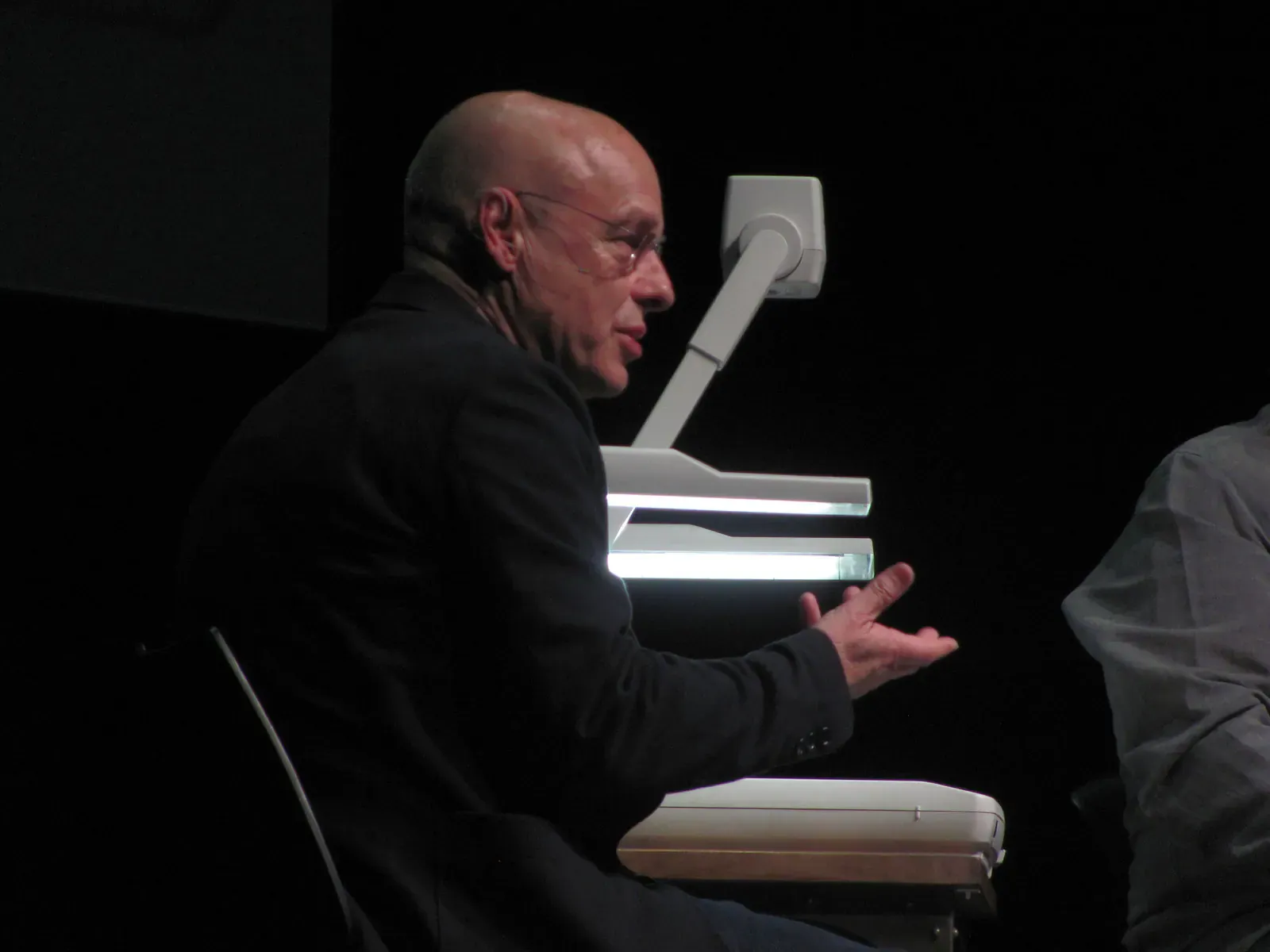
Ambient is a form of electronic music that favours tone, texture and atmosphere over rhythm and conventional song structure. It took shape between the late 1960s and the 1970s in Britain, Japan and Germany, and Brian Eno gave it its name with Ambient 1: Music for Airports in 1978.
Typical pieces are slow, long, mostly instrumental and built on sustained sound with little or no beat.
Origins
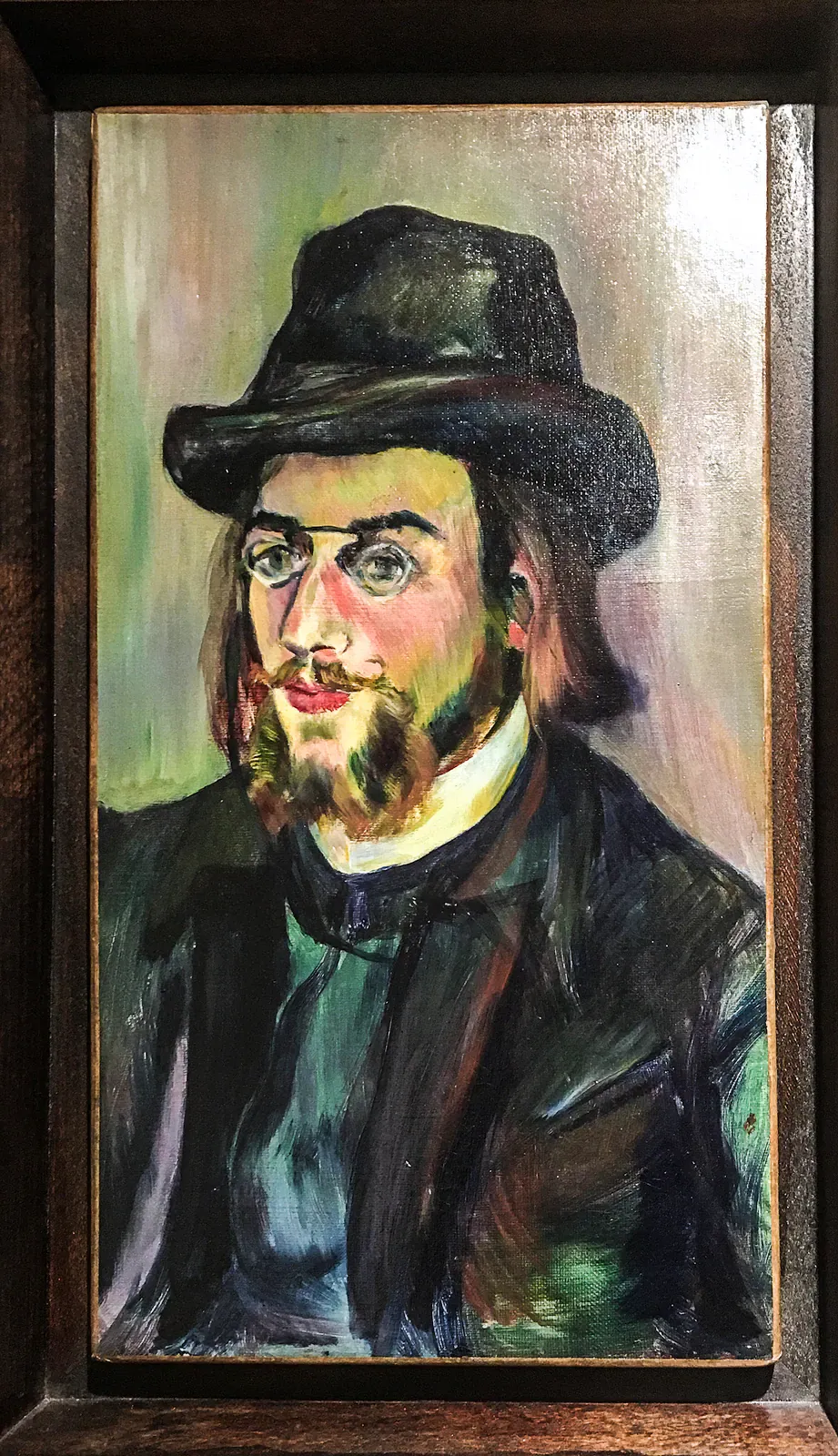
The idea has a prehistory. In 1917 Erik Satie coined musique d’ameublement, “furniture music”, meant to be part of a room rather than the focus of attention.
Postwar tape music, minimalism, German kosmische musik and drone added methods, and Muzak supplied the thing to argue with. The decisive move came in London in the early 1970s, where Eno and the experimental circle around him turned tape delay and generative systems into music meant to sit in a room.
Tape loops and furniture music, 1970-1977
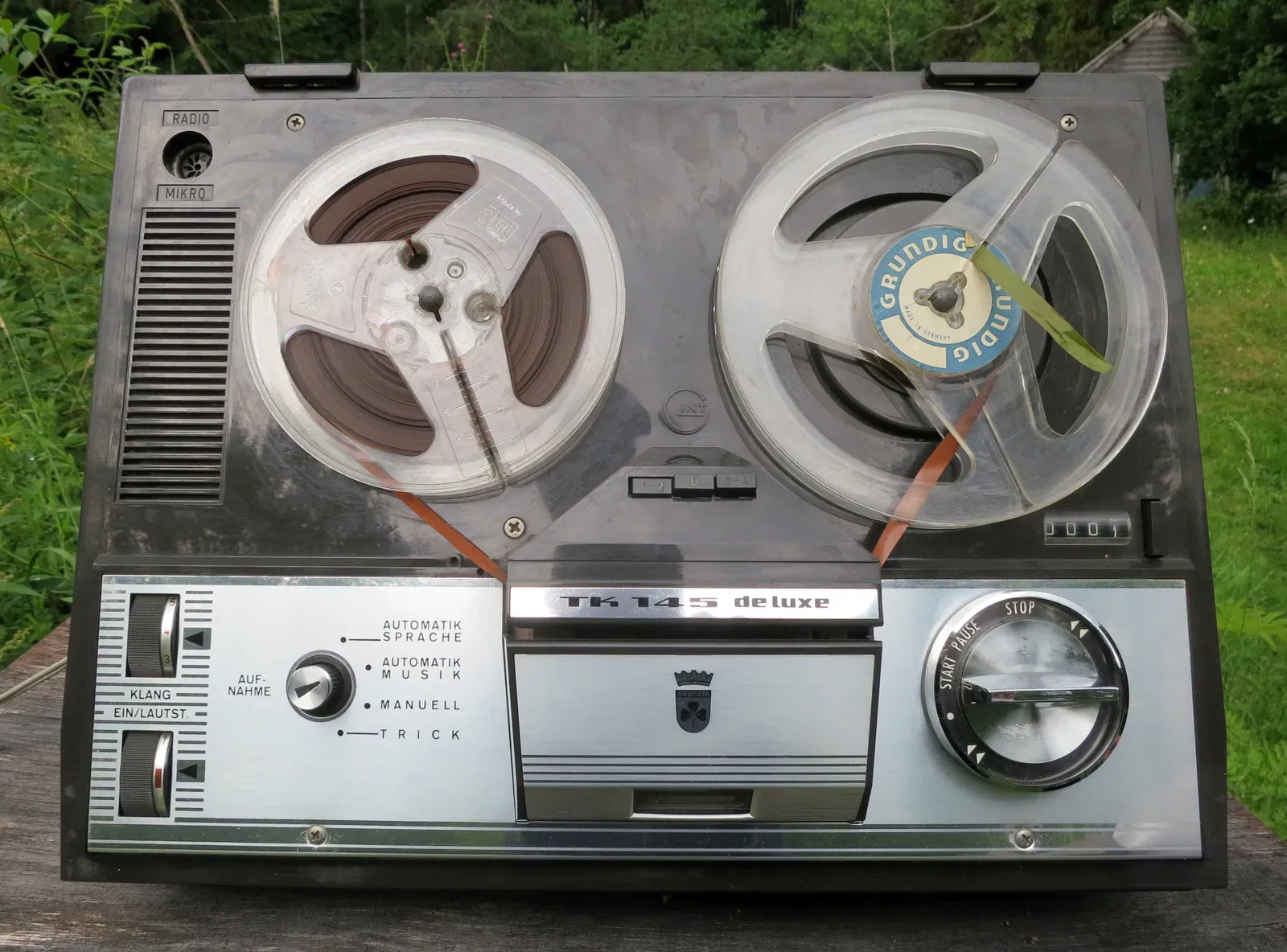
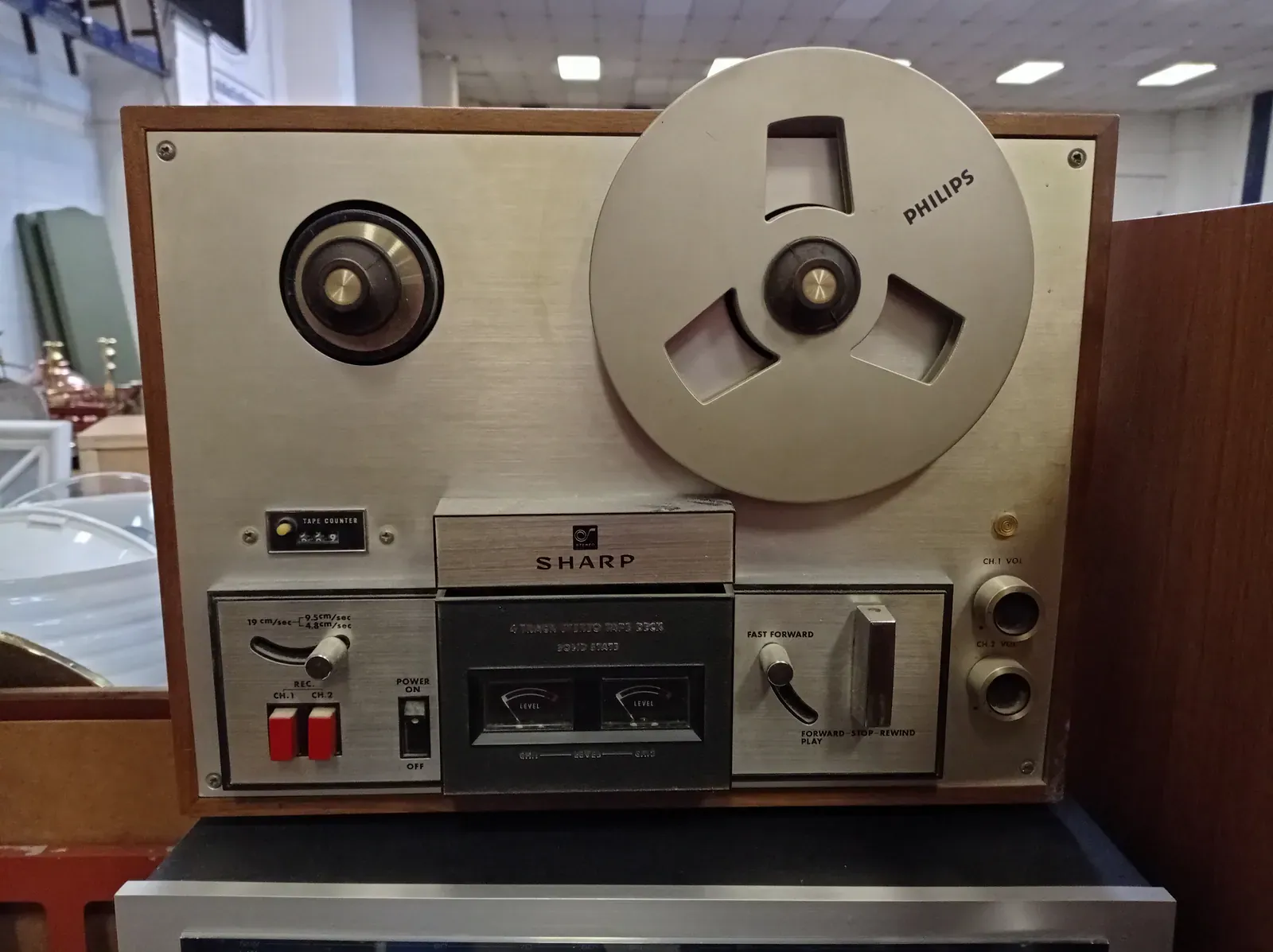
The reference work of this period is Discreet Music (1975), issued on Obscure Records as Obscure no. 3. On its first side a synthesizer feeds a tape delay system that plays itself, so the piece runs as a process rather than a composition. The second side was recorded at Trident Studios in London in September 1975. The method matters more than the sound: music generated by a set-up, left to run.
The Ambient series, 1978-1982
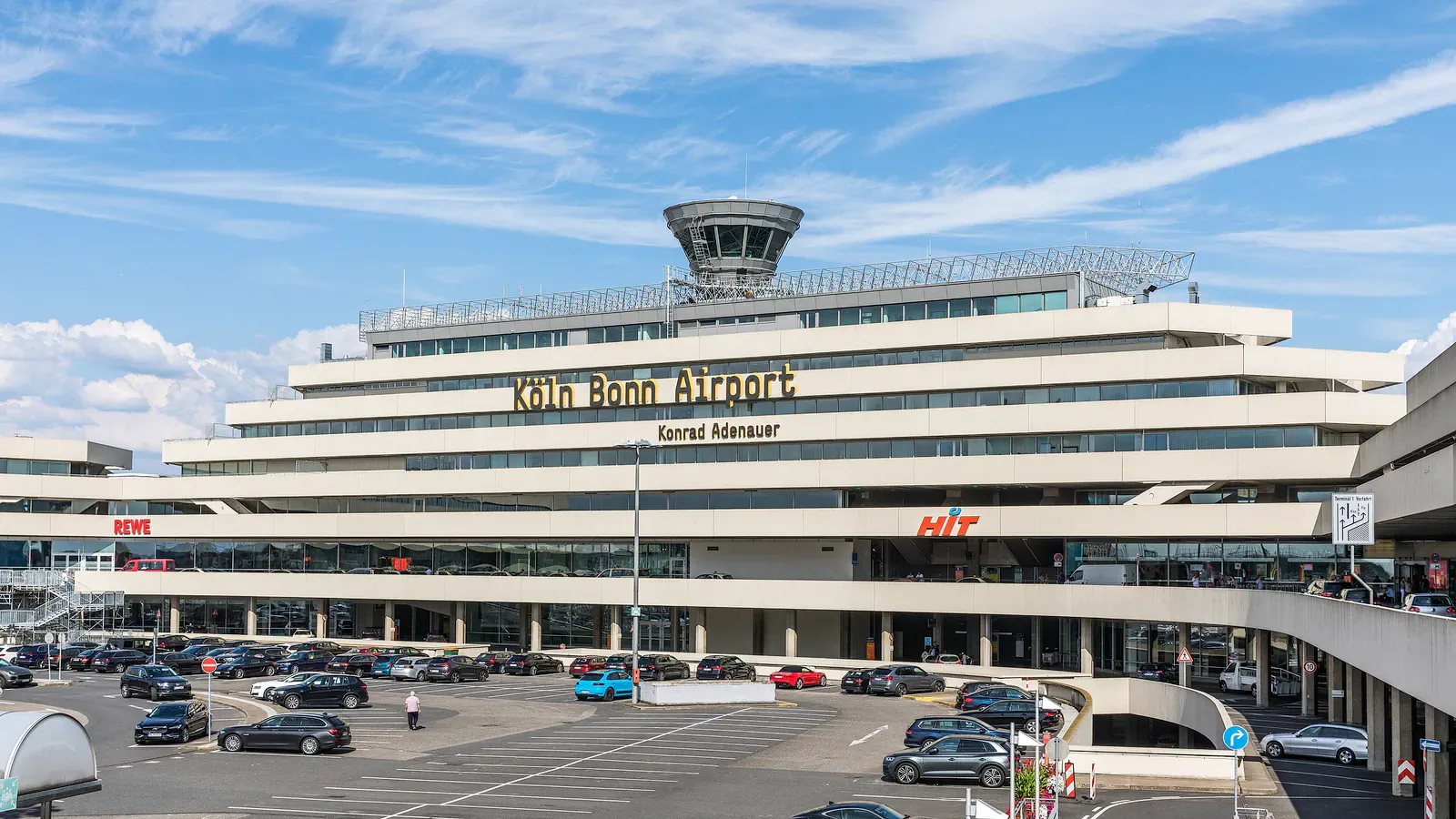
Eno found the piped music at Cologne Bonn Airport tense while waiting for a flight, and wrote Ambient 1: Music for Airports (1978) in reply. It is built from tape loops of unequal length, and its sleeve note asks for music as ignorable as it is interesting. EG Records issued the series.
Three more titles widened the field. The Plateaux of Mirror (1980), with the pianist Harold Budd, is soft piano washed in reverb and labelled Ambient 2. Ambient 3: Day of Radiance (1980) is the street performer Laraaji’s electric zither, recorded by Eno in New York. Jon Hassell’s Fourth World Vol. 1: Possible Musics (1980) joined processed trumpet, non-Western rhythm and electronics. In 1980 Music for Airports was also played in an airport terminal at LaGuardia, briefly, as an installation.
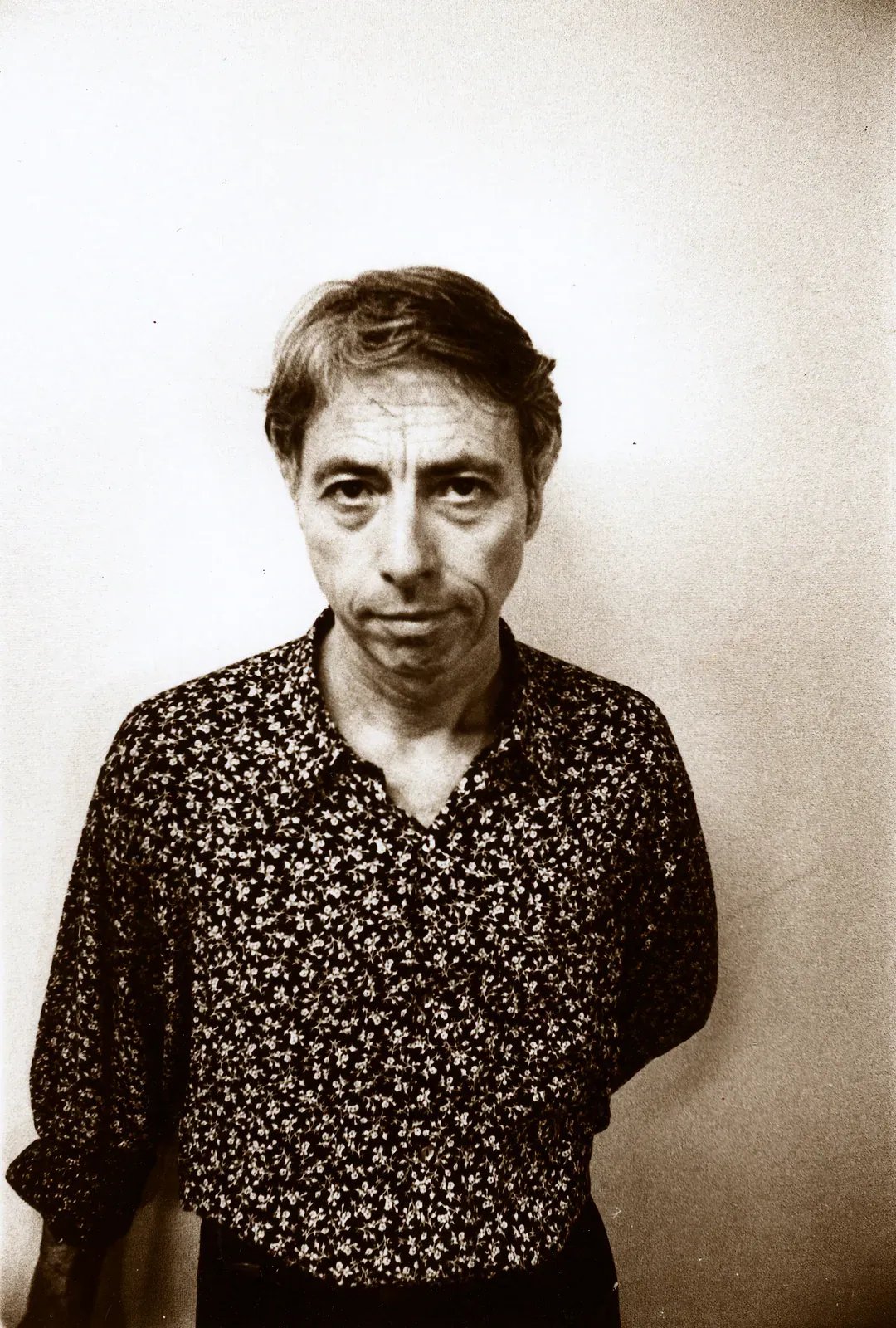
In Japan a parallel line grew without Eno. Hiroshi Yoshimura’s Music for Nine Post Cards (1982), home-recorded on a Fender Rhodes, opened what became known as environmental music, or kankyo ongaku, written to sit unobtrusively inside a space.
Environmental and space music, 1983-1988
The compact disc arrived in 1982, and its gapless digital sound suited long, quiet pieces better than vinyl. Eno’s Apollo: Atmospheres and Soundtracks (1983) put pedal steel and synthesizer pads under moon-landing footage and tied ambient to film and space imagery; the music was later reused in the documentary For All Mankind. Steve Roach’s Structures from Silence (1984), a long synthesizer drone album, became a reference for the space-music side of the genre. Tokyo composers such as Satoshi Ashikawa and Yoshio Ojima wrote environmental music for spaces and brands. The radio programme and label Hearts of Space brought this slow music to a wider audience, overlapping with the new age market.
Chill-out and ambient techno, 1989-1994
Rave culture added a rest room. Around 1989 Alex Paterson of The Orb played ambient records in the chill-out room at the London club Heaven, for dancers resting from acid house. The KLF’s Chill Out (1990) turned the idea into a continuous collage of samples and field recordings. The Orb’s “Little Fluffy Clouds” peaked at number 87 on its 1990 release and reached the UK top 10 when reissued in 1993.
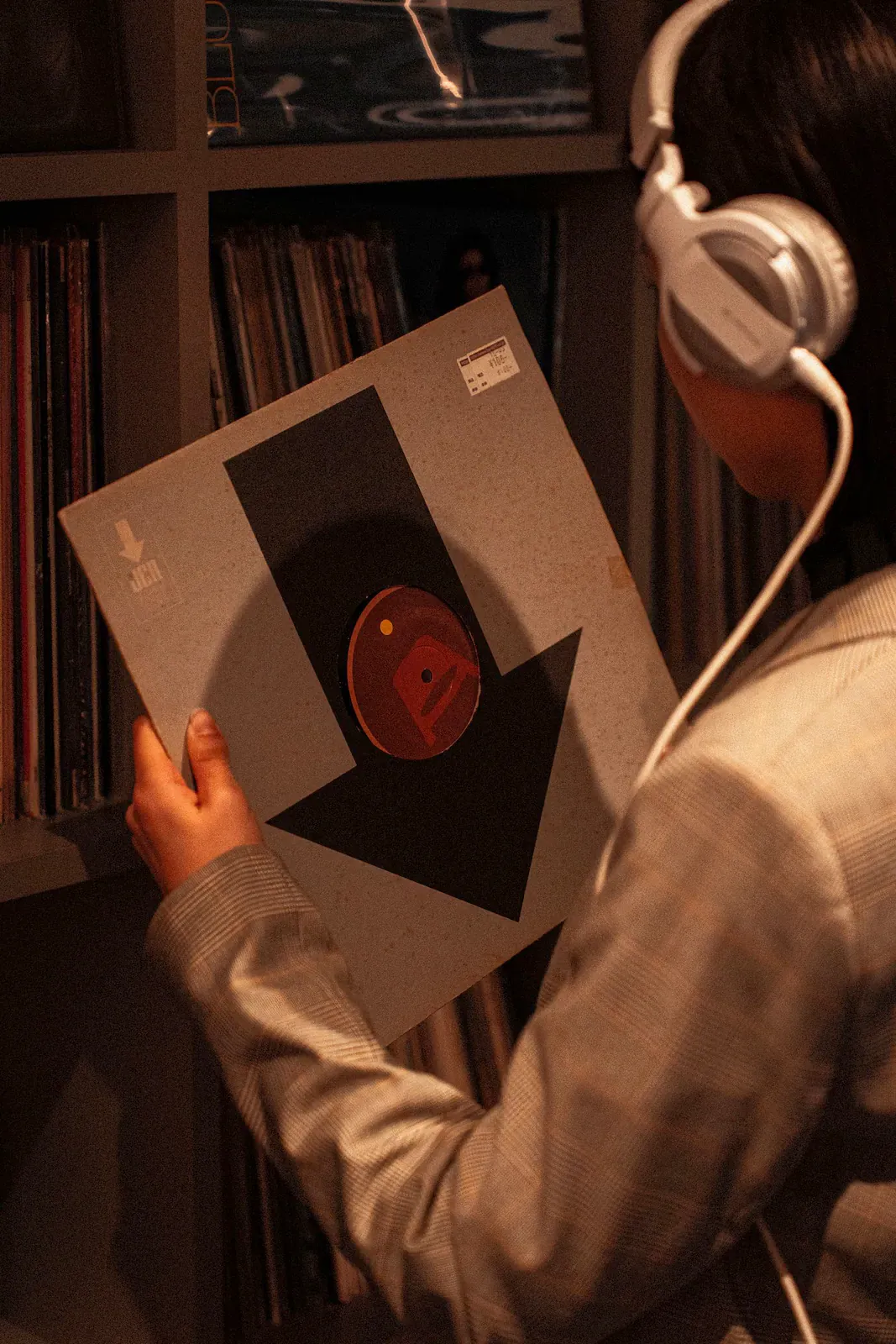
Aphex Twin’s Selected Ambient Works 85-92 (1992) took slowed, melodic bedroom techno to a rave-era audience through the Belgian label R&S’s Apollo imprint. Warp built a home-listening catalogue around such records, and Global Communication’s 76:14 (1994), with every track titled after its running time, became a high point of the decade. Techno and house gave ambient a techno and house branch in this period.
Drones, loops and microsound, 1995-2009
The late 1990s stretched ambient toward drone, field recording and decaying tape. Biosphere’s Substrata (1997), made by the Norwegian producer Geir Jenssen in Tromso and issued on All Saints, is a cold, field-recording-rich album that made Arctic ambient a reference point. Stars of the Lid’s double album The Tired Sounds Of (2001) on Kranky, built from drones, strings and horns, fixed the sound of 2000s drone-ambient. William Basinski’s The Disintegration Loops (2002) captured old tape loops crumbling as they were digitized in summer 2001; on 11 September he filmed the smoke over Manhattan from his Brooklyn roof.
Streaming and reissue, 2010 onward
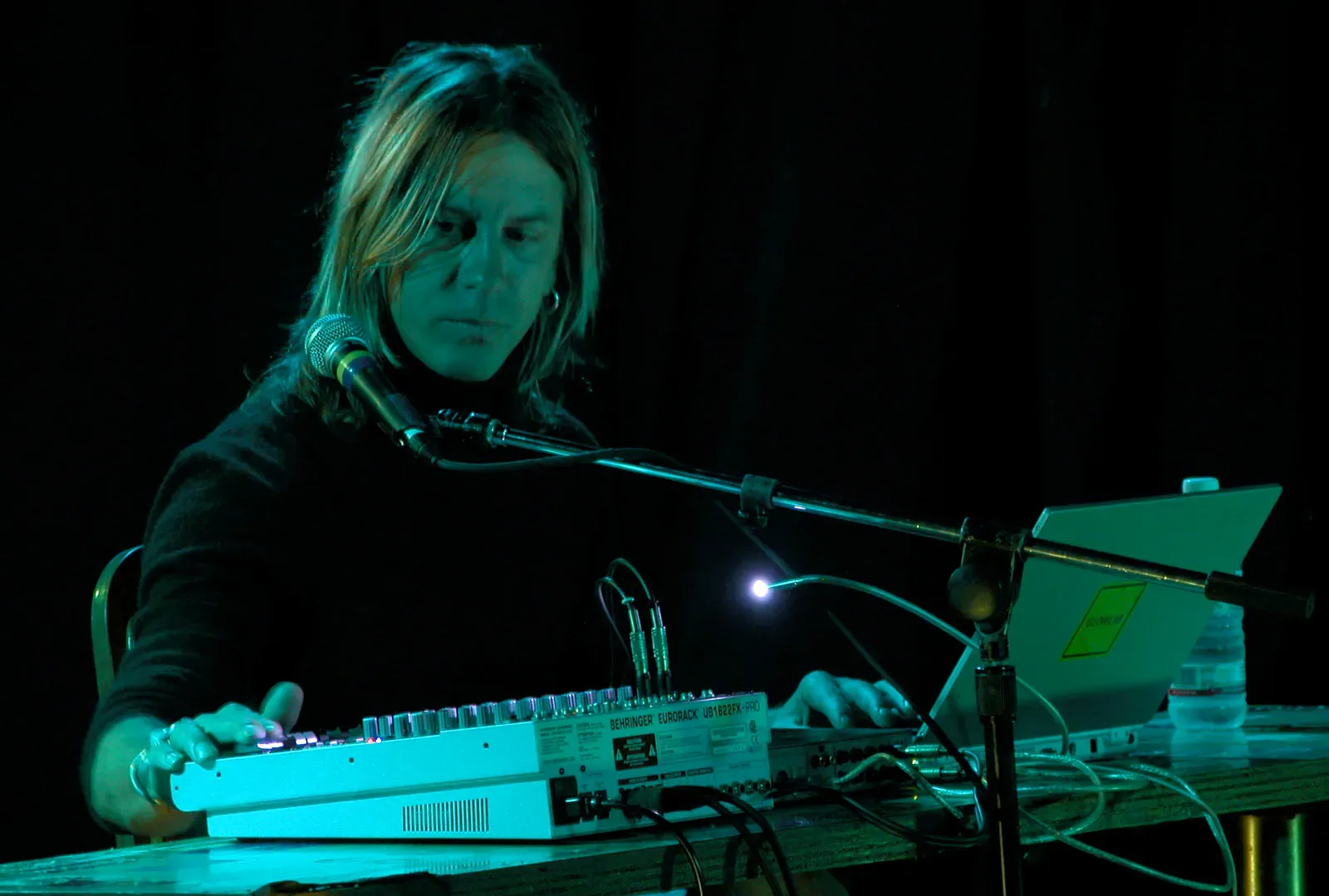
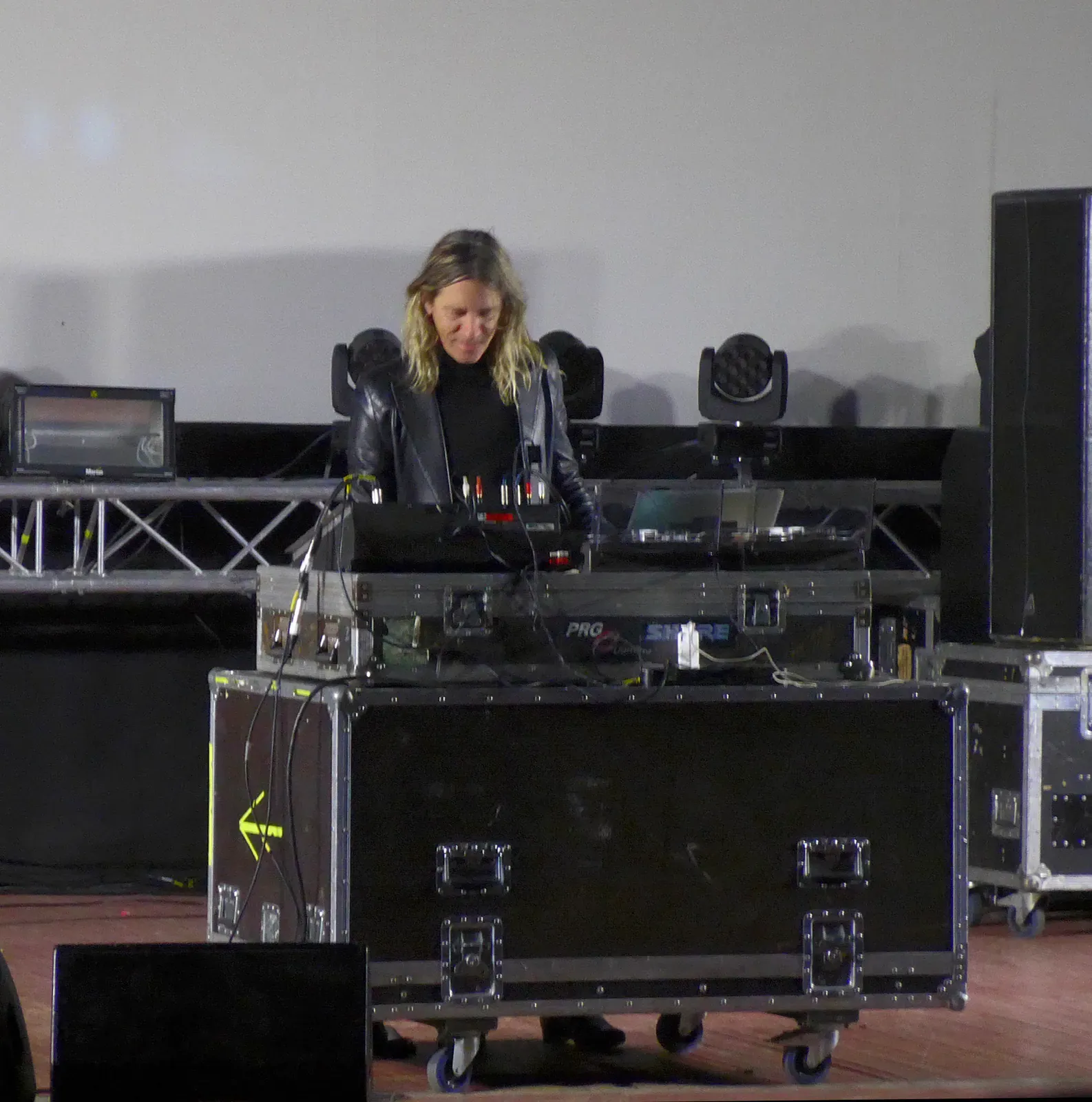
Playlists for sleep and focus, generative apps and reissues brought ambient to a worldwide audience. Eno and Peter Chilvers released the iPhone app Bloom in 2008, which generates evolving ambient music from touch gestures. Marconi Union’s Weightless (2011), a slow piece promoted as relaxation music, spread through calm and sleep playlists. In 2019 Light in the Attic reissued Japanese environmental music from 1980 to 1990 as the compilation Kankyo Ongaku, which sent old Japanese records to new listeners.
Characteristics
Harmony moves slowly or not at all, usually in consonant major, minor or pentatonic material that avoids strong cadences so nothing demands attention. Pieces run from a few minutes to an hour. Rhythm is free, or a slow pulse; tracks cluster between about 60 and 120 BPM. Reverb and delay supply the space, and layers enter and leave over seconds rather than beats.
Instruments and production
Tape is the founding tool. Loops of unequal length drift in and out of phase, so a phrase never returns the same way twice. Fender Rhodes electric piano gives the soft, bell-like tone heard on Music for Airports and in Yoshimura’s home recordings. Pedal steel guitar, electric zither and Hassell’s processed trumpet show how acoustic instruments are blurred into pad-like voices.
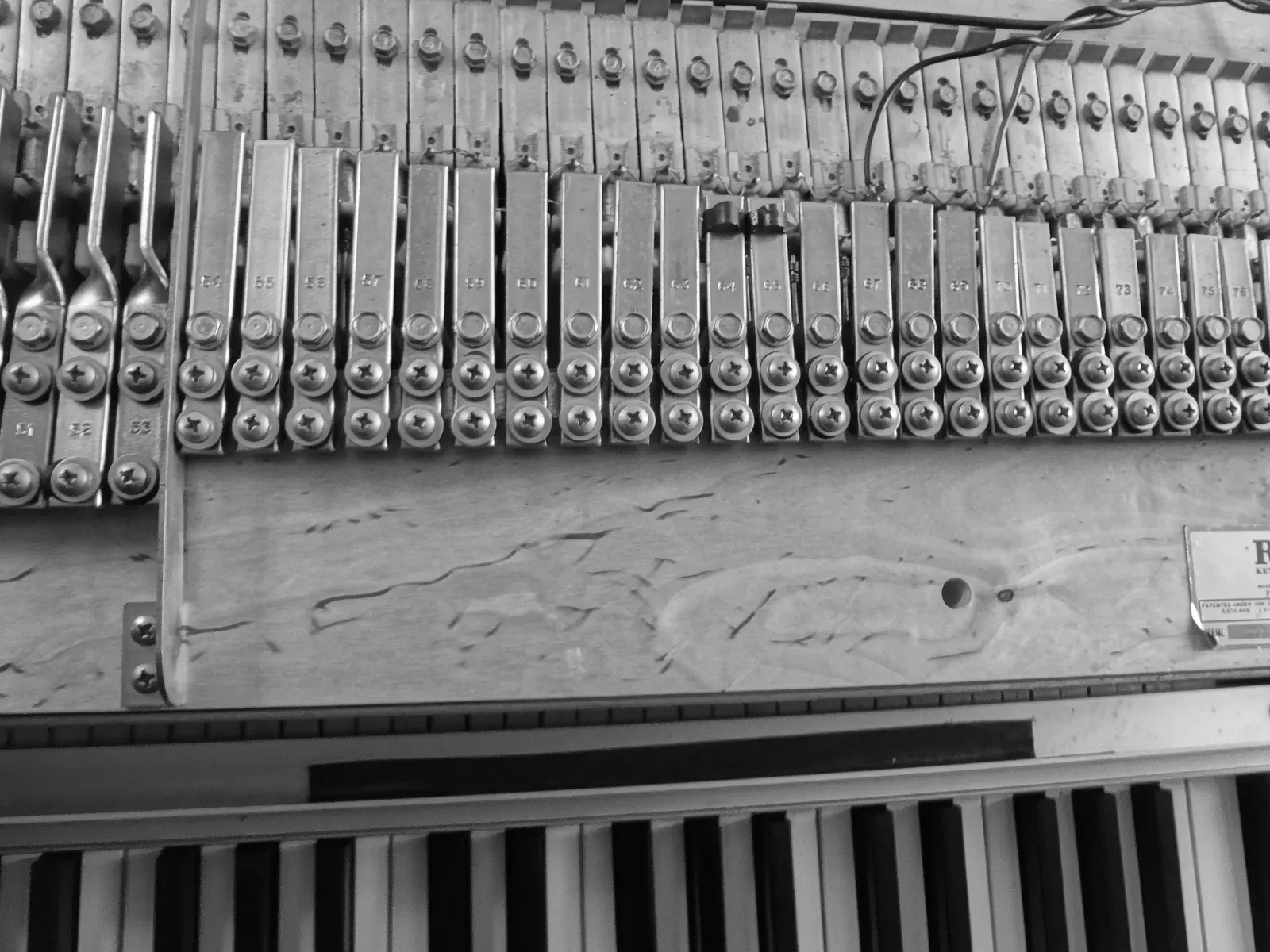
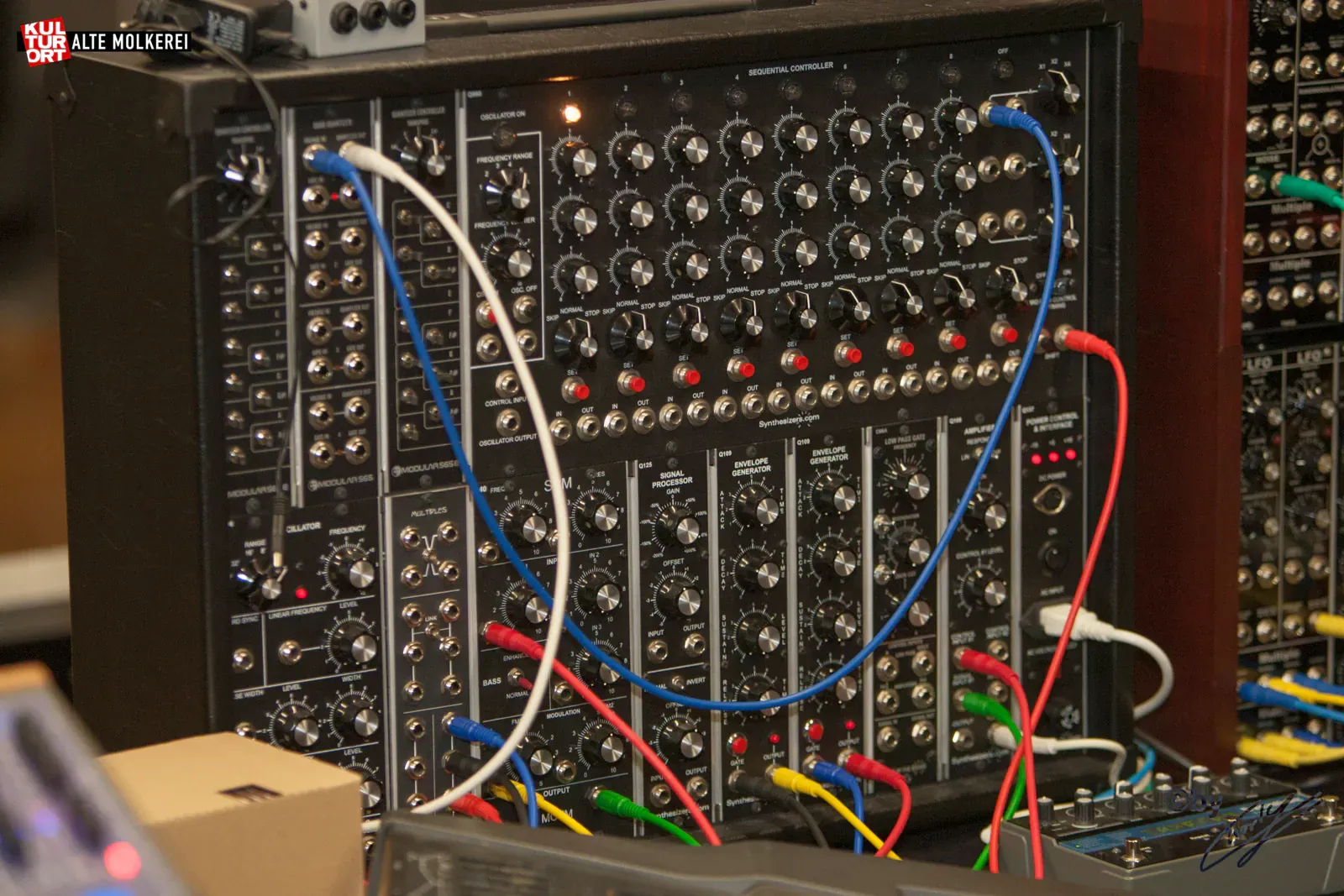
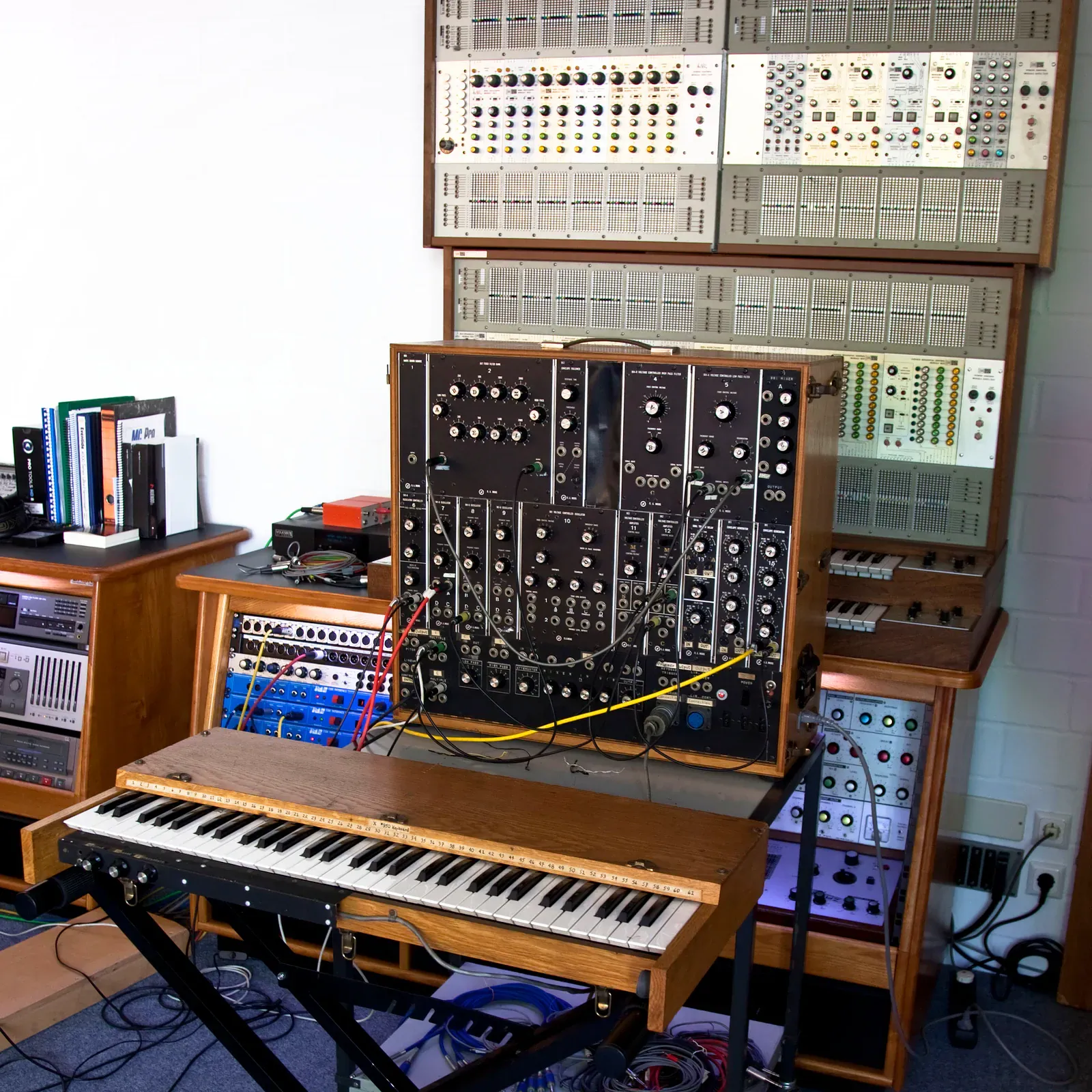
On the synthesizer side, the EMS Synthi AKS drove Discreet Music through tape delay, and the Yamaha DX7 added glassy digital pads in the 1980s. Digital reverb units such as the Lexicon 224, from 1978, gave ambient its large artificial spaces, and MIDI linked synthesizers and sequencers for slow, evolving layers from 1983.
Culture
The chill-out room is ambient’s main club ritual: a side space where dancers rested to slow records, and a phrase later borrowed as a name for the whole ambient-house style. Sleep and study listening has made long ambient pieces everyday background. Ambient also lives in sound installations, as Eno’s airport installation shows: the music as a set-up for a place rather than a record to be watched.
Misconceptions
Ambient is not elevator music. Eno’s idea was an inversion of functional background music such as Muzak, which he reacted against: his rule asks for music that rewards close listening as much as it allows being ignored.
Eno did not invent the idea from nothing. Satie wrote of furniture music in 1917, and Japanese environmental music developed in parallel from the early 1980s. Eno’s contribution was the name, the Ambient series and a working method.
Ambient is not always beatless. Selected Ambient Works 85-92 is built from slowed techno beats, chill-out and ambient techno use gentle pulses, and typical tempos reach 120 BPM.
Frequently asked questions
What is ambient music?
Ambient music is electronic music that emphasises atmosphere and texture over rhythm and melody. Its pieces are slow, long and mostly instrumental, built from sustained sound and reverb.
Who invented ambient music?
Brian Eno named ambient music with Ambient 1: Music for Airports in 1978, after building self-playing tape systems on Discreet Music in 1975. Satie’s furniture music of 1917 is its older precedent.
What is the difference between ambient and new age music?
Ambient grew from experimental and electronic work and is defined by atmosphere and listener choice; new age is a related and overlapping market organised around relaxation and spirituality. Space music sits in new age with a secondary link to ambient.
What is kankyo ongaku?
Kankyo ongaku is Japanese environmental music, written in the 1980s to sit unobtrusively in a room or building. Hiroshi Yoshimura’s Music for Nine Post Cards (1982) is a model of it.
Sound
Sound sheet
Anatomy of a track
| # | Part |
|---|---|
| 1 | Drone or pad enters |
| 2 | Slow harmonic drift |
| 3 | New layer (piano, loop, sample) |
| 4 | Reverb or filter swell |
| 5 | Fade out or loop restart |
Signature sounds
- Long reverb and delay tails
- Loops of unequal length that drift apart
- Beatless or barely pulsed rhythm
- Sustained synthesizer pads
- Field recordings and sampled speech
- Pieces running 5 to 60 minutes
Synths and software
- EMS Synthi AKS
- Yamaha DX7
Techniques
- Tape loop phasing
- Generative systems
- Long reverb and delay
- Sustained drones and pads
- Field recording and sampled speech
- Slow envelopes and filter sweeps
Keys and modes
Major and minor modes with static harmony. Chords change slowly or not at all; consonant, often pentatonic.
Pentatonic and modal scales. Avoid strong cadences so nothing demands attention.
Vocals
Mostly instrumental; wordless voices, choirs or sampled speech used as texture.
Scenes
Where it happened
Where and when the sound lived: one bar per city on a shared timeline.
Europe
North America
Asia
Active scenes
Peak 6, 1993-2025
Eno's Obscure and EG records, then the Heaven chill-out room, The Orb and Warp's home-listening catalogue.
Eno records Laraaji and Harold Budd there; later home to Basinski's 2062 Records and illbient.
Yoshimura, Satoshi Ashikawa and Yoshio Ojima write environmental music for spaces and brands.
Kranky releases Labradford, Stars of the Lid and Tim Hecker from here.
Stars of the Lid form in Austin and make drone-ambient albums.
Geir Jenssen records as Biosphere inside the Arctic Circle, using cold-climate field recordings.
Venues and places
London, 1975 to today. Side two of Discreet Music was recorded here in September 1975.
Cologne, 1978 to today. Eno found its piped music tense while waiting for a flight and wrote Music for Airports in reply.
New York, 1980 to today. Music for Airports played here briefly as an installation.
London, 1989 to today. Its chill-out room hosted The Orb's early ambient sets.
New York, 2001 to today. Where the decaying tape loops were digitized in summer 2001; from its roof Basinski filmed the smoke over Manhattan on 11 September.
Culture
Culture markers
- Chill-out room
A side room in rave clubs where dancers rested to slow ambient records.
Ritual - Sleep and study listening
Listeners use long ambient pieces and playlists to sleep, study and relax.
Ritual - Sound installations
Eno's airport installation and later light-and-sound works show ambient as a set-up for a space.
Artwork - Chill out
The phrase for resting after dancing, borrowed as a name for the whole ambient-house style.
Slang
Media
Key media
- 1989For All Mankind
by Al Reinert. Moon-landing documentary scored with Eno's Apollo music.
Film - 1990Chill Out
by The KLF. A continuous, sample-based collage that defined the chill-out album.
Mix - 1992Artificial Intelligence
by Various (Warp). Warp's series that framed electronic home-listening music.
Compilation - 2019Kankyo Ongaku: Japanese Ambient, Environmental and New Age Music 1980-1990
by Various. Light in the Attic's reissue that fueled the global Japanese ambient revival.
Compilation
Glossary
Terms on this page
Eno's term for music that can be ignored as easily as it can be listened to closely.
A quiet side room in a rave club where dancers rest to slow ambient records.
A sustained tone or chord held with little change, central to dark and drone ambient.
Satie's 1917 idea of music that blends into a room instead of demanding attention.
Music made by a system of rules or chance that varies each time it runs.
Japanese environmental music, made to sit unobtrusively inside a space.
A strip of recorded tape spliced into a circle so a phrase repeats; loops of different lengths drift out of phase.
Electronic family