Breakbeat
Breakbeat is dance music built on looped, syncopated drum breaks instead of a four-on-the-floor kick, formed in the Bronx and in British clubs.
The Bronx, New York City, 1973
Electronic family
Born
1973
The Bronx, New York City
Subgenres
13
Documented branches
Links
16
Genres it drew on or shaped
Tempo
110-155 BPMLineage
Family tree
Grew out of
Derived from
Derived from
Influenced by
Acid houseElectro
The Bronx, New York City, 1973
Breakbeat
Led to (15)
Timeline
Era by era
From the first sparks to today. Select a dot to read the story behind it.
- Funk breaks and the Bronx
1969 to 1983
- Samplers and British remixers
1986 to 1990
- Breakbeat hardcore
1991 to 1993
- Big beat
1994 to 2001
- Nu skool and Florida breaks
1999 to 2012
- Breaks in pop
2020 to today
Eras
Moments
- 1 Funk breaks and the Bronx, 1969 to 1983
- 2 Samplers and British remixers, 1986 to 1990
- 3 Breakbeat hardcore, 1991 to 1993
- 4 Big beat, 1994 to 2001
- 5 Nu skool and Florida breaks, 1999 to 2012
- 6 Breaks in pop, 2020 to today
1969
Funk breaks and the Bronx
Funk drummers cut the breaks and Bronx DJs such as Kool Herc and Grandmaster Flash loop them on two turntables, turning a few seconds of drums into dance music.
- 1969The Winstons release Amen, BrotherThe B-side of Color Him Father holds Gregory Coleman's drum break, later one of the most sampled records in dance music.
- 1970James Brown cuts Funky DrummerClyde Stubblefield's open drum passage becomes the most borrowed break in hip-hop and later in breakbeat.
- 1972Lyn Collins records Think (About It)James Brown produces the single; its several breaks are sampled in thousands of later songs.
- 1973Kool Herc extends the break in the BronxAlternating two copies of a record, Herc repeats the drum break so dancers get more of the part they like best.
- 1981Grandmaster Flash records Wheels of SteelA live turntable collage on Sugar Hill puts break cutting and mixing on vinyl.
1986
Samplers and British remixers
Cheap samplers and sequencers let Coldcut, Bomb the Bass and Shut Up and Dance cut breaks into collage records and pull hip-hop drums into British club music.
- 1987E-mu SP-1200 sampler arrivesIts 12-bit grit and short sampling time suit chopped drum breaks and shape hip-hop and UK dance production.
- 1987Coldcut release Beats + PiecesA collage of breaks, horns and samples that points British dance music toward sample-built records.
- 1987Bomb the Bass issue Beat DisTim Simenon's sample collage peaks at number 2 in the UK in early 1988 and tops the US dance club chart.
- 1989XL Recordings opens in LondonThe rave label soon releases The Prodigy and SL2, the first breakbeat hardcore chart hits.
1991
Breakbeat hardcore
Fast sampled breaks meet rave stabs and piano; Charly and On a Ragga Tip reach the UK charts before the scene splits into jungle, darkcore and happy hardcore.
- 1991The Prodigy release CharlyA debut single built on a public information film sample enters the UK top 10 and peaks at number 3.
- 1992Raving I'm Raving is pulledShut Up and Dance's number 2 hit samples Walking in Memphis without clearance; an injunction stops further pressings.
- 1992SL2 release On a Ragga TipA ragga-sampled hardcore single on XL that crosses over to the UK top 10 as the scene splits.
- 1992Hardcore splits into threeBy late 1992 breakbeat hardcore divides into darkcore, jungle and happy hardcore, leaving a slower breaks lineage to big beat.
1994
Big beat
Skint, Wall of Sound and the Chemical Brothers turn heavy funk breaks and acid lines into rock-sized dance records, and the sound reaches charts, films and video games worldwide.
- 1994Wall of Sound beginsMark Jones's label opens with the compilation Give 'Em Enough Dope and soon signs Propellerheads.
- 1995Big Beat Boutique opens in BrightonNorman Cook and Damian Harris run the club night that gives the sound its name and home until 2001.
- 1996Chemical Brothers release Setting SunFeaturing Noel Gallagher, the single mixes a Beatles-style break with distortion and tops the UK chart.
- 1997Big beat hits its commercial peakThe Prodigy's The Fat of the Land tops the Billboard 200 and Dig Your Own Hole goes gold in the US.
- 1997Block Rockin' Beats wins a GrammyThe Chemical Brothers' single reaches number 1 in the UK and wins the Grammy for Best Rock Instrumental Performance.
- 1998Fatboy Slim's You've Come a Long Way, BabyThe Skint album yields Rockafeller Skank and Praise You and sells platinum in the US.
around 1999
Nu skool and Florida breaks
A club-first breaks scene of Stanton Warriors, Finger Lickin' acts and Hybrid grows in Britain, Florida and Spain, with its own awards, labels and DJ circuit.
- 1999The Matrix puts Spybreak! on screenPropellerheads' track backs a lobby fight and the soundtrack sells over a million copies in the US.
- 2001Big beat fades from the mainstreamHeadline acts move toward house and techno and trance takes the charts; breaks retreats to clubs.
- 2002Finger Lickin' wins Breakspoll Best LabelThe label takes the award every year from 2002 to 2005, marking nu skool breaks' club peak.
around 2020
Breaks in pop
Chopped breaks return as a signature sound in 2020s pop, led by PinkPantheress, while older breaks acts keep touring and releasing.
Listening path
Anthems
The records that built the sound, grouped by the part they played. Thumbnails come from YouTube; the player loads only when you press play.
- 01
The Winstons, 1969
Its drum break is the most sampled in dance music and the seed of fast breakbeat styles.
Origin - 02
James Brown, 1970
The loose drum pattern that DJs and producers have looped since the early days of sampling.
Origin - 03
Lyn Collins, 1972
Its several clean breaks became a standard source for hip-hop and breakbeat producers.
Origin - 04
Grandmaster Flash, 1981 · Sugar Hill Records
A live turntable collage that put break cutting and mixing on record.
Origin - 05
The Prodigy, 1991 · XL Recordings
The debut that took breakbeat hardcore into the UK top 10 and the mainstream.
Start hereBreakthrough - 06
The Chemical Brothers, 1997 · Virgin Records
A UK number 1 and Grammy winner that made big beat a global sound.
Start hereBreakthrough - 07
Fatboy Slim, 1998 · Skint Records
Looped samples over a hard break carried big beat into radio and the US.
Breakthrough - 08
Coldcut, 1987
A sample collage built on breaks that helped define British sample-based dance music.
Anthem - 09
Bomb the Bass, 1987
Cut-up breaks and hip-hop samples in a UK club record that reached number 2 in the national chart.
Anthem - 10
SL2, 1992 · XL Recordings
A ragga-sampled hardcore break record and a scene anthem as hardcore split into jungle.
Anthem - 11
The Crystal Method, 1997
The American breaks standard, chopped drums under a bending bass line.
Anthem - 12
Hybrid, 1999 · Distinctive Records
Orchestral progressive breaks that set a template for cinematic breakbeat.
Anthem - 13
Stanton Warriors, 2001
A bass-heavy club breaks record that defined the nu skool breaks scene.
Anthem - 14
Propellerheads, 1997 · Wall of Sound
A pure break track that reached a global audience through The Matrix.
Crossover - 15
Fatboy Slim, 1999 · Skint Records
A soulful break-driven single that topped the UK chart and made big beat family-friendly.
Start hereCrossover
Facts
| Family | Electronic |
| Origin | The Bronx, New York City, United States |
| Emerged | Mid-1970s (as DJ technique); late 1980s (as electronic genre) |
| Status | Active |
| Tempo | 110 to 155 BPM |
| Meter | 4/4 |
| Grew out of | Hip Hop, Funk |
| Subgenres | 13 |
Breakbeat is dance music built on short, syncopated drum breaks that are sampled, looped and chopped, in place of the steady four-on-the-floor kick of house and techno. The method began with Bronx DJs in the 1970s and became an electronic genre in British clubs in the late 1980s.
Tempos run from about 110 to 155 BPM, with heavy sub-bass, sampled hooks and a build-and-drop arrangement.
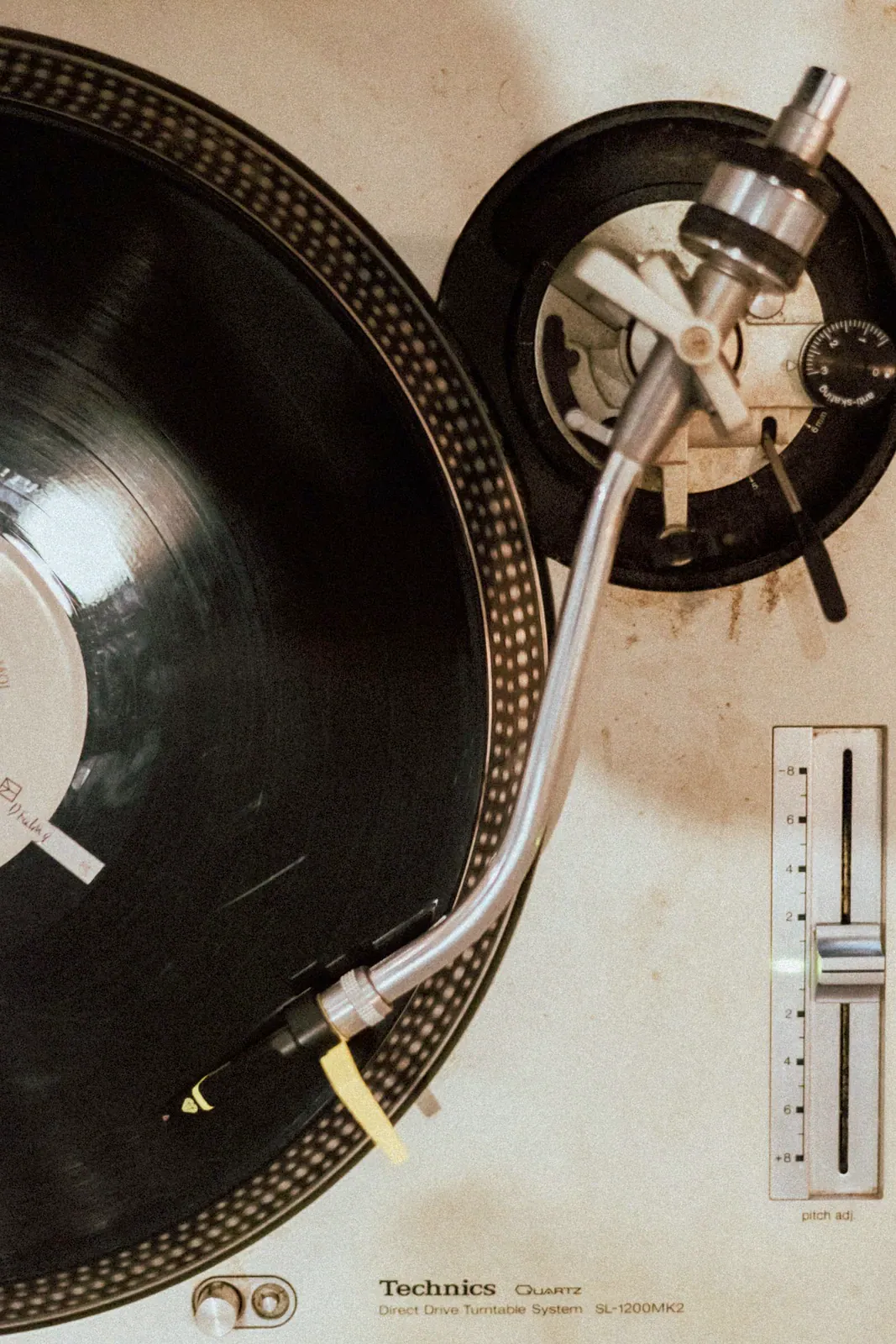
Origins
The raw material is the break, the stretch of a funk or soul record where the melody drops out and the drummer plays alone. Gregory Coleman’s solo on The Winstons’ “Amen, Brother” (1969), Clyde Stubblefield’s passage on James Brown’s “Funky Drummer” (1970) and the several breaks of Lyn Collins’s “Think (About It)” (1972) became the most borrowed drum patterns in popular music.
In August 1973 Kool Herc, a Jamaican-born DJ, played a party in the recreation room at 1520 Sedgwick Avenue in the Bronx. Using two copies of the same record and a mixer, he alternated between them so that the break repeated for as long as dancers wanted it. The dancers who answered those extended breaks became known as b-boys and b-girls, which is why breakdancing carries the name.
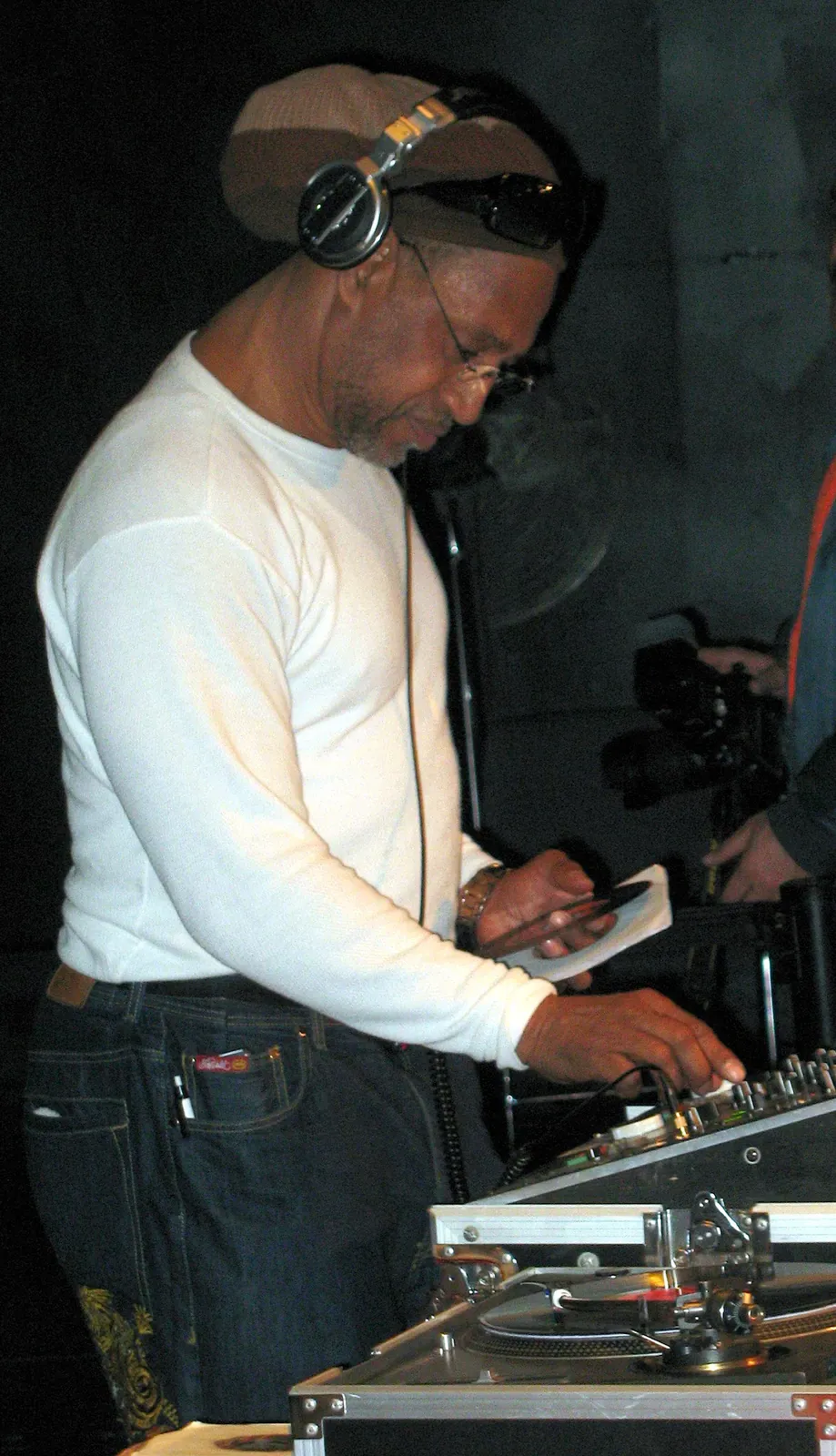
Grandmaster Flash refined the approach with faster cuts and more exact timing, and his 1981 record “The Adventures of Grandmaster Flash on the Wheels of Steel” on Sugar Hill put break mixing on vinyl. The technique stayed a DJ craft until cheap samplers moved the loop from the turntable to the studio.
Funk breaks and the Bronx, 1969-1983
The first era is defined by the records and the room rather than by any machine. Funk drummers cut the breaks between 1969 and the early 1970s, and Bronx DJs turned a few seconds of drums into the entire point of a party. Herc, Flash and Afrika Bambaataa built their sets around the same small pool of records.
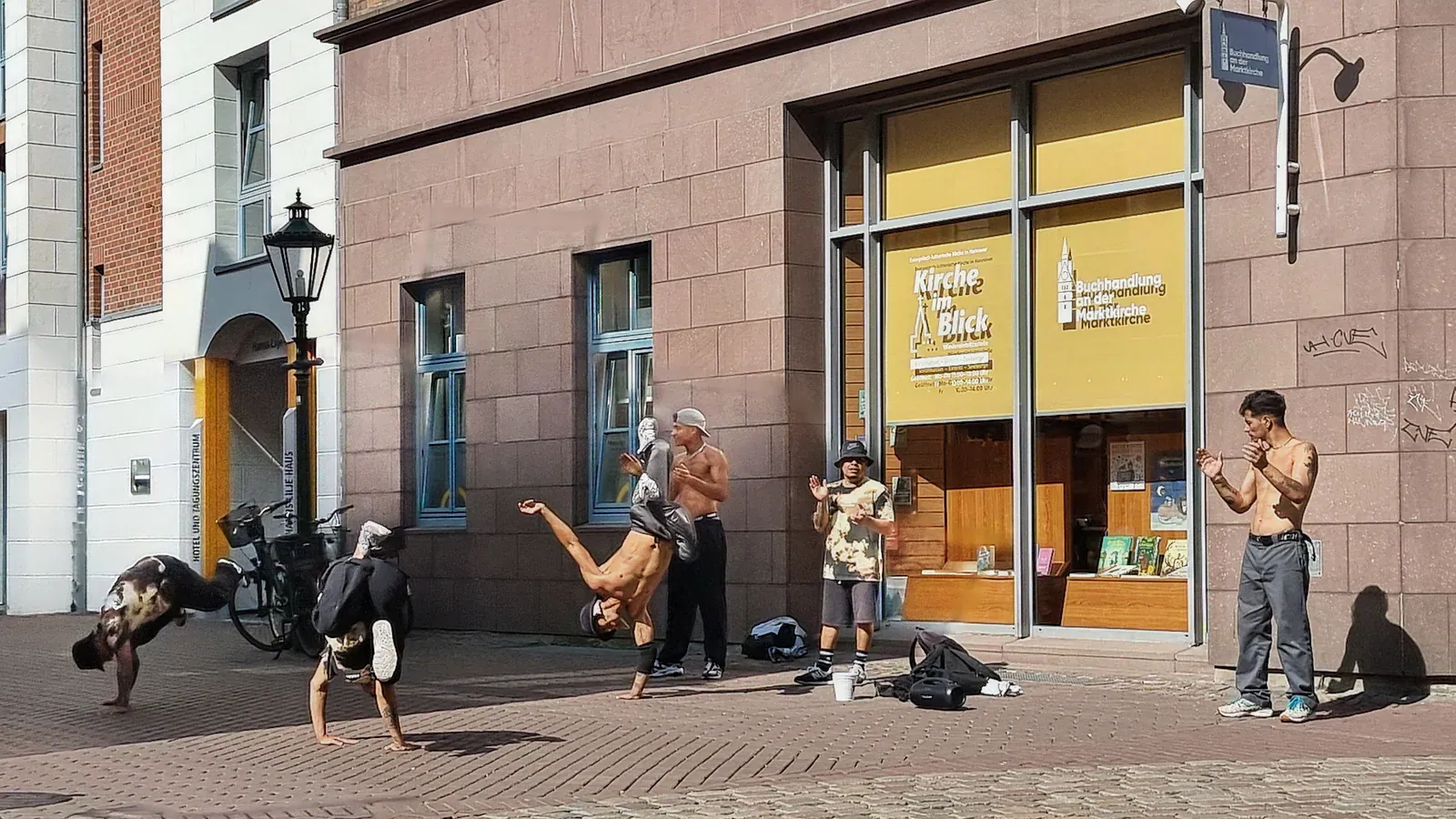
Samplers and British remixers, 1986-1990
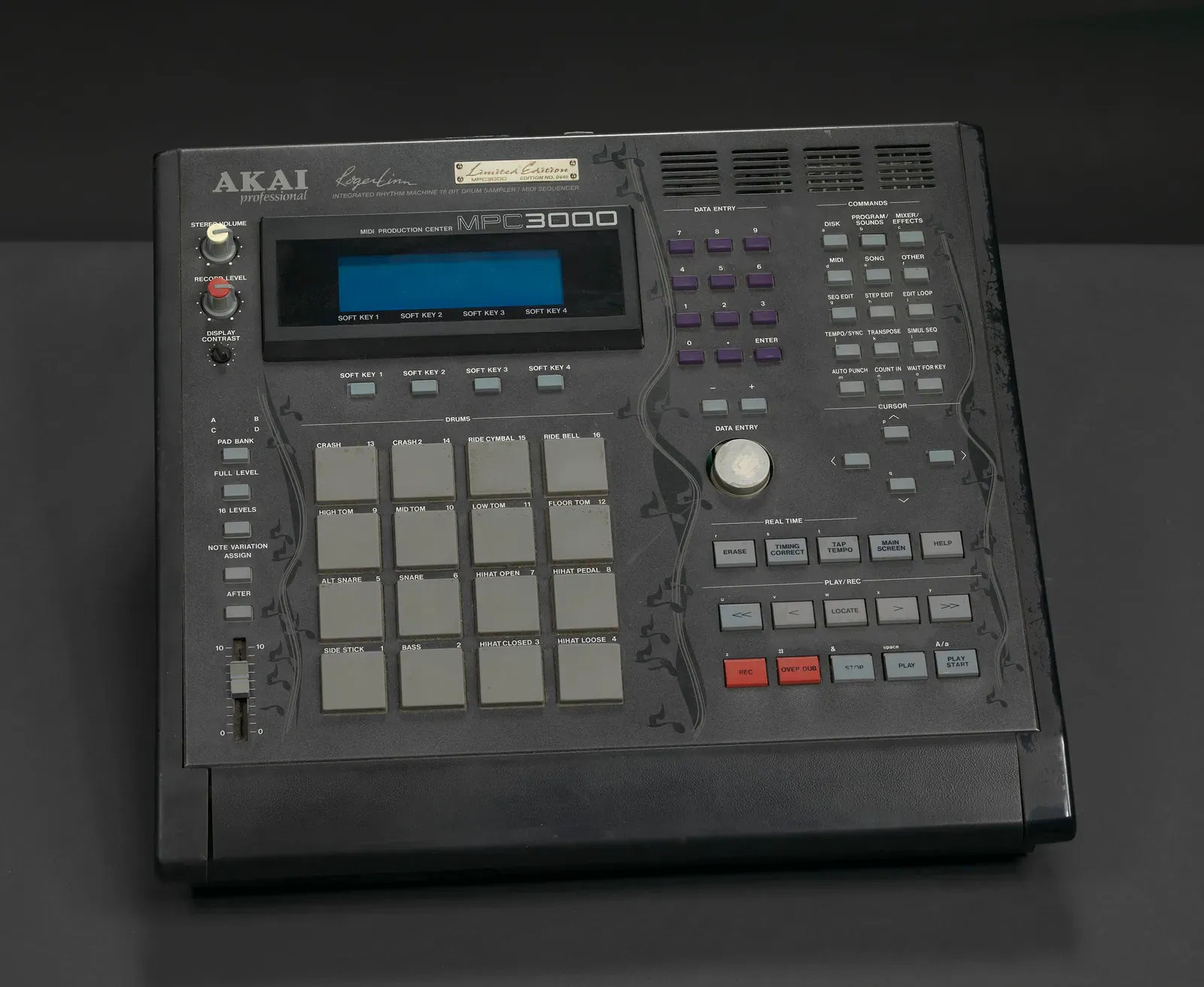
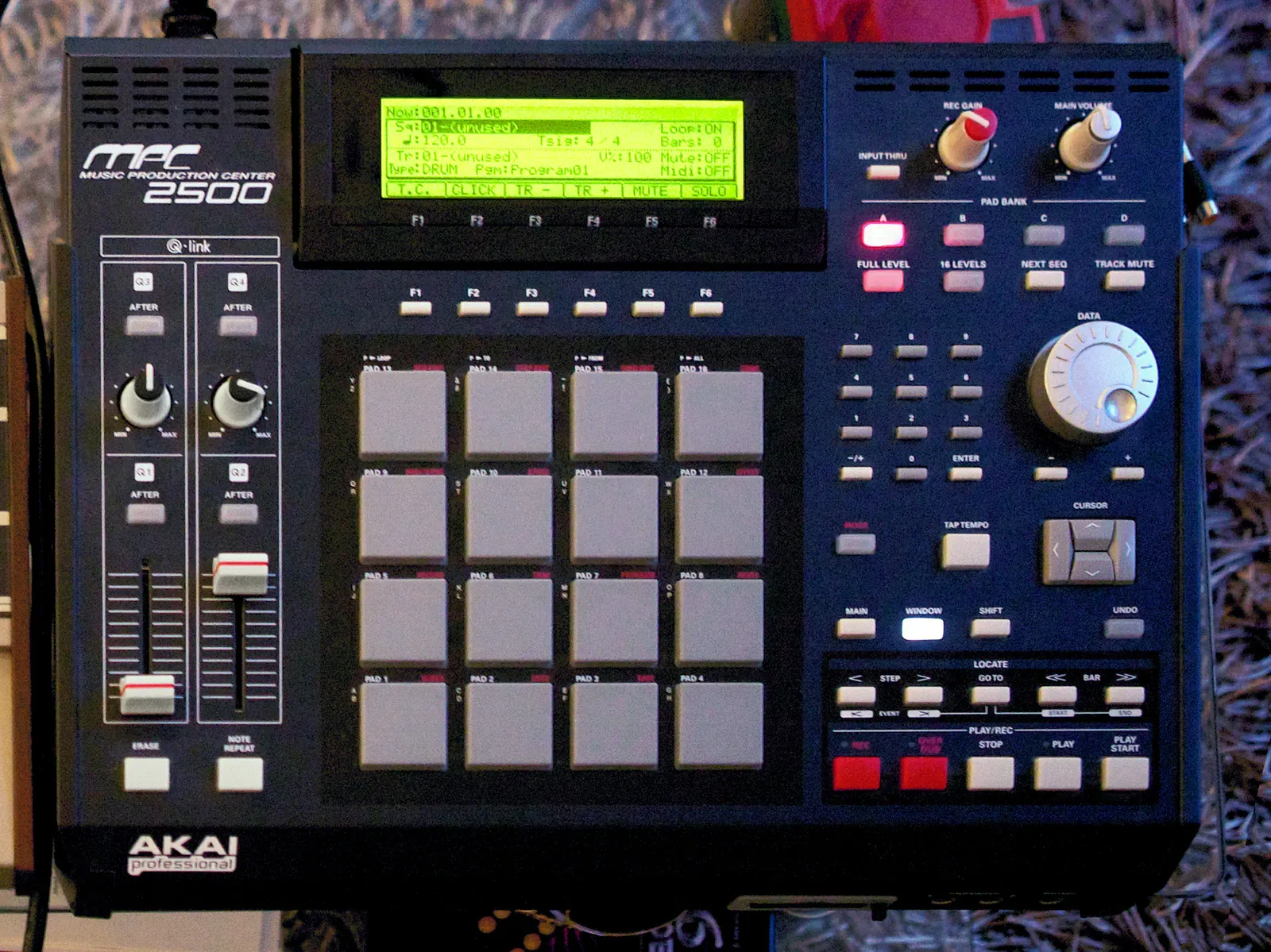
The E-mu SP-1200 arrived in 1987, and its 12-bit sound and short sample time suited chopped drums. The Akai MPC60 followed in 1988, and a cheap Atari ST running Cubase gave home producers a way to sequence the results. In Britain this gear met a club culture hungry for new records. Coldcut’s “Beats + Pieces” (1987) assembled breaks, horns and samples into a collage, and Bomb the Bass’s “Beat Dis”, made by Tim Simenon, reached number 2 in the UK in early 1988 and topped the US dance club chart.
Breakbeat hardcore, 1991-1993
XL Recordings opened in London in 1989 and released the first breakbeat hardcore chart hits. The Prodigy’s “Charly” (1991), built on a public information film sample, peaked at number 3 in the UK. SL2’s “On a Ragga Tip” (1992) crossed over the following year. Shut Up and Dance’s “Raving I’m Raving” reached number 2, but it sampled “Walking in Memphis” without clearance and an injunction stopped further pressings.
By late 1992 the style had split into three. Darkcore, jungle and happy hardcore went off on faster paths of their own, while a slower breaks lineage continued toward big beat.
Big beat, 1994-2001
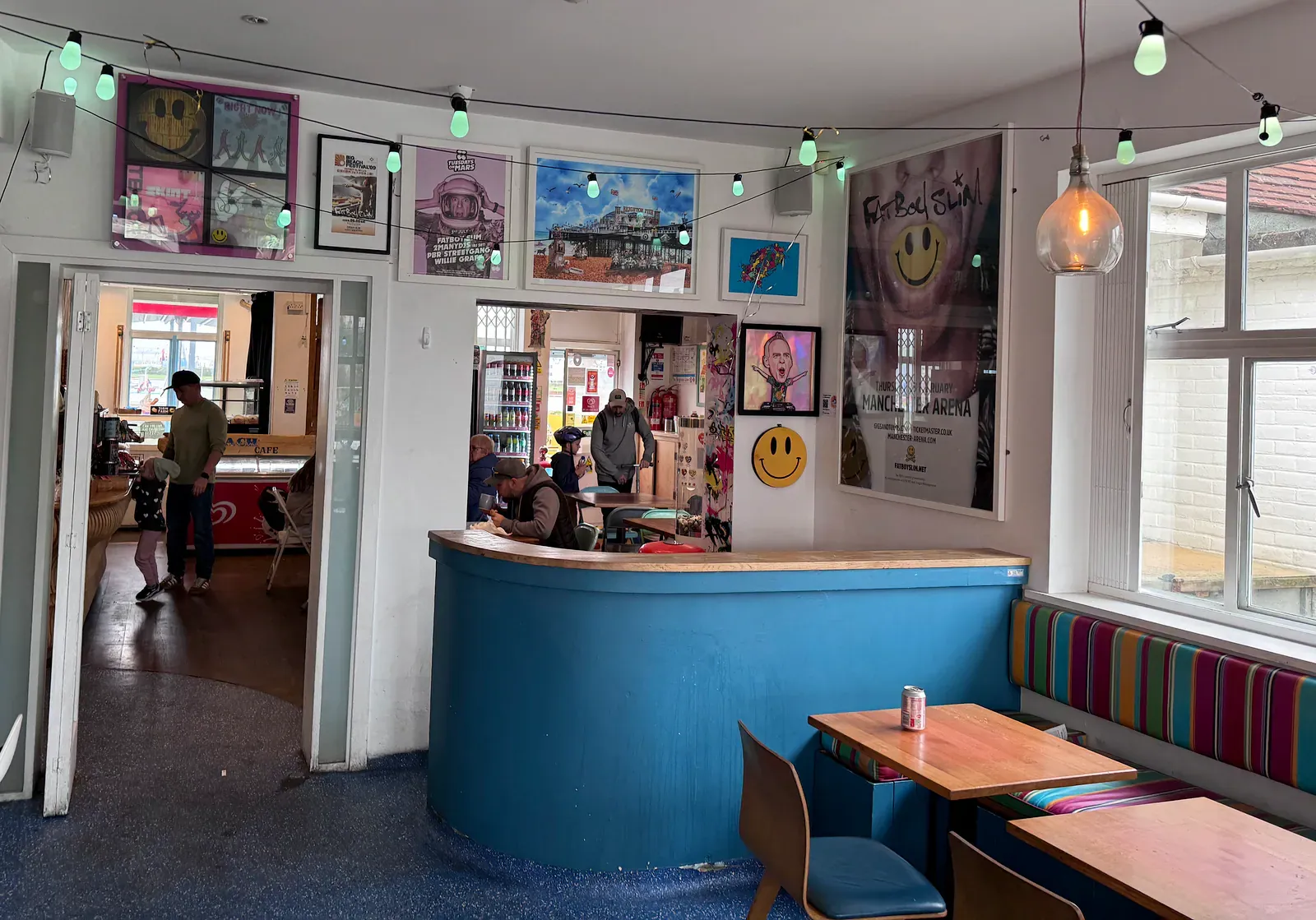
Big beat set heavy funk breaks, distortion and acid bass lines at rock volume. Mark Jones’s Wall of Sound label opened in 1994 with the compilation “Give ’Em Enough Dope”, and Skint, founded in Brighton in 1995, became the other pole of the style. In the same year Norman Cook and Damian Harris began the Big Beat Boutique, a Brighton club night that gave the sound its name and ran until 2001. The Heavenly Social, a weekly night in a London pub, built the sound’s crowd in the capital.
The Chemical Brothers’ “Setting Sun”, featuring Noel Gallagher, topped the UK chart in 1996, and “Block Rockin’ Beats” (1997) won the Grammy for Best Rock Instrumental Performance. In 1997 The Prodigy’s “The Fat of the Land” topped the Billboard 200. Fatboy Slim’s “You’ve Come a Long Way, Baby” (1998) sold platinum in the US and produced “Rockafeller Skank” and “Praise You”.
Nu skool and Florida breaks, 1999-2012
Big beat faded from the mainstream around 2001 as headline acts moved toward house and techno and trance took the charts. Breaks retreated to the clubs, where a cleaner, bass-heavy style grew under the name nu skool breaks. Stanton Warriors, Hybrid and the Finger Lickin’ label shaped it, and Finger Lickin’ won the Breakspoll Best Label award every year from 2002 to 2005. Regional scenes grew in Florida and in Seville, where local radio promoted Andalusian breakbeat from the late 1990s.
Characteristics
The defining element is a break: a sampled or programmed drum pattern with syncopated snares and swung hi-hats. Producers chop the sample into hits, re-sequence it, and often stretch it to the track tempo. A new kick is often layered underneath to give a club system enough low end. A typical track opens with the break and effects, brings in bass and samples, then alternates a breakdown with a full-groove drop. Vocals are short samples from funk, soul and hip-hop records.
Mainstream success
Breakbeat reached the charts twice. Breakbeat hardcore did so in 1991 and 1992 through XL, and big beat did so on a larger scale from 1996. “Spybreak!” by Propellerheads, a break-driven track released on Wall of Sound in 1997, backed a lobby fight in The Matrix in 1999, and the soundtrack sold over a million copies in the US. The mainstream moment ended around 2001, but the sound returned in the 2020s in pop, where chopped breaks became a signature of PinkPantheress.
Notable recordings
“Amen, Brother” is the source of the best-known break. It was a B-side, and its seven seconds of drums have been sampled in thousands of tracks. “Charly” shows the hardcore phase, with a public information film sample over fast breaks. “Block Rockin’ Beats” shows big beat at its heaviest: a hard break, an acid-leaning bass line and a hip-hop vocal cut. “Busy Child” by The Crystal Method (1997) gave American breaks a standard of its own, and Hybrid’s “Finished Symphony” (1999) set a template for orchestral progressive breaks.
Culture
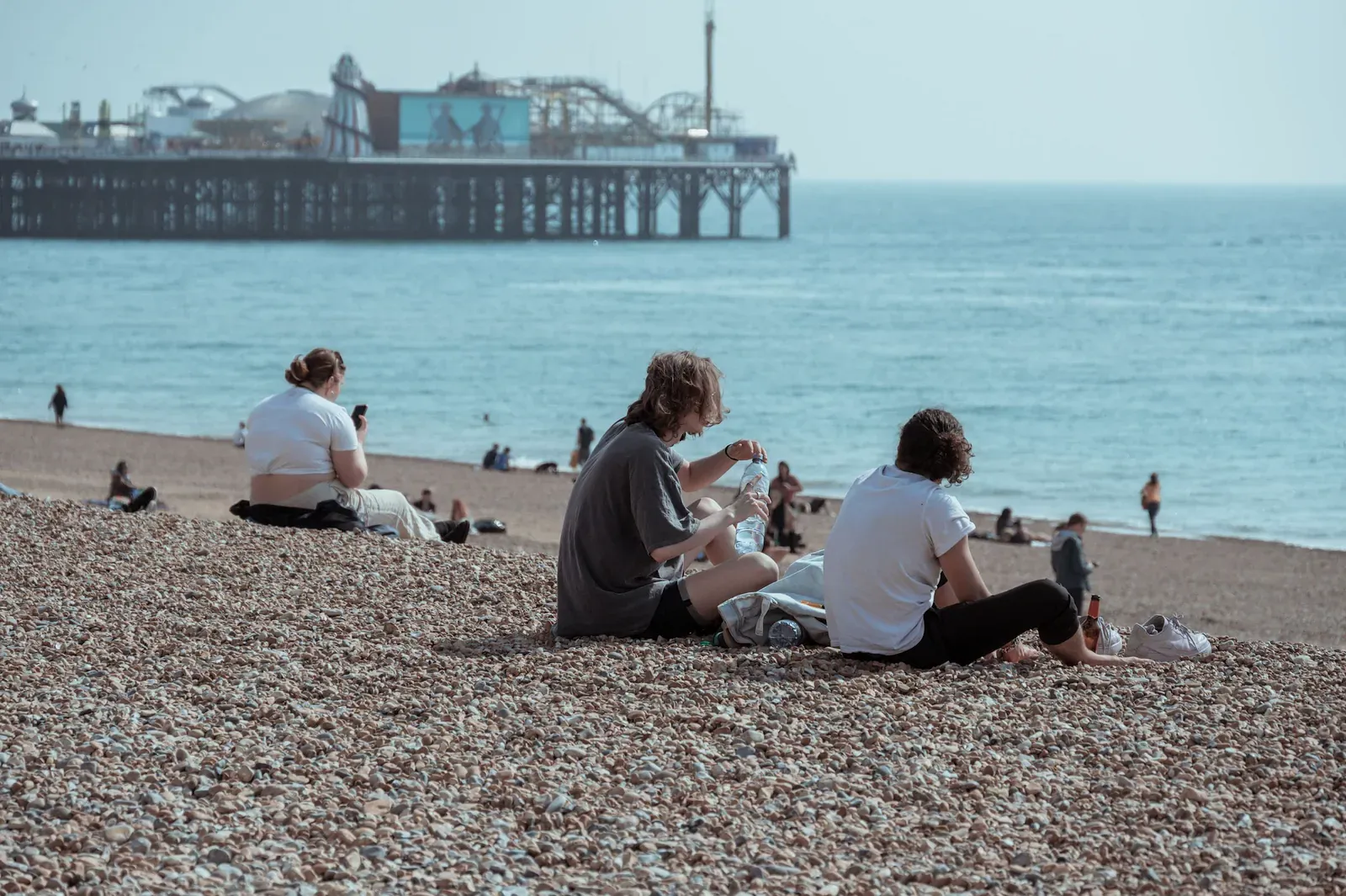
Breakbeat grew from two scenes with different habits. In the Bronx it was a dance culture of b-boys, MCs and DJs. In Britain it was a rave and club culture in which the DJ’s skill lay in selecting and mixing. Fatboy Slim’s free beach party in Brighton in 2002 drew a crowd far beyond its capacity, and it remains the best-known image of big beat’s scale. A smiley face on Bomb the Bass’s label artwork tied the record to the acid house symbol.
Labels outside the dance mainstream shaped the sound as well. Virgin released the Chemical Brothers’ “Block Rockin’ Beats”, and Mo Wax, founded by James Lavelle in London in 1992, issued trip-hop and downtempo records built on breaks.
Legacy
Breakbeat gave electronic music its sampling grammar: choose a break, chop it, layer a kick and a bass line under it. Jungle and drum and bass, developed from the fast breakbeat hardcore of 1992, are its most successful descendants, and big beat’s hybrid of rock energy and dance rhythm influenced a generation of producers. The style belongs to the wider electronic family, and its funk roots link it to funk, while its club arrangements share ground with house.
Misconceptions
One common belief is that breakbeat means drum and bass. Drum and bass and jungle did grow out of fast breakbeat hardcore, but breakbeat as a whole covers a wider range of tempos, from about 110 BPM in some big beat records to the upper 150s.
A second belief is that the Amen break was licensed or paid for. Coleman never received royalties for the sampling and died in 2006.
A third is that big beat was only a British phenomenon. Its biggest crossover hits were British, but American acts such as The Crystal Method, based in Los Angeles, built a parallel American breaks scene, and The Prodigy’s US success helped carry the sound across the Atlantic.
Frequently asked questions
What is breakbeat music?
Breakbeat is electronic dance music built around sampled drum breaks with syncopated, off-grid rhythms, usually at 110 to 155 BPM. It differs from house and techno, which rest on a steady kick on every beat.
What is the Amen break?
The Amen break is a drum solo of about seven seconds from The Winstons’ 1969 B-side “Amen, Brother”, played by Gregory Coleman. It is one of the most sampled recordings in music and is a building block of breakbeat, jungle and drum and bass.
What is the difference between breakbeat and big beat?
Big beat is one style of breakbeat. It flourished from the mid-1990s with Skint and Wall of Sound, and it is louder, more distorted and closer to rock than the club-focused nu skool breaks that followed it.
Who started breakbeat?
The technique began with Kool Herc in the Bronx in 1973, and the electronic genre took shape in London in the late 1980s through Coldcut, Bomb the Bass and the producers of breakbeat hardcore.
Sound
Sound sheet
Anatomy of a track
| # | Part | Bars |
|---|---|---|
| 1 | Intro (break and effects) | 16 |
| 2 | Bass and samples enter | 16 |
| 3 | Main groove | 32 |
| 4 | Breakdown (sample, build) | 16 |
| 5 | Drop (full groove) | 32 |
| 6 | Outro (drums) | 16 |
Signature sounds
- Chopped sampled drum break (Amen, Funky Drummer, Think)
- Syncopated off-beat snare and swung hats
- Heavy sub-bass or acid bass line
- Sampled vocal hooks from old funk, soul and hip-hop
- Build, filter sweep and drop
Drums and percussion
- E-mu SP-1200
- Akai MPC60
Synths and software
- Roland TB-303
- Cubase
Techniques
- Chopping the break
- Time-stretching and pitching
- Layering a kick
- Filter sweeps and reverb
- Two-turntable break looping
Keys and modes
Minor keys. Dark bass lines and stabs are common, as in Busy Child (B-flat minor) and Da Antidote (C minor).
Major keys. Soul-sample records such as Praise You and Amen, Brother sit in major.
Vocals
Short sampled hooks from funk, soul and hip-hop records, with occasional MC chants.
Scenes
Where it happened
Where and when the sound lived: one bar per city on a shared timeline.
North America
Europe
Active scenes
Peak 6, 1995-2001
The Bronx, where Herc, Flash and Bambaataa turned funk breaks into the DJ's main instrument.
Home of Coldcut, Bomb the Bass, Shut Up and Dance, XL and the rave-era hardcore sound.
Skint's home and the Big Beat Boutique, the centre of the big beat boom.
The Crystal Method's base and the main US centre for American big beat and breaks.
Florida breaks, a regional club style of the early and mid 1990s, spread with its own international following.
Andalusian breakbeat, driven from the late 1990s by Canal Sur radio and local festivals.
Venues and places
New York City, 1973 to today. Bronx apartment block rec room where Kool Herc's August 1973 party is credited with the break technique.
London, 1994 to today. Weekly night at the Albany pub where the Chemical Brothers and other breaks DJs built the big beat crowd.
Brighton, 1995 to 2001. Norman Cook and Damian Harris's night that gave big beat its name and crowd.
Seville, 1997 to today. Regional broadcaster that drove Andalusian breakbeat from the late 1990s.
Culture
Culture markers
- B-boying
Breakdancing grew from dancers answering the extended breaks that Herc played at Bronx parties.
Dance - Beat Dis smiley
The Watchmen-style smiley on Bomb the Bass's label became a symbol of acid house.
Artwork - Big Beach Boutique
Fatboy Slim's free-to-attend Brighton beach party drew a crowd far beyond capacity in 2002.
Ritual - "Amen"
Producers use "the Amen" as shorthand for the most famous break and its fast chopped variants.
Slang
Media
Key media
- 1986Ultimate Breaks and Beats
by Various. Street Beat's long series of funk and soul breaks on vinyl, a staple of DJ and producer record bags.
Compilation - 1994Give 'Em Enough Dope Volume One
by Various. Wall of Sound's first release and a founding document of big beat.
Compilation - 1996Brassic Beats
by Various. Skint's compilation series that carried big beat to club audiences.
Compilation - 1999The Matrix
by Wachowskis. Its soundtrack included Spybreak! and sold over a million copies in the US.
Film
Glossary
Terms on this page
A drum solo of about six seconds from The Winstons' Amen, Brother, among the most sampled in music.
The 1990s style of loud, distorted breaks with acid and rock elements, centred on Skint and Wall of Sound.
A short, drums-only section of a record that DJs and producers isolate and loop.
A syncopated drum pattern taken from a break, as opposed to a steady four-on-the-floor kick.
To slice a break into hits and re-order them into a new pattern.
A regional 1990s breaks style from Florida with its own international scene.
Club-focused breakbeat of the late 1990s and 2000s with cleaner production and heavy bass.
Electronic family