Miami bass
Miami bass is a fast, bass-heavy hip hop style from 1980s Florida, built on the Roland TR-808 kick and known for explicit chants and the 2 Live Crew trials.
Miami, Florida, 1984
Hip Hop family
Born
1984
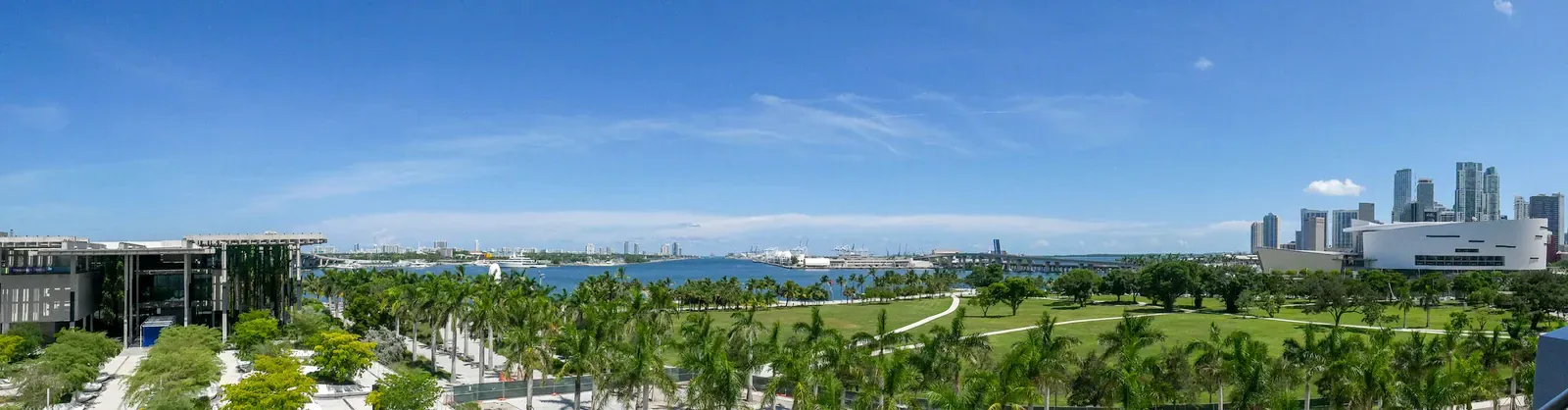
Miami, Florida
Subgenres
3
Documented branches
Links
33
Genres it drew on or shaped
Tempo
120-135 BPMLineage
Family tree
Timeline
Era by era
From the first sparks to today. Select a dot to read the story behind it.
- Florida origins
1984 to 1988
- The obscenity trials
1989 to 1992
- Pop crossover
1993 to 1997
Eras
Moments
- 1 Florida origins, 1984 to 1988
- 2 The obscenity trials, 1989 to 1992
- 3 Pop crossover, 1993 to 1997
1984
Florida origins
Miami DJs and small labels built a fast, 808-driven dance rap from electro. MC ADE, 2 Live Crew and Dynamix II released the first records that set the style.
- 19842 Live Crew formThe group began in Riverside, California and moved to Miami at Luther Campbell's invitation.
- 1985MC ADE releases Bass Rock ExpressOften credited as the first Miami bass record to gain underground attention internationally.
- 1985Luke Skyywalker Records foundedLuther Campbell and David Chackler start a Miami label devoted almost entirely to Southern hip hop.
- 19862 Live Crew release Throw the DReleased in January 1986, it became the blueprint for later Miami bass songs.
- 1986Dynamix II release Just Give the DJ a BreakA gold-selling single, among the first Miami bass records to use a TR-808 bass drum.
- 1986Mantronix release Bass MachineKurtis Mantronik's single with T La Rock was pivotal to the development of Miami bass.
- 1988Alabama clerk cited over Move SomethinThe first time in the US that a record store owner was held liable for obscenity over music; the store was later acquitted.
1989
The obscenity trials
As Nasty as They Wanna Be sold over two million copies while a federal judge declared it obscene in 1990. An appeals court overturned the ruling in 1992.
- 1989As Nasty as They Wanna Be released2 Live Crew's most successful album, driven by the single Me So Horny.
- 1990Judge rules As Nasty as They Wanna Be obsceneA US district judge declared the album illegal to sell; retailer Charles Freeman and three group members were arrested.
- 1992Appeals court overturns the obscenity rulingThe Eleventh Circuit reversed the 1990 decision and the Supreme Court declined to hear the appeal.
1993
Pop crossover
Less explicit records built on Miami bass production, among them Whoomp! (There It Is), Tootsee Roll and C'mon N' Ride It (The Train), reached the US top 20.
- 1993Tag Team release Whoomp! (There It Is)One of the Miami bass influenced hits that took the sound into the US top 20.
- 1996Quad City DJ's release C'mon N' Ride It (The Train)A Miami bass style single that reached number three on the Billboard Hot 100.
Listening path
Start listening
A short path from an easy way in to the deep end. Thumbnails come from YouTube; the player loads only when you press play.
- 01
2 Live Crew, 1986
The blueprint for Miami bass songs.
- 02
Dynamix II, 1986
A gold-selling early record with a TR-808 bass drum.
- 03
Tag Team, 1993
A top 20 hit that took the sound to a national pop audience.
- 04
Quad City DJ's, 1996
The mid-1990s crossover peak of the style, number three on the Hot 100.
Facts
| Family | Hip Hop |
| Origin | Miami, Florida, United States |
| Emerged | Mid 1980s |
| Status | Active |
| Tempo | 120 to 135 BPM |
| Grew out of | Electro, Breakbeat, Old-school hip hop |
| Subgenres | 3 |
Miami bass, also called booty music or booty bass, is a style of hip hop that took shape in Florida in the mid 1980s. It is separated from other rap styles by TR-808 drums with a sustained kick, heavy bass, raised dance tempos and frequently sexually explicit lyrics.
It grew out of electro and became a Southern staple, with its sound later feeding funk carioca, Baltimore club and ghettotech.
Origins
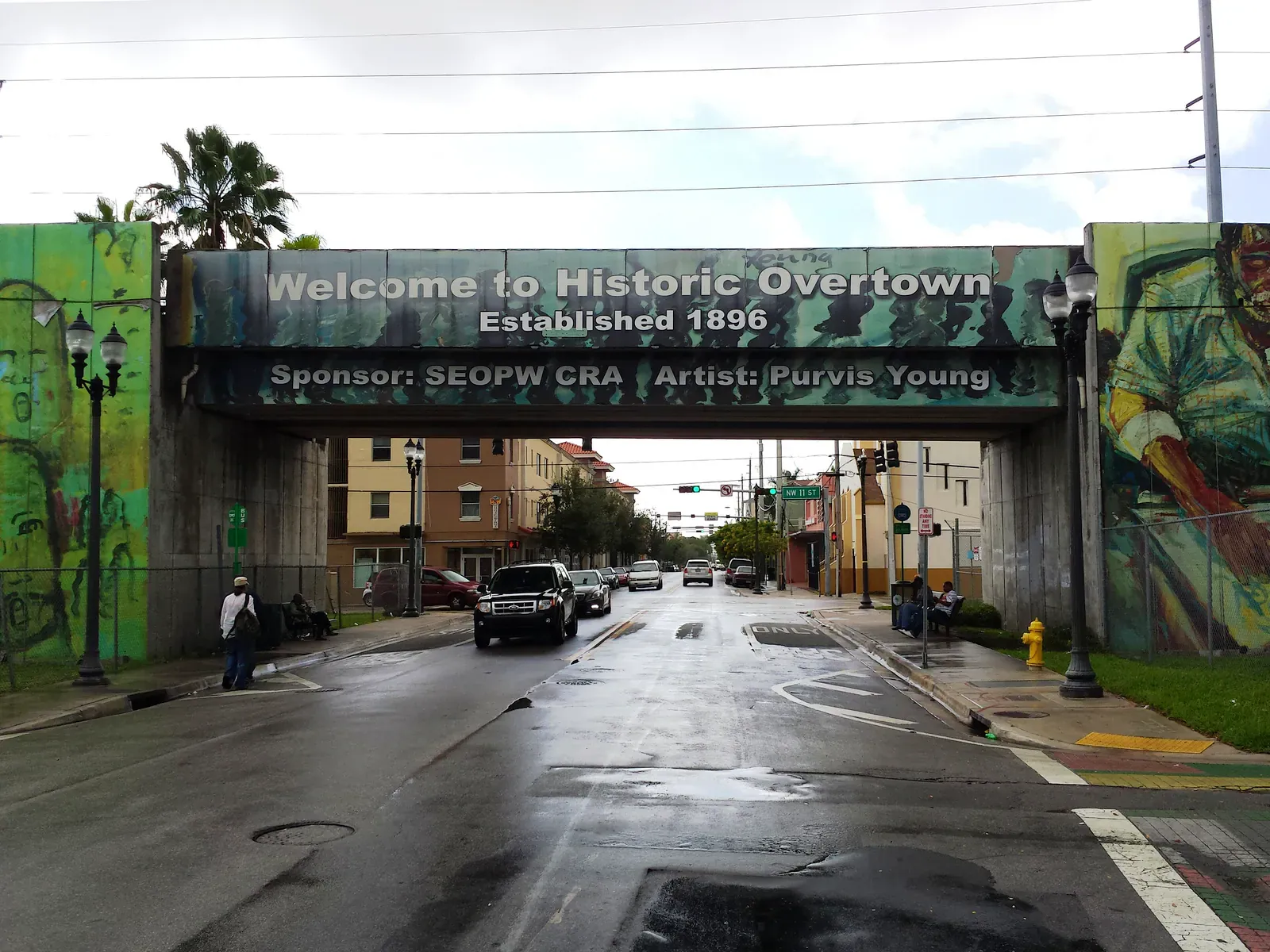
In the 1980s the focus of Miami bass was on DJs and record producers rather than individual performers. Small labels such as Pandisc, HOT Records, 4-Sight Records and Skyywalker Records released much of the early material. Critic Richie Unterberger described the rhythms as having a stop-start flavor with hissy cymbals, and the lyrics as reflecting the language of the streets in neighbourhoods such as Liberty City, Goulds and Overtown.
The credited first record is not settled. MC ADE’s “Bass Rock Express” (1985), produced by Amos Larkins and released on his father’s 4-Sight label, is often called the first Miami bass record to find an international underground audience. James McCauley, known as Maggotron, has been called the father of the style, a title he denies and gives to Larkins instead. Kurtis Mantronik’s “Bass Machine” (1986), with T La Rock, was an influence from outside Florida.
2 Live Crew set the template. The group formed in 1984, started in Riverside, California, and moved to Miami when local DJ and promoter Luther Campbell, known as Luke Skyywalker, invited them. “Throw the D”, released in January 1986, came from a local dance of the same name; the group scratched the hook into the track, and the single became the blueprint for how later Miami bass songs were written and produced. Campbell and David Chackler had formed Luke Records in 1985, one of the first labels devoted almost entirely to Southern hip hop.
Characteristics
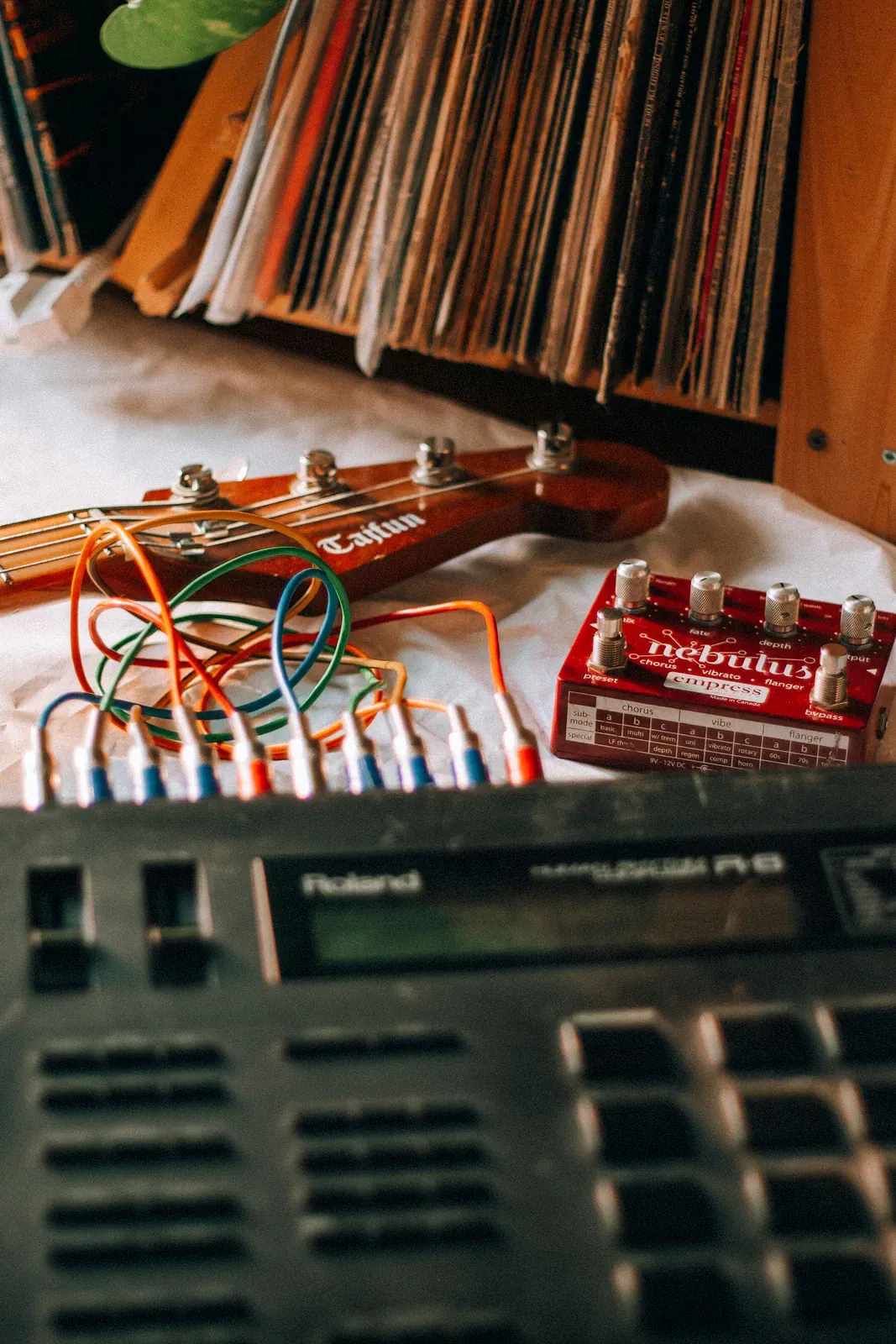
The defining sound is the Roland TR-808. Unlike the sample-playing Linn LM-1, the 808 generates its sounds by analog synthesis, and its deep, booming bass drum suited the bass-led style. Miami bass records leaned on that long kick and on the machine’s hissy cymbals at tempos higher than most rap of the period. Dynamix II’s “Just Give the DJ a Break” (1986) was among the first Miami bass records to use an 808 bass drum, sold more than 600,000 copies and reached number 50 in the UK in 1987.
Measured on canonical records, tempos run from about 120 to 135 beats per minute, which is a raised dance tempo. Vocals are rapped and chanted, with crew call-and-response hooks over sparse rhythm tracks.
Instruments and production
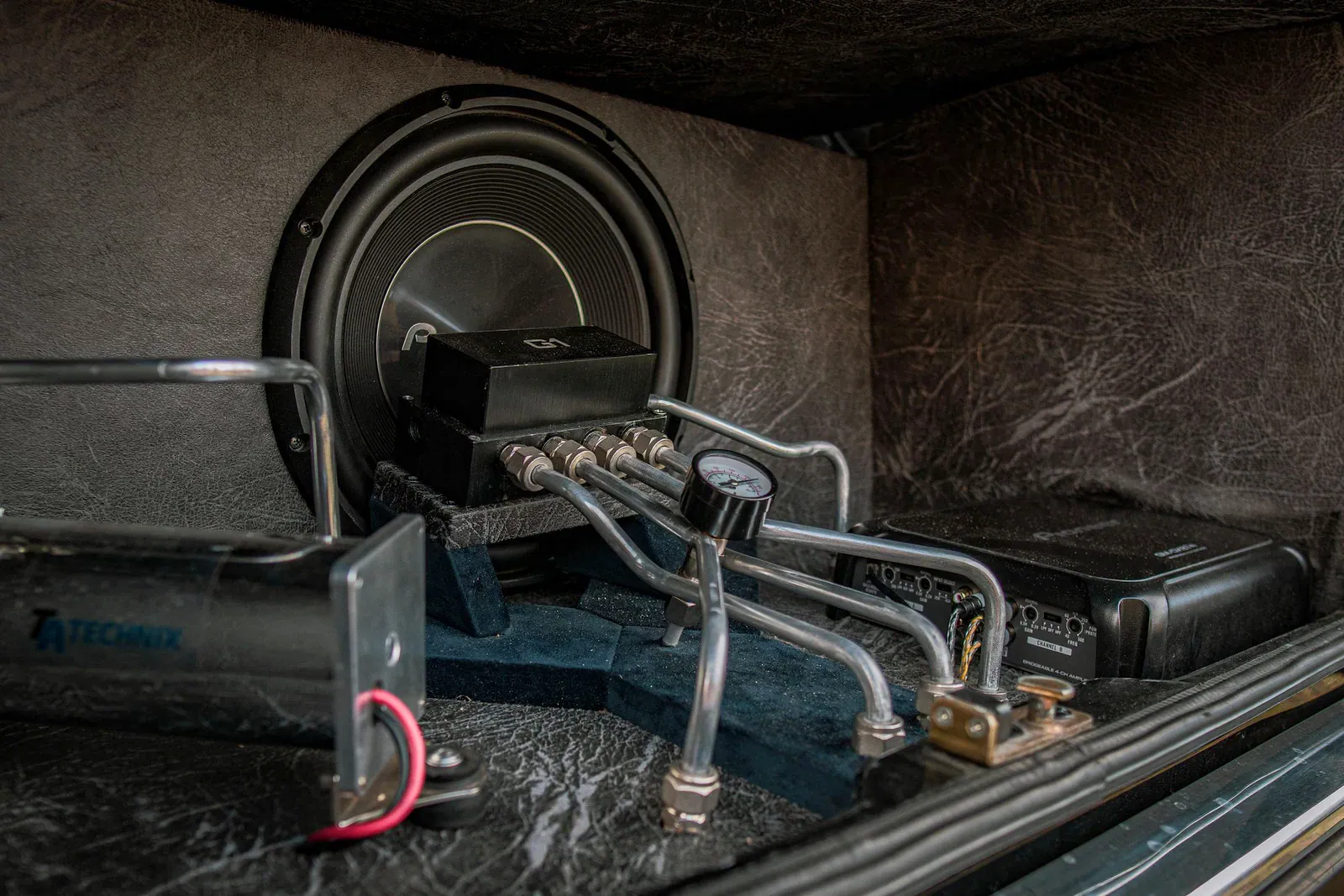
Production was built around drum machines, turntables and samples. The 808 supplied kick and cymbals, the TR-909 kick appeared in the car audio strand, and DJs scratched parts of the hook into the master. Dynamix II’s records used heavy sampling and have in turn been widely sampled, including by the Chemical Brothers. The car audio bass strand pared the form down further to 909 or 808 kicks combined with sine waves, or sometimes a sine wave alone, and Pandisc releases by artists such as Beat Dominator and Bass Mekanik became standard material for car stereo competitions.
The 2 Live Crew trials, 1986-1994
2 Live Crew’s debut album The 2 Live Crew Is What We Are (1986) took explicit rap lyrics to a new level and went gold on word of mouth. In 1987 a Florida store clerk was acquitted of felony charges for selling it to a 14-year-old girl. In 1988 a clerk in Alexander City, Alabama, was cited for selling the album Move Somethin’ to an undercover police officer, the first time in the US that a record store owner was held liable for obscenity over music; the store was later acquitted.
The larger case followed the 1989 album As Nasty as They Wanna Be, whose single “Me So Horny” was in heavy rotation on Miami’s Power 96. After pressure from the American Family Association, Governor Bob Martinez asked state officials to examine it, and in 1990 a Broward County judge found probable cause of obscenity. In June 1990 US district Judge Jose Gonzalez ruled the album obscene and illegal to sell. Retailer Charles Freeman was arrested after selling a copy to an undercover officer, and three group members were arrested after performing the album at a Hollywood, Florida club. The group was acquitted, with Henry Louis Gates Jr. testifying that the lyrics had roots in African American vernacular and literary traditions. The Eleventh Circuit overturned the obscenity ruling in 1992, and the album sold more than two million copies. Separately, the Supreme Court ruled unanimously in 1994 that the group’s parody of Roy Orbison’s “Oh, Pretty Woman” was fair use.
Scene and spread
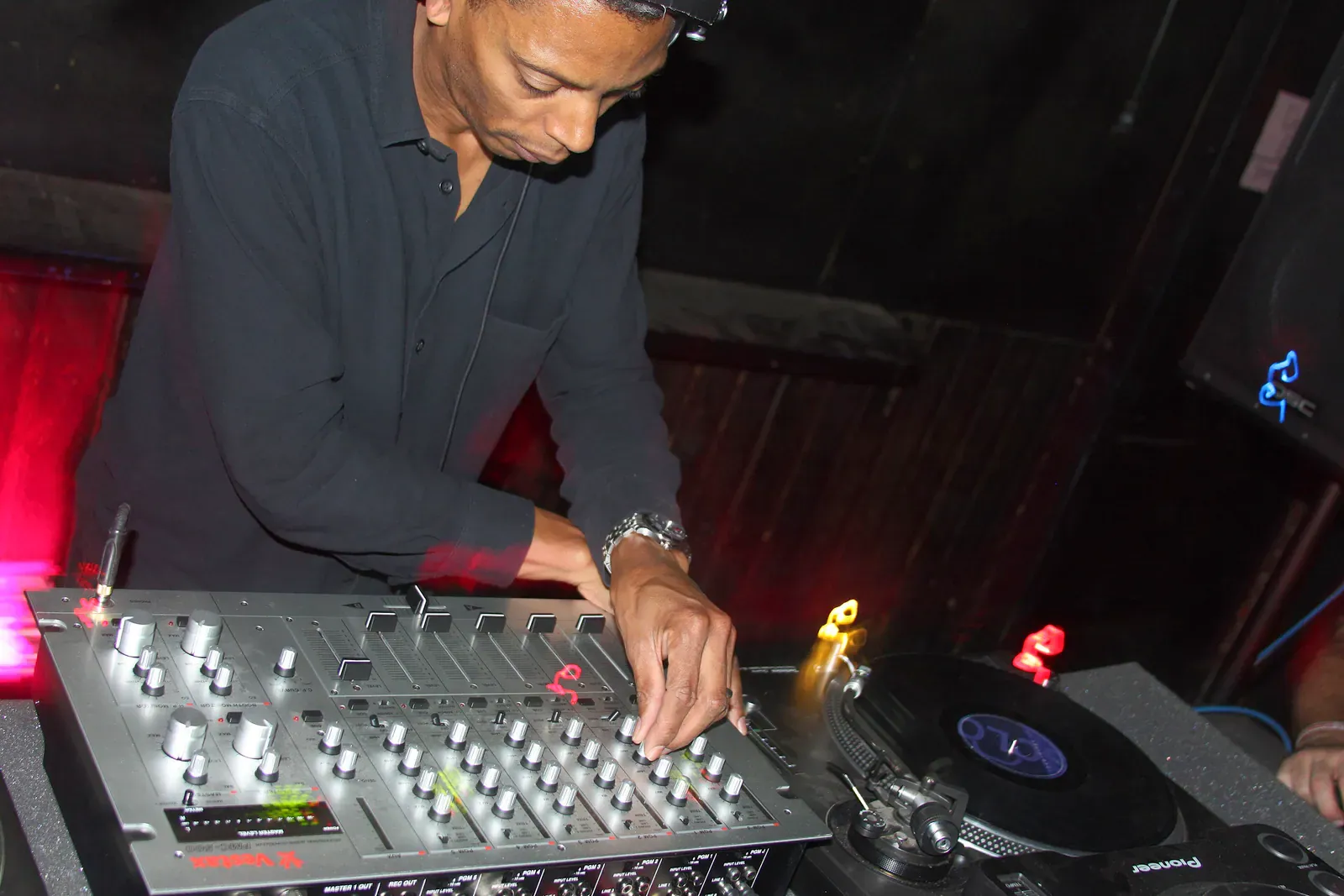
DJ crews including Luke Skyywalker’s Ghetto Style DJs played Miami bass to large audiences at beaches, parks and fairs from the mid 1980s into the early 1990s. South Florida clubs ran regular bass nights, and Miami radio support came from Rhythm 98, WEDR and WPOW. Orlando’s 102 Jamz also played it, which helped the style travel across Central Florida, where it combined with house and deep bass elements into the Florida breaks sound.
Mainstream success
Miami bass never held consistent mainstream acceptance, but in the mid 1990s records built on its production reached the national top 20. Examples include Tag Team’s “Whoomp! (There It Is)” and 95 South’s “Whoot, There It Is” (both 1993), 69 Boyz’s “Tootsee Roll” (1994) and Quad City DJ’s “C’mon N’ Ride It (The Train)” (1996). These records used the Miami bass sound in a far less explicit, more accessible way than 2 Live Crew had.
Legacy
Miami bass records are the direct rhythmic source of funk carioca in Rio de Janeiro. The style also fed Baltimore club, ghettotech, booty house and freestyle, and from 2007 hip hop and R&B songs sped up for local dances in Miami-Dade, Broward and Palm Beach counties. For the wider Southern context, see Southern hip hop.
Frequently asked questions
What is Miami bass?
Miami bass is a Florida hip hop style from the mid 1980s that uses Roland TR-808 drums with a sustained kick, heavy bass, raised dance tempos and often sexually explicit lyrics.
What was the first Miami bass record?
MC ADE’s “Bass Rock Express” (1985) is often credited as the first to gain an international underground following, while 2 Live Crew’s “Throw the D” (1986) is cited as the template for later songs.
How fast is Miami bass?
Typical records run about 120 to 135 beats per minute, a raised dance tempo.
Why was 2 Live Crew put on trial?
A federal judge ruled As Nasty as They Wanna Be obscene in 1990 after state officials and the American Family Association objected to its lyrics; the group was acquitted and an appeals court overturned the ruling in 1992.
Sound
Sound sheet
Signature sounds
- Sustained TR-808 kick
- Hissy 808 cymbals
- Stop-start rhythms
- Call-and-response chants
Drums and percussion
- Roland TR-808
- Roland TR-909
Techniques
- Sustained 808 kick
- Stop-start rhythm
- Scratched hooks
- Call-and-response chants
Vocals
Rapped and chanted party lyrics, often sexually explicit, with group call-and-response hooks.
Scenes
Where it happened
Where and when the sound lived: one bar per city on a shared timeline.
North America
Active scenes
Peak 1, 1984-2025
Home of the genre: Liberty City, Goulds and Overtown neighbourhoods, bass nights in clubs and strong radio support from Power 96.
Culture
Culture markers
- Throw the D dance
A Miami dance where men thrust their hips back and forth while women squat and shake, which inspired the 1986 single.
Dance - Outdoor DJ events
DJ crews played Miami bass for large audiences at beaches, parks and fairs through the late 1980s and early 1990s.
Ritual - Car audio competitions
Bass-focused releases were widely used in car stereo competitions.
Ritual
Glossary
Terms on this page
Another name for Miami bass, also called booty music, and the name of its dance-floor, sexually explicit strain.
A stripped-down form of Miami bass built on extremely hard 909 or 808 kicks and sine waves.
An electronic dance fusion of the Miami bass sound with Detroit techno and Chicago house, built on harder 909 kicks.
A broken, halting drum pattern that critic Richie Unterberger used to describe the genre.
A Miami dance of the mid 1980s, named in the title of the 2 Live Crew single that borrowed its hook.
Hip Hop family