Funk carioca
Funk carioca, or baile funk, is Rio de Janeiro dance music from the mid-1980s, built on Miami bass beats, the tamborzão rhythm and MC vocals in Portuguese.
Rio de Janeiro favelas, 1985
Latin family
Born
1985
Rio de Janeiro favelas
Subgenres
22
Documented branches
Links
33
Genres it drew on or shaped
Tempo
90-150 BPMLineage
Family tree
Grew out of
Derived from
Derived from
Rio de Janeiro favelas, 1985
Funk carioca
Led to (23)
Timeline
Era by era
From the first sparks to today. Select a dot to read the story behind it.
- Soul and funk bailes
1970 to 1984
- Miami bass in the favelas
1985 to 1993
- Radio, TV and the bailes de corredor
1994 to 2000
- Tamborzão and the export wave
2001 to 2010
- Streaming, ostentation and funk 150
2011 to 2026
Eras
Moments
- 1 Soul and funk bailes, 1970 to 1984
- 2 Miami bass in the favelas, 1985 to 1993
- 3 Radio, TV and the bailes de corredor, 1994 to 2000
- 4 Tamborzão and the export wave, 2001 to 2010
- 5 Streaming, ostentation and funk 150, 2011 to 2026
1970
Soul and funk bailes
DJ Big Boy's first baile da pesada in 1970 and rival sound teams such as Soul Grand Prix and Furacão 2000 build Rio's dance-party circuit around imported soul and funk records.
- 1970DJ Big Boy's first baile da pesadaThe 12 July 1970 party at Canecão is later chosen as the date of National Funk Day.
- 1982Planet Rock reaches RioDJ Marlboro names Afrika Bambaataa's electro record as the main influence on the new Rio sound.
around 1985
Miami bass in the favelas
Rio DJs, led by DJ Marlboro, rework Miami bass and electro records with Portuguese raps; Funk Brasil (1989) puts the new sound on a major label.
- 1985Funk carioca forms in the favelasMiami bass and freestyle records, played in Rio bailes, are rapped over in Portuguese.
- 1988O Mundo Funk Carioca publishedHermano Vianna's book becomes the founding academic study of the Rio baile scene.
- 1989DJ Marlboro's Funk BrasilA PolyGram compilation that presents Portuguese-language funk as a studio genre.
1994
Radio, TV and the bailes de corredor
Rap da Felicidade reaches national radio, Furacão 2000 takes funk to television, and violence at bailes brings a 1995 inquiry and a temporary ban in 1999.
- 1994Mr. Catra's first albumO Bonde dos Justos starts the career of one of the best-known voices of 1990s funk.
- 1994Cidinho and Doca's Rap da FelicidadeA Miami bass rap about favela life is among the first official funk carioca recordings.
- 1995Rio legislators open an inquiry into bailes de corredorA CPI examines violence at rival-faction dances.
- 1999Rio bailes temporarily bannedDeaths at a baile at Clube Chaparral in October lead to a temporary ban.
2001
Tamborzão and the export wave
Bonde do Tigrão goes platinum, Favela Chic, Daniel Haaksman, Diplo and M.I.A. carry baile funk abroad, and Rio's state assembly recognises funk as a popular cultural movement in 2009.
- 2001Bonde do Tigrão's Cerol na MãoDJ Dennis produces the breakthrough single of a platinum funk debut album.
- 2001Favela Chic compilationFunk carioca tracks on a non-Brazilian label, BMG.
- 2004Haaksman and Diplo take baile funk to EuropeDaniel Haaksman's Favela Booty Beats compilation and Diplo's Favela on Blastin' mixtape reach clubs abroad.
- 2004Slum Dunk Presents Funk CariocaTetine's compilation is issued in London by Mr Bongo and aired on Resonance FM.
- 2005M.I.A.'s Arular brings baile funk to the mainstreamDiplo-produced tracks such as Bucky Done Gun use baile funk rhythms for a global audience.
- 2009Rio assembly recognises funk as a cultural movementA September state law defines funk as a movement of popular and musical character.
2011
Streaming, ostentation and funk 150
Passinho battles, KondZilla videos, funk ostentação, the 150 BPM tempo and TikTok-driven automotivo and mandelão keep the scene commercially large and stylistically fragmented.
- 2011Batalha do PassinhoA dance-battle competition brings the passinho style to wide attention.
- 2016MC Kevinho's Olha a ExplosãoA KondZilla video becomes one of 2017's most-watched on YouTube.
- 2017KondZilla Records foundedKonrad Dantas turns his São Paulo video company into a label.
- 2017Bill to criminalise funk reaches the SenateA citizen's suggestion to treat funk as a crime is rejected by senator Romário.
- 2018Funk 150 BPM appearsDJs Polyvox and Rennan da Penha speed the tamborzão up to about 150 BPM.
- 2021Furacão 2000 partners with Warner MusicThe Rio promoter and label starts an international distribution push.
- 2023Automotivo Bibi FogosaBibi Babydoll and DJ Brunin XM's track spreads on social media and abroad.
- 2023National Funk Day12 July is set as a national date, marking the 1970 baile da pesada.
- 2024Anitta's Funk GenerationThe Rio pop star releases an album that mixes funk carioca with Latin pop.
Listening path
Start listening
A short path from an easy way in to the deep end. Thumbnails come from YouTube; the player loads only when you press play.
- 01
Cidinho & Doca, 1994
Start here: one of the first official funk carioca recordings, a Miami bass rap about favela life at about 130 BPM.
- 02
Bonde do Tigrão, 2001
The breakthrough single that took funk to national fame, produced by DJ Dennis and sold with choreographed dancers.
- 03
M.I.A., 2005
The crossover moment: baile funk rhythms reach an international pop audience through a Diplo-produced single.
- 04
MC Kevinho, 2016
The streaming-era hit from the KondZilla video factory, at a slow 90 BPM, that defined funk ostentação on YouTube.
- 05
Bibi Babydoll & DJ Brunin XM, 2023
The current sound: a stripped-down automotivo track that spread through short-video platforms worldwide.
Facts
| Family | Latin |
| Origin | Rio de Janeiro favelas, Brazil |
| Emerged | Mid-1980s |
| Status | Active |
| Tempo | 90 to 150 BPM |
| Meter | 4/4 |
| Grew out of | Miami bass, Latin freestyle, Electro |
| Subgenres | 17 |
Funk carioca, also called baile funk, is a dance music from Rio de Janeiro that took shape in the favelas in the mid-1980s. It reworked Miami bass and electro records with Portuguese-language MC vocals, samba and Afro-Brazilian percussion, and later settled on a drum figure known as the tamborzão.
It belongs to the Latin family and sits close to electro in its machine rhythms.
Origins
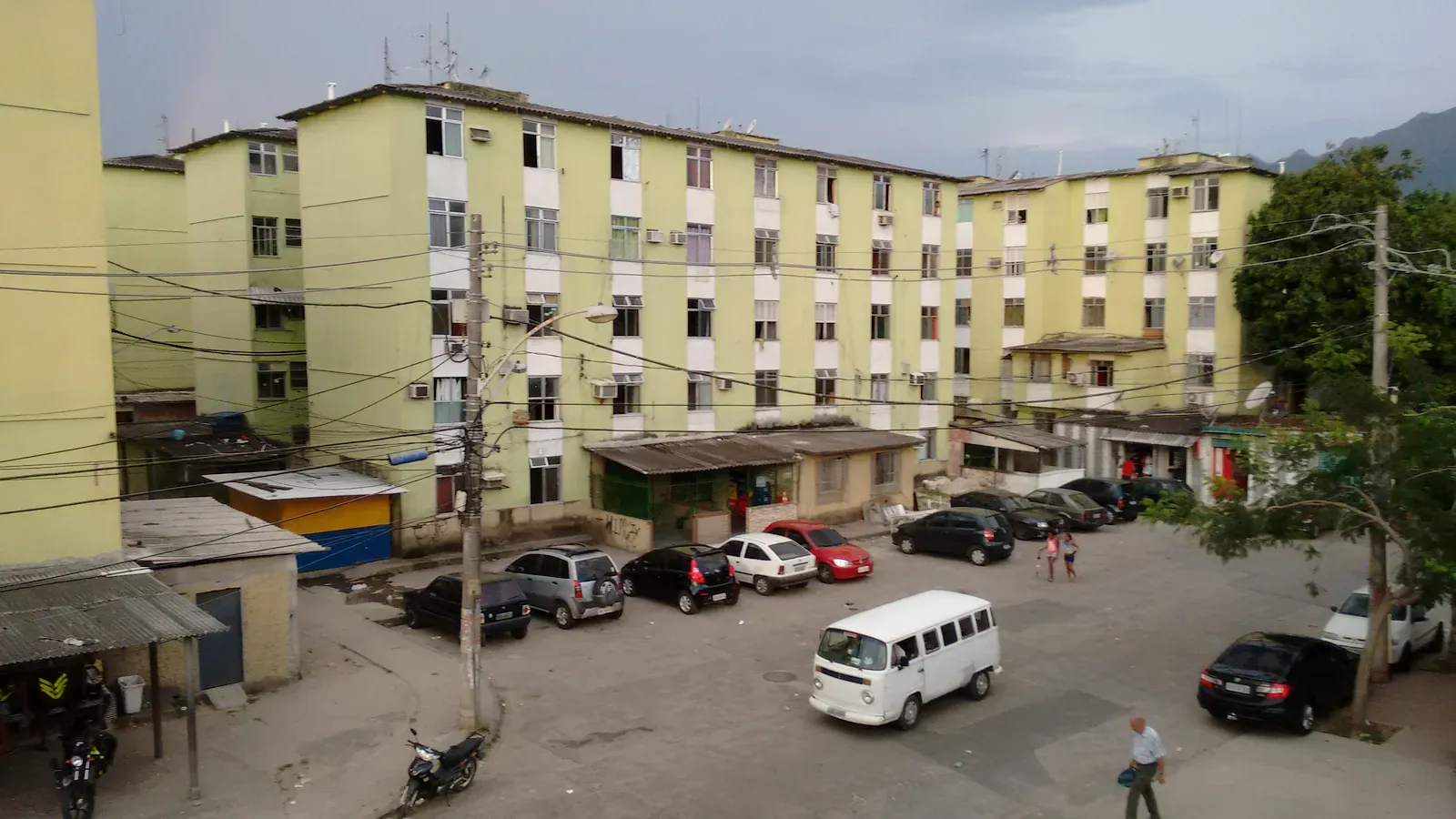
The scene begins before the music has its name. On 12 July 1970 DJ Big Boy held his first baile da pesada at the Canecão venue in Rio, playing imported soul and funk records for dancers. Rival sound teams such as Soul Grand Prix and Furacão 2000 grew out of that circuit, each owning towers of speakers and competing for the biggest weekend crowd. Brazil chose 12 July as National Funk Day in 2023 to mark it.
The sound itself turned in the mid-1980s. Afrika Bambaataa’s electro record “Planet Rock” (1982) reached Rio, and DJ Marlboro names it as the main influence on what followed. DJs began to play Miami bass and Latin freestyle records, loop the drum-machine break taken from Roland TR-808 patterns, and let local MCs rap over them in Portuguese.
Miami bass in the favelas, 1985-1993
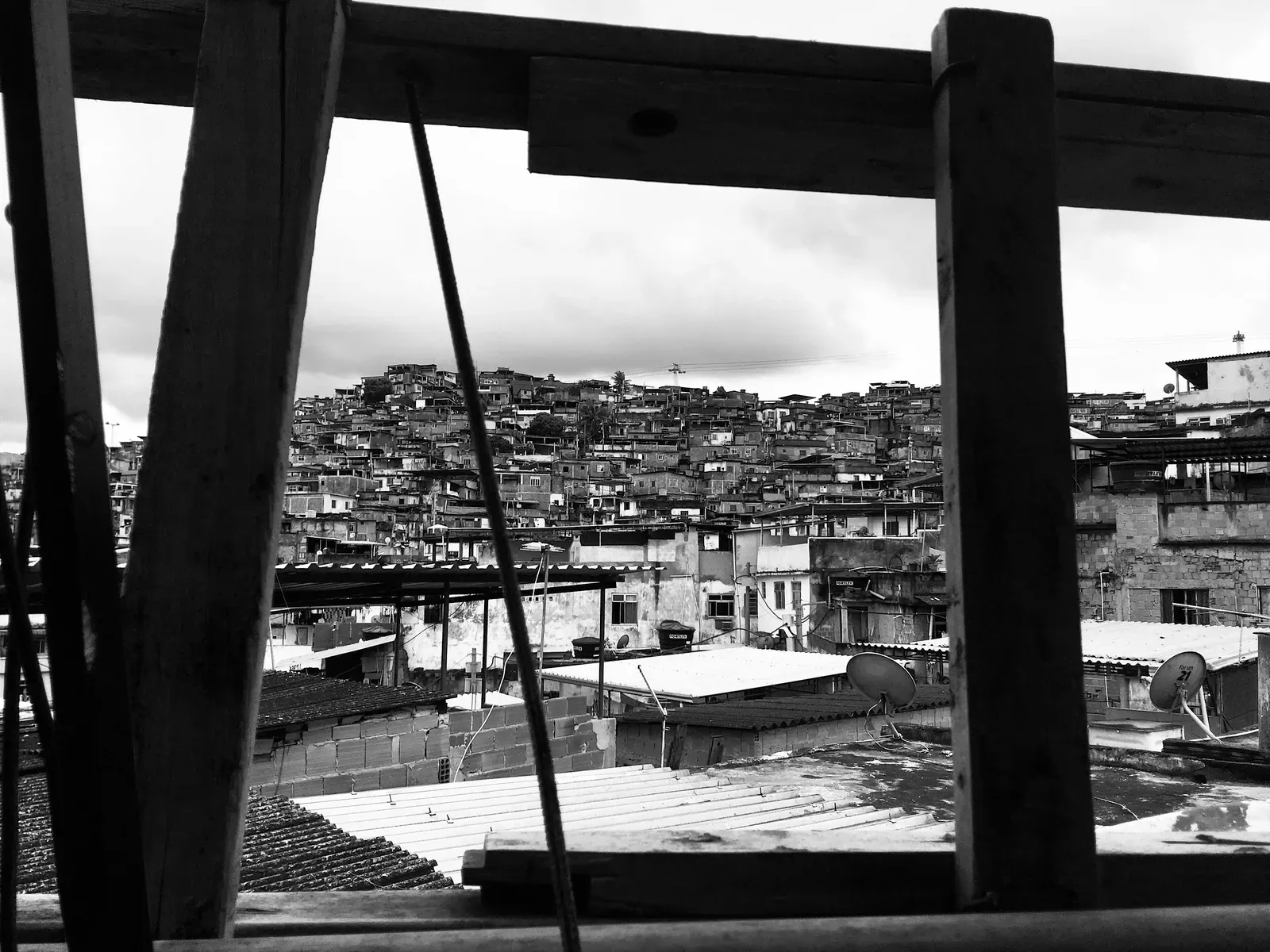
In 1988 the anthropologist Hermano Vianna published O Mundo Funk Carioca, the first academic book on the Rio baile scene. In 1989 DJ Marlboro’s compilation Funk Brasil, issued by PolyGram, put Portuguese-language funk on a major label and presented it as a studio genre rather than only a party genre.
Radio, television and the bailes de corredor, 1994-2000
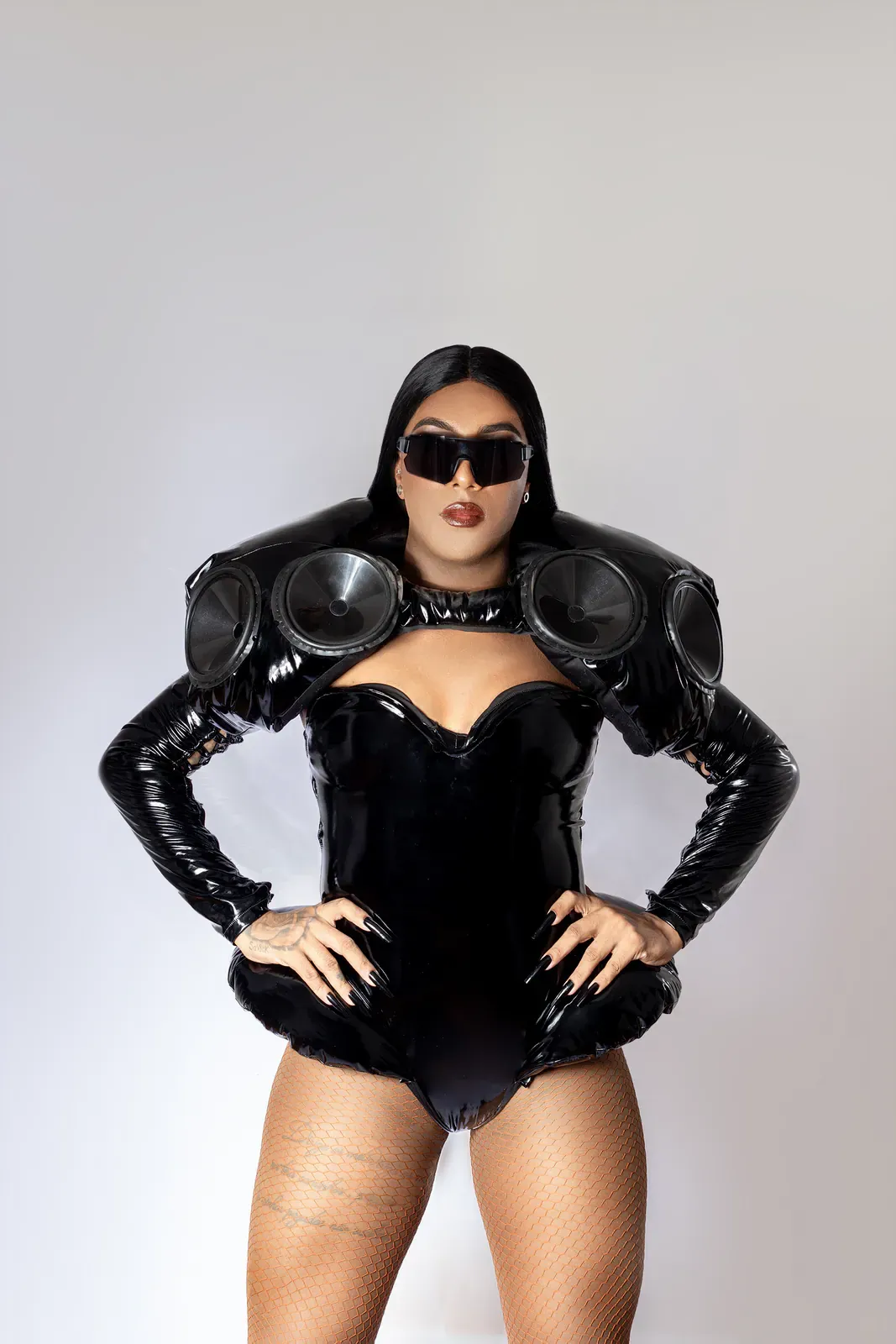
The mid-1990s took the music from the dance hall to the radio. Cidinho and Doca’s “Rap da Felicidade” (1994), a Miami bass rap about favela life at about 130 BPM, reached national airplay and is counted among the first official funk carioca recordings. Mr. Catra, whose first album appeared in 1994, became one of the best-known voices of the decade. Furacão 2000 carried the scene onto television.
Success came with scrutiny. The bailes de corredor, in which rival faction crowds faced each other on the floor, drew a legislative inquiry in 1995. In October 1999 deaths at a baile at Clube Chaparral in Bonsucesso led to a temporary ban on Rio bailes.
Tamborzão and the export wave, 2001-2010
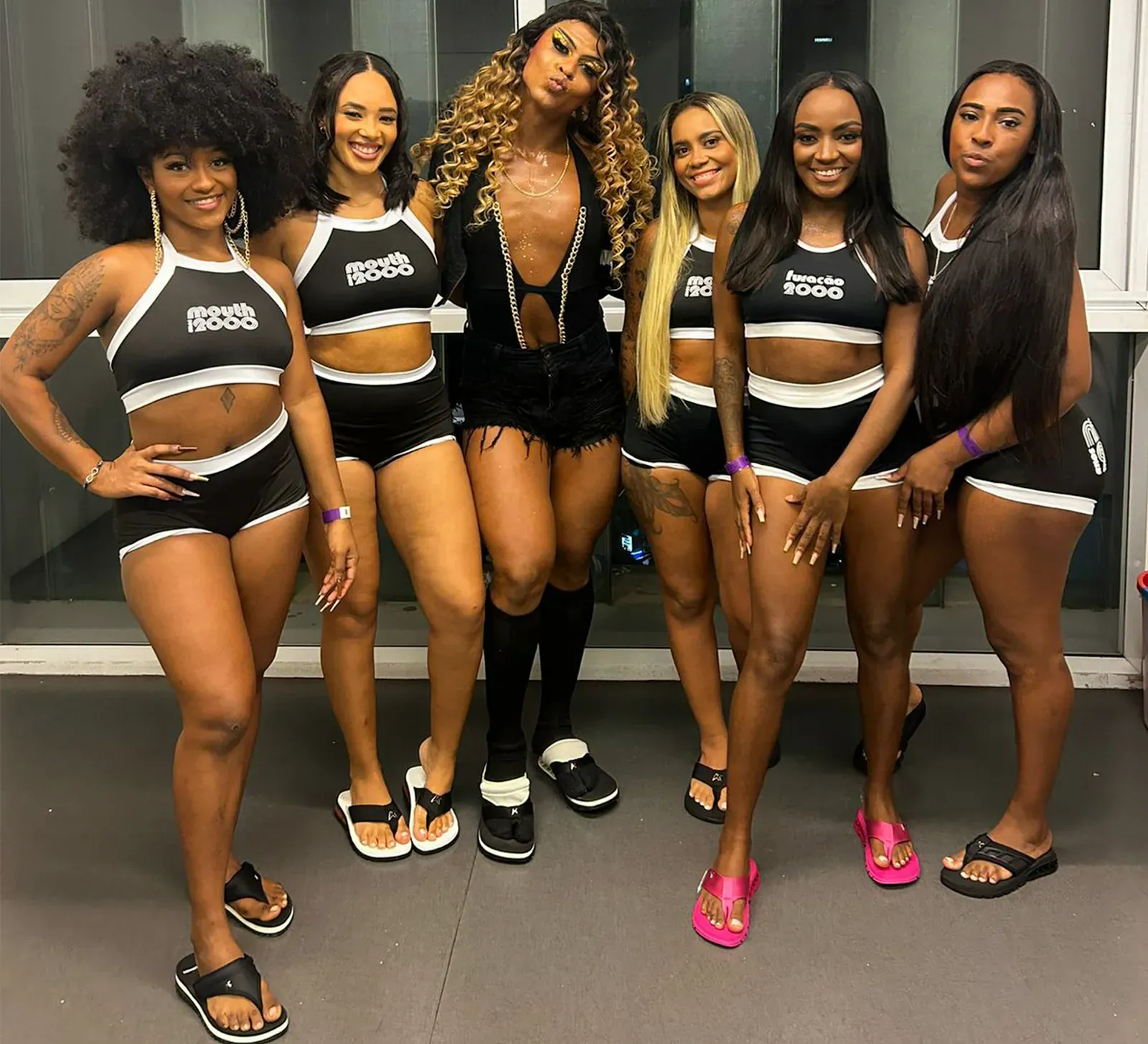
The decade opened with a platinum record. Bonde do Tigrão’s debut album, led by the single “Cerol na Mão” (2001), was produced by DJ Dennis for Furacão 2000 and sold on choreography as much as on sound. Its beat is the tamborzão, the drum pattern that now defines the style, built from a looped sampler figure and Afro-Brazilian percussion. The same year, the compilation Favela Chic carried funk carioca to a non-Brazilian label, BMG.
Abroad, three Europeans and one American made the sound a club genre. In 2004 Daniel Haaksman’s Favela Booty Beats compilation and Diplo’s mixtape Favela on Blastin’ reached dance floors, while Mr Bongo issued Tetine’s Slum Dunk Presents Funk Carioca in London and Resonance FM broadcast it. In 2005 M.I.A.’s Arular used the same rhythms, with Diplo as producer, for a pop audience. At home, Rio’s state assembly passed a law in 2009 that defines funk as a popular and musical cultural movement.
Streaming, ostentation and funk 150, 2011-present
From 2011 the scene fragmented into styles that share a name. The Batalha do Passinho dance contest brought the fast-footed passinho to wide attention. In São Paulo’s port region around Santos, funk ostentação appeared in 2008 with Bonde da Juju and sang about wealth, brands and leaving the favela. In 2016 MC Kevinho’s “Olha a Explosão” turned a KondZilla video into one of the most-watched clips of the following year, and in 2017 the director Konrad Dantas turned his video company into KondZilla Records.
The tempo then moved. Around 2018 the DJs Polyvox and Rennan da Penha pushed the tamborzão to about 150 BPM, and carnival blocks adopted it the next year. Mandelão and the stripped-down automotivo, spread by short-video platforms, followed. Bibi Babydoll and DJ Brunin XM’s “Automotivo Bibi Fogosa” (2023) reached listeners outside Brazil. Anitta, who rose with “Show das Poderosas” in 2013, released Funk Generation in 2024, an album that mixes funk with Latin pop.
Characteristics
A funk carioca track is built around a drum pattern and a voice. The tempo ranges from about 90 BPM for the slow ostentação style to about 150 BPM in the fastest funk, in 4/4, with the tamborzão or a Miami bass loop under the beat. Vocals are rapped or chanted in short refrains that a crowd answers, with horn or accordion stabs and clipped vocal samples on top.
The genre divides into strands that are heard side by side. Funk melody is sung and romantic. Funk ostentação is about money and brands. Proibidão addresses drug gangs and police conflict, and some of it is treated as criminal material in Brazil. Montagem, or MTG, strings short vocal samples over heavy bass.
Instruments and production
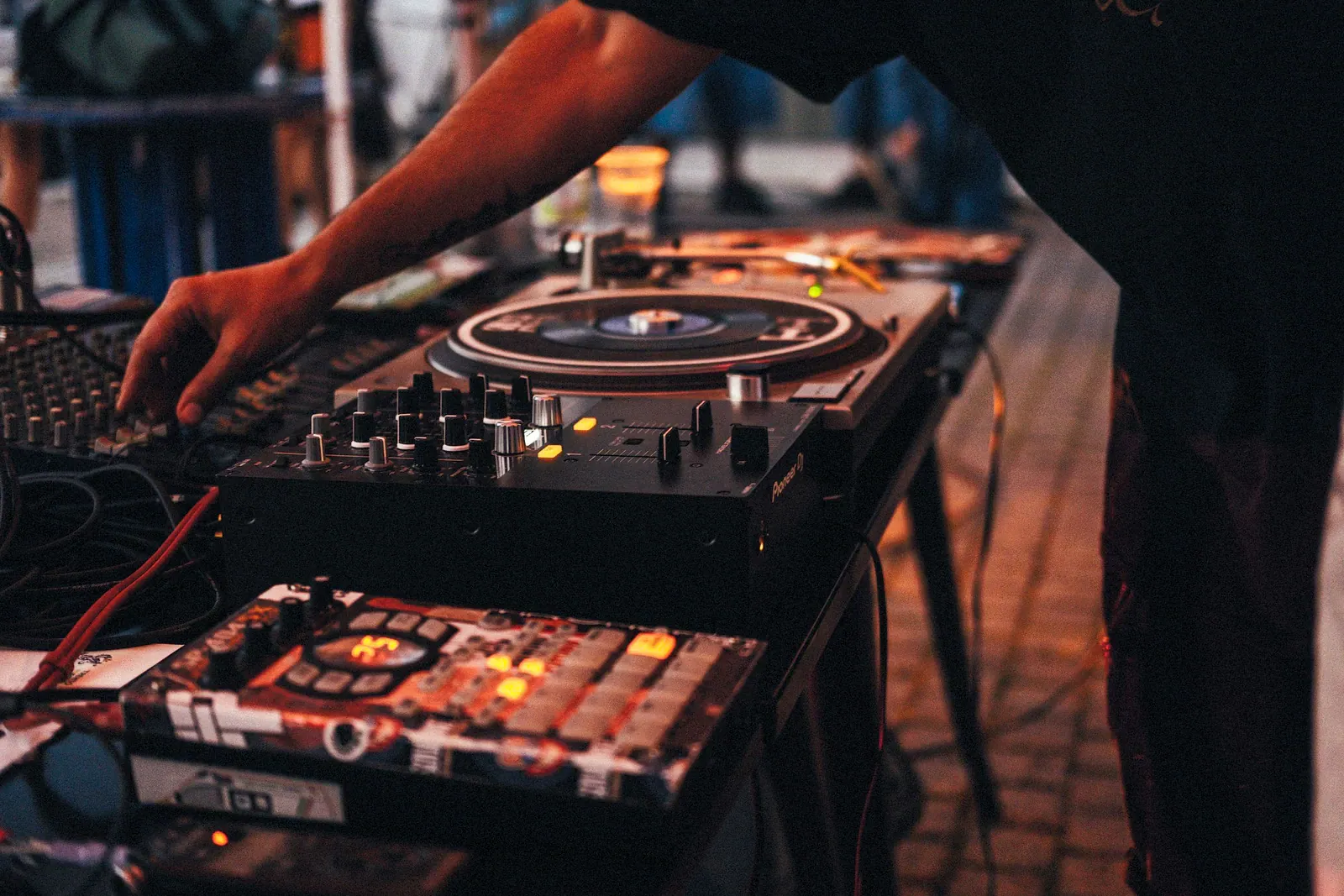
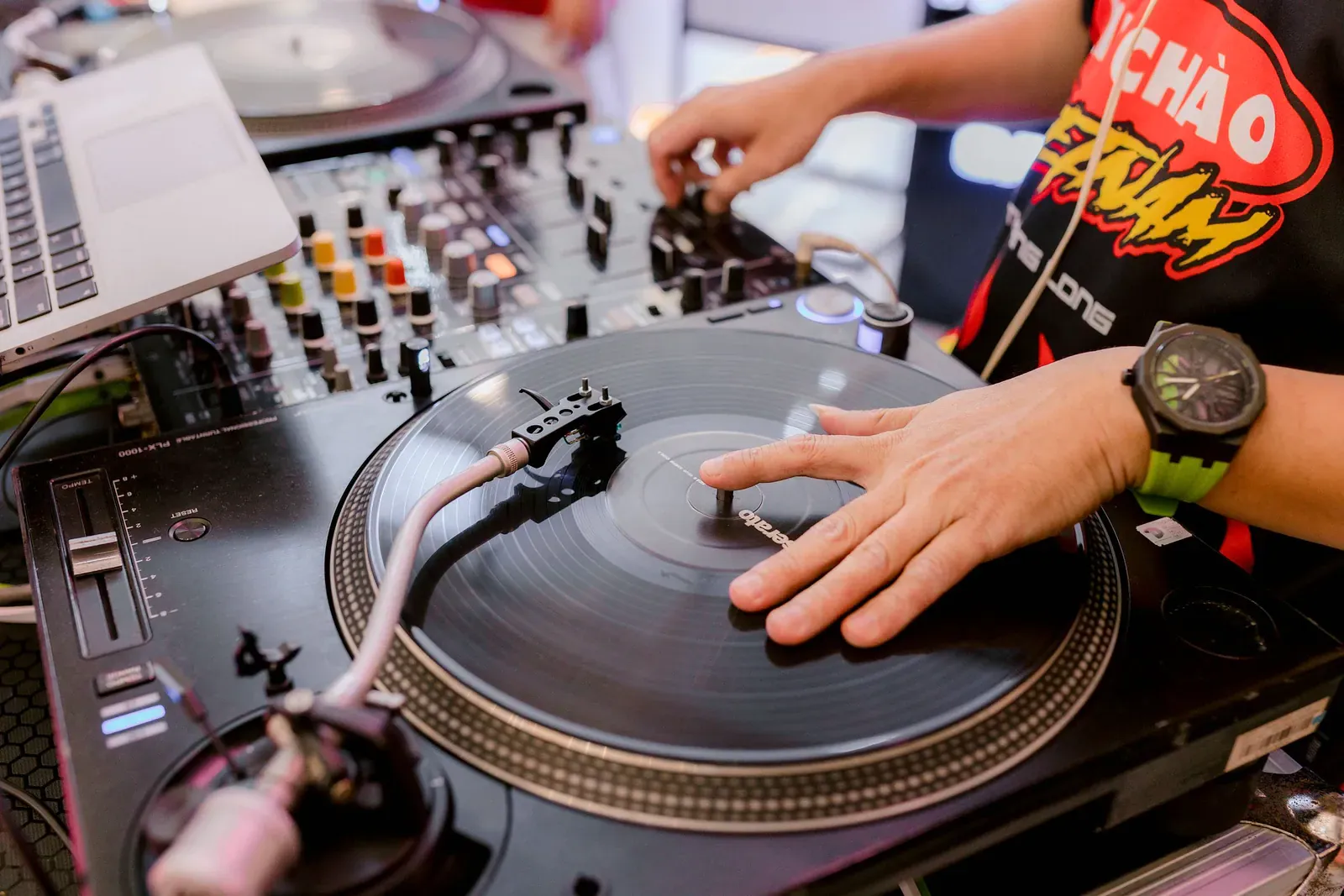
Early funk carioca was assembled from loops. The Roland TR-808 supplied the kick, clap and the break that Miami bass records had made familiar, and samplers chopped and repeated it, while turntables mixed the imported records the bailes first played.
Notable recordings
“Rap da Felicidade” is the usual starting point: a Miami bass rap about favela life that became a national radio hit. “Cerol na Mão” is the turn to mass fame, and its platinum sales showed that a funk album could sell in Brazilian record shops. Tati Quebra-Barraco’s Boladona (2004) made frank, women-led lyrics a standard part of the genre. These lyrics are explicit about sex and about the lives of women in the favelas, and they remain a point of debate in Brazil.
“Bucky Done Gun” (2005) carried baile funk rhythms into global pop, and “Ela é do Tipo” (2019) by MC Kevin O Chris gained a verse from Drake.
Culture
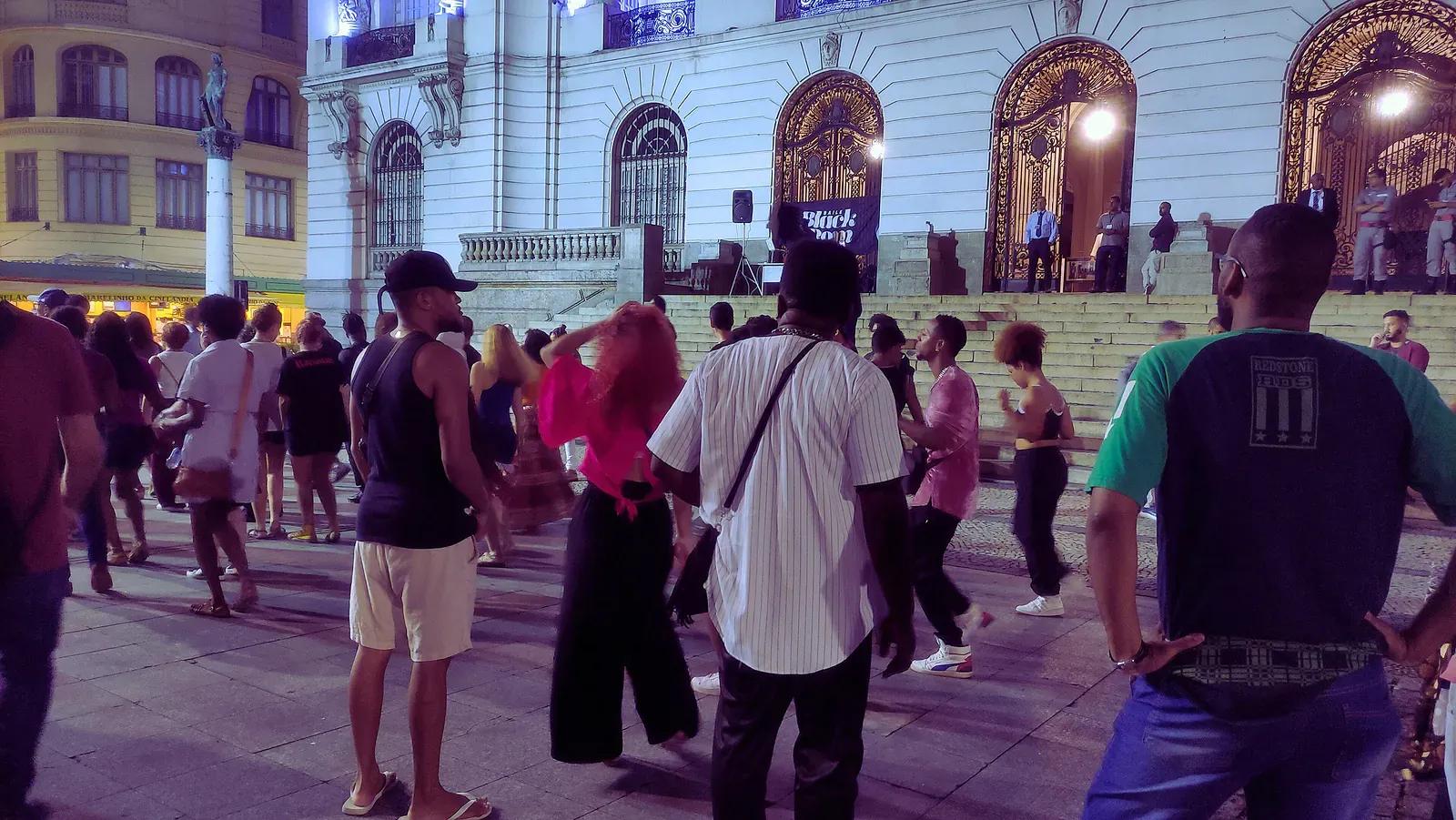
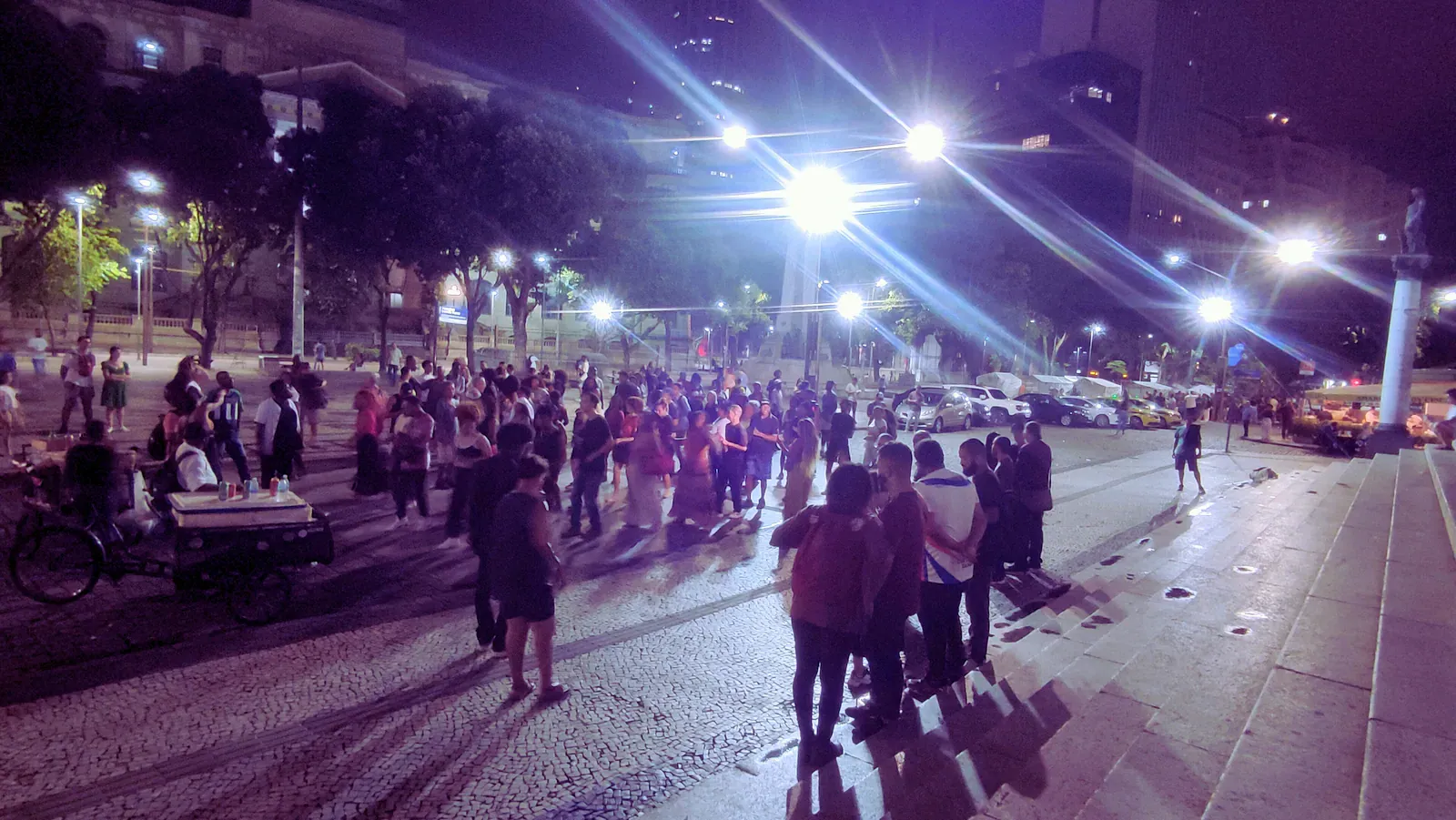
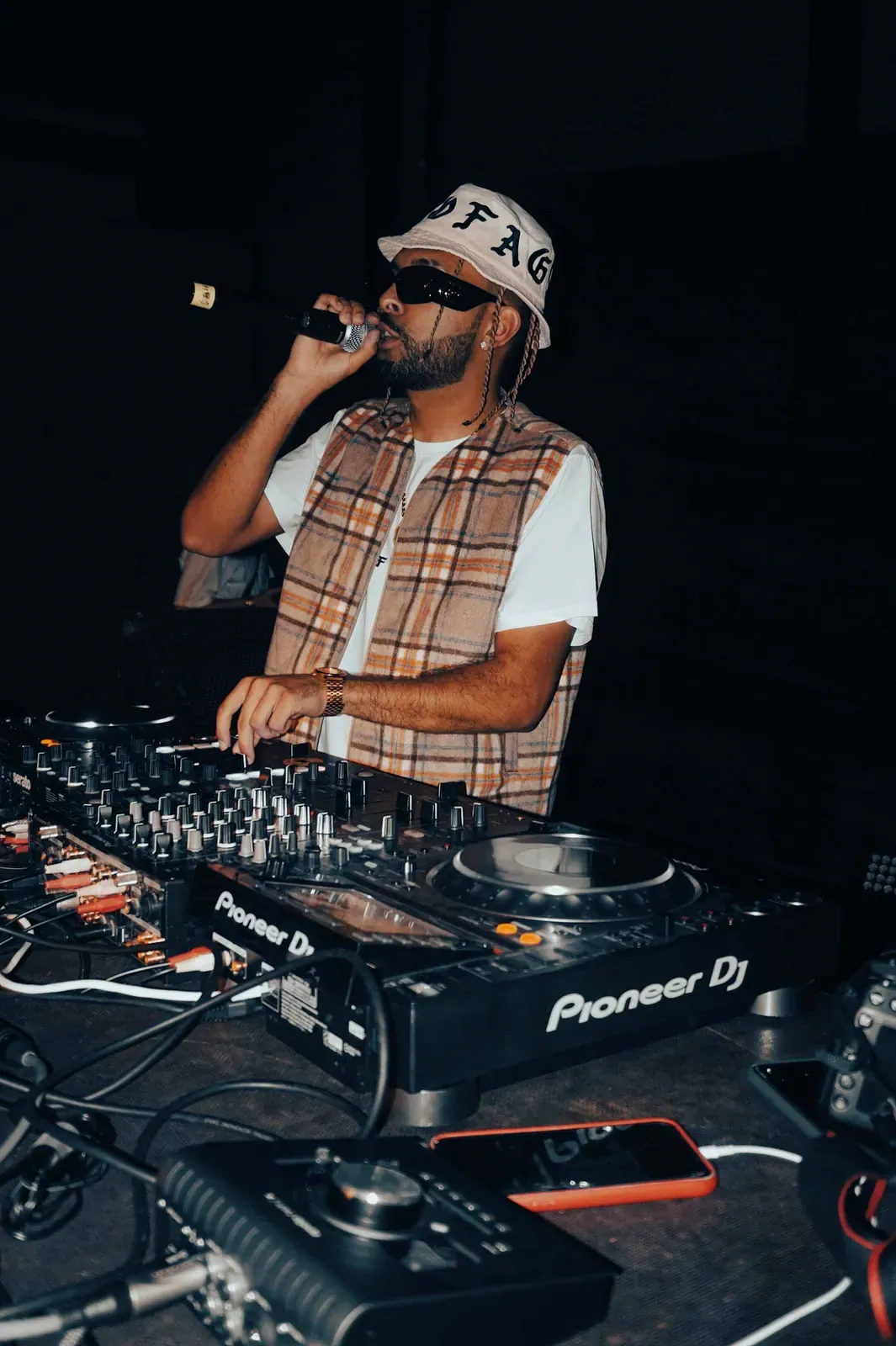
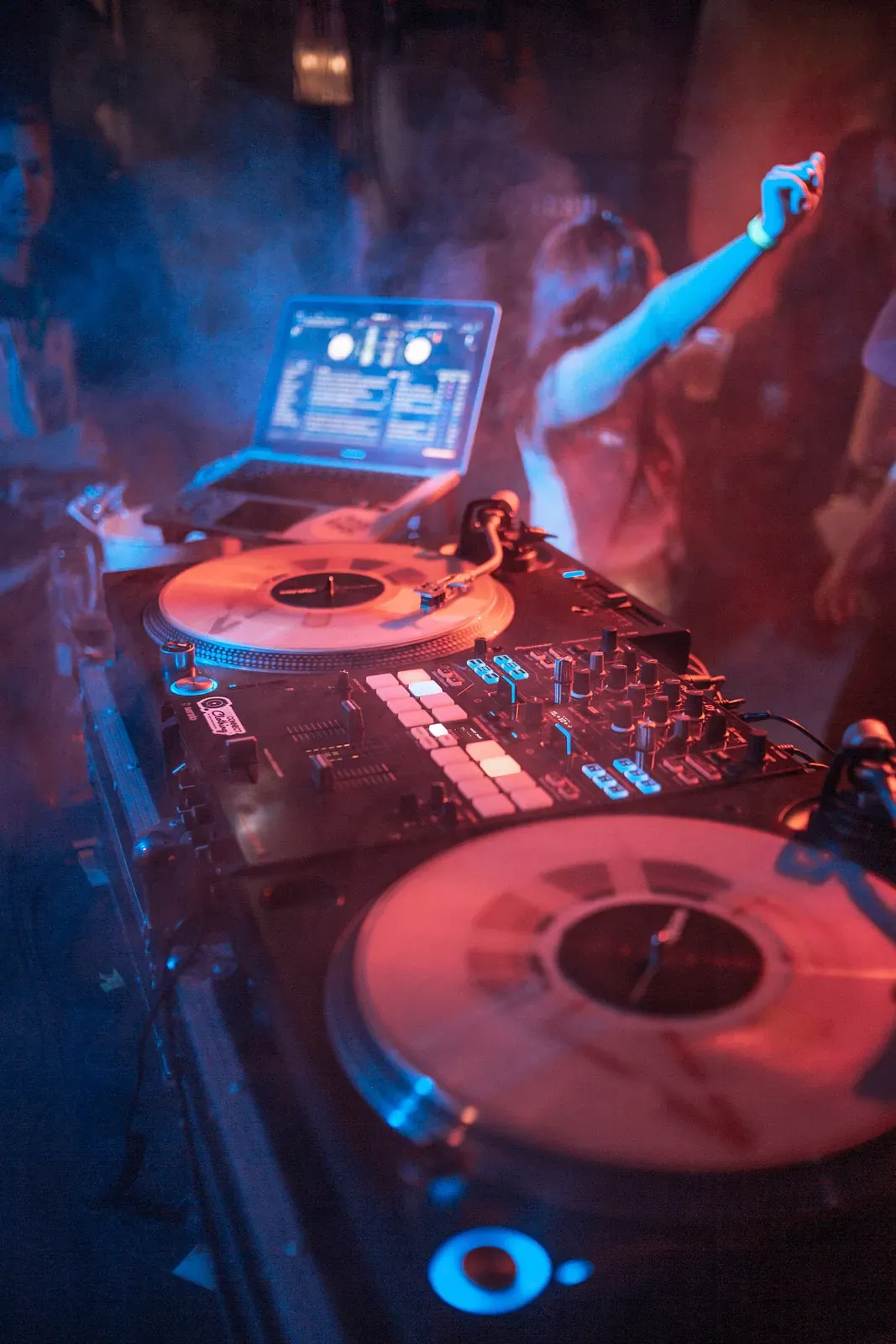
The baile is the centre of the genre: a weekend party run by a sound team in a club, a sports hall or a favela street, where DJs and MCs perform. Passinho, the fast, footwork-led dance, began there and became a contest form with the 2011 Batalha do Passinho. Furacão 2000 later became a record label and, from 2021, a partner of Warner Music.
Funk has also been a political subject. A 2017 citizen’s suggestion to the Brazilian Senate proposed treating funk as a crime and was rejected.
Legacy
Funk carioca gave Brazil its largest pop movement from the favelas and fed trapfunk, Brazilian phonk and other offshoots. Abroad, its rhythms entered club music and mainstream pop through Diplo, M.I.A. and Berlin and London labels such as Man Recordings and Mr Bongo.
Misconceptions
Funk carioca is not the same music as American funk. The Rio bailes of the 1970s played soul and funk records, but the music that carries the name today descends from Miami bass, electro and Latin freestyle, with samba and Afro-Brazilian rhythm layered in.
It is also not only about violence. Proibidão, which addresses gangs and police, is one strand among many, and other strands deal with romance, dance, wealth and everyday favela life. It is also not only a Rio sound. São Paulo took funk up from 2001 and became home to KondZilla and the mandelão sound, Santos produced funk ostentação, Curitiba the electronic style eletrofunk.
Frequently asked questions
What is funk carioca?
Funk carioca is a dance music from the favelas of Rio de Janeiro, formed in the mid-1980s from Miami bass and electro records, MC vocals in Portuguese and Afro-Brazilian percussion. It is also called baile funk or Brazilian funk.
What is the tamborzão?
The tamborzão is the signature drum pattern of modern funk carioca. It is built from a recycled sampler loop and Afro-Brazilian percussion and became the standard beat of the genre in the 2000s.
What tempo is baile funk?
Baile funk runs from about 90 to 150 BPM. Funk ostentação sits at the slow end, and the funk 150 BPM style that appeared around 2018 sits at the fast end.
Who made baile funk popular outside Brazil?
DJs and compilers in Europe led the first wave in 2004, including Daniel Haaksman in Berlin, Diplo, and Tetine with the Mr Bongo compilation in London. M.I.A.’s Arular in 2005 brought the rhythm to a pop audience.
Sound
Sound sheet
Anatomy of a track
| # | Part | Bars |
|---|---|---|
| 1 | Intro with sampled hook or MC shout | 8 |
| 2 | MC verse over the tamborzão beat | 16 |
| 3 | Chanted chorus | 8 |
| 4 | Second verse | 16 |
| 5 | Chanted chorus | 8 |
| 6 | Beat-only break | 4 |
Signature sounds
- Tamborzão drum pattern
- 808-style Miami bass loops
- MC chants and call-and-response vocals
- Horn and accordion stabs
- Short, repeated vocal samples
Drums and percussion
- Roland TR-808
- Boss Dr. Rhythm DR-110
- Atabaque
Techniques
- Tamborzão pattern
- MC chants and call-and-response
- Sampling and looping
- Horn and accordion stabs
- Montagem mashups
Tuning
12-TET, A=440; beat-led tracks built on one or two repeating hooks
Vocals
Rapped or chanted Portuguese by MCs, with sung choruses in funk melody and many women MCs.
Scenes
Where it happened
Where and when the sound lived: one bar per city on a shared timeline.
Latin America
Europe
Active scenes
Peak 6, 2011-2025
Birthplace of the baile da pesada and of funk carioca in the favelas of the Zona Norte, Cidade de Deus and Complexo do Alemão.
Funk arrives with Furacão 2000 and Bonde do Tigrão in 2001, then becomes the home of KondZilla and the mandelão sound.
The Baixada Santista coast is where funk ostentação started with Bonde da Juju in 2008.
Eletrofunk, the electronic fusion style, emerges here around 2011.
Daniel Haaksman and his Man Recordings label spread baile funk through European clubs.
Mr Bongo's Slum Dunk compilation, Resonance FM airplay and M.I.A. bring baile funk to UK audiences.
Venues and places
Rio de Janeiro, 1970 to today. Host of DJ Big Boy's first baile da pesada on 12 July 1970.
Rio de Janeiro, 1999 to today. Bonsucesso club where deaths at a baile in October 1999 led to a temporary ban on Rio bailes.
Rio de Janeiro, 2002 to today. Station of DJ Marlboro's Big Mix programme, which runs from 2002.
New York, 2003 to today. DJ Marlboro played here in 2003, one of his early shows abroad.
Barcelona, 2004 to today. DJ Marlboro performed at the Barcelona festival in 2004.
London, 2004 to today. London station that broadcast the Slum Dunk funk carioca compilation.
Culture
Culture markers
- Passinho
Rio dance style that gained prominence through the 2011 Batalha do Passinho competition.
Dance - The baile
Weekend party run by a sound team, in a club, hall or favela street, where DJs and MCs perform.
Ritual - Proibidão
Tracks about drug gangs and police that circulate underground and can be illegal to play.
Slang - Montagem (MTG)
Mashup tracks of short vocal samples and heavy bass, popularised on social media.
Slang
Media
Key media
- 1988O Mundo Funk Carioca
by Hermano Vianna. The first academic study of the Rio baile scene.
Book - 2001Favela Chic
by Various Artists. Introduced funk carioca to European listeners through BMG.
Compilation - 2004Rio Baile Funk: Favela Booty Beats
by Daniel Haaksman. Berlin DJ's compilation that showed Rio funk to an international club audience.
Compilation - 2004Slum Dunk Presents Funk Carioca
by Tetine. UK release on Mr Bongo that spread the sound in London.
Compilation - 2005Mr Catra the Faithful
by Andreas Rosforth Johnsen. Documentary on Mr. Catra shown on European TV channels.
Film - 2010Favela on Blast
by Diplo. Documentary on the Rio baile scene produced by Diplo.
Film
Glossary
Terms on this page
A funk party held in a club, sports hall or favela street, run by a sound team and its DJs and MCs.
A sound team that owns the speaker stacks and promotes the bailes, such as Furacão 2000.
A sung, romantic strand of funk with electro rhythms, widely taken up by female artists.
A São Paulo style from 2008 that sings about wealth, brands and leaving the favela.
A minimalist, raw São Paulo style from the late 2010s built around a heavy bass and a few samples.
A fast-footed Rio dance style performed to funk, popularised by battle competitions from 2011.
A strand of funk whose lyrics address drug gangs and police conflict; some tracks are treated as criminal in Brazil.
The signature drum pattern of modern funk carioca, built from a recycled sampler loop and Afro-Brazilian percussion.
Latin family