Samba
Afro-Brazilian song and dance genre in syncopated 2/4, rooted in Bahia and shaped into urban music in Rio de Janeiro in the early twentieth century.
Bahia (Recôncavo), 1900
Latin family
Born
1900
Bahia (Recôncavo)
Subgenres
23
Documented branches
Links
23
Genres it drew on or shaped
Tempo
90-140 BPMLineage
Family tree
Grew out of
- Batuque
Derived from
Derived from
Bahia (Recôncavo), 1900
Samba
Led to (25)
Timeline
Era by era
From the first sparks to today. Select a dot to read the story behind it.
- Bahian roots and Tia Ciata's house
1900 to 1927
- Estácio, samba schools and radio
1928 to 1945
- Samba-canção, bossa nova and the morro rediscovered
1946 to 1969
- Pagode and the Sambódromo
1970 to 1989
- Romantic pagode and heritage status
1990 to today
Eras
Moments
- 1 Bahian roots and Tia Ciata's house, 1900 to 1927
- 2 Estácio, samba schools and radio, 1928 to 1945
- 3 Samba-canção, bossa nova and the morro rediscovered, 1946 to 1969
- 4 Pagode and the Sambódromo, 1970 to 1989
- 5 Romantic pagode and heritage status, 1990 to today
around 1900
Bahian roots and Tia Ciata's house
Bahian migrants carry batuque and samba de roda to Rio. At Tia Ciata's house, musicians shape urban samba, and Pelo Telefone becomes the first samba hit on record in 1917.
- 1900Bahian traditions reach Rio de JaneiroMigrants from Bahia bring batuque and samba de roda, and the Tias Baianas set up terreiros that become hubs of Afro-Brazilian music.
- 1916Donga registers Pelo TelefoneThe song is deposited at the National Library on 27 November 1916 as a carnival samba.
- 1917Pelo Telefone is issued on recordReleased on 78 rpm by Casa Edison on the Odeon label; its authorship is disputed because it grew out of group sessions at Tia Ciata's house.
1928
Estácio, samba schools and radio
Estácio musicians speed up and syncopate the beat, Deixa Falar and Mangueira start the samba schools, and radio, records and the Vargas state make samba the national music.
- 1928Deixa Falar founded in EstácioSeen as the first samba school; its percussion section of surdo, tamborim and cuíca sets the model for the bateria.
- 1928Estação Primeira de Mangueira foundedCartola helps found the school on the Mangueira hill; it later wins the first organized parade in 1932.
- 1929Noel Rosa's Com que roupa?The Vila Isabel songwriter's breakthrough hit brings urban wit and social comment into samba.
- 1932Radio advertising is legalizedA Vargas decree lets stations sell airtime, and commercial radio becomes samba's main national outlet.
- 1932First organized samba school paradeSponsored by the journalist Mário Filho; Mangueira wins and Portela, then Conjunto Oswaldo Cruz, places second.
- 1937Estado Novo censors samba lyricsThe press and propaganda department (DIP) censors songs about bohemian life and promotes sambas praising work, until 1945.
- 1939Aquarela do Brasil recorded by Francisco AlvesAry Barroso's samba-exaltação, released by Odeon in August 1939, becomes the first Brazilian song to win a large international audience.
- 1942Aquarela do Brasil in Disney's Saludos AmigosThe film makes it the first Brazilian song played over a million times on American radio.
1946
Samba-canção, bossa nova and the morro rediscovered
Slower samba-canção and bossa nova dominate the airwaves while older composers such as Cartola are rediscovered and Zicartola opens in 1963.
- 1956Cartola is rediscoveredThe journalist Sérgio Porto finds the Mangueira founder working as a car washer and brings him back to music.
- 1961Cacique de Ramos carnival block foundedFounded on 20 January 1961 in Olaria, Rio; it later hosts the Sunday gatherings that give birth to pagode.
- 1963Zicartola opensCartola and his wife Zica open a restaurant that brings together old-guard sambistas and bossa nova musicians.
1970
Pagode and the Sambódromo
Clara Nunes sells records in the hundreds of thousands, Beth Carvalho and Fundo de Quintal bring the Cacique de Ramos backyard sound to the public, and Rio opens the Sambódromo in 1984.
- 1974Cartola's first solo albumReleased at age 66 on the independent Discos Marcus Pereira, followed by a second album in 1976.
- 1974Clara Nunes's Alvorecer and Conto de AreiaHer Odeon album with the hit Conto de Areia sells about 300,000 copies in Brazil.
- 1978Fundo de Quintal forms at Cacique de RamosAlmir Guineto, Bira Presidente, Jorge Aragão and others add banjo, tan-tan and hand repique and define pagode; the debut album follows in 1980.
- 1978Beth Carvalho's De Pé No ChãoHer RCA album with Fundo de Quintal members and Vou Festejar takes the Cacique de Ramos sound to a wide audience.
- 1984Rio opens the SambódromoGovernor Leonel Brizola inaugurates a permanent avenue for the samba school parades.
1990
Romantic pagode and heritage status
São Paulo-based romantic pagode groups sell millions, Zeca Pagodinho keeps the carioca tradition on the charts, and samba de roda and carioca samba win heritage recognition in 2005 and 2007.
- 1990Romantic pagode takes over the chartsGroups such as Raça Negra emerge in São Paulo with keyboards, brass and a polished pop image, moving production away from Rio.
- 1997Só Pra Contrariar's self-titled albumSelling about 3 million copies, it is among the best-selling Brazilian records of the decade.
- 2002Zeca Pagodinho's Deixa a Vida Me LevarThe title song becomes his best-known recording and an everyday motto of carioca samba.
- 2005UNESCO lists samba de rodaThe Bahian roots form is named Intangible Cultural Heritage of Humanity.
- 2007IPHAN registers carioca samba as heritageBrazil's heritage institute protects samba de terreiro, partido-alto and samba-enredo as the three matrices of Rio samba.
Listening path
Start listening
A short path from an easy way in to the deep end. Thumbnails come from YouTube; the player loads only when you press play.
- 01
Francisco Alves, 1939
The first recording of Ary Barroso's samba-exaltação, issued by Odeon in 1939 and the song that carried samba abroad.
- 02
Clara Nunes, 1974
The hit from Alvorecer, an album that sold about 300,000 copies, a record for a Brazilian female singer.
- 03
Cartola, 1976
The Mangueira founder's slow, harmonically rich samba, the lyrical counterpart to carnival noise.
- 04
Beth Carvalho, 1978
The pagode-era hit from De Pé No Chão that put the Cacique de Ramos backyard sound on national radio.
- 05
Zeca Pagodinho, 2002
The relaxed modern pagode that became Zeca Pagodinho's signature.
Samba is an Afro-Brazilian song and dance genre built on syncopated 2/4 percussion. It grew out of Bahian batuque and samba de roda and became modern urban music in Rio de Janeiro in the early twentieth century.
Call and response between a lead voice and a chorus, a layered percussion section and a cavaquinho or guitar carrying the harmony define the sound. It belongs to the Latin family and is the best known Brazilian music at home and abroad.
Origins
Samba’s roots lie in the Recôncavo region of Bahia, where African-descended communities kept batuque and samba de roda alive: circle dances with drumming, handclaps and sung refrains. Around 1900 migrants from Bahia carried these practices to Rio de Janeiro. The Tias Baianas, older Bahian women, set up terreiros and houses that became hubs of Afro-Brazilian music, and the best known was the house of Tia Ciata.
The music that took shape there drew on lundu and maxixe, the Brazilian urban dance of the late nineteenth century, and on the choro of Rio’s instrumentalists.
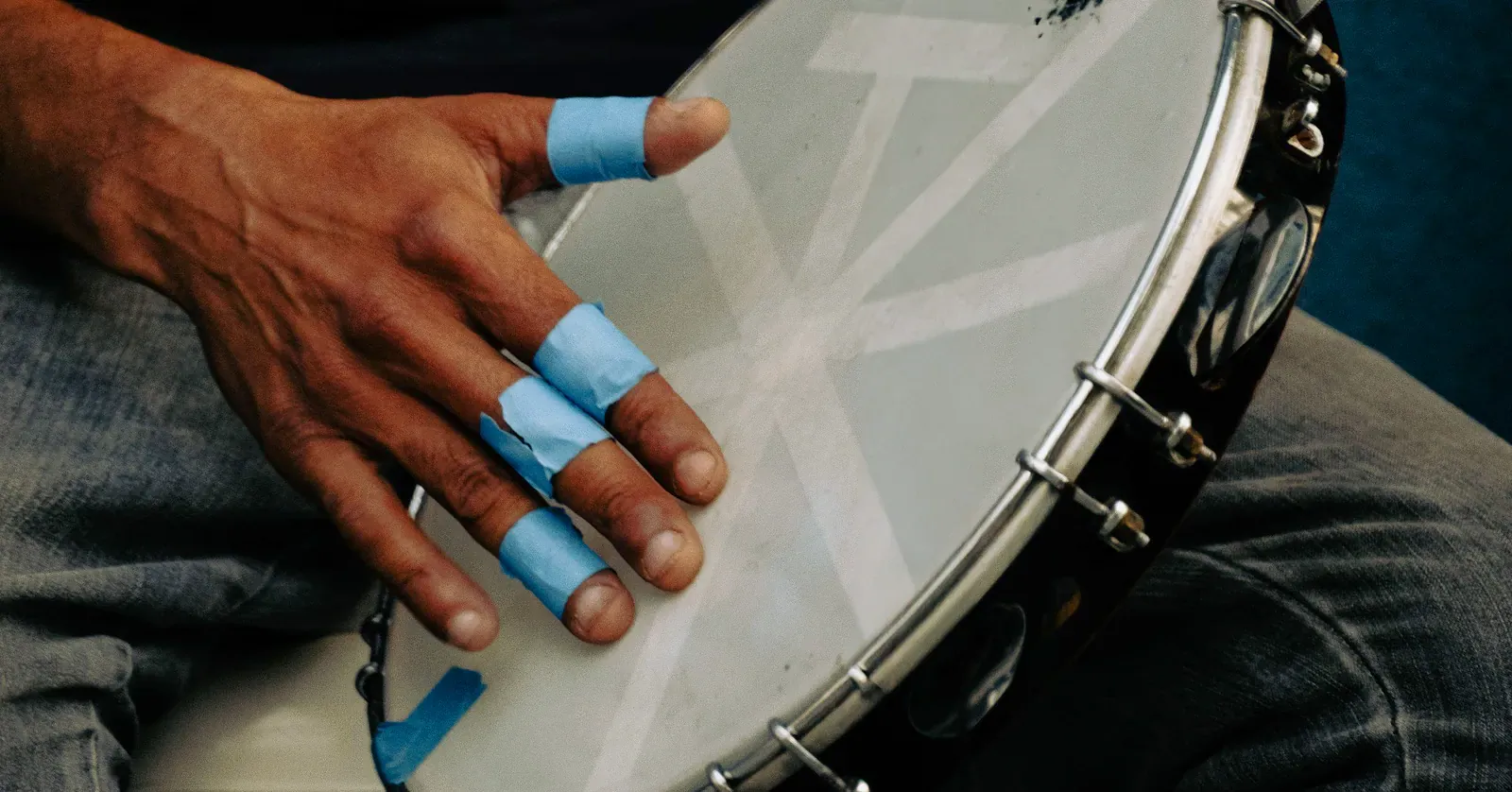
Bahian roots and Tia Ciata’s house, 1900-1927
On 27 November 1916 Donga deposited “Pelo Telefone” at the National Library in Rio de Janeiro as a carnival samba. Odeon issued it on a 78 rpm disc in 1917, and it is counted as the first samba hit on record. Its authorship is still disputed, because the piece grew out of group sessions rather than one writer’s desk. That dispute is itself a mark of samba’s collective origin.
Estácio, samba schools and radio, 1928-1945
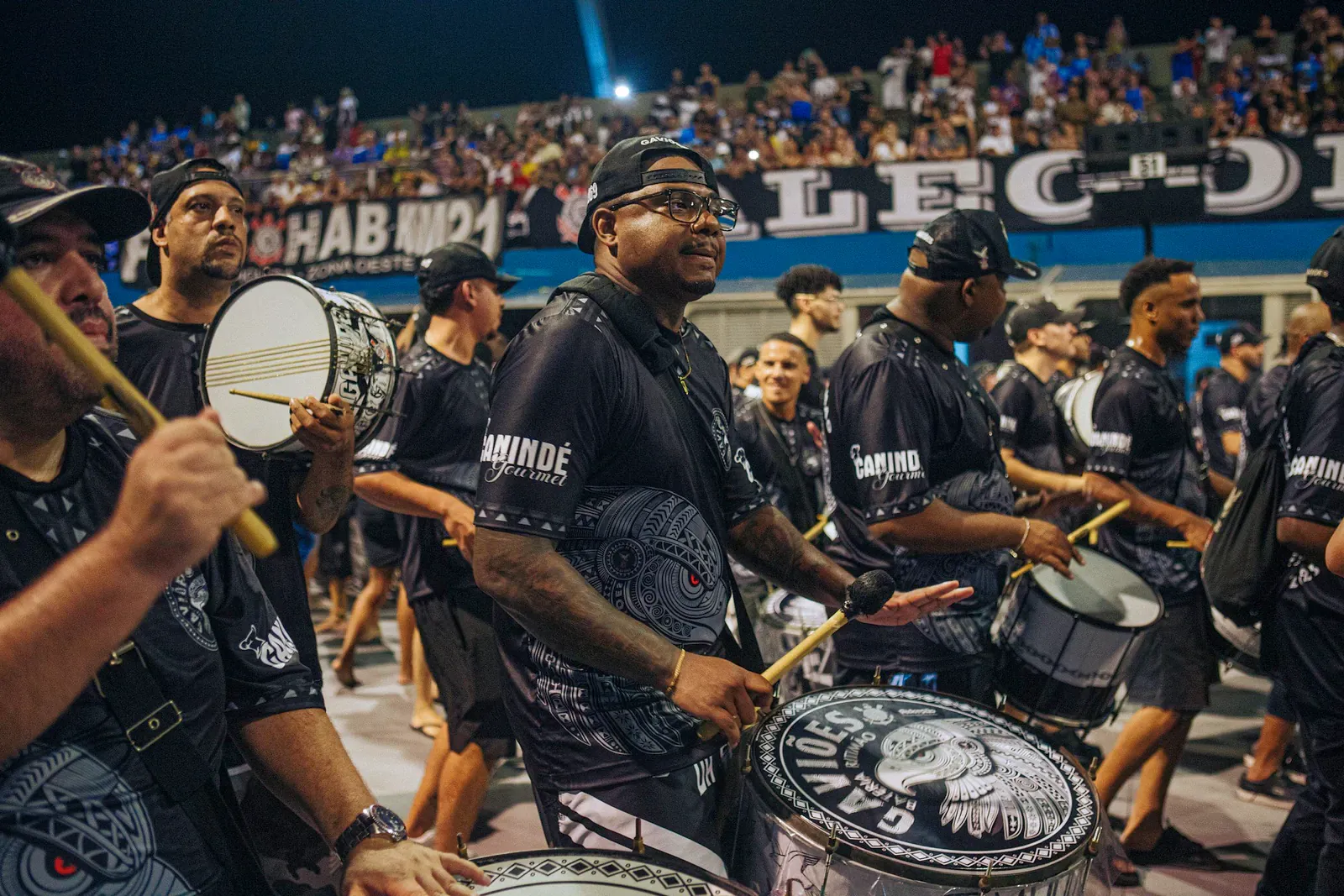
A group of musicians from the Estácio neighbourhood changed the rhythm. They sped up the beat and syncopated it harder, so that it could be marched to in a street parade. In 1928 they founded Deixa Falar, often called the first samba school, and its percussion section of surdo, tamborim and cuíca became the model for the bateria. In the same year Cartola helped found Estação Primeira de Mangueira on the Mangueira hill.
The first organized school parade took place in 1932, sponsored by the journalist Mário Filho, and Mangueira won it. A decree the same year legalized radio advertising, and commercial stations became samba’s main national outlet. Noel Rosa, from the Vila Isabel district, wrote urban sambas with wit and social comment, among them “Com que roupa?” and “Conversa de Botequim” in 1935.
The state shaped the genre as well. From 1937 the Estado Novo’s press and propaganda department censored lyrics about bohemian life and promoted sambas that praised work. Ary Barroso’s “Aquarela do Brasil” belongs to this period. Francisco Alves recorded it for Odeon in August 1939, and the type of grand patriotic samba it represents became known as samba-exaltação. Walt Disney’s 1942 film Saludos Amigos carried it to US radio, where it became the first Brazilian song played over a million times.
Samba-canção, bossa nova and the morro rediscovered, 1946-1969
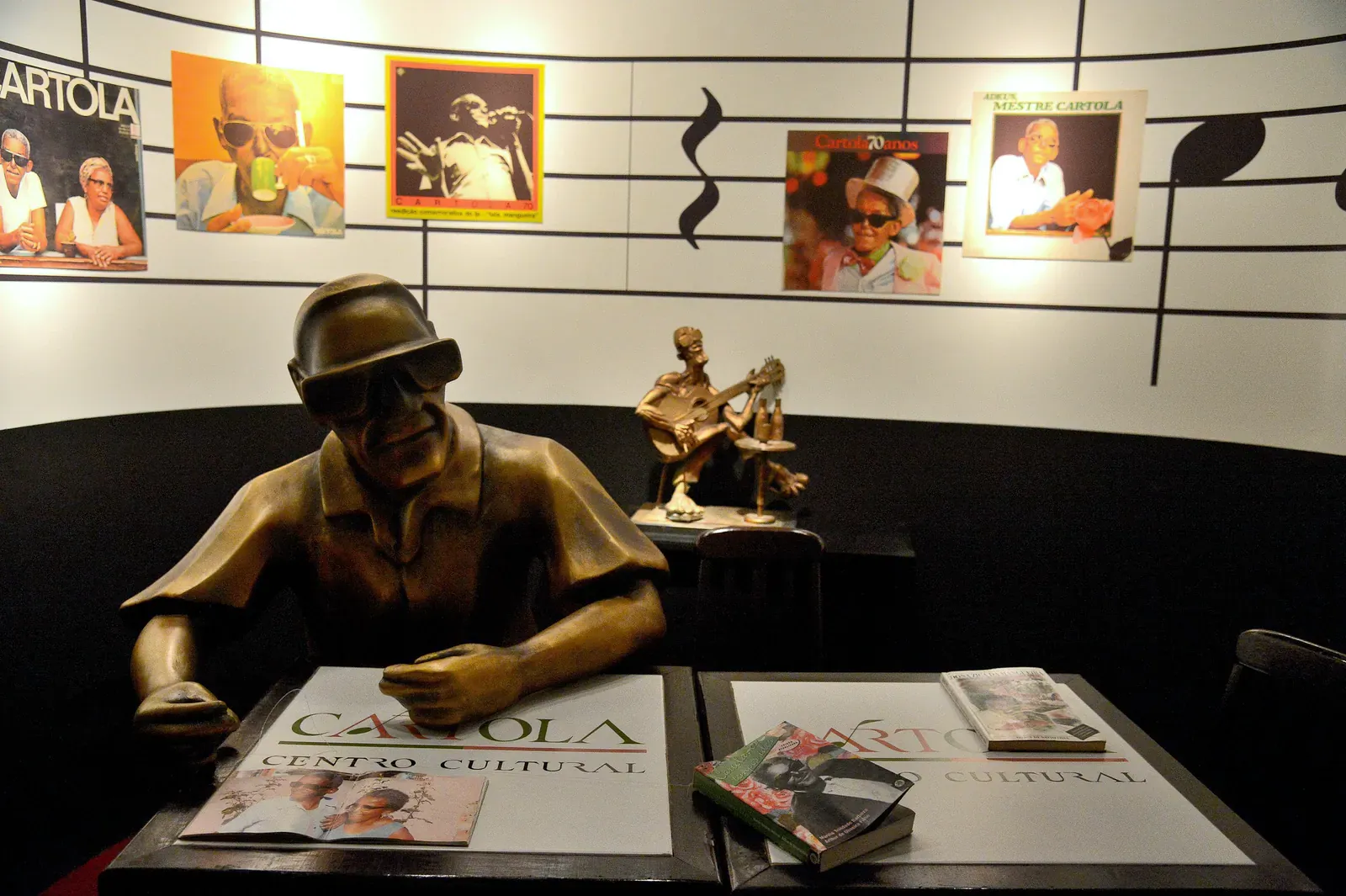
The postwar years favoured slower forms. Samba-canção, a romantic ballad form, dominated radio, and from 1958 bossa nova reduced the samba beat to a quiet guitar pattern with extended jazz chords. Meanwhile older composers returned. In the mid-1950s the journalist Sérgio Porto found Cartola, the Mangueira founder, working as a car washer and brought him back to music. In 1963 Cartola and his wife Zica opened the restaurant Zicartola, where old-guard sambistas met bossa nova musicians.
Pagode and the Sambódromo, 1970-1989
Cartola’s first solo album appeared in 1974, when he was 66, on the independent label Marcus Pereira, with a second following in 1976. Also in 1974 Clara Nunes’s Alvorecer, with the hit “Conto de Areia”, sold about 300,000 copies on Odeon and showed that a samba album could be a mass product.
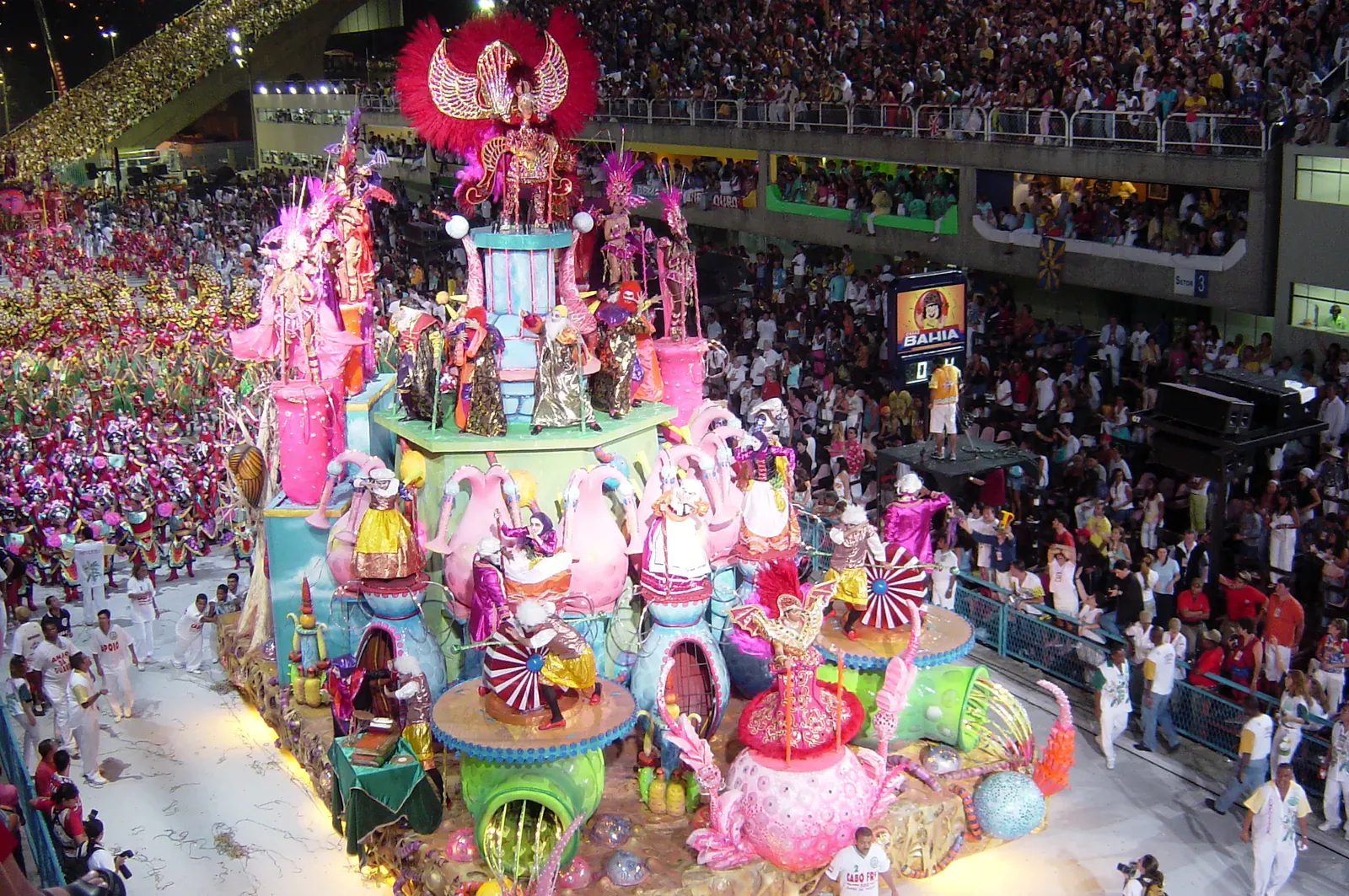
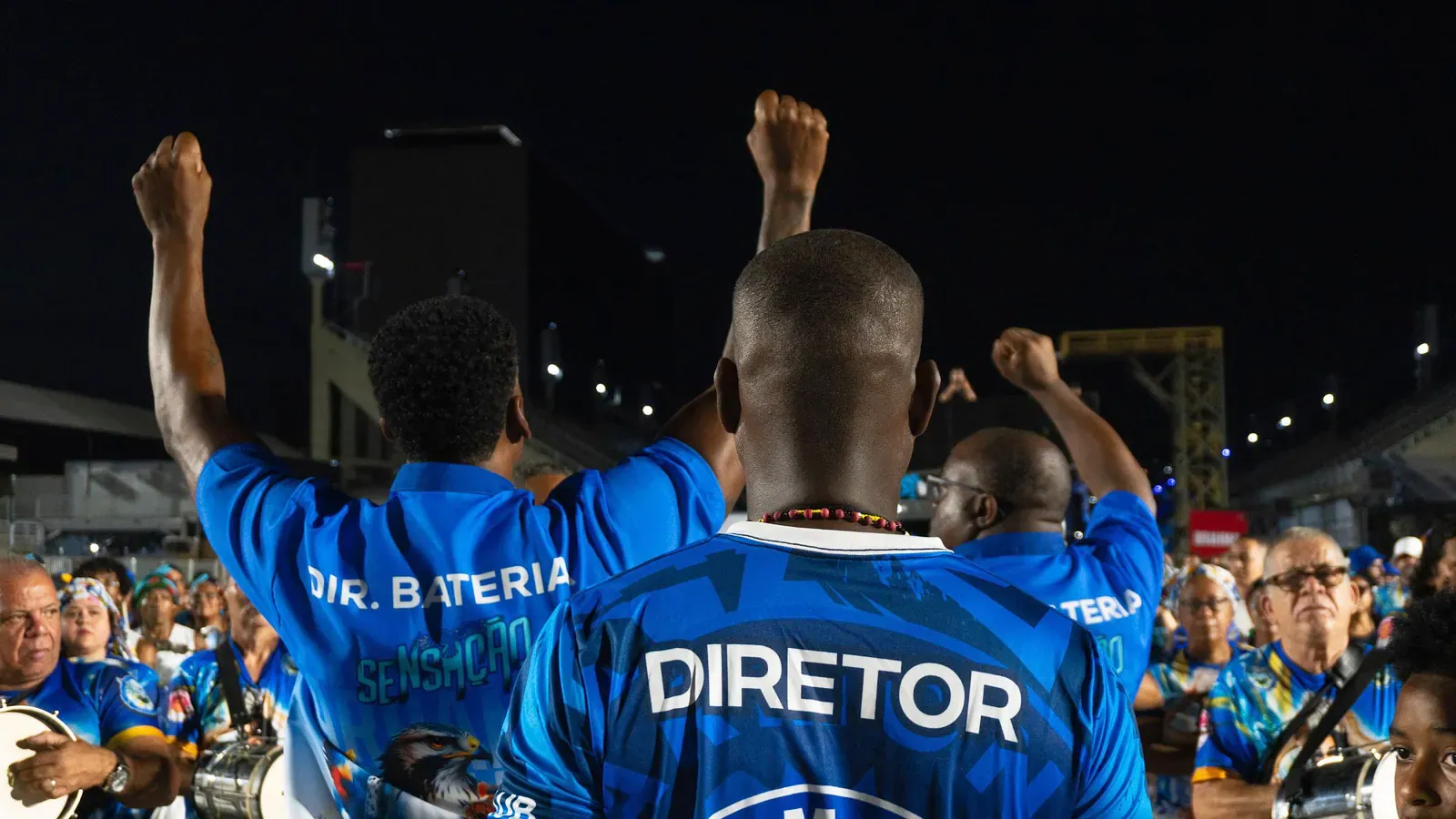
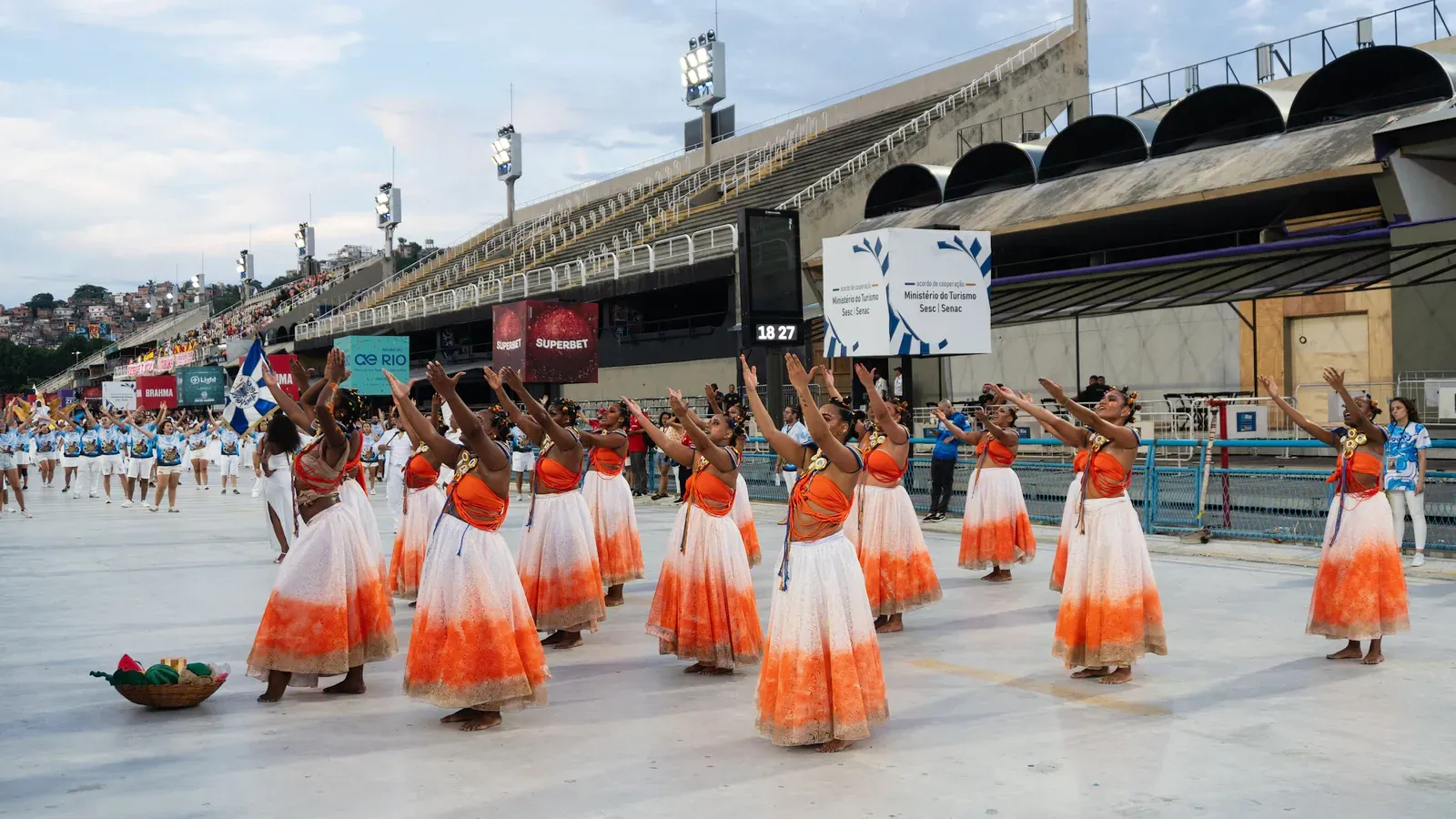
The next shift came from a backyard. The Cacique de Ramos carnival block, founded in Olaria in 1961, hosted Sunday gatherings where musicians such as Almir Guineto, Bira Presidente and Jorge Aragão played. In 1978 they formed Fundo de Quintal, adding banjo, tan-tan and hand-played repique, and defined pagode. The word first meant a party with food, music and dance before it named a style. Beth Carvalho’s De Pé No Chão for RCA the same year, with members of the group, brought that sound to a national audience. In 1984 the state government opened the Sambódromo, a permanent avenue for the parades.
Romantic pagode and heritage status, 1990 onward
From 1990 groups such as Raça Negra in São Paulo replaced the banjo-driven sound with keyboards, brass and a polished pop image, and production moved away from Rio. Só Pra Contrariar’s 1997 album sold about 3 million copies. Zeca Pagodinho kept the carioca tradition on the charts, and his 2002 recording “Deixa a Vida Me Levar” became an everyday motto.
Recognition followed. UNESCO listed samba de roda, the Bahian roots form, as Intangible Cultural Heritage of Humanity in 2005, and in 2007 Brazil’s heritage institute IPHAN registered carioca samba, naming samba de terreiro, partido-alto and samba-enredo as its three matrices.
Characteristics
A samba is built from a short intro, a first part of verses, a refrain in which the chorus answers the lead, a second part and a return to the refrain. This two-part structure comes from the Estácio sound and fits the three-minute record. The rhythm is a syncopated 2/4, with the surdo marking the beat while tamborim, pandeiro and caixa play offbeat patterns against it. The tempo ranges from slow, harmonically rich pieces to fast carnival numbers.
In samba-enredo, the parade form, a puxador leads the whole school in a song that tells the school’s theme for the year. Partido-alto is its improvised counterpart, in which singers invent verses between sung refrains.
Instruments and production
The cavaquinho, a small four-string guitar, and the nylon-string guitar supply the harmony, and the surdo, tamborim, cuíca, pandeiro and caixa form the percussion. Pagode added the banjo, the tan-tan, a variant of the surdo introduced by Sereno of Fundo de Quintal, and the hand-played repique introduced by Ubirany of the same group.
Notable recordings
“Pelo Telefone” is the starting point and the proof of how collective early samba was. “Aquarela do Brasil” took the form abroad. Cartola’s “As Rosas Não Falam”, a slow samba in D minor with modulations, shows the lyrical side that carnival noise does not. Beth Carvalho’s “Vou Festejar”, in D major, is the festive pagode that Fundo de Quintal musicians shaped.
Culture
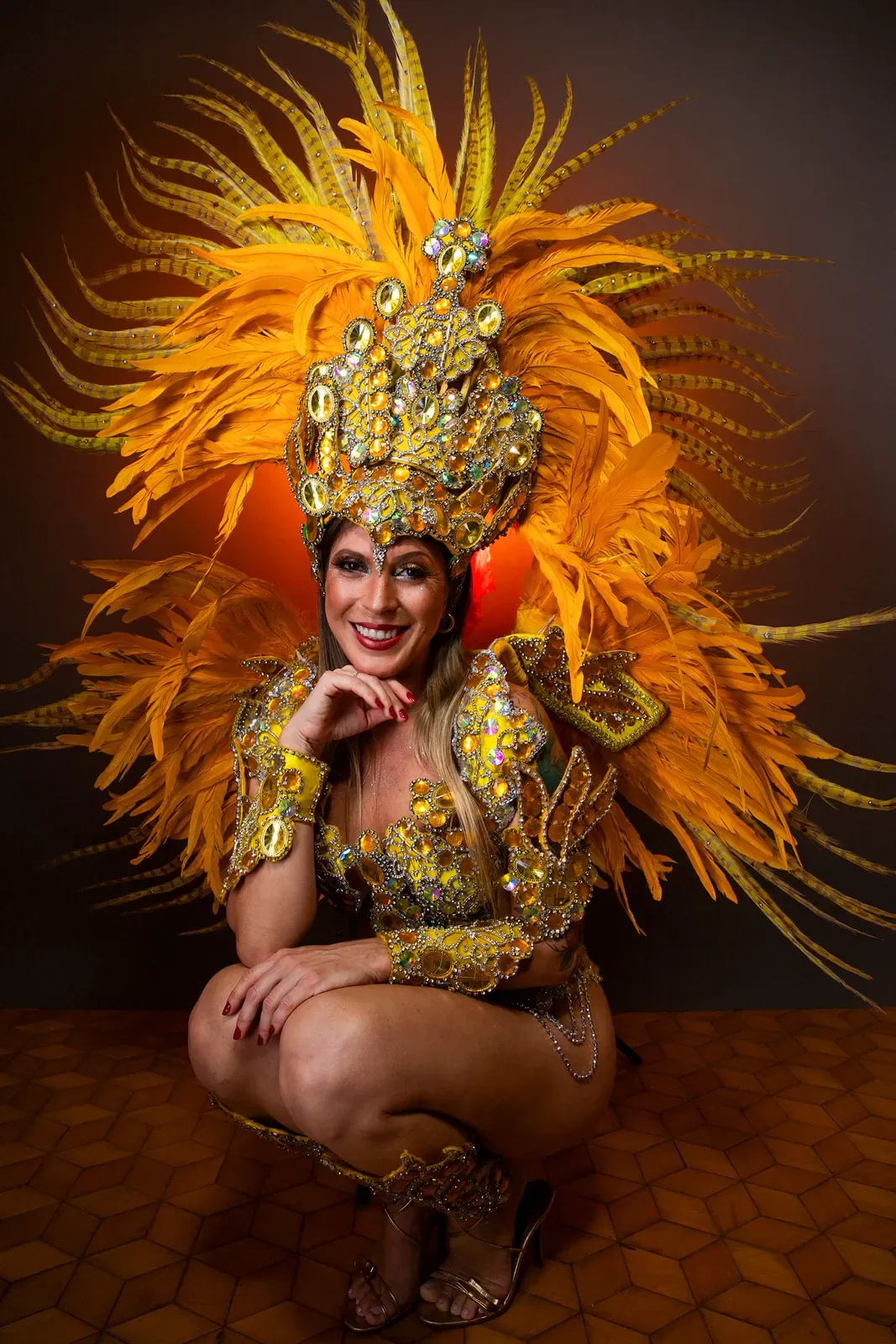
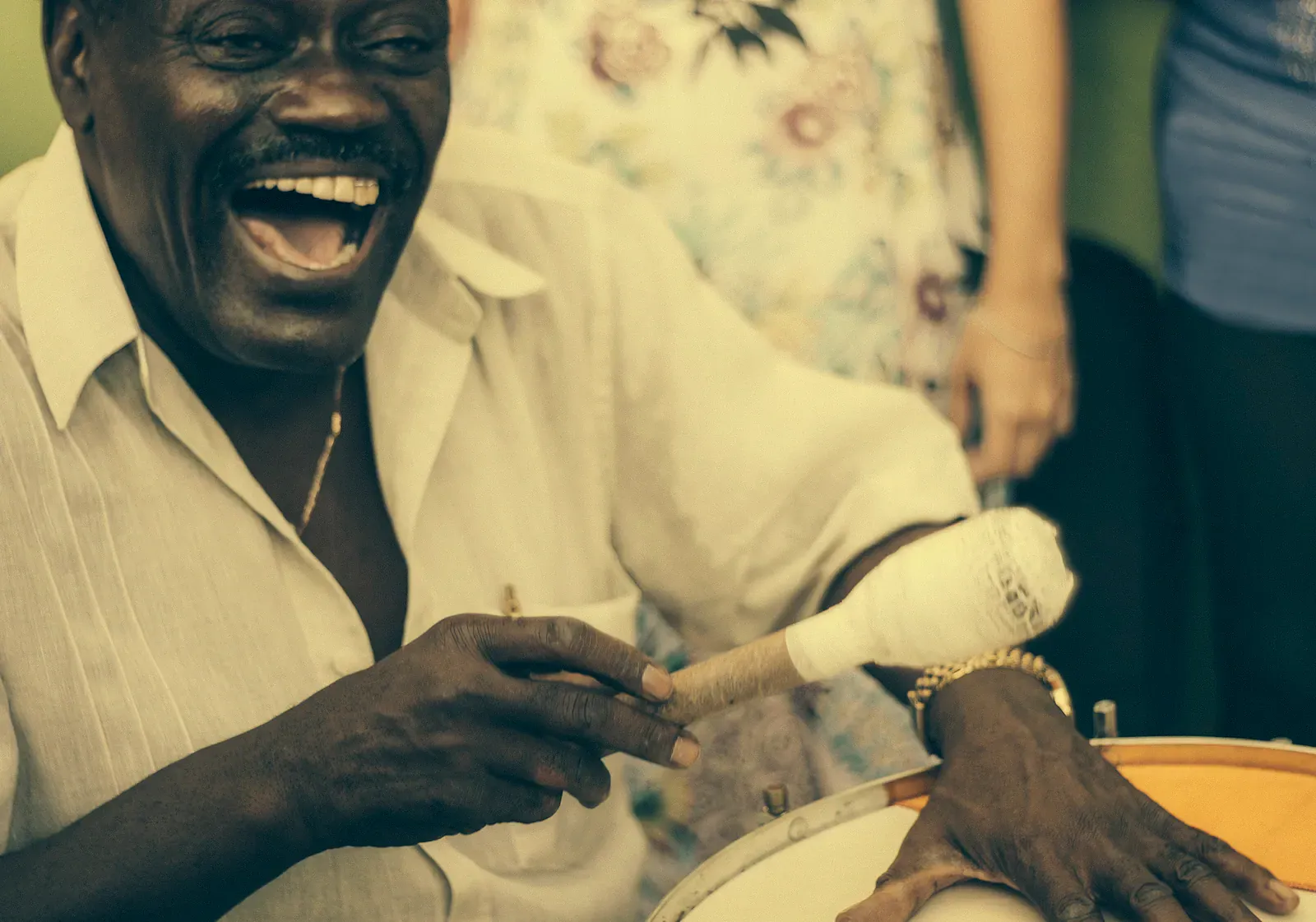
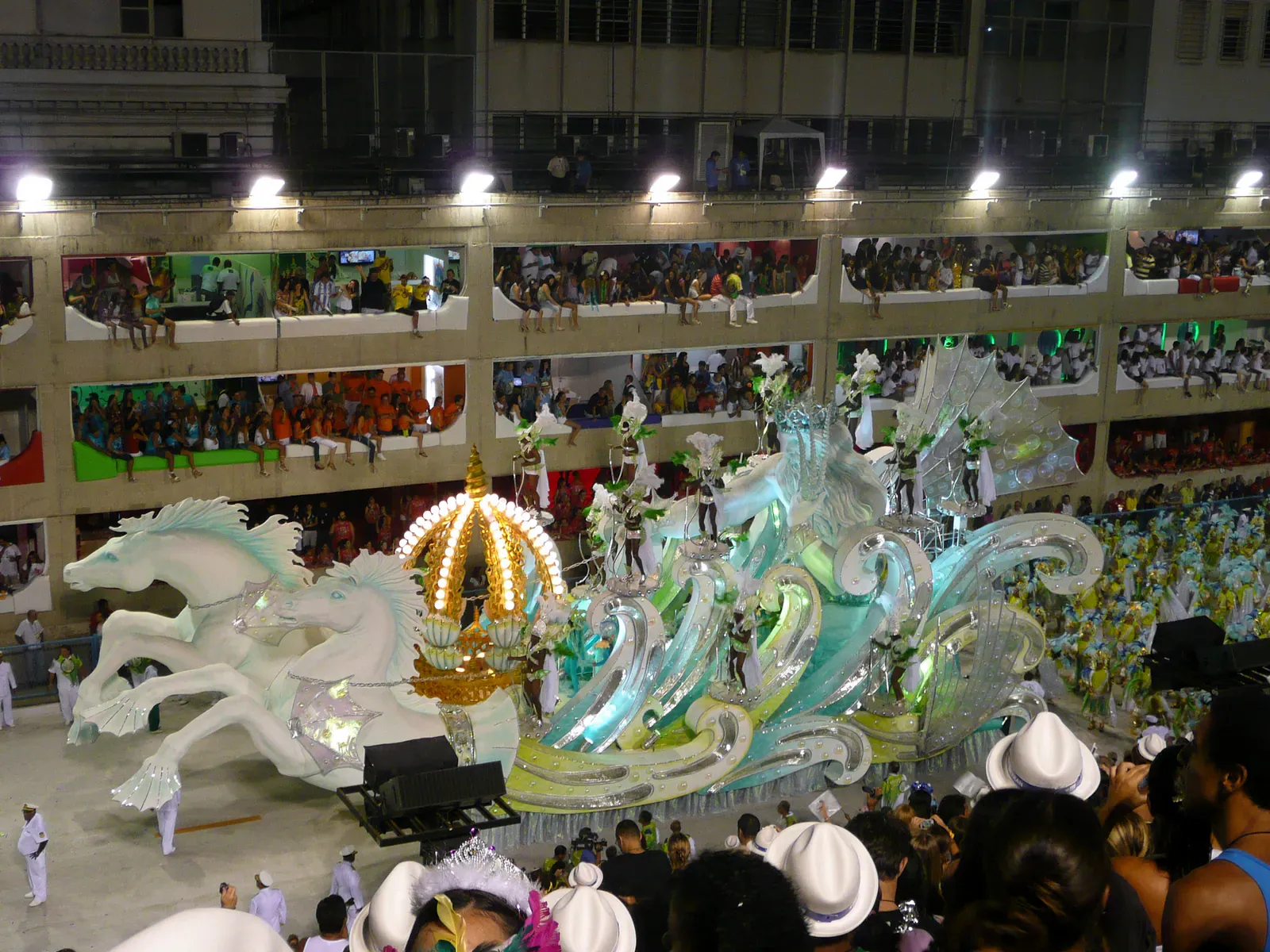
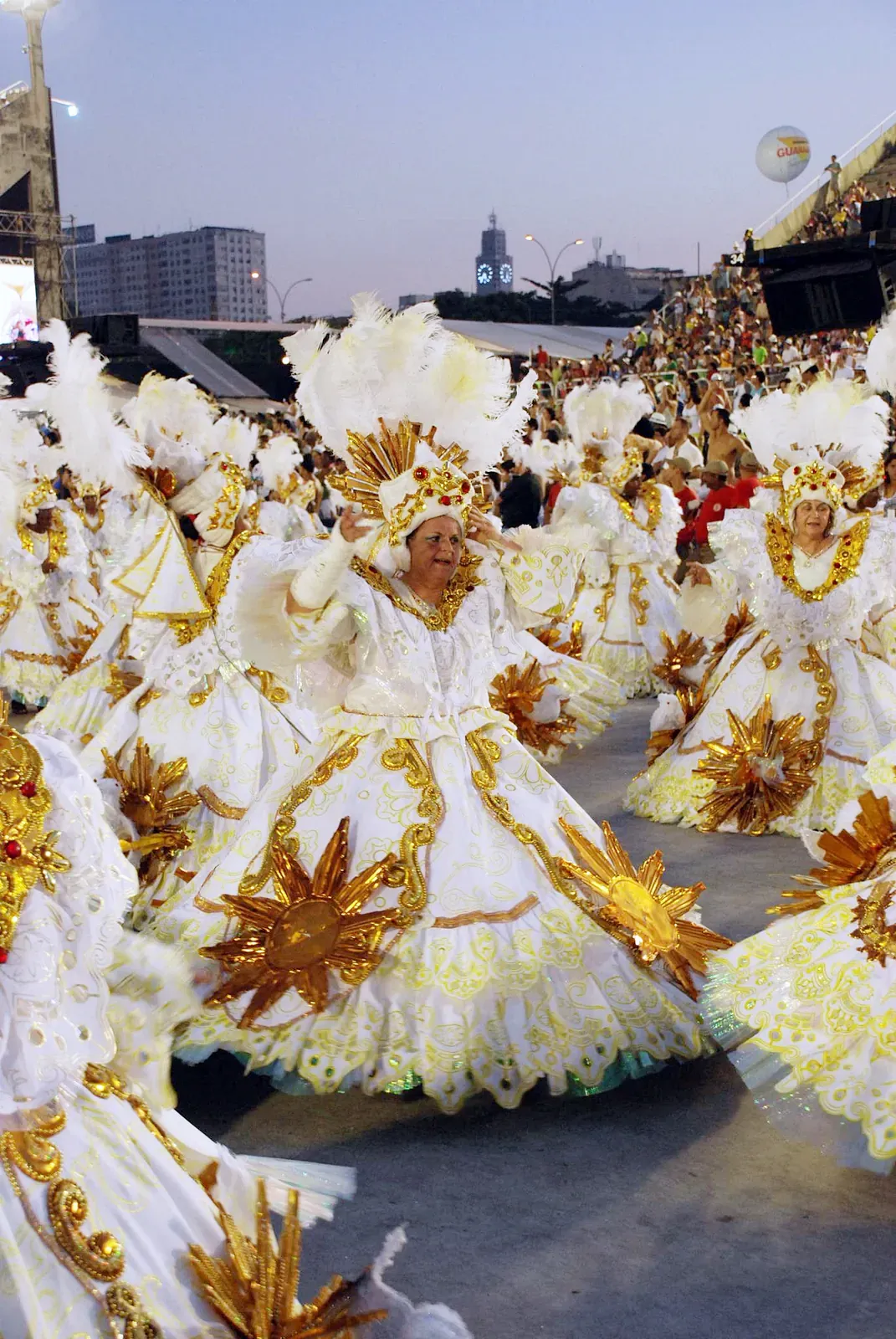
Samba is a social practice as much as a repertoire. The roda de samba brings players and singers around a table, often on Sundays, to play and swap songs. The school parade is a yearly competition in which each school presents a theme with floats, costumes and a bateria, and judges mark the result. The dance step, samba no pé, is danced in rodas and by the schools’ passistas.
Legacy
Samba gave Brazil a national music and a model for carnival. It underlies bossa nova and samba-jazz, and later forms such as samba-rock, samba-reggae and samba rap borrowed its percussion and its call and response. Its heritage status in Brazil and the listing of samba de roda by UNESCO protect the practice as living culture.
Misconceptions
Samba is not only carnival music. Carnival is one outlet, but samba lives in the roda de samba, on records and on the radio, and in pagode, which began as a backyard gathering.
The authorship of the first samba hit is not settled. “Pelo Telefone” was registered under Donga’s name in 1916, but musicians at Tia Ciata’s house shaped it together, and writers have disputed who made what.
Samba and bossa nova are not the same thing. Bossa nova, which emerged around 1958, grew out of samba and reduced its rhythm to a soft guitar pattern with jazz harmony, while samba keeps its layered percussion and its chorus.
Frequently asked questions
What is samba music?
Samba is an Afro-Brazilian genre in syncopated 2/4 time, built on percussion, a lead singer and a chorus. It developed in Rio de Janeiro in the early twentieth century from Bahian batuque and samba de roda.
Where did samba start?
Samba started with Bahian traditions that migrants brought to Rio de Janeiro around 1900. Tia Ciata’s house and the Estácio neighbourhood were its first centres in the city.
What is the difference between samba and pagode?
Pagode is a style of samba that emerged from the Cacique de Ramos gatherings in Rio and was defined by Fundo de Quintal from 1978, with banjo, tan-tan and hand repique. Samba is the wider genre.
What is a samba school?
A samba school is a community organization that prepares a yearly carnival parade with a song, floats, costumes and a bateria. The first, Deixa Falar, was founded in Estácio in 1928.
Sound
Sound sheet
Anatomy of a track
| # | Part | Bars |
|---|---|---|
| 1 | Intro (cavaquinho or percussion call) | 4 |
| 2 | First part (verses) | 16 |
| 3 | Refrain (chorus answers the lead) | 8 |
| 4 | Second part (verses) | 16 |
| 5 | Refrain repeat and end | 8 |
Signature sounds
- Syncopated 2/4 rhythm with the surdo marking the beat
- Call and response between lead voice and chorus
- Cavaquinho and guitar chords over a layered percussion
- Structured first and second parts, from the Estácio model
- Banjo, tan-tan and hand repique in pagode
Drums and percussion
- Surdo
- Tamborim
- Pandeiro
- Caixa
- Repique de mão
- Tan-tan
Techniques
- Syncopated 2/4 groove
- Call and response
- Partido-alto improvisation
- First and second parts
Keys and modes
Minor, with modulations. Cartola's slow sambas use modulations and tritone substitutions, as in As Rosas Não Falam, in D minor.
Major. Festive pagode and carnival sambas such as Vou Festejar sit in major keys, here D major.
Vocals
A lead singer answered by a chorus; in samba-enredo the puxador leads the whole school.
Scenes
Where it happened
Where and when the sound lived: one bar per city on a shared timeline.
Latin America
Active scenes
Peak 2, 1900-2025
Praça Onze, Estácio, the Mangueira and Portela hills and Olaria are where urban samba, the schools and pagode took shape.
The Bahian Recôncavo is the source of samba de roda and the migrants who brought samba to Rio.
Studios and suburbs of São Paulo drove romantic pagode in the 1990s, with its own Anhembi Sambadrome parades.
Venues and places
Rio de Janeiro, 1916 to today. The Praça Onze house where Pixinguinha, Donga and João da Baiana played, and where Pelo Telefone took shape.
Rio de Janeiro, 1928 to today. The Estácio group seen as the first samba school, with a percussion-only bateria.
Rio de Janeiro, 1961 to today. Olaria carnival block whose Sunday gatherings produced Fundo de Quintal and pagode.
Rio de Janeiro, 1963 to today. Cartola and Zica's restaurant, a meeting point for old-guard sambistas and bossa nova musicians.
Rio de Janeiro, 1984 to today. The permanent parade avenue inaugurated by governor Leonel Brizola.
Culture
Culture markers
- Samba no pé
The footwork danced in rodas and by the schools' passistas during carnival.
Dance - Roda de samba
Players and singers gather around a table, often on Sundays, to play and swap songs.
Ritual - School parade
Each year the schools parade a theme with floats, costumes and a bateria, judged in competition.
Ritual - Pagode
The word means a party with food, music and dance before it names a style.
Slang
Media
Key media
- 1932Programa Casé
by Ademar Casé. An early Rio radio program that paid musicians and aired the sambas of the era.
Radio - 1942Saludos Amigos
by Walt Disney. The animated feature that carried Aquarela do Brasil to US radio.
Film
Glossary
Terms on this page
The percussion section of a samba school, made up of surdo, caixa, tamborim, cuíca and other instruments.
A carnival association that parades with a theme song, floats and a bateria in competition.
Originally a party with food, music and dance; later the Rio style created at Cacique de Ramos.
A samba form built on a sung refrain and improvised verses, one of the three matrices of carioca samba.
The lead singer who carries a school's samba-enredo while the chorus and bateria follow.
An informal circle of musicians and singers who play around a table.
The theme song a samba school composes each year for its carnival parade.
The bass drum that marks the beat of samba and keeps the whole band in time.
Latin family