Maxixe
Maxixe is a fast 2/4 dance music from Rio de Janeiro, formed from about 1868 by fusing lundu, polka and habanera, and a direct ancestor of samba.
Rio de Janeiro, 1868
Latin family
Born
1868
Rio de Janeiro
Subgenres
1
Documented branches
Links
14
Genres it drew on or shaped
Tempo
80-110 BPMLineage
Family tree
Timeline
Era by era
From the first sparks to today. Select a dot to read the story behind it.
- Cidade Nova origins
1868 to 1899
- Brazilian tango on paper
1900 to 1911
- Paris and New York craze
1912 to 1917
- Handover to samba
1917 to 1930
Eras
Moments
- 1 Cidade Nova origins, 1868 to 1899
- 2 Brazilian tango on paper, 1900 to 1911
- 3 Paris and New York craze, 1912 to 1917
- 4 Handover to samba, 1917 to 1930
1868
Cidade Nova origins
A dance of the Rio de Janeiro Cidade Nova district fused the lundu, the polka and the habanera, and reached the stage and the piano score before it had a settled name.
- 1868Maxixe appears in Rio de JaneiroDance with polka steps and lundu rhythm takes shape in the Cidade Nova district.
- 1883First stage mentionActor Francisco Correia Vasques cries 'quero ver isso de maxixe' in the revue Ai, Caradura!
- 1893Nazareth publishes BrejeiroErnesto Nazareth's first Brazilian tango, published by Casa Vieira Machado, sets the piano maxixe model.
- 1897Gaucho (Corta-Jaca)Chiquinha Gonzaga's maxixe, from the burlesque operetta Zizinha Maxixe, becomes her most recorded piece.
around 1900
Brazilian tango on paper
Composers published the music as tango brasileiro to avoid the maxixe's low reputation, and revue theatres and sheet music carried it to the middle class.
- 1905La Mattchiche in ParisCharles Borel-Clerc's song wins a European audience though it lacks the genuine maxixe rhythm.
- 1909Duque moves to ParisBrazilian dancer Antonio Lopes de Amorim Diniz, known as Duque, settles in Paris.
1912
Paris and New York craze
Duque's stage dance in Paris and the Castles' 1914 manual made the maxixe a fashionable ballroom number abroad, while the Corta-Jaca scandal followed in Rio.
- 1912Duque relaunches the maxixeHis stage version, billed as the true Brazilian tango, starts a Paris fad.
- 1914The Castles publish Modern DancingVernon and Irene Castle give the maxixe a chapter, helping it reach US ballrooms.
- 1914Corta-Jaca at the Catete PalaceChiquinha Gonzaga plays Corta-Jaca at a presidential reception on 26 October and Senator Rui Barbosa denounces it.
1917
Handover to samba
After Pelo Telefone in 1917 the record trade turned to samba, and the maxixe survived as a rhythm inside sambas and choro repertoire.
- 1917Pelo TelefoneDonga's record, issued 19 January and often called the first samba, blends maxixe and samba features.
- 1934Ernesto Nazareth diesThe pianist who gave the maxixe its concert repertoire dies in Rio de Janeiro.
Listening path
Start listening
A short path from an easy way in to the deep end. Thumbnails come from YouTube; the player loads only when you press play.
- 01
Ernesto Nazareth, 1893
Nazareth's first Brazilian tango in a piano performance, showing the syncopated right hand over a steady left.
- 02
Chiquinha Gonzaga, 1897
The maxixe behind the 1914 Catete Palace scandal, in a modern arrangement.
- 03
Ernesto Nazareth, 1914
A fast, polka-bright late Nazareth piece that shows how the style crossed into choro.
Maxixe, also called the Brazilian tango, is a couple dance and a style of fast 2/4 music that took shape in the Cidade Nova district of Rio de Janeiro from about 1868. It joined the Afro-Brazilian lundu, the European polka and the habanera rhythm, and it was played on piano and by small bands.
The maxixe peaked in the early twentieth century, travelled to Paris and New York, and gave much of its syncopation to samba, which replaced it.
Origins
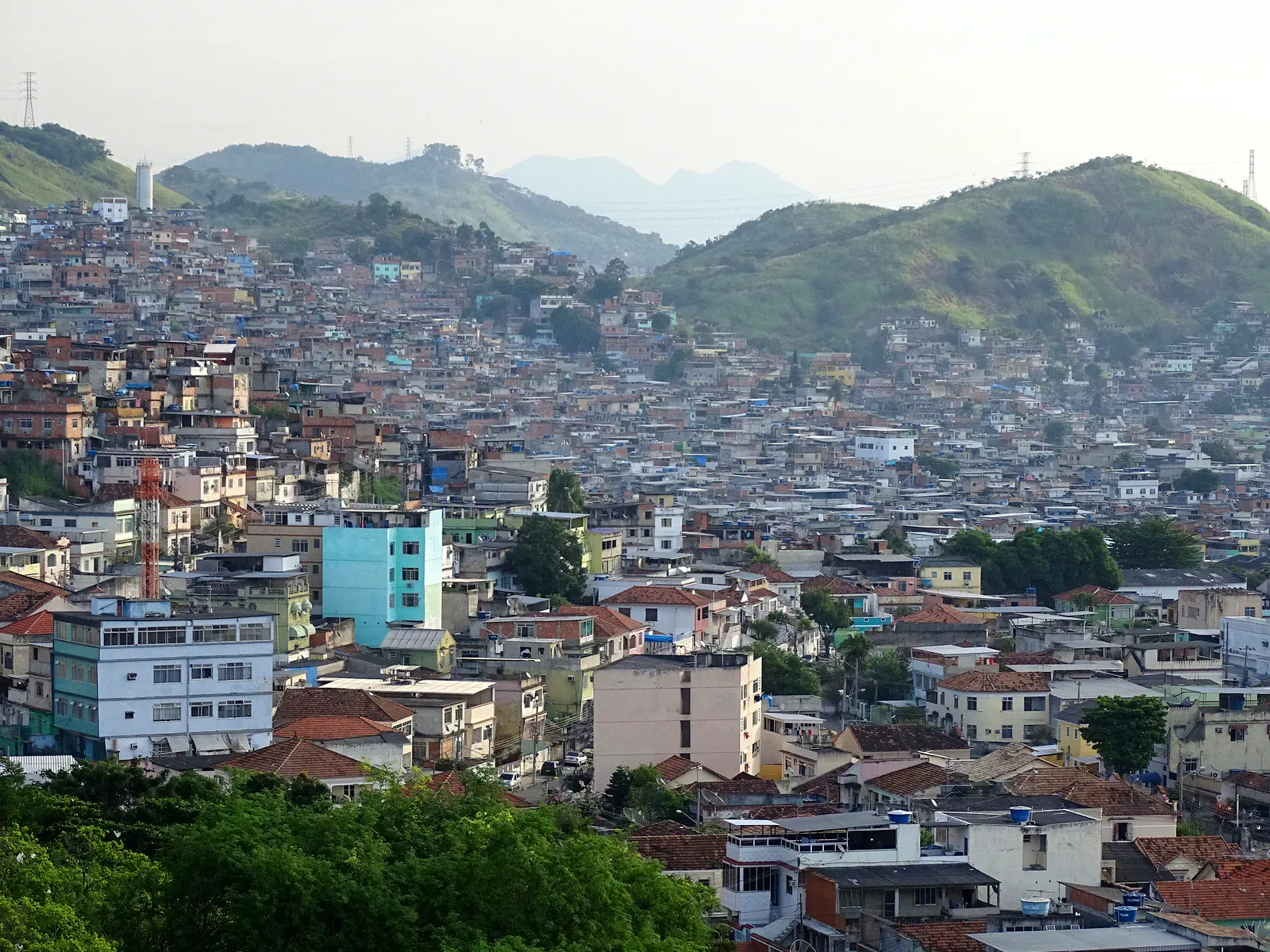
The maxixe grew out of the dance halls and backyards of Cidade Nova, a working-class district of Rio de Janeiro with a large Afro-Brazilian population. Dancers took the close hold and walking steps of the polka and added the hip movement and syncopation of the lundu. The name is generally traced to the maxixe, a small edible fruit that grew in local yards, and it began as a term of contempt for a low-class dance. Its first recorded stage mention came in 1883, when the actor Francisco Correia Vasques called out “quero ver isso de maxixe” in a revue.
The music borrowed the habanera pattern, a dotted rhythm in 2/4 that also underlies the Argentine tango, which was forming in the Rio de la Plata at the same time. Because of that shared ancestry and the stigma attached to the word, composers published their maxixes as tango brasileiro. The same pieces were therefore sold to the middle class as respectable parlour music while the dance itself stayed disreputable.
Cidade Nova, 1868-1899
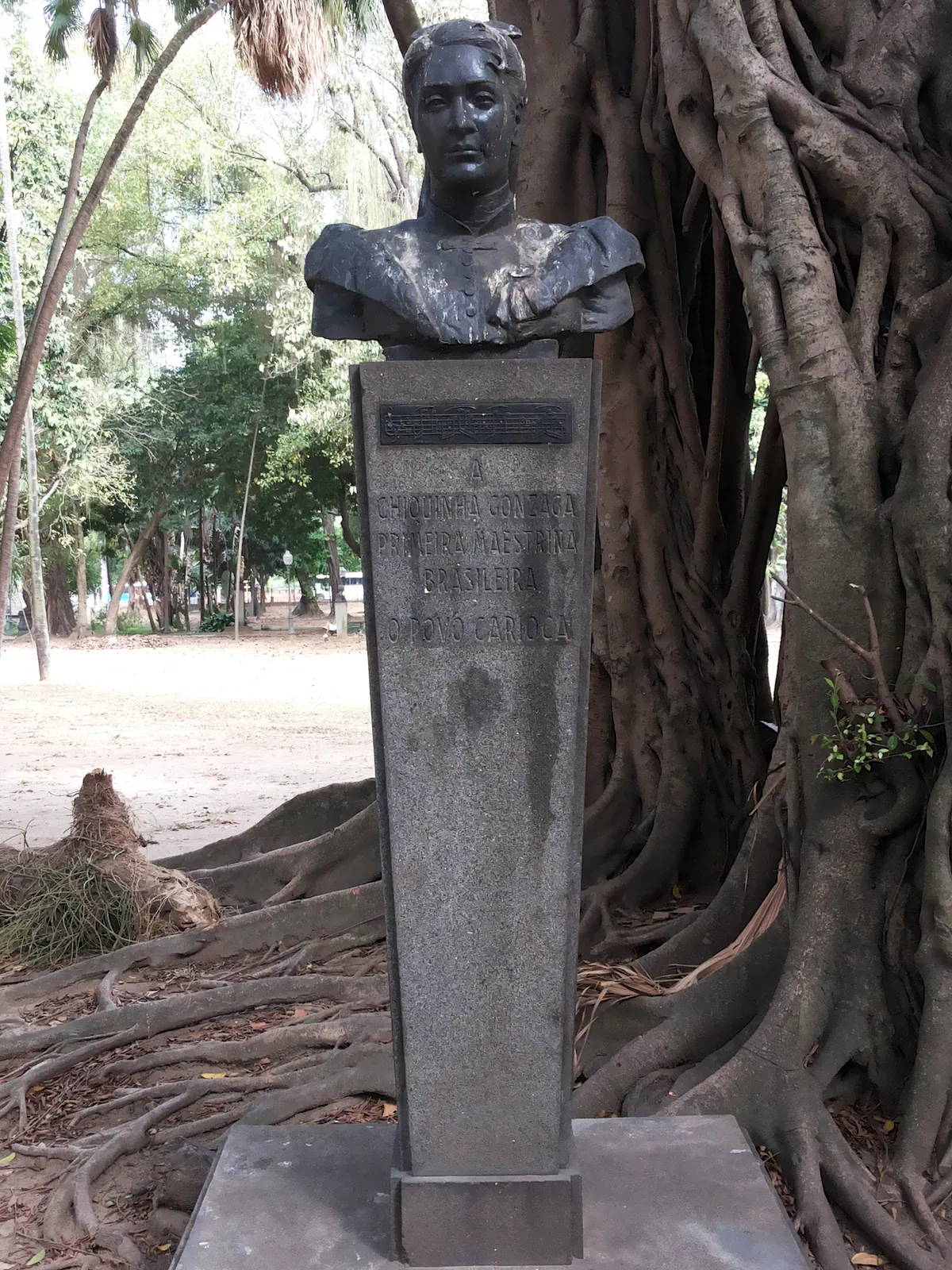
In the first decades the maxixe lived in dance halls, street bands and the musical revues of Rio theatres. Chiquinha Gonzaga, the pianist and first woman conductor in Brazil, wrote for that theatre world. Her piece Gaucho, later better known as Corta-Jaca, appeared in 1897 in the burlesque operetta Zizinha Maxixe and became her most recorded work.
Ernesto Nazareth, a Rio pianist, published Brejeiro in 1893 as his first Brazilian tango. He blended polka and lundu with the habanera pattern and concert piano technique, and he preferred the label tango brasileiro to maxixe. His scores set the model for the style: a syncopated right hand over a steady left-hand pulse.
Brazilian tango on paper, 1900-1911
Through the 1900s the maxixe moved from the dance halls to sheet music and the record trade. Publishers issued piano scores of Nazareth, Gonzaga and others, and revue theatres used maxixes as showpieces. A comic, often double-meaning sung maxixe became a fixture of the stage, while the instrumental repertoire stayed close to choro, the Rio genre of flute, guitar and cavaquinho that shares many of its composers.
Abroad the word first travelled through a song. In 1905 Charles Borel-Clerc’s La Mattchiche reached French audiences under a maxixe label, though it lacked the real rhythm. A Brazilian dancer, Antonio Lopes de Amorim Diniz, known as Duque, moved to Paris in 1909 and prepared a stage version of the dance.
Paris and New York craze, 1912-1917
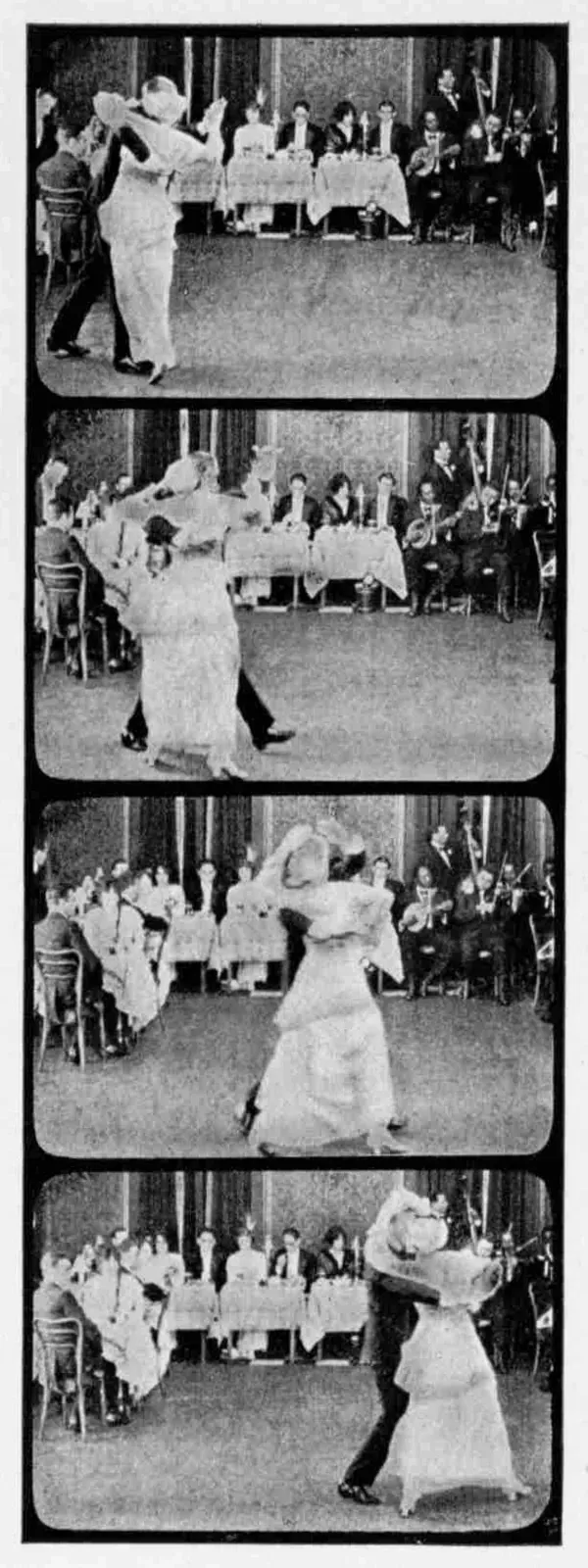
In 1912 Duque presented the maxixe in Paris as the true Brazilian tango, with a choreography refined for theatres and ballrooms. It arrived as the Argentine tango was already fashionable, and some publishers promoted the maxixe as a lighter, slower relative of it. It spread to London and to the United States, where Vernon and Irene Castle gave it a chapter in their 1914 dance manual Modern Dancing. They described the steps as simple to learn and hard to do well.
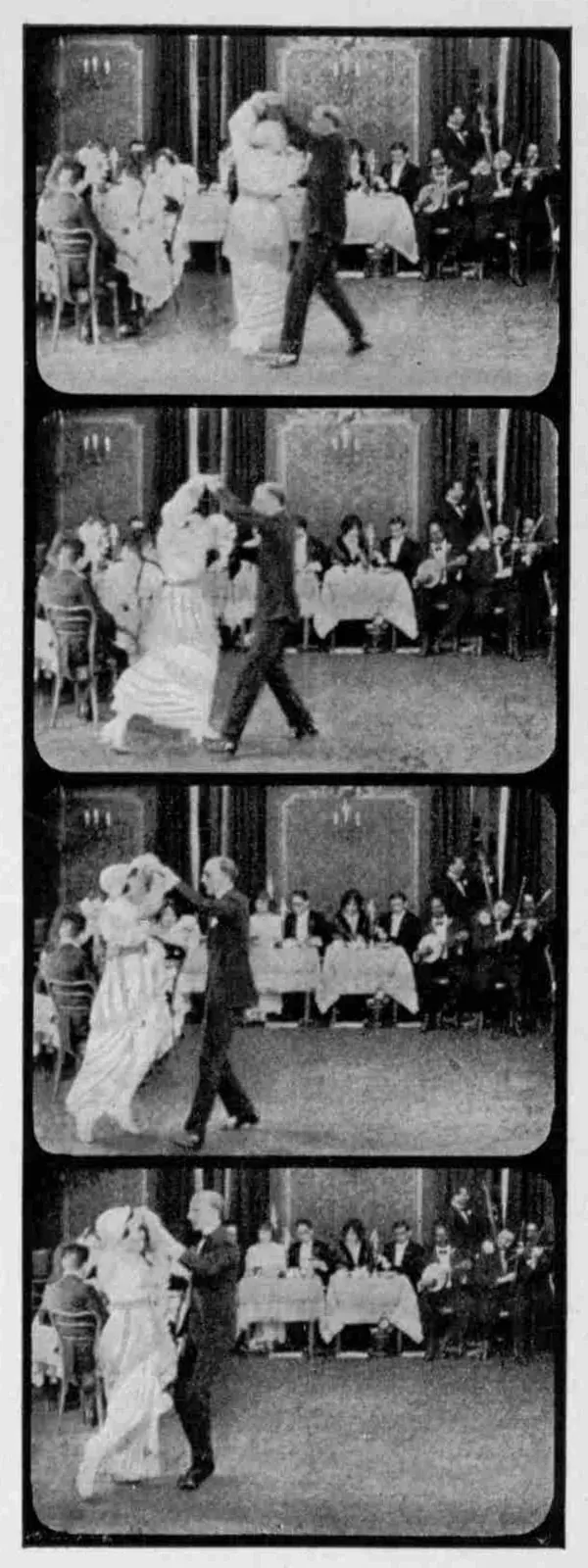
Many ballroom maxixes were not Brazilian at all. Tin pan alley writers produced pieces such as Buenos Dias Maxixe, while Nazareth’s Brejeiro and Dengoso were published and recorded in the United States and Europe in 1914. In Rio the same year brought a scandal. On 26 October Chiquinha Gonzaga played Corta-Jaca at a reception at the Catete Palace, the presidential residence, and Senator Rui Barbosa denounced the dance as savage in the Senate. The incident shows how a form once confined to the backstreets had reached official salons, and how much resistance it still met.
Characteristics
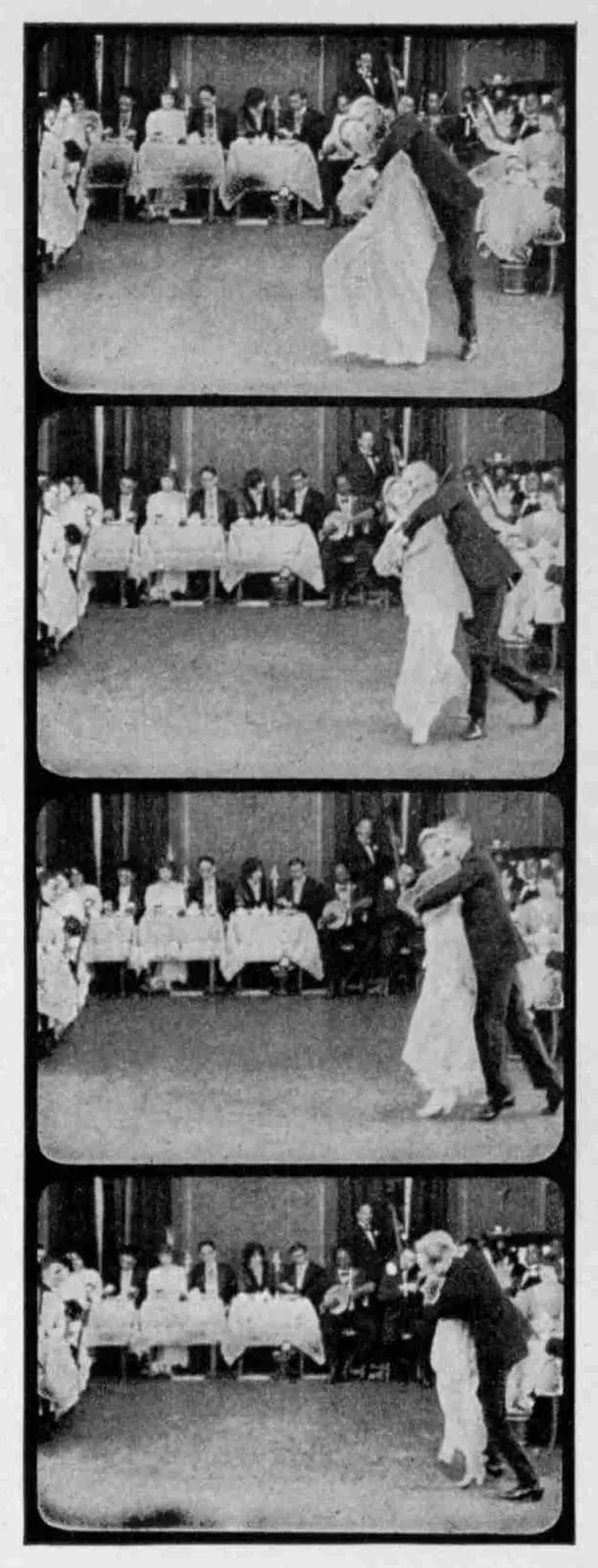
A maxixe is in 2/4 at about 80 to 110 beats per minute, in readings of the felt beat. The left hand or bass keeps a steady two-beat pulse with the habanera figure, while the melody is syncopated in sixteenth notes. Pieces usually follow a rondo of 16-bar strains, such as A-B-A-C-A, and alternate between a minor key and its relative or parallel major, as in choro. The dance is a close-couple two-step, often with a heel placed forward and a bent posture, which the Castles’ contemporaries found easy to describe and hard to do gracefully.
Instruments and production
The piano was the instrument of the maxixe on paper, played in parlours and in concert by Nazareth and Gonzaga. In clubs and on records, small choro-style groups of flute, cavaquinho and acoustic guitar played the same pieces, and military bands made brass arrangements for public dancing. There was no studio production in the modern sense: early records from the Rio record trade were made acoustically, with performers grouped in front of a horn.
Notable recordings
Brejeiro is the clearest example of the form as concert piano music. Published in 1893, it was recorded in the United States and Europe in 1914 along with Dengoso, which carried Nazareth’s name beyond Brazil. Corta-Jaca is the maxixe most tied to a public event: written for the theatre in 1897 and played in the palace in 1914, it became the piece people meant when they named the maxixe.
Mainstream success
The maxixe became mainstream mostly as a dance and as a hit of the stage. In Paris and New York it ranked with the tango and the one-step among the fashionable ballroom dances of 1912 to 1915, and it reached cinema in later Castle films and biopics. Within Brazil its success was more guarded, because its reputation kept it in revue theatres and carnival balls rather than on official platforms.
Culture
Its social setting shifted from the Black working-class halls of Cidade Nova to theatres and then to ballrooms. The label tango brasileiro served as a respectable cover for the same music, and the Corta-Jaca affair of 1914 became a standard story of elite disdain for popular music. The dance also fed later Brazilian couple dances. Samba de gafieira and other ballroom styles inherited its close hold and steps.
Legacy
After 1917, when Donga’s Pelo Telefone was issued by Casa Edison as the first recorded samba, the record trade and carnival moved toward samba. The maxixe did not disappear. Its syncopation entered the sambas of the 1920s, composers such as Sinhô and Pixinguinha worked in both idioms, and its piano repertoire remains part of the choro canon. Historians still debate how far Pelo Telefone was a samba and how far a maxixe. The style is now historical and survives mainly through the scores of Nazareth and Gonzaga and the revival of choro.
For the wider Latin context see the Latin music family; the later dance genre is described on the samba page, and the Argentine sibling on the tango page. Odeon, the label name under which Casa Edison released Brazilian discs, has its own label page.
Misconceptions
One myth is that the maxixe is simply the Brazilian name for the tango. The two share the habanera pattern and an era, but they developed in different cities, with different dances and instruments. Another is that it was always seen as respectable music: it began as a term of contempt, and even in 1914 a senator condemned a maxixe played at the president’s palace. A third is that samba started in 1917. Samba rhythms were already present in the maxixe and in earlier Rio dance music, and Pelo Telefone was a record of an existing tradition rather than a break.
Frequently asked questions
What is maxixe music?
Maxixe is a fast 2/4 dance music from Rio de Janeiro that combines the lundu, the polka and the habanera. It was written for piano and small bands from the late nineteenth century and is also known as the Brazilian tango.
Who created the maxixe?
No single person created it. The dance emerged in the Cidade Nova district of Rio de Janeiro in the late 1860s. Chiquinha Gonzaga and Ernesto Nazareth wrote the best-known scores, and the Brazilian dancer Duque promoted it in Paris from 1912.
What is the difference between maxixe and tango?
Both use the habanera rhythm and date from the same era, but the maxixe is a Brazilian dance in a quick 2/4 with polka and lundu elements, while the tango developed in the Rio de la Plata. Many Brazilian composers published maxixes as tango brasileiro.
How did maxixe lead to samba?
Samba took over the syncopated 2/4 feel, the dance hold and the Rio composers and venues of the maxixe. After Pelo Telefone in 1917 the record trade favoured samba, and the maxixe became a rhythm within it.
Why was Corta-Jaca controversial?
Chiquinha Gonzaga’s maxixe was played at the Catete Palace on 26 October 1914, and Senator Rui Barbosa condemned it in the Senate as a vulgar dance. The episode came to symbolise elite hostility to popular Brazilian music.
Sound
Sound sheet
Anatomy of a track
| # | Part | Bars |
|---|---|---|
| 1 | A strain | 16 |
| 2 | B strain | 16 |
| 3 | A strain (return) | 16 |
| 4 | C strain | 16 |
| 5 | A strain (final) | 16 |
Signature sounds
- Syncopated 2/4 with a habanera-derived bass
- Sixteenth-note syncopated melody
- Polka-like duple pulse
- Alternating minor and major strains
Techniques
- Syncopated melody over steady bass
- Habanera bass figure
- Rondo of 16-bar strains
Keys and modes
Minor with relative major. Strains alternate between a minor key and its relative or parallel major.
Vocals
Mostly instrumental; sung versions come from revue theatre with comic lyrics.
Scenes
Where it happened
Where and when the sound lived: one bar per city on a shared timeline.
Latin America
Europe
North America
Active scenes
Peak 3, 1914-1929
Cidade Nova district, theatre revues and the sheet-music publishers formed the maxixe's home.
Stage dance craze led by Duque from 1912.
Ballroom craze around the Castles and tin pan alley maxixes.
Venues and places
Rio de Janeiro, 1914 to today. Site of the 1914 reception where Corta-Jaca was played and condemned in the Senate.
Culture
Culture markers
- Close-couple maxixe step
Simple two-step with heel placement and a bent-over posture, described in 1914 as easy to learn and hard to master.
Dance - Stage maxixe in Paris
Duque's choreographed version for theatre and ballroom audiences.
Dance - Tango brasileiro label
Composers used the respectable name tango brasileiro in place of maxixe.
Slang
Media
Key media
- 1914Modern Dancing
by Vernon and Irene Castle. Dance manual with a chapter on the maxixe as the Brazilian tango.
Book - 1939The Story of Vernon and Irene Castle
by H. C. Potter. Hollywood biopic of the dance couple who popularised the maxixe.
Film
Glossary
Terms on this page
Instrumental Rio genre of flute, guitar and cavaquinho that shares much of the repertoire.
Cuban-derived pattern of a dotted eighth, sixteenth and two eighths in 2/4.
Afro-Brazilian song and dance that supplied the syncopation.
Name taken from a small fruit common in the Cidade Nova yards, first a slur for the dance.
Publishing name for maxixe-style pieces, used to avoid the dance's low reputation.
Latin family